

Iran is famous for ancient Persia, Persepolis, Isfahan, Persian poetry, Persian carpets, Nowruz, saffron, Shia Islam, the 1979 Islamic Revolution, oil and gas, Iranian cinema, desert landscapes, and its complex role in Middle Eastern geopolitics. Formerly known internationally as Persia, Iran has one of the world’s oldest continuous cultural identities, with roots reaching back to the Achaemenid Empire, which began in 550 BC. Today, it is also widely known as a mountainous, arid and ethnically diverse country with a distinctive Islamic republican system established after 1979.
1. Ancient Persia and the Achaemenid Empire
Long before the name Iran became familiar in modern politics, the world knew this land through Persia. The Achaemenid Empire, founded by Cyrus the Great in the 6th century BC, became one of the largest powers of the ancient world, stretching at its height from the Aegean world toward the Indus Valley. Its importance was not only military. The empire linked many peoples, languages and regions through roads, royal administration, tribute systems, monumental building, inscriptions and a political model that influenced how later empires imagined scale and authority.
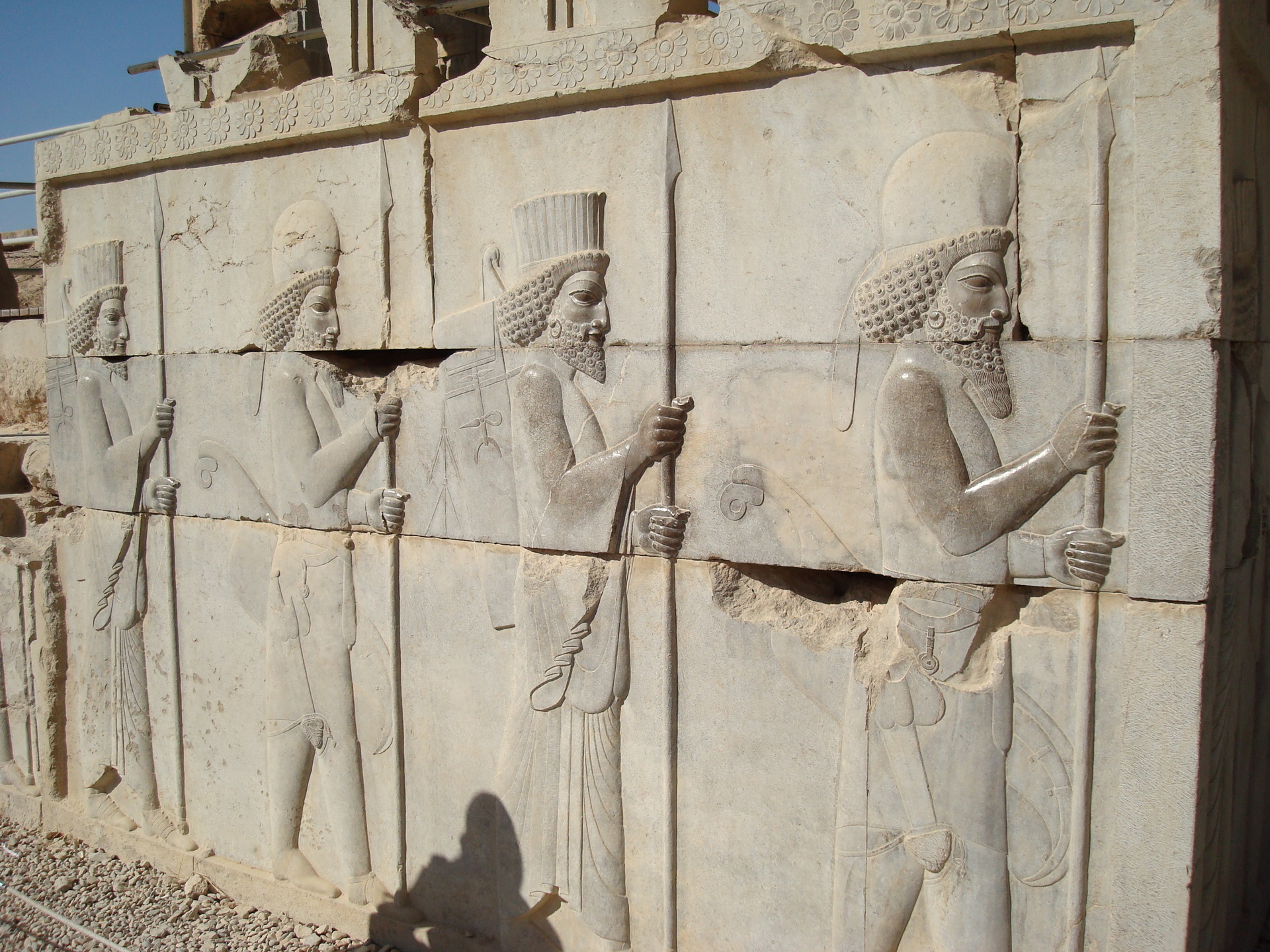
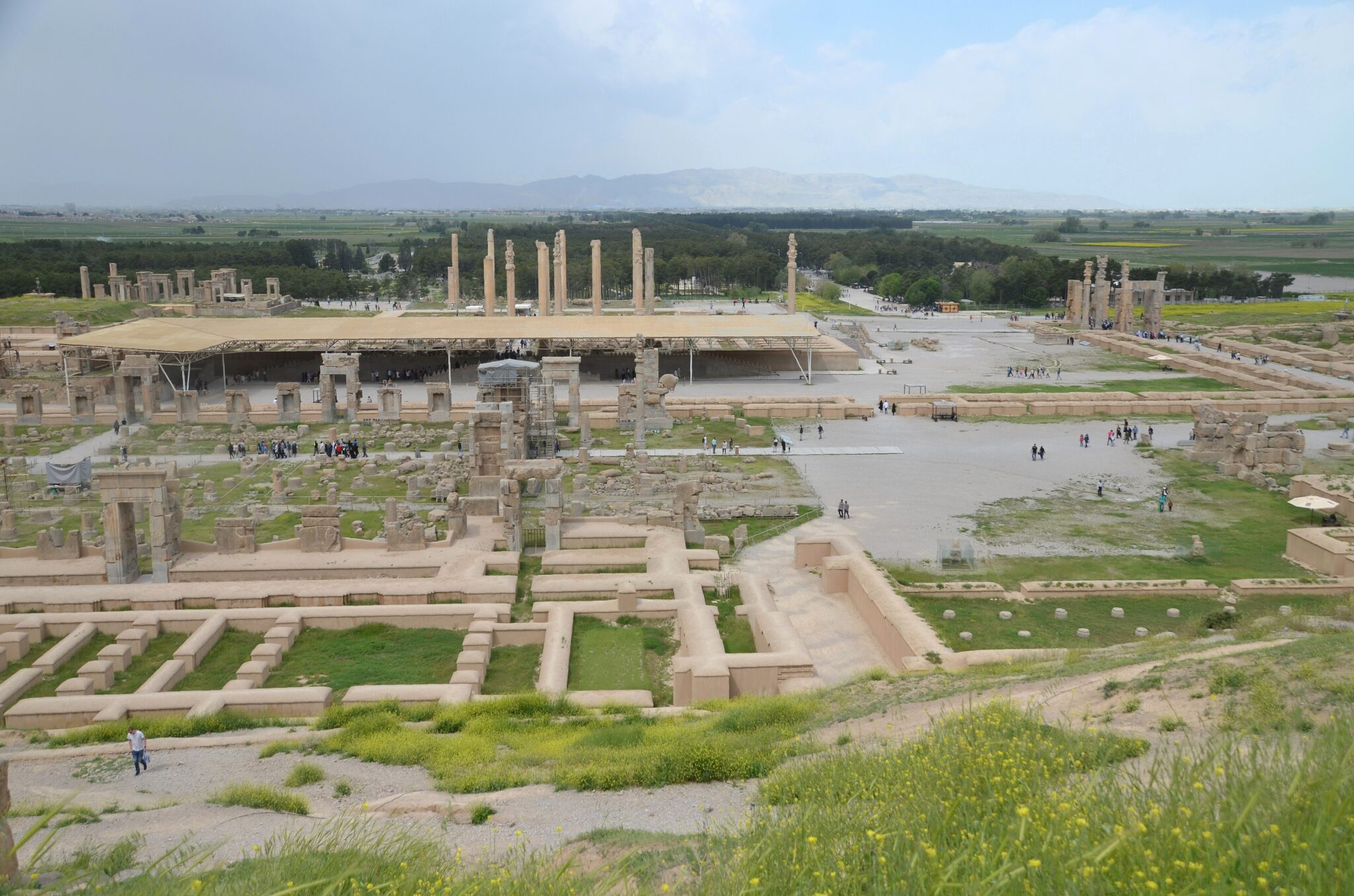
The strongest physical symbol of that legacy is Persepolis, begun under Darius I in 518 BC as a ceremonial capital of the Achaemenids. Its terraces, stairways, columned halls and carved reliefs still show the imperial idea in stone: delegations from different lands, royal processions, court ceremony and the image of a ruler presiding over a vast, ordered world.
2. Cyrus the Great and Darius I
Cyrus the Great gives ancient Persia one of its most recognizable human faces. In the 6th century BC, he founded the Achaemenid Empire and expanded it from a regional Persian kingdom into a power that absorbed Media, Lydia and Babylon. His reputation rests not only on conquest, but also on the idea of imperial rule over many peoples, cities and traditions. Pasargadae, his capital and burial place, remains one of the key sites connected with early Persian statehood, making Cyrus a symbol of origins: the ruler who turned Persia into an empire with a lasting place in world history.
Darius I gave that empire its administrative shape. After coming to power in 522 BC, he strengthened central authority, organized the empire into provinces, developed taxation systems, supported road networks and left major building projects at Persepolis, Susa and elsewhere. His inscriptions, especially the famous Behistun inscription, helped present royal power as ordered, legitimate and divinely supported.
3. Persepolis
At the foot of the Zagros Mountains, Persepolis turns the idea of ancient Persia into stone. Founded by Darius I in 518 BC, it was built on a vast half-natural, half-artificial terrace as a ceremonial capital of the Achaemenid Empire. This was not an ordinary city of daily streets and crowded markets, but a stage for imperial power: palaces, stairways, gates, columned halls and carved reliefs were arranged to show the order, wealth and reach of one of antiquity’s greatest empires. Delegations from different lands appear in the reliefs, bringing tribute and gifts, which makes the site feel like a visual map of the Achaemenid world.
Persepolis is essential to Iran’s global image because it gives ancient Persia a monumental face. The Gate of All Nations, the Apadana staircases, royal tombs nearby and the remains of huge palace halls still communicate scale even in ruin. Its destruction by Alexander the Great in 330 BC added another layer to its historical memory, turning the site into both a symbol of imperial grandeur and the fall of an empire.
Carole Raddato, CC BY-SA 2.0 https://creativecommons.org/licenses/by-sa/2.0, via Wikimedia Commons
4. Isfahan
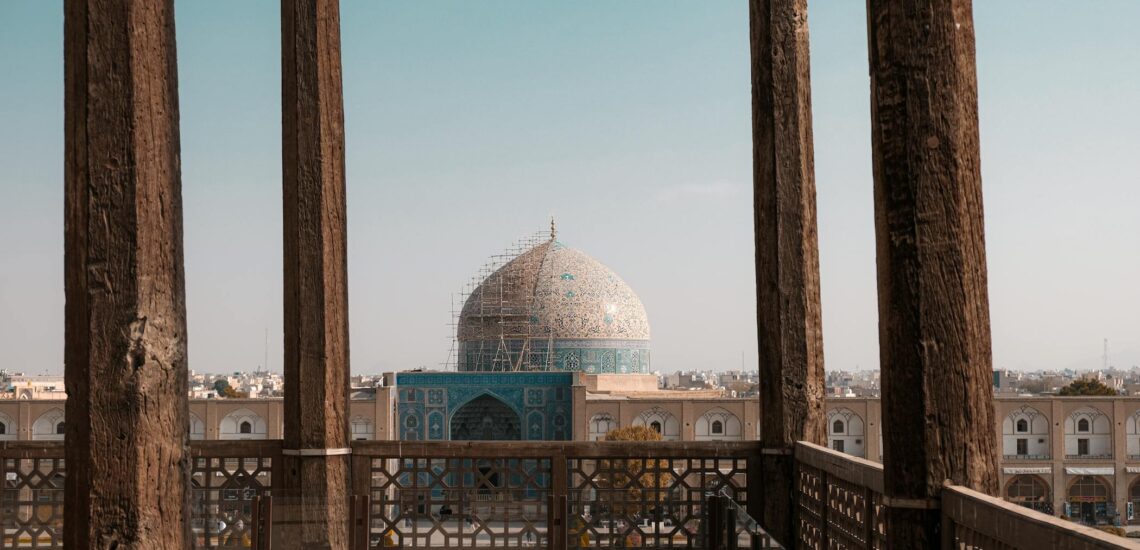
Isfahan represents a different Iran from Persepolis. If the Achaemenid ruins show the country’s ancient imperial power, Isfahan shows the refinement of the Islamic Persian city. Its golden age began in 1598, when Shah Abbas I made it the Safavid capital and transformed it into one of the great urban centres of the 17th century. The city’s most famous space is Meidan Emam, a vast square framed by arcades and monumental buildings, where royal authority, religion, trade and public life were arranged into one carefully planned urban scene. At roughly 560 by 160 meters, it remains one of the largest historic squares in the world.
The beauty of Isfahan comes from harmony rather than a single overwhelming monument. Around Meidan Emam stand the Shah Mosque, Sheikh Lotfollah Mosque, Ali Qapu Palace and the entrance to the bazaar, each serving a different part of Safavid life: worship, court ceremony, trade and city administration. Beyond the square, bridges over the Zayandeh River, garden pavilions, tiled domes, caravanserais and old neighbourhoods add to the sense of a city designed for movement, proportion and display.
5. Shiraz, Hafez and Persian poetry
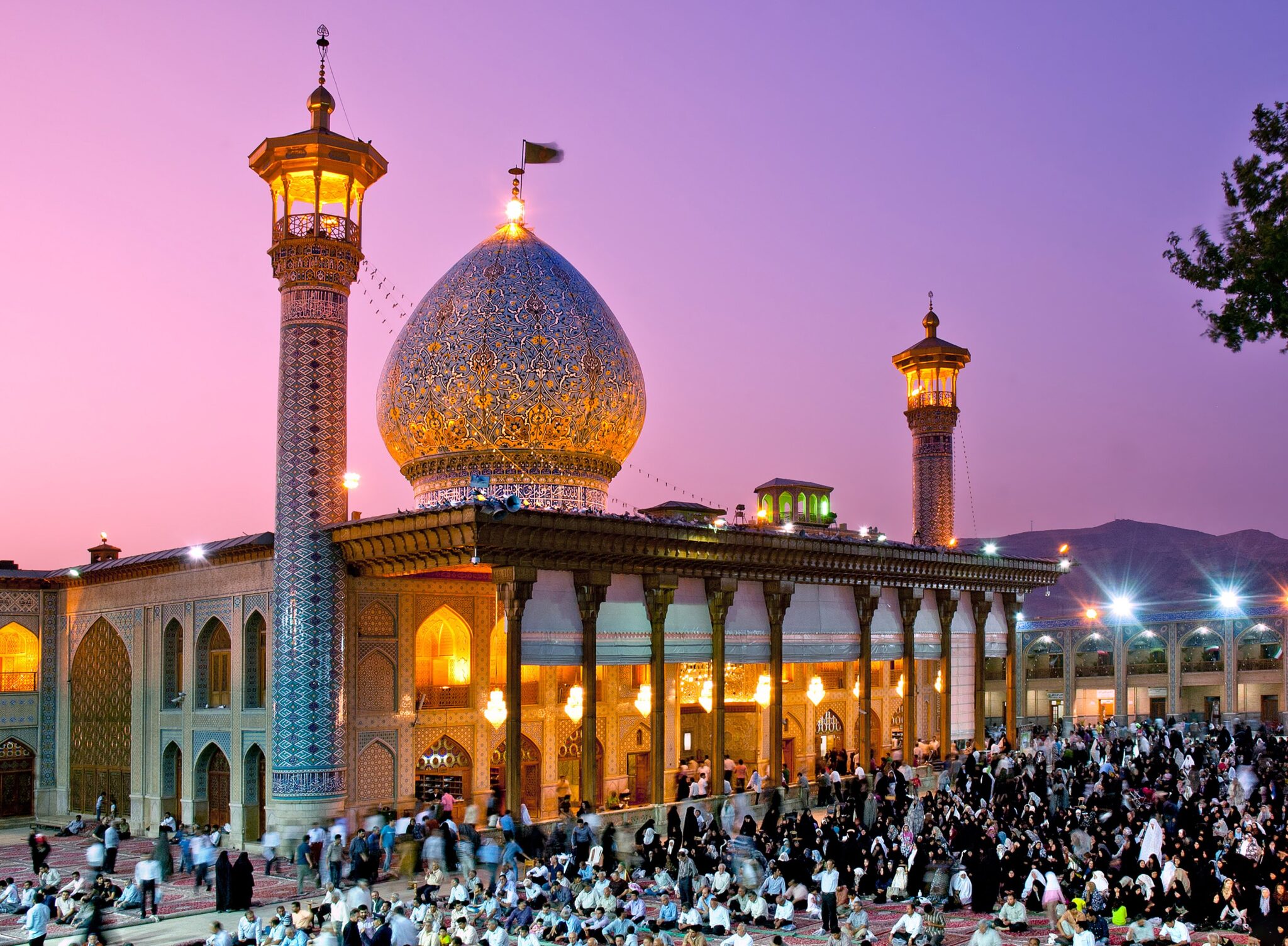
In Iran, poetry is not treated as a distant museum art; it remains part of everyday cultural memory. Shiraz is one of the places where that becomes most visible. The city is associated with Hafez and Saadi, two of the greatest names in Persian literature, whose tombs are still visited not only as monuments, but almost as living cultural spaces. Hafez, the 14th-century master of the ghazal, became famous for poetry that combines love, longing, spiritual ambiguity and sharp emotional intelligence. Saadi, writing a century earlier, gave Persian literature some of its most enduring prose and verse on ethics, human behaviour and worldly experience.
Persian poetry gives Iran a cultural reach far beyond architecture or politics. Ferdowsi’s Shahnameh, completed around the beginning of the 11th century, preserved epic stories of kings, heroes and ancient Iran in a work often described as the Persian national epic.
Arosha-photo ( Reza Sobhani ), CC BY-SA 4.0 https://creativecommons.org/licenses/by-sa/4.0, via Wikimedia Commons
6. Tehran and Golestan Palace
Tehran gives Iran its modern political pulse. It does not have the calm architectural harmony of Isfahan or the poetic reputation of Shiraz, but it is where contemporary Iran is most visible: ministries, universities, museums, media, business districts, traffic, apartment blocks, cultural venues and political demonstrations all concentrate in one vast capital. The city became the seat of the Qajar dynasty in the late 18th century, and that decision shifted Iran’s centre of power northward, closer to the Alborz Mountains and the routes of the Caspian region. Today, Tehran’s identity is built on pressure and contrast – old bazaars and new highways, mountain views and air pollution, formal state power and restless urban life.
Golestan Palace shows the historical layer behind that modern capital. Once the seat of Qajar rule, the palace complex became a place where older Persian craftsmanship met European influence in tilework, mirror halls, painted decoration, royal reception spaces and garden architecture. Its UNESCO status reflects this Qajar-era blend rather than ancient imperial grandeur: Golestan belongs to a later Iran, one already negotiating with modernity, diplomacy, photography, court ceremony and Western artistic taste.
7. Shia Islam and religious identity
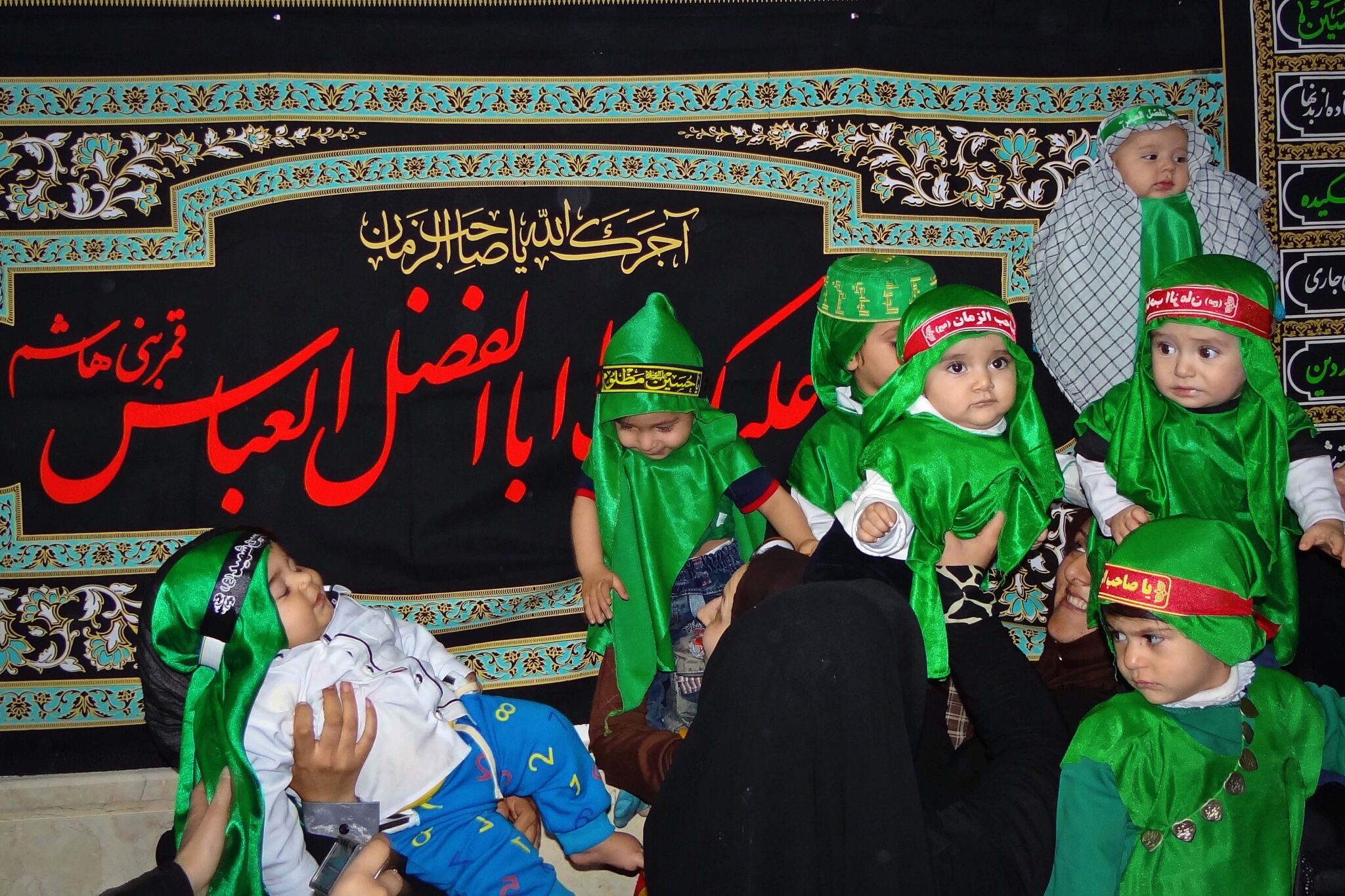
Iran is famous as the world’s most important Shia Muslim country. Britannica notes that the vast majority of Iranians are Twelver Shia Muslims, and Twelver Shiism is the official state religion. This religious identity shapes Iran’s politics, rituals, architecture, law, public culture and regional influence. Cities such as Qom and Mashhad are especially important in Iranian religious life. For modern geopolitics, Iran’s Shia identity also helps explain its regional relationships and rivalries.
Payam Moein, CC BY-SA 4.0 https://creativecommons.org/licenses/by-sa/4.0, via Wikimedia Commons
8. The 1979 Islamic Revolution and Ayatollah Khomeini
The 1979 Islamic Revolution is one of the main reasons modern Iran occupies such a powerful place in world politics. It overthrew Mohammad Reza Shah Pahlavi, ended the monarchy and created the Islamic Republic, a political system built around the idea that senior religious authority should stand above ordinary state institutions. The revolution grew out of many pressures at once: opposition to autocratic rule, political repression, rapid Westernizing reforms, economic frustration, religious resistance and anger over foreign influence. Its result was not only a change of government, but a complete transformation of Iran’s legal order, public culture, foreign policy and relationship with the West.
Ayatollah Ruhollah Khomeini was the central figure of that transformation. He led the revolutionary movement from exile, returned to Iran in 1979 and became the Islamic Republic’s first supreme leader, remaining the country’s highest political and religious authority until his death in 1989. After him, Ali Khamenei led Iran for decades and became one of the defining figures of the post-revolutionary state. By 2026, Iran had entered a new and uncertain phase: Ali Khamenei was killed during the 2026 conflict, and Mojtaba Khamenei was elevated as the new supreme leader amid reports of growing Revolutionary Guard influence.
9. Persian carpets
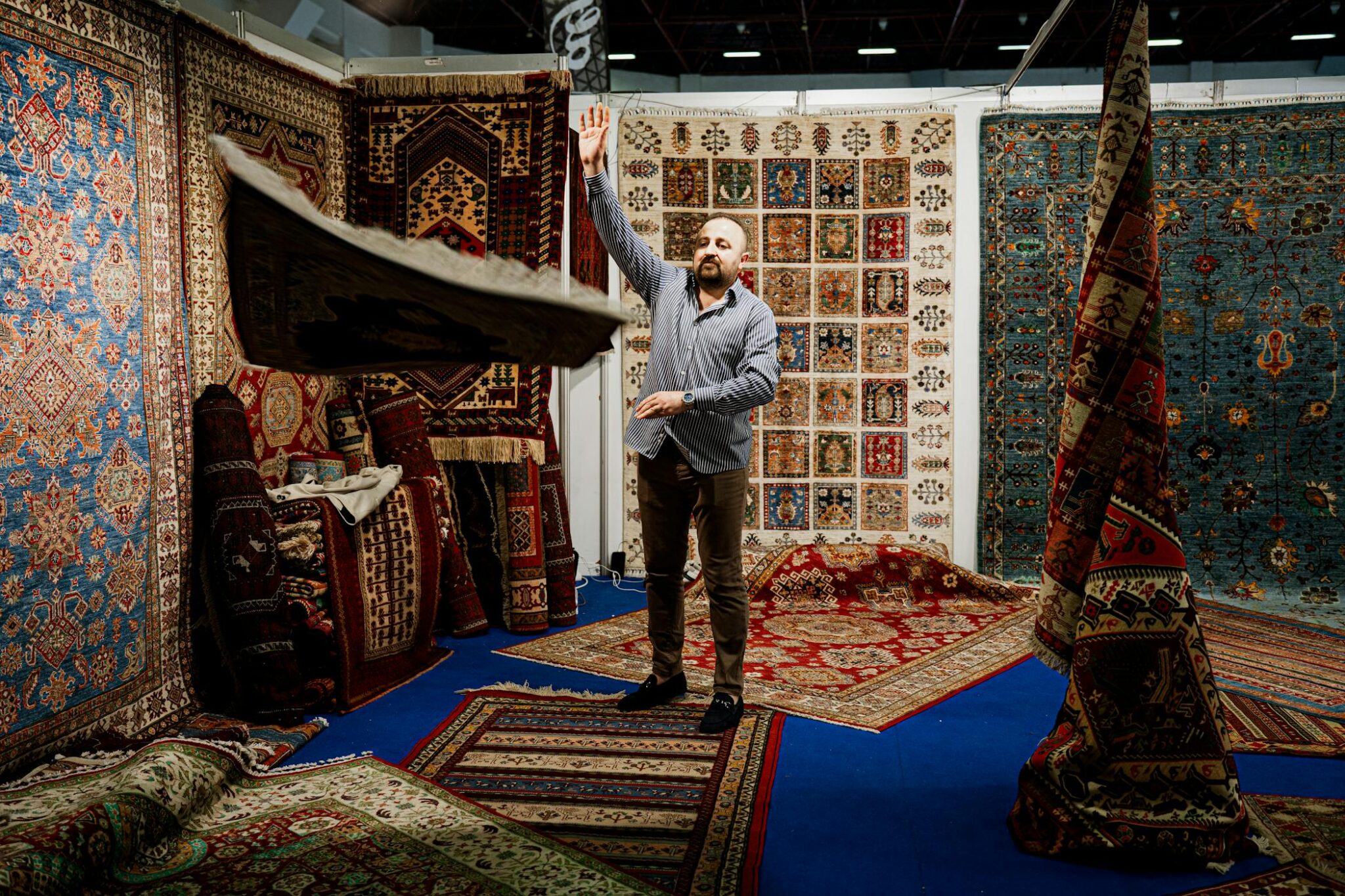
A Persian carpet is one of the few Iranian cultural objects recognized almost everywhere by name. Its value is not only in beauty or luxury, but in the amount of memory carried by pattern, colour and technique. Different regions developed their own carpet identities: Fars is associated with tribal and nomadic weaving, Kashan with refined workshop traditions, Tabriz with urban sophistication, Kerman with detailed floral designs, and Qom with fine silk carpets. Wool, silk, natural dyes, symbolic motifs and hand-knotting turn each carpet into a slow work of design, patience and inherited skill.
This tradition matters because Persian carpets connect Iran’s home culture with global trade and taste. They have been used in houses, mosques, palaces, bazaars and diplomatic interiors, while also becoming one of the country’s most recognizable exports. UNESCO has separately recognized traditional carpet-weaving skills in Fars and Kashan, showing that this is not one uniform craft but a family of regional practices. Even when sanctions and market changes have hurt exports and workshops, the phrase “Persian rug” still carries international weight.
10. Persian gardens
The classic Persian garden is an ordered world of water channels, shade trees, pavilions, walls, symmetry and carefully framed views, designed to create calm in a landscape where heat and dryness make water especially precious. UNESCO’s Persian Garden World Heritage property includes nine gardens in different parts of Iran, showing how the same idea could adapt to varied climates, from desert-edge cities to mountain foothills. The tradition is closely linked with the chahar bagh layout, where a garden is divided into four parts by watercourses or paths.
11. Nowruz
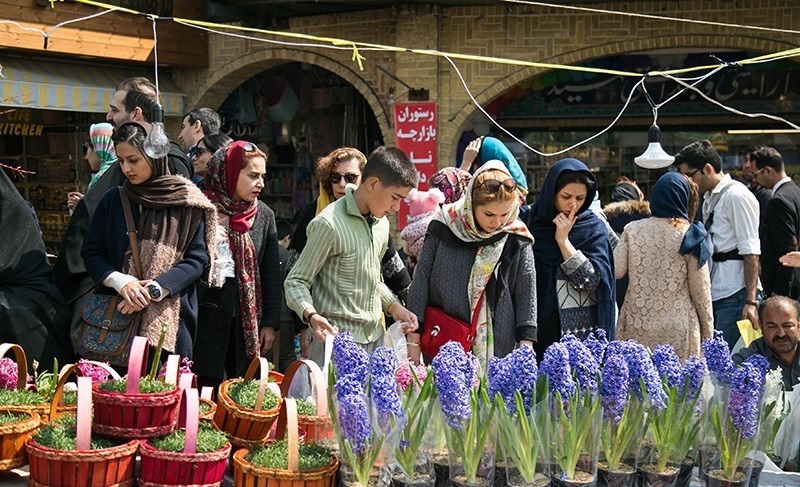
Nowruz gives Iran one of its most enduring cultural symbols because it belongs to a much older rhythm than modern politics. Celebrated at the spring equinox, the Persian New Year marks renewal, light, family and the return of life after winter. Its roots go back to ancient Iranian traditions, and today it is observed not only in Iran, but also across parts of Central Asia, the Caucasus, the Middle East and diaspora communities around the world. UNESCO recognizes Nowruz as shared intangible cultural heritage, reflecting its wide regional importance and its role in bringing families and communities together.
Tasnim News Agency, CC BY 4.0 https://creativecommons.org/licenses/by/4.0, via Wikimedia Commons
12. Persian cuisine, saffron and pistachios
Persian cuisine is one of the most refined ways to understand Iran beyond monuments and politics. A typical Iranian table is built around rice, herbs, slow-cooked stews, grilled meats, flatbreads, yogurt, pickles, tea and seasonal fruit, with flavour coming from balance rather than heavy heat. Dishes such as chelow kebab, ghormeh sabzi, fesenjan, ash reshteh and tahdig show how carefully the cuisine works with texture, fragrance and contrast: crisp rice against soft stew, sour pomegranate with walnuts, fresh herbs beside grilled meat, saffron lifting rice into something ceremonial. Food in Iran is also strongly social, tied to family gatherings, hospitality, picnics, religious occasions and long meals where tea and sweets often extend the conversation.
Two ingredients give Iranian food a particularly strong global identity. Iran remains the world leader in saffron, producing around 85–90% of global supply, with cultivation especially associated with the dry eastern regions where the spice is harvested by hand from crocus flowers. Pistachios are another major Iranian product, linked above all with Kerman and Rafsanjan, and long valued in sweets, snacks, rice dishes and export markets.
13. Iranian classical music and radif
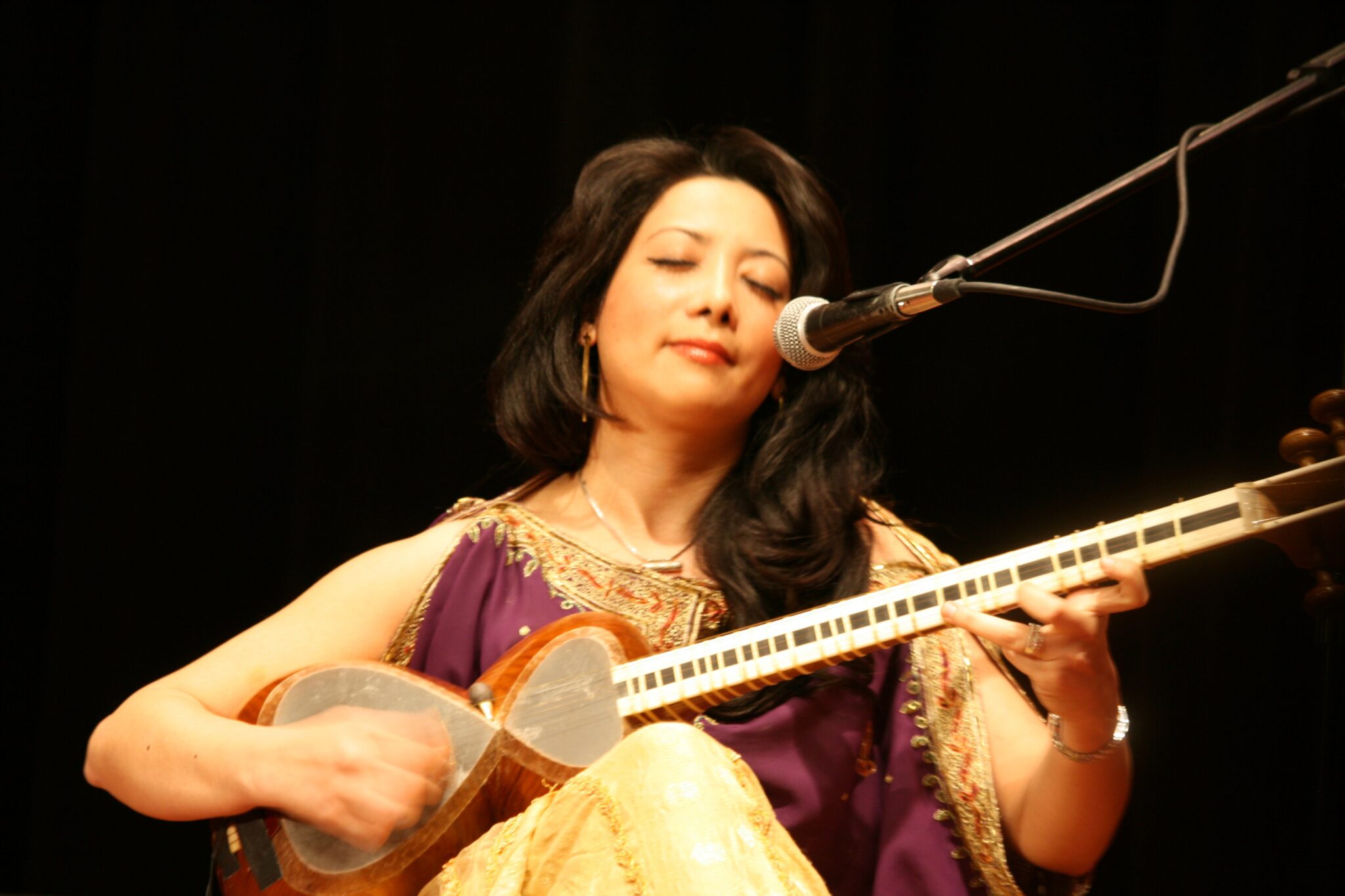
Iranian classical music is built around memory, discipline and emotional nuance rather than spectacle. At its centre is the radif, a traditional repertoire of melodic patterns that musicians learn, internalize and reinterpret over years of study. It is not a fixed score in the Western sense, but a living musical framework that guides performance, improvisation and expression. Voice, poetry and instruments such as the tar, setar, kamancheh, santur and ney all carry this tradition, giving Persian music its intimate, reflective and highly controlled character.
The radif matters because it preserves a refined side of Iranian culture that cannot be reduced to architecture, food or politics. Passed down through master-student teaching, it links generations of musicians with Persian poetry, modal thinking, spiritual feeling and the art of gradual emotional development. UNESCO recognized the radif of Iranian music as intangible cultural heritage in 2009, confirming its role as one of the core expressions of Persian musical culture.
Quinn Dombrowski, CC BY-SA 2.0 https://creativecommons.org/licenses/by-sa/2.0, via Wikimedia Commons
14. Iranian cinema
Iranian cinema has given the country one of its most respected modern cultural images. Instead of relying on spectacle, many of its best-known films became famous for restraint, moral tension, quiet observation and deeply human stories. Abbas Kiarostami is central to that reputation: his films helped bring Iranian art-house cinema to global attention, and Taste of Cherry shared the Palme d’Or at Cannes in 1997. His work showed international audiences an Iran that was poetic, rural, philosophical and intimate – very different from the political image usually seen in news coverage.
15. Mountains, deserts and the Lut Desert
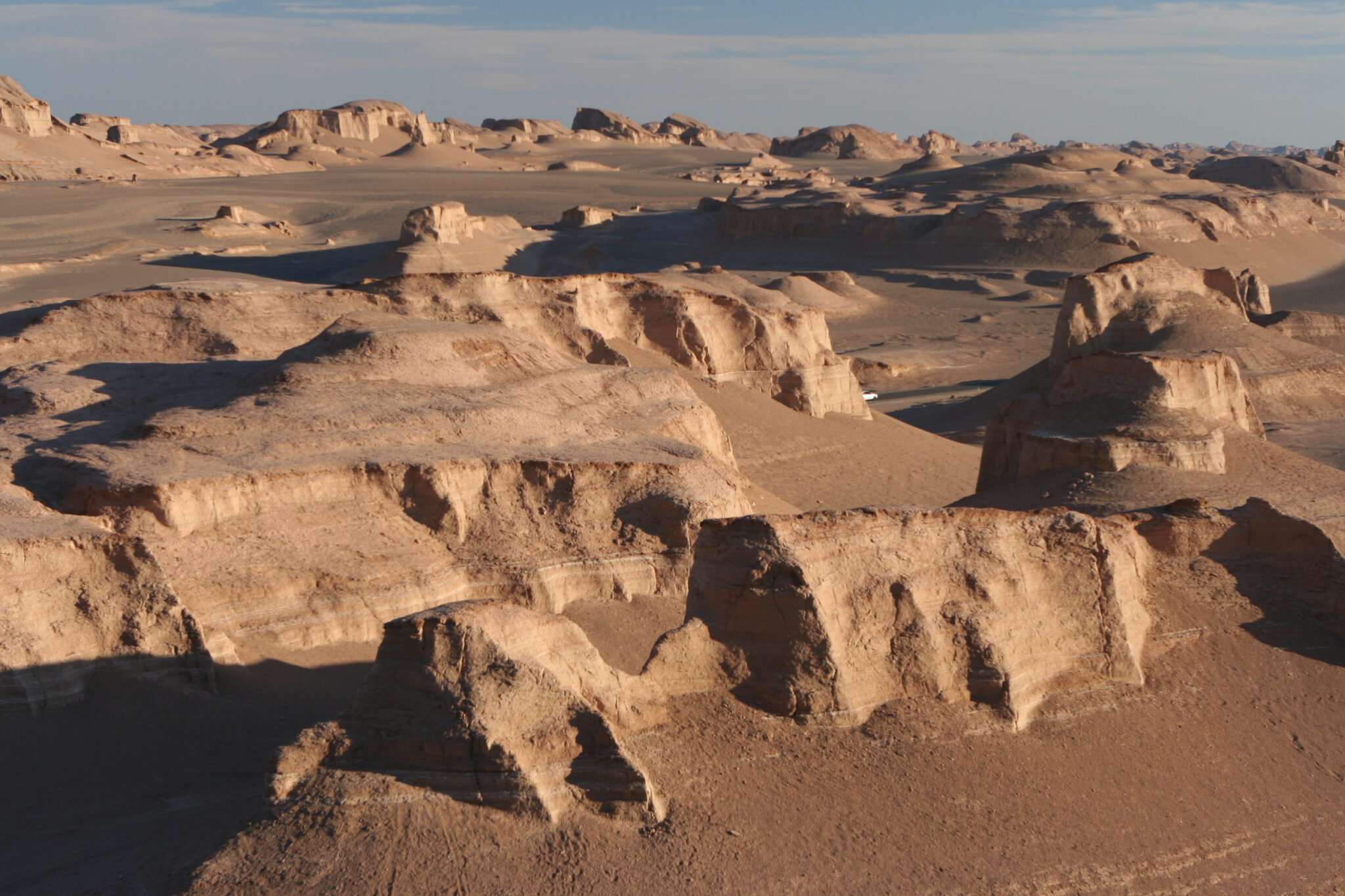
Iran’s landscape is far more varied than its desert image suggests. The country is crossed by major mountain systems, including the Alborz in the north and the Zagros in the west and southwest, while vast plateaus, salt flats, dry basins and steppe regions fill much of the interior. Mount Damavand, rising to about 5,610 meters, gives Iran one of the highest volcanic peaks in Asia, while the Caspian coast in the north has humid forests that feel completely different from the arid centre. This geographic contrast helps explain why Iran has always been a land of long routes, difficult passes, isolated valleys and cities shaped by water management. The Lut Desert, or Dasht-e Lut, gives this natural image its most extreme form. Located in southeastern Iran, it was added to the UNESCO World Heritage List in 2016 and is known for some of the most dramatic desert formations on Earth.
Ninaras, CC BY 4.0 https://creativecommons.org/licenses/by/4.0, via Wikimedia Commons
16. Oil, gas, sanctions and the nuclear issue
Iran’s modern global image is inseparable from oil and natural gas. The country holds some of the world’s largest proven energy reserves: at the end of 2023, the U.S. Energy Information Administration placed Iran among the world’s top reserve holders for both oil and natural gas, with about 12% of global oil reserves and a major share of Middle Eastern reserves. These resources have shaped Iran’s state finances, industrial development, foreign policy and strategic importance for more than a century.
The nuclear issue is the other major reason Iran remains central to global geopolitics. Since the United States withdrew from the 2015 nuclear deal in 2018, disputes over uranium enrichment, inspections and sanctions relief have continued to dominate Iran’s relations with Washington and European governments. By 2026, negotiations were still focused on the same difficult trade-off: Iran wants sanctions relief and recognition of its nuclear rights, while the United States and European powers want stronger limits on enrichment and more reliable guarantees that the programme cannot be used for weapons.
17. Woman, Life, Freedom protests
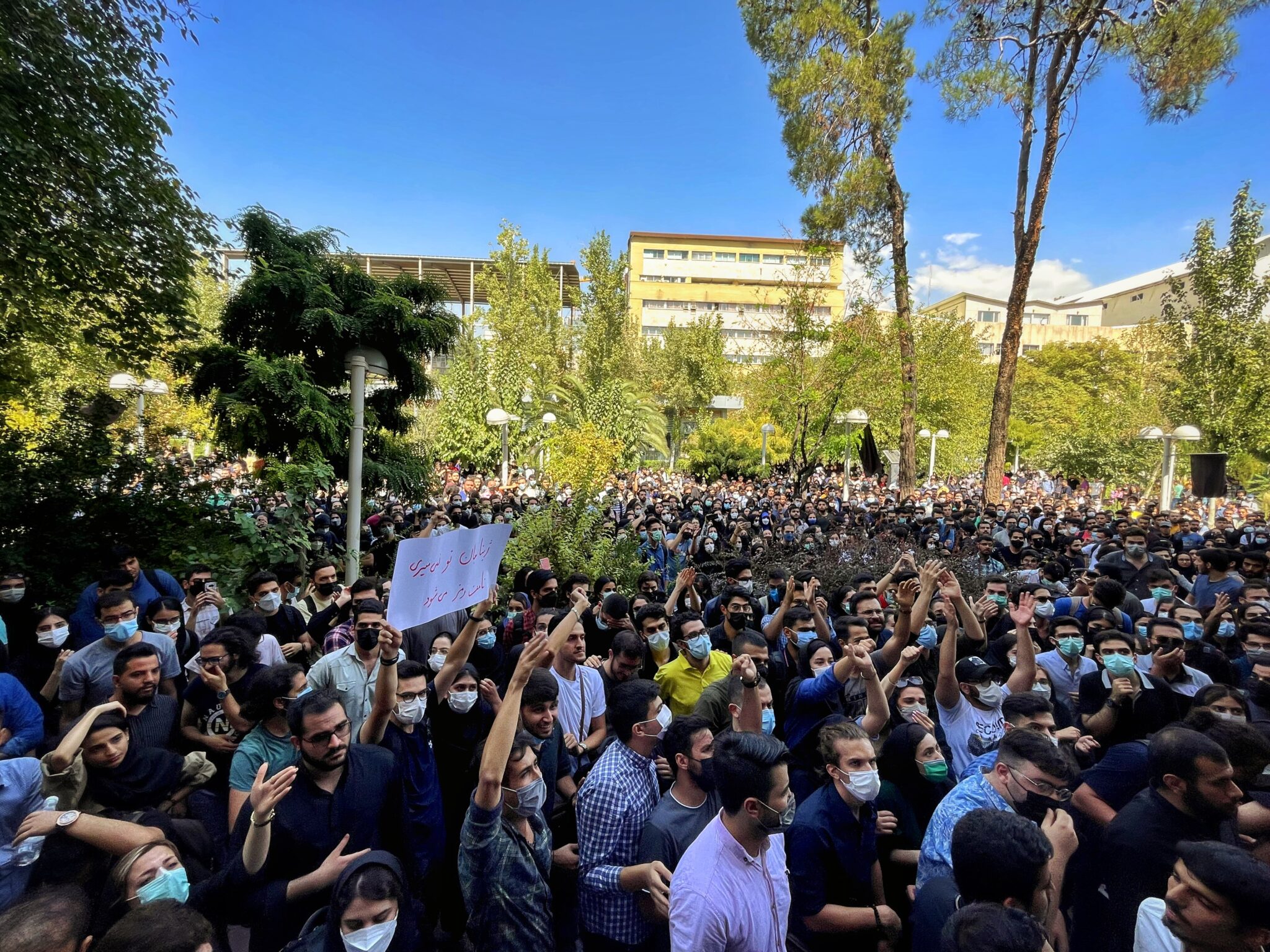
In recent history, Iran became globally associated with the “Woman, Life, Freedom” movement after the death of Jina Mahsa Amini in September 2022. Amini, a 22-year-old Kurdish Iranian woman, died while in custody of Iran’s Guidance Patrol after being detained over the country’s mandatory dress rules. Her death triggered one of the most widespread protest movements in the Islamic Republic’s history, with demonstrations spreading from women’s rights issues into broader demands about civil liberties, state power, youth frustration and personal freedom.
Darafsh, CC BY-SA 4.0 https://creativecommons.org/licenses/by-sa/4.0, via Wikimedia Commons
18. Persian language and cultural identity
Persian, or Farsi, is one of Iran’s strongest cultural foundations. It belongs to the Indo-Iranian branch of the Indo-European language family, which makes it linguistically different from Arabic even though Persian has absorbed many Arabic words over centuries of Islamic history. For Iranians, the language is more than a communication tool: it carries poetry, everyday speech, education, humour, courtly tradition, religious writing, philosophy and national memory. It is one of the main reasons Iran has kept such a clear cultural identity through conquest, dynastic change and modern political upheaval.
The reach of Persian has also long extended beyond Iran’s current borders. For centuries, it functioned as a language of literature, administration and high culture across parts of Central Asia, Afghanistan, the Caucasus and the Indian subcontinent. Poets such as Hafez, Saadi, Ferdowsi, Rumi and Omar Khayyam helped give Persian a prestige that still shapes how Iran is understood abroad.
If you’ve been captivated by Iran like us and are ready to take a trip to Iran – check out our article on interesting facts about Iran. Check if you need an International Driving Permit in Iran before your trip.
Published May 31, 2026 • 15m to read