

What is Malta Famous For?
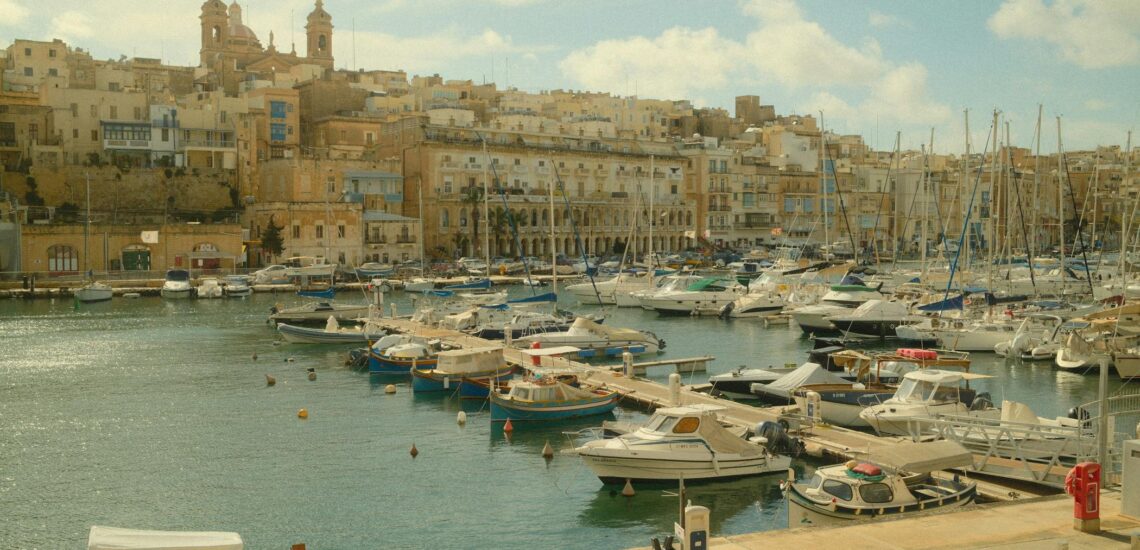
Malta is famous for Valletta, the Knights of St John, prehistoric temples, the Ħal Saflieni Hypogeum, Mdina, the Blue Lagoon, Gozo, diving, English-language travel, World War II history, film locations, village festas, and a distinctive Mediterranean culture shaped by European, North African, Arab, Italian and British influences. It is one of Europe’s smallest countries, but its history is unusually dense: Malta sits in the central Mediterranean, south of Sicily, and consists mainly of the islands of Malta, Gozo and Comino.
1. Valletta
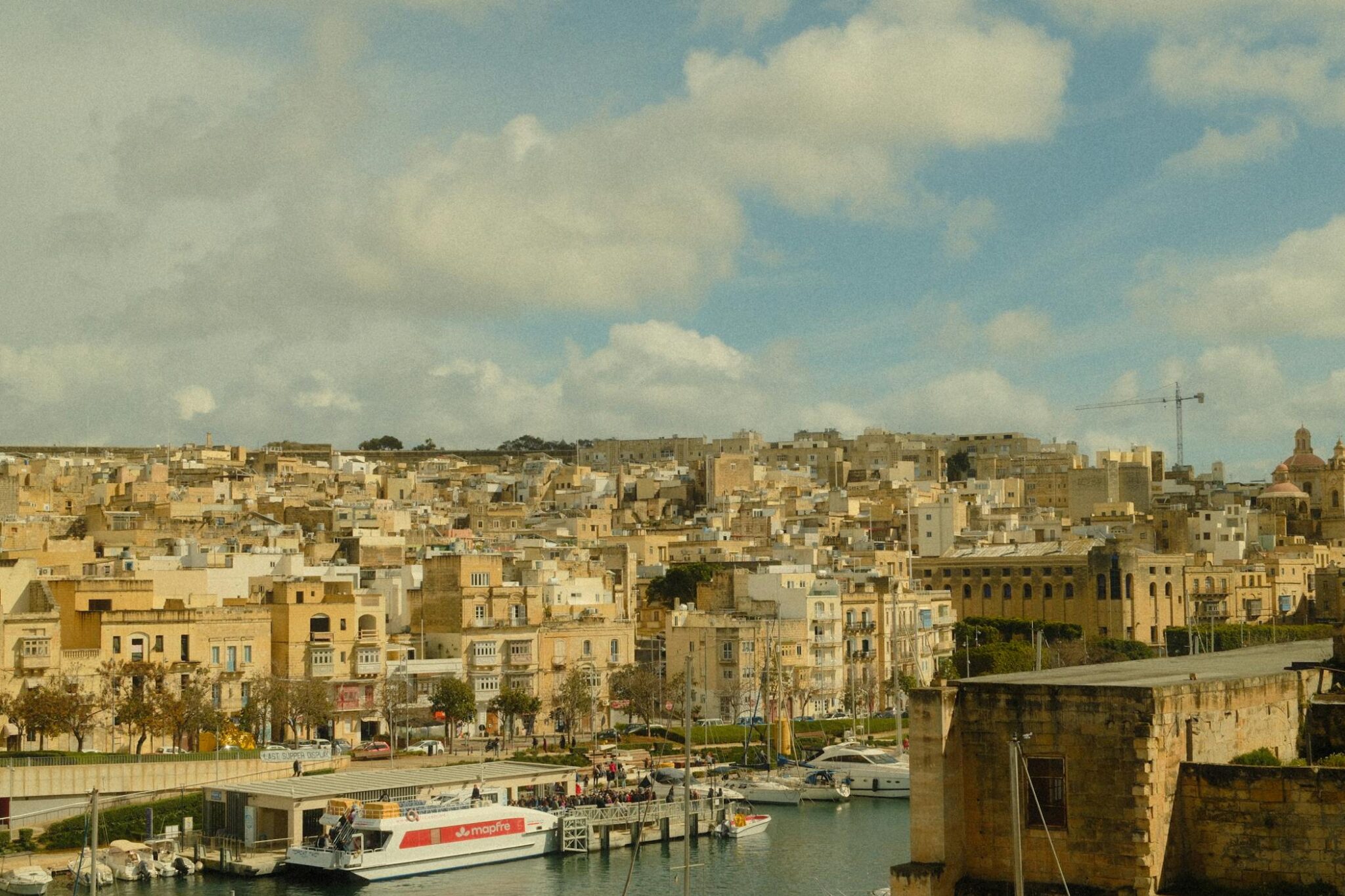
Built after the Great Siege of 1565, Valletta was planned as a fortress capital rather than a city that slowly grew by accident. The Knights of St John founded it in 1566 on the narrow Sciberras Peninsula, between Grand Harbour and Marsamxett Harbour, giving the new city one of the most strategic positions in the central Mediterranean. Its scale is almost surprising: the UNESCO-listed historic city covers only about 55 hectares, yet it contains more than 300 historic monuments, from bastions, gates and auberges to churches, palaces, gardens and military buildings. That density is what makes Valletta feel so powerful – Malta’s history is not spread across a huge capital, but compressed into steep streets, stone façades and harbour-facing walls.
2. The Knights of St John
Malta’s fortified image was largely created during the rule of the Knights of St John. The order arrived in 1530, when Emperor Charles V granted it Malta, Gozo and Tripoli, and it remained on the islands until Napoleon’s forces took Malta in 1798. During those 268 years, the Knights turned a small central Mediterranean island into a heavily defended stronghold. Their rule left behind bastions, sea forts, watchtowers, churches, palaces, hospitals and planned urban spaces, especially around the Grand Harbour. The Great Siege of 1565 became the dramatic turning point: after resisting the Ottoman attack, the Knights founded Valletta in 1566 as a new fortress capital built for defence, administration and prestige. Their legacy explains why Malta looks so different from many other Mediterranean islands. Valletta, Birgu, Senglea, Cospicua, Fort St Elmo, the Grand Master’s Palace, St John’s Co-Cathedral and the old hospital known as the Sacra Infermeria all belong to this knightly world of religion, warfare, medicine and maritime strategy.
3. Megalithic temples
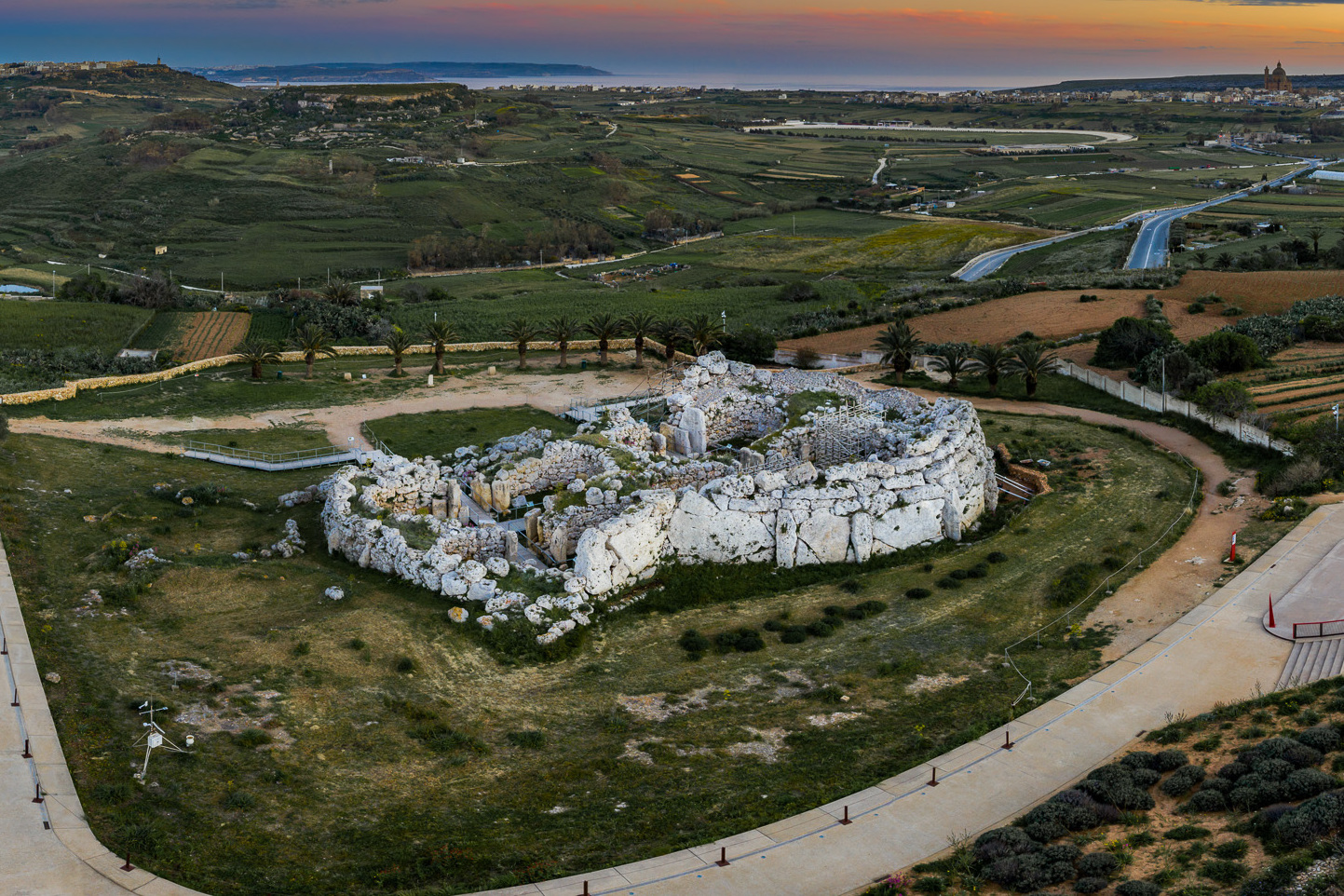
Long before the Knights built Valletta or the British turned Malta into a naval base, the islands already had one of the most remarkable prehistoric cultures in the Mediterranean. Malta’s megalithic temples were built mainly between about 3600 and 2500 BC, making them older than Stonehenge and, in some cases, older than the pyramids of Egypt. The UNESCO-listed temple group includes major sites on Malta and Gozo, such as Ġgantija, Ħaġar Qim, Mnajdra, Tarxien, Ta’ Ħaġrat and Skorba. Their massive limestone blocks, curved walls, apses, altars, carved decoration and careful positioning show a society capable of complex ritual architecture thousands of years before written history reached the islands.
These temples give Malta a depth that its small size makes easy to underestimate. Ġgantija on Gozo is especially striking: its name comes from the Maltese word for “giant”, reflecting the old belief that such huge stones could not have been moved by ordinary people. Ħaġar Qim and Mnajdra, set above the sea on Malta’s southern coast, connect prehistoric architecture with landscape, light and seasonal alignments. Tarxien adds another layer through carved spirals, animal reliefs and evidence of ritual activity.
FritzPhotography, CC BY-SA 4.0 https://creativecommons.org/licenses/by-sa/4.0, via Wikimedia Commons
4. Ħal Saflieni Hypogeum
Beneath the town of Paola, the Ħal Saflieni Hypogeum reveals a side of Malta that is even older than its famous temples and fortified cities. This underground complex was cut into soft limestone and used over a long period of Maltese prehistory, roughly from 4000 BC to 2500 BC according to UNESCO. It was not a simple cave or storage space, but a carefully shaped subterranean world of chambers, passages, steps, doorways and carved architectural forms. Archaeologists estimate that it once contained the remains of about 7,000 people, making it one of the most extraordinary prehistoric burial sites in Europe.
What makes the Hypogeum so unusual is the way it brings architecture underground. Its three levels include spaces that imitate built stone structures, with some areas still preserving red ochre decoration. The site shows that prehistoric Malta had a complex ritual culture capable of planning, carving, organizing and using sacred space below the surface.
5. Mdina
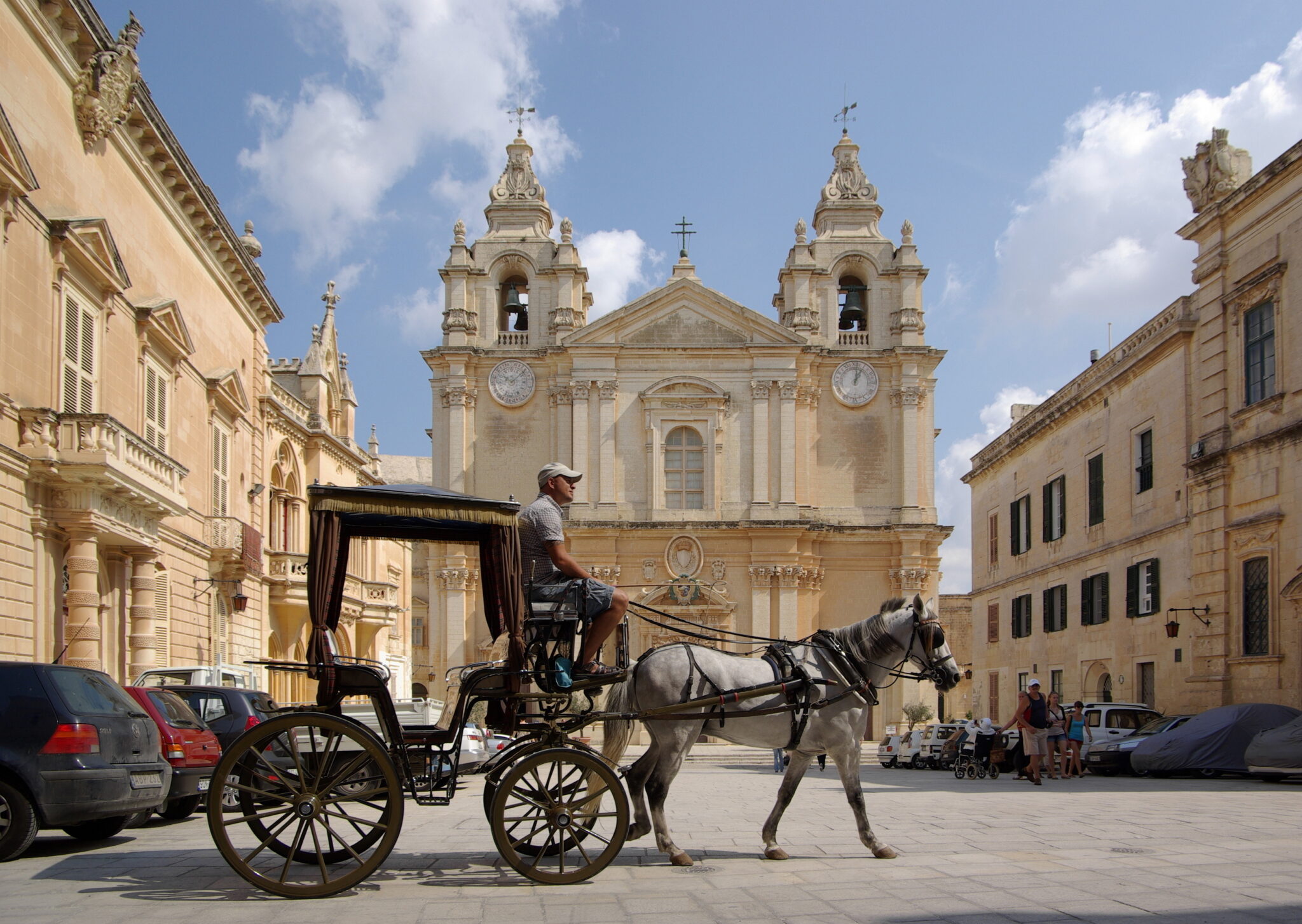
Behind its high walls in the centre of Malta, Mdina feels deliberately removed from the island’s busy harbours and coastal towns. The site has been inhabited for thousands of years, and its importance grew because of its inland position on one of Malta’s highest points, with wide views across the island. Long before Valletta became the capital, Mdina served as Malta’s political and noble centre, shaped by Roman, Arab, medieval, Norman and later aristocratic influences.
The nickname “Silent City” fits because Mdina works through atmosphere more than scale. There are few cars, the streets are enclosed and winding, and the pale limestone walls turn the city into a compact world of shadows, balconies, doorways and church domes. The main gate, St Paul’s Cathedral, Vilhena Palace and old noble houses give it a formal elegance, while the views from the bastions remind visitors why this inland stronghold mattered for centuries.
Berthold Werner, CC BY-SA 3.0 https://creativecommons.org/licenses/by-sa/3.0, via Wikimedia Commons
6. The Blue Lagoon and Comino
Between Malta and Gozo, Comino gives the Maltese islands their most famous image of clear water. The island is tiny – about 3.5 square kilometres – but the Blue Lagoon between Comino and the islet of Cominotto has become one of Malta’s strongest visual symbols. Its shallow turquoise water, pale seabed, rocky edges and sheltered swimming areas make it instantly recognizable in travel photography, especially in summer when boats arrive from both Malta and Gozo. The setting is simple, but very effective: limestone, sea, sunlight and a narrow channel of water that looks almost unreal from above. Comino’s appeal is not based on grand history in the way Valletta or Mdina are. It represents Malta’s natural, recreational side: boat trips, swimming, snorkelling, diving, kayaking and rocky coastal views. The island also forms part of Malta’s wider diving identity, with clear visibility, caves, reefs and wreck sites across the archipelago.
7. Gozo
A short ferry crossing from Malta is enough to change the rhythm of the archipelago. Gozo is smaller, greener and less urban than the main island, with about 67 square kilometres of countryside, villages, cliffs, bays and church domes spread across a more open landscape. Its history is not secondary either: Ġgantija, one of the island’s prehistoric temple complexes, belongs to Malta’s UNESCO-listed Megalithic Temples and dates back more than 5,000 years.
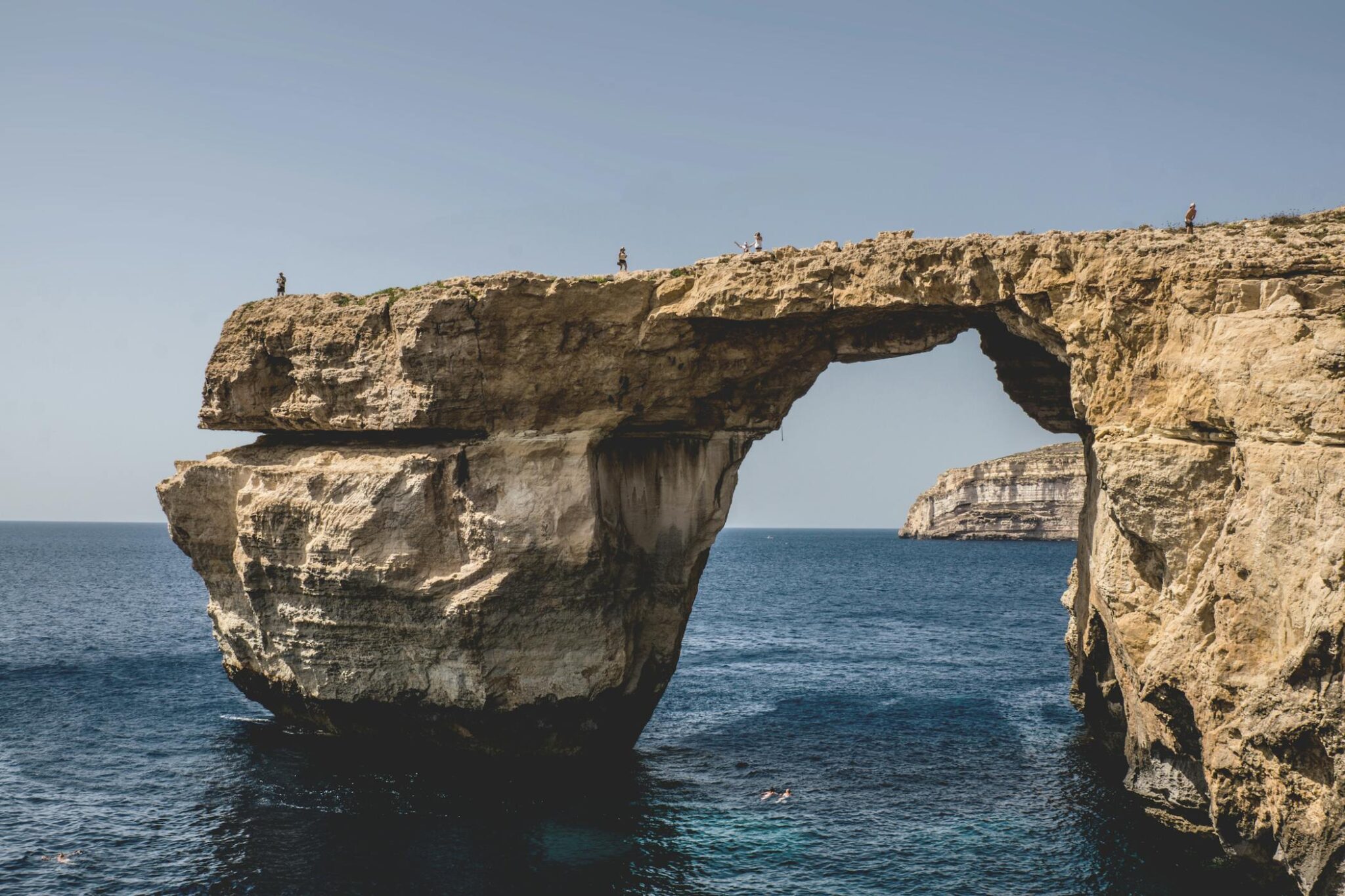
Gozo’s appeal comes from variety rather than one single landmark. Victoria and the Cittadella give the island a historic centre, Dwejra remains famous for dramatic coastal scenery even after the Azure Window collapsed in 2017, and places such as Ramla Bay, Xlendi, Marsalforn and the Inland Sea connect the island with beaches, diving, boat trips and sea views.
8. Clear water, diving and coastal scenery
Malta’s coastline is not famous mainly for endless sandy beaches; its appeal is more rugged and dramatic. The islands are made for rocky coves, limestone cliffs, sea caves, reefs, natural pools and water so clear that boats often seem to float above the seabed. This geography gives Malta a strong diving and snorkelling identity, with more than 120 dive sites around the archipelago. Popular areas include Cirkewwa, Comino, Gozo, the Blue Grotto coast and several wreck sites near the main island, where underwater visibility is one of the main attractions.
That coastal image matters because it balances Malta’s dense historical side. Valletta, Mdina and the temples show the islands as a place of stone, fortifications and archaeology; the sea shows a freer, brighter version of the same country. Visitors come for boat trips, cave swims, reef dives, wreck diving, kayaking, cliff views and short crossings between Malta, Gozo and Comino.
9. English language and British legacy
Malta sounds different from almost anywhere else in the Mediterranean. Maltese is a Semitic language with roots in medieval Arabic, but centuries of Sicilian, Italian and later English influence shaped its vocabulary and written form. It is also the only Semitic language officially written in the Latin alphabet. English became deeply embedded during British rule, which lasted from the early 19th century until independence in 1964, and it remains one of Malta’s two official languages alongside Maltese. This linguistic mix is one of Malta’s strongest modern advantages. English is widely used in education, tourism, government, media and professional life, which makes the islands easier to navigate for many visitors than most Mediterranean destinations. It also helped Malta become a major centre for English-language learning, attracting students from Europe, North Africa, Latin America and Asia.
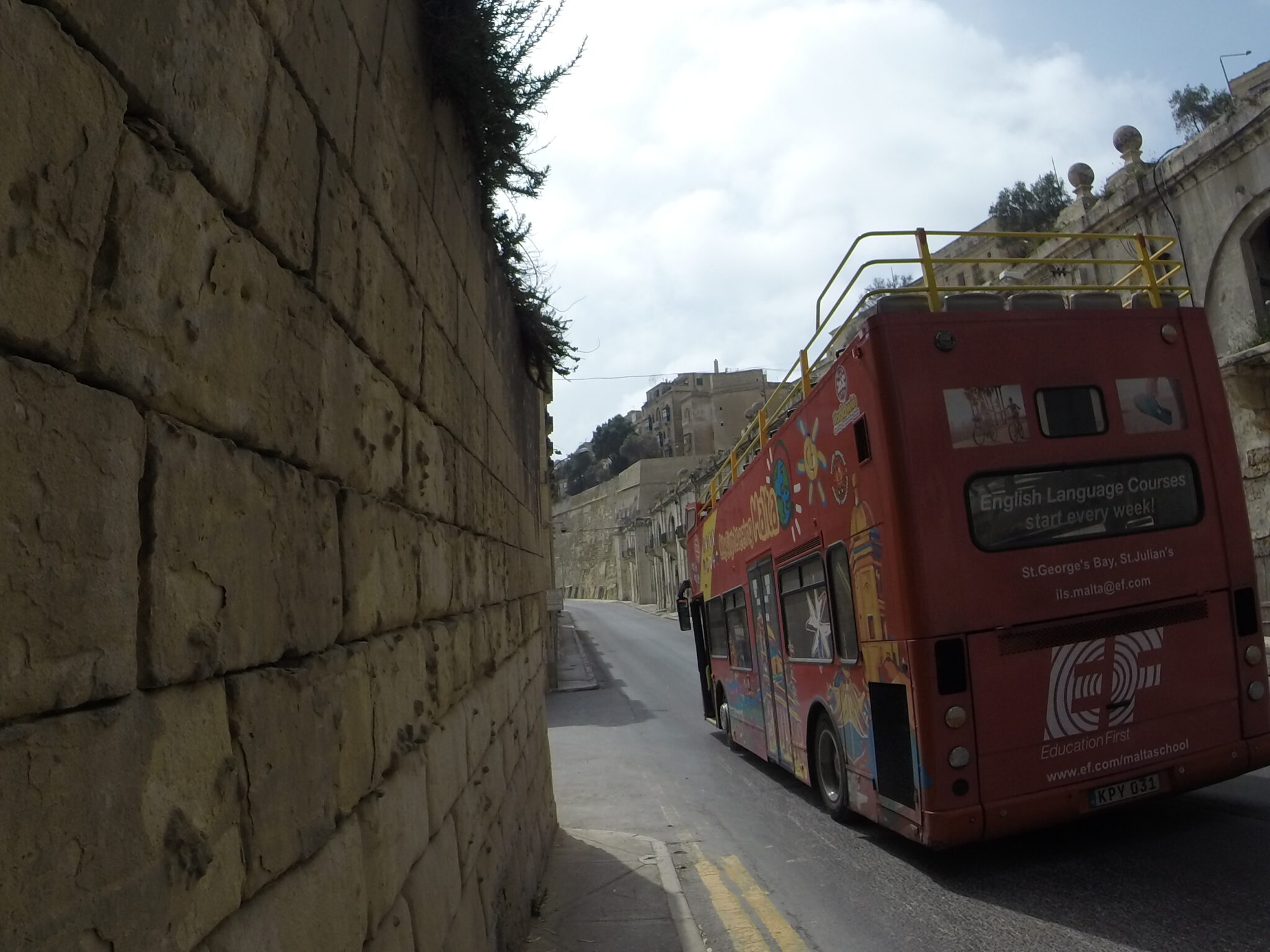
Alan C. Bonnici, CC BY-SA 3.0 https://creativecommons.org/licenses/by-sa/3.0, via Wikimedia Commons
10. World War II and the George Cross
Malta’s modern history was shaped dramatically by the Second World War. Its position between Sicily, North Africa and the central Mediterranean made the islands a crucial Allied base, but also exposed them to intense bombing and blockade. Between 1940 and 1942, Malta became one of the most heavily attacked places in Europe, with harbours, airfields, towns and supply routes under constant pressure. The Grand Harbour, already central to Malta’s earlier military history, became a wartime lifeline, while underground shelters, coastal defences and military tunnels turned daily survival into part of the island’s national memory.
The George Cross fixed that memory into Malta’s identity. King George VI awarded it to the island on 15 April 1942 in recognition of the courage shown by its people, and the symbol was later incorporated into the national flag. This makes Malta unusual: one of its most important national emblems comes directly from civilian and military endurance during wartime. Today the story is still visible in the National War Museum at Fort St Elmo, the Lascaris War Rooms, air-raid shelters, memorials, cemeteries and harbour fortifications.
11. Film locations
Malta has become a useful backlot for stories set far beyond its own shores. Its limestone forts, harbour walls, old streets, dry landscapes and compact distances allow filmmakers to turn a small island into ancient Rome, Troy, medieval cities, eastern Mediterranean ports or invented kingdoms. Fort Ricasoli is the clearest example: this 17th-century fort at the entrance to the Grand Harbour has been used for productions such as Gladiator, Troy, Game of Thrones, Napoleon and Gladiator II. For large historical films, Malta offers something difficult to build from nothing – real stone, strong light, sea-facing fortifications and military architecture that already feels cinematic.
This screen identity is not as fundamental as Valletta, the Knights or the prehistoric temples, but it has become a real part of Malta’s international image. The islands often work on camera because they are visually flexible: one fort can suggest Rome, another harbour can become a different Mediterranean city, and a narrow street can be framed as a historical or fantasy setting. Productions such as The Count of Monte Cristo, Munich, World War Z and the first season of Game of Thrones have also used Malta’s streets, forts and coastal scenery.
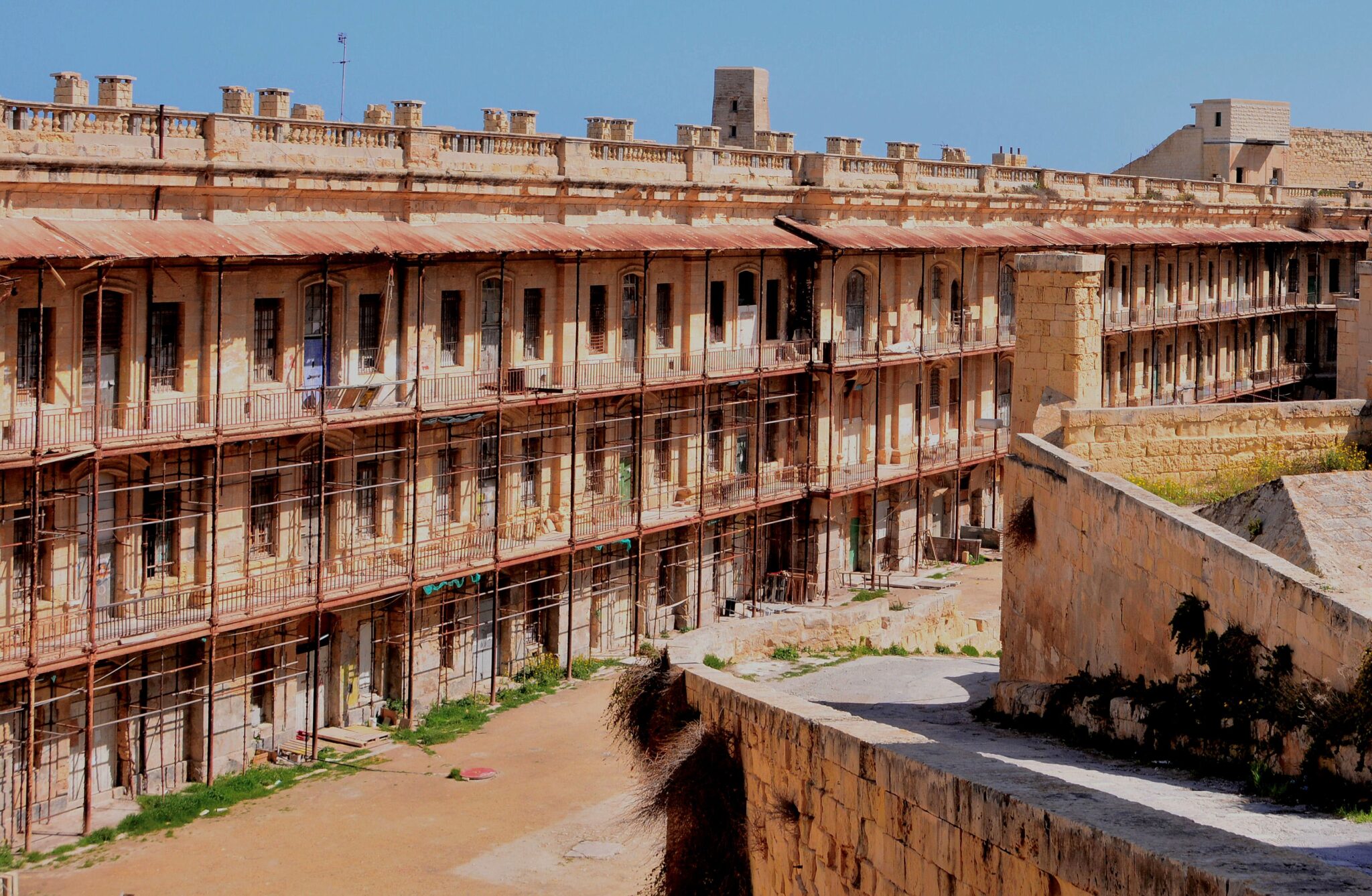
Mike McBey, CC BY 2.0 https://creativecommons.org/licenses/by/2.0, via Wikimedia Commons
12. Maltese festas and fireworks
When summer arrives, Malta’s villages begin to compete for attention through sound, light and devotion. A festa is usually dedicated to a parish patron saint, but it is also a whole community event: church façades are dressed with lights and banners, streets fill with statues and decorations, band clubs lead marches, families gather outside, and fireworks mark the celebration from the ground and sky. The Maltese Village Festa was added to UNESCO’s intangible cultural heritage list in 2023, which reflects how central these celebrations are to local identity rather than just tourism.
13. Maltese cuisine
On Malta, food often feels like the island itself: small in scale, but full of crossings. Sicilian pasta traditions, North African flavours, British habits and older Mediterranean home cooking all meet in dishes that are practical rather than showy. Pastizzi are the everyday icon – flaky pastries usually filled with ricotta or mushy peas – while rabbit stew, known as stuffat tal-fenek, is one of the country’s most traditional main dishes. Lampuki fish appears seasonally in pies and seafood meals, ġbejniet cheeselets come from local sheep or goat milk, and bigilla, made from broad beans, garlic and herbs, shows how simple ingredients became part of Maltese table culture.
Bread gives this cuisine one of its clearest identities. Ftira, Malta’s flattened sourdough bread, was added to UNESCO’s intangible cultural heritage list in 2020, reflecting its role in daily food rather than luxury dining. It can be filled with tuna, tomatoes, olives, capers, onion and olive oil, turning local pantry ingredients into a meal that suits the island’s climate and working traditions.
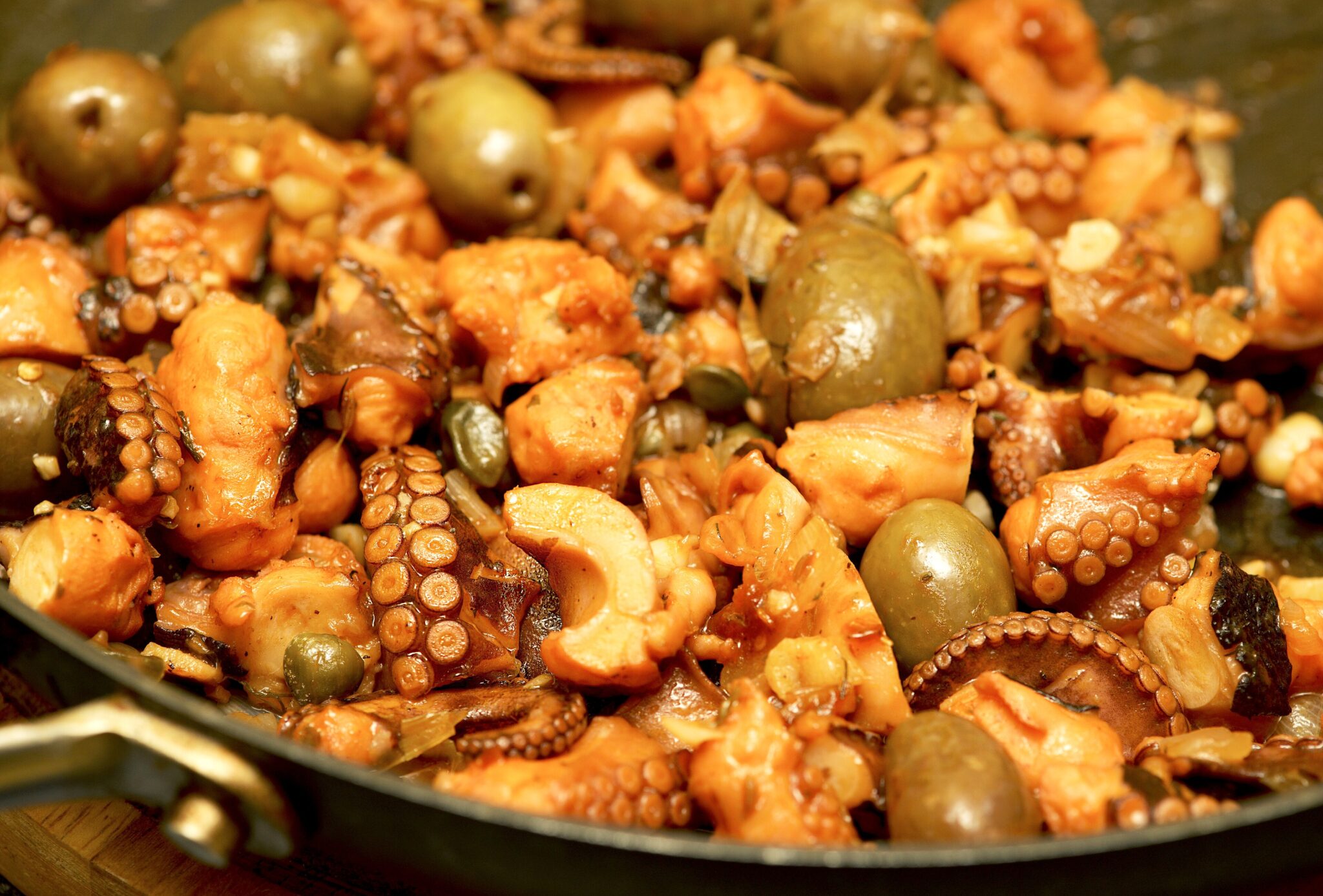
Renata Apan, CC BY-SA 4.0 https://creativecommons.org/licenses/by-sa/4.0, via Wikimedia Commons
14. Malta’s compact island identity
Malta’s greatest surprise is how much it compresses into a very small space. The whole country covers only about 316 square kilometres, yet within that area it holds three UNESCO World Heritage properties, prehistoric temples older than Stonehenge, a fortified capital founded by the Knights of St John in 1566, medieval Mdina, World War II shelters, fishing villages, Baroque churches, rocky coves, film locations and more than 120 dive sites. This compactness gives Malta a character that larger countries cannot easily copy. It does not offer the vast landscapes of Italy, Greece or Turkey, but it turns short distances into an advantage: a morning in Valletta can lead to an afternoon among megalithic temples, a sunset in Mdina, or a boat trip toward Comino and Gozo the next day.
If you’ve been captivated by Malta like us and are ready to take a trip to Malta – check out our article on interesting facts about Malta. Check if you need an International Driving Permit in Malta before your trip.

Published May 24, 2026 • 12m to read