

Romania is famous for Transylvania and Dracula, the Carpathian Mountains, the Danube Delta, painted monasteries, deep folk traditions, Nadia Comăneci, Constantin Brâncuși, and the dramatic memory of communism and the 1989 Revolution. Official Romanian and UNESCO sources also show how unusual the country is in Europe: its heritage is presented as Latin in origin but shaped by many surrounding cultures, while its UNESCO profile stretches from medieval towns and fortified churches to the Danube Delta and Brâncuși’s modern art.
1. Bucharest and the Palace of Parliament
The city is Romania’s official capital and the main national centre for government, transport, business, universities, museums, theatres, and large public events. Its architecture also makes it easy to understand Romania’s layered history: Belle Époque buildings, Orthodox churches, communist-era boulevards, modern office districts, and restored old-town streets often stand close to one another. This mix is one reason Bucharest is not remembered for a single style. It is known as a capital where monarchy, interwar urban life, communist planning, post-1989 change, and EU-era development all remain visible in the same city. Romania has been an EU member since 1 January 2007, which also places Bucharest firmly among the major capitals of the European Union.
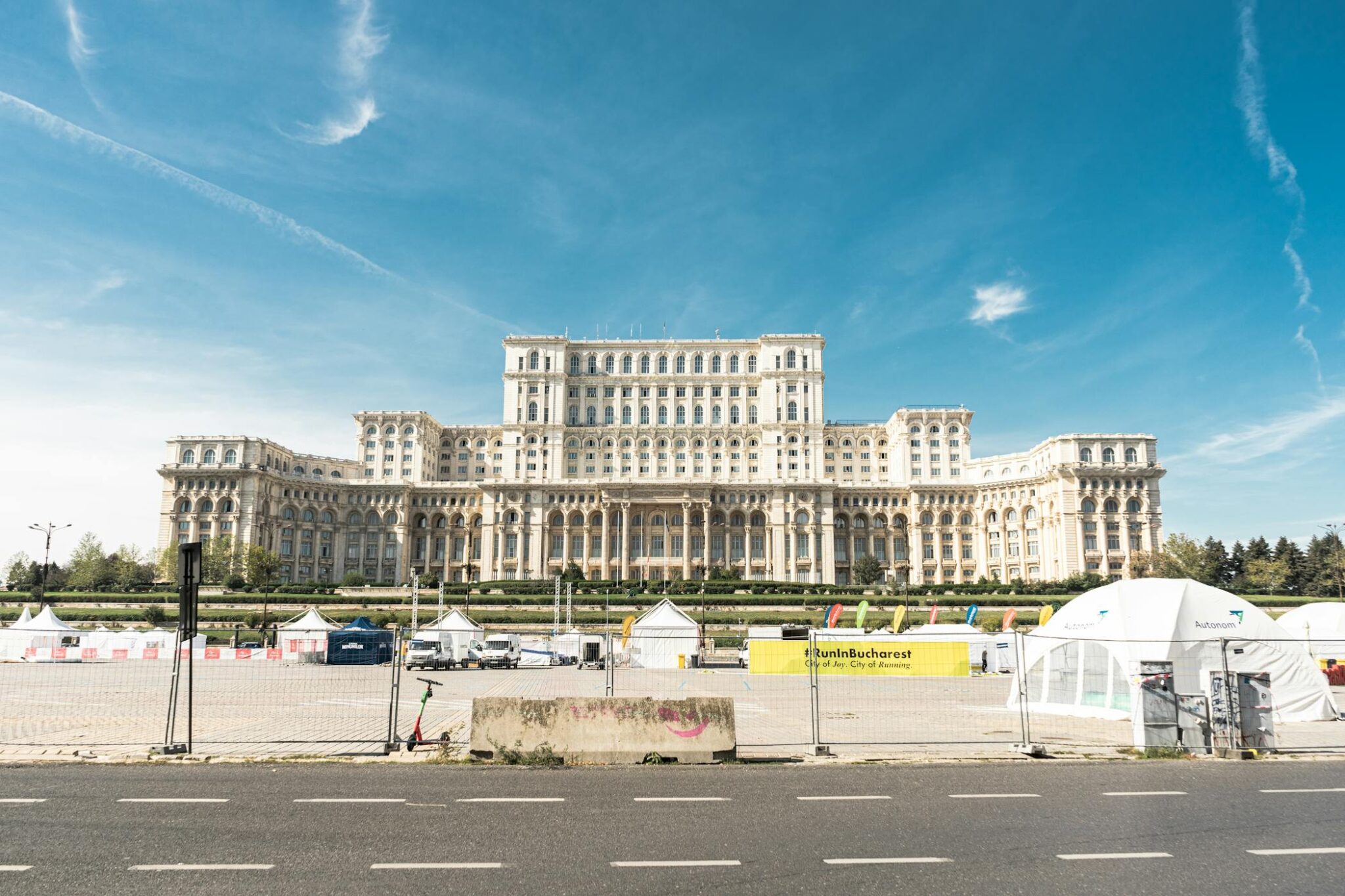
The Palace of Parliament is the strongest symbol of that complicated image. Built during Nicolae Ceaușescu’s rule, it was designed as a huge political-administrative centre and a protected seat of power at a time when Romania was facing severe economic hardship. The building covers 365,000 square metres of developed area, rises 84 metres above ground, and was constructed with enormous quantities of Romanian materials, including about 1 million cubic metres of marble, 3,500 tons of crystal, 700,000 tons of steel, and 2,800 chandeliers. More than 100,000 people worked on the project, with around 20,000 active in three shifts at peak periods, and about 12,000 soldiers also involved between 1984 and 1990. At the 1989 Revolution, it was only about 60% complete; later, democratic institutions moved in, including the Chamber of Deputies, the Senate, the Legislative Council, and the Constitutional Court.
2. Transylvania and Dracula
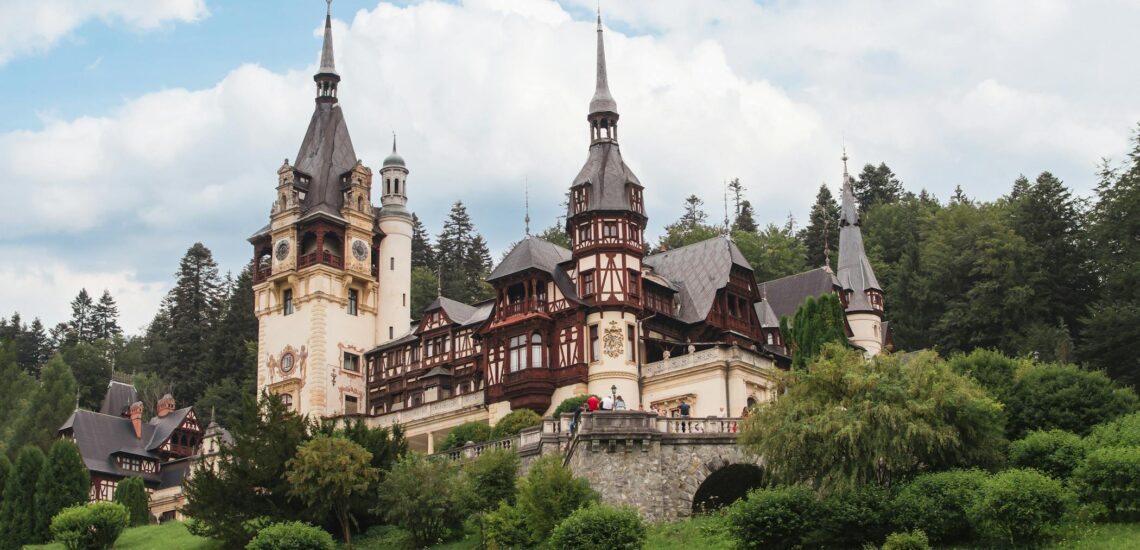
Romania is famous for Transylvania because this region gives the country one of its strongest international images: mountains, medieval towns, fortified churches, castles, forests, and old borderland history. The region sits within the Carpathian landscape and has long been associated with a mix of Romanian, Hungarian, Saxon, and other Central European influences. This makes Transylvania more than a setting for dark legends. Places such as Brașov, Sibiu, Sighișoara, Alba Iulia, and the villages with fortified churches show why the region is also known for medieval streets, trade routes, defensive architecture, and layered cultural identity.
Dracula made that image global. Bram Stoker’s Dracula, published in 1897, turned Transylvania into one of the most famous fictional landscapes in world literature, and Bran Castle later became the place most visitors connect with the story. The castle itself is real history, not just a vampire backdrop: it was first documented in 1377, completed in 1388, has 57 timbered rooms, and stands near the old mountain route between Transylvania and Wallachia. The Dracula link is much weaker historically than in popular imagination – Stoker never visited Transylvania, and the connection with Vlad the Impaler is limited – but the myth still shapes tourism. Bran is now presented as Romania’s best-known “Dracula” castle and one of the country’s most visited museums, which is why Transylvania remains famous both as a real region of castles and towns and as the gothic place many readers and travellers first discover through Dracula.
3. Dacians and ancient roots
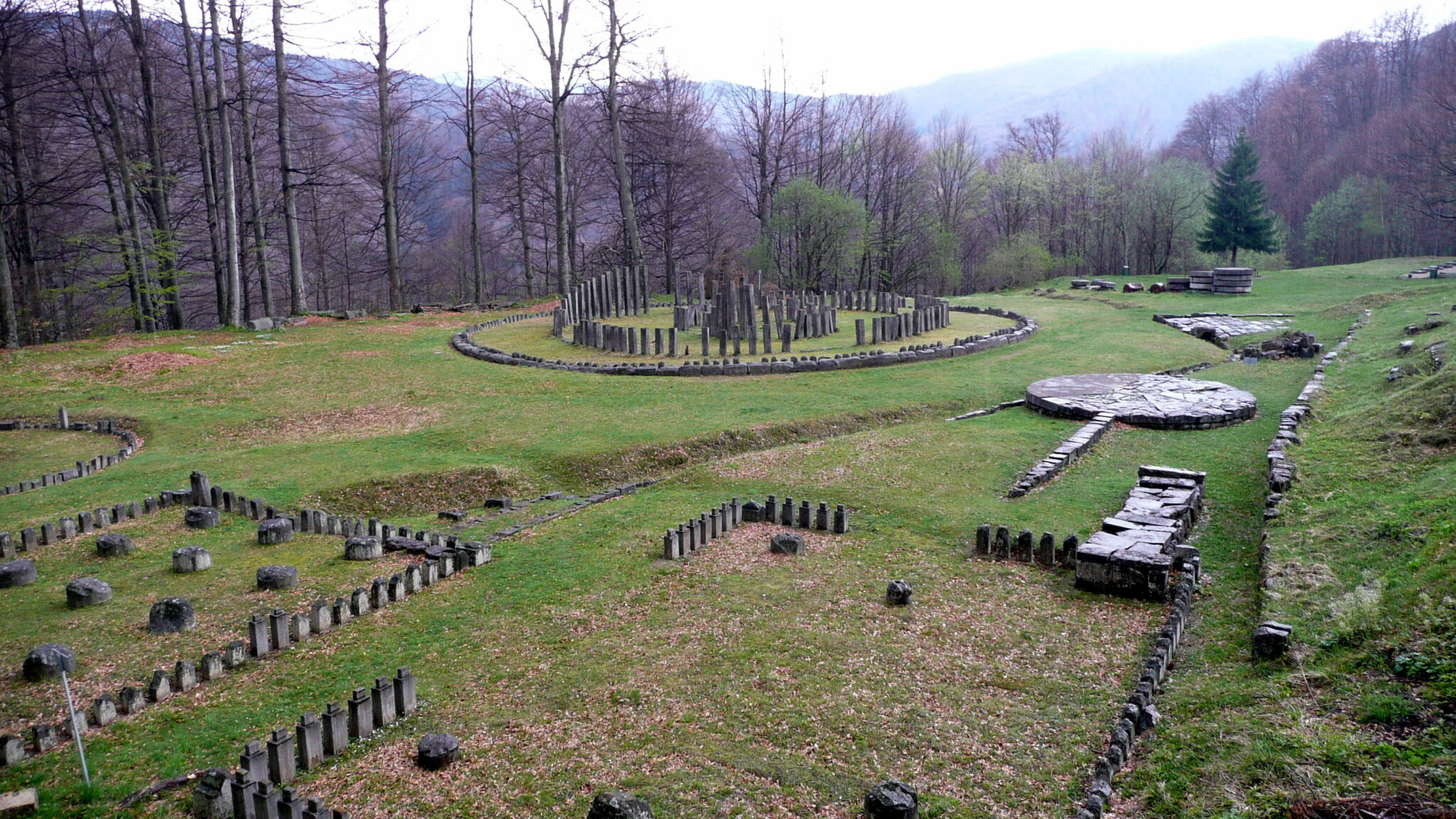
Before the Roman conquest, the Dacians controlled a powerful kingdom north of the Danube, especially under kings such as Burebista and Decebalus. Their world was centred in the Carpathian area, with fortified settlements, sacred sites, metalworking, trade links, and a political system strong enough to become a serious concern for Rome. This is why the Dacians still matter in Romania’s historical identity: they are not remembered only as a pre-Roman population, but as the people who shaped the land before it became part of the Roman world.
The clearest surviving symbol of that period is the group of six Dacian fortresses in the Orăștie Mountains, included on the UNESCO World Heritage List in 1999. Built in the 1st centuries BC and AD, they formed the core defensive system of the Dacian Kingdom and combined military engineering with religious architecture. UNESCO describes them as the nucleus of the kingdom before they were conquered by the Romans at the beginning of the 2nd century AD, and the site still shows how advanced Dacian planning had become before the wars with Emperor Trajan in 101–102 and 105–106 AD.
4. A Romance-language country in Eastern Europe
Romanian is the official language of Romania and one of the official languages of the European Union, while Romania itself has been an EU member since 1 January 2007. The language comes from Latin, with roots linked to the Roman presence in ancient Dacia, and it belongs to the same broad family as Italian, French, Spanish, and Portuguese. This is one reason Romania often feels culturally distinct from many of its neighbours: it sits geographically in South-Eastern Europe, but its main language points back to the Latin world.
That Latin base does not mean Romanian developed in isolation. Over centuries, it absorbed influences from surrounding Slavic languages, as well as Greek, Turkish, Hungarian, German, and French, which gives it a different sound and vocabulary from Western Romance languages. Even the country’s name reflects that Latin connection: “Romania” comes from Romanus, meaning a citizen of Rome. This mix is what makes the country so recognizable on the cultural map.
5. The Carpathian Mountains and wild nature
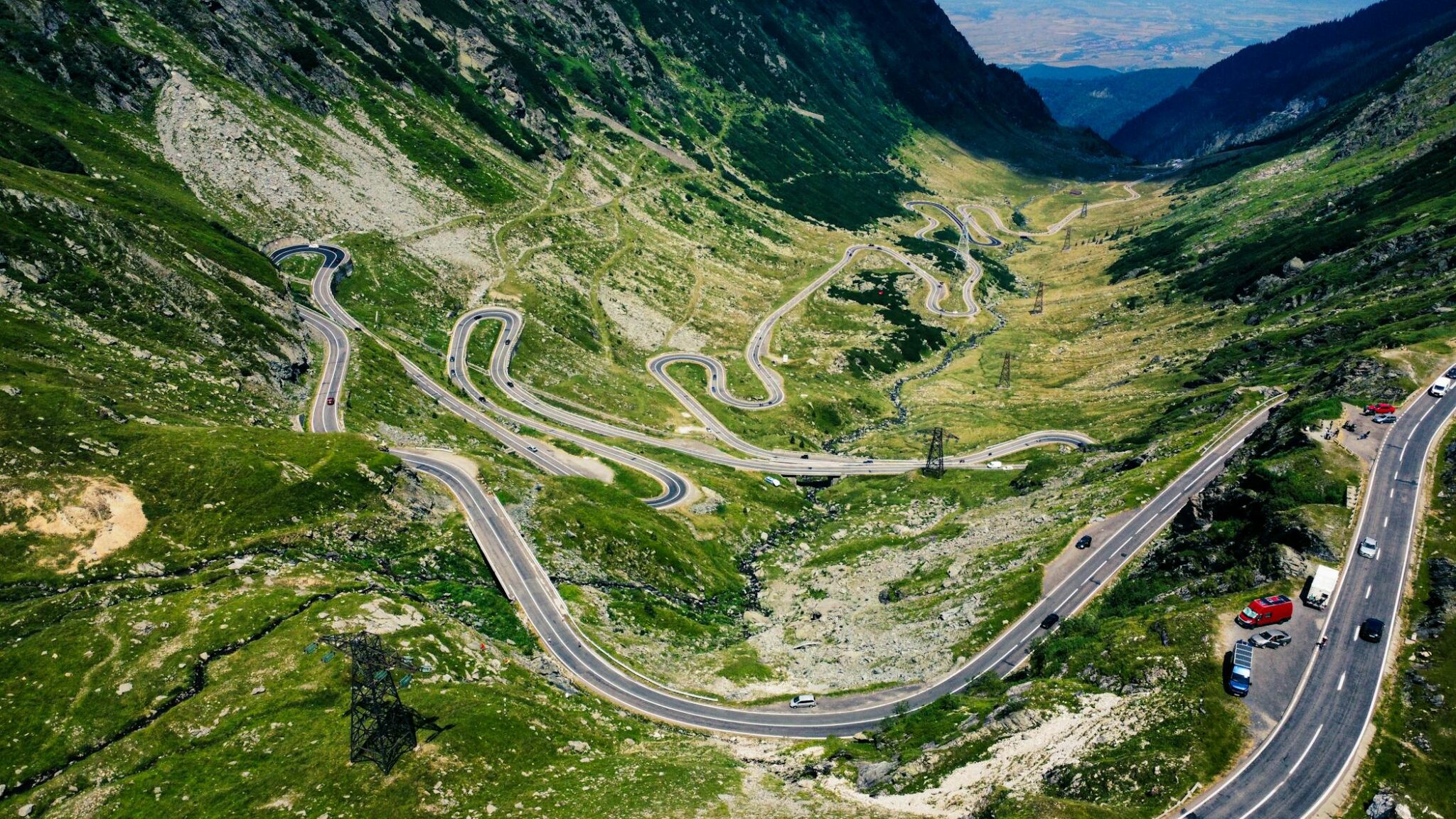
Romania is famous for the Carpathian Mountains because they give the country much of its natural identity. The range shapes large parts of Transylvania, Wallachia, Moldavia, and Maramureș, creating a landscape of forested valleys, high ridges, alpine meadows, caves, rivers, and glacial lakes. This is why Romania is often associated not only with castles and old towns, but also with outdoor travel: hiking in the Făgăraș and Bucegi Mountains, wildlife trips near Piatra Craiului, and mountain routes through Retezat, which is known as Romania’s first national park and has more than 100 glacial lakes. In many places, the Carpathians still feel less developed than better-known mountain regions in Western Europe, which helps explain their image as one of the continent’s major wild landscapes.
Romania is especially known for large carnivores, with brown bears, wolves, and lynxes still living across the mountain forests, alongside chamois, red deer, roe deer, wild boar, foxes, and birds such as golden eagles and capercaillies. A new national monitoring project reported in late 2025 estimated Romania’s brown bear population at about 10,657 to 12,787 animals, far higher than older estimates and one of the clearest signs of how important the Carpathians are for European wildlife. WWF also notes that around one third of Europe’s large carnivore population of bears, wolves, and lynx is found in Romania, and that 140 European bison have been reintroduced in three areas of the country.
6. The Danube Delta
This is where the Danube, after flowing for about 2,860 kilometres across the continent, breaks into channels, lakes, marshes, reed beds, sandbanks, and shallow waters before reaching the Black Sea. UNESCO describes it as the largest and best-preserved delta in Europe, with more than 300 bird species and 45 freshwater fish species, while the Romanian part of the UNESCO World Heritage site covers 312,440 hectares. The delta is therefore not just a scenic place at the edge of Romania; it is a major natural system where river water, sea water, migration routes, fishing traditions, and protected habitats meet.
Its fame also comes from how alive and changeable the landscape feels. Pelicans, cormorants, egrets, herons, glossy ibises, white-tailed eagles, and many migratory birds use the delta for nesting, feeding, or resting on long routes between Europe, Africa, and Asia. The wider Romanian Danube Delta Biosphere Reserve covers about 580,000 hectares, including the delta itself, the Razim-Sinoe lagoon complex, floodplain areas, and shallow marine waters, which explains why it supports such a wide mix of habitats.
7. Painted monasteries
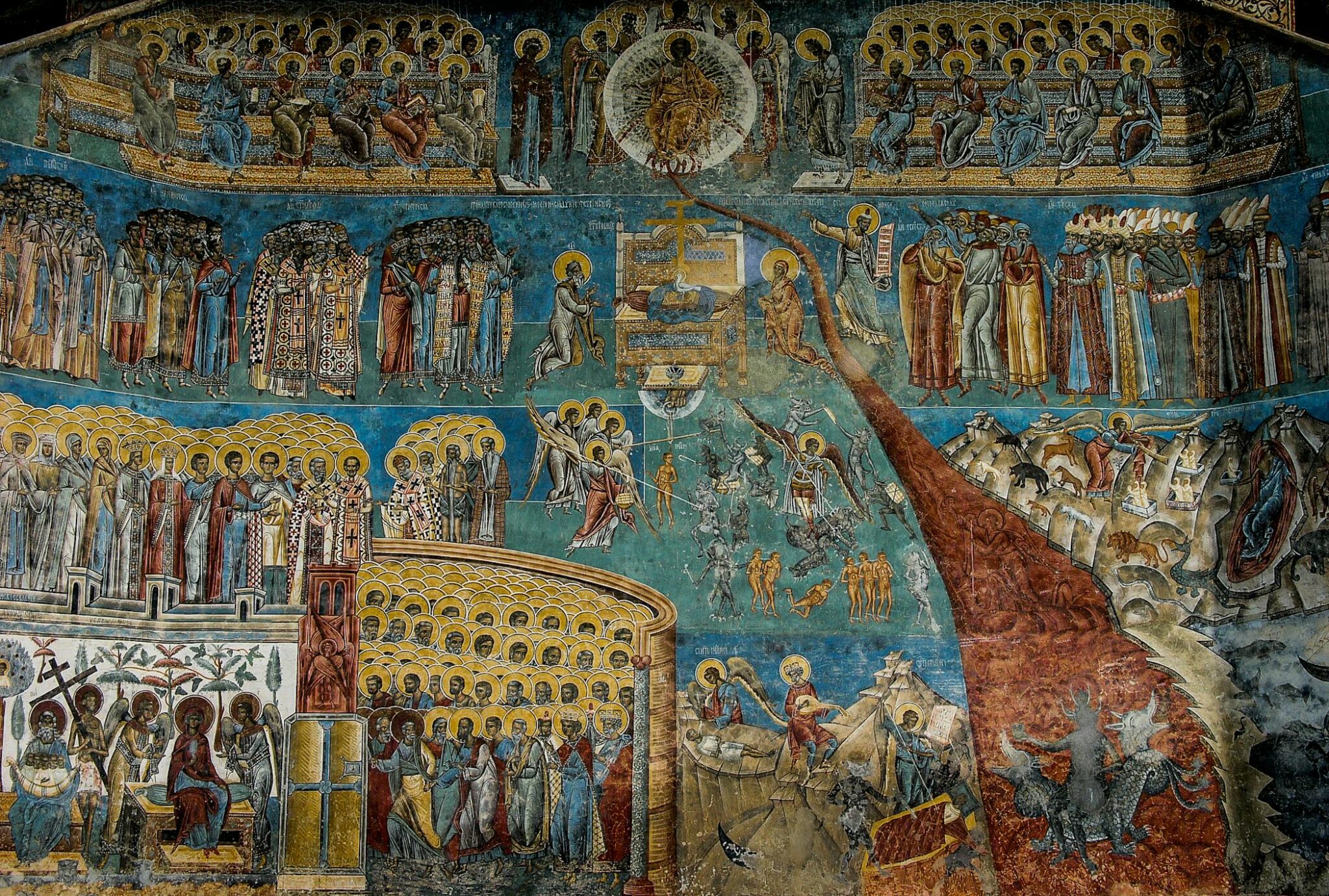
These churches, mostly in Bucovina and northern Moldavia, were built and painted between the late 15th and 16th centuries, when Moldavia was an important Orthodox principality on the edge of Central and Eastern Europe. Their most unusual feature is not only the painted interior, which is common in Orthodox churches, but the exterior walls covered with large fresco cycles. Biblical scenes, saints, prophets, angels, sieges, moral lessons, and images of heaven and judgment were painted on the outside so that the church itself became a public visual story. Eight of these churches are included in the World Heritage listing, including Voroneț, Humor, Moldovița, Arbore, Pătrăuți, Probota, Suceava, and Sucevița.
8. Sighișoara and Saxon heritage
Romania is famous for Sighișoara because it shows the medieval and Saxon side of Transylvania in a compact, easy-to-recognize form. The historic centre was founded by German craftsmen and merchants known as the Transylvanian Saxons, and UNESCO describes it as a fine example of a small fortified medieval town that played an important strategic and commercial role for several centuries. Its citadel still keeps the logic of a fortified settlement: narrow streets, colourful houses, defensive walls, towers, churches, and a hilltop layout shaped by trade, defence, and local self-government. This is why Sighișoara is not just another old town in Romania. It preserves the urban world of the Saxon communities who helped build medieval Transylvania.
The 14th-century Clock Tower controlled the main gate and remains the clearest symbol of the citadel, while the old defensive system once included 14 towers and several bastions, many connected with craft guilds that maintained and defended them. This gives Sighișoara a different meaning from Romania’s castles or monasteries: it is famous as a lived-in medieval town, not only as a monument. UNESCO’s later materials call it outstanding testimony to the culture of the Transylvanian Saxons, a culture that developed over roughly 850 years and is now represented largely through architecture and urban heritage.
9. Maramureș and wooden traditions
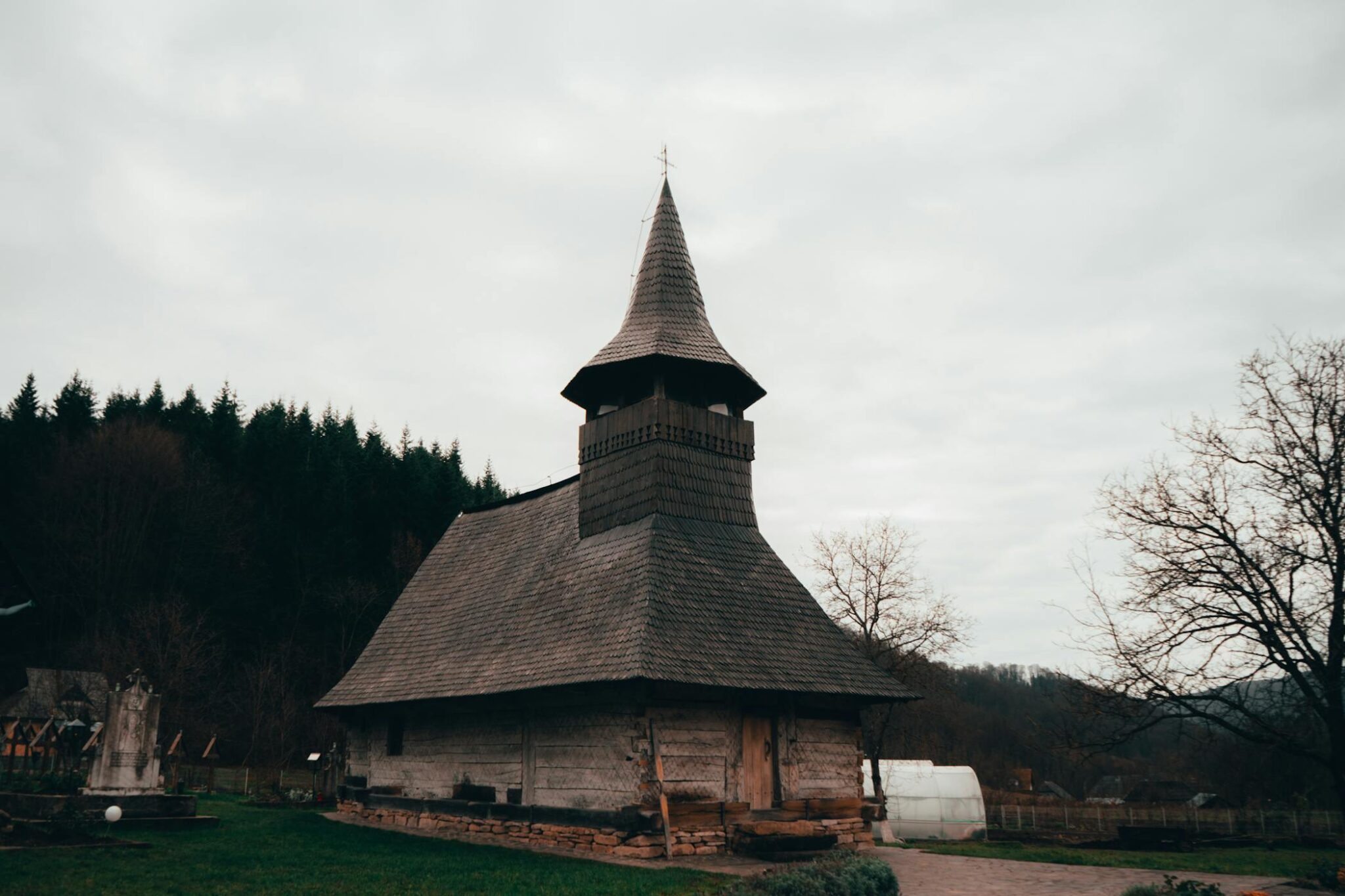
In the villages of northern Romania, wood is not only a building material but a visual language: houses, barns, church towers, roadside crosses, fences, and carved gates all show how local craft shaped everyday life. The best-known examples are the Wooden Churches of Maramureș, eight of which are included on the UNESCO World Heritage List. UNESCO describes them as narrow, tall timber constructions with single or double shingled roofs and slim clock towers at the western end, showing different architectural solutions from different periods and areas. This is why Maramureș is often seen as a place where Romanian village life, Orthodox tradition, Gothic influence, and mountain craftsmanship meet in one landscape.
Traditional carved gates remain one of the strongest symbols of Maramureș, especially in villages where households use them as signs of family identity, status, and continuity. Romanian tourism materials highlight places such as Breb for traditional houses, massive hand-carved wooden gates, manual farming techniques, and villagers still wearing traditional dress for church on Sundays. The region is also known for the Merry Cemetery of Săpânța, where brightly painted wooden crosses use short folk-style epitaphs and images to tell stories about the people buried there.
10. Constantin Brâncuși
Born in 1876 in Hobița, in Gorj County, he later built most of his career in Paris, where he moved in the early 20th century and became part of the modernist art world. Brâncuși moved away from realistic detail and reduced figures to clear, balanced forms, which is why works such as Bird in Space, The Kiss, Sleeping Muse, and Mademoiselle Pogany are often linked with the rise of abstract sculpture. His importance is not only Romanian pride: his work belongs to the wider history of 20th-century art, where sculpture became less about copying the visible world and more about form, rhythm, material, and idea.
The strongest Romanian symbol of his legacy is the Brâncuși Monumental Ensemble of Târgu Jiu, created in 1937–1938 to commemorate those who died defending the city during the First World War. UNESCO inscribed the ensemble on the World Heritage List in 2024 and describes Brâncuși as an influential pioneer of abstract sculpture. The site includes the Table of Silence, the Alley of Chairs, the Gate of the Kiss, and the Endless Column, arranged along a long urban axis connected with the Avenue of Heroes. This makes it different from a museum collection: the sculptures are placed in the city itself, turning public space into a memorial route.
11. George Enescu and classical music
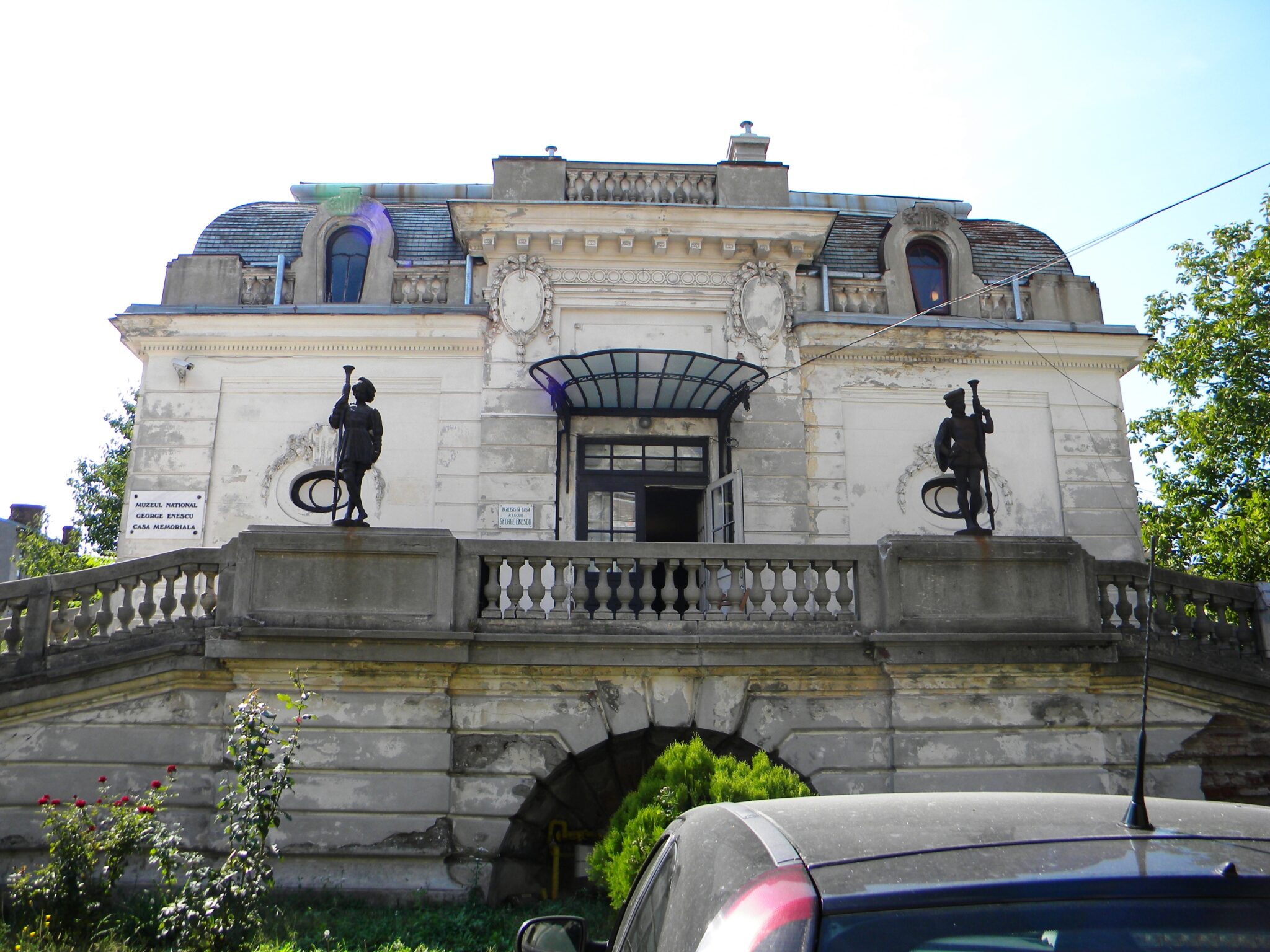
Romania is famous for George Enescu because he remains the country’s central name in classical music. Born in 1881, he was not only a composer but also a violinist, conductor, pianist, and teacher, which gives him a wider place in music history than a single famous work would suggest. His Romanian Rhapsodies, especially the first one, helped bring Romanian folk rhythms and melodic patterns into the international concert hall, while his opera Oedipe and chamber music show a more complex modern European side of his work. This is why Enescu matters beyond national pride: he connects Romanian musical identity with the wider classical tradition of Paris, Vienna, and the great European stages of the early 20th century.
His name is kept visible through the George Enescu International Festival and Competition, one of Romania’s most prestigious cultural events. The festival began in 1958 and is held in Bucharest every two years, with concerts in landmark venues such as the Romanian Athenaeum, Sala Palatului, Sala Radio, and the National University of Music. The 27th edition took place from 24 August to 21 September 2025 and brought around 4,000 artists to Romania, with state funding covering more than 90% of its 75 million lei budget.
Britchi Mirela, CC BY-SA 3.0 RO https://creativecommons.org/licenses/by-sa/3.0/ro/deed.en, via Wikimedia Commons
12. Nadia Comăneci and gymnastics
Romania is famous for Nadia Comăneci because her performance at the 1976 Montreal Olympics became one of the most recognizable moments in Olympic history. She was only 14 when she became the first gymnast ever to receive a perfect 10.0 at the Olympic Games, first on the uneven bars. The score was so unexpected that the scoreboard could not display “10.00” and showed “1.00” instead, a detail that became part of the story. Her result mattered because it changed how people watched gymnastics. At Montreal 1976, Comăneci won five medals, including three golds, and became closely linked with the idea of the “perfect 10” itself. For Romania, her success created one of the country’s clearest sporting identities: even people who know little about Romanian sport often know Nadia’s name. It also helped build the reputation of Romanian women’s gymnastics as one of the strongest schools in the world during the late 20th century.
13. Folk traditions such as Mărțișor, doina, and the Căluș ritual
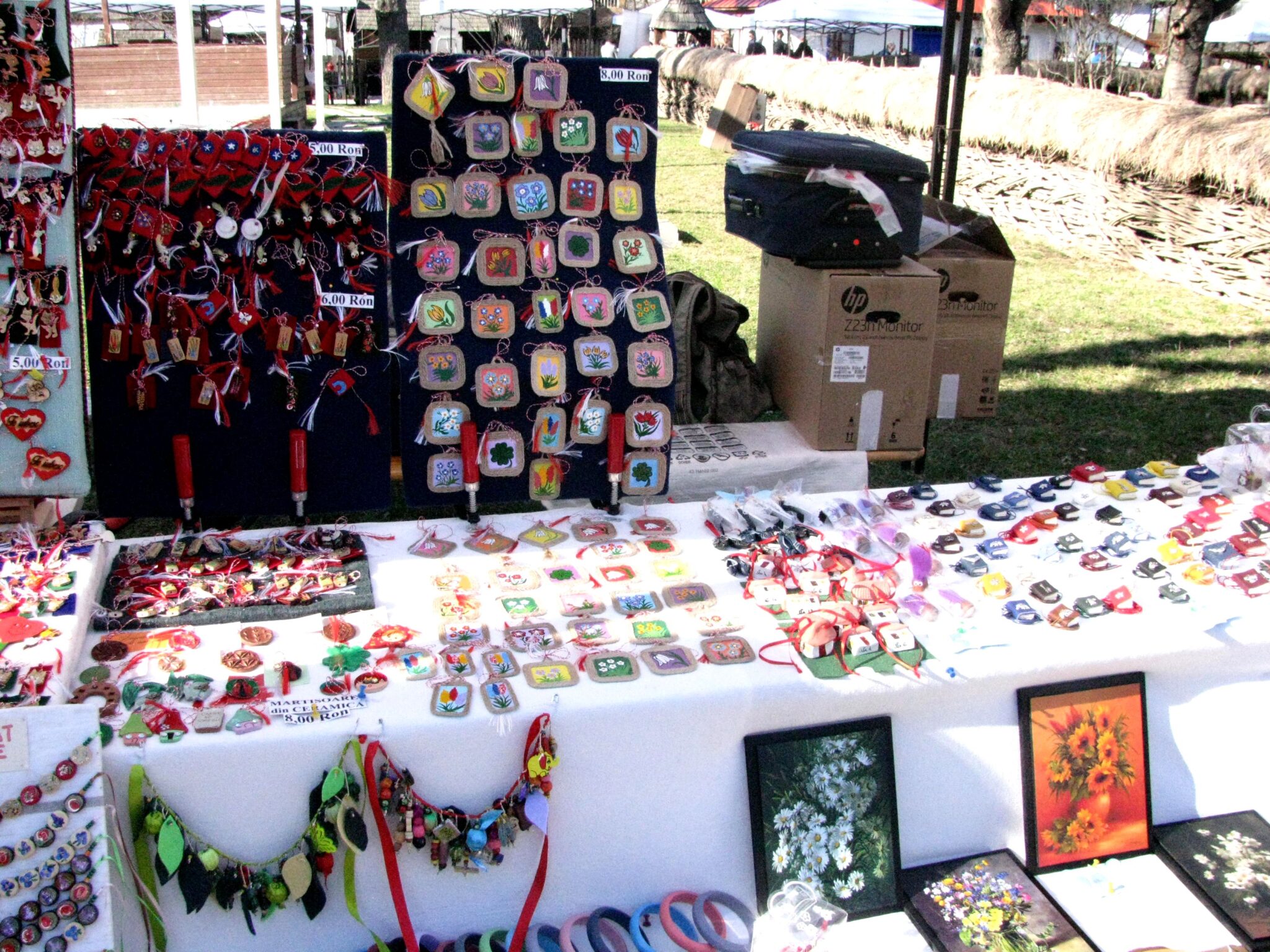
Romania is famous for folk traditions because many of them are still practiced in daily and seasonal life, not only shown on stage or preserved in museums. Mărțișor is one of the clearest examples: on 1 March, people give or wear small red-and-white cords, often with a charm, as a sign of spring, renewal, health, and good luck. The custom is shared with neighbouring countries and was inscribed by UNESCO as part of the cultural practices associated with 1 March. In Romania, it remains visible in schools, workplaces, markets, homes, and city streets at the end of winter, which makes it one of the easiest folk customs for visitors to notice. It is simple, but it carries a strong seasonal meaning: the red and white thread marks the passage from cold months into spring.
Other traditions show the more musical and ritual side of Romanian culture. Doina, recognized by UNESCO in 2009, is a lyrical form often described through free rhythm, personal emotion, and themes such as longing, love, grief, nature, and social life. It can be sung alone, played on instruments, or adapted by different regions and performers, which makes it flexible rather than fixed. The Căluș ritual, also recognized by UNESCO, is more public and energetic: it is connected with group dance, music, symbolic protection, healing, and Pentecost-period customs, especially in southern Romania. Together, Mărțișor, doina, and Căluș explain why Romania is known for living folk culture.
Babu, CC BY-SA 4.0 https://creativecommons.org/licenses/by-sa/4.0, via Wikimedia Commons
14. Orthodox Christianity
According to final 2021 census data, 14.0 million people in Romania identified with the Romanian Orthodox Church, equal to about 85.5% of those who declared a religion. This makes Orthodoxy by far the largest religious tradition in the country, even though Romania is constitutionally a secular state. Its influence is visible in Easter and Christmas customs, saints’ days, pilgrimages, icons, church music, and the presence of churches and monasteries in both cities and rural areas. That Orthodox identity also shapes how Romania presents its heritage to visitors. Religious sites are not treated as separate from national culture: they appear together with architecture, crafts, history, and regional traditions. The painted monasteries of Bucovina, the wooden churches of Maramureș, old monastic centres in Moldavia and Wallachia, and major churches in Bucharest all show how faith became part of Romania’s visual landscape.
15. Ceaușescu, communism, and the 1989 Revolution
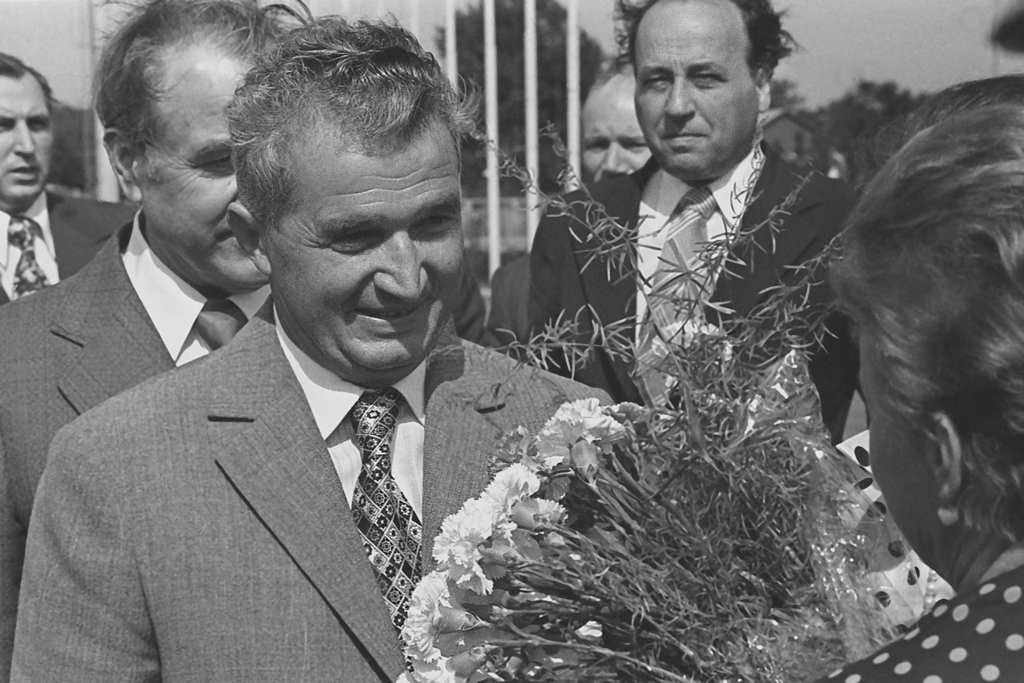
Nicolae Ceaușescu ruled the country from 1965 until 1989, building a highly controlled communist state marked by censorship, surveillance, political repression, food and energy shortages, and a personality cult around himself and his family. In Bucharest, that period is still visible in the scale of the Palace of Parliament, the former “House of the People”, built during severe economic hardship as a protected symbolic seat of power. The building’s official visitor materials describe it as one of Romania’s most controversial monuments: a vast project of the Ceaușescu era, created by more than 100,000 people, with nearly 20,000 workers active in three shifts during peak construction.
The regime collapsed in December 1989, making Romania one of the most dramatic cases in the fall of communism in Eastern Europe. Revolution Square in Bucharest became internationally known after Ceaușescu’s final public appearance on 21 December 1989, when the crowd turned against him during a staged rally; the next day, he and Elena Ceaușescu fled by helicopter from the former Communist Party headquarters. The revolution ended with the execution of Nicolae and Elena Ceaușescu on 25 December 1989, after a short trial, and more than 1,100 people were killed during the violent transition.
on Chibzii from Chisinau, Republic of Moldova, CC BY-SA 2.0 https://creativecommons.org/licenses/by-sa/2.0, via Wikimedia Commons
If you’ve been captivated by Romania like us and are ready to take a trip to Romania – check out our article on interesting facts about Romania. Check if you need an International Driving Permit in Romania before your trip.

Published May 16, 2026 • 15m to read