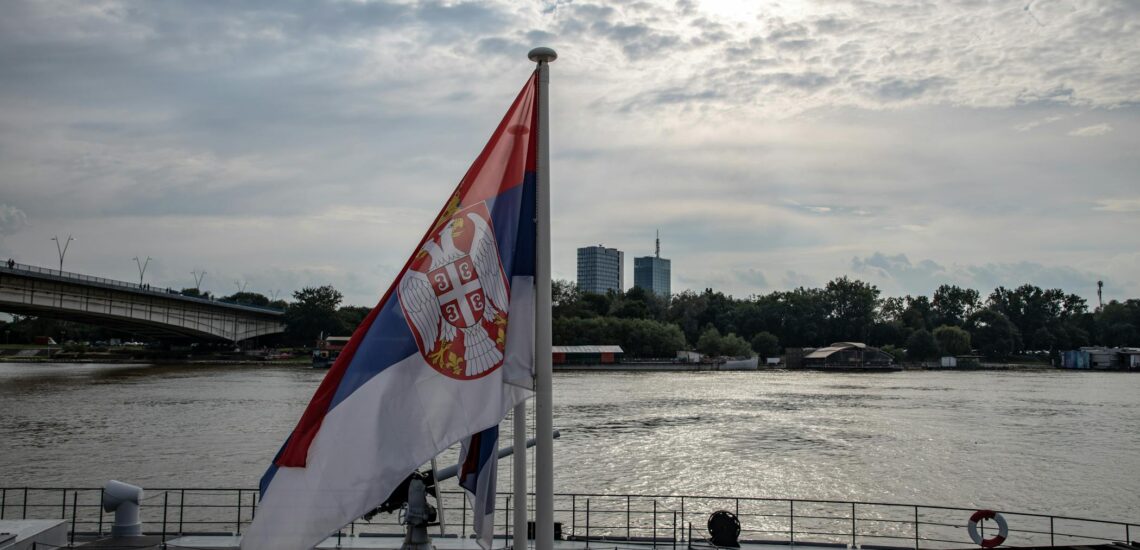


Serbia is a Balkan country known for its powerful mix of history, Orthodox heritage, lively cities, mountain landscapes, strong food culture, world-class athletes, and complicated modern politics. Although it is a relatively small landlocked country, Serbia has a much larger cultural footprint than its size might suggest, from Belgrade’s nightlife and medieval monasteries to Nikola Tesla, Novak Djokovic, rakija, brass music, and the legacy of Yugoslavia. Serbia’s population is about 6.6 million, and its capital, Belgrade, remains the country’s political, commercial, and cultural centre.
1. Belgrade
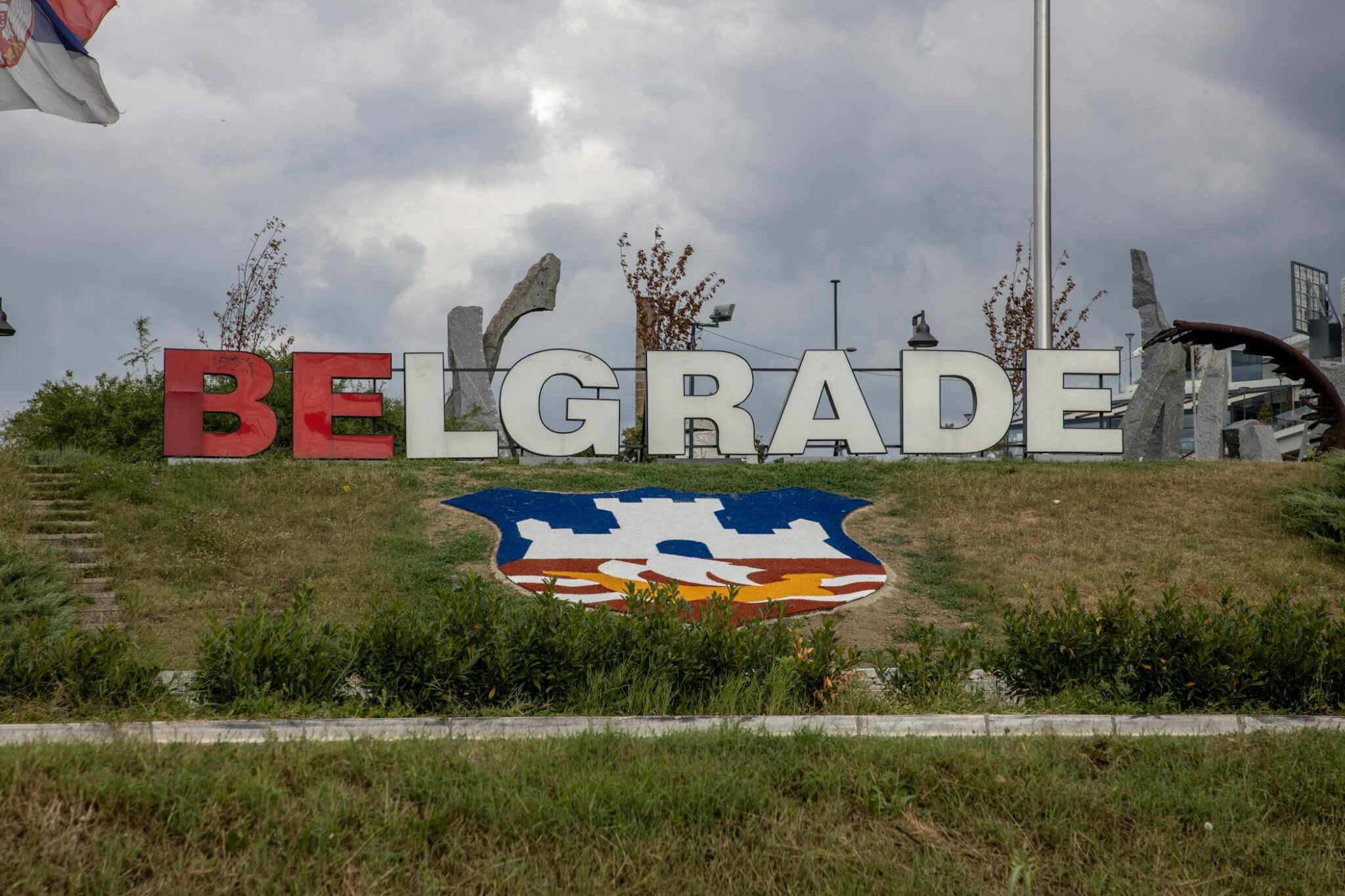
The city stands at the confluence of the Sava and Danube rivers, a position that made it strategically important for more than two thousand years. Belgrade Fortress and Kalemegdan Park sit above that meeting point, and official tourism materials describe the fortress as the place from which modern Belgrade originally developed. The site has Celtic, Roman, Byzantine, Serbian, Ottoman, and Austro-Hungarian layers, which helps explain why the city feels less like a single-period capital and more like a crossroads shaped by repeated change. Today, the wider Belgrade administrative area has about 1.68 million people, making it Serbia’s largest city and the country’s main political, cultural, transport, and nightlife centre.
Belgrade’s appeal comes from contrast rather than perfect preservation. Around the city, Ottoman traces, Austro-Hungarian façades, Orthodox churches, Yugoslav modernist blocks, socialist-era housing, war-damaged buildings, new riverfront developments, street cafés, and floating river clubs all exist close to one another. Knez Mihailova Street and the old centre give the city its pedestrian rhythm, while Novi Beograd shows the scale of the post-war Yugoslav period, and the Sava and Danube riverbanks shape much of its social life.
2. Kalemegdan Fortress and the Sava-Danube confluence
Serbia is famous for Kalemegdan because this fortress area explains why Belgrade became such an important city. It stands on the ridge above the confluence of the Sava and Danube rivers, a position used for settlement since prehistoric times because it controlled the plains to the north and west. The site later became Roman Singidunum, with a military camp built in the early 1st century CE and a stone castrum in the area of today’s Upper Town. Over the centuries, Celts, Romans, Byzantines, Serbs, Hungarians, Ottomans, and Austrians all left traces here, which makes Kalemegdan one of the clearest physical summaries of Belgrade’s role as a frontier city. Its walls do not tell one simple national story; they show a place repeatedly fought over because whoever controlled this hill controlled one of the key river crossings of Southeast Europe.
Today, Kalemegdan is famous not only as a fortress but as Belgrade’s most symbolic public space. Its military role faded after 1867, when the Ottoman commander handed the keys of the city to Prince Mihailo Obrenović, and the first landscaping of Kalemegdan Park began in 1869. The area now combines the Upper and Lower Town of the fortress with Great and Little Kalemegdan Park, viewpoints over the rivers, the Victor monument, gates, towers, churches, museums, walking paths, and open spaces used for cultural events.
3. Serbian Orthodox monasteries
Many of the most important monasteries were founded by rulers of the Nemanjić dynasty, so they were not only places of prayer but also royal endowments, burial sites, centres of literacy, and symbols of political legitimacy. Studenica is the strongest example: UNESCO describes it as the largest and richest of Serbia’s Orthodox monasteries, founded in the late 12th century by Stefan Nemanja, the founder of the medieval Serbian state. Its Church of the Virgin and Church of the King contain major collections of 13th- and 14th-century Byzantine painting, which helps explain why Serbian monasteries are valued as both spiritual and artistic monuments.
Other monasteries show how wide that heritage is. Sopoćani, included in the UNESCO site of Stari Ras and Sopoćani, is especially famous for frescoes from about 1270–1276, described by UNESCO as among the finest works of Byzantine and Serbian medieval art. Žiča is linked with the early Serbian church and royal tradition, Mileševa is known for the White Angel fresco, and Manasija combines a fortified monastic complex with the literary and copying activity of the Resava School. Together, these places explain why Orthodox Christianity remains so closely tied to Serbian culture.
4. Medieval Serbia and the Nemanjić dynasty
From the late 12th to the mid-14th century, the dynasty developed the principality of Raška into a powerful medieval state, with rulers who were remembered not only as kings and emperors but also as monastery founders, lawgivers, church patrons, and saints. Stefan Nemanja is central to this story: UNESCO describes him as the founder of the medieval Serbian state, and Studenica Monastery, which he founded in the late 12th century, became one of the main spiritual and dynastic centres of medieval Serbia.
This medieval legacy is important because it joins politics, religion, art, and writing in one tradition. Stari Ras, Sopoćani, Studenica, Žiča, Mileševa, and other sites are not simply old monuments; they show how medieval Serbia built its identity through rulers, Orthodox Christianity, royal foundations, fresco painting, church organization, and written culture. The UNESCO site of Stari Ras and Sopoćani includes the Medieval Town of Ras, Sopoćani Monastery, Đurđevi Stupovi Monastery, and St Peter’s Church, forming one of the clearest surviving landscapes of early Serbian statehood.
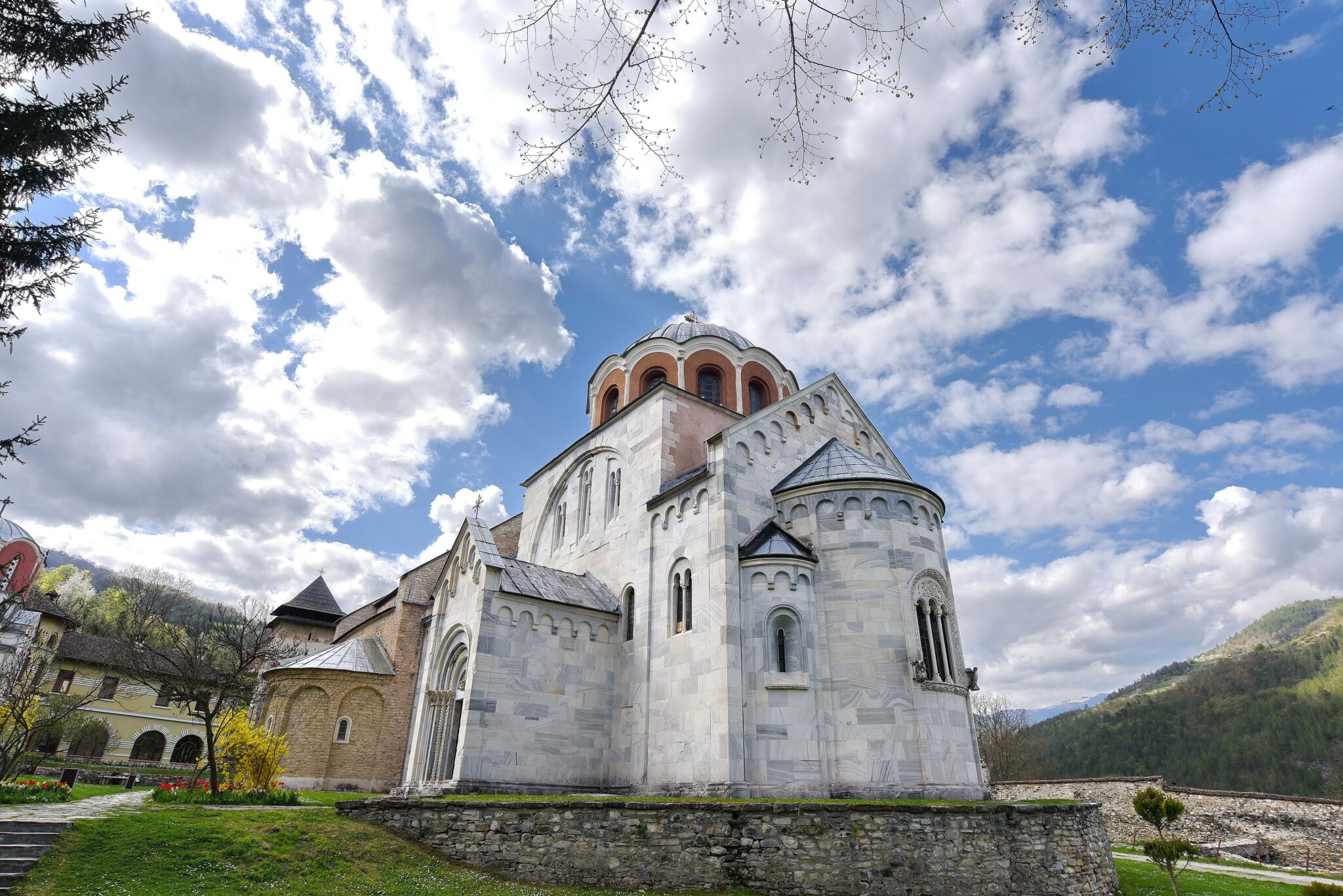
5. Studenica Monastery
Serbia is famous for Studenica Monastery because it is one of the strongest symbols of the country’s medieval foundations. Founded in the late 12th century by Stefan Nemanja, the founder of the medieval Serbian state, Studenica became a royal endowment, a monastic centre, and a dynastic burial place. UNESCO describes it as the largest and richest of Serbia’s Orthodox monasteries, with two main white marble churches: the Church of the Virgin and the Church of the King. Their 13th- and 14th-century Byzantine paintings make Studenica one of the key monuments of Serbian medieval art, not only a religious site in a remote valley. Its importance comes from the way several Serbian identity themes meet in one complex. Studenica is linked with Stefan Nemanja, later venerated as Saint Simeon, and with Saint Sava, who helped make the monastery a political, cultural, and spiritual centre of medieval Serbia.
Radmilo Djurovic, CC BY-SA 4.0 https://creativecommons.org/licenses/by-sa/4.0, via Wikimedia Commons
6. Gamzigrad-Romuliana and Roman heritage
Serbia is famous for Roman heritage because several parts of today’s country once stood inside important imperial routes, military zones, and frontier landscapes. The strongest symbol of that layer is Gamzigrad-Romuliana, also known as the Palace of Galerius, near Zaječar in eastern Serbia. UNESCO describes it as a Late Roman palace and memorial complex built in the late 3rd and early 4th centuries by Emperor Galerius Maximianus. It was not a simple villa or military camp, but a fortified imperial complex with palaces, temples, baths, gates, mosaics, and a memorial area connected with Galerius and his mother Romula.
Its importance comes from the way it connects local geography with Roman imperial power. Serbian tourism materials note that Galerius was born in the area of present-day Zaječar and built Felix Romuliana near his birthplace in honour of his mother, after whom the complex was named. The site’s massive walls and towers show the defensive language of the Tetrarchy period, while the palace and mausoleums show how emperors used architecture to link rule, memory, family, and divine status.
7. Nikola Tesla
His biography belongs to several historical contexts: Tesla was born in 1856 in Smiljan, then part of the Austrian Empire and now in Croatia, into a Serbian family, and later built his career in the United States. His work on alternating current, the polyphase system, electric motors, transmission, radio, and related technologies made him one of the key figures in the history of electrification. UNESCO describes Nikola Tesla’s Archive as essential for studying the electrification of the world, especially because his polyphase system became a foundation for producing, transmitting, and using electrical power over long distances.
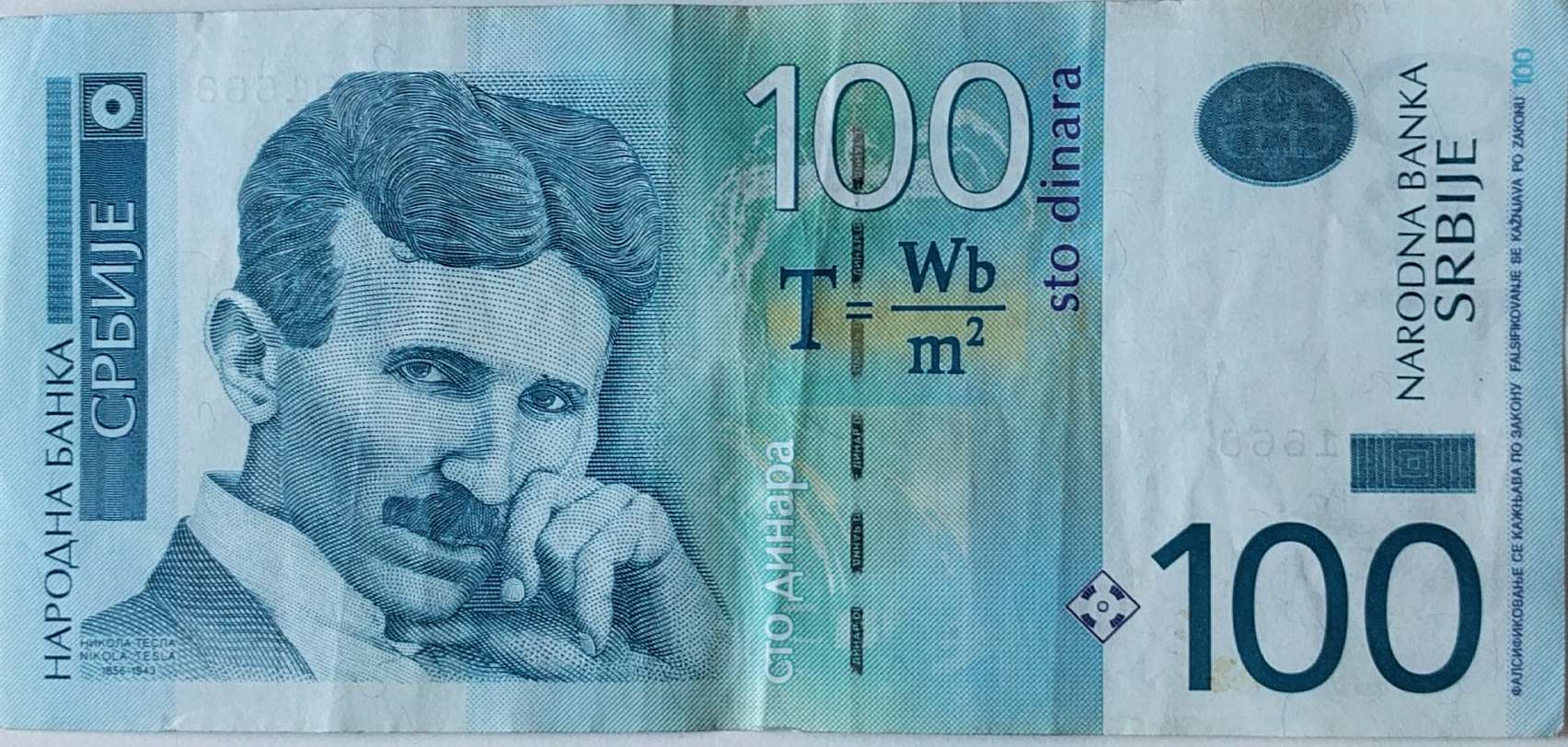
Serbia preserves this legacy most visibly through the Nikola Tesla Museum in Belgrade, which holds his original archive and personal legacy. The museum’s archive is kept in 548 boxes and includes manuscripts, photographs, patent documentation, scientific correspondence, technical drawings, personal papers, and other material connected with his life and work. In 2003, UNESCO added Tesla’s archive to the Memory of the World Register, giving it international recognition as documentary heritage of global importance. That is why Tesla’s name appears so often in Serbia: at Belgrade’s airport, in schoolbooks, museums, public memory, and on the 100-dinar banknote.
WikiWriter123, CC BY-SA 4.0 https://creativecommons.org/licenses/by-sa/4.0, via Wikimedia Commons
8. Novak Djokovic
Djokovic holds the men’s all-time record with 24 Grand Slam singles titles, including a record 10 Australian Open titles, and the ATP lists him as the all-time men’s leader in major singles titles. He has also spent a record 428 weeks as world No. 1, won a record seven ATP Finals titles, and became the third man in the Open Era to reach 100 tour-level singles titles after winning Geneva in 2025. These numbers make him more than Serbia’s best tennis player; they place him in the central debate about the greatest players in tennis history. His Olympic gold medal at Paris 2024 made that image even stronger. Djokovic defeated Carlos Alcaraz in the final and completed the career Golden Slam, joining the small group of men who have won all four Grand Slam tournaments and Olympic singles gold. For Serbia, his importance goes beyond trophies.
9. Basketball and Nikola Jokić
Serbian players, coaches, and clubs have long been associated with tactical discipline, passing, spacing, and reading the game, which is why the national team often competes above what Serbia’s population size would suggest. At Paris 2024, Serbia confirmed that reputation by beating Germany 93–83 in the bronze medal game, its first Olympic men’s basketball medal since winning silver in Rio 2016. The result mattered not only as a medal, but as proof that Serbian basketball remains part of the global elite, able to challenge the United States, defeat the reigning world champions, and produce teams built on collective skill rather than only individual athleticism.
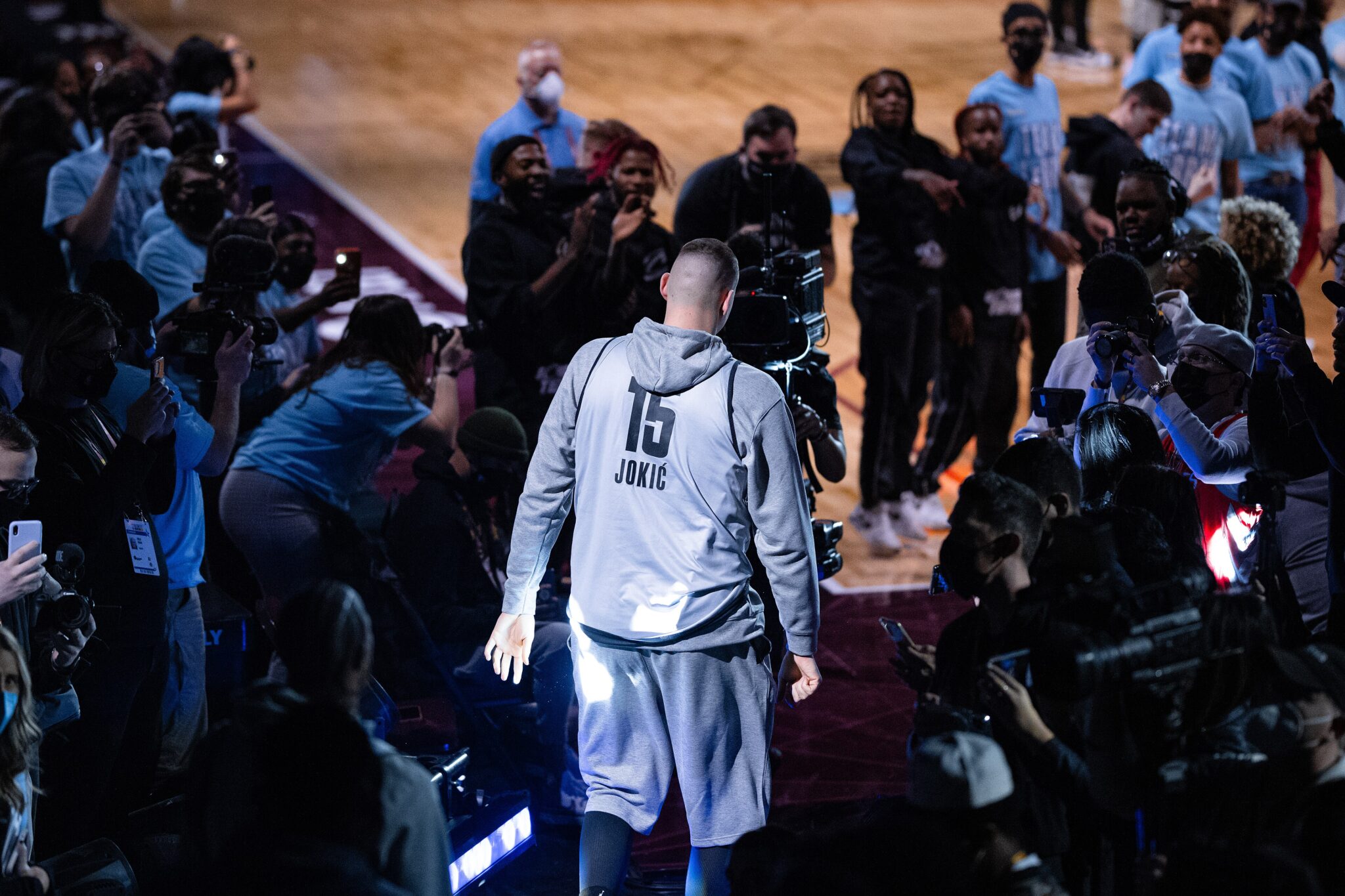
Nikola Jokić has made this reputation even stronger because he represents Serbian basketball at the highest level of the modern NBA. Born in Sombor, he became an NBA champion, Finals MVP, three-time regular-season MVP, and one of the league’s most unusual superstars: a 211 cm centre whose game is built around passing, timing, touch, and decision-making. At Paris 2024, he averaged 18.8 points, 10.7 rebounds, and 8.7 assists for Serbia, leading the tournament in rebounds and assists per game and helping turn the bronze-medal run into one of the clearest international showcases of his style.
Erik Drost, CC BY 2.0 https://creativecommons.org/licenses/by/2.0, via Wikimedia Commons
10. Slava
Slava is the annual celebration of a family’s patron saint, practiced by many Orthodox Christian families in Serbia and passed from generation to generation as a family feast. UNESCO inscribed Slava on the Representative List of the Intangible Cultural Heritage of Humanity in 2014, describing it as the celebration of a family saint patron’s day, with relatives, neighbours, and friends gathering in the home. A candle is lit, wine is poured over the slavski kolač, the ritual bread is cut and shared, and guests are welcomed for food, conversation, and prayer. Some families also prepare žito or koljivo, a sweet boiled wheat dish connected with remembrance and blessing. The social side is just as important as the religious one: people visit without the formality of an invitation, neighbours and relatives reconnect, and the host family shows continuity with earlier generations.
11. Kolo folk dance
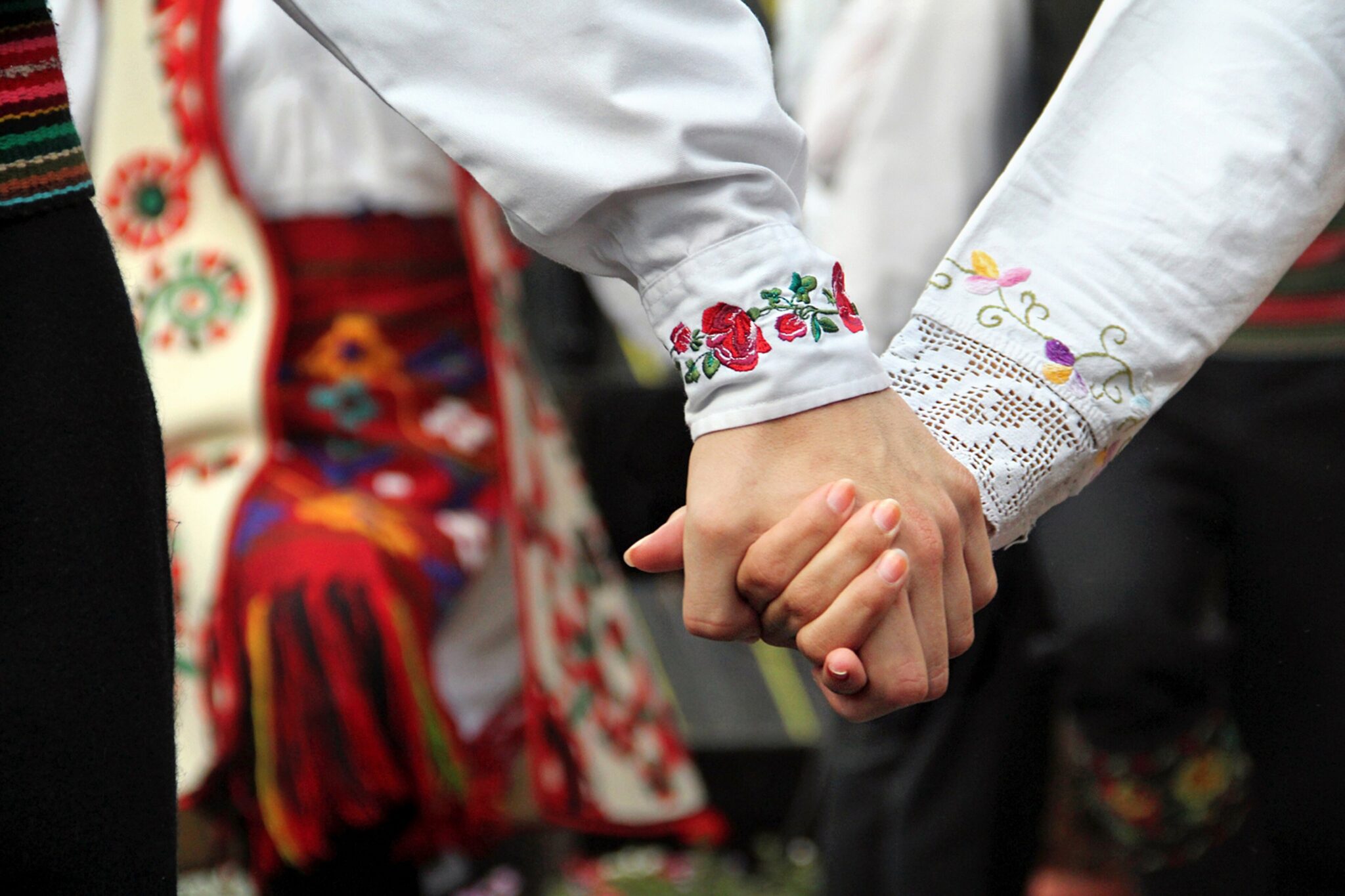
Kolo is a collective folk dance in which dancers link hands or hold one another and move together in a circle, chain, semicircle, or winding line. UNESCO inscribed Kolo, traditional folk dance on the Representative List of the Intangible Cultural Heritage of Humanity in 2017, describing it as a dance performed at private and public gatherings with an important social role. The steps can look simple at first, but different regions and communities have their own variations, speeds, rhythms, and ornaments, so experienced dancers can show skill through footwork, stamina, and timing. Its importance comes from the way it turns music into a shared social moment. Kolo is common at weddings, village celebrations, festivals, family gatherings, church-related events, and public performances, often accompanied by accordion, trumpet, pipe, drum, or folk orchestras.
BrankaVV, CC BY-SA 4.0 https://creativecommons.org/licenses/by-sa/4.0, via Wikimedia Commons
12. Gusle epic singing
The gusle is a simple bowed string instrument, usually associated with a solo performer known as a guslar, who sings long narrative poems while accompanying himself on the instrument. UNESCO inscribed Singing to the accompaniment of the Gusle on the Representative List of the Intangible Cultural Heritage of Humanity in 2018, describing it as an ancient art mainly connected with heroic epics. The importance of gusle singing is not only musical. A performance creates direct interaction between the singer and the listeners, turning poetry into a shared act of remembrance. UNESCO notes that the songs cover topics from archetypal motifs to historical themes and even modern life, reflecting the community’s value system.
13. Serbian Cyrillic and Vuk Karadžić
Serbian is unusual in Europe because it is actively written in both Cyrillic and Latin scripts, and many people can read both without effort. In official use, however, the Serbian language and Cyrillic script have a special position, which keeps Cyrillic visible in state institutions, schools, public signs, churches, books, monuments, and cultural symbols. This dual-script habit is one of the things that makes Serbia linguistically distinctive: the same language can appear in two alphabets, but Cyrillic still carries stronger historical and symbolic weight.
That modern identity is strongly connected with Vuk Stefanović Karadžić, the 19th-century language reformer who helped shape standard Serbian. He reformed Serbian Cyrillic for practical use, wrote a Serbian grammar, published a major dictionary, and collected folk poems, stories, riddles, and customs at a time when oral tradition was central to cultural memory. His spelling reform followed the phonetic principle often summarized as “write as you speak and read as it is written”, meaning that each sound should have a clear written form.
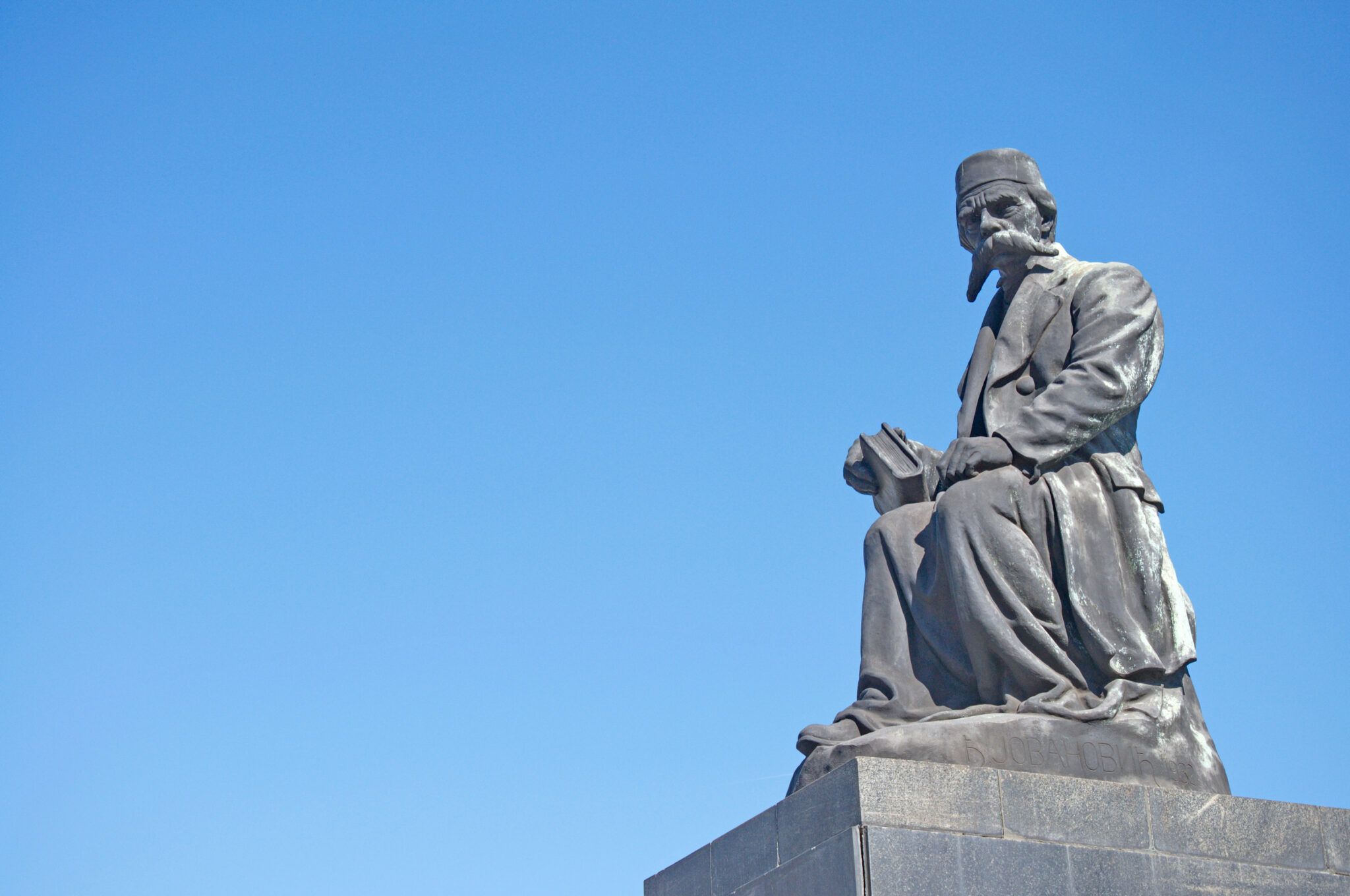
ZoranCvetkovic, CC BY-SA 3.0 https://creativecommons.org/licenses/by-sa/3.0, via Wikimedia Commons
14. Serbian cuisine
The best-known dishes include ćevapi, pljeskavica, sarma, pasulj, gibanica, burek, kajmak, ajvar, grilled meats, smoked products, pies, and rich pastries. This food reflects several layers of influence: Ottoman-style grilled meat and pastries, Central European stews and cakes, Balkan vegetable preserves, and local rural cooking based on bread, meat, dairy, peppers, beans, cabbage, and seasonal produce. Serbian tourism materials describe the country’s food as a “colourful palette of flavours” and regularly connect traditional dishes with local wine, rakija, markets, and regional festivals.
Serbian meals are often generous and informal, especially at family gatherings, Slava celebrations, village events, weddings, and kafanas, where food, music, conversation, and hospitality belong together. Grilled meat has a particularly strong place in this image: Leskovac is famous for its barbecue tradition, and its annual Grill Festival attracts up to half a million visitors, with ćevapi, pljeskavica, sausages, ražnjići, and other meat dishes served in the city centre.
15. Rakija and šljivovica
Serbia is famous for rakija, especially šljivovica, because this plum spirit is treated as part of family and rural culture rather than just as an alcoholic drink. Šljivovica is made from plums, a fruit strongly connected with Serbian orchards, village households, and inherited local knowledge. UNESCO inscribed the social practices and knowledge related to the preparation and use of Serbian šljivovica on the Representative List of the Intangible Cultural Heritage of Humanity in 2022, emphasizing not only the drink itself but the customs, skills, and community practices around it. This makes šljivovica one of Serbia’s clearest examples of living heritage: it connects agriculture, home tradition, seasonal work, family memory, and hospitality.
Its cultural meaning is strongest during gatherings and rituals. Šljivovica can appear at family celebrations, Slava, weddings, village feasts, farewells, welcomes, and memorial occasions, where it is linked with toasts, respect for guests, and wishes for health and well-being. Serbian tourism materials present it as a tradition used in moments of joy and grief, which explains why it should be described carefully: not as a party drink, but as a symbol of household continuity and social connection.
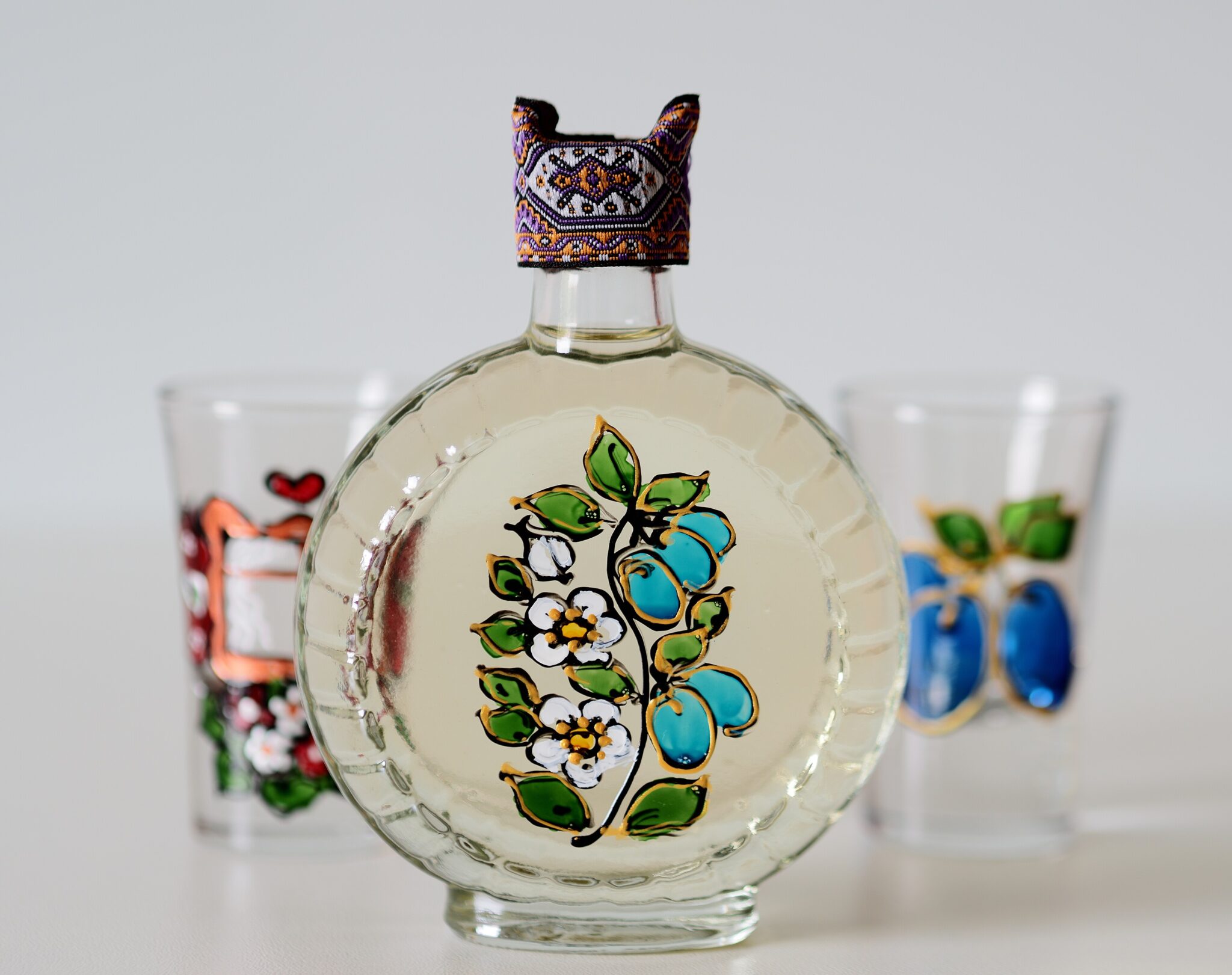
Petar Milošević, CC BY-SA 4.0 https://creativecommons.org/licenses/by-sa/4.0, via Wikimedia Commons
16. Kafana culture
A kafana is often translated as a tavern, restaurant, or coffeehouse, but none of those words fully covers its role. It can be a place for morning coffee, a long lunch, grilled meat, live music, political talk, family gatherings, business conversations, or late-night singing. The word itself is linked to the Turkish coffeehouse tradition, and Belgrade is often associated with some of the oldest kafana history in Europe, with early coffeehouses appearing there under Ottoman rule. Over time, the kafana became more than a place to eat and drink; it became a public living room where urban life, conversation, humour, music, and informal social rules developed together.
17. EXIT Festival
Serbia is famous for EXIT Festival because it turned Novi Sad and Petrovaradin Fortress into one of the country’s most visible modern cultural symbols. The festival began in 2000 as a student movement connected with democracy, freedom, and opposition to the Milošević era, then moved to Petrovaradin Fortress in 2001. That setting matters: music stages inside an 18th-century fortress above the Danube give EXIT a visual identity that few European festivals can copy. Over time, it grew from an activist student gathering into a major international event, with the 2024 edition drawing about 210,000 visitors from more than 80 countries. This is why EXIT is not only associated with concerts, DJs, and summer tourism, but also with Serbia’s post-2000 attempt to present a more open, youth-driven cultural image.
Its political origin has also remained part of the story. In 2025, EXIT’s organisers said the anniversary edition from 10 to 13 July would be the last held in Serbia under what they described as pressure over the festival’s support for student protests. Independent reporting also noted that public funding and sponsorship support had been withdrawn, while the organisers later announced a 2026 global tour after saying the festival would not return to Petrovaradin Fortress that year. The background is important: Serbia has seen months of student-led and anti-government protests after the November 2024 Novi Sad railway station canopy collapse, which killed 16 people and triggered demands for accountability.
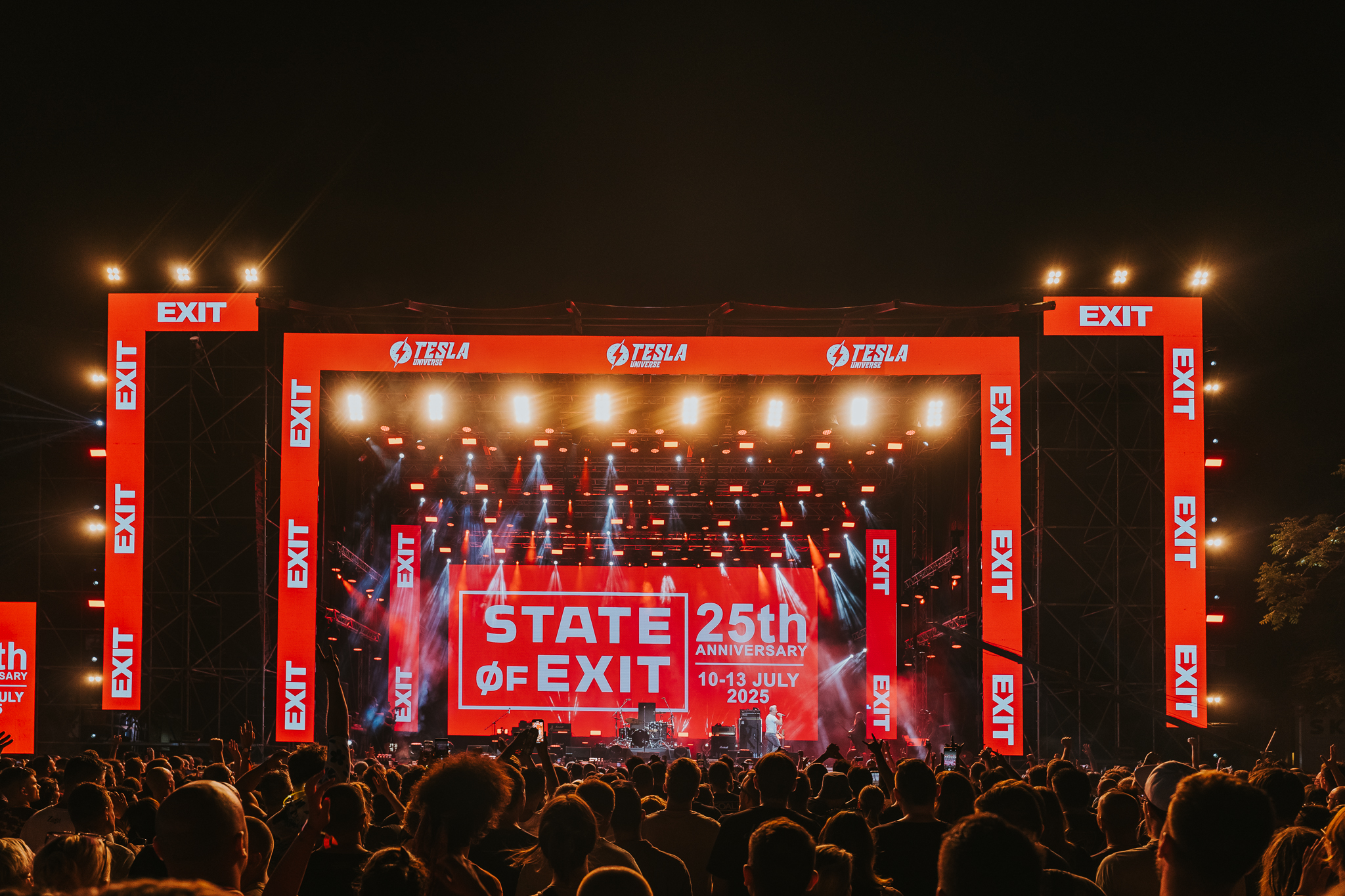
Lav Boka, EXIT Photo team, CC BY-NC-SA 2.0
18. Guča Trumpet Festival
Held in the small town of Guča in western Serbia’s Dragačevo region, the festival began in 1961 with only four competing orchestras and about 2,500 visitors. Over time, it grew into a major folk music gathering built around trumpet orchestras, competitions, street performances, dancing, food, and village-style celebration. The official festival site describes Guča as famous for the Assembly of Trumpet Players and presents it as the largest trumpet and brass band event of its kind, which explains why the town’s name has become known far beyond Serbia.
Guča represents a different side of Serbian music from Belgrade clubs, EXIT Festival, or modern pop culture. Its sound is louder, more rural, and closely tied to brass bands, kolo dancing, Romani and Serbian musical traditions, weddings, village feasts, and open-air celebration. The festival also works as a national showcase: visitors come not only to hear professional orchestras, but to experience a public atmosphere where trumpets move through the streets and music becomes part of the whole town.
19. Novi Sad and Petrovaradin Fortress
Located on the Danube in northern Serbia, it is the country’s second-largest city and the administrative centre of Vojvodina, a region known for its Serbian, Hungarian, Slovak, Croatian, Romanian, Ruthenian, and other cultural influences. Novi Sad has long been called the “Serbian Athens” because of its role in Serbian education, publishing, theatre, and cultural life, and that reputation gained modern recognition when it became a European Capital of Culture in 2022. The programme included more than 1,500 cultural events and around 4,000 artists, helping present Novi Sad as a city of museums, galleries, festivals, architecture, and open public spaces rather than only as Belgrade’s quieter northern counterpart.
Petrovaradin Fortress gives the city its strongest landmark. Standing above the Danube opposite the old urban centre, the fortress is often called the “Gibraltar on the Danube” because of its military position and scale. Its 18th-century walls, clock tower, gates, courtyards, and underground military galleries show why it was one of the key strategic points on this part of the river for centuries.
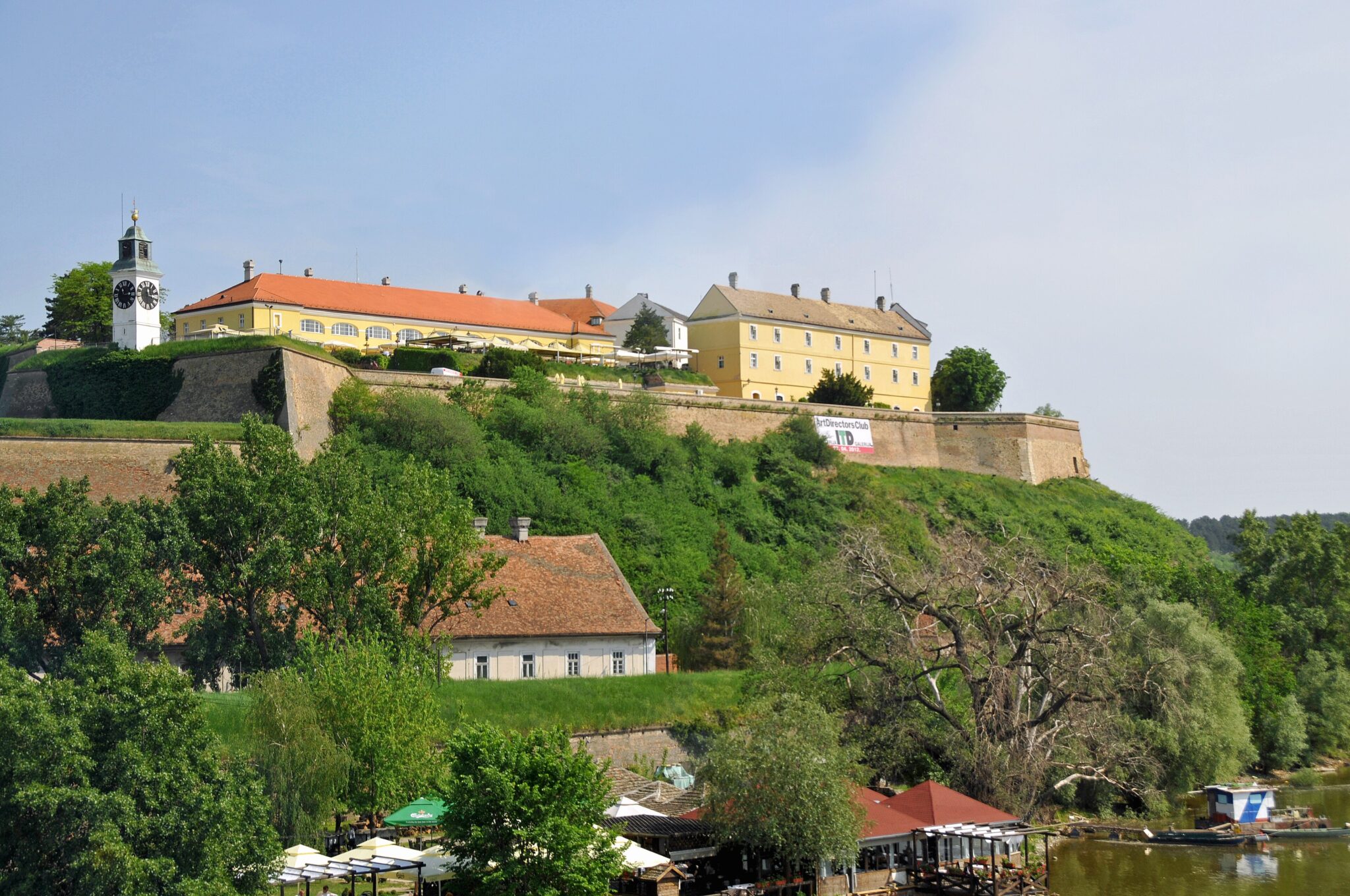
Dennis G. Jarvis, CC BY-SA 2.0 https://creativecommons.org/licenses/by-sa/2.0, via Wikimedia Commons
20. Tara National Park
Located in western Serbia near Bajina Bašta and the Drina River, Tara’s highest peaks rise above 1,500 metres, while the park is shaped by the Drina, Rača, Brusnica, Derventa, and other rivers. Serbian tourism highlights Banjska Stena and Bilješka Stena as key viewpoints, with views over Lake Perućac and the Drina canyon, and the park also has almost 300 kilometres of marked alpine trails. This makes Tara one of Serbia’s clearest outdoor symbols: a place for hiking, photography, cycling, river views, mountain roads, and slow travel through forests and villages.
Tara’s importance also comes from biodiversity. Forests cover around 80% of the park area, mostly mixed spruce, fir, and beech forests, and the park is home to about 1,100 described plant species, roughly one third of Serbia’s total flora. Its most famous plant is the Serbian spruce, or Pančić’s spruce, a rare relict species discovered on Tara in the 19th century and often treated as the park’s natural symbol. The wider ecosystem includes 53 mammal species and 135 bird species, with brown bears, chamois, birds of prey, and other mountain wildlife adding to Tara’s image as one of Serbia’s most valuable protected landscapes
21. Đerdap Gorge and the Iron Gates
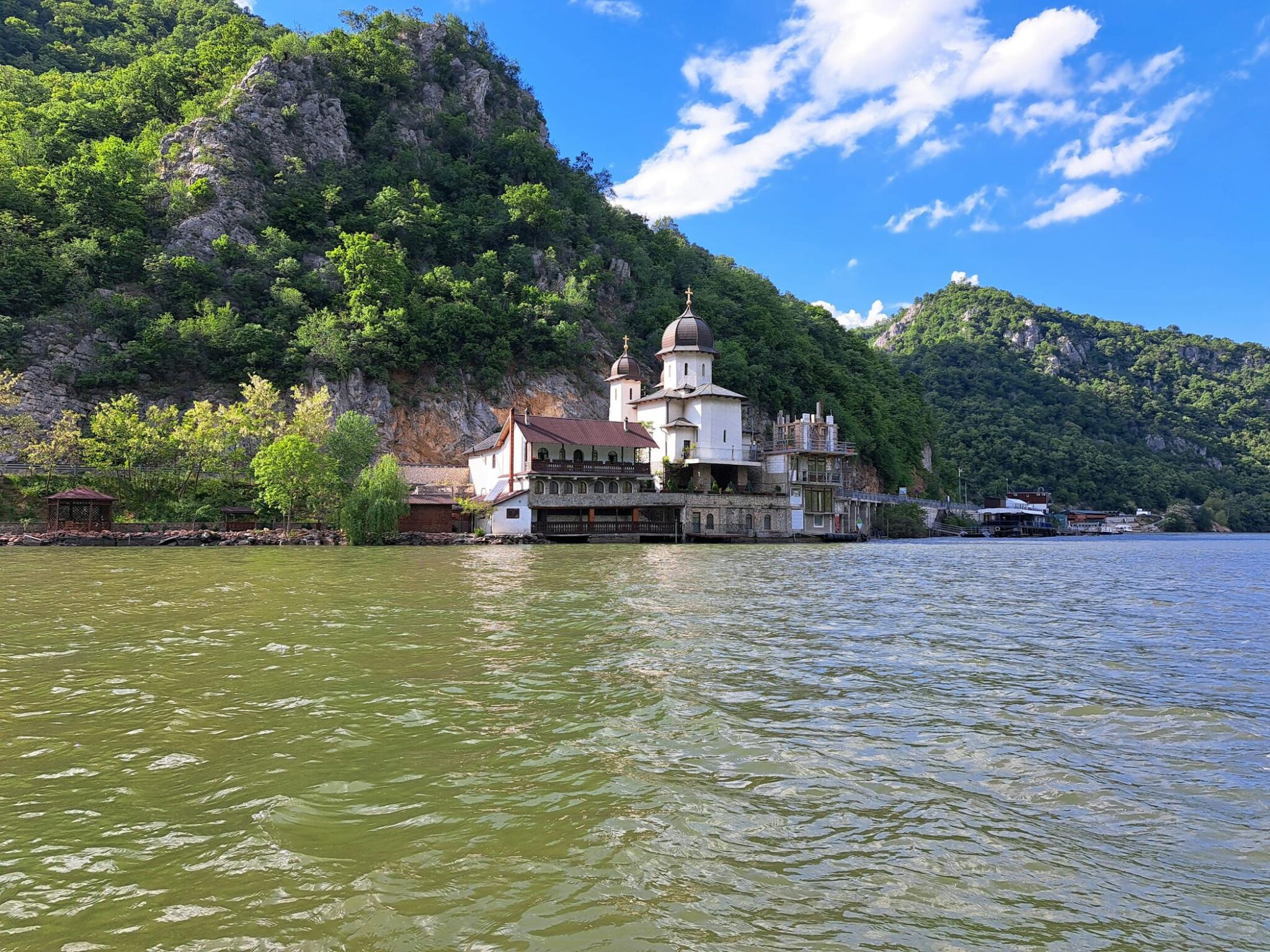
The park follows the right bank of the Danube in eastern Serbia, along the border with Romania, for about 100 kilometres from Golubac Fortress to the Roman site of Diana near Karataš. Serbian tourism describes Đerdap Gorge as Europe’s longest and highest gorge, where the river cuts through mountain terrain and narrows into dramatic sections such as Veliki Kazan and Mali Kazan. This makes the area more than a scenic river route: it is a natural corridor where cliffs, forests, viewpoints, deep water, and the Danube’s scale create one of Serbia’s strongest outdoor images.
The region is also famous because nature and history are packed into the same corridor. Travellers can connect Golubac Fortress, Lepenski Vir, Roman remains such as Diana and Trajan’s road heritage, Danube viewpoints, caves, villages, and national park trails in one journey through eastern Serbia. The park covers 63,786 hectares and includes a narrow mountain zone between roughly 2 and 8 kilometres wide, rising from 50 to 800 metres above sea level along the river.
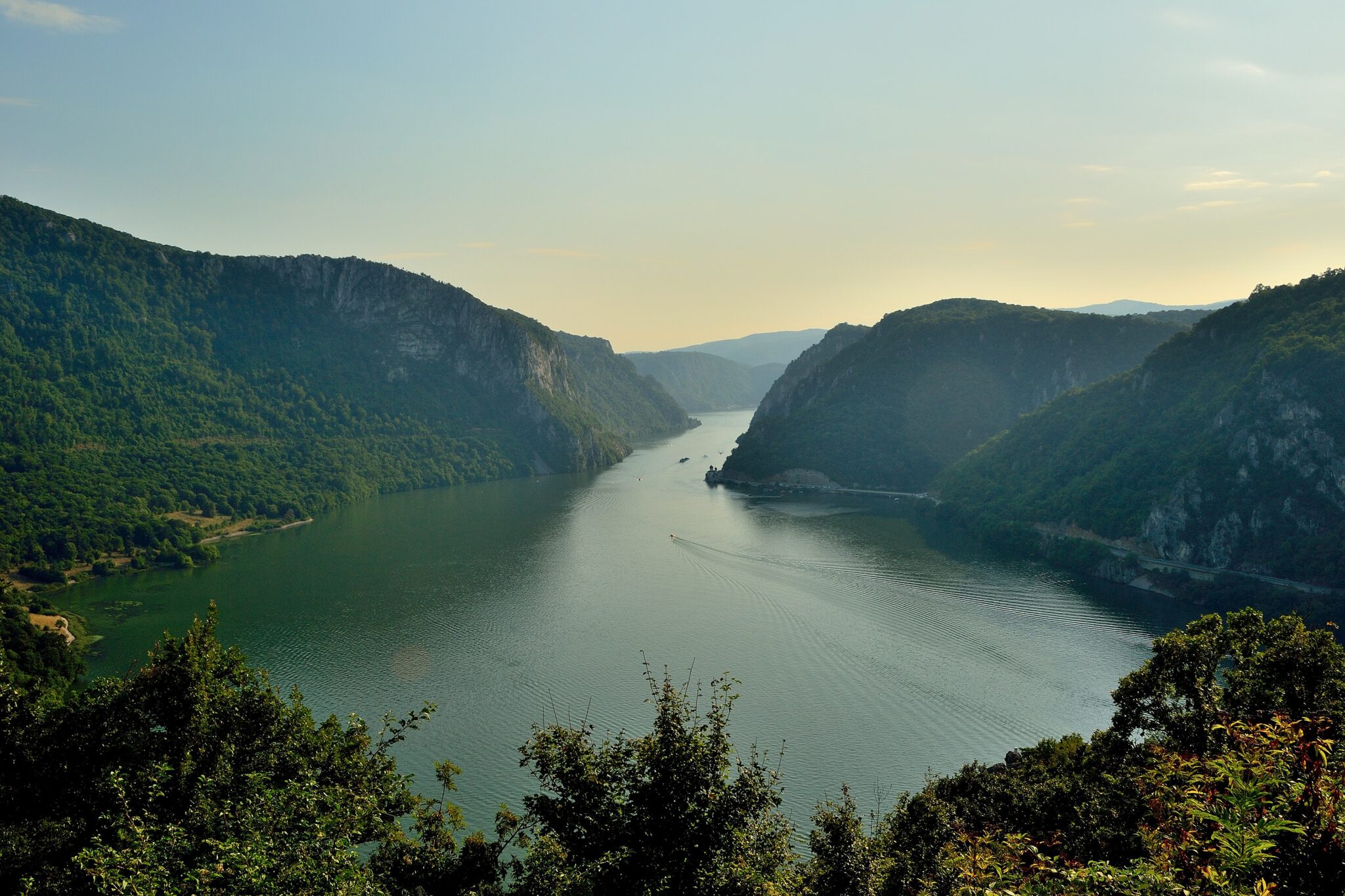
Geologicharka, CC BY-SA 4.0 https://creativecommons.org/licenses/by-sa/4.0, via Wikimedia Commons
22. Raspberries
Raspberry growing is especially associated with western Serbia, where small farms, family orchards, cold-storage facilities, and processing companies form a supply chain built mainly around frozen fruit. In 2024, Serbia produced about 94,026 tonnes of raspberries and had around 18,625 hectares under raspberry plantations; exports reached about 79,582 tonnes, worth €247.3 million, with more than 98% exported frozen. Germany and France are among the main buyers, which shows why Serbian raspberries are not just a local summer fruit but part of wider European food supply chains.
The fruit is often called Serbian “red gold” because of its economic role in rural areas, especially around Arilje, Ivanjica, Požega, Valjevo, and nearby raspberry-growing districts. Raspberry from Arilje has protected geographical origin in Serbia and covers fresh, frozen, or lyophilized raspberries produced in the hilly Arilje area; Serbia’s Intellectual Property Office explicitly describes it as “the red gold of Serbia”.
23. Yugoslavia and the 1990s wars
Serbia is also known for its central role in Yugoslavia, because Belgrade was the capital of Yugoslav states from the creation of the Kingdom of Serbs, Croats and Slovenes after World War I through the socialist Yugoslav period and into the state’s final breakup. This gave Serbia a political weight that shaped how the whole region was viewed from outside. In the second half of the 20th century, Belgrade was associated with socialist Yugoslavia, the Non-Aligned Movement, federal institutions, and a multinational state that tried to balance different republics, identities, and political interests. When that system collapsed in the 1990s, Serbia’s image abroad changed sharply, becoming tied to Slobodan Milošević, nationalism, sanctions, war reporting, refugees, and the violent disintegration of a country that had once presented itself as different from both the Soviet bloc and the West.
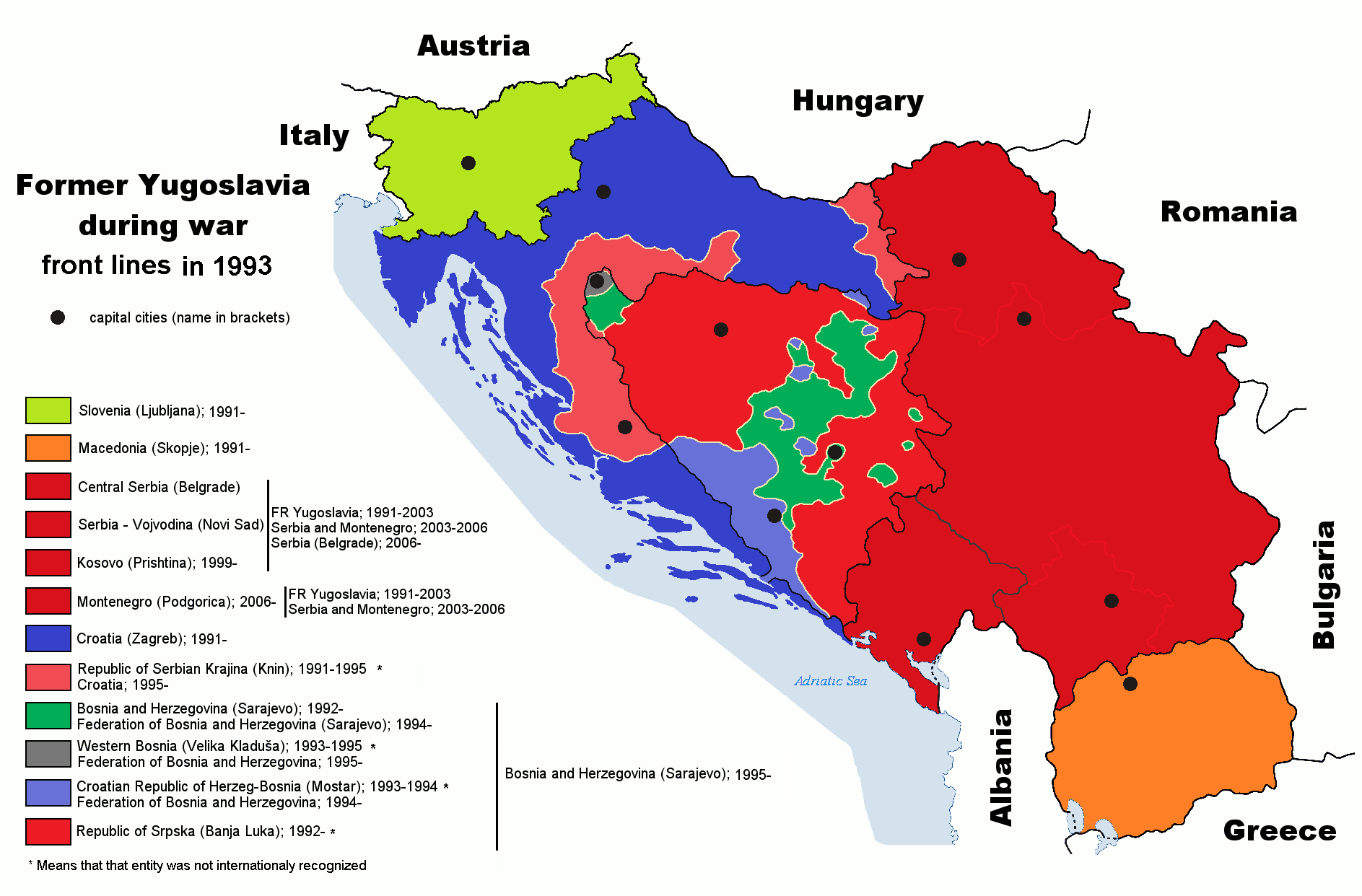
English Wikipedia user swPawel, CC BY-SA 3.0 http://creativecommons.org/licenses/by-sa/3.0/, via Wikimedia Commons
24. Kosovo and the NATO bombing of 1999
Serbia is famous, in a painful and controversial way, for the Kosovo conflict and the NATO bombing of Yugoslavia in 1999. NATO launched Operation Allied Force in March 1999 after more than a year of fighting in Kosovo and the failure of international diplomatic efforts to stop the crisis. The air campaign lasted from 24 March to 10 June 1999 and targeted the Federal Republic of Yugoslavia, including military, transport, energy, and communication infrastructure; Belgrade, Novi Sad, Niš, and other places were also affected.
Kosovo remains one of the most sensitive issues in Serbian politics and identity. Kosovo declared independence on 17 February 2008, but Serbia still does not recognize it as a sovereign state and continues to refer to it officially as Kosovo and Metohija. International opinion is divided: Kosovo is recognized by the United States and most EU countries, but not by Serbia, Russia, China, or five EU member states – Spain, Greece, Romania, Slovakia, and Cyprus.
25. Vampire folklore
Serbia is also connected with early European vampire folklore, a lesser-known but important part of how the vampire entered Western imagination. One of the best-known cases is Petar Blagojević, recorded in German sources as Peter Plogojowitz, a villager from Kisiljevo whose 1725 case was reported by an Austrian official during Habsburg rule in northern Serbia. The story spread through administrative reports and newspapers at a time when European readers were becoming fascinated by accounts from the Balkan frontier. This matters because Serbian vampire folklore was not only an oral village tradition; some of its cases were written down, translated, and discussed across Europe decades before Bram Stoker turned Transylvania into the global home of Dracula.
If you’ve been captivated by Serbia like us and are ready to take a trip to Serbia – check out our article on interesting facts about Serbia. Check if you need an International Driving Permit in Serbia before your trip.

Published May 16, 2026 • 22m to read