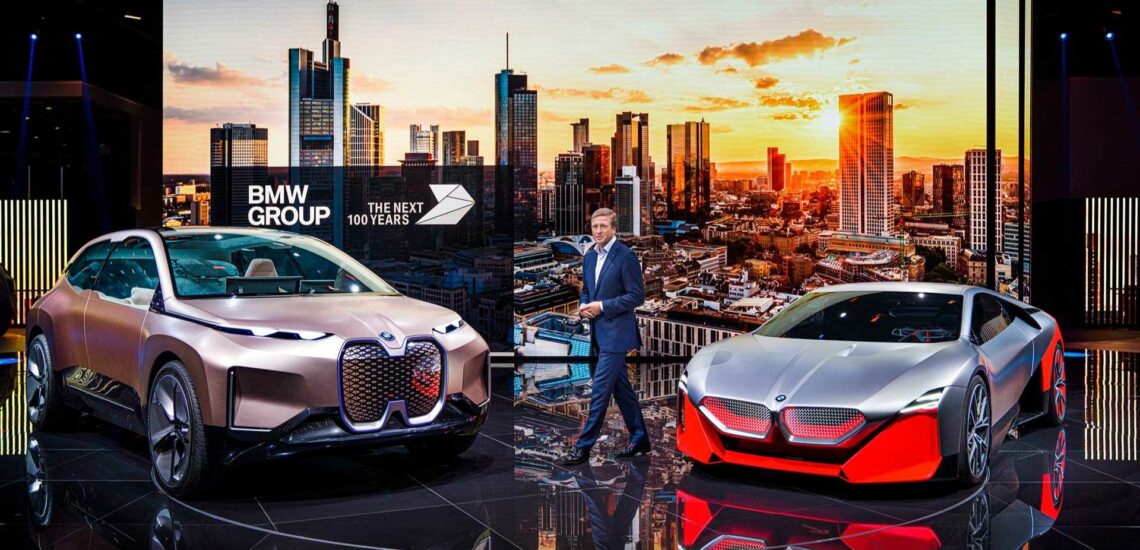


The Frankfurt Motor Show — officially known as the Internationale Automobil-Ausstellung, or IAA — was one of the most prestigious automotive events in the world. Held in Frankfurt am Main since 1951, it served as a global stage where the greatest innovations in the car industry were unveiled, debated, and celebrated. From groundbreaking safety technologies to legendary sports cars, the IAA shaped the direction of the automotive world for decades. In 2021, however, the show left Frankfurt for good, relocating to Munich. This article looks back at how the Frankfurt Motor Show came to be, why it mattered, and what ultimately led to its move.
How the Frankfurt Motor Show Began
The first automobile exhibition in Europe took place in 1897, but it wasn’t until 1951 that Frankfurt am Main became the official home of the IAA. That inaugural show — which featured the first-ever truck with a turbo diesel engine — attracted 570,000 visitors, signalling just how hungry the public was for automotive innovation.
Over the following decades, the show grew into a truly international phenomenon. Key milestones from its early years include:
- 1961: Attendance reached 950,000 visitors, cementing Frankfurt’s status as the world’s premier auto event.
- 1965: Japanese car manufacturers participated in the IAA for the first time, opening the door for Asian brands in the European market.
- 1989: The last combined show for cars and trucks drew nearly 2,000 exhibiting companies, with 252,000 square meters of exhibition space and 1.2 million visitors.
The Frankfurt Motor Show was organised under the stewardship of the German Association of the Automotive Industry (VDA), which shaped the event’s identity and international reach throughout its history.
Over the years, Frankfurt became the launchpad for some of the most celebrated names in automotive history. Chinese brands made their European debuts here, Japanese and Korean manufacturers introduced their future bestsellers, and even Russian marques — such as Lada and the ill-fated Marussia — chose Frankfurt to announce their ambitions to the world. For many years, the Daimler Group alone occupied multiple floors of exhibition space with its passenger car lineup.
The Split into Separate Car and Truck Shows
After decades of hosting both passenger cars and commercial vehicles under one roof, the IAA was split into two distinct events in 1992:
- Odd-numbered years: Passenger car exhibition in Frankfurt am Main.
- Even-numbered years: Commercial vehicle exhibition in Hanover.
This restructuring allowed each segment to receive the dedicated attention it deserved, and the passenger car show in Frankfurt continued to thrive. It remained a place where automotive trends were set, competitors sized each other up, partnerships were forged, and industry results were assessed. The show had an almost theatrical quality — manufacturers guarded their upcoming models obsessively, photographers tried every trick to capture spy shots, and when the moment of the reveal finally came, the excitement was electric.
The numbers speak for themselves:
- 2009: More than 780 companies exhibited, presenting 206 new cars.
- 2011: 900 companies participated, with over 850,000 visitors across ten days.
- 2017: 994 companies from 39 countries, 228 world premieres, 64 European premieres, over 810,000 visitors, and one billion social media mentions.
Iconic Cars That Had Their World Premiere in Frankfurt
Some of the most revered cars in history made their public debuts at the Frankfurt Motor Show. Legendary models including the Volkswagen Golf, Porsche 911, Plymouth Barracuda, Jaguar XK 120, Ford Mustang, and Jeep Cherokee all first appeared on the IAA stage. Below are twenty of the most significant Frankfurt premieres and the stories behind them.
1961 – BMW Neue Klasse: This compact model laid the genetic foundation for all BMW cars that followed. It appealed to everyday drivers and racing enthusiasts alike, gave birth to the Alpina tuning brand, and became the direct ancestor of both the BMW 3 Series and 5 Series.
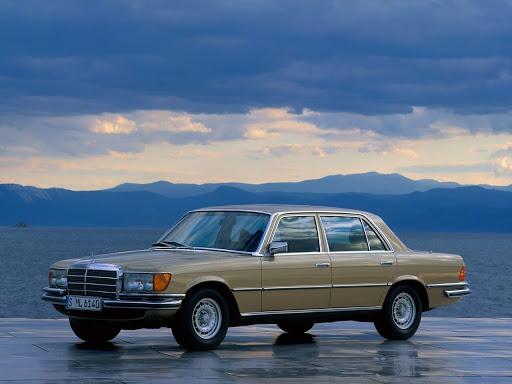
1979 – Mercedes-Benz S-Class (W126): Known as the “car for sheikhs,” the W126 S-Class was the most technologically advanced car of its era, introducing features that would go on to become industry standards:
- Anti-lock Braking System (ABS)
- Driver and passenger airbags
- Electrically adjustable seats with memory
Over the following 12 years, 818,036 units were produced — a record that has never been beaten by any subsequent S-Class generation.
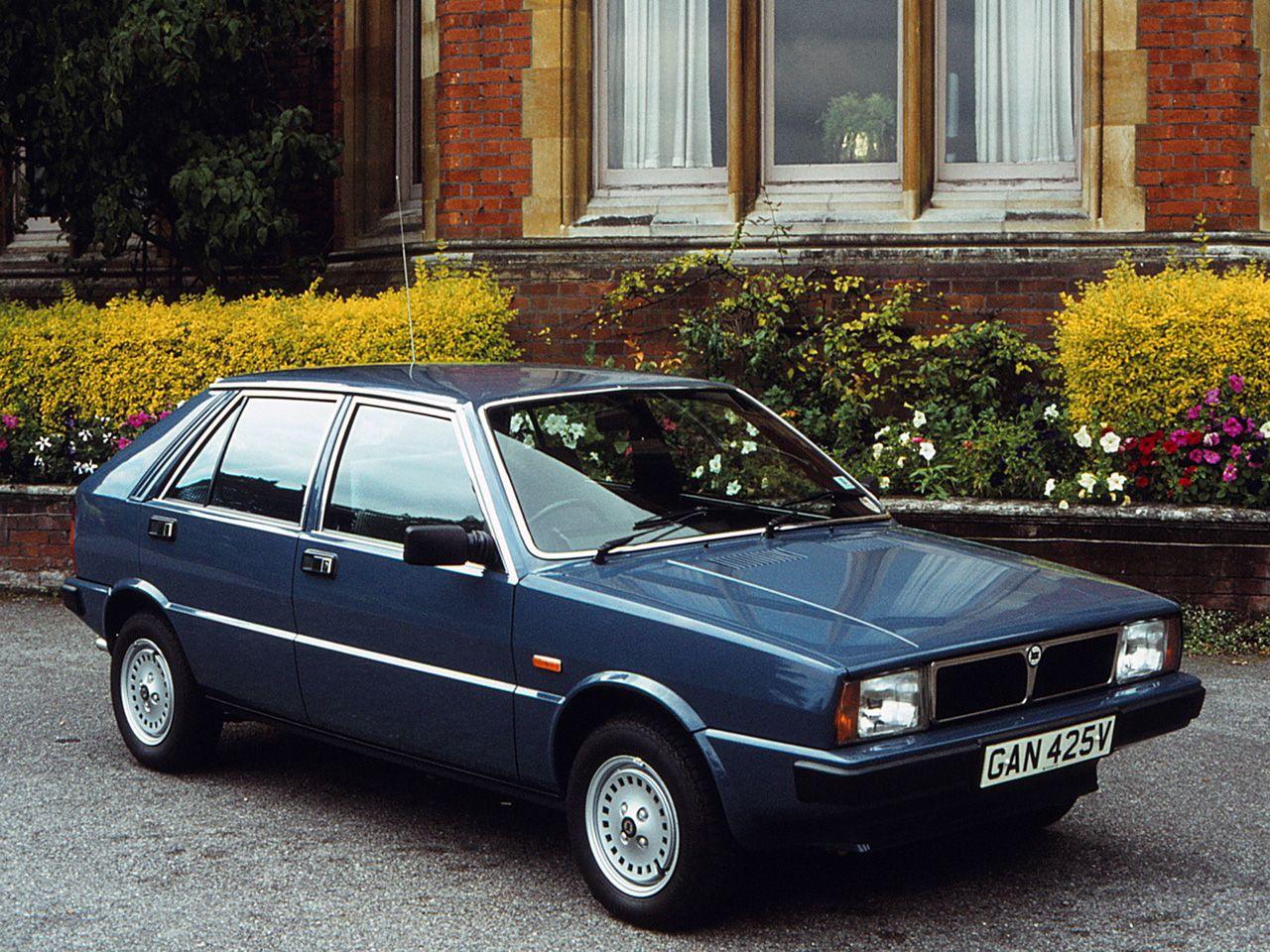
1979 – Lancia Delta: Few visitors at the 1979 show could have predicted that this modest Giorgetto Giugiaro-designed hatchback would become one of rallying’s all-time greats. The Delta’s motorsport journey included:
- European Car of the Year title in 1980
- The Delta S4, the most advanced Group B car of its era, combining both a turbocharger and a supercharger
- Six consecutive WRC Manufacturers’ Championship wins with the Delta Integrale
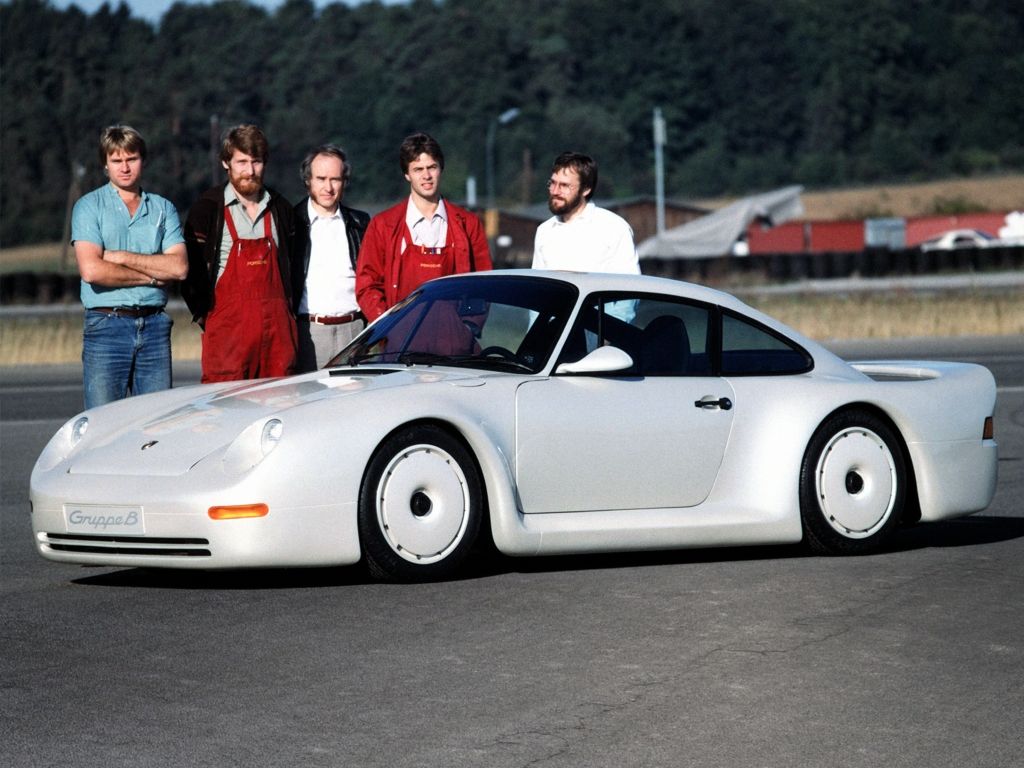
1983 – Porsche Gruppe B Prototype (959): One of the brightest supercars of the 1980s began its path to icon status when the Gruppe B prototype debuted in Frankfurt. Two years later, at the same show, a pre-production version of the 959 was revealed to the public.
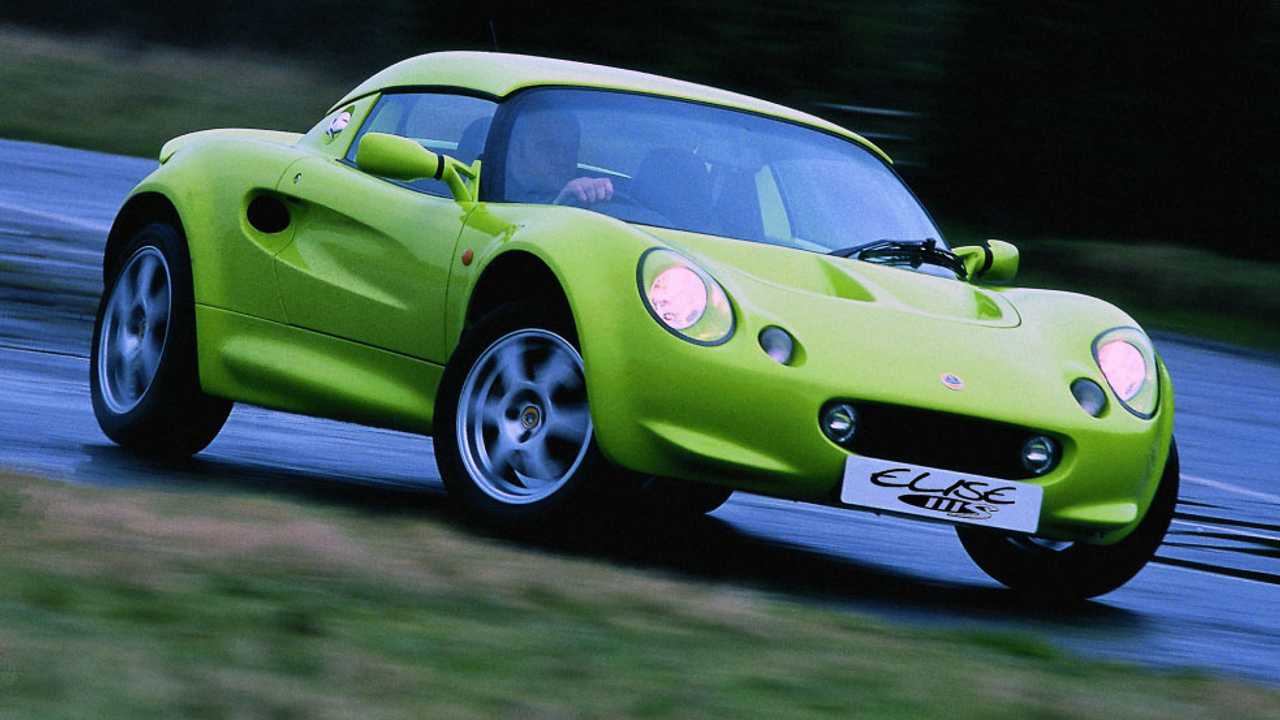
1995 – Lotus Elise: The Frankfurt Motor Show gave the world the Lotus Elise, the model that launched Lotus into its modern era. Remarkably, the Elise continued to be produced with minimal changes for decades, maintaining consistently strong demand throughout its production life.
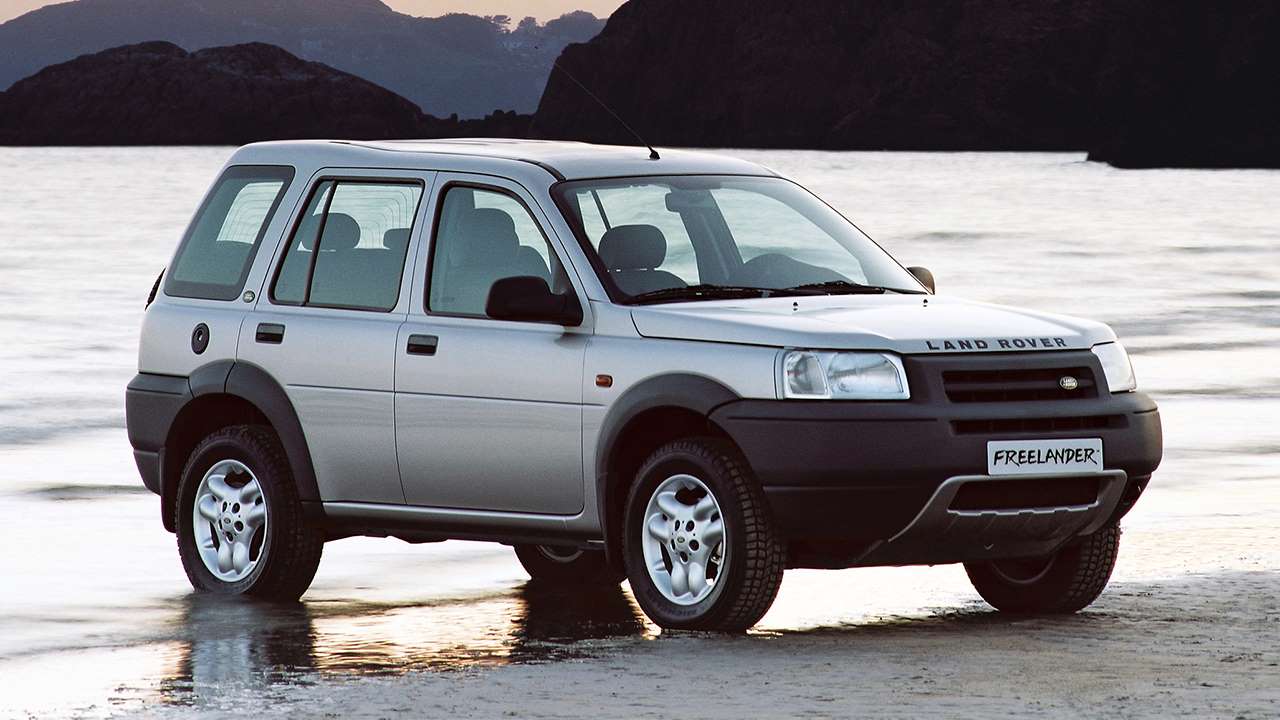
1997 – Land Rover Freelander: Before the Freelander, every Land Rover was a body-on-frame off-roader with large engines and complex all-wheel drive systems. The Freelander changed everything — it made the brand accessible to a younger audience and attracted BMW Group investment, which acquired Land Rover and modernised the Solihull factory, giving the brand a new lease of life.
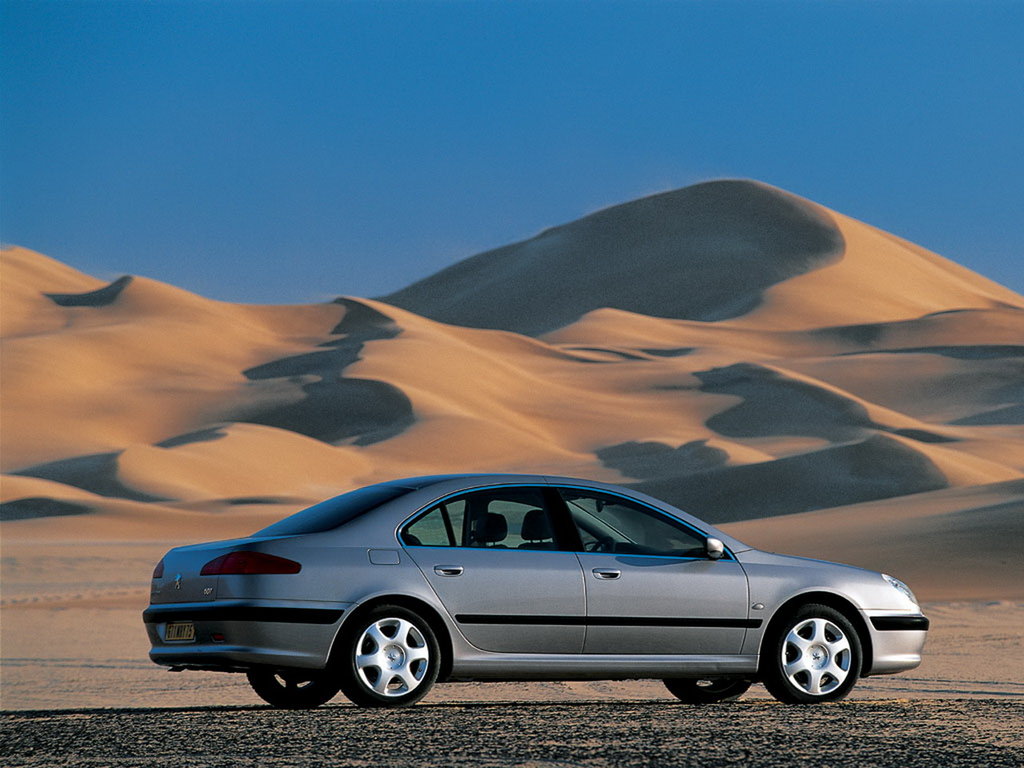
1999 – Peugeot 607 and BMW M3 E46: The 1999 show was a strong year for performance and prestige. The Peugeot 607 was the last true flagship the French brand produced — its sports concept, the 607 Pescarolo, developed 400 hp and a top speed of 290 km/h. Alongside it, the BMW M3 E46 debuted, a car that remains a favourite for track days and drift events to this day. Two years later, the M3 CSL concept — widely regarded as one of the greatest M cars ever made — was previewed at the same show.
2001 and 2003 – Bugatti, Lamborghini and Aston Martin: The early 2000s delivered some extraordinary Frankfurt debuts. In 2001, both the Bugatti Veyron Concept and the Lamborghini Murciélago were unveiled. In 2003, the Audi Le Mans Quattro and the Aston Martin DB9 took centre stage — the DB9 proved so successful and beloved that it remained in production all the way until 2016.
2009 – Ferrari 458 Italia and Saab 9-5: The 2009 show offered a striking contrast between success and tragedy. The Ferrari 458 Italia captivated audiences with its bold design and cutting-edge technology, including:
- An electronic self-locking differential
- Advanced traction control systems
- A high-revving direct injection engine (up to 9,000 rpm)
- A dual-clutch semi-automatic transmission
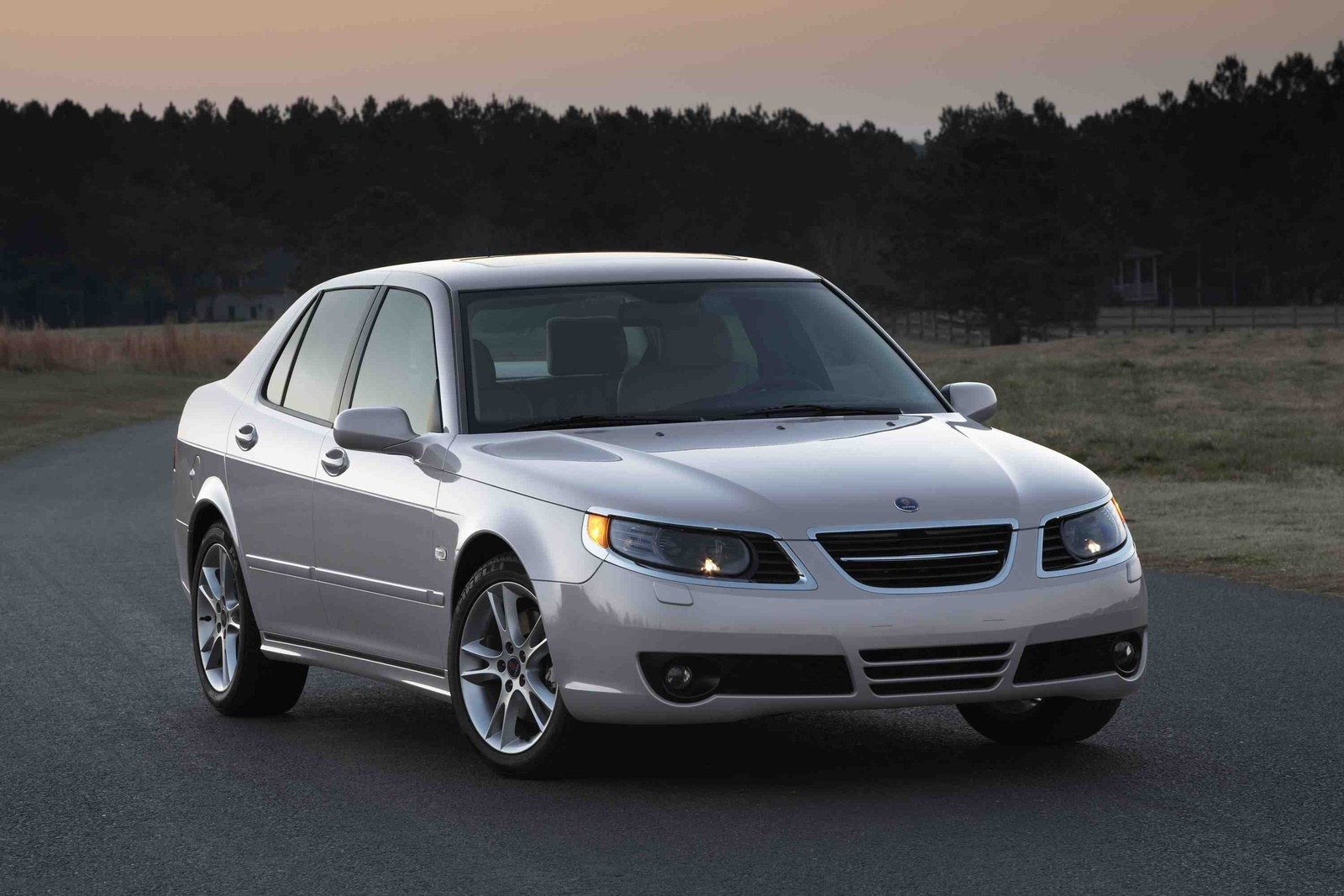
The 458 Italia’s DNA lives on today in the F8 Tributo. Meanwhile, the Saab 9-5 made its debut — the last new model the troubled Swedish brand would ever produce. It arrived too late to save the company, which was eventually closed and partially sold to Chinese buyers.
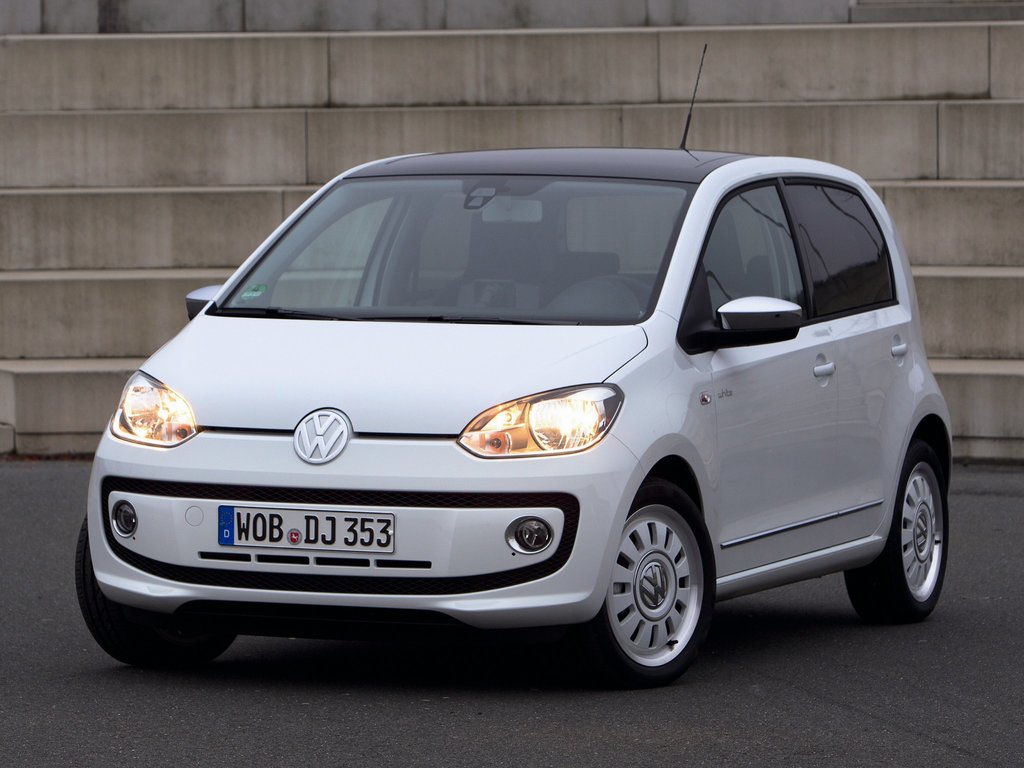
2011 – Volkswagen Up!: First shown as a concept in Frankfurt in 2007 and then in production form at the same show in 2011, the Volkswagen Up! became enormously popular in Western Europe — proof that there is still a strong market for small, no-nonsense city cars.
2013 – Porsche 918 Spyder and BMW i8: The 918 Spyder was a landmark hybrid hypercar — all-wheel drive, faster than McLaren and Ferrari rivals on most world circuits, and more affordable than both. The BMW i8 had a more difficult road: its high price and modest performance figures for a sports car kept demand low, and the model was eventually discontinued.
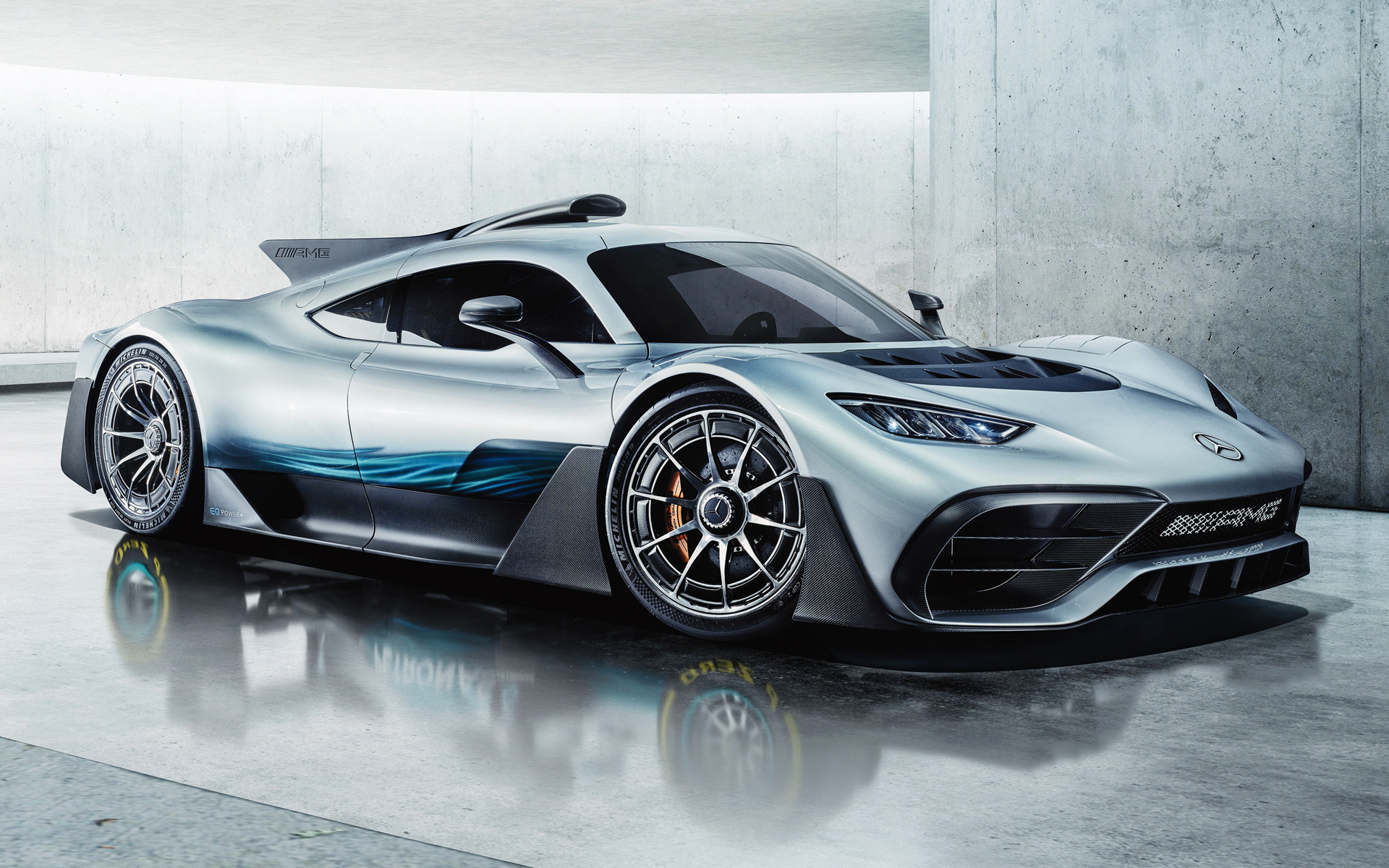
2017 – Mercedes-AMG Project One: The AMG Project One made history as the first road car ever to receive a hybrid powertrain derived directly from a real Formula 1 racing car — a milestone that no other manufacturer, including Ferrari, Renault, or Honda, had achieved at the time.
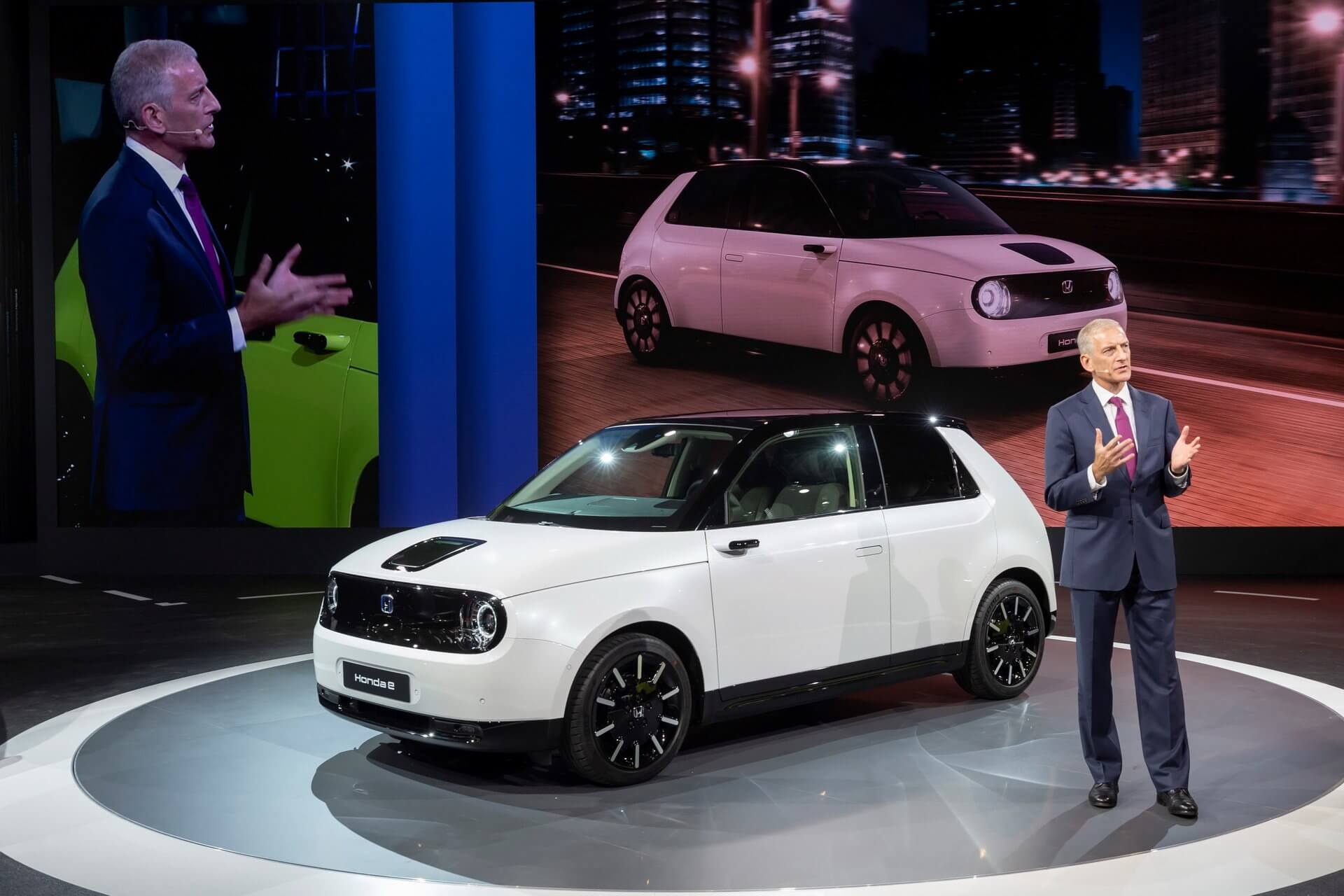
2019 – Porsche Taycan and Honda e: The final Frankfurt Motor Show closed with two highly anticipated electric vehicles. The Porsche Taycan grew from the Mission E concept, which had been introduced at Frankfurt in 2015. The Honda e, with its charming retro-inspired design, pointed to a future where electric cars could win over even the most reluctant drivers.
Why the Frankfurt Motor Show Declined
The 2019 IAA in Frankfurt marked the end of an era — and the warning signs had been building for years. A growing number of major automakers chose to skip the show entirely, preferring online reveals and independent launch events. The brands that skipped Frankfurt in 2019 included:
- Nissan
- Aston Martin
- Ferrari
- Cadillac and Chevrolet
- Chrysler
- Citroën
- Infiniti
- Mazda
- Mitsubishi
- Rolls-Royce
- Subaru and Suzuki
- Toyota
- Volvo
In total, only 18 car manufacturers exhibited at the 2019 show, with three of those being Chinese brands making European appearances. Simultaneously, the long-standing contract between the VDA and the Messe Frankfurt exhibition centre expired, removing the institutional foundation that had underpinned the event for decades.
Several structural shifts in the automotive world contributed to this decline:
- Rising costs: Motor show participation had become a financial black hole for manufacturers — without major new model launches to justify the expense, the return on investment simply wasn’t there.
- Changing consumer habits: Younger generations are increasingly choosing electric scooters, bicycles, car-sharing services, and subscription models over car ownership.
- Digital-first reveals: Online premieres and brand-owned launch events offer greater control and wider reach at a fraction of the cost.
- Shifting industry focus: Car companies began prioritising “mobility concepts” — connected services, autonomous technology, and urban transport solutions — over traditional car showcases.
Even so, the 2019 Frankfurt show made a genuine effort to evolve: an outdoor off-road test track was set up, visitors could experience driving simulators and interactive technology displays, and guided museum-style tours were offered throughout the exhibition halls. The event also confirmed several key trends shaping the industry’s future:
- The widespread electrification of European vehicle fleets
- A steady progression towards autonomous and self-driving cars
- The total digitalisation of the in-car experience
- Bold, unconventional design choices aimed at attracting younger buyers
The Legacy of the Frankfurt Motor Show
For nearly seven decades, the IAA Frankfurt was far more than a trade fair — it was where the future of the car was written. World-changing models were revealed on its stages, trends were set in its exhibition halls, and the passion of millions of car enthusiasts was channelled into one extraordinary event, year after year. Even as the show moves forward under a new name and in a new city, the Frankfurt Motor Show’s legacy remains firmly written into the history of the automobile.
When getting behind the wheel, don’t forget about a driver’s license (preferably an international one). Don’t you have it yet? We invite you to quickly and easily process the international driver’s license on our website. This won’t take you much time and effort.

Published October 01, 2020 • 9m to read