

Haiti, the first independent Black republic in the world, is a country of resilience, creativity, and stunning natural beauty. Often misunderstood or overlooked, this Caribbean nation offers a wealth of experiences for travelers seeking authenticity and adventure.
From mountain peaks and cascading waterfalls to colonial-era forts and colorful art scenes, Haiti is a land where history, culture, and nature come together in raw, unforgettable ways. Those who visit discover not just a destination – but a story of courage, artistry, and pride.
Best Cities in Haiti
Port-au-Prince
Port-au-Prince, the capital and largest city of Haiti, is the country’s political, cultural, and economic center. The Iron Market (Marché en Fer) is one of its most recognizable landmarks – a busy marketplace where visitors can shop for hand-carved wooden masks, colorful vodou flags, paintings, spices, and traditional Haitian food. It’s a lively place that captures the energy and craftsmanship of local artisans. Another essential stop is the Musée du Panthéon National Haïtien (MUPANAH), located near Champ de Mars. The museum documents Haiti’s journey from slavery to independence and features artifacts belonging to revolutionary leaders such as Toussaint Louverture and Jean-Jacques Dessalines. Champ de Mars itself serves as the city’s central square, surrounded by statues and monuments dedicated to national heroes.
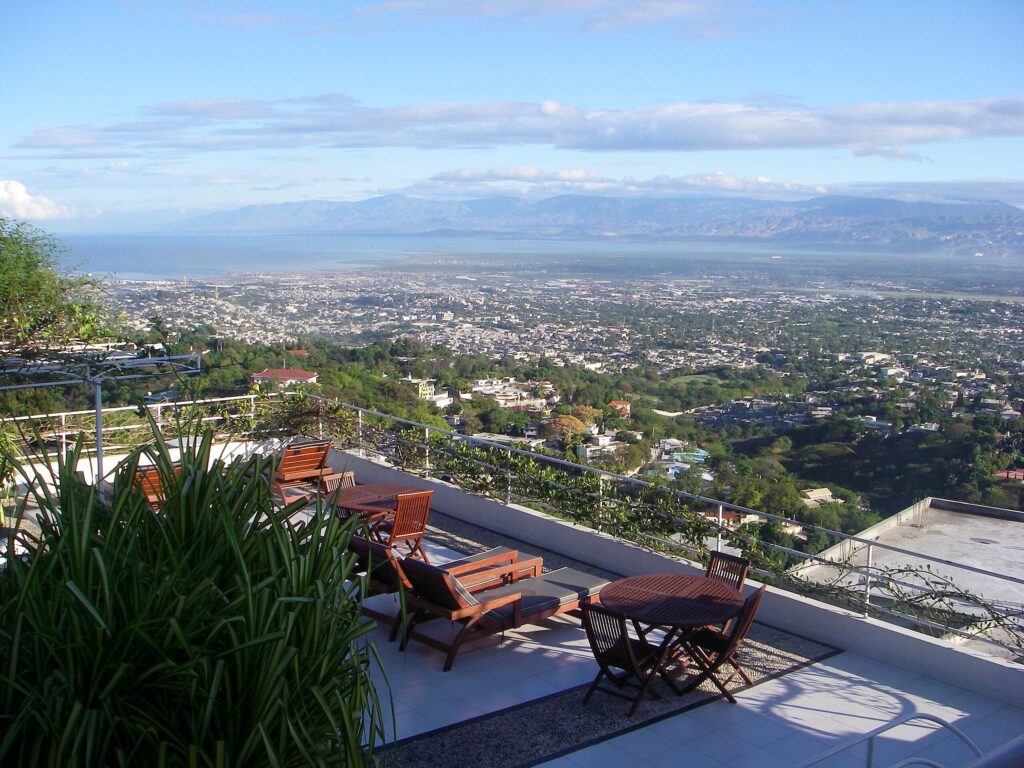
For a more modern experience, Pétion-Ville set on the hills above the capital – offers a mix of art, dining, and nightlife. This district is home to many of the city’s art galleries, boutique hotels, and restaurants, making it a comfortable base for visitors. Galleries such as Galerie Monnin and Nader Art feature works by some of Haiti’s most acclaimed painters and sculptors, while cafés and rooftop bars provide views over the city and the bay.
Jacmel
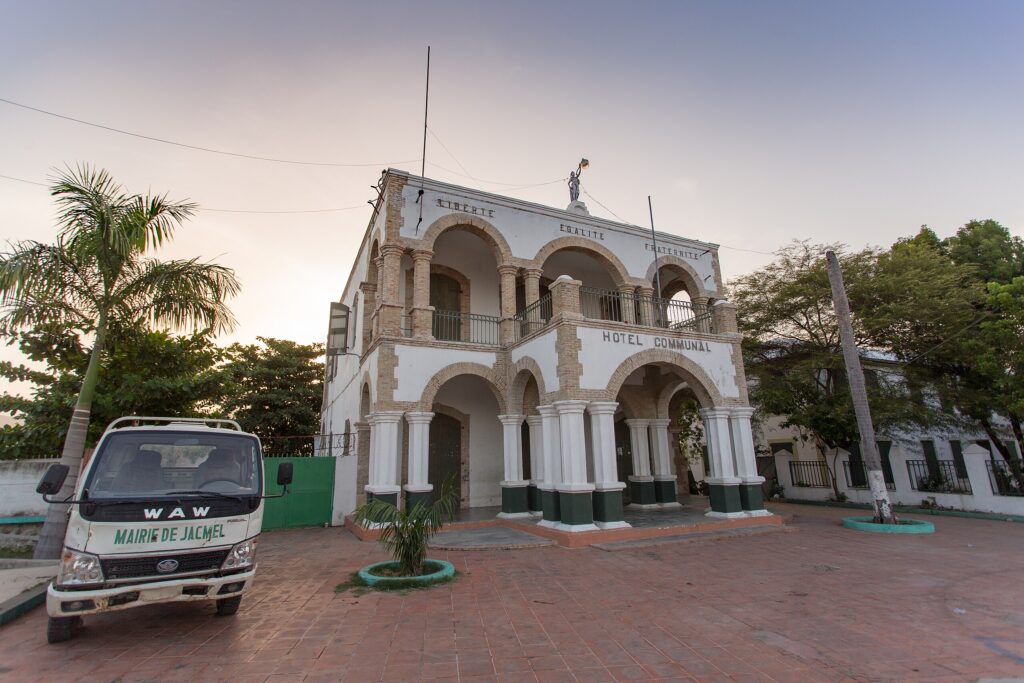
The town’s streets are lined with restored French colonial buildings that now house art galleries, craft shops, and small boutique hotels. Local artisans are famous for their papier-mâché masks and vibrant metalwork, both central to Jacmel’s creative identity. Colorful murals decorate the walls around town, reflecting themes of Haitian folklore, freedom, and everyday life. The atmosphere is relaxed yet full of character, attracting travelers interested in art, history, and authentic culture.
Jacmel’s annual Carnival is one of the Caribbean’s most distinctive festivals, combining music, dance, and elaborate handmade costumes that showcase the town’s creativity. Just outside the city, visitors can reach Bassin-Bleu, a series of turquoise pools connected by waterfalls and surrounded by lush hills – perfect for swimming and photography. Jacmel is about a three-hour drive from Port-au-Prince along a scenic coastal road
Cap-Haïtien
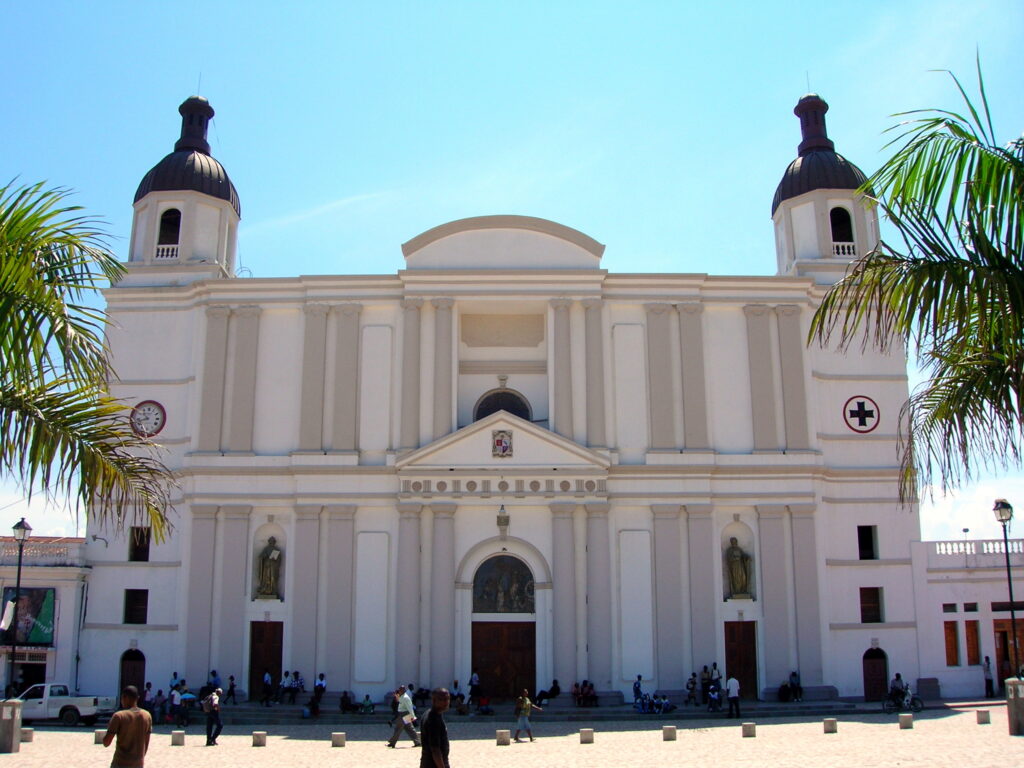
Once the capital of French Saint-Domingue, it still retains much of its 19th-century architecture, with narrow streets, pastel buildings, and lively markets that reflect a mix of old-world elegance and local life. The waterfront promenade offers sea views and access to small cafés and fishing docks, giving the city a calm, welcoming atmosphere.
Cap-Haïtien is also the best base for exploring some of Haiti’s most important historical sites. Just a short drive away lies the Citadelle Laferrière, a massive fortress built in the early 19th century and a UNESCO World Heritage Site. Nearby stands the Sans-Souci Palace, the former royal residence of King Henri Christophe, now in atmospheric ruins that tell the story of Haiti’s early independence. After sightseeing, visitors can relax at nearby beaches like Cormier or Labadee, known for clear water and soft sand.
Pétion-Ville
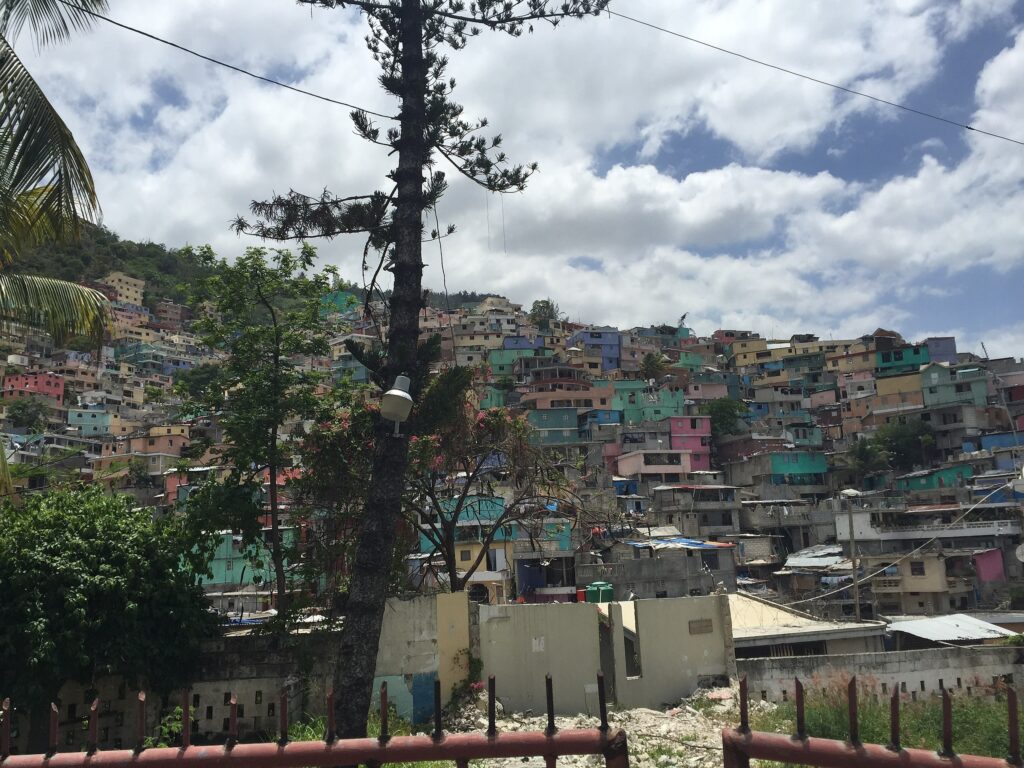
Pétion-Ville, located in the hills southeast of Port-au-Prince, represents the modern and cosmopolitan side of Haiti. Once a quiet suburb, it has evolved into a center of business, culture, and upscale living. The neighborhood is known for its art galleries, designer boutiques, and stylish cafés that highlight the country’s creative spirit and growing entrepreneurial scene. Travelers can visit local studios to see contemporary Haitian artists at work or explore cultural spaces such as the Nader Gallery and Galerie Monnin, which showcase both traditional and modern art.
Best Natural Wonders in Haiti
Citadelle Laferrière (Milot)
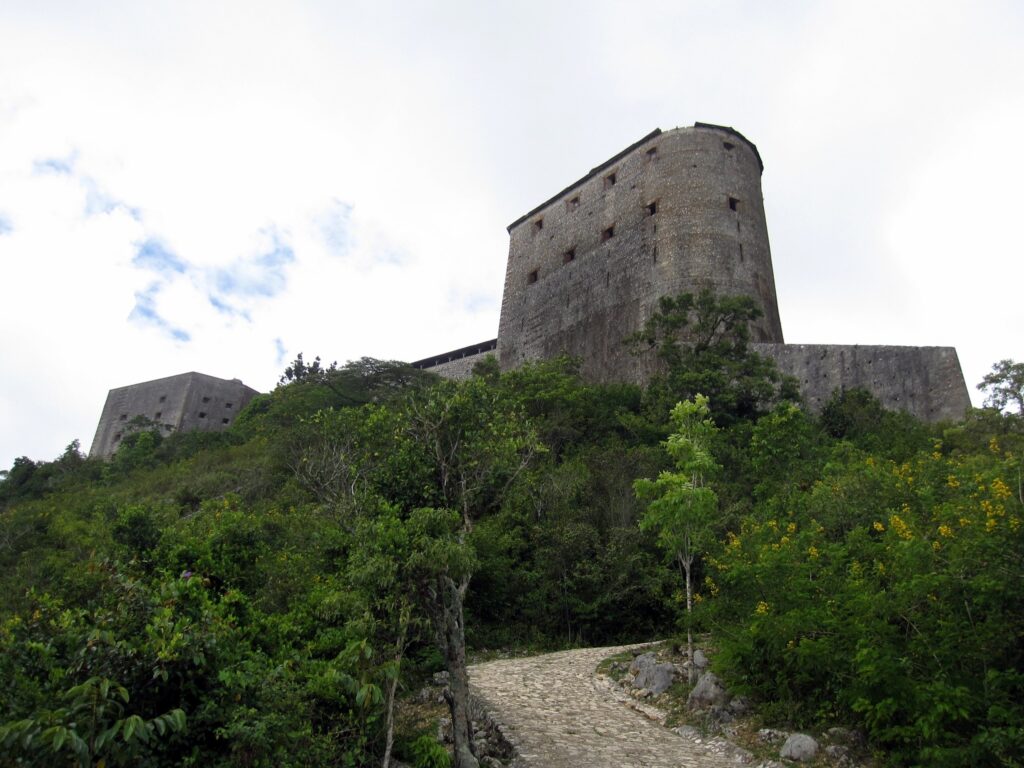
Citadelle Laferrière, located near the town of Milot in northern Haiti, is one of the Caribbean’s most impressive historic landmarks and a UNESCO World Heritage Site. Built in the early 19th century by King Henri Christophe after Haiti’s independence, the massive stone fortress was designed to protect the young nation from a possible French invasion. Standing more than 900 meters above sea level, it offers sweeping views of the northern plains and the distant coastline. The structure includes thick ramparts, cannons, and underground storage rooms that once held supplies for thousands of soldiers.
The Citadelle remains a powerful symbol of Haitian strength and resilience. Visitors typically begin their journey in Milot, where they can hike or ride horseback up the steep trail to the fortress. Along the way, the route passes through the ruins of Sans-Souci Palace, Christophe’s former royal residence, providing additional context to Haiti’s revolutionary past.
Sans-Souci Palace
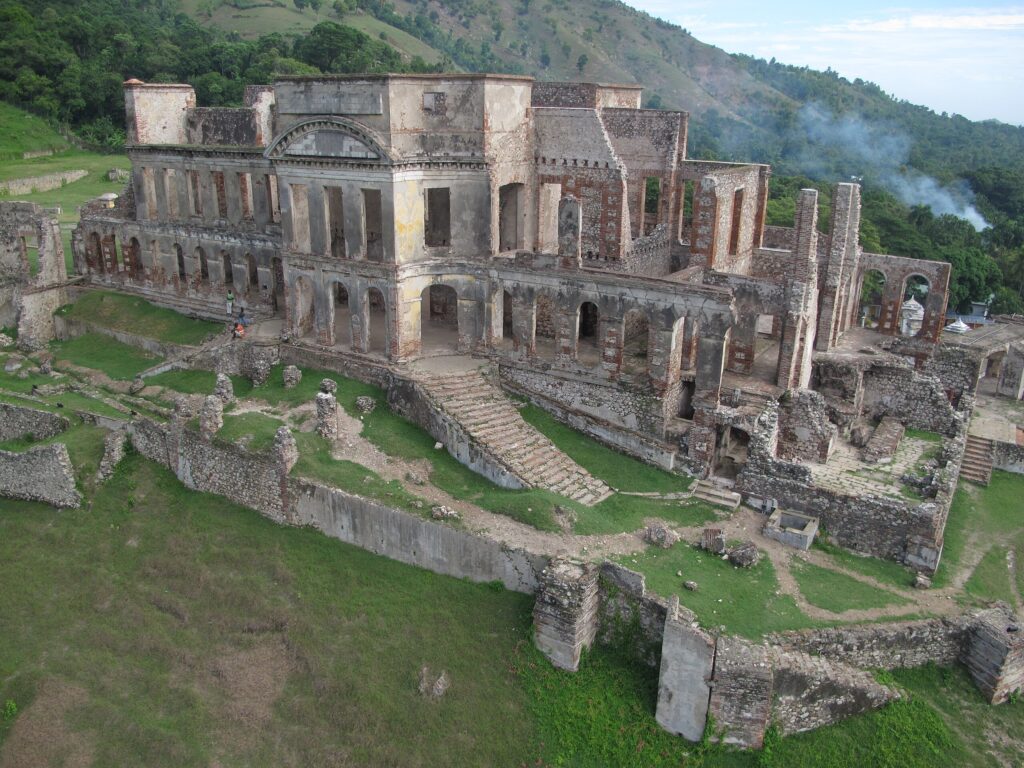
Sans-Souci Palace, located in the town of Milot beneath the towering Citadelle Laferrière, was once the royal residence of King Henri Christophe, one of the key leaders of Haiti’s independence. Completed in the early 1800s, it was considered one of the grandest buildings in the Caribbean, earning the nickname “Versailles of the Caribbean” for its architectural elegance and scale. The palace featured sweeping staircases, arched corridors, and lush gardens that reflected Christophe’s vision of a powerful, independent Haiti.
Today, the palace stands in evocative ruins, its stone walls and open courtyards surrounded by tropical hills. The site remains a poignant reminder of Haiti’s post-revolutionary ambitions and the determination to build a nation rooted in freedom and self-reliance. Visitors can walk through the remnants of the structure, explore nearby historical markers, and enjoy views of the Citadelle above. Sans-Souci Palace, together with the Citadelle, forms part of Haiti’s UNESCO World Heritage complex and is best visited from Cap-Haïtien as a half-day trip.
Bassin-Bleu (Jacmel)
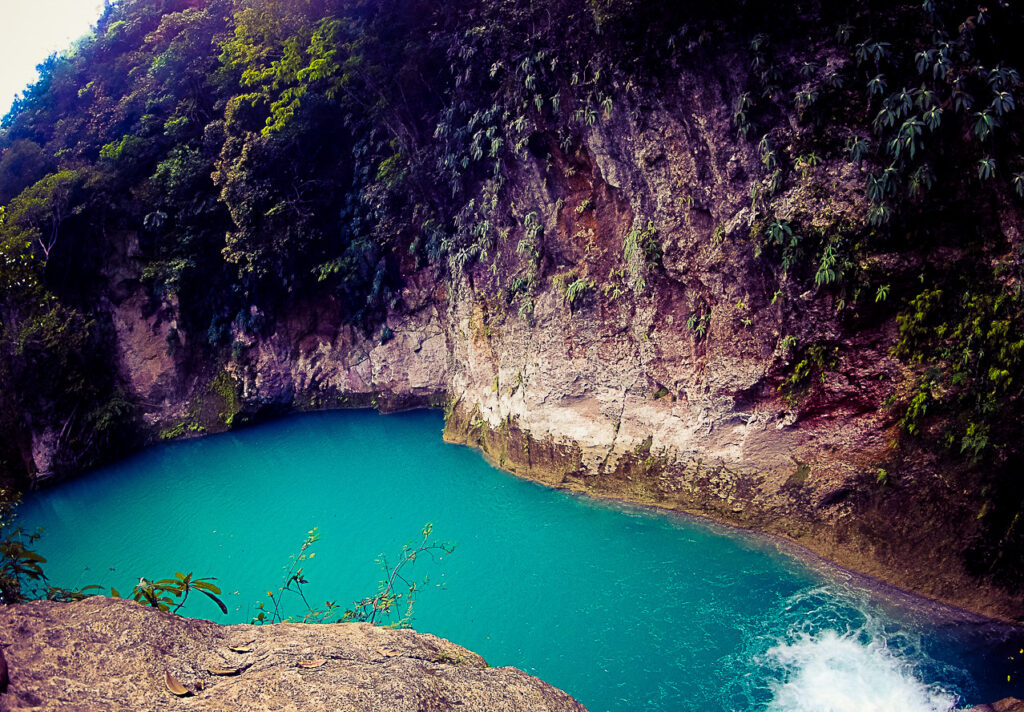
Bassin-Bleu, located just outside Jacmel in southern Haiti, is one of the country’s most beautiful natural attractions. This hidden oasis features three deep, clear-blue pools connected by small waterfalls, surrounded by lush tropical vegetation and rocky cliffs. The vivid turquoise color of the water, caused by mineral reflections and sunlight, makes it a favorite spot for swimming, cliff jumping, and photography.
Reaching Bassin-Bleu involves a short hike and a gentle descent with the help of local guides, adding a sense of adventure to the visit. The first two pools are calm and accessible for swimming, while the upper pool, reached by climbing over rocks, offers dramatic views of cascading water. Local guides manage access to ensure safety and preservation of the site. Bassin-Bleu is about a 30-minute drive from Jacmel and can be visited on a half-day trip, often combined with exploring the town’s art-filled streets.
Pic la Selle (La Visite National Park)
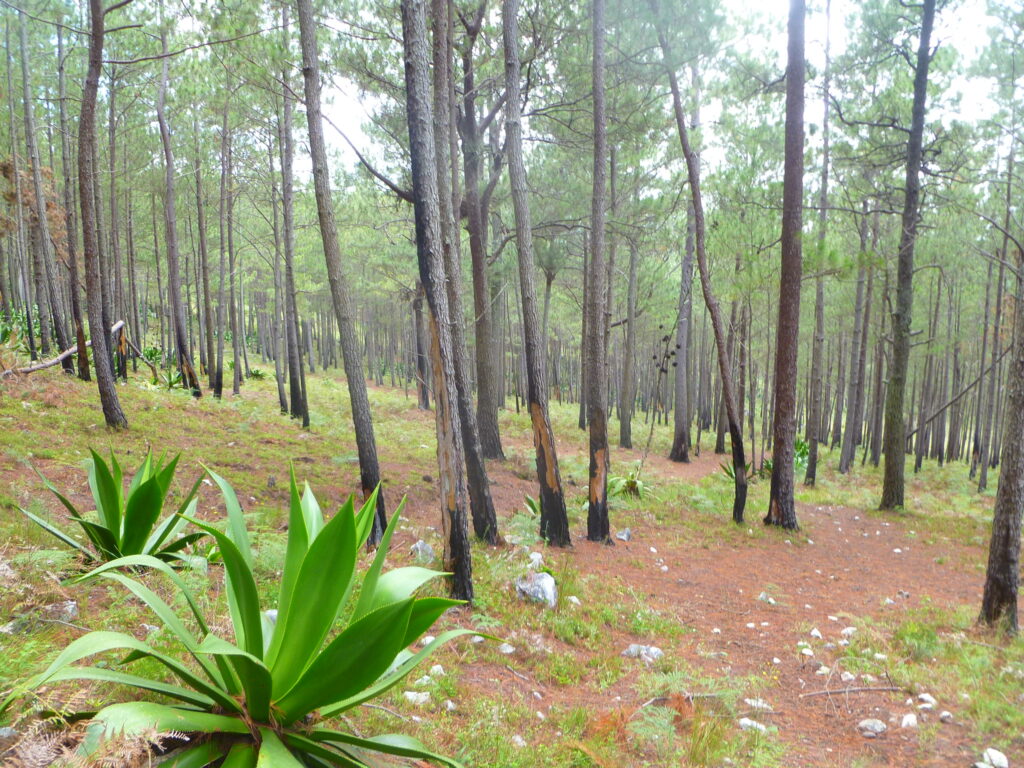
Pic la Selle, located within La Visite National Park in southeastern Haiti, is the country’s highest peak at 2,680 meters (8,793 feet) above sea level. The mountain rises above dense pine and cloud forests that provide habitat for rare bird species, including the Hispaniolan trogon and La Selle thrush. The park offers a variety of hiking routes ranging from moderate walks to challenging climbs, all leading to panoramic viewpoints overlooking the Caribbean Sea and, on clear days, the mountains of the Dominican Republic.
La Visite National Park is a protected area known for its cool climate and biodiversity, making it ideal for nature lovers, hikers, and campers. Visitors can explore trails lined with orchids and wildflowers or set up camp near the summit for sunrise views above the mist-covered valleys. The park is accessible from the town of Kenscoff, about two hours from Port-au-Prince, with guided hikes available for those wanting to reach the peak safely and experience one of Haiti’s most pristine natural landscapes.
Furcy & Kenscoff
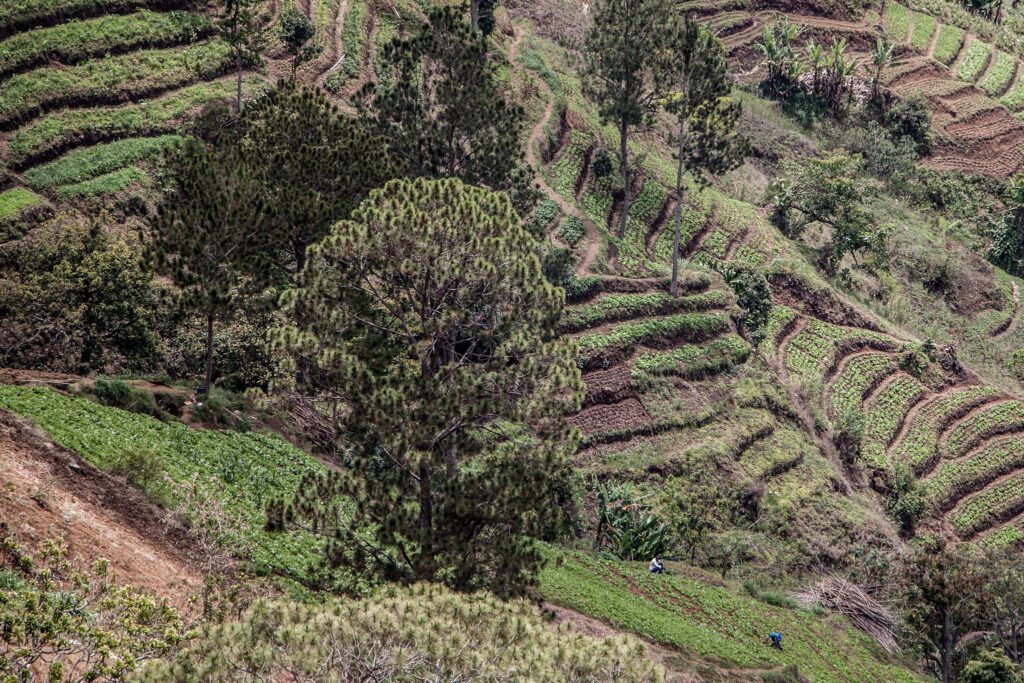
Furcy and Kenscoff, located in the mountains south of Port-au-Prince, are peaceful highland villages known for their cool climate, pine forests, and beautiful scenery. Just a short drive from the capital, these towns offer a refreshing escape from the city’s heat and bustle. The area is popular among locals for weekend retreats, hiking, and picnicking, with trails that wind through rolling hills, coffee farms, and misty valleys.
Kenscoff serves as the main gateway, featuring local markets, small lodges, and farms that grow vegetables and flowers for the capital. From there, the road climbs higher to Furcy, a quiet village surrounded by tall pines and mountain views stretching toward La Visite National Park. Visitors can hike or bike along rural trails, enjoy homemade meals at small guesthouses, and experience everyday life in Haiti’s countryside. Both towns are easily reachable from Port-au-Prince in under two hours, making them ideal for day trips or short stays.
Saut-d’Eau Waterfall
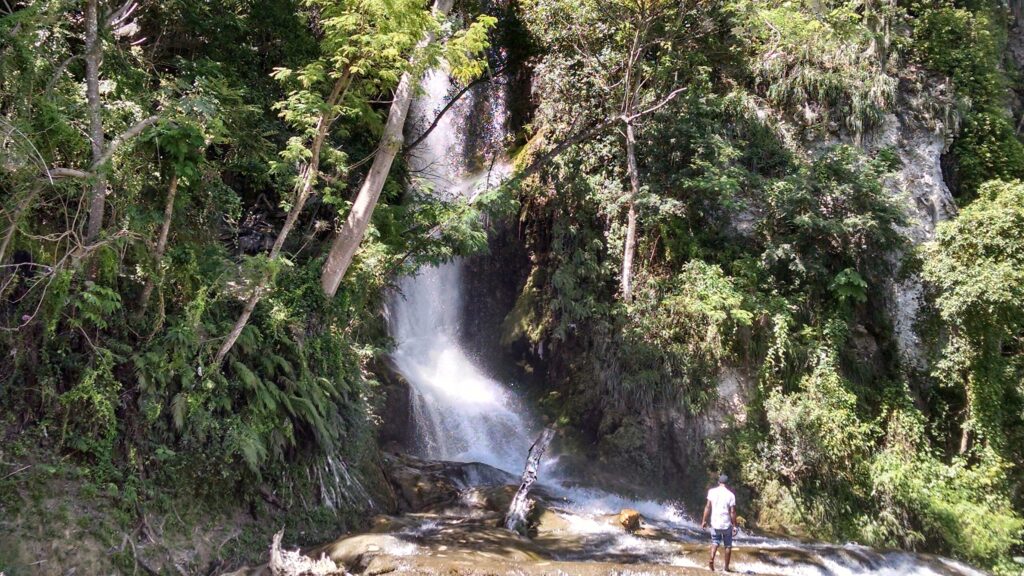
Saut-d’Eau Waterfall, located near the town of Ville-Bonheur in Haiti’s Central Plateau.
The twin cascades plunge into a lush, forested basin, creating a setting that blends natural beauty with deep spiritual meaning. The site is revered in both Catholic and Vodou traditions, believed to be blessed by an apparition of the Virgin Mary and associated with the Vodou spirit Erzulie, goddess of love and purity.
Each July, thousands of pilgrims travel to Saut-d’Eau for a three-day celebration that includes music, dance, prayer, and ritual bathing in the falls’ sacred waters. Visitors outside the festival period can still experience the calm, spiritual atmosphere, swimming or meditating at the base of the waterfall. The surrounding area also offers small vendors selling candles, offerings, and local food. Saut-d’Eau is about a two-hour drive from Port-au-Prince, making it an accessible destination for those interested in Haiti.
Île-à-Vache
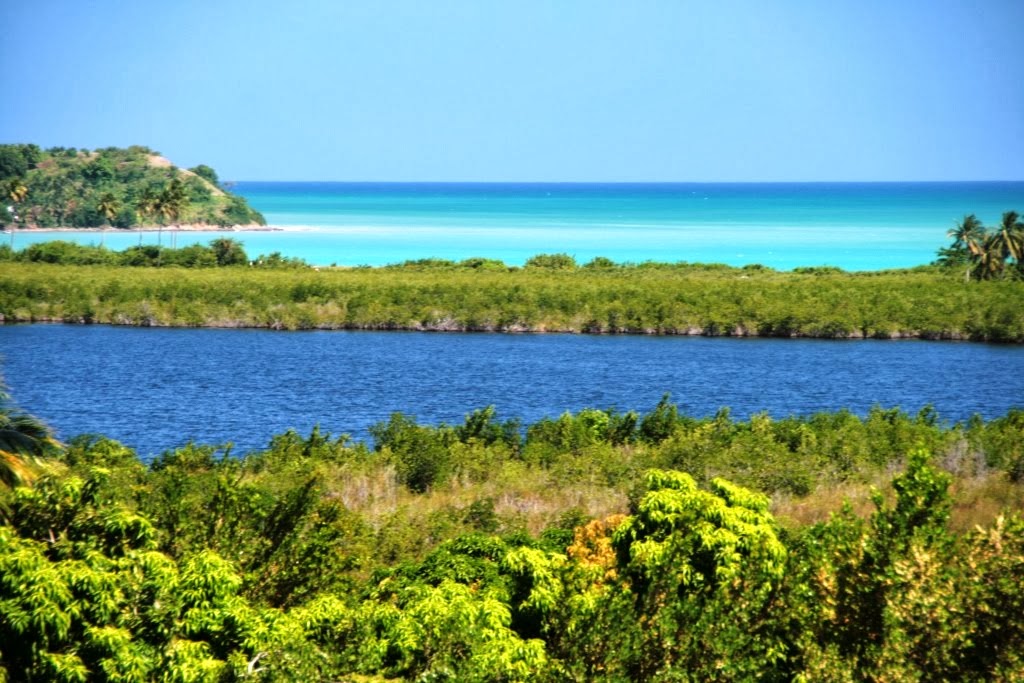
Île-à-Vache, located just off Haiti’s southern coast near Les Cayes, is a tranquil island known for its unspoiled beaches and laid-back atmosphere. Once a refuge for pirates, it is now home to small fishing villages, palm-lined shores, and a few eco-lodges that focus on sustainability and local hospitality. The island’s main beaches, such as Port Morgan and Abaka Bay, offer calm turquoise waters ideal for swimming, kayaking, and paddleboarding.
Exploring Île-à-Vache reveals winding trails through coconut groves, scenic viewpoints, and opportunities for horseback riding along the sand. Visitors can also meet local fishermen, sample freshly caught seafood, or take a boat tour around the island’s coves and mangroves. There are no cars on the island, adding to its sense of peace and simplicity. Île-à-Vache is reached by a short boat ride from Les Cayes, which is about a four-hour drive from Port-au-Prince.
Hidden Gems of Haiti
Labadee
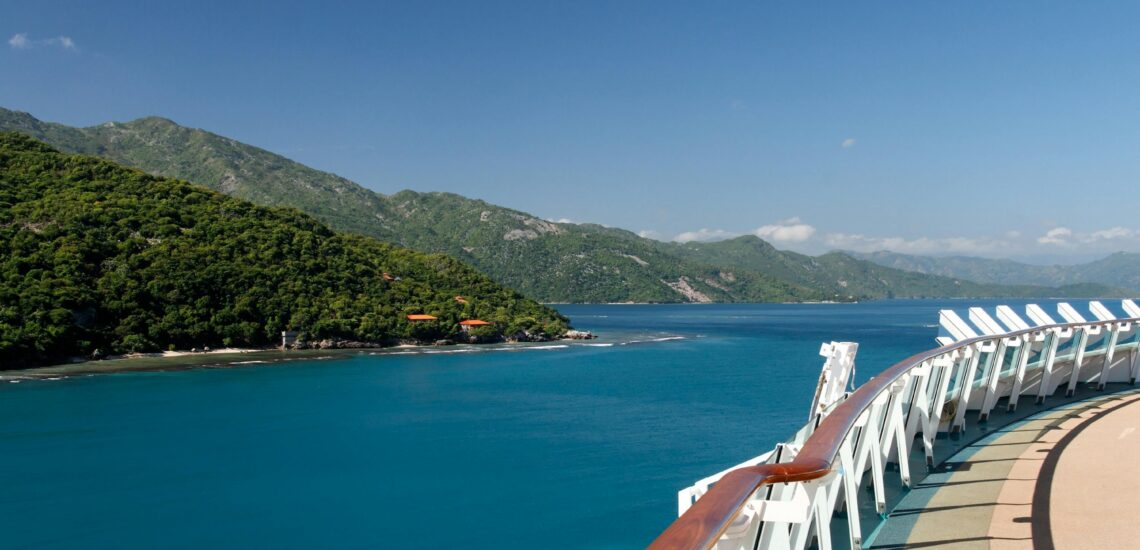
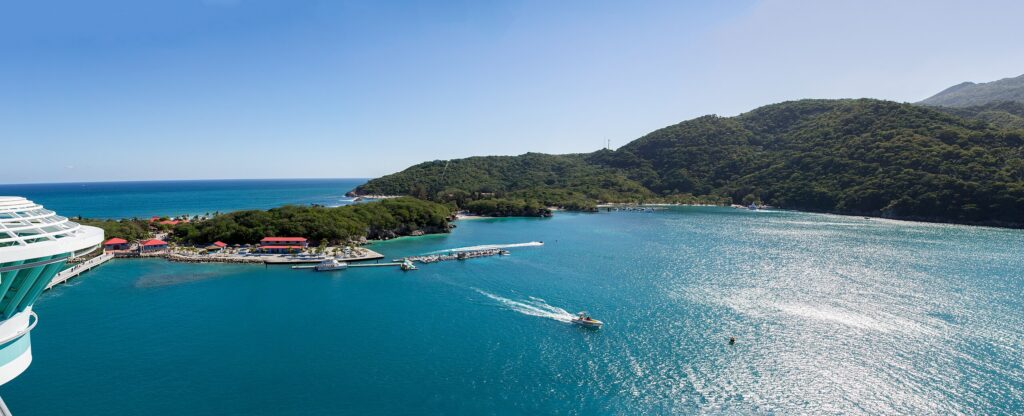
Labadee, set on a scenic peninsula near Cap-Haïtien, is one of Haiti’s most inviting coastal destinations. Backed by green mountains and surrounded by calm turquoise water, this private enclave offers a mix of relaxation and adventure in a safe, well-kept setting. Visitors can spend the day swimming or snorkeling in clear bays, gliding down one of the world’s longest overwater zip lines, or kayaking along the coast. A mountain coaster weaves through the hills, while shaded cabanas and open beaches provide quiet spots to unwind.
Port-Salut
Port-Salut, located on Haiti’s southern coast, is a quiet seaside town known for its long stretches of white sand and calm, turquoise waters. It’s one of the country’s best spots for swimming and relaxing by the sea, offering a peaceful atmosphere far from the bustle of the cities. The town’s main beach, Pointe Sable, is lined with palm trees and small seaside restaurants serving fresh seafood and local dishes.
Port-Salut is also a good base for exploring nearby natural attractions such as the beautiful waterfalls of Auberge du Sud and the pristine beaches farther west toward Île-à-Vache. Sunsets here are particularly striking, making it a favorite weekend destination for locals and travelers alike. The town is about a five-hour drive from Port-au-Prince via Les Cayes, best reached by car for those seeking a laid-back coastal escape.
Île de la Gonâve
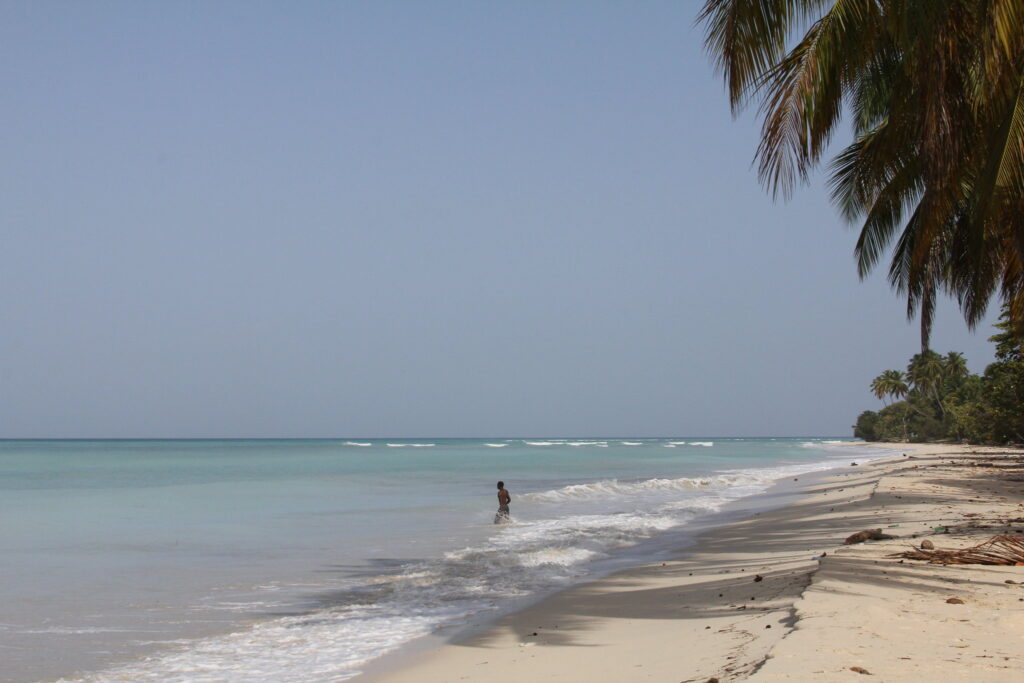
Île de la Gonâve, lying just west of Port-au-Prince in the Gulf of Gonâve, is Haiti’s largest island and one of its least explored regions. The island remains largely undeveloped, offering travelers a glimpse of authentic rural life and untouched natural landscapes. Small fishing villages line the coast, while inland areas feature dry hills, hidden coves, and hiking paths that reveal sweeping sea views.
Accessible by boat or small plane from the capital, Île de la Gonâve appeals to adventurous visitors interested in off-the-beaten-path travel. There are no major resorts, but local guesthouses and community projects welcome travelers who want to experience genuine Haitian hospitality.
Cormier Beach
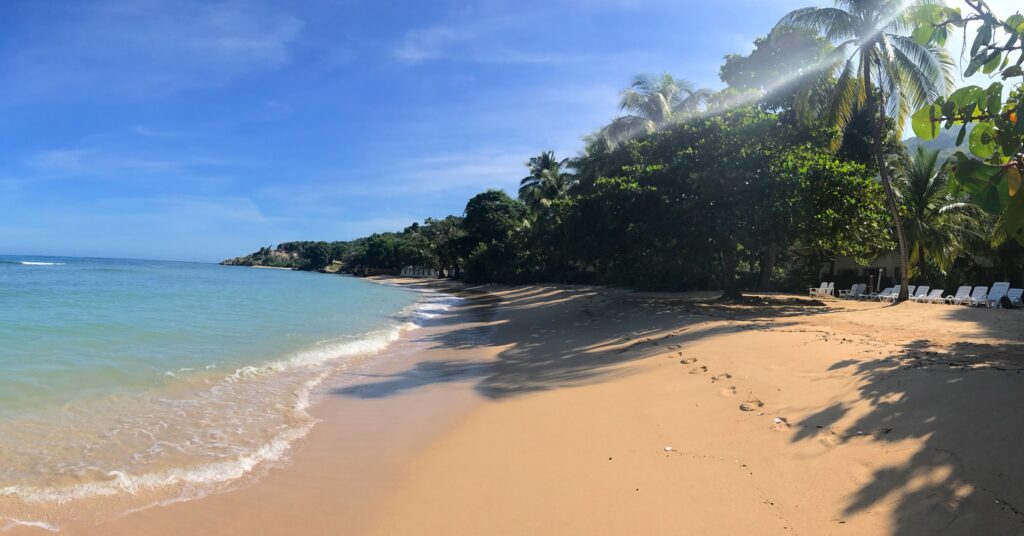
Cormier Beach, located just a short drive from Cap-Haïtien, is a peaceful stretch of golden sand backed by gentle hills and palm trees. The calm, clear waters make it ideal for swimming and snorkeling, while the relaxed atmosphere provides a perfect contrast to the nearby historical landmarks such as the Citadelle Laferrière and Sans-Souci Palace. The beachfront area is home to a few small hotels and restaurants where visitors can enjoy fresh seafood and watch the sunset over the bay.
Jacmel Mountains
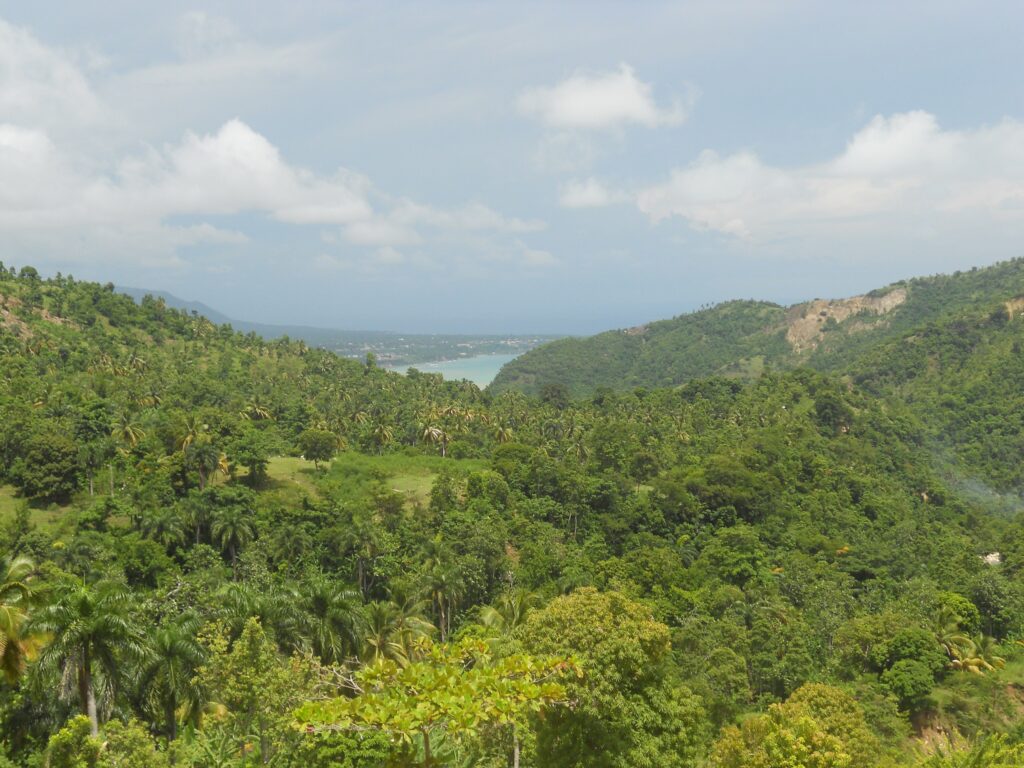
The Jacmel Mountains, rising behind the southern coastal town of Jacmel, offer a landscape of rolling hills, coffee plantations, and small art-filled villages. The region is known for its cool climate, fertile soil, and close connection to local culture, where coffee growers and artisans maintain long-standing traditions. Visitors can tour coffee farms to learn about Haiti’s production methods, hike to hidden waterfalls, or explore rural workshops that produce wood carvings, paintings, and papier-mâché crafts. The scenic mountain roads also provide panoramic views of the Caribbean and the surrounding valleys, making the area ideal for photography and day trips from Jacmel.
Travel Tips for Haiti
Travel Insurance & Health
Travel insurance is essential, covering medical care, emergency evacuation, and trip cancellations. Ensure your policy includes protection for natural disasters and unexpected travel disruptions, as conditions in Haiti can change quickly.
Haiti’s political and economic situation can be unpredictable, so it’s important to check current travel advisories before visiting. Always travel with local guides and use trusted transportation providers arranged through hotels or tour operators. Avoid traveling at night or venturing into isolated areas.
Tap water is not safe to drink – always use bottled or purified water for drinking and brushing teeth. Pack mosquito repellent, sunscreen, and a basic first-aid kit, especially when traveling outside Port-au-Prince.
Transportation & Driving
Domestic flights connect Port-au-Prince with Cap-Haïtien, providing a faster and safer alternative to long overland travel. While tap-taps (brightly painted local minibuses) are a cultural icon, they are not recommended for visitors due to overcrowding and safety concerns. For city travel or long distances, private drivers or taxis arranged through reputable providers are the best option.
Vehicles drive on the right-hand side of the road. Many roads outside major cities are rough, narrow, and poorly marked, especially in mountainous regions, so a 4×4 vehicle is strongly recommended. An International Driving Permit is required along with your national driver’s license. Police checkpoints are frequent – always carry your ID, license, and vehicle documents. Driving in Haiti can be challenging; for most travelers, hiring a local driver is the safer and more practical choice.

Published November 02, 2025 • 13m to read