

A car trip to the mountains offers an amazing and memorable adventure when you’re properly prepared. Whether you’re planning a weekend getaway or an extended mountain road trip, knowing the essential tips and gear can make the difference between a great experience and a challenging one. Let’s explore the secrets to successful mountain driving and camping.
Mountain Road Trip Planning: What to Expect
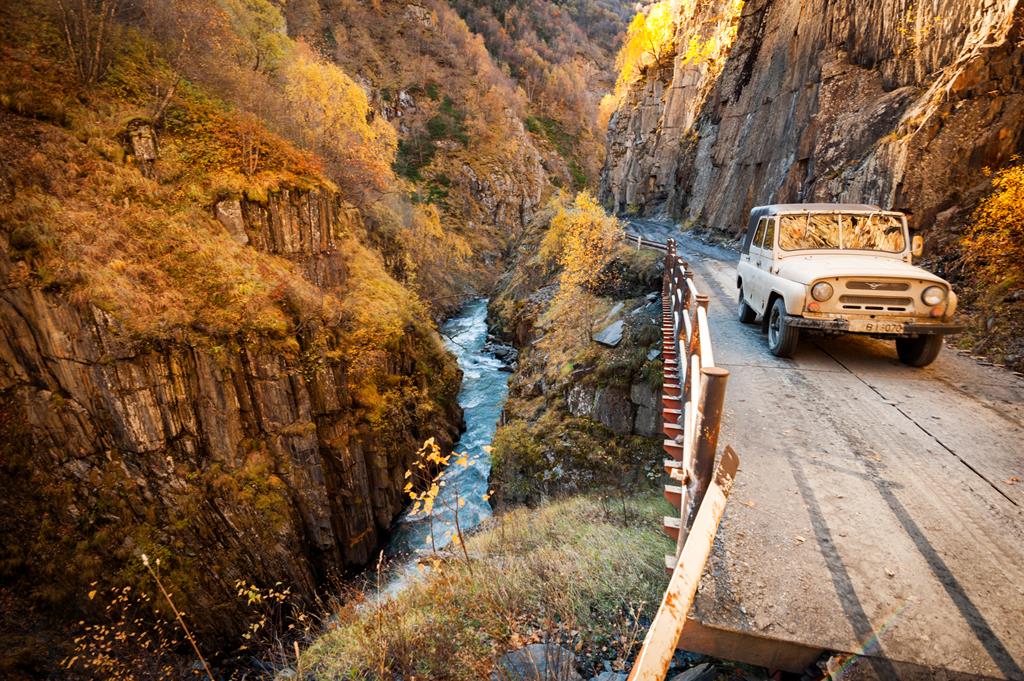
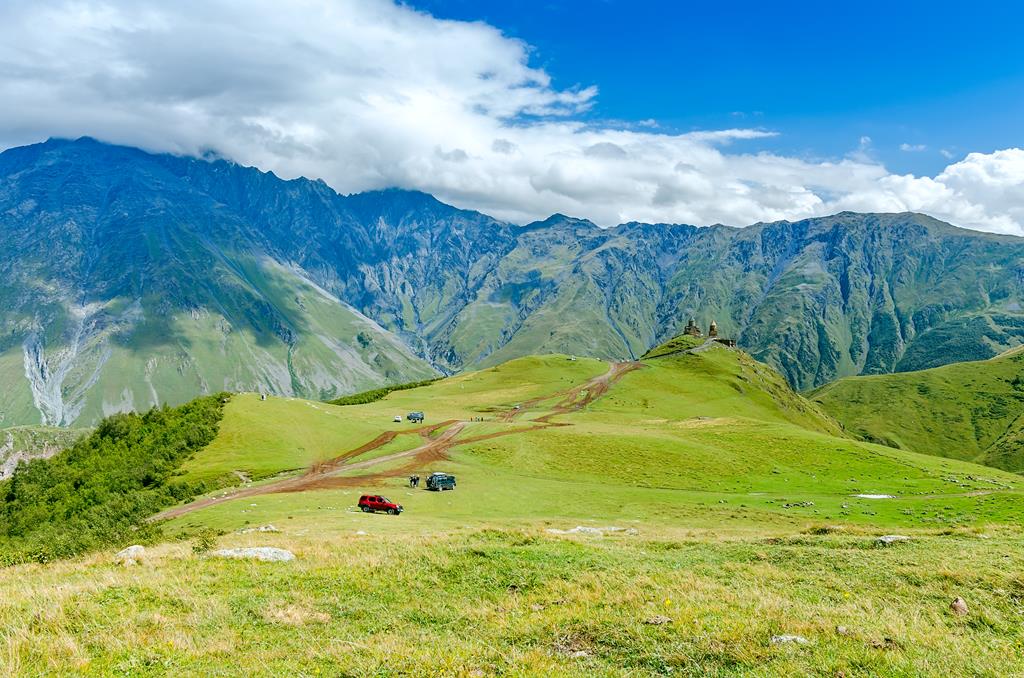
Mountain road trips offer unique opportunities to explore breathtaking landscapes and remote camping spots. Your vehicle type determines your access level: standard cars work well on established mountain highways, while crossovers and off-road vehicles open up more adventurous routes. Most conventional vehicles can safely reach altitudes up to 2,500 meters above sea level.
For extreme mountain adventures, specialized vehicles can reach incredible heights. In 1997, Russian explorer Alexander Abramov’s team successfully drove a Land Rover Defender-90 to the eastern peak of Mount Elbrus at 5,621 meters above sea level, showcasing what’s possible with proper equipment and expertise.
Most mountain car trips focus on accessible camping and day hiking rather than extreme altitude challenges. Your car serves as a mobile base camp, taking you to scenic locations with suitable parking, camping areas, and water sources. From these strategic positions, you can set up camp and explore surrounding trails, enjoy mountain sunrises and sunsets, forage for mushrooms and berries, or access ski areas and glaciers via cable cars.
Essential Mountain Road Trip Packing List
Your mountain car trip packing list varies significantly depending on the season. Here’s what you need for successful mountain camping and driving adventures.
Spring and Summer Mountain Trip Essentials
For warm weather mountain adventures, pack these essential items:
- Tents suitable for all travelers in your group
- Adequate food and water supplies for your entire trip
- Quality backpacks for day hiking
- Vehicle emergency kit: work gloves, tire pump, warning triangle
- Sleeping bags, sleeping pads, pillows, and blankets for everyone
- Communication devices with spare batteries and chargers
- Camera and video equipment for capturing mountain scenery
- Insect repellent for mountain camping
- Layered clothing including thermal underwear (mountain temperatures drop significantly at night, even in summer)
Additional Winter Mountain Driving Gear
Autumn and winter mountain trips require additional safety equipment:
- Tire snow chains for mountain road traction
- Snow shovels for emergency digging
- Extra fuel supplies for cold weather driving
- Portable heating devices and chemical hand warmers
- Cold weather medical supplies: frostbite treatment, cold medicine, fever reducers, bandages, and disinfectants
Mountain Camping Kitchen Setup
Proper meal preparation in the mountains requires specific equipment:
- Lightweight plastic dishes: cups, plates, bowls, and utensils (preferably folding)
- Quick-dry towels, paper napkins, and wet wipes
- Insulated thermos and multi-fuel camping stove
- Cutting board and serving tray
- 12V car refrigerator for food safety
- Quick-dry camping towels (avoid terry cloth in mountain conditions)
- Personal hygiene items: soap, toothpaste, shampoo, comb, and cosmetics in individual travel bags
Safe Mountain Driving Techniques and Tips
Mountain driving presents unique challenges that require specific techniques and heightened awareness. Inexperienced drivers should avoid mountain serpentine roads until they’ve developed proper skills, as these winding routes demand precision on both ascents and descents.
Mountain roads are typically narrow, dusty, and poorly maintained, creating additional hazards for drivers and vehicles. The challenging terrain affects both driver performance and vehicle mechanics in ways that flat-road driving doesn’t prepare you for.
Engine and Brake Management in Mountains
Many drivers overestimate their brakes’ effectiveness on long mountain descents. Instead of relying solely on brakes, use engine braking by downshifting to lower gears. This technique prevents brake overheating and maintains better control.
When climbing mountain ascents, use lower gears and maintain moderate speeds. High speeds cause dangerous engine overheating. If your engine begins overheating, reduce speed to minimum and continue moving slowly rather than stopping completely – moving air helps cool the engine more effectively than idling.
Mountain Driving Safety Rules
- Master manual transmission control before attempting mountain roads
- Maintain complete focus on driving – never sightsee while behind the wheel
- Save scenic photography and mountain views for designated stops only
- Remember that small mistakes in mountains can have serious consequences
- Build confidence gradually – don’t overestimate your driving abilities
- Plan regular rest stops to combat driver fatigue
Legal Requirements for International Mountain Travel
Don’t forget to obtain an international driving license before embarking on mountain adventures in foreign countries. This document is mandatory for legal driving in international mountain regions and ensures you’re properly covered for insurance purposes.
Mountain car trips offer incredible opportunities for adventure and natural beauty when approached with proper preparation and safety awareness. With the right equipment, driving techniques, and planning, your mountain road trip will create lasting memories while keeping everyone safe.

Published October 02, 2017 • 5m to read