

The United Kingdom is famous for London, royal ceremony, prehistoric monuments, football, literature, music, universities, and landscapes spread across England, Scotland, Wales, and Northern Ireland. Official tourism materials currently highlight 58 UNESCO World Heritage Sites across the UK, which helps explain why the country feels so culturally dense for its size.
1. London
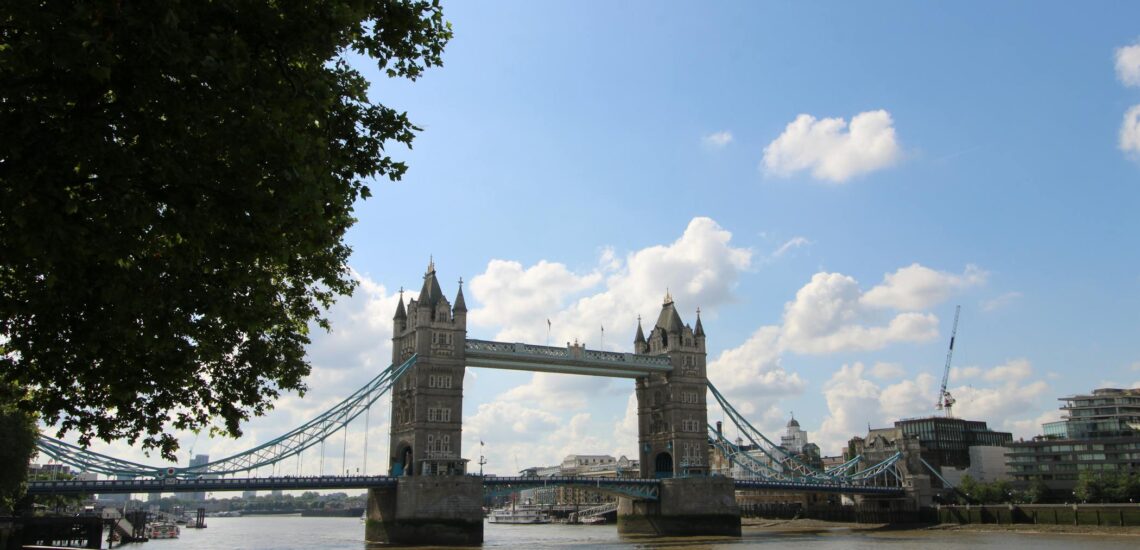
The United Kingdom is famous first of all for London because no other city shapes the country’s image so strongly. For many people abroad, London is the first place they associate with the UK, and that is easy to understand. It brings together several of the country’s best-known symbols in one place: Parliament, Buckingham Palace, the Thames, world-famous museums, royal ceremony, financial power, and a city life that feels both historic and modern at the same time. That is why London matters so much to the image of Britain.
With a population of about 9 million, it is not only the largest city in the UK, but one of the biggest and most internationally connected cities in Europe. It is the seat of government, the center of the monarchy’s public image, and one of the world’s most important hubs for finance, media, education, and tourism. At the same time, places such as Westminster, the Tower of London, the British Museum, and the West End keep its historic and cultural identity constantly visible.
2. Big Ben and Westminster
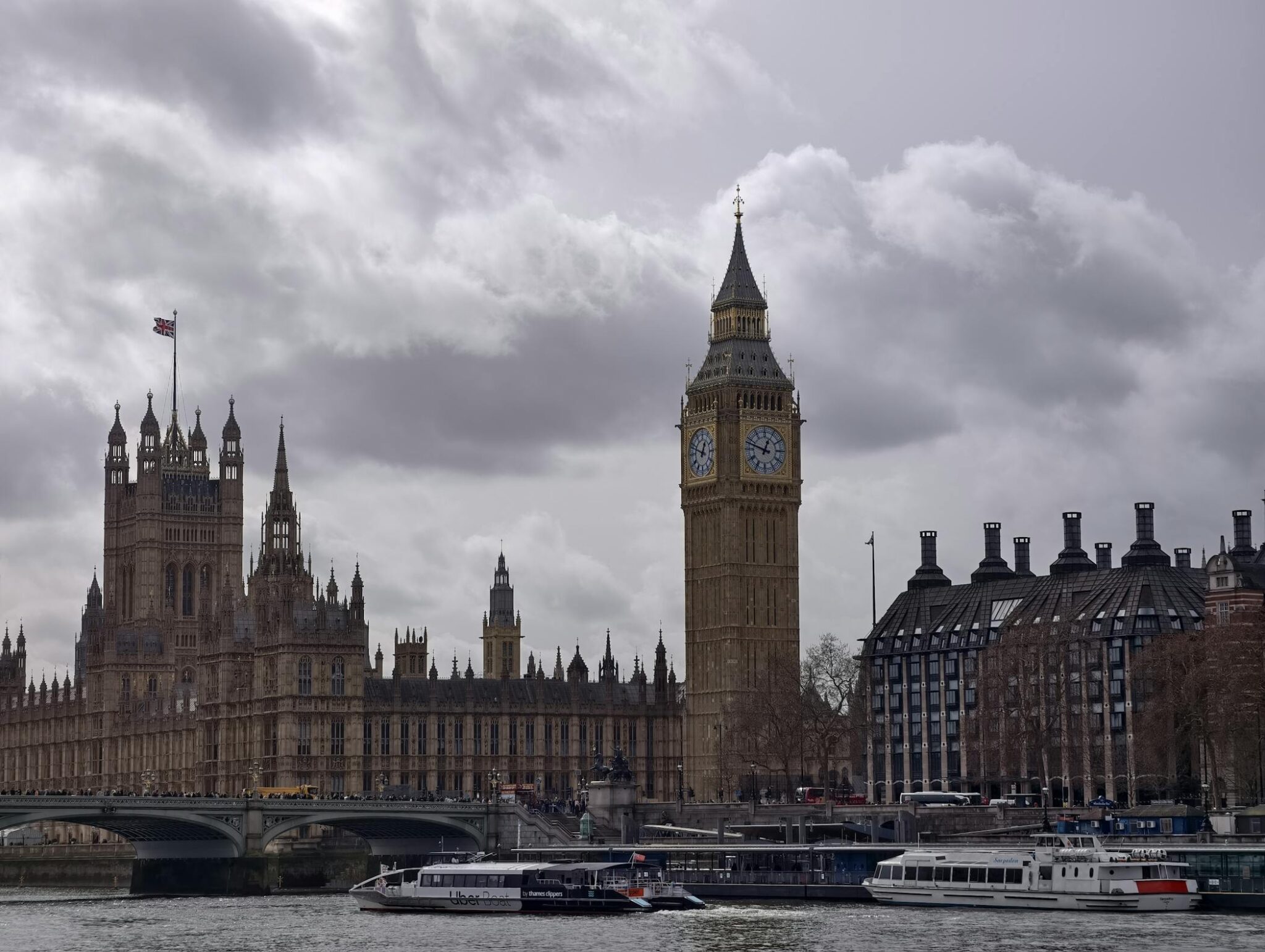
In one view you get the Palace of Westminster, the clock tower on the Thames, and the seat of British government. It is the picture used in films, news broadcasts, postcards, and travel campaigns, so for many people abroad it works as a visual shortcut for the entire United Kingdom.
There is also a detail many readers do not know: technically, Big Ben is not the tower itself but the Great Bell inside it. The tower’s official name is Elizabeth Tower. It rises to about 96 metres, the clock has four dials that are 7 metres in diameter, each minute hand is 4.2 metres long, and the Great Bell weighs about 13.7 tonnes. Westminster is not just a famous skyline either: the Palace of Westminster and Westminster Abbey form part of a UNESCO World Heritage Site, and Westminster Abbey has been the coronation church of English and later British monarchs since the 11th century.
3. The Royal Family and monarchy
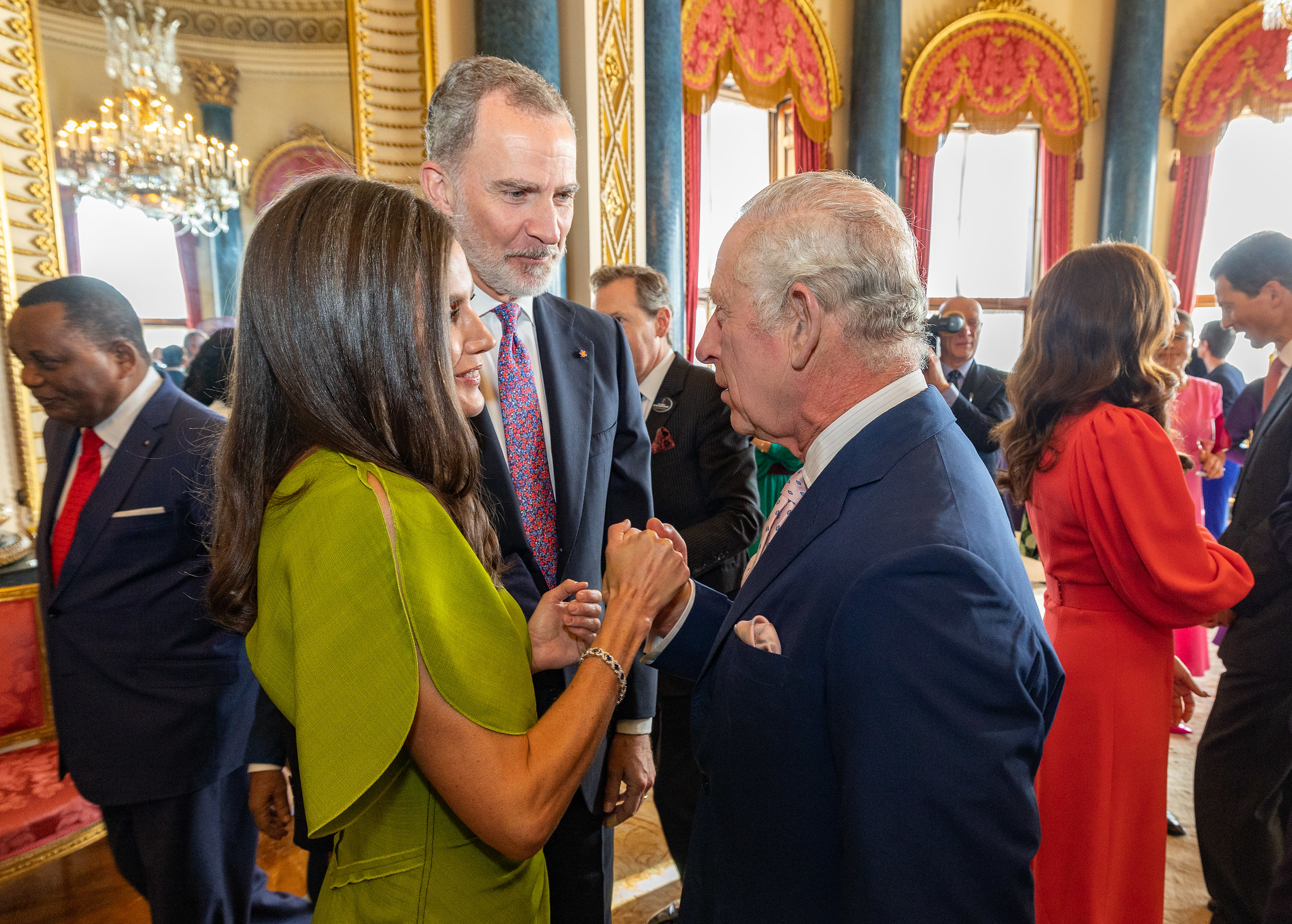
King Charles III became monarch on 8 September 2022, Queen Camilla supports him in official duties, and the royal household still publishes a public diary and court record of engagements. That keeps royal life visible in a practical way: people see not only ceremonies and symbols, but also a working institution tied to national events, public appearances, and state occasions.
The monarchy is also one of Britain’s strongest tourism assets. VisitBritain continues to promote the country through its 1,200-year royal history and its network of royal attractions, from Windsor Castle to Buckingham Palace and Holyroodhouse. The numbers show that this is not just image-making. In 2024/25, Royal Collection Trust welcomed 2.9 million visitors to the King’s official residences and galleries. That total included about 1.367 million visits to Windsor Castle, 683,000 to Buckingham Palace, and 440,000 to the Palace of Holyroodhouse.
Foreign, Commonwealth & Development Office, CC BY 2.0
4. Stonehenge
The site began about 5,000 years ago as a circular earthwork, and the most famous stone setting was created around 2500 BC. Stonehenge was not built in one moment but developed in stages, which makes it feel less like a single monument and more like a long project carried across generations. Its design also explains why it stays in people’s memory: the outer ring originally had 30 upright sarsen stones joined by lintels, and many of those stones weighed around 25 tons. The alignment with the solstices adds another layer, because Stonehenge was clearly planned with the sky in mind, not placed at random.
Stonehenge matters not only as an isolated circle of stones, but as the center of a much larger prehistoric landscape. Together with Avebury and related sites, it forms a UNESCO World Heritage Site, and UNESCO describes Stonehenge as the most architecturally advanced prehistoric stone circle in the world. The monument also keeps producing new evidence rather than sitting in the past unchanged. In 2024, research published in Nature argued that the central Altar Stone likely came from the Orcadian Basin in northeast Scotland, more than 700 kilometers away.
5. Shakespeare
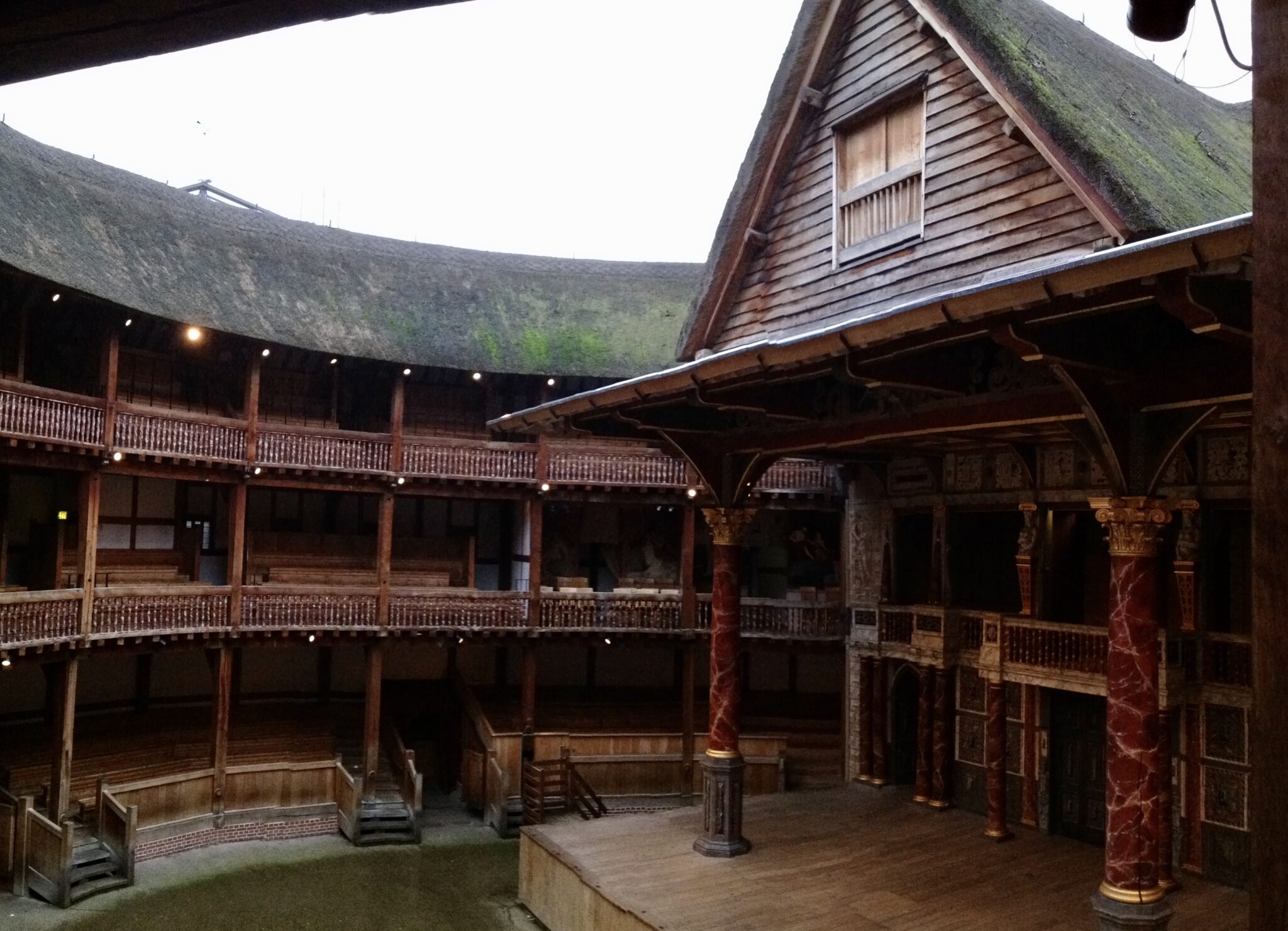
The United Kingdom is famous for William Shakespeare because his name stands at the meeting point of literature, theatre, language, and national heritage. He was born in Stratford-upon-Avon in 1564 and died there in 1616, but his reach goes far beyond one town. The Shakespeare Birthplace Trust still centers its work on preserving the family homes in Stratford, including his childhood home on Henley Street, which turns his life into a physical place people can visit rather than just a chapter in literary history. His output also explains why Britain is so strongly identified with him: the standard count is 38 plays, 154 sonnets, and two major narrative poems, a body of work large enough to shape the English canon on its own.
Shakespeare also remains part of modern Britain, not only its past. The Royal Shakespeare Company, based in Stratford-upon-Avon, sold 1.637 million tickets in 2023/24 and reported audiences from 74 countries, which shows that Shakespeare is still one of the UK’s strongest cultural exports. That matters for a “what is the UK famous for” article: Shakespeare is not remembered only through schoolbooks, but through a working theatre economy, heritage sites, and year-round tourism tied to his life and plays.
Ank Kumar, CC BY-SA 4.0 https://creativecommons.org/licenses/by-sa/4.0, via Wikimedia Commons
6. The Beatles and Liverpool
The Beatles took shape in Liverpool in 1960, and the city still uses that connection as one of its main cultural markers. Official tourism routes send visitors not just to a museum, but along a real map of their early history: the Cavern Club, Mathew Street, Penny Lane, Strawberry Field, and other places tied to the band’s first years. That link feels solid because it is based on the city itself, not on later branding. Even the Cavern’s own history still puts The Beatles at the center of the venue’s identity, noting that they played there 292 times between February 1961 and August 1963.
The second reason this fact works so well is scale. The Beatles were not just successful; they changed the size of British pop culture in the world market. They have 18 UK number one singles, more than any other British act in Official Charts history, and “Now And Then” reached No. 1 in November 2023, 60 years and 6 months after their first chart-topper, “From Me To You”, in May 1963. That time span matters more than any praise-word: it shows that The Beatles are still part of current public memory, not only music history.
7. The Premier League and football
The United Kingdom is famous for football because the modern organized game took shape in England and still carries a strong British identity. The FA says “football as we know it” dates from 1863, when the association was formed and a common set of rules began to replace local versions of the sport. The Premier League, launched in 1992, turned that history into a modern export. For many people outside Britain, UK football means full stadiums, old rivalries, away support, and the weekly rhythm of league matches rather than just one national team or one tournament.
The scale is what makes this fact strong. In 2024/25, the Premier League said it was broadcast to 189 countries and available in 900 million homes worldwide. The same season, average attendance reached a record 40,459 per match, stadiums were 98.8 per cent full, and 1.45 billion people watched live Premier League football. Those figures show why football is one of the UK’s clearest modern brands: the league does not only export clubs and players, but a whole matchday culture that many audiences now treat as the default image of top-level football.

8. Afternoon tea
It turned an ordinary drink into a fixed part of the day with its own structure: tea, small sandwiches, scones, and cakes served in the late afternoon. The custom is usually linked to Anna Maria Russell, Duchess of Bedford, around 1840, when lunch was eaten early and dinner was served much later. What began as a private habit spread through upper-class society and then much wider, which is why afternoon tea came to represent a specifically British way of socializing rather than just drinking tea.
That association still works because tea remains part of everyday life in Britain on a very large scale. Industry data says people in the UK drink around 100 million cups of tea a day, and black tea is still the dominant choice. Afternoon tea is the more formal and symbolic version of that habit, so it stays visible both in daily culture and in tourism. Hotels, tearooms, and travel guides continue to present it as a standard British experience, which helps explain why the UK is still so strongly identified with tea, not only as a drink but as a social tradition.
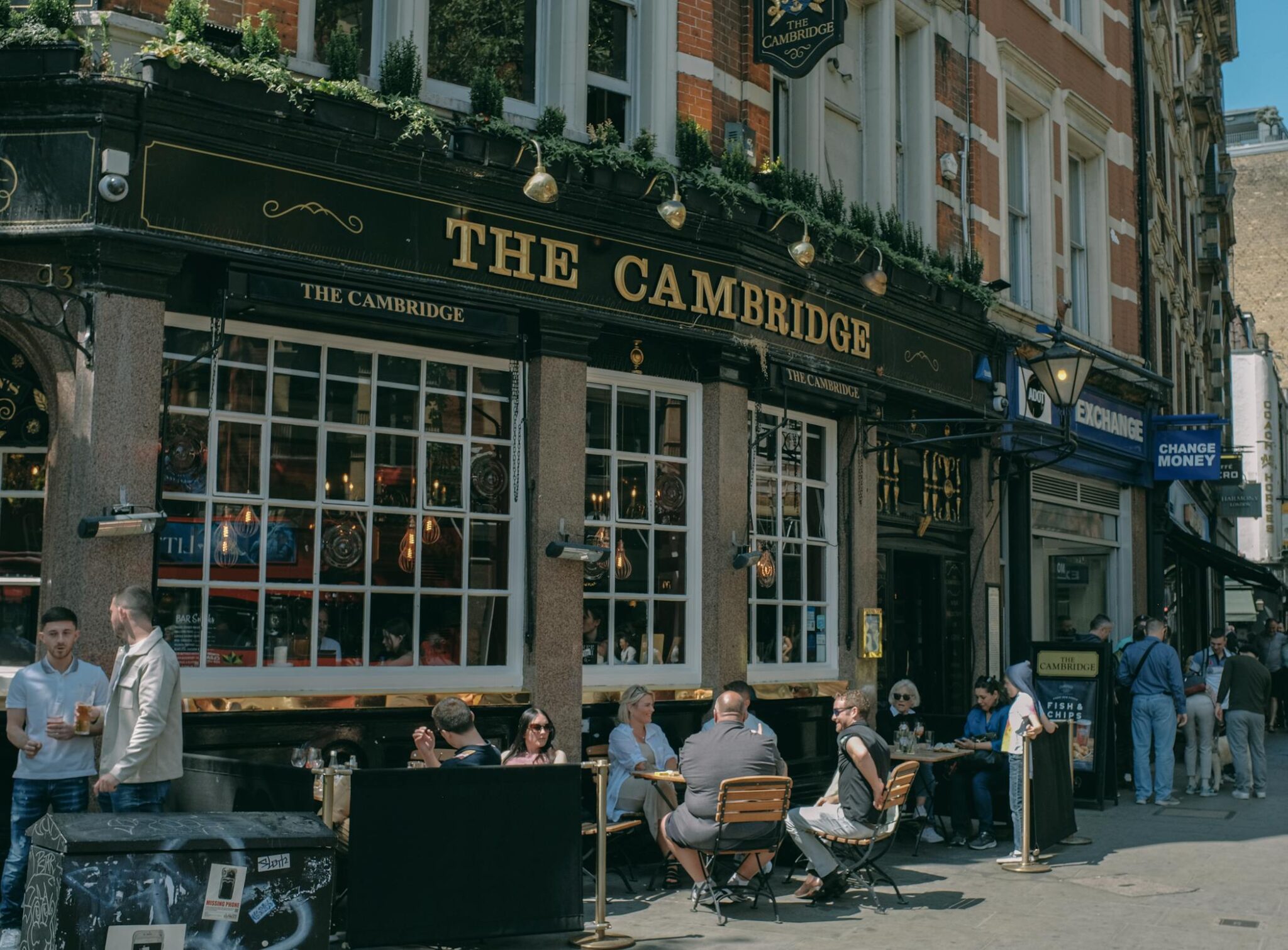
It is the local place where people meet after work, watch football, eat a Sunday roast, join a quiz night, or simply keep up with their neighborhood. That is why pubs sit so firmly inside the country’s social identity: they function as informal public rooms, especially in smaller towns and villages, not just as businesses selling alcohol. Official tourism still promotes traditional British pubs and inns as a core part of visiting Britain, which shows how strongly this part of everyday life has become part of the country’s image abroad.
9. Pubs
The numbers help explain why pubs remain such a visible national symbol. The British Beer and Pub Association says the beer and pub sector contributes more than £34 billion to the UK economy and supports more than 1 million jobs. At the same time, the industry body warned that 378 pubs were expected to close across England, Wales, and Scotland in 2025.
10. Fish and chips
The United Kingdom is famous for fish and chips because this dish became part of everyday British life without turning into restaurant food or festival food only. It is simple, filling, and easy to recognize: battered white fish, thick-cut chips, salt, vinegar, and often mushy peas on the side. For many people, it is tied to ordinary weekly habits as much as to travel memories, especially in coastal towns where eating fish and chips by the sea became a familiar part of British leisure culture. The dish also has real national scale, which helps explain why it remains one of the clearest food symbols of the UK. There are around 10,500 fish and chip shops across the country, and cod and haddock still dominate as the classic choices.
11. Oxford and Cambridge
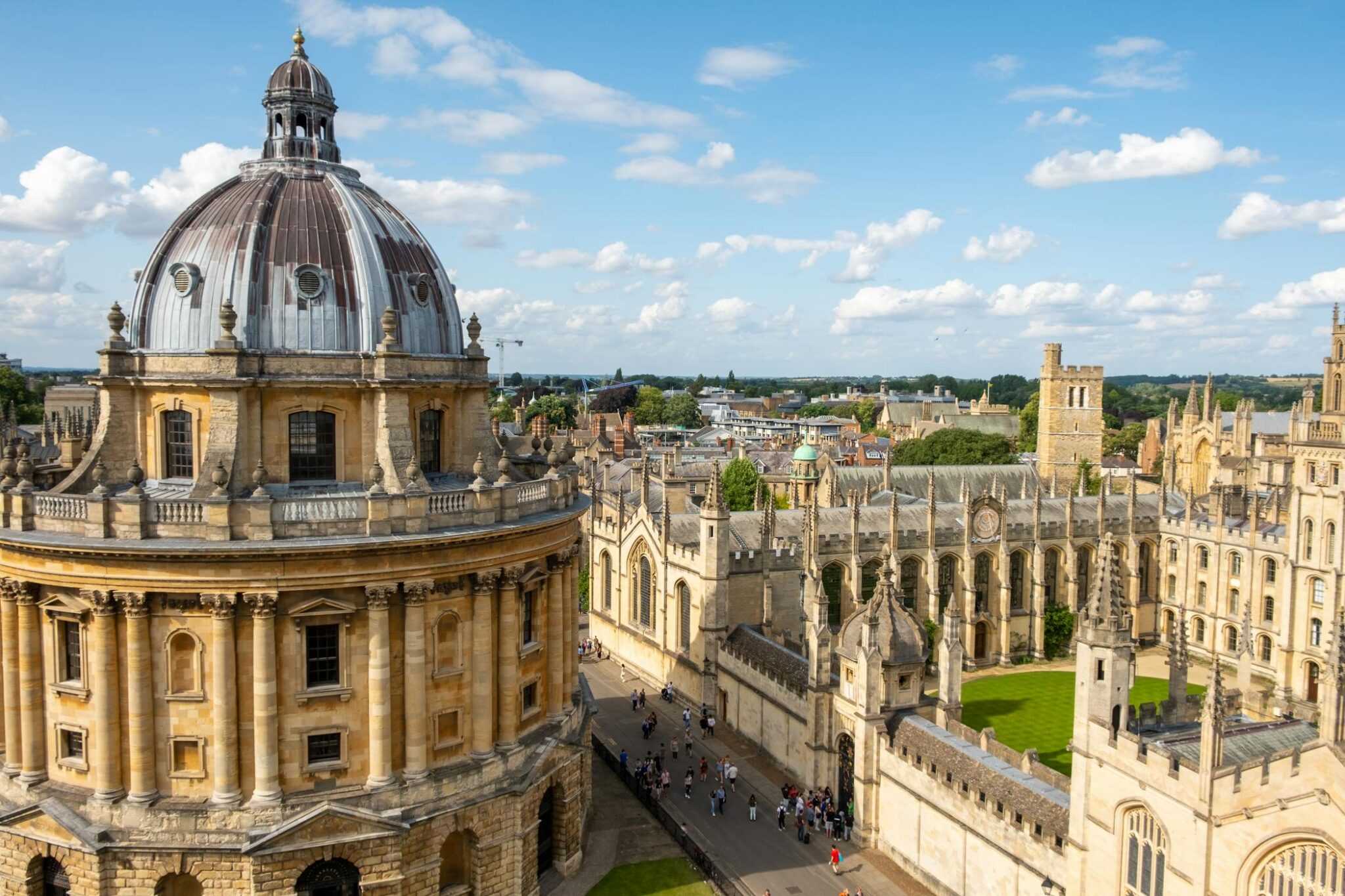
Oxford has evidence of teaching from 1096 and remains the oldest university in the English-speaking world, while Cambridge was founded in 1209. In both places, the university is not hidden on the edge of town: colleges, libraries, chapels, and courtyards sit in the center and shape the city itself. That is why the names Oxford and Cambridge came to mean more than geography. They became shorthand for academic status, long institutional memory, and a style of education that people around the world immediately connect with Britain.
That reputation still rests on real scale, not only on history. Oxford now has 26,595 students and draws them from 175 countries and territories, while Cambridge has 24,912 students and 31 colleges. Oxford is made up of over 30 colleges and halls, and Cambridge counts 126 Nobel Prize laureates among its alumni and affiliates. Together the two universities educate more than 51,000 students, so they remain active institutions at the center of British intellectual life rather than monuments from the past.
12. Edinburgh
It is the capital of Scotland, but what makes it stick in people’s memory is the shape of the city itself: a castle set high on volcanic rock, the Royal Mile running down the ridge, and two historic halves that still look clearly different from each other. The Old Town keeps its medieval closes and steep streets, while the New Town was laid out in the 18th century in a more ordered Georgian grid. That contrast is so important that the Old and New Towns of Edinburgh were inscribed together as a UNESCO World Heritage Site, and more than 75% of the buildings inside that area are listed for architectural or historic importance.
Edinburgh is also famous because it carries culture in a way few cities of its size do. It became the world’s first UNESCO City of Literature in 2004, which fits a place tied to names such as Walter Scott, Arthur Conan Doyle, and Robert Louis Stevenson. The city’s festival season gives that reputation a modern scale: the Edinburgh Festival Fringe issued 2.6 million tickets in 2024 across 3,746 shows at nearly 300 venues, while the Edinburgh International Festival welcomed more than 111,000 people from 91 countries in 2025. That is why Edinburgh works so well as a symbol of the UK: it combines a historic city image with a live cultural machine that is still operating at full size.
13. The Scottish Highlands and Loch Ness
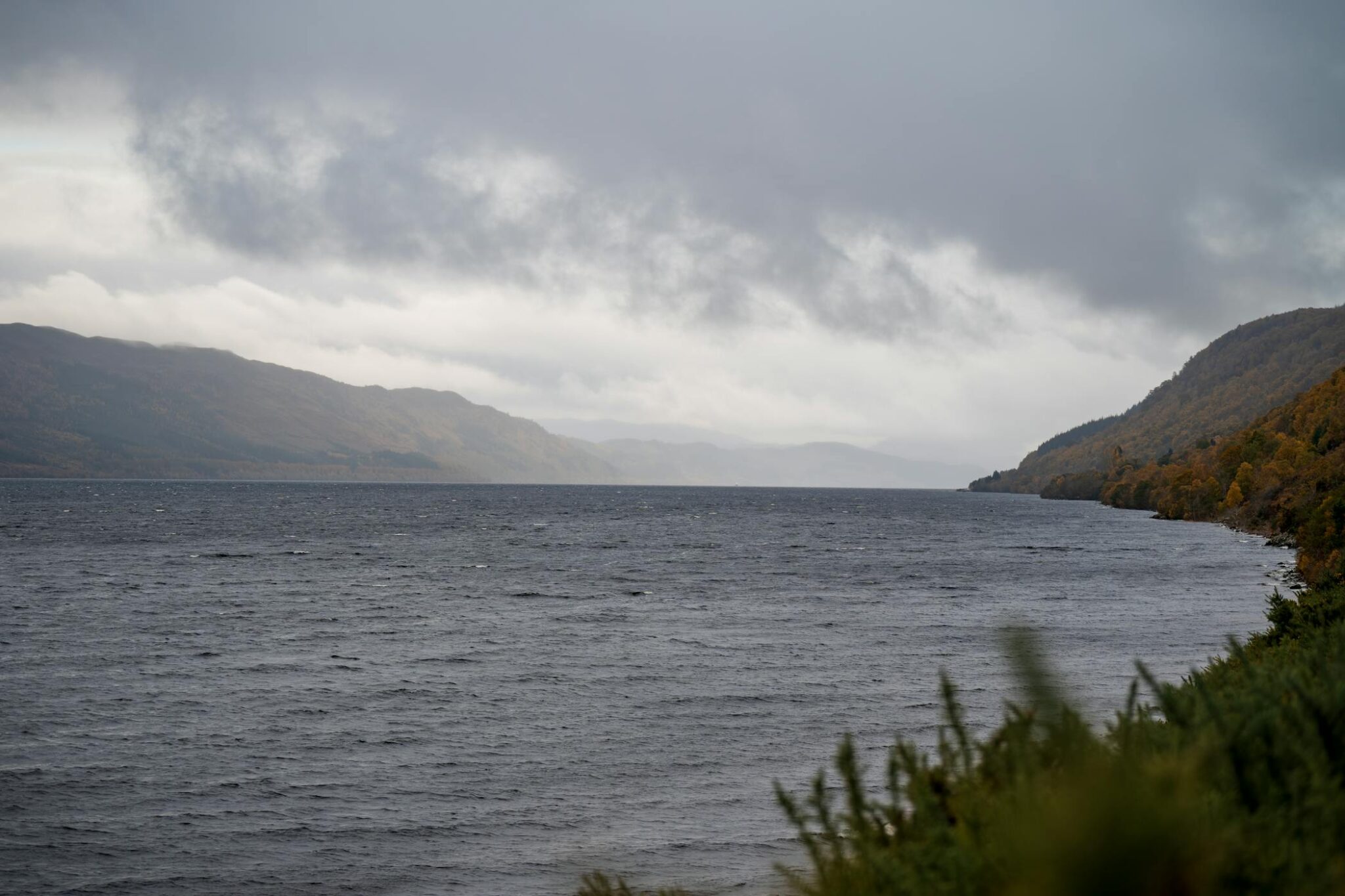
The Highlands carry the version of Britain that people picture as older, harsher, and less controlled: stone villages, single-track roads, bare ridges, and long distances between places. That impression is backed by real scale. Ben Nevis, in the western Highlands, is the highest mountain in the UK at 1,345 metres, and the Cairngorms in the central Highlands form the largest national park in the UK at 4,528 square kilometres. These are not small scenic pockets. They are some of the biggest landscapes through which people imagine Scotland and, by extension, the UK itself.
Loch Ness gives the Highlands an extra layer of recognition because it joins real geography to one of the best-known modern legends in Europe. The loch is about 37 kilometres long and holds more water than all the lakes in England and Wales combined, which helps explain why it feels oversized even before the Nessie story begins. The monster legend turned that scale into myth, and the effect has lasted for decades: the modern register of reported sightings now lists 1,167 entries. That is why Loch Ness works so well as a symbol of the UK.
14. Scotch whisky
Scotch is not just a style of whisky but a protected product that must be made and matured in Scotland, in oak casks, for at least three years. That link to place matters. It turns whisky into part of Scotland’s identity, not simply one of its industries. The scale inside Scotland is also hard to miss: there were 152 operating Scotch whisky distilleries across the country in June 2025, so whisky is woven into the map of Scotland rather than limited to one small region. Its global reach explains why it works so well as a symbol of the UK. In 2025, Scotch whisky exports were worth £5.3 billion, with the equivalent of 1.34 billion bottles shipped to around 163 markets, or about 43 bottles every second.
15. Welsh castles
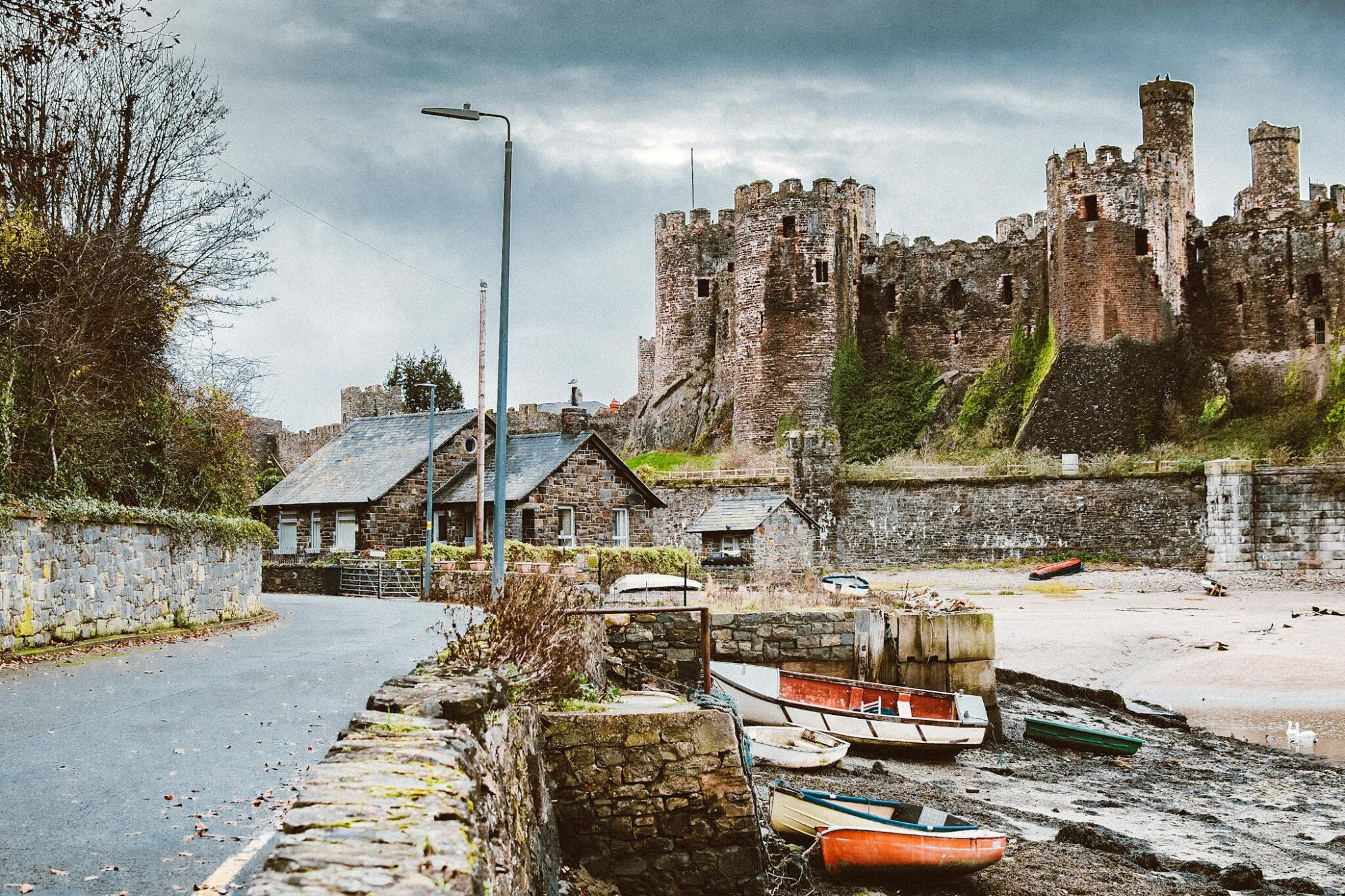
The United Kingdom is famous for castles, and Wales is one of the main reasons why. The country is often described as the castle capital of Europe because it has more castles per square mile than any other country in Europe, with over 600 sites still remaining. That density changes how Wales looks and feels: castles are not limited to one tourist route or one royal city, but appear across the coastline, market towns, river crossings, and border areas. As a result, Wales helps give the UK its medieval image in a very direct way.
Some of the strongest examples are also among the most important fortifications in Europe. Caernarfon, Conwy, Harlech, and Beaumaris were built between 1283 and 1330, and together with the town walls of Caernarfon and Conwy they form a UNESCO World Heritage Site. UNESCO describes them as the finest examples of late 13th-century and early 14th-century military architecture in Europe. That matters because Welsh castles are not famous only in local or British terms.
16. Giant’s Causeway
On the north coast of County Antrim, the site is made up of about 40,000 basalt columns formed by volcanic activity nearly 60 million years ago. Most of the stones are hexagonal, which makes the shoreline look planned rather than natural, as if the rock had been laid down in steps. The place also carries the legend of the giant Finn McCool, so its fame comes from both geology and folklore, not from scenery alone. UNESCO lists Giant’s Causeway and the Causeway Coast together, which means the site is valued not only for the columns themselves but for the wider coastal landscape around them. It was the first UNESCO World Heritage Site in Northern Ireland, and it still draws very large visitor numbers, with more than 648,000 visitors reported in 2024.
17. Windsor Castle and royal ceremony
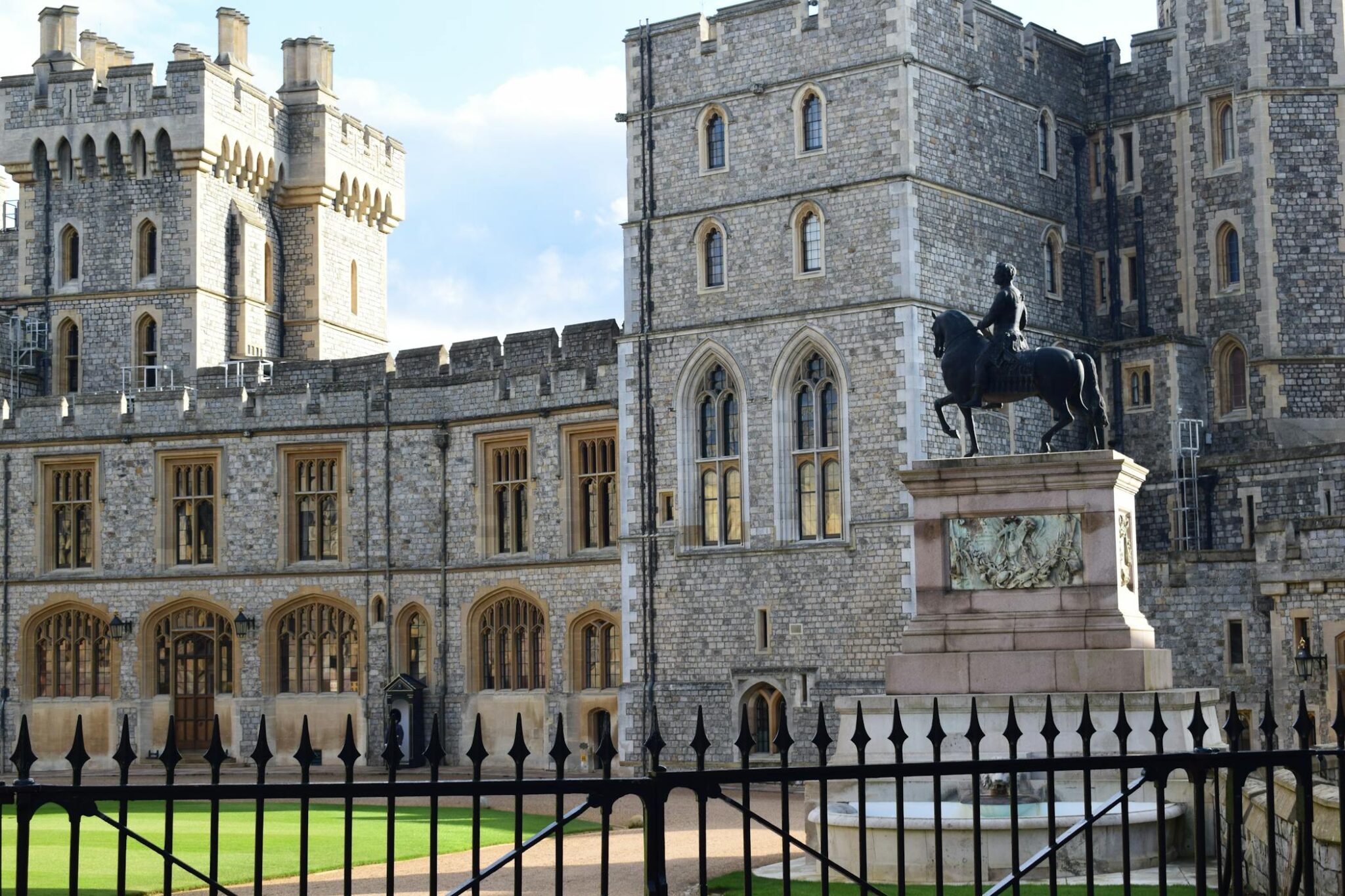
Founded by William the Conqueror in the 11th century, it is the oldest and largest occupied castle in the world and has been home to 40 monarchs. The building carries nearly 1,000 years of royal history, but it does not feel like a preserved ruin or a museum piece. It remains a working royal residence, which is one reason it stays so central to the image of Britain abroad.
The Changing of the Guard still takes place in the castle grounds, usually at 11:00 on Tuesdays, Thursdays, and Saturdays, while larger state and ceremonial traditions continue to pass through the site as well. Windsor is used for investitures and audiences, and every June it hosts Garter Day, when the Order of the Garter, founded nearly 700 years ago, is marked with a procession and service at St George’s Chapel. That combination of fortress, residence, and ceremony is why Windsor Castle remains one of the clearest symbols of the United Kingdom.
18. Harry Potter
The United Kingdom is famous for Harry Potter because the series made British places feel magical without inventing a separate visual language from scratch. It took elements people already associated with Britain – old boarding schools, stone castles, Gothic halls, railway platforms, cloisters, and misty Highland landscapes – and turned them into a world recognized almost everywhere. That is why Harry Potter became more than a successful story. It helped fix a particular image of Britain in global pop culture, with London, Oxford, and the Scottish Highlands all folded into the same fictional map.
The books have sold more than 600 million copies in 85 languages, and the story was expanded into eight films. Those films were based at Leavesden for more than ten years, which gave Britain not only the original locations but also a lasting production center built around the series. The story also remains active in London through Harry Potter and the Cursed Child, which reached 9¾ years in the West End in 2026 before moving into a new stage format from 9 October that year.
19. The Industrial Revolution
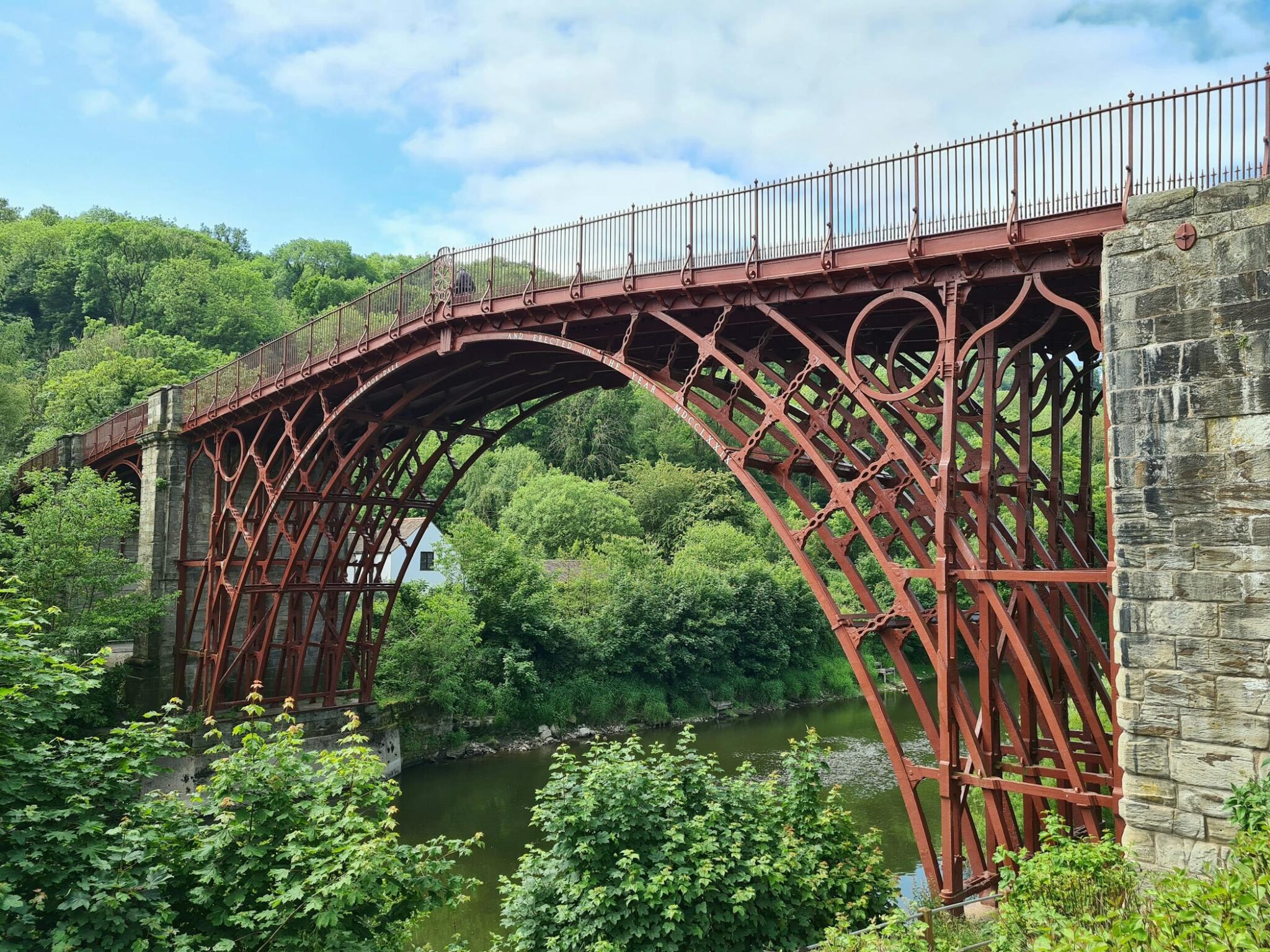
The United Kingdom is famous for the Industrial Revolution because this is where modern industrial society first took shape on a world-changing scale. In the late 18th and early 19th centuries, Britain moved from hand production to factories powered by coal, iron, and steam. Textile mills, canals, foundries, and later railways changed how goods were made, moved, and sold, and that model spread far beyond Britain. In Shropshire, the Iron Bridge was completed in 1779 and opened to traffic in 1781 as the world’s first iron bridge over a major river. It was not just a useful crossing over the Severn. It showed that iron could be used in construction on a scale that changed engineering itself.
20. World War II and the Blitz
The United Kingdom is also known, more somberly, for World War II because the war became one of the central chapters in the country’s modern identity. Britain kept fighting after the fall of France in 1940, and the home front became part of the story as much as the battlefield. The Blitz began on 7 September 1940 and ran until May 1941, with London bombed for 57 consecutive nights at the start of the campaign. That sequence fixed the war in public memory not as a distant military conflict, but as something that reached ordinary streets, homes, stations, and workplaces.
The scale of the attacks explains why the Blitz still carries so much weight in Britain’s historical image. Air raids during the war killed more than 43,000 civilians and seriously wounded about 139,000 more, while bombing destroyed or damaged more than a million homes. London became the best-known symbol of endurance, but the attacks also hit other cities across the country, turning wartime survival into a national story rather than a London story only.
21. The British Empire and slavery
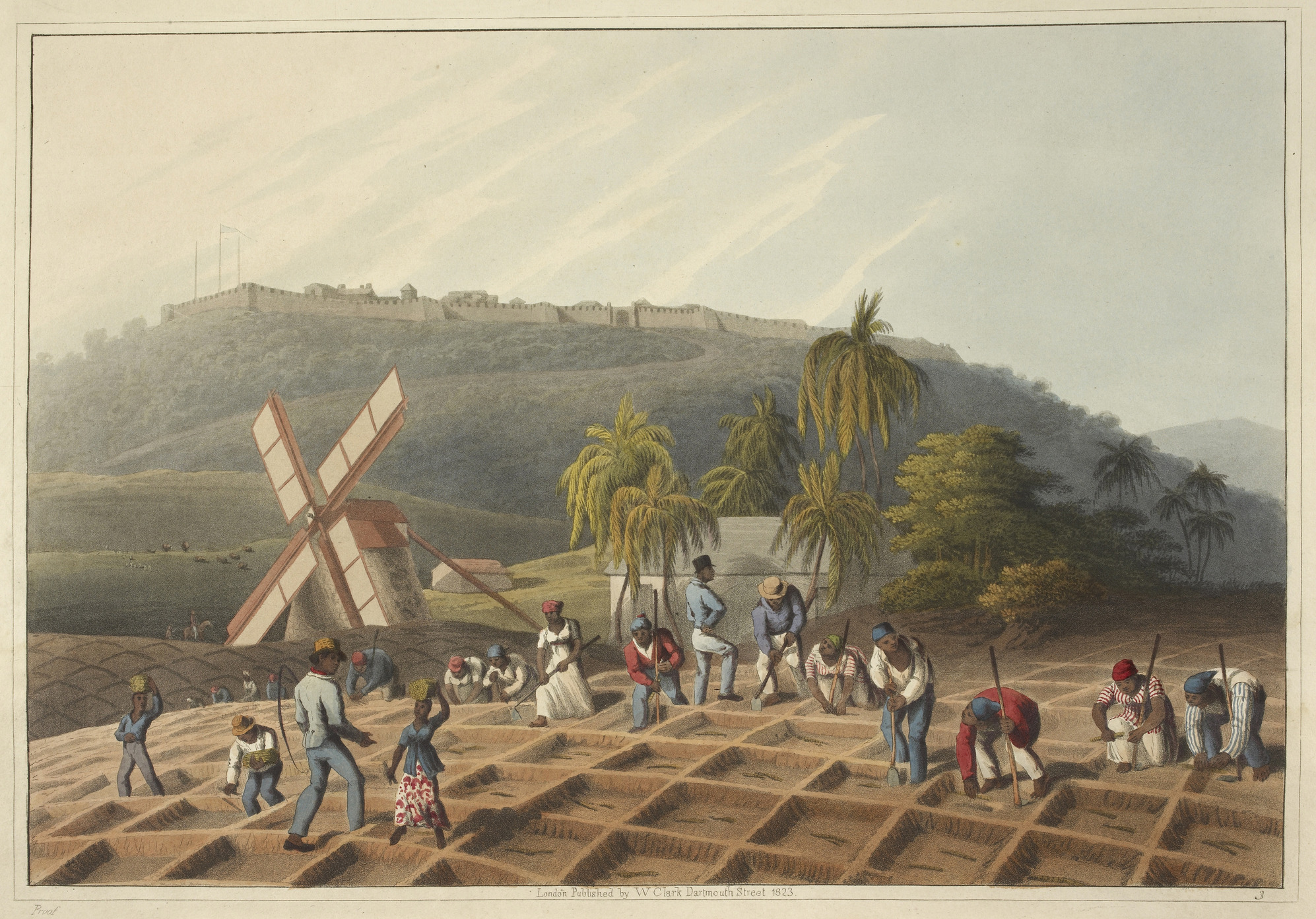
The United Kingdom is also known for the British Empire because, at its height in the late 19th and early 20th centuries, it controlled nearly a quarter of the world’s land surface and more than a quarter of its population. That scale helps explain why Britain still occupies such a large place in global history. The empire changed borders, trade routes, legal systems, migration patterns, and language use across several continents, but it also rested on conquest, unequal rule, and extraction. For that reason, the British Empire remains part of how the country is understood both inside Britain and far beyond it.
Its connection to slavery makes that legacy even harder to separate from modern Britain. Over the course of the Atlantic slave trade, more than 11 million enslaved people were transported from Africa to the Americas and the Caribbean, and Britain became the leading slave-trading power from the mid-17th century onward, carrying around 3.1 million enslaved Africans on British ships. The trade was abolished in 1807, but slavery in most British colonies was not abolished until 1833. Even then, Parliament granted £20 million in compensation to former slave owners, and UCL’s work on the records identifies more than 40,000 slave owners connected to those claims.
If you’ve been captivated by United Kingdom like us and are ready to take a trip to United Kingdom – check out our article on interesting facts about United Kingdom. Check if you need an International Driving Permit in United Kingdom before your trip.

Published April 11, 2026 • 17m to read