

What is Saudi Arabia Famous For?
Saudi Arabia is famous for Mecca and Medina, the birth of Islam, the Hajj pilgrimage, oil wealth, the House of Saud, desert landscapes, dates and Arabic coffee, Riyadh, Jeddah, AlUla, Vision 2030, Mohammed bin Salman, global sports investment, and its powerful but controversial role in Middle Eastern politics. The country is an absolute monarchy ruled by the Al Saud family, with King Salman as monarch and Mohammed bin Salman as crown prince and prime minister.
1. Mecca, Medina and Islam
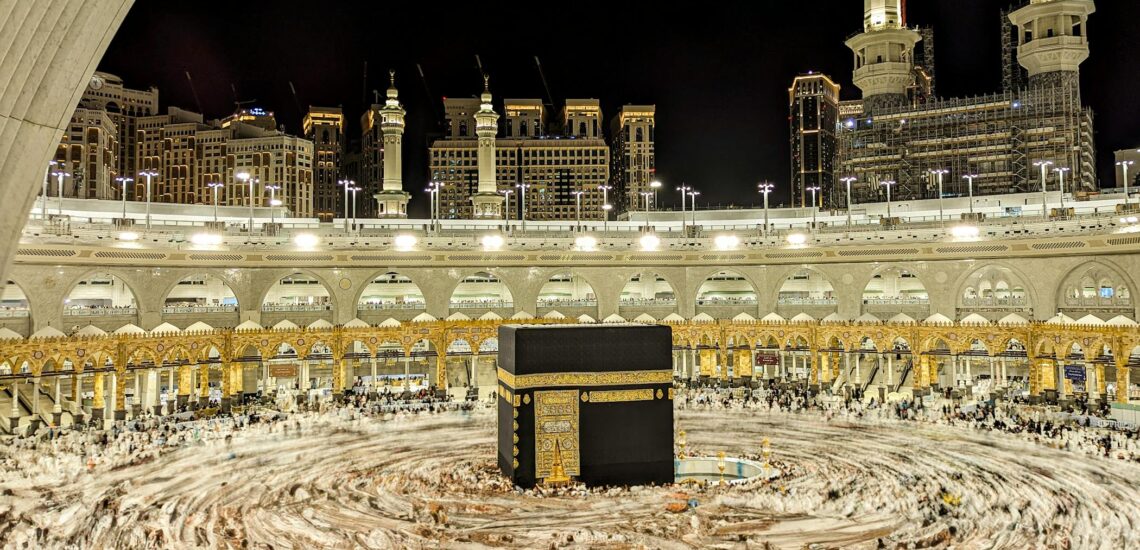
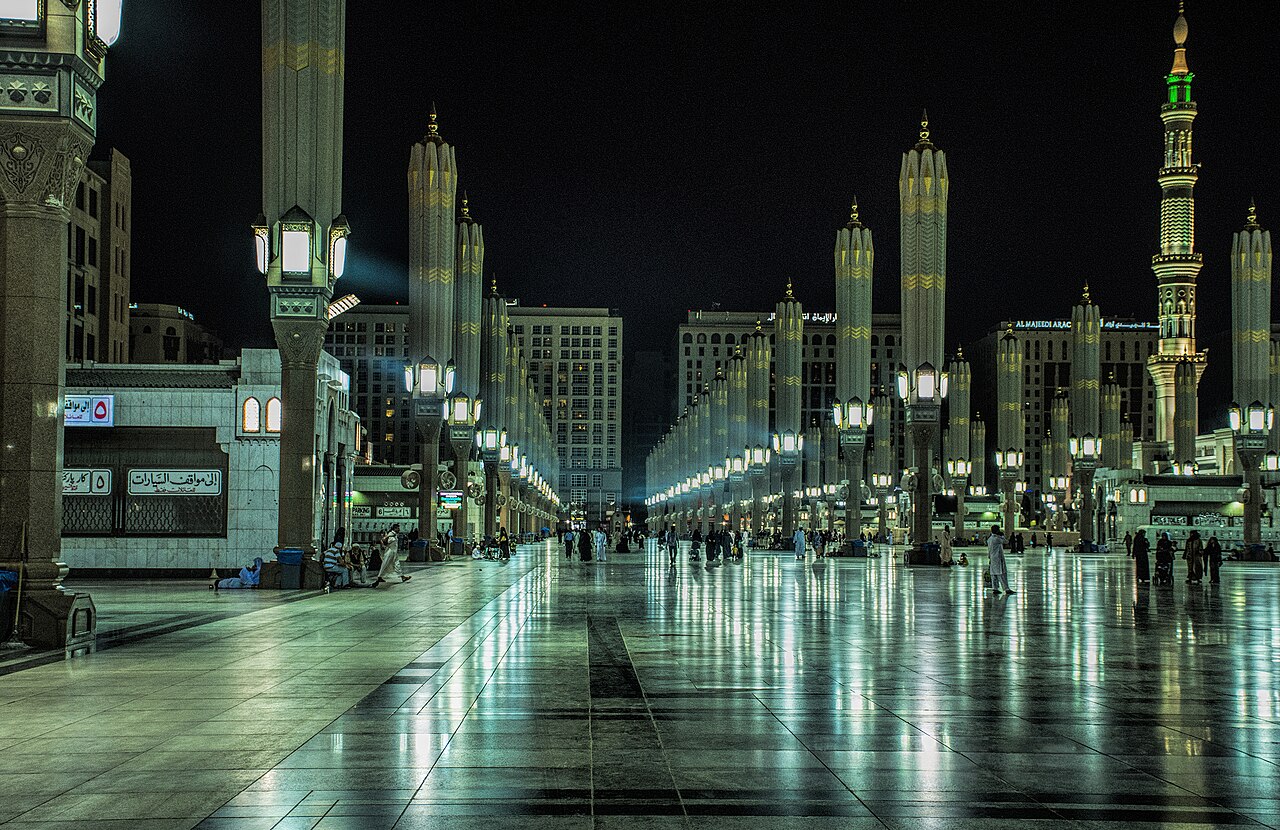
Saudi Arabia is known above all as the home of Islam’s two holiest cities: Mecca and Medina. Mecca is the birthplace of the Prophet Muhammad and the site of the Kaaba, the sanctuary toward which Muslims around the world turn in prayer. Every year, millions of pilgrims travel there for Hajj and Umrah, making the city not only a place of religious memory, but one of the most important centres of living Islamic practice. For Muslims, Mecca is not simply a famous destination; it is the spiritual centre of the faith.
Medina adds another essential layer to Saudi Arabia’s religious identity. It was the city to which the Prophet Muhammad migrated in 622, an event that marks the beginning of the Islamic calendar, and it is home to the Prophet’s Mosque and his tomb. Together, Mecca and Medina give Saudi Arabia a religious status that no other country can replicate in the Muslim world.
Adeeljaved, CC BY-SA 4.0 https://creativecommons.org/licenses/by-sa/4.0, via Wikimedia Commons
2. The Prophet Muhammad
Saudi Arabia is also globally associated with the Prophet Muhammad, although modern Saudi Arabia did not exist during his lifetime. He was born in Mecca around 570 and died in Medina in 632, and the central events of his life are inseparable from the western Arabian region known as the Hijaz. For Muslims, he is the final prophet of Islam; for world history, he is one of the most influential religious figures ever connected with Arabia. This point should be made carefully. Muhammad should not be described as a “Saudi” in the modern national sense, because the Saudi state was created many centuries later. Still, the places most closely linked with his life – Mecca, Medina, the Kaaba, the Hijra and the Prophet’s Mosque – are all within the territory of present-day Saudi Arabia.
3. Hajj and Umrah
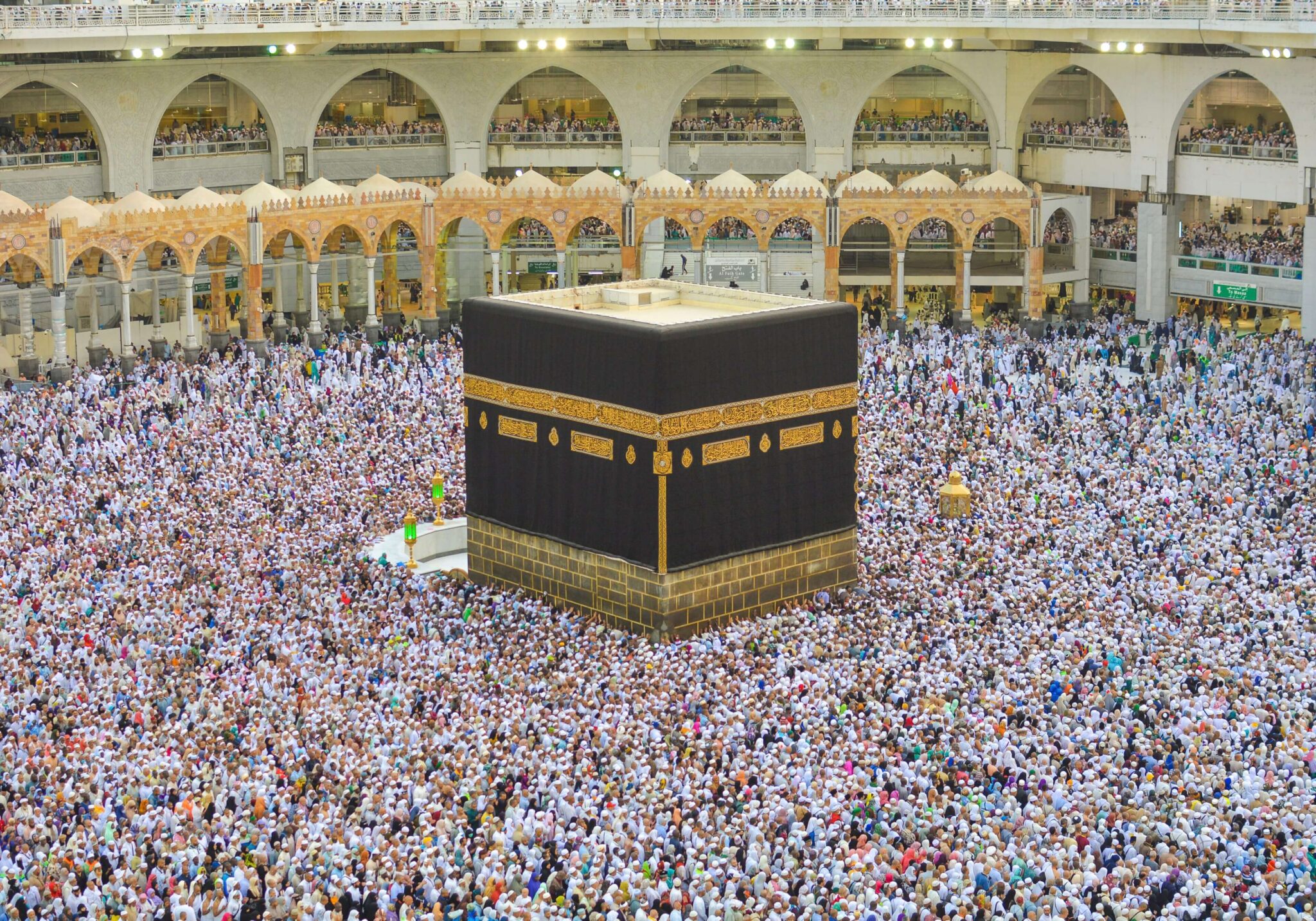
Saudi Arabia is famous for the Hajj, the annual pilgrimage to Mecca and one of the Five Pillars of Islam. Every Muslim who is physically and financially able is expected to perform it at least once in a lifetime, which gives Saudi Arabia a unique religious role that no other country can share. The pilgrimage brings together Muslims from across the world in a highly organized sequence of rites connected with Mecca and nearby sacred sites such as Mina, Arafat and Muzdalifah. In 2025, Saudi official statistics counted 1,673,230 Hajj pilgrims, most of them arriving from outside the country.
Umrah adds another dimension to this global connection. Unlike Hajj, it can be performed at many times of the year, so Mecca receives pilgrims far beyond the short Hajj season. This makes religious travel a constant part of Saudi Arabia’s identity, economy, infrastructure and international relations. Airports, hotels, transport systems, crowd management, visa services and major urban projects are all shaped by the need to serve millions of worshippers.
Adli Wahid, CC BY-SA 4.0 https://creativecommons.org/licenses/by-sa/4.0, via Wikimedia Commons
4. Ibn Saud and the House of Saud
Modern Saudi Arabia is inseparable from Ibn Saud, the founder of the kingdom. Born Abdulaziz ibn Abdul Rahman Al Saud, he rebuilt his family’s power from Riyadh and gradually brought much of the Arabian Peninsula under his control through alliances, military campaigns and political negotiation. After taking control of Najd and then the Hejaz, including Mecca and Medina, he formally proclaimed the Kingdom of Saudi Arabia in 1932. This turned a collection of regions, tribal networks and religious centres into a single state named after the Al Saud family.
5. Wahhabism and religious identity
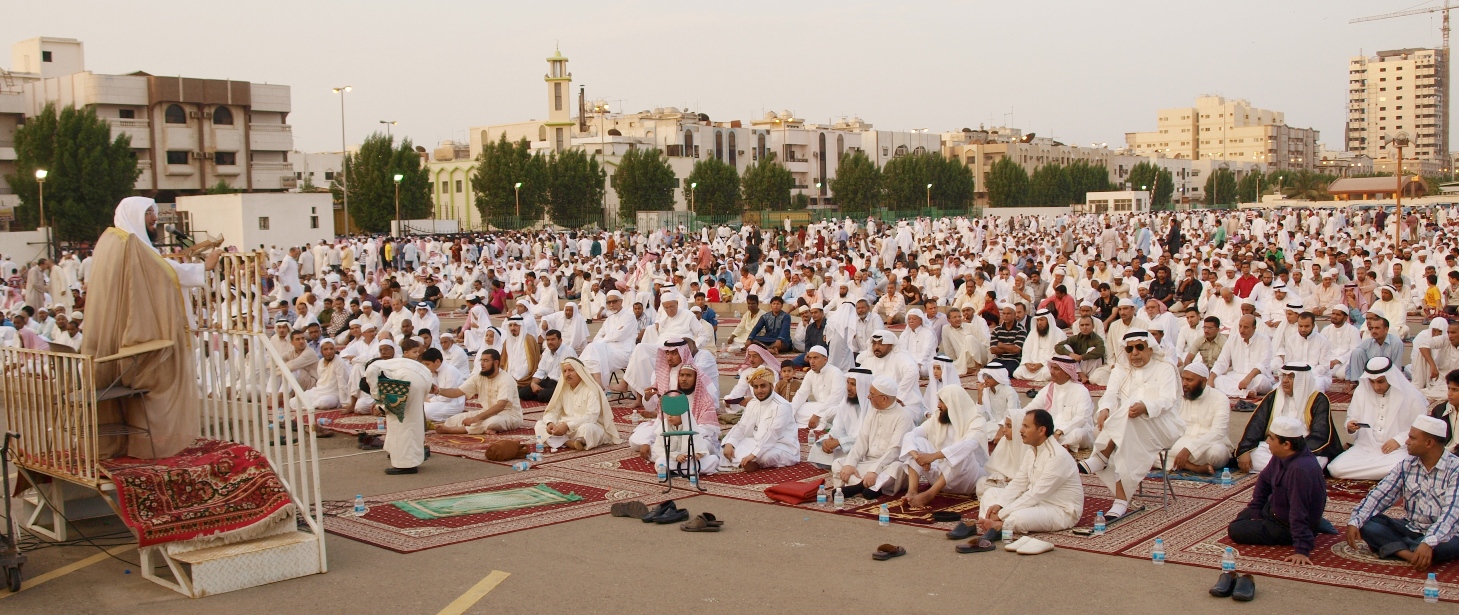
Saudi Arabia is also known for Wahhabism, the Islamic reform movement associated with Muhammad ibn Abd al-Wahhab in 18th-century Najd. His alliance with the Al Saud family in 1744 became one of the foundations of Saudi state formation, linking political authority with a strict religious interpretation that emphasized monotheism, moral discipline and opposition to practices seen as innovations in Islam. This partnership helped shape the early Saudi states and later influenced the religious identity of the modern kingdom.
The topic is sensitive, but it is important for understanding Saudi Arabia. Wahhabi teaching influenced religious institutions, courts, education, public morality, mosque networks and Saudi Arabia’s wider religious outreach abroad. In recent years, the state has reduced some powers of the religious establishment, limited the role of the religious police and promoted a more controlled, state-led image of social reform.
Sajetpa at Malayalam Wikipedia, CC BY-SA 3.0 https://creativecommons.org/licenses/by-sa/3.0, via Wikimedia Commons
6. Oil, OPEC and energy power
Saudi Arabia is famous for oil more than almost any other modern resource. It was one of the five founding members of OPEC in 1960, and OPEC describes the kingdom as holding around 17% of the world’s proven petroleum reserves. This gives Saudi Arabia a central place in global energy markets, not only as a major producer and exporter, but as a country whose production decisions can influence prices, supply expectations and the wider politics of energy security.
Oil transformed Saudi Arabia from a poor desert kingdom into one of the world’s most influential states. Revenues from petroleum funded roads, cities, airports, universities, hospitals, industrial zones and the expansion of the modern Saudi state. Oil also explains much of the country’s foreign policy weight: its long relationship with the United States, its role inside OPEC and OPEC+, its importance to Asian energy consumers, and its ability to use production policy as a strategic tool.
7. Riyadh and modern Saudi Arabia
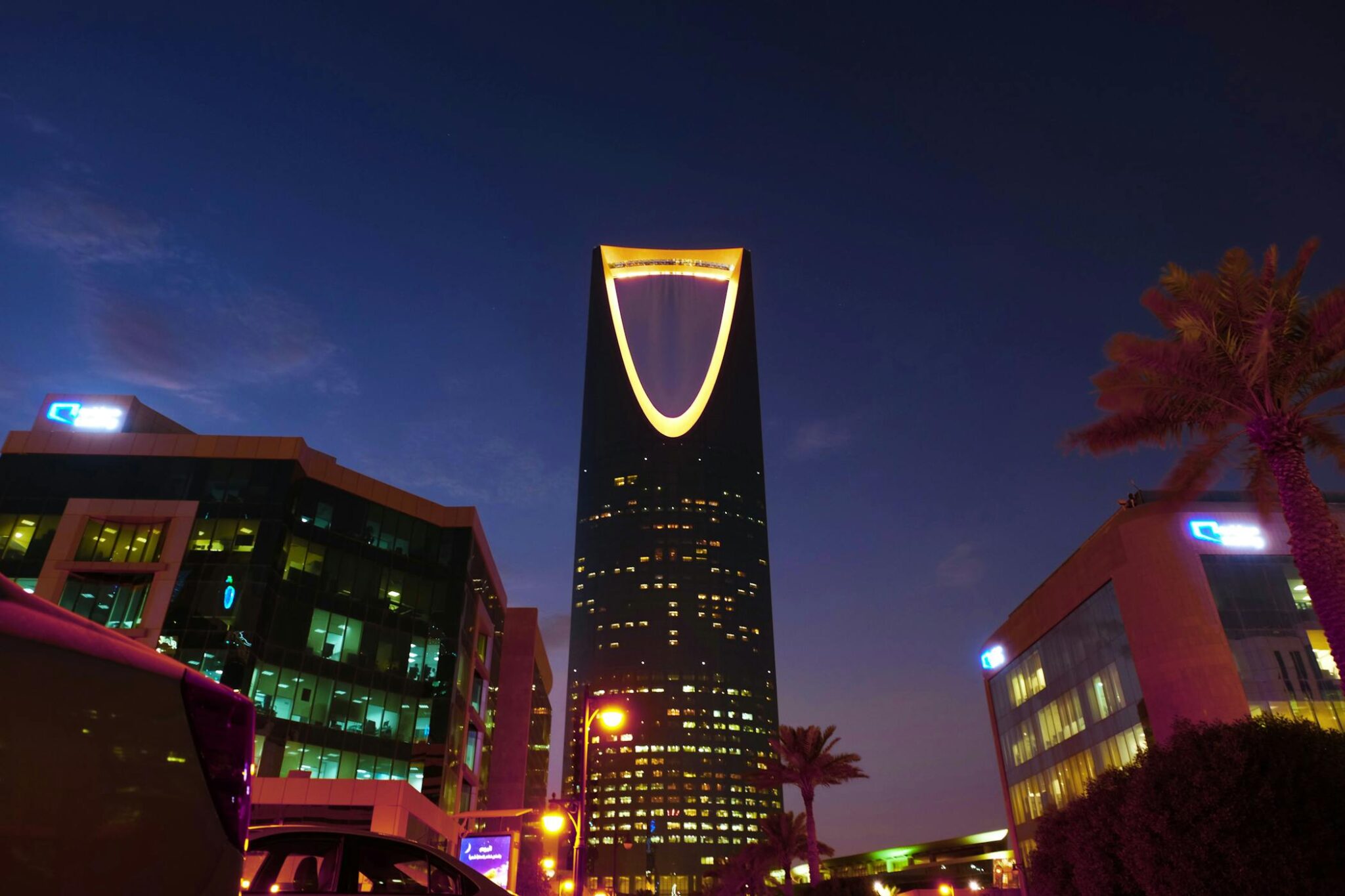
Riyadh represents the modern face of Saudi Arabia. As the capital and main political, financial and administrative centre, it is where government ministries, royal institutions, corporate headquarters, investment forums, universities, luxury hotels and new business districts concentrate. Its skyline, highways and large-scale construction projects show a different Saudi image from Mecca and Medina: not sacred geography, but state power, urban growth and economic ambition. The city’s importance has grown with the centralization of authority and the country’s Vision 2030 agenda. Riyadh is being developed as a regional business capital and a showcase for Saudi modernization, with projects aimed at finance, tourism, entertainment, technology and international investment.
8. Mohammed bin Salman and Vision 2030
Saudi Arabia is now strongly associated with Mohammed bin Salman. As crown prince and prime minister, he has become the central figure behind the kingdom’s current political and economic transformation. His rise has been linked with a major centralization of power, a more assertive foreign policy and a dramatic change in Saudi public life, from expanded entertainment and tourism to new rules around business, investment and social visibility.
Vision 2030 is the flagship programme of this transformation. Its main goal is to reduce Saudi Arabia’s dependence on oil by expanding non-oil sectors such as tourism, finance, logistics, technology, sport, culture and entertainment. The programme also aims to attract foreign investment, develop new cities and mega-projects, increase private-sector participation and present Saudi Arabia as a more open global destination.
9. Social reform, entertainment and tourism
Saudi Arabia has become known for rapid social change over the last decade. Cinemas reopened after a long ban, concerts and festivals became more common, women were allowed to drive from 2018, and the country began promoting itself much more actively as a tourist destination. These changes have altered the visible rhythm of Saudi life, especially in major cities such as Riyadh and Jeddah, where entertainment venues, sports events, restaurants, hotels and cultural projects now play a much larger role in the country’s public image.
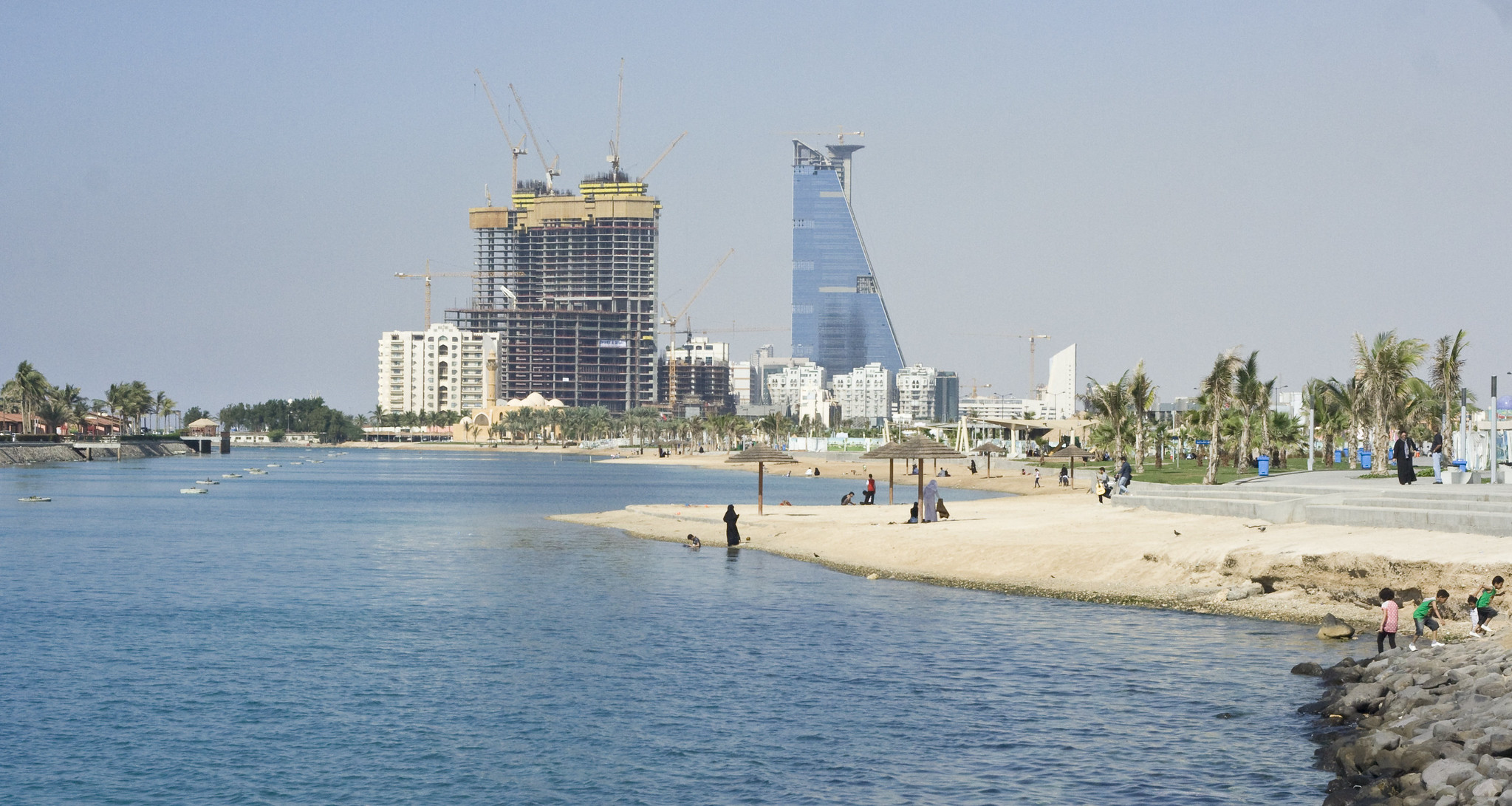
Anders Lanzen, CC BY-NC-SA 2.0
10. NEOM, The Line and mega-projects
Saudi Arabia is famous for NEOM and The Line, two of the most recognizable symbols of Vision 2030. NEOM was promoted as a vast futuristic development zone in the northwest of the country, while The Line became its most dramatic image: a proposed 170-kilometre linear city built around advanced transport, digital systems, high density and sustainability claims. For several years, it was presented as proof that Saudi Arabia wanted to be seen not only as an oil state or religious centre, but as a country capable of building an entirely new model of urban life.
By the mid-2020s, however, The Line had become a symbol of both ambition and overreach. Reports from Reuters and the Financial Times indicated that the original plan had been heavily scaled back amid rising costs, delays and questions about feasibility. Instead of moving confidently toward the full 170-kilometre concept, work was being refocused on a much smaller initial section and on infrastructure tied to more immediate national priorities, including sports, logistics, technology and events.
11. AlUla, Hegra and ancient heritage
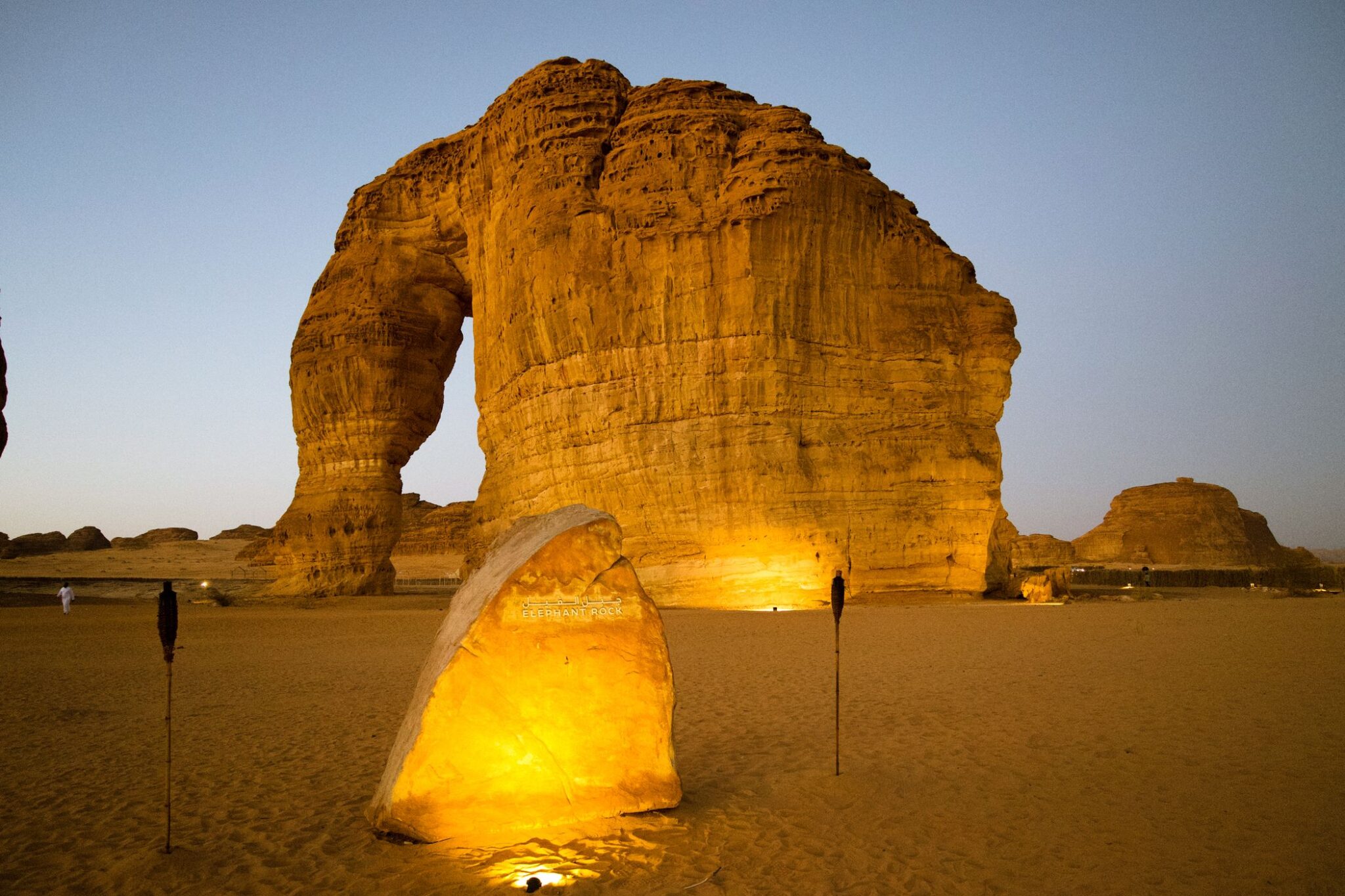
Saudi Arabia is increasingly famous for AlUla and Hegra, two of the strongest symbols of the country’s new heritage tourism image. Hegra, also known as al-Hijr or Mada’in Salih, was the first site in Saudi Arabia to be inscribed on the UNESCO World Heritage List. It is the largest conserved Nabataean site south of Petra, with monumental tombs carved into sandstone and decorated facades dating mainly from the 1st century BC to the 1st century AD. The site also contains pre-Nabataean inscriptions and rock drawings, showing that this desert landscape preserves many layers of ancient history. AlUla matters because it broadens how outsiders imagine Saudi Arabia. The country is not only oil, pilgrimage and modern mega-projects; it also has pre-Islamic archaeology, caravan routes, desert kingdoms, inscriptions and dramatic sandstone scenery now being presented to international visitors.
12. Jeddah, Diriyah and UNESCO sites
Saudi Arabia’s UNESCO-listed sites show that the country’s heritage is much wider than oil, pilgrimage and modern mega-projects. Historic Jeddah, officially listed as “the Gate to Makkah”, reflects the city’s old role as a Red Sea port and the main arrival point for many pilgrims travelling to Mecca by sea. Its coral-stone houses, merchant buildings, old lanes and trading history connect Saudi Arabia with Indian Ocean commerce, pilgrimage routes and the cosmopolitan life of the western Arabian coast.
Diriyah adds a different layer of identity: At-Turaif District in ad-Diriyah is tied to the origins of the Saudi state and the rise of the House of Saud, making it one of the kingdom’s most important political heritage sites. Al-Ahsa Oasis, meanwhile, shows eastern Arabian life through palm groves, springs, canals, settlement patterns and oasis agriculture. Alongside Hegra, the rock art of Hail, Hima Cultural Area, Al-Faw Archaeological Area and the natural desert landscape of ‘Uruq Bani Ma’arid, these sites help change the outside image of Saudi Arabia.
13. Desert culture, dates, coffee and falconry
Saudi Arabia is also famous for the cultural world of the Arabian desert: Bedouin memory, camels, tents, poetry, hospitality, dates, Arabic coffee and falconry. These images can sound like tourist clichés, but they are rooted in real social practices shaped by climate, movement, tribal life and the need to honour guests in harsh environments. The majlis, where people gather to talk, receive visitors and share coffee, is especially important because it turns hospitality into a social institution rather than a simple custom. Dates and Arabic coffee make this culture feel human and everyday. Dates connect Saudi life with oasis agriculture, palm groves and desert food traditions, while coffee served from a dallah into small cups remains one of the clearest gestures of welcome. Falconry, camel traditions, Arabic calligraphy and Alardah Alnajdiyah also show how Saudi heritage combines skill, performance, status, memory and public celebration.
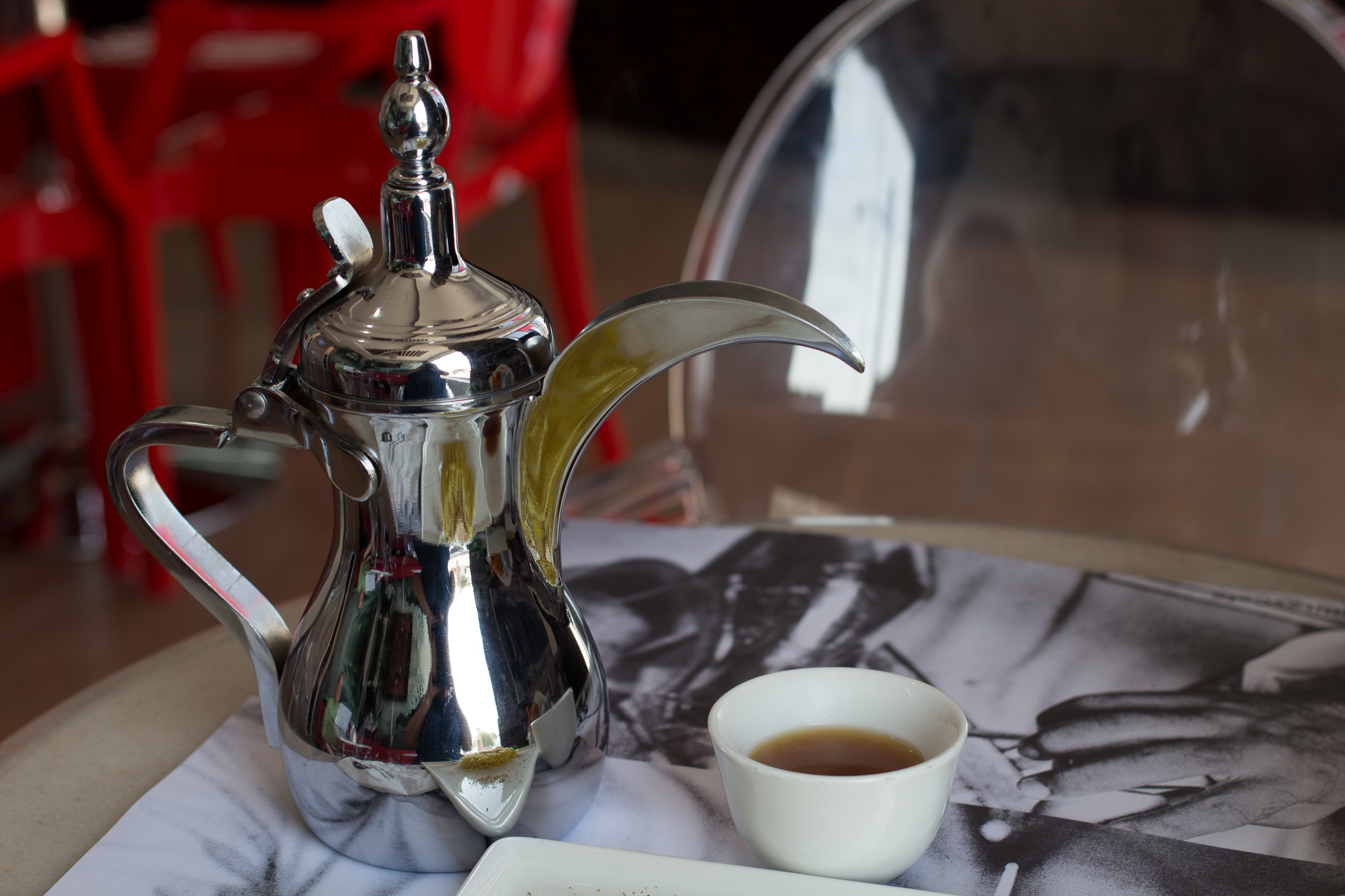
Krista, CC BY 2.0 https://creativecommons.org/licenses/by/2.0, via Wikimedia Commons
14. Football, Cristiano Ronaldo and World Cup 2034
Saudi Arabia is now famous for football and large-scale sports investment. Cristiano Ronaldo’s move to Al Nassr turned the Saudi Pro League into a much more visible competition for global audiences, and other high-profile signings helped present the kingdom as an ambitious new force in club football. The point is not only sporting quality, but visibility: matches, sponsorships, stadium projects and international media attention have made football part of Saudi Arabia’s modern branding.
The country’s biggest future sports moment will be the FIFA World Cup 2034, which Saudi Arabia has been selected to host. This gives the kingdom a central role in global football and ties sport directly to Vision 2030, tourism, infrastructure and international image-building. At the same time, Saudi sports investment remains controversial, with critics linking it to human rights concerns, political reputation management and the use of major events to reshape global perceptions.
15. Khashoggi, bin Laden and global controversy
Saudi Arabia is also known through controversial and negative associations. Jamal Khashoggi, a Saudi journalist and critic of Mohammed bin Salman, was killed inside the Saudi consulate in Istanbul in 2018. His death became one of the most damaging international controversies linked to the kingdom, raising global questions about press freedom, human rights, state accountability and the limits of political dissent under Saudi rule.
Osama bin Laden is another name internationally associated with Saudi Arabia, though he should not be presented as representative of the country or its people. Born in Riyadh, he later became globally notorious as the founder of al-Qaeda and the figure behind major terrorist attacks, including September 11. Including him is uncomfortable but honest, because his Saudi origins are part of how many people outside the region connect the country with modern extremism and global security debates.
If you’ve been captivated by Saudi Arabia like us and are ready to take a trip to Saudi Arabia – check out our article on interesting facts about Saudi Arabia. Check if you need an International Driving Permit in Saudi Arabia before your trip.
Published June 07, 2026 • 12m to read