

Austria is famous for imperial Vienna, Alpine scenery, classical music, coffeehouse culture, skiing, grand palaces, and some of Europe’s most recognizable cultural icons. Official Austrian sources present the country through mountains, music, historic cities, food, and heritage, while UNESCO lists 12 World Heritage Sites in Austria, underlining how strongly the country is associated with culture and landscape.
1. Vienna
Austria is famous for Vienna because the capital shapes the country’s image abroad more strongly than any other city. It brings together many of the things people most readily associate with Austria: imperial history, music, coffeehouse culture, grand architecture, wine taverns, and a polished urban life that still feels tied to tradition. That is why Vienna stands at the center of Austria’s reputation. It does not represent the country through one monument alone, but through a whole city where the Ringstrasse, St Stephen’s Cathedral, the State Opera, museums, cafés, and historic streets all work together to create a very clear national image.
At the beginning of 2026, the city had about 2.04 million residents, which makes it by far the largest city in Austria and one of the biggest urban centers in the region. Yet its importance is not only demographic. Vienna is also unusual because coffeehouses, Heurigen wine taverns, music institutions, and major historic buildings remain part of everyday city life rather than separate tourist symbols.
2. The Alps
Snow peaks, lakes, valleys, ski slopes, and mountain villages are not just part of the landscape there. They are one of the main reasons people recognize Austria so quickly. This is not just a travel cliché: the Alps cover more than 60% of Austrian territory, which explains why they feel central to the country rather than peripheral. The mountains are tied not only to hiking and summer travel, but also to skiing, winter sport, and the idea of reliable snow conditions in regions such as Tyrol and SalzburgerLand. Austria’s highest mountain, the Grossglockner, rises to 3,798 metres, which adds another clear symbol to the country’s Alpine profile.
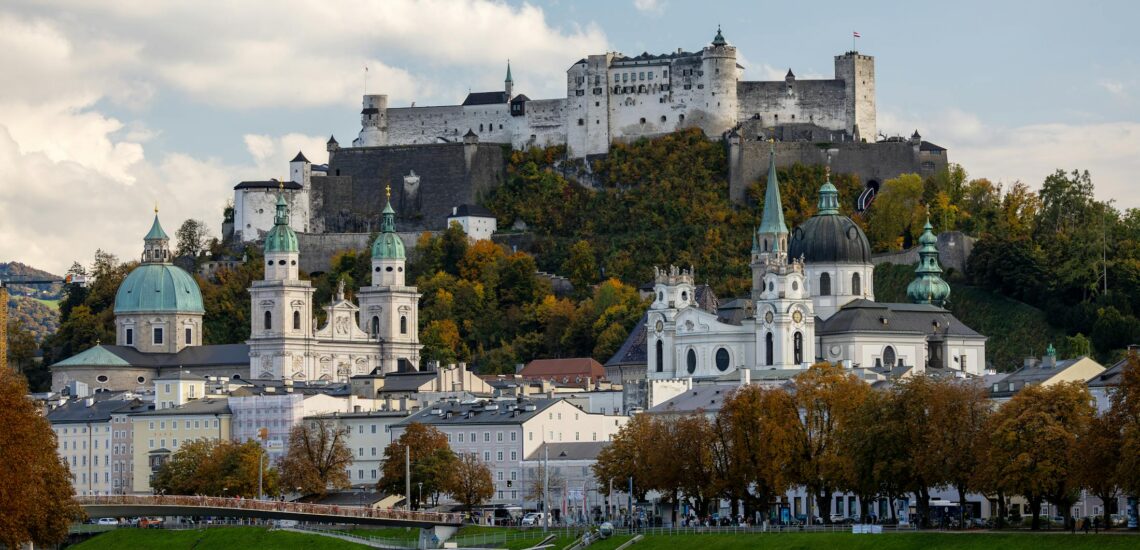
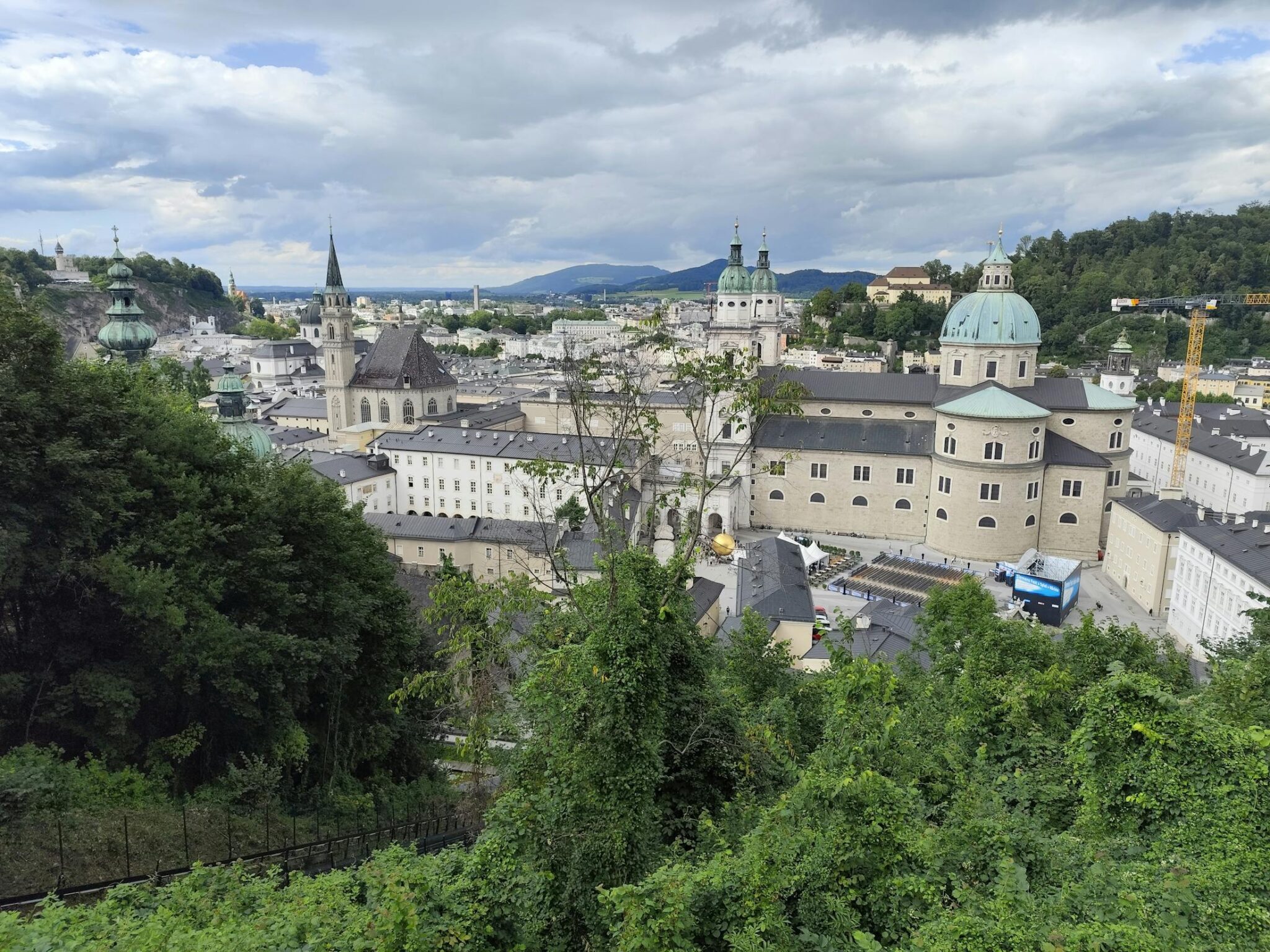
3. Salzburg
Mozart, Baroque architecture, church domes, fortress views, and a compact historic center that feels easy to recognize at once. It is one of those cities whose identity is immediately clear. Unlike Vienna, which represents Austria through imperial scale and capital-city life, Salzburg is known for a more concentrated cultural image built around music, old streets, and a dramatic setting between hills and mountains. Baroque old town remained unusually intact and still shapes the city’s image today. With the Hohensalzburg Fortress above the center and a historic core recognized at international level, Salzburg became much more than a pleasant regional city.
4. Mozart
His name represents not only Austrian music, but the wider idea of artistic brilliance at the highest level. For many people around the world, Mozart is one of the first names they connect with Austria, which shows how much weight he carries in the country’s reputation. He was born in Salzburg in 1756, and the city continues to present him through his birthplace in Getreidegasse and his later residence, which keeps his legacy visible in a direct and physical way. But Mozart’s importance goes far beyond one city. His operas, symphonies, chamber works, and sacred music helped make Austria one of the central countries in the history of classical music.
5. Classical music and the Vienna State Opera
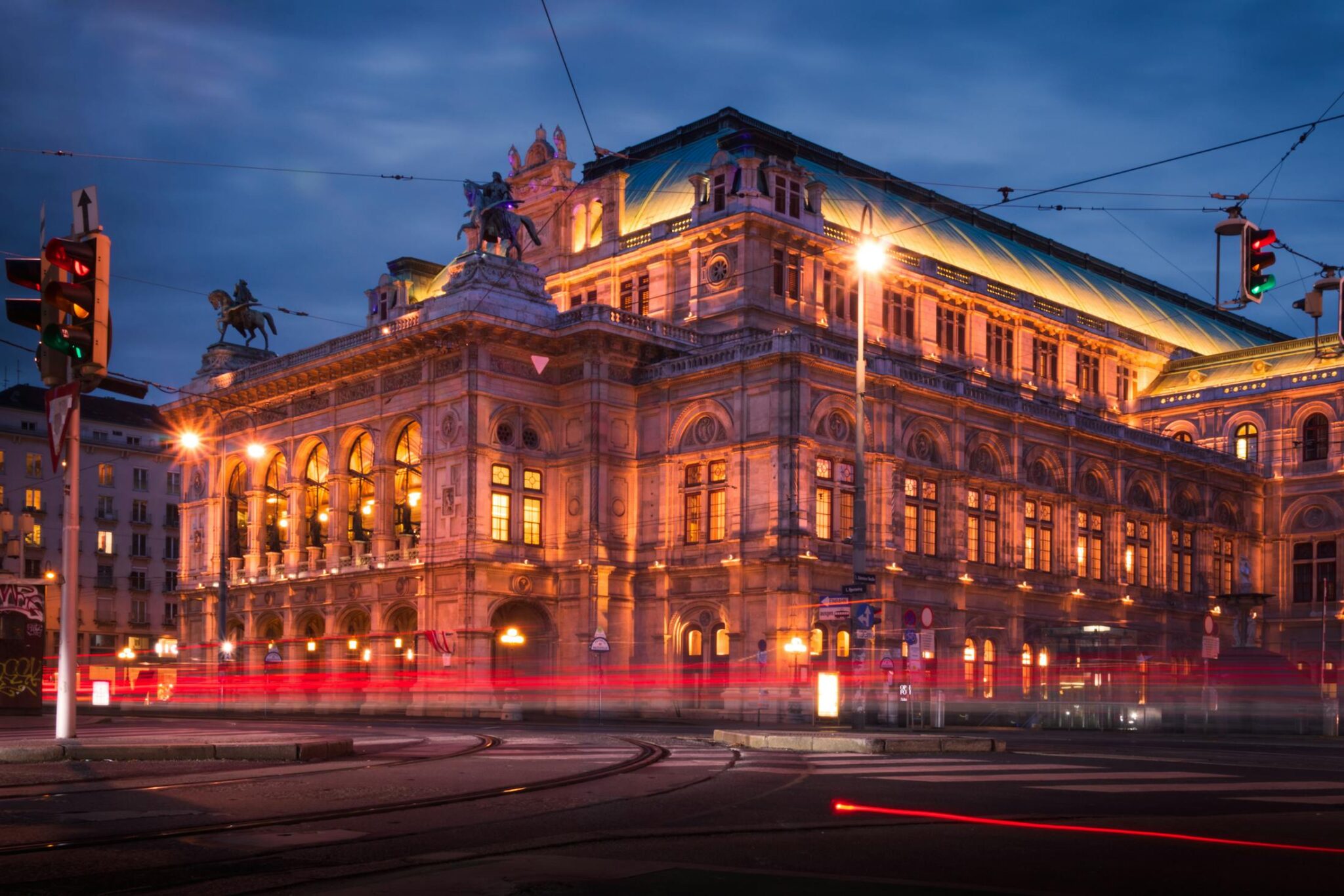
Austria is famous for classical music because the country’s cultural image is tied to composers, concert life, and major performance institutions more closely than in most other places. Vienna stands at the center of that reputation. It is not only associated with great names from music history, but with a living performance culture that still gives classical music a visible place in everyday urban identity. The Vienna State Opera is one of the clearest symbols of that status, treated as one of the city’s defining institutions and one of the best-known opera houses in the world.
What gives this reputation extra weight is that it remains fully current in 2025–2026, not just historical. The Vienna State Opera’s 2025/26 season runs across the full cultural year and includes a large active repertoire, with performances continuing through June 2026 and major Mozart works, Verdi, Wagner, Puccini, Strauss, and others all remaining part of the schedule.
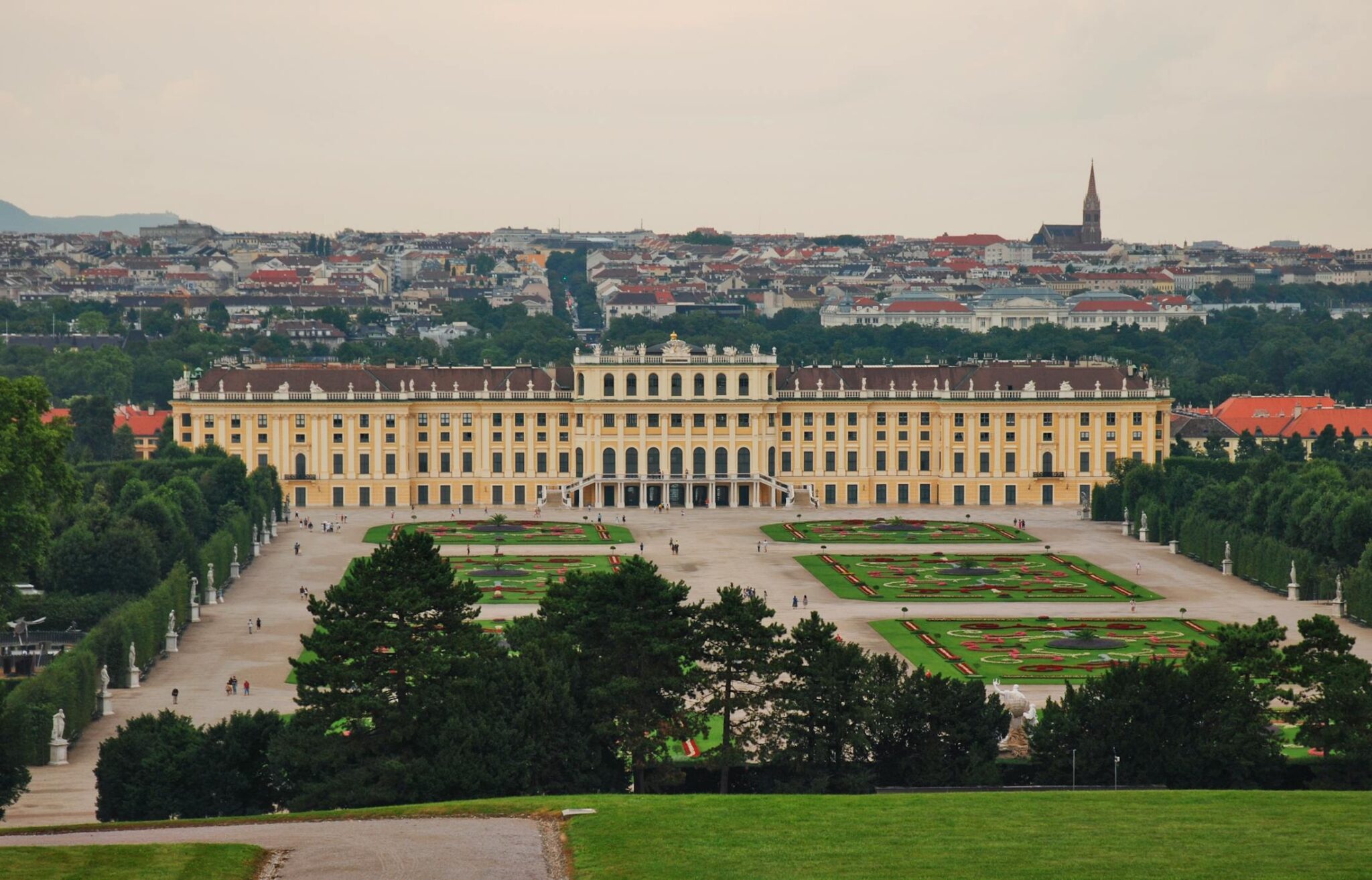
6. The Habsburgs and Schönbrunn Palace
Their rule extended for more than 600 years, which means they influenced Austria not through one short golden age, but across centuries of politics, war, court life, diplomacy, and cultural development. That long duration matters. It explains why Austria is still so strongly associated with imperial ceremony, dynastic power, and the memory of Vienna as the center of a much larger realm.
Schönbrunn Palace gives that history a clear physical form. More than just a grand residence, it became one of the main settings through which Habsburg power, taste, and court culture were displayed. Its scale, gardens, ceremonial rooms, and lasting place in Vienna’s image make it one of the strongest symbols of imperial Austria. The palace also matters because it turns dynastic history into something visible and immediate, not just something found in books.
7. Viennese coffeehouse culture
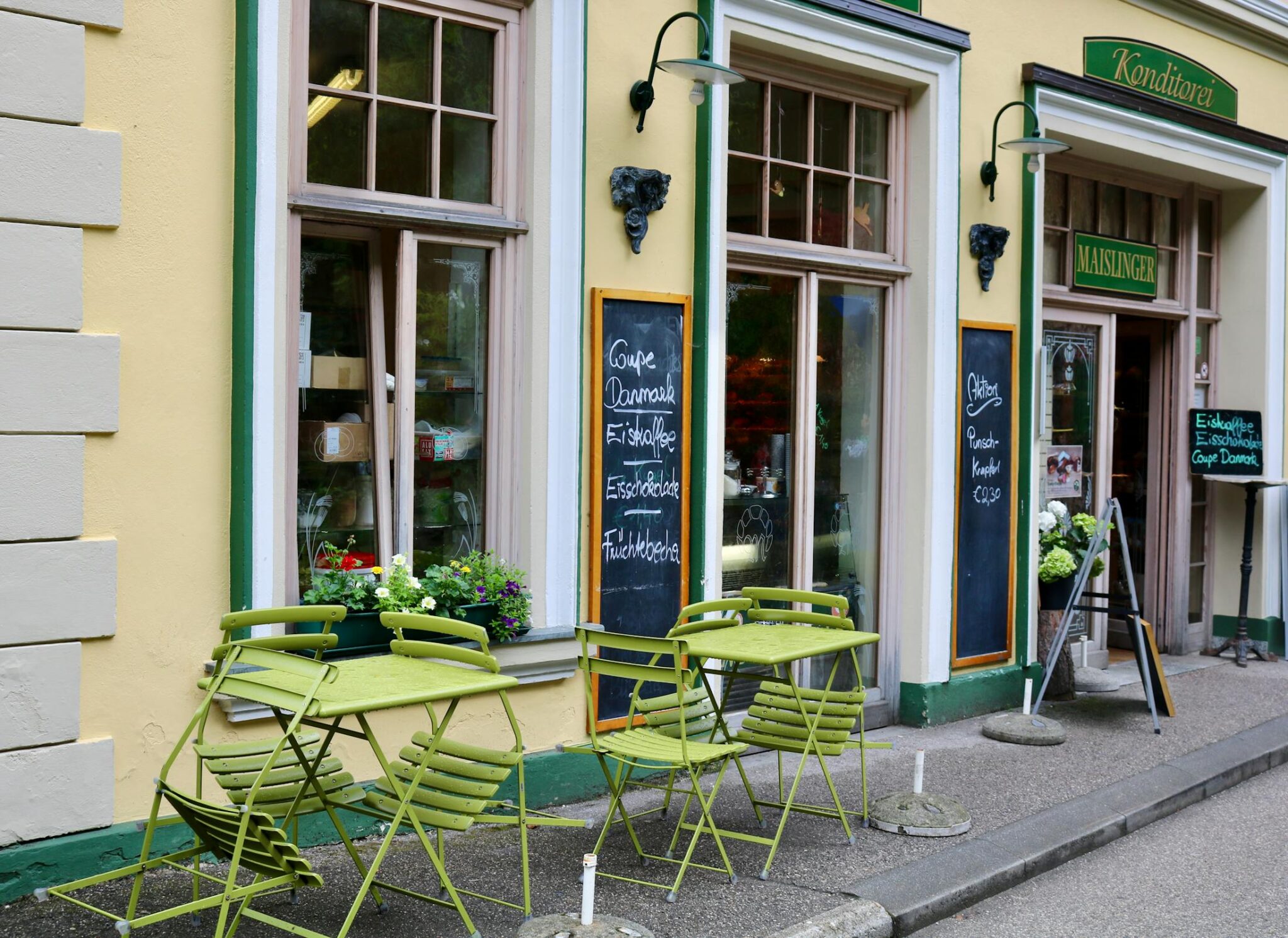
In Vienna, the coffeehouse is not just a place to drink coffee. It is part of the city’s rhythm and one of the settings through which people imagine Austrian cultural life: newspapers on wooden stands, marble tables, waiters in formal dress, long conversations, time spent reading or writing, and an atmosphere that feels social without being hurried. That is why coffeehouses matter so much to Austria’s reputation.
What gives Viennese coffeehouse culture extra weight is that it has formal recognition as well as everyday visibility. It was recognized by UNESCO as intangible cultural heritage in 2011, which reflects how deeply it is rooted in the city’s identity. But its importance is not only ceremonial. Vienna still has a large coffeehouse scene, and these spaces continue to function as meeting places rather than just tourist stops.
8. Wiener Schnitzel
In many national cuisines, one meal stands out mainly for tourists, but Wiener Schnitzel has a stronger role than that. It is tied to everyday restaurant culture, traditional cooking, and the image of Austrian food as simple, recognizable, and firmly rooted in old urban dining habits. That is why the dish carries so much weight. For many people abroad, Austria means Vienna, coffeehouses, classical music, and Wiener Schnitzel almost in the same breath.
It is not a broad category of fried meat dishes, but a very specific preparation built around a thin breaded cutlet, traditionally made with veal. The name itself links it directly to Vienna, which helped turn one city dish into a national emblem. Over time, it became one of the meals most strongly associated with Austrian restaurants and traditional cooking as a whole.
9. Sachertorte and Austrian pastry culture
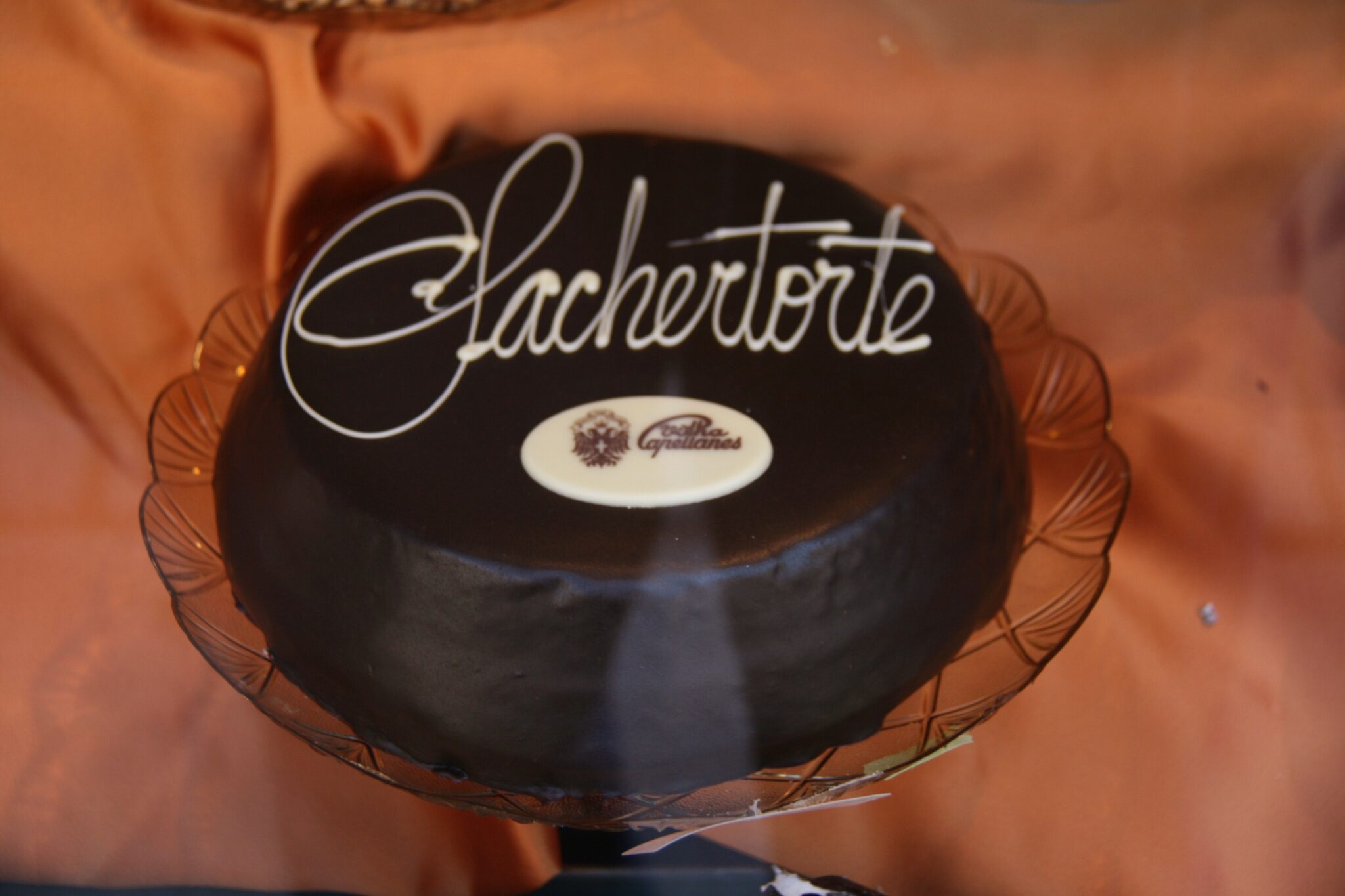
Austria is famous for cakes and pastries, and Sachertorte is one of the clearest reasons why. The country’s food image is not built only on hearty dishes such as schnitzel or dumplings, but also on a long dessert tradition tied to cafés, bakeries, and urban life, especially in Vienna. That matters because Austrian pastry culture feels like part of the country’s wider identity, not just a collection of sweets. It is connected to coffeehouse ritual, presentation, and the habit of treating cakes and pastries as a normal part of daily social life.
The cake is linked to Franz Sacher in 1832, which gives it a precise origin rather than a vague traditional background. Built around chocolate cake and apricot jam, it became one of the desserts most strongly associated with Vienna and with Austrian café culture more broadly. But Sachertorte also points to something larger: Austria’s wider pastry tradition, which includes a whole world of tortes, strudels, creams, and layered sweets served in cafés and pastry shops across the country.
10. Hallstatt and the Salzkammergut
Set between the lake and the mountains, with tightly packed houses rising above the water, Hallstatt looks unlike almost any other place in Austria. That visual clarity is a big reason for its fame. Many readers who know little else about the country still recognize Hallstatt as a picture of Alpine beauty, old settlement, and dramatic landscape compressed into one small place. It became more than a village on a lake.
The village belongs to the Salzkammergut, a region shaped by salt production for centuries, and the wider area is linked to some of the oldest salt-working history in Europe. Hallstatt itself is part of a UNESCO-listed cultural landscape, which helps show that its importance is not only visual. The place combines mountains, water, settlement history, and the long legacy of salt in one compact scene.
11. Innsbruck and skiing
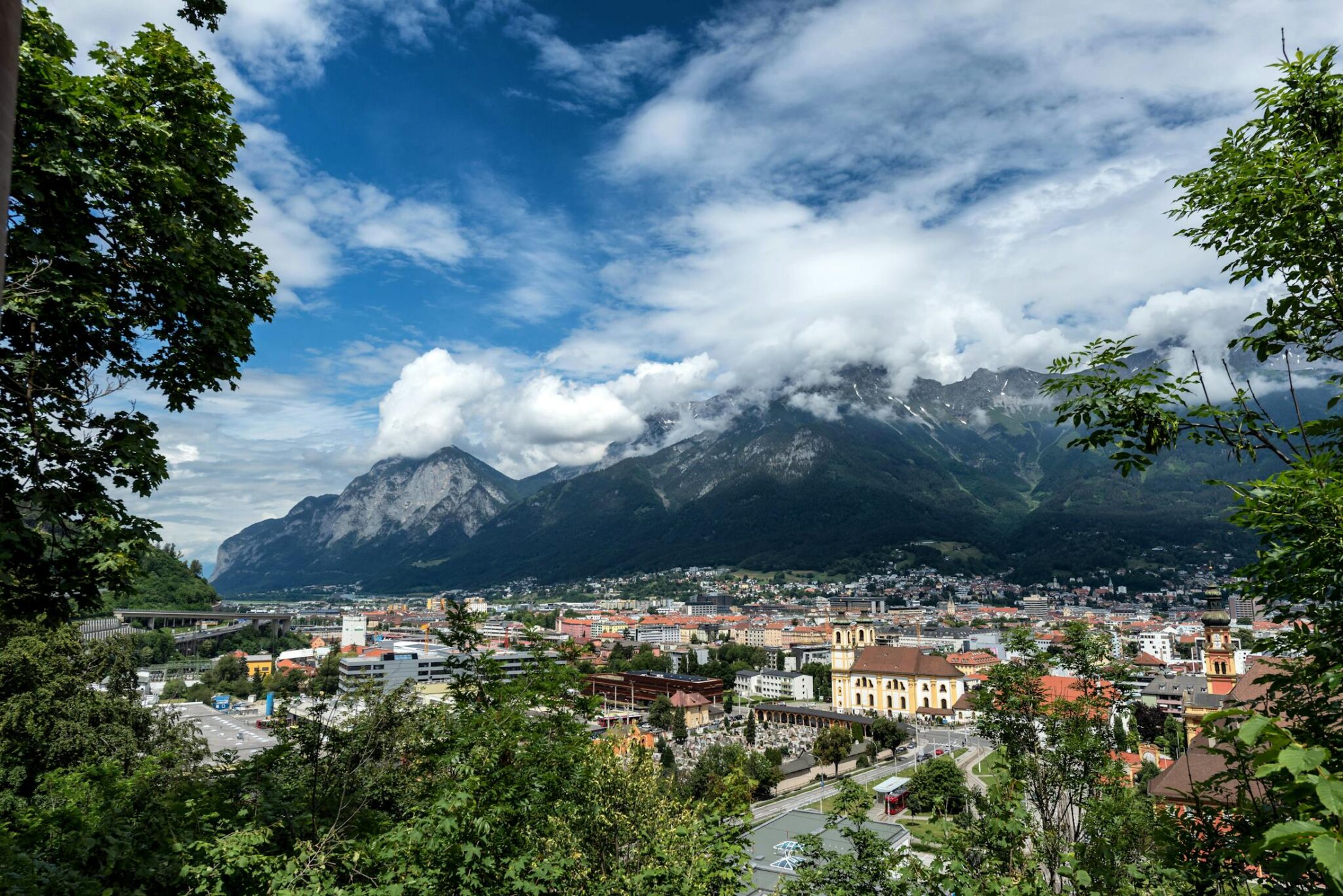
Austria is famous for skiing, and Innsbruck is one of the clearest examples of that Alpine identity because it combines city life with direct access to the mountains. That makes it different from a classic ski resort. Innsbruck is a real urban center, but it is also a winter base surrounded by major ski terrain, which is why it has such a strong place in Austria’s image abroad. For many people, it captures something essential about the country: mountains are not far away from daily life, but built into it. The city is also closely tied to winter sport history through the 1964 and 1976 Winter Olympics, which gave its skiing reputation an international scale. The wider Innsbruck region is promoted through 12 ski areas, and nearby mountain infrastructure makes it possible to combine slopes, snowboarding, and Alpine views with the restaurants, hotels, and cultural life of the city itself.
12. The Danube and the Wachau
Running for about 36 kilometres between Melk and Krems, the Wachau combines vineyards, villages, monasteries, castle ruins, and river scenery in a form that feels immediately recognizable. That is why it matters so much to Austria’s image. It is not famous only for postcard views, but for a long cultural history preserved in the shape of the valley itself: steep vineyard terraces, old towns, monasteries such as Melk, and a river corridor that remained legible over centuries. The region was added to the UNESCO World Heritage list in 2000, which reflects that broader value.
13. Gustav Klimt and the Vienna Secession
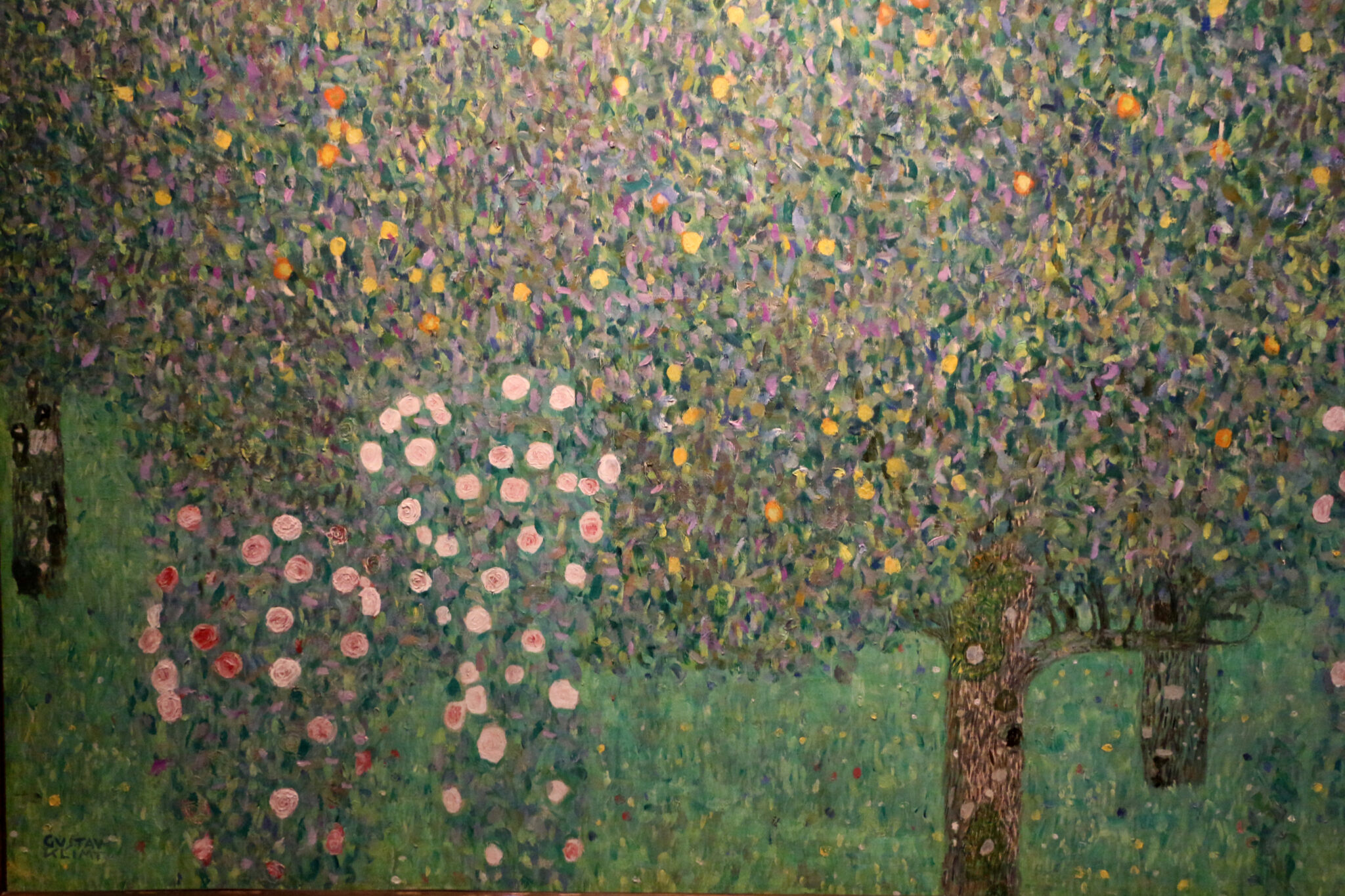
Austria is famous for Gustav Klimt and the Vienna Secession because they gave the country one of its clearest modern artistic identities. Klimt is not remembered only as a successful painter, but as one of the figures who helped move Austrian art away from older academic models and toward something more experimental, decorative, and unmistakably linked to fin-de-siècle Vienna. That is why his name carries such weight in Austria’s cultural image.
Klimt co-founded the Vienna Secession in 1897, and that date matters because it marks a break with the more conservative art world of the time. The Secession became one of the main platforms for Viennese Jugendstil, while Klimt’s work gave the movement its most recognizable face through gold surfaces, ornamental detail, symbolic imagery, and portraits that remain instantly identifiable today.
14. Sigmund Freud and psychoanalysis
His name carries far more than biographical importance. Freud helped create psychoanalysis, a field that changed how people thought about the mind, memory, desire, dreams, and inner conflict, which is why his influence reached far beyond medicine or therapy alone. Freud lived and worked at Berggasse 19 for nearly 50 years, which makes the city central to the development of his thought rather than just a backdrop to it. From there, ideas that began in late imperial Vienna spread across Europe and far beyond, shaping psychology, literature, philosophy, and cultural criticism throughout the 20th century.
15. Johann Strauss and the waltz
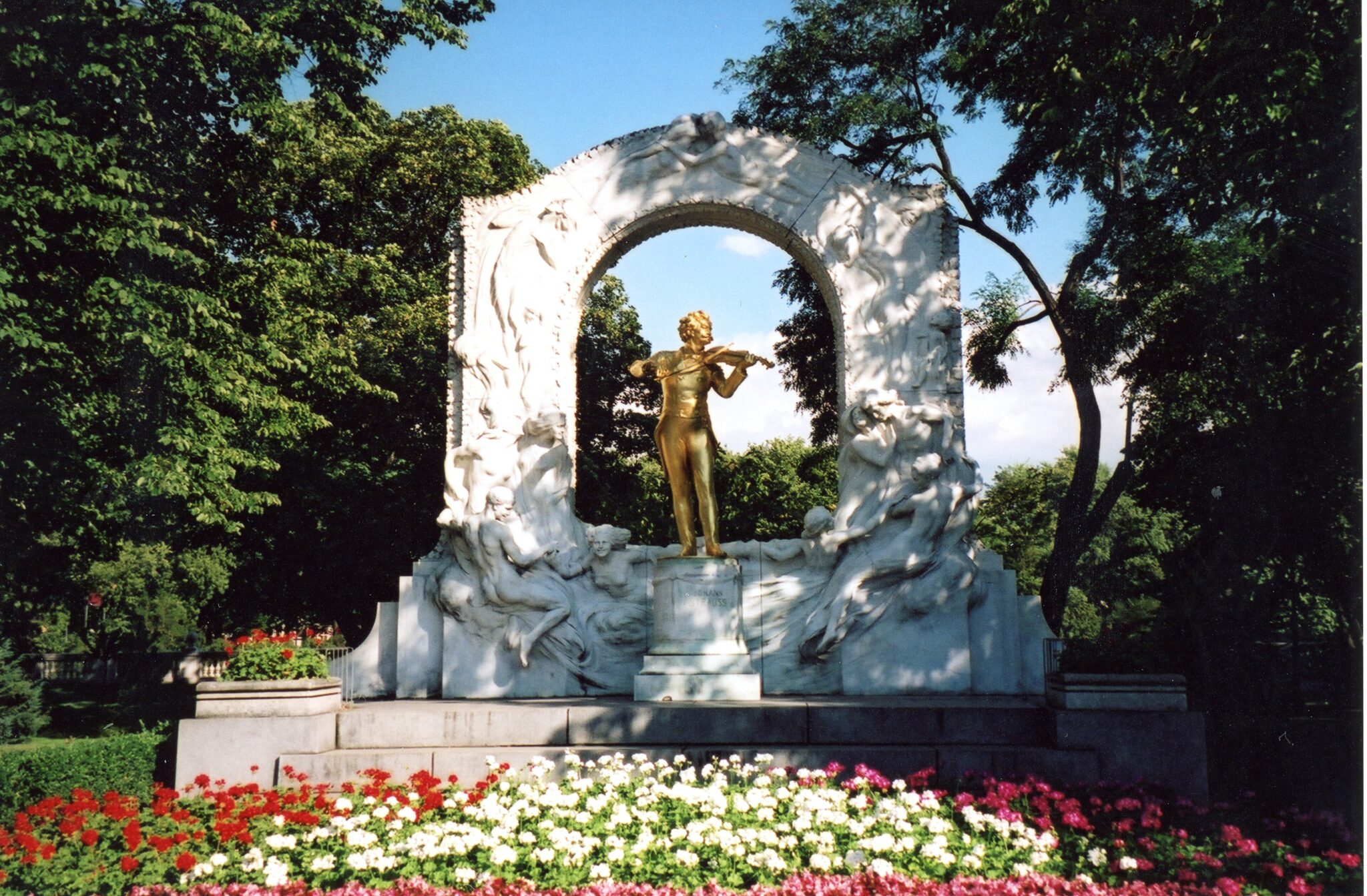
Austria is famous for the waltz, and no name is more closely tied to that image than Johann Strauss II. The waltz is not just a dance in Austria, but part of the country’s wider cultural identity, especially in Vienna, where music, ceremony, and social life long developed together. That is why Strauss matters so much to Austria’s reputation. He gave the waltz a level of fame that pushed it far beyond the ballroom and turned it into one of the clearest sounds people associate with the country.
Strauss became known as the “Waltz King” because his music helped define the form at its most famous and most widely recognized stage. At the same time, the Viennese waltz remained tied to the city’s ball tradition, where dance is not treated as a historical curiosity, but as a living part of seasonal culture.
16. The Sound of Music
Austria is famous for The Sound of Music, especially through Salzburg, because the film became one of the country’s strongest international pop-cultural associations. For many people outside Europe, it shaped their first mental picture of Austria more than history books or travel guides did. That matters because the film did not just become successful entertainment.
What gives this association extra weight is that the connection is still visible on the ground. Visitors continue to seek out filming locations such as Mirabell Gardens, Leopoldskron Palace, and other sites around Salzburg, which shows that the film remains part of the city’s tourism identity decades after its release in 1965. This is why The Sound of Music matters in an article like this.
17. The Spanish Riding School and Lipizzaners
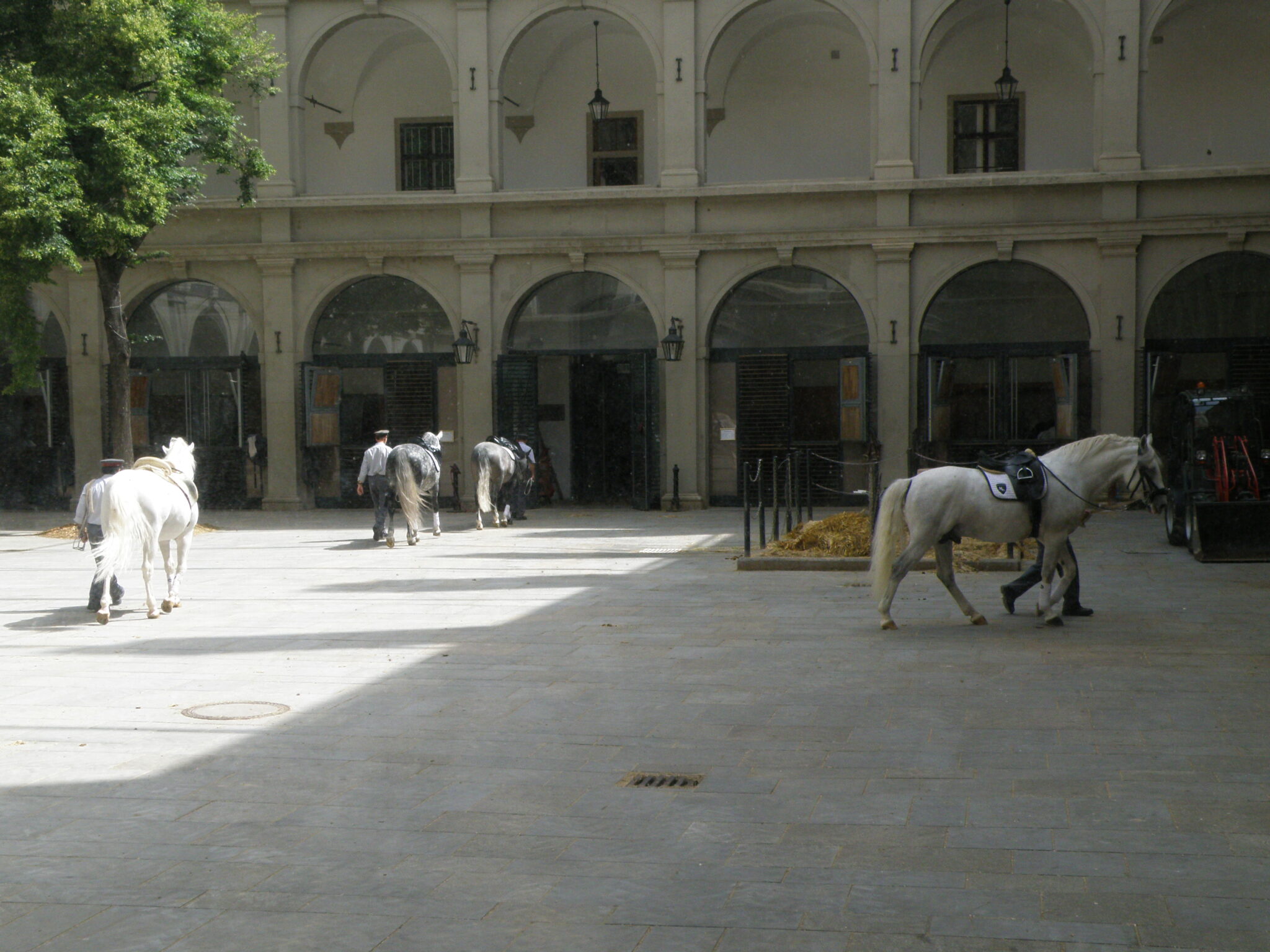
This is not just a riding school or a tourist attraction. It is one of the strongest symbols of Austrian court culture still active in the present, where classical horsemanship is preserved as a discipline built on long training, precision, and ritual. That is why it carries so much weight in Austria’s image abroad.
The Lipizzaner stallions that perform in the Winter Riding School are bred at the stud in Piber, which means the tradition is not limited to one stage in the capital but depends on a wider Austrian system of breeding, training, and continuity. The school itself traces its origins back to the sixteenth century, and classical horsemanship there has UNESCO intangible heritage status, which shows that this is treated as a living cultural practice rather than only a piece of imperial nostalgia.
18. The Großglockner High Alpine Road
Austria is famous for dramatic mountain roads, and the Großglockner High Alpine Road is the clearest example because it turns the country’s Alpine scenery into a direct travel experience. This is not just a road through the mountains, but one of the routes that most strongly expresses how Austria is seen abroad: high peaks, sharp bends, lookout points, changing weather, and a landscape built on altitude and scale. Running for about 48 kilometres, the road cuts through the Hohe Tauern and gives access to some of the most memorable mountain views in the country.
The road climbs to more than 2,500 metres above sea level and is closely linked with views of the Grossglockner, Austria’s highest mountain at 3,798 metres, as well as the Pasterze Glacier. That gives it more than postcard value. It became one of the country’s strongest symbols of Alpine travel, where movement through the landscape is part of the attraction itself.
19. Swarovski
Swarovski is not just a successful company name. It represents a specifically Austrian mix of precision, visual brilliance, and commercial creativity, which is why it became known far beyond the world of jewelry alone. For many people, the name stands for crystal itself, and that kind of recognition is rare. The company is rooted in Wattens in Tyrol, where Daniel Swarovski founded the business in 1895. A century later, in 1995, Swarovski Crystal Worlds opened there and went on to become one of Austria’s best-known modern attractions, drawing more than 18 million visitors over time.

20. Neutrality
Austria’s permanent neutrality was set in 1955, and in legal terms it still means the country does not join military alliances and does not allow foreign military bases on its territory. That is why neutrality continues to shape how Austria is understood internationally: it gives the state a political identity that is simple to recognize and distinct from many other European countries.
In 2025, Austria marked 70 years of neutrality, and official language continues to treat it as a lasting commitment in foreign and security policy. At the same time, modern Austrian neutrality is usually understood as military rather than political, which helps explain why the country can remain neutral while still taking positions in European and international affairs.
21. Christmas markets
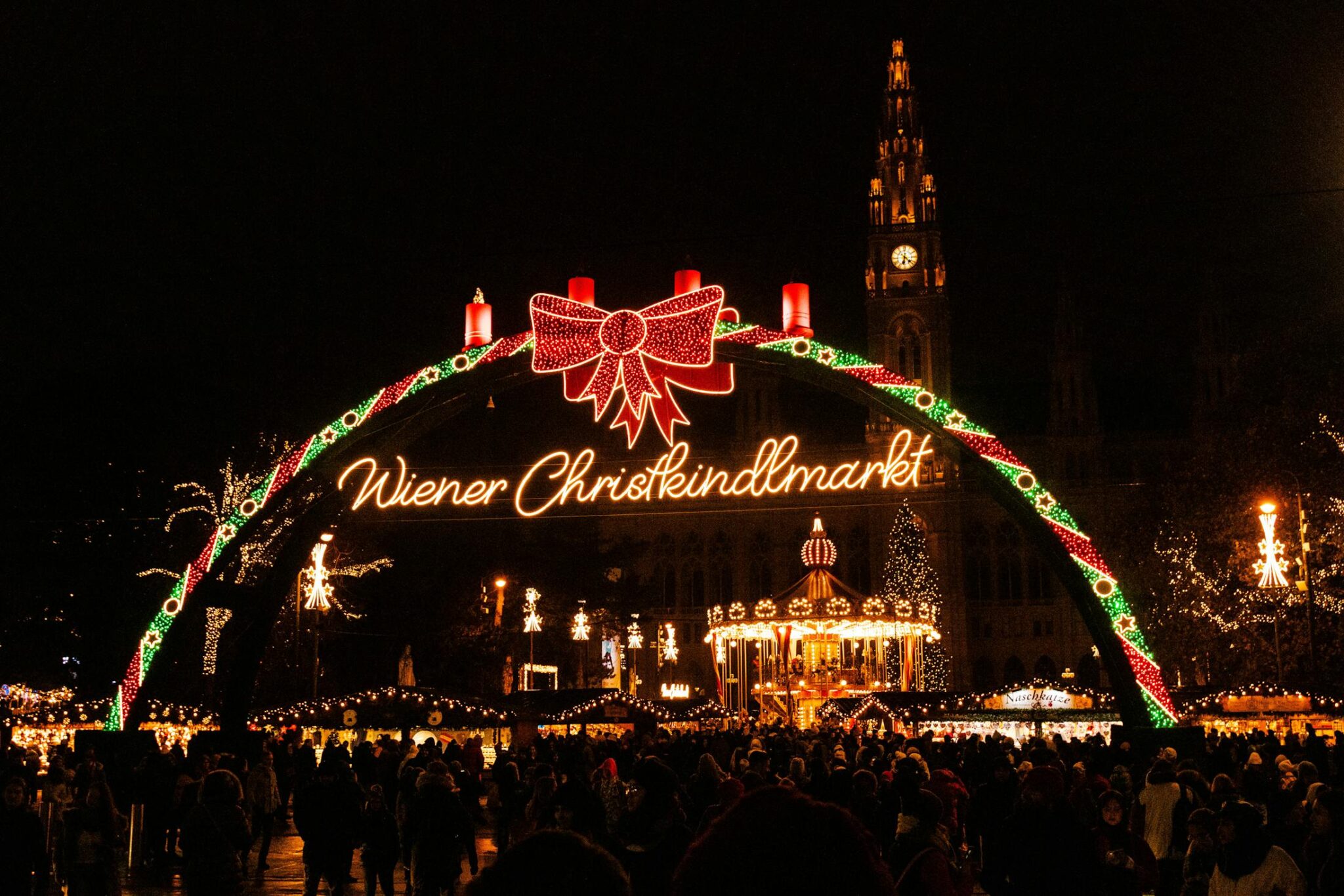
In many places, seasonal markets are just a festive extra, but in Austria they feel woven into city life, local identity, and winter travel. That is why they matter so much to the country’s image. Visitors do not associate Austria only with snow, music, and mountains in December, but also with squares filled with wooden stalls, lights, punch, pastries, ornaments, and historic architecture used as a backdrop for Advent. Vienna and Salzburg stand at the center of that reputation, but the tradition is visible across the country. In Vienna alone, there are more than 20 official Advent markets, which shows how deeply the tradition is built into the capital’s seasonal identity. The history also runs deep: Vienna’s Christmas market tradition goes back to 1296, when the city was granted the right to hold a December market.
22. Hitler, the Anschluss, and Austria’s Nazi past
Hitler was born in 1889 in Braunau am Inn, and that fact alone keeps Austria tied to one of the most destructive figures in modern history. The Anschluss deepened that association even further. On 12 March 1938, German troops entered Austria, and the annexation was welcomed by large parts of the population, which means this history cannot be reduced to outside occupation alone. That is one reason the subject remains unavoidable in any serious account of what Austria is known for.
The Nazi takeover quickly led to persecution, exclusion, dispossession, imprisonment, and mass murder, and the establishment of Mauthausen concentration camp in 1938 turned Austria into one of the direct sites of Nazi terror. This is why Austria’s Nazi past remains part of how the country is understood abroad, even when the association is deeply negative. At the same time, modern Austria is also defined by how it addresses that past through memorial culture, historical research, education, and public remembrance.
If you’ve been captivated by Austria like us and are ready to take a trip to Austria– check out our article on interesting facts about Austria. Check if you need an International Driving Permit in Austria before your trip.

Published March 31, 2026 • 15m to read