



Planning the Perfect Road Trip to the Seacoast: A Complete Guide
The combination of cars and coastal destinations creates unforgettable travel experiences, though it can seem daunting for those living far from the ocean. Whether you’re planning your first coastal road trip or looking to improve your next adventure, this comprehensive guide covers everything you need to know for a successful seacoast journey.
Coastal road trips generally fall into two main categories:
- Independent travel: Using your own vehicle or traveling with friends
- Organized tours: Road trips arranged through travel companies
Both options offer flexible accommodation choices:
- Point-to-point travel with hotel or camping accommodation
- Extended coastal touring with car camping, beach camping, or tent accommodations
This guide focuses on independent travel, helping you plan your route, timeline, and trip features based on your budget, interests, and available vacation time.
Essential Tips for Memorable Coastal Road Trips
A successful seacoast vacation extends beyond simple beach relaxation. Consider incorporating diverse activities to maximize your coastal experience:
- Water activities: Swimming, snorkeling, diving, surfing, or kayaking
- Land exploration: Coastal hiking, mountain tourism, or nature photography
- Cultural experiences: Local attractions, seafood dining, or coastal town exploration
Pack appropriate equipment for your chosen activities:
- Swimwear, snorkeling gear, and water shoes
- High-SPF sunscreen, sunglasses, and protective clothing
- Inflatable mattresses, beach chairs, and umbrellas
- Hiking boots and outdoor gear for coastal trails
Understanding acclimatization: Your body needs time to adjust to coastal conditions, including changes in humidity, air pressure, and temperature. Acclimatization periods vary from a few hours to a full week, particularly for:
- Young children and elderly travelers
- Individuals with compromised immune systems
- People recovering from illness or high stress
During acclimatization, prioritize rest, avoid intense physical activities, and allow your body to adjust naturally.
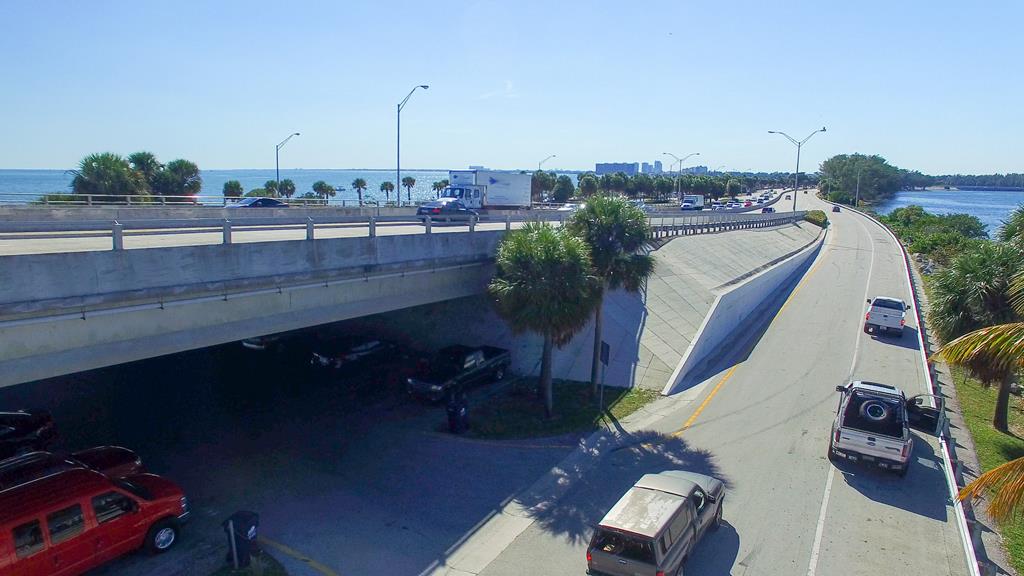
Accommodation strategy: Sea air and proximity to the ocean offer significant health benefits, making beachfront locations ideal. If staying at inland accommodations, ensure convenient beach access and secure parking for your vehicle.
Technology and documentation: Prepare essential electronics and capture memories without technical difficulties:
- Camera equipment with extra batteries and memory cards
- Portable chargers and car adapters
- Waterproof cases for electronics
- Backup storage solutions
Road Trip Safety and Preparation Checklist
- Traffic and timing considerations: Peak summer travel creates heavy traffic approaching coastal areas. Plan departure times strategically and maintain adequate water supplies for potential delays. Consider traveling during off-peak hours or shoulder seasons when possible.
- Essential documentation: Organize and secure all necessary paperwork before departure:
- Valid driver’s license and vehicle registration
- International driving permits for cross-border travel
- Passport or identification documents
- Travel and medical insurance policies
- Children’s birth certificates if applicable
- Emergency contact information
- Cash reserves for areas with limited ATM access
- Food safety and nutrition: Invest in a quality car refrigerator for fresh meals and safe food storage. When dining at roadside establishments, inspect food quality carefully and avoid establishments with questionable hygiene standards. Food poisoning can ruin coastal vacations, so prioritize food safety. Maintain good hand hygiene, especially while driving and handling food.
- Driver fatigue management: Long-distance coastal driving requires careful attention to driver alertness. Plan regular rest stops, alternate drivers when possible, and budget extra time for sleep breaks. Fatigue-related accidents increase significantly during extended road trips.
- Vehicle preparation and fuel strategy: Carry emergency fuel supplies (5-10 liters minimum) as quality gas stations may be sparse in coastal or rural areas. Pack a comprehensive automotive repair kit including:
- Basic tools and spare parts
- Tire repair kit and pump
- Jumper cables and emergency flashlight
- Emergency roadside assistance contact information
- Legal protection and documentation: Install a dashboard camera (DVR) and activate it during all driving periods. Video evidence protects against false insurance claims and encourages safe driving habits. This small investment can save significant money and legal complications.
- Medical preparedness: Address health considerations proactively:
- Individual prescription medications for chronic conditions
- Comprehensive first aid kit with standard supplies
- Antipyretic, anti-inflammatory, and analgesic medications
- High-SPF sunscreen and after-sun care products
- Motion sickness remedies for sensitive travelers
- Emergency medical contact information
- Navigation and route planning: Choose your preferred navigation method based on personal preference and reliability:
- GPS navigation systems with updated coastal maps
- Physical road atlases as backup options
- Offline map downloads for areas with poor cell coverage
- Research scenic coastal routes and alternative paths
- Hydration and refreshment strategy: Pack multiple thermos containers for hot and cold beverages. Most roadside cafes provide boiling water for brewing coffee, tea, or preparing food concentrates. Maintain consistent hydration as summer heat and coastal sun accelerate dehydration, especially during long driving periods.
- Route optimization and emergency contacts: Avoid congested urban areas by utilizing bypass roads and alternative routes. Research and save important contact numbers before departure:
- Local traffic police and emergency services
- Towing services and automotive repair shops
- Coastal area emergency contacts
- Your insurance company’s roadside assistance

Successful coastal road trips require thorough preparation, safety consciousness, and flexibility. Remember that international driving permits are mandatory for foreign coastal destinations, and proper planning ensures memorable experiences rather than stressful complications. Safe travels and enjoy your seacoast adventure!

Published October 06, 2017 • 5m to read