

A front-wheel-drive electric crossover with a torsion-beam rear axle that somehow handles better than its specs suggest — but is it enough to beat the Geely EX5?
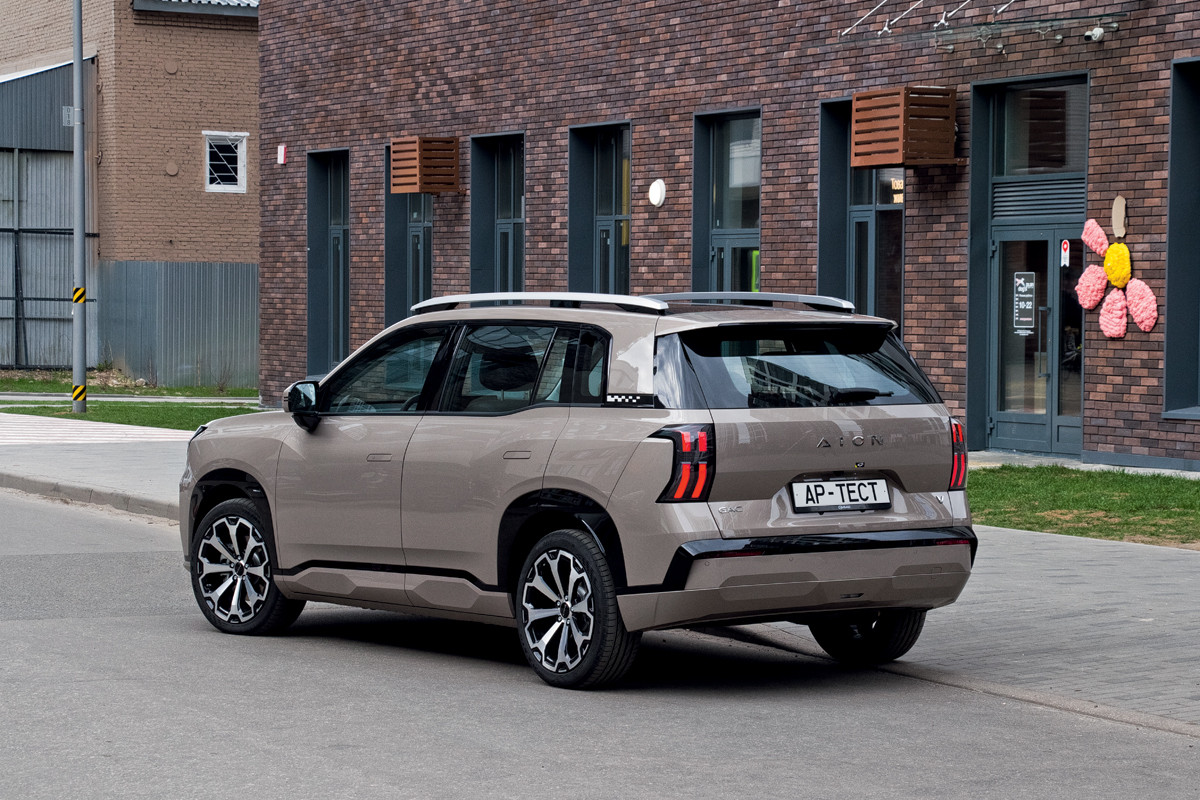
On paper, the GAC Aion V second generation has no right to be fun. It weighs 100 kg more than the Geely EX5, produces 110 Nm less torque, and uses a simple twist-beam rear suspension instead of a proper multi-link setup. It should be — to put it plainly — an electric vegetable. And yet.
What Is the GAC Aion V Gen 2?
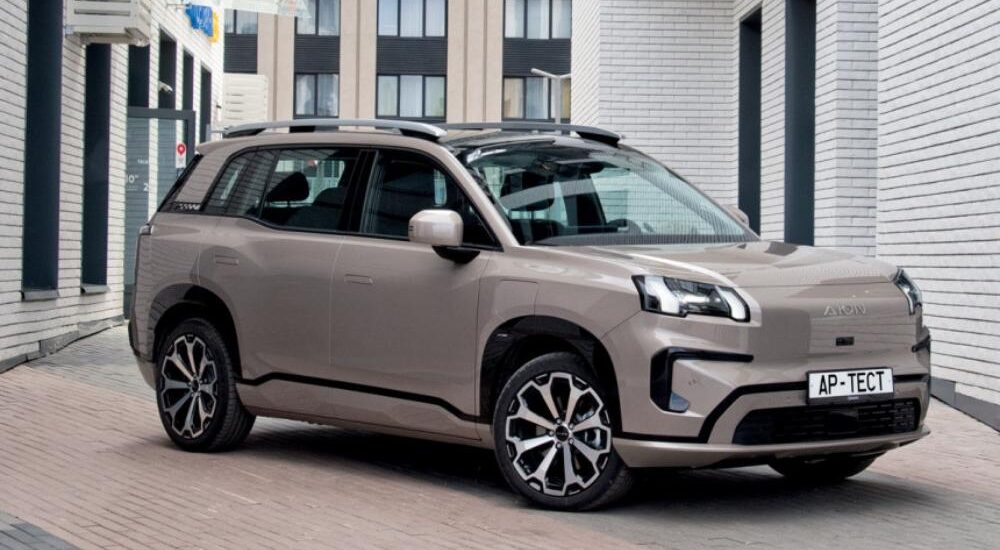
The GAC Aion V second generation is a front-wheel-drive electric crossover producing 200 hp (approximately 150 kW). The pairing makes for an instructive comparison: same segment, similar price point, very different driving character.
Key specifications
- DrivetrainFront-wheel drive
- Motor output200 hp
- Battery75.3 kWh LFP
- Architecture400 V
- Rear suspensionTwist beam
- Steering~2.7 turns lock-to-lock
- 0–100 km/h (claimed)7.9 sec
- Charging standardCCS (Type 2)
- Max charge rate (tested)~100 kW
- ADAS hardwareLiDAR + 5 radars + NVIDIA Orin-X
Driving Dynamics: Surprisingly Engaging
There are three driving modes — Eco, Comfort, and Sport. Even in Comfort, the Aion V reaches 100 km/h in just over eight seconds, slightly behind the official 7.9-second claim but perfectly respectable in practice.
Switch to Sport, and the car doesn’t dramatically change its outright pace — but it transforms in feel. The throttle response sharpens considerably, and the motor’s 210 Nm of torque suddenly feels more abundant than the spec sheet implies. There’s no lurch, no jerkiness: just clean, progressive pull that makes you want to use it at every opportunity. The faint electric motor whine adds to the experience rather than detracting from it.
The chassis is where the real surprise lies:
- The steering is pleasantly weighted — occasionally a little stiff, with less self-centering than ideal, but quick and precise at approximately 2.7 turns lock-to-lock.
- Turn-in is crisp. The front tyres initially resist understeer, then commit cleanly to the arc.
- Once settled into a corner, you can push with real aggression — the rear axle responds to throttle lift with a satisfying rotational moment, much like a limited-slip differential pulling you into the bend.
- Traction control is sharp: a single front wheel slips on a damp surface and power is already being managed.
There is a genuine sensation of torque vectoring under power in a slippery corner — remarkable for a budget twist-beam setup. Whether it’s the software or the hardware earning the credit, the result is that the Aion V has an involving, lively character that the Geely EX5 — measured and competent as it is — never quite delivers.
“210 Nm? I don’t believe it — as Stanislavski would say.”
Real-World Range and Charging
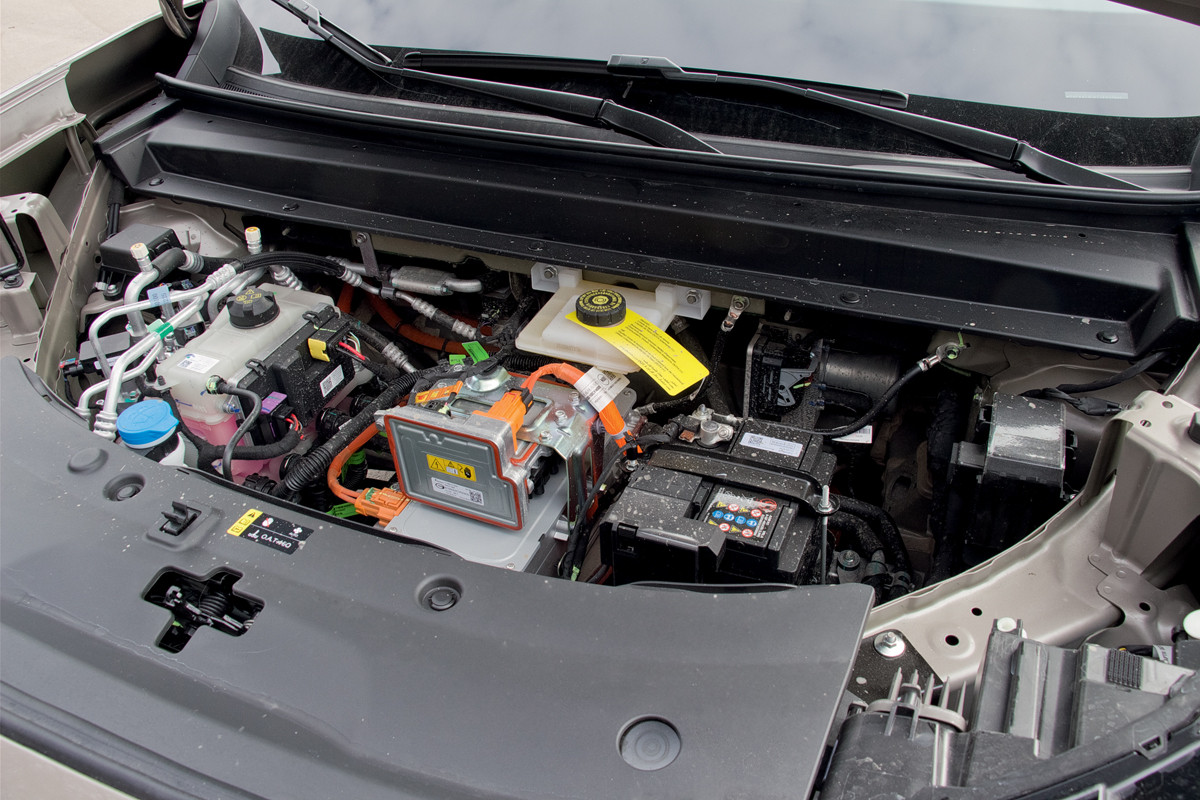
The 75.3 kWh lithium iron phosphate (LFP) battery operates on a 400-volt architecture. LFP chemistry is less energy-dense than NCM but more durable, cheaper to produce, and safer — a sensible choice at this price point.
Range in real-world use:
- Official on-board computer average: 19 kWh per 100 km (occasionally as low as 15 kWh on light runs)
- Tested city driving consumption: approximately 27 kWh per 100 km
- Realistic city range at that rate: around 280 km per charge
- Relaxed mixed-use range: up to 400 km is credible
A heat pump is included in the thermal management system, which should help limit winter range loss — though a meaningful reduction in cold conditions remains inevitable with any chemistry.
Driver Assistance and ADAS: A Frustrating Experience
This is where the Aion V significantly damages its case. The hardware is genuinely impressive on paper:
- LiDAR sensor (mounted in the lower bumper rather than on the roof)
- Five radar units
- NVIDIA Orin-X processor — capable of 275 trillion operations per second, though now a generation behind the current state of the art
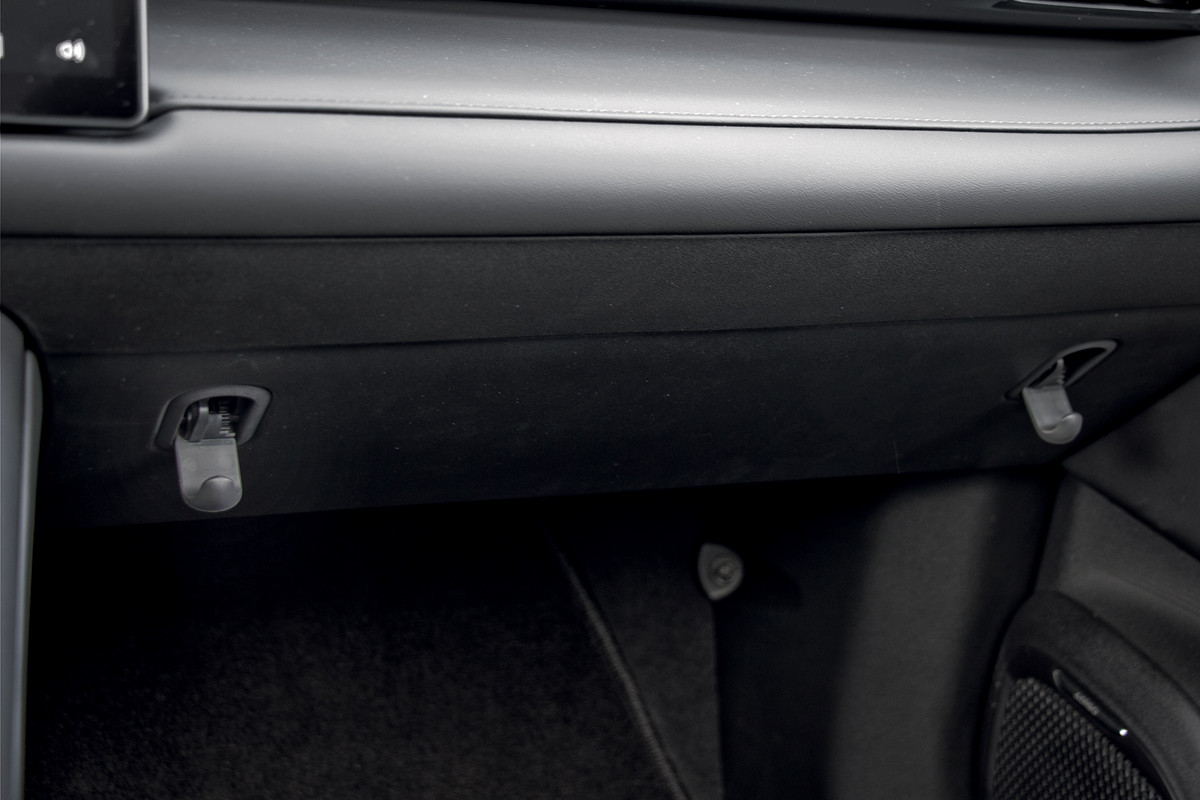
In practice, the experience is maddening. The car emits an audible alert every 30 seconds or less, interrupting music, demanding attention, and insisting on warning the driver about one thing or another. The deeper problem is that all driver assistance settings reset after every trip — meaning you must sit through several confirmation screens every single time you get behind the wheel.
The adaptive cruise control (ACC) fares no better:
- Activation is erratic — double-clicking the right stalk downward often produces no response, even on a clear road with visible lane markings.
- When it does engage, it maintains lane position adequately on straights and holds a following distance — but an excessively large one.
- It reacts slowly to vehicles cutting into the gap ahead.
One workaround that presents itself: covering the driver-facing camera with a sticker. Not exactly the sophisticated solution one hopes for from a car equipped with LiDAR.
Audio System: A Genuine Highlight
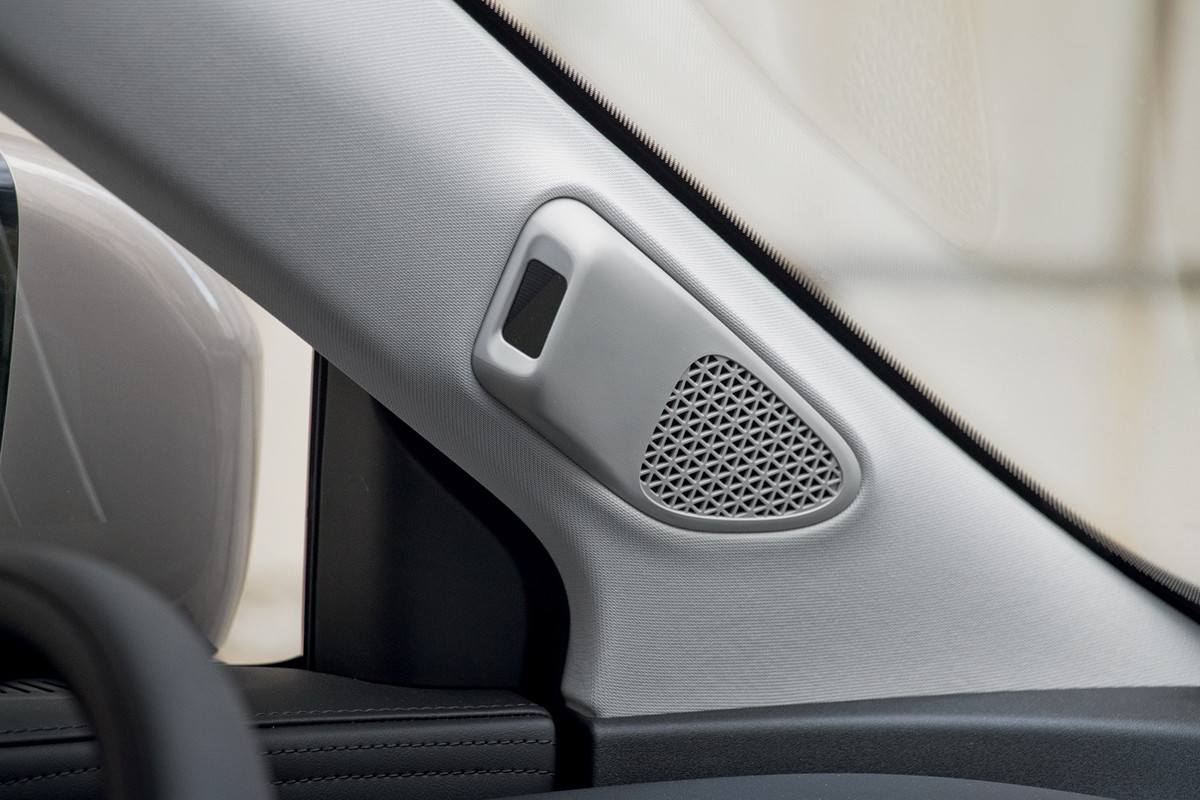
The nine-speaker audio system is, unexpectedly, very good. Tested via Bluetooth with a high-quality classical recording (a Sony-label violin recital by Nigel Kennedy), it delivered:
- Rich, well-defined bass — not bloated, genuinely musical
- Structural clarity across instruments
- A convincing sense of space and air in the recording
- Strong macro- and micro-dynamic contrast
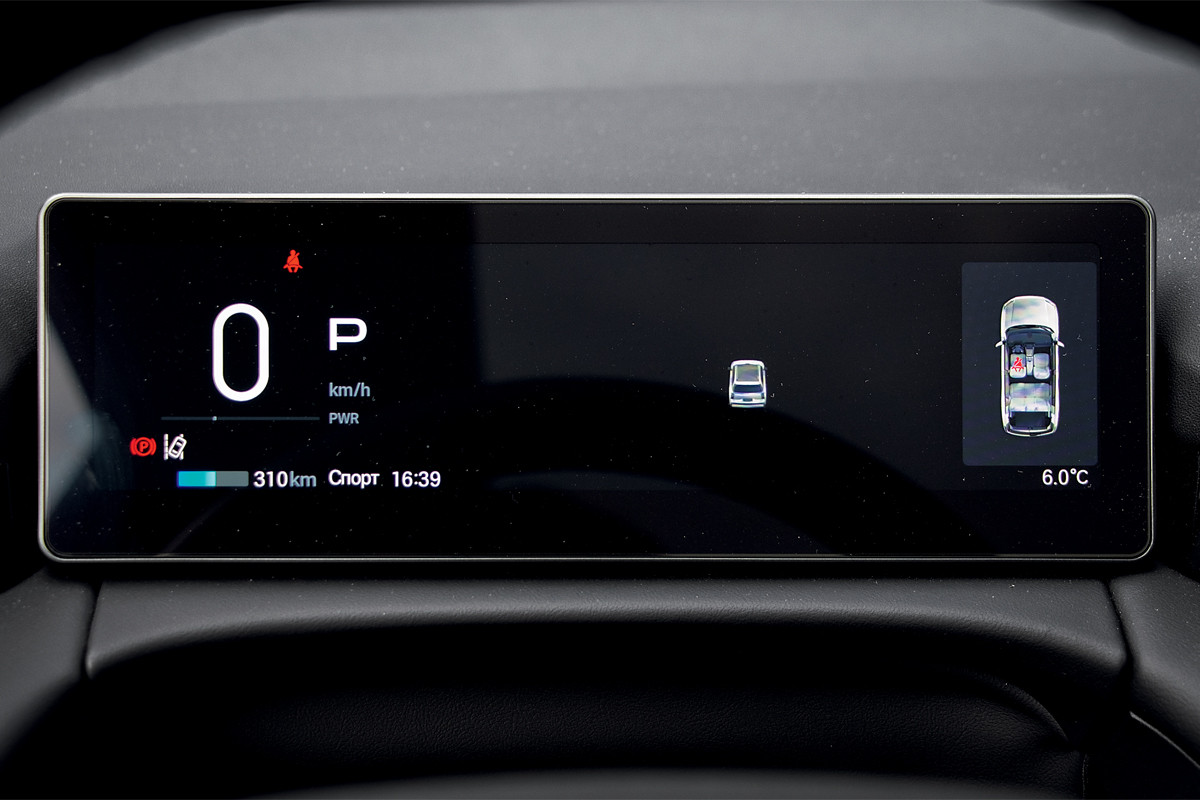
There is no equaliser — only three presets: Natural Sound, Mega Bass, and Voice Boost. Of those, only Natural Sound is worth using; the bass is already satisfying without enhancement, and Voice Boost serves no obvious purpose in a music-listening context.
The main caveat: every driver alert mutes the audio, which in practice makes continuous listening frustrating given how frequently the car intervenes.
Note: the car could not read a USB drive used during testing, apparently due to an unsupported file format — a minor but irritating limitation.

Comfort, Interior Quality, and Noise
The Aion V’s interior is a mixed picture. On the positive side:
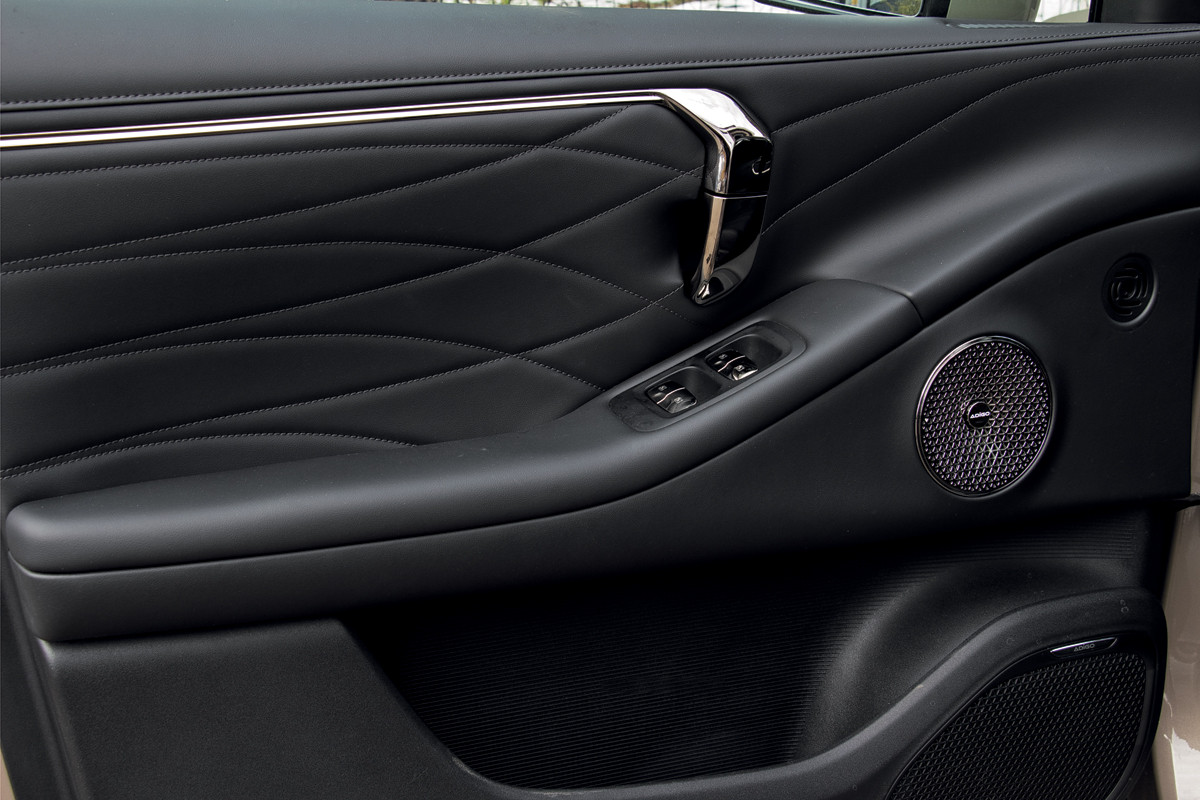
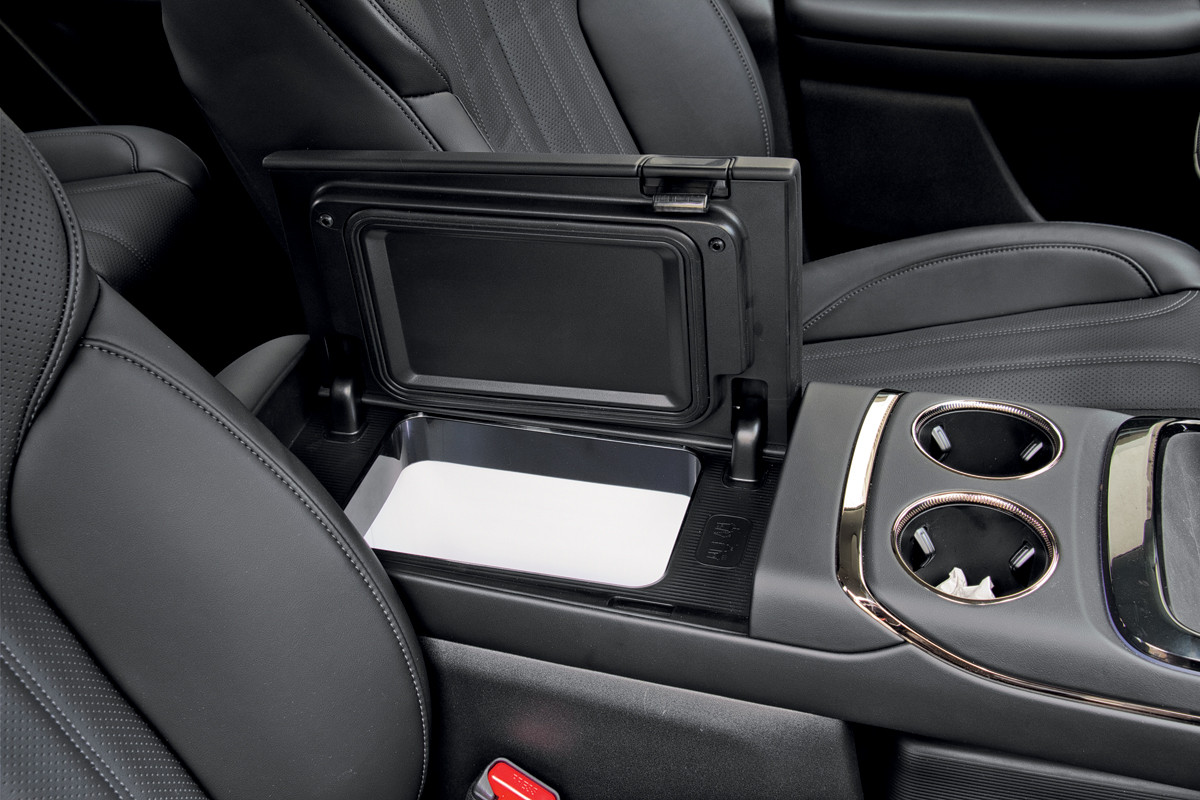
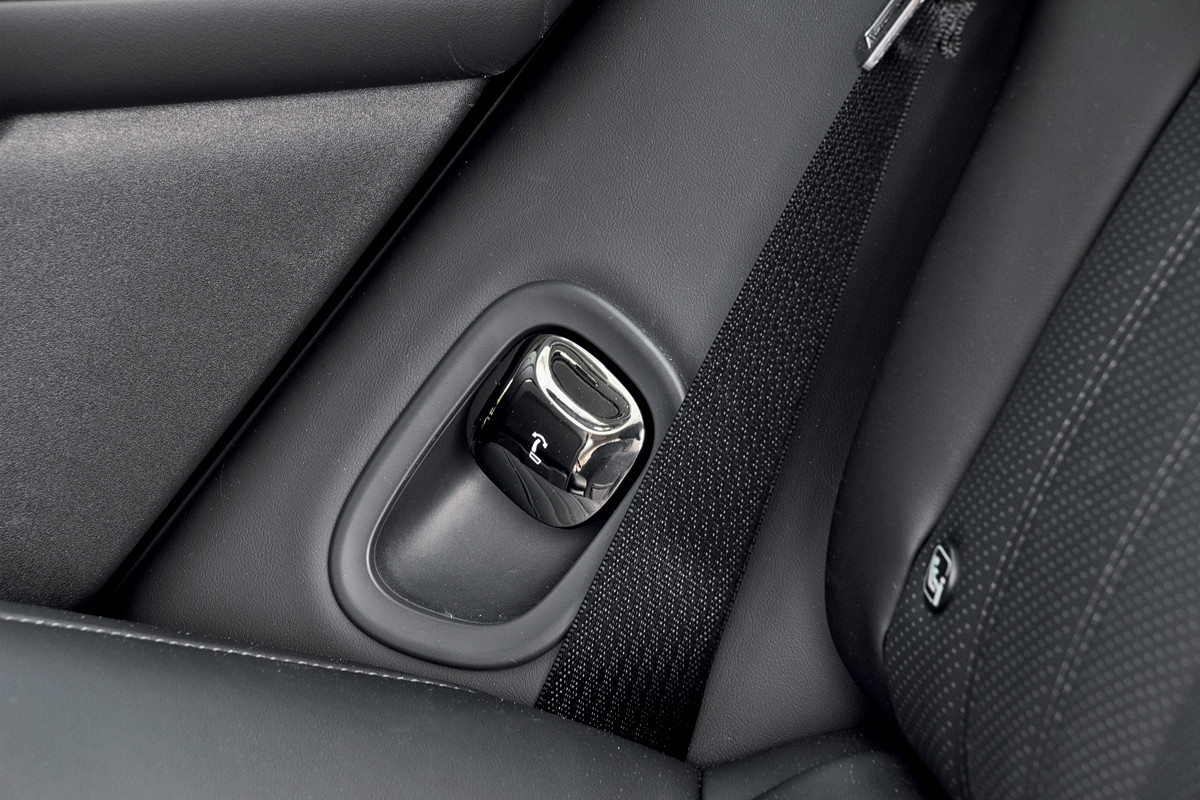
- Rear passenger space is generous — legroom is ample, and feet can slide under the front seats comfortably
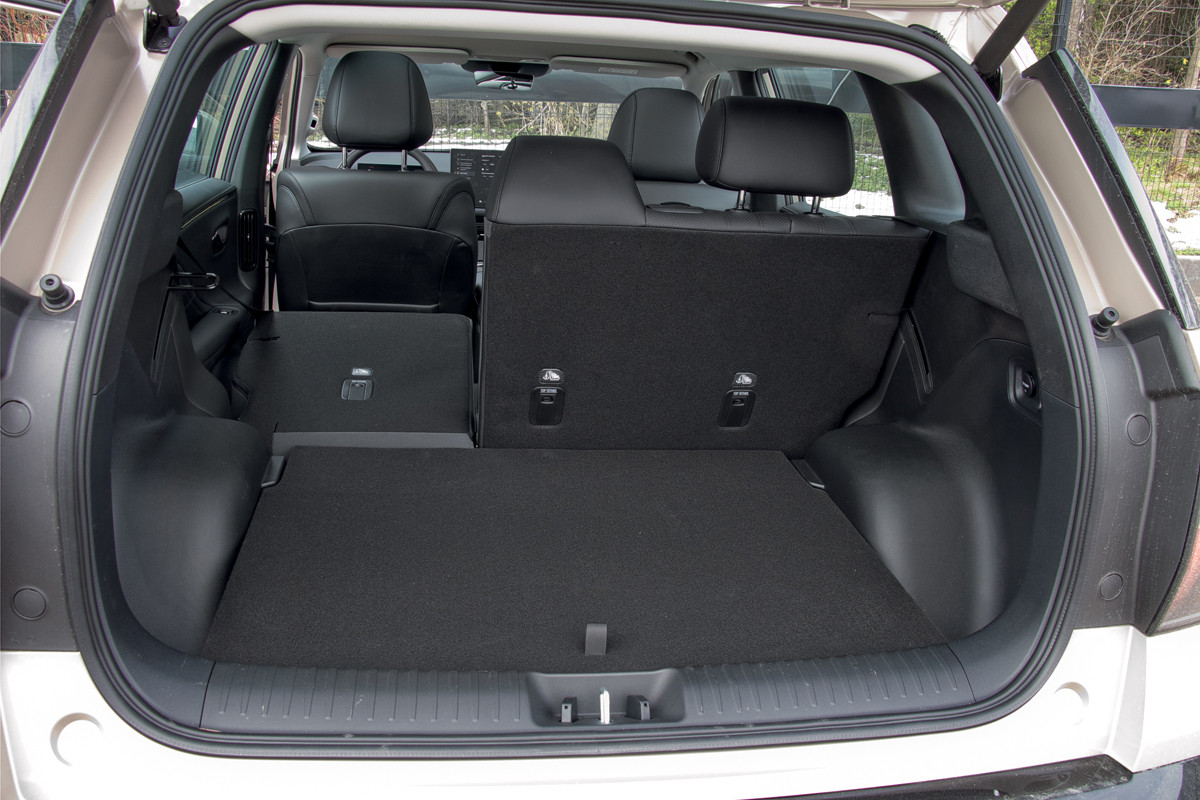
- Rear seatback angle is adjustable, with a near-flat folding configuration
- The powered tailgate operates smoothly
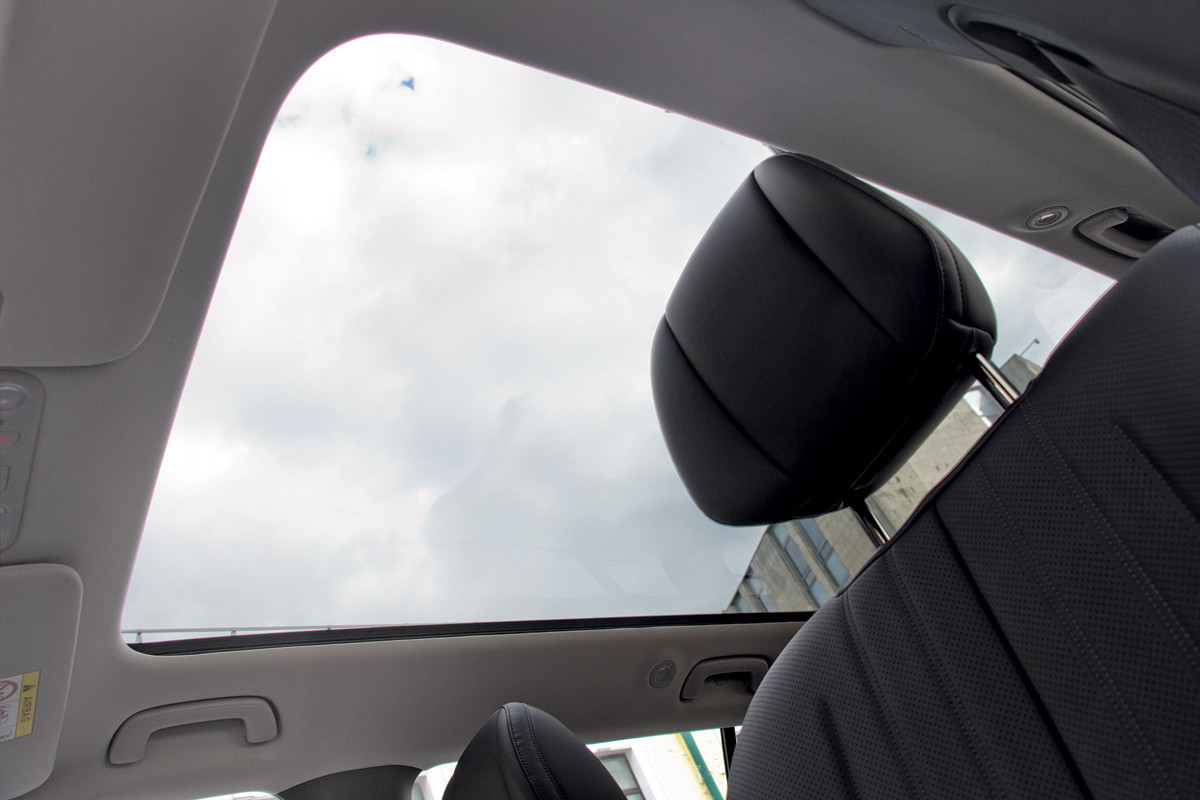
- A large panoramic glass roof with a powered blind is standard on top trims
On the negative side:
- Sound insulation is poor — road noise from the Maxxis Victra Sport 5 tyres (which have reinforced sidewalls) is audible, and nearby trucks are clearly heard
- The front seats on the Premium trim include a basic massage function, but the seat shape and bolstering are mediocre compared to the Geely EX5’s high-tech seat design
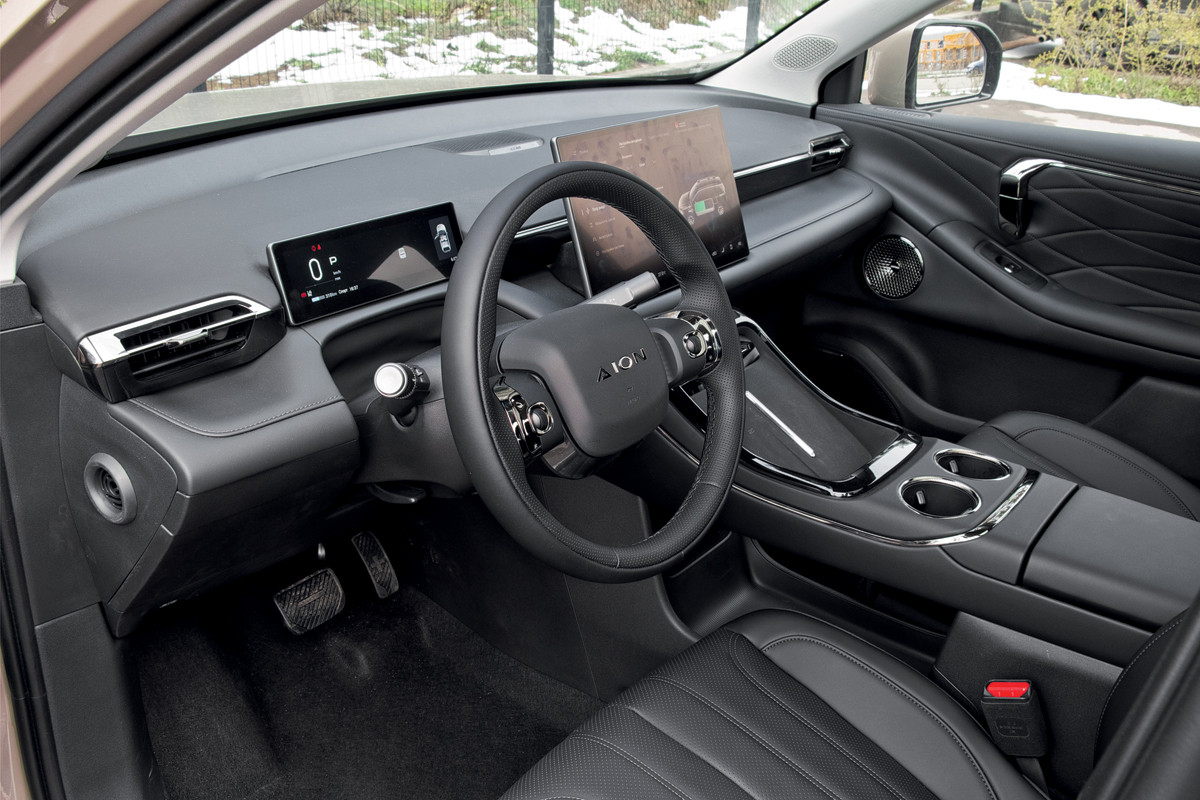
- The panoramic roof blind can only be operated through the infotainment menu, adding unnecessary steps
- The electric parking brake is also menu-only — no physical button
- The climate controls are buried in the same screen
“Steering Effort” — a standard term in any car review — is rendered in a way that made this tester stop and re-read it twice.
GAC Aion V vs Geely EX5: How Do They Compare?
Having driven the Geely EX5 roughly a year prior, the contrasts are instructive:
Aion V advantages
- More engaging, livelier driving feel
- Sharper steering and chassis responses
- Better audio system
- More rear legroom flexibility
- Larger glass roof
Geely EX5 advantages
- Multi-link rear suspension (better ride quality)
- Superior front seat design and support
- Better equipped as standard
- Significantly higher sales volumes
- Fewer software bugs and fewer infotainment issues
The sales data reflects the competitive picture fairly clearly: Geely EX5 volumes are a multiple of the Aion V’s, even after the second-generation model gave the latter a boost. The EX5 is simply a more polished, more complete package at a lower price.
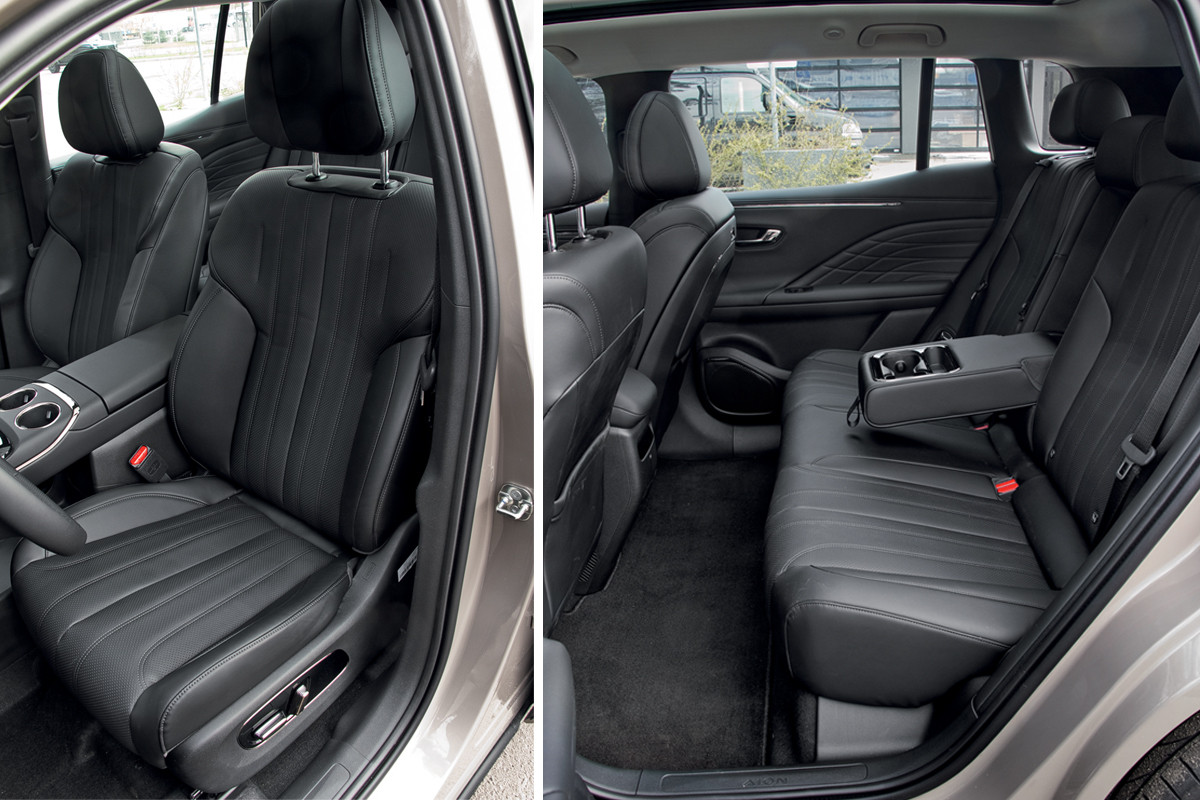
• The rear seats offer business-class spaciousness and adjustable seatback angles.
Design: A Missed Opportunity
The Aion V second generation was developed with involvement from two external design studios: a Los Angeles studio led by Pontus Fontaineaus, and a Milan centre headed by Stéphane Janin. The GAC design department itself has been led since 2011 by Fan Zhang — the first Chinese designer hired by Mercedes-Benz (in 2003), who spent eight years in Sindelfingen under Gordon Wagener working on models including the SL and SLK.
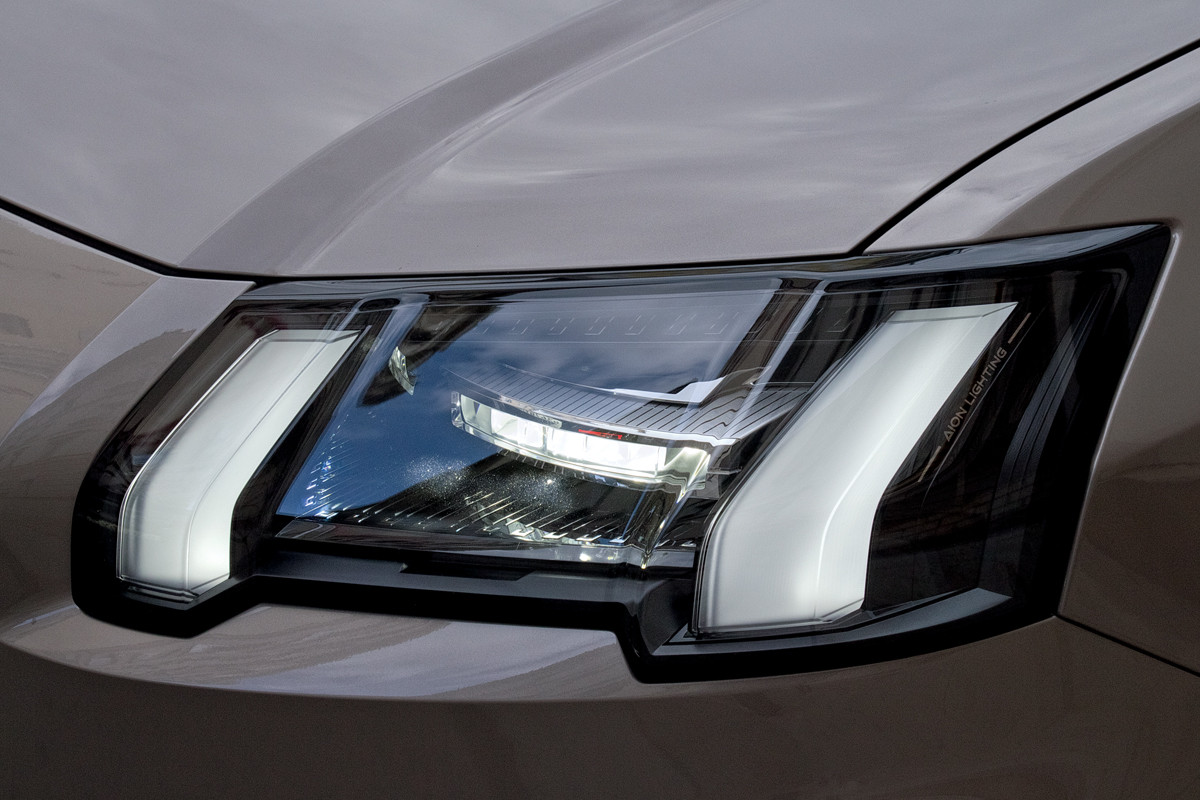
With that CV, the second-generation Aion V is a disappointment. Where the first generation had a certain youthful energy, the new car’s appearance has been widely compared — not flatteringly — to a budget trainer you could buy from a market stall. The first-generation model, by contrast, had a far stronger visual identity.
Last year Fan Zhang brought in Benoît Jacob — the designer behind bold work at Renault, BMW and the now-defunct startup Byton — as exterior lead. Jacob’s projects have tended to be visually striking but commercially challenging. Whether this appointment signals a future aesthetic direction, or simply adds another name to a crowded roster, remains to be seen.
GAC’s Financial Context
The Aion V’s commercial situation is tied closely to GAC Group’s broader finances. Guangzhou Automobile Group is a majority state-owned listed company, with shares trading on Chinese exchanges. 2025 marked the first year of losses in the company’s history, and the stock performance has been difficult.
The Aion V needs to work harder than its predecessor. In markets where all-wheel drive is not a priority, it has a credible case to make — assuming the software issues and interface shortcomings can be addressed in a future update.
The bottom line
The GAC Aion V Gen 2 is a car of genuine contrasts. Its driving dynamics are unexpectedly engaging — lively, responsive, and satisfying in a way that outclasses its specification sheet. The audio system is a genuine highlight. But the driver assistance software is infuriating to live with, the interface is poorly executed, the seats are mediocre, and the Geely EX5 remains better equipped, better resolved, and cheaper. If the bugs were fixed and the ADAS system refined, the Aion V would be a strong recommendation. As it stands, it’s a driver’s EV hampered by electronics that work against it.
Who Is the GAC Aion V Gen 2 For?
Despite its shortcomings, the Aion V Gen 2 has a clear audience:
- Drivers who prioritise handling and involvement over outright comfort
- Buyers in markets where all-wheel drive is not essential
- Commuters who can realistically charge regularly and stay within the 220–280 km city range
- Anyone willing to tolerate software quirks in exchange for a genuinely fun front-wheel-drive EV
For everyone else — especially those who spend long hours in the car or need a more seamless tech experience — the Geely EX5 remains the stronger choice in this segment.
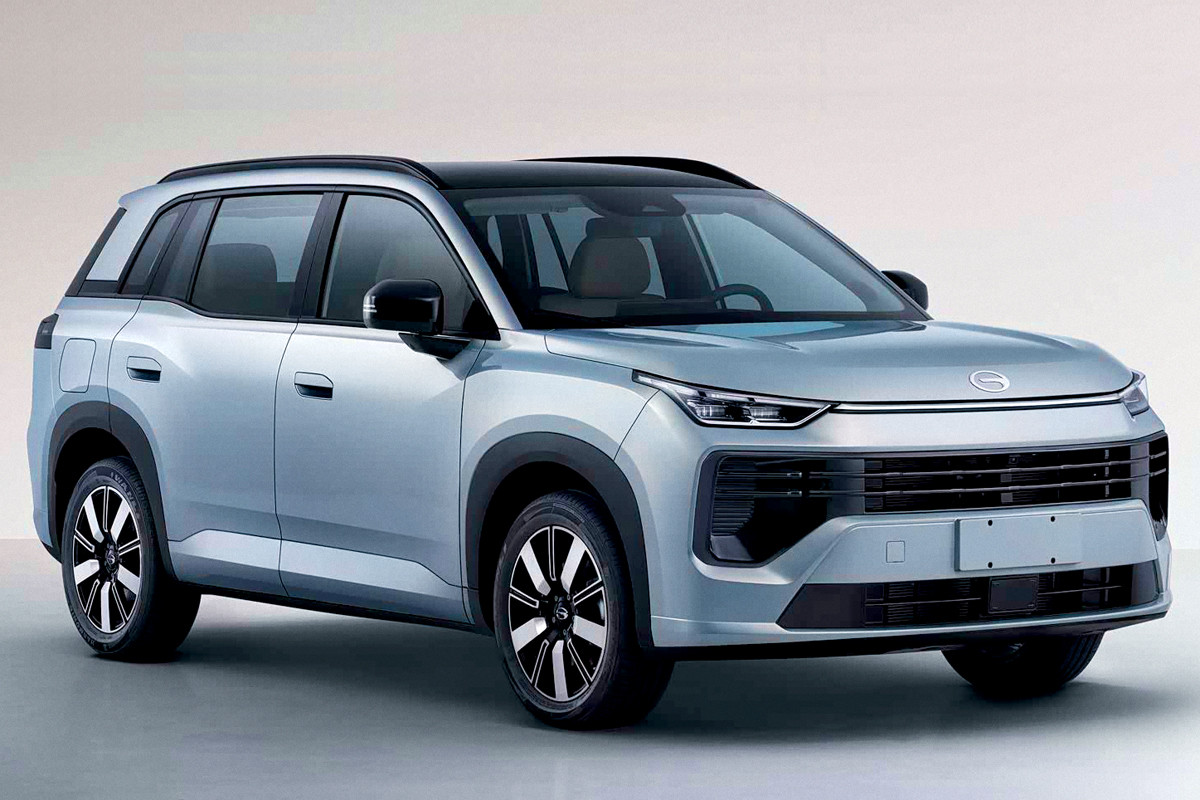
Photo: Leonid Golovanov
This is a translation. You can read the original article here: Электровжик: GAC Aion V как антипод Geely EX5

Published May 29, 2026 • 10m to read