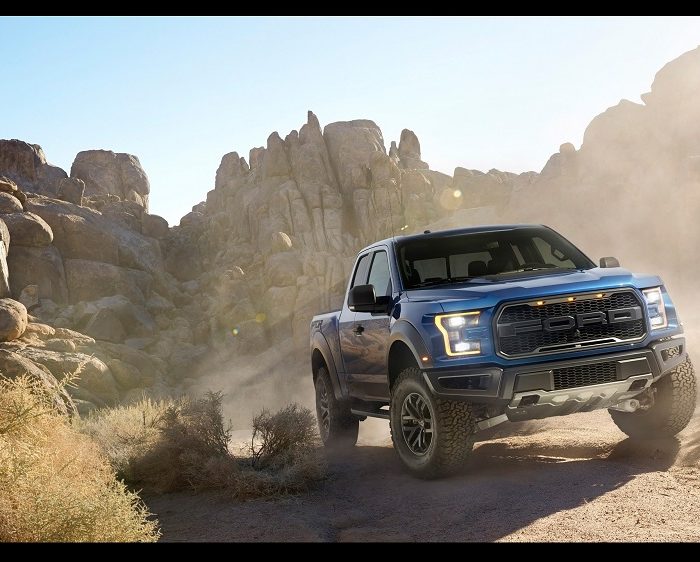
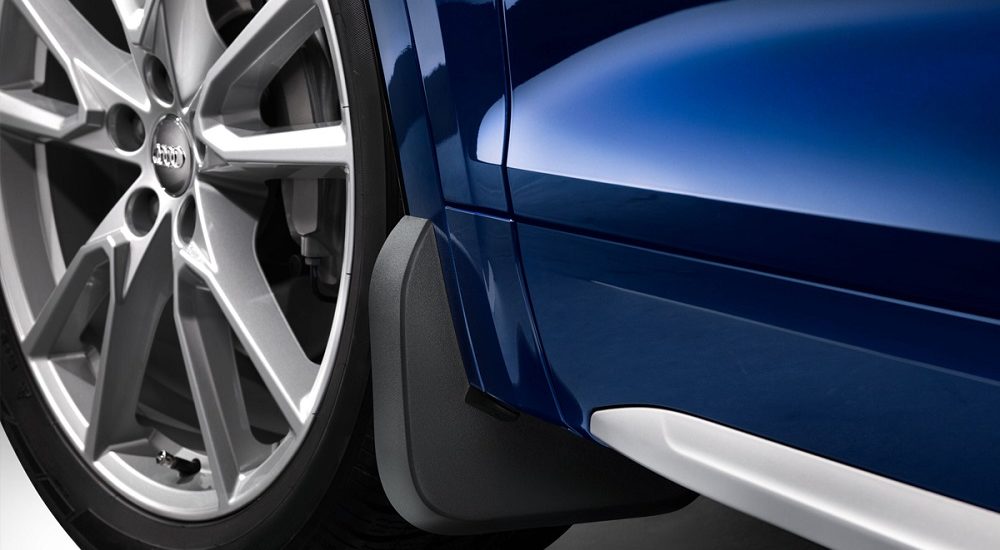


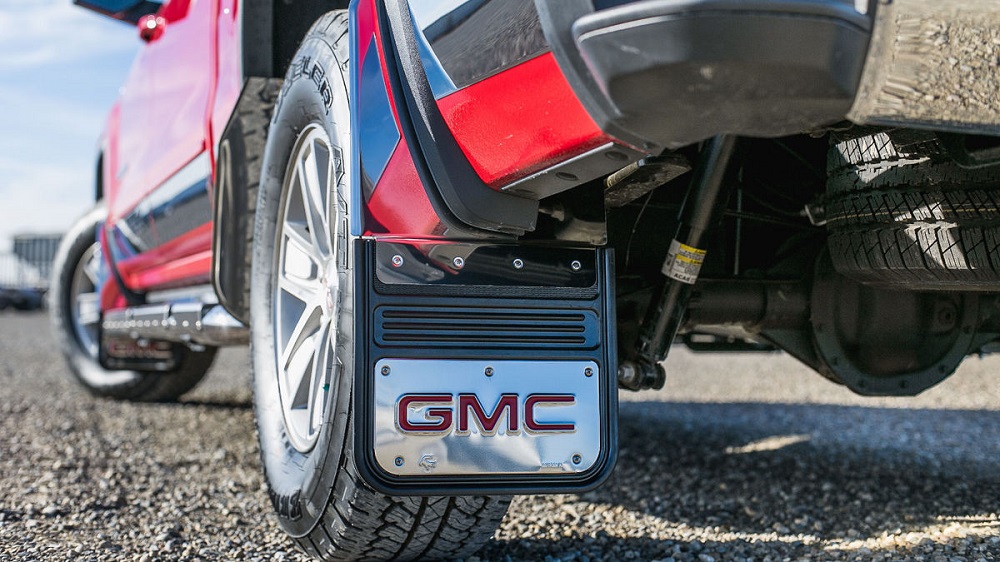
Cars operate in challenging conditions, from gravel-covered roads to snow and heavy rain. Without proper protection, flying debris from your wheels can damage your vehicle’s undercarriage and create hazards for drivers behind you. Mud flaps (also called splashers or splash guards) are essential safety components that protect your car and others on the road from stones, water, mud, and road chemicals.
Why Mud Flaps Are Essential for Your Vehicle
Mud flaps serve critical protective functions that vary by placement:
Front Mud Flaps Protection
- Prevent undercarriage damage from stones and road debris
- Block chemical corrosion from road salt and de-icing agents that freeze onto the car’s bottom
- Protect against high-speed impacts that can puncture the undercarriage or crack windshields of following vehicles
- Reduce ice and mud buildup in wheel wells during winter driving
Rear Mud Flaps Protection
- Shield vehicles behind you from rocks, water spray, and dust
- Maintain visibility for following drivers in wet conditions (without rear mud flaps, drivers would need to maintain 500+ meter distances in bad weather)
- Prevent debris-related accidents and windshield damage to other vehicles
- Demonstrate road courtesy and comply with vehicle safety regulations
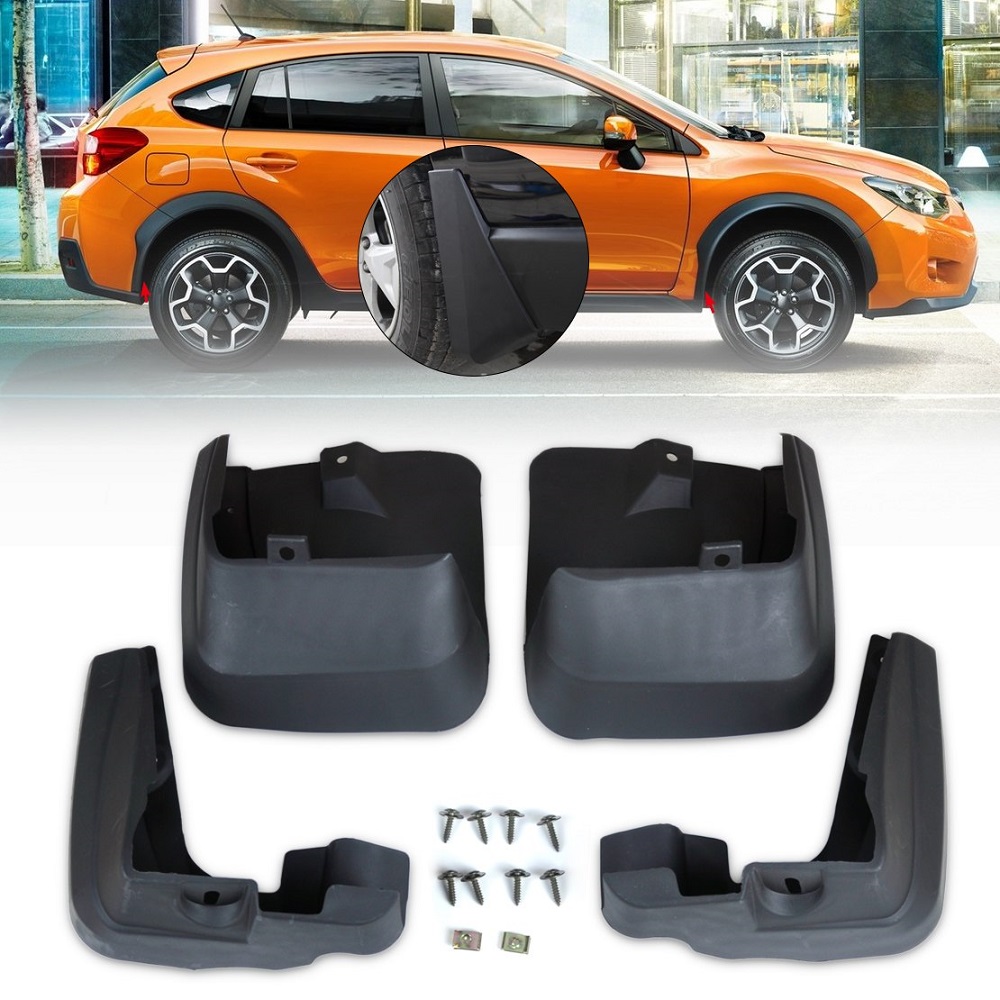
Types of Mud Flaps: Which Style Is Right for You?
Universal vs. Custom-Fit Mud Flaps
Universal Mud Flaps:
- Budget-friendly option for general protection
- Simple black rectangles that fit most vehicles
- May be sold without mounting hardware
- Best suited for temporary solutions or older vehicles
- Important: Match size to your vehicle type (compact sedan vs. SUV/truck)
Custom-Fit (Individual) Mud Flaps:
- Precision-engineered for specific vehicle makes and models
- Optimal coverage and protection from debris
- Superior fit prevents gaps that allow splash-through
- Longer lifespan justifies higher initial cost
- Often includes vehicle-specific mounting hardware
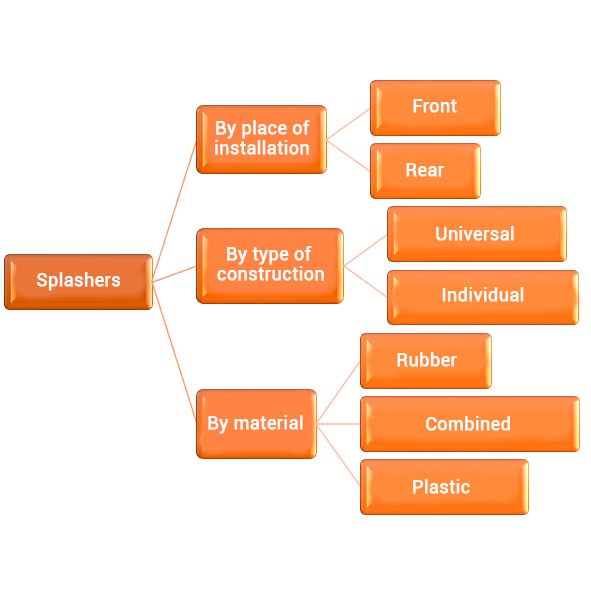
By place of installation
– front
– rear
By type of construction
– universal
– individual
By material
– rubber
– combined
– plastic
Mud Flap Materials: Rubber vs. Plastic vs. Combined
Rubber Mud Flaps
Advantages:
- Most affordable option
- Excellent flexibility for easy installation
- Good durability under normal conditions
- Simple manufacturing keeps costs low
Disadvantages:
- Poor performance in extreme temperatures (very hot or very cold)
- Can crack or become brittle in harsh winter conditions
- May degrade faster in climates with temperature extremes
Plastic Mud Flaps
Advantages:
- Excellent temperature resistance (hot and cold)
- Available in multiple colors for aesthetic customization
- Wear-resistant and durable
- Maintains shape and function across seasons
Disadvantages:
- More prone to cracking from impact
- Can shatter when hitting curbs or large obstacles
- Less flexible than rubber options
Combined (Rubber-Plastic) Mud Flaps
Premium choice combining best features:
- Superior flexibility and impact resistance
- Excellent temperature tolerance
- Longest lifespan of all mud flap types
- Withstands harsh conditions and heavy impacts
- Higher cost (several times more expensive than rubber or plastic alone)
- Best value for long-term vehicle protection
How to Choose and Maintain Mud Flaps for Maximum Lifespan
Selection Tips
- Match to your driving conditions: Urban driving may allow plastic options; rural/highway driving benefits from combined materials
- Check for chemical-resistant coating: Essential protection against road salt and de-icing chemicals
- Avoid cheap imports: Low-quality mud flaps typically last only one season
- Invest appropriately: Don’t base your decision solely on price—factor in replacement frequency
- Verify fitment: Custom-fit options provide best protection and longest service life
Maintenance Best Practices
- Regular cleaning: Gently wash wheel arches and mud flaps to prevent dirt accumulation and chemical damage
- Careful driving: Avoid high curbs, speed bumps, and obstacles that can crack or tear mud flaps
- Immediate replacement: Install new mud flaps as soon as damage occurs—delays increase risk to your vehicle’s undercarriage and other drivers
- Seasonal inspection: Check for cracks, tears, or loose mounting before winter and after harsh weather
Legal Requirements and Road Safety
Mud flaps are mandatory safety equipment on vehicles in most jurisdictions. Driving without properly installed mud flaps:
- Creates serious hazards for following vehicles
- May result in traffic violations and fines
- Increases your vehicle’s exposure to undercarriage damage
- Accelerates corrosion and reduces vehicle lifespan
Just as mud flaps are essential safety equipment, proper documentation is required for legal driving. If you’re planning international travel, ensure you have the necessary permits and licenses. Consider obtaining an international driver’s license to comply with requirements in different countries—it’s a quick and straightforward process that ensures you’re legally prepared for the road ahead.

Published June 28, 2019 • 4m to read