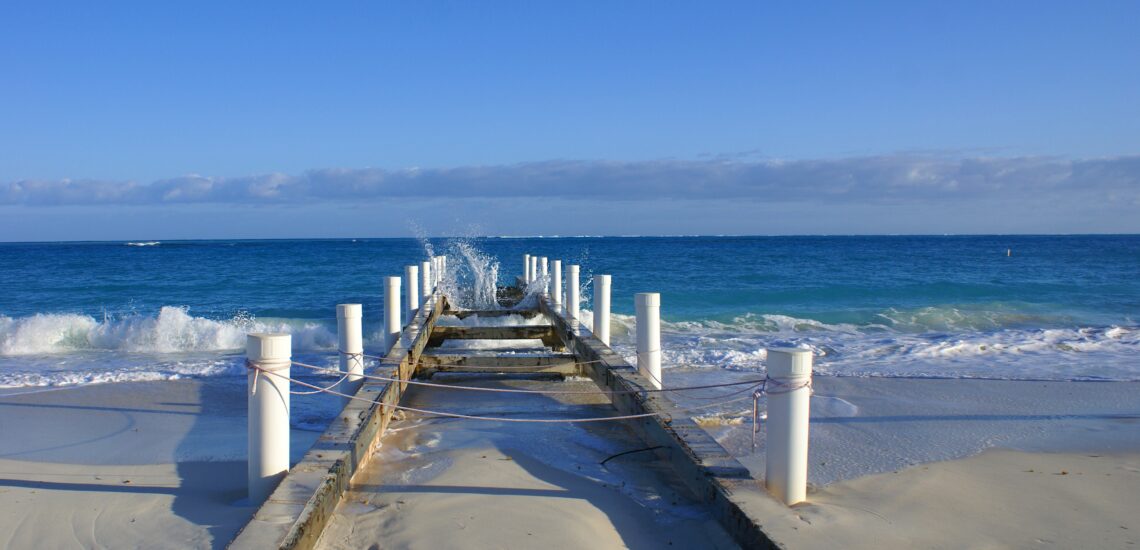


The Turks and Caicos Islands (TCI) are a Caribbean dream come true – a chain of 40 pristine coral islands where dazzling turquoise waters meet endless white-sand beaches. Tucked just southeast of the Bahamas, this British Overseas Territory is all about effortless elegance, combining barefoot luxury with a serene, unspoiled atmosphere that feels worlds away from the ordinary.
From basking on Grace Bay Beach – often named among the world’s best – to diving into vibrant reefs and hidden underwater caves, every moment here feels like a private escape. Whether you’re sailing between deserted cays or savoring fresh seafood at sunset, Turks and Caicos offers a perfect blend of adventure, tranquility, and exclusive island charm.
Best Islands
Providenciales (Provo)
The gateway to Turks and Caicos and home to many of its top resorts, beaches, and activities.
Grace Bay Beach
Grace Bay Beach is often listed among the most beautiful beaches in the world. Stretching for 12 miles, it features soft white sand and calm, crystal-clear turquoise water protected by an offshore coral reef. The beach’s gentle conditions make it perfect for swimming, paddleboarding, and snorkeling just offshore.
Lined with upscale resorts, restaurants, and beach bars, Grace Bay combines natural beauty with modern comfort. Despite its popularity, the beach remains uncrowded thanks to its size, offering plenty of space for quiet walks and sunset views. Its shallow, warm water and powdery sand make Grace Bay Beach the ideal Caribbean destination for both relaxation and water activities.
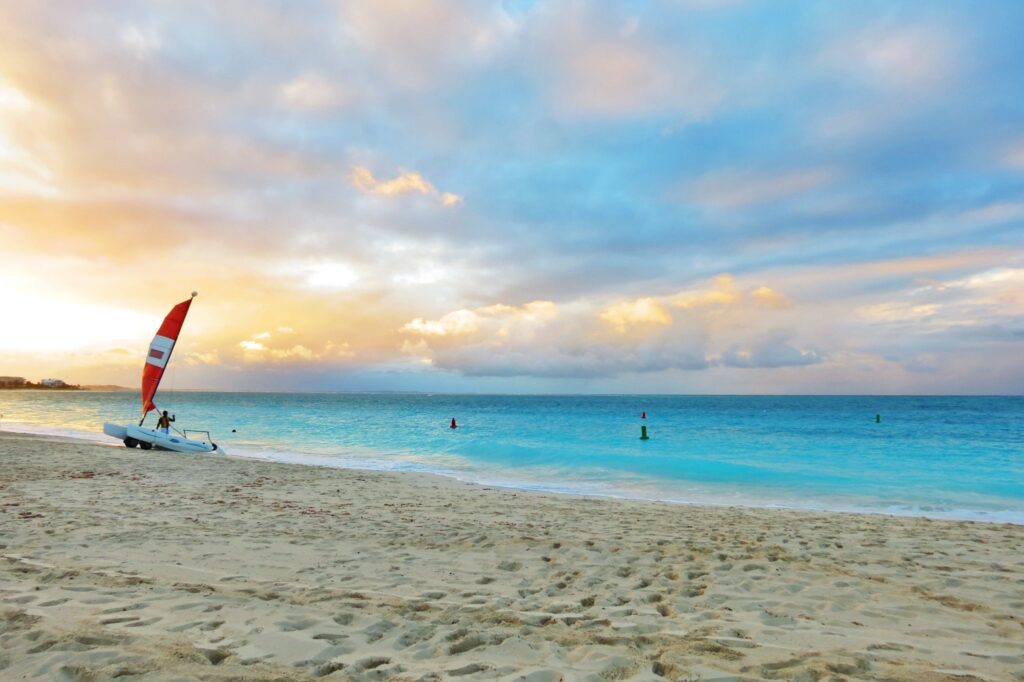
Chalk Sound National Park
Chalk Sound National Park is one of the island’s most striking natural attractions. The shallow lagoon glows in vivid shades of turquoise and blue, with hundreds of small limestone islets scattered across its surface. The protected waters are calm and crystal clear, making them ideal for kayaking, paddleboarding, or simply admiring from the shore.
Motorized boats are not allowed, helping to preserve the park’s tranquility and pristine environment. Visitors often spot small fish, rays, and birds while gliding quietly across the lagoon. A nearby viewpoint along the main road offers panoramic photo opportunities.
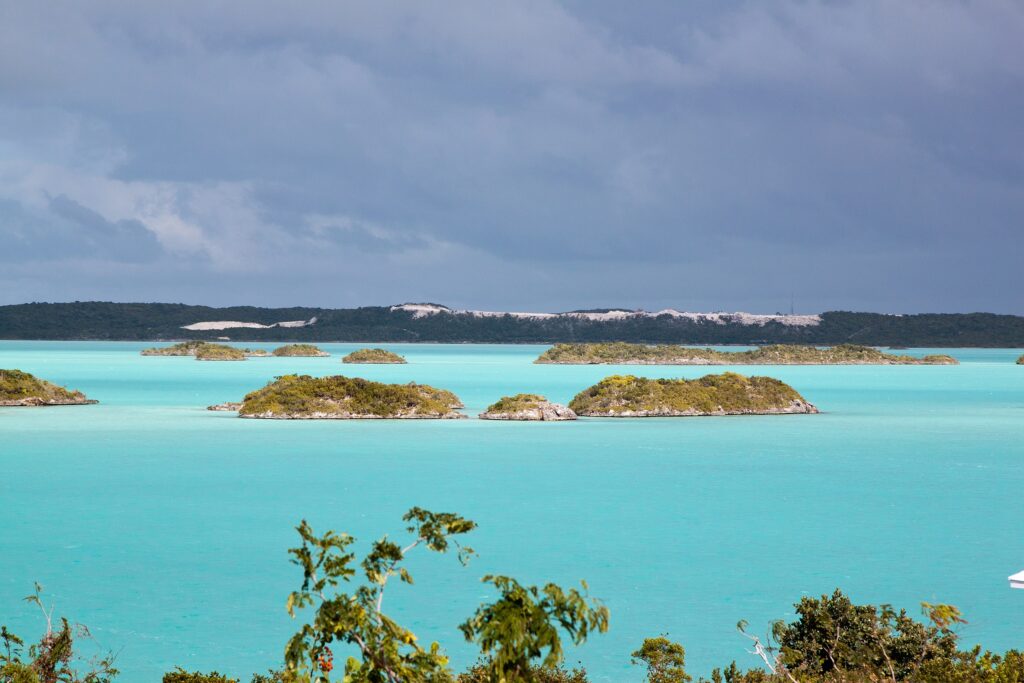
Long Bay Beach
Long Bay Beach is known for its wide stretch of soft white sand and steady trade winds that make it one of the best kiteboarding spots in the Caribbean. The shallow, clear water extends far from shore, creating safe and ideal conditions for both beginners and experienced riders. Despite its growing popularity, Long Bay retains a peaceful, open feel, perfect for quiet walks and watching the sunset over the water.
The Bight Reef (Coral Gardens)
The Bight Reef, also known as Coral Gardens, is one of the best and most accessible snorkeling spots on Providenciales in the Turks and Caicos. Located just offshore from The Bight Beach, the reef begins only a few meters from the sand, making it perfect for beginners and families. The calm, shallow water is home to colorful coral formations, sea turtles, rays, and a wide variety of tropical fish.
The area is clearly marked with buoys to protect the coral and guide swimmers, while nearby beach facilities and restaurants make it convenient for a full day by the sea. Early morning and late afternoon are the best times for snorkeling, when the water is clearest and marine life most active.
Blue Haven Marina
Blue Haven Marina is the island’s most upscale waterfront hub. The marina serves as a docking point for luxury yachts and charter boats, offering direct access to the Turks and Caicos’ outer cays and dive sites. The area combines a polished resort atmosphere with a relaxed Caribbean vibe, featuring oceanfront restaurants, cafés, and boutique shops along the docks. Visitors can enjoy sailing excursions, deep-sea fishing, or watersports such as paddleboarding and jet-skiing. The marina’s adjacent resort offers modern amenities, a beach club, and a scenic promenade ideal for evening walks.
Grand Turk
The capital island, rich in colonial charm and maritime history.
Cockburn Town
Cockburn Town, the capital of the Turks and Caicos Islands, is a charming seaside settlement on Grand Turk known for its colonial history and colorful architecture. The town’s narrow streets are lined with pastel-painted buildings, wooden balconies, and old stone walls dating back to the 18th century, reflecting its British colonial heritage. Visitors can stroll along Duke and Front Streets to explore small museums, local shops, and government buildings that preserve the islands’ early character.

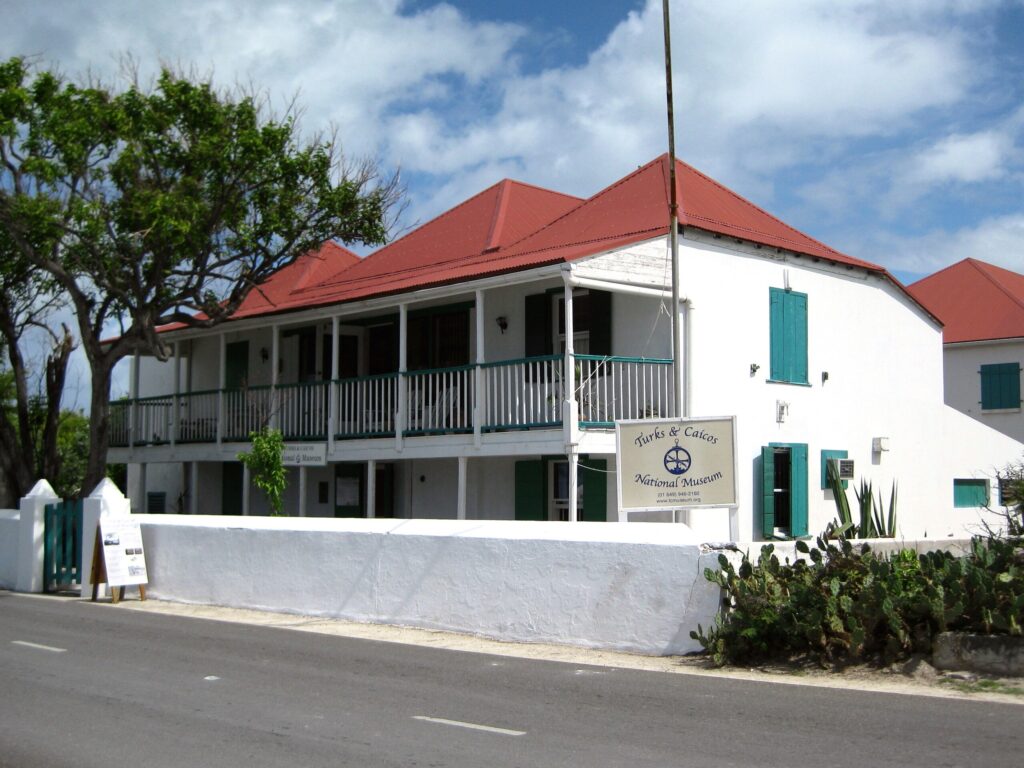
Turks and Caicos National Museum
The Turks and Caicos National Museum, located in a historic 19th-century house on Front Street in Cockburn Town, offers a fascinating look into the islands’ rich heritage. Its exhibits cover the Lucayan people, the islands’ first inhabitants, showcasing artifacts and tools that reveal their way of life before European contact. Another highlight is the display on the Molasses Reef Wreck, the oldest known shipwreck in the Western Hemisphere, believed to date back to the early 1500s. The museum also explores topics such as colonial history, salt production, and the arrival of early explorers. Informative displays, photographs, and interactive exhibits make it an engaging stop for history enthusiasts.
Governor’s Beach
Governor’s Beach, located on Grand Turk near Cockburn Town, is one of the island’s most beautiful and accessible beaches. Its soft white sand and calm, crystal-clear water make it ideal for swimming, snorkeling, and relaxing in a peaceful setting. The nearby coral reefs are home to colorful fish and sea turtles, providing excellent snorkeling opportunities just offshore.
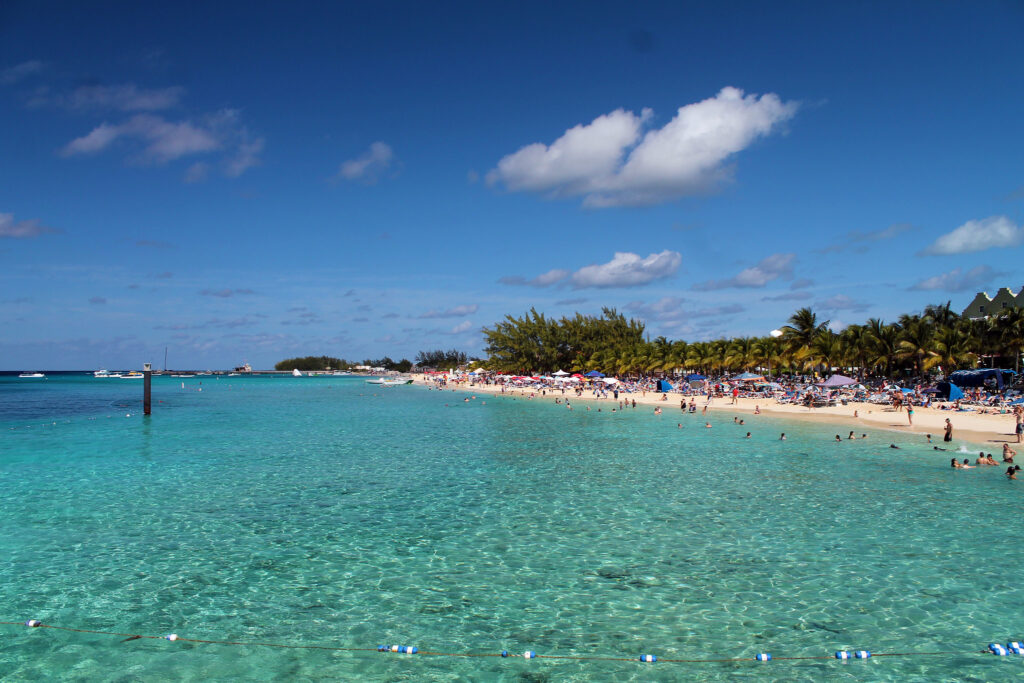
Grand Turk Lighthouse
The Grand Turk Lighthouse, built in 1852, stands on the northern tip of Grand Turk and remains one of the island’s most iconic landmarks. Perched atop rugged limestone cliffs, it was constructed to guide ships safely past the treacherous reefs that once made this area notorious for wrecks. The white cast-iron tower and its surrounding grounds offer panoramic views of the Atlantic Ocean and are a favorite spot for photography and whale watching during migration season.
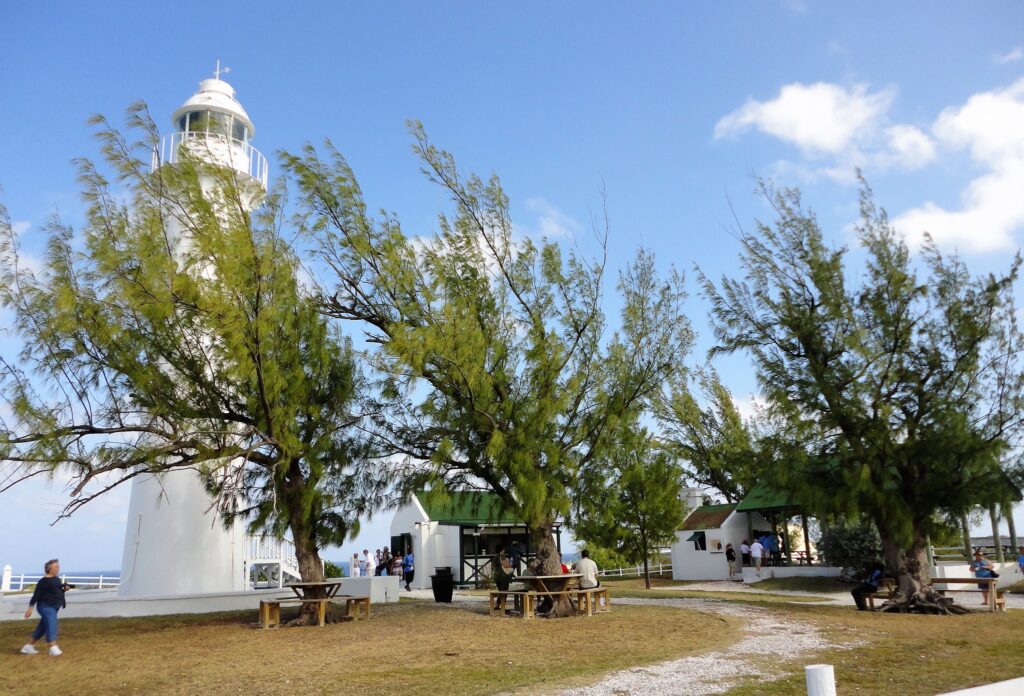
North Caicos
The lushest of the islands, covered with palms, fruit trees, and wetlands.
Mudjin Harbor (shared with Middle Caicos)
Mudjin Harbor is one of the most stunning natural landscapes in the Turks and Caicos Islands. This dramatic stretch of coastline features towering limestone cliffs, hidden caves, and a sweeping white-sand beach framed by turquoise water. The view from the clifftop overlooks Dragon Cay, a small rocky islet that adds to the harbor’s striking beauty, especially at sunrise and sunset.
Visitors can hike the nearby Crossing Place Trail, explore sea caves carved into the cliffs, or simply relax on the beach below. The area is also home to the Mudjin Bar & Grill, where travelers can enjoy local food with one of the best panoramic views in the Caribbean.
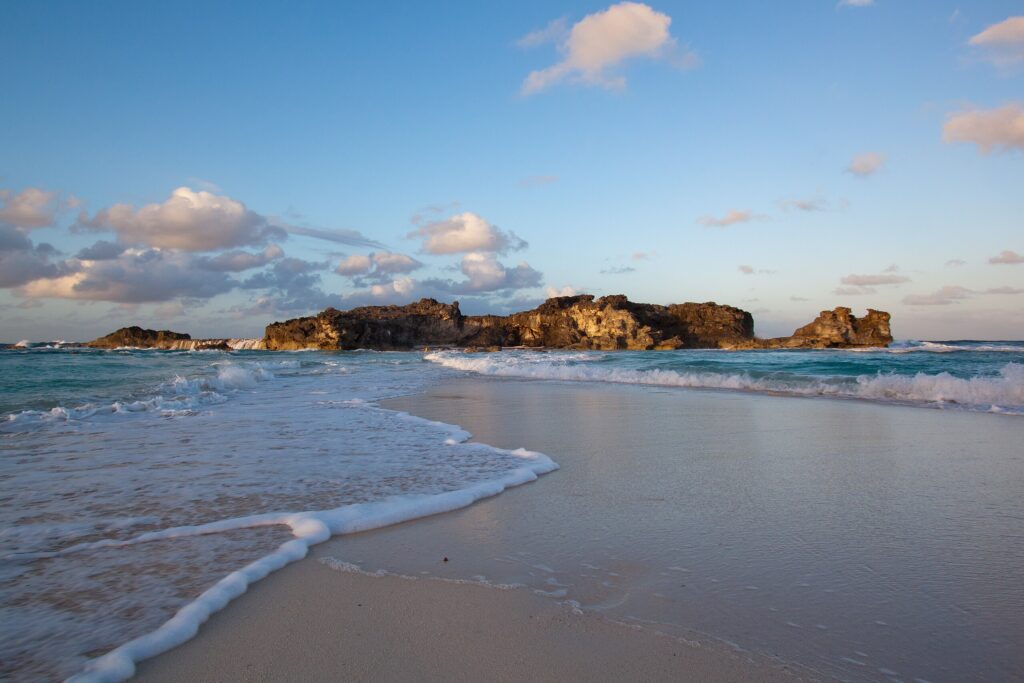
Flamingo Pond Nature Reserve
Flamingo Pond Nature Reserve is one of the best places in the Turks and Caicos to see wild flamingos in their natural habitat. The large inland lagoon provides a safe feeding and nesting area for these graceful pink birds, which can often be seen wading through the shallow water in impressive numbers.
While access to the pond itself is restricted to protect the wildlife, there’s a designated viewing area along the main road where visitors can watch the flamingos from a distance. Early morning and late afternoon offer the best light for photography.
Wade’s Green Plantation
Wade’s Green Plantation is the best-preserved historical site in the Turks and Caicos Islands. Established in the late 18th century by Loyalist settlers fleeing the American Revolution, the plantation once produced cotton using enslaved labor. Today, its stone walls, gateposts, and building foundations remain hidden within dense tropical forest, offering a quiet and evocative glimpse into the islands’ colonial past.
Visitors can explore the ruins on a guided tour that explains the plantation’s history, architecture, and role in shaping local culture. The site is managed as a protected heritage area, and interpretive signs along the paths provide context about life on the plantation and the surrounding ecosystem.
Middle Caicos
The largest island, known for its wild landscapes and caves.
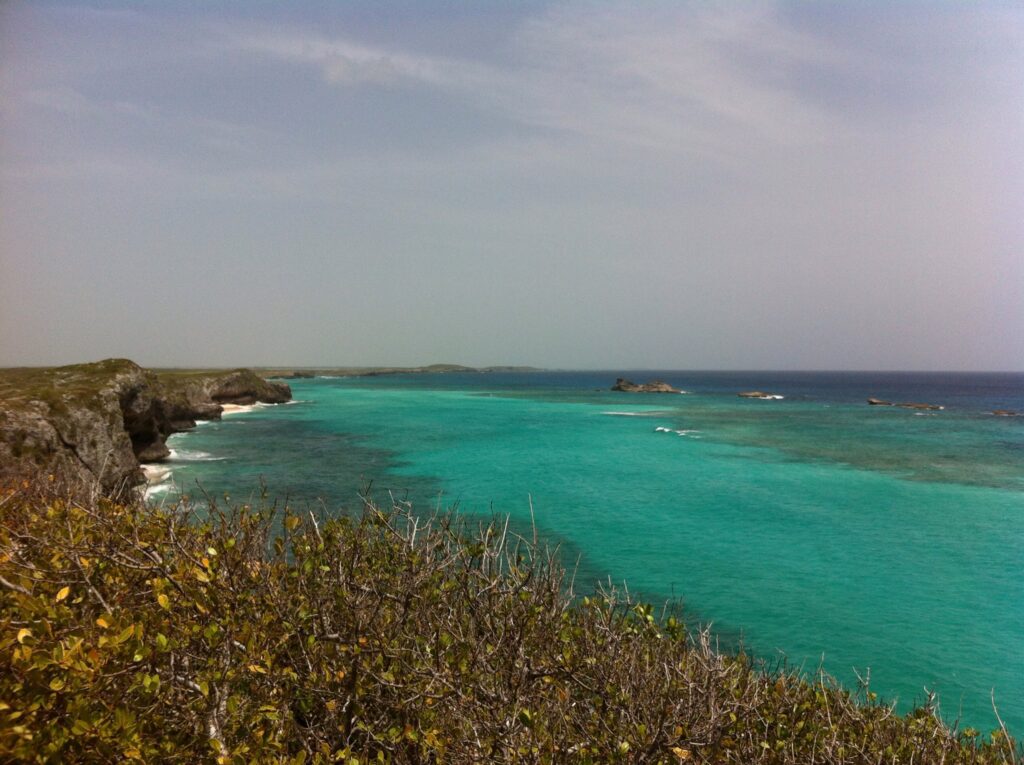
Conch Bar Caves National Park
Conch Bar Caves National Park, located on Middle Caicos, is the largest aboveground cave system in the Caribbean and one of the most fascinating natural sites in the Turks and Caicos. Stretching for miles beneath the island’s limestone surface, the caves feature chambers adorned with stalactites, stalagmites, and underground pools. They are also home to colonies of bats and hold historical significance, with ancient carvings and artifacts left behind by the Lucayan people, the islands’ original inhabitants. Guided tours lead visitors through the main chambers, explaining the caves’ geology, ecology, and cultural importance. The park’s entrance lies near the village of Conch Bar, and the surrounding area includes scenic walking trails through dry tropical forest.
Bambara Beach
Bambara Beach is one of the most secluded and untouched beaches in the Turks and Caicos Islands. Its long stretch of soft white sand and calm turquoise water make it ideal for peaceful walks, swimming, and complete relaxation away from the crowds. The beach faces the shallow Caicos Banks, giving it a tranquil atmosphere and stunning shades of blue that change with the light.
There are no facilities or developments nearby, adding to its unspoiled charm, so visitors should bring everything they need for the day. Bambara Beach is also known for hosting the island’s annual Valentine’s Day Cup, a local model sailboat race that draws residents from nearby islands.
Crossing Place Trail
The Crossing Place Trail is a historic coastal route that once connected the island’s settlements and served as a key crossing point to North Caicos at low tide. Today, it’s one of the most scenic hiking trails in the Turks and Caicos, offering dramatic views of limestone cliffs, secluded beaches, and the turquoise waters of the Atlantic.
The trail winds through rocky terrain and open coastal plains, passing caves, blowholes, and remnants of old plantations. Hikers can start near Mudjin Harbor and follow the marked path westward, with several lookout points perfect for photography. It’s best explored in the cooler morning hours with sturdy shoes and plenty of water.
South Caicos
Known as the “Fishing Capital” of Turks and Caicos.
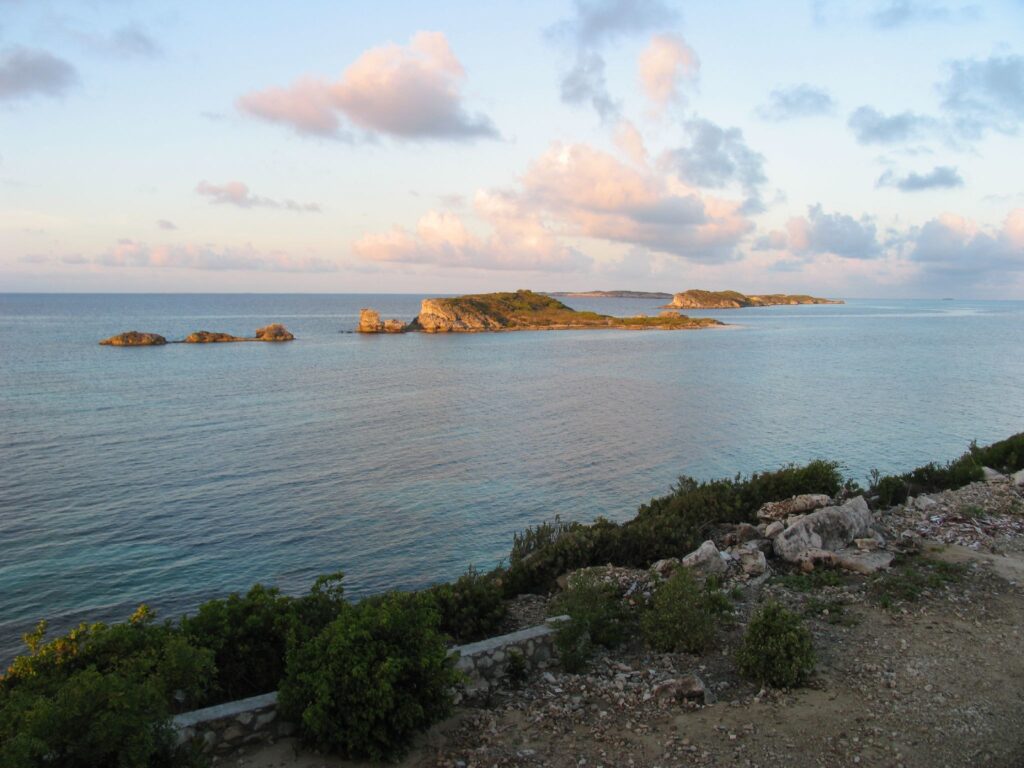
Bell Sound Nature Reserve
Bell Sound Nature Reserve is a protected lagoon surrounded by mangroves, salt flats, and seagrass beds that support a rich variety of wildlife. The calm, shallow waters make it an ideal spot for kayaking, paddleboarding, and guided eco-tours focused on the island’s unique coastal ecosystems. Birdwatchers can spot flamingos, herons, ospreys, and other native and migratory species that thrive in the reserve’s tranquil environment.
South Caicos Reef
The South Caicos Reef is one of the most impressive diving areas in the Turks and Caicos Islands. The reef features dramatic coral walls, vibrant sponges, and an abundance of marine life, including reef sharks, eagle rays, turtles, and schools of tropical fish. Visibility is excellent year-round, often exceeding 30 meters, making it ideal for both scuba diving and snorkeling.
Dive sites such as Admiral’s Aquarium and The Arch showcase towering coral formations and swim-throughs that reveal the reef’s incredible biodiversity. Because the area sees fewer visitors than Providenciales, the reef remains pristine and uncrowded.
Salt Cay
A tiny island steeped in salt-trading history and peace. Beyond its history, Salt Cay is known for its calm atmosphere, unspoiled beaches, and excellent diving and snorkeling. From January to April, the surrounding waters become one of the best places in the Caribbean to spot migrating humpback whales.
The island’s highlight is the White House, a beautifully restored 19th-century estate that once belonged to the Harriott family, owners of the salt works. Now serving as a museum, it provides insight into the island’s colonial heritage and salt-trading legacy.
Hidden Gems
Malcolm’s Road Beach (Providenciales)
Reached by a rough dirt road, the beach rewards visitors with total tranquility, soft white sand, and clear turquoise water. Just offshore lies the island’s barrier reef, offering some of the best snorkeling and diving in the Turks and Caicos, with coral formations and marine life just a short swim from the beach. Because it’s remote and undeveloped, Malcolm’s Road Beach has no facilities, so visitors should bring their own supplies and plan for a quiet, natural experience. The dramatic coastal scenery and sense of isolation make it perfect for photography, picnicking, or simply escaping the crowds of Grace Bay.
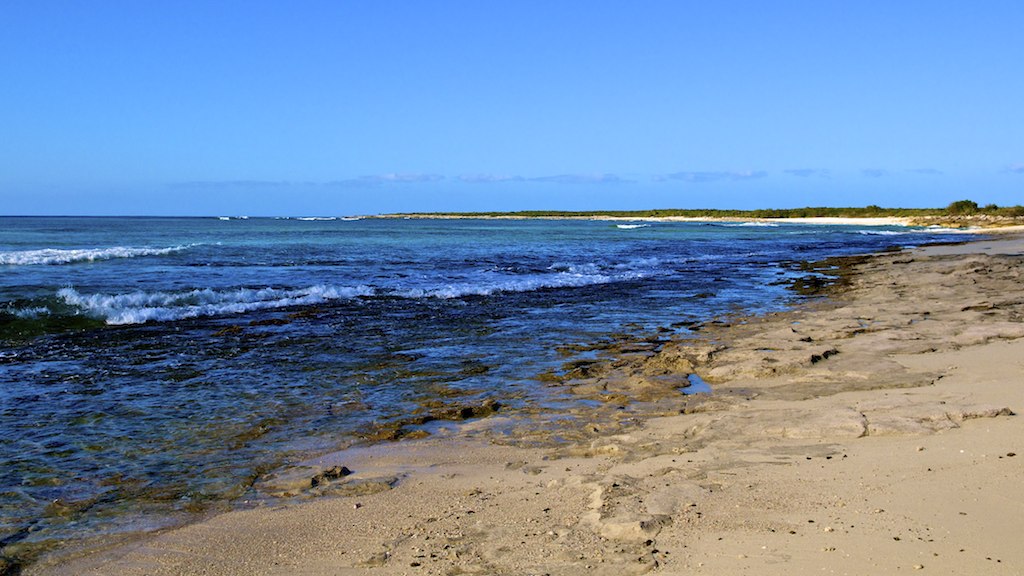
Pine Cay
The island spans about 800 acres of unspoiled landscape, with powdery white-sand beaches, crystal-clear water, and vibrant coral reefs just offshore. Home to a small eco-luxury resort and a handful of private residences, Pine Cay offers an exclusive and tranquil escape focused on sustainability and privacy. Visitors can enjoy snorkeling, kayaking, and sailing in the calm turquoise waters or explore the island’s interior trails by bicycle or golf cart.
Parrot Cay
The island is home to the COMO Parrot Cay resort, a secluded retreat featuring beachfront villas, private residences, and holistic wellness programs that attract celebrities and travelers seeking privacy and tranquility. Surrounded by clear turquoise waters and pristine beaches, it offers the perfect blend of relaxation and sophistication.
Guests can enjoy yoga, spa treatments, and healthy gourmet dining, or explore the island by kayak and paddleboard. The atmosphere is peaceful and restorative, with an emphasis on wellness and understated elegance. Accessible by a short boat transfer from Providenciales.
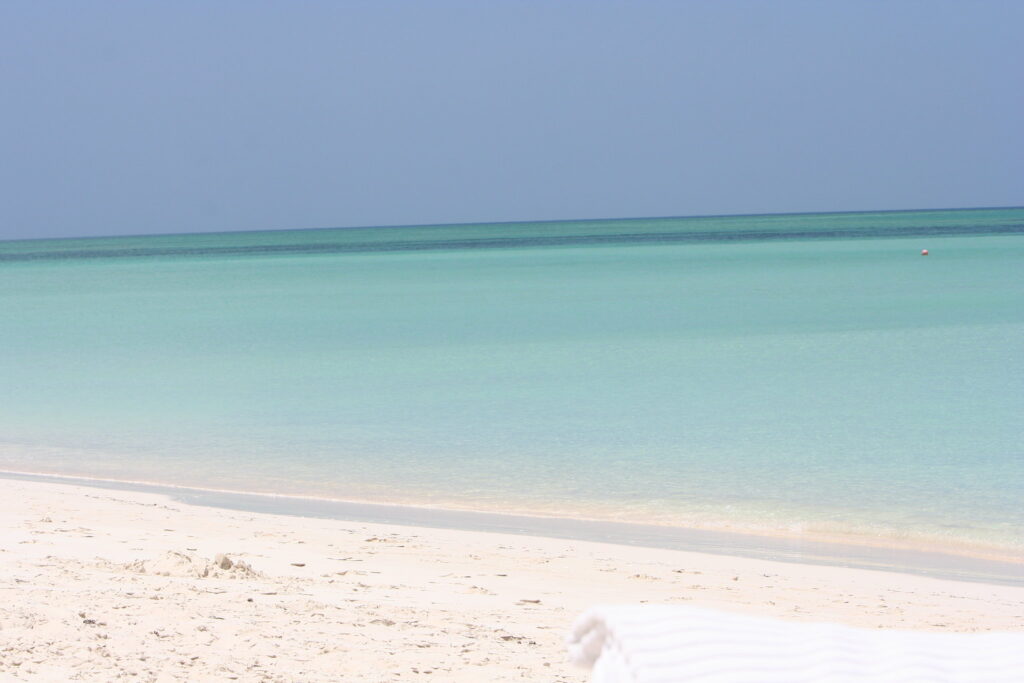
Little Water Cay (Iguana Island)
Little Water Cay, also known as Iguana Island, is a small protected cay just off the coast of Providenciales and one of the Turks and Caicos Islands’ most important wildlife sanctuaries. It is home to the endangered Turks and Caicos rock iguana, a species found nowhere else in the world. Visitors can observe these gentle reptiles up close along designated boardwalk trails that wind through the island’s dry coastal vegetation.
The cay is accessible only by kayak or guided boat tour from Providenciales, with tours often including snorkeling stops nearby. The surrounding waters are shallow and crystal clear, perfect for spotting fish, rays, and seabirds. As part of the national park system, Little Water Cay offers a peaceful and educational glimpse into the islands’ delicate ecosystems and conservation efforts.
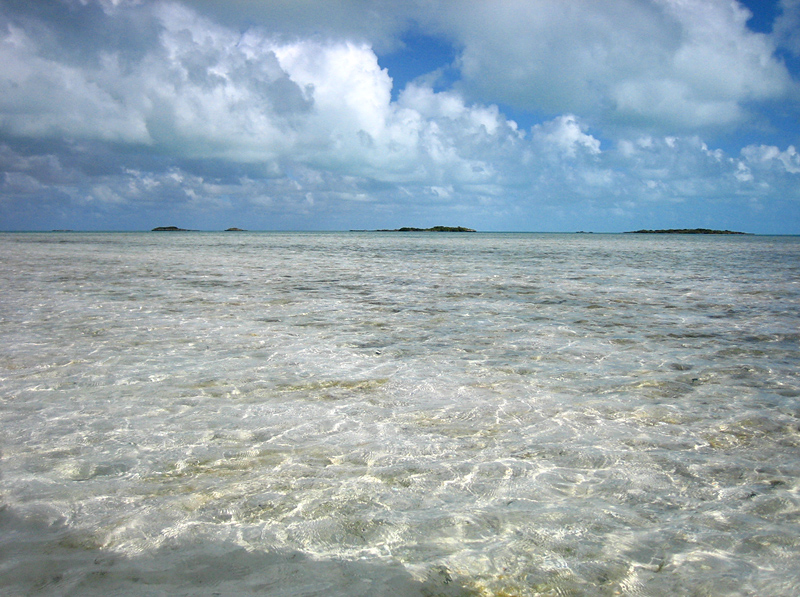
Sapodilla Bay & Taylor Bay (Providenciales)
Sapodilla Bay and Taylor Bay are two of the island’s most family-friendly beaches, known for their shallow, calm waters and soft white sand. Both bays are sheltered from wind and waves, creating ideal conditions for swimming, paddleboarding, and wading – even for young children. Sapodilla Bay, close to the Chalk Sound area, is popular for its gentle surf and picturesque sunsets, while Taylor Bay, just a short drive away, offers a wider, more secluded stretch of beach perfect for quiet relaxation.
East Caicos
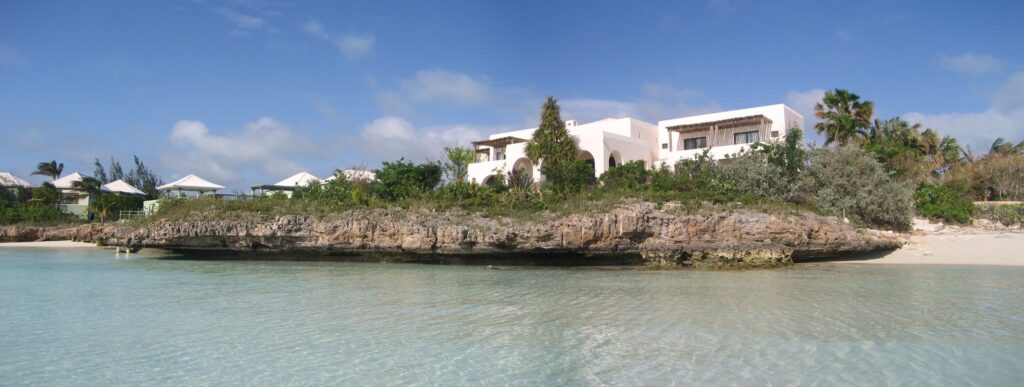
East Caicos, one of the largest yet completely uninhabited islands in the Turks and Caicos, is a haven for adventure seekers and nature enthusiasts. Covered in mangroves, lagoons, and dense tropical brush, the island offers a rare glimpse of the archipelago’s untouched wilderness. Its coastline is marked by secluded beaches, limestone cliffs, and caves adorned with ancient Lucayan petroglyphs.
Accessible only by guided boat tours from North or Middle Caicos, East Caicos is also known for its rich birdlife, including flamingos and herons that thrive in the shallow wetlands. Visitors can explore hidden lagoons, swim in crystal-clear coves, and experience the island’s remote beauty in total solitude.
Travel Tips for Turks and Caicos
Travel Insurance & Safety
Travel insurance is highly recommended, particularly if you plan to go diving, boating, or engage in other water-based activities. Make sure your policy includes medical coverage and trip cancellation protection, especially during the hurricane season (June-November).
The Turks and Caicos Islands are among the safest and most tranquil destinations in the Caribbean. Tap water is generally safe to drink in most areas, though many visitors prefer bottled water, which is widely available. The tropical sun is strong year-round – pack reef-safe sunscreen, hats, and plenty of water to stay hydrated and protect your skin.
Transportation & Driving
Providenciales (Provo) has the most developed road network and the widest range of car rental options. Taxis are available but can be expensive for long distances, so renting a car offers more flexibility and freedom to explore. Ferries connect Provo with North and Middle Caicos, while domestic flights link Provo with Grand Turk and South Caicos.
Vehicles drive on the left-hand side of the road. Roads are generally smooth and well-paved, though signage can be limited in rural areas. A 4×4 vehicle is useful for reaching secluded beaches, national parks, and less-developed areas. An International Driving Permit is required for most visitors, in addition to your national license. Temporary local driving permits can be arranged by rental agencies. Always carry your ID, insurance papers, and rental documents while driving.

Published November 09, 2025 • 14m to read