
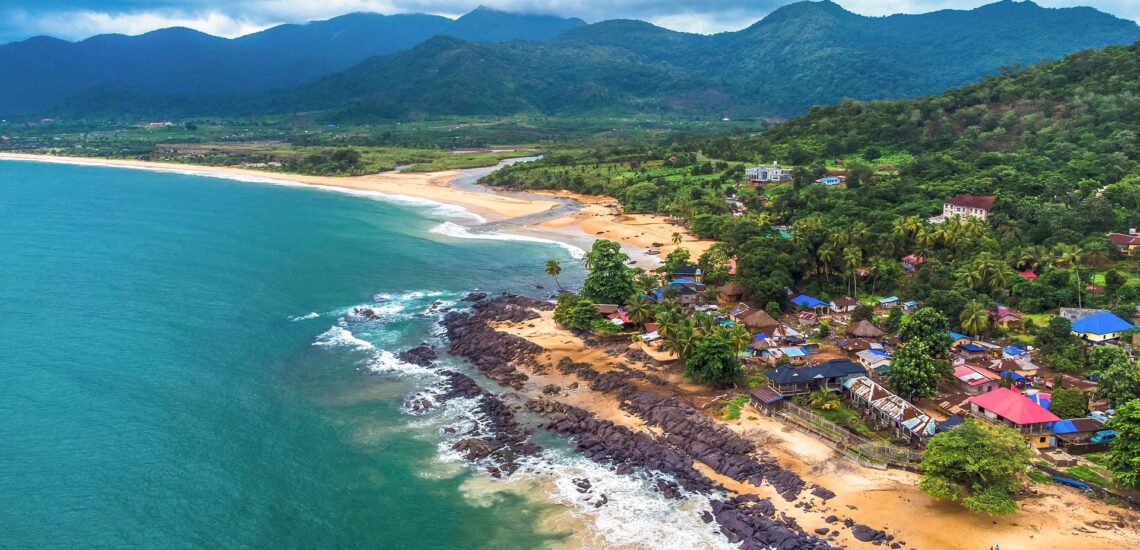


Sierra Leone is a West African country known for its long Atlantic coastline, forested hills, and strong cultural identity shaped by history and recovery. It offers a mix of quiet beaches, inland rainforests, wildlife reserves, and lively urban centers, with much of the country still largely untouched by mass tourism. Daily life is closely tied to the land and sea, and visitors often note the openness and hospitality of local communities.
Travelers can visit historic sites such as Bunce Island, linked to the transatlantic slave trade, explore protected areas like the Gola Rainforest, or relax on wide beaches near the Freetown Peninsula. Inland regions reveal traditional villages and farming landscapes, while the capital reflects a blend of colonial history and modern West African life. Sierra Leone provides a grounded travel experience focused on nature, history, and genuine human connection.
Best Cities in Sierra Leone
Freetown
Freetown is located on the Sierra Leone Peninsula, where hills descend toward the Atlantic and shape the city’s layout. Its historical core centers around the Cotton Tree, a longstanding landmark linked to the arrival of freed slaves who founded the settlement in the late 18th century. Nearby institutions such as the National Museum present material on Sierra Leone’s ethnic groups, masks, and the development of Creole (Krio) culture, providing context for the city’s multicultural identity. Markets and administrative buildings in the central districts reflect both colonial-era planning and later urban growth.
Along the western coastline, Lumley Beach and other stretches of sand function as major recreational areas, with cafés, restaurants, and small venues operating throughout the day and evening. These beaches are easily reached from central Freetown and are often included in itineraries that combine cultural visits with time by the water. In the hills above the city, neighborhoods such as Aberdeen and Hill Station offer cooler conditions and viewpoints overlooking the peninsula.
Bo
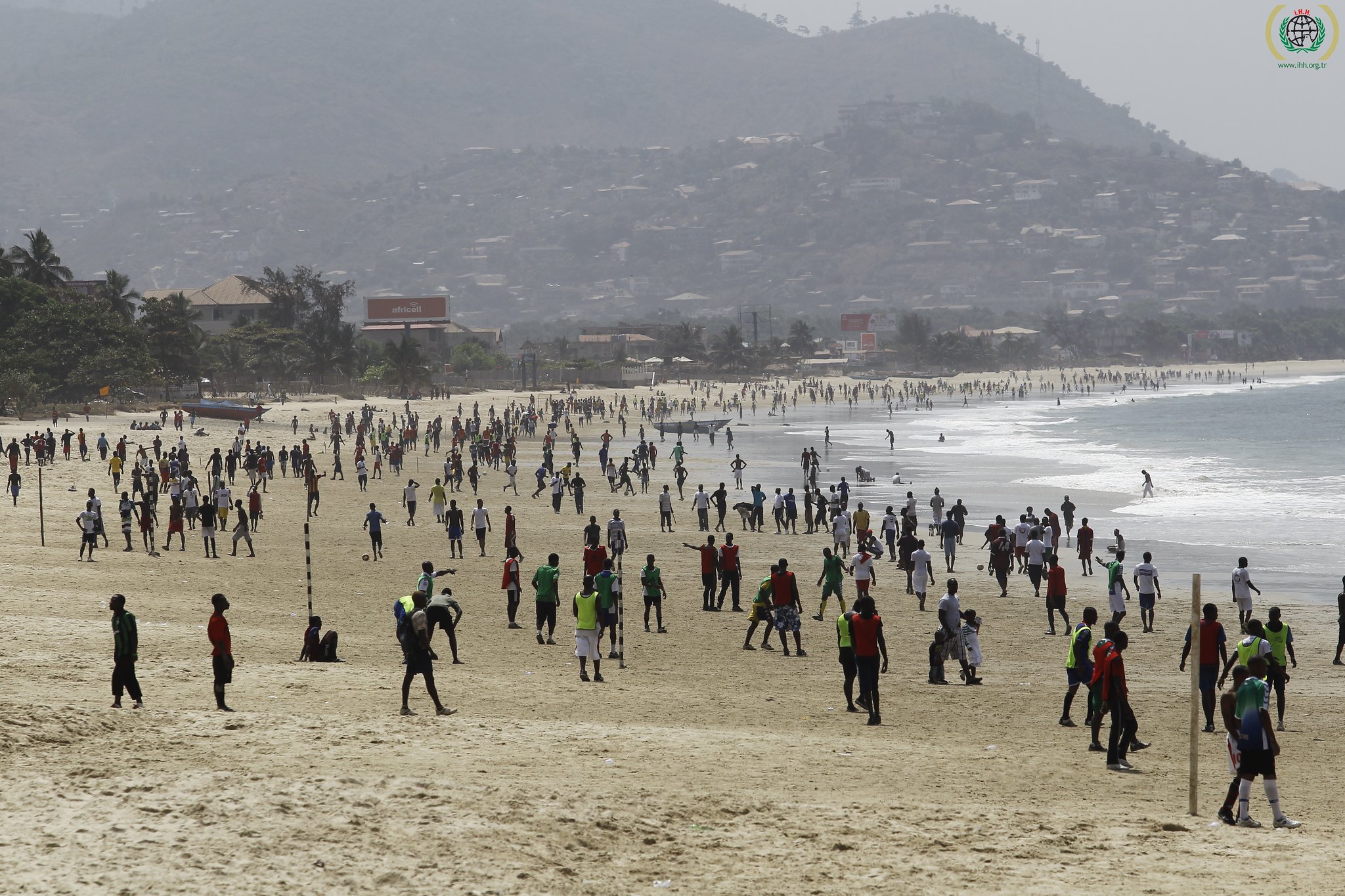
Bo is the second-largest city in Sierra Leone and the main urban center of the southern region. It serves as an educational and administrative hub, with secondary schools, training institutes, and community organizations that draw people from surrounding districts. The city’s markets supply agricultural products, textiles, tools, and locally made crafts, providing visitors with a clear view of regional trade networks. Walking through central Bo offers insight into Mende cultural traditions, which influence music, language, and social life in the area.
Because of its location, Bo functions as a practical base for exploring nearby villages and forest reserves. Day trips often include visits to rural communities where farming, palm-oil production, and small-scale artisanal work remain central livelihoods. Forest areas outside the city offer opportunities for guided walks and observation of local conservation efforts. Bo is reached by road from Freetown and is commonly included in itineraries that combine urban exploration with visits to southern Sierra Leone’s cultural and natural sites.
Makeni
Makeni is the principal urban center of northern Sierra Leone and functions as a regional hub for commerce, education, and transport. Its markets draw traders from surrounding towns and villages, supplying agricultural products, livestock, textiles, and everyday goods. Walking through the central districts provides a straightforward look at how trade, transport services, and local governance shape daily life outside the coastal capital. Cultural activities linked to Temne traditions – music, storytelling, and community ceremonies – are common in and around the city.
Makeni is also an important staging point for travel into the northern interior. Roads from the city lead toward rural communities, wildlife areas, and the foothills of the Loma Mountains, where hiking and village visits can be arranged with local guides. Travelers often use Makeni as an overnight stop when moving between Freetown and more remote destinations.
Best Beaches in Sierra Leone
River Number Two Beach
River Number Two Beach lies south of Freetown on the Sierra Leone Peninsula and is managed with the involvement of local community groups. The beach is known for its clear water, wide shoreline, and low-density development, making it suitable for swimming, kayaking, and long walks along the coast. A small river meets the ocean at this point, creating shallow channels that can be crossed on foot during low tide. Community-run facilities provide food, drinks, and equipment rentals, with proceeds supporting local livelihoods and conservation efforts.
The beach is easily reached by road from Freetown and is often included in day trips that also cover nearby coastal villages and forested sections of the peninsula. Visitors use River Number Two as a place to rest, observe coastal activity, and participate in low-impact tourism programs.
Tokeh Beach
Tokeh Beach lies on the western coast of Sierra Leone and is bordered by hills that separate the peninsula’s forested interior from the Atlantic. The beach is wide and accessible, making it suitable for swimming, walking, and water-based activities arranged through local operators. A small river enters the ocean near the northern end of the beach, and its estuary supports fishing and provides a natural boundary between sections of the shoreline.
Accommodation options near Tokeh range from eco-lodges to small beachfront resorts, offering a comfortable base for exploring nearby coastal areas. From Tokeh, visitors can reach River Number Two Beach, local fishing communities, and forest trails that lead to viewpoints above the peninsula. Transport from Freetown takes about an hour, allowing the beach to function either as a day trip or as a multi-night coastal retreat.
Bureh Beach
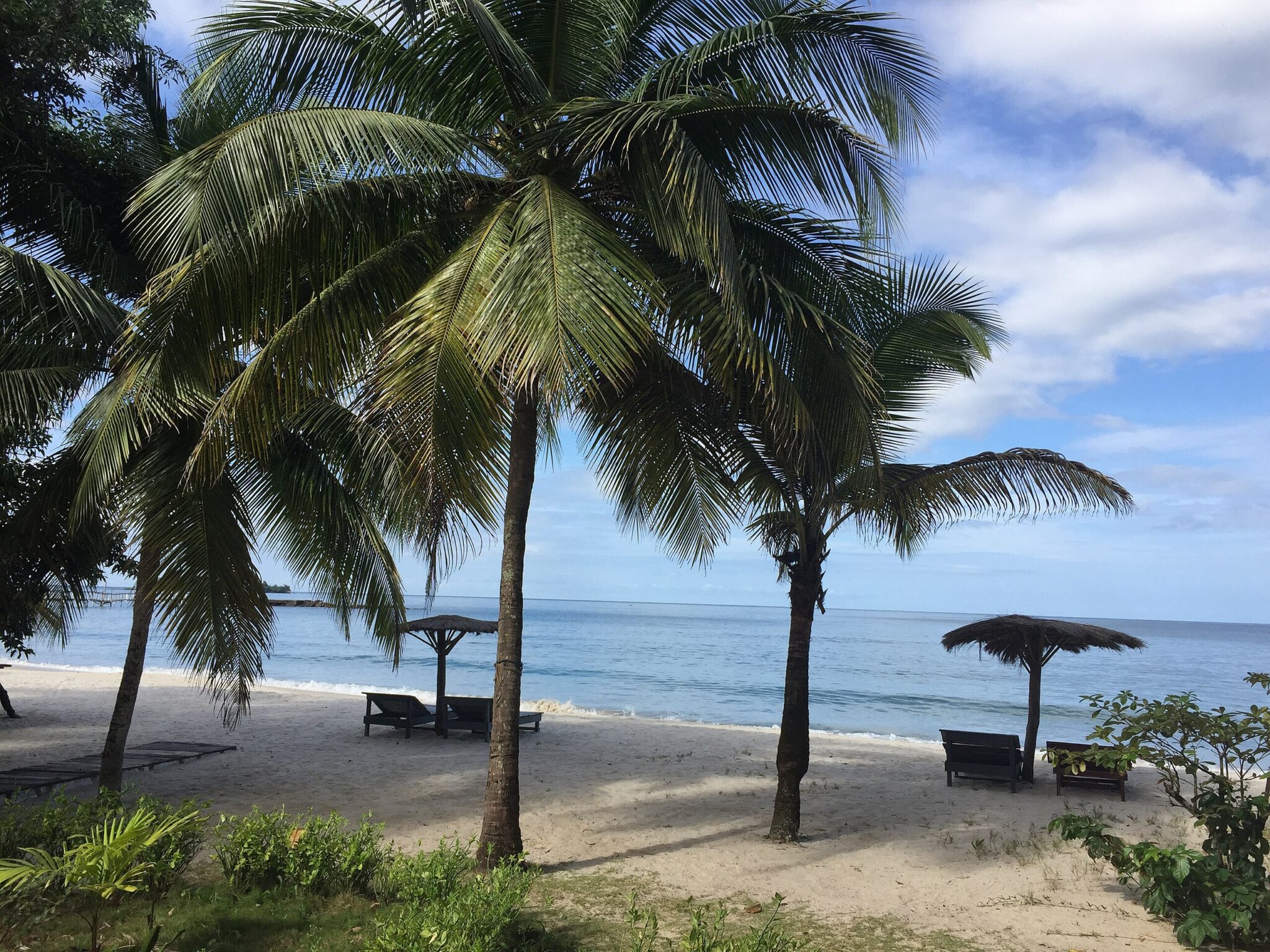
Bureh Beach is one of Sierra Leone’s main surf locations, known for consistent wave conditions that suit both beginners and more experienced surfers. Local surf camps provide equipment rental and lessons, and much of the beach’s tourism activity is community led, creating opportunities for visitors to learn about coastal livelihoods and the development of surf culture in the area. Fishing boats operate from the shoreline, and small cafés prepare simple meals based on daily catches. The beach is reached by road from Freetown and is often paired with visits to nearby coastal settlements or forest trails along the peninsula.
Lumley Beach
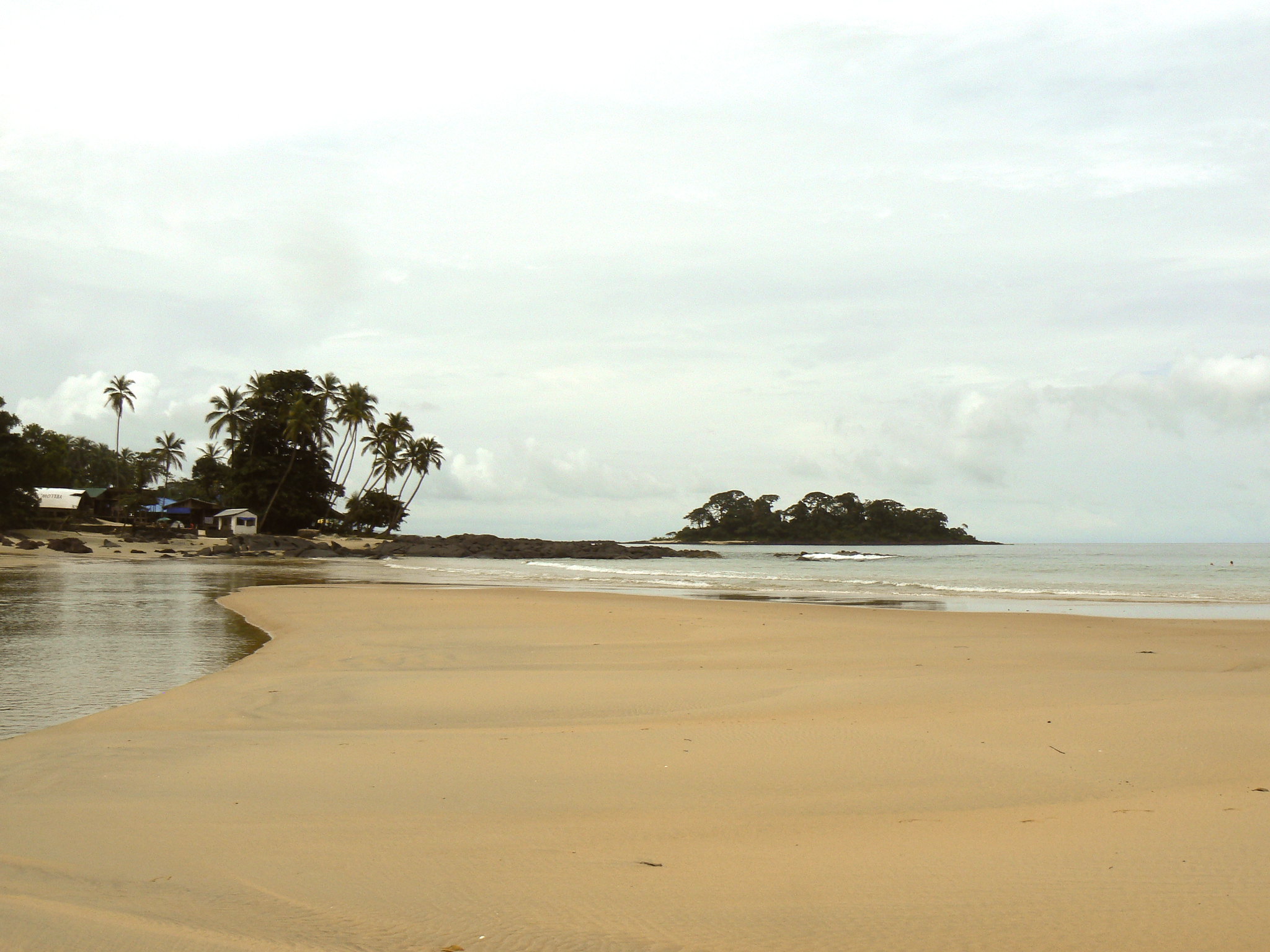
Lumley Beach is the most active coastal area in Freetown and serves as a social hub for both residents and visitors. The long shoreline is easily accessible from the city center, making it a common place for walking, swimming, and informal sports throughout the day. Restaurants, cafés, and bars line the beachfront road, offering food, music, and outdoor seating that becomes especially popular in the late afternoon and evening. Weekend gatherings, small events, and live performances often take place along this stretch, reflecting the city’s contemporary cultural scene.
The beach also functions as a starting point for trips to the western peninsula, with transport available to quieter coastal areas farther south. Because Lumley is close to major hotels and business districts, it is frequently included in short city itineraries or used as a base before exploring more remote beaches.
Best Natural Wonders Destinations
Outamba-Kilimi National Park
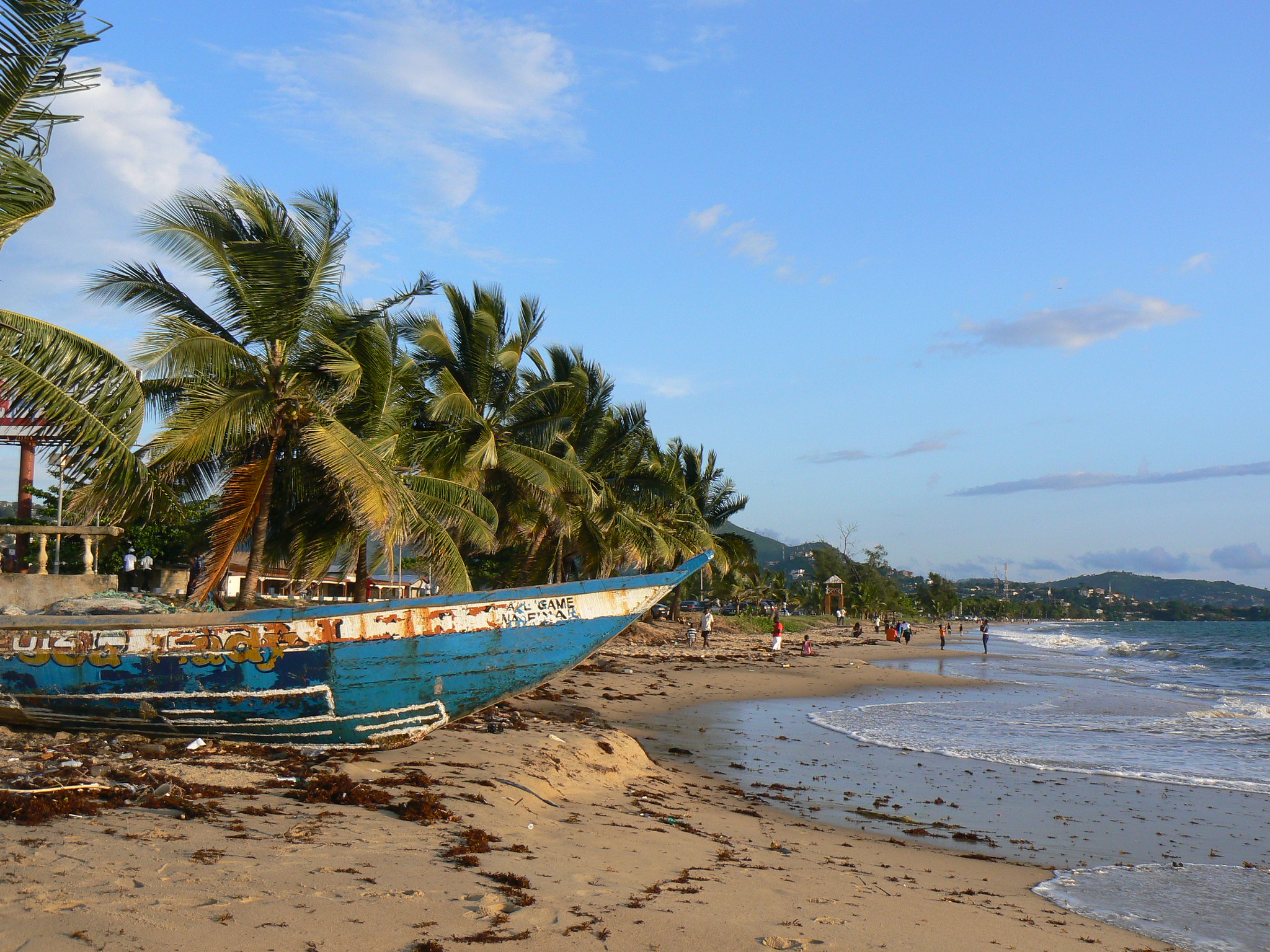
Outamba–Kilimi National Park in northwestern Sierra Leone protects a landscape of savannah, forest patches, and river corridors that support a range of West African wildlife. The park is divided into two sections – Outamba in the south and Kilimi in the north – each with slightly different habitats. Elephants, chimpanzees, hippos, warthogs, and several monkey species use the riverbanks and forest edges, while open areas attract antelopes and birdlife. Because wildlife movement changes with the seasons, sightings are most reliable along rivers and waterholes during the dry months.
Visitors explore the park through guided drives, walking routes, and canoe excursions on the Little Scarcies River. These outings provide opportunities to understand how animals use the landscape and how local communities engage in conservation activities around the park boundary. Basic accommodation and campsites near the entrance allow for multi-day stays. Outamba–Kilimi is usually reached by road from Makeni or Freetown, and trips are often arranged with park staff or community guides.
Gola Rainforest National Park
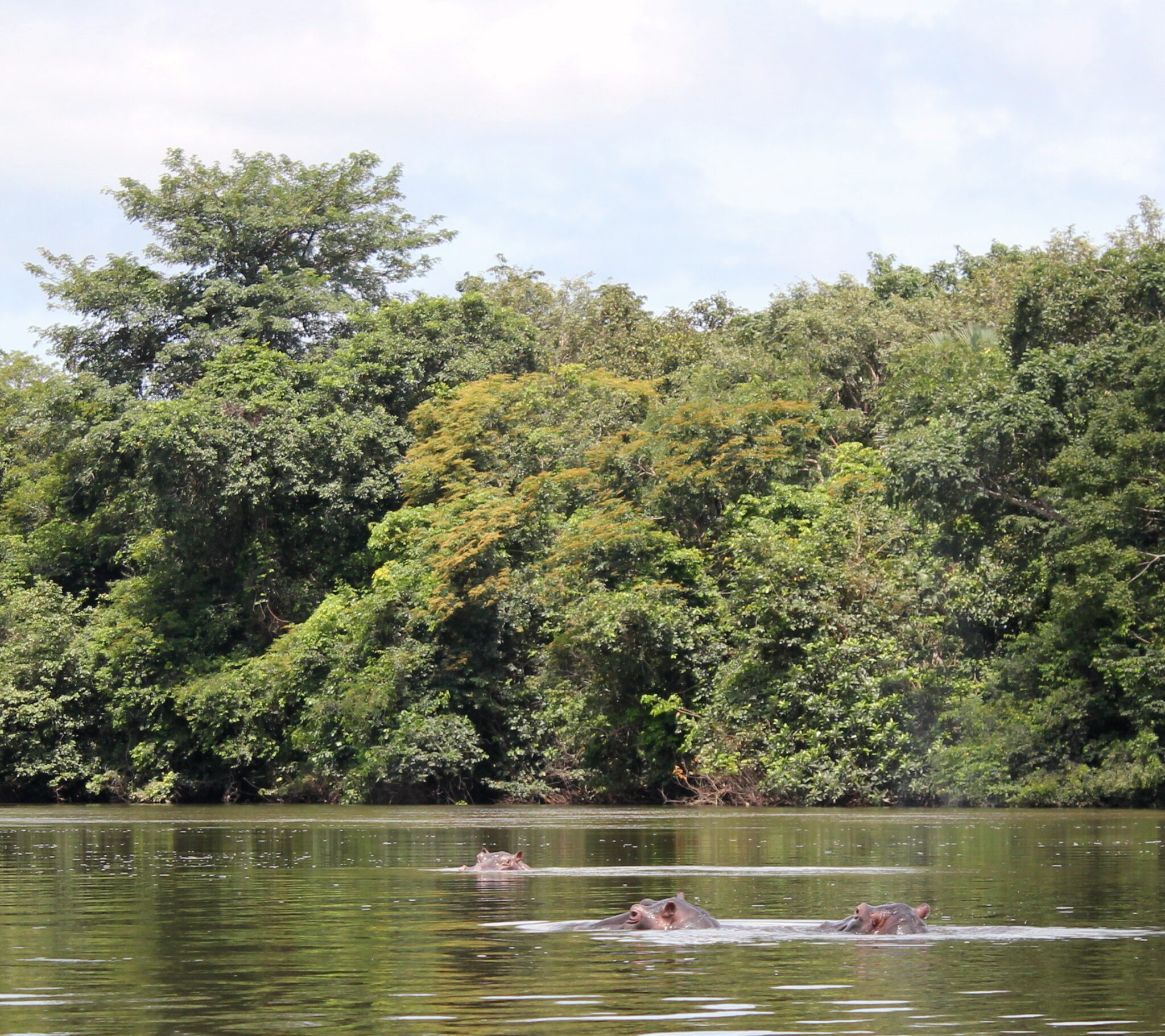
Gola Rainforest National Park protects one of the last significant remnants of the Upper Guinean rainforest, a transboundary ecosystem shared with Liberia and recognized by UNESCO for its ecological importance. The park contains lowland forest, river systems, and dense canopy habitat that support forest elephants, pygmy hippos, several primate species, and a wide range of birds, including hornbills and endemic forest specialists. Insects, amphibians, and plant diversity are also notable, making Gola an important site for ongoing research and conservation programs.
Access to Gola is coordinated through community-run eco-lodges located near park entry points. Guided forest walks introduce visitors to local wildlife activity, forest ecology, and community-led conservation initiatives. Trails vary in length and difficulty, and excursions often focus on tracking animal signs, identifying bird species, and understanding the relationship between surrounding villages and the protected forest. Gola Rainforest National Park is usually reached by road from Kenema or Freetown, and visits are planned with park authorities or partner organizations.
Tacugama Chimpanzee Sanctuary
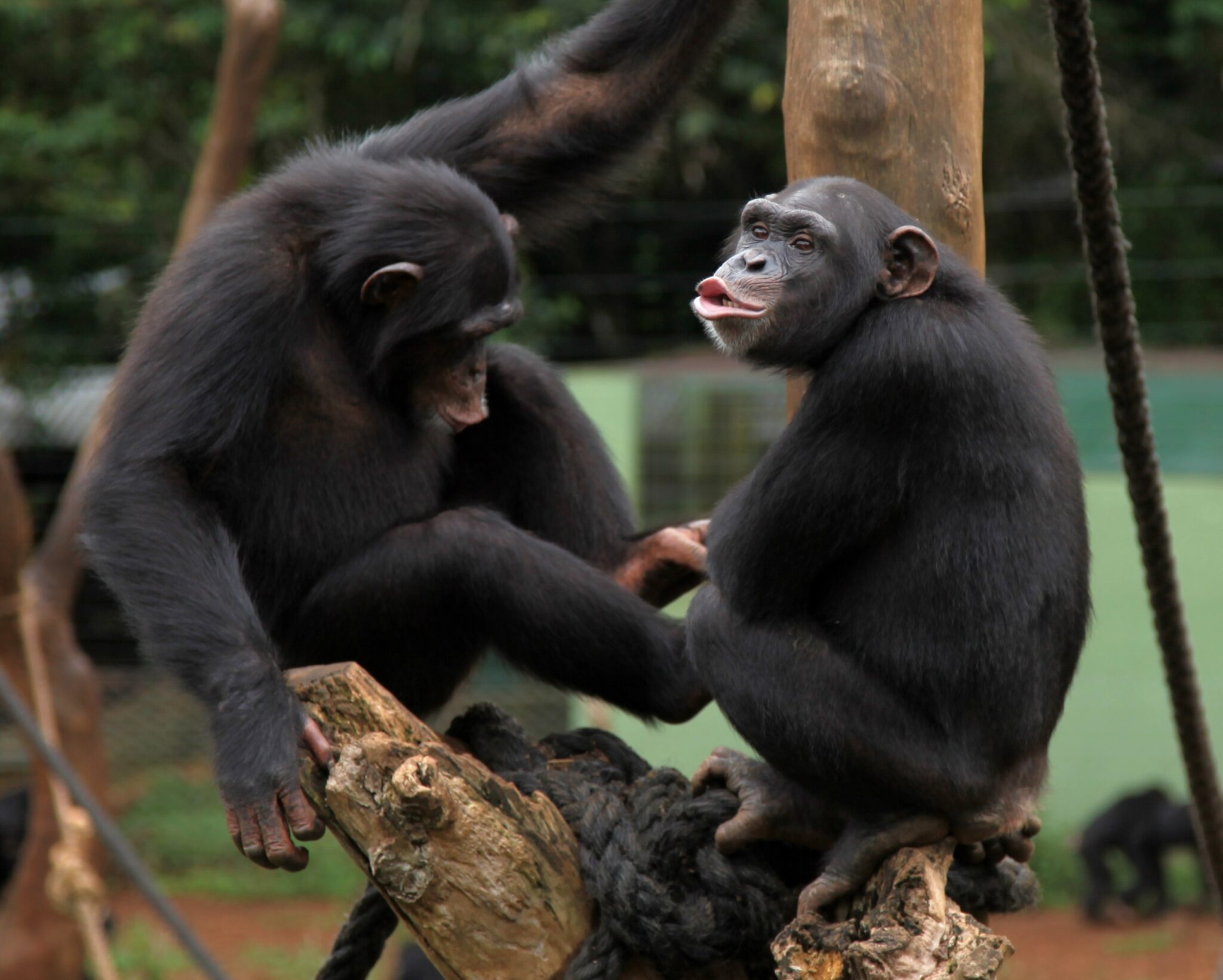
Tacugama Chimpanzee Sanctuary lies in the hills just outside Freetown and operates as a rescue and rehabilitation center for chimpanzees affected by poaching, habitat loss, and the illegal pet trade. The sanctuary provides long-term care for individuals that cannot be returned to the wild, while also supporting programs aimed at protecting remaining wild populations across Sierra Leone. Facilities include forested enclosures, veterinary care areas, and educational spaces used for community outreach and conservation training.
Visitors can join guided tours that explain the sanctuary’s history, the circumstances under which chimpanzees arrive, and the steps involved in rehabilitation. Forest trails around the sanctuary offer short walks where guides discuss local ecosystems and the challenges facing primate conservation. Tacugama also runs environmental education initiatives with nearby schools and communities. Because of its proximity to Freetown, the sanctuary is easily visited as a half-day trip and is often combined with excursions to nearby beaches or forest reserves.
Loma Mountains National Park
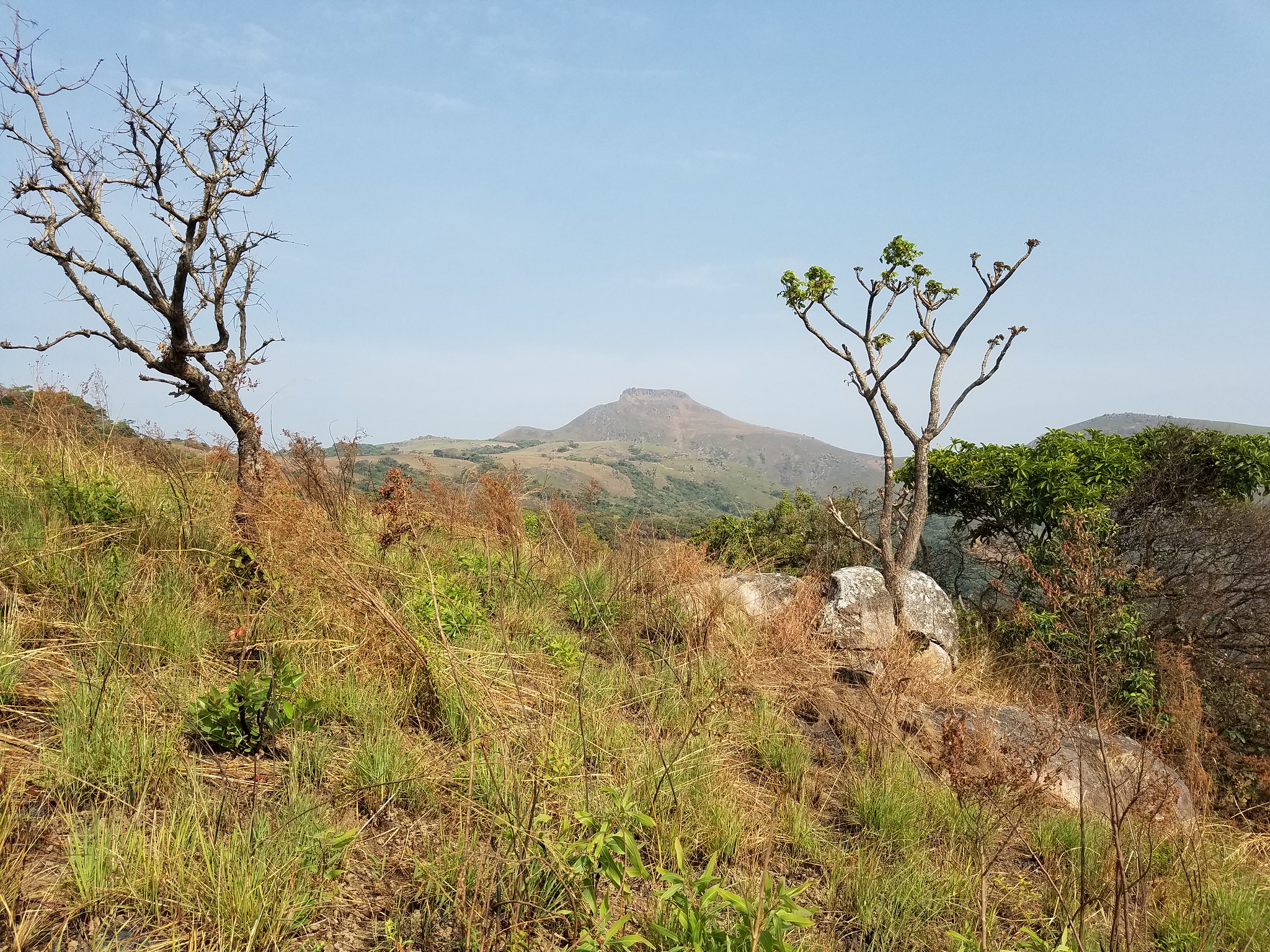
Loma Mountains National Park protects a highland massif in northeastern Sierra Leone, where Mount Bintumani stands as the country’s highest peak. The mountains rise above surrounding savanna and contain cloud forest, grassland, and river valleys that support a range of wildlife. Access to the area typically involves traveling through rural communities and arranging local guides who know the footpaths, water sources, and camping spots used during ascents.
The hike to Mount Bintumani is physically demanding and usually completed over two or more days. Routes pass through farmland at lower elevations, then into forest zones with streams and denser vegetation. Higher slopes open into rocky terrain with views across the northern plateau. Because the region has limited infrastructure, most itineraries involve camping and coordination with community guides and porters.
Best Historical and Cultural Sites
Bunce Island (UNESCO Tentative List)
Bunce Island, located in the Sierra Leone River estuary, is one of West Africa’s most important sites connected to the transatlantic slave trade. From the 17th to the 19th century, the island served as a fortified trading post where enslaved Africans were held before being transported to the Americas, particularly to the Carolinas and the Caribbean. The remaining structures – including sections of the fort walls, guard posts, storage areas, and holding cells – illustrate how the island operated within the wider Atlantic trading system. Its inclusion on the UNESCO Tentative List highlights its historical value and the need for preservation.
Access to Bunce Island is by boat from Freetown or nearby coastal communities, with visits typically organized as guided excursions. On-site interpretation helps explain the island’s role in regional power dynamics, the involvement of European trading companies, and the lasting impact on descendant communities across the Atlantic.
Banana Islands Colonial Ruins
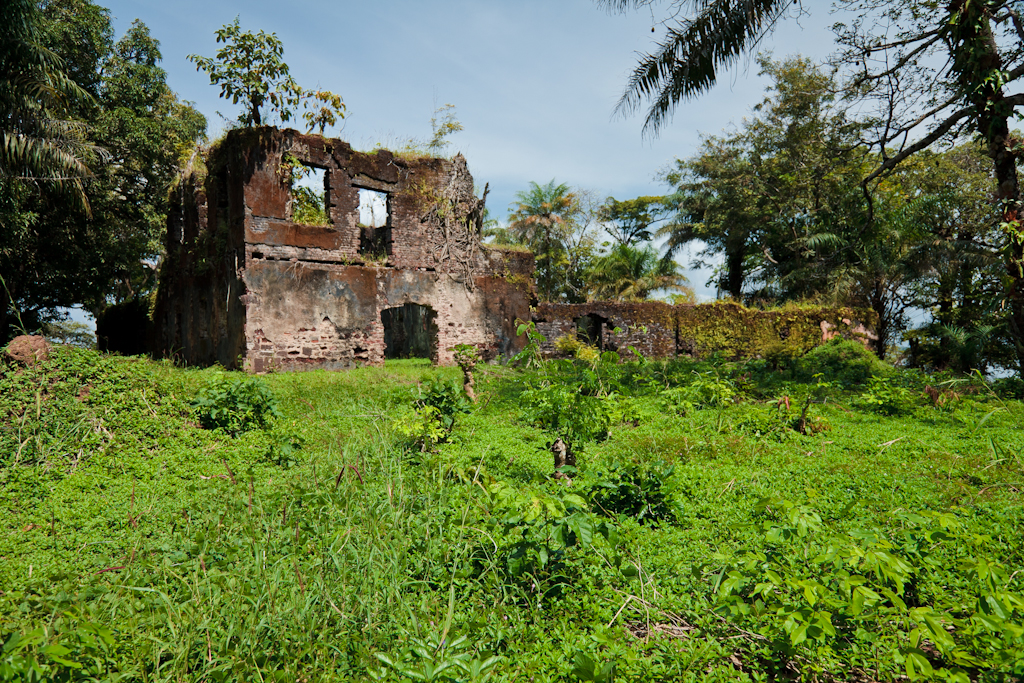
The Banana Islands preserve several structures from early British colonial presence on the Freetown Peninsula, including the remains of churches, administrative buildings, and residential foundations. These ruins illustrate how the islands functioned within the wider network of coastal trading posts and settlement efforts linked to the formation of Sierra Leone’s Creole (Krio) communities. Walking among the sites allows visitors to see how buildings were positioned in relation to landing points, freshwater sources, and local villages, giving a clearer understanding of the islands’ strategic role.
Guides from the island communities often accompany visitors, providing context on the history of missionary activity, early commerce, and the interactions between colonial settlers and local populations. The ruins are typically explored alongside fishing villages, small cemeteries, and coastal paths that connect different parts of Dublin and Ricketts Islands. Access is by boat from Kent or Goderich, and visits are frequently combined with snorkeling, swimming, or overnight stays at small guesthouses.
Freetown Peninsula Settlements
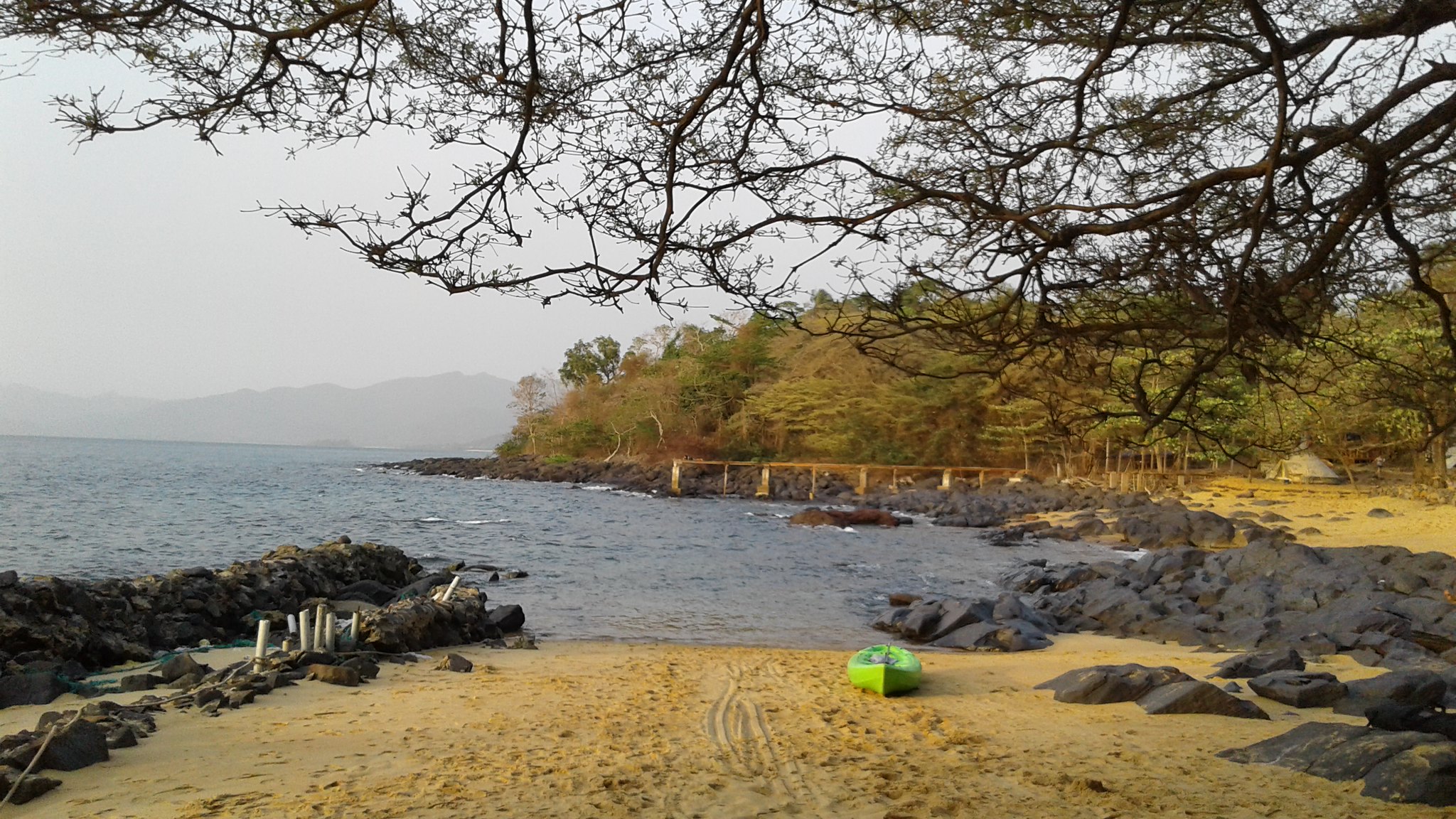
Settlements along the Freetown Peninsula were established in the 19th century by groups of freed slaves returning from the Americas and the Caribbean. Their descendants, known as the Krio people, developed communities with distinct language, social structures, and architectural styles. Towns such as Waterloo, Kent, and York contain houses built with stone foundations, wooden upper floors, and verandas that reflect early coastal settlement patterns introduced by returnees and influenced by Atlantic-world building traditions. Churches, small cemeteries, and community halls illustrate how these settlements organized civic and religious life.
Visitors can walk through village centers to observe how fishing, small-scale trade, and family-based agriculture remain central to local economies. Guided visits often include explanations of Krio cultural practices, such as communal decision-making, storytelling, and the use of Sierra Leone Creole (Krio) as a lingua franca. Because these communities lie close to Freetown, they are commonly included in half-day excursions that combine coastal scenery with local history.
Hidden Gems of Sierra Leone
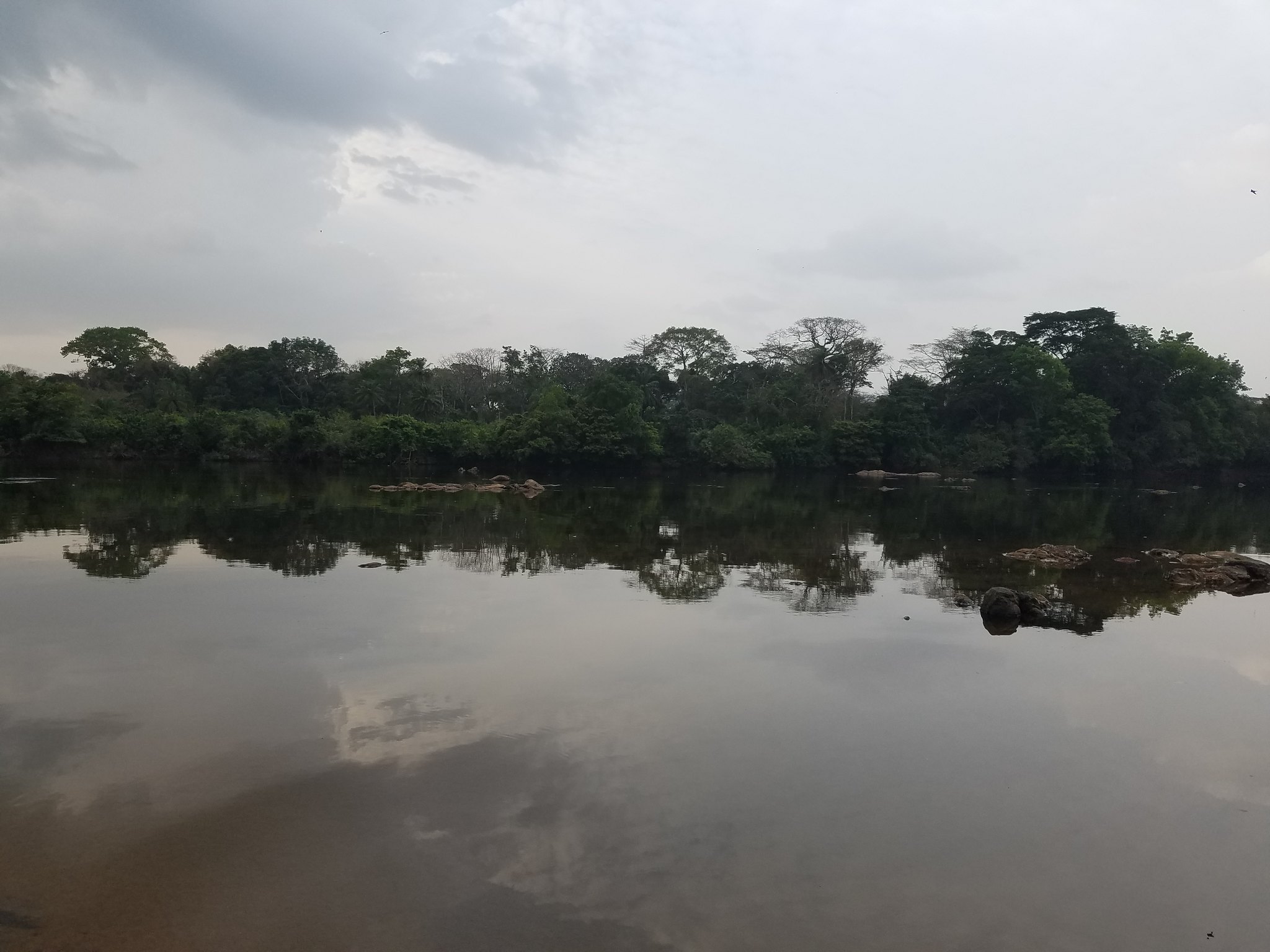
Tiwai Island Wildlife Sanctuary
Tiwai Island is located in the Moa River in southern Sierra Leone and is known for its high concentration of primate species within a relatively small forested area. Several monkey species, including colobus and Diana monkeys, are regularly observed from canoe trips that follow calm river channels along the island’s edge. Guided forest walks provide opportunities to learn about local wildlife behavior, ecological research, and the broader biodiversity of the Upper Guinean forest zone. Birdlife is also notable, with numerous species using the riverbanks and canopy for feeding and nesting. The sanctuary is managed in partnership with surrounding communities, whose involvement supports both conservation and tourism activities. Visitors can stay in simple eco-lodges near the river, where staff organize walks, canoe excursions, and cultural visits to nearby villages.
Kabala
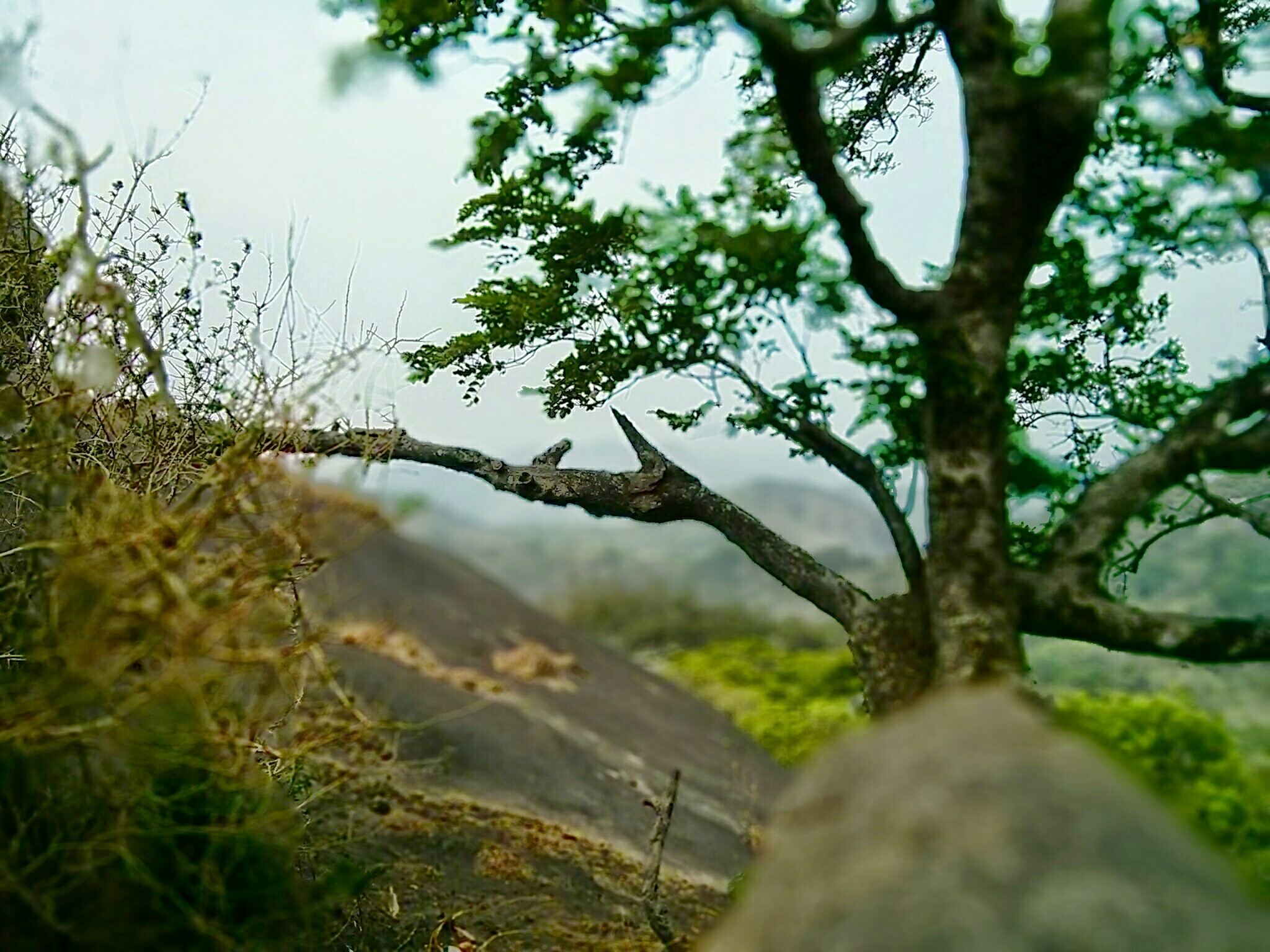
Kabala sits in the northern highlands of Sierra Leone and serves as a regional center for trade, education, and community life. Its elevation creates cooler conditions than the coastal and lowland areas, and the town functions as a gateway to surrounding hills, farmland, and forested valleys. Markets in Kabala supply agricultural products, woven items, and tools produced in nearby Temne and Koranko communities. Walking through the town provides a straightforward view of daily routines shaped by farming, small-scale commerce, and local transport links.
Kabala is also a practical base for trekking and cultural visits. Routes from the town lead toward the foothills of the Loma Mountains, where guided hikes offer access to rural settlements, river crossings, and viewpoints over the northern plateau. Community-based tours introduce visitors to Temne and Koranko cultural practices, including craftmaking, storytelling, and seasonal ceremonies. Kabala is reached by road from Makeni or Koinadugu.
Kent Village
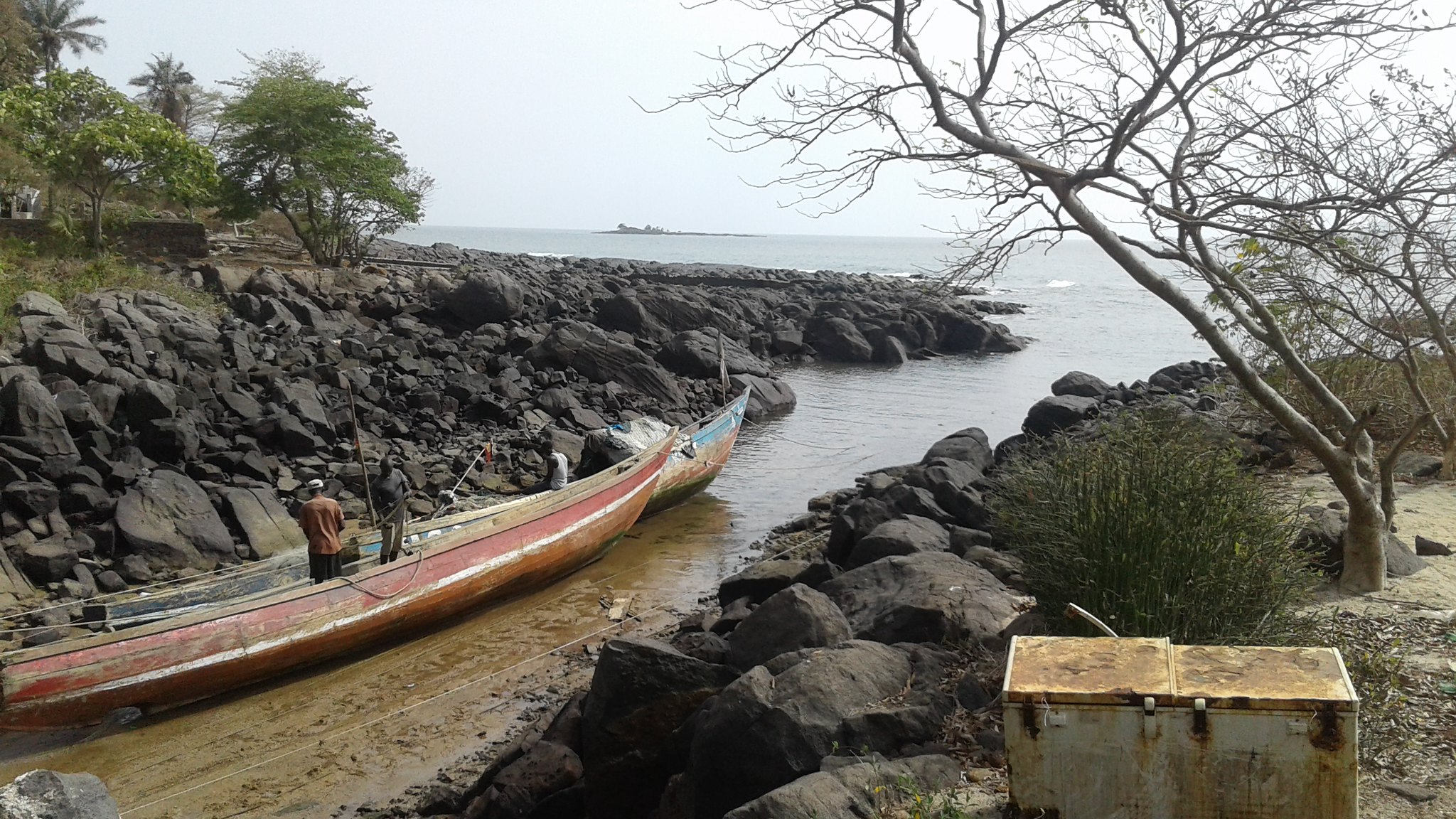
Kent Village is a small coastal settlement on the western side of the Freetown Peninsula and serves as the primary departure point for boat transfers to the Banana Islands. The village maintains an active fishing economy, with boats launching from the beach and fish-smoking operations taking place along the shoreline. Visitors can walk through the village center to observe market stalls, workshops, and daily routines connected to fishing and small-scale trade.
Quiet beaches near Kent provide opportunities for swimming and walking, often with views of boats traveling to and from the islands. Because of its location, Kent is frequently included as a stop before or after visiting the Banana Islands, but it also functions as a worthwhile standalone visit for those interested in coastal community life. Access is by road from Freetown, making the village an easy addition to day trips along the peninsula.
Sherbro Island
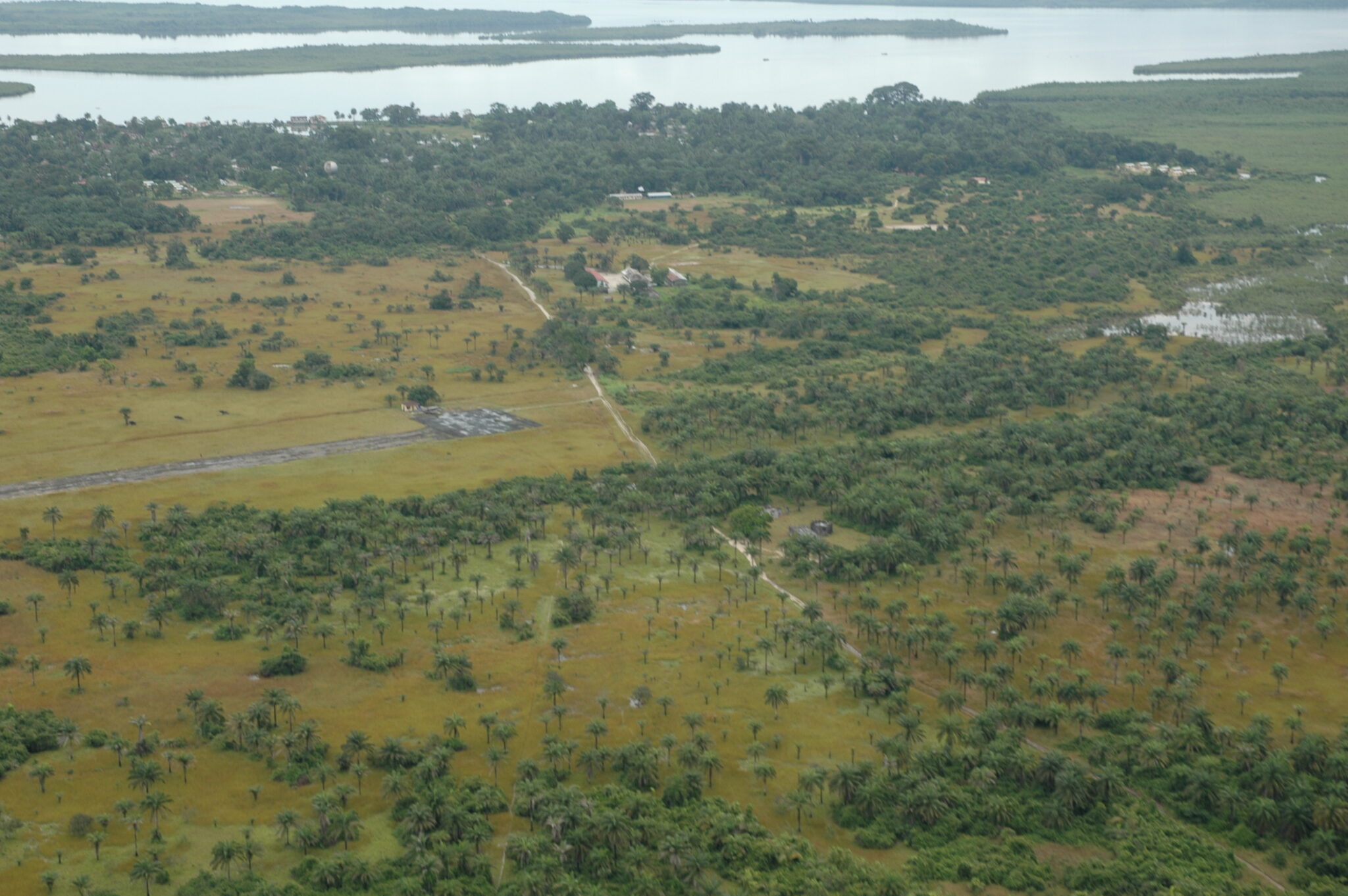
Sherbro Island lies off Sierra Leone’s southern coast and is reached by boat from mainland towns such as Shenge or Bonthe. The island is sparsely populated and characterized by mangrove forests, tidal river channels, and small fishing settlements that rely on canoe travel and seasonal inshore fisheries. Walking through villages provides insight into how households manage fishing, rice cultivation, and trade across the coastal lagoon system. The island’s waterways support birdlife, fish nurseries, and shellfish harvesting, offering opportunities for guided boat excursions with local operators.
Because Sherbro receives relatively few visitors, services are limited, and itineraries typically involve coordination with community lodges or local guides. Trips often include visits to mangrove creeks, short walks to inland farms, and discussions with residents about conservation challenges along the coast.
Travel Tips for Sierra Leone
Travel Insurance & Safety
Comprehensive travel insurance is essential when visiting Sierra Leone. Your policy should include medical and evacuation coverage, as healthcare services outside the capital, Freetown, are limited. Travelers heading to remote or rural areas will benefit from additional protection covering transport delays or emergencies.
Sierra Leone is known for being safe, friendly, and welcoming, with a growing tourism industry centered around its beaches and wildlife reserves. However, travelers should still take normal precautions in crowded areas and at night. A yellow fever vaccination is required for entry, and malaria prophylaxis is strongly recommended. Tap water is not safe to drink, so always use bottled or filtered water. Bring mosquito repellent and sunscreen, particularly if you plan to explore the coastline or inland national parks.
Transportation & Driving
Domestic flights are limited, and most travel within Sierra Leone takes place overland. Shared taxis and minibuses are common in cities and between towns, while boats are frequently used for river crossings and travel to islands such as Banana or Turtle Islands. For visitors seeking flexibility and comfort, hiring a private car with a driver is the best option for exploring beyond Freetown.
Driving in Sierra Leone is on the right-hand side of the road. Roads in and around Freetown are generally good, but rural routes can be rough and uneven, especially during the rainy season. A 4×4 vehicle is recommended for inland travel. An International Driving Permit is required in addition to your national license, and drivers should carry all documents at checkpoints, which are routine throughout the country.

Published January 04, 2026 • 16m to read