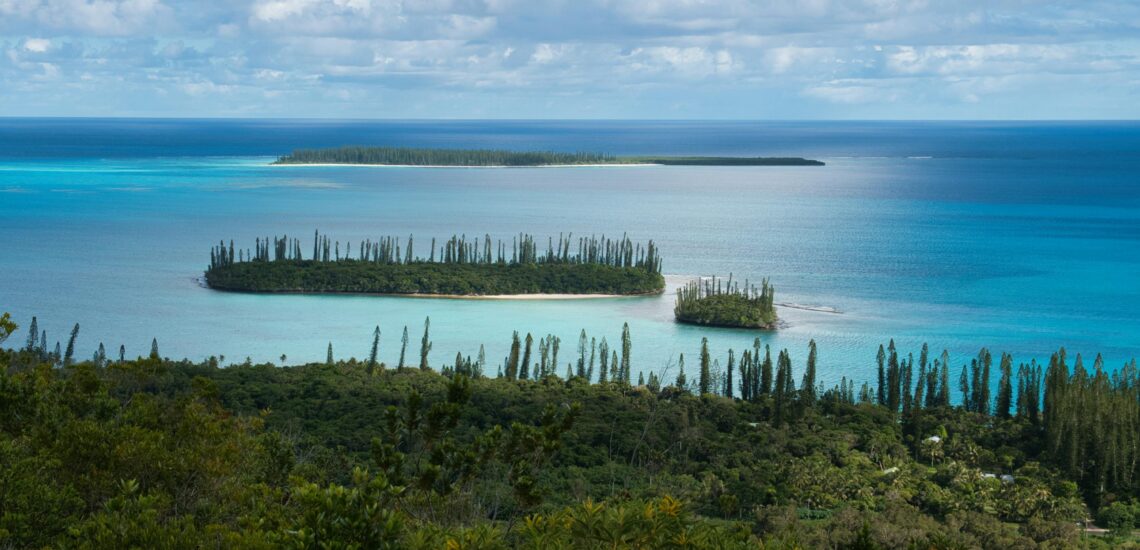


Set in the South Pacific, New Caledonia is a French overseas territory where European flair meets Melanesian tradition. With UNESCO-listed lagoons, wild mountain landscapes, lush forests, and vibrant Kanak culture, the islands offer something for every traveler. Whether you’re a diver, hiker, culture lover, or foodie, New Caledonia delivers a mix of natural beauty, outdoor adventure, and French-Pacific sophistication.
Best Cities in New Caledonia
Nouméa
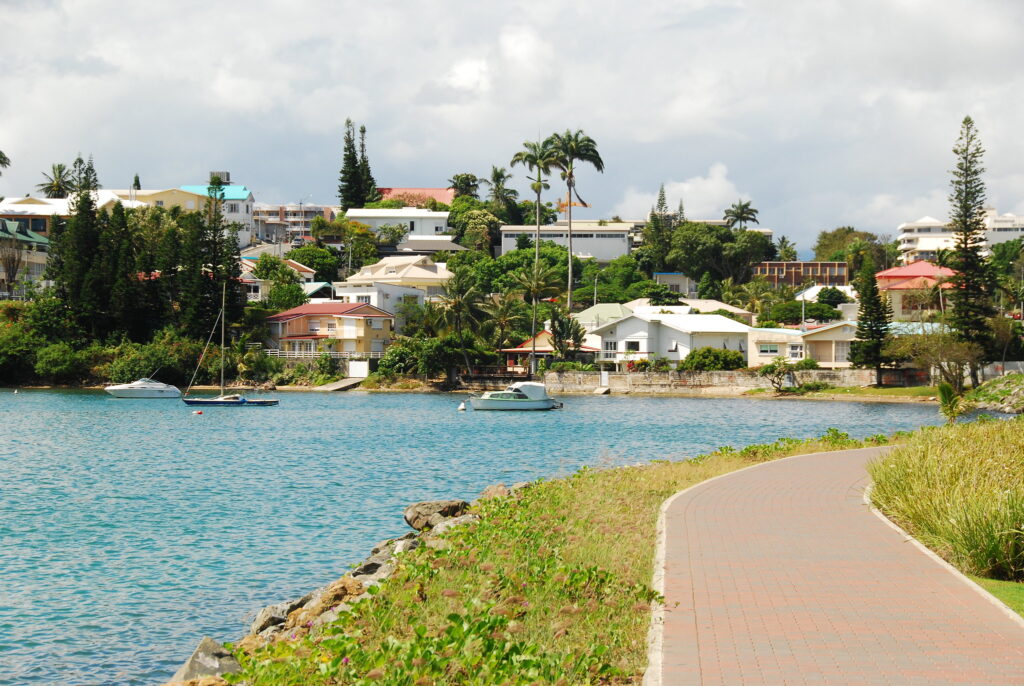
Nouméa is worth a visit for its mix of culture and easy coastal access. The Tjibaou Cultural Center stands out as the place to learn about Kanak traditions, with exhibitions and performances in a striking building designed by Renzo Piano. For downtime, Anse Vata and Baie des Citrons are the city’s main beaches, good for swimming during the day and lively with cafés and bars at night. The Nouméa Market is another highlight, where stalls overflow with seafood, tropical fruit, and local crafts.
The city also has a strong food scene, ranging from fresh baguettes at small bakeries to restaurants serving seafood and Pacific specialties. Nouméa is connected by direct flights from Australia, New Zealand, and Fiji, and local buses or taxis make getting between the market, beaches, and cultural sites straightforward.
Bourail
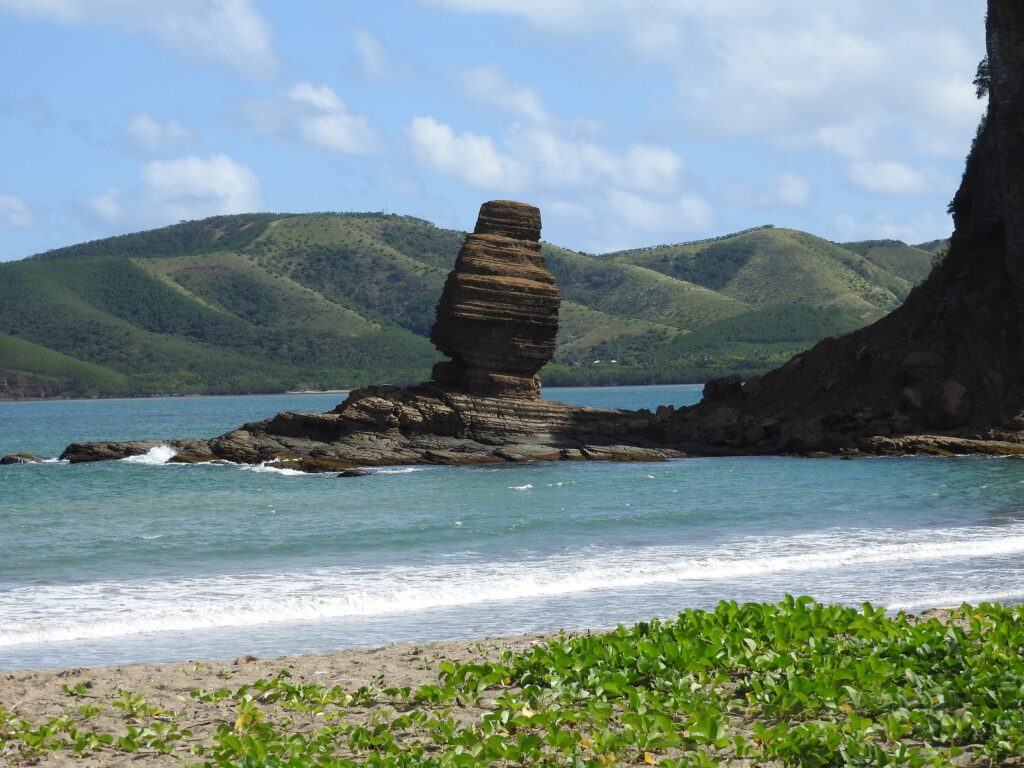
Bourail on New Caledonia’s west coast is best known for its beaches and outdoor activities. Roche Percée is popular with surfers, while nearby La Plage de Poe offers calm waters for swimming and snorkeling inside the UNESCO-listed lagoon. Offshore, you can kayak or join lagoon tours to see rays, turtles, and vibrant coral. The Bonhomme de Bourail, a seaside rock formation shaped like a human face, is another landmark worth a stop.
Inland, Bourail has a ranching tradition, and visitors can experience the local “bush” culture through horseback riding or farm stays. The town is about a two-hour drive from Nouméa, making it accessible as either a day trip or a relaxed multi-day stop.
Hienghène
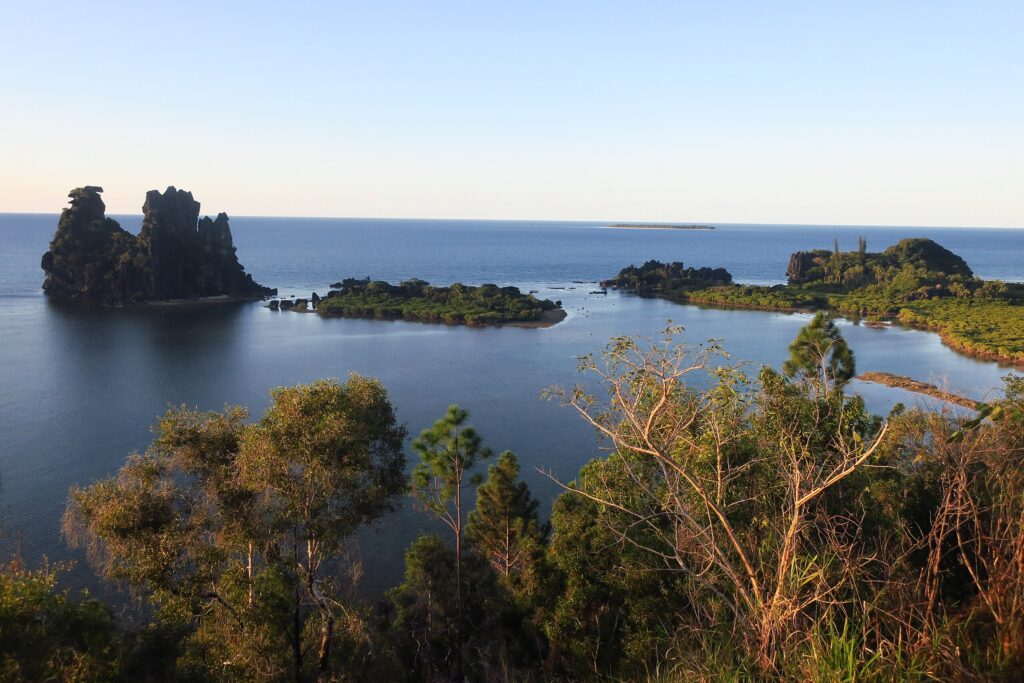
Hienghène is worth visiting for its limestone formations that rise straight from the lagoon. The most famous is La Poule Couveuse (Brooding Hen Rock), alongside the jagged Lindéralique Rocks, best seen from the coastal road or by kayak. Waterfalls such as Tao are close by and offer natural swimming spots after short hikes.
Kanak villages around Hienghène welcome visitors with overnight stays, meals, and cultural exchanges, giving a direct look at local life. The village is about five hours by car from Nouméa, including the Ouaième ferry crossing.
Best Natural Attractions of New Caledonia
Isle of Pines
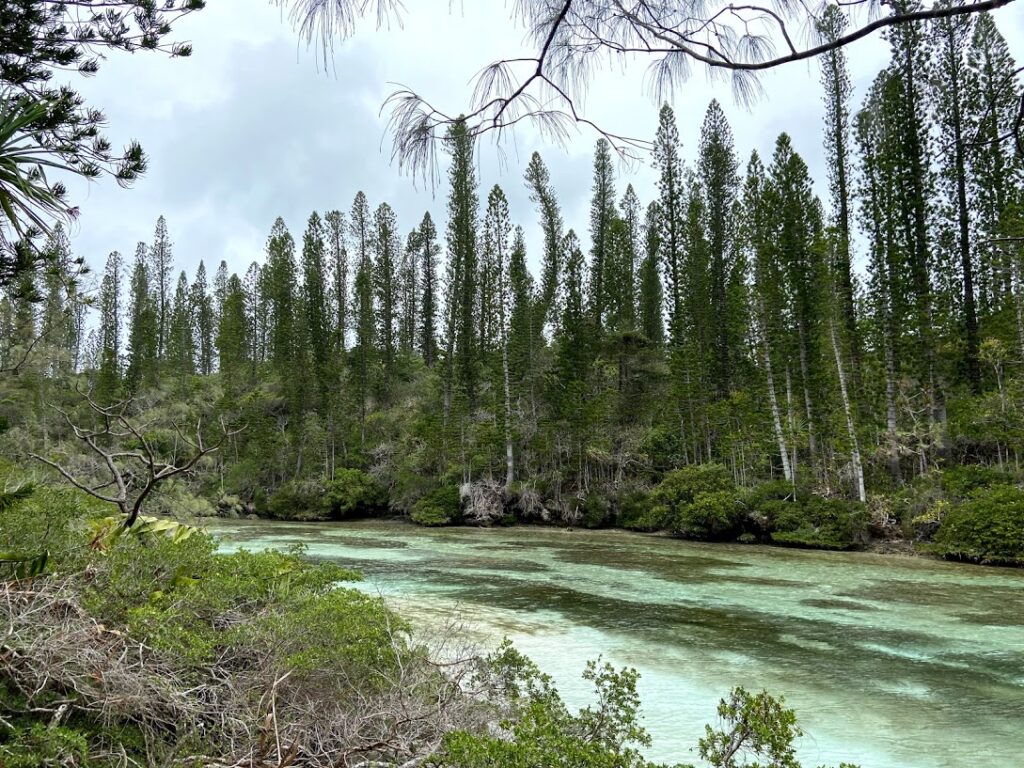
The Isle of Pines is best known for its beaches and lagoon, often called the most beautiful in New Caledonia. Oro Bay’s Natural Pool is the highlight – a sheltered stretch of crystal-clear water protected by a reef, perfect for swimming and snorkeling. Kuto and Kanumera beaches sit side by side and offer long white sand shores with calm seas.
Beyond the coast, Queen Hortense’s Cave is an easy walk and tied to local legends, while nearby villages welcome visitors interested in Kanak traditions. The island is reached by short flights or a two-and-a-half-hour fast ferry from Nouméa. The best time to visit is April to September, when the weather is cooler and seas are calmer for swimming and lagoon trips.
Lifou (Loyalty Islands)
Lifou combines dramatic scenery with quiet island life. The Jokin Cliffs drop steeply into deep blue water and are a striking viewpoint, while Luengoni Beach stretches for kilometers with fine sand and hidden caves nearby. Jinek Bay is one of the island’s best snorkeling spots, where coral gardens and reef fish can be seen just a short swim from shore.
Away from the coast, vanilla plantations welcome visitors to see how the island’s most famous crop is grown and processed. Accommodation often comes in the form of simple tribal bungalows, offering a direct connection with local life. Lifou is reached by flights from Nouméa or by ferry.
Maré (Loyalty Islands)
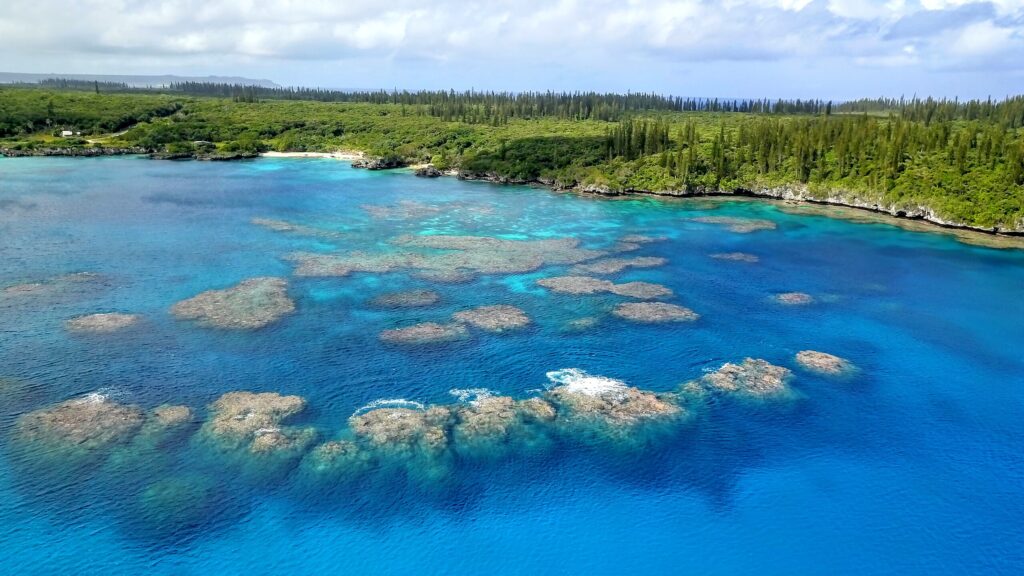
Maré is less visited than the other Loyalty Islands, but it offers some of the most striking coastal scenery. Pede Beach is a long curve of sand with calm water, while Shabadran Terrace is reached by a guided hike and rewards the effort with dramatic cliffs and hidden coves. Coral caves and forest trails give more options for exploring on foot, often ending at natural swimming holes. Village life is central to a visit here, with opportunities to stay in tribal bungalows, join meals, and learn about local customs. Maré can be reached by flights or ferry from Nouméa.
Yaté Lake & Blue River Park
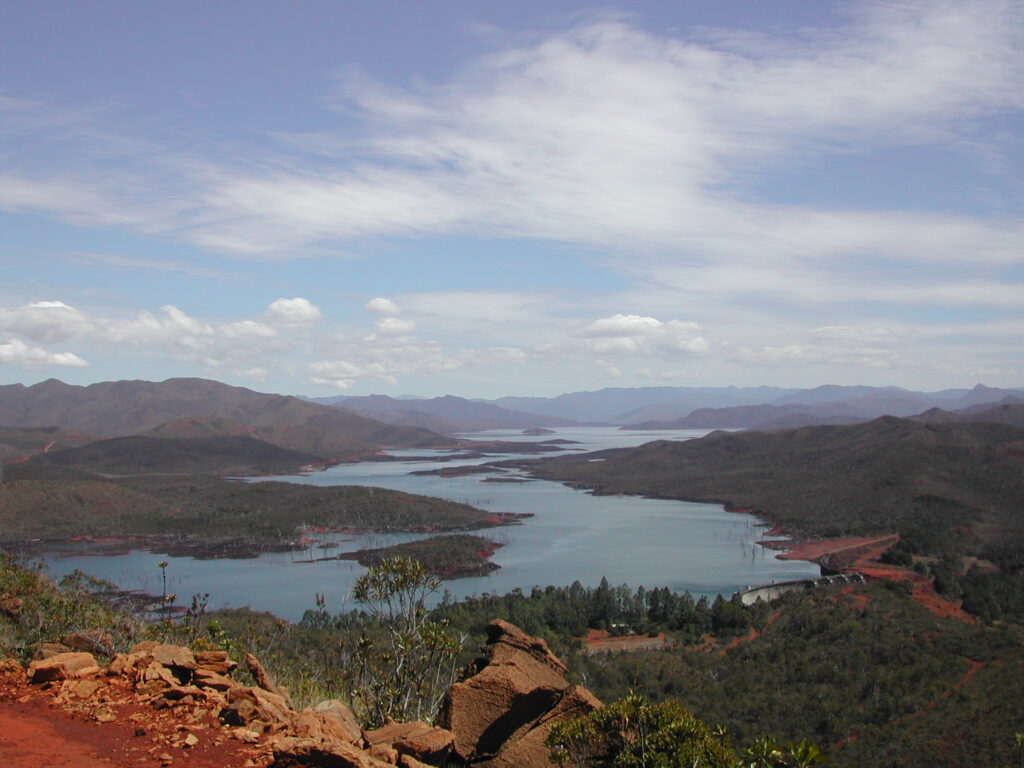
Yaté Lake and Blue River Provincial Park are among the best places in New Caledonia for outdoor activities. The park protects ancient rainforest and red-earth landscapes, with trails for hiking and biking that pass giant kauri trees and rivers. Birdwatchers come here to spot the kagu, New Caledonia’s rare flightless bird, which is often seen in the forest. The lake itself is a good spot for kayaking, and campsites make it possible to stay overnight. The park is about a 90-minute drive from Nouméa, and most visitors come on day trips with their own car or a guided tour.
Best Beaches & Water Activities
Poe Beach (Bourail)
Poe Beach is the main access point to New Caledonia’s UNESCO-listed lagoon. The shallow, clear water is good for snorkeling, and with some luck turtles and rays can be spotted close to shore. The steady winds also make it one of the best places in the country for windsurfing and kiteboarding, with equipment rental and lessons available on site. The beach is about two hours by car from Nouméa and is often visited together with Roche Percée or the Bonhomme rock formation nearby.
Anse Vata & Baie des Citrons (Nouméa)
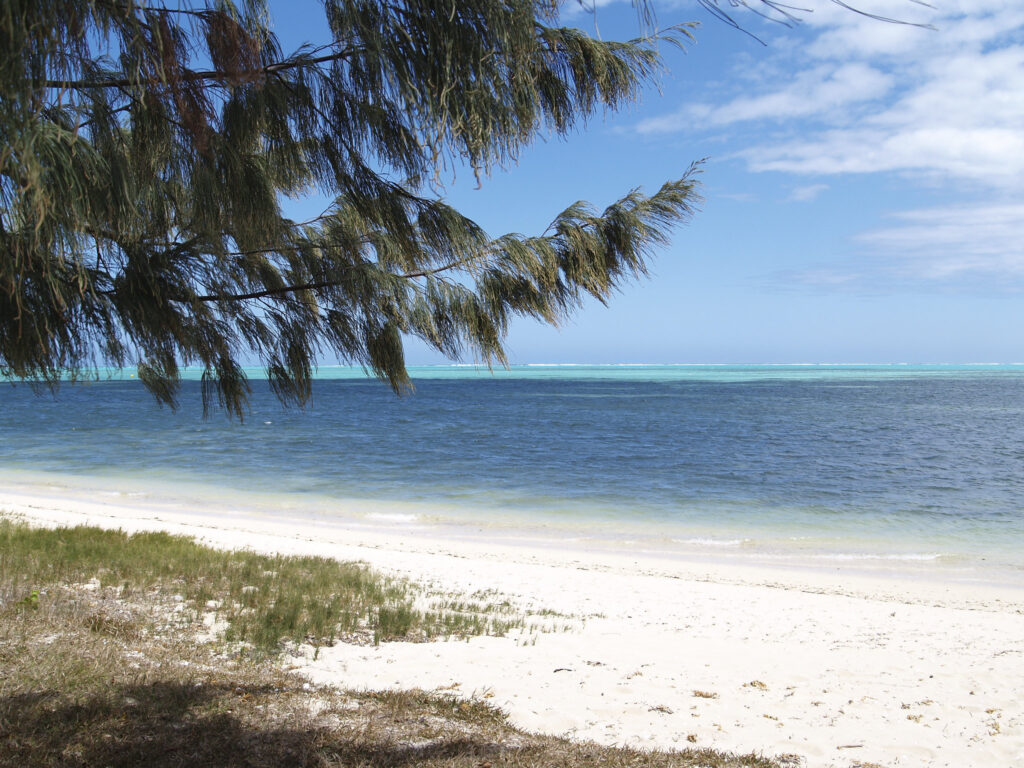
Anse Vata and Baie des Citrons are Nouméa’s main beaches. Anse Vata is good for swimming, windsurfing, and catching boats to nearby islets such as Îlot Canard, where you can snorkel right off the beach. Baie des Citrons has calmer water and is lined with cafés, bars, and restaurants, making it the best place in the city for a relaxed evening. Both bays are just minutes from central Nouméa and easy to reach by bus or taxi.
Jinek Bay (Lifou)
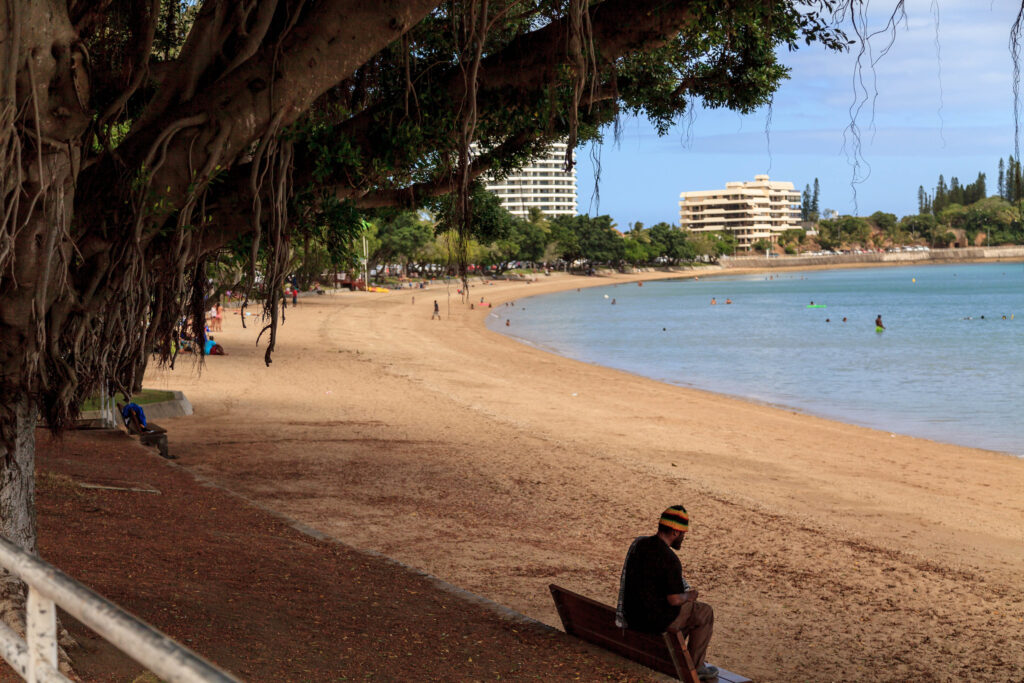
Jinek Bay is one of the best places in the Loyalty Islands for snorkeling directly from the shore. The shallow lagoon is filled with coral gardens where reef fish and turtles are often seen, and visibility is excellent on calm days. Access is limited to protect the reef, so visitor numbers are controlled and a small entry fee is paid locally. The bay is within walking distance of Lifou’s main town, Wé, and is easy to include in a short stay on the island.
Hidden Gems of New Caledonia
Ouvea (Loyalty Islands)
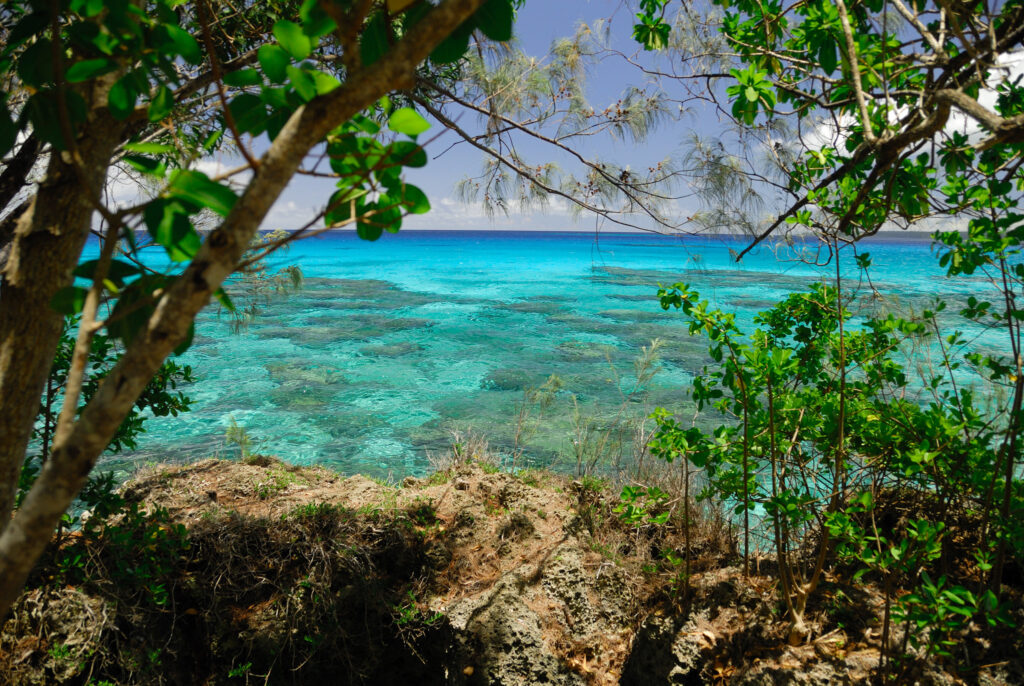
Ouvéa is often called the most unspoiled of the Loyalty Islands, with a 25-kilometer beach running along a lagoon of clear turquoise water. The Mouli Bridge is the island’s main viewpoint, where the colors of the ocean and lagoon meet in sharp contrast, making it a favorite spot for photography. Diving and snorkeling trips explore coral reefs and channels where sharks, rays, and turtles are commonly seen. Life here is quiet, with small villages and few visitors, making Ouvéa ideal for travelers looking for complete tranquility. The island is reached by flights from Nouméa or ferry.
Îlot Amédée
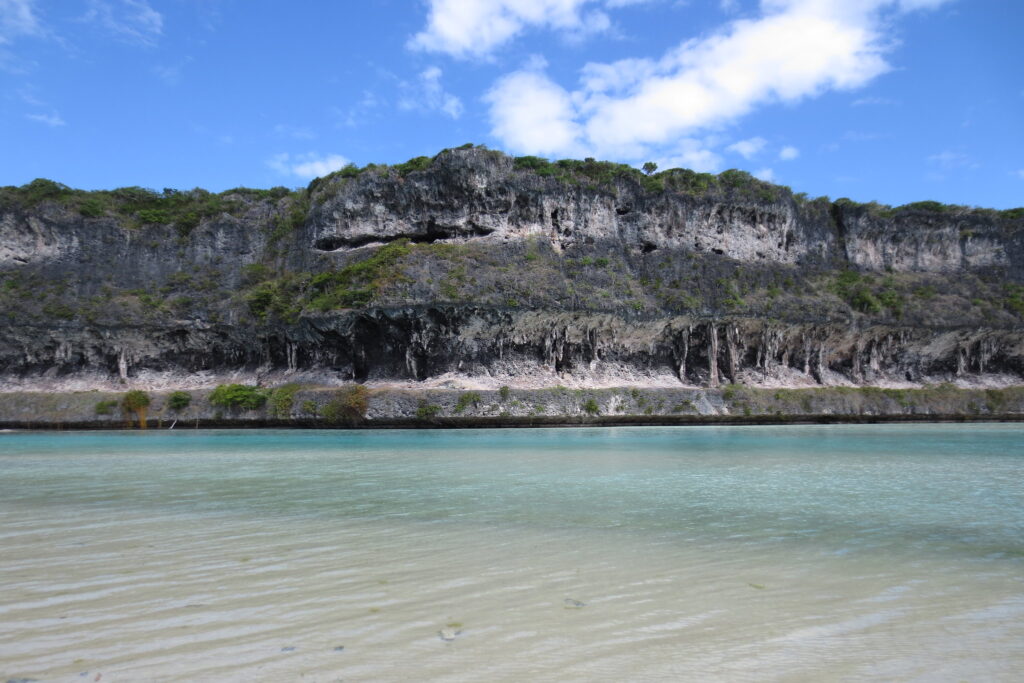
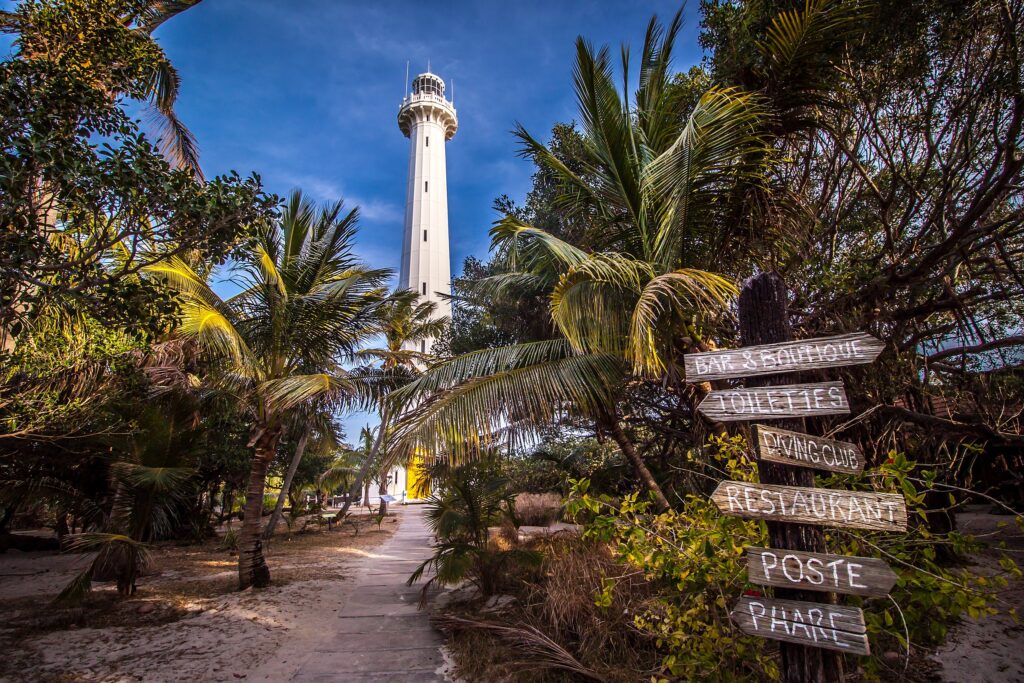
Îlot Amédée is a popular day trip from Nouméa, known for its tall cast-iron lighthouse built in the 19th century. Visitors can climb to the top for wide views of the lagoon before spending the day swimming, snorkeling, or taking glass-bottom boat rides over coral reefs. Sea snakes are often seen on the island but are harmless and part of the local ecosystem. Boats to Îlot Amédée leave regularly from Nouméa, with organized day tours that include transport, meals, and activities. The trip takes about 40 minutes, making it one of the easiest lagoon excursions
Farino & Sarraméa
Farino and Sarraméa are small mountain villages in New Caledonia’s central region, popular for eco-lodges, coffee plantations, and gardens. The main attraction is Parc des Grandes Fougères, a protected area of rainforest filled with giant tree ferns, orchids, and native birds. Walking trails of varying lengths make it easy to explore, with local guides available for birdwatching. Both villages offer quiet stays compared to the coast, with opportunities to visit farms and taste locally grown coffee. They are about a two-hour drive from Nouméa.
Dumbéa River & Gorges
The Dumbéa River is one of the easiest natural escapes from Nouméa, known for its clear pools and forested gorges. Visitors come to swim in calm sections of the river, kayak through deeper stretches, or follow hiking tracks that lead to viewpoints and waterfalls. The area is popular with locals on weekends but still feels natural and undeveloped. It is less than an hour’s drive from Nouméa, making it suitable for a short day trip. Access is simple by car, though some trails require a bit of walking to reach the best swimming spots.
Tontouta Caves (Poya)
The Tontouta Caves near Poya are a network of caverns filled with stalactites and underground passages. Guided tours take visitors through the formations while sharing stories about the caves’ place in Kanak heritage and local legends. The experience combines geology with culture, making it more than just a cave visit. The caves are reached by car, about a three-hour drive north of Nouméa along the main road.
Travel Tips
Currency
The official currency is the CFP Franc (XPF), which is also used in French Polynesia and Wallis & Futuna. ATMs and card payments are widely available in Nouméa and larger towns, but carrying some cash is advisable when traveling to smaller islands or villages.
Language
French is the official language, used in administration, education, and daily life. In tourist hubs, English is understood, though not universally spoken. In villages, visitors may also hear Kanak languages, which reflect the archipelago’s deep cultural roots. A few basic French phrases can be very helpful and appreciated.
Getting Around
Transportation between the islands is well-organized. Air Calédonie operates flights linking Nouméa with the Loyalty Islands and the Isle of Pines, making island-hopping convenient. On Grande Terre, the main island, the best way to explore is to rent a car, which gives flexibility to visit beaches, mountains, and cultural sites at your own pace. To rent legally, travelers must carry an International Driving Permit along with their home license.
For shorter trips, ferries connect to nearby islets, and guided lagoon tours provide access to the UNESCO-listed reef and its diverse marine life.
Entry Requirements
Entry into New Caledonia is straightforward for many travelers. EU citizens and visitors from several other countries enjoy visa-free entry, while others may need to apply in advance depending on nationality. Proof of a return ticket and valid health insurance may also be required upon arrival.

Published September 07, 2025 • 9m to read