

Honduras sits in the center of Central America, bordered by the Caribbean Sea and the Pacific Ocean. It is a country of great variety – tropical coasts, highland forests, ancient ruins, and vibrant local towns. Though often overlooked, it offers some of the most rewarding experiences in the region for those who want to explore beyond the usual tourist paths.
The Bay Islands are known for excellent diving and snorkeling along the Mesoamerican Barrier Reef. Inland, the ruins of Copán reveal the art and science of the ancient Maya civilization, while places like La Tigra National Park and Pico Bonito offer hiking, birdwatching, and waterfalls. Honduras combines nature, history, and culture in a way that feels both welcoming and authentic.
Best Cities in Honduras
Tegucigalpa
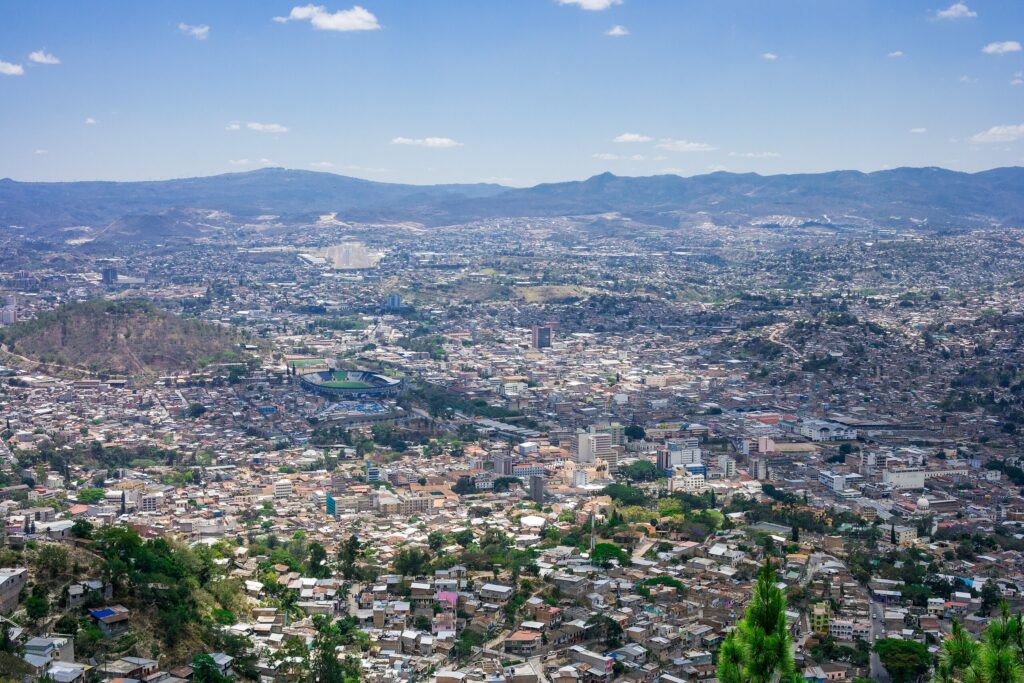
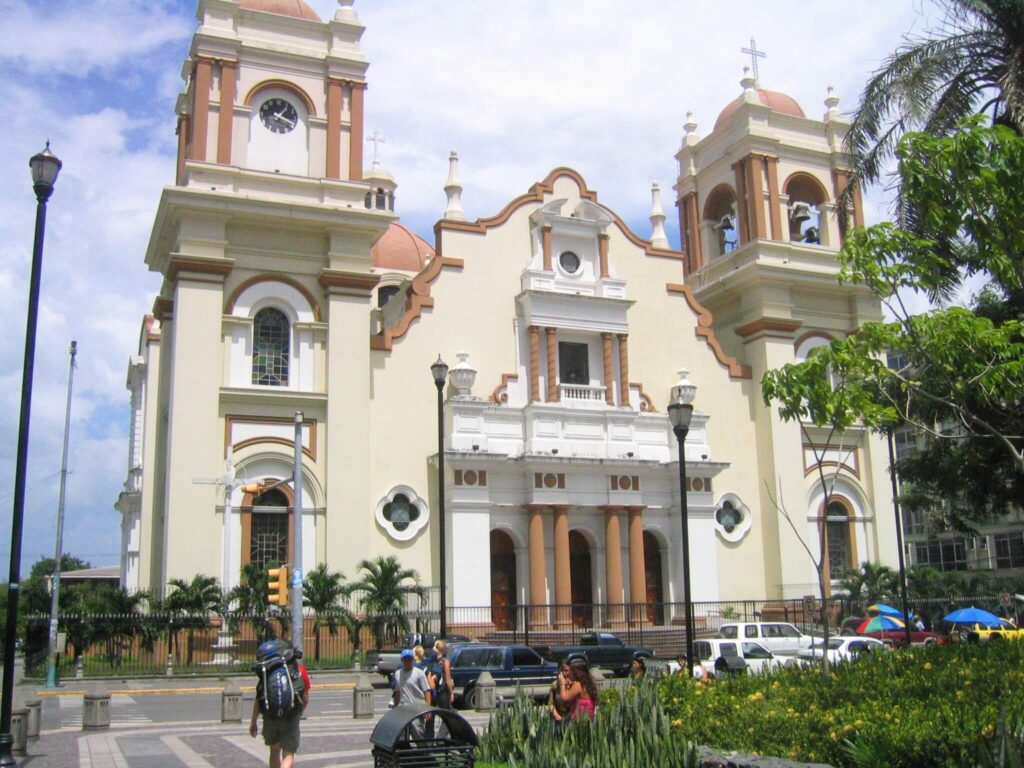
Tegucigalpa, the capital of Honduras, sits in a valley surrounded by green hills and combines colonial heritage with a modern urban pulse. In the historic center, the Catedral de San Miguel Arcángel and nearby plazas showcase the city’s colonial architecture and daily life. The Museo para la Identidad Nacional offers a detailed look at Honduras’ history, culture, and art, including exhibits about the ancient Maya city of Copán.
For a break from the bustle, Parque La Leona provides panoramic views over the city, while just 30 minutes away, Valle de Ángeles offers a quieter atmosphere with artisan workshops, leather goods, and traditional Honduran food. Tegucigalpa is the country’s main gateway, with Toncontín International Airport located only a short drive from downtown.
San Pedro Sula
San Pedro Sula, Honduras’ main commercial hub, serves as a convenient starting point for exploring the country’s northern and western regions. The Museo de Antropología e Historia offers an excellent introduction to Honduras’ pre-Hispanic civilizations and colonial history, making it a worthwhile stop before heading out to the countryside.
The city is also the best base for day trips to Lago de Yojoa, a scenic highland lake known for birdwatching and coffee farms, and to coastal towns such as Tela and La Ceiba, both gateways to Caribbean beaches and national parks. San Pedro Sula is easily reached through Ramón Villeda Morales International Airport, located about 20 minutes from the city center.
Copán Ruinas
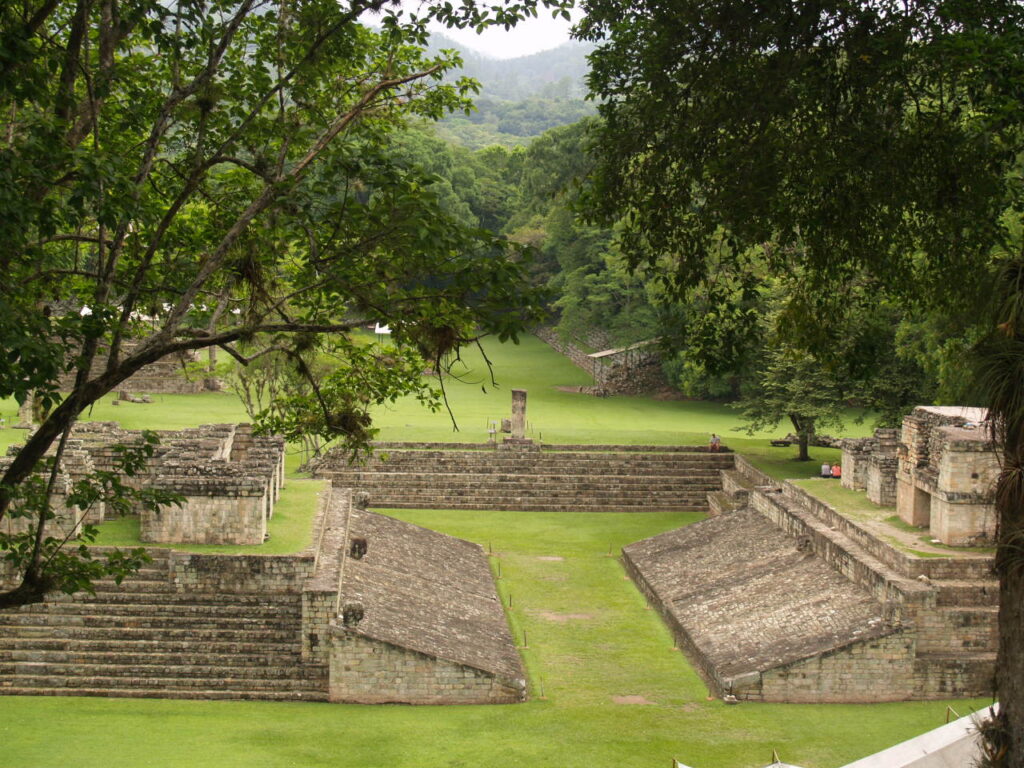
Copán Ruinas is best known for its proximity to the Copán Archaeological Park, a UNESCO World Heritage Site and one of the most significant centers of the ancient Mayan world. The ruins are celebrated for their detailed stone carvings, temples, and the Hieroglyphic Stairway, which contains the longest known Maya inscription. Visitors can also explore nearby tunnels that reveal earlier temple structures beneath the main acropolis.
Beyond the ruins, Macaw Mountain Bird Park offers a sanctuary for scarlet macaws and other native birds, many of which have been rescued and reintroduced into the wild. The town itself has cobblestone streets, boutique hotels, and outdoor cafés that make it an inviting place to stay a few days. Copán Ruinas is reached by road from San Pedro Sula in about four hours or from Guatemala’s Antigua or Río Dulce regions in five to six hours.
Comayagua
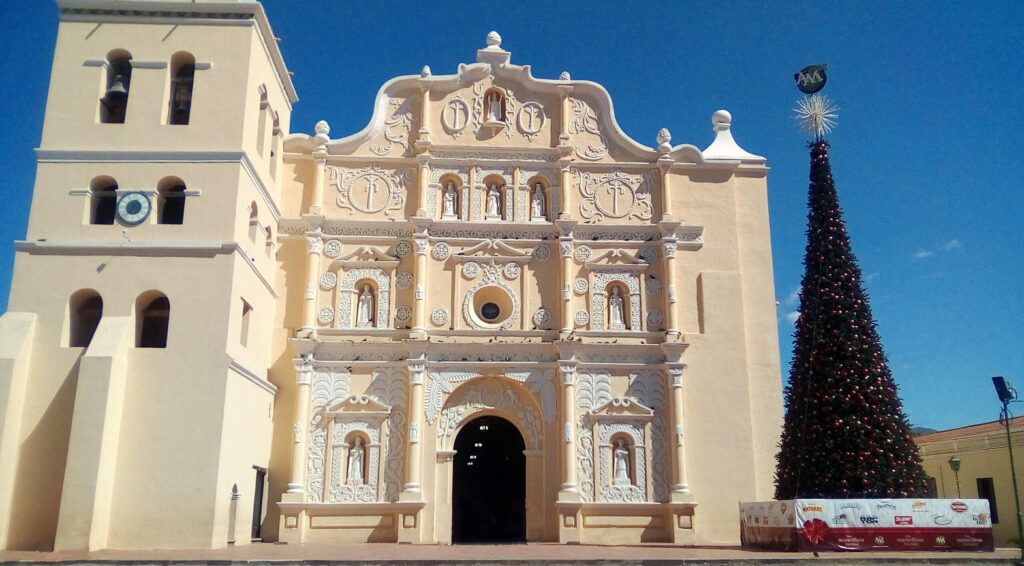
Comayagua is a former colonial capital known for its well-preserved Spanish architecture and deep religious traditions. The centerpiece is the Comayagua Cathedral, built in the 17th century and housing one of the oldest functioning clocks in the Americas, believed to date back to the 12th century. Visitors can climb the cathedral’s bell tower for a view of the city’s historic center, filled with cobblestone streets, museums, and restored colonial buildings. Comayagua is especially famous for its Holy Week processions, when residents create intricate sawdust carpets depicting biblical scenes that line the streets before the parades. The city is an easy day trip from Tegucigalpa, about 90 minutes by road.
Best Natural Wonders in Honduras
Bay Islands
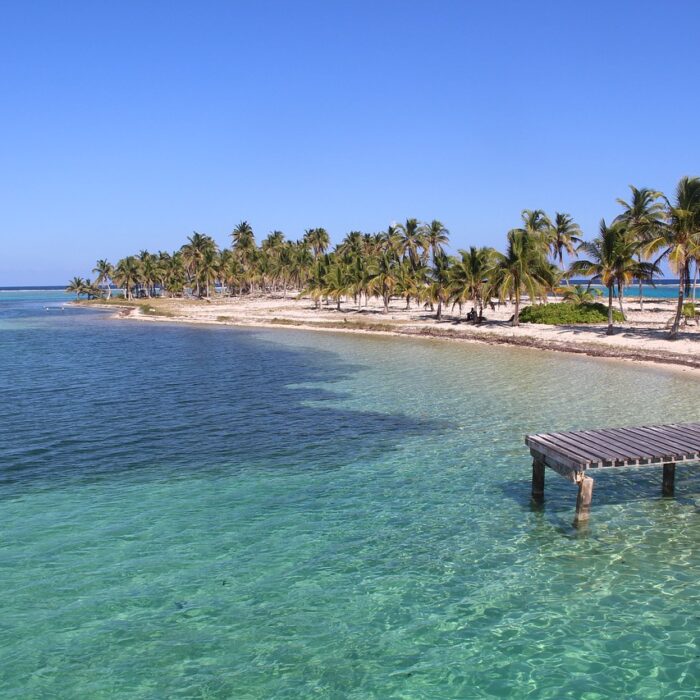
The Bay Islands – Roatán, Utila, and Guanaja – lie off Honduras’s northern coast, surrounded by the Mesoamerican Barrier Reef, the second-largest reef system in the world. This Caribbean archipelago is one of Central America’s top diving and snorkeling destinations, with coral gardens, shipwrecks, and vibrant marine life just offshore.A Caribbean paradise resting on the Mesoamerican Barrier Reef, the second-largest reef system on Earth.
Roatán
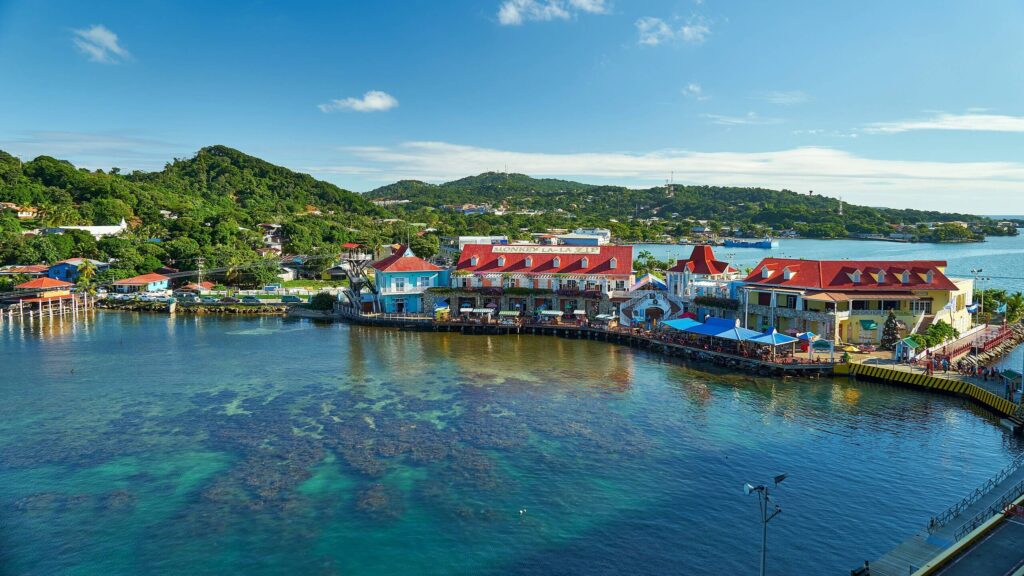
Roatán, the largest of Honduras’s Bay Islands, is a Caribbean hub for diving, snorkeling, and relaxed beach life. Its surrounding reef offers some of the best underwater visibility in the region, with coral gardens, colorful fish, and shipwrecks just minutes from shore. West Bay Beach is the island’s main draw – a long stretch of soft white sand and calm turquoise water ideal for swimming and paddleboarding.
Nearby West End Village provides a livelier scene with restaurants, bars, and dive centers catering to travelers from around the world. Beyond the beaches, visitors can explore mangroves, canopy ziplines, or small fishing communities on the island’s quieter eastern side. Roatán is accessible by short flight from San Pedro Sula, La Ceiba, or Belize, as well as by ferry from La Ceiba.
Utila
Utila is renowned as one of the world’s most affordable and accessible places to learn scuba diving. Dive centers line the island’s main waterfront, offering PADI certification courses and trips to coral reefs and shipwrecks just offshore. The waters around Utila are also one of the few places where whale sharks are regularly spotted, typically between March and April and again from September to December.
The island has a laid-back, backpacker-friendly vibe, with beach bars, hostels, and small cafés clustered around the main town. Beyond diving, visitors can kayak through mangroves, hike to Pumpkin Hill for sea views, or relax on quiet beaches. Utila is reached by ferry or short flight from La Ceiba or Roatán.
Guanaja
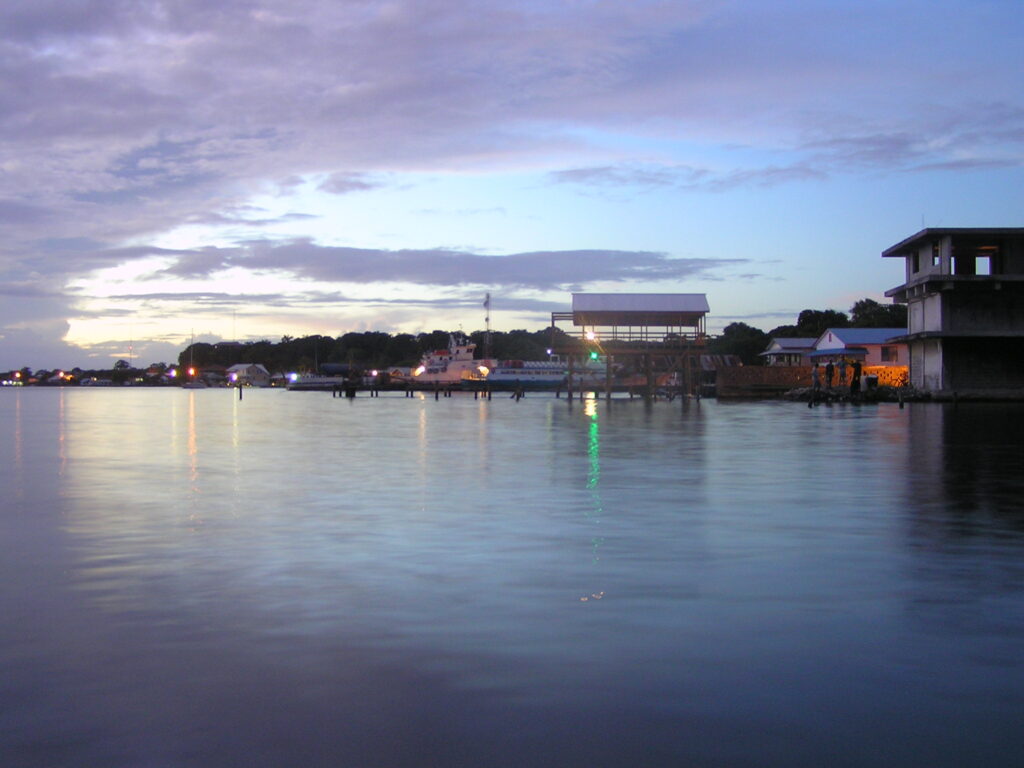
Guanaja offers a peaceful alternative to the busier Caribbean resorts. The island is covered in pine forests and surrounded by clear water and coral reefs, making it ideal for snorkeling, diving, and kayaking. Small waterfalls, hiking trails, and secluded beaches add to its natural appeal, while local communities maintain a slow-paced, traditional island lifestyle. There are no large resorts, only small eco-lodges and family-run guesthouses, giving Guanaja an unspoiled feel. Visitors come to explore nature, disconnect, and enjoy quiet outdoor adventures. The island is accessible by short flight from La Ceiba or by boat from Roatán.
Pico Bonito National Park
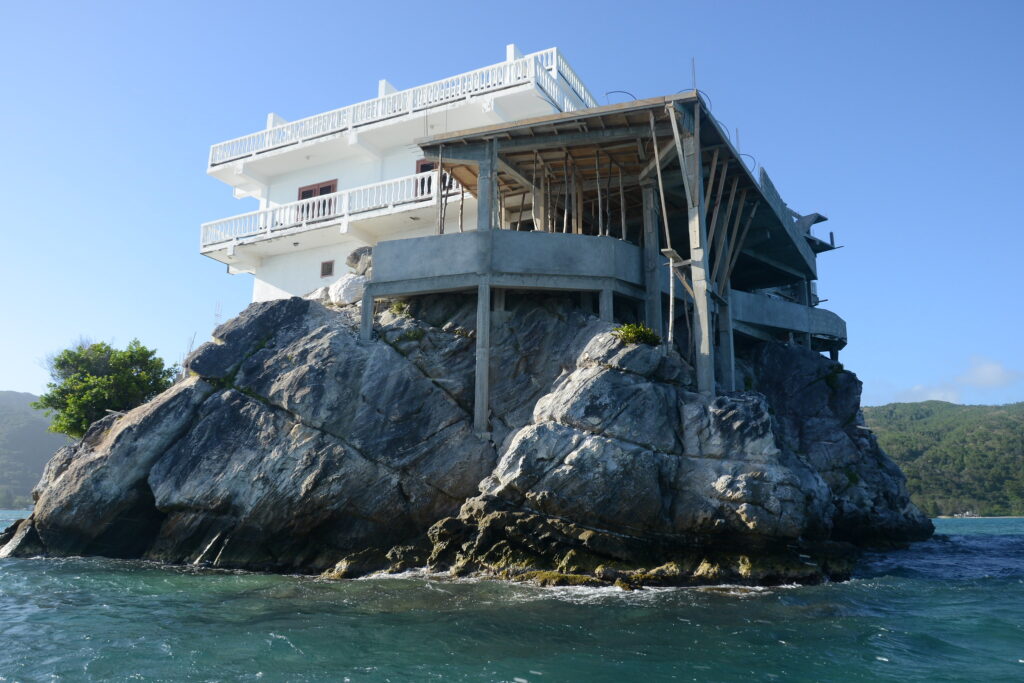
Pico Bonito National Park is one of Honduras’s top destinations for nature and adventure. The park spans from lowland rainforest to cloud forest, offering a range of trails, rivers, and waterfalls. The Cangrejal River runs along its edge, providing some of the best white-water rafting and canyoning in Central America, with routes suitable for both beginners and experienced adventurers. Pico Bonito is just a 20-minute drive from La Ceiba.
Río Plátano Biosphere Reserve
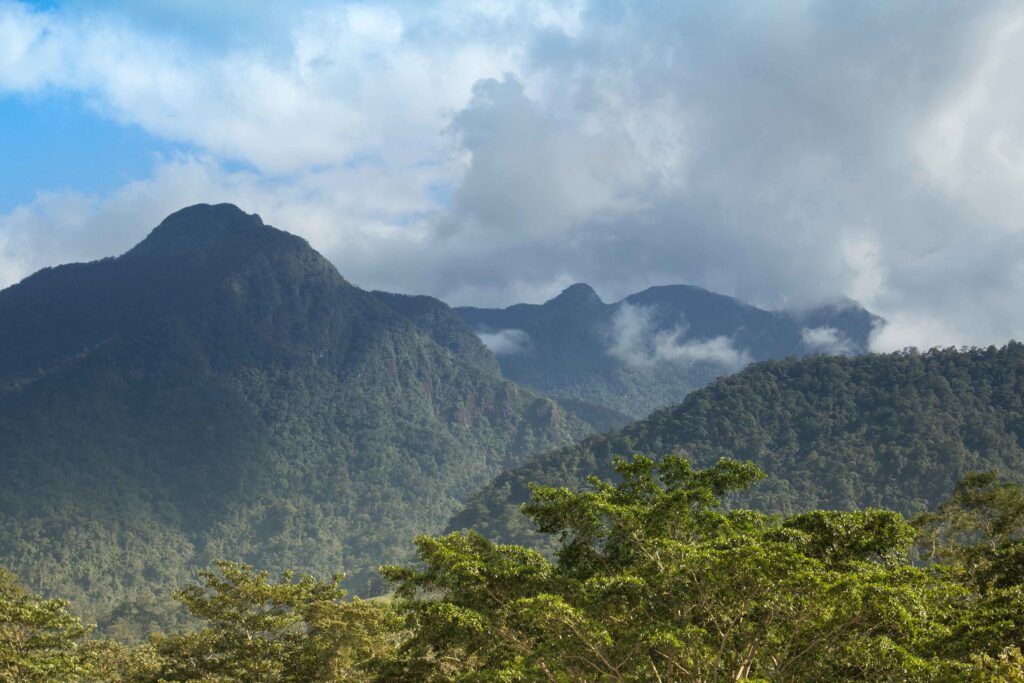
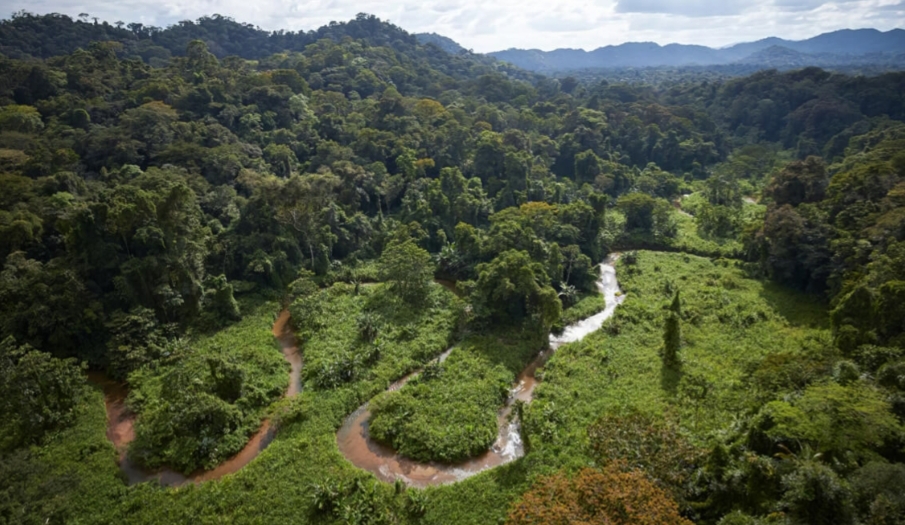
Río Plátano Biosphere Reserve is one of Central America’s largest and most remote protected areas – a vast expanse of rainforest, rivers, and mountains stretching to the Caribbean coast. Recognized by UNESCO as a World Heritage Site, it shelters jaguars, tapirs, macaws, and manatees, along with several Indigenous communities who continue to live traditionally along the riverbanks.
The reserve is accessible only on guided expeditions that combine boat travel, hiking, and camping, making it a destination for serious eco-adventurers. Visitors can explore ancient petroglyphs, navigate the Río Plátano by canoe, and experience one of the last untouched rainforests in the region. Trips typically begin from La Ceiba or the town of Brus Laguna, with logistics arranged through specialized tour operators.
Lake Yojoa
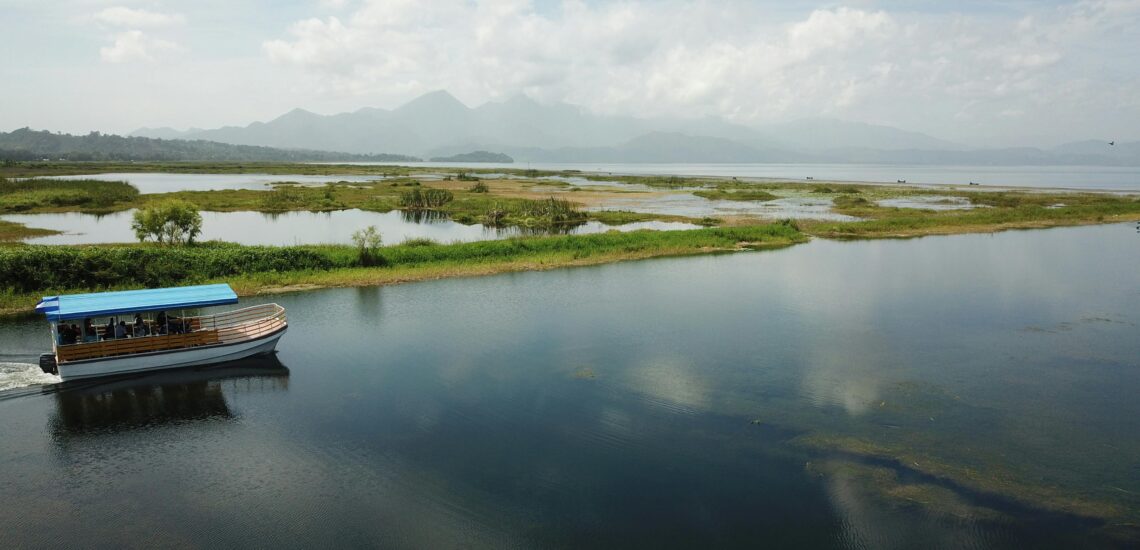
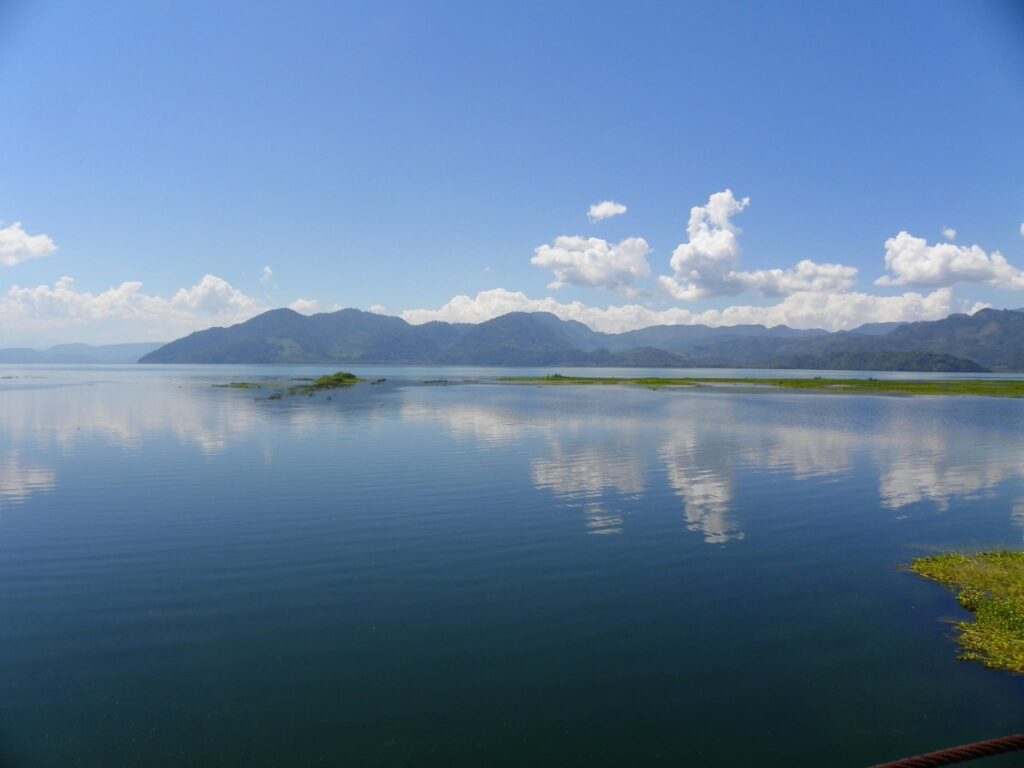
Lake Yojoa, the largest lake in Honduras, sits between two national parks and offers a mix of nature, adventure, and local culture. The area is a major birdwatching hotspot, with more than 400 recorded species, and visitors can explore the lake by kayak or small boat while enjoying views of nearby mountains and coffee-covered hills.
Highlights include the impressive Pulhapanzak Waterfall, where visitors can walk behind the cascade, and Los Naranjos Ecological Park, which features jungle trails, suspension bridges, and archaeological sites. The surrounding region is also known for artisanal coffee farms that offer tours and tastings. Lake Yojoa is about a 3-hour drive from either Tegucigalpa or San Pedro Sula and has a range of lakeside lodges and eco-retreats.
Celaque National Park
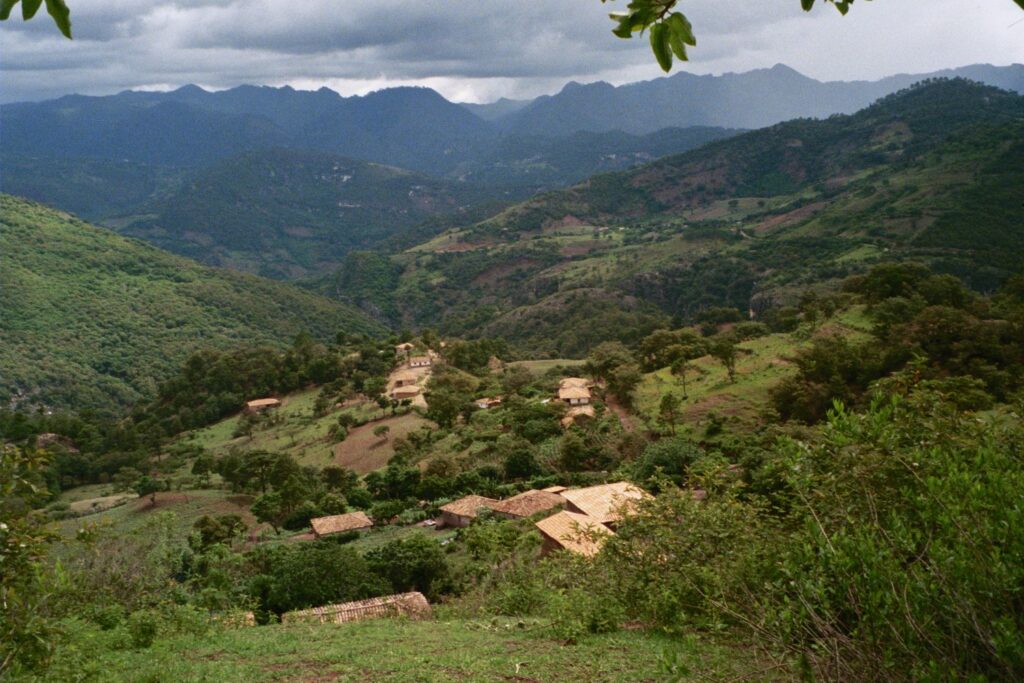
Celaque National Park, located in western Honduras, protects vast areas of cloud forest and is home to Cerro Las Minas, the country’s highest peak at 2,870 meters. The park is known for its rugged hiking trails, misty forests, and waterfalls hidden deep within the mountains. The multi-day trek to the summit is one of Honduras’s most rewarding adventures, offering sweeping views across the highlands.
The park’s lower trails provide easier hikes through lush forest filled with orchids, birds, and streams. Access is from the nearby colonial town of Gracias, which serves as the base for guided climbs and accommodations. Gracias is about a 5-hour drive from Tegucigalpa or 3.5 hours from San Pedro Sula.
Best Beaches in Honduras
Tela
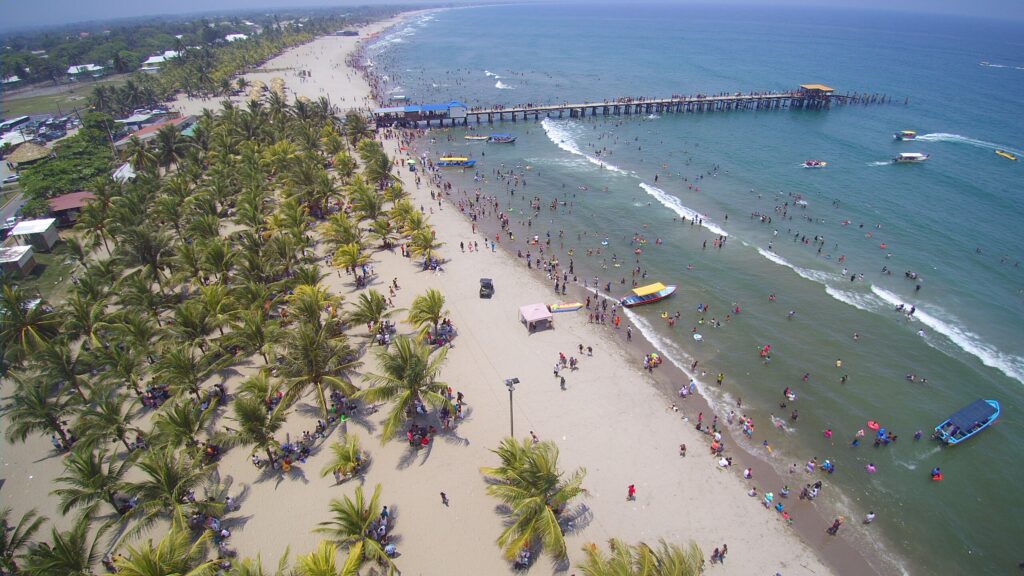
Tela is a relaxed beach town known for its wide shoreline, natural parks, and Garifuna culture. The nearby Punta Sal (Jeannette Kawas National Park) is the main attraction, offering hiking trails through coastal rainforest, snorkeling in coral reefs, and the chance to spot monkeys, toucans, and other wildlife.
Just outside town, the Lancetilla Botanical Garden – one of the largest tropical gardens in the world – showcases hundreds of exotic plant species collected from across the globe. Visitors can also experience Garifuna traditions, music, and food in nearby coastal villages such as Triunfo de la Cruz. Tela is about a 1.5-hour drive from San Pedro Sula or a short trip from La Ceiba.
Trujillo
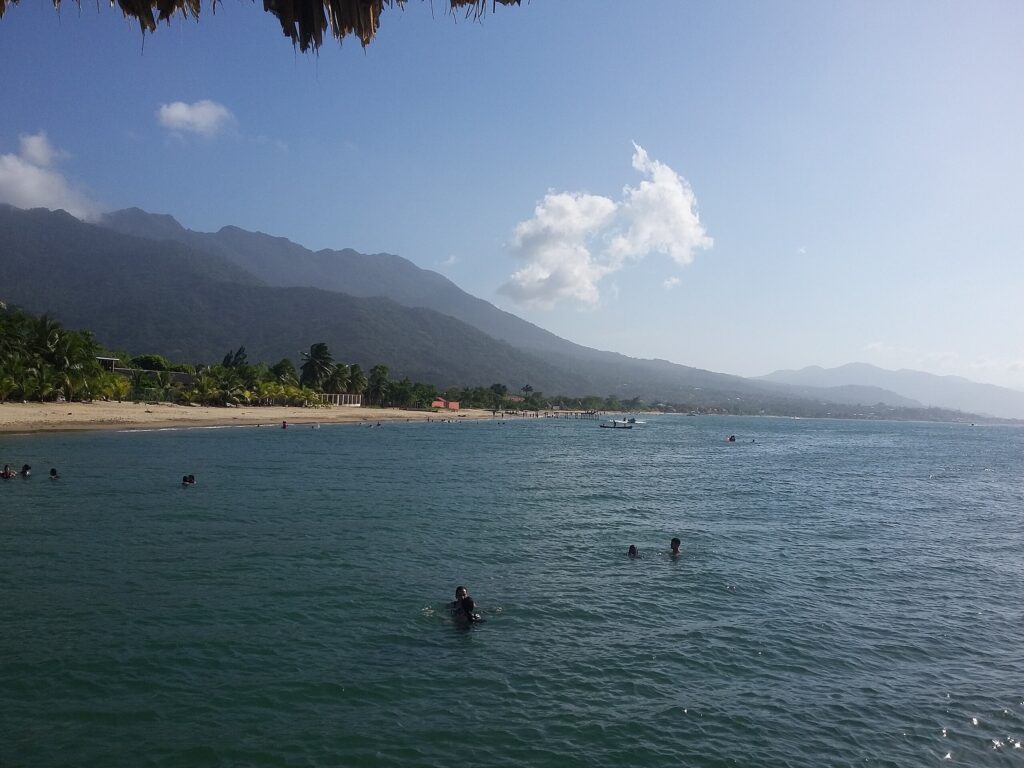
Trujillo, located on Honduras’s northern Caribbean coast, is a historic town known as the site where Christopher Columbus landed in 1502. Once an important colonial port, it still retains traces of its Spanish past in landmarks like the old Fortaleza Santa Bárbara, which overlooks the bay. Today, Trujillo blends history with natural beauty, offering quiet beaches backed by jungle-covered hills.
Visitors can relax along the coast, explore Garifuna villages such as Santa Fe to experience traditional music and food, or visit nearby waterfalls and wildlife reserves. The town’s calm atmosphere and cultural mix make it a rewarding stop for travelers interested in history and local life. Trujillo is about a four-hour drive from La Ceiba along the Caribbean coast.
Cayos Cochinos
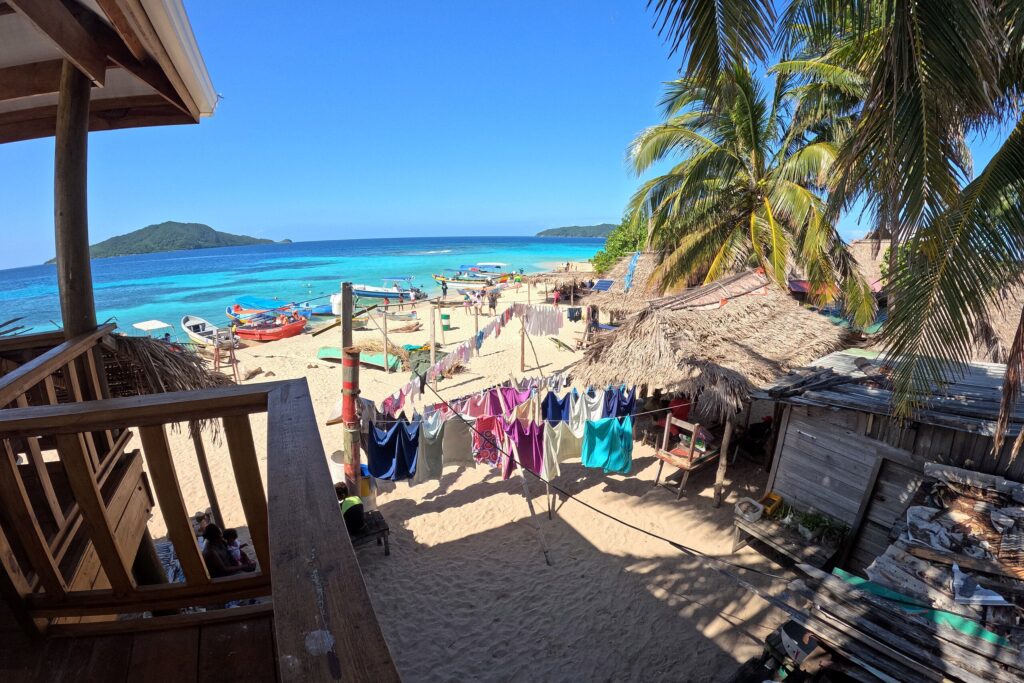
Cayos Cochinos is a protected marine reserve made up of two small islands and several coral cays. The area is known for its crystal-clear waters, vibrant coral reefs, and minimal development, making it ideal for snorkeling, diving, and eco-friendly day trips. As part of the Cayos Cochinos Marine Biological Reserve, the islands are carefully managed to preserve marine life and the traditional Garifuna fishing communities that live nearby.
Hidden Gems of Honduras
Gracias
Gracias is a well-preserved colonial town known for its cobblestone streets, historic churches, and relaxed mountain atmosphere. Once the capital of Spanish Central America, it retains a sense of old-world charm with landmarks such as the San Marcos Church and the colonial fort San Cristóbal offering views over the town and surrounding hills.
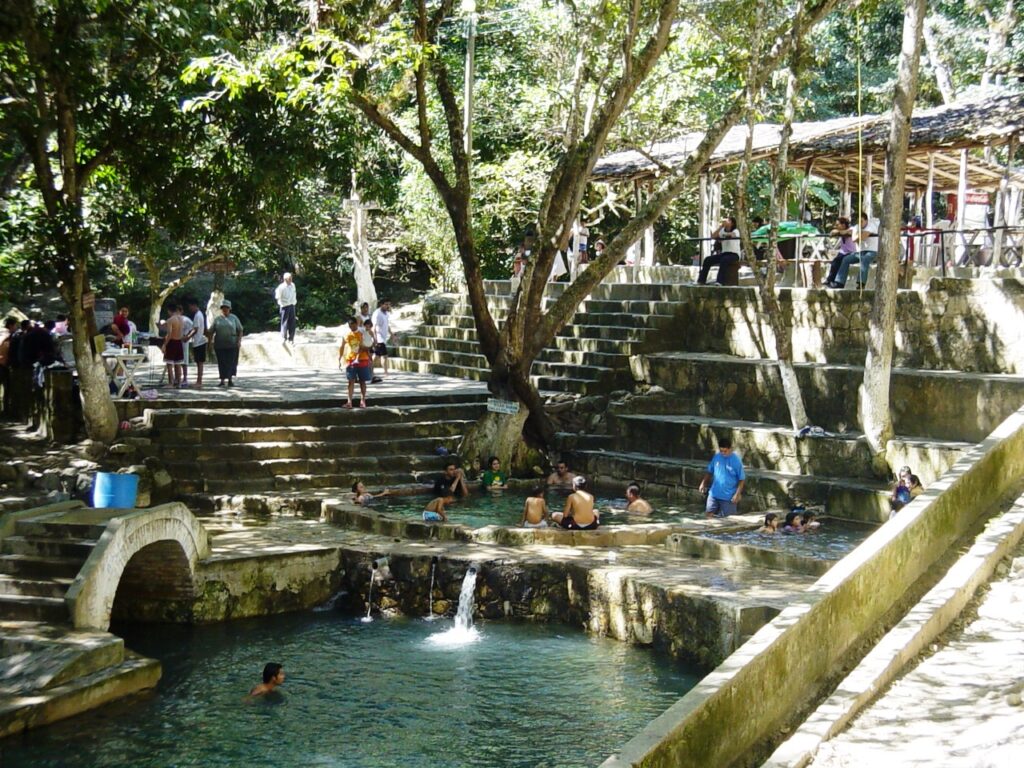
Gracias serves as the main gateway to Celaque National Park, home to cloud forests and Honduras’s highest peak, Cerro Las Minas. After hiking, visitors can unwind in the Aguas Termales de Gracias, a set of natural hot springs just outside town. Gracias is about a 5-hour drive from Tegucigalpa or 3.5 hours from San Pedro Sula.
Santa Rosa de Copán
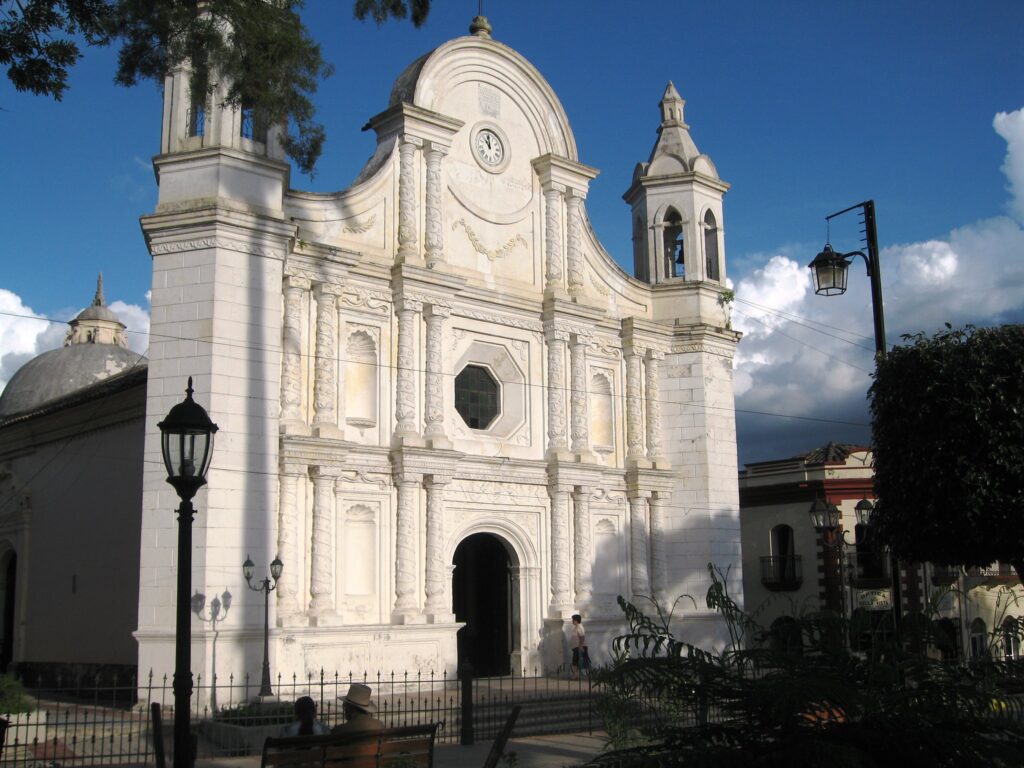
Santa Rosa de Copán is the center of the country’s coffee-growing region and a hub for culture and history. Visitors can tour nearby artisanal coffee plantations to see the production process from bean to cup and sample some of Honduras’s finest brews. The town itself features well-preserved colonial architecture, lively markets, and small museums that highlight local traditions and craftsmanship. Santa Rosa’s mild climate and walkable streets make it pleasant to explore on foot, with plenty of cafés and restaurants offering local food and coffee. The town is also known for its annual festivals celebrating Honduran culture. It’s about a one-hour drive from Copán Ruinas or roughly five hours from San Pedro Sula.
La Esperanza & Intibucá
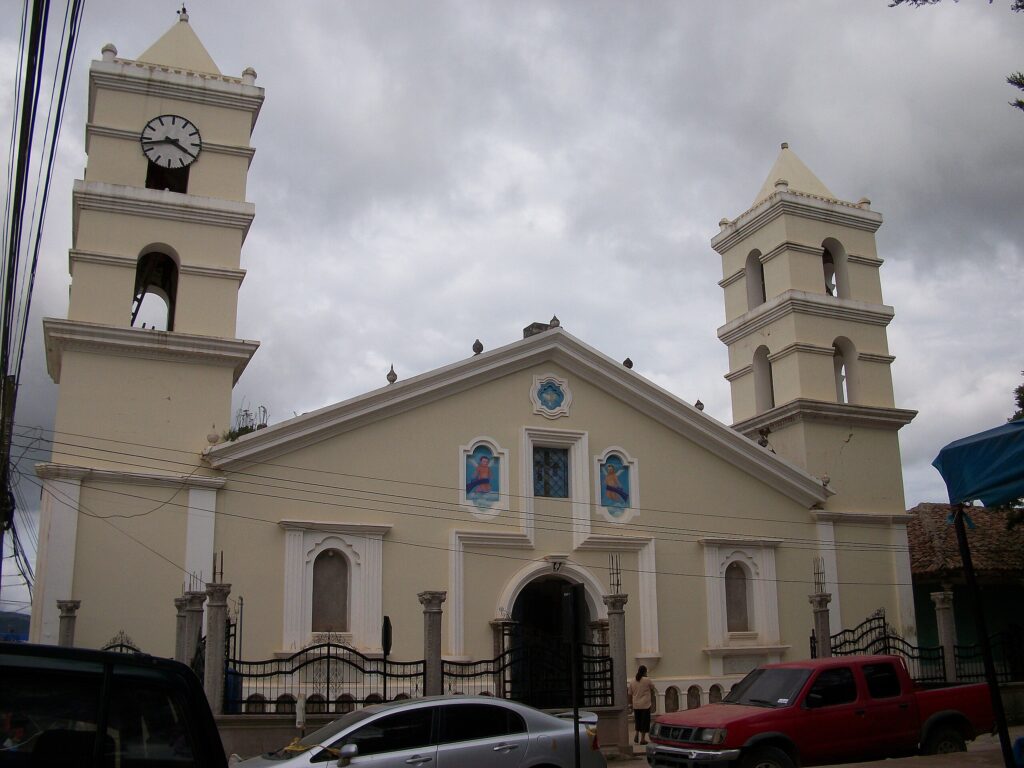
La Esperanza and neighboring Intibucá offer a blend of cool climate, scenic trails, and deep Indigenous heritage. The region is home to many Lenca communities, where traditional crafts, weaving, and small-scale farming continue much as they have for generations. Visitors can explore local markets selling handmade textiles, pottery, and fresh produce while learning about Lenca culture and traditions. The surrounding countryside is excellent for hiking, with forested hills, waterfalls, and viewpoints overlooking the highlands. Eco-lodges and community-based tourism projects give travelers the chance to stay with local families and experience rural life firsthand.
Omoa
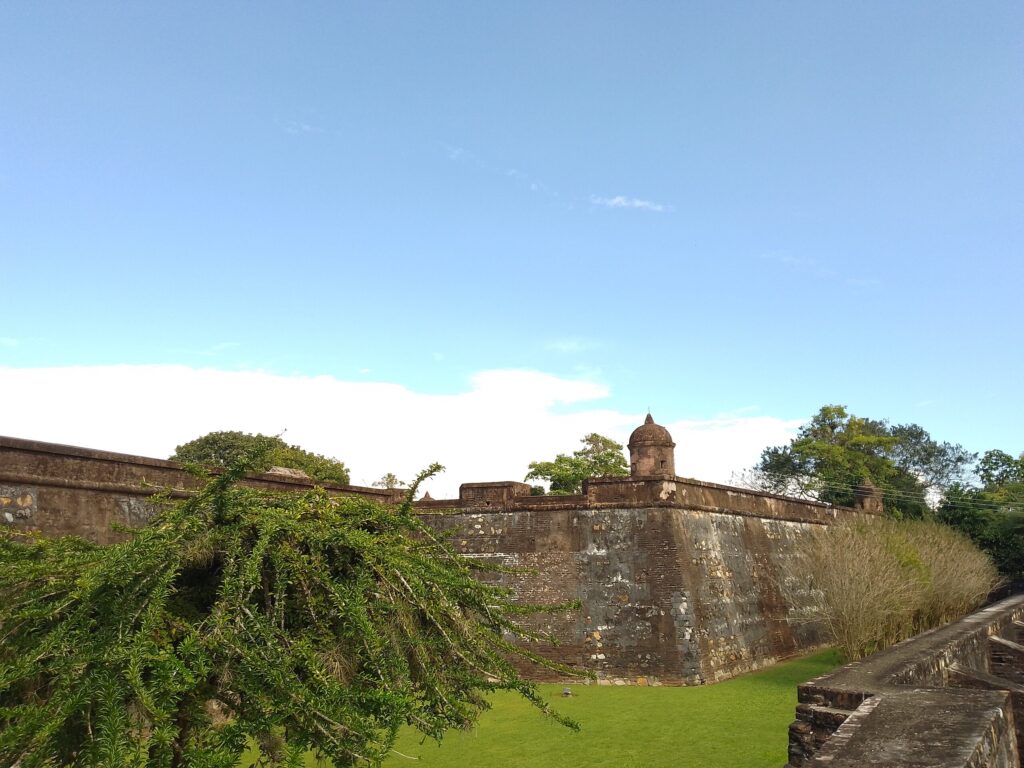
Omoa is a small fishing town known for its relaxed atmosphere and historic significance. Its main attraction is the Fortaleza de San Fernando, an 18th-century Spanish fortress built to defend the coast from pirates and foreign powers. Visitors can walk along the fort’s thick stone walls, explore its old cannons and courtyards, and enjoy views of the sea. The town’s beaches are calm and mostly visited by locals, offering a peaceful setting for swimming and seafood dining. Omoa is an easy stop along the coastal route, just a 20-minute drive from Puerto Cortés and about an hour from San Pedro Sula.
Amapala (Tiger Island)
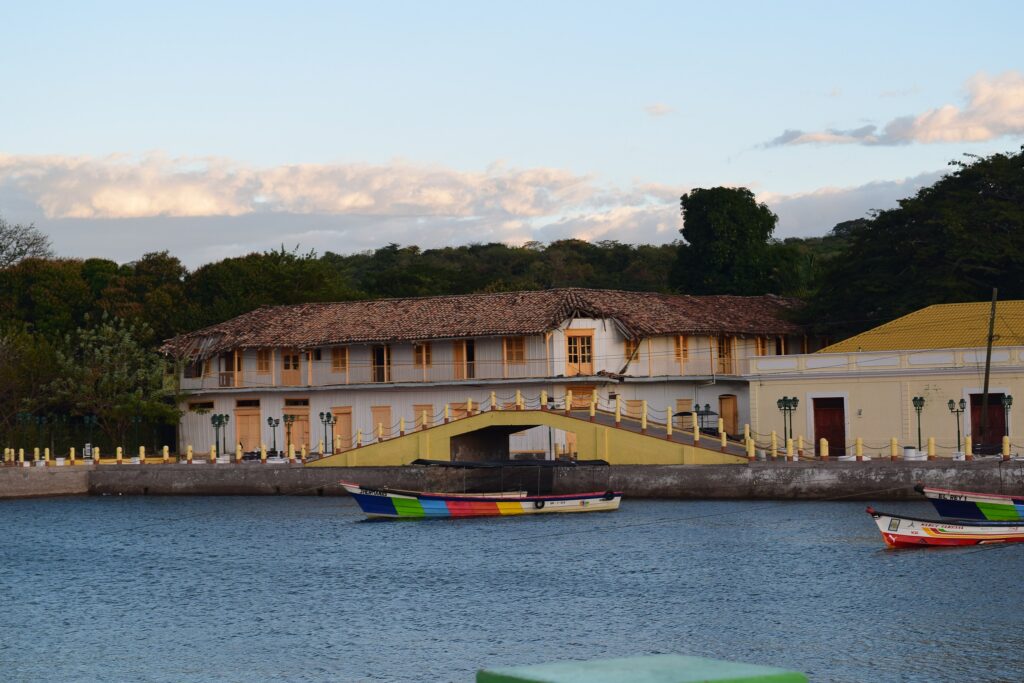
Amapala, located on Tiger Island in the Gulf of Fonseca, is a volcanic island town known for its quiet pace and scenic coastal views. Once an important Pacific port, it now attracts visitors looking for relaxation, local seafood, and unspoiled nature. The island’s black-sand beaches offer swimming, kayaking, and beautiful sunsets framed by volcanic peaks.
Boat trips around the gulf visit nearby islands and fishing villages, while the town’s small restaurants serve freshly caught fish and shrimp. With limited development and minimal traffic, Amapala is ideal for slow travel and off-grid exploration. The island is reached by a short boat ride from Coyolito, about a 2.5-hour drive south of Tegucigalpa.
Travel Tips for Honduras
Safety & Health
Exercise normal caution, especially in large cities like Tegucigalpa and San Pedro Sula. Stick to established tourist destinations such as Roatán, Copán Ruinas, and the Bay Islands. Always use licensed guides for jungle treks or remote travel. Tap water is not safe to drink – use bottled or filtered water instead. Mosquito repellent is essential for coastal, jungle, and lowland areas to prevent insect-borne illnesses.
Transportation & Driving
Domestic flights connect Tegucigalpa, Roatán, and San Pedro Sula, saving time on long routes. Buses are reliable, safe, and inexpensive for intercity travel, while taxis and private transfers offer added comfort and security.
Vehicles drive on the right-hand side of the road. Highways between major cities are improving, but rural roads may still be rough and poorly lit. Avoid night driving due to livestock, potholes, and limited lighting. An International Driving Permit is required for most foreign visitors, alongside your home license. Always carry your license, passport, and insurance documents, as police checkpoints are common.

Published November 23, 2025 • 13m to read