

Ghana is one of the most accessible and well-rounded destinations in West Africa. It is known for its strong sense of hospitality, active cities, and an important historical role in the transatlantic slave trade. At the same time, Ghana presents a modern African identity shaped by early independence and Pan-African thought. Beyond its cities and history, the country also offers varied natural environments, including rainforests, savannah regions, wildlife parks, waterfalls, and a long stretch of Atlantic coastline.
What sets Ghana apart is how easily these elements come together in a single journey. Travelers can move from busy urban markets to coastal forts built centuries ago, then continue inland to national parks or forest reserves within a short time. This balance of history, nature, and contemporary life makes Ghana especially appealing for visitors who want a broad and well-connected travel experience without constant logistical challenges.
Best Cities in Ghana
Accra
Accra is Ghana’s capital and the main arrival point for most travelers via Kotoka International Airport, which is a short drive from central areas depending on traffic. Key sites linked to modern Ghana’s independence include Independence Square and the Kwame Nkrumah Memorial Park, both easy to visit in the same outing. For historical and cultural context beyond politics, the National Museum is a practical introduction to major periods of Ghana’s history and its ethnographic diversity.
To understand how the city works day to day, Makola Market is the main commercial hub for textiles, food, and household goods, while Jamestown shows Accra’s older coastal identity through fishing activity, historic buildings, and the lighthouse area. For time by the ocean, Labadi Beach is the most straightforward option within the city, and Kokrobite is a common day trip west of Accra for a quieter beach setting. Getting around is usually by taxi or ride-hailing for direct routes, while trotro minibuses are cheaper but slower and can be confusing without local help, especially at busy interchanges.
Kumasi
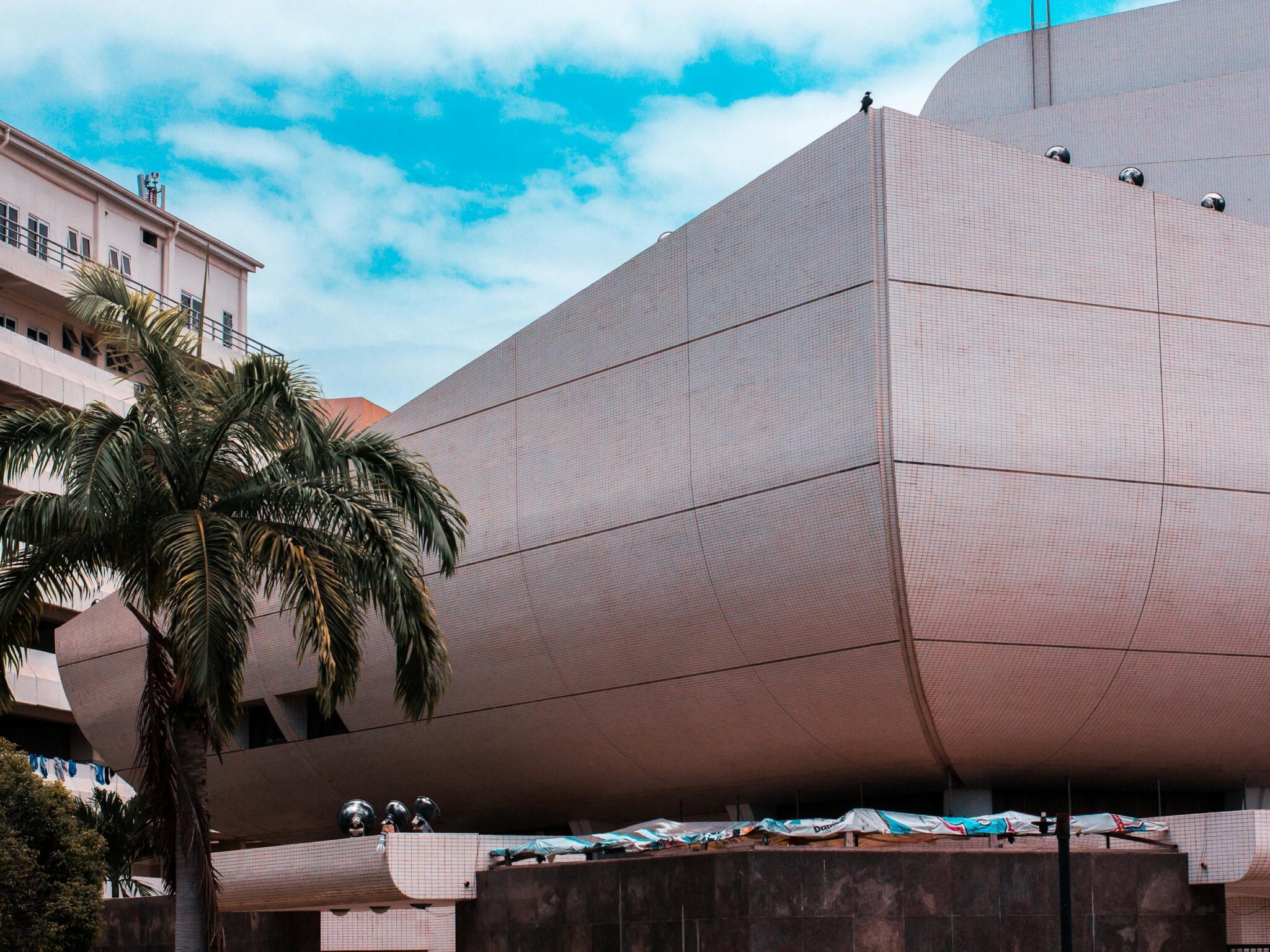
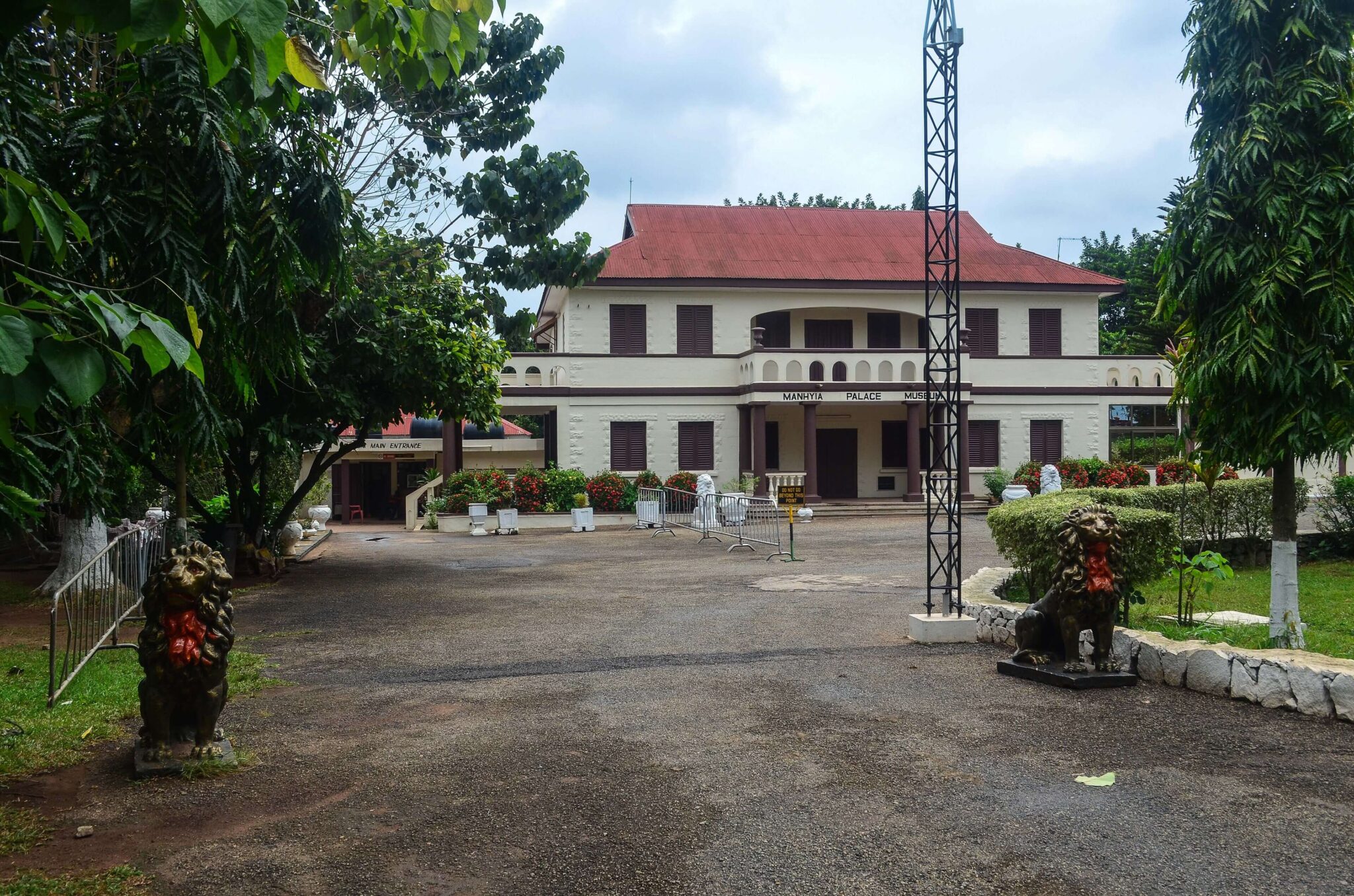
Kumasi is the main city of central Ghana and the historic center of the Ashanti Kingdom, with a strong focus on royal tradition, crafts, and trade. The Manhyia Palace Museum is the most direct place to learn how Ashanti leadership and symbolism work, and it helps put local festivals, ceremonial dress, and chieftaincy structures into context. In the city center, Kejetia Market and the surrounding commercial districts show Kumasi’s role as a major distribution point for goods moving between northern Ghana and the coast, but the area is crowded and easier to navigate with a local guide or a clear plan for what you want to see.
Kumasi is also a practical base for short trips to craft towns nearby. Bonwire is the best-known place to see kente weaving in practice, where workshops demonstrate the looms, the meaning of common patterns, and how cloth is produced for ceremonies and formal events. Day trips are usually arranged by taxi or hired car, and you can combine Bonwire with other stops in the area depending on road conditions and time. For getting to Kumasi itself, the most common options are domestic flights from Accra or an overland journey by bus or private car, with travel time varying mainly due to traffic leaving the capital.
Cape Coast
Cape Coast is one of the most important places in the country for understanding the Atlantic era and the transatlantic slave trade. The central site is Cape Coast Castle, where guided visits explain how the fort operated as a trading post and later as a major holding point for enslaved Africans before transport across the ocean. Even if you only spend a day in town, the castle visit is best done with a guide because the interpretation is the main value, not just the building itself.
Beyond the castle, Cape Coast works well as a slower base than Accra, with walkable stretches along the shoreline, small local restaurants, and a mix of fishing activity and university life. It is also a practical hub for nearby sites, including Elmina and Kakum National Park, which are often visited as half-day trips by taxi or arranged transport. Most travelers reach Cape Coast by road from Accra, usually by bus or shared taxi, and once in town it is easy to get around using local taxis for short distances.
Elmina
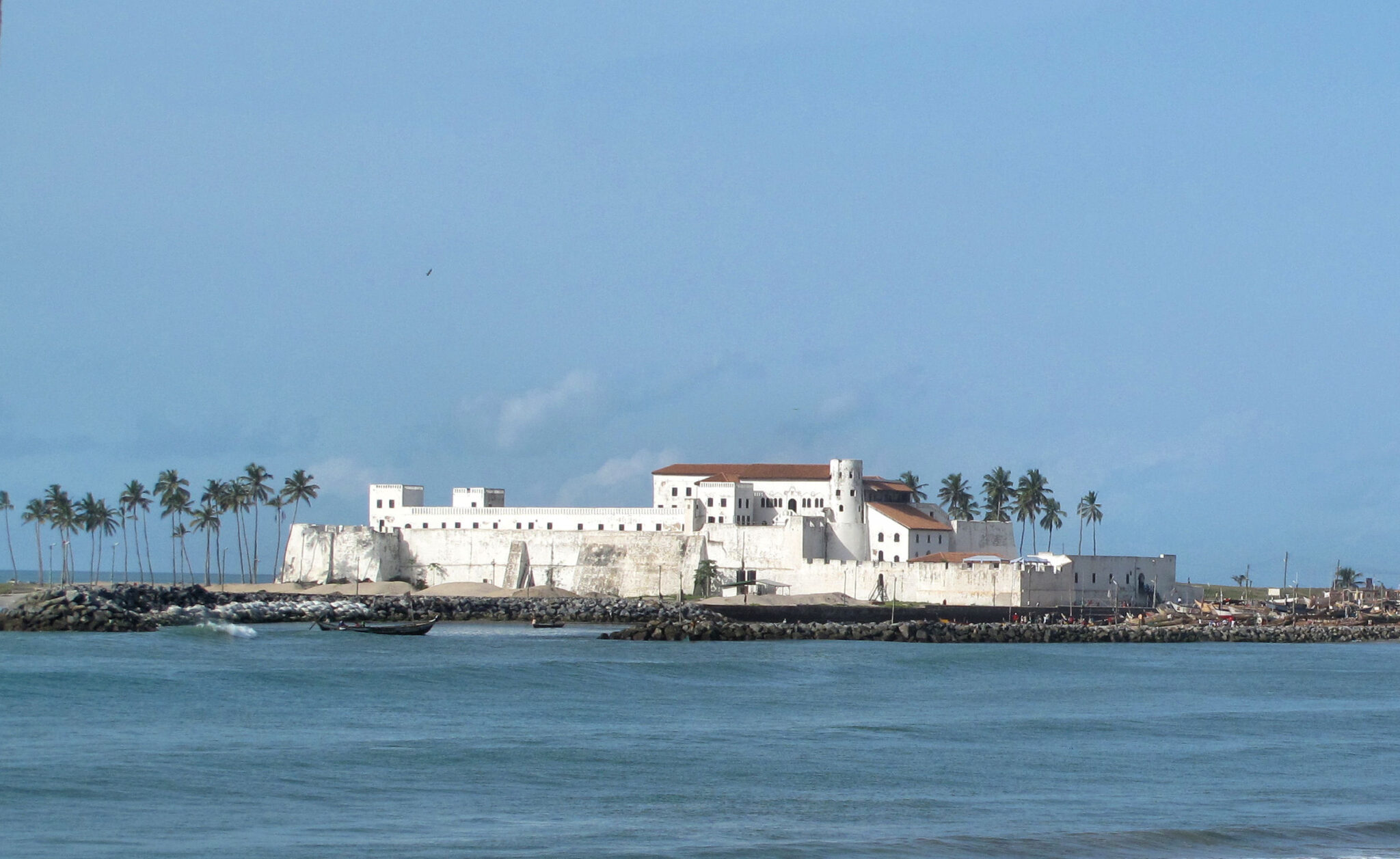
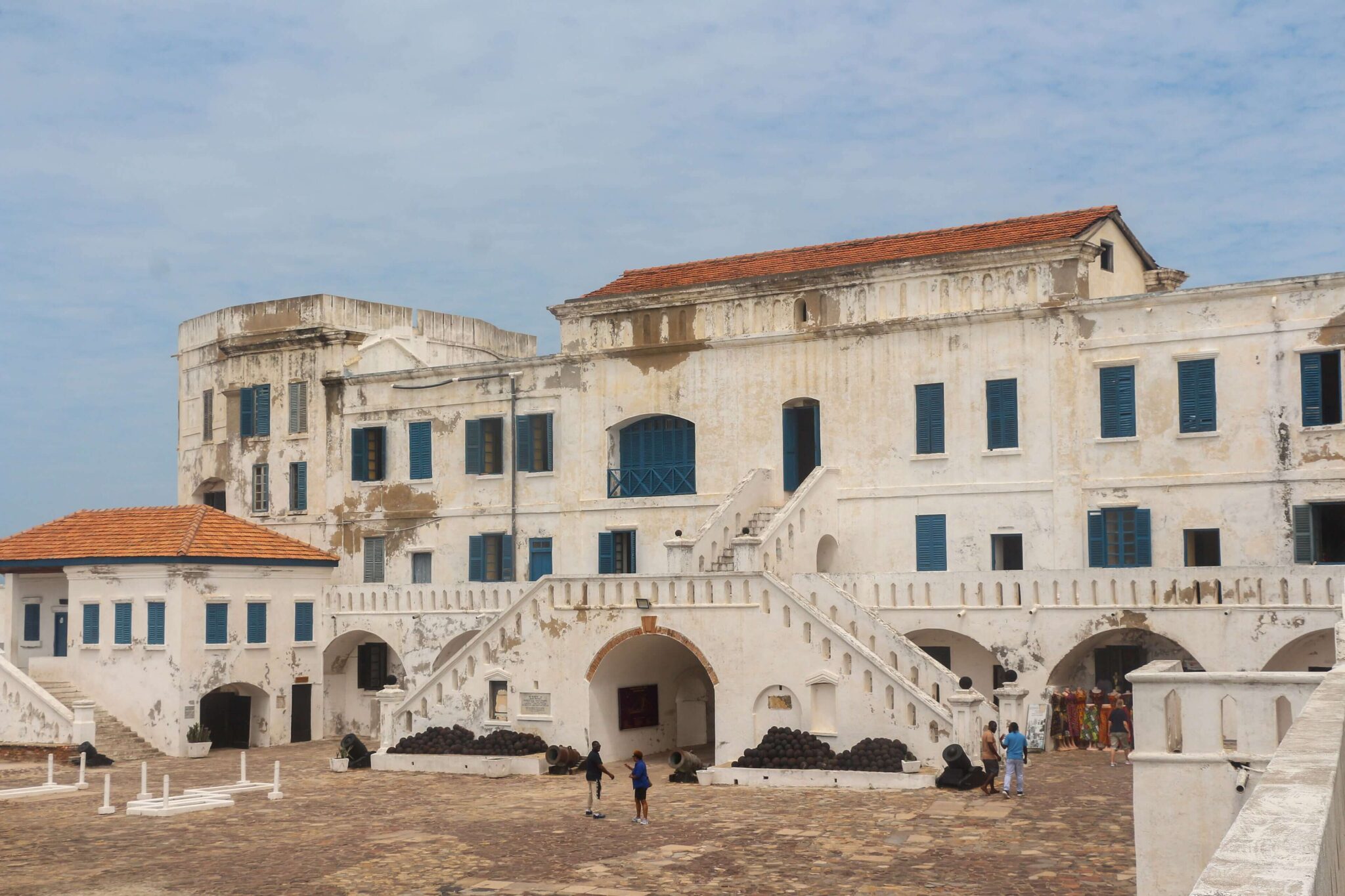
Elmina is a coastal town in Ghana’s Central Region known for Elmina Castle, one of the best-preserved European-built forts in West Africa and a key site for understanding the transatlantic slave trade. A guided tour is the best way to visit because it explains how the fort functioned over different periods, how people were held and transported, and how European powers competed along this coast. The castle sits directly by the sea and can be combined easily with Cape Coast in the same day if you start early.
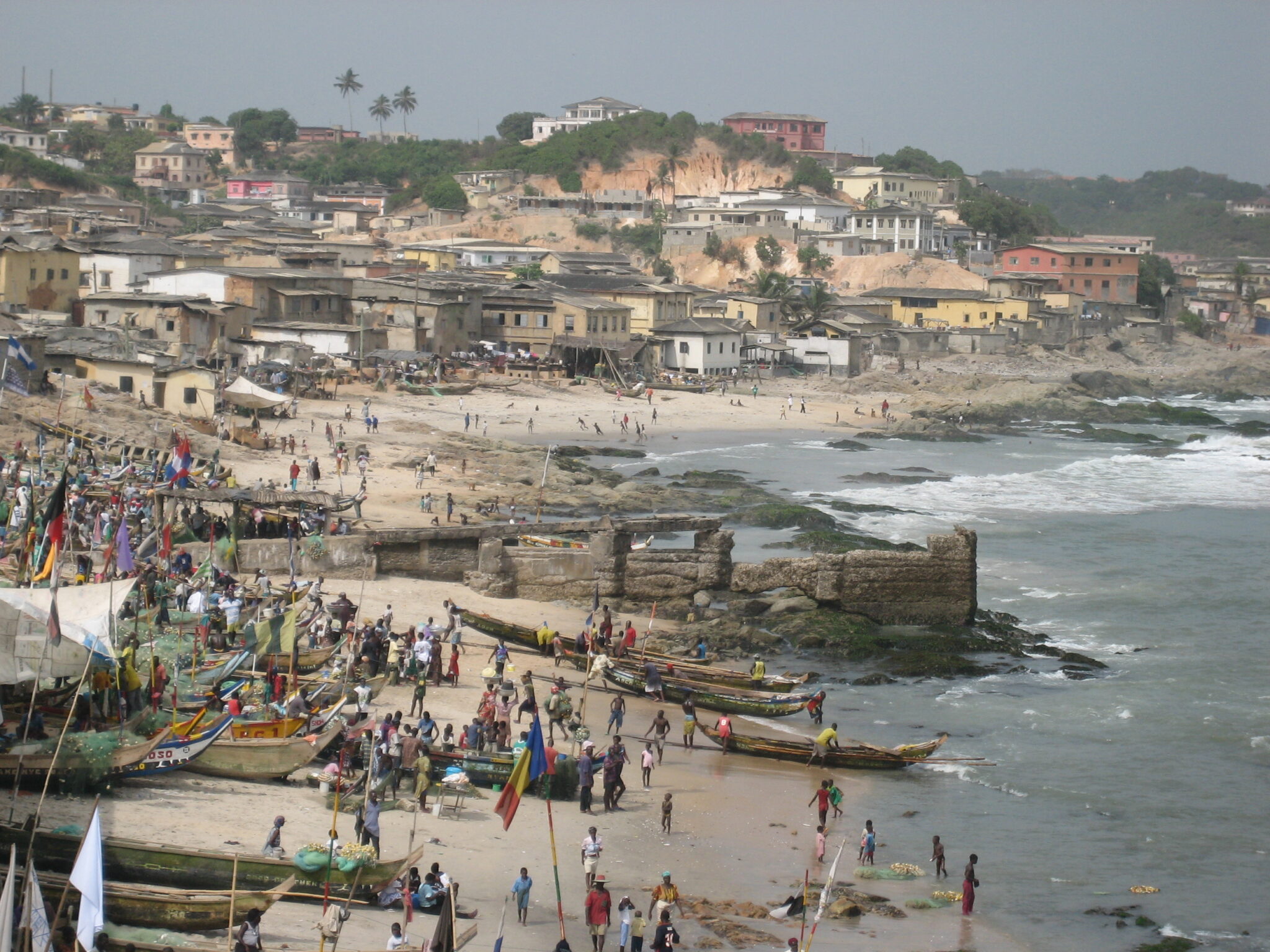
Outside the castle, Elmina is an active fishing town with a busy harbor where canoes land daily catches and nearby markets sell fish and basic goods. Walking around the waterfront and the town center gives a clearer picture of how the local economy works today, separate from the historic site. Elmina is reached by road, most commonly as a short drive from Cape Coast or as a longer day trip from Accra, using taxis, shared minibuses, or arranged transport.
Tamale
Tamale is the main city in northern Ghana and the most common base for travel into the savannah regions. The city is strongly associated with Dagomba culture, which is visible in everyday life through language, dress, drumming traditions, and community events. Central markets are useful for understanding local trade in shea products, grains, livestock-related goods, and textiles, and the city’s food scene is a good place to try northern staples alongside dishes found across Ghana.
Tamale is also a practical transport hub. Many travelers use it as the starting point for Mole National Park, typically continuing by road to the park’s entrance and lodge area, then arranging guided drives or walking safaris through official channels. Tamale can be reached by domestic flights from Accra or by long-distance buses, and once in town, taxis and shared transport cover most local routes. It is a good place to organize supplies, confirm onward transport, and plan timing, especially if you are traveling during the rainy season when road conditions in more remote areas can slow down trips.
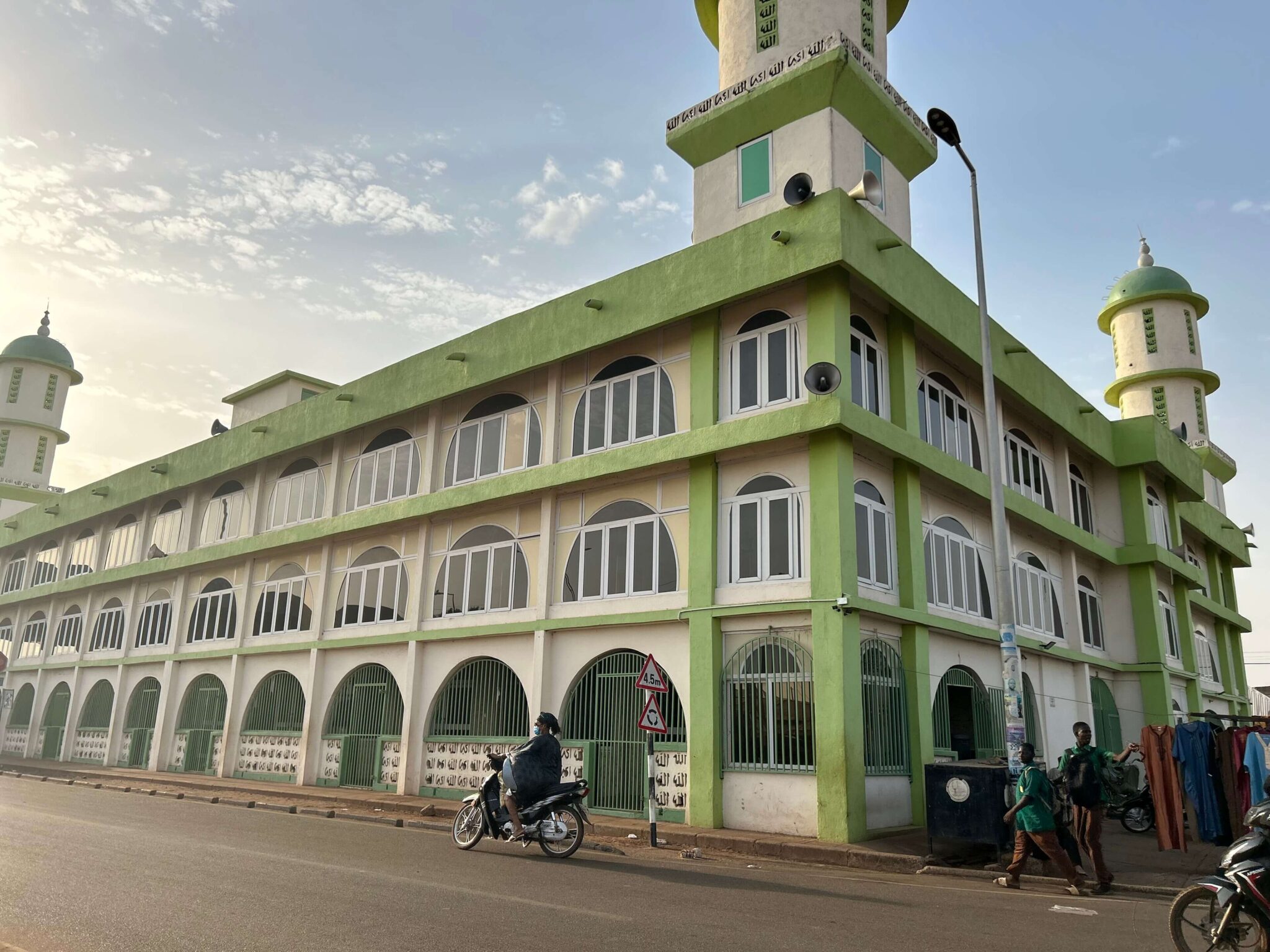
Best Historical Sites
Cape Coast Castle and Elmina Castle
Ghana’s coast has a dense chain of European-built forts and castles created by different powers over several centuries to control trade routes, taxation, and later the transatlantic slave trade. Visiting both Cape Coast Castle and Elmina Castle is useful because they illustrate how these sites functioned as commercial and military infrastructure, how imprisonment and forced movement were organized within the buildings, and how control of the coastline shifted between competing European states over time. The value of the visit is highest with a guided tour, since interpretation explains what you are seeing and how specific spaces were used.
Logistically, the castles are easy to combine because Cape Coast and Elmina are close to each other and well connected by road. Many travelers base themselves in Cape Coast for one or two nights and do Elmina as a half-day trip, then return for Cape Coast Castle the same day or the next morning. If you are coming from Accra, it can be done as a long day trip, but an overnight stay reduces time pressure and makes it easier to visit Kakum National Park or other nearby sites as well.
Fort St. Jago
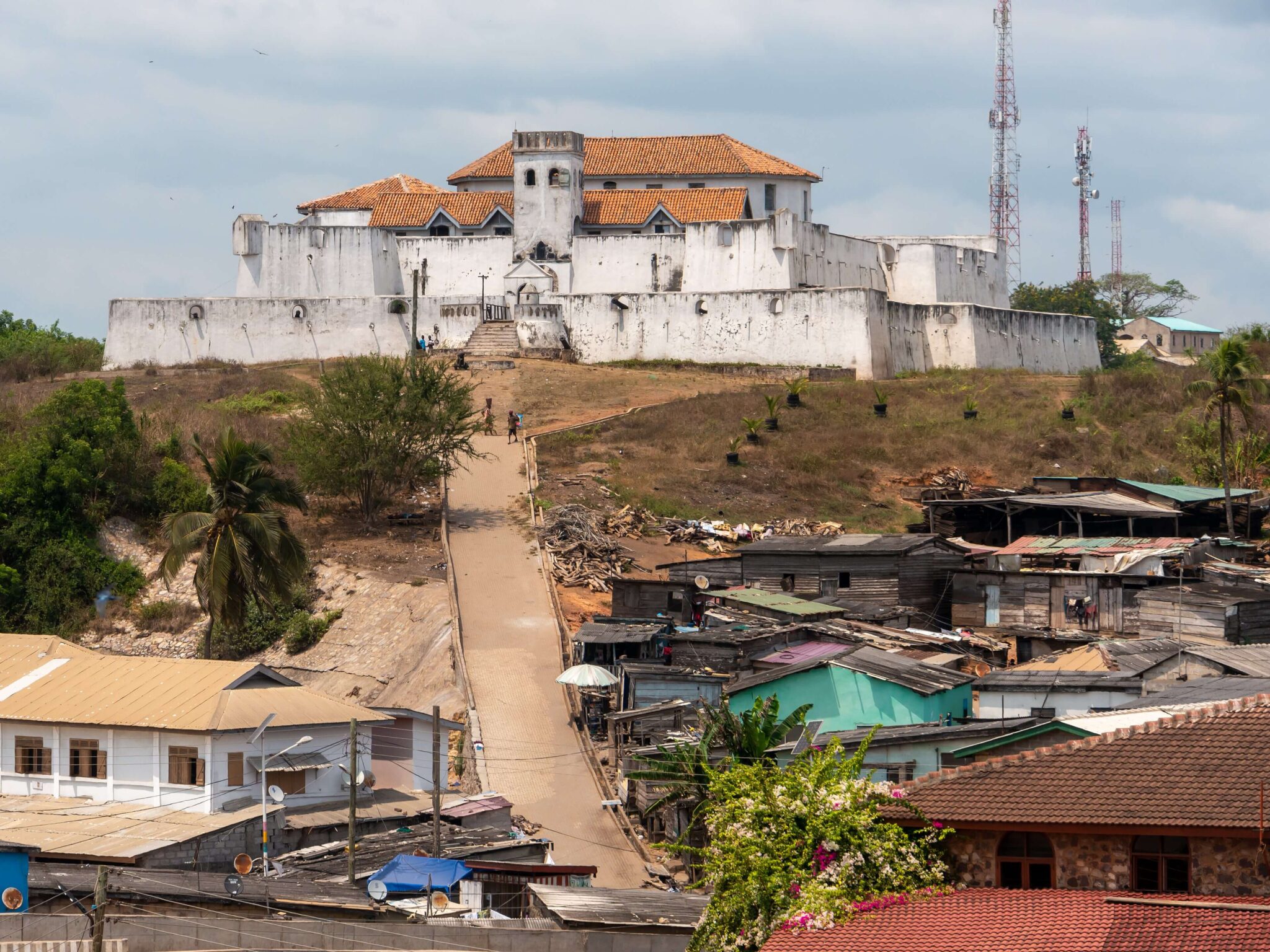
Beyond Cape Coast Castle and Elmina Castle, the UNESCO-listed chain of forts along Ghana’s coast helps you see how crowded and competitive the shoreline was during the era of Atlantic trade. Fort St. Jago, on the hill above Elmina, is useful because it shows the defensive logic from a higher position and how the castle, town, and harbor fit together; it is typically reached on foot or by a short drive from Elmina, and many visitors combine it with Elmina Castle in the same morning or afternoon. Smaller forts in nearby towns add context by showing how different European powers operated in close proximity, sometimes with only a few kilometers between sites, and how forts functioned as warehouses, trading posts, and military outposts rather than just “castles”.
Assin Manso
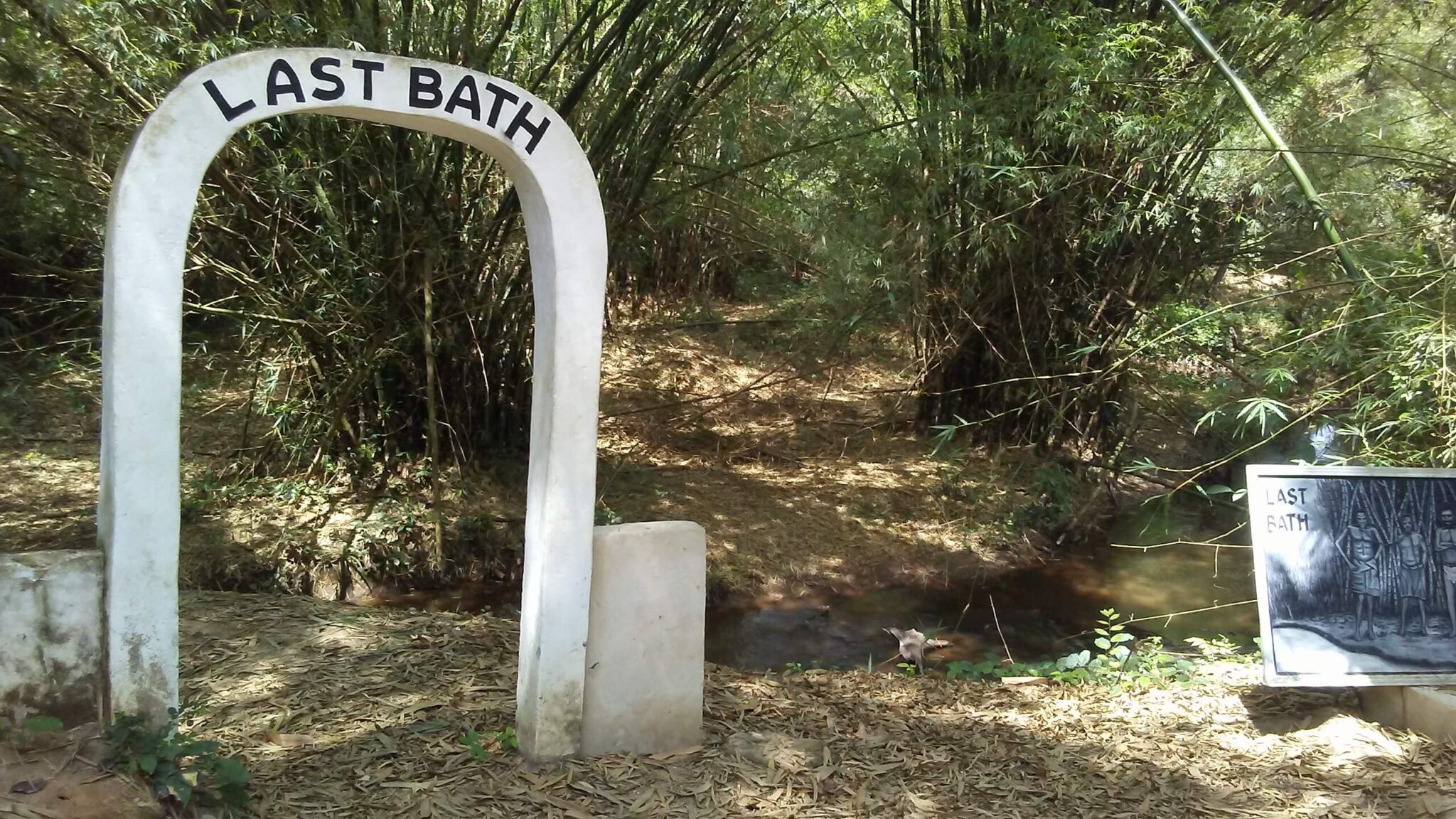
Assin Manso Slave River, also known as the Ancestral Slave River site, is an inland heritage memorial in Ghana’s Central Region that complements visits to Cape Coast and Elmina by showing what happened before captives reached the shoreline forts. Historical interpretation at the site focuses on the period when people were held and moved along inland routes, including the tradition that captives were brought to the river to wash before being marched onward to the coast. Today the area is set up as a remembrance park, with the riverbank as the central point, memorial markers, and a small interpretive space that explains the broader context and why the location is important for descendants of the diaspora.
Best Natural Wonders in Ghana
Kakum National Park
Kakum National Park is a protected rainforest area in Ghana’s Central Region, most commonly visited from Cape Coast by road in about an hour depending on traffic and the exact departure point. The best-known feature is the canopy walkway, a series of suspended bridges that let you move above the forest floor and observe the treetop environment from multiple platforms. The park also has shorter forest trails around the visitor area, and guides explain common tree species, medicinal uses, and signs of wildlife activity.
Arriving early in the morning is practical because temperatures are lower and the forest is more active with bird calls and movement in the canopy. Wildlife sightings are not guaranteed, but the experience is still strong for rainforest ecology, especially birds, butterflies, and dense vegetation. Most people visit Kakum as a half-day trip from Cape Coast or Elmina using a hired taxi, tour vehicle, or shared transport to the park entrance, then pay the standard entry and guide fees on arrival.
Mole National Park
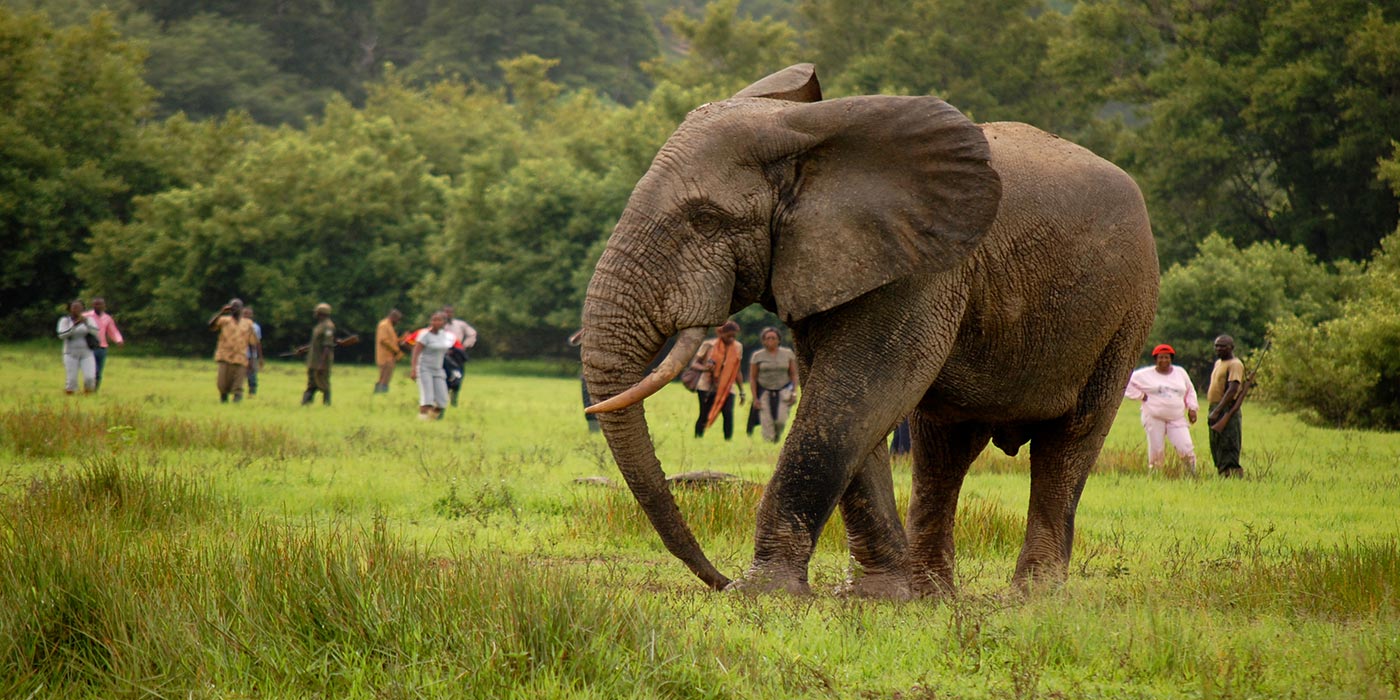
Mole National Park is Ghana’s main safari area, set in the north in a savannah landscape of open woodland and grassland. That terrain makes wildlife easier to watch than in rainforest zones, and elephants are one of the most reliable sightings, often near water sources. Visits are organized around ranger-led activities, usually a guided walking safari and vehicle drives on park tracks, with chances to see antelope, warthogs, baboons, and a wide range of birds. Early morning and late afternoon tend to be the best times for movement and visibility, while midday is typically quieter and hotter.
Most travelers reach Mole via Tamale, then continue by road toward the park, and some combine it with stops in nearby towns such as Damongo depending on where they are staying. It is possible to travel from Accra by flying to Tamale and continuing overland, or by long-distance bus to the north if you have more time. Guides are not optional for walks, and it is important to follow ranger instructions closely, especially around elephants and baboons. Road access and travel times are generally easier in the dry season, while the rainy months can slow travel and affect track conditions.
Bui National Park
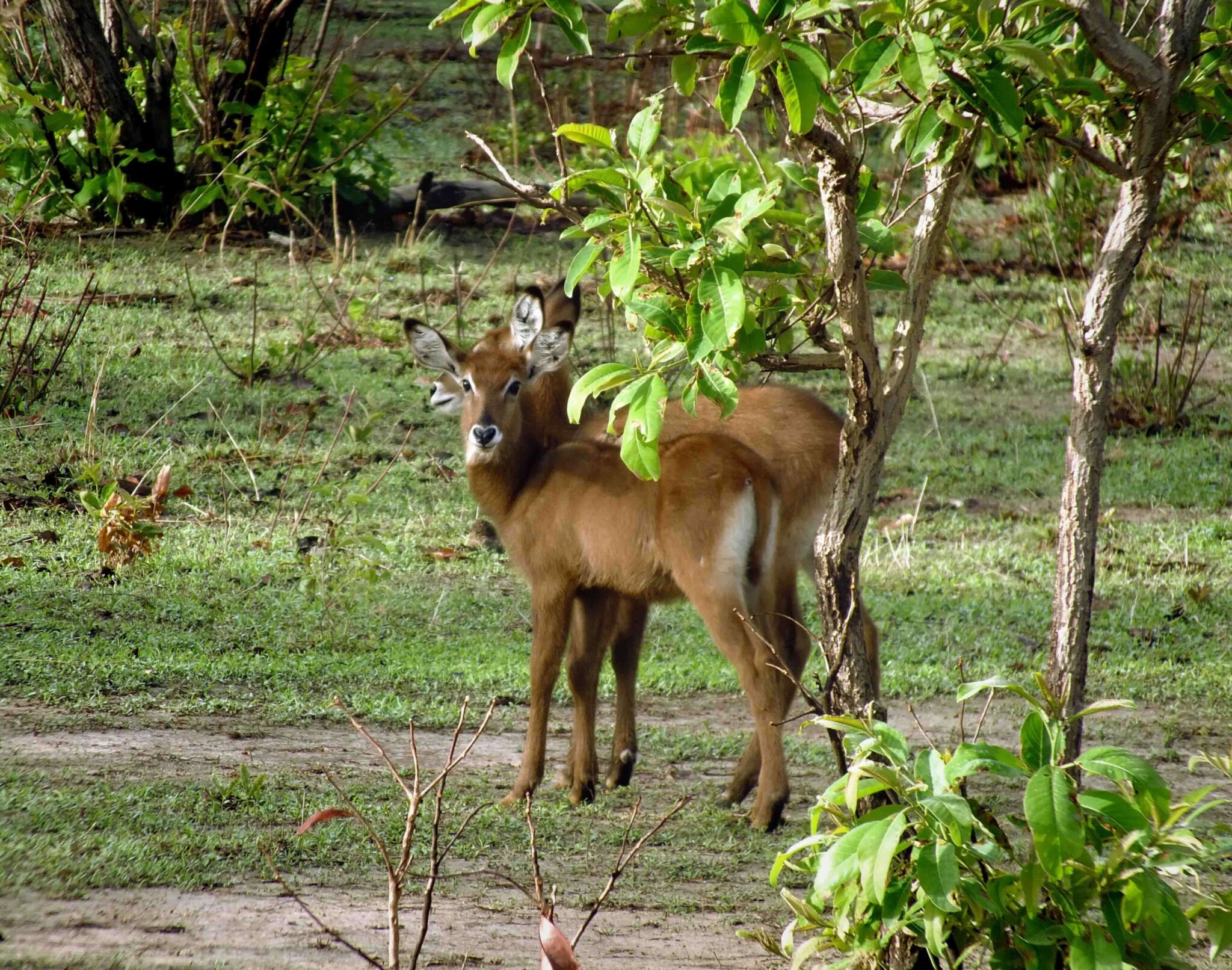
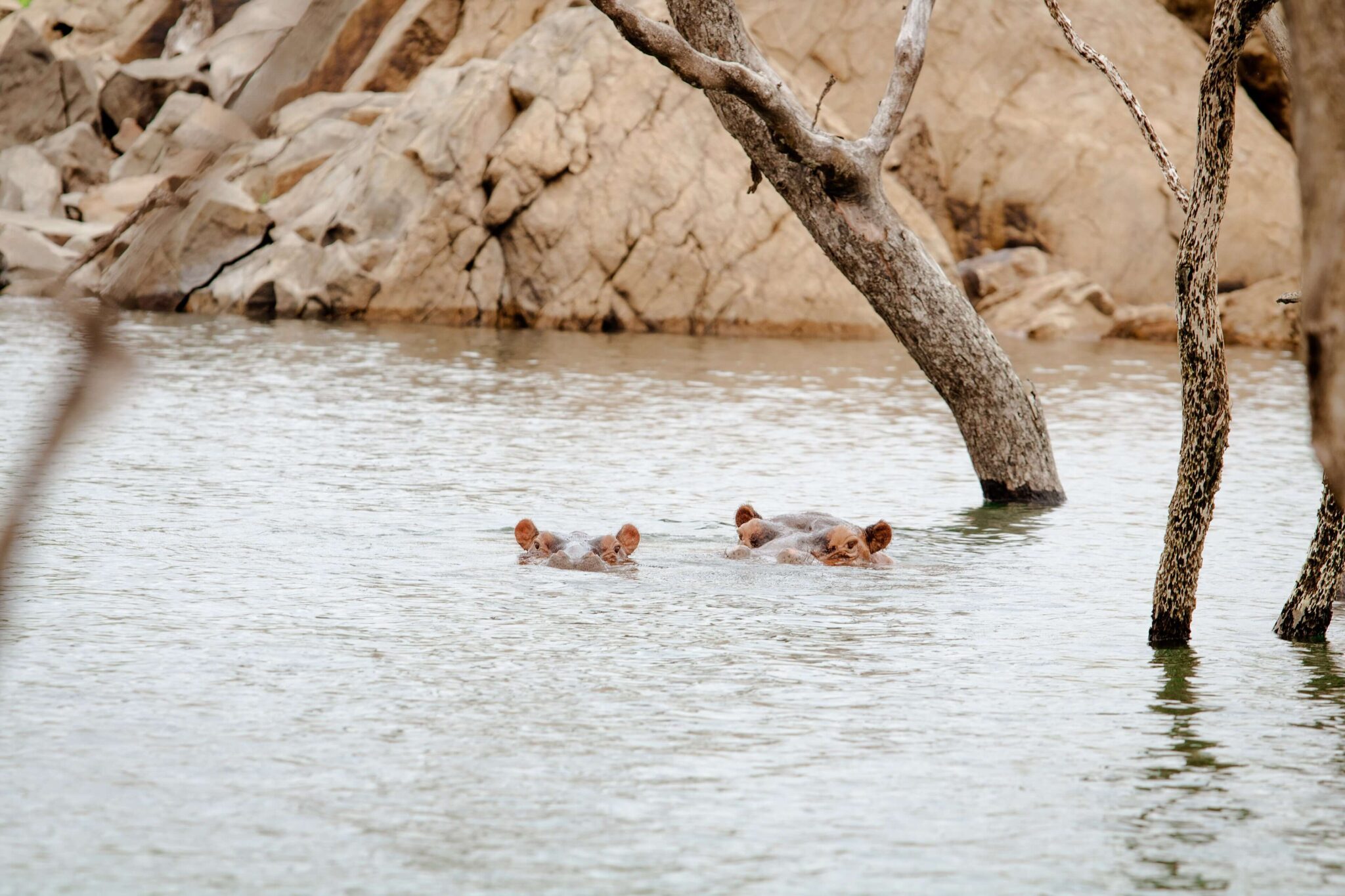
Bui National Park is in western Ghana along the Black Volta River and is defined by riverine habitats, woodland, and open grassland rather than the classic savannah look of Mole. The river is central to the experience, and Bui is one of the better places in Ghana to look for hippos, usually seen from the water or along calmer stretches near the riverbanks. Because the park receives fewer visitors, wildlife viewing often feels less structured, and you should expect more basic infrastructure and longer stretches without services.
Most visits are planned around ranger support and river access, since boat trips are often the most effective way to cover habitat and look for hippos and waterbirds. Getting there usually involves overland travel from larger towns in the Bono or Savannah zones, with the last section sometimes on rough roads depending on the season. It works best as an overnight or two-night stop rather than a quick day trip, since travel time can be significant and arranging boats, guides, and park entry is easier when you are not rushing.
Digya National Park
Digya National Park lies along the shores of Lake Volta and covers a large area of lake islands, shoreline forest, and woodland habitats. The park is known more for scale and isolation than for easy wildlife viewing, so visits tend to focus on moving through different environments by boat and on foot, watching for birds, monkeys, and antelope, and looking for signs of larger mammals that use the lake edge and forest cover. Wildlife encounters are possible, but they are less predictable than in better-served parks, and the experience depends heavily on guides and time spent in the area.
Reaching Digya usually involves a long overland journey to lake towns, then onward travel by local tracks and, in some cases, boat transport to access park zones. Because facilities are limited, it is best treated as a planned trip rather than a casual stop, with food, water, and fuel organized in advance. Arranging a visit through official park authorities or local operators is important for permissions, a ranger or guide, and current access conditions, especially in the rainy season when roads and boat routes can be disrupted.
Best Beaches Destinations
Accra, Labadi
Labadi Beach is one of the most visited city beaches in Accra, located in the Labadi area not far from the city center and the airport. It is used mainly as a social venue rather than a quiet nature beach, with beachside bars and restaurants, music events on weekends, and space for walking along the sand. If you want a straightforward beach stop without leaving the capital, this is the easiest option, and it works well for late afternoon visits when the heat drops and more people arrive.
Getting there is simplest by taxi or ride-hailing from central Accra, with travel time depending heavily on traffic. There is usually an entrance fee at the gate, and vendors can be persistent, so it helps to agree prices in advance and keep valuables secure. Swimming conditions can change quickly due to surf and currents, so it is better to be cautious and follow local advice, especially if there are no visible lifeguards.
Kokrobite
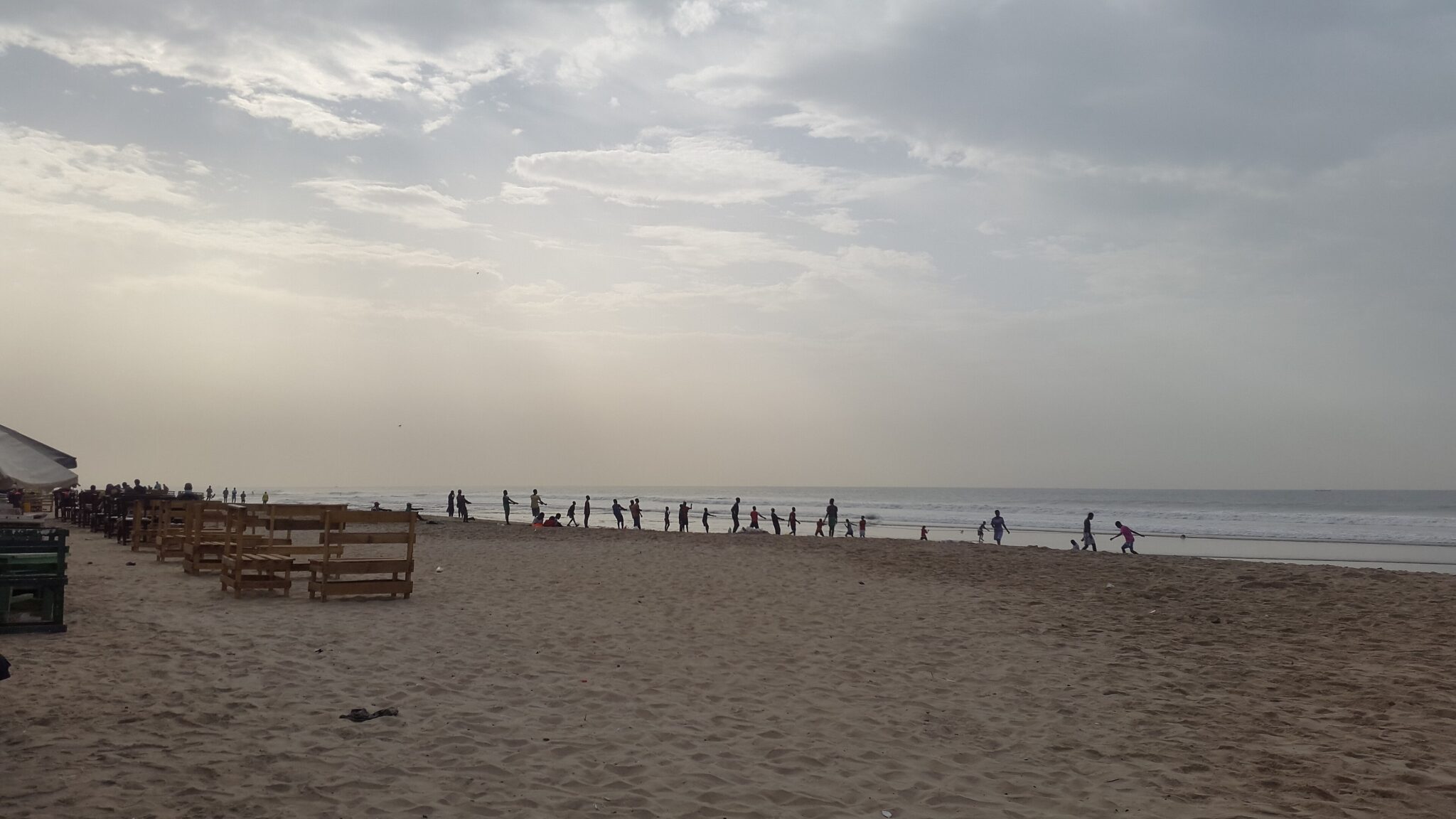
Kokrobite Beach is a popular escape west of Accra, known for a calmer pace than the city beaches and a social scene that mixes travelers with local regulars. The beach itself is long and open, and the main draw is spending time at simple beachfront spots that serve food and drinks, especially from late afternoon into the evening. On weekends, the area often becomes more active with music and small events, and some places host live performances that connect to the local arts community.
Getting there is easiest by taxi or ride-hailing from Accra, while the cheaper option is taking a trotro heading west and finishing the last stretch by local taxi. Most people visit as a day trip, but staying overnight makes it easier to enjoy the evening scene and avoid returning during peak traffic. Swimming is possible, but surf and currents can be strong, so it’s safer to be cautious, follow local advice, and avoid going far from shore if conditions look rough.
Busua
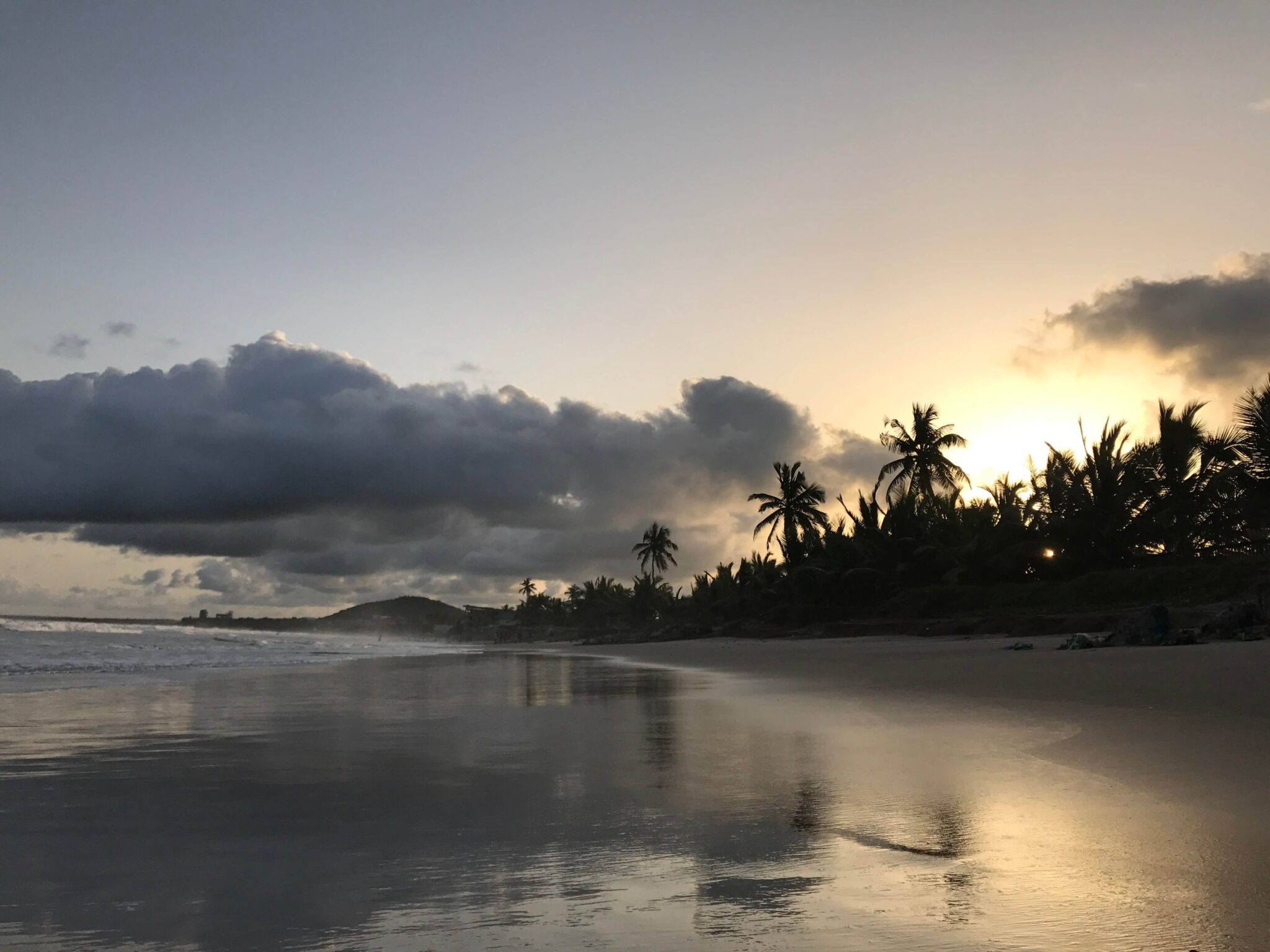
Busua Beach is a small coastal area in Ghana’s Western Region, best known for being one of the country’s easiest places to try surfing. The main beach has consistent waves, and several local surf schools offer board rental and lessons, so beginners can start without bringing equipment. When the sea is calmer, people also come for swimming and long walks along the sand, but conditions can change quickly, so it is sensible to ask locally about currents and safer spots before going in the water.
Most travelers reach Busua by road, either from Accra as a long overland trip, or from Sekondi Takoradi as a shorter drive, often done by taxi, hired car, or shared minibuses that run along the coastal route. A common faster option is to fly to Takoradi and continue by road. Busua also works as a base for short trips in the surrounding area, including Cape Three Points and nearby fishing towns, and it is a practical place to stay for a few days if you want a simple routine of beach time, surf sessions, and local food without moving around daily.
Axim
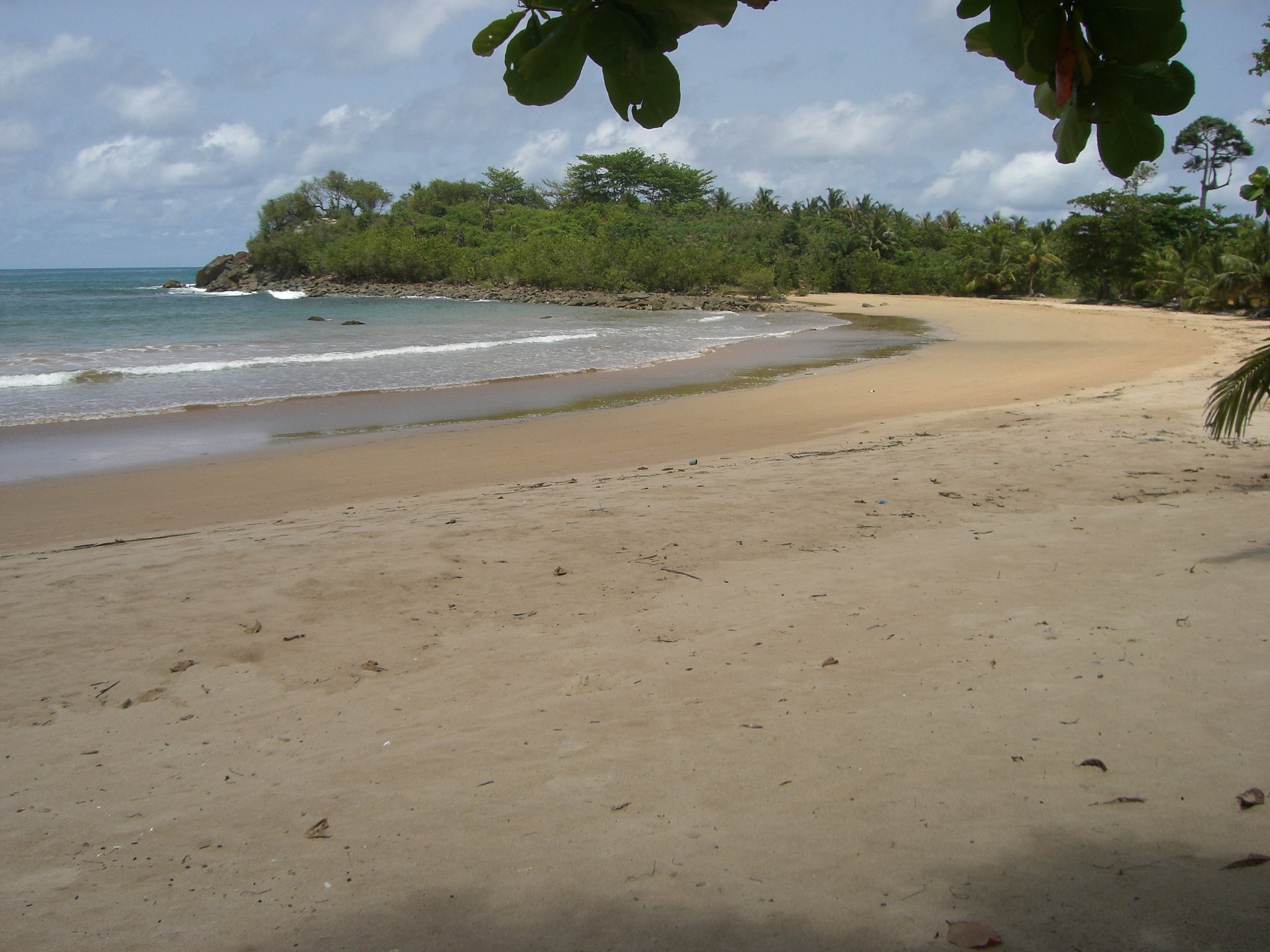
Axim Beach is in Ghana’s far west, not far from the Côte d’Ivoire border, and it tends to feel quieter and less developed than the main beach areas closer to Accra. The shoreline is long and open, with fishing activity in parts of town and fewer built-up beachfront strips, so the visit is usually about simple beach time, walking, and observing coastal life rather than organized attractions. Sea conditions can be strong, so swimming is best treated cautiously and discussed with locals if you are unsure about currents.
Hidden Gems of Ghana
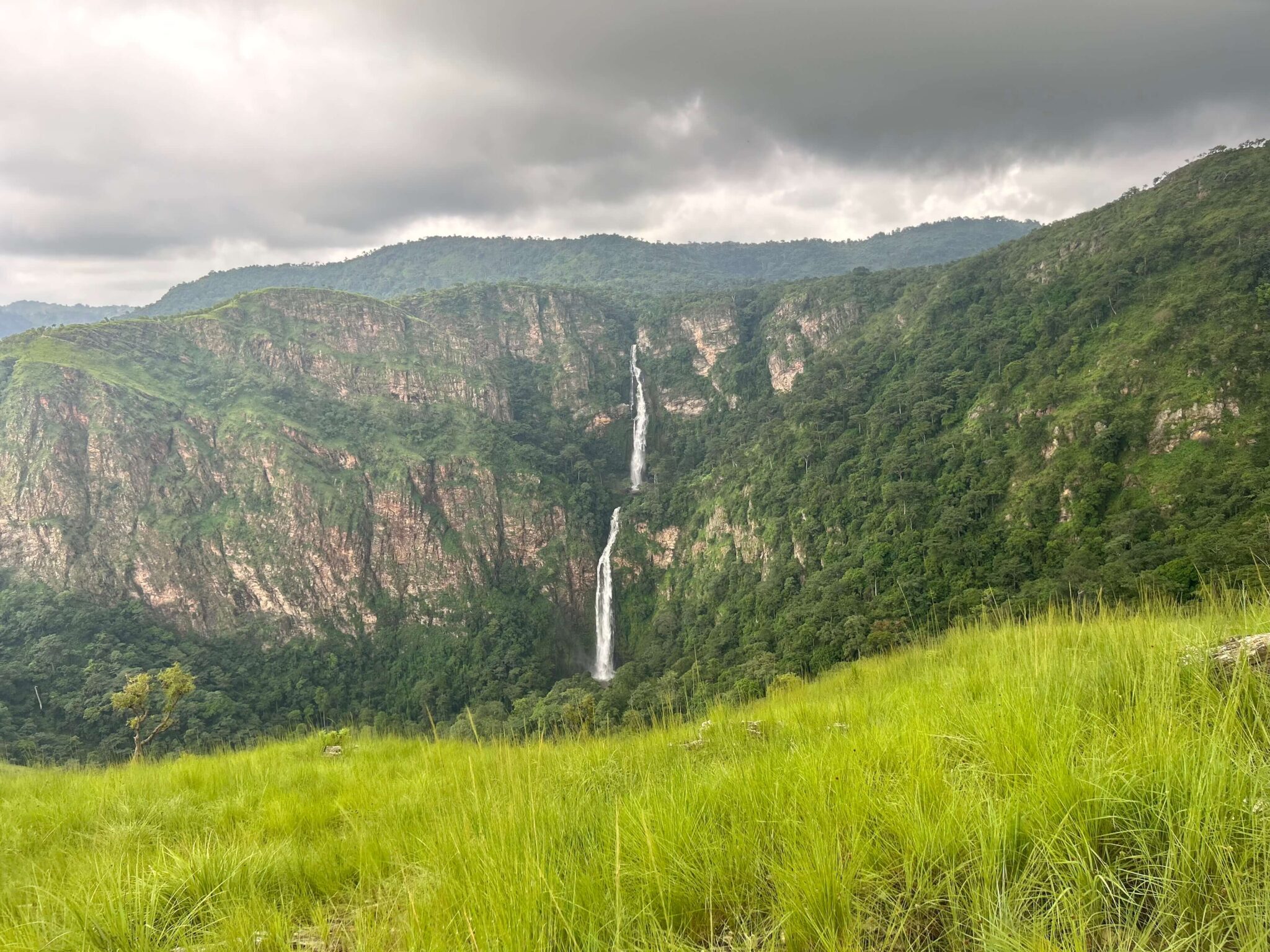
Wli Waterfalls
Wli Waterfalls, also known as Agumatsa Falls, is in the Volta Region near the Togo border, close to the town of Hohoe and the village of Wli. The site is managed as a community-run nature area, and the visit starts with an easy forest walk along a stream with small footbridges and shallow crossings. Most travelers go to the lower falls, which is the shorter hike and ends at a pool below the main cascade. If you have more time and energy, the upper falls can be visited on a longer, more demanding trail that continues deeper into the forest.
Getting there is usually done via Hohoe. From Accra, many people travel by bus or shared transport to Ho or Hohoe, then take a taxi to Wli village and the entrance area. By car, you can drive to Hohoe and continue on local roads to the trailhead. You should expect an entry fee and a guide arrangement on arrival, and it helps to wear shoes with grip because paths and rocks can be slippery, especially in the rainy season. Water levels are usually higher in wet months, while dry months can be more comfortable for hiking, so the best timing depends on whether you prioritize flow or trail conditions.
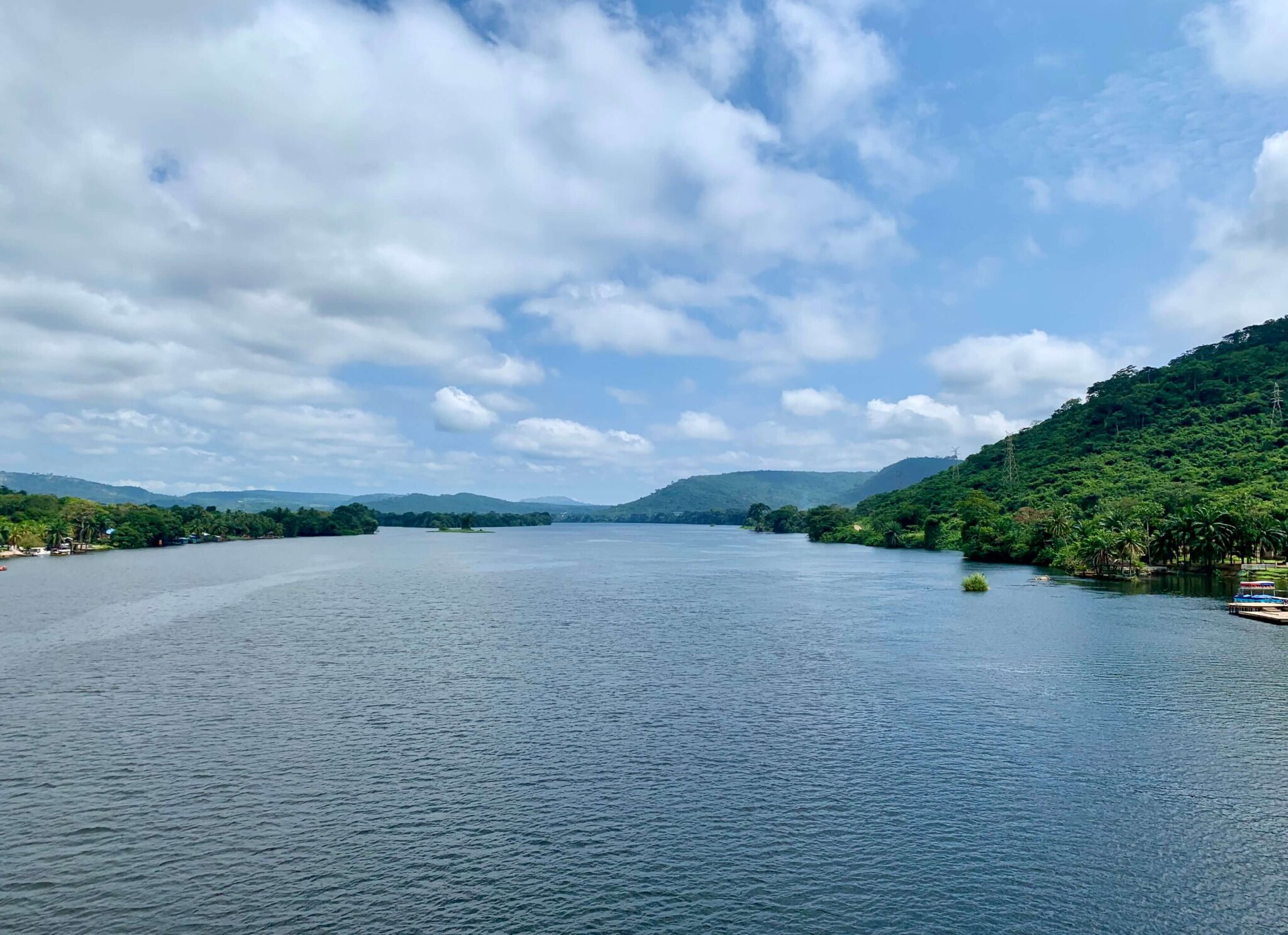
Volta Lake and Akosombo Dam
Volta Lake is one of the world’s largest man-made reservoirs, created by the Akosombo Dam, and Akosombo is the main town visitors use as a base on the eastern side of the lake. The focus here is the water itself: short cruises and local boat trips give a clear view of how the lake functions as a transport route, with fishing canoes, landing points, and lakeside settlements that depend on the reservoir for livelihoods. On shore, the area has several viewpoints and roadside lookouts where you can see the scale of the lake and the dam landscape, especially in the softer light of morning or late afternoon.
Akosombo is easy to reach by road from Accra as a day trip or an overnight stop, usually by private car, taxi, or scheduled buses heading toward the Volta Region. Once there, boat trips are typically arranged through hotels, local operators, or directly at landing areas, and they range from short scenic outings to longer rides that include village stops. If you are planning to combine Volta Lake with other Volta Region sites, Akosombo also works as a practical junction, with onward routes toward Ho, Hohoe, and the eastern highlands.
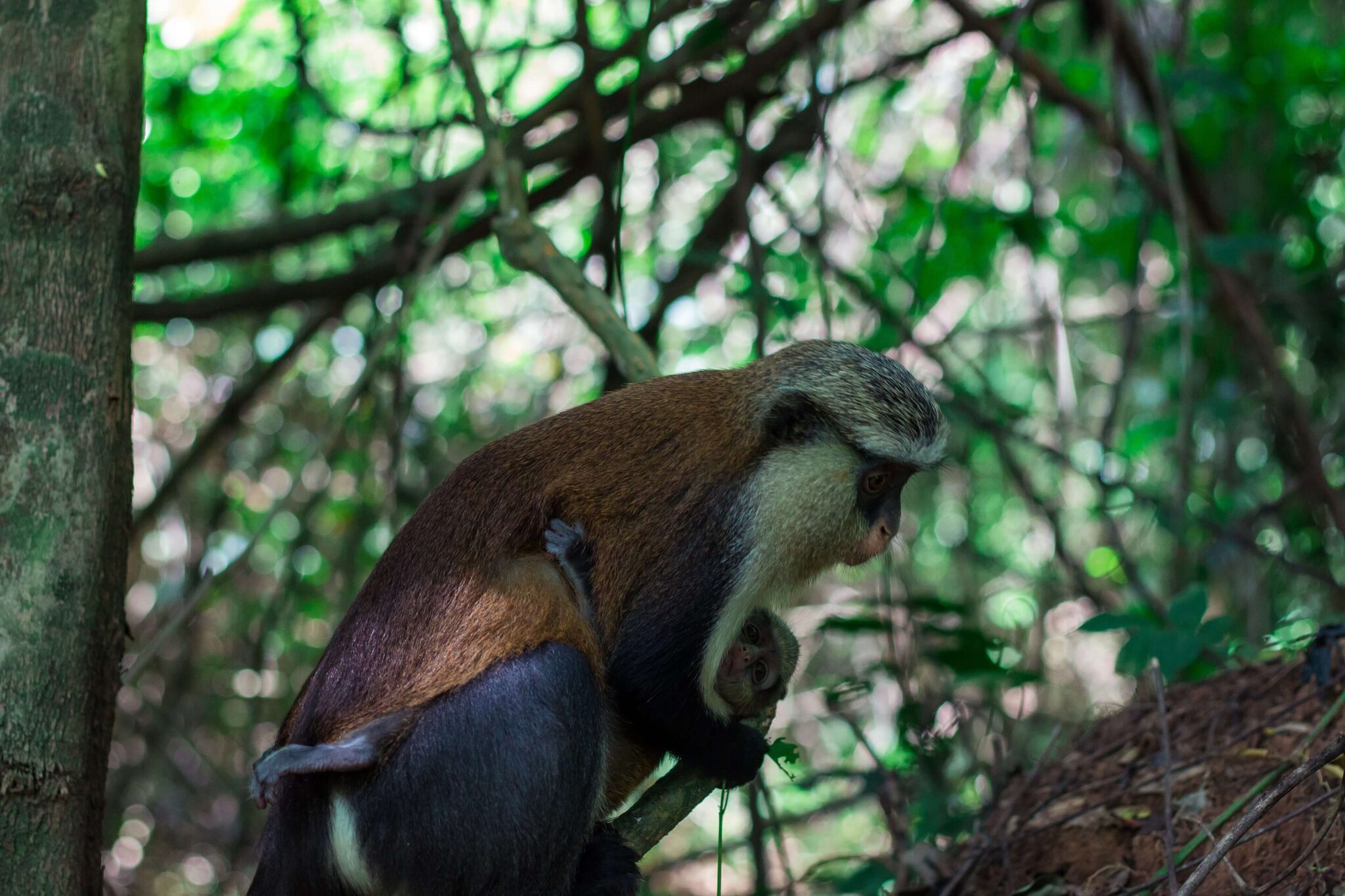
Tafi Atome Monkey Sanctuary
Tafi Atome Monkey Sanctuary is a small community-managed forest area in the Volta Region that protects a troop of mona monkeys living close to the village. Visits are based on guided walks, which explain why the monkeys are tolerated and protected, how rules are enforced locally, and how the sanctuary supports community income through entry fees and guiding. The monkeys are often visible in the forest canopy near the village edge, and the walk is usually short and accessible rather than a demanding hike.
To get there, travelers normally route through Ho or Hohoe and continue by road to the Tafi Atome area, using a taxi, hired car, or local shared transport depending on time and comfort. On arrival you register at the community entrance point and go with a guide, since the visit is organized by the local management group.
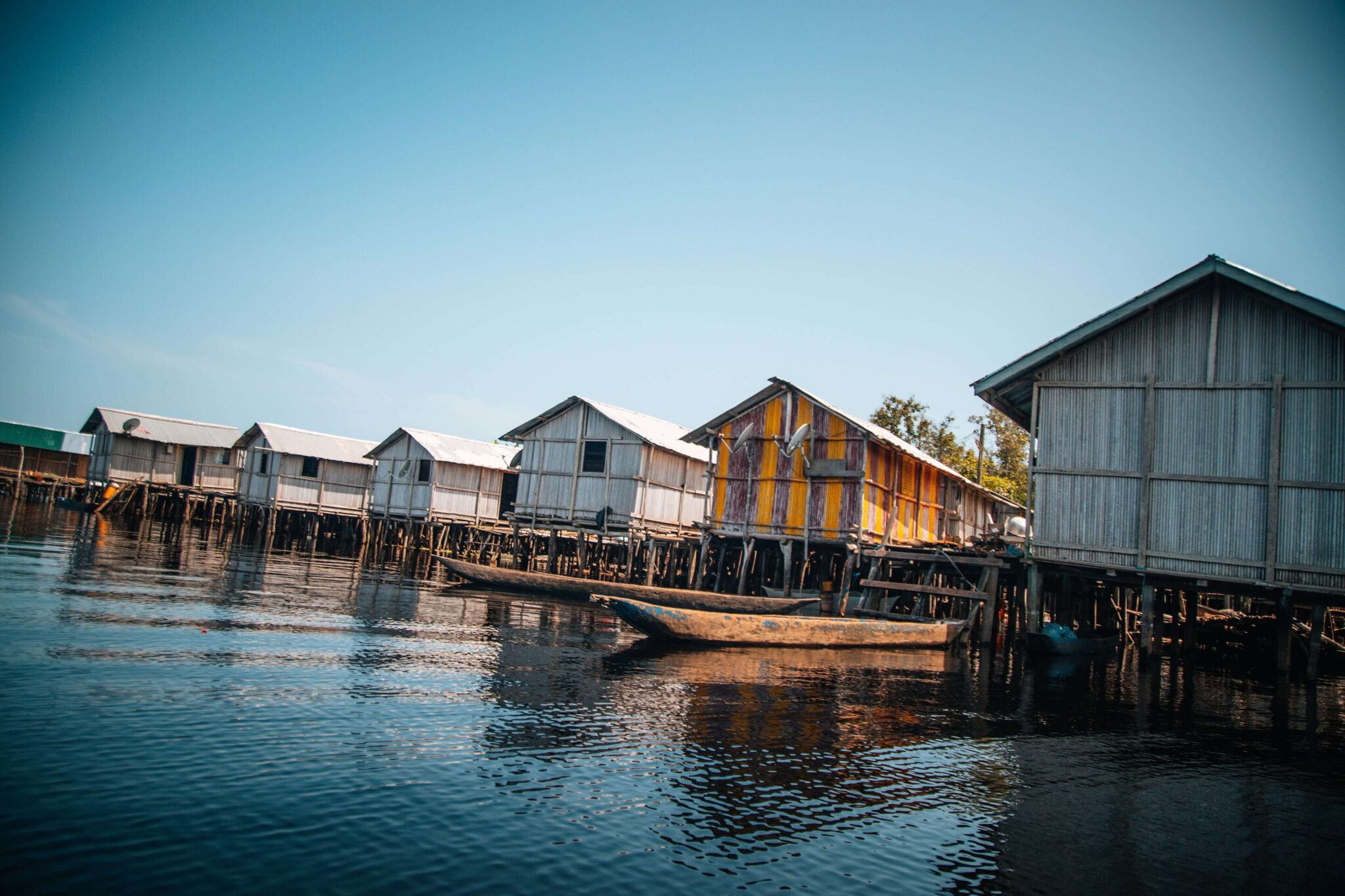
Nzulezo Stilt Village
Nzulezo Stilt Village is in Ghana’s Western Region near Beyin, set over Lake Tadane and reached only by water. The settlement is built on wooden stilts, with raised walkways linking homes, a school, and a church, and daily movement is by canoe or along narrow planks. A visit is usually done with a local guide who explains how the community manages water access, fishing, household life, and building maintenance in a lake environment, and you can also learn about the village’s migration history and traditional leadership structures.
Most travelers reach Nzulezo by road to Beyin or the Nzulezo visitor area, commonly from Takoradi or from the Cape Coast and Elmina corridor if you are traveling west along the coast. From the landing point, you take a canoe through wetlands and shallow lake channels, often passing mangroves and birdlife linked to the wider Amansuri wetland area, with travel time depending on water levels and conditions. It is best to bring sun protection and insect repellent, keep electronics in a waterproof bag, and ask before photographing people or private homes, since this is a living community rather than an open-air exhibit.
Travel Tips for Ghana
Travel Insurance & Safety
Comprehensive travel insurance is essential when visiting Ghana. Your policy should include medical and evacuation coverage, as healthcare facilities outside major cities like Accra and Kumasi can be limited. Insurance that covers trip interruptions and delays is also recommended, particularly for overland travelers.
Ghana is known as one of the safest and most welcoming countries in West Africa, with a stable political climate and friendly locals. Still, it’s wise to take normal precautions in busy markets and urban areas. A yellow fever vaccination is required for entry, and malaria prophylaxis is strongly recommended. Tap water is not safe to drink, so stick to bottled or filtered water. Sunscreen, mosquito repellent, and light clothing are essential for comfort in the tropical climate.
Transportation & Driving
Domestic flights connect Accra, Kumasi, and Tamale, offering quick and convenient travel across the country. Overland transport is easy and affordable, with buses and shared taxis operating widely between cities and towns. Tro-tros, the local minibuses, provide an inexpensive but crowded way to get around urban areas. For travelers seeking independence, car rental is available in major cities and ideal for exploring national parks and less-developed regions.
Driving in Ghana is on the right-hand side of the road. Roads between major cities are generally in good condition, though rural routes can be uneven or unpaved. A 4×4 vehicle is recommended for traveling off the main highways or during the rainy season. An International Driving Permit is required along with your national driver’s license. Always carry your license, passport, and vehicle documents, as checkpoints are frequent along main routes.

Published January 09, 2026 • 19m to read