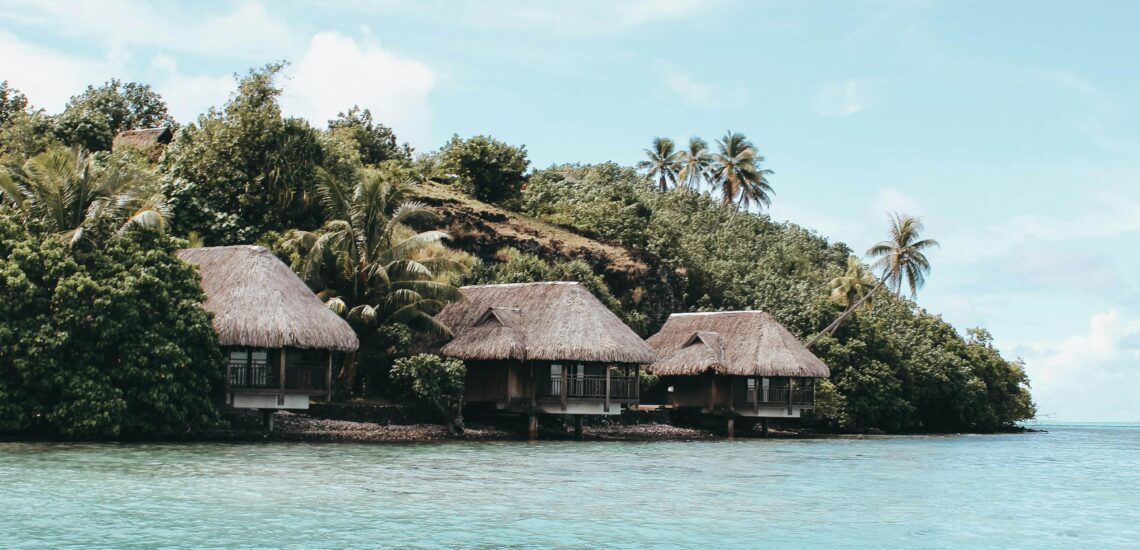


French Polynesia is one of the most iconic destinations in the South Pacific. With more than 100 islands spread across five archipelagos, it is famous for its crystal-clear lagoons, volcanic peaks, luxury overwater bungalows, and deeply rooted Polynesian culture. While Tahiti and Bora Bora are household names, there is much more to explore: quiet atolls with pink sand beaches, ancient temples, world-class dive sites, and islands where traditional life continues at a slow pace.
Best Islands to Visit in French Polynesia
Tahiti
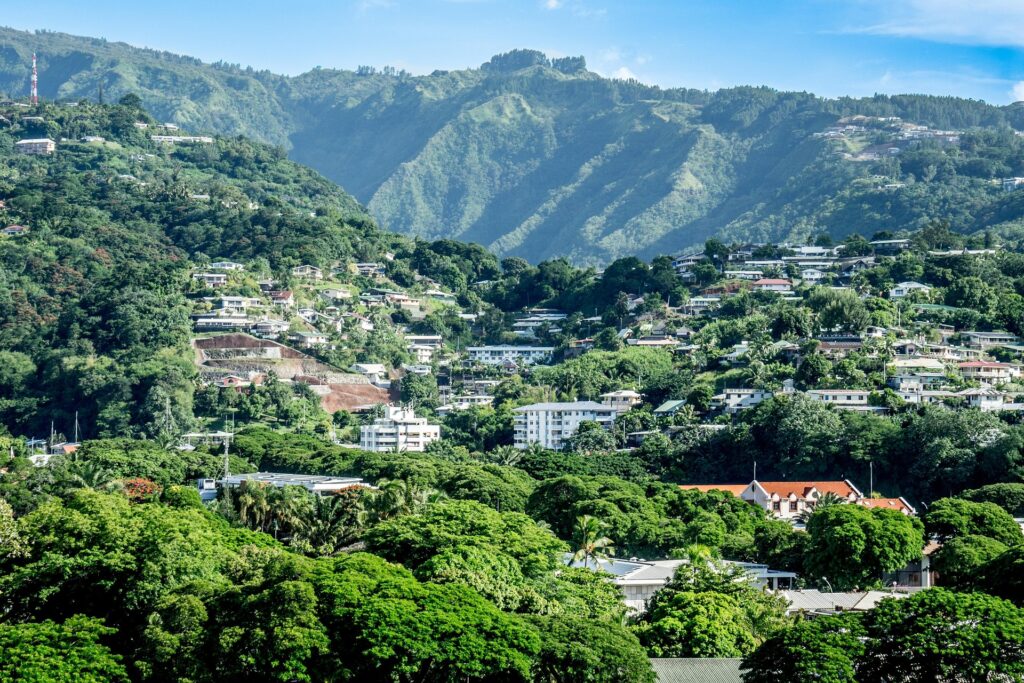
Tahiti is the largest island in French Polynesia and the main entry point through Faa‘a International Airport near Papeete. Although often treated as a stopover, it offers several attractions worth exploring.
In Papeete, the central market sells fruit, vegetables, flowers, handicrafts, and black pearls. Along the southern coast, the Vaipahi Gardens feature botanical collections, waterfalls, and shaded walking trails. Teahupo‘o, on the southwest coast, is internationally known for its powerful surf break, accessible to visitors by boat tours or from viewpoints. The Museum of Tahiti and the Islands presents exhibitions on Polynesian navigation, culture, and natural history. For outdoor activities, the hike to Fautaua Waterfall leads through rainforest to one of the tallest falls in the Pacific.
Bora Bora
Bora Bora is one of French Polynesia’s most visited islands, known for its turquoise lagoon and overwater bungalows. The volcanic peak of Mount Otemanu rises at the center and is the island’s most recognizable landmark, visible from nearly everywhere. Lagoon excursions are the main activity, with tours that include snorkeling with stingrays, reef sharks, and tropical fish. Matira Beach is the best-known public beach, offering white sand and calm water for swimming. Many resorts and tour operators also arrange private motu picnics and sunset cruises. Bora Bora is reached by short flights from Tahiti, with boat transfers connecting to the surrounding motu islets.
Mo’orea
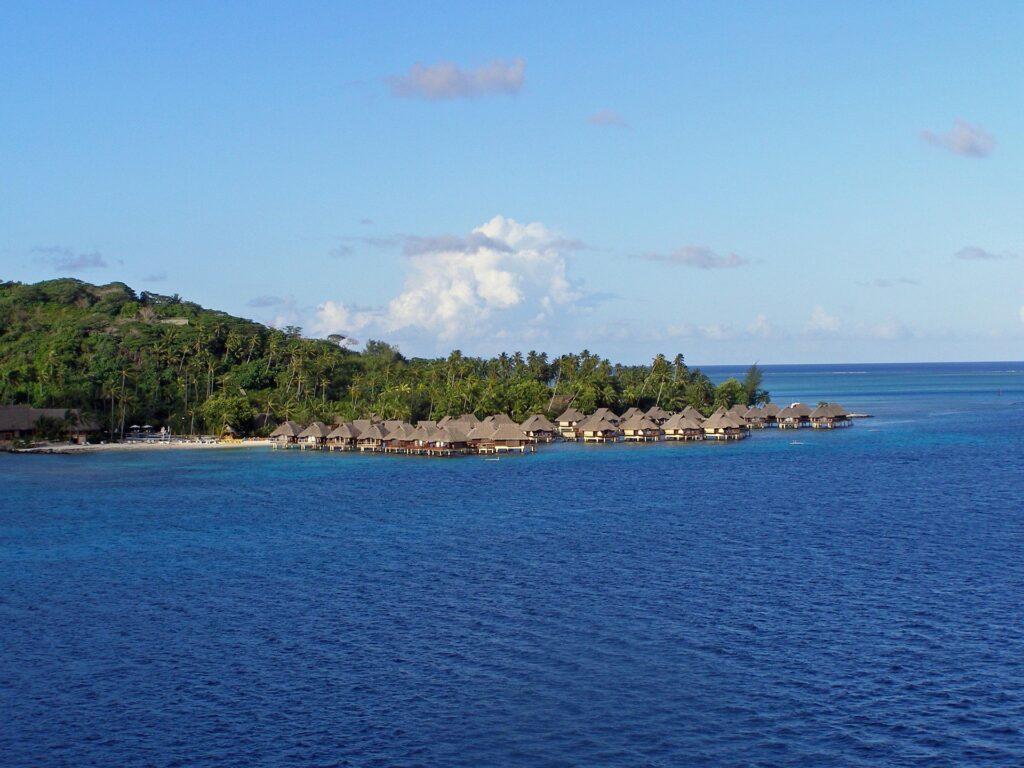
Mo’orea lies only 30 minutes by ferry from Tahiti and is known for its dramatic peaks, bays, and lagoons. The Belvedere Lookout provides panoramic views over Cook’s Bay and Opunohu Bay, two of the island’s most scenic inlets. Inland, ATV and 4WD tours pass through pineapple fields and volcanic valleys, while hiking routes such as Magic Mountain and the Three Coconuts Pass lead to elevated viewpoints. The lagoon is a major draw, with excursions to snorkel among reef sharks and stingrays in shallow clear water. Accommodation ranges from guesthouses to resorts, and the island is small enough to circle by car in a day.
Rangiroa
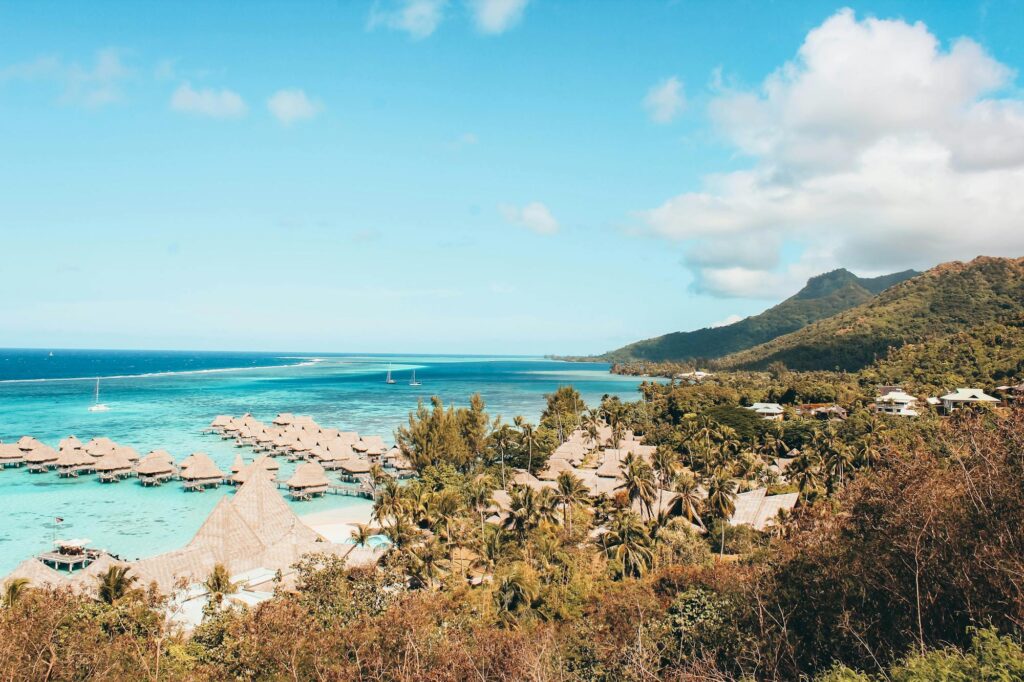
Rangiroa is one of the world’s largest atolls, located in the Tuamotu Archipelago, and is especially known for diving. Tiputa Pass is the most famous dive site, where strong currents attract dolphins, manta rays, sharks, and other pelagic species. Within the atoll, the Blue Lagoon is a sheltered area with shallow turquoise water ideal for swimming and snorkeling. Rangiroa is also home to Vin de Tahiti, the only vineyard and winery in French Polynesia, where tastings are available. The atoll is reached by short flights from Tahiti and has a small number of guesthouses and resorts.
Tikehau
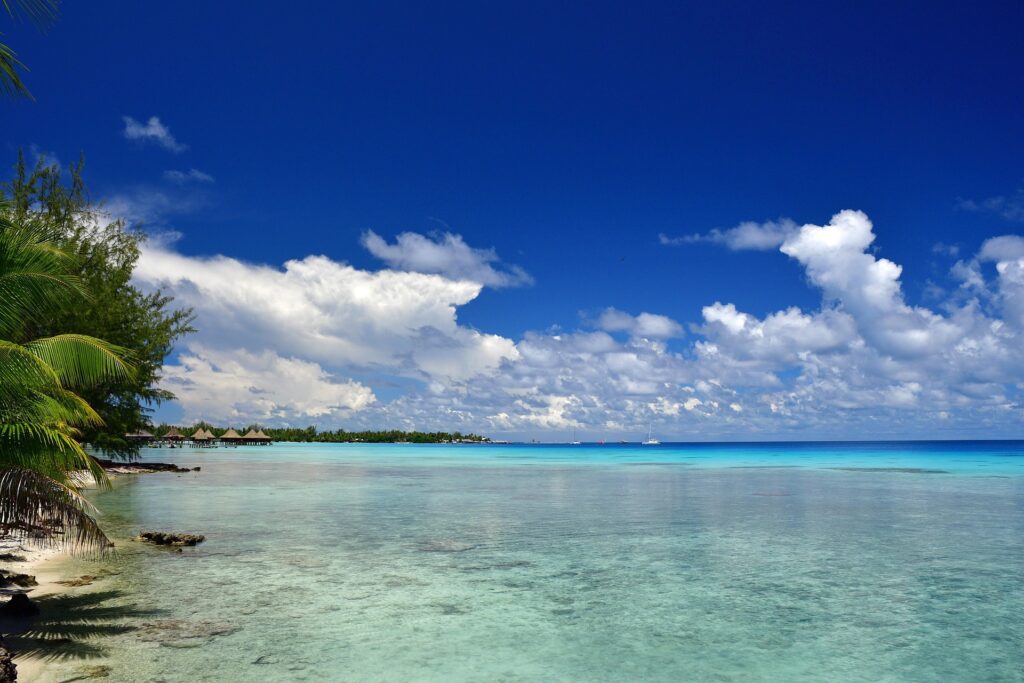
Tikehau is a quiet atoll in the Tuamotu Archipelago, noted for its pink sand beaches and tranquil atmosphere. The lagoon is rich in marine life, with shallow coral gardens where manta rays and reef fish are common. Excursions often include visits to Bird Island, a sanctuary for nesting seabirds. Accommodation is limited to small guesthouses and a few resorts, making it less developed than larger destinations. Tikehau is reached by a short flight from Tahiti.
Huahin
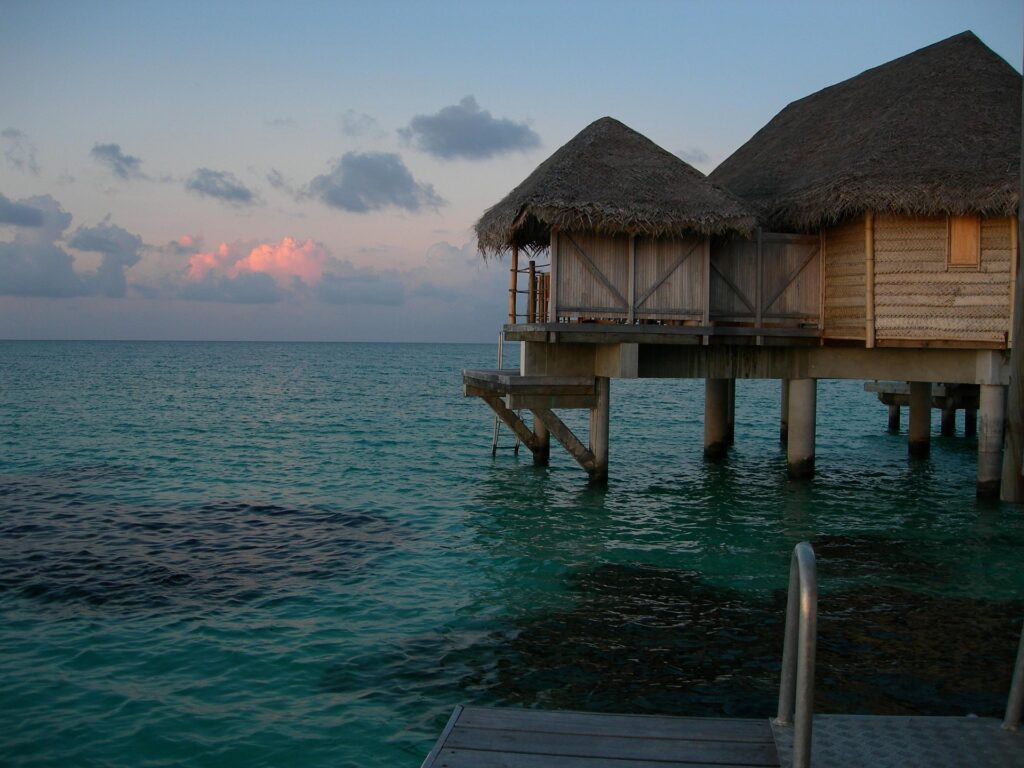
Huahine is part of the Society Islands and is often described as one of French Polynesia’s more traditional destinations, with fewer visitors than Tahiti, Bora Bora, or Mo’orea. The island consists of two main sections, Huahine Nui and Huahine Iti, connected by a short bridge.
Maeva Village is the main archaeological area, with restored marae (temples), stone fish traps in the lagoon, and cultural displays. Agriculture remains important, and visitors can tour vanilla farms and shop at small local markets. Water activities include snorkeling, jet-skiing, and lagoon cruises to nearby motu. Huahine is reached by short flights from Tahiti, and accommodation ranges from guesthouses to small resorts.
Fakarava
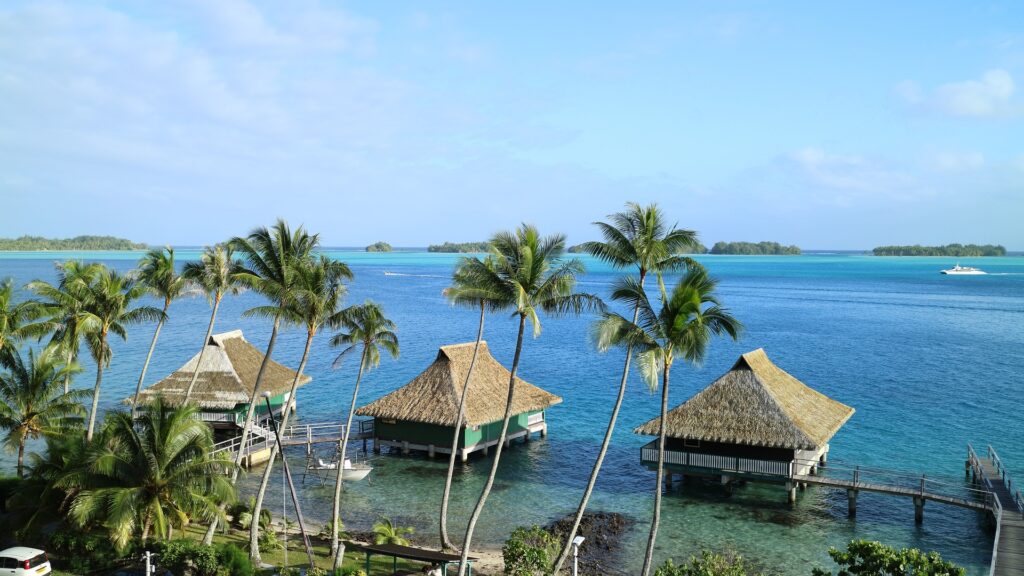
Fakarava is part of the Tuamotu Archipelago and is recognized as a UNESCO Biosphere Reserve for its rich marine life. The atoll is best known for diving, with the North and South Passes offering world-class drift dives where divers can see large schools of sharks, groupers, and other pelagic species. Pink-sand beaches and traditional pearl farms add to the island’s appeal. Accommodation is limited to small pensions and guesthouses, making it a destination for travelers seeking a remote and less-developed experience. Fakarava is reached by flights from Tahiti.
Taha’a
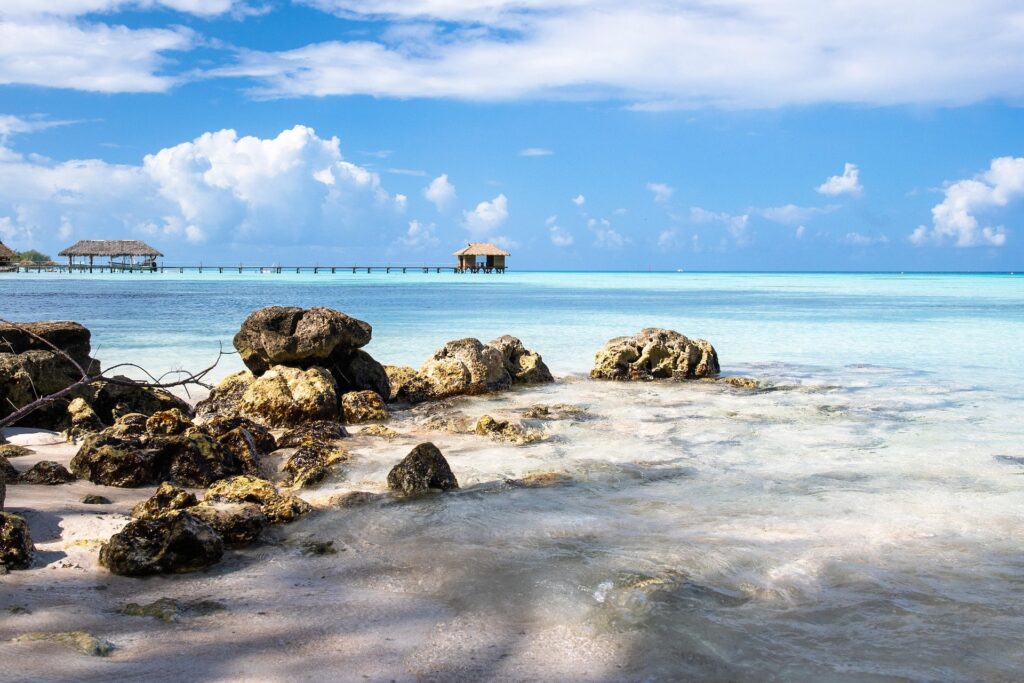
Taha’a is a small island in the Society Islands that shares a lagoon with neighboring Raiatea. It is widely known for its vanilla plantations, where guided tours explain cultivation and curing methods, and for pearl farms producing black pearls. The island’s Coral Garden is a popular snorkeling spot with clear channels and abundant fish. Around Taha’a, many motus (small islets) offer quiet beaches for day trips or private picnics. Access is by boat from Raiatea, which has the nearest airport.
Raiatea
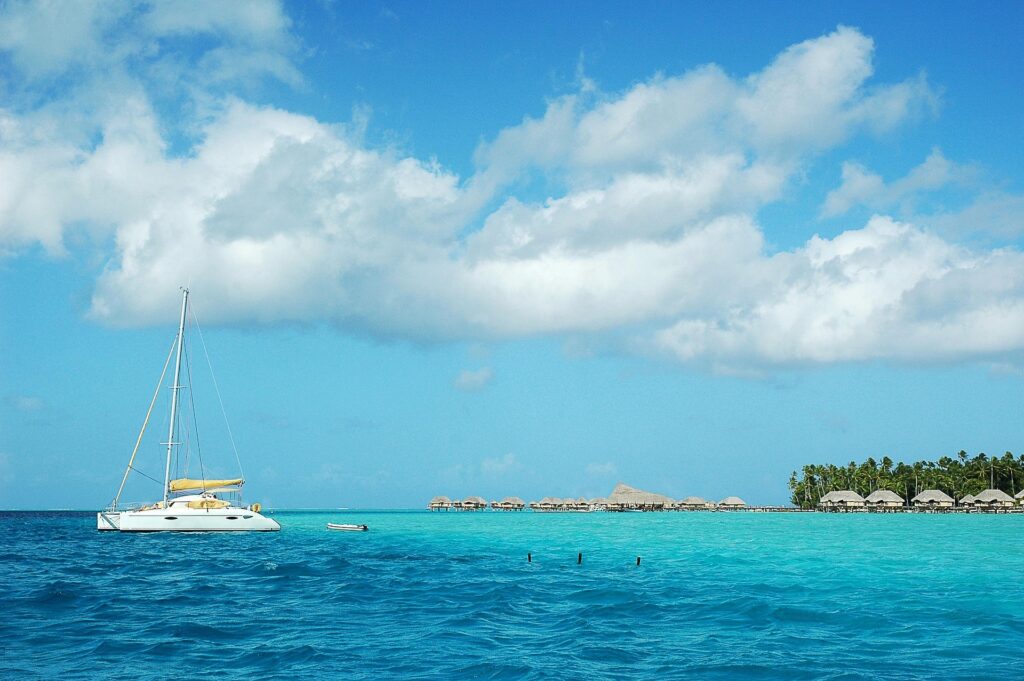
Raiatea is the second-largest of the Society Islands and an important cultural and historical center. It is home to Taputapuātea Marae, a UNESCO World Heritage Site that served as a major religious and political center of Polynesia. The island also offers outdoor activities such as river kayaking and hiking Mount Temehani, known for its rare endemic flora. Raiatea’s deep lagoon and marina facilities make it one of the main bases for yacht charters and sailing trips in French Polynesia. The island shares its lagoon with nearby Taha’a and is accessible by flights from Tahiti.
Hidden Gems of French Polynesia
Maupiti
Maupiti is a small island west of Bora Bora, often compared to its larger neighbor but with far fewer visitors. The island is surrounded by a shallow turquoise lagoon dotted with motus, which can be reached by boat or kayak. Hiking trails lead up Mount Teurafaatiu for panoramic views over the lagoon and outer reef. Maupiti has no large resorts, only small family-run guesthouses, giving it a quieter atmosphere. The island is accessible by short flights from Tahiti or Bora Bora, though services are limited.
Hiva Oa
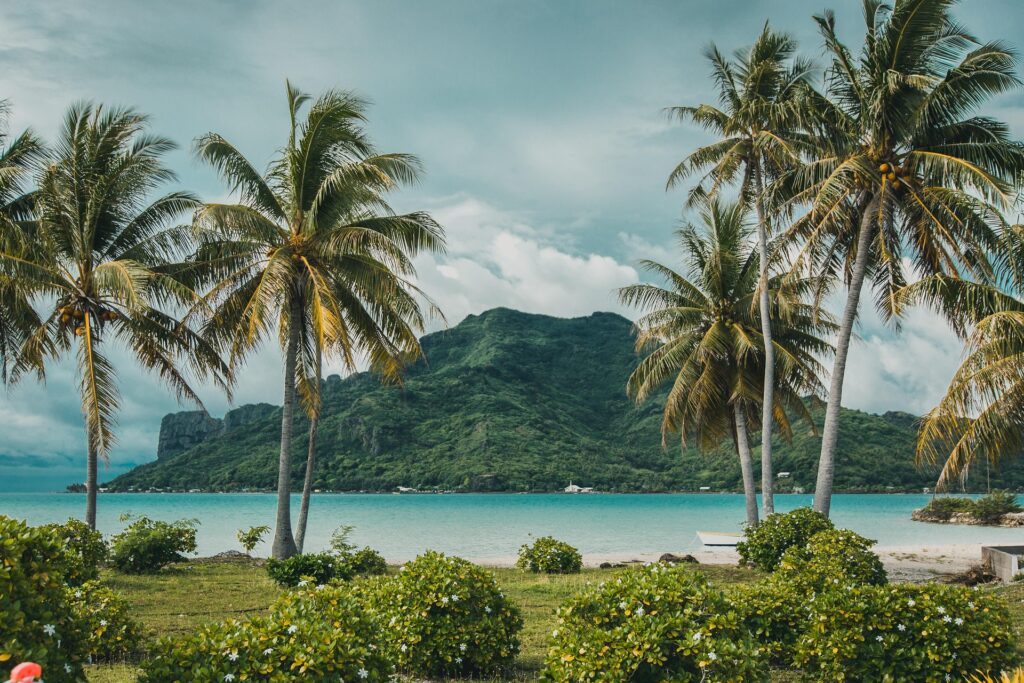
Hiva Oa is one of the main islands in the Marquesas, noted for its rugged cliffs, archaeological sites, and cultural history. The island is the burial place of artist Paul Gauguin and singer Jacques Brel, both of whom lived here. Hiva Oa is also known for its large stone tiki statues, among the biggest in Polynesia, located at sites such as Puamau. The landscape is marked by steep valleys, black sand beaches, and dramatic coastlines more suited to hiking and exploration than swimming. Access is by flights from Tahiti or Nuku Hiva, with limited accommodation mainly in small lodges and pensions.
Ua Pou and Nuku Hiva
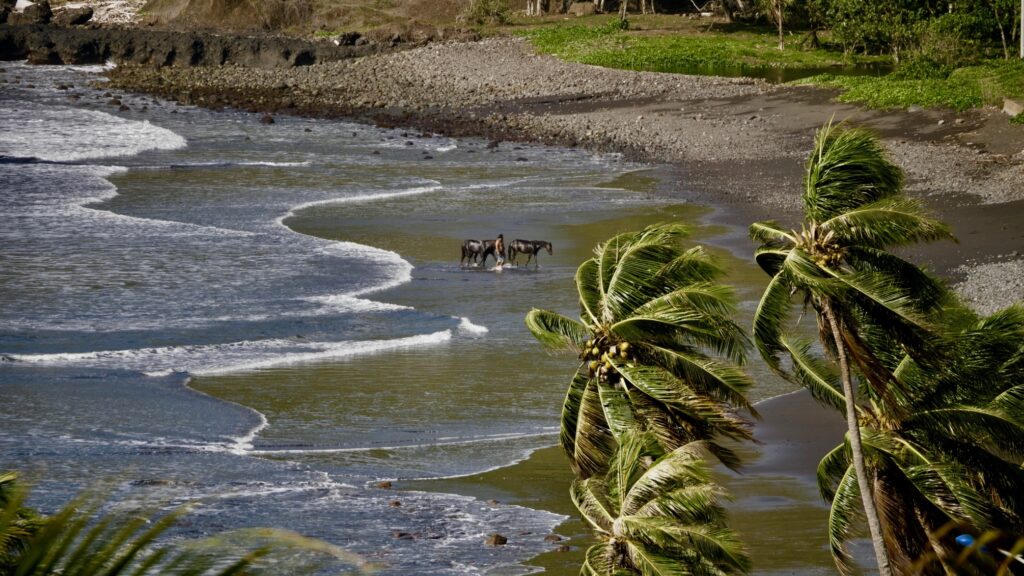
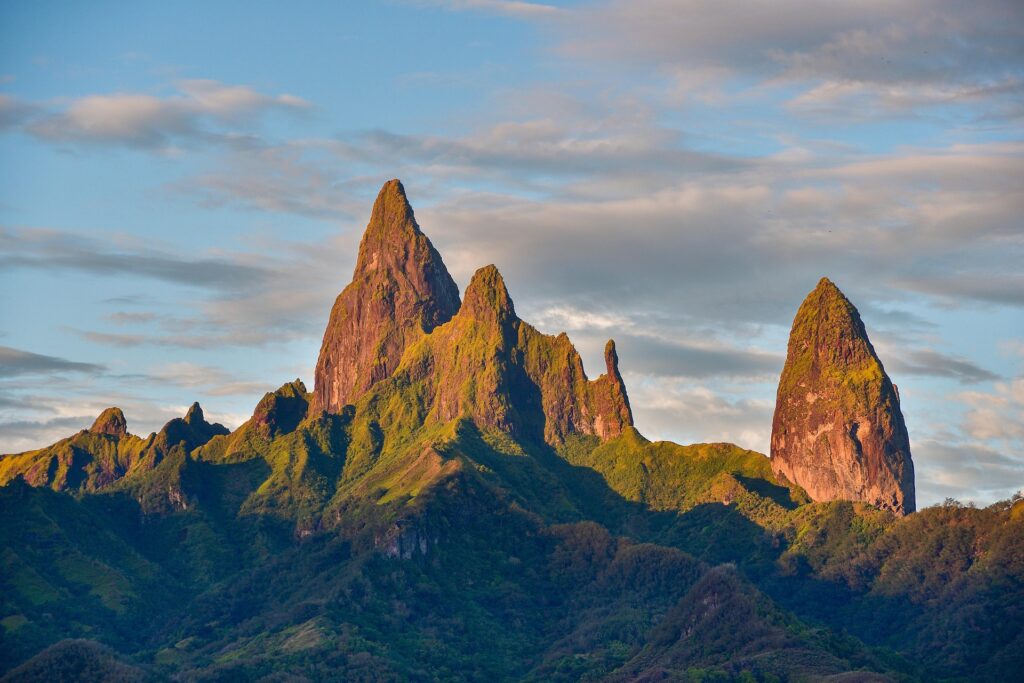
Ua Pou is known for its dramatic volcanic spires that rise above the island, visible from almost every viewpoint. The island has fertile valleys, black sand beaches, and small villages where traditional woodcarving is still practiced.
Nuku Hiva is the largest island in the Marquesas and the main entry point by air. It features steep mountains, waterfalls, and extensive hiking opportunities through jungle and high plateaus. The island is also noted for canoe building and stone tiki sites. Accommodation on both Ua Pou and Nuku Hiva is limited to small pensions and guesthouses, and flights connect them with Tahiti and other Marquesas islands.
Travel Tips
Currency
The official currency is the CFP Franc (XPF), also used in New Caledonia and Wallis & Futuna. ATMs are available on the larger islands, and credit cards are widely accepted in hotels, restaurants, and shops catering to tourists. However, when visiting smaller islands or remote villages, carrying cash is essential, as payment options can be limited.
Language
French is the official language, while Tahitian and other local dialects are spoken widely across the islands. In major tourist hubs like Tahiti, Mo’orea, and Bora Bora, English is commonly understood, especially in hotels and resorts. Learning a few words in Tahitian, such as ia orana (“hello”), is a thoughtful way to connect with locals.
Transport
Getting between islands usually requires air or sea travel. Air Tahiti operates domestic flights linking most islands, while ferries provide connections between close neighbors such as Tahiti–Mo’orea or Raiatea–Taha’a. On smaller islands, the best way to get around is by bicycle, scooter, or small boat. Car rentals are available on larger islands like Tahiti and Mo’orea, but travelers must carry an International Driving Permit along with their home license to drive legally.
Accommodation
French Polynesia offers a wide range of accommodation. At the high end, there are luxury resorts with iconic overwater bungalows, particularly on Bora Bora and Mo’orea. For more authentic and budget-friendly stays, travelers can choose family-run pensions (guesthouses), which provide a welcoming local experience. Due to limited supply on popular islands, it’s best to book well in advance, especially during the high season.

Published September 20, 2025 • 8m to read