
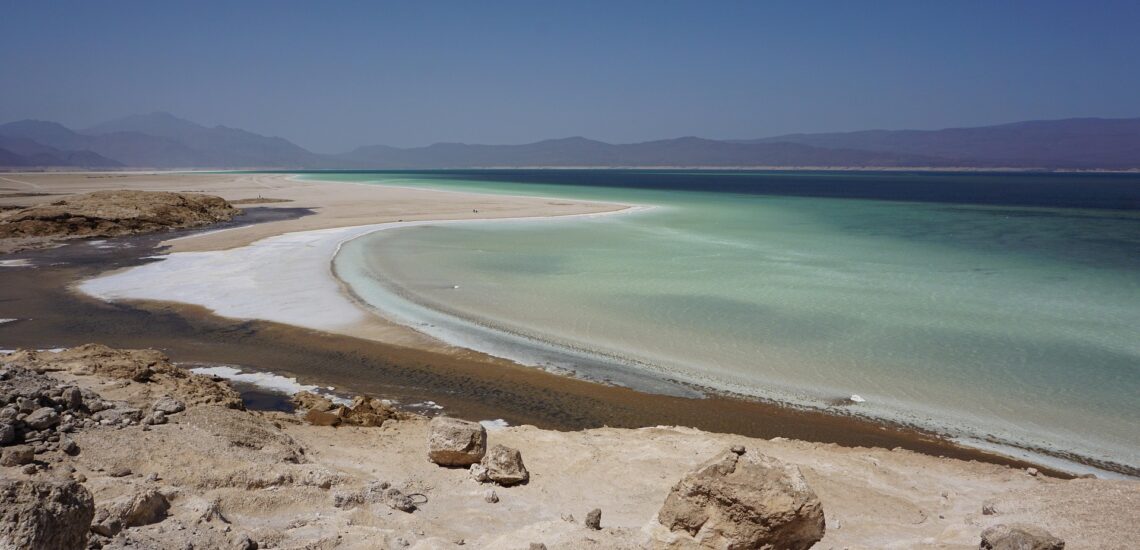


Djibouti is a small country defined by extreme geology and sharp contrasts. Salt lakes bordered by dark volcanic rock, rift-zone formations, open desert plains, and a stark coastline create landscapes that feel stark and highly photogenic. Despite its size, the country offers significant natural variety within relatively short distances.
Djibouti is particularly suited to nature-focused travelers, photographers, divers, and snorkelers. Marine life and clear coastal waters are major highlights, especially for boat-based exploration. Planning is essential. Temperatures can be very high, travel beyond main routes can be slow, and local guidance is often necessary to reach key sites efficiently. With careful timing and structured logistics, Djibouti delivers a compact but striking experience centered on geology, desert space, and marine environments.
Best Cities in Djibouti
Djibouti City
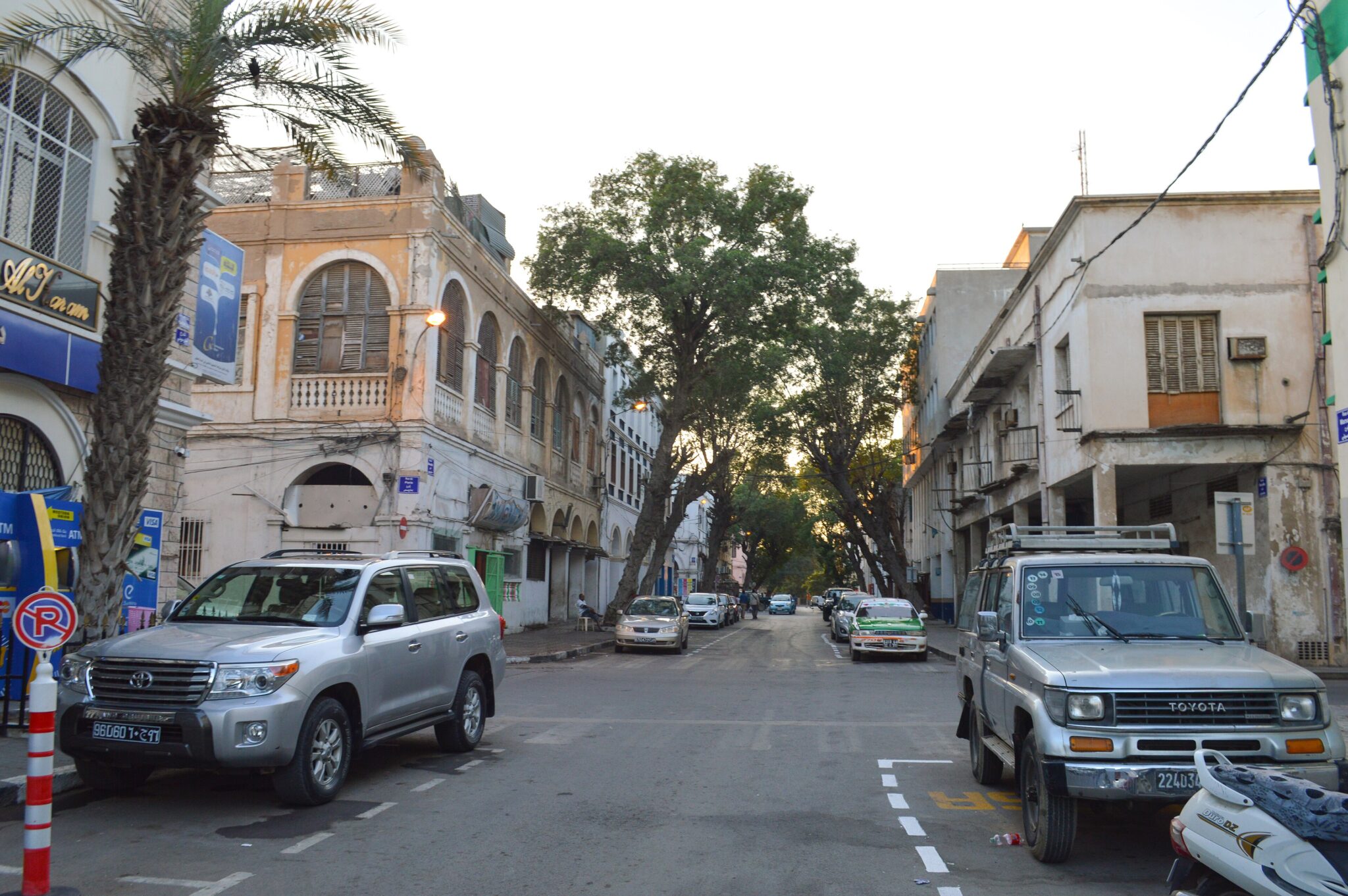
Djibouti City is the country’s practical gateway and the best place for a first impression because transport, supplies, and most services are concentrated here. Start with the waterfront to understand the capital’s coastal identity: the port skyline, working harbour activity, and the sea air set the tone quickly, especially early morning or late afternoon when temperatures are more manageable. For everyday life, central markets are the priority. They are loud, colourful, and fast-paced, with stalls selling spices, textiles, household goods, and fresh produce, and they are also one of the easiest places to feel the mix of influences that shape the city. Keep your in-city plans short and purposeful, then give yourself time for a simple food focus: look for casual places serving Somali, Afar, Arab, and French-leaning staples, including grilled meats, rice dishes, flatbreads, stews, and strong coffee.
Use Djibouti City mainly as a logistics hub for day trips. Lake Assal is the signature “nearby landscape” run, roughly 120 km from the capital and often around 1.5 to 2 hours by road depending on stops and road conditions, so it can be done comfortably as a day outing with an early start. Coastal drives toward the Gulf of Tadjoura are also feasible from the city, and boat trips are best planned for calmer mornings when wind and chop are typically lower. Before you leave the capital, lock in basics that matter in Djibouti’s climate: confirm your vehicle and driver plan, carry more water than you think you need, and build buffer time for heat and slow sections of road.
Tadjoura
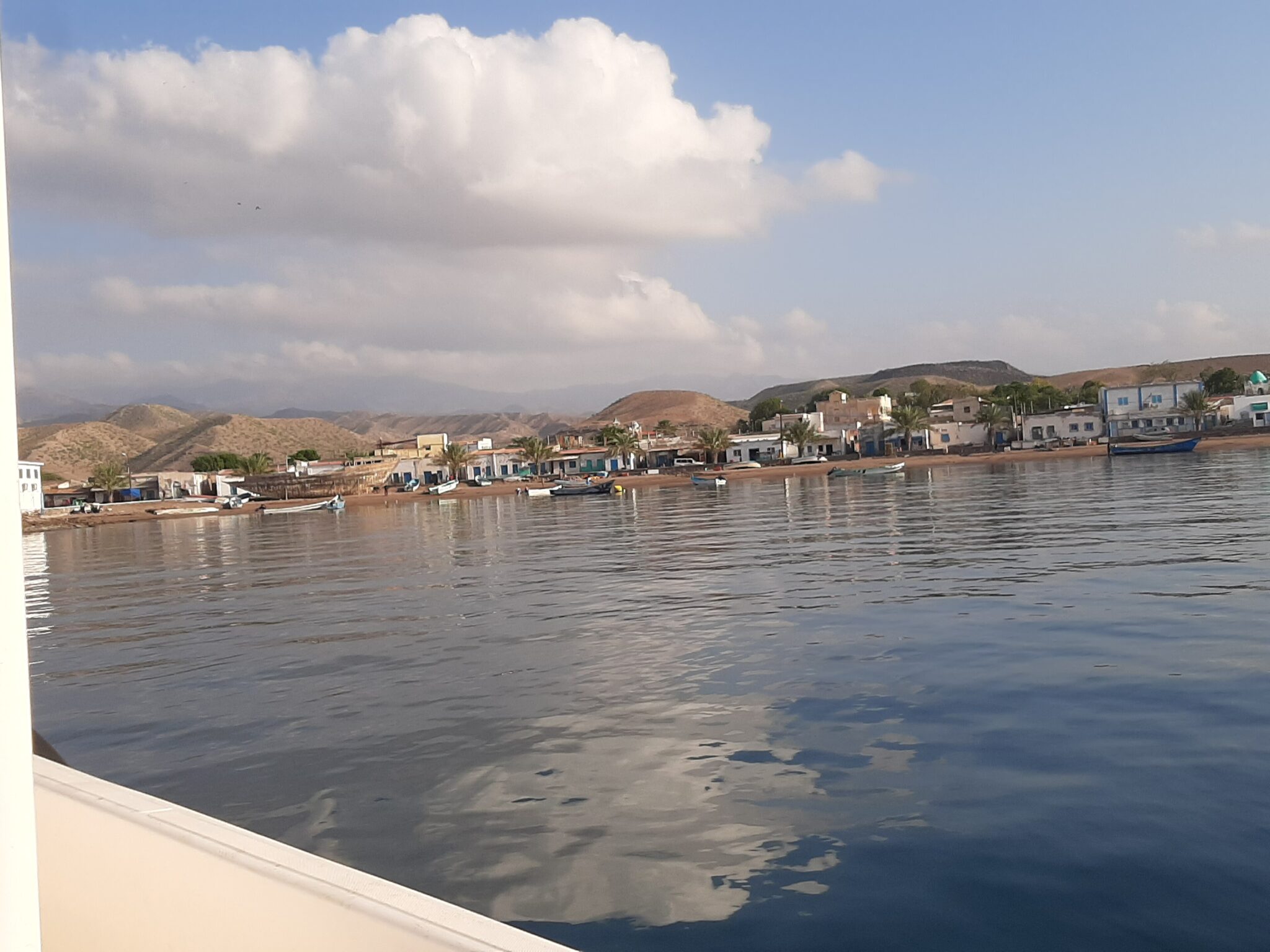
Tadjoura is a small coastal town on the Gulf of Tadjoura that feels noticeably calmer than Djibouti City, with a slower daily rhythm built around the sea, short waterfront walks, and the soft, warm light that makes mornings and evenings especially appealing. It is not a place for big-ticket attractions so much as a base for switching pace: lingering over sea views, watching boats move across the gulf, and taking unhurried walks through the older parts of town where the atmosphere is more local and less hurried. If you enjoy photography, the best moments are usually just after sunrise and in the last hour before sunset, when the heat drops and the coastline reads more clearly in the light.
Practically, Tadjoura works best as a one-night stop to break up a longer coastal route and to give you better timing for outings on the gulf. From Djibouti City, most travellers reach it by a combination of road and ferry depending on current schedules and the season, while overland routes can take longer but offer flexibility for stops. Once based in Tadjoura, you can plan boat trips in the morning when water is often calmer, or do short coastal drives and viewpoint stops in the cooler hours, returning to town for a relaxed evening.
Obock
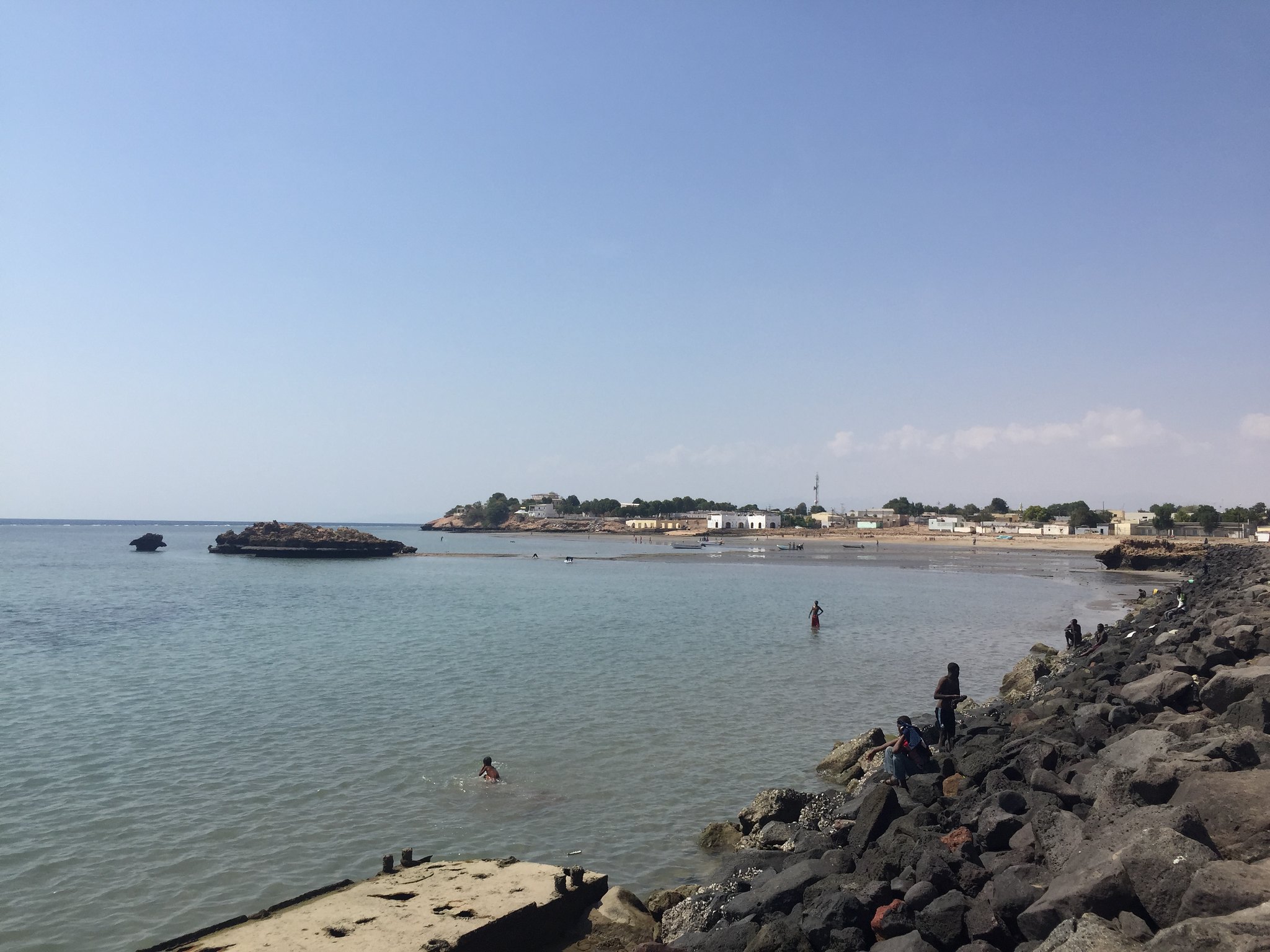
Obock is a low-key coastal town on the Gulf of Tadjoura that feels more remote than the main southern circuit, which is exactly why it appeals. You come for the atmosphere and the coastline rather than “must-see” sights: quieter streets, a working waterfront, and open sea views that feel less curated and more like everyday life on the edge of the country. It is a good place to slow down, take short walks along the shore in the cooler hours, and use the town as a base for simple coastal scenery drives where the landscape and light are the main rewards. If you are interested in marine time, mornings are generally the best window for boat activity, with calmer conditions and better visibility than later in the day when wind can pick up.
In practical terms, Obock is more logistics-dependent than Tadjoura or Djibouti City. It can be reached via the Tadjoura ferry route depending on schedules and sea conditions, or by longer overland routes if you are travelling with a capable vehicle and a conservative plan. Once there, treat the town as a jumping-off point for exploring the northern coastline, but keep your daily range realistic because road conditions and services can be variable, and fuel, water, and food options may be limited compared with the capital. If you choose Obock, build buffer time, confirm accommodation in advance, and carry essential supplies so the remoteness stays enjoyable rather than becoming a stress point.
Best Natural Sites
Lake Assal
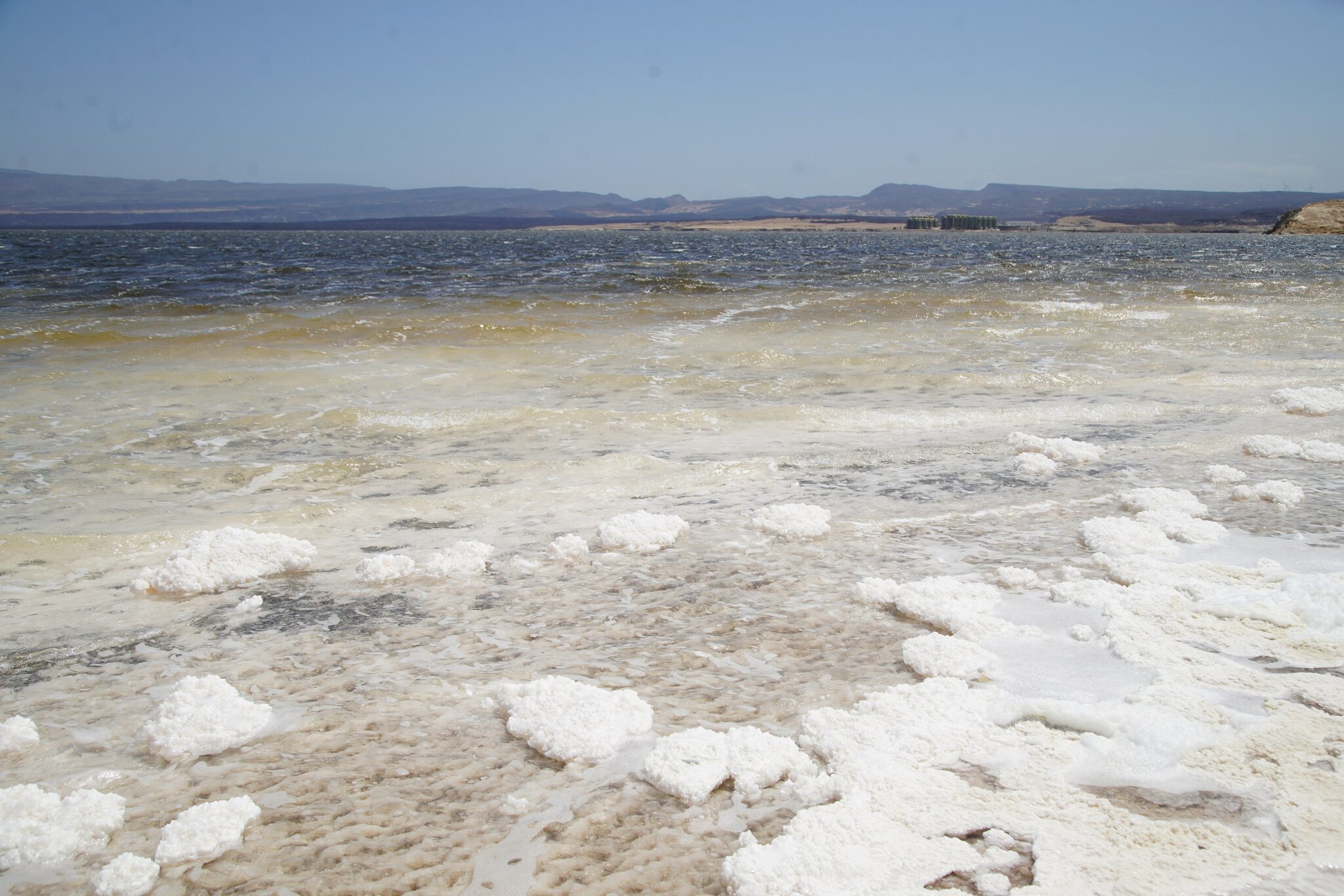
Lake Assal is Djibouti’s most iconic landscape, a blinding white salt lake set inside a volcanic basin where dark rock and pale salt create a stark, almost unreal contrast. The lake surface sits around 155 m below sea level, making it one of the lowest points in Africa, and that “sunken” geography is part of what makes the viewpoints feel so vast and dramatic. The best visual impact comes from combining a high lookout with time down on the salt margins: from above, you see the basin’s full scale, and at ground level the salt crust, shallow pools, and mineral textures deliver close-up detail that photographs well. Early morning is ideal because wind is often lighter, haze tends to be lower, and the glare off salt builds quickly as the sun climbs.
Most visitors do Lake Assal as a half-day or full-day trip from Djibouti City, typically around 120 km each way and often about 1.5 to 2 hours by road depending on stops and road conditions, so an early departure makes the day far more comfortable. Plan for intense heat and reflection: sunglasses, high-SPF sunscreen, a hat, and long sleeves are not optional here, and you should carry more water than you would for an ordinary road outing. Footwear should handle sharp salt crust and dusty volcanic ground, and it is normal to finish the visit with shoes and trouser hems coated in fine white salt.
Ghoubbet al-Kharab (Goubet Bay)
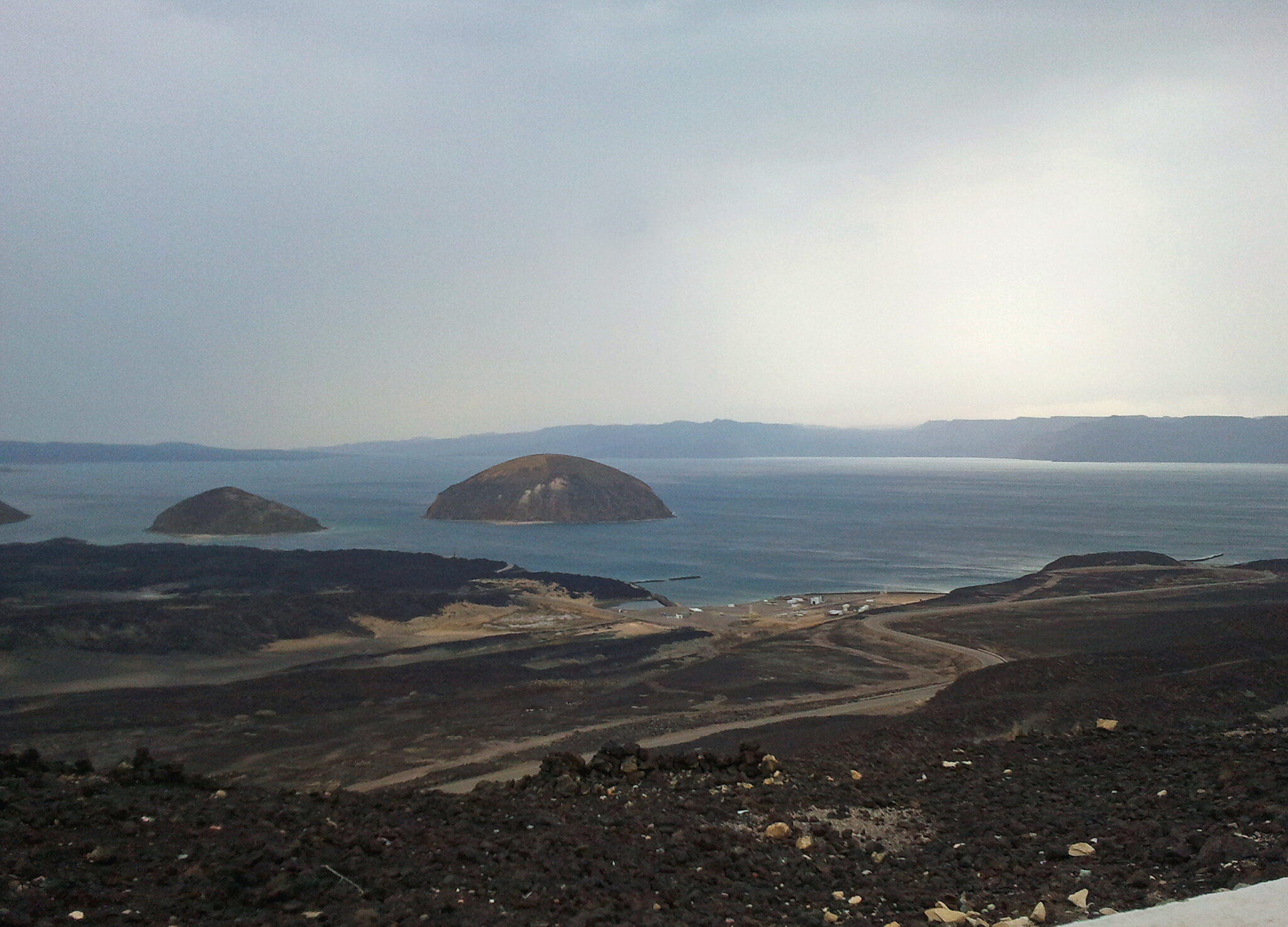
Ghoubbet al-Kharab, often called Goubet Bay, is one of Djibouti’s most dramatic “sea meets volcano” landscapes: a rugged gulf inlet edged by dark lava fields, broken cliffs, and stark hills that make the coastline feel raw and exposed rather than beach-like. The views work best from roadside lookouts where you can see the tight curve of the bay and the contrast between deep blue water and black volcanic rock. In calm conditions you can also linger near the shore for close-up textures, wind-shaped rock, and wide-angle photos that capture how quickly the land drops into the sea. Early morning and late afternoon generally give the most comfortable temperatures and the clearest light, while midday glare can flatten the colours.
Goubet Bay is commonly combined with Lake Assal because they sit on the same broader route from Djibouti City and the scenery shifts fast from coastal gulf views to salt basin landscapes. Treat it as a slow, stop-heavy drive rather than a point-to-point transfer: plan time for multiple pull-offs, short walks to viewpoints, and photo breaks, because the road itself is part of the experience. From Djibouti City, many travellers do the loop as a full-day outing with an early start, allowing time to visit one site in softer morning light and the other later, while still avoiding the hottest part of the day where possible.
Ardoukoba Volcano and rift landscapes
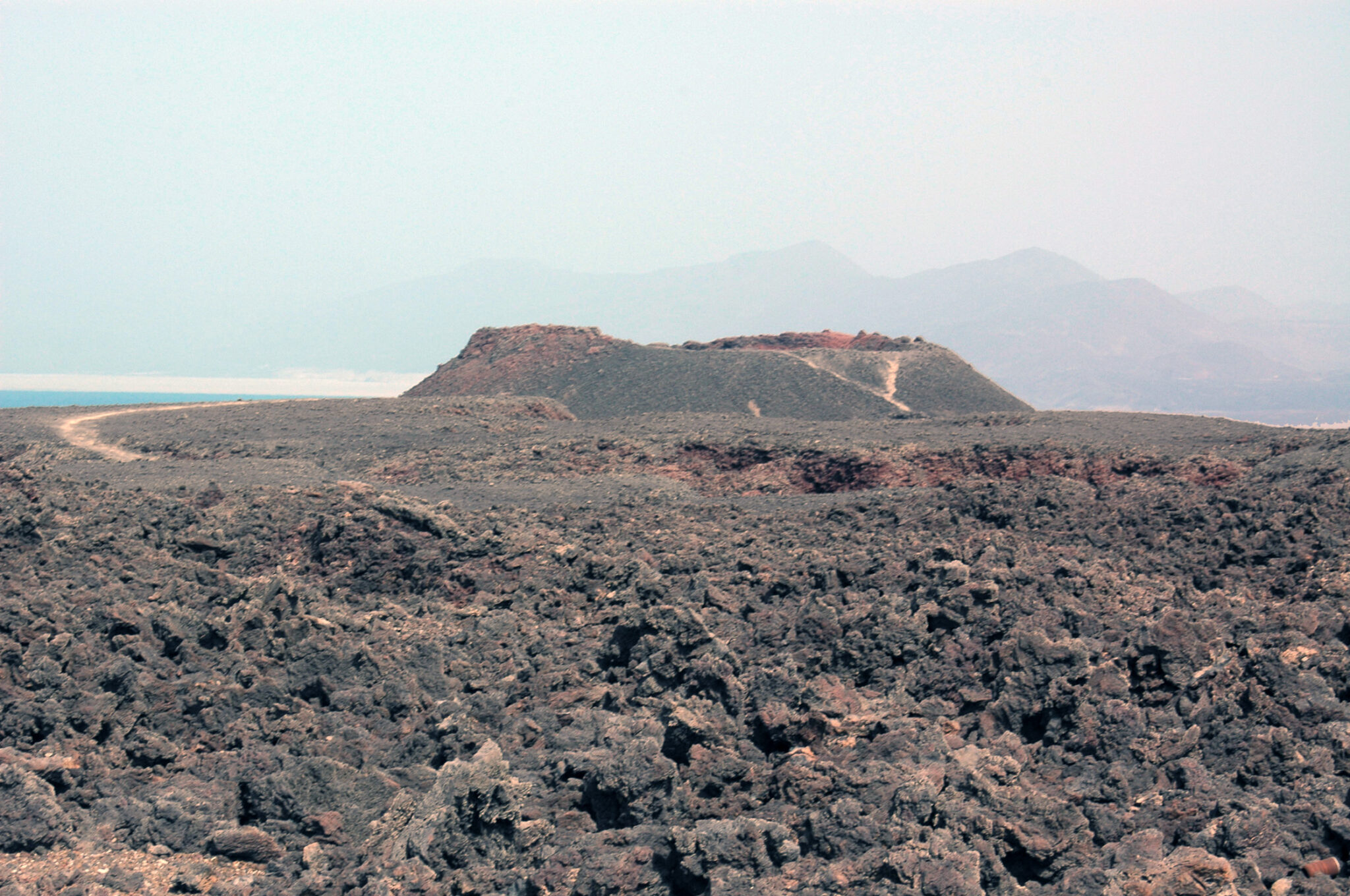
The rift-zone landscapes around Ardoukoba deliver some of Djibouti’s most “active earth” scenery: black basalt plains, fractured lava surfaces, and low cones and fissures that make the ground look freshly shaped, even when it is not. Ardoukoba itself is a small volcano in the wider Tadjoura Rift setting, and the most compelling part of the visit is often the broader volcanic field rather than a single summit. Short walks from safe stopping points let you see ropey lava textures, cracked crusts, and sharp rock edges up close, while higher roadside lookouts can reveal how the terrain shifts from salt and lowland basins into broken rift margins. Early light tends to show the rock texture best, and it is also the most comfortable time to be outside in an exposed, low-shade landscape.
If you want more than quick roadside photos, local guidance is strongly recommended because navigation and safe access points matter on volcanic ground. Tracks can be confusing, phone signal can be inconsistent, and the surfaces can be unstable or sharp enough to damage tyres and footwear, so it helps to travel with a driver who knows where you can stop and walk without taking unnecessary risks.
Day Forest National Park
Day Forest National Park, in the Goda Mountains above Tadjoura, is one of Djibouti’s most unusual landscapes because it replaces salt flats and lava fields with cooler highland air, forested slopes, and wider viewpoints over the Gulf of Tadjoura. The park protects the Day Forest, which includes remnants of juniper-dominated woodland and a noticeably greener palette than the lowlands, especially after seasonal rains. The best way to experience it is through short, unhurried walks rather than long treks: follow simple trails to viewpoints, pause for birdlife and forest texture, and use the elevation to enjoy clearer air and softer light for photography. Even if you only spend a few hours on the ground, the contrast with the coastal heat and desert tones makes Day Forest feel like a reset.
Most visitors approach Day Forest from Tadjoura or Djibouti City with a vehicle and driver, and it is generally treated as a day trip with an early start because road time and heat management shape the day. Conditions can shift quickly between coast and highlands, so pack layers: it can feel warm in the sun but cooler in shade and wind, and late-day cloud can reduce visibility at viewpoints. This is one of the more comfortable areas in Djibouti for walking, but it is still wise to keep hikes simple if you are not used to heat and elevation, carry sufficient water, and plan to be back on the road before late afternoon when fatigue and changing weather can make the return feel longer.
Grand Bara Desert
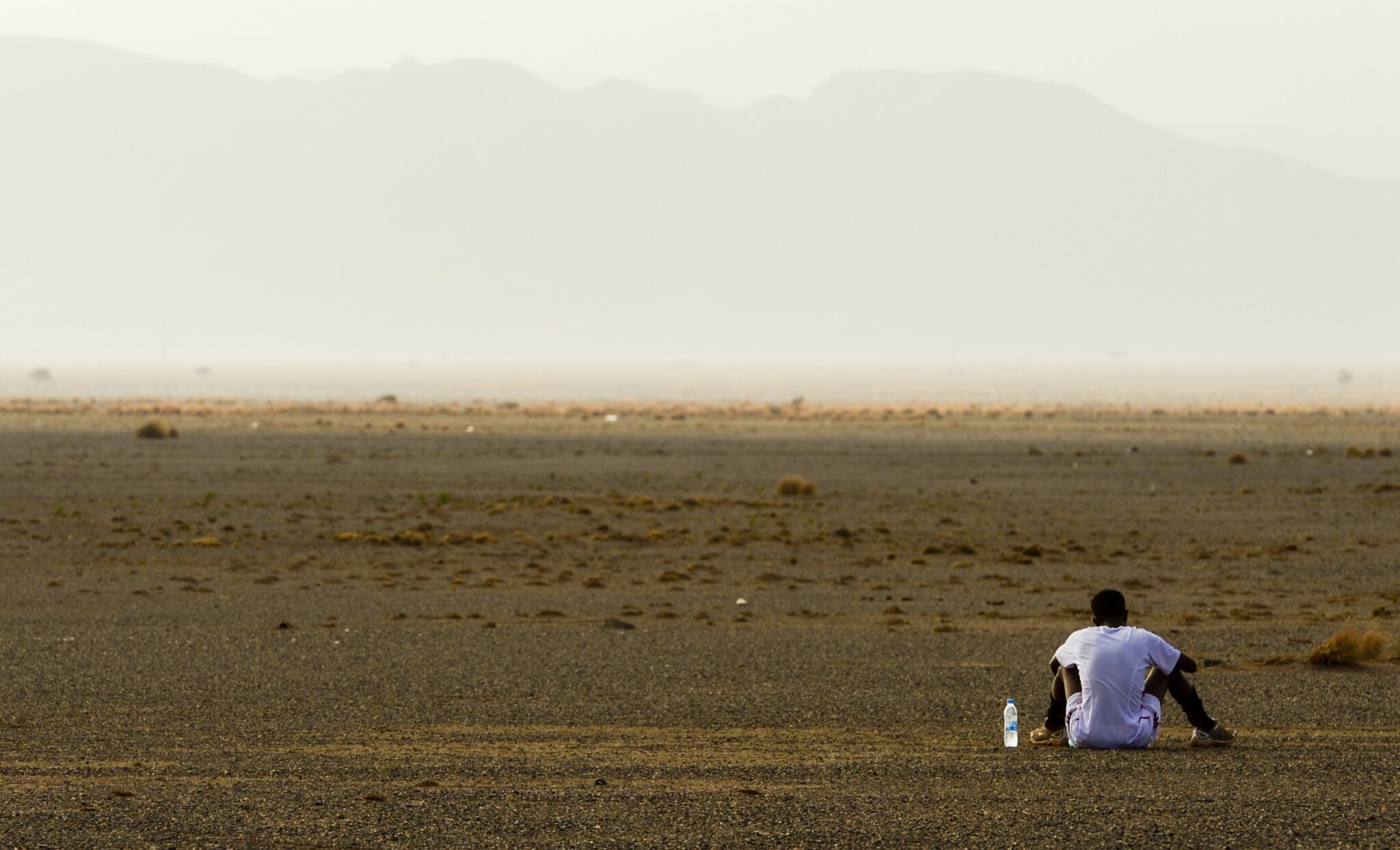
Grand Bara is one of Djibouti’s most striking “big space” landscapes: a vast, flat plain where the main experience is scale, minimalism, and the way light changes the scene from hour to hour. With almost no visual clutter, you notice everything, the line of the horizon, heat shimmer, dust plumes in the distance, and the way cloud shadows slide across the ground. It is especially rewarding for photography because the plain reads differently in different conditions: early morning can feel crisp and quiet, while late afternoon often brings warmer tones and longer shadows that give the emptiness more depth. Even short stops can feel cinematic if you take time to watch the sky and let the landscape settle, rather than jumping in and out of the car.
Most travellers see Grand Bara as part of the main overland route between Djibouti City and the southern corridor, but it can also justify a dedicated detour if you are building a photo-focused day. Plan conservatively: carry more water than you think you need, protect yourself from sun and glare, and keep fuel planning cautious because services can be sparse and distances can feel longer than expected in such open terrain. If you stop for photos, choose safe pull-offs well away from traffic, and avoid wandering far from the vehicle in the heat, as the plain’s emptiness is exactly what makes small problems, a flat tyre or dehydration, become serious quickly.
Gulf of Tadjoura (marine-focused nature)
The Gulf of Tadjoura is Djibouti’s most important marine nature area, where boat-based days can deliver clear-water moments, wide coastal views, and a strong sense of being between arid mountains and open sea. The appeal is variety rather than a single “must-do” spot: you can spend a day combining short swims, snorkelling over shallow reefs where visibility is good, and slow cruising along rugged shorelines that feel almost volcanic even from the water. Conditions are seasonal and changeable, so the best experiences come from flexible planning: calmer mornings often give smoother rides and better underwater visibility, while wind and chop can build later and quickly turn a relaxed boat day into a rough one. Even if you are not travelling with a specific species checklist, time on the gulf can be one of the trip’s highlights simply because it contrasts so strongly with Djibouti’s salt, lava, and desert landscapes.
Choose operators who set conservative departure times, provide proper safety equipment, and are willing to shorten or reroute trips when sea state is not suitable, because comfort and visibility can shift fast. If you are prone to motion sickness, plan for an early departure, keep the itinerary light on long open-water legs, and take breaks between swims. Bring reef-safe sun protection, a long-sleeve swim layer for glare and wind, and enough drinking water even on short trips, as dehydration builds quickly in salt air.
Hidden Gems of Djibouti
Khor Ambado Beach
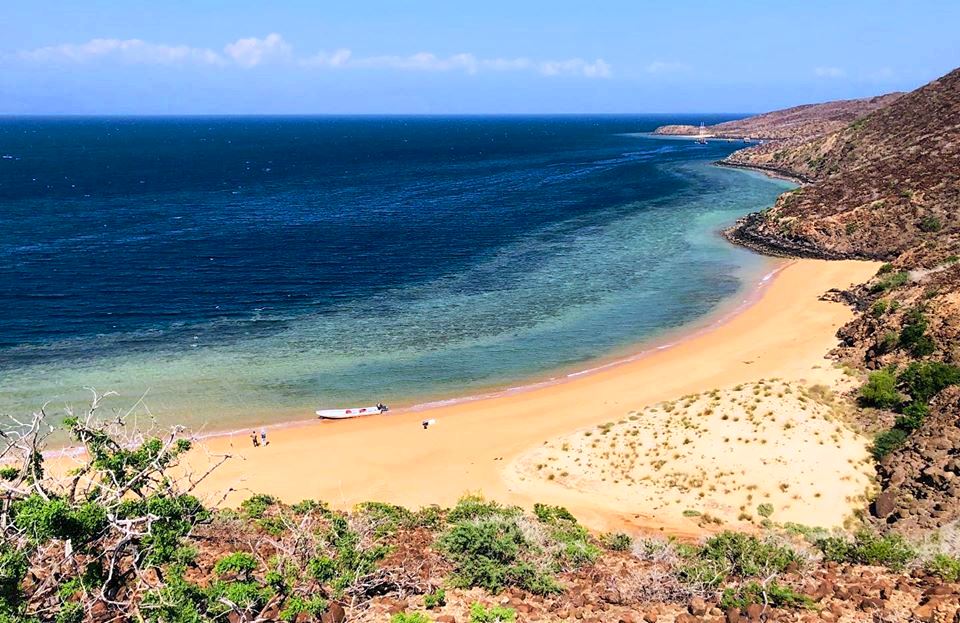
Khor Ambado is one of the easiest coastal escapes from Djibouti City, ideal when you want a straightforward beach break without turning the day into a logistics project. The setting is typically about calm time by the water rather than “destination” sightseeing: short swims, a slow walk along the shore, and a chance to reset between hotter inland drives. It works particularly well if you have just arrived and want something low-effort, or if you are building a recovery day after a long route to places like Lake Assal or the rift landscapes, when simple shade and sea air feel like the priority. Go early morning or late afternoon to avoid peak heat and glare, and plan to be mostly off the sand during the strongest midday sun. Bring water, sun protection, and anything you want for a few hours at the beach, as facilities can be limited and can vary by day.
Salt landscapes and the “salt caravan” angle
Djibouti’s salt landscapes are visually extreme, but they also have a working, human dimension that becomes clear when you look beyond the white flats aesthetic. Around places such as Lake Assal and nearby extraction zones, salt is not just scenery: it is a material that has been cut, moved, and traded in the region for generations, shaped by heat, access to water, and the practical geography of low basins and rift margins. The most rewarding way to explore the “salt caravan” theme is to treat it as a living economic and cultural system. A good local guide can explain why certain areas are worked, how the salt is handled and transported, and how seasonal conditions, wind, and road access affect what you can realistically see on a given day. Visually, the strongest moments often come when you combine a high viewpoint over the basin with close-up time on the crust itself, where you can see sharp-edged plates, shallow reflective pools, and the way volcanic rock frames the salt like a black border.
Respectful behaviour matters more here than in many landscape stops because you are often near people doing real work in harsh conditions. Avoid intrusive photography, ask permission clearly when individuals are involved, and accept refusal without debate. Keep a conservative distance from active work areas unless you are invited closer, follow local advice on where it is safe to walk, and do not step onto fragile crusts that can break through into softer layers.
Northern coastline drives toward Obock
Driving the northern coastline toward Obock is less about ticking off “sites” and more about the feel of the route: quiet seascapes, long stretches of open water views, and small fishing settlements where daily life revolves around the shore rather than tourism. The scenery tends to be simple and atmospheric, low cliffs, stony beaches, and wide horizons, with moments where the light on the gulf is the main event. It suits travellers who enjoy slow travel and low-traffic landscapes, and it is often at its best in the first and last hours of daylight when the coast is cooler and the sea looks clearer. Plan time for short stops rather than long detours: brief shoreline walks, a viewpoint pause, and a quick look at local harbours can be more rewarding than trying to force a packed itinerary onto a sparsely serviced road.
The key practical rule is to drive conservatively and treat daylight as your limiting factor. Keep a clear turnaround time, avoid night driving, and assume that any small problem, a puncture, a missed fuel stop, a delayed ferry connection, can become a serious inconvenience in remote areas. Before leaving, confirm fuel range, carry extra water, and keep food and basic supplies in the vehicle, as services can be limited and opening hours are not always predictable.
Travel Tips for Djibouti
Safety and General Advice
Travel in Djibouti requires realistic planning, particularly around extreme heat, long distances, and limited services outside main routes. The climate can be intense year-round, and desert environments demand preparation. For remote destinations such as Lake Assal, Lake Abbé, or volcanic regions, it is best to use reputable local operators and carry more water than you think you will need.
In Djibouti City and local markets, standard urban precautions apply. Keep valuables discreet, remain aware of your surroundings, and avoid unnecessary displays of cash or electronics. The country is generally calm and stable, but conditions outside the capital are remote and logistically demanding.
Comprehensive travel insurance is strongly recommended and should include medical treatment, emergency evacuation, and trip disruption coverage. Healthcare facilities are limited outside the capital, and evacuation may be required in serious cases.
Money and Connectivity
While Djibouti City has banking services, cash is important outside central areas, and ATMs may not be available on remote routes. It is wise to withdraw funds in the capital before heading inland.
SIM cards are easy to obtain in Djibouti City, and mobile coverage is generally reliable in urban areas. However, connectivity drops significantly on desert roads and in remote volcanic or coastal regions. Offline maps and advance planning are strongly recommended.
Driving in Djibouti
Drivers must carry their national driving licence, an International Driving Permit, and their passport or official ID at all times. Rental documents and insurance paperwork should remain accessible, as checks can occur along major routes. Driving is on the right-hand side of the road. Main roads near Djibouti City are generally manageable, but once you leave primary routes, terrain can become rocky, uneven, and poorly signposted. A 4×4 vehicle is strongly recommended, especially for travel to Lake Assal, Ghoubbet, or other volcanic areas.
If you do not have experience driving in desert or volcanic terrain, hiring a driver is often the safer and smoother option. Night driving outside urban areas should be avoided due to low visibility and roadside hazards.

Published February 21, 2026 • 15m to read