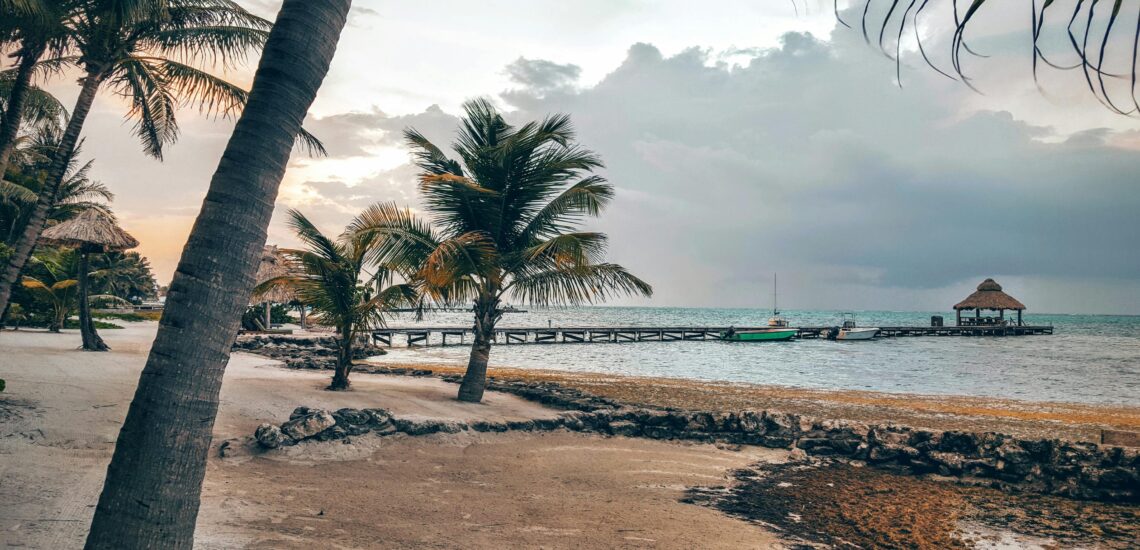


Belize is a small country on the Caribbean coast of Central America, known for its mix of cultures, ancient history, and rich natural life. It is the only English-speaking nation in the region, which makes it easy for travelers to explore. The country’s landscapes range from coral reefs and mangrove islands to tropical forests filled with wildlife and Mayan ruins hidden among the hills.
The Belize Barrier Reef, part of the second-largest reef system in the world, is perfect for diving and snorkeling, especially around the Great Blue Hole. Inland, visitors can explore caves such as Actun Tunichil Muknal, climb temples at Caracol or Xunantunich, and spot jaguars or toucans in protected reserves. Whether on the coast or in the jungle, Belize offers a rare combination of adventure, history, and relaxed island living.
Best Cities in Belize
Belize City
Belize City serves mainly as a gateway to the cayes, barrier reef, and inland jungles rather than a long-stay destination. Still, it offers a few worthwhile stops for travelers passing through. The Swing Bridge, one of the world’s last manually operated bridges, spans Haulover Creek in the city center. The Museum of Belize, set in a former colonial prison, displays Mayan artifacts and exhibits on the nation’s colonial and modern history. Nearby, St. John’s Cathedral, built in the early 1800s, is the oldest Anglican church in Central America.
While the city has limited tourist infrastructure, it remains the main transport hub for the country, with easy connections by boat to the cayes, buses to western Belize, and flights from Philip S.W. Goldson International Airport to domestic and regional destinations.
San Ignacio
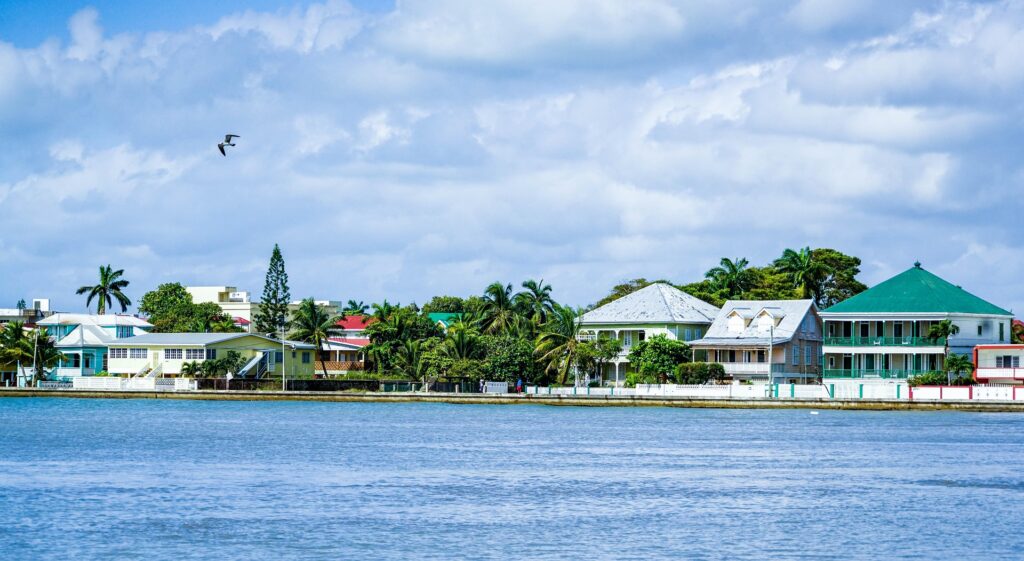
San Ignacio is the country’s main hub for inland exploration and adventure. The lively town sits along the Macal River and offers a mix of markets, eco-lodges, and restaurants catering to travelers heading into the surrounding jungle and mountains. Nearby Xunantunich and Cahal Pech are two of Belize’s most accessible Maya archaeological sites, featuring temples and plazas surrounded by forest.
San Ignacio is also the starting point for tours to the Actun Tunichil Muknal (ATM) Cave, where visitors can hike, wade, and climb through chambers containing ancient Maya artifacts and skeletons. Outdoor enthusiasts can explore the Mountain Pine Ridge Forest Reserve, with its waterfalls, caves, and nature trails. The town is about a two-hour drive from Belize City and close to the Guatemalan border.
Dangriga
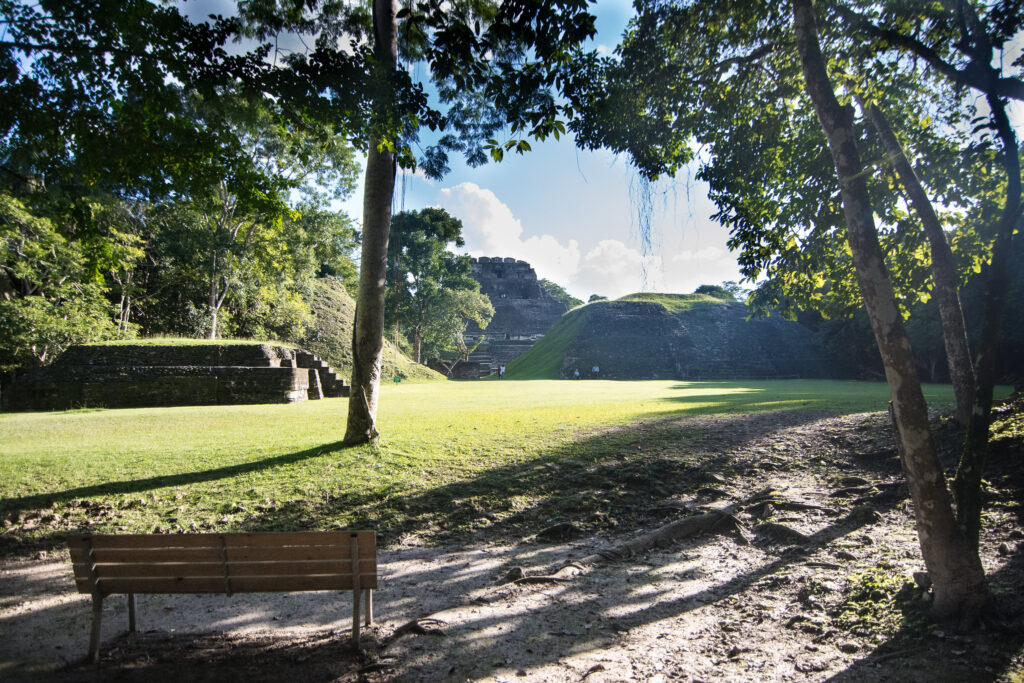
Dangriga is considered the cultural heart of the Garifuna people, whose music, language, and traditions are central to the country’s Afro-Caribbean identity. Visitors can experience live drumming and dancing, sample traditional dishes like hudut (fish in coconut broth with plantains), and learn about Garifuna history at the Gulisi Garifuna Museum.
The town also serves as a jumping-off point for nature and adventure. Nearby Cockscomb Basin Wildlife Sanctuary offers jungle hikes, waterfalls, and the chance to spot jaguars and tropical birds, while Hopkins Village, about 30 minutes away, combines beach relaxation with more cultural experiences and eco-lodges.
Punta Gorda
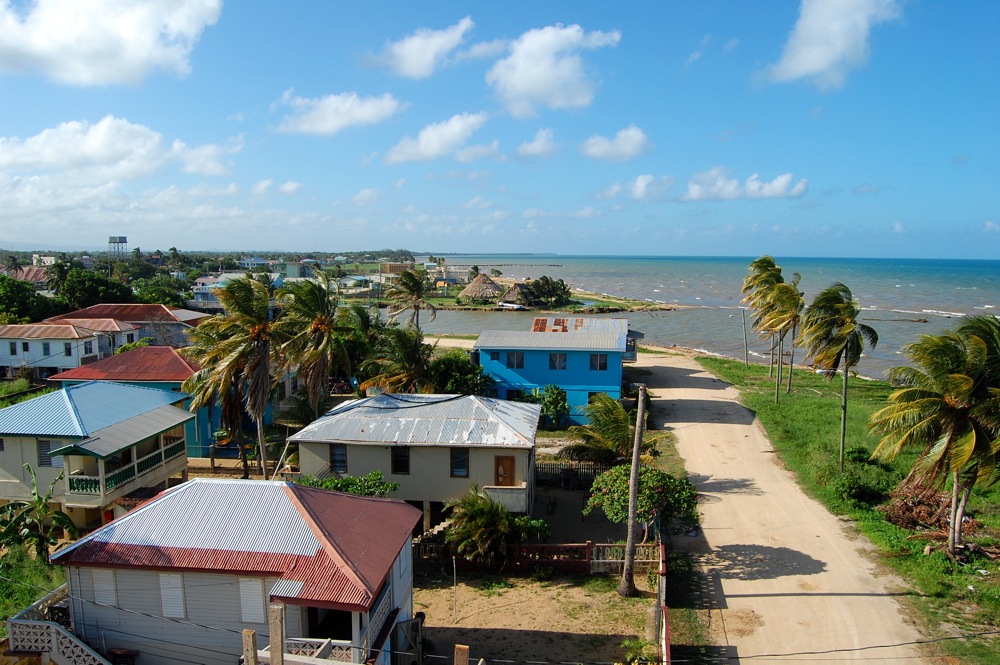
Punta Gorda is a peaceful coastal hub known for its authenticity and community-based tourism. It serves as the gateway to the Toledo District, a region of rainforest, rivers, and traditional Maya villages where visitors can learn about local culture, farming, and crafts. Many tours include visits to cacao farms, where the country’s famous Belizean chocolate is still produced by hand.
The area also offers waterfalls, caves, and jungle trails that can be explored with local guides, while the coastline provides opportunities for boating and fishing. Punta Gorda’s small market and friendly atmosphere make it an excellent choice for travelers looking to experience rural Belize away from the tourist crowds. The town is connected to the rest of the country by road and small domestic flights from Belize City.
Best Islands in Belize
Ambergris Caye
Ambergris Caye, Belize’s most popular island, offers the perfect mix of relaxation, adventure, and lively Caribbean charm. The main hub, San Pedro Town, is filled with beach bars, seafood restaurants, dive shops, and resorts catering to every type of traveler. Just offshore lies the Hol Chan Marine Reserve, a protected section of the Belize Barrier Reef where divers and snorkelers can see colorful coral, turtles, and reef fish up close.
A short boat ride away, Shark Ray Alley provides a thrilling chance to swim alongside gentle nurse sharks and stingrays in clear turquoise water. With its easy access to the reef, vibrant nightlife, and laid-back island vibe, Ambergris Caye is the ideal destination for travelers looking to enjoy Belize’s marine life in comfort. Regular ferries and short flights connect the island to Belize City.
Caye Caulker
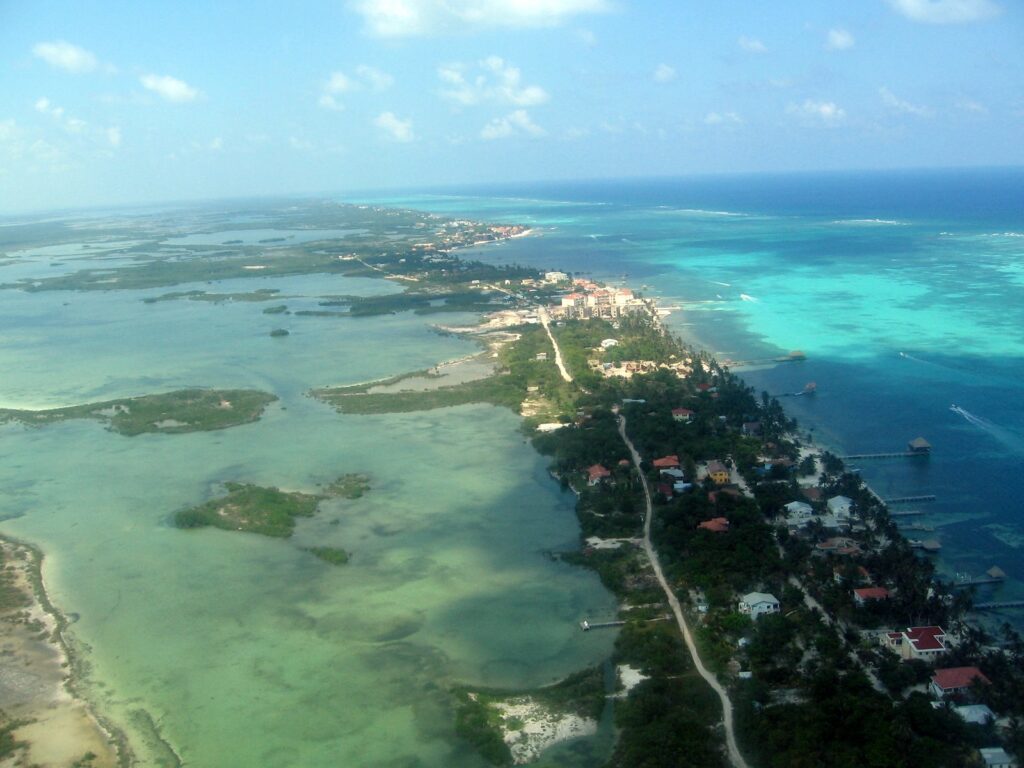
Caye Caulker, located just south of Ambergris Caye, is Belize’s laid-back island paradise where the motto “Go Slow” perfectly sums up the vibe. With no cars and sandy streets, the island is small enough to explore on foot or by bicycle. It’s popular with backpackers and budget travelers, offering simple guesthouses, beach cafés, and lively bars that keep a relaxed rhythm day and night.
Visitors can swim at The Split, the island’s famous channel dividing north and south Caye Caulker, or take snorkeling trips to nearby sites along the Belize Barrier Reef, including Hol Chan and Shark Ray Alley. Sunset happy hours and beachfront barbecues complete the easygoing atmosphere. Caye Caulker is just a 45-minute ferry ride or a short flight from Belize City.
Placencia
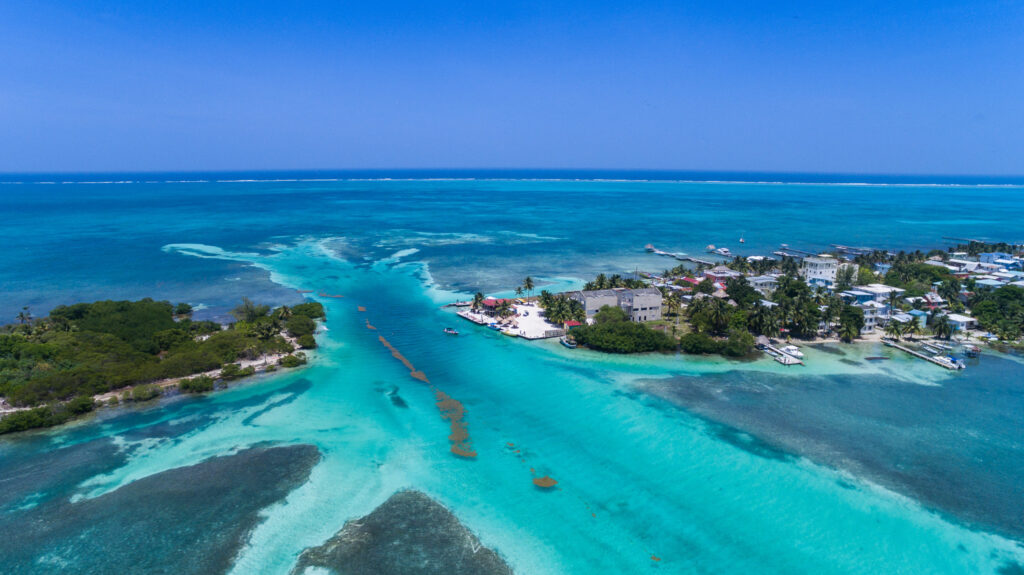
Placencia is a narrow peninsula known for its long stretch of golden sand, relaxed charm, and easy access to the reef. The small town at the tip offers boutique hotels, beach bars, and local eateries, creating a welcoming blend of comfort and authenticity. It’s also a great jumping-off point for exploring Belize’s southern cayes and marine reserves.
Day trips to Laughing Bird Caye National Park or the Silk Cayes offer world-class snorkeling and diving among coral reefs teeming with marine life. Visitors can also take mangrove tours, go kayaking along the lagoon, or visit nearby Garifuna and Maya communities.
Hopkins Village
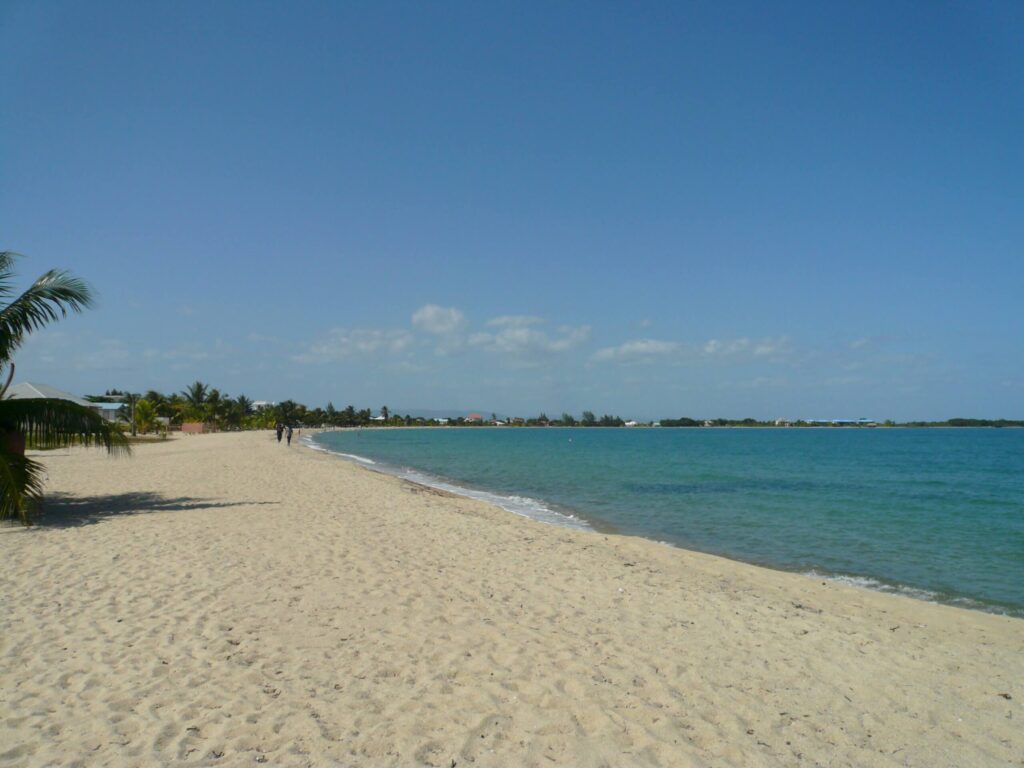
Hopkins Village is a welcoming Garifuna community known for its rich culture, music, and connection to nature. Visitors can take drumming or cooking lessons, join traditional dance performances, and enjoy freshly caught seafood at beachfront restaurants. The village has a relaxed, friendly atmosphere with small eco-lodges and guesthouses lining the sandy shoreline.
Hopkins also serves as a convenient base for exploring southern Belize’s natural attractions, including the Cockscomb Basin Wildlife Sanctuary, home to jaguars and jungle trails, and the Maya King Waterfall, a great spot for swimming. The village is about a 30-minute drive from Dangriga or a two-hour trip from Belize City.
Best Natural Wonders in Belize
Great Blue Hole
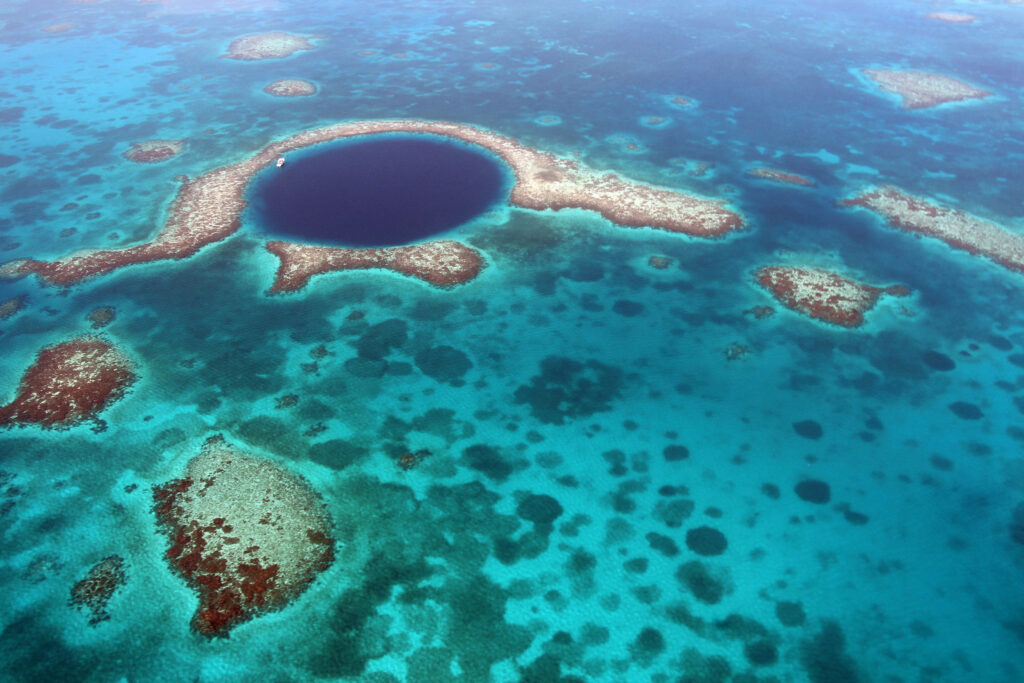
The Great Blue Hole is one of the world’s most famous dive sites and a UNESCO-listed natural wonder. This massive marine sinkhole, more than 300 meters wide and 125 meters deep, lies within the Belize Barrier Reef Reserve System and offers a surreal underwater landscape of limestone formations, stalactites, and marine life. Experienced divers descend into its depths to explore this geological marvel and encounter reef sharks and colorful fish near the rim.
For non-divers, scenic flights over the Blue Hole from Caye Caulker, Ambergris Caye, or Belize City provide breathtaking aerial views of its perfect circular shape surrounded by turquoise reef waters. The site is also included in day trips combining diving or snorkeling at nearby Lighthouse Reef Atoll.
Belize Barrier Reef
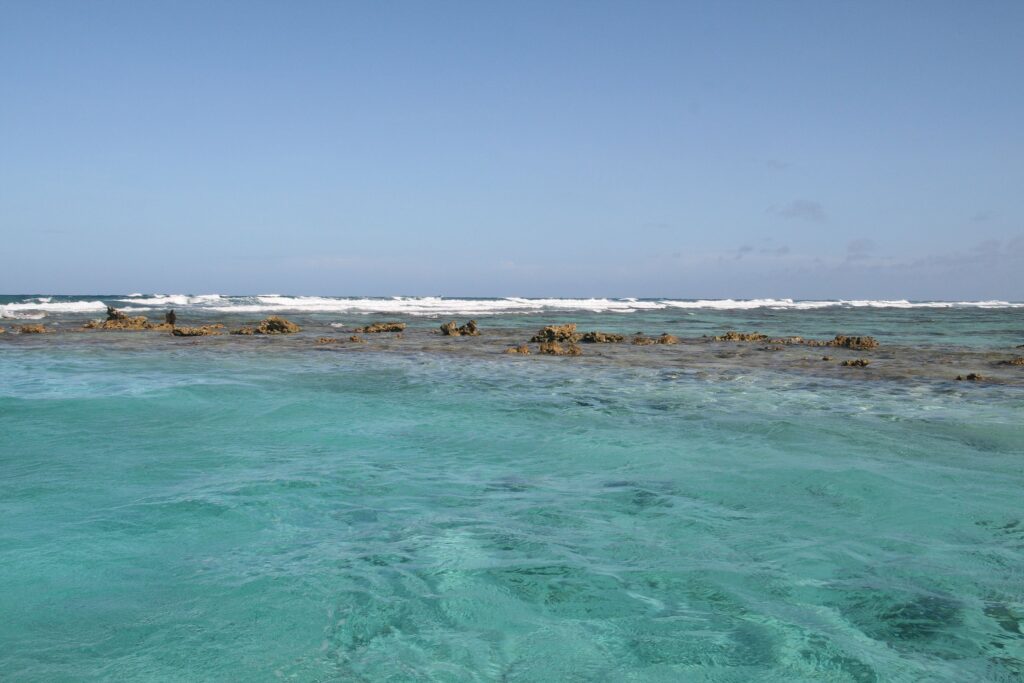
The Belize Barrier Reef, stretching over 300 kilometers along the country’s coast, is the second-largest coral reef system in the world and a UNESCO World Heritage Site. It’s home to hundreds of fish species, vibrant corals, rays, sea turtles, and reef sharks, making it one of the top destinations globally for snorkeling and scuba diving.
The reef includes several protected areas, such as Hol Chan Marine Reserve, Glover’s Reef Atoll, and Turneffe Atoll, each offering clear waters and thriving marine ecosystems. Visitors can access the reef easily from Ambergris Caye, Caye Caulker, or Placencia, with dive trips and snorkeling tours available year-round.
Actun Tunichil Muknal (ATM Cave)
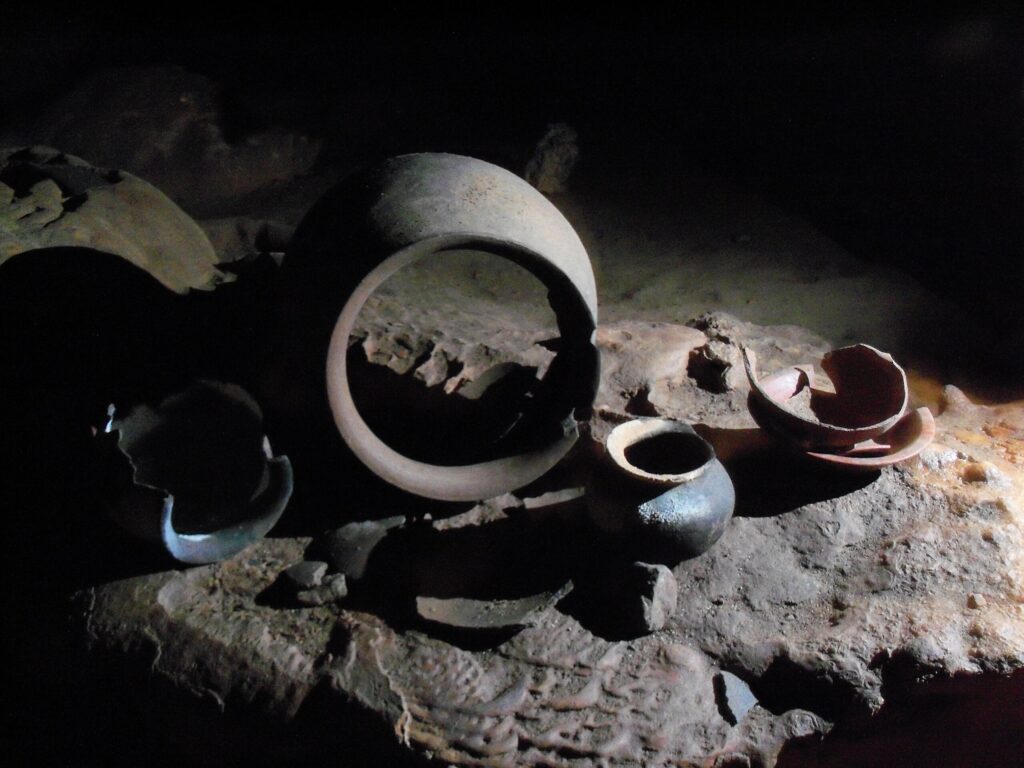
Actun Tunichil Muknal (ATM) Cave is one of the most extraordinary archaeological and adventure experiences in Central America. Accessible only with a licensed guide, the journey involves hiking through the jungle, swimming across a river, and wading through flooded caverns before reaching the main chambers. Inside, visitors find ancient Mayan pottery, tools, and human remains, left as offerings to the gods more than a thousand years ago. The cave’s most famous relic is the Crystal Maiden, a fully preserved skeleton that appears to shimmer under the cave’s natural light. Strict preservation rules mean visitors must enter barefoot once inside.
Caracol Archaeological Site
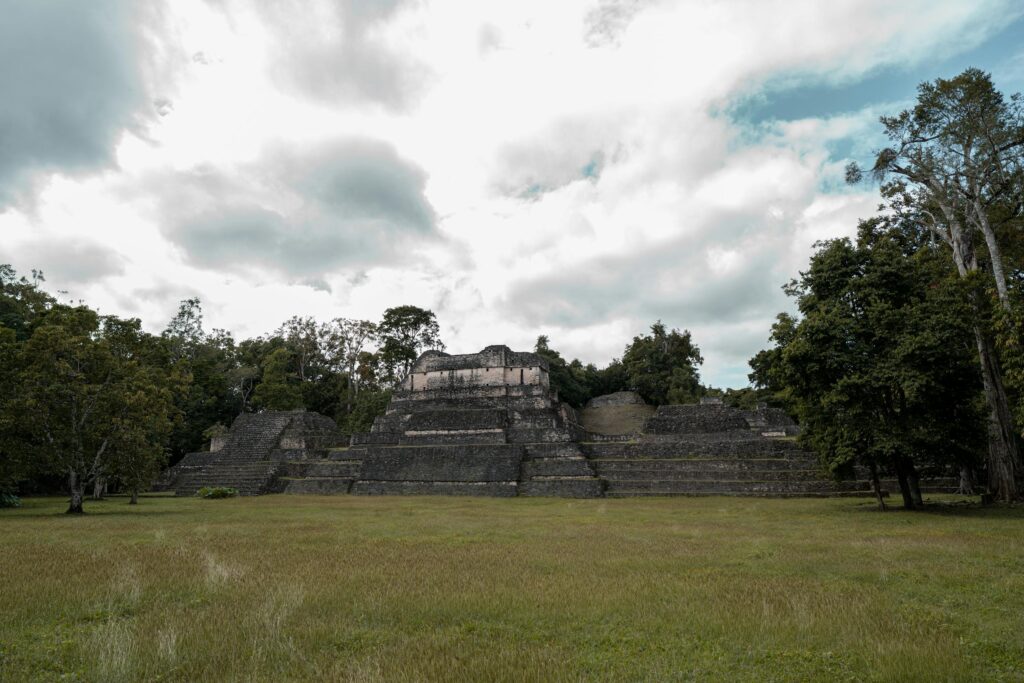
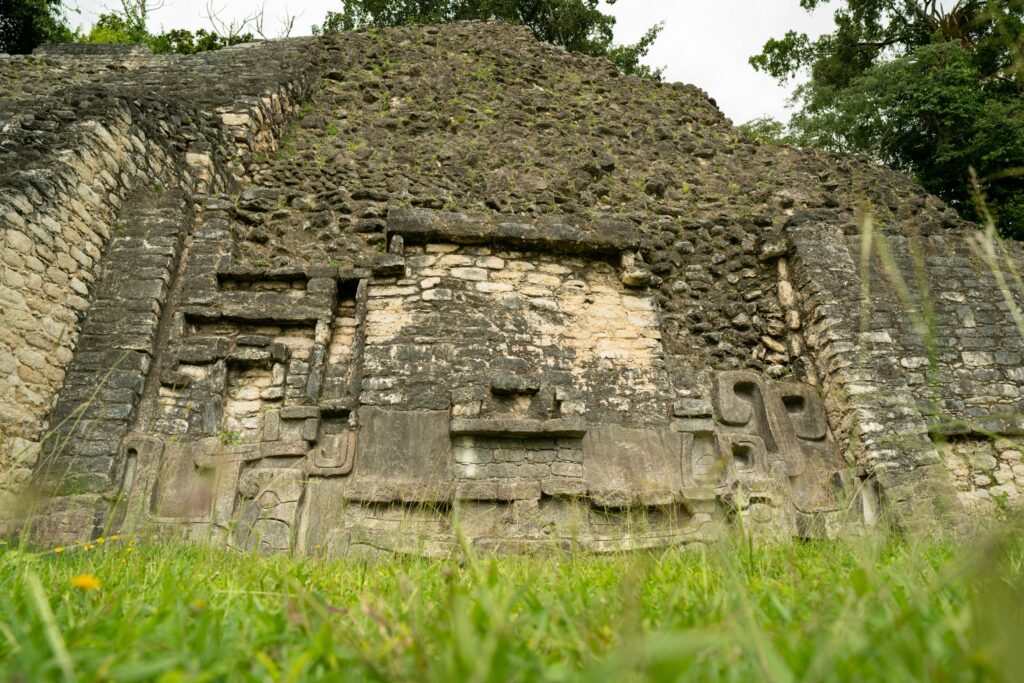
Caracol Archaeological Site, hidden deep within Belize’s Chiquibul Forest, is the country’s largest and most important ancient Maya city. Once a powerful rival to Tikal, Caracol thrived between the 6th and 9th centuries and covered nearly 200 square kilometers. Its centerpiece, Caana “Sky Palace”, rises 43 meters above the jungle canopy, making it one of the tallest man-made structures in Belize and offering sweeping views of the surrounding rainforest.
Exploring Caracol reveals towering pyramids, plazas, and intricately carved stelae that tell stories of warfare, royalty, and daily life. The site is surrounded by wildlife – howler monkeys, toucans, and tropical birds are common sightings. Access is via a scenic but rugged road from San Ignacio through the Mountain Pine Ridge area, often combined with stops at waterfalls and natural pools along the way.
Xunantunich
Xunantunich is one of the country’s most accessible and impressive Maya archaeological sites. Visitors cross the Mopan River on a small hand-cranked ferry before walking up to the ancient city, which flourished around 700–1000 AD. The highlight is El Castillo, a 40-meter-tall pyramid adorned with detailed stucco friezes that can be climbed for panoramic views of the surrounding jungle and across the border into Guatemala. The site also features plazas, palaces, and ball courts, offering insight into the daily and ceremonial life of the ancient Maya. Xunantunich is only a 20-minute drive from San Ignacio.
Cockscomb Basin Wildlife Sanctuary
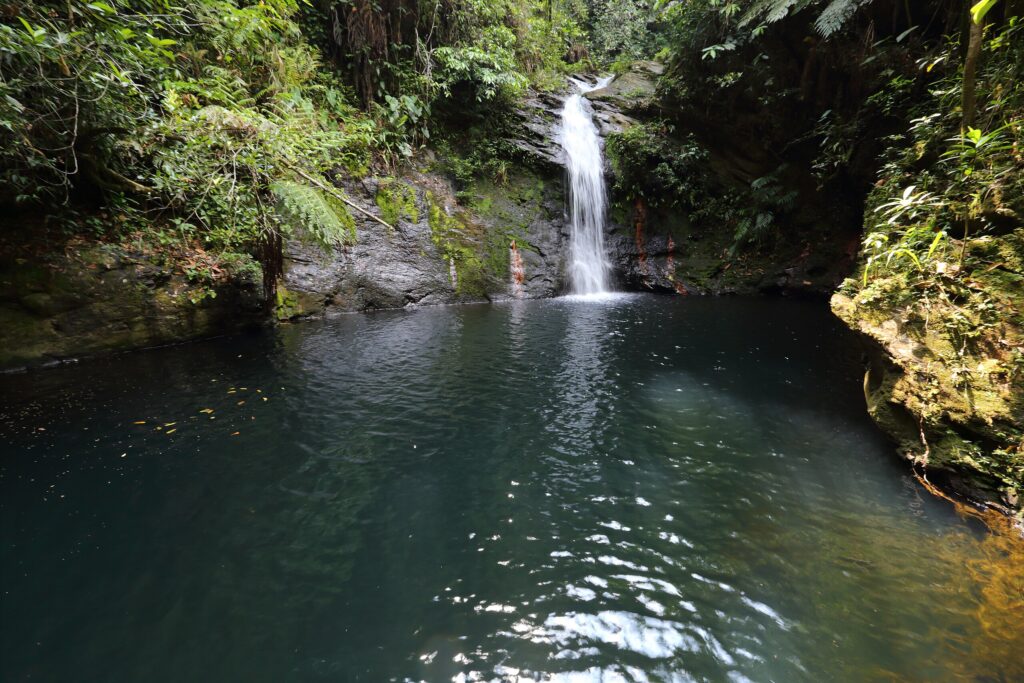
Cockscomb Basin Wildlife Sanctuary is a protected rainforest reserve renowned as the world’s first jaguar preserve. Spanning over 150 square miles, it shelters a remarkable variety of wildlife, including jaguars, tapirs, ocelots, and more than 300 bird species. Well-maintained hiking trails lead to waterfalls, river lookouts, and swimming holes, while tubing along the South Stann Creek River offers a fun way to enjoy the jungle scenery. Though jaguars are elusive, visitors frequently spot wildlife such as howler monkeys and tropical birds. The sanctuary’s visitor center provides maps and information for self-guided or ranger-led hikes.
Mountain Pine Ridge Forest Reserve
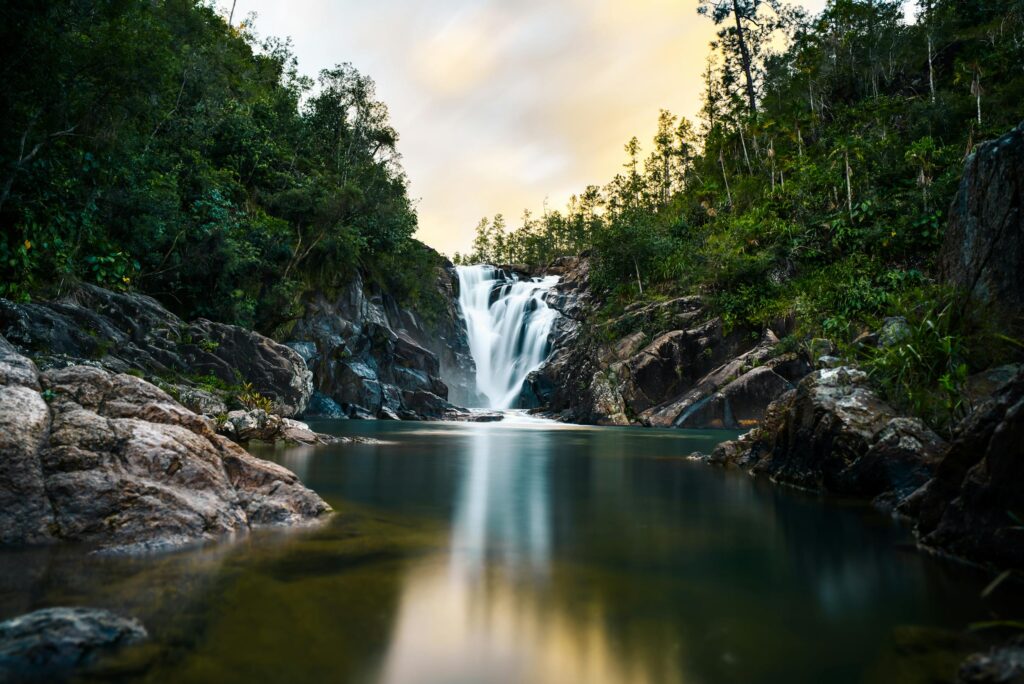
Mountain Pine Ridge Forest Reserve is a vast highland area known for its pine-covered hills, waterfalls, and natural swimming pools. The landscape contrasts sharply with the country’s tropical lowlands, offering cooler temperatures and open vistas ideal for hiking and photography. Highlights include Big Rock Falls, a powerful cascade with a deep swimming pool below; the Rio On Pools, a series of smooth granite pools linked by small waterfalls; and the Rio Frio Cave, a massive limestone cavern with a cathedral-like entrance.
The reserve is also home to diverse wildlife, including toucans, king vultures, and even the occasional jaguar. Visitors can explore on their own or join guided tours from San Ignacio, often combined with a visit to the Caracol Archaeological Site. The area is best accessed by 4×4 vehicle due to rough mountain roads.
Hidden Gems and Off-the-Beaten-Path
Half Moon Caye
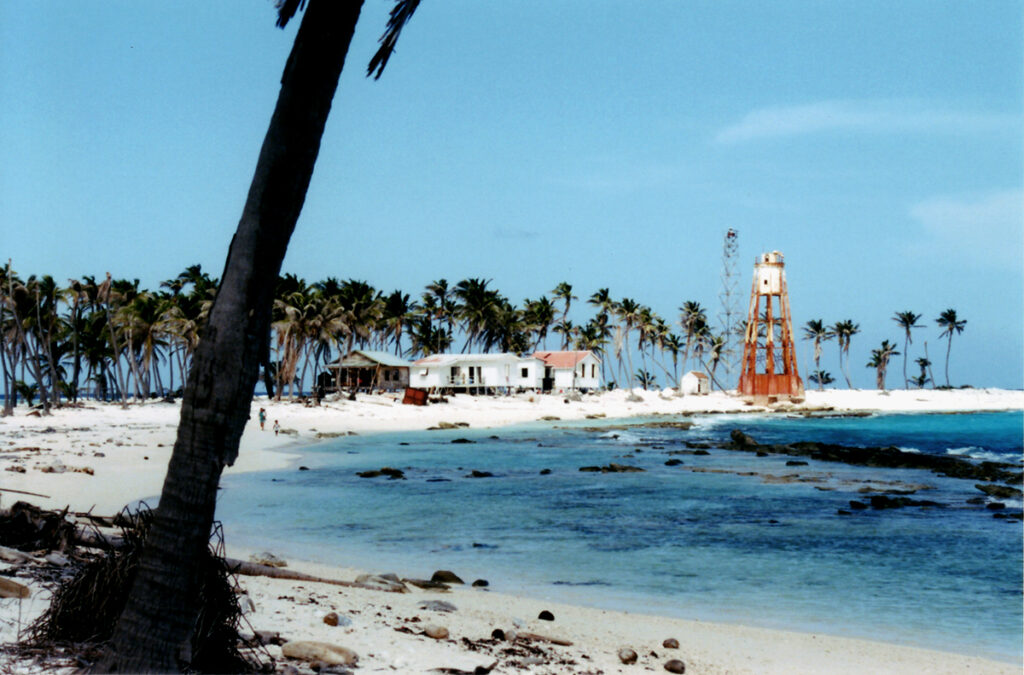
Half Moon Caye, part of the Belize Barrier Reef Reserve System, is a protected island and marine sanctuary known for its exceptional diving, snorkeling, and birdwatching. The surrounding waters feature vibrant coral gardens, sheer drop-offs, and crystal-clear visibility, making it one of Belize’s most famous dive sites – often included on trips to the Great Blue Hole.
On land, the island is an important nesting site for red-footed boobies and frigatebirds, with a designated observation platform that allows visitors to view the colonies up close without disturbing them. Half Moon Caye also offers white-sand beaches, picnic areas, and camping for those joining multi-day liveaboard or dive expeditions. The island is reachable by boat from Belize City or Ambergris Caye as part of organized reef tours.
Barton Creek Cave
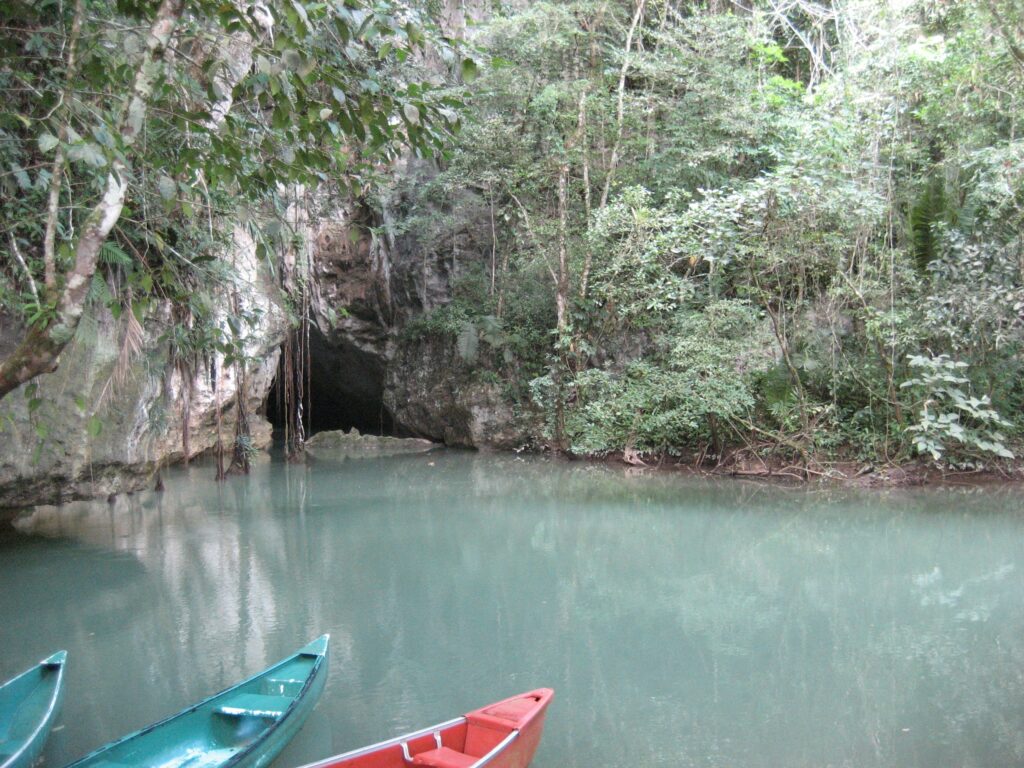
Barton Creek Cave is one of the country’s most accessible and fascinating Maya archaeological sites. The cave was once used for ceremonies and burials, and today visitors can explore it by canoe, paddling through crystal-clear water beneath towering limestone walls. Inside, you’ll see impressive stalactites, rimstone formations, and ancient pottery and skeletal remains left by the Maya more than a thousand years ago.
The experience is serene and otherworldly, combining natural beauty with cultural history. Local guides provide canoes, lights, and context about the cave’s archaeological significance. Barton Creek Cave is about a 45-minute drive from San Ignacio.
Blue Hole National Park (Inland Blue Hole)
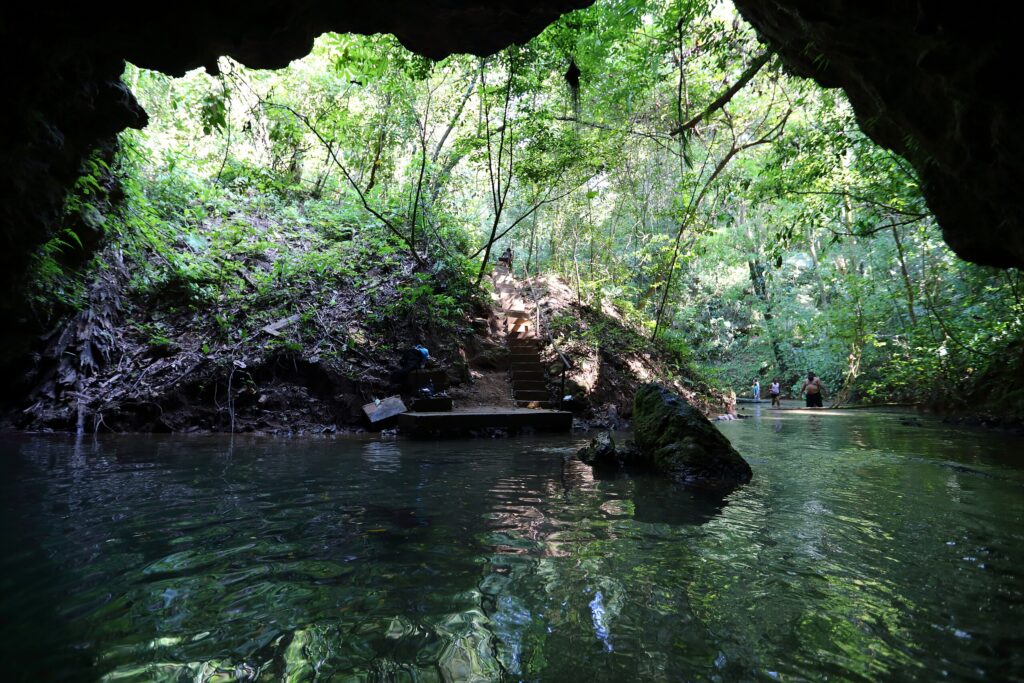
Blue Hole National Park is a natural sinkhole surrounded by dense tropical forest in central Belize. Fed by an underground river, its turquoise freshwater pool offers a refreshing swimming spot after exploring the nearby jungle trails. The park also features caves, waterfalls, and a variety of wildlife, making it a popular stop for nature lovers traveling along the Hummingbird Highway.
Visitors can swim, picnic, or hike to the St. Herman’s Cave, another highlight within the park, where guided tours reveal ancient Maya artifacts and geological formations. The Blue Hole is about a 20-minute drive from Belmopan and is easily combined with visits to nearby waterfalls and nature reserves.
Rio Bravo Conservation Area
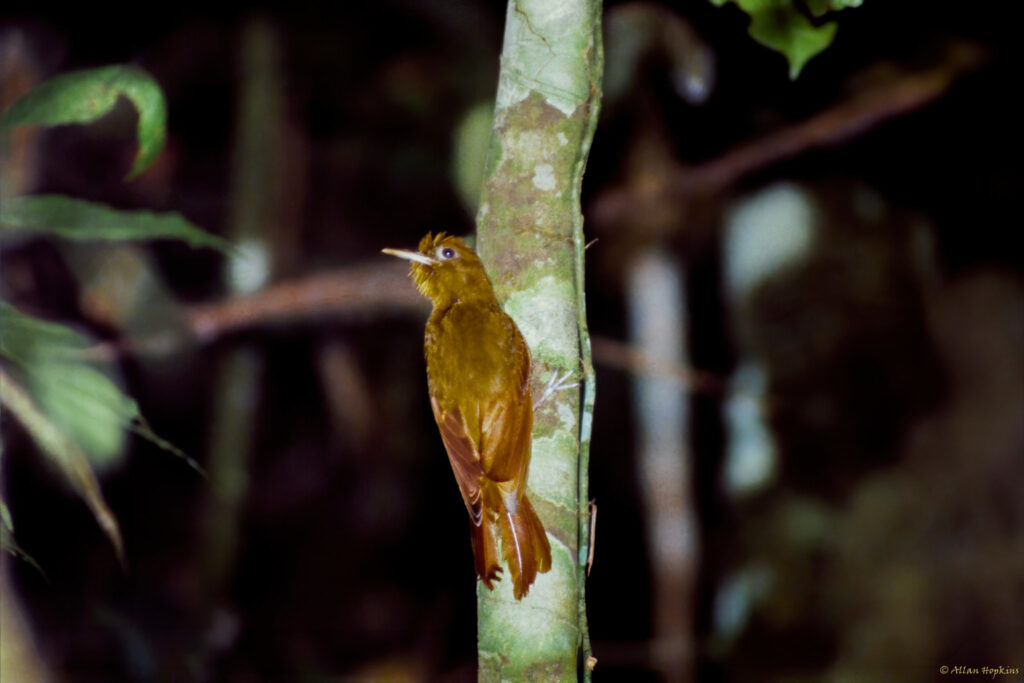
Rio Bravo Conservation Area is one of the country’s largest and most ecologically significant protected areas. Covering more than 250,000 acres of tropical forest, wetlands, and savanna, it provides vital habitat for jaguars, tapirs, ocelots, and over 400 species of birds. The reserve plays a key role in conservation and scientific research while supporting sustainable tourism through guided wildlife safaris, jungle treks, and birdwatching tours.
Visitors can stay at remote eco-lodges run by the Programme for Belize, which manage the area and work closely with local communities. Activities include nighttime wildlife walks, canoeing, and exploring ancient Maya archaeological sites hidden within the forest. Rio Bravo is best accessed via Orange Walk Town, about a two-hour drive from Belize City.
Toledo District
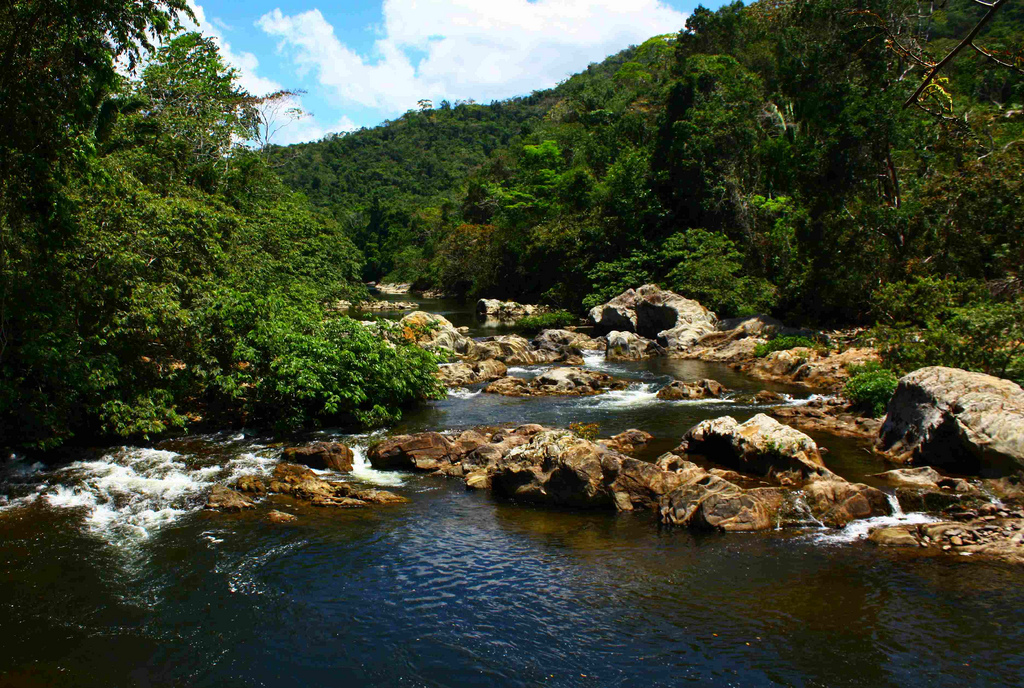
Toledo District is the country’s most remote and culturally rich region, offering an authentic experience far from the main tourist areas. The area is home to traditional Maya villages, where visitors can learn about local customs, cacao farming, and sustainable agriculture. Guided tours often include visits to small chocolate farms, where cacao is still grown and processed by hand.
The district’s landscape features waterfalls, caves, and rainforest trails, as well as offshore cayes that remain largely untouched and ideal for snorkeling or kayaking. With its mix of culture, nature, and community tourism, Toledo is perfect for travelers seeking a slower, more immersive experience.
Travel Tips for Belize
Travel Insurance
Travel insurance is highly recommended for those planning adventure activities such as diving, snorkeling, caving, or jungle excursions. Many of Belize’s best attractions are located in remote areas, so it’s important that your policy includes medical evacuation coverage in case of emergencies.
Safety & Health
Belize is generally safe and welcoming, particularly in established tourist areas like Ambergris Caye, Caye Caulker, and San Ignacio. However, visitors should still take normal precautions, such as avoiding poorly lit areas at night and keeping valuables secure. Tap water is safe in some regions, but it’s best to rely on bottled or filtered water when possible. The country’s warm, tropical climate means mosquitoes can be common, especially in coastal or jungle zones, so carry repellent and wear light protective clothing.
Transportation & Driving
Getting around Belize is easy and often scenic. Domestic flights connect Belize City with the cayes and southern towns, offering a quick way to reach remote destinations. Water taxis operate frequently between Caye Caulker, Ambergris Caye, and the mainland, while buses provide a reliable and inexpensive way to travel between major inland towns. For travelers wanting more independence, renting a car is a great option for exploring the Cayo District, Hopkins, and Toledo at your own pace.
Driving in Belize is on the right-hand side of the road. Main highways are generally in good condition, but rural routes can be rough, especially during the rainy season. A 4×4 vehicle is recommended if you plan to explore jungle areas or mountain destinations. An International Driving Permit is required for most foreign visitors, in addition to your national driver’s license. Always carry your ID, insurance, and rental documents, as police checkpoints are routine.

Published November 23, 2025 • 14m to read