

Yekaterinburg at the World Cup 2018
Yekaterinburg was one of the eleven Russian cities selected to host the 2018 FIFA World Cup. The Central Stadium, known as Yekaterinburg Arena, hosted four exciting group stage matches during this historic tournament. The first match kicked off just one day after the opening ceremony in Moscow on June 14th, 2018, marking a significant moment for Russia’s fourth-largest city.
2018 World Cup Match Schedule in Yekaterinburg
Yekaterinburg Arena hosted four memorable matches during the group stage of the 2018 FIFA World Cup:
- Egypt vs Uruguay (Group A) – June 15, Friday at 5:00 PM (17:00). Uruguay secured a 1-0 victory in this opening match.
- France vs Peru (Group C) – June 21, Thursday at 8:00 PM (20:00). France won 1-0, continuing their journey to eventual World Cup victory.
- Japan vs Senegal (Group H) – June 24, Sunday at 8:00 PM (20:00). This match ended in an exciting 2-2 draw.
- Mexico vs Sweden (Group F) – June 27, Wednesday at 7:00 PM (19:00). Sweden emerged victorious with a 3-0 win.
These matches featured world-class football players including Paul Pogba (France, Manchester United), Luis Suárez (Uruguay, Barcelona), Edinson Cavani (Uruguay, Paris Saint-Germain), and Gastón López (Uruguay, PSV), bringing international football excellence to the heart of the Urals.
How Yekaterinburg Prepared for the World Cup
Hosting the FIFA World Cup was a transformative moment for Yekaterinburg, the capital of the Sverdlovsk region and a major cultural, business, and sports center in Russia. The city underwent massive preparations to welcome football fans from around the world, with the government investing approximately 35 billion rubles over five years—equivalent to the city’s entire annual budget.
With an expected 300,000 fans visiting for the matches, Yekaterinburg made comprehensive preparations, particularly focusing on accommodating Spanish and French-speaking visitors. The city’s infrastructure improvements included:
Transportation and Infrastructure Upgrades
- Construction of 12 new road junctions and completion of missing sections of the Yekaterinburg Ring Road
- Reconstruction of 5 major crossings to improve traffic flow
- Purchase of 181 new buses, 92 modern trams, and 28 trolleybuses, including 50 state-of-the-art R1 (Russia One) trams
- Extension of public transport routes to better serve visitors
- Installation of 1,500 smart bus stops featuring electronic displays with real-time arrival information
- Deployment of 100 dedicated shuttle buses to transport fans between the stadium and fan zones
Environmental and Service Improvements
- Installation of 19 new air cleaning stations to reduce vehicle emissions and improve air quality
- Recruitment and training of 20,000 volunteers to assist with World Cup operations
- Mandatory English language training for policemen, doctors, firefighters, rescuers, and hotel staff
- Local restaurants expanding menus to include authentic Spanish and French cuisine
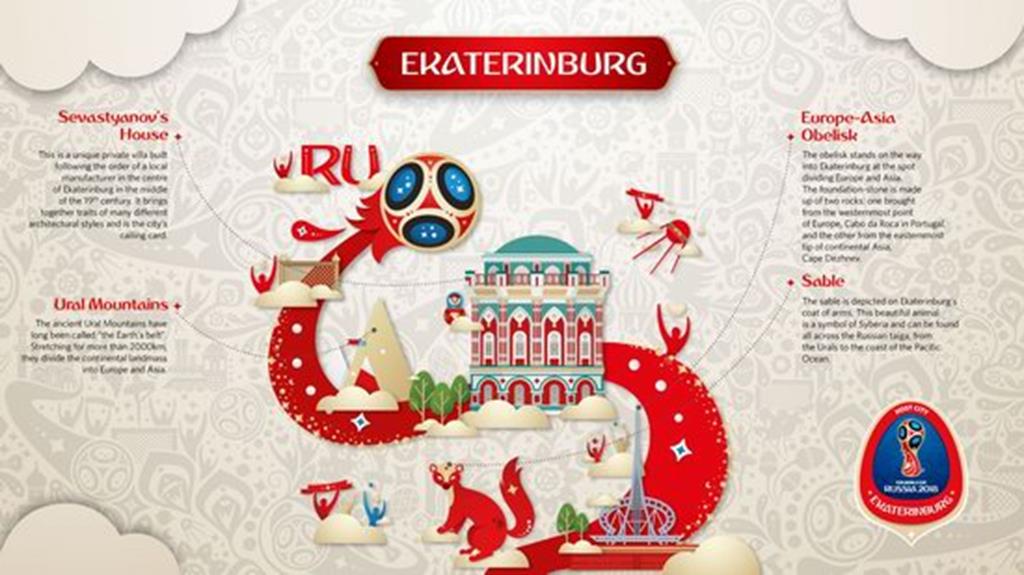
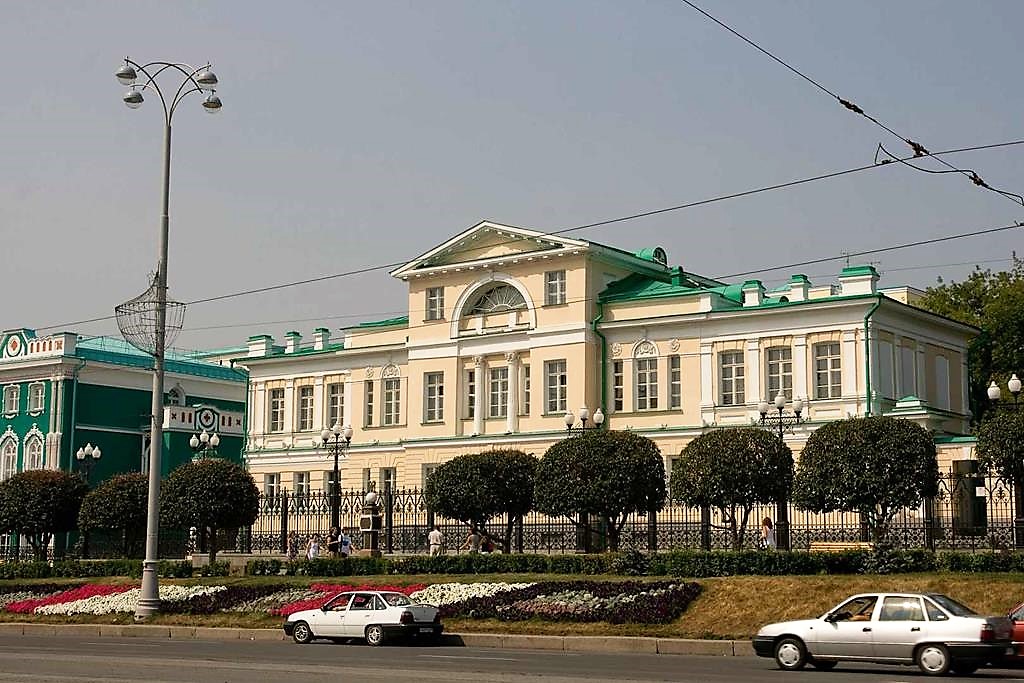
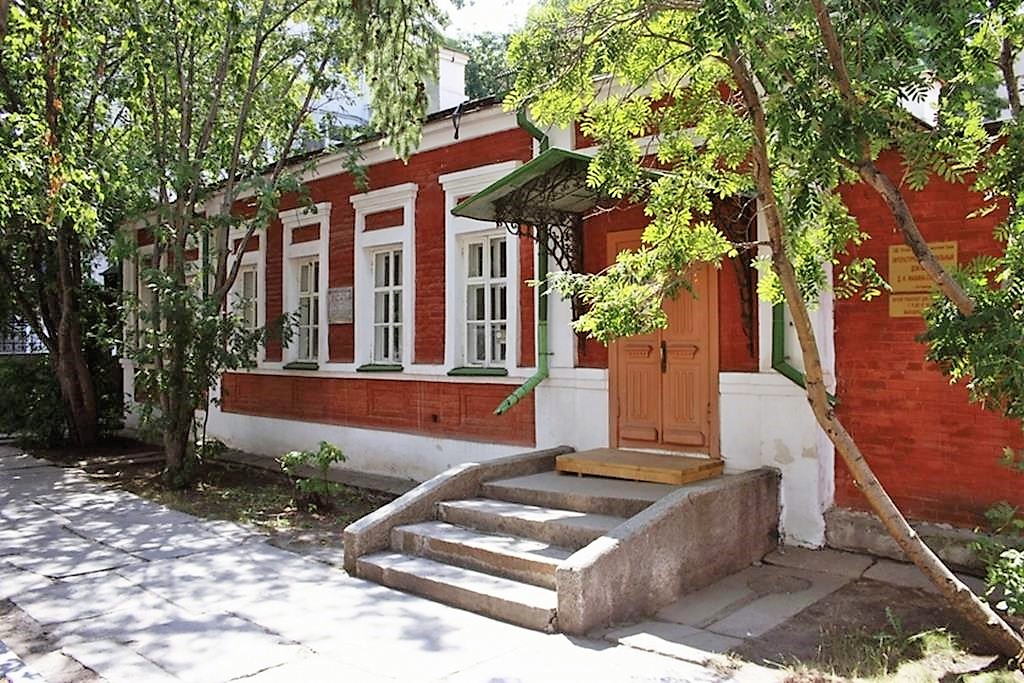
Sevastyanov’s House
This is a unique private villa built following the order of a local manufacturer in the centre of Yekaterinburg in the middle of the 19th century. It brings together traits of many differnt architectual styles and is the city’s calling card.
Ural Mountains
The ancient Ural Mountains have long been called “the Earth belt”. Stretching for more than 2000 km, they divide the continental landmass into Europe and Asia.
Europe – Asia obelisk
The obelisk stand on the way into Yekaterinburg at the spot dividing Europe and Asia. The foundation-stone is made up of two rocks: one brought from the westernmost point of Europe, Cabo da Roca in Portugal, and the other from the easternmost tip of continental Asia, Cape Dezhnev.
Sable
The sable is depicted on Yekaterinburg’s coat of arms. This beautiful animal is a symbol of Siberia and can be found all across the Russian taiga, from the Urals to the coast of the Pacific Ocean.
Yekaterinburg Arena: The Central Stadium Transformation
The Central Stadium, rebranded as Yekaterinburg Arena for the World Cup, served as the main football venue for the Middle Urals region. Located in the city center at the intersection of Malyshev, Repin, and Pirogov streets, this architectural monument underwent a careful renovation that preserved its historical character while adding modern amenities.
Unique Architectural Features
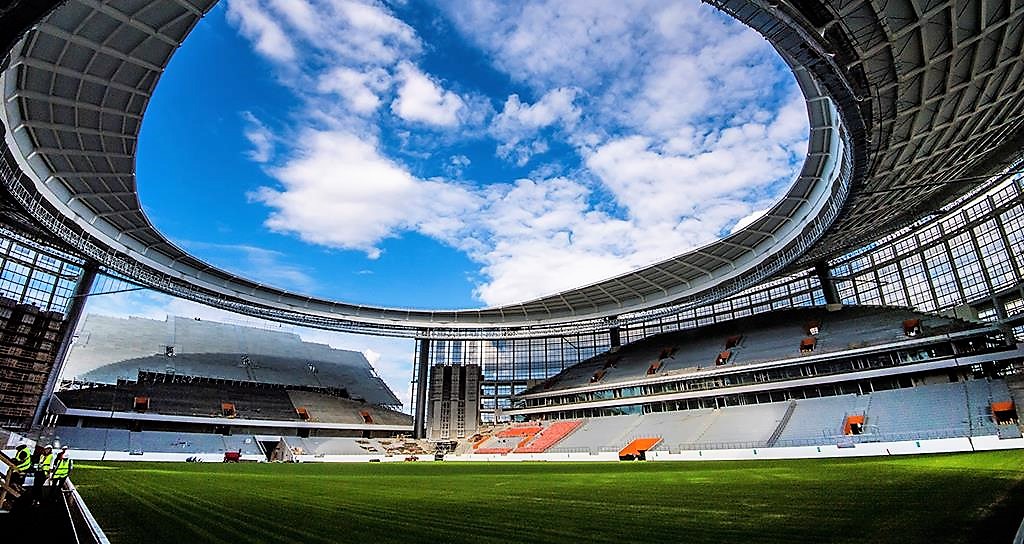
The stadium renovation respected its status as an architectural monument, maintaining the original walls and decorative molding. However, several innovative features were added:
- Innovative drainage system: The circular roof, slightly curved inward, features a sophisticated water disposal system using variable-diameter tubes that channel rainwater directly into underground sewers without any field leakage
- Temporary exterior stands: Two distinctive modular stands, resembling massive Lego constructions, added 6,000 additional seats and captured international media attention for their unique design
- Giant LED displays: Two enormous screens with 20-meter diagonals installed on opposite sides of the stadium
- Modern canopy: A lightweight metal structure suspended 45 meters above the stands, providing weather protection
- Spectacular evening illumination: State-of-the-art lighting system creating an impressive nighttime atmosphere
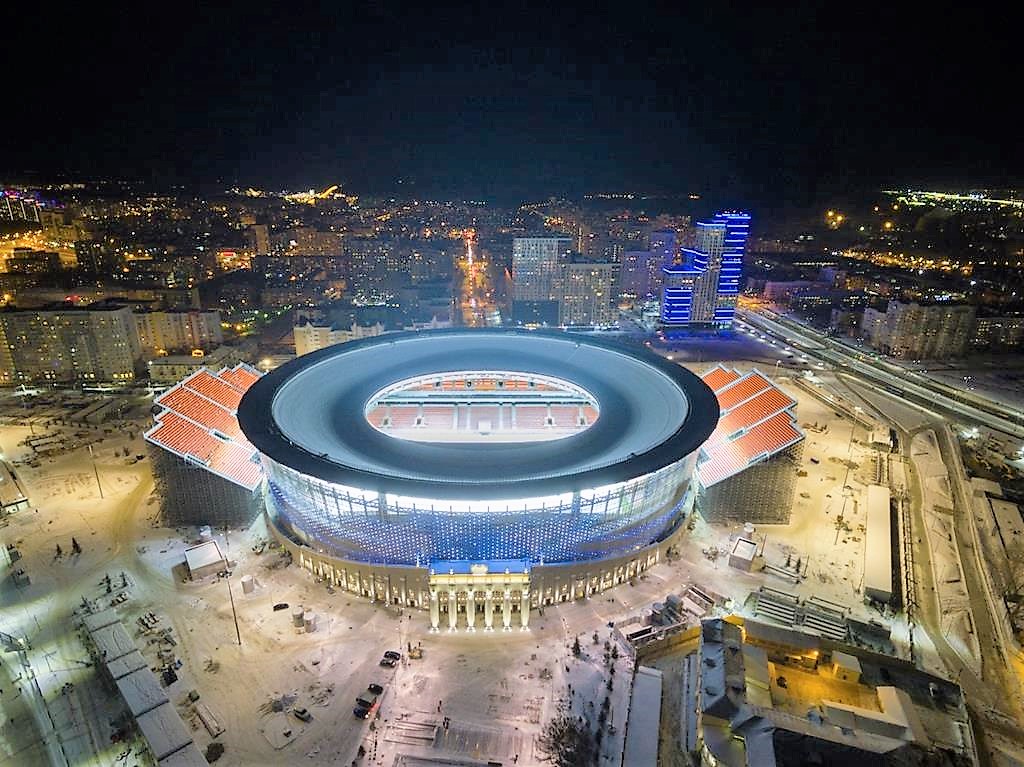
With a capacity of 35,000 spectators, the stadium met all FIFA World Cup standards and provided an intimate yet electric atmosphere for the matches. Following the tournament, Yekaterinburg Arena has continued to serve as a multifunctional sports and entertainment center, hosting various competitions, exhibitions, concerts, and performances.
Training Facilities and Legacy
To support World Cup teams, several training grounds were constructed or upgraded throughout the city:
- SC (Sports Club) Ural Stadium
- Khimmash Stadium
- Kalininets Stadium
- SC Uralmash facilities
These facilities now serve as the foundation for the Football Academy, ensuring the World Cup’s lasting impact on local sports development.
Tourism and Attractions in Yekaterinburg
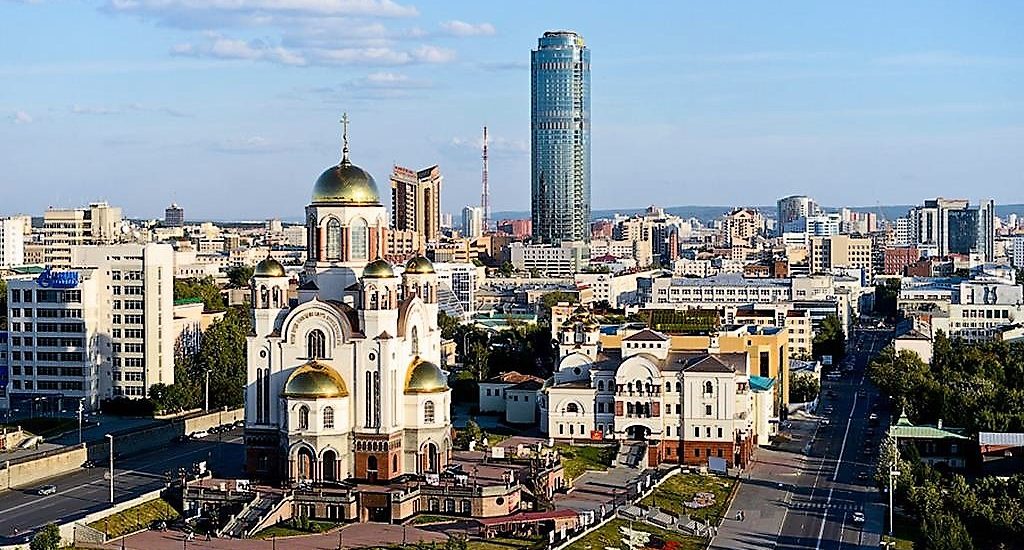
Yekaterinburg, Russia’s fourth-largest city and the easternmost World Cup host location, offers visitors a unique blend of urban sophistication and natural beauty. With deep-rooted football traditions and passionate local fans, the city provides an authentic Russian experience beyond the stadium.
Modern City Highlights
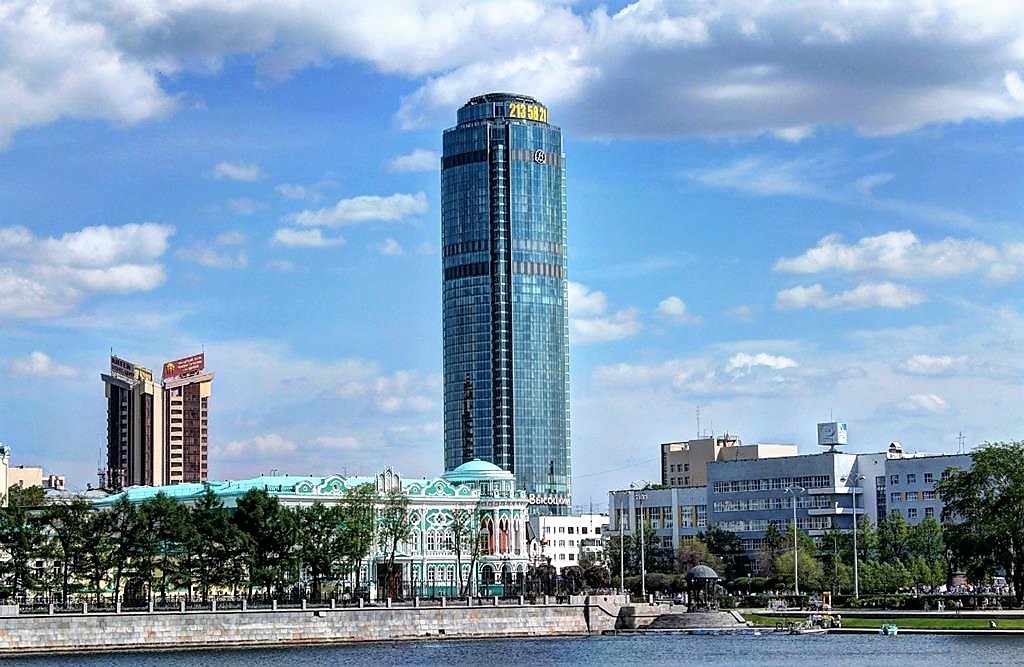
- Vysotsky Skyscraper: Russia’s tallest building outside Moscow, offering panoramic city views
- Lenin Avenue: The main thoroughfare dividing the city, lined with shops, restaurants, and cultural venues
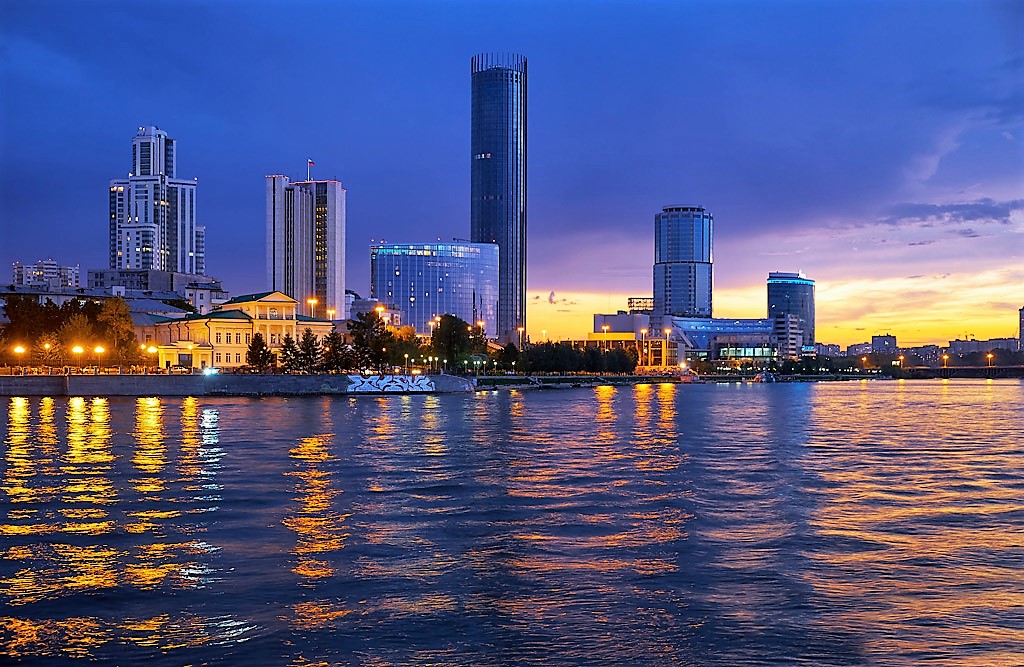
- Plotinka (The Dam): The vibrant city center along the historic dam, perfect for socializing and relaxation
- City Pond: Ideal for boating and waterfront activities in the heart of the city
Natural Attractions and Outdoor Activities
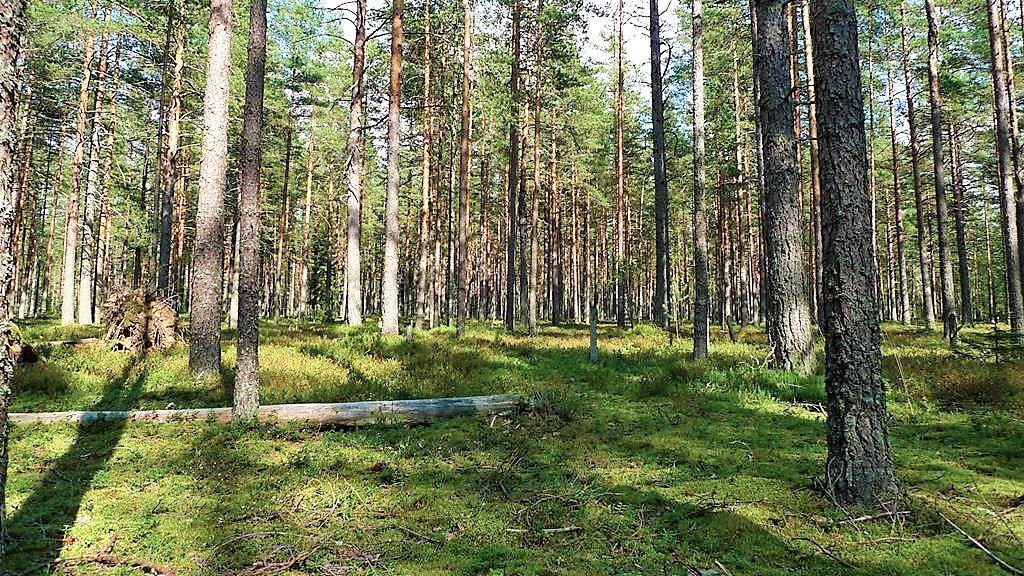
Yekaterinburg’s unique location offers easy access to pristine Ural nature, with dense forests beginning just beyond the city limits near districts like Khimmash and Uralmash.
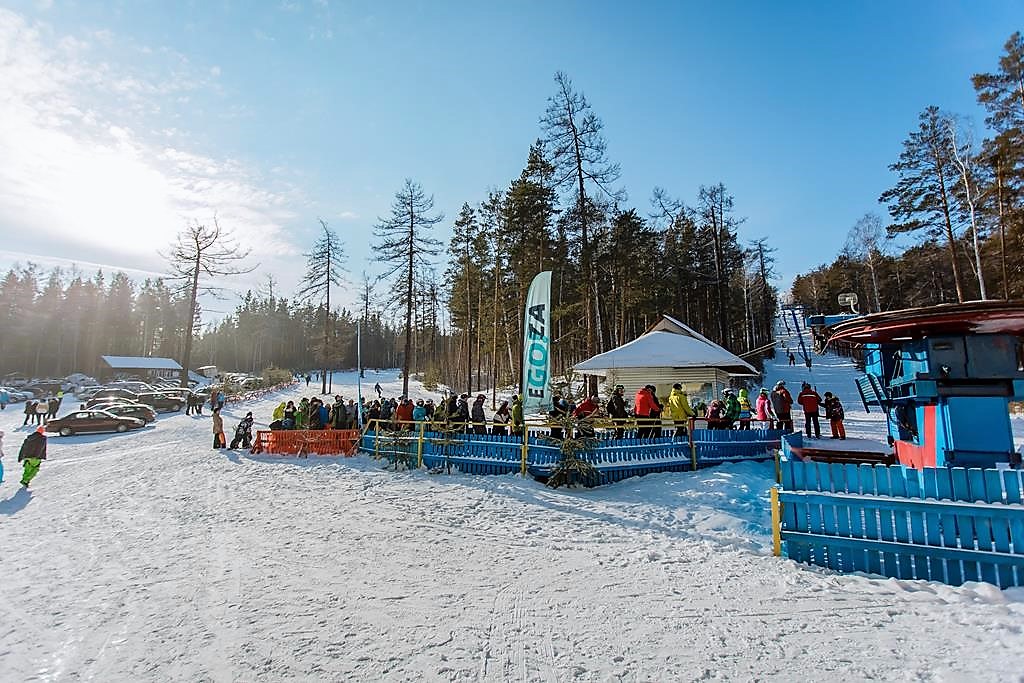
- Winter Activities: Nearby ski resorts including Pilnaya Mountain, Volchikha, and Yezhovaya mountains offer excellent winter sports opportunities
- Summer and Autumn Adventures: Forest hiking, mushroom foraging near city blocks, and wildlife watching (including opportunities to spot elk)
- Urban Green Spaces: Towering trees in city parks create natural canopies, often reaching the height of multi-story buildings
Must-Visit Cultural and Historical Sites
Yekaterinburg boasts a rich cultural heritage with numerous museums, religious sites, and architectural landmarks:
Religious Architecture
- Alexander Nevsky Cathedral
- Novo-Tikhvin Convent
- The Church on Blood (built on the site where the last Russian Tsar and his family were executed)
Museums and Galleries
- Yekaterinburg Museum of Fine Arts
- The Museum of History of Stone-Cutting and Jeweler Art (showcasing the region’s famous gem-cutting tradition)
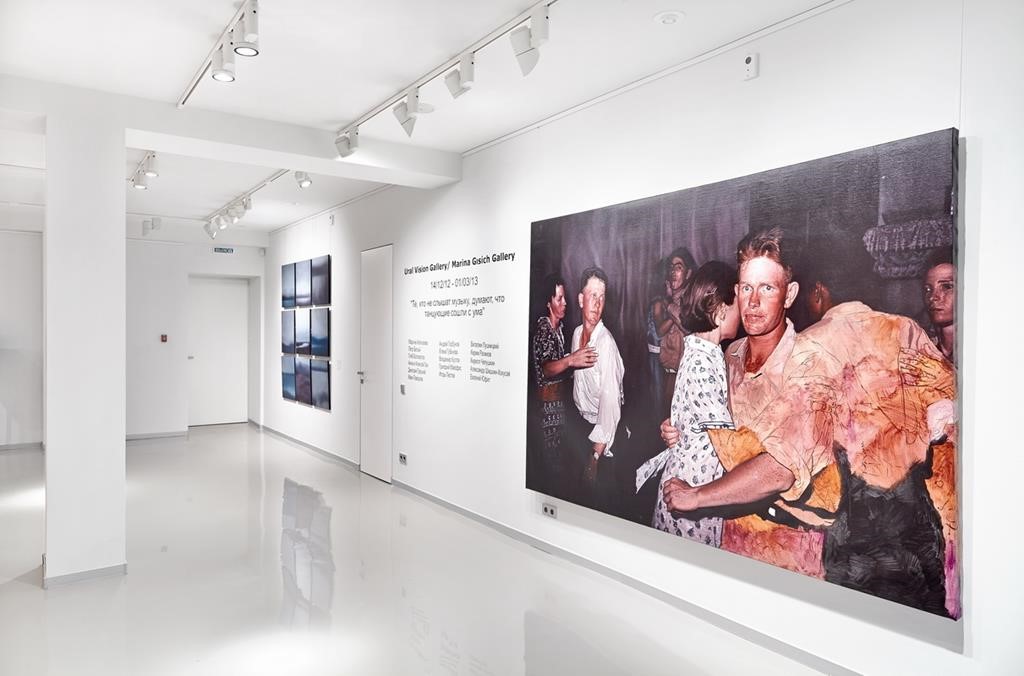
- Ural Vision Gallery
- Literary-Memorial House-Museum of D.N. Mamin-Sibiryak
- Memorial House-Museum of P.P. Bazhov (famous Russian writer)
Historic Architecture and Landmarks
- Zheleznov House-Estate
- Sevastyanov House (one of the most photographed buildings in the city)
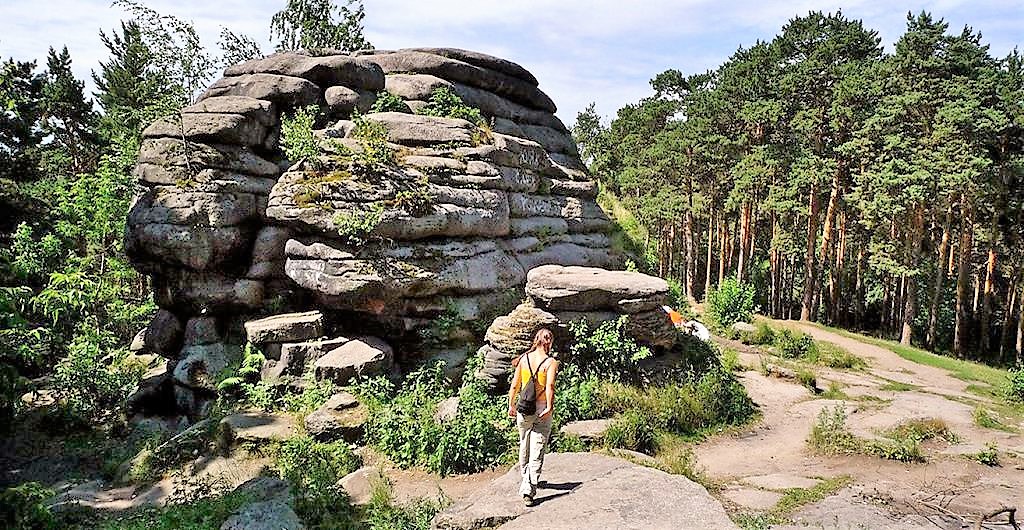
- Shartash Stone Tents (natural rock formations)
Walking Tours and Districts
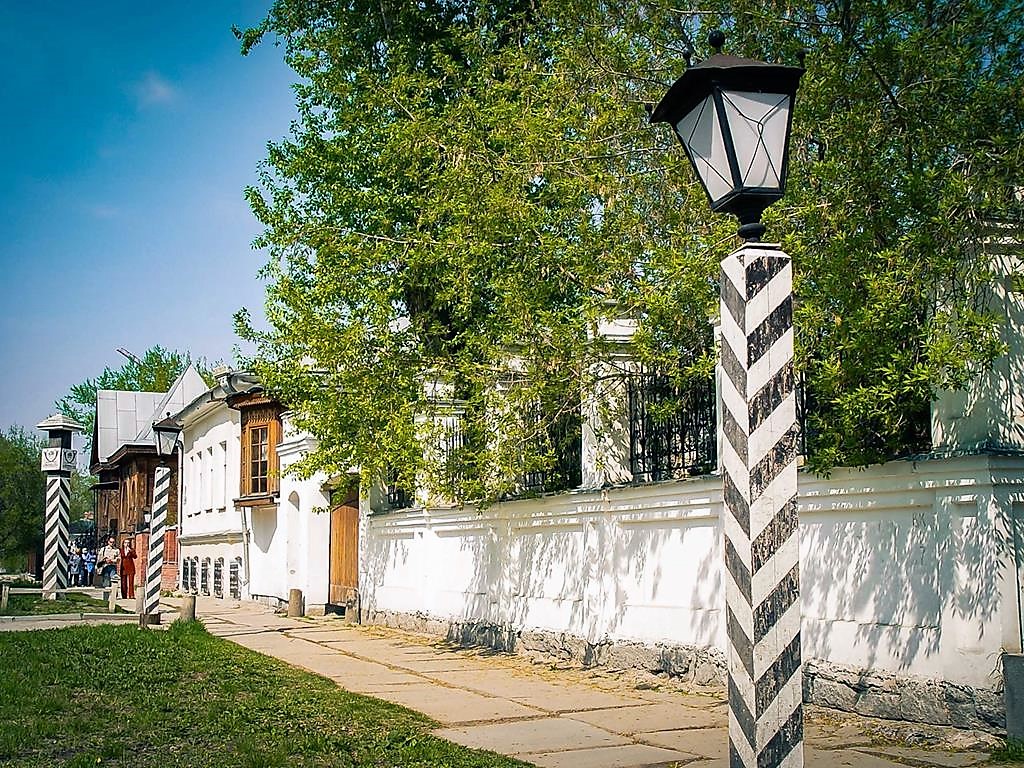
- “Red Line” Tourist Route – a self-guided walking tour connecting major city landmarks
- Literary Quarter – a charming historic neighborhood celebrating the city’s literary heritage
- Individualized guided tours for customized exploration
Car Rental Information for Visitors to Yekaterinburg
Exploring Yekaterinburg and the surrounding Ural region by car offers freedom and flexibility for visitors. Car rental services are readily available both at Koltsovo Airport and throughout the city center.
Rental Requirements
- Documentation: Valid passport and driving license
- License Category: Category “B” (standard passenger vehicle)
- Driving Experience: Minimum 3 years
- Age Requirement: Must be 23 years or older
- Deposit: Required (amount varies based on vehicle class and value)
Payment and Booking Terms
- Payment Methods: Cash or bank transfer accepted
- Standard Rentals: 100% upfront payment for the entire rental period
- Long-term Rentals: For periods exceeding 30 days, flexible payment schedules available
- Early Returns: Rental costs recalculated if vehicle returned before scheduled date
- Weekend Specials: Many agencies offer special pricing for weekend rentals
- Driver Options: Vehicles available with or without professional drivers

International Driving Permit
For international visitors planning to drive in Yekaterinburg and explore the picturesque Ural region, an International Driving Permit (IDP) is highly recommended. If you don’t have one yet, you can apply for it here. This document provides peace of mind when driving not only in the city but also throughout Russia’s scenic landscapes.
Note that car rental services at Koltsovo Airport typically charge premium rates compared to in-city locations, though they offer the convenience of immediate vehicle availability upon arrival.

Published May 07, 2018 • 8m to read