

The automotive industry has evolved dramatically over the past 150 years, and the pace of innovation continues to accelerate. From electric vehicles to autonomous driving systems, the cars of tomorrow promise to revolutionize how we travel. Let’s explore what future vehicles will look like and the cutting-edge technologies that will define them.
Eco-Friendly and Energy-Efficient Vehicles
As fossil fuel reserves decline and environmental concerns intensify, future vehicles must transition to sustainable energy sources. The shift is already underway, but the next generation of cars will take eco-efficiency to unprecedented levels.
Key developments in sustainable automotive energy include:
- Electric vehicles (EVs) becoming the dominant form of transportation
- Advanced battery technology with faster charging and longer range
- Solar-powered highways that wirelessly charge vehicles through inductive pavement systems
- Hydrogen fuel cell engines working alongside electric powertrains
- Significant reduction in charging costs through renewable energy integration
The environmental benefits will be substantial. Traditional combustion engines and their harmful emissions containing lead, sulfur, and other heavy metals will become obsolete. The faster we adopt electric and hydrogen-powered vehicles, the cleaner our air will be and the healthier our communities will become.
Compact Design and Advanced Safety Features
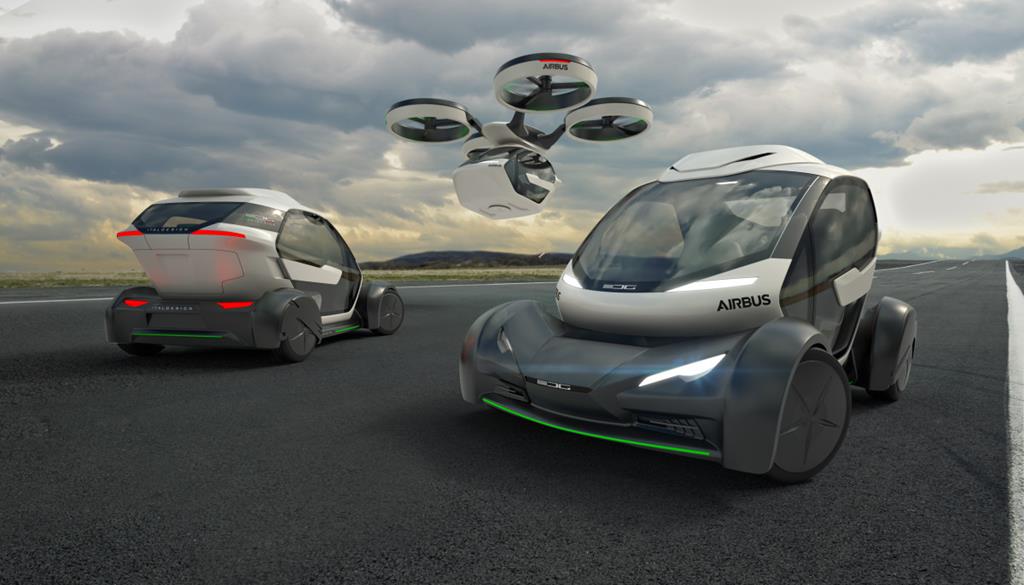
As urban areas grow more congested and parking becomes increasingly scarce, future cars will prioritize compact, transformable designs without compromising passenger safety.
Future vehicle design will feature:
- Flexible, modular structures that adapt to different environments and needs
- Ultra-lightweight yet super-durable materials for maximum protection
- Advanced collision avoidance systems powered by AI and machine learning
- Drastically reduced accident rates through automated safety protocols
- Elimination of traditional manual controls like steering wheels and pedals in most vehicles
Emergency situations will become rare as sophisticated electronics take control of vehicle operation. Passenger safety will reach unprecedented levels through predictive analytics and instant response systems.
Autonomous Driving Technology
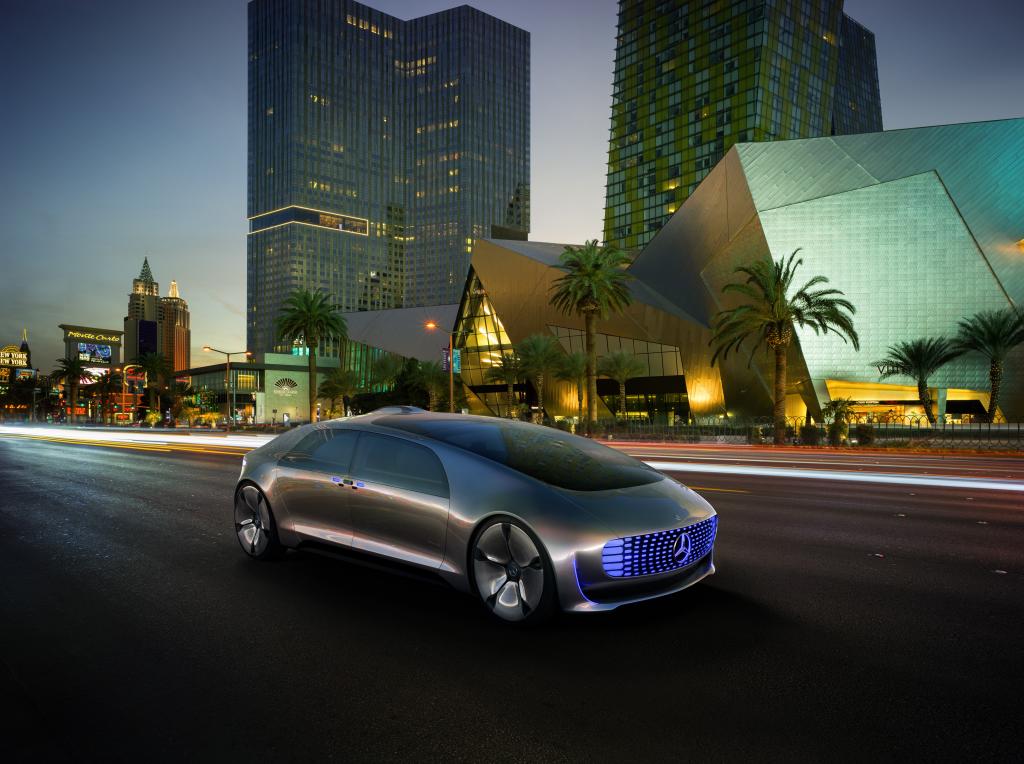
The future of transportation is autonomous. While performance and collector vehicles may retain manual controls, the vast majority of cars will be fully self-driving, transforming the daily commute into productive or leisure time.
Autonomous vehicle capabilities will include:
- Simple route programming replacing traditional driving
- Intelligent windshields that recognize and interpret road signs in real-time
- 360-degree sensor arrays preventing collisions and optimizing traffic flow
- Adaptive speed control based on conditions and passenger preferences
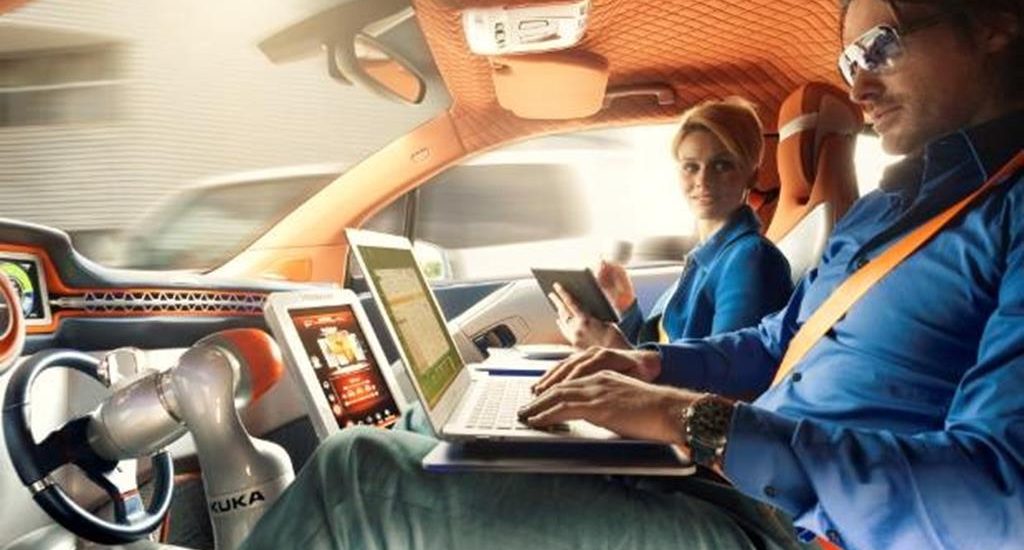
- Minimalist interiors free of dashboards, buttons, and mechanical controls
- Spacious, lounge-like cabins focused on comfort and connectivity
Major automakers are already simplifying vehicle configurations and reducing the number of manual options available, preparing consumers for the autonomous future.
Revolutionary Tire Technology
Tire innovation has long challenged automotive engineers. Traditional pneumatic tires, while effective, have inherent limitations in durability and puncture resistance that future technology will overcome.
Next-generation airless tires offer significant advantages:
- Spoke-grid design eliminating the need for compressed air
- Flexible rubber spokes providing superior durability and performance
- Puncture-proof construction for enhanced safety
- Reduced maintenance and longer lifespan
- Improved suspension and ride quality
Companies like Bridgestone are already testing airless tire technology on specialized vehicles such as golf carts. As the technology matures and scales, these revolutionary tires will become standard equipment on consumer vehicles.
Types of Future Vehicles
Different vehicle categories will emerge to serve specific transportation needs in urban and suburban environments.
CityCar – The Urban Mobility Solution
The CityCar represents the future of urban transportation with unique features designed for city living:
- Compact dimensions: 2.5 meters expanded, 1.5 meters collapsed
- Capable of navigating sidewalks and pedestrian areas safely
- Multiple exit points including doors and windscreen access
- Transformable design solving parking challenges
- Ultra-quiet operation for urban environments
AirPod – The Zero-Emission Vehicle
AirPod technology represents one of the safest and most environmentally friendly vehicle concepts:
- Powered by compressed air instead of fossil fuels or electricity
- Near-zero carbon dioxide emissions
- Piston engine reprocessing compressed air mixture rather than fuel
- Fail-safe design: damaged tanks release air mixture safely rather than exploding
- Minimal operating costs with abundant air supply
Preparing for the Future of Driving
The automotive industry’s future promises exciting innovations that will transform transportation over the next century. While vehicles will become increasingly automated and environmentally friendly, proper licensing and documentation will remain essential for legal operation.
Whether you’re driving today’s cars or tomorrow’s autonomous vehicles, ensure you have the proper credentials including an International Driving Permit for cross-border travel. Apply for your IDP easily and start your journey toward the future of transportation today.

Published July 06, 2018 • 5m to read