

Switzerland is famous for Alpine scenery, the Matterhorn, watches, chocolate, cheese, banking, political neutrality, winter sports, and an unusually strong international reputation for precision and stability. Official Swiss tourism and government sources consistently present the country through mountains, multilingualism, federalism, winter travel, and globally recognized institutions and industries.
1. The Swiss Alps
Switzerland is famous first of all for the Alps because the mountains shape the country more than any other single feature. They are not just part of the landscape, but one of the main reasons Switzerland is recognized so quickly around the world. Snow peaks, deep valleys, high passes, glaciers, lakes, and mountain villages all belong to the image people usually have in mind when they think of the country. This is not an exaggeration: the Alps cover about 60% of Swiss territory, which helps explain why they are so central to national identity rather than just a scenic backdrop.
The Jungfrau-Aletsch area, one of Europe’s great high-Alpine landscapes, includes the Aletsch Glacier, the largest glacier in the Alps at around 23 kilometres in length. That kind of geography gives Switzerland more than beautiful views. It gives the country a clear and lasting image built on altitude, ice, rock, and outdoor life.
2. The Matterhorn
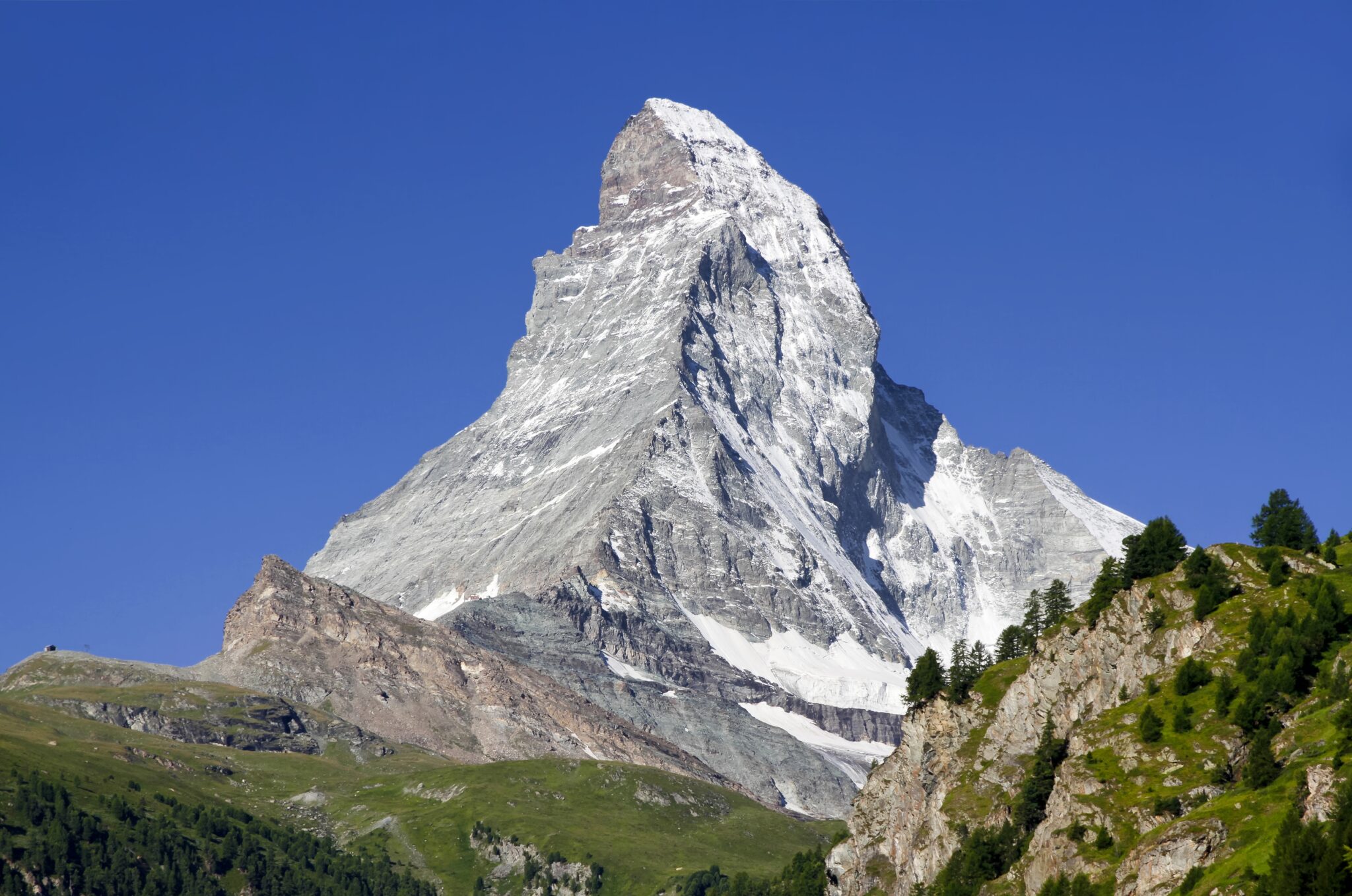
Switzerland is famous for the Matterhorn because few natural landmarks give a country such an immediate and recognizable image. The mountain’s sharp pyramid shape makes it easy to identify even for people who know very little about the Alps, which is why it became one of the clearest visual symbols of Switzerland as a whole. In a country full of famous peaks, that matters. Rising to 4,478 metres, it stands above the Zermatt area near the Swiss-Italian border and has long been one of the most photographed and most recognized mountains in Europe. Its image helped define the Swiss Alps not just as a mountain range, but as a landscape of dramatic peaks, climbing history, and clean, monumental scenery.
3. Zurich
Unlike Alpine resorts that define Switzerland through scenery, Zurich defines it through urban order, wealth, and international reach. It is the country’s largest city and one of its main economic engines, but it is not known for finance alone. Zurich’s image also rests on its old town, its position on the Limmat and Lake Zurich, and central places such as Bahnhofstrasse, the 1.4-kilometre shopping avenue that runs from the main station to the lake.
Official finance bodies continue to describe it as one of the world’s major financial centres, while the canton’s 2025/26 financial-centre summary presents Zurich as Switzerland’s financial hub and a key pillar of the regional economy. That matters because Zurich is famous not simply as a rich city, but as one of the places where Swiss banking, insurance, investment, and high-end urban life come together most visibly.
4. Geneva
While Zurich often represents Swiss finance and business, Geneva represents diplomacy, negotiation, and global institutions. That difference matters. Geneva is not known mainly for one monument or one industry, but for the fact that major international decisions, meetings, and humanitarian work are concentrated there. The city’s position on the lake, its French-speaking identity, and its strong international profile make it one of the clearest places through which Switzerland is seen abroad.
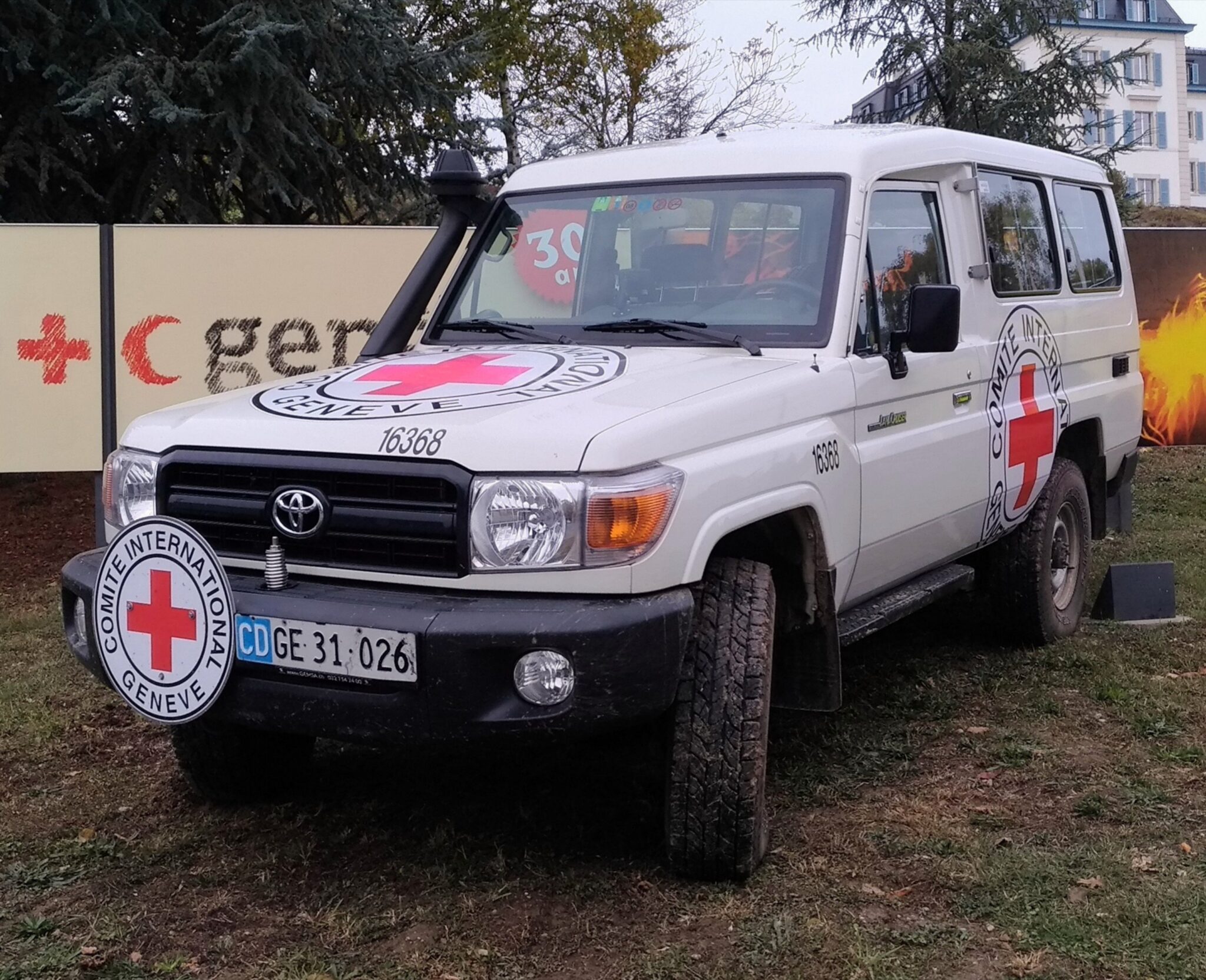
The city hosts around 40 international organizations, about 180 permanent missions, and more than 400 NGOs, which is an unusually large concentration for a city of this size. It is also closely linked to the European headquarters of the United Nations and to the ICRC, which was founded in 1863 and remains one of the best-known humanitarian organizations in the world.
5. Bern and its Old City
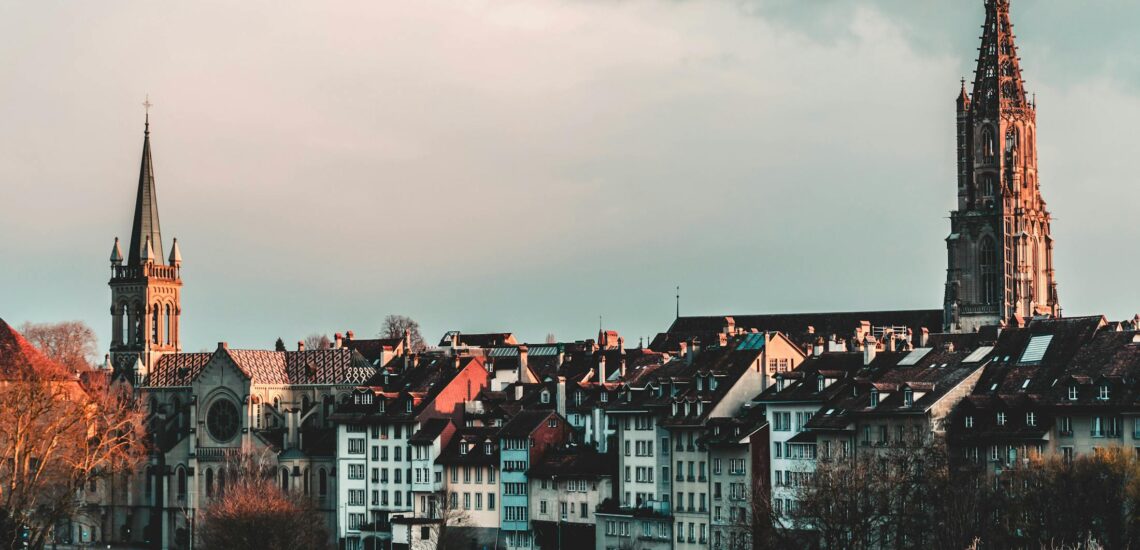
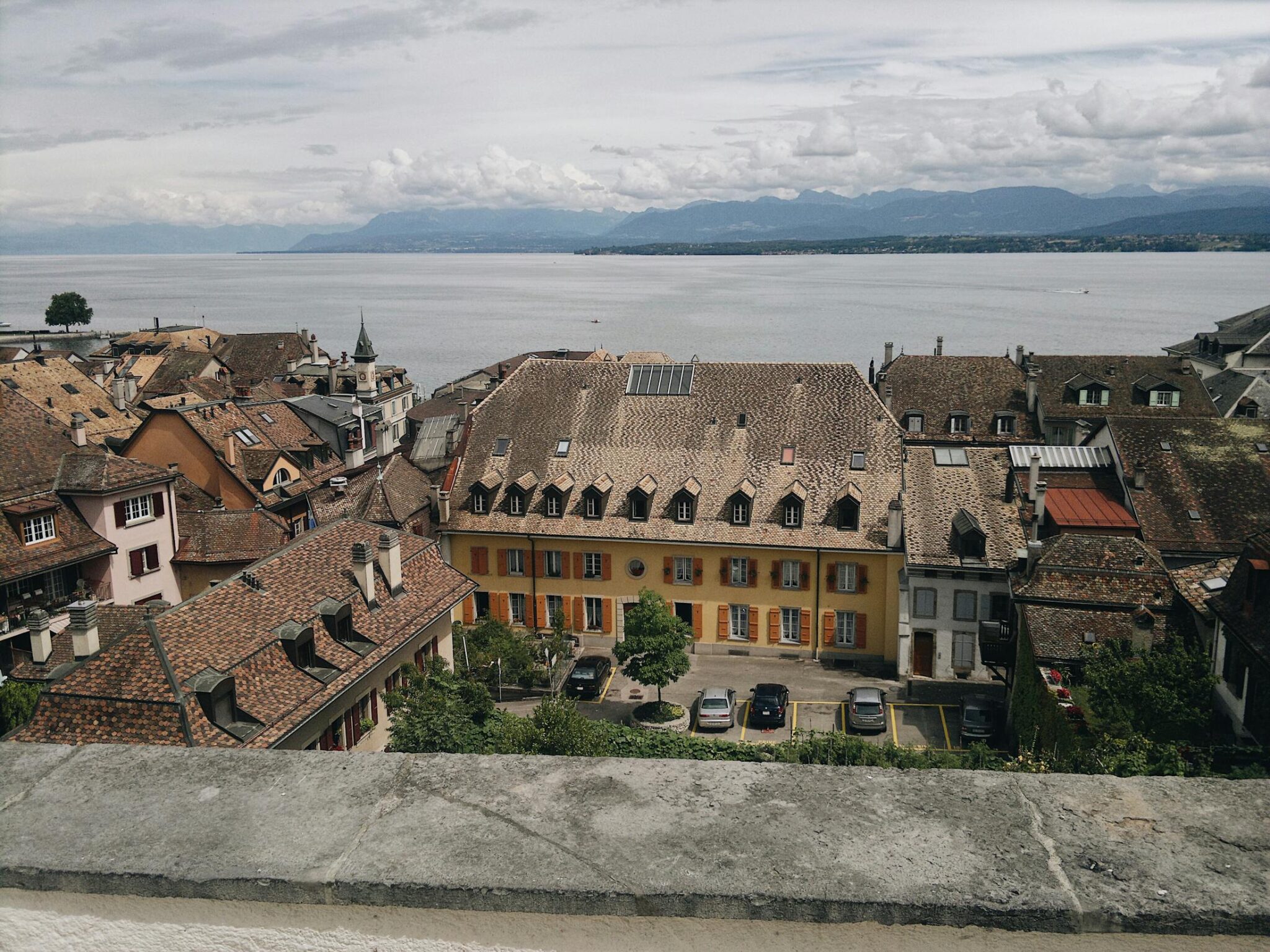
As the federal city, Bern has political importance, but what makes it especially memorable is the character of its old center. Instead of relying on one single landmark, the city is known for the strength of the whole setting: sandstone buildings, long arcades, medieval street patterns, towers, fountains, and the bend of the Aare around the historic core. The Old City developed mainly between the 12th and 15th centuries, and its arcades extend for about 6 kilometres, giving Bern one of the longest covered shopping promenades in Europe.
6. Swiss watches
Switzerland is famous for watches in a way few countries are famous for any manufactured product. Watches are not just one successful export sector there. They are part of the country’s image of precision, reliability, technical skill, and controlled luxury. That is why Swiss watches carry more weight than an ordinary industrial product. For many people, the phrase “Swiss watch” already suggests accuracy and prestige before any brand name is even mentioned, which shows how deeply watchmaking has entered the global image of the country.
In 2025, Swiss watch exports were worth about 24.4 billion Swiss francs, while the number of watches exported reached around 14.6 million. Those figures show that watchmaking is still a major international business and not just a famous tradition from the past. At the same time, the industry spans very different levels, from high-end mechanical brands to a wider manufacturing system built around parts, expertise, and long-established production culture.

7. Swiss chocolate
Switzerland is famous for chocolate because it is one of the products most tightly woven into the country’s international image. Chocolate in Switzerland is not treated as a niche specialty or an occasional luxury. It belongs to tourism, gift culture, everyday consumption, and the wider idea of Swiss quality.
What gives Swiss chocolate extra weight is that the reputation is still backed by a large modern industry rather than by nostalgia alone. In 2024, Swiss chocolate sales reached about 209,096 tonnes, while exports accounted for 72.1% of total volume, which shows how strongly the product remains tied to foreign markets and to Switzerland’s image abroad. At the same time, chocolate remains deeply rooted at home: Swiss per-capita consumption in 2025 was about 10.3 kilograms, even after a year-on-year decline.
8. Swiss cheese, fondue, and raclette
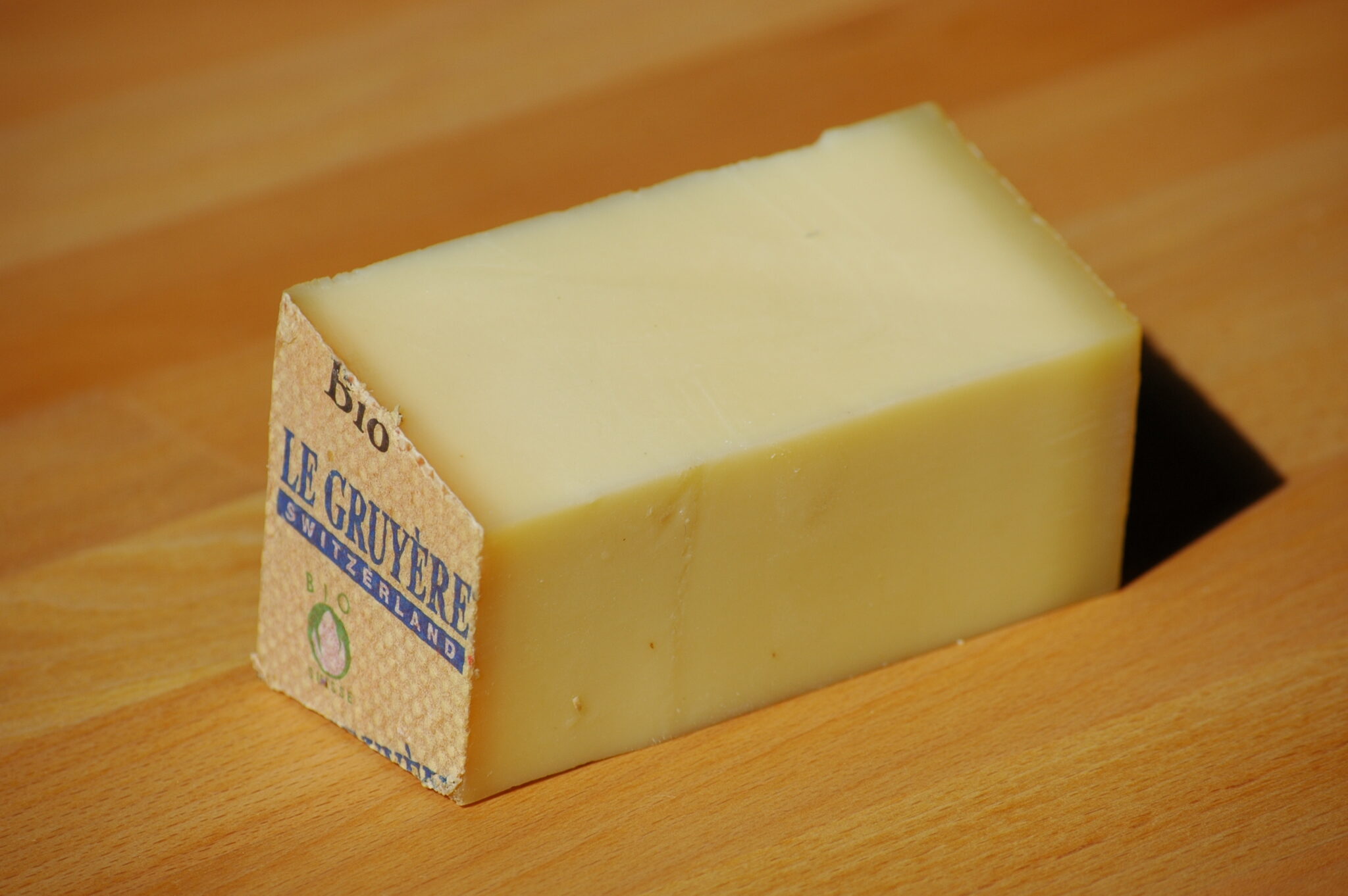
In many countries, cheese is important, but in Switzerland it is tied to mountain farming, regional tradition, and some of the dishes people most strongly associate with the country. That is why the subject is bigger than cheese by itself. Swiss cheese naturally leads to fondue and raclette, two meals that made the country recognizable through a very specific style of eating: simple ingredients, heat, sharing, and strong links to Alpine life.
Gruyère is one of the cheeses best known outside Switzerland, but the country’s food image does not stop at famous names on a label. Fondue turns melted cheese into a shared meal built around the table, while raclette does the same in a different form, with heat, melted slices, and a slower social rhythm. These dishes matter because they are easy to remember and difficult to separate from Switzerland itself.
9. Banking and finance
Switzerland is famous for banking and finance because the sector became one of the country’s strongest international associations and one of the clearest reasons its name carries weight far beyond its size. This reputation is not based only on old stereotypes about banks and secrecy. It is tied to something broader: political stability, wealth management, international clients, strong institutions, and a financial culture built around reliability and long-term trust. Zurich stands at the center of that image. It is the country’s main financial city and one of the places where Switzerland presents itself as modern, efficient, and deeply connected to the global economy.
In 2025, banks in Switzerland were managing around CHF 9.3 trillion in assets, and the sector directly employed almost 160,000 full-time equivalents. Switzerland also remained the world leader in cross-border private wealth management, which shows that Swiss banking is not just historically famous, but still highly relevant in the present.
10. The Red Cross
The movement began in Geneva in 1863, and that date matters because it links Switzerland not only with diplomacy and neutrality, but with one of the most influential humanitarian traditions in modern history. Henry Dunant, a Swiss citizen, was among the central founding figures, which gave Switzerland a role in shaping a new international response to war, wounded soldiers, and civilian suffering. The committee founded in Geneva did not remain a small Swiss initiative. It became the core of an international humanitarian system whose emblem, language, and legal influence spread far beyond the country itself.
11. Neutrality
For many people, neutrality is one of the first things that comes to mind when they think of Switzerland, alongside the Alps, watches, and banking. That is not just a stereotype from the past. Neutrality remains a core part of how Switzerland explains its role in the world: not as a military power seeking influence through force, but as a state that protects its independence and tries to keep space open for diplomacy, mediation, and humanitarian work. This is one reason neutrality became so central to the Swiss image.
Switzerland’s permanent neutrality was internationally recognized in 1815, and more than 200 years later it still shapes foreign policy language and international expectations around the country. In 2026, that image remains active rather than ceremonial, as Switzerland holds the chairmanship of the 57-state OSCE and continues to present itself as a country that can support dialogue in periods of tension and war.
12. The Geneva Conventions
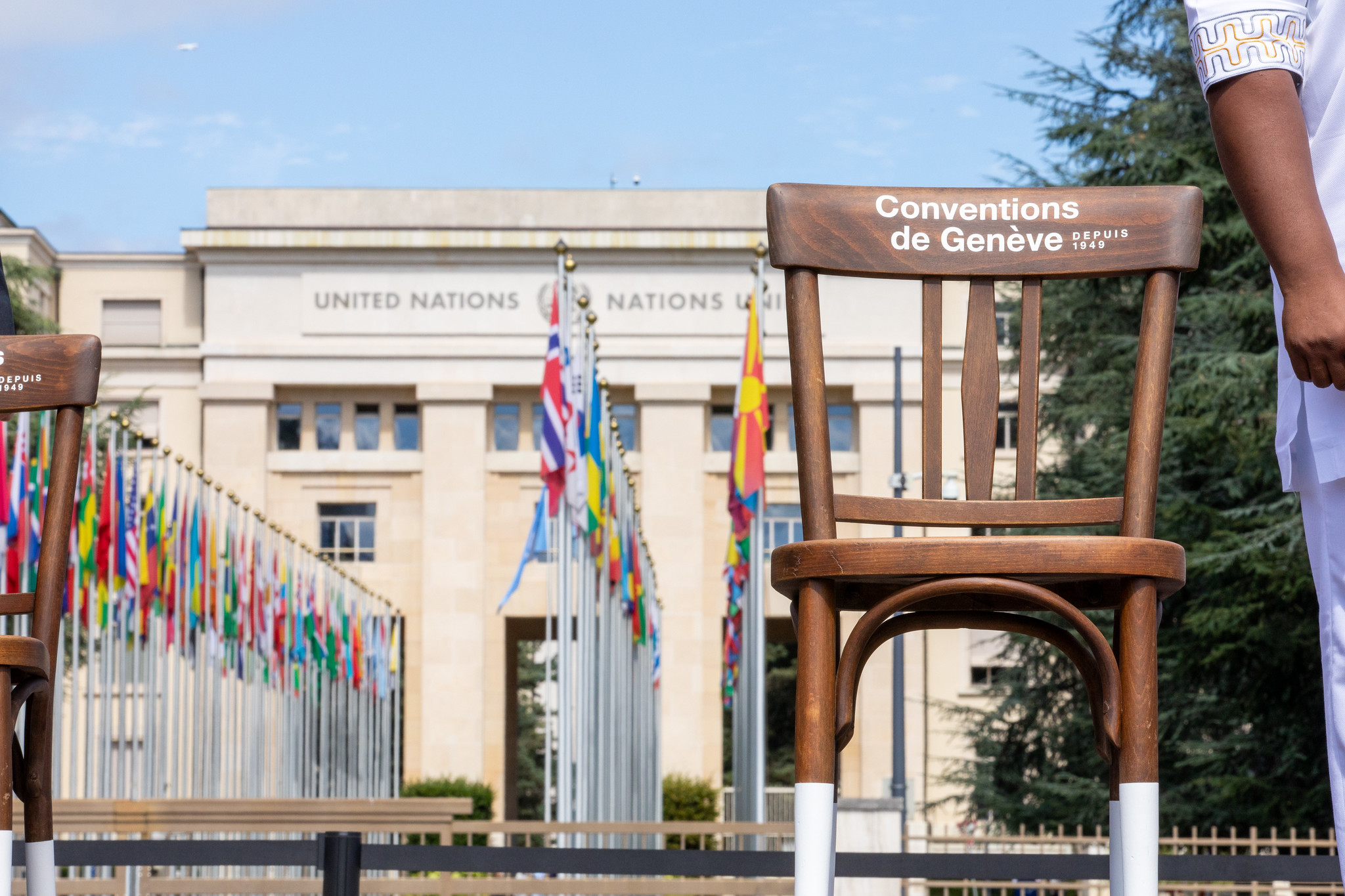
The story begins with Dunant’s experience at Solferino in 1859, then moves to the first Geneva Convention in 1864, and later to the much broader set of treaties adopted after the Second World War in 1949. The four Geneva Conventions of 1949 became the core treaties for the protection of wounded soldiers, shipwrecked military personnel, prisoners of war, and civilians in armed conflict, which is why they are so central to the global rules of war. Switzerland’s connection to them is especially strong because both the name and the wider legal tradition lead back to Geneva and to the humanitarian impulse that grew from Henry Dunant’s response to wartime suffering.
13. Direct democracy
In many states, citizens mainly influence national decisions by electing representatives every few years. Switzerland works differently. There, people can also intervene directly through referendums and popular initiatives, which means major political questions do not stay only in parliament or government offices. That is one reason Swiss politics is so often described as unusually participatory.
What gives Swiss direct democracy extra weight is how deeply it is built into the country’s political culture. Voters are called to the polls several times a year, and constitutional change at federal level can be pushed through the popular initiative process, while many parliamentary decisions can also be challenged by referendum. This creates a political rhythm that is more continuous and more demanding than in many other democracies.
14. Skiing and winter sports
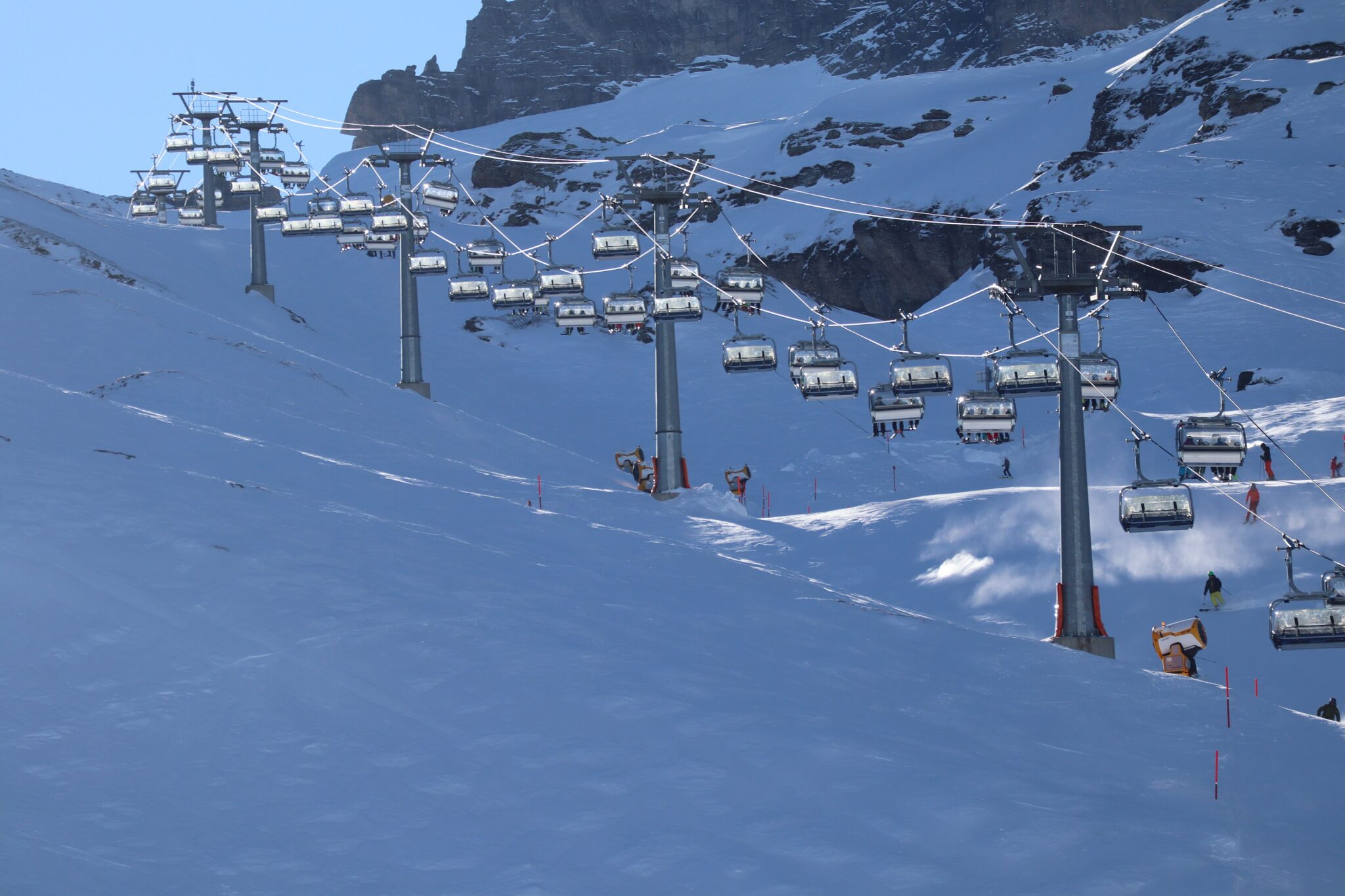
High peaks, reliable winter resorts, mountain railways, valley villages, and long traditions of Alpine tourism all helped turn skiing into one of the clearest experiences people associate with the country. The country is linked with famous resorts, well-developed lift systems, marked pistes, snowboarding, cross-country skiing, and a winter culture that reaches from luxury destinations to smaller mountain communities. Skiing in Switzerland is not just about sport, but about a whole seasonal world built around snow, transport, hospitality, and outdoor life at altitude.
15. Multilingualism
In many states, one language clearly dominates public life and everything else remains secondary. Switzerland is different. It officially recognizes four national languages – German, French, Italian, and Romansh – and that fact shapes politics, education, media, administration, and everyday public culture. This is one reason multilingualism matters so much to the Swiss image abroad. It shows that the country is held together not by one single language, but by a political and cultural balance between several linguistic communities.
16. Scenic trains
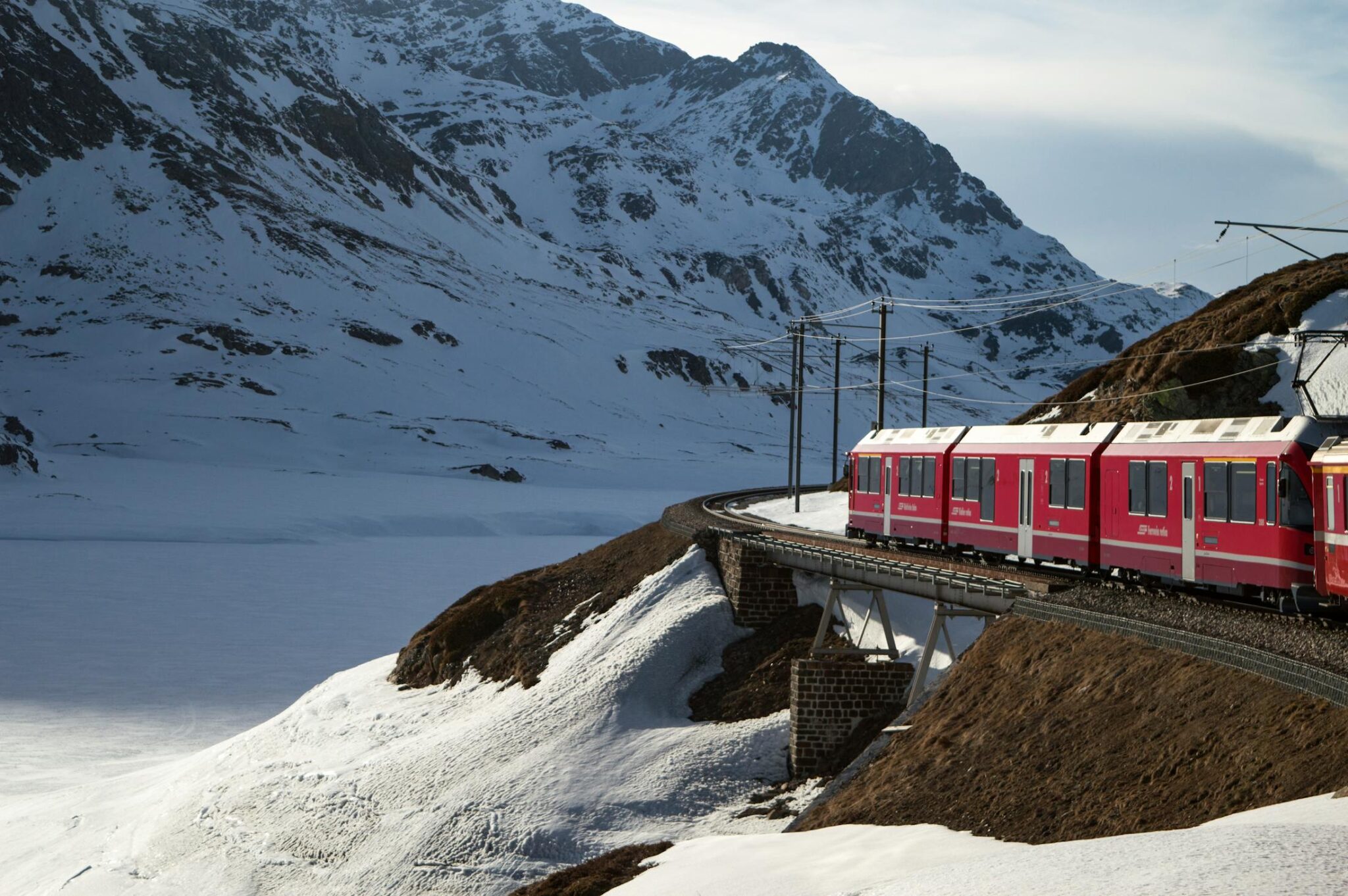
In many places, trains are mainly about transport, but in Switzerland they also function as part of the landscape experience itself. Panoramic routes through high passes, deep valleys, viaducts, tunnels, and glacier country made rail travel part of the country’s image in the same way as skiing or Alpine villages.
The two strongest examples are the Glacier Express and the Bernina Express. The Glacier Express crosses the Alps in roughly eight hours, passing through 91 tunnels and over 291 bridges, which gives Switzerland one of the most memorable rail journeys in Europe. The Bernina Express adds a different kind of contrast, linking high Alpine scenery with much softer southern landscapes on a route celebrated for glaciers, viaducts, and the descent toward palm-lined territory
17. The Swiss Army Knife
Switzerland is famous for the Swiss Army Knife because few practical objects have become such a strong national symbol. It is not just a pocket tool, but a compact image of how Switzerland is often seen abroad: precise, useful, reliable, and well made. That is why the knife became more than a military item. Over time, it turned into one of the country’s clearest design icons, recognized far beyond Switzerland by people who may know little else about Swiss manufacturing.
Karl Elsener began his workshop in 1884, delivered the first major supply of soldier’s knives to the Swiss Army in 1891, and then developed the officer’s and sports knife in 1897, the model that became the original Swiss Army Knife known around the world. Those dates matter because they show that this is not a vague national legend, but a product with a specific Swiss history in the late nineteenth century.
18. CERN
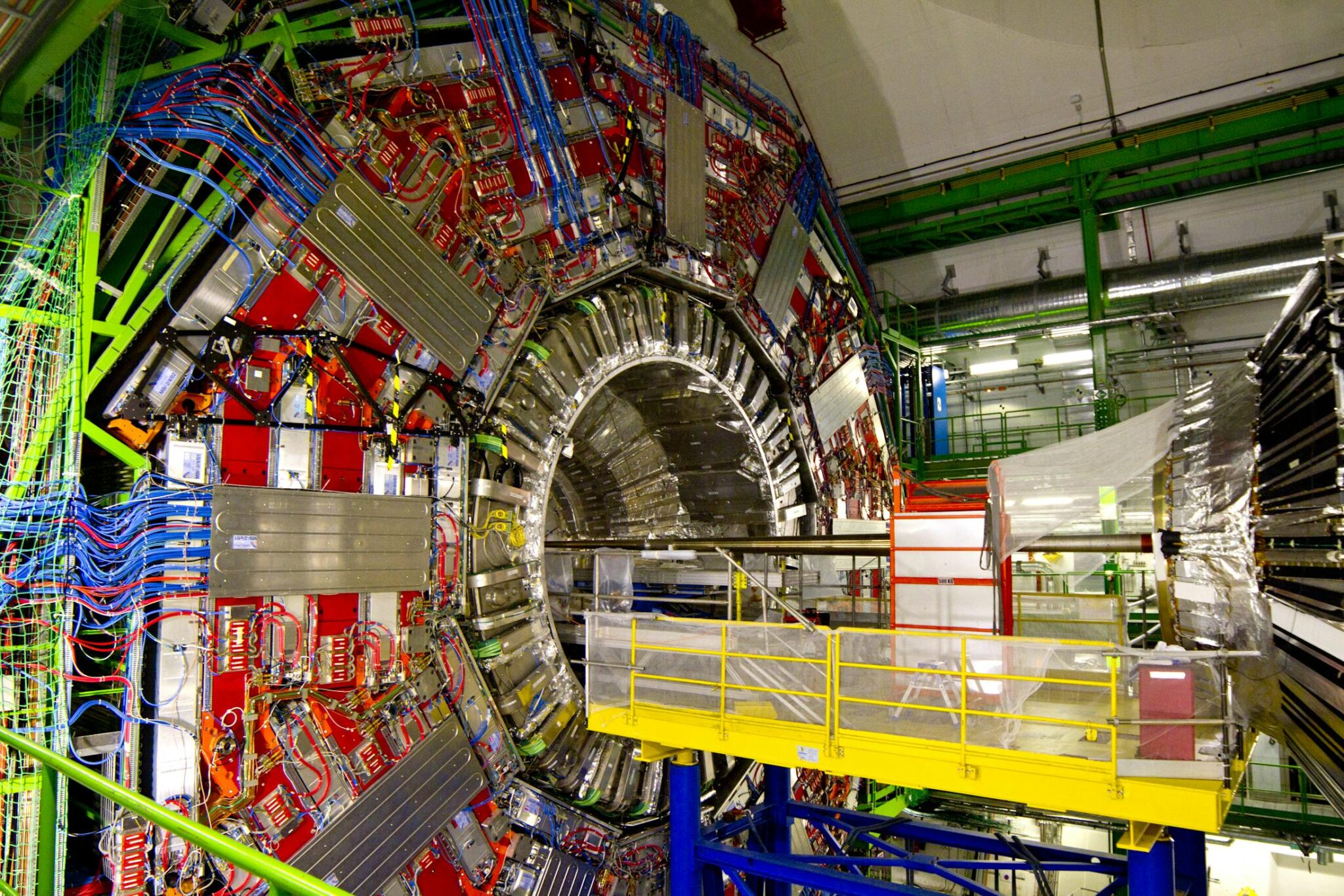
Located on the Franco-Swiss border, CERN has been operating since 1954 and today brings together 25 member states, which shows that its importance goes far beyond Switzerland alone. Even so, Switzerland remains strongly associated with it, because one of the world’s leading physics laboratories is based on Swiss territory and closely tied to Geneva’s wider international identity.
What gives CERN extra weight is the scale of the science itself. Its best-known machine, the Large Hadron Collider, is a 27-kilometre ring buried about 100 metres underground, and it remains the world’s largest and most powerful particle accelerator. That makes CERN important not simply as a research center, but as one of the clearest examples of how Switzerland is connected to frontier science, big international projects, and modern physics at the highest level.
19. Jungfraujoch and glaciers
Finally, Switzerland is famous for Jungfraujoch and its glacier landscapes because this is one of the places where the country’s mountain image becomes most complete. Jungfraujoch is marketed as the “Top of Europe”, and that label works because the site combines height, rail engineering, and high-Alpine scenery in one experience. The station stands at 3,454 metres above sea level and is presented as the highest railway station in Europe, which gives Switzerland one of its clearest travel symbols: a country where difficult mountain terrain is not only admired, but mastered through infrastructure.
The Jungfrau-Aletsch region is recognized as the most glaciated part of the European Alps, and it includes the Aletsch Glacier, the largest glacier in the Alps, at roughly 23 kilometres in length. That combination matters because it turns Jungfraujoch into more than a viewpoint. It becomes one of the clearest places where Switzerland’s identity as a country of mountains, engineering, and ice can all be seen at once.
If you’ve been captivated by Switzerland like us and are ready to take a trip to Switzerland – check out our article on interesting facts about Switzerland. Check if you need an International Driving Permit in Switzerland before your trip.

Published March 28, 2026 • 13m to read