

Poland is famous for historic cities, royal castles, pierogi, great composers and scientists, Catholic pilgrimage, and some of the most consequential wartime history in Europe. Official tourism sources present the country through historic cities, castles, national parks, sanctuaries, underground routes, and major UNESCO sites, which is why Poland feels both culturally dense and historically weighty.
1. Warsaw
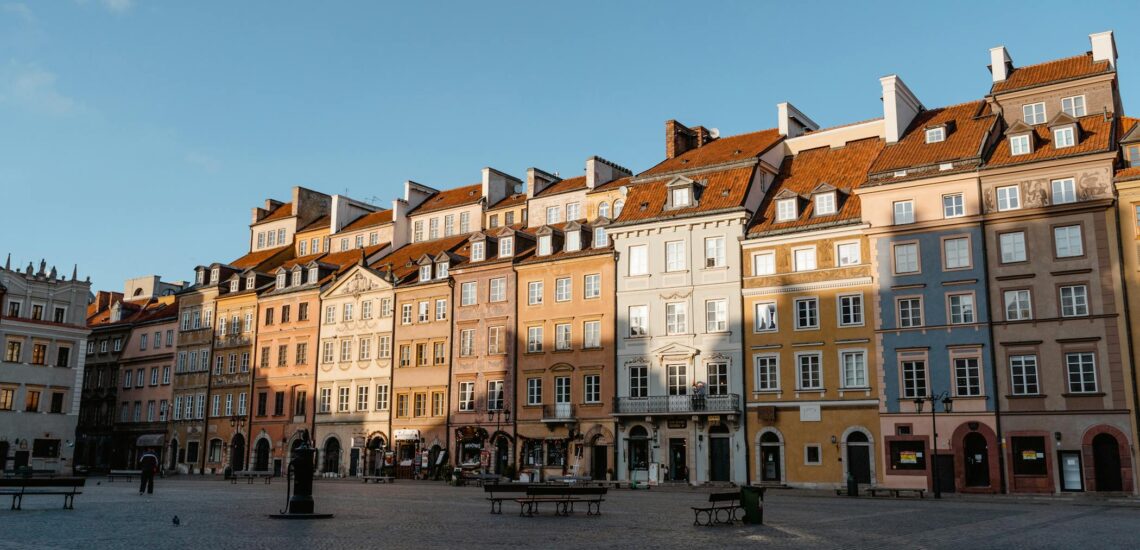
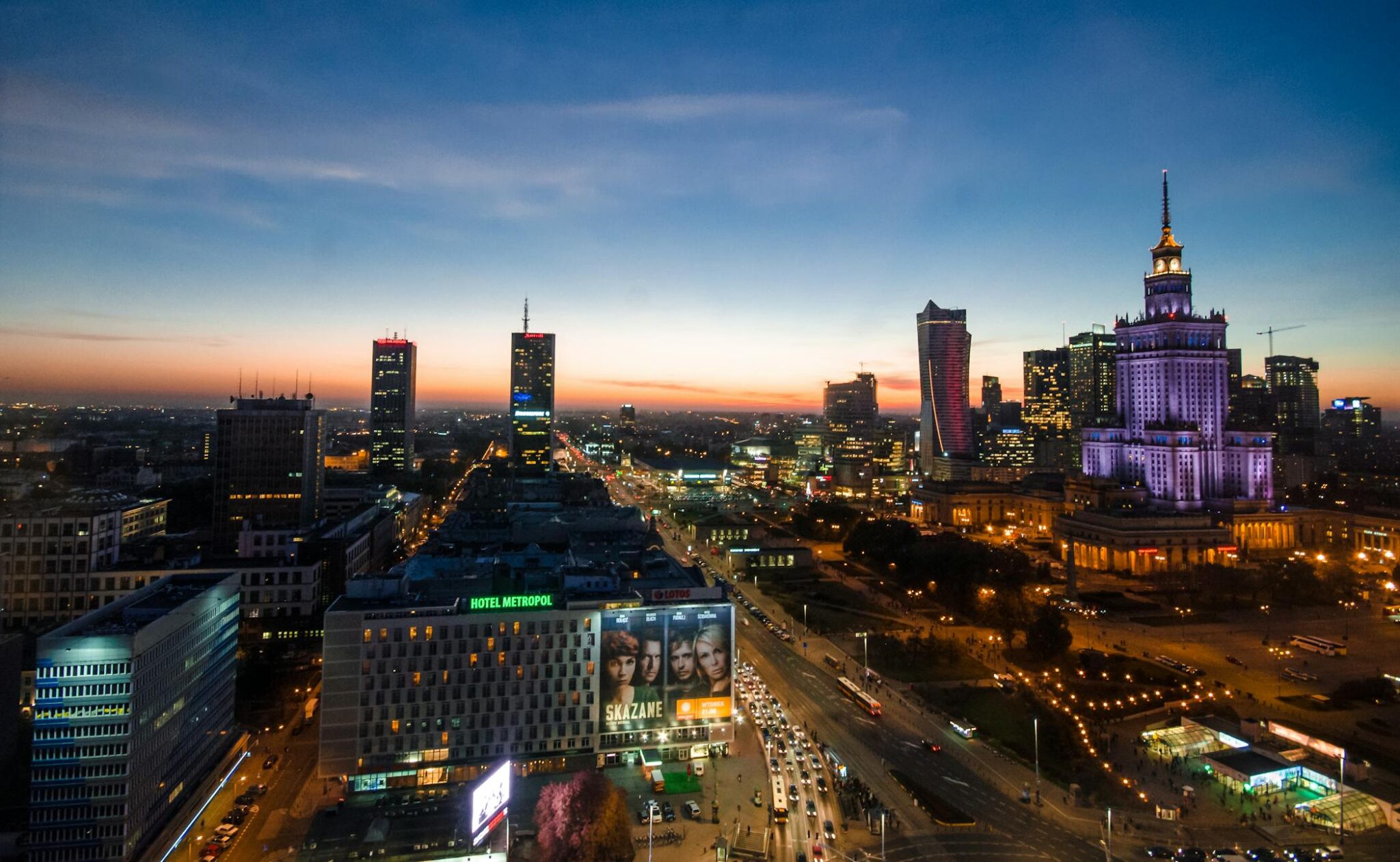
Poland is famous for Warsaw because the capital most clearly represents the country’s modern identity. It is the political and economic center of Poland, but what makes it especially memorable is the way it combines rupture and reinvention in one city. During World War II, more than 85% of the historic center was destroyed, yet after the war the Old Town was rebuilt so thoroughly that UNESCO later recognized it as an outstanding example of near-total reconstruction. That history still shapes the city’s image today: royal routes, communist-era avenues, glass office towers, museums, universities, and new neighborhoods all sit inside one urban story about survival and rapid change.
The city had about 1.864 million residents in the latest national figures, making it by far the country’s largest urban center, and in 2024 it recorded just over 5.06 million tourists using accommodation establishments, with more than 8 million overnight stays. Those numbers matter because Warsaw is no longer seen only through politics or war history.
2. Kraków
The city grew from the medieval chartered town, Wawel Hill, and Kazimierz, and that structure still explains why Kraków feels so complete and so easy to recognize. Wawel was the seat of Polish kings and the place of coronations and royal burials, while the old town center developed around one of Europe’s great medieval urban plans. Kazimierz adds another layer, because it preserves the memory of Jewish Kraków as part of the city rather than as a separate footnote.
Kraków is also famous because it never became only a museum city. It remains one of Poland’s main academic and cultural centers, with the Jagiellonian University, founded in 1364, still reinforcing the city’s long intellectual status. At the same time, Kraków has kept strong modern appeal as a walkable city of museums, festivals, cafés, and dense historic streets rather than a capital built around administration and business.
3. Auschwitz-Birkenau
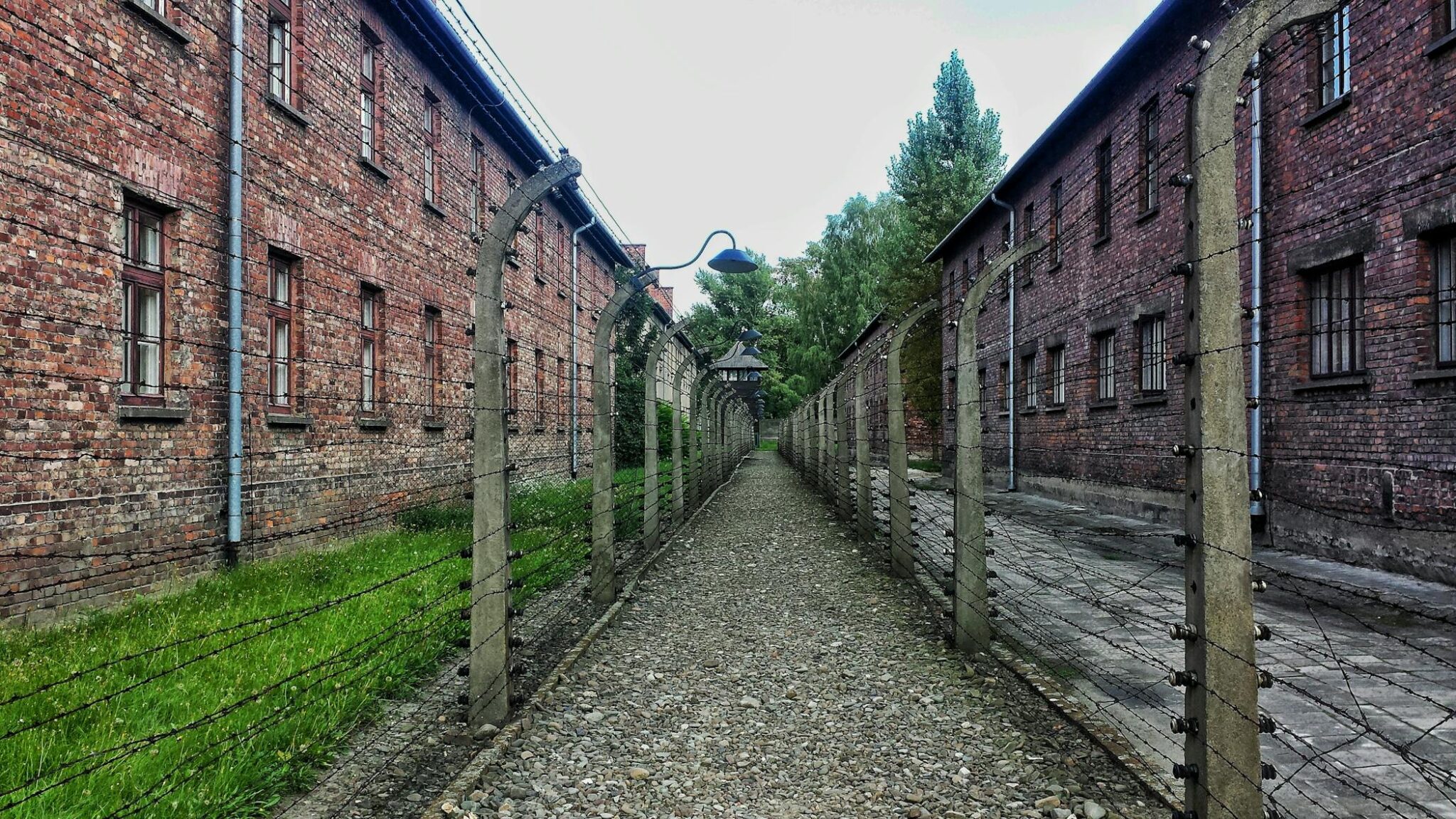
Poland is also known, more somberly, for Auschwitz-Birkenau because the site became one of the clearest symbols of Nazi terror, genocide, and the Shoah. The camp complex, established by Nazi Germany in occupied Poland, combined the functions of a concentration camp and an extermination center, and today it stands less as an ordinary historic site than as a place of warning and remembrance. UNESCO lists it as Auschwitz Birkenau, German Nazi Concentration and Extermination Camp (1940–1945), which matters because the name itself keeps the historical responsibility precise and unmistakable. Its place in Poland’s image is tied not to tourism in the usual sense, but to memory. The preserved grounds of Auschwitz I and Auschwitz II-Birkenau cover about 191 hectares, and the memorial states that around 1.1 million people were killed there during the camp’s existence.
4. Gdańsk and Solidarity
Poland is famous for Gdańsk because this is where one of the most important civic movements in modern European history was born. In August 1980, strikes at the Gdańsk Shipyard led to the agreements that made possible the creation of Solidarity, the first independent trade union in a Warsaw Pact country that was not controlled by the state. That gave Gdańsk a meaning far beyond its role as a Baltic port.
That connection still shapes how Gdańsk is seen today. The European Solidarity Centre stands on the historic shipyard site and presents Solidarity as Poland’s greatest civic achievement, while the wider history of the movement reaches well beyond the city itself. Nearly 10 million people joined Solidarity, and its breakthrough in 1980 helped open the way to the political changes of 1989 in Poland and then across Central and Eastern Europe.
5. Wieliczka Salt Mine
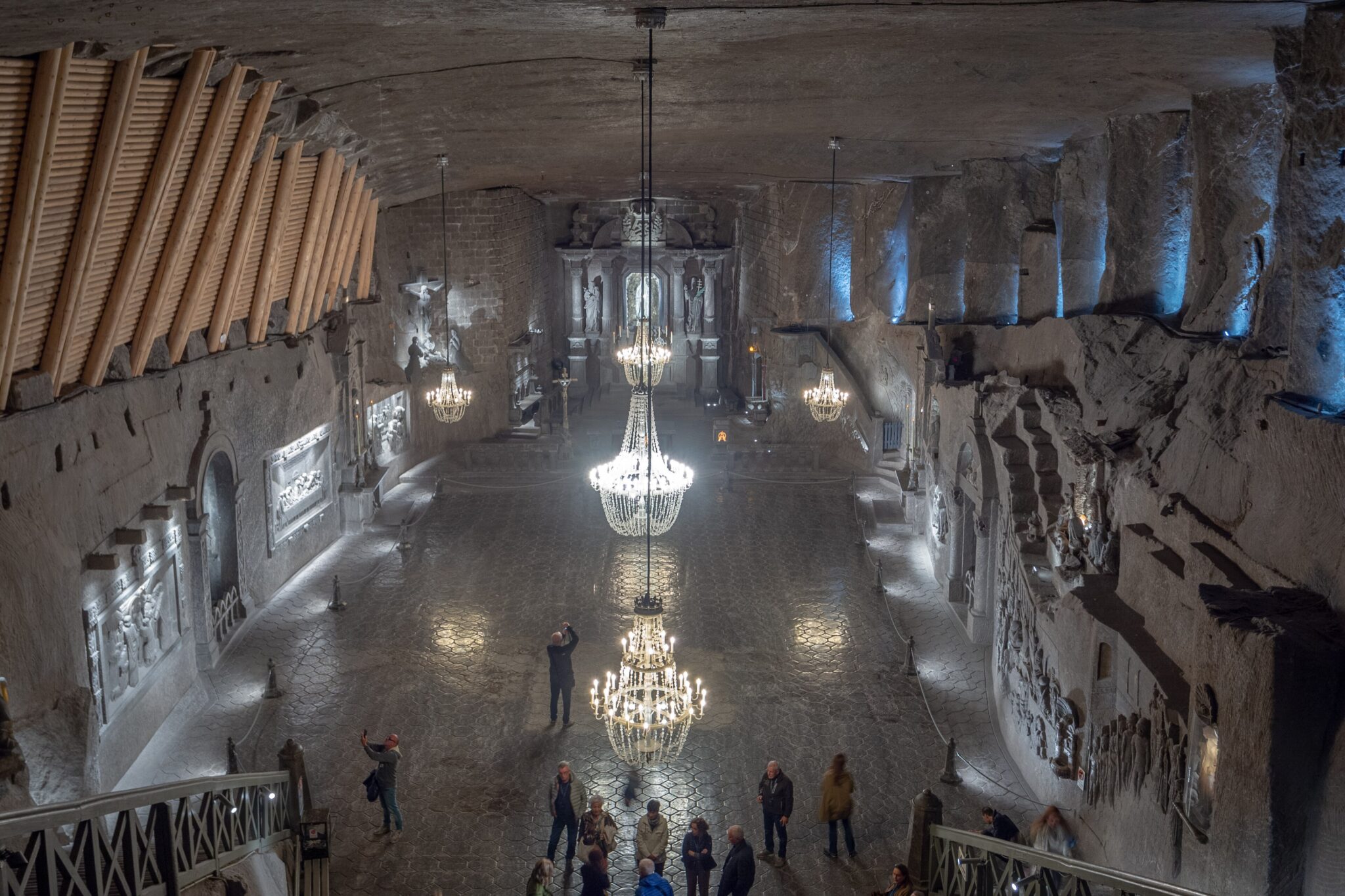
Rock salt was mined there from the 13th century, and together with nearby Bochnia the mine formed one of the earliest and most important salt enterprises in Europe. UNESCO describes the Wieliczka and Bochnia Royal Salt Mines as the oldest undertaking of their type in Europe, which helps explain why the site carries so much weight in Poland’s image abroad. This is not just an old mine. It is a place where centuries of extraction created chambers, passages, lakes, chapels, and a whole underground world that still feels unlike anything else in the country.
What makes Wieliczka especially memorable is that the mine did not become famous only because of age. It stayed active on an industrial scale for centuries and continued producing salt until 1996, which gave it an unbroken working history of around 700 years. At the same time, miners carved religious and decorative spaces directly into the salt, the best-known being St Kinga’s Chapel, which turned a place of labor into one of Poland’s most striking interiors.
C messier, CC BY-SA 4.0 https://creativecommons.org/licenses/by-sa/4.0, via Wikimedia Commons
6. Pierogi
Poland is famous for pierogi because the dish became the clearest and most familiar expression of Polish food culture. At the simplest level, pierogi are dumplings made from thin dough and filled with ingredients that can be humble or rich depending on the region, season, and occasion. The best-known savory versions include potato and cheese, cabbage and mushrooms, and meat, while sweet pierogi are often filled with fruit such as blueberries, strawberries, or plums. That range matters because pierogi are not tied to one narrow recipe.
7. Polish Vodka
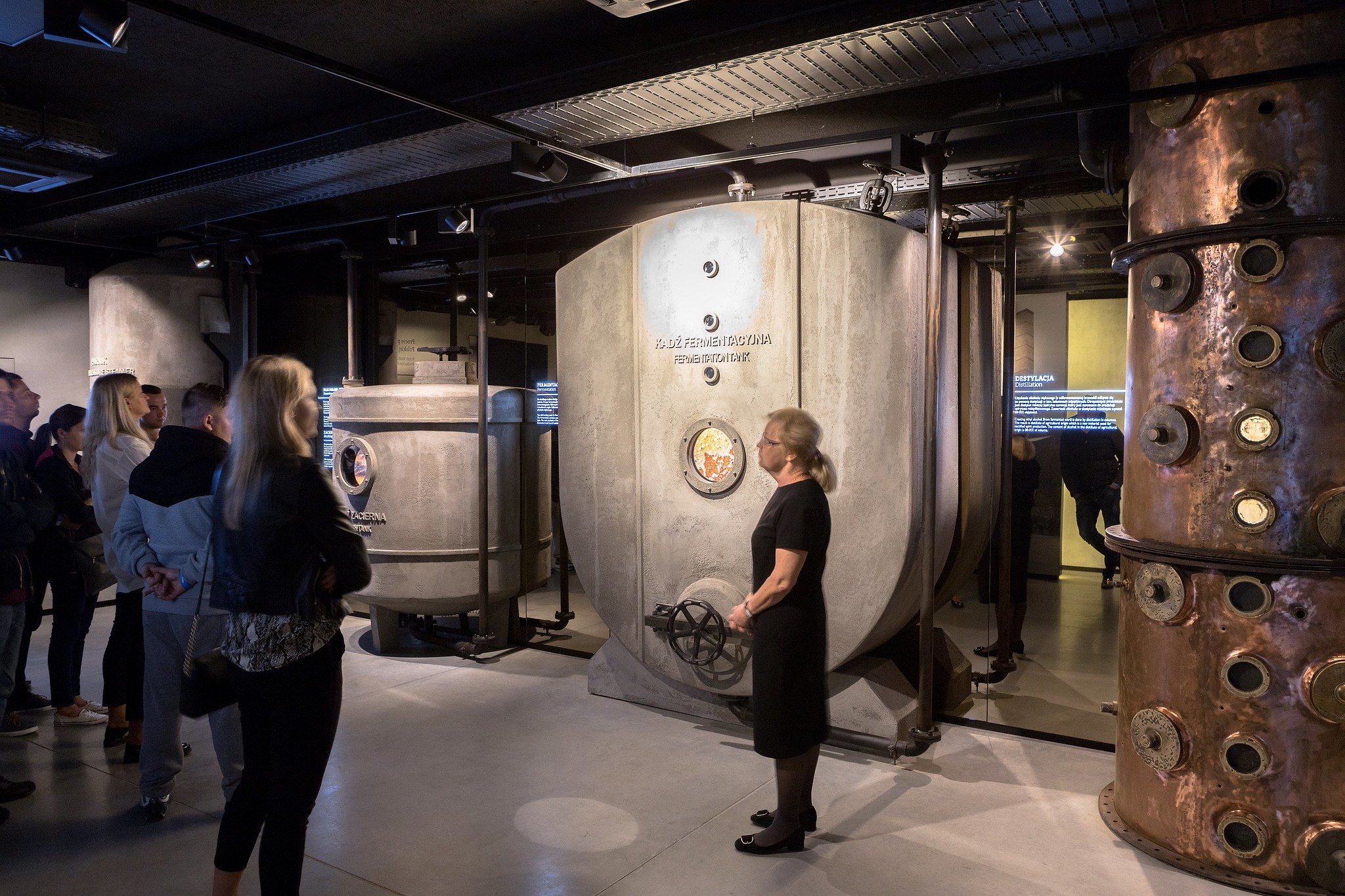
“Polska Wódka / Polish Vodka” is registered in the EU as a geographical indication, which means the vodka must be made entirely in Poland from specific raw materials grown in Poland: rye, wheat, barley, oats, triticale, or potatoes. All stages of production have to take place on Polish territory, so the product is linked to the country in a strict legal and practical sense, not only by reputation. The connection also runs deep in cultural history. The Polish Vodka Museum presents vodka as a drink with more than 500 years of history, which helps explain why it belongs not only to export branding but also to the story Poland tells about itself.
Ministry of Foreign Affairs of the Republic of Poland, CC BY-NC 2.0
8. Chopin
Born in Żelazowa Wola in 1810, he is tied especially closely to Mazovia and Warsaw, where he spent the first half of his life, received his musical education, gave his early public performances, and composed his first works before leaving Poland in 1830. That connection still shapes how people imagine him: Chopin is not treated simply as a great European composer who happened to be Polish, but as a figure whose music grew directly out of Polish places, Polish memory, and the emotional pull of a homeland he never stopped carrying with him.
The link remains especially strong in Warsaw, where Chopin is built into the city’s cultural identity on an unusual scale. The Fryderyk Chopin Museum holds more than 5,000 exhibits, making it the largest collection of Chopin memorabilia in the world, and the composer’s presence extends far beyond the museum itself. His monument in Royal Łazienki Park is one of the symbols of the city, and open-air Chopin concerts have been held there every summer for decades.
9. Copernicus and Toruń
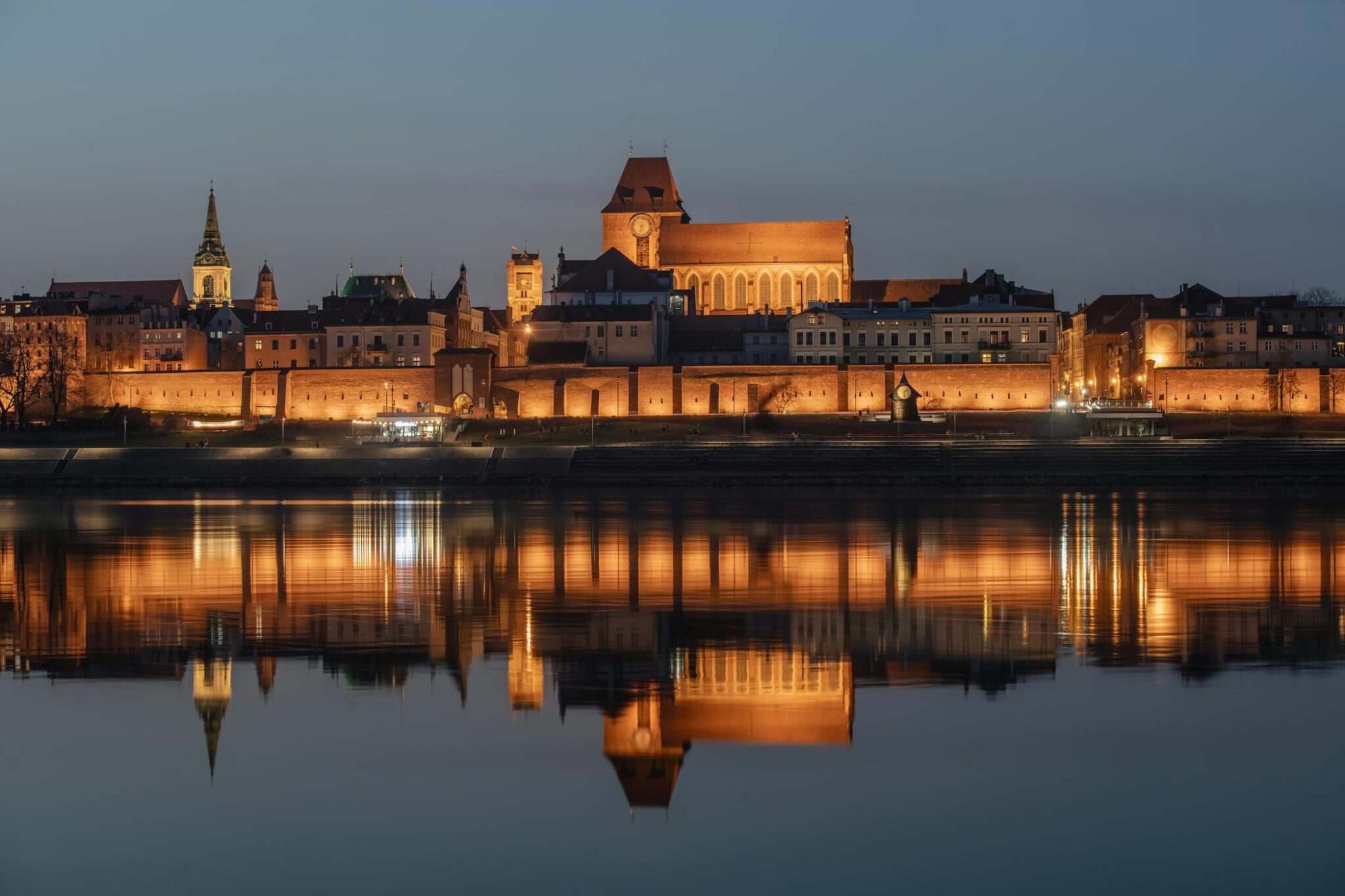
Copernicus was born in Toruń in 1473, and the city still treats that connection as part of its identity rather than as a distant historical detail. His family house survives in the old town and is presented as the place of his birth, which makes the association unusually concrete: this is not only the city that claims him, but the city where visitors can still stand inside a Gothic merchant house tied directly to his family.
Toruń is also famous because the city itself has exceptional historic weight. UNESCO placed the Medieval Town of Toruń on the World Heritage List in 1997, describing it as a major former Hanseatic center whose Old and New Town preserve imposing public and private buildings from the 14th and 15th centuries, including the house of Copernicus. The city grew from a Teutonic foundation in the mid-13th century into an important trading center, and its preserved brick Gothic skyline still makes that history visible.
10. Marie Skłodowska-Curie
Poland is famous for Marie Skłodowska-Curie because she gives the country one of its strongest scientific symbols. She was born in Warsaw on 7 November 1867, and that connection is still treated as part of the city’s identity rather than a distant biographical detail. The museum devoted to her in Warsaw stands in the townhouse at 16 Freta Street where she was born, which makes the link unusually concrete. She left for Paris as a young woman, but she never broke with Poland in symbolic terms, and even her scientific work carried that connection forward. In 1898, she and Pierre Curie named polonium after her homeland, which turned Poland itself into part of the language of modern science.
Her fame is even stronger because her achievements remained unmatched in ways people remember easily. She won the Nobel Prize in Physics in 1903 and the Nobel Prize in Chemistry in 1911, and Nobel Prize material still notes that she is the only woman ever to have received the prize twice. That makes her important not only as a Polish scientist, but as one of the defining figures in the history of science itself.
11. Pope John Paul II
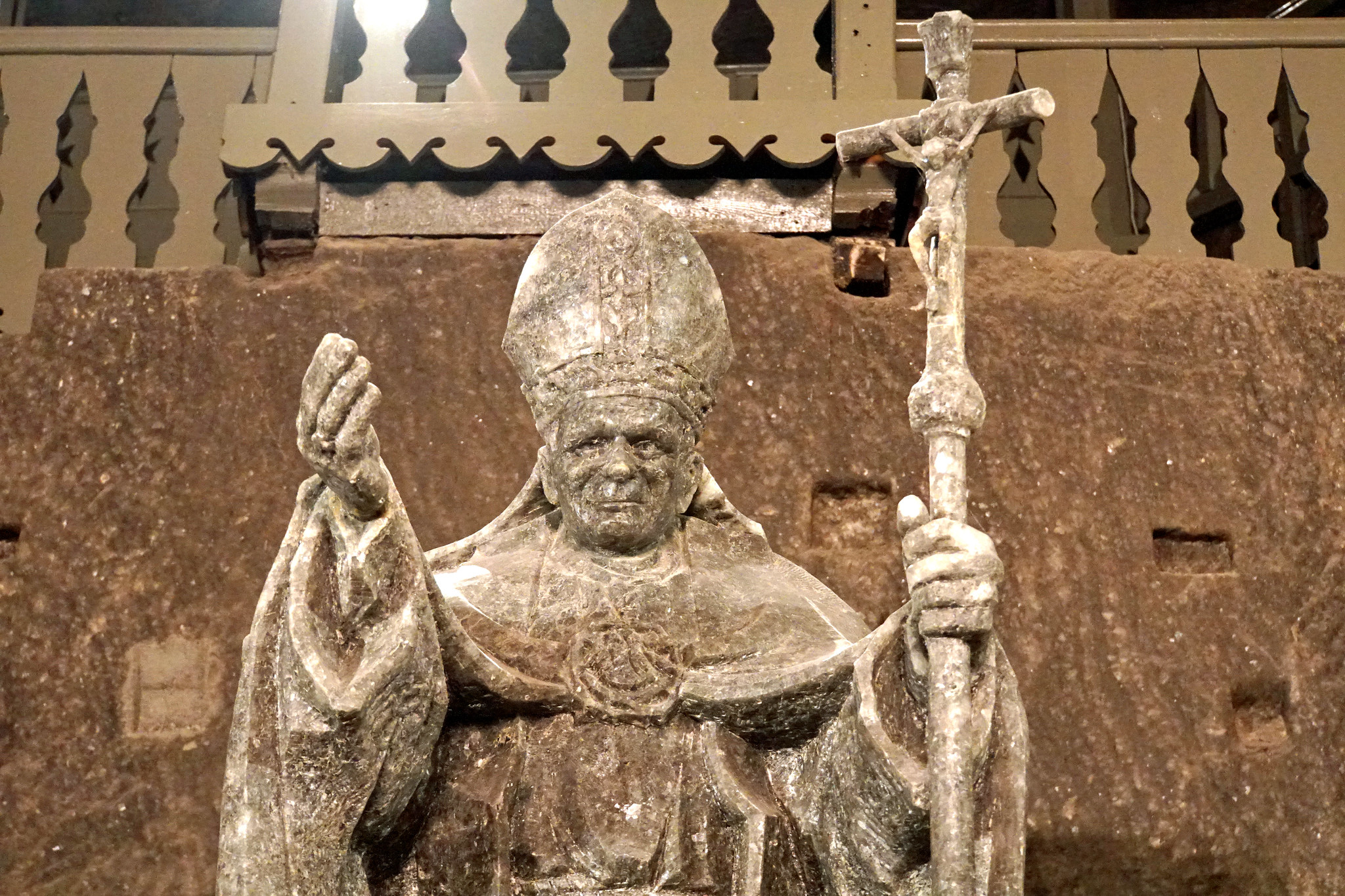
Born as Karol Wojtyła in Wadowice in 1920, he became pope on 16 October 1978 and was the first non-Italian pope in 455 years. His pontificate lasted nearly 27 years, which helped make him one of the most visible religious leaders of the late 20th century. In Poland, his importance goes beyond church history alone. He remains tied to national memory, moral authority, and the country’s sense of itself during one of the most decisive periods in its modern history. His family home in Wadowice now functions as a major museum, preserving the town where his story began, while the local Karol Wojtyła Route runs for 4.5 kilometres and includes 14 points connected with his youth.
Dennis Jarvis, CC BY-SA 2.0
12. Malbork Castle
Rising above the Nogat River in northern Poland, the fortress began in the 13th century as a Teutonic stronghold and was greatly expanded after 1309, when the Grand Master moved his seat there from Venice. That change turned Malbork from a large castle into the political and administrative center of the Teutonic Order’s state in Prussia. The castle is also famous because it stands out even within Europe’s great fortified sites. UNESCO describes it as the most complete and elaborate example of a Gothic brick-built castle complex in the characteristic style of the Teutonic Order, while Polish tourism presents it as the largest medieval castle in Europe.
13. Białowieża Forest and European bison
Poland is famous for Białowieża Forest because it preserves one of the last and largest surviving parts of the primeval lowland forest that once stretched across the European Plain. The forest is important not simply because it is old, but because so much of it still works through natural processes that have become rare in Europe: dead wood left in place, trees of many ages growing together, and a level of biodiversity that makes the landscape feel closer to an earlier continent than to a managed modern forest.
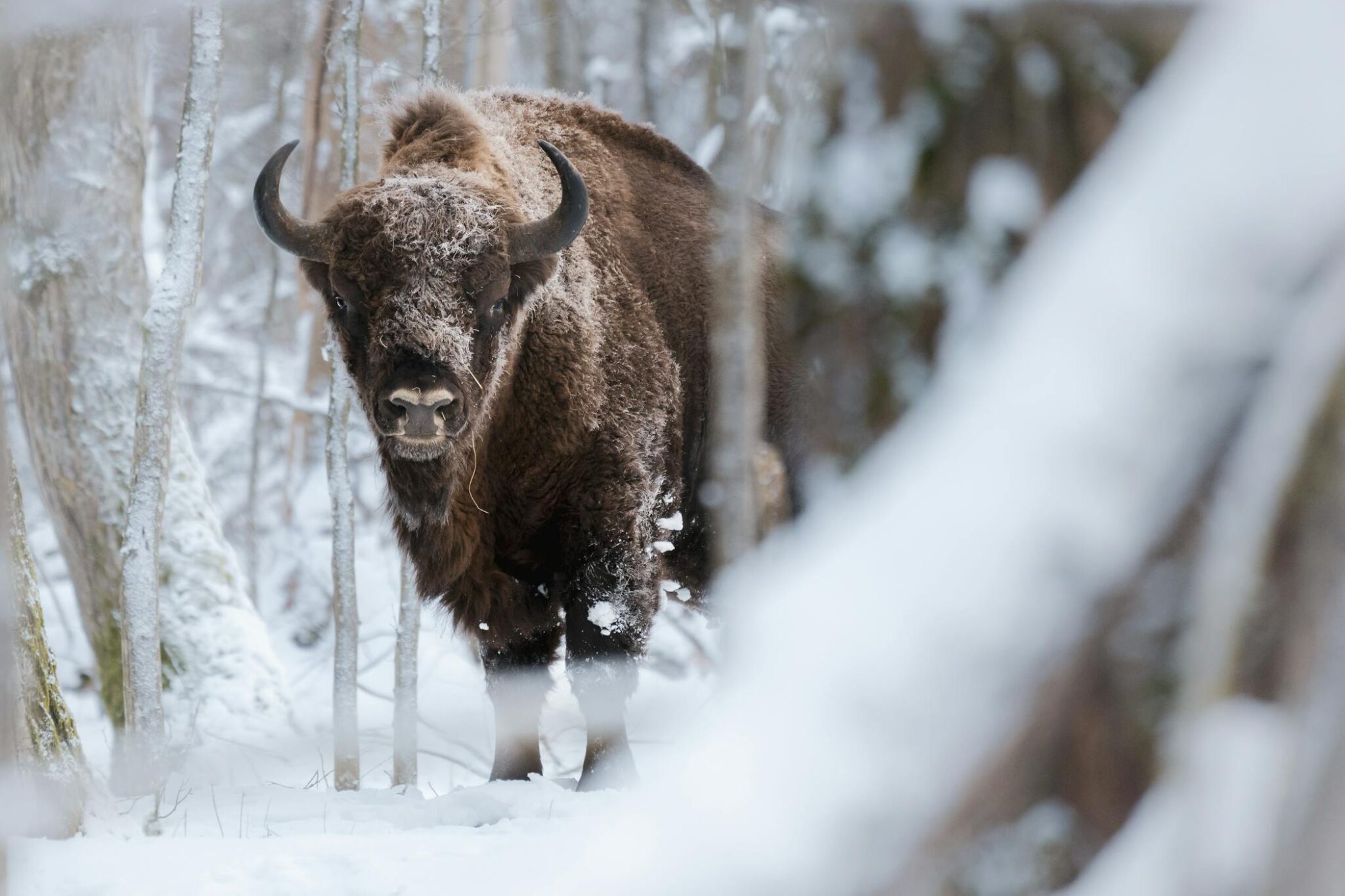
The European bison makes that image even stronger. Białowieża Forest is home to the largest free-roaming population of European bison in the world, and the Polish part of the forest alone now has about 800 animals. That matters because the species had disappeared from the wild here after World War I and had to be restored through breeding and reintroduction. The result is one of Europe’s clearest conservation stories: a primeval forest that also became the main refuge of Europe’s heaviest land mammal. This is why Białowieża and the bison work so powerfully together in Poland’s image.
14. Zakopane and the Tatra Mountains
Zakopane is widely treated as the capital of the Tatras and the winter capital of Poland, but its importance goes beyond skiing alone. The town became the main gateway to the highest mountain range in the country, a place where highland culture, wooden architecture, cable cars, hiking routes, and winter sport all come together in one compact setting. In Tatra National Park, the highest peaks rise above 2,400 metres, and Rysy reaches 2,499 metres as the highest peak in Poland. These mountains are not broad low uplands but a real high-mountain landscape of rocky ridges, steep valleys, glacial lakes, and exposed summits.
15. Amber and the Baltic coast
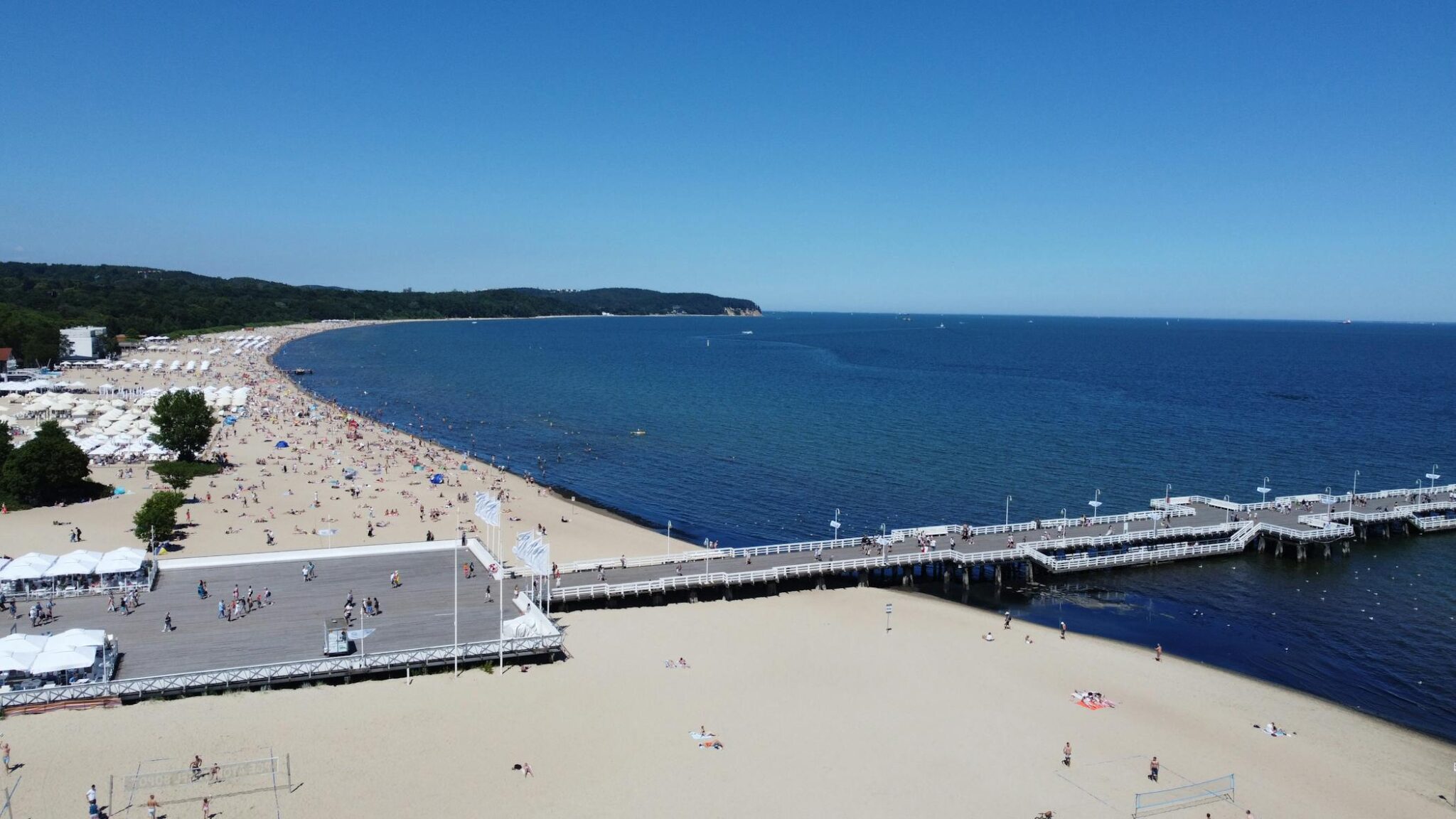
Amber is not just a souvenir there but part of the city’s long commercial and artistic history. Gdańsk is widely presented as the world’s amber capital, and that claim rests on more than branding: official city materials trace local amber craftsmanship back to the 10th century, while the city’s Amber Museum treats amber as one of the main ways to understand Gdańsk itself.
The Baltic coast makes that image even stronger because amber feels native to the landscape rather than imported into it. Along the Polish coast, and especially around Gdańsk, amber belongs to the same world as beaches, ports, old trade routes, and maritime history. The city still builds part of its identity around that heritage through the Amber Museum, Mariacka Street with its amber shops, and the wider story of the Amber Road that once linked the Baltic to southern Europe
16. World War II
Poland is known around the world for World War II because the war began there and because few countries in Europe were hit so early and so brutally. Germany invaded on 1 September 1939, and the Soviet Union entered from the east on 17 September, ending the independence of the Polish state. What followed was not only military occupation, but a systematic assault on society itself: executions, deportations, forced labor, the destruction of elites and cultural life, and rule by terror across the country.
The reason this remains such a strong part of Poland’s image is the scale of the loss and the depth of the memory it left behind. Around six million Polish citizens died during the war, about half of them Jews, making the conflict the greatest catastrophe in modern Polish history. At the same time, occupied Poland produced one of Europe’s largest underground resistance structures through the Polish Underground State and the Home Army, which gives the wartime story another layer beyond victimhood alone.
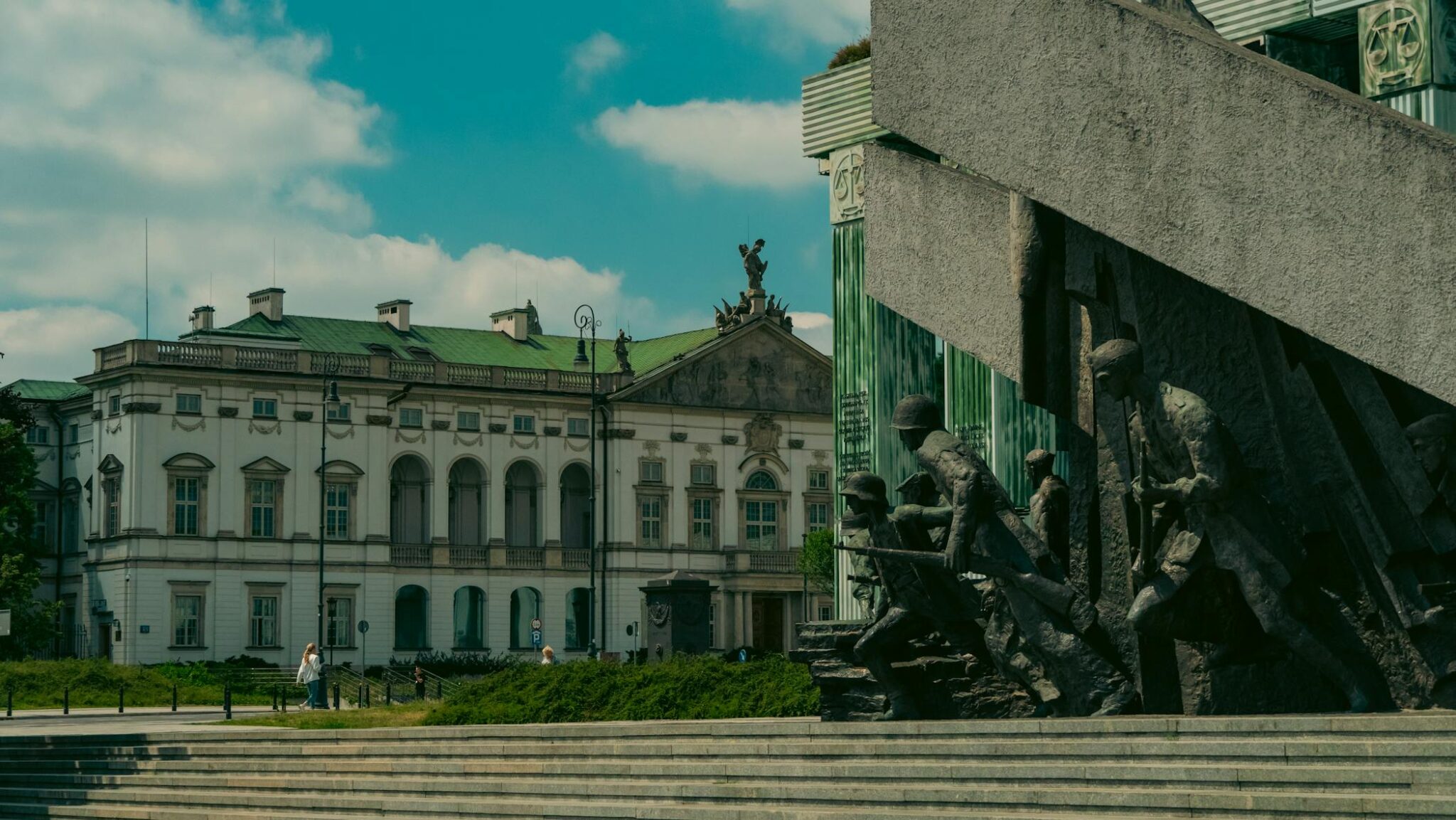
17. The Warsaw Uprising
It began on 1 August 1944, when the Home Army launched an uprising against German occupation in an attempt to liberate the capital before Soviet control could be imposed. The struggle lasted 63 days, until 2 October 1944, and that duration is one reason it carries such weight in Polish memory: the uprising is remembered not as a brief revolt, but as a prolonged national effort fought street by street inside the capital.
The event remains so important because it came to represent courage, sacrifice, and political tragedy at the same time. The fighters were badly outmatched, outside support proved insufficient, and after the uprising was crushed the Germans expelled the population and destroyed much of what remained of the city. That outcome gave the uprising a meaning larger than military history alone. In Poland, it is remembered as a defining test of national will, and the Warsaw Rising Museum still presents it as a tribute to those who fought and died for a free Poland.
18. Jasna Góra and the Black Madonna
Finally, Poland is famous for Catholic pilgrimage above all through Jasna Góra in Częstochowa, one of the country’s strongest religious symbols. The shrine grew around a Pauline monastery founded in 1382, and over time it became far more than a regional sanctuary. Jasna Góra turned into one of the main places through which Poland expresses its Catholic identity, especially because pilgrimage there is tied not only to prayer, but also to national memory, public ceremonies, and the feeling of historical continuity. Its fortress-like form adds to that image as well, since the monastery was strengthened in the 17th century and still looks less like an ordinary church complex than a place meant to endure pressure and attack.
The heart of the shrine is the Black Madonna icon, which has remained at Jasna Góra for more than 600 years and is the main reason the site draws millions of pilgrims from Poland and abroad. The image is especially memorable because of its dark complexion and the visible scars left after it was damaged in 1430, details that gave it an identity people recognize almost at once.
If you’ve been captivated by Poland like us and are ready to take a trip to Poland – check out our article on interesting facts about Poland. Check if you need an International Driving Permit in Poland before your trip.

Published April 14, 2026 • 13m to read