

Finland is famous for saunas, lakes, forests, Lapland, the Northern Lights, design, education, digital innovation, and a national image built around quiet resilience. It is also strongly associated with high living standards and cultural distinctiveness: UNESCO lists 7 World Heritage sites in Finland, while the World Happiness Report 2025 again ranked Finland first.
1. Helsinki
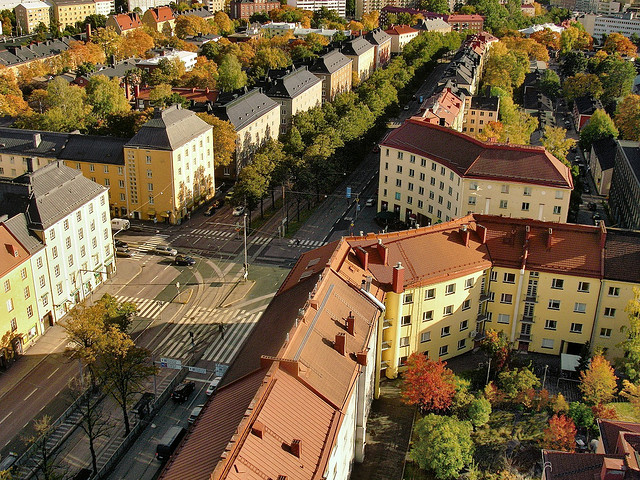
The city sits on the Gulf of Finland and stretches across a coastline of bays, harbours, islands and waterfront districts, which makes nature feel unusually close to the centre. Its identity is not based on one old monument, but on a mix of neoclassical squares, functionalist buildings, design shops, market halls, ferries, saunas, museums and public spaces shaped by light and water. Senate Square, Helsinki Cathedral, the harbour, Suomenlinna, the Design District and the Oodi Central Library all show different sides of the same city: formal capital, seaside gateway and modern everyday place.
The scale also matters. Helsinki has about 690,000 residents, while the wider metropolitan area with Espoo, Vantaa and nearby municipalities is home to around 1.6 million people, making it Finland’s main political, economic and cultural centre. At the same time, the city keeps a compact rhythm: ferries run to nearby islands, tram lines cross the centre, and beaches, forests and walking routes sit close to offices, universities and museums.
2. Sauna
Sauna is one of Finland’s clearest global symbols because it belongs to ordinary life, not only to hotels or wellness centres. The country has about 3.3 million saunas for a population of just over 5.65 million, which means sauna is built into homes, apartment blocks, summer cottages, offices, swimming halls and public waterfront spaces. The basic ritual is simple: heat, steam, washing, rest and often a cool shower, lake swim or winter dip between rounds. Its importance comes from regular use rather than luxury.
The tradition is also formally recognised as living heritage. Finnish sauna culture was added to UNESCO’s Intangible Cultural Heritage list in 2020, the first Finnish element to receive that status. That recognition fits the way sauna connects practical washing, social equality and mental calm in one small room. Old smoke saunas, wood-fired lakeside saunas, electric apartment saunas and new public saunas in Helsinki all belong to the same broader habit, even if the settings differ.
3. Lakes and forests
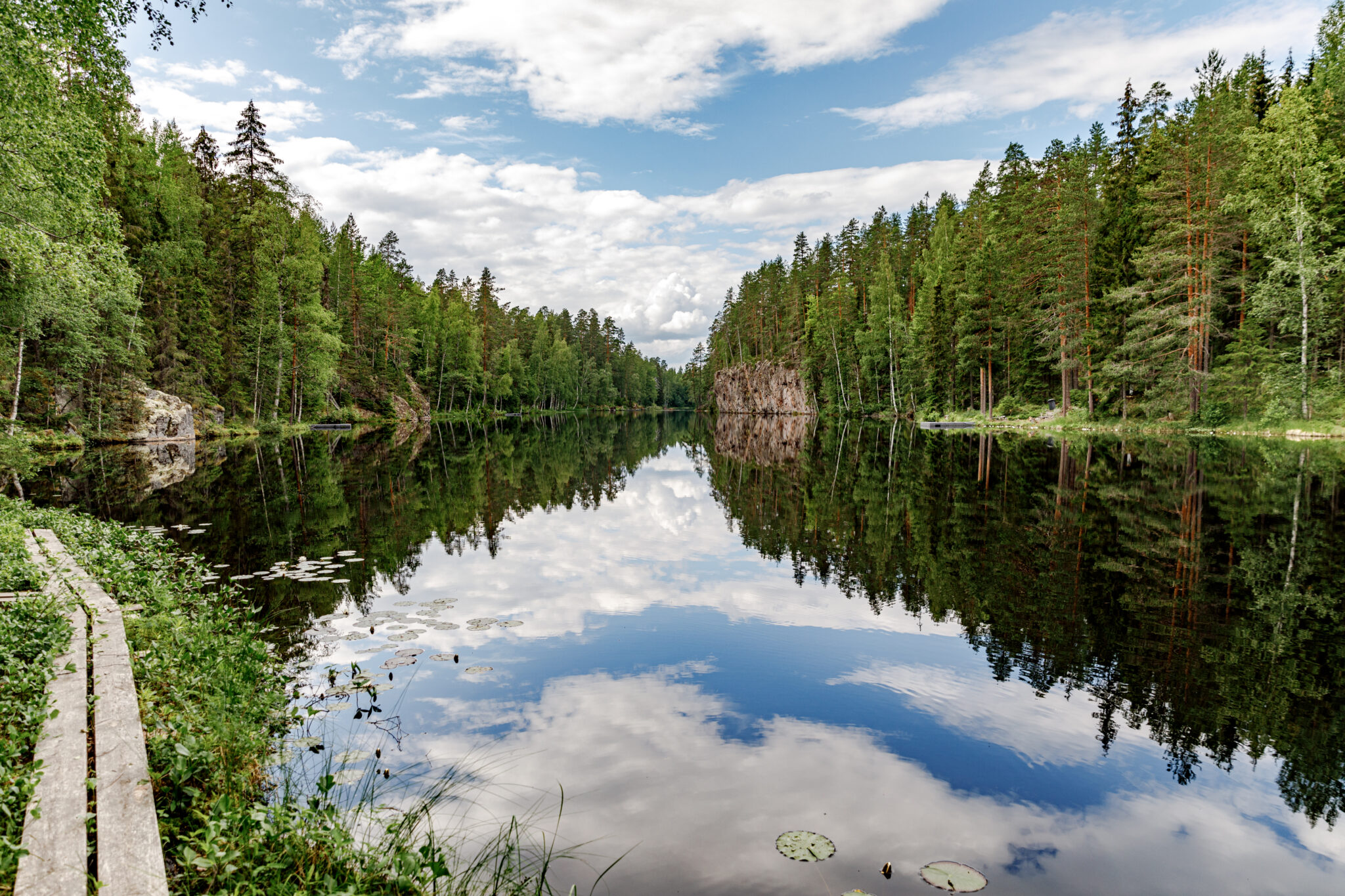
The country has about 188,000 lakes, which is why the phrase “land of a thousand lakes” understates the scale rather than exaggerating it. Water covers roughly 10% of Finland’s surface, and the lake landscape is especially strong in the east and centre, where the Finnish Lakeland spreads through towns, islands, summer cottages and long stretches of quiet shoreline. Saimaa is the best-known lake system: it is Finland’s largest lake and one of Europe’s largest natural freshwater lakes, with thousands of islands, bays and channels shaping the whole region.
Forests give the country its other defining layer. More than 70% of Finland’s land area is covered by forest, one of the highest shares in Europe, with pine, spruce and birch forming the basic scenery across much of the country. That scale makes forest life feel normal rather than remote: walking trails, berry picking, mushroom gathering, cross-country skiing, lakeside cabins and the right of public access all keep nature close to daily life.
4. Lapland and Santa Claus
Lapland gives Finland one of the strongest Christmas identities of any country. The region covers the far north of Finland, above the Arctic Circle, where snow, reindeer, dark winter days, northern lights and frozen forests create the setting people often imagine when they think of Santa Claus. The story has two Finnish locations: the remote fell of Korvatunturi is treated as Santa’s mythical home, while Rovaniemi is the place where visitors can meet him. Rovaniemi sits on the Arctic Circle and has built a year-round Christmas identity around Santa Claus Village, where the Santa Claus Office and Main Post Office turn folklore into an everyday visitor experience.
That identity is now a major part of Finland’s tourism image, not just a winter postcard. Santa Claus Village receives more than 600,000 visitors a year, while Rovaniemi recorded over 1.2 million overnight stays in 2023, showing how strongly the Christmas theme supports the local economy. The appeal also spreads beyond Santa himself: visitors come for husky and reindeer rides, glass-roof cabins, snow activities, the midnight sun in summer and the chance to see the northern lights during the dark season.
5. The Northern Lights and the midnight sun
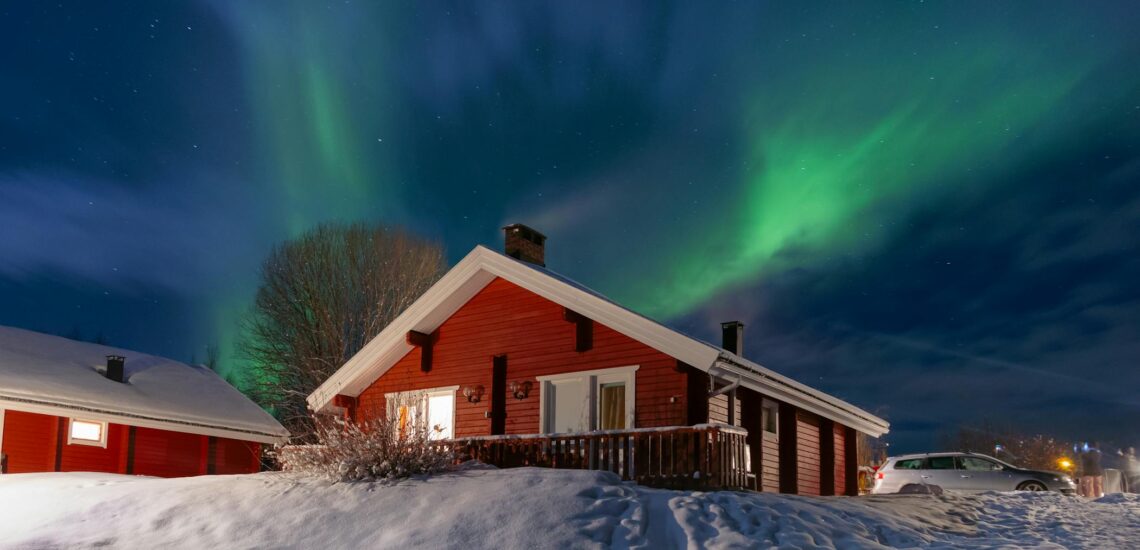
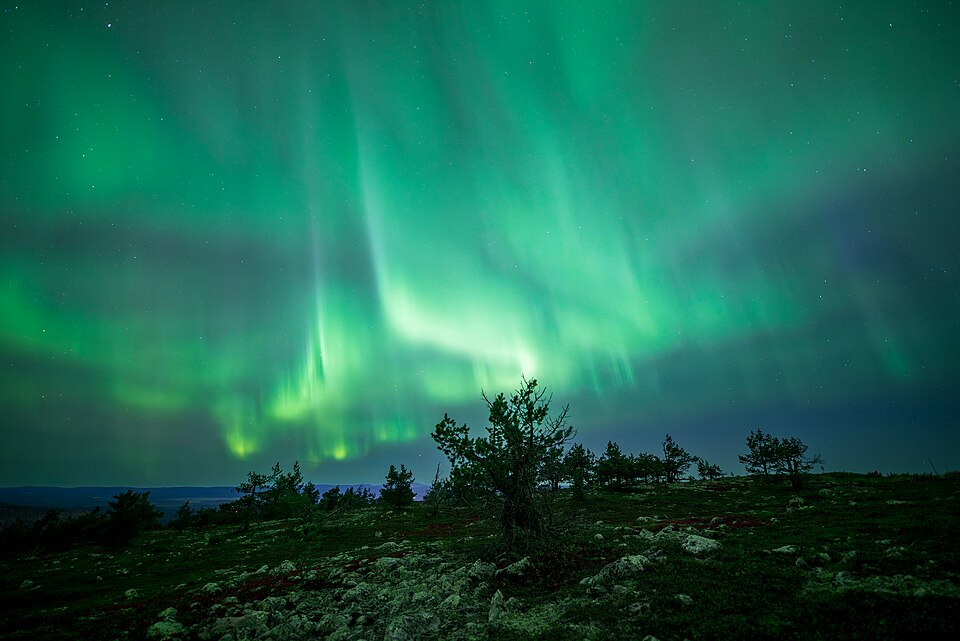
In winter, Finnish Lapland is one of Europe’s strongest places to see the Northern Lights, especially from late August to early April, when the nights are dark enough for aurora viewing. In the far north, auroras can appear on around 200 nights a year, although visibility still depends on clear skies, darkness and solar activity.
Summer reverses the whole experience. North of the Arctic Circle, the sun does not set for weeks, and in the northernmost parts of Lapland the midnight sun can last for more than 70 days. In Rovaniemi, the sun stays above the horizon from about 6 June to 7 July, while farther north the season is much longer. This constant light changes the rhythm of travel: hiking, canoeing, cycling, fishing and sauna evenings can stretch late into the night without ever feeling fully dark.
6. Happiness and quality of life
In the 2025 World Happiness Report, it ranked as the world’s happiest country for the eighth year in a row, a streak that began in 2018. The ranking is based on how people evaluate their own lives, so it does not mean that Finland is cheerful all the time or free from problems. Its strength is more practical: trust in institutions, low corruption, strong public services, personal safety, work-life balance, access to nature and a social culture where people generally expect systems to function.
This reputation also works because it matches how Finland is often experienced from the outside. The country has clean cities, quiet public spaces, strong education, extensive libraries, reliable transport, high digital access and forests or water close to daily life. At the same time, the image should not be treated as a fairy tale. Finland still faces economic pressure, unemployment concerns and public-finance debates, so the happiness ranking is not a claim that life there is easy for everyone.
7. Education, literacy, and libraries
Finland is famous for education because its strength is visible beyond schools. In the 2023 OECD Survey of Adult Skills, Finnish adults ranked first in literacy, numeracy and adaptive problem-solving among the participating countries and economies. That result matters because the survey measured people aged 16 to 65, not only students, so it points to a broader culture of learning across working life and adulthood. Finland’s education image is therefore not built only on classrooms or international school rankings. It also reflects adult skills, teacher training, equal access, reading habits and the expectation that people should be able to keep learning after formal education ends.
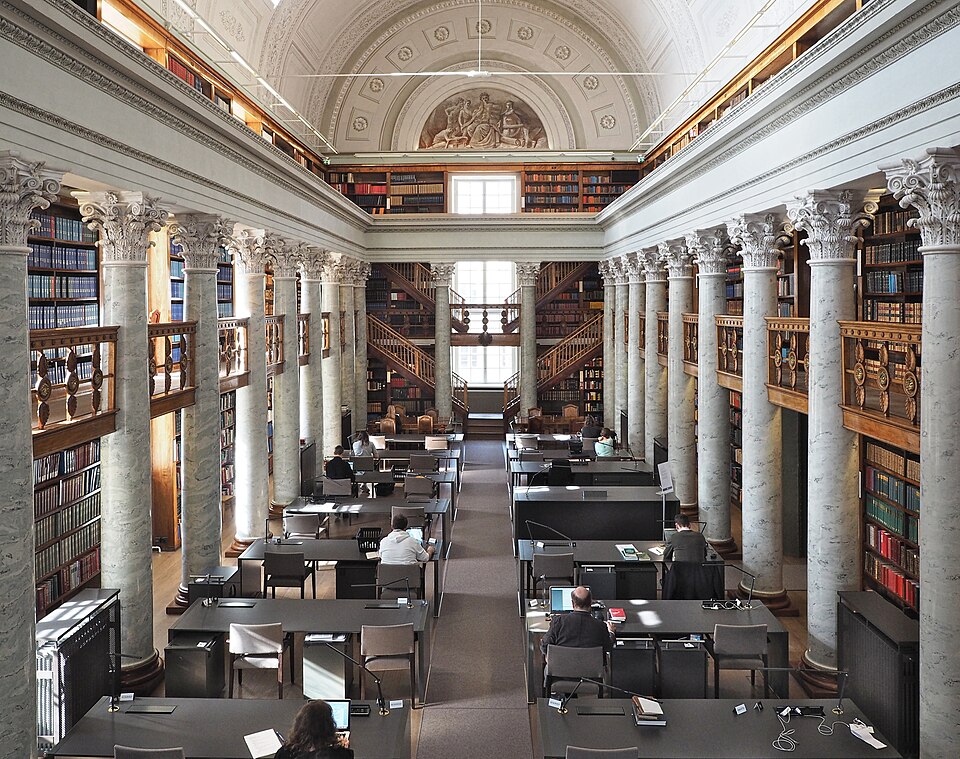
Libraries are one of the clearest public expressions of that idea. Finland has a nationwide library system designed to give everyone access to information, culture and learning regardless of income or location. Modern Finnish libraries are not only shelves of books: they offer reading rooms, children’s areas, digital services, events, workspaces, music rooms, tools, games and community support. In 2024, Finnish public libraries recorded about 49.9 million visits and 84.8 million loans, which shows how actively they are still used in daily life. The best-known example is Helsinki’s Oodi Central Library, but the deeper point is national rather than architectural: libraries in Finland work as everyday civic infrastructure, supporting literacy, equality and trust in public knowledge.
8. Design and Alvar Aalto
Finnish design is famous because it makes modernism feel practical rather than cold. Its strongest names are linked with everyday objects as much as with museums: furniture, glassware, textiles, lighting, ceramics and public buildings. Alvar Aalto is the central figure in that image. Born in 1898, he worked across architecture, interiors, furniture and glass, developing a softer form of modernism that used wood, curved forms, natural light and human scale. His bentwood furniture, the Savoy vase, Paimio Sanatorium, Villa Mairea and university buildings helped make Finnish design recognizable as clean, functional and warm rather than purely industrial.
Finlandia Hall in Helsinki shows how that design philosophy moved into public architecture. Completed in 1971, the building was created as a concert and congress hall beside Töölö Bay, with white marble, strong geometric forms and interiors shaped around light, movement and acoustics. After a major renovation, it reopened to the public on 4 January 2025, with new restaurants, accommodation, a design shop and a permanent exhibition added to the building’s cultural role.
9. Marimekko and Finnish design brands
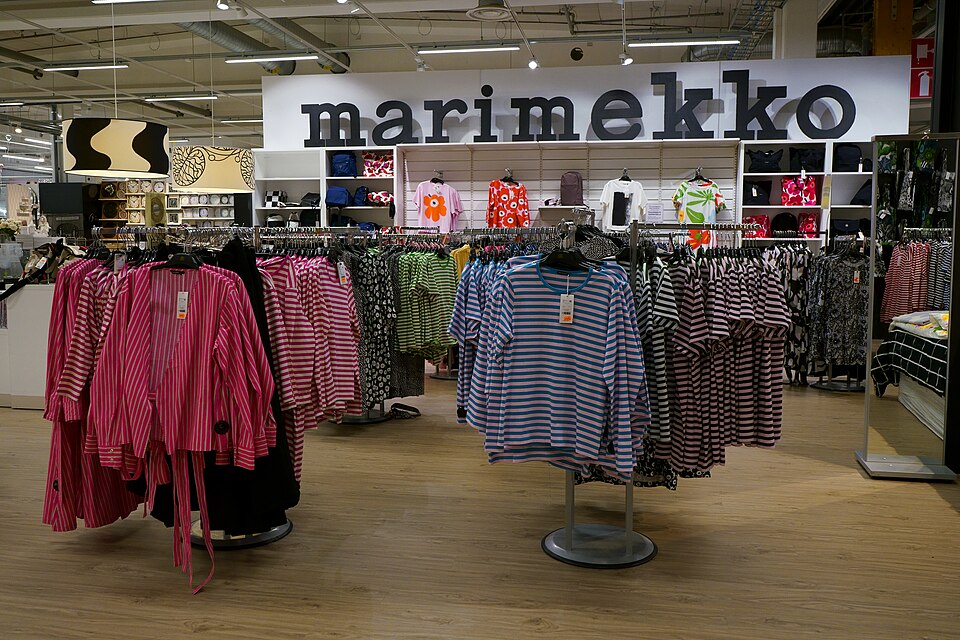
Founded in 1951, the company built its identity around bold printed fabrics, loose clothing, home textiles and objects that made colour feel like part of everyday life rather than decoration for special occasions. Its most famous pattern, Unikko, was created by Maija Isola in 1964 and has become one of Finland’s best-known design images abroad. Marimekko stands out because it does not fit the usual stereotype of Nordic minimalism: the forms are practical, but the prints are large, graphic and easy to recognize from a distance.
The brand is also still commercially active, not only historically important. In 2024, Marimekko’s net sales reached €183 million, with about 170 stores worldwide, and its online shop served customers in 38 countries. Its strength sits beside other Finnish design names such as Iittala, Arabia, Artek and Fiskars, which helped turn glassware, ceramics, furniture, scissors, textiles and household objects into part of the country’s cultural export.
10. Moomins
The Moomins are one of Finland’s most beloved cultural exports, even though their world is gentler and stranger than a typical national symbol. They were created by Finnish-Swedish writer and artist Tove Jansson, whose first Moomin book, The Moomins and the Great Flood, appeared in 1945. The stories were originally written in Swedish, one of Finland’s national languages, and grew into a series of novels, picture books and comic strips. Their appeal comes from more than cute characters: Moominvalley is full of family warmth, storms, loneliness, freedom, tolerance and small fears handled with humour.
Their global reach is now part of Finland’s cultural image. The books and related works have been translated into more than 60 languages, and the characters have appeared in animation, theatre, museums, design objects, theme parks and everyday products. In 2025, the Moomins marked their 80th anniversary, with events in Finland and abroad, including celebrations connected with the Moomin Museum in Tampere and exhibitions about Jansson’s wider art.
11. Nokia and startup culture
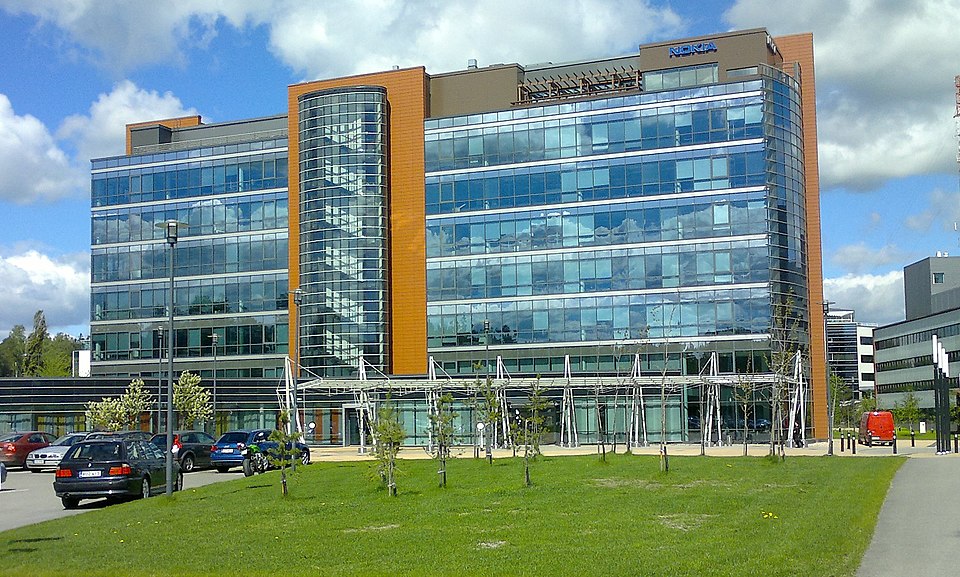
Nokia is one of Finland’s strongest business symbols because it made the country visible in the global mobile age. Founded in 1865 in Tampere, the company later became a telecommunications giant and, for years, one of the world’s best-known mobile phone brands. Even after leaving its old handset dominance behind, Nokia remains a major Finnish technology name: it is headquartered in Espoo, operates in about 130 countries, employs around 80,000 people globally, and keeps important Finnish sites in Espoo, Tampere and Oulu. In 2025, its net sales reached about €19.9 billion, with the company focusing on network infrastructure, mobile infrastructure, patents, AI-native networks and future 6G development.
That legacy helped shape Finland’s wider innovation image. The country’s startup scene is now strongest in software, gaming, health tech, deep tech, quantum technology and smart hardware, with companies such as Supercell, Wolt, Oura, IQM, Varjo and Aiven giving Finland a broader technology profile than Nokia alone. In 2025, Finnish startups generated more than €12.5 billion in revenue and employed nearly 50,000 people, while startup funding reached a record €1.6 billion, including major rounds for Oura and IQM.
12. Winter sports and ice hockey
Cross-country skiing, ski jumping, biathlon, Nordic combined and ice hockey all fit a landscape of long winters, frozen lakes, forest trails and outdoor exercise from childhood. Cross-country skiing has been especially important in Finland’s Olympic history, with 87 Winter Olympic medals in the discipline, including 22 golds. Ski jumping also gave the country a long international reputation through names such as Matti Nykänen and Janne Ahonen. That broader winter-sport base helps explain why Finland is seen as a country where cold weather is not only endured, but turned into movement, training and national pride.
Ice hockey is the clearest modern expression of that identity. The men’s national team, known as Leijonat, has won World Championship gold in 1995, 2011, 2019 and 2022, and Finland’s first Olympic men’s hockey gold came at Beijing 2022. The team added another major result at the 2026 Winter Olympics, winning bronze after a 6–1 victory over Slovakia, which gave Finland its eighth Olympic medal in men’s ice hockey. In the 2025 IIHF men’s world ranking, Finland stood 6th, still among the sport’s leading nations.
13. Everyman’s rights
Everyman’s rights are one of the clearest reasons Finland’s relationship with nature feels so open. The principle allows people to move through forests, meadows and natural areas regardless of who owns the land, as long as they do not cause damage or disturb others. In practice, this means people can walk, ski, cycle, swim, paddle, camp temporarily and pick wild berries, mushrooms and flowers in most places without asking permission. The rule fits Finland’s geography especially well: in a country where forests cover more than 70% of the land and lakes shape huge parts of the landscape, access to nature is treated almost as part of ordinary life rather than a special activity.
14. Heavy metal music
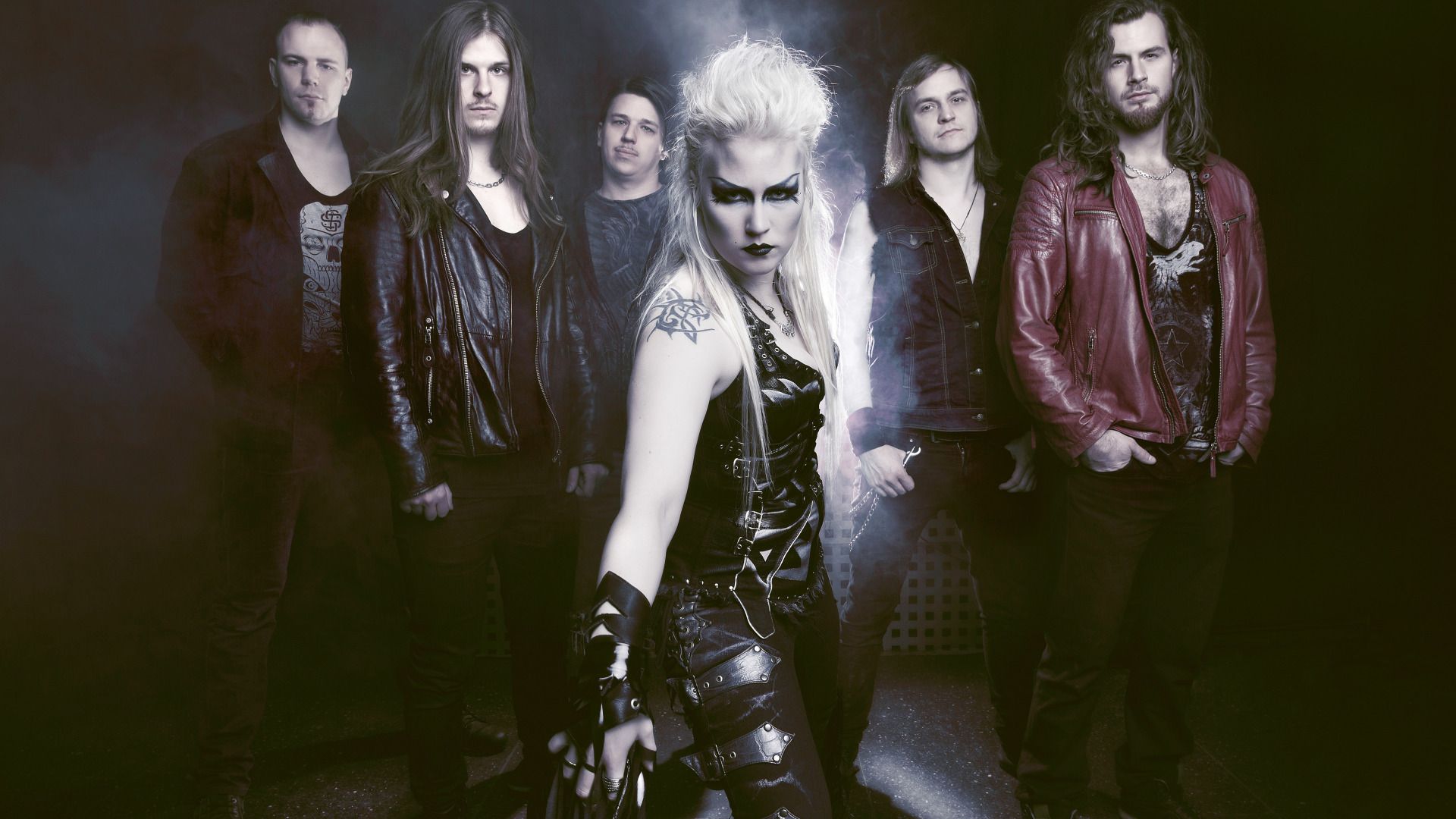
Finland has a small population, long winters and a strong tradition of music education, yet it has produced an unusually dense metal scene with global reach. Nightwish, HIM, Children of Bodom, Amorphis, Apocalyptica, Sonata Arctica, Stratovarius and Insomnium all helped make Finnish metal recognisable outside the country. The range is wide: symphonic metal, gothic rock, melodic death metal, power metal, folk metal and cello metal all found strong Finnish voices. The scale is also visible in live culture. Helsinki’s Tuska festival, one of the best-known metal events in the Nordic region, drew 60,000 visitors over three days in 2025, with its opening day attracting a record 22,000 people.
15. Sisu and the Winter War
Sisu is one of Finland’s best-known cultural ideas because it gives a name to endurance under pressure. It is usually understood as inner strength, persistence and the ability to keep going when a situation is difficult, unpleasant or uncertain. The word is not limited to military history; it can describe daily self-discipline, quiet toughness, finishing hard work, coping with cold, or facing problems without making a show of it. Still, sisu became especially powerful as a national idea because Finland’s modern history gave it a dramatic example. During the Winter War of 1939–1940, the country faced a Soviet attack with far fewer troops, tanks and aircraft, yet held out for more than three months in severe winter conditions.
The war began on 30 November 1939 and ended with the Moscow Peace Treaty in March 1940. Finland had to cede about 9% of its territory, including parts of Karelia, and hundreds of thousands of people were evacuated from lost areas. The cost was heavy, but the central fact remained: Finland preserved its independence, its government and its national identity. That outcome shaped how the Winter War is remembered. It was not a simple victory story, because the losses were real and lasting, but it became a defining example of survival against a much larger power.
If you’ve been captivated by Finland like us and are ready to take a trip to Finland – check out our article on interesting facts about Finland. Check if you need an International Driving Permit in Finland before your trip.

Published May 10, 2026 • 13m to read