

Estonia is famous for combining a medieval capital with one of the world’s most advanced digital states. It is widely associated with Tallinn’s preserved old town, e-governance, e-Residency, startup culture, song festivals, sauna traditions, bog landscapes, Baltic islands, and the peaceful mass movement that helped restore its independence.
1. Tallinn
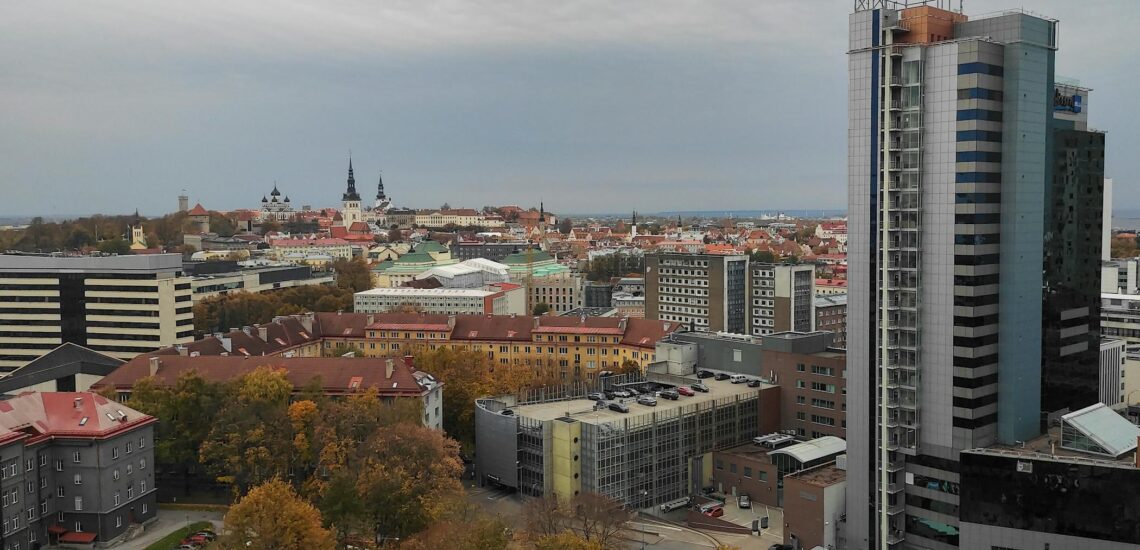
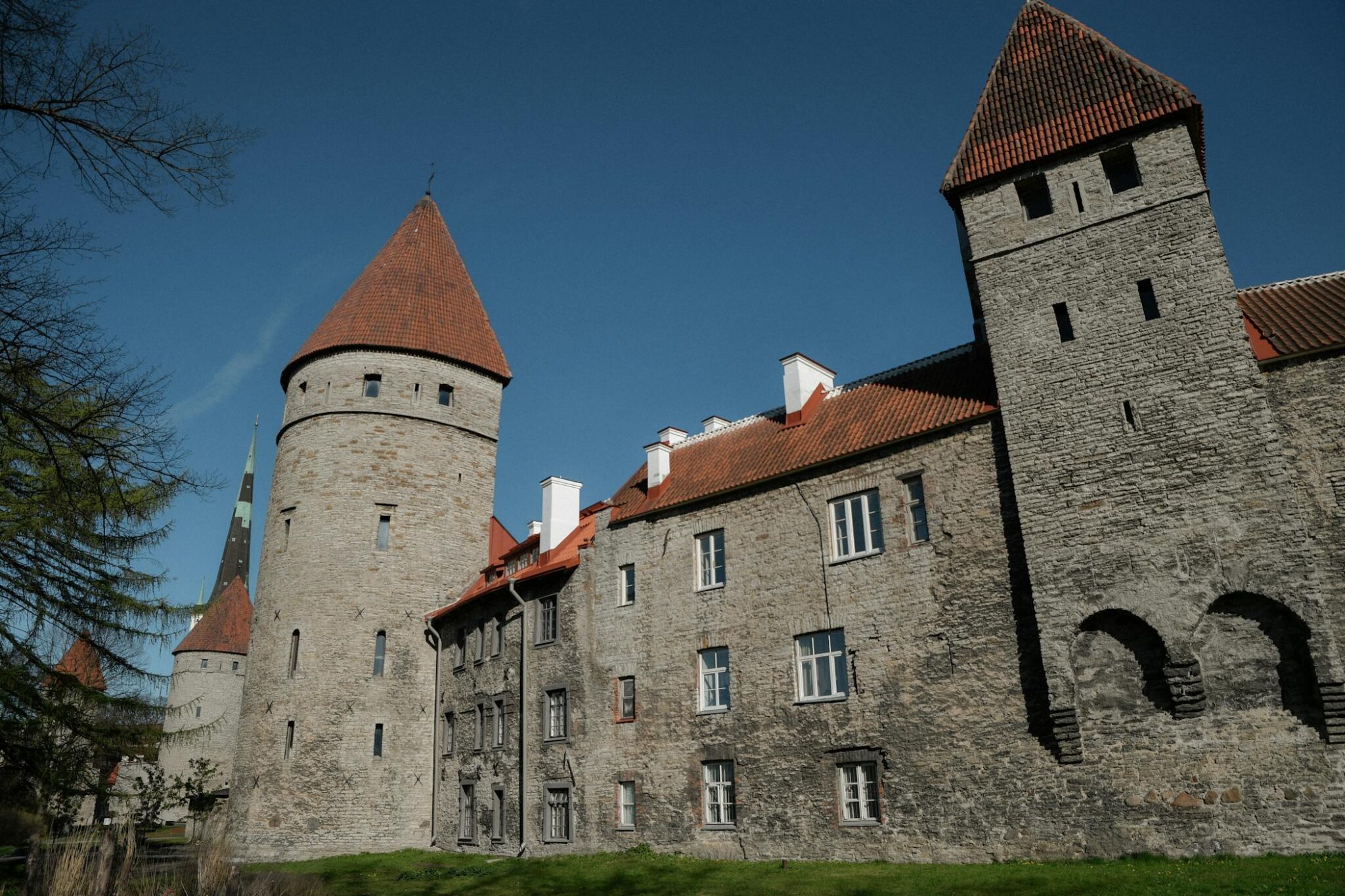
Tallinn is Estonia’s clearest international image because its medieval centre still feels like a complete city rather than a small preserved quarter. The Old Town has been a UNESCO World Heritage Site since 1997, valued as one of the best-preserved medieval trading cities in Northern Europe. Its shape reflects the Hanseatic period, when Tallinn – then widely known as Reval – grew into an important Baltic trade hub between the 13th and 16th centuries. The capital is not famous only because it looks medieval. Tallinn is also Estonia’s political, economic and cultural centre, with about 456,500 residents in 2025, making it by far the country’s largest city. The contrast is part of its appeal: within a short walk, the city shifts from the Town Hall Square and old city walls to modern business districts, harbour areas, creative quarters and the seafront.
2. A digital society
Estonia is famous for treating digital government as normal public infrastructure, not as a side project. Nearly every resident has a digital ID, and almost all state services can be handled online, from taxes and business registration to prescriptions, school records and many local-government tasks. The system works because people, companies and institutions are connected through secure data exchange rather than through repeated paperwork. This gives Estonia a practical kind of digital identity: the country is not only known for startups, but for making everyday bureaucracy faster, smaller and less visible. In a state of about 1.37 million people, that became one of the clearest ways Estonia stood out after restoring independence.
3. e-Residency
e-Residency is one of Estonia’s most original modern ideas because it separates digital access from physical residence. Launched in 2014, it gives non-residents a government-issued digital ID that can be used to authenticate identity, sign documents and access Estonian business services online. Its main audience is entrepreneurs who want to set up and manage an EU-based company remotely, including registration, administration, digital signatures and tax declarations. It does not give citizenship, tax residence or the right to live in Estonia, which is part of what makes the concept precise: it is a digital business identity, not a migration programme. By 29 April 2026, the programme had passed 139,000 e-residents and 41,000 companies established by e-residents. The programme matters because it turned Estonia’s digital state into something people outside the country can actually use. In 2025, e-residents created 5,556 new Estonian companies, 15% more than in 2024, and the programme brought nearly €125 million in direct state revenue. Estonia also gained 13,828 new e-residents that year, its best result in six years, with applicants coming from across Europe, Ukraine and other global markets.
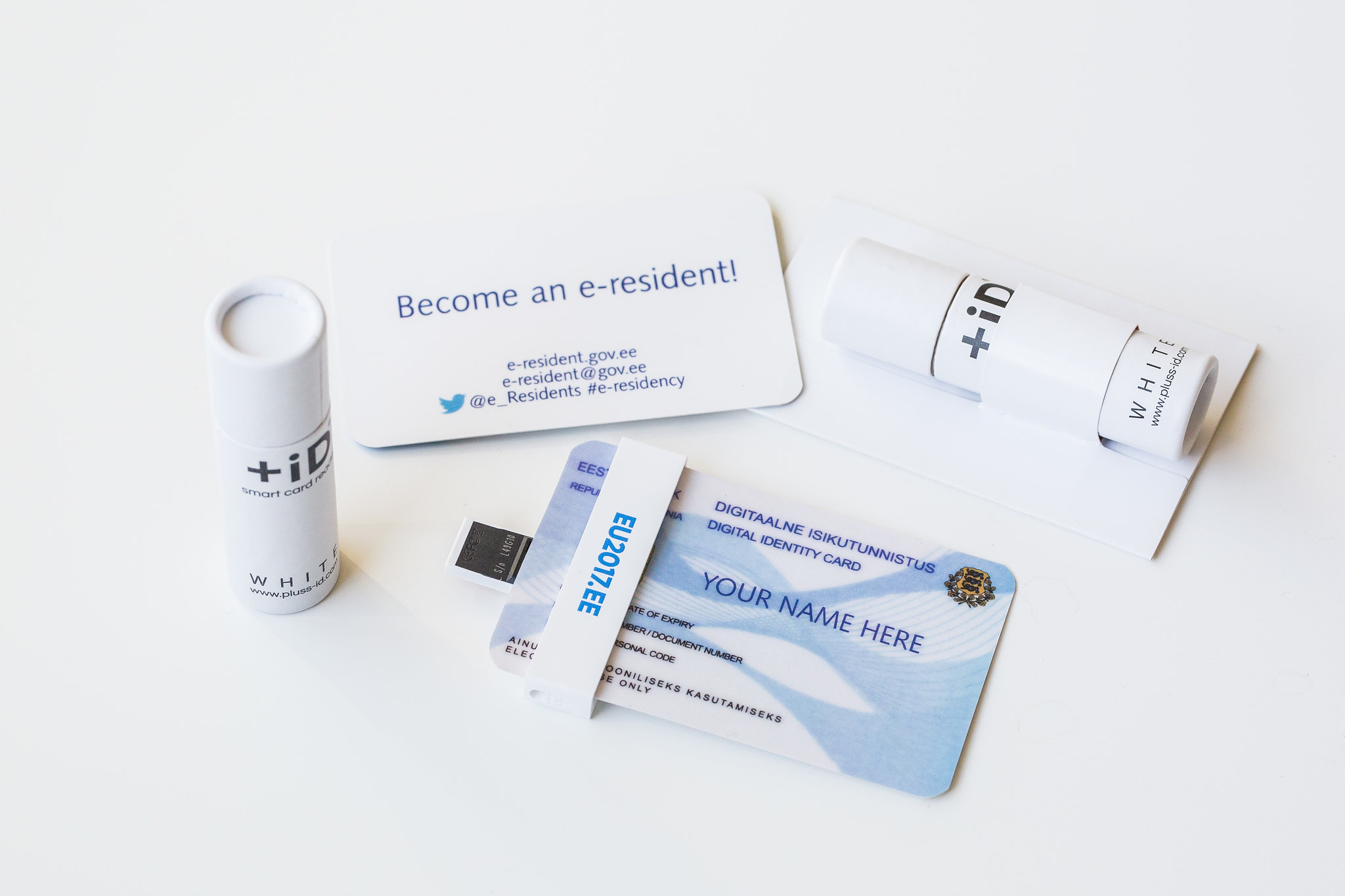
Photo: Aron Urb (EU2017EE), CC BY 2.0
4. Startups and Skype
Skype is the company that first made Estonia’s startup culture visible to the wider world. Launched in 2003, it was built with a key engineering team in Tallinn and quickly showed that a small Baltic country could produce software used globally. Its sale to eBay in 2005 for $2.6 billion became a turning point: it created experienced founders, early employees, investors and mentors who later helped build new companies. This “Skype effect” matters because it gave Estonia something more valuable than one famous exit.
That early success helped shape one of Europe’s most productive small startup ecosystems. Estonia later produced companies such as Wise, Bolt, Pipedrive, Veriff and Starship Technologies, turning the country’s digital-state reputation into a business environment for international founders. The sector’s scale is now measurable: Estonian startups reached €3.902 billion in turnover in 2024, and by the first half of 2025 turnover had already reached a record €2.42 billion, about 25% more than in the same period of 2024. By the third quarter of 2025, year-to-date turnover stood at €3.53 billion, with Bolt, Pipedrive, Wise and Veriff among the highest-turnover companies. Estonia’s startup fame therefore rests on a clear line of development: Skype proved the model, and the next generation turned that proof into a wider ecosystem.
5. The Singing Revolution and restored independence
Between 1987 and 1991, mass singing, public gatherings and national symbols became tools of political change under Soviet rule. The turning point came in 1988, when crowds gathered at the Tallinn Song Festival Grounds and sang patriotic songs that had been discouraged or banned. Instead of beginning with weapons or party structures, the movement grew from language, music, memory and public courage. That is why the phrase “Singing Revolution” fits Estonia so closely: the country used one of its deepest cultural habits, collective singing, as a way to make independence visible.
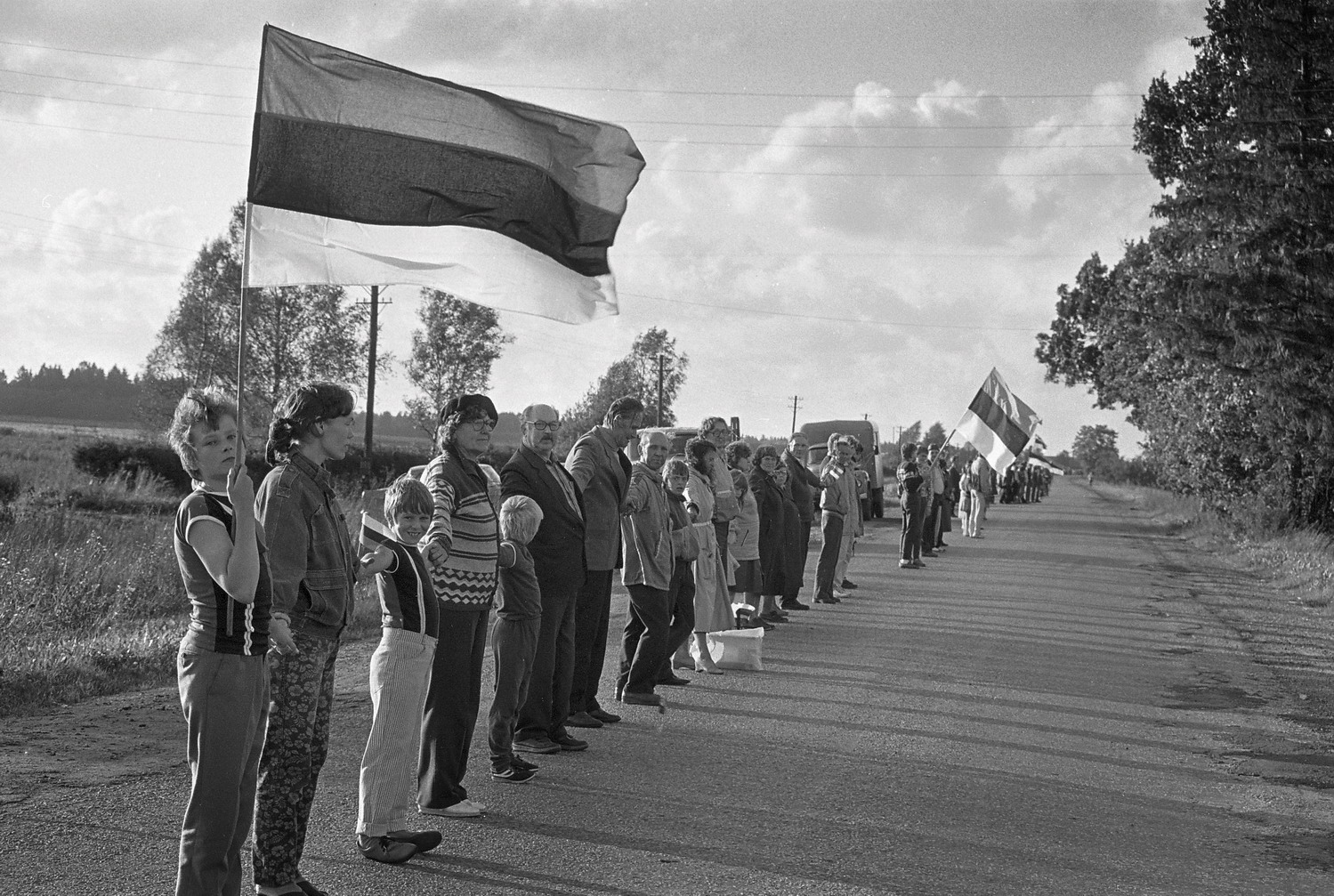
The movement did not stand alone. On 23 August 1989, the Baltic Way joined Estonia, Latvia and Lithuania in a human chain of about two million people, stretching roughly 600 kilometres from Tallinn through Riga to Vilnius. Less than two years later, during the failed Soviet coup in Moscow, Estonia restored its independence on 20 August 1991. Crowds protected key sites in Tallinn, including the TV Tower, while political leaders declared the continuity of the pre-war Estonian republic.
Jaan Künnap, CC BY-SA 4.0 https://creativecommons.org/licenses/by-sa/4.0, via Wikimedia Commons
6. Song and Dance Celebrations
The tradition began in 1869 in Tartu and later became a national ritual where choirs, dancers, orchestras, folk musicians and spectators gather around a shared repertoire. Together with the Latvian and Lithuanian traditions, it is recognised by UNESCO as intangible cultural heritage, but the Estonian version has its own strong setting: the Tallinn Song Festival Grounds, with the large Song Arch facing thousands of performers and a huge open-air audience. The event is usually held about every five years, which gives each celebration the weight of a national milestone rather than an annual festival.
The 2025 celebration showed how large the tradition still is. The XXVIII Song and XXI Dance Celebration, held from 3 to 6 July 2025 under the title “Iseoma”, brought together more than 40,000 singers, dancers, orchestral musicians and folk performers, with more than 100,000 spectators expected across the main events. Its meaning is not only musical. During Soviet rule, collective singing became closely tied to identity and resistance, and the wider independence movement of the late 1980s is still remembered as the Singing Revolution.
7. Sauna culture
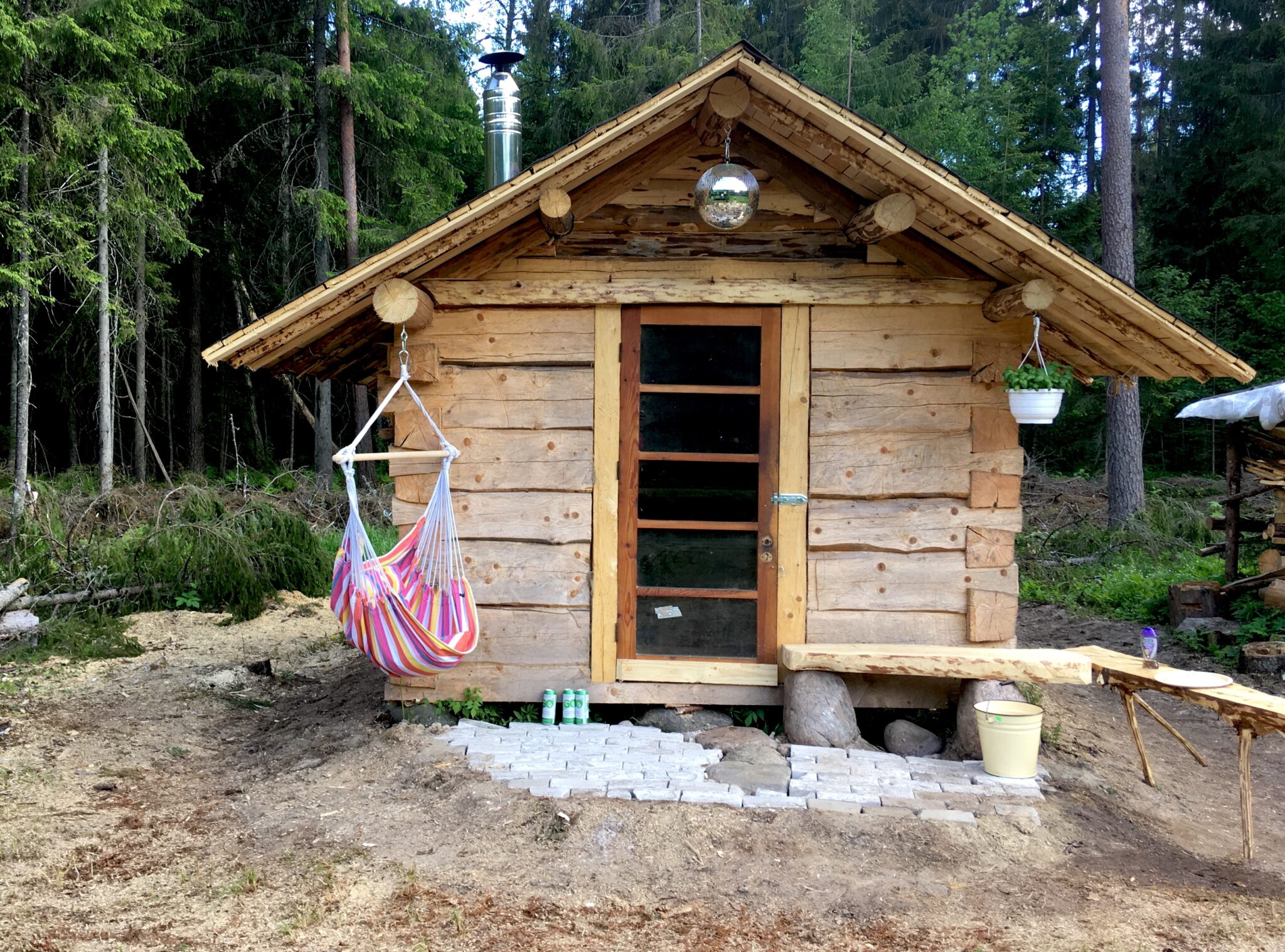
The old saying “Saturday is sauna day” still captures the role of sauna as a weekly rhythm, even though people now use saunas on many other days as well. A traditional sauna may stand as a small wooden hut near a home, sit beside a lake or forest, or be built into an apartment or modern hotel. The basic idea is simple: heat, steam, washing, quiet conversation and time away from ordinary routine. That is why sauna in Estonia feels social without being noisy. The deepest regional layer is the smoke sauna tradition in Võromaa, in southern Estonia, added to UNESCO’s Intangible Cultural Heritage list in 2014. A smoke sauna has no chimney, so smoke fills the room while the wood-fired stove heats the stones; before bathing begins, the fire dies down and the smoke is let out.
Sillerkiil, CC BY-SA 4.0 https://creativecommons.org/licenses/by-sa/4.0, via Wikimedia Commons
8. Bogs and forests
Forests cover more than half of the country, with official environmental data placing the figure at about 51% of Estonian land. Pine, birch, spruce and mixed forests are part of everyday geography, not scenery reserved for remote national parks. Bogs are just as important to that image. No point on mainland Estonia is more than 10 kilometres from a bog, and these wetlands are among the country’s oldest organic landscapes, with some dating back at least 10,000 years.
That nature is easy to experience because Estonia has made many fragile landscapes accessible without turning them into loud tourist zones. Wooden boardwalks cross bogs such as Viru, Mukri, Kakerdaja and Meenikunno, allowing visitors to walk above moss, dark pools, dwarf pines and open peatland without damaging the ground. Soomaa National Park adds another layer with its famous “fifth season”, when spring floods cover meadows, forests and roads, changing the area into a temporary water landscape.
9. Islands and coastline
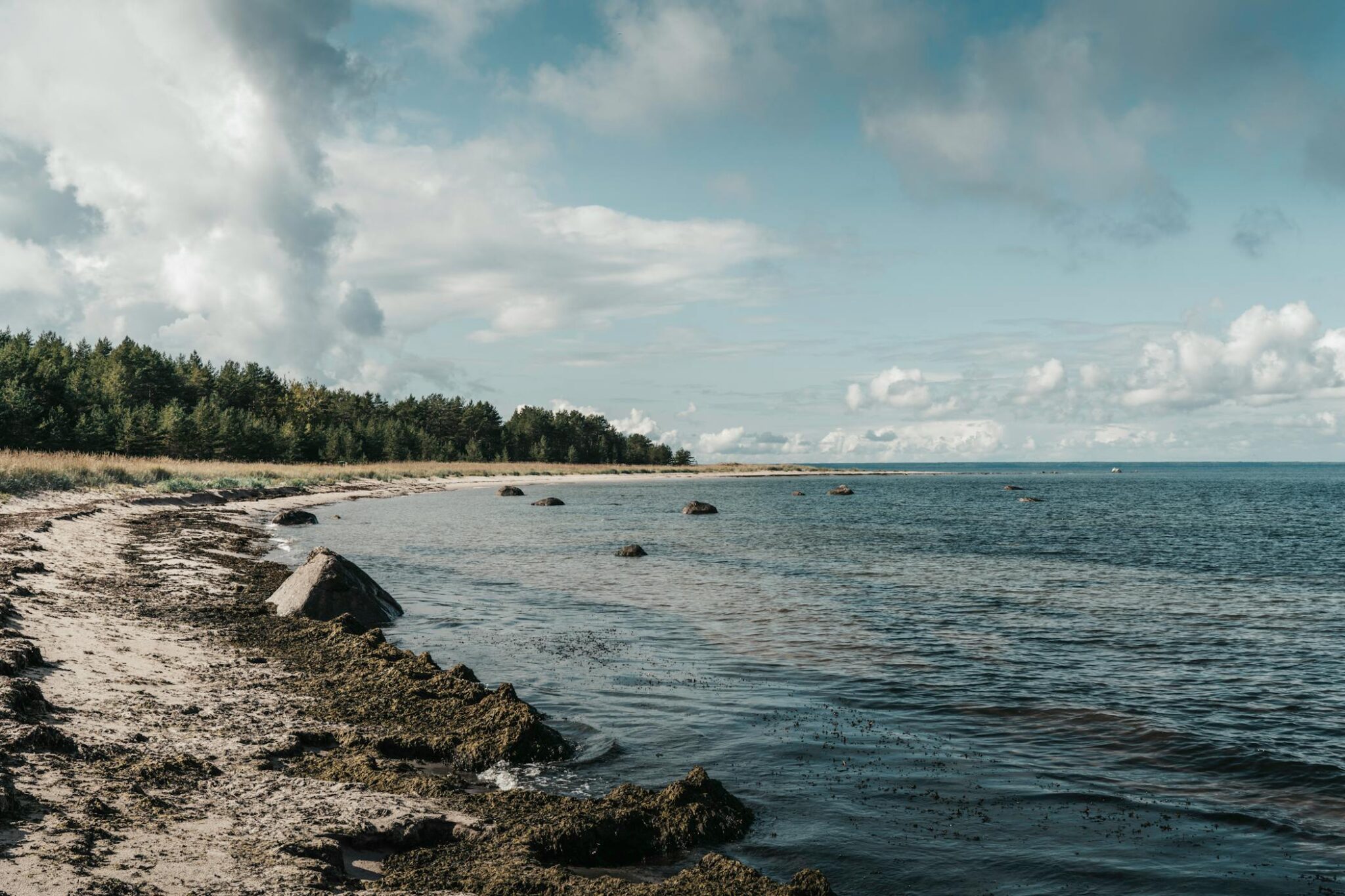
The country has 2,317 islands, most of them in the Baltic Sea and especially around the western coast. Only a small number are inhabited or easy to reach, which helps keep the island image quiet rather than resort-like. Saaremaa, Hiiumaa, Muhu, Vormsi, Kihnu and Ruhnu are the names visitors are most likely to meet, each with a different balance of villages, forests, lighthouses, churches, windmills, beaches and ferry routes. Together with more than 3,000 kilometres of coastline, these islands make the sea part of Estonia’s geography, transport and everyday imagination, not just a summer backdrop.
The western islands carry much of that character. Saaremaa is the largest and best-known, with Kuressaare Castle, juniper landscapes, old stone churches and the Kaali meteorite crater. Hiiumaa is quieter, known for lighthouses, forests and long beaches, while Muhu works as a small cultural bridge between the mainland and Saaremaa. Kihnu adds another layer through its traditional island culture, including music, clothing, crafts and women-led community life, which is recognised by UNESCO as intangible heritage.
10. The Estonian language
The Estonian language is one of the clearest reasons Estonia stands apart in Europe. It does not belong to the Germanic, Slavic or Baltic language groups around it, but to the Finno-Ugric branch of the Uralic family, which links it more closely with Finnish than with Latvian, Lithuanian, Russian or German. Estonian is the official language of Estonia and has been one of the official languages of the European Union since 2004. It is spoken natively by about 1.1 million people, most of them in Estonia, which gives the language a small global footprint but a very strong national role.
Its distinctiveness is visible in grammar and sound. Estonian has 14 grammatical cases, no grammatical gender, and a vowel system that includes the letter õ, one of the sounds that makes written and spoken Estonian immediately recognisable. The first notable written materials in Estonian date from the 1520s, while the modern literary language developed mainly from the northern, Tallinn-based dialect.
11. Tartu and academic life
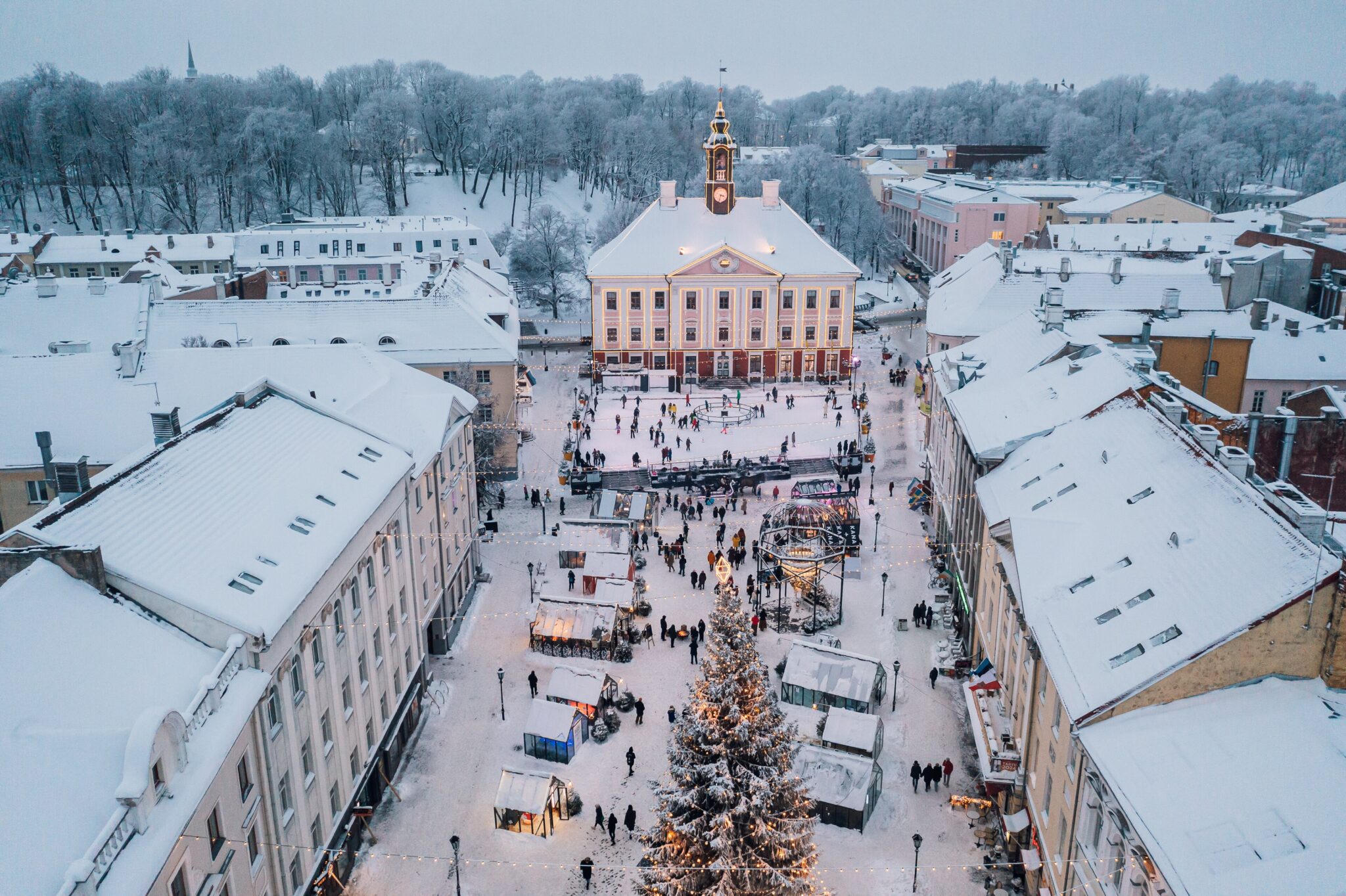
Tartu gives Estonia a second national image after Tallinn: smaller, quieter and more intellectual. The University of Tartu was founded in 1632, making it the country’s oldest and largest university and one of the oldest in Northern Europe. It has shaped the city for almost four centuries, not only through teaching, but through museums, libraries, research institutes, student traditions and the rhythm of academic life. Today, about 15,200 students and 3,700 staff members study and work there, which is a major presence in a city of roughly 100,000 people.
The city’s academic identity also connects to Estonia’s wider cultural story. Tartu has long been associated with education, publishing, science, national awakening and public debate, giving the country a centre of thought outside the capital. Its university buildings, botanical garden, museums, cafés and riverside streets make student life visible in everyday space, while the city’s role as European Capital of Culture 2024 showed how strongly scholarship, creativity and regional identity overlap there.
If you’ve been captivated by Estonia like us and are ready to take a trip to Estonia – check out our article on interesting facts about Estonia. Check if you need an International Driving Permit in Estonia before your trip.

Published May 10, 2026 • 10m to read