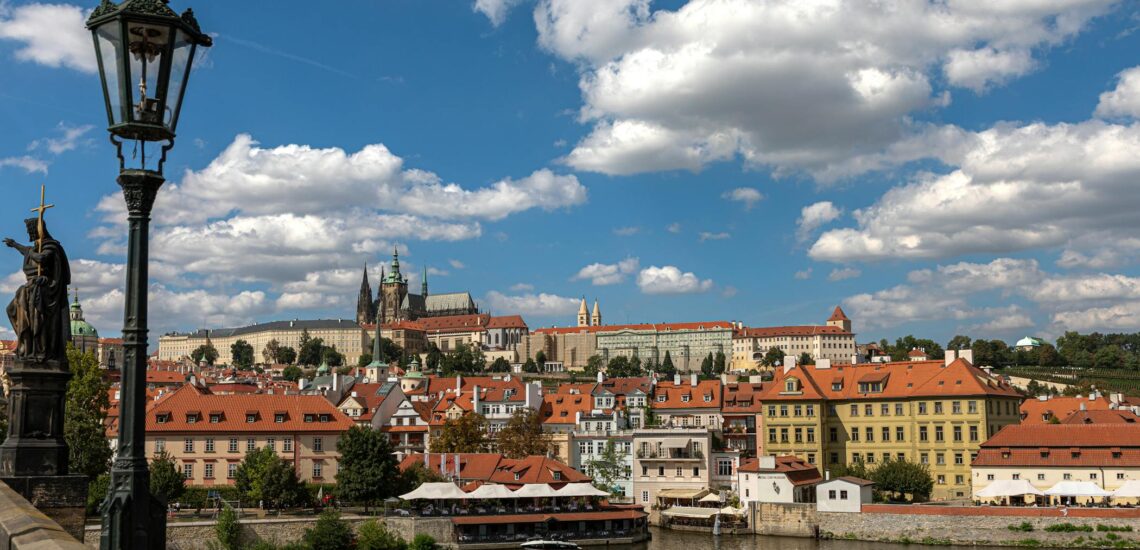


Czechia is famous for Prague, beer, castles, spa towns, medieval cityscapes, glassmaking, and a cultural identity that feels both Central European and distinctly its own. Official Czech tourism presents the country through UNESCO monuments, castles and châteaux, wine, folklore traditions, and historic cities, which is why Czechia often feels much richer in landmarks and symbols than its size suggests.
1. Prague
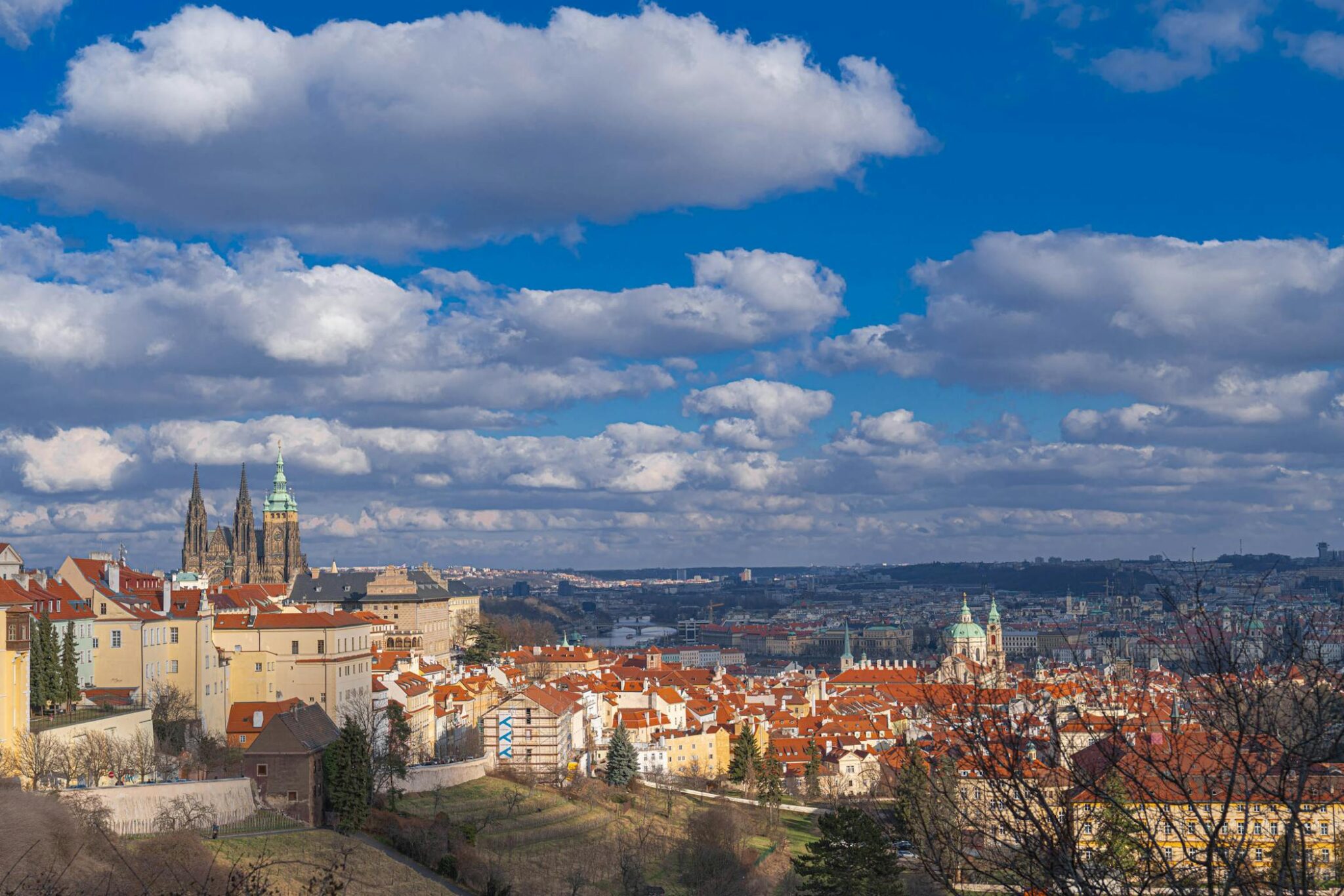
Czechia is famous first of all for Prague because no other place shapes the country’s image abroad so completely. The city brings together the elements most people immediately associate with Czechia: a dense historic center, bridges over the Vltava, Gothic towers, Baroque domes, and a skyline that still looks unmistakably old even when seen from far away. That is why Prague stayed so dominant in the national image. Its historic core is not built around one monument only, but around a whole urban composition that includes the Old Town, the Lesser Town, and the New Town, with Prague Castle, St Vitus Cathedral, and Charles Bridge anchoring the view. UNESCO recognizes the Historic Centre of Prague for exactly this depth and continuity, noting its architectural and cultural importance from the 11th to the 18th centuries.
Prague is also famous because it combines historic weight with a visual identity that is easy to remember. The city is often called the “city of a hundred spires”, but the real scale is much larger: official Prague figures say there are 132 towers in the Old Town alone, and the total number of towers and spires across the city is estimated at more than two thousand. That helps explain why Prague feels so different from many other capitals.
2. Charles Bridge, Prague Castle, and the Astronomical Clock
Charles Bridge is links the Old Town with the Lesser Town across the Vltava and has served as one of Prague’s main visual symbols for centuries. Construction began in 1357 under Charles IV, and the bridge later became lined with Baroque statues, which helped fix its image in European memory. Prague Castle gives that picture even more weight. Instead of one isolated palace, it is a vast complex of courtyards, churches, halls, and fortifications that grew over many centuries and still dominates the city skyline from above the river. Together, the bridge and the castle create the most familiar view of Prague and one of the strongest city images in Europe.
The Astronomical Clock adds another layer because it turns Prague’s historic center into something people remember not only as beautiful, but as distinctive. Installed on the Old Town Hall in 1410, it is one of the oldest astronomical clocks in the world and the oldest one still in operation. Its hourly show, calendar dial, and medieval mechanism made it far more than a town clock. It became one of the symbols through which Prague is recognized abroad.
3. Czech beer
Beer there is tied not only to pubs and meals, but also to local habit, regional pride, and the way the country presents itself abroad. Czechia also gave the world one of beer’s most influential styles: pilsner, first brewed in Plzeň in 1842. That is why Czech beer is famous not only as a product, but as part of a broader brewing culture that remains deeply woven into daily life. The latest verified international comparison places Czechia first in the world for beer consumption per person, with 148.8 litres per capita in 2024. This matters because it shows that beer is not just a historical symbol preserved for visitors. It remains one of the clearest and most active parts of the country’s identity, linking brewing tradition, public culture, and international recognition in a way few everyday products do.

4. Pilsner and Budweiser Budvar
Czechia is famous not just for beer in general, but for specific beer names that travelled so far they helped define the country abroad. Pilsner is the clearest example. The style was born in Plzeň in 1842, when the first golden pilsner lager changed brewing far beyond Bohemia and gave the world a beer style that is still copied almost everywhere. That matters because Czechia did not simply become known as a place that drinks beer well. It became known as the place that created one of the most influential beer styles in modern brewing. Pilsner Urquell still builds its identity around that origin, stressing that every drop is brewed only in Plzeň and that the original recipe and process have been preserved there since 1842.
Budweiser Budvar adds a different kind of fame because it ties Czech brewing to a name recognized far beyond the country’s borders. The brewery in České Budějovice was founded in 1895, but the beer tradition of the city goes back to the 13th century, which gives the brand both modern reach and deep local roots. Today Budvar exports to more than 70 countries, and in 2025 it shipped 1.945 million hectolitres of beer, showing that this is not only a historic label but an active international presence.
5. Castles and châteaux
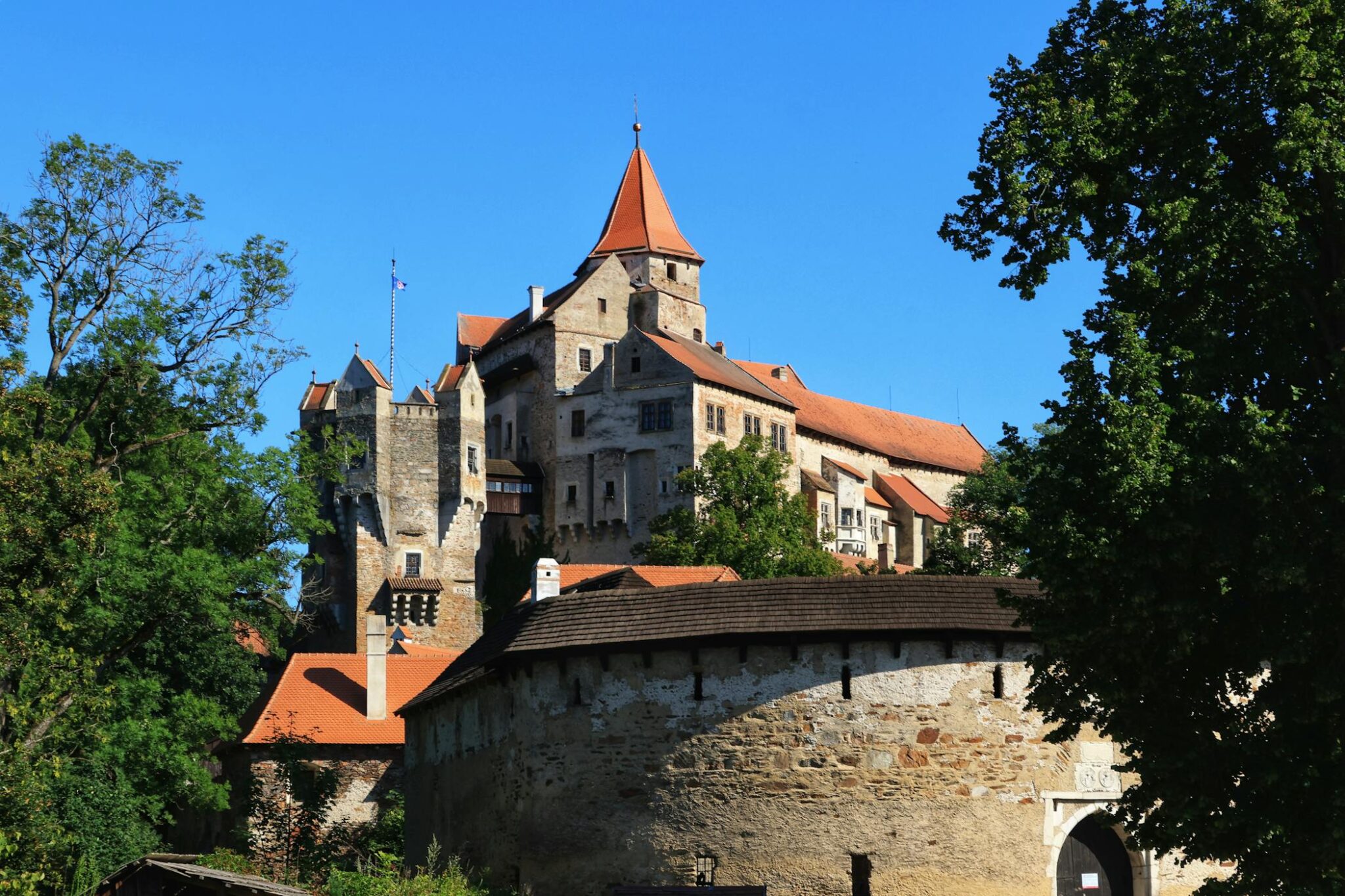
It is one of the few countries where medieval fortresses, royal residences, and aristocratic homes appear across the whole landscape rather than in just one or two famous areas. They stand on rocky ridges, above rivers, in forests, on hillsides, and beside old towns, which is why the country feels strongly historical even beyond Prague. This image is not built around a single landmark. It comes from the sheer density of historic residences spread across the map. Official tourism still describes Czechia as a country of castles and palaces and says there are almost three thousand of them.
Czechia is known not only for defensive castles, but also for Renaissance and Baroque palaces, romantic ruins, and grand noble residences with gardens and collections. Many of them are still accessible, which keeps this part of the country’s identity visible rather than abstract. The National Heritage Institute says it manages more than one hundred heritage sites, while official tourism materials note that more than two hundred castles and palaces are open to the public.
6. Český Krumlov
Czechia is famous for Český Krumlov because it gives the country one of its clearest historic town images after Prague. Built on the banks and tight meanders of the Vltava, the town grew around a 13th-century castle and preserved the look of a small Central European medieval town with unusual completeness. What makes it so memorable is not one landmark alone, but the whole composition: the river bend, the castle hill, the dense cluster of red roofs, and a street pattern that still reads as medieval at first glance. The castle makes that image even stronger. Rising above the town, it developed from the 14th to the 19th century and combines the character of a medieval fortress with that of a later Renaissance residence. UNESCO treats the historic center as exceptional because its architectural heritage remained largely intact through centuries of relatively peaceful development, something rare in Central Europe.
7. Karlovy Vary and spa culture
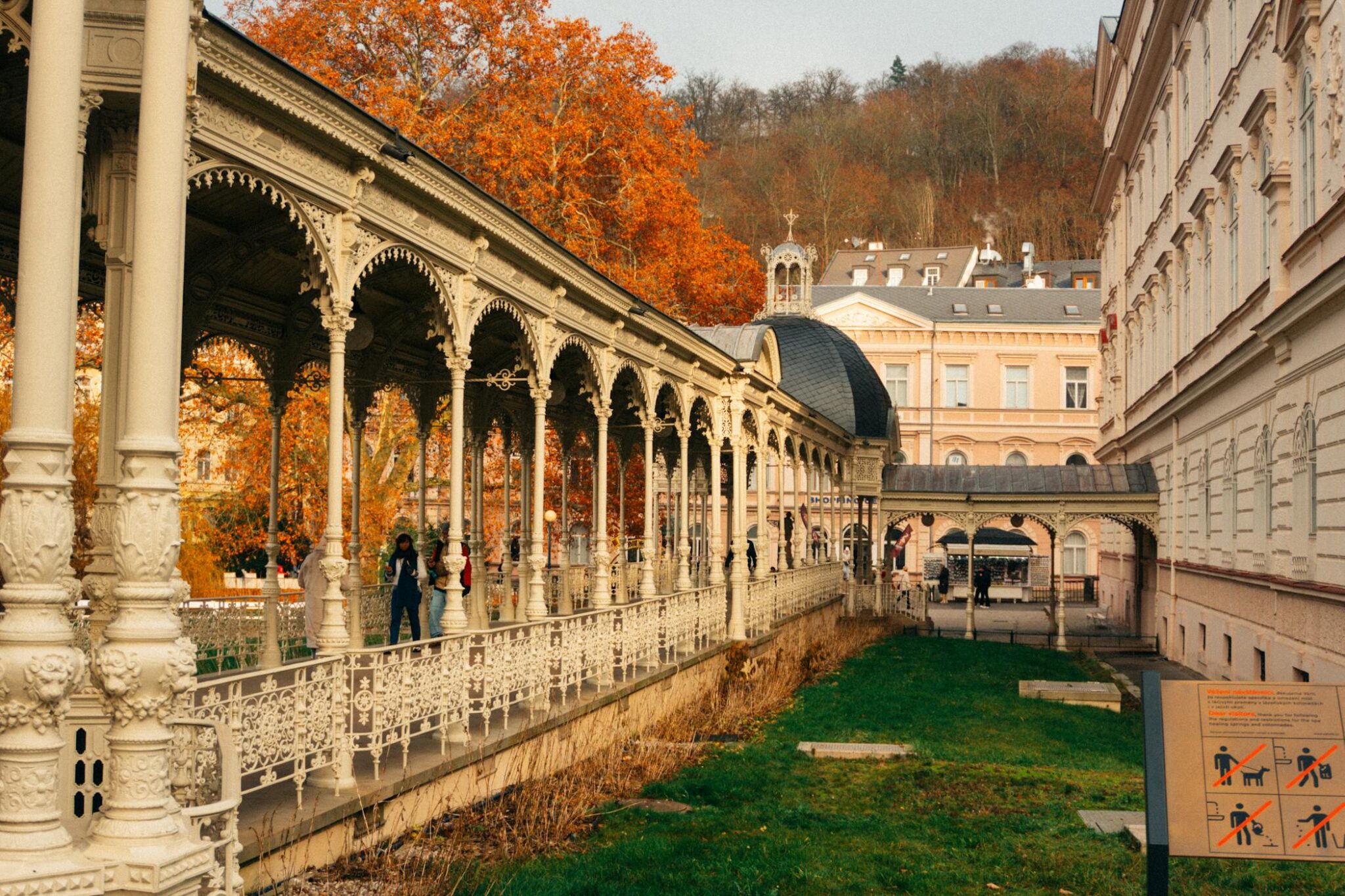
Karlovy Vary developed around hot mineral springs and grew into the best-known town of the West Bohemian Spa Triangle, a landscape of colonnades, spa houses, grand hotels, and forested hills rather than a single monument. What makes it so memorable is that the whole town seems built around the act of taking the waters: promenades, drinking cups, arcades, and thermal springs all remain part of the visible city. The association is even stronger because Karlovy Vary stands for more than one town. Together with Mariánské Lázně and Františkovy Lázně, it forms the West Bohemian Spa Triangle, and all three were included in the UNESCO-listed Great Spa Towns of Europe in 2021. UNESCO treats these towns as part of a wider European spa phenomenon that reached its height from around 1700 to the 1930s, which helps explain why Czech spa culture still carries international weight.
8. Kutná Hora and the Bone Church
Czechia is famous for Kutná Hora because the town turns medieval wealth into one of the country’s clearest historic images outside Prague. Its importance grew from silver mining, which made it one of the richest royal towns in Bohemia by the 14th century and financed buildings that still define its skyline. That is why Kutná Hora feels larger in historical weight than its size suggests. The town is not remembered for one monument alone, but for the way its mining past, Gothic architecture, and urban layout still hold together in one place. UNESCO recognizes the historic center together with the Church of St Barbara and the cathedral at Sedlec as an outstanding example of a medieval town whose prosperity was built on silver.
The Sedlec Ossuary, often called the Bone Church, made Kutná Hora even more memorable because it gave the town one of the most unusual interiors in Europe. Set beneath the Cemetery Church of All Saints in Sedlec, the ossuary is arranged with skeletal decorations that turn a place of burial into a stark meditation on death, memory, and resurrection. What keeps it so distinctive is that it is not treated as a curiosity only. It remains part of a functioning sacred complex, and even during its long restoration, the site has stayed open as one of the most visited monuments in the Czech Republic.
9. Franz Kafka
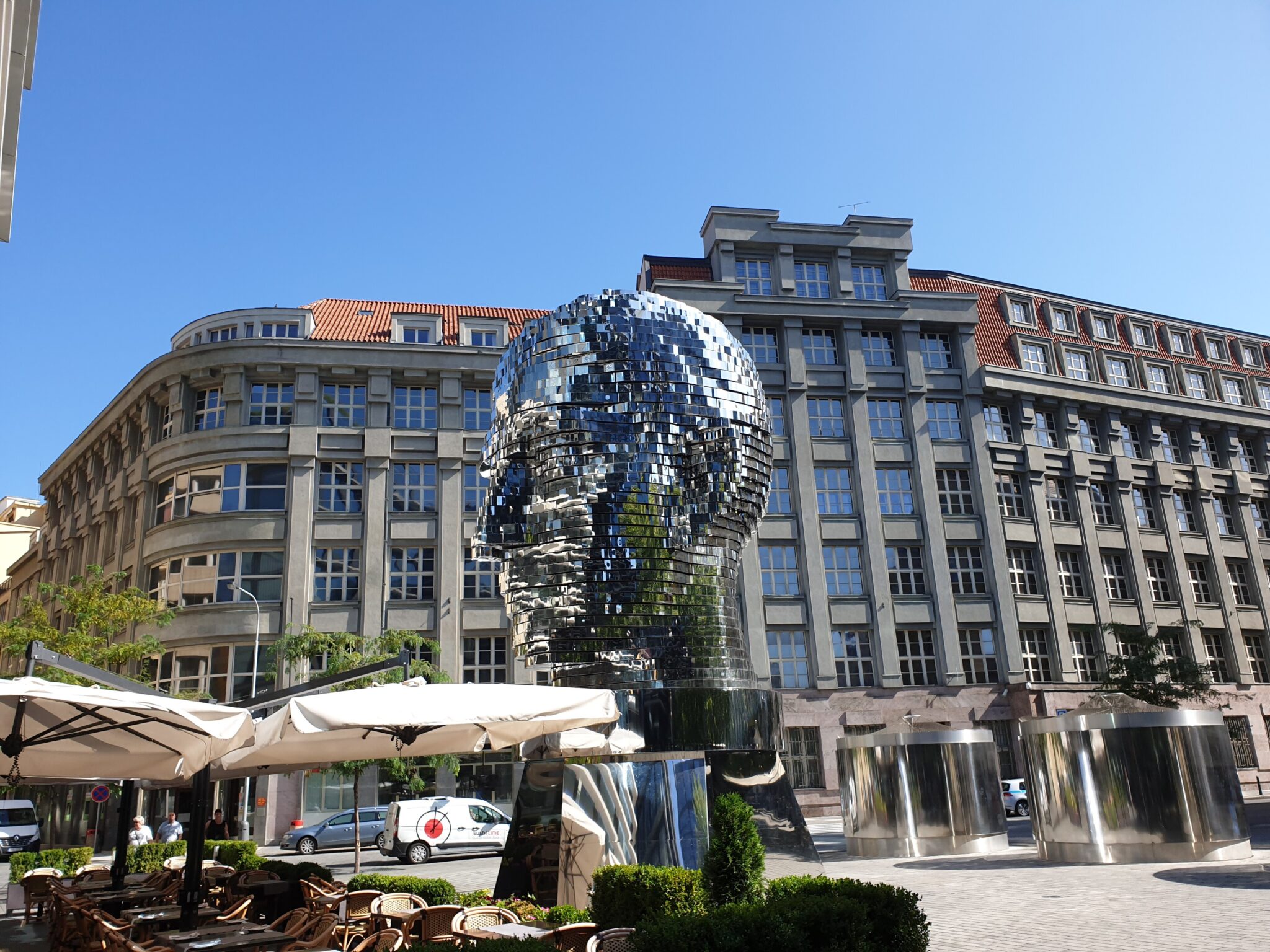
He was born there on 3 July 1883 into the German-speaking Jewish community, and the city remained at the center of both his real life and his literary world. That link is still one of the strongest reasons Kafka matters to Czechia’s image abroad: Prague was not just his birthplace, but the atmosphere that shaped his imagination, his sense of unease, and the strange urban worlds people now describe as “Kafkaesque”. Even today, the city presents Kafka through the places connected with him, including the site of the house where he was born and the museum devoted to his life and work.
99LJH, CC BY-SA 4.0 https://creativecommons.org/licenses/by-sa/4.0, via Wikimedia Commons
10. Czech glass and crystal
Glass has been made in the Bohemian lands for centuries, and over time it developed into one of the clearest things people associate with Czechia abroad. What made the tradition especially distinctive was not only technical skill, but range: cut crystal, chandeliers, beads, decorative glass, luxury tableware, and studio design all grew from the same wider culture of craftsmanship. The northern region known today as Crystal Valley remains the strongest center of that tradition, with dozens of companies, museums, and schools connected to glass and jewellery-making.
Czech crystal became especially famous because it joined tradition with export strength and visual impact. Bohemian crystal chandeliers spread far beyond the country centuries ago and reached royal palaces and major public interiors, while modern Czech brands still place large glass installations in hotels, transport hubs, and prestige buildings around the world. The tradition also remains current rather than purely historical. In 2023, the knowledge and skills of handmade glass production were added to UNESCO’s Representative List of the Intangible Cultural Heritage of Humanity, and Czech industry materials continue to present glassmaking as an active manufacturing sector rather than a museum craft.
11. Škoda
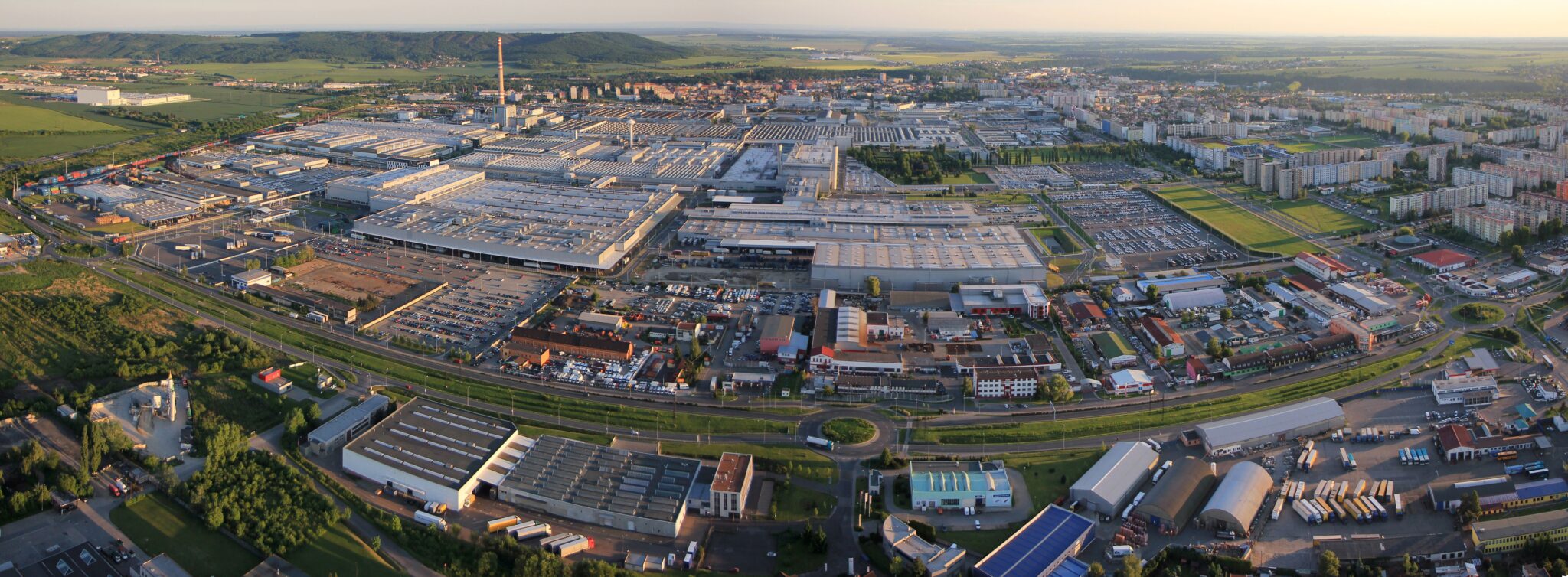
Czechia is famous for Škoda because the brand gives the country one of its clearest modern industrial identities. Its history goes back to 1895, when Václav Laurin and Václav Klement began in Mladá Boleslav, first with bicycles, then motorcycles, and finally cars. That long continuity matters because Škoda is not just a successful manufacturer from Czechia, but one of the oldest continuously active carmakers in the world. In 2025, the company marked 130 years since its founding, which helps explain why the name carries more weight than an ordinary business brand. It remains one of the country’s biggest industrial names in the present. In 2025, Škoda Auto delivered 1,043,938 vehicles to customers worldwide and achieved record revenue of €30.1 billion, while also becoming Europe’s third best-selling car brand by customer deliveries.
Zdeněk Fiedler, CC BY-SA 4.0 https://creativecommons.org/licenses/by-sa/4.0, via Wikimedia Commons
12. South Moravia and Czech wine
This is the country’s main wine landscape and the place where Czech wine culture feels most complete: vineyard hills, cellar lanes, harvest festivals, small towns built around tasting rooms, and a long tradition of local production rather than mass image-making. South Moravia is divided into four main wine subregions – Znojmo, Mikulov, Velké Pavlovice, and Slovácko – and together they form the core of Czech viticulture. The scale matters too: the Moravia wine region contains almost 96% of all registered vineyards in Czechia, which is why the country’s wine identity is tied much more strongly to this part of the south than to anywhere else.
What makes South Moravian wine especially memorable is that it combines production with a whole regional atmosphere. The area is known above all for white wines with freshness, minerality, and aromatic detail, though some subregions, especially Velké Pavlovice, are also strongly associated with red wines. Wine there is not only something bottled and exported, but part of local life through cellar culture, cycling routes, open vineyards, and a very dense calendar of events. In 2025 alone, the official wine calendar listed more than 600 events connected with Moravian and Czech wine, which helps explain why this tradition feels so visible and alive.
13. Alfons Mucha and Art Nouveau
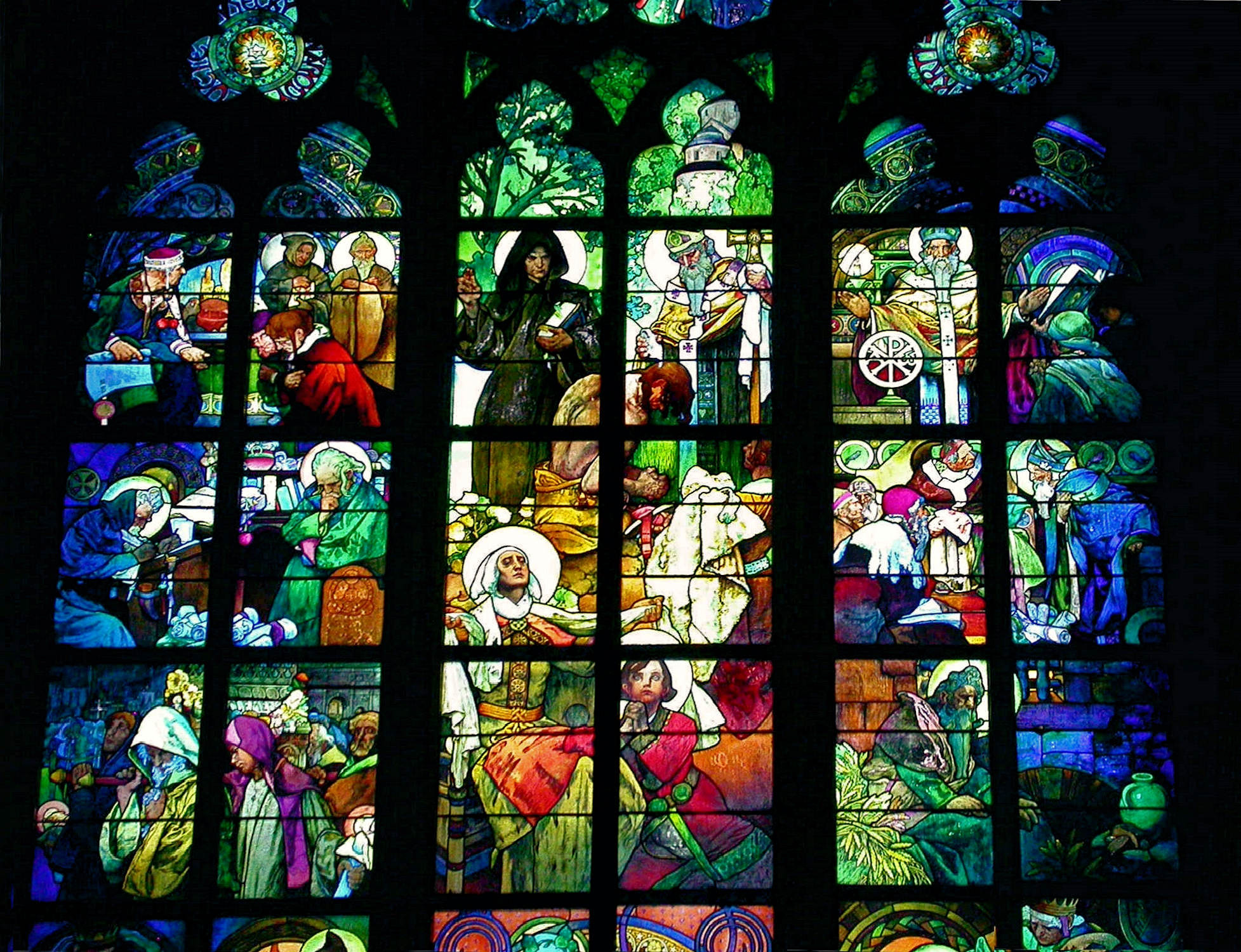
Born in 1860, Mucha helped define the visual language of Art Nouveau with his flowing lines, decorative panels, posters, and idealized female figures, but his importance to Czechia goes beyond style alone. He is remembered not only as a successful artist in Paris, but as a Czech artist who later returned to Prague and tied his work more directly to national themes, especially in The Slav Epic. The link to Prague is especially strong because the city still presents Mucha as part of its living cultural identity. Prague now has a dedicated Mucha museum in the center, in Savarin Palace, and the city also promotes a wider Mucha trail through places connected with his life and work. This keeps his presence visible not as a closed chapter in art history, but as part of how Prague is experienced today.
█ Slices of Light ✴ █▀ ▀ ▀, CC BY-NC-ND 2.0
14. Ice hockey and Dominik Hašek
Czechia is famous for ice hockey because the sport sits unusually close to national identity, not just to professional competition. Few moments explain that better than Nagano 1998, when the Czech men’s team won Olympic gold in the first Winter Games to feature NHL players. Dominik Hašek became the face of that victory. In Czech memory, “Nagano” almost means Hašek: the goaltender who shut down Canada and Russia and turned one tournament into one of the defining moments in modern Czech sport.
Hašek matters so much because he was not only a national hero for one winter, but one of the greatest goaltenders in hockey history. The Hockey Hall of Fame notes that he won the Vezina Trophy six times and remains the only goaltender ever to win the Hart Trophy twice, and he was inducted into the Hall in 2014. Czech hockey also remains a living part of the country’s image, not only a memory of the 1990s: in 2024, Czechia won the IIHF World Championship on home ice in Prague, becoming only the fifth nation to do so.
15. Bohemian Paradise
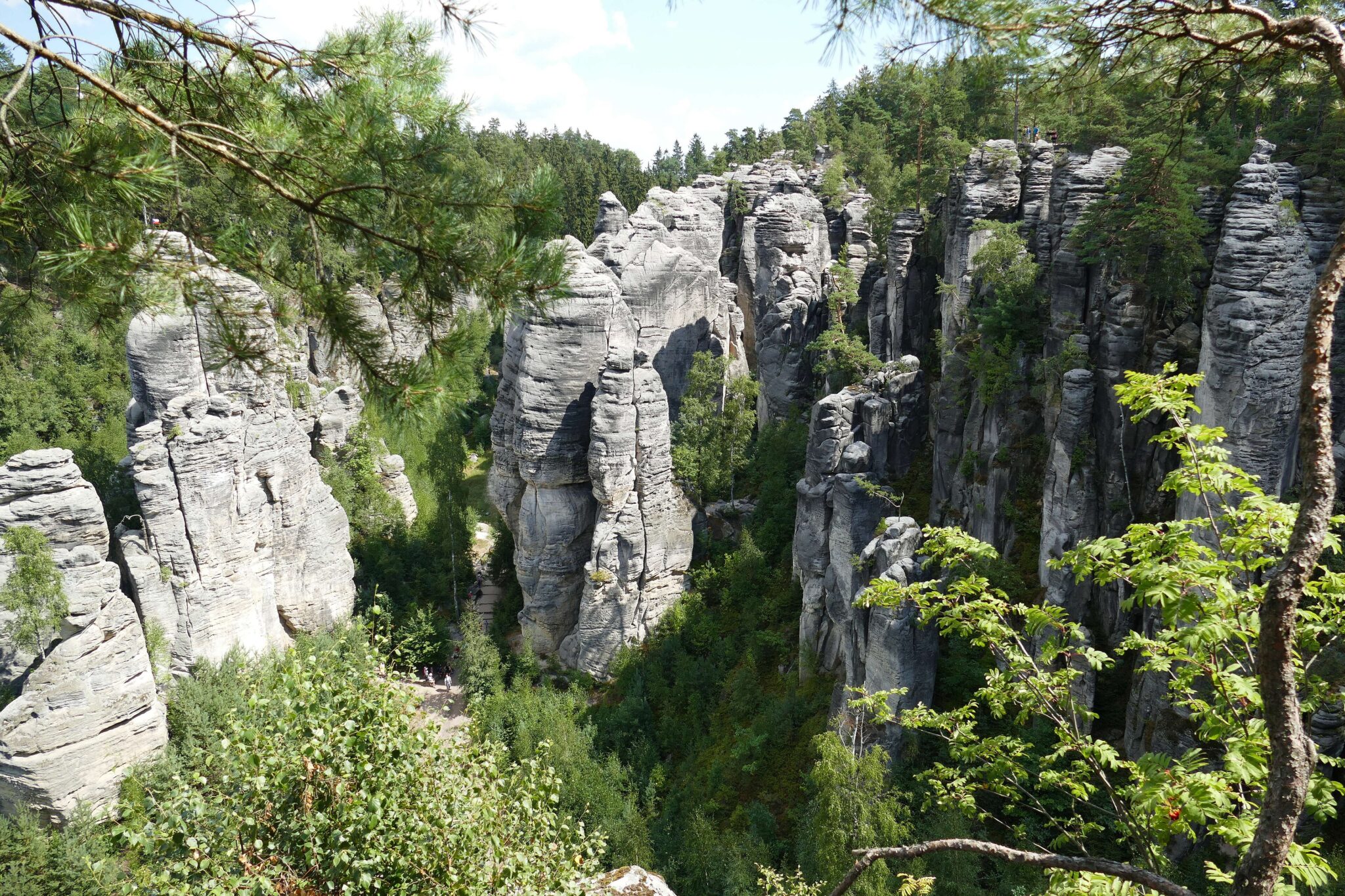
The region is known above all for its sandstone rock cities, where tall stone towers, narrow passages, lookout points, and forest paths create a landscape that feels unusual even by Central European standards. Places such as the Prachov Rocks became famous because they show this scenery in its purest form: not one single peak or waterfall, but a whole maze of rock shaped by erosion over a very long period. That is why Bohemian Paradise became such a strong symbol of Czechia.
Its image is even stronger because the area combines natural formations with historic landmarks in a very compact space. Castles and ruins such as Trosky, Kost, and Hrubá Skála rise directly out of the same rocky terrain, which gives the region a character that is both scenic and historical at once. Bohemian Paradise was the first UNESCO geopark in the country, and it remains one of the most visited natural areas in Czechia because it offers more than a standard nature trip.
Bukvoed, CC BY 4.0 https://creativecommons.org/licenses/by/4.0, via Wikimedia Commons
16. Czech puppetry and marionettes
It is not just children’s entertainment, but a long cultural practice that shaped storytelling, humor, design, and even national identity. Traveling puppet performers were already active in the Czech lands in the 18th and 19th centuries, bringing plays to towns and villages at a time when theater was not equally accessible to everyone. Marionettes became especially important because they could combine craft, satire, music, and folk storytelling in a compact form.
The tradition stayed strong because it kept evolving instead of turning into a museum piece. Czech puppetry is still present in theaters, festivals, workshops, and collections across the country, and carved marionettes remain one of the most recognizable Czech craft objects. The international importance of this tradition was confirmed in 2016, when puppetry in Czechia and Slovakia was added to UNESCO’s Representative List of the Intangible Cultural Heritage of Humanity. That recognition matters because it shows that Czech puppetry is not a small local curiosity.
17. Terezín
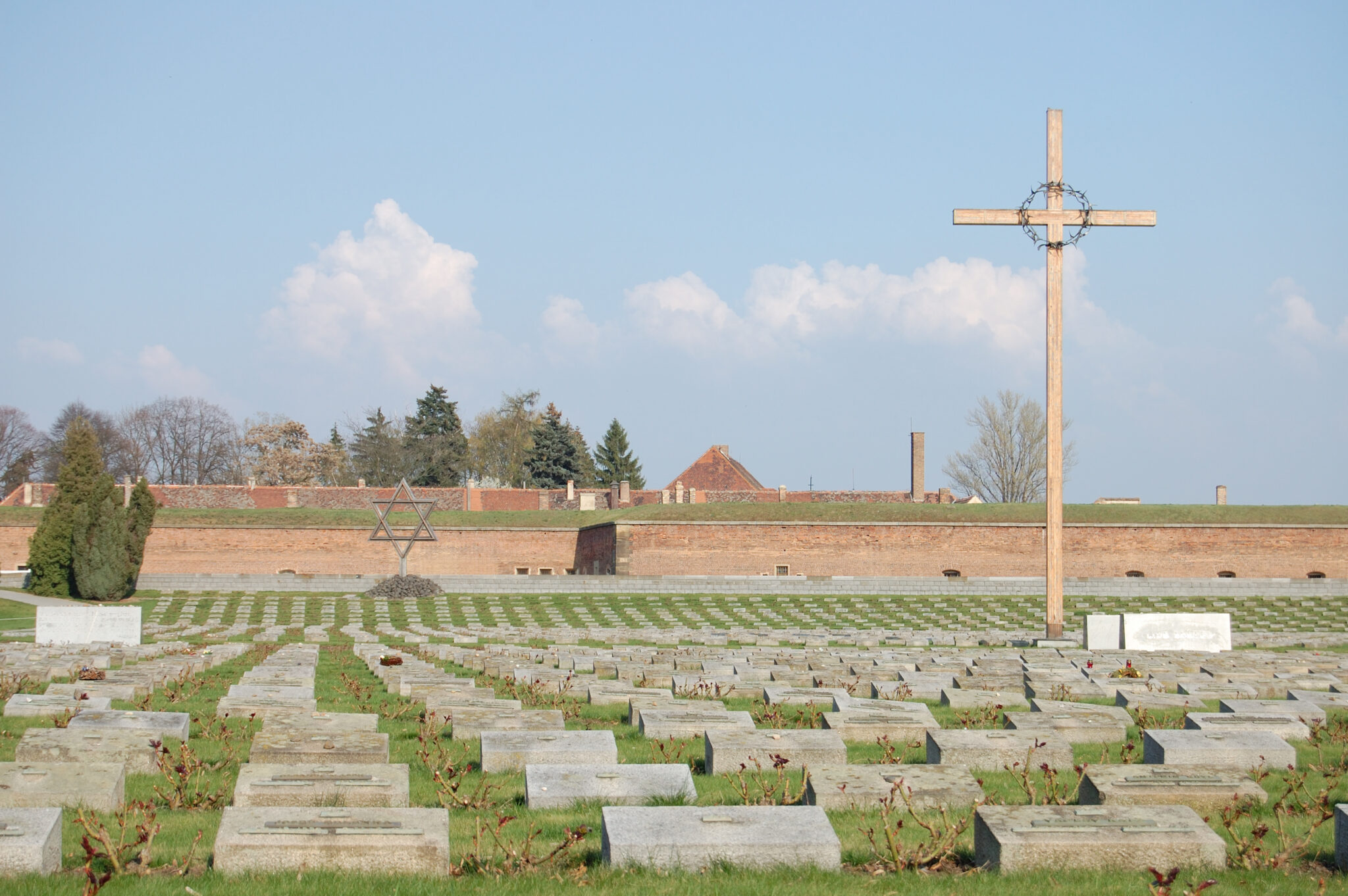
Czechia is also known, more darkly, for Terezín because the fortress town became one of the country’s most important places of Holocaust memory. Built in the late 18th century as a military fortress, it later became infamous under Nazi occupation in two connected but different ways. The Small Fortress served as a prison of the Prague Gestapo for opponents of the regime, while the main town was turned into the Theresienstadt ghetto, where Jews were held under harsh conditions before many were deported farther east. Terezín remains especially important because it is remembered not only as a place of suffering, but as a place of warning. The Terezín Memorial was established in 1947 to preserve the sites connected with Nazi persecution and to keep them as a permanent reminder for future generations. The memory of the ghetto is also shaped by a painful contrast: alongside overcrowding, disease, and deportation, there was still a remarkable cultural life created by prisoners themselves.
Faigl.ladislav as Ladislav Faigl, CC BY-SA 4.0 https://creativecommons.org/licenses/by-sa/4.0, via Wikimedia Commons
18. The Velvet Revolution
Finally, Czechia is famous for the Velvet Revolution of 1989 because it became the country’s clearest modern turning point from communist rule to democracy. The movement began on 17 November 1989 with a peaceful student march in Prague, and the brutal police intervention on Národní třída turned that protest into a wider national uprising against the regime. Prague remains the central symbolic setting of those events because the revolution can still be read through the city itself: Albertov, where the march began, Národní třída, where it was stopped by force, and Wenceslas Square, where huge crowds later gathered to demand freedom and political change.
The event matters so much to Czechia’s image because it joined political change with a lasting public memory of peaceful civic action. In late November 1989, hundreds of thousands gathered in Prague, and the largest demonstration at Letná brought together more than a million people from across the country. Václav Havel, who became the leading face of the movement, spoke to the crowds in Prague and was elected president at the end of December.
If you’ve been captivated by Czechia like us and are ready to take a trip to Czechia – check out our article on interesting facts about Czechia. Check if you need an International Driving Permit in Czechia before your trip.

Published April 26, 2026 • 15m to read