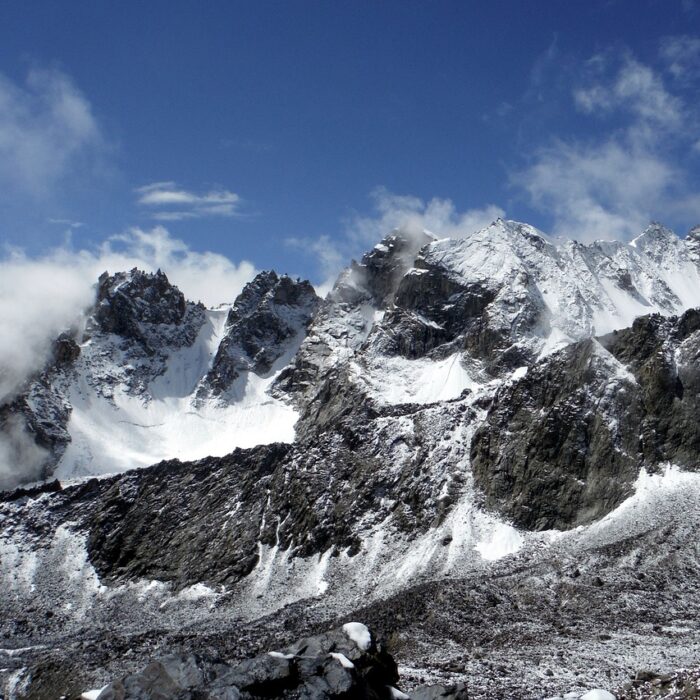
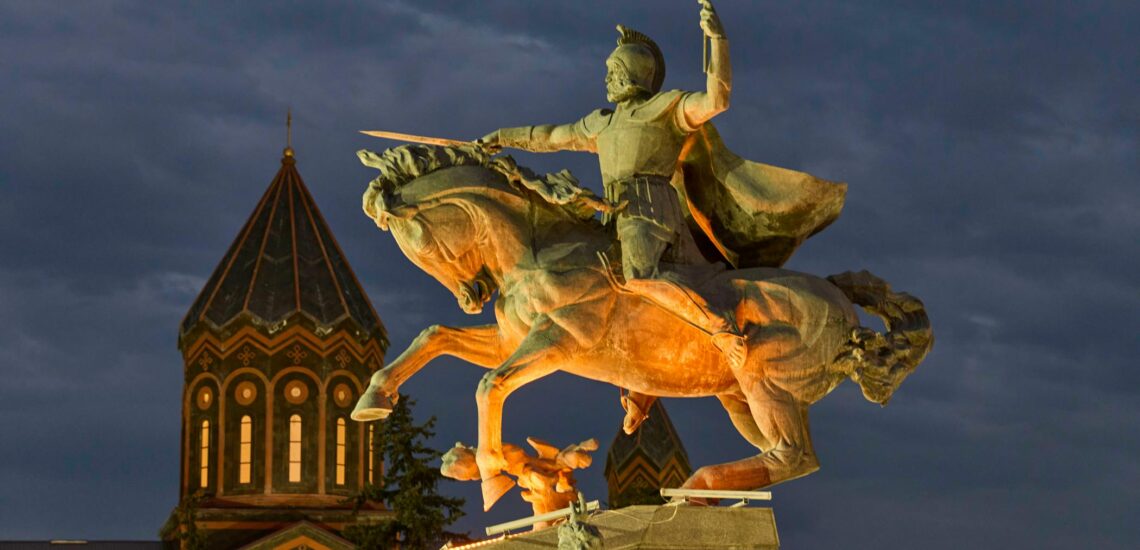


Armenia is famous for ancient Christianity, Mount Ararat, Yerevan, medieval monasteries, khachkars, Lake Sevan, ancient wine-making, lavash, duduk music, the Armenian alphabet, chess, Charles Aznavour, Aram Khachaturian, System of a Down, Nikol Pashinyan, the Armenian Genocide, the Armenian diaspora, and the country’s difficult modern position between Russia, Turkey, Azerbaijan, Iran and Europe. It is a landlocked South Caucasus country south of the Greater Caucasus range, with a mountainous landscape and a cultural identity much larger than its size.
1. Ancient Christianity
Armenia’s identity is deeply tied to Christianity because the faith became part of statehood very early in the country’s history. According to tradition, St. Gregory the Illuminator converted King Tiridates III at the beginning of the 4th century, and Armenia is widely recognized as the first state to adopt Christianity as an official religion. This gives Armenian Christianity a different weight from a later cultural layer: it helped shape law, royal power, architecture, education, literature, manuscript copying and the idea of Armenia as a distinct civilization between larger empires.
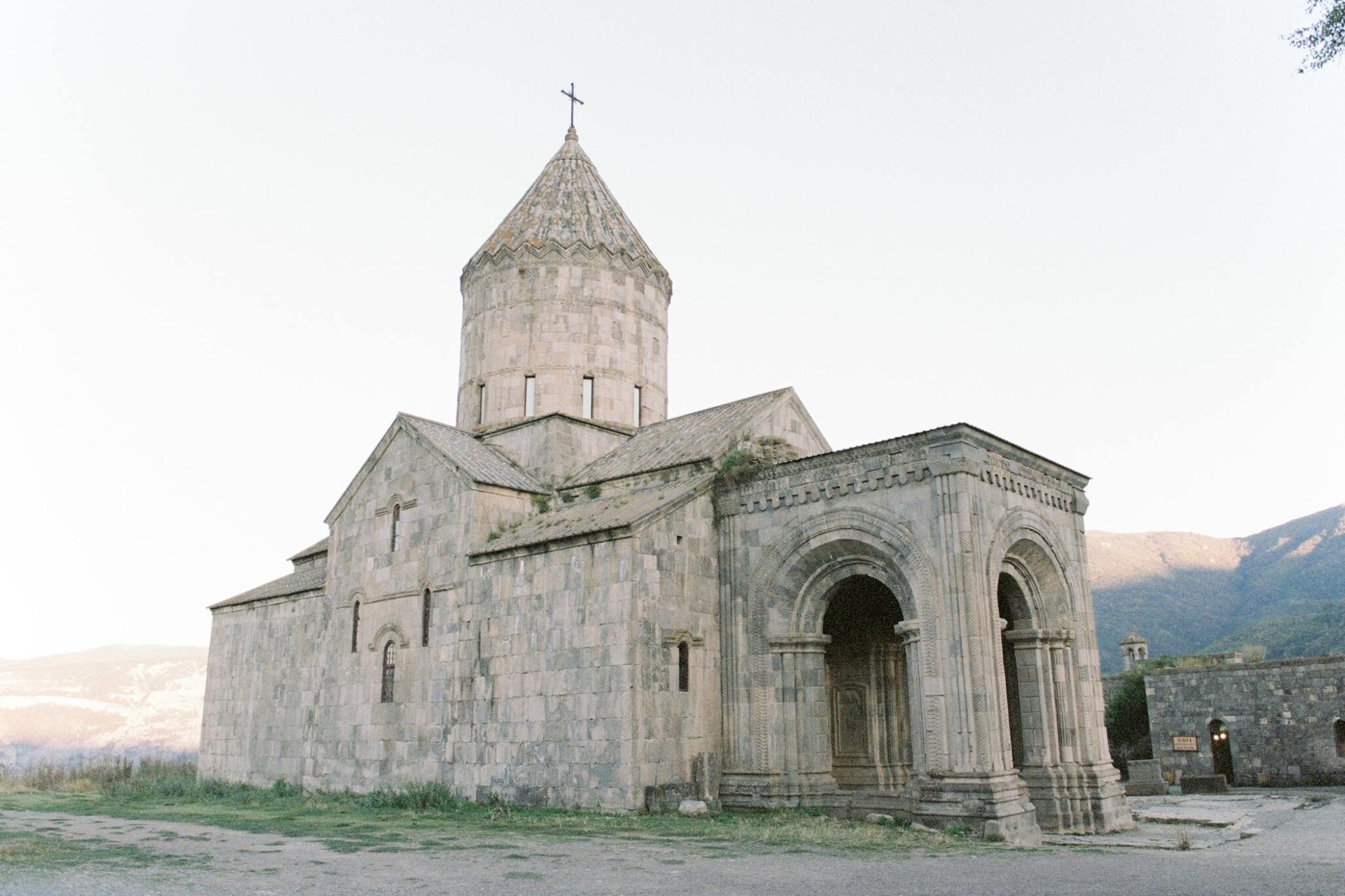
The Armenian Apostolic Church remains one of the country’s strongest symbols. Its presence is visible in monasteries built on cliffs and mountains, khachkar cross-stones, pilgrimage sites, liturgy, church music and the old religious centre of Etchmiadzin. Places such as Khor Virap, Geghard, Tatev, Noravank, Haghpat and Sanahin are not only tourist landmarks; they are part of a long story of faith, survival and cultural memory.
2. Mount Ararat
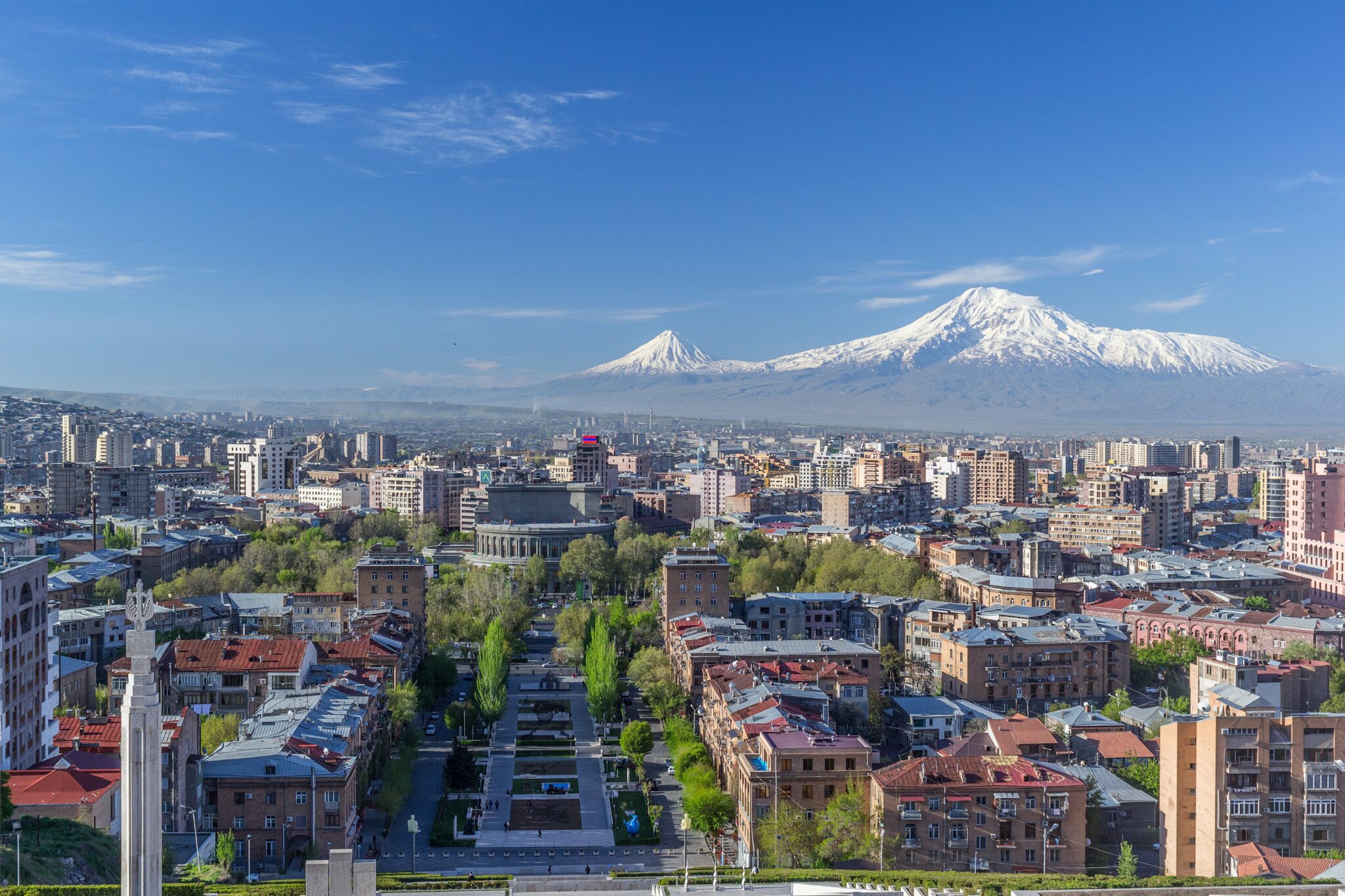
Mount Ararat is one of Armenia’s strongest symbols precisely because it stands just beyond the country’s modern border. The mountain rises in eastern Turkey, but from Yerevan it can appear suddenly on clear days, filling the horizon with a shape that many Armenians associate with homeland, memory and loss. Greater Ararat reaches about 5,137 meters, while Lesser Ararat stands nearby, creating the double-peaked silhouette that has become one of the most recognizable images in Armenian visual culture.
Ararat’s importance is not only geographic. It is tied to Armenian tradition, biblical associations, poetry, painting, national symbolism and the emotional map of a people whose historical homeland is larger than the present-day state. The mountain appears on Armenia’s coat of arms, in brand names, cognac labels, restaurant signs, souvenirs, school imagery and everyday speech. That makes Ararat unusual among national symbols: it is not located inside Armenia, yet it remains central to how Armenians imagine their country.
3. Yerevan
The city stands on the Hrazdan River, with the ancient fortress of Erebuni – founded in 782 BC – giving it one of the oldest urban reference points in the region. Modern Yerevan, however, was largely shaped in the 20th century, when Soviet-era planning gave the centre its broad avenues, formal squares and monumental public buildings. The famous pink and orange tones of local volcanic tuff soften that geometry, making the city feel warmer and more recognizably Armenian than a typical Soviet capital.
The strongest impression of Yerevan comes from how different histories share the same streets. Republic Square, the Cascade, cafés, museums, churches, wine bars, Soviet apartment blocks, new restaurants and views of Mount Ararat all belong to the city’s everyday image. It is also a place of memory: the Armenian Genocide Memorial, diaspora connections, political gatherings and cultural institutions make the capital central to how Armenians understand themselves today.
4. Etchmiadzin, Geghard and Armenian monasteries
Armenia’s monasteries are among the clearest signs of how deeply Christianity shaped the country’s landscape. Etchmiadzin, often regarded as the spiritual heart of the Armenian Apostolic Church, is especially important because it links faith with the earliest stages of Armenian Christian statehood. Its cathedral, surrounding churches and the nearby ruins of Zvartnots show how Armenian church architecture developed its own recognizable language: compact stone forms, domed spaces, carved decoration and a strong relationship between sacred buildings and the surrounding land. These sites are not only religious monuments; they are part of the historical framework through which Armenia understands continuity, authority and cultural survival.
Geghard gives that tradition a more dramatic setting. Hidden in the Upper Azat Valley, the monastery combines built stone architecture with chambers and chapels cut directly into the rock, making the complex feel as if it grew out of the mountain itself. In the Middle Ages, it was not just a place of prayer, but also a cultural centre connected with manuscripts, pilgrimage and monastic learning.
5. Khachkars
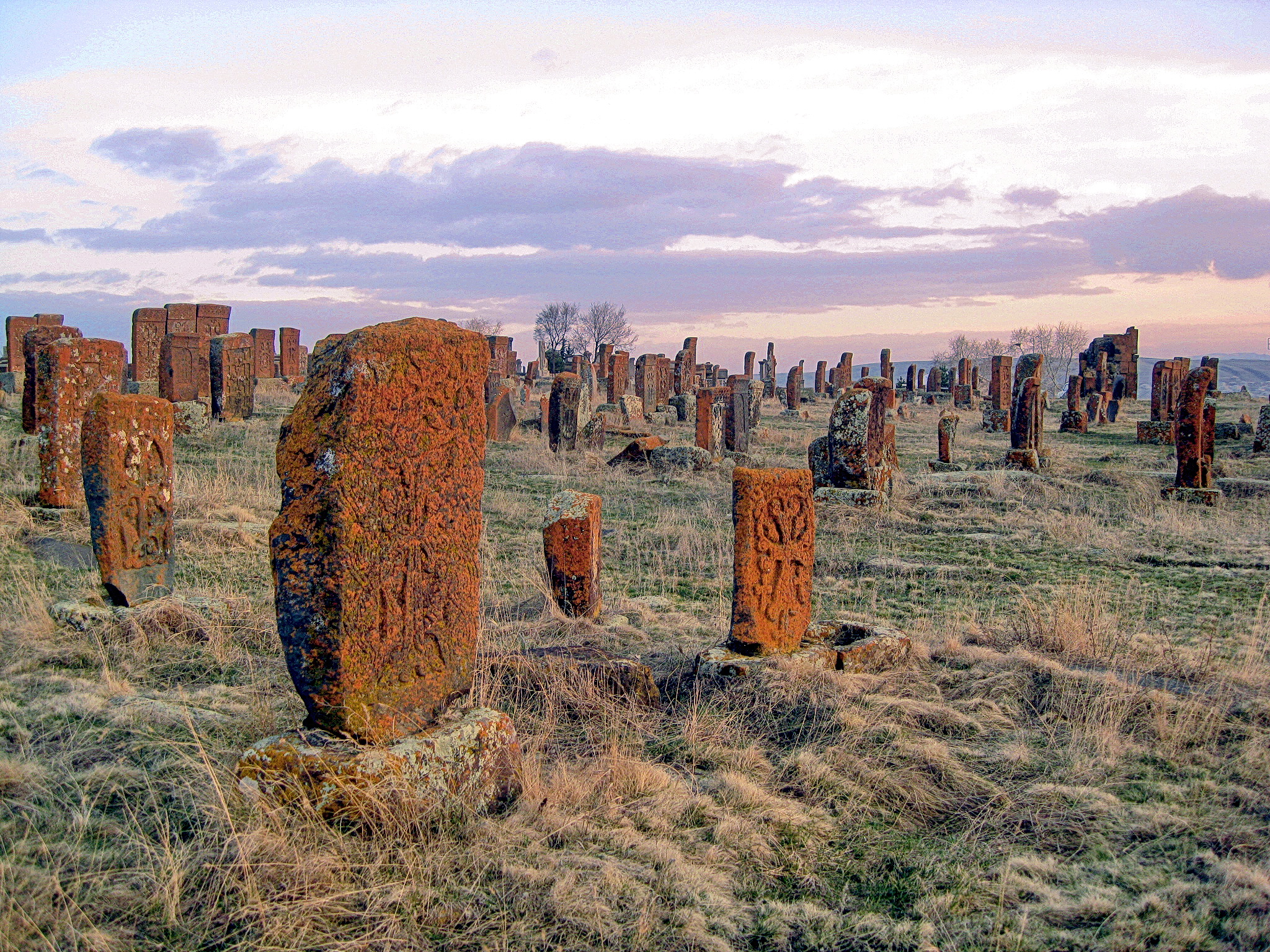
Few Armenian symbols are as immediately recognizable as the khachkar. These carved cross-stones combine Christian faith with one of Armenia’s most refined stone-carving traditions, usually placing a cross at the centre of a dense composition of rosettes, vines, geometric patterns, lace-like ornament and symbolic motifs. Khachkars can stand beside churches, in cemeteries, near roads, at monastery complexes or in open landscapes, turning stone into a public language of prayer, memory and identity. In 2010, Armenian cross-stone art, symbolism and craftsmanship were added to UNESCO’s intangible cultural heritage list.
6. Lake Sevan
Lake Sevan gives landlocked Armenia something that feels almost like an inland sea. Set about 1,905 meters above sea level, it covers roughly 1,360 square kilometres, making it one of the largest high-altitude lakes in the wider region. Its scale changes the country’s visual identity: after mountains, monasteries and dry valleys, Sevan opens into a wide blue horizon of beaches, wind, fishing boats, resort villages and cold mountain water. The lake’s cultural image is strongest at Sevanavank, the monastery standing on a rocky peninsula above the water. From there, Armenia’s natural and religious identities meet in one view: dark stone churches, blue lake, open sky and surrounding mountains. Sevan also matters economically and environmentally, as a source of water, fish, recreation and long-running conservation concern.
7. Armenian wine and Areni-1
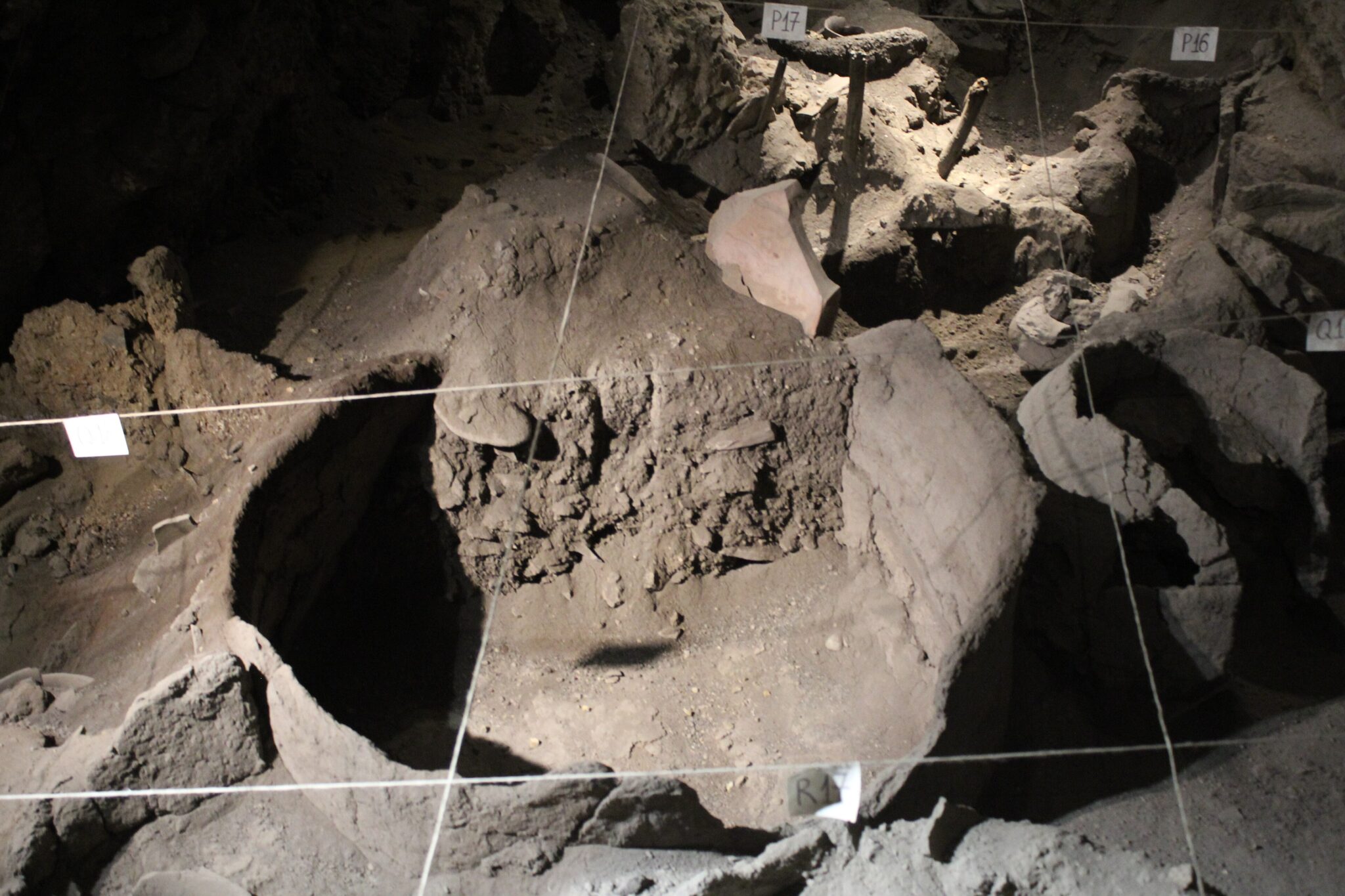
Armenia’s wine story reaches far beyond modern tasting rooms. In the Areni-1 cave complex in Vayots Dzor, archaeologists uncovered evidence of an organized wine-making installation dating back about 6,100 years, including a press, fermentation vessels and storage jars. That makes Areni-1 one of the most important archaeological sites for the early history of wine production. Unlike a vague claim about “ancient traditions”, this is a concrete discovery that links Armenia with some of the earliest known evidence of systematic winemaking.
8. Armenian cuisine and lavash
Armenian food is built around bread, fire, herbs and the kind of dishes that belong naturally to family tables. Lavash is the clearest symbol: a thin flatbread baked in a tonir, used to wrap food, serve with cheese and herbs, accompany grilled meat or simply hold a meal together. Its preparation and cultural meaning were recognized by UNESCO in 2014, which reflects how strongly lavash is connected with home life, celebration, hospitality and Armenian identity. Around it, the cuisine brings together khorovats, dolma, harissa, spas, gata, basturma, sujukh, local cheeses, apricots, mountain herbs and regional dishes such as jingalov hats from Artsakh/Karabakh traditions.
9. Duduk music
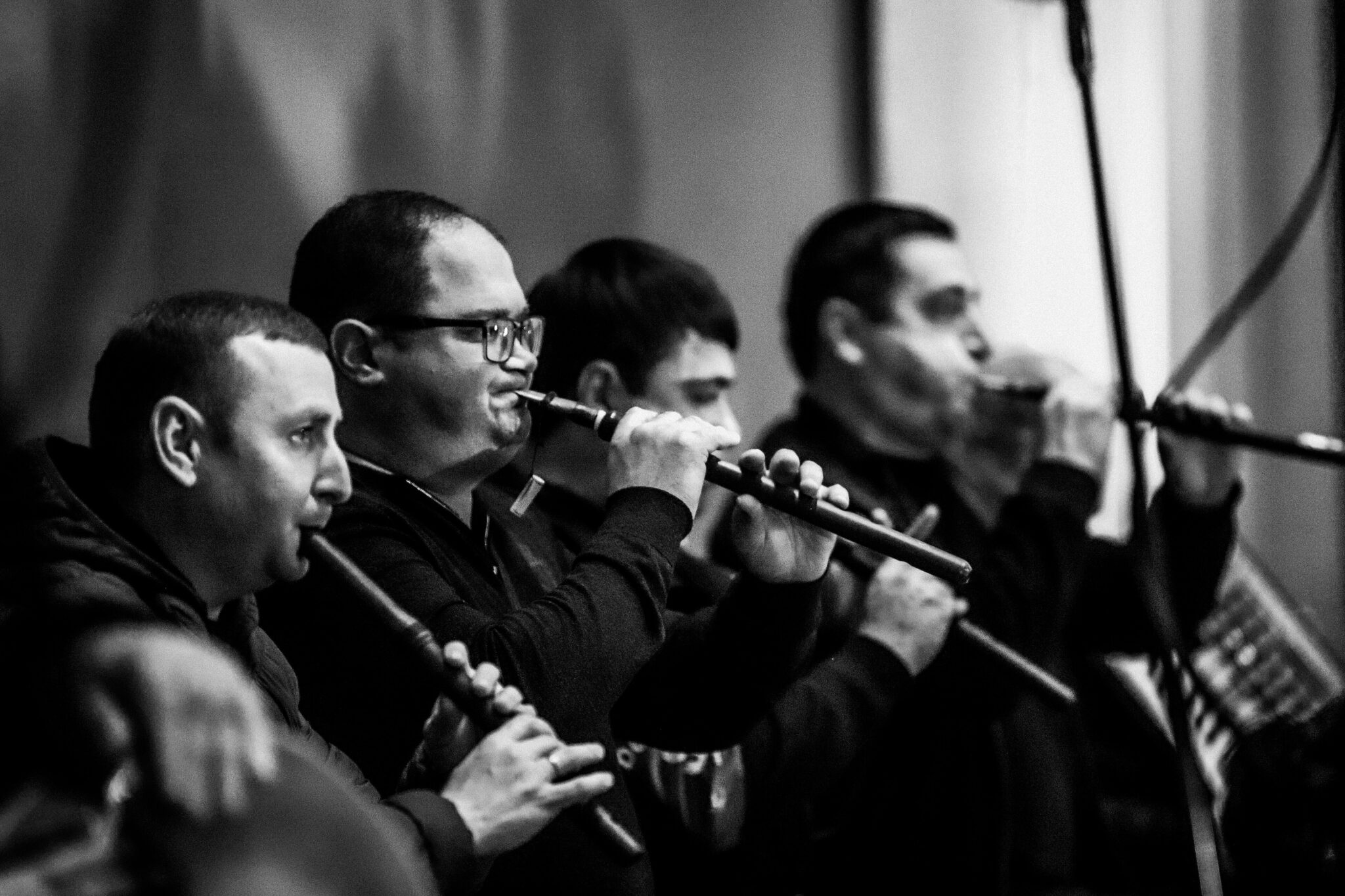
The sound of the duduk is one of Armenia’s most recognizable cultural signatures. Made traditionally from apricot wood, the instrument has a soft, breathy tone that can feel intimate, mournful and deeply human even to listeners who do not know Armenian music. Its double reed gives it a warm, almost vocal quality, which is why the duduk is so closely associated with memory, longing, prayer, weddings, mourning and moments of emotional weight. UNESCO recognized duduk and its music as Armenian intangible cultural heritage in 2008, confirming its importance as a living tradition rather than only a national symbol.
10. Armenian alphabet and manuscript culture
Armenia’s alphabet is one of the country’s strongest cultural markers because it made language, faith and national memory visible in a form that was entirely its own. Created in the early 5th century by Mesrop Mashtots, the script gave Armenian Christianity, education and literature a powerful tool at a crucial moment in the country’s history. Over time, the letters became more than a writing system. They appeared in manuscripts, church inscriptions, khachkars, book decoration, embroidery, jewellery, public art and modern design, turning the alphabet into both a practical script and a visual symbol of Armenian identity.
The manuscript tradition gives this alphabet its deeper cultural weight. In medieval Armenia, monasteries and schools copied religious texts, histories, translations, medical works, poetry and illuminated books, helping preserve knowledge through centuries of invasion, displacement and political pressure. Today, that heritage is strongly associated with the Matenadaran in Yerevan, the Mesrop Mashtots Institute of Ancient Manuscripts, which holds about 23,000 manuscripts, fragments and related materials. Armenian letter art was added to UNESCO’s intangible cultural heritage list in 2019, reflecting the way the script still lives not only in books, but also in decoration, education, folk art and the wider Armenian sense of continuity.
11. Charles Aznavour, Aram Khachaturian and Armenian cultural figures
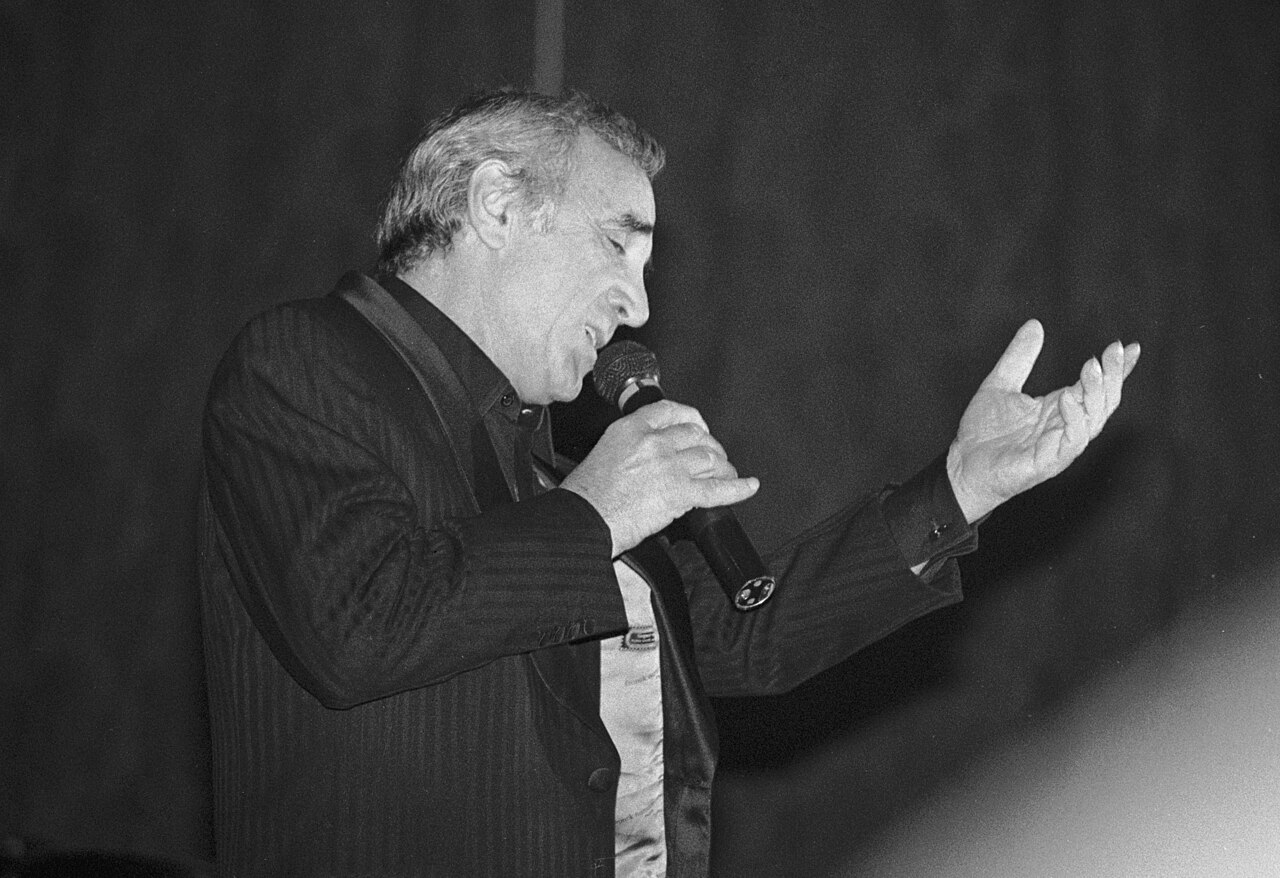
Armenia’s cultural image reaches far beyond the borders of the modern state, and few figures show that better than Charles Aznavour. Born in Paris to Armenian parents, he became one of the great voices of French chanson, building a career that lasted more than seven decades. For Armenians, however, Aznavour was more than a famous singer. He became a symbol of the diaspora – an artist whose life connected Armenian memory, French culture, humanitarian work and international recognition. His support for Armenia after the 1988 earthquake and his later diplomatic role made that connection even stronger.
Classical music gives Armenia another major name: Aram Khachaturian. Born in Tbilisi and working within the Soviet musical world, he became one of the best-known Armenian composers of the 20th century. His ballet Gayane includes the famous Sabre Dance, a piece that travelled far beyond concert halls into popular culture, film and public performance.
12. System of a Down and modern Armenian visibility
For many younger audiences, Armenia first became visible not through monasteries or ancient manuscripts, but through System of a Down. Formed in California in the 1990s by musicians of Armenian heritage, the band turned heavy music into a platform for identity, memory and political awareness. Its global success gave Armenian issues an audience far beyond the diaspora, especially through Serj Tankian’s public activism and the band’s repeated focus on genocide recognition, human rights and historical memory.
13. Chess and Tigran Petrosian
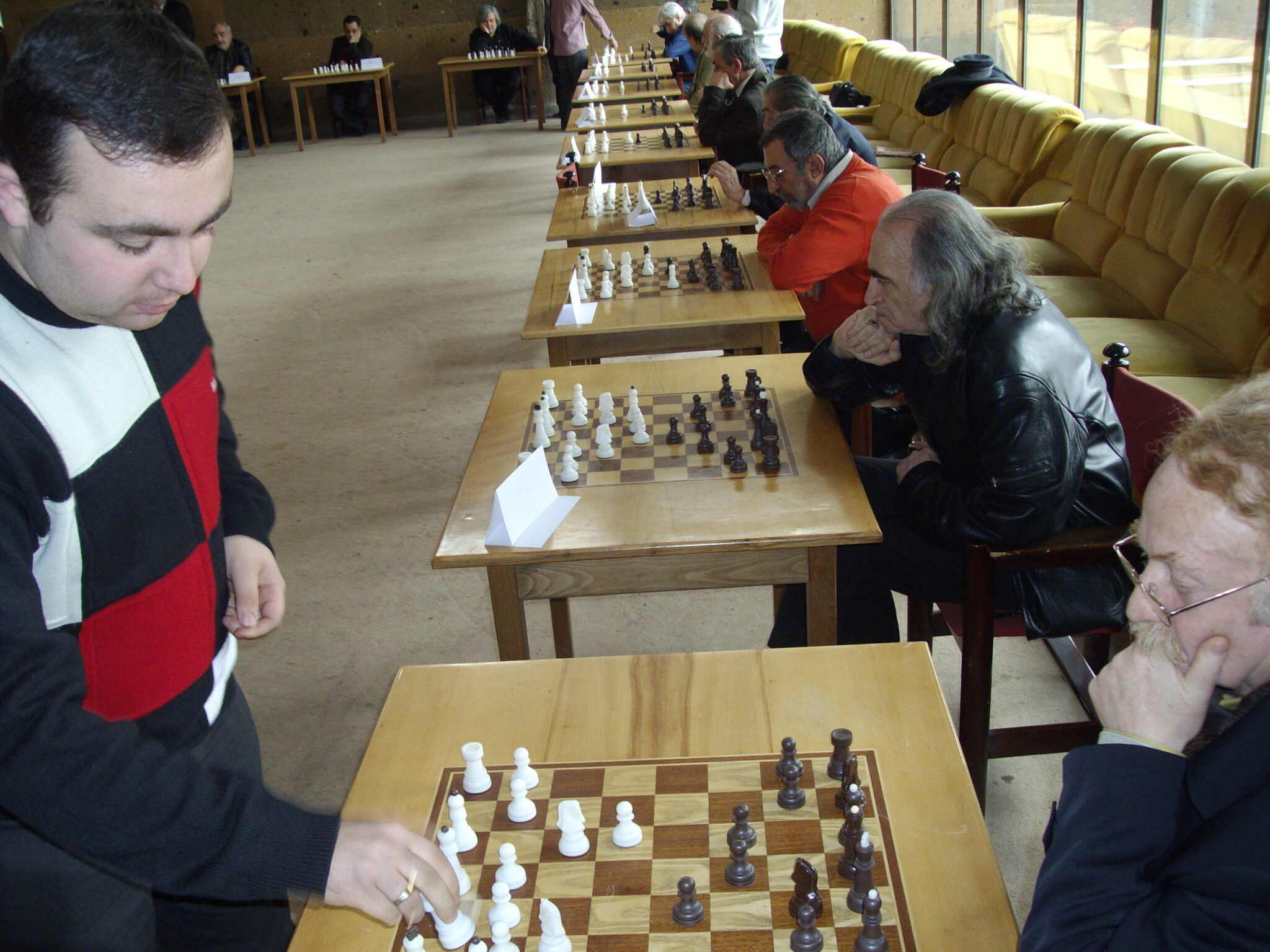
Armenia’s reputation in chess is much larger than the country’s size. The strongest historical name is Tigran Petrosian, the Soviet Armenian grandmaster who became world champion in 1963 after defeating Mikhail Botvinnik. Known for deep defensive skill and patient positional play, Petrosian defended his title against Boris Spassky in 1966 and remained one of the defining chess figures of the Soviet era. His legacy gave Armenia a champion whose name still carries intellectual prestige, not only sporting success.
Chess also occupies an unusually visible place in modern Armenian culture. In 2011, Armenia introduced chess as a compulsory subject for grades 2–4 in public schools, turning the game into part of early education rather than just an extracurricular activity. Later generations kept the country prominent internationally, especially through players such as Levon Aronian and through Armenia’s strong team results at Chess Olympiads.
14. Nikol Pashinyan and the Velvet Revolution
Nikol Pashinyan has become one of the unavoidable names in any modern account of Armenia. A former journalist and opposition politician, he came to power in 2018 after the Velvet Revolution, a wave of mass protests against the old ruling system. For many Armenians, that moment was associated with hopes for cleaner government, more accountable politics and a break with entrenched post-Soviet elites. His rise made Armenia internationally visible not only as an ancient Christian country, but also as a small state trying to redefine its political direction from within.
By 2026, however, Pashinyan’s image is far more contested. Supporters still connect him with anti-corruption reforms, electoral politics and Armenia’s attempt to build closer relations with the European Union and the United States. Critics associate his leadership with the consequences of the 2020 war, the loss of Armenian control over Nagorno-Karabakh after Azerbaijan’s 2023 operation, painful concessions, domestic polarization and the worsening of relations with Russia.
15. The Armenian Genocide and diaspora
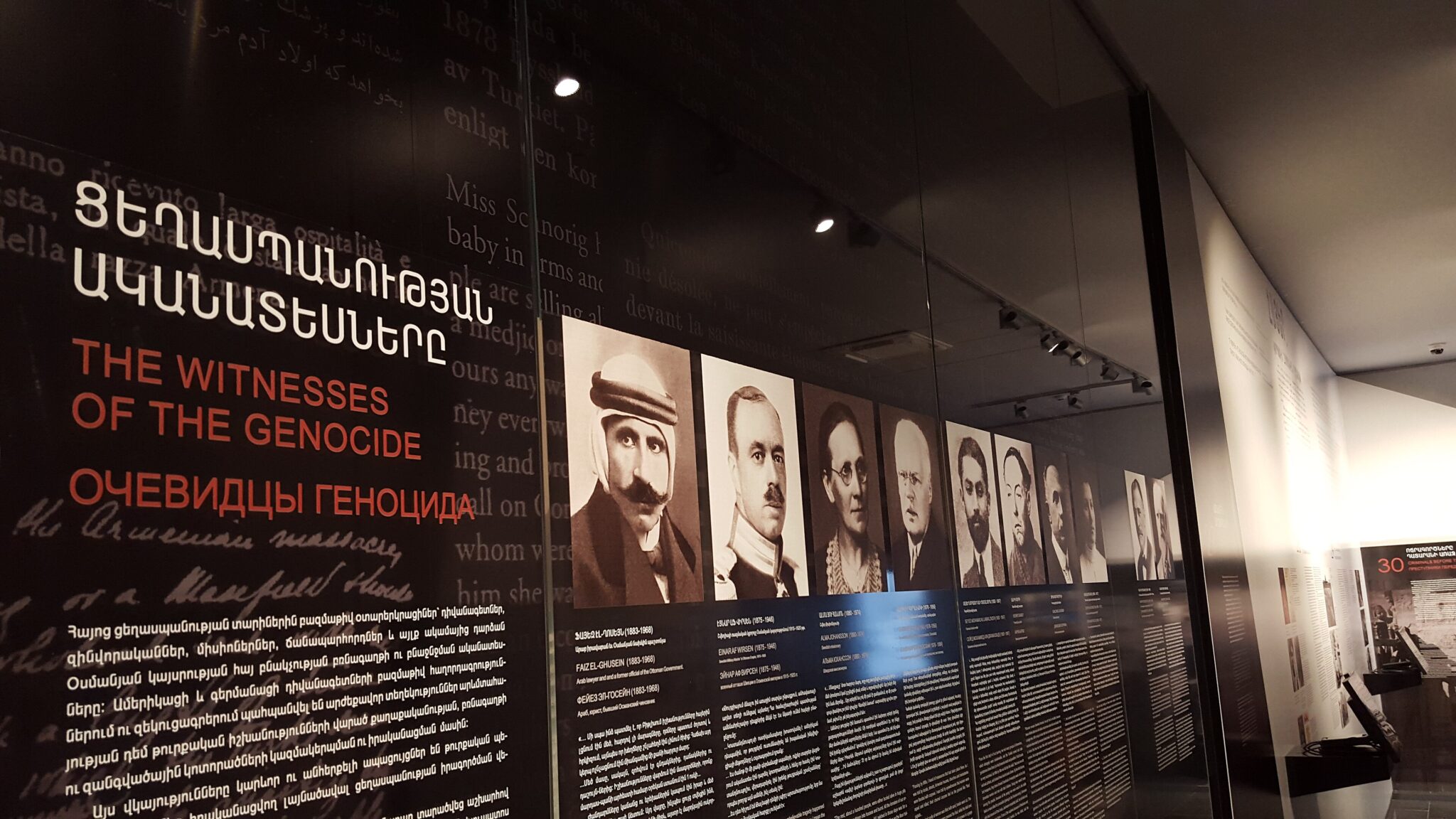
The Armenian Genocide is one of the most painful and defining events in modern Armenian history. During World War I, Armenians of the Ottoman Empire were subjected to mass deportations, killings, starvation, forced marches and the destruction of communities that had existed across Anatolia for centuries. The events of 1915–16 are widely recognized by historians and many states as genocide, while Turkey rejects that legal and historical classification. For Armenians, this is not only a historical tragedy, but a central part of national memory, political identity and the struggle for international recognition.
The genocide also reshaped the Armenian world by expanding the diaspora across many countries. Large Armenian communities developed in Russia, France, the United States, Lebanon, Syria, Argentina and elsewhere, creating a global network of churches, schools, newspapers, cultural organizations, charities and political advocacy. This is one reason Armenia’s cultural presence feels larger than the population of the modern republic alone.
16. Nagorno-Karabakh and modern geopolitics
Nagorno-Karabakh remains one of the most painful and politically important subjects connected with Armenia today. The region was internationally recognized as part of Azerbaijan, but for decades it was controlled by ethnic Armenian authorities after the collapse of the Soviet Union. That situation ended in September 2023, when Azerbaijan took control of Nagorno-Karabakh after a military operation. More than 100,000 ethnic Armenians then fled to Armenia, creating a major humanitarian, social and political challenge for a small country already dealing with security pressure and regional uncertainty.
By 2026, the issue is no longer only about the former status of Nagorno-Karabakh; it is about what Armenia becomes after losing it. For Armenians, the subject is tied to displacement, grief, security fears, the future of Artsakh Armenians, cultural heritage and deep criticism of past alliances. For Azerbaijan, it is tied to territorial integrity, restoration of control and post-war reconstruction. For Armenia as a state, the consequences have forced a difficult rethinking of foreign policy: relations with Russia have sharply deteriorated, while Yerevan has moved closer to the European Union and the United States.
17. Armenia’s European direction and post-Soviet identity
Armenia is increasingly known for trying to reduce its dependence on Russia and build closer ties with the European Union and the United States. This shift became much sharper after Azerbaijan took control of Nagorno-Karabakh in 2023 and Yerevan openly questioned the reliability of its old security relationship with Moscow. By 2026, Armenia was still economically and historically tied to the post-Soviet space, including through energy dependence and membership in Russia-led structures, but its political direction had clearly begun to change. A new law launched a domestic process toward closer EU integration, the first EU-Armenia summit took place in Yerevan in May 2026, and the United States signed a strategic partnership agreement with Armenia the same month.
If you’ve been captivated by Armenia like us and are ready to take a trip to Armenia – check out our article on interesting facts about Armenia. Check if you need an International Driving Permit in Armenia before your trip.

Published May 31, 2026 • 13m to read