

The history of automotive headlights spans over a century of innovation and technological advancement. From simple kerosene lamps to sophisticated laser systems, car headlights have undergone remarkable transformations. This comprehensive guide explores the fascinating journey of automotive lighting technology and what the future holds.
The Early Days: Pre-Electric Automotive Lighting (1896-1912)
The earliest automobiles had no headlights at all, as they were only driven during daylight hours. When headlights first appeared, they relied on primitive fuel-based systems:
- Kerosene and oil lamps: The first basic lighting solutions for early motorists
- Acetylene lamps (from 1896): These required extensive preparation, including opening valves, lighting torches with matches, and maintaining a separate tank filled with calcium carbide and water
- 1908 breakthrough: Sally Windmüller from WMI revolutionized acetylene lighting by adding reflectors and lenses, increasing visibility from 30 to 300 meters
The Electric Revolution: Incandescent Headlights (1912-1950s)
In 1912, automotive lighting took a giant leap forward when electric incandescent bulbs replaced open flames. The Cadillac Model 30 and the legendary Rolls-Royce Silver Ghost were among the first vehicles to feature electric headlights as standard equipment.
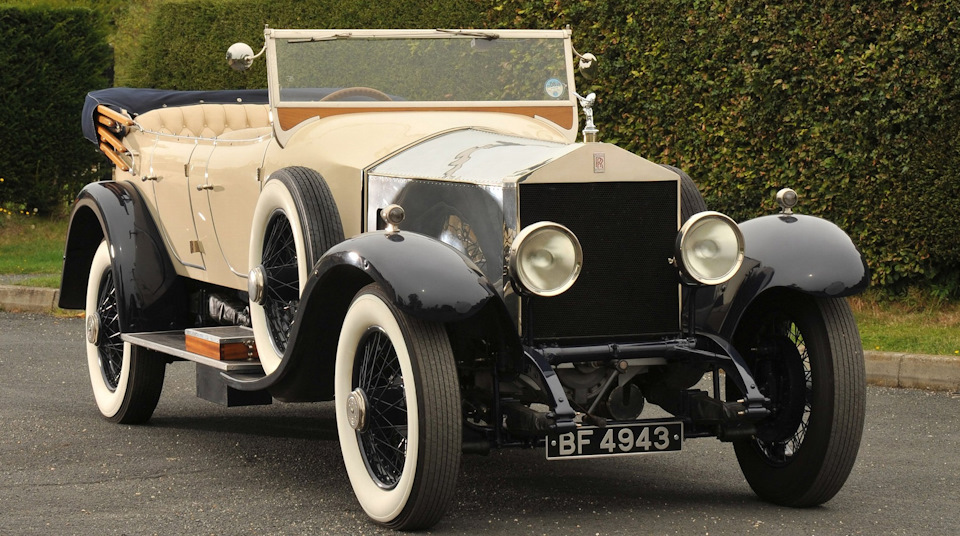
Key Developments in Early Electric Headlights
- 1910s: Electric headlights initially appeared only on premium vehicles due to the need for DC generators
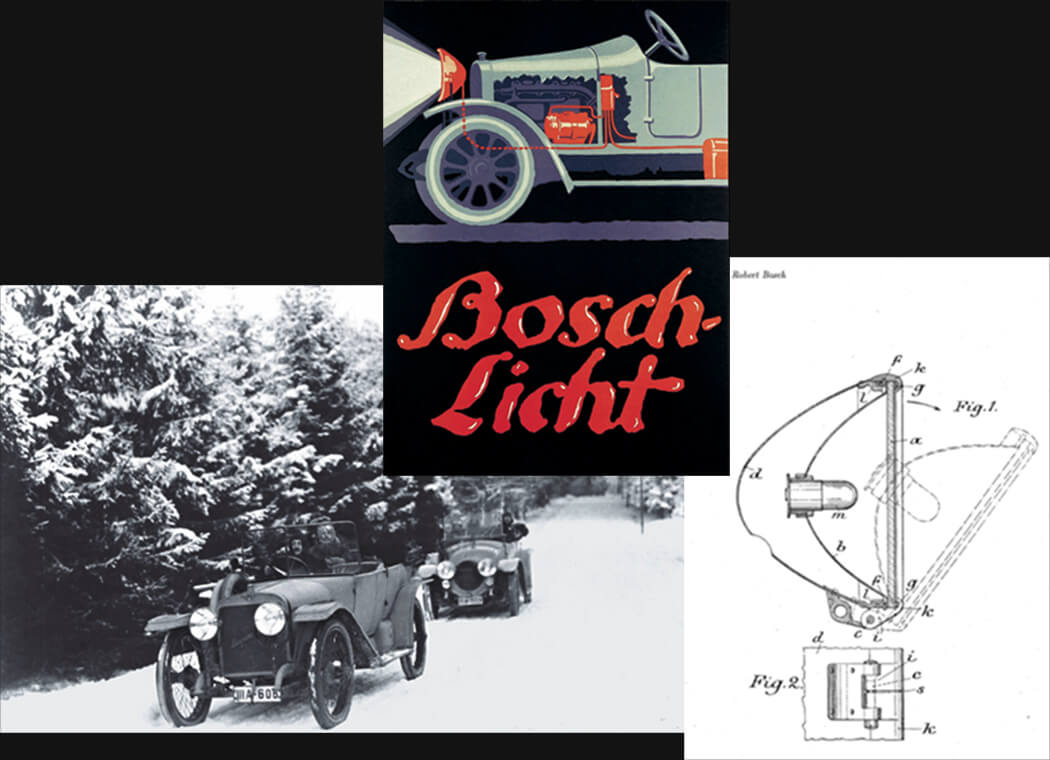
- 1919: Bosch introduced the revolutionary two-filament lamp
- 1920s: Mass production made incandescent headlights standard across all vehicle classes
- 1920s: Passing and driving beam functionality emerged, along with various beam adjusters (lever, cable, and hydraulic types)
- 1941: Non-hermetically sealed headlights were banned due to safety concerns from rusting reflectors and glare
Innovation in Light Distribution and Design (1950s-1960s)
The mid-1950s brought a revolutionary concept from French company Cibie: asymmetrical light beams. This innovation ensured the driver’s side headlight illuminated the road closer while the passenger side shone farther, improving safety. By 1957, this asymmetrical light distribution became mandatory in European automotive regulations.
Hermetically sealed headlamps solved many previous issues but had their limitations. These lamps featured a tungsten filament in an inert gas-filled glass bulb with an integrated reflector. While affordable and standardized, they gradually dimmed as tungsten evaporated and settled on the bulb walls.
The Halogen Era: Enhanced Performance (1962-1990s)
In 1962, Hella introduced the first automotive halogen lamp, marking a significant advancement in headlight technology.
Advantages of Halogen Technology
- 50% increase in luminous efficiency compared to previous generations
- Double the service life of traditional incandescent bulbs
- Reduced heat emission and more compact design
- Light temperature of 3,400K (closer to natural daylight at 6,000K)
- Superior energy efficiency per unit of power consumed
By 1973, automakers began mass-producing halogen headlights. The heat-resistant quartz construction allowed higher filament temperatures, producing light closer to natural daylight while improving energy efficiency.
Design Innovations
- 1961: Introduction of rectangular headlights using polycarbonate diffusers instead of glass lenses
- 1990s: Computer simulation enabled complex multi-segment reflectors for improved light focusing
- 1993: Opel Omega became the first mass-produced car with plastic polycarbonate lenses, reducing headlight weight by nearly one kilogram
Adaptive Lighting Systems (2000s)
At the turn of the millennium, adaptive cornering headlights became widespread, directing the light beam left or right based on steering wheel movement.
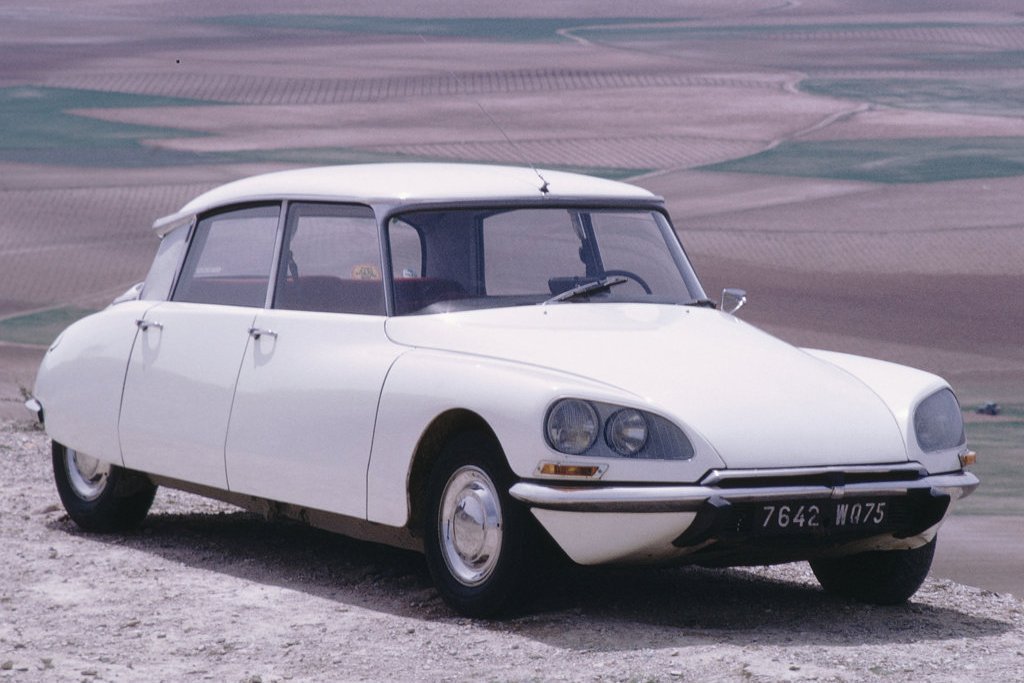
- Budget vehicles: Use additional side lights or fog lights for cornering illumination
- Luxury models: Employ combined systems with side lamps at low speeds and rotating spotlights at higher speeds
HID Xenon Headlights: High-Intensity Discharge Technology
High Intensity Discharge (HID) xenon lamps represent a major technological leap, eliminating filaments entirely in favor of high-voltage electric arcs in an inert gas atmosphere.
How Xenon Headlights Work
Xenon systems require high voltage and starting current for ignition, though they consume less energy during operation than halogen lamps. The electric arc produces a more uniform luminous flux that’s easier to focus and direct.
Required Components for Xenon Systems
- Igniter for lamp activation
- Headlight washer system
- Automatic beam leveling system
The main advantage of xenon lamps is their daylight-like illumination quality, which reduces driver eye fatigue and improves concentration and attentiveness. However, these lamps require several seconds to warm up and reach full brightness, leading some manufacturers to combine xenon low beams with halogen high beams, or use motorized shutters for dual-mode operation.
LED Headlight Technology: The Current Standard
LED headlights have rapidly evolved from luxury options to mainstream automotive lighting solutions.
LED Headlight Timeline
- 1992: BMW 3-Series Cabrio featured the first LED brake light
- Early 2000s: Audi A8 W12 introduced LED daytime running lights
- 2008: Lexus LS 600h became the world’s first production car with fully LED headlamp clusters
Advantages of LED Headlights
- Exceptional energy efficiency and reliability
- Superior brightness and extended lifespan
- Compact design and lightweight construction
- Resistance to shocks and vibrations
- 400-500 millisecond faster illumination compared to incandescent bulbs (equivalent to 12 meters of stopping distance at 100 km/h)
- Significantly reduced fuel consumption due to lower energy requirements
- Simple installation and maintenance without additional control units
Despite these advantages, LED headlights remain relatively expensive due to the lack of standardized assemblies, requiring manufacturers to design custom solutions for each vehicle model.
Basic Headlight Components: Timeless Design Principles
Despite technological advances, the fundamental headlight design established in the 1920s remains largely unchanged. Modern headlights still consist of four essential components:
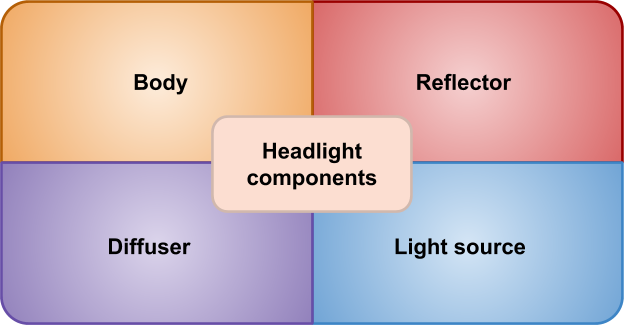
Body
Reflector
Diffuser
Light source
- Body: Houses and protects internal components
- Reflector: Directs and focuses light output
- Diffuser: Shapes and distributes the light beam
- Light source: Generates illumination (halogen, xenon, LED, or laser)
Cutting-Edge Technology: Laser and Intelligent Matrix Systems
Laser Headlights
German manufacturers Audi and BMW have pioneered laser headlight technology. BMW currently offers laser headlights as an optional feature on models like the i8 sports hybrid and several high-performance vehicles.
- Range: Up to 500 meters of illumination
- Cost: Approximately €10,000 or more, making them the most expensive headlight option available
- Availability: Currently limited to premium and luxury vehicles
Matrix LED Systems
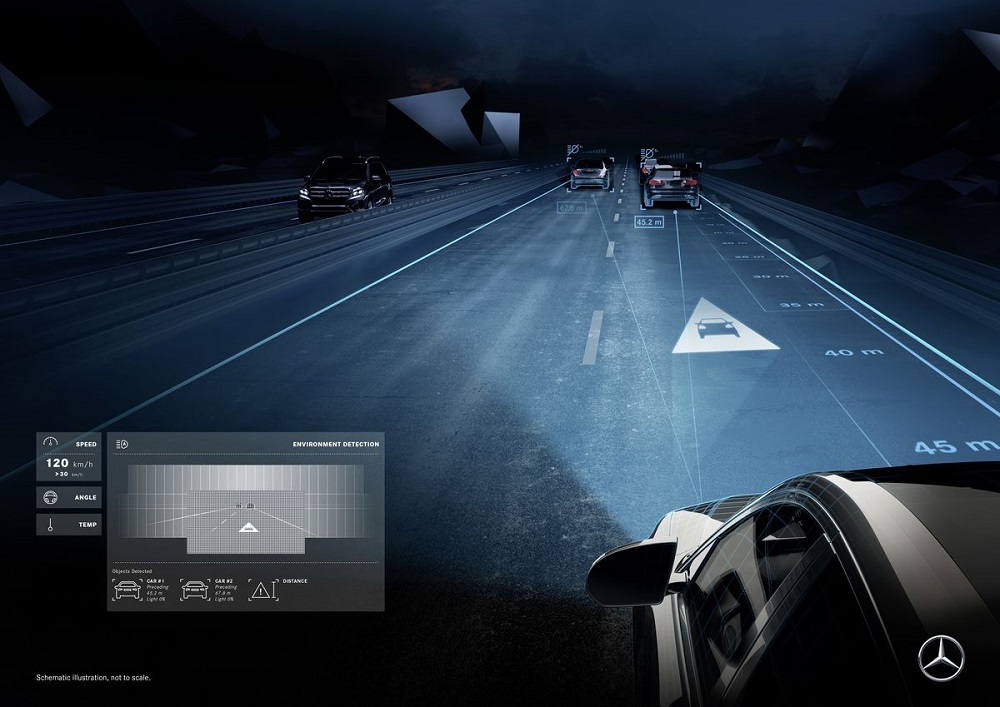
Hella’s matrix LED technology represents intelligent lighting that prevents glare for oncoming traffic. The system includes:
- Windshield-mounted camera for traffic detection
- Processing unit for real-time analysis
- Individual LED control modules
- Selective LED activation/deactivation based on road conditions
When the camera detects an oncoming vehicle, the control unit automatically turns off specific LED modules illuminating that section of road, preventing glare while maintaining optimal visibility elsewhere.
LCD Display Integration
Smart LCD headlights combine LED technology with integrated LCD displays, opening new possibilities for automotive lighting. Prototype systems have been tested on vehicles like the Porsche Panamera, demonstrating the potential for advanced light projection and information display.
Headlight Safety and Legal Requirements
The quality and condition of your vehicle’s headlights are critical safety components, just as important as brakes, tires, and other mechanical systems. Properly functioning headlights ensure:
- Maximum visibility in low-light and adverse weather conditions
- Clear road illumination for safe navigation
- Proper visibility to other drivers and pedestrians
- Compliance with local traffic regulations
Regardless of your headlight technology, always ensure you have the proper documentation to drive legally. A valid driver’s license is essential, and for international travel, an International Driving Permit (IDP) is highly recommended. Don’t have your international driver’s license yet? You can conveniently apply for one directly through our website, saving both time and money. Get your international driver’s license today and drive with confidence anywhere in the world!

Published February 04, 2019 • 7m to read