

A clean car is more than just aesthetics—it’s essential for vehicle maintenance and resale value. Gone are the days of simple bucket-and-rag washing. Today’s car wash industry offers numerous professional cleaning methods, each with distinct advantages, techniques, and results. Understanding these options helps you choose the best car washing method for your vehicle’s needs.
Contact vs. Contactless Car Washing: Which Is Better?
Contact Car Washing
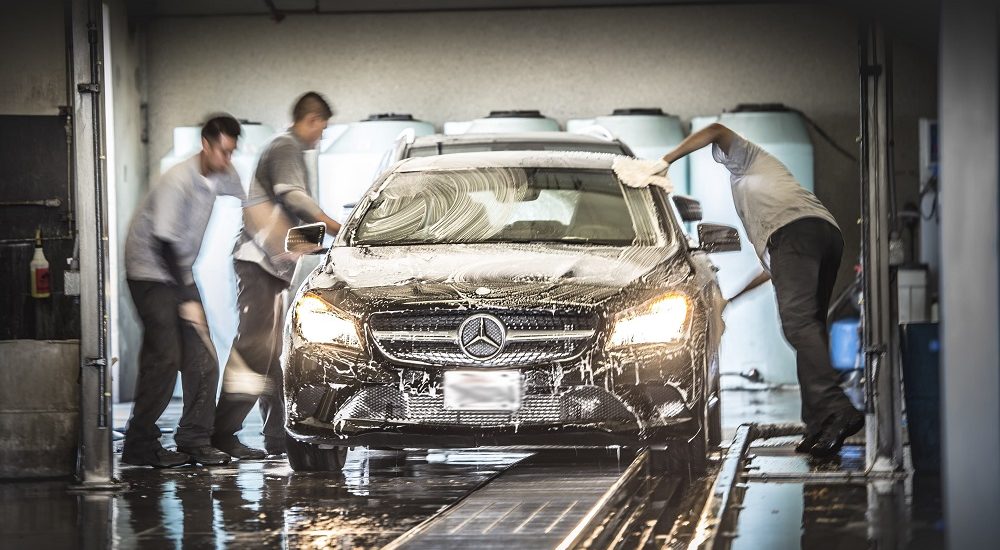
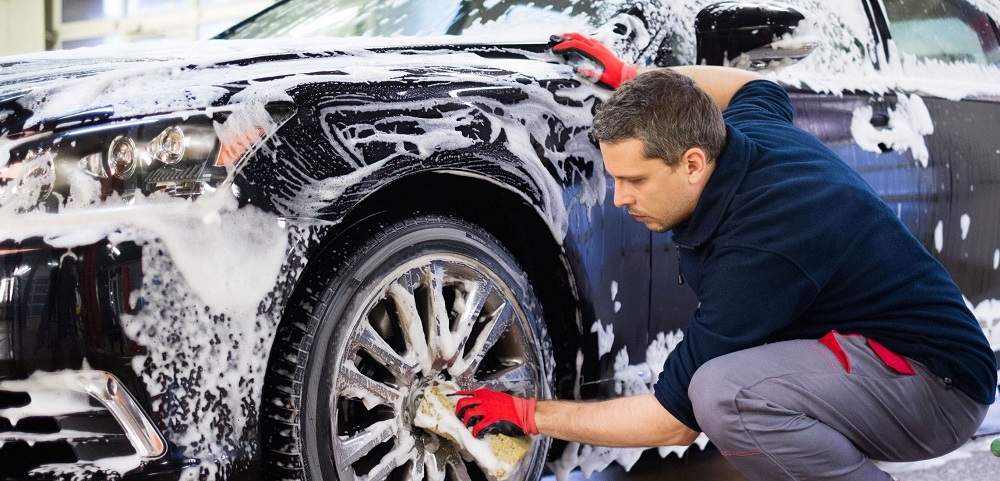
Contact washing, also known as hand car washing, involves manual labor using specialized equipment and techniques. This traditional method offers thorough cleaning through direct contact with your vehicle’s surface.
Contact washing typically includes:
- High-pressure washers with specialized car shampoos
- Soft microfiber cloths and mitts for gentle scrubbing
- Manual attention to hard-to-reach areas
- Wheel and tire detailing
Benefits of hand car washing:
- Cost-effective and relatively quick service
- Thorough cleaning of wheel arches, mirrors, door handles, and other detailed areas
- Immediate quality control—deficiencies can be addressed on the spot
- Personalized attention to problem areas and stubborn dirt
Potential drawbacks: If workers use low-quality materials or apply inconsistent pressure, minor scratches may occur on your vehicle’s paint. Always choose reputable car wash facilities with trained staff and premium cleaning materials.
Contactless Car Washing
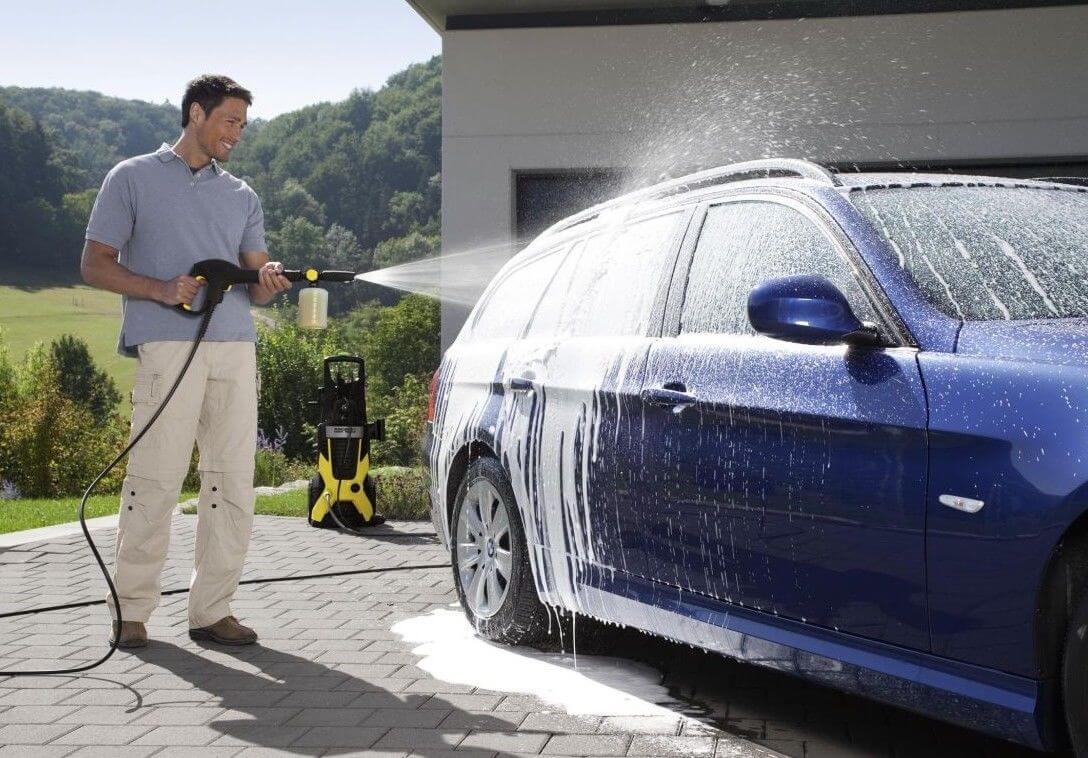
Contactless car washing uses a foam cannon or foam blaster to apply high-pressure cleaning solutions without physical contact. This touchless method minimizes the risk of paint damage.
The contactless washing process:
- Specialized foam is applied under high pressure to loosen dirt
- Foam dwells on the surface for several minutes to break down contaminants
- High-pressure water rinses away foam and dirt
- Powerful air dryers remove water to prevent water spots
Advantages: Eliminates mechanical contact, preventing scratches and swirl marks on your paint. Ideal for vehicles with delicate finishes or ceramic coatings.
Disadvantages: Quality varies depending on equipment and chemicals used. Budget facilities may leave your car incompletely cleaned or dried. Heavily soiled vehicles may require pre-treatment or contact washing.
Automatic Car Wash Systems: Fast and Efficient
Automatic car washes require significant capital investment but offer speed and consistency. These systems eliminate human error through computerized processes and specialized equipment.
Portal Car Wash Systems
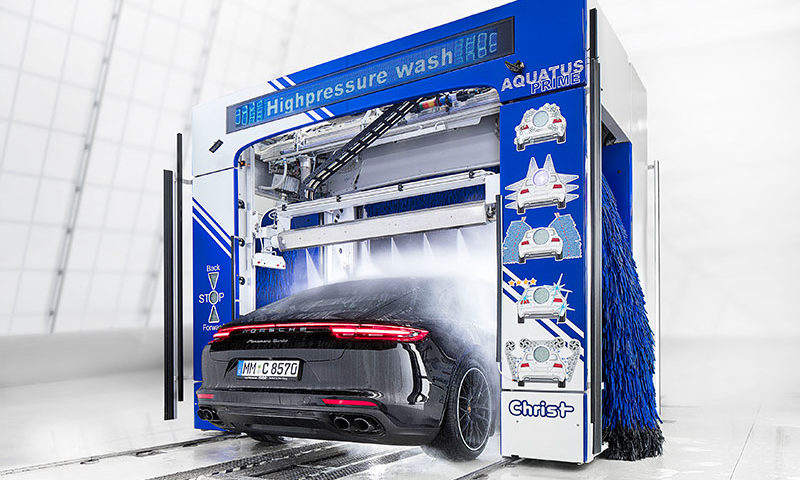
In portal car washes, your vehicle remains stationary while the washing equipment moves around it. The car sits on a specialized platform as an arched frame (portal) equipped with brushes, sensors, and spray nozzles travels along the vehicle.
Portal wash features:
- Fully automated cleaning process with minimal staff required
- Cleans vehicle body, undercarriage, and wheels simultaneously
- Advanced systems include drying and polishing functions
- Flexible installation—can be set up in various locations
- High-quality bristle rollers designed by major automakers
Tunnel Car Wash Systems
Tunnel car washes use a conveyor system to pull vehicles through a series of washing stations. Each station performs specific functions like pre-soaking, scrubbing, rinsing, and drying.
Key characteristics: Requires premium-quality bristle rollers and brushes, which represent significant investment costs. Offers high-volume throughput ideal for busy commercial locations.
Touchless Automatic Car Washes
Some automatic systems operate without brushes or rollers, relying exclusively on high-pressure water jets and chemical cleaning agents. This eliminates any risk of brush-induced scratches while maintaining automation benefits.
Advantages of automatic car washes:
- Significantly faster than manual washing
- Consistent quality—eliminates worker fatigue and inexperience
- No temptation to cut corners on chemicals or electricity
- Standardized processes ensure reliable results
Limitations: May struggle with heavily caked-on dirt or grime. Hard-to-reach areas can remain untouched. Higher service costs compared to manual washing. Not all automatic systems can handle specialty vehicles or custom modifications.
Self-Service Car Wash Stations
Self-service car washes provide equipment and cleaning products while you do the work. These facilities offer a cost-effective middle ground between home washing and full-service options.
Typical features:
- Pay-per-use pricing for water, soap, and equipment time
- High-pressure washers and foam applicators
- Washing typically takes 6-15 minutes per vehicle
- Complete control over the cleaning process
- Budget-friendly option for regular maintenance
Modern Car Wash Equipment and Technology
Professional car wash facilities typically feature equipment from leading manufacturers, predominantly German technology, with Polish, Czech, and Spanish systems also common. A modern car wash hangar requires minimum 90 square meters of space to accommodate washing bays, waiting areas, and equipment.
What customers expect from modern car washes:
- High-quality cleaning results without paint damage
- Fast service minimizing wait times
- Professional-grade equipment and cleaning products
- Trained staff who understand vehicle care
- Additional services like waxing, interior cleaning, and detailing
Important Vehicle Preparation Tips
Before visiting any car wash, ensure your vehicle is properly maintained:
- Check that rubber seals and gaskets are in good condition to prevent water intrusion
- Secure or remove loose exterior accessories
- Close all windows and sunroof completely
- Remove personal items from exterior surfaces
Damaged seals can allow water or foam to penetrate your vehicle’s interior, potentially damaging electronics, upholstery, and creating mold issues.
Even if your car already shines with impeccable cleanliness, you can get behind its wheel only with a driver’s license. It is better if the latter conforms to the international model. It’s quite easy to issue such a driver’s license – it’s done right on our website.

Published January 07, 2019 • 5m to read