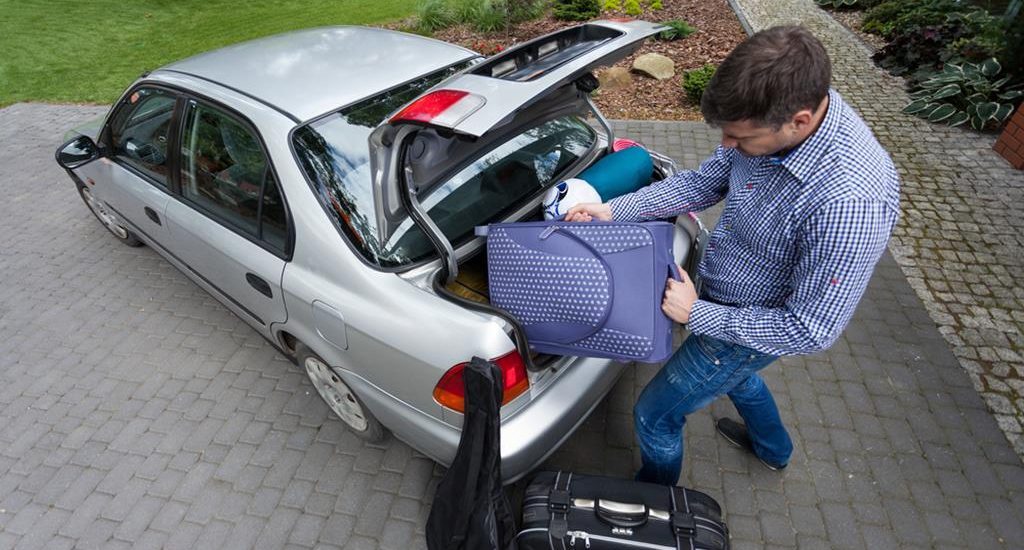


Planning a long road trip requires careful preparation, and your vehicle is the most critical component of a successful journey. Whether you’re embarking on a cross-country adventure or a weekend getaway, proper car preparation can mean the difference between a memorable trip and a roadside emergency. This comprehensive guide covers everything you need to know about preparing your car for extended travel, from essential maintenance checks to must-have emergency supplies.
Pre-Trip Vehicle Maintenance Checklist
Before hitting the road, conducting a thorough maintenance check is crucial. A breakdown far from home can not only ruin your trip but also result in expensive repairs and potential safety hazards. Here’s what you need to inspect:
Professional Inspection and Diagnostics
Visit a trusted service station for a comprehensive diagnostic check, especially if you notice:
- Unusual sounds or vibrations while driving
- Warning lights on your dashboard
- Changes in engine performance
- Steering or braking irregularities
Key components that may need replacement include timing belts, brake pads, shock absorbers, and suspension components. Address these issues before your departure to avoid costly roadside repairs.
Essential Fluid Checks and Replacements
Check and top off all vehicle fluids, replacing any that have exceeded their service life:
- Engine oil: Check level and condition; change if due
- Brake fluid: Ensure adequate levels and clear color
- Coolant/antifreeze: Critical for temperature regulation
- Transmission fluid: Essential for automatic transmissions
- Power steering fluid: Maintains steering responsiveness
- Windshield washer fluid: Add water or specialized cleaner
Climate Control and Air Quality
Your air conditioning system is essential for comfort during long drives. Ensure it operates efficiently by:
- Testing both heating and cooling functions
- Replacing cabin air filters if needed
- Checking for unusual odors or weak airflow
- Having the system serviced if performance is poor
Lighting and Electrical Systems
Proper lighting is crucial for safety, especially during long drives. Inspect all lighting components:
- Headlights (high and low beams)
- Taillights and brake lights
- Turn signals and hazard lights
- Interior lighting
- License plate lights
Replace any dim or burnt-out bulbs before your trip to ensure maximum visibility and legal compliance.
Tire Inspection and Pressure Check
Properly maintained tires improve fuel efficiency, safety, and handling. Before your trip:
- Check tire pressure when tires are cold (use manufacturer’s recommended PSI)
- Inspect tread depth using the penny test or tread depth gauge
- Look for signs of uneven wear, cuts, or bulges
- Don’t forget to check your spare tire’s condition and pressure
- Consider tire rotation if overdue
Emergency Equipment and Spare Parts
Being prepared for roadside emergencies can save you time, money, and stress during your road trip. Here’s what to pack in your vehicle:
Tire Emergency Kit
Flat tires are among the most common roadside emergencies. Ensure you have:
- Fully inflated spare tire (check pressure regularly)
- Jack and lug wrench (ensure they fit your vehicle)
- Tire pressure gauge
- Portable air compressor or tire repair kit
- Wheel chocks for safety
Basic Tool Kit
A well-stocked tool kit can help you handle minor repairs:
- Adjustable wrenches and screwdrivers
- Pliers and wire cutters
- Jumper cables or portable jump starter
- Tow strap or rope
- Duct tape and zip ties
- Multi-tool or Swiss Army knife
- Work gloves and flashlight
Electrical and Quick-Fix Supplies
For common electrical issues and minor repairs, pack:
- Assorted fuses for your vehicle’s fuse box
- Replacement bulbs for headlights and taillights
- Electrical tape and wire connectors
- Battery terminal cleaner and protector
- Emergency radiator stop-leak
- Temporary exhaust repair paste
These items are particularly important if you’re driving a rare or older vehicle where parts may be difficult to find in remote areas.
Essential Fluids and Supplies for Road Trips
Carrying backup fluids and supplies ensures you can handle minor issues and extend your range between service stops:
Fuel and Performance Additives
- Extra fuel in approved containers (check local regulations)
- Fuel line antifreeze for winter travel
- Octane booster for high-performance engines
- Fuel system cleaner for long-distance efficiency
Critical Vehicle Fluids
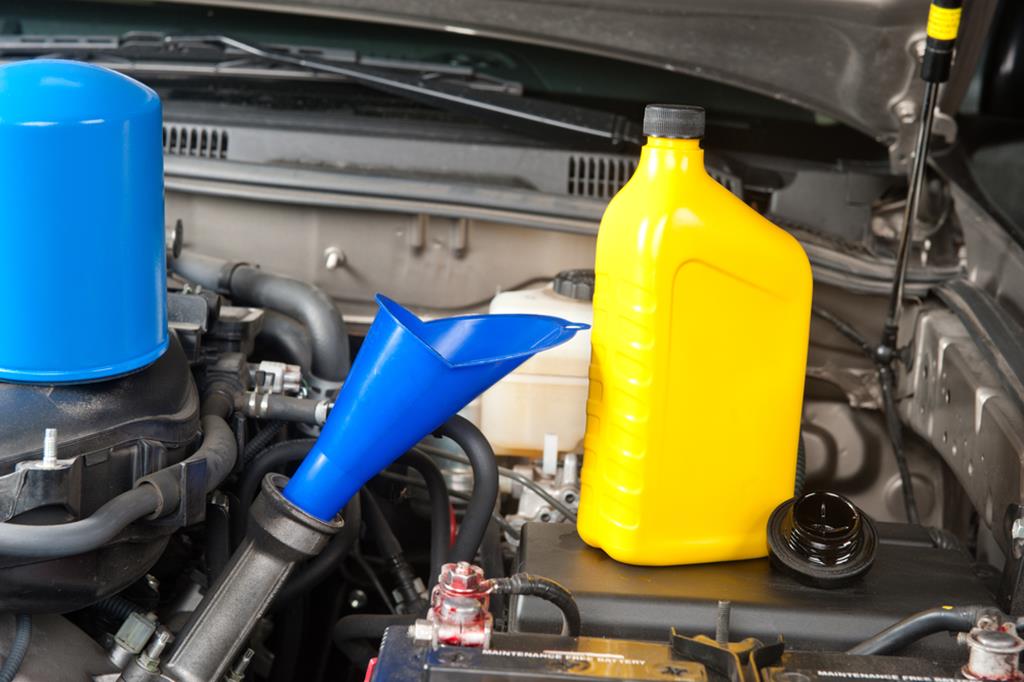
- Engine oil (correct viscosity for your vehicle)
- Coolant/antifreeze (pre-mixed or concentrate)
- Brake fluid (DOT specification matching your vehicle)
- Power steering fluid
- Automatic transmission fluid (if applicable)
Cleaning and Maintenance Supplies
- Windshield washer fluid
- Glass cleaner for interior and mirrors
- Bug and tar remover
- Microfiber towels
- Distilled water for various uses
Important Documentation and Legal Requirements
Ensure you have all necessary documentation for your road trip:
- Valid driver’s license
- Vehicle registration and insurance cards
- International Driving Permit (for international travel)
- Roadside assistance membership cards
- Emergency contact information
- Vehicle owner’s manual
Final Road Trip Preparation Tips
Complete your preparation with these final steps:
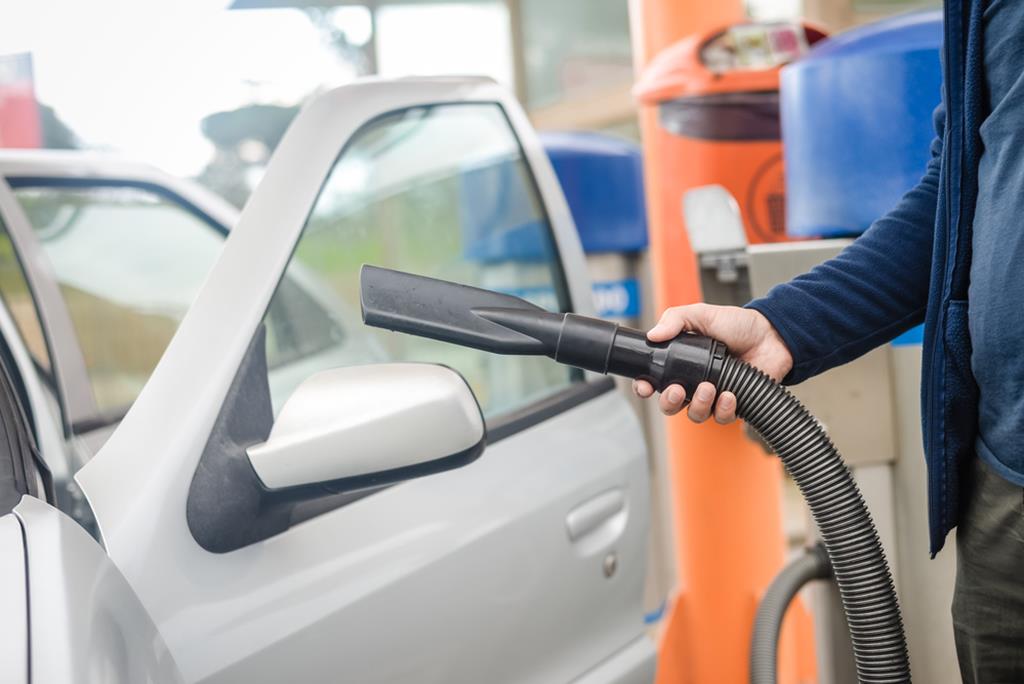
- Clean your vehicle inside and out for better visibility and comfort
- Update your GPS or download offline maps
- Plan your route and identify service stations along the way
- Check weather conditions and pack accordingly
- Inform someone of your travel plans and expected arrival times
- Pack an emergency kit with first aid supplies, water, and snacks
With proper preparation, your long road trip will be safer, more enjoyable, and memorable for all the right reasons. Take time to thoroughly prepare your vehicle, and you’ll have confidence knowing you’re ready for whatever the road brings.
Have a safe and wonderful trip!

Published March 23, 2018 • 5m to read