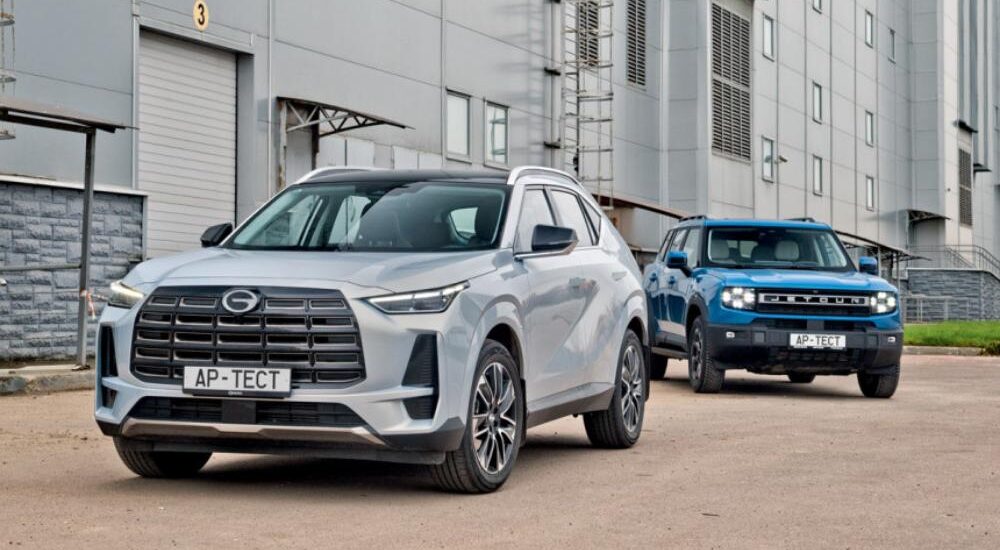


Both of these crossovers promise thrilling performance with their 2.0-liter turbocharged engines delivering over 230 horsepower. But do the all-wheel-drive GAC GS4 and Jetour T1 actually live up to the hype? We put them head-to-head to find out.
Exterior Design: Rugged vs Sleek
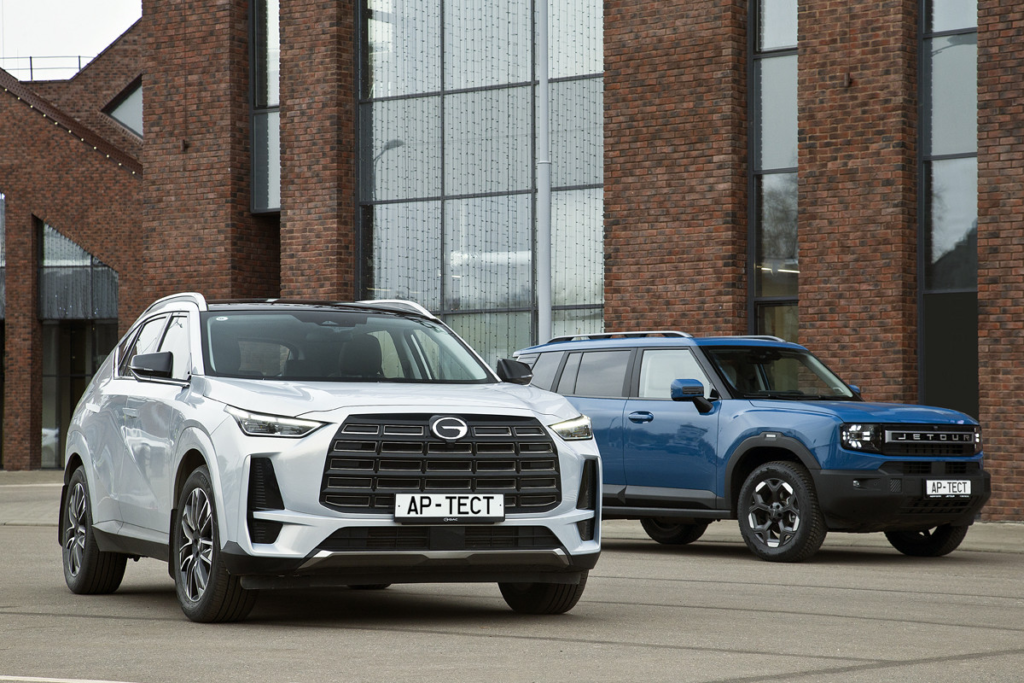
The Jetour T1 and GAC GS4 take completely different design approaches, making them an unlikely pair for comparison.
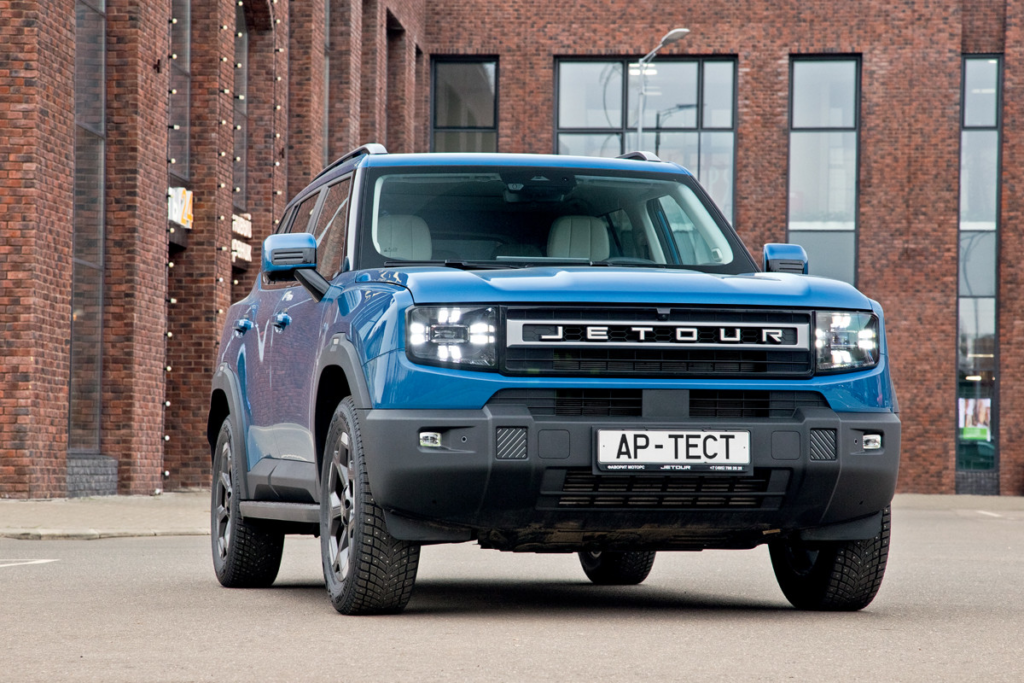
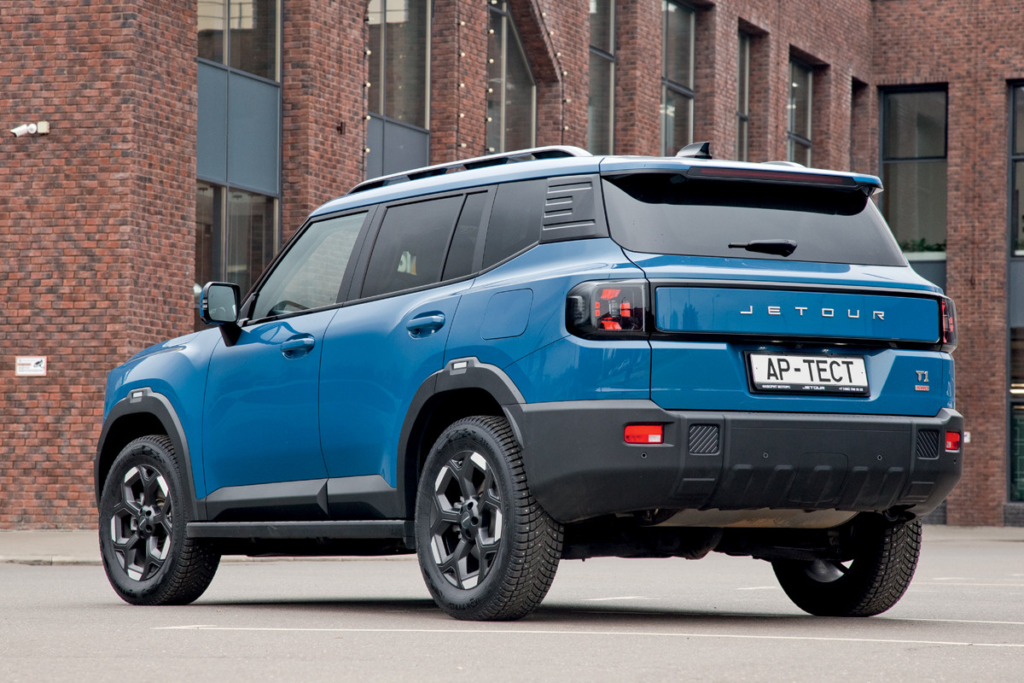
Jetour T1 Design Highlights:
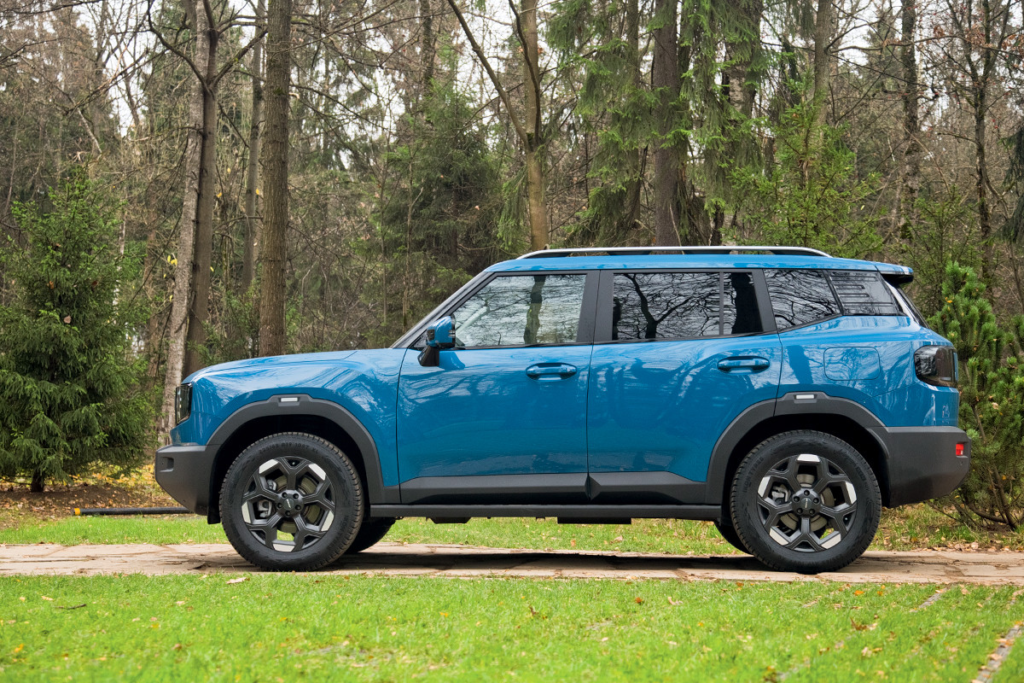
- Rugged, muscular appearance
- Robust unpainted bumpers
- Integrated running boards
- Traditional door handles
- Heavier, more substantial doors with a solid feel
GAC GS4 Design Highlights:
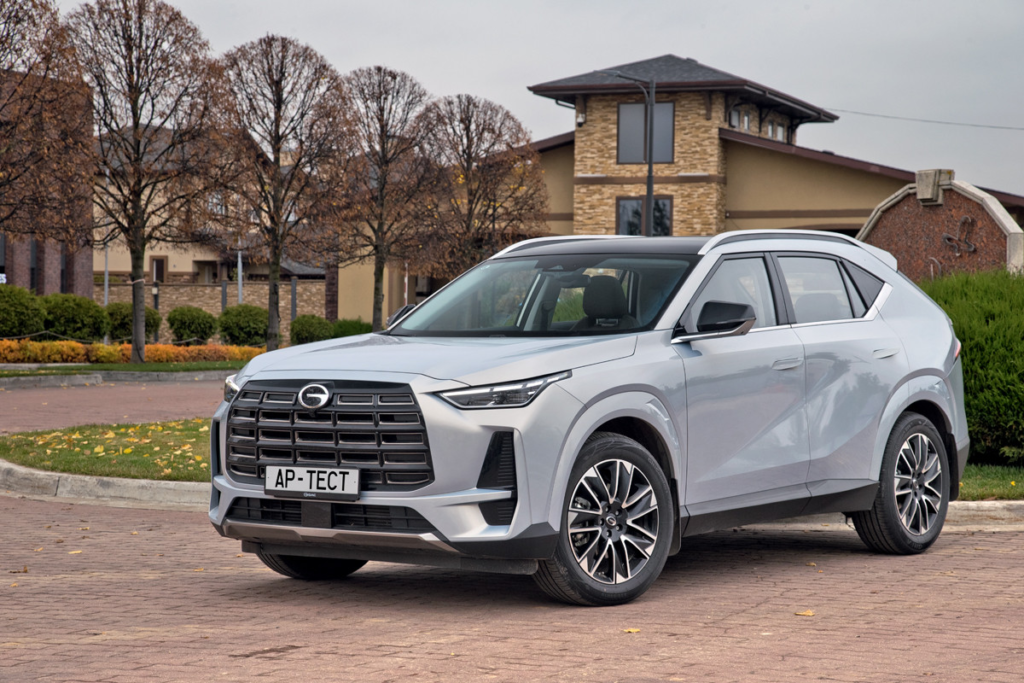
- Lower, sportier profile
- Sleek, swept-back roofline
- Bold rear spoiler
- Flush door handles (stylish but problematic)
The GAC’s flush door handles deserve special mention—and not in a good way. They’re awkward to use and can snag on backpack straps or loose clothing. Fortunately, Chinese regulators are reportedly moving to ban these handles due to safety concerns during accidents.
Interior Quality and Ergonomics
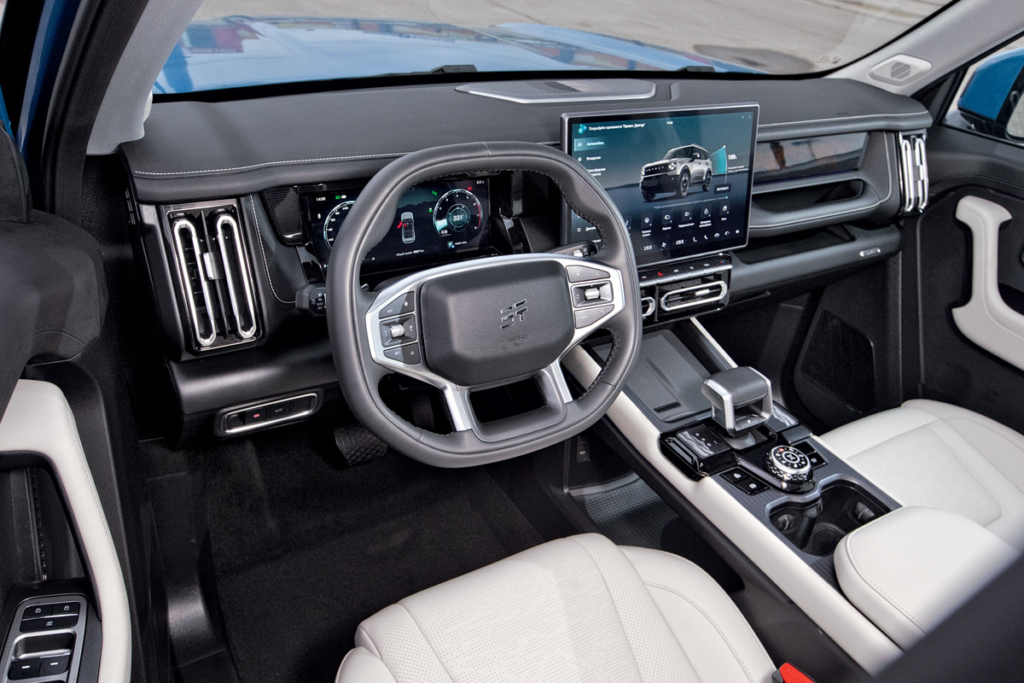
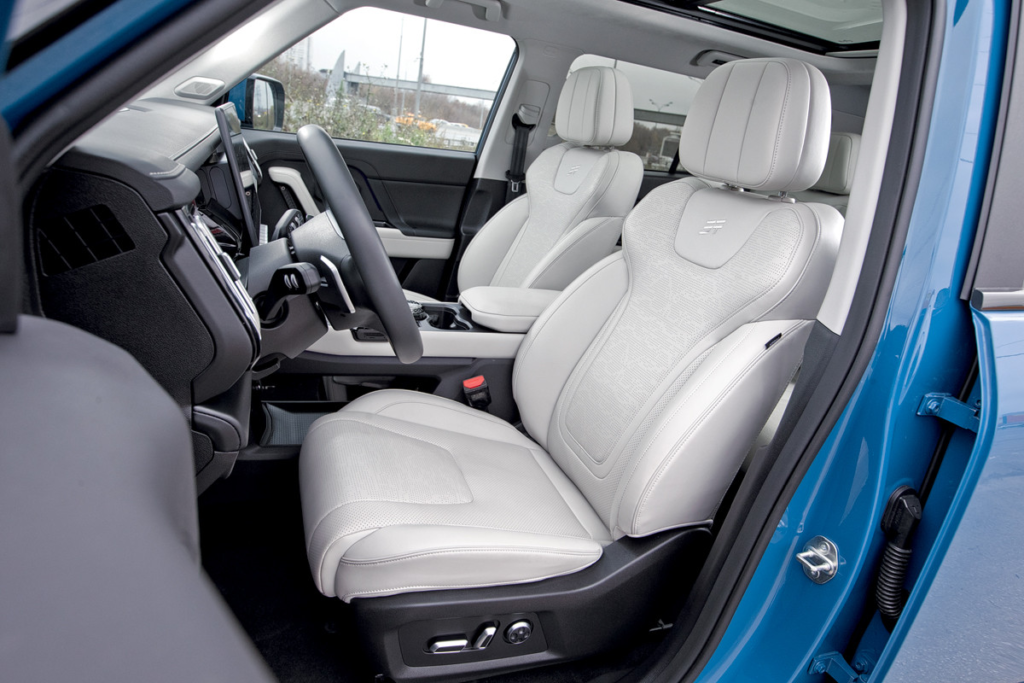
Jetour T1 Interior
The T1’s cabin delivers a commanding SUV experience with:
- Higher seating position with excellent forward visibility
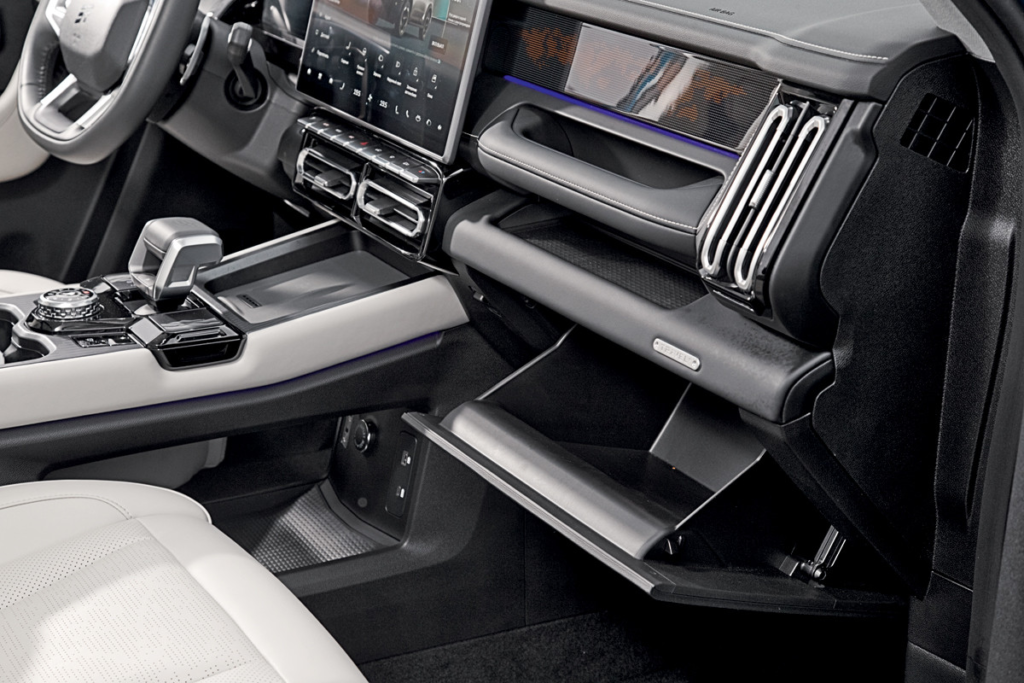
- Ambient lighting throughout the cabin
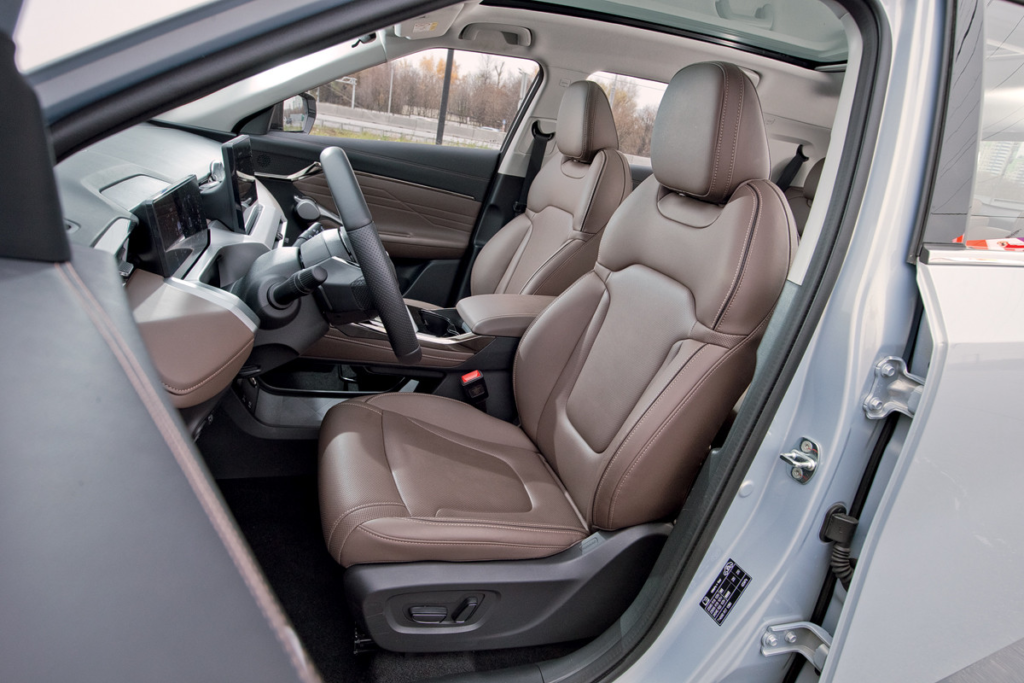
- Premium materials and build quality
- Wide hood visible from the driver’s seat
- Massive gear selector lever
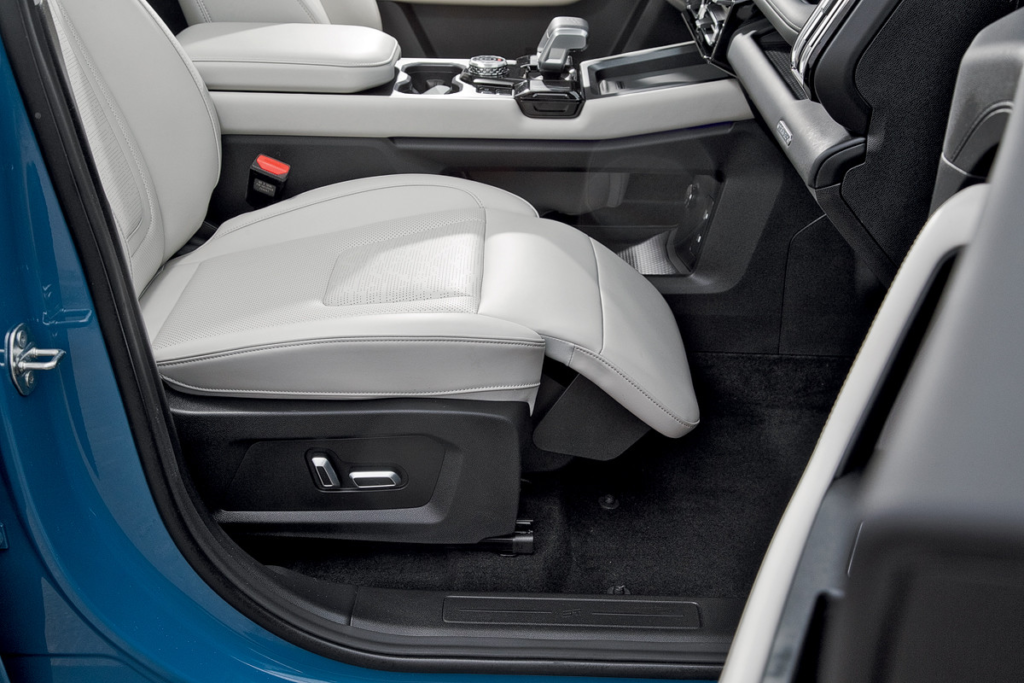
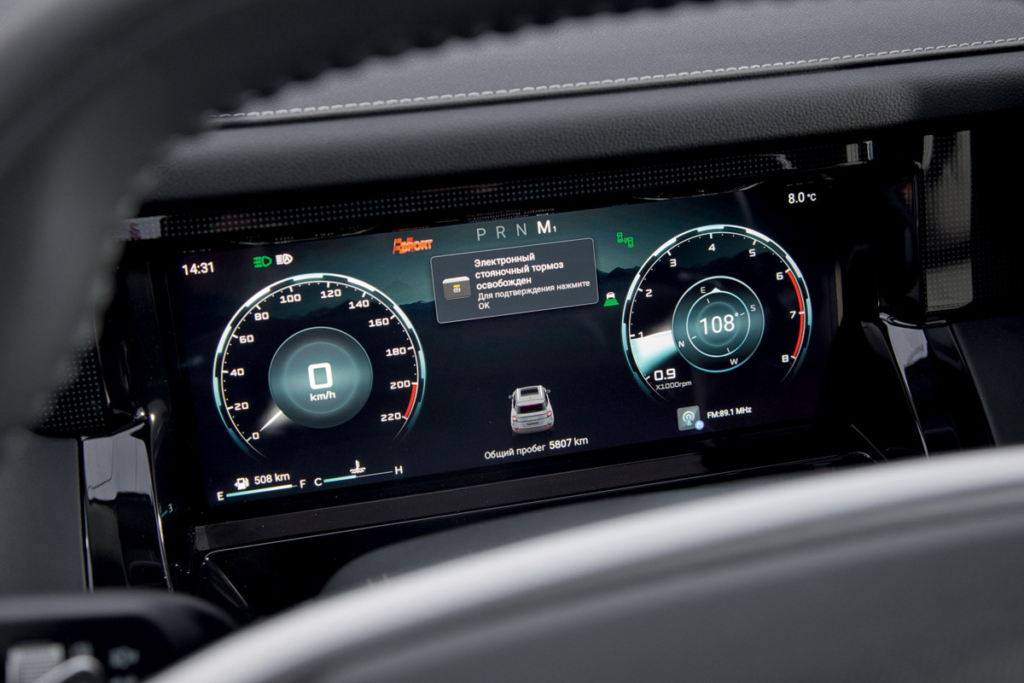
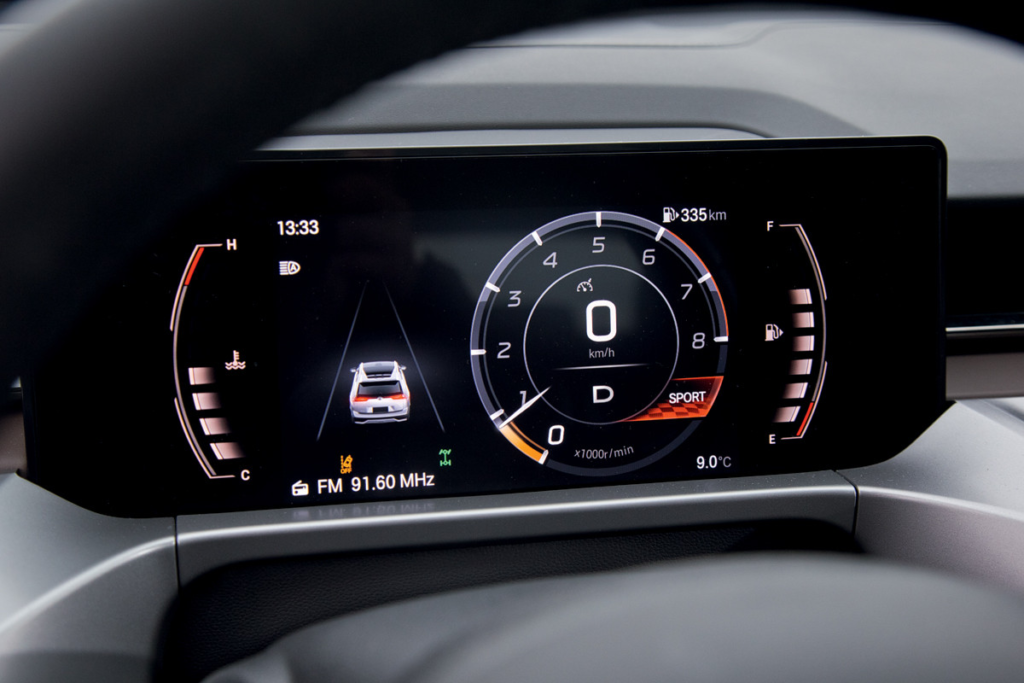
However, the T1 has some ergonomic quirks. The octagonal steering wheel takes getting used to, and the instrument cluster uses frustratingly small text—especially problematic when adjusting adaptive cruise control settings.
The large central touchscreen compensates with excellent readability and extensive customization options:
- Ambient lighting controls
- Instrument cluster design themes
- Door opening behavior settings
- Climate system preferences
- Voice assistant configuration for all four seats
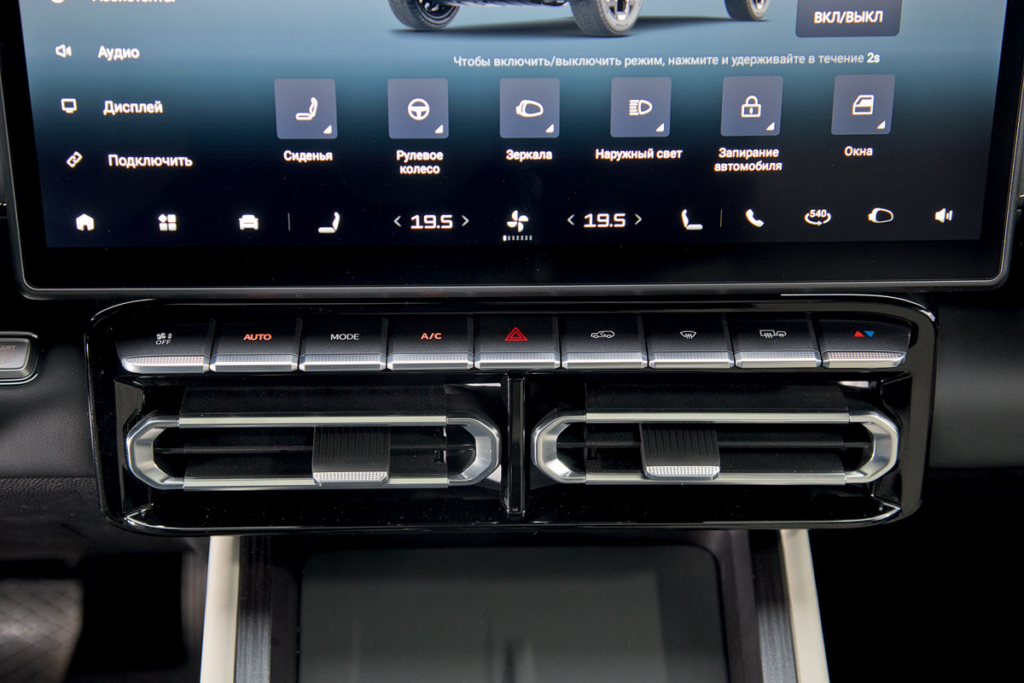
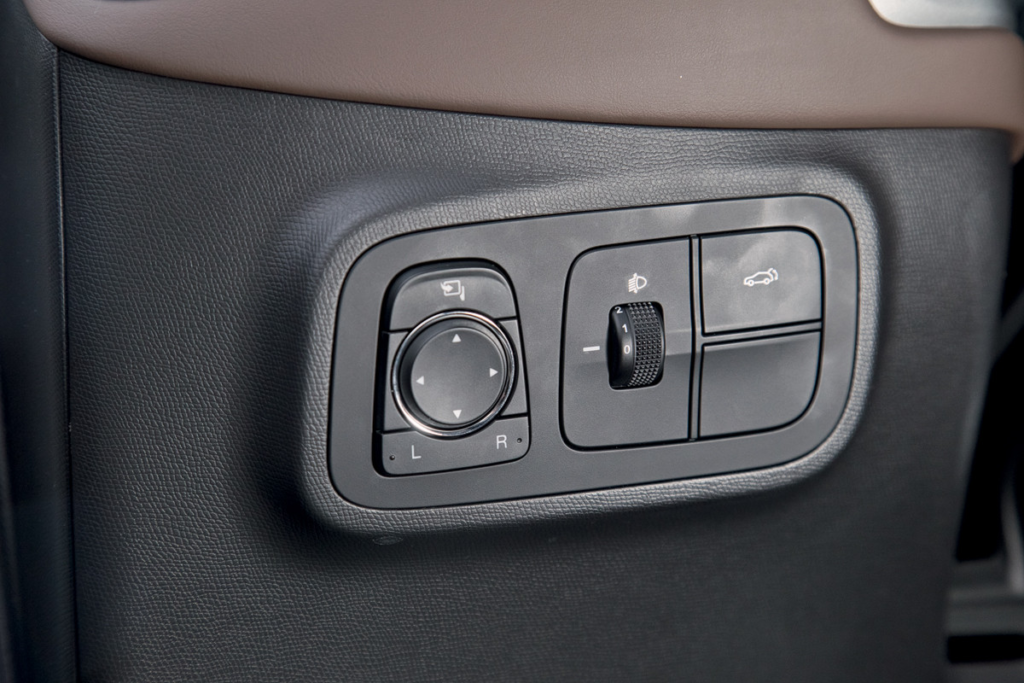
Unfortunately, essential functions like mirror adjustment, headlight leveling, and seat heating/ventilation are buried in menus. Physical climate controls exist but operate inconsistently—the automatic mode constantly fluctuates fan speed for no apparent reason.
Nice Touches in the Jetour T1:
- Large illuminated vanity mirrors
- Air-conditioned center armrest storage
- Dashboard shelf with passenger grab handle
GAC GS4 Interior
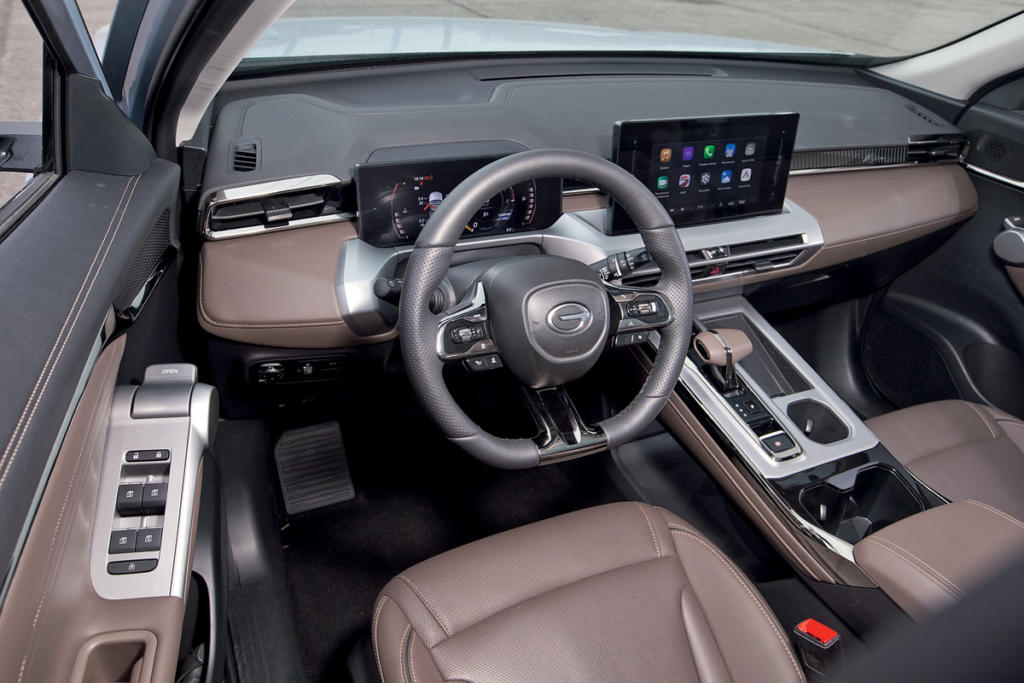
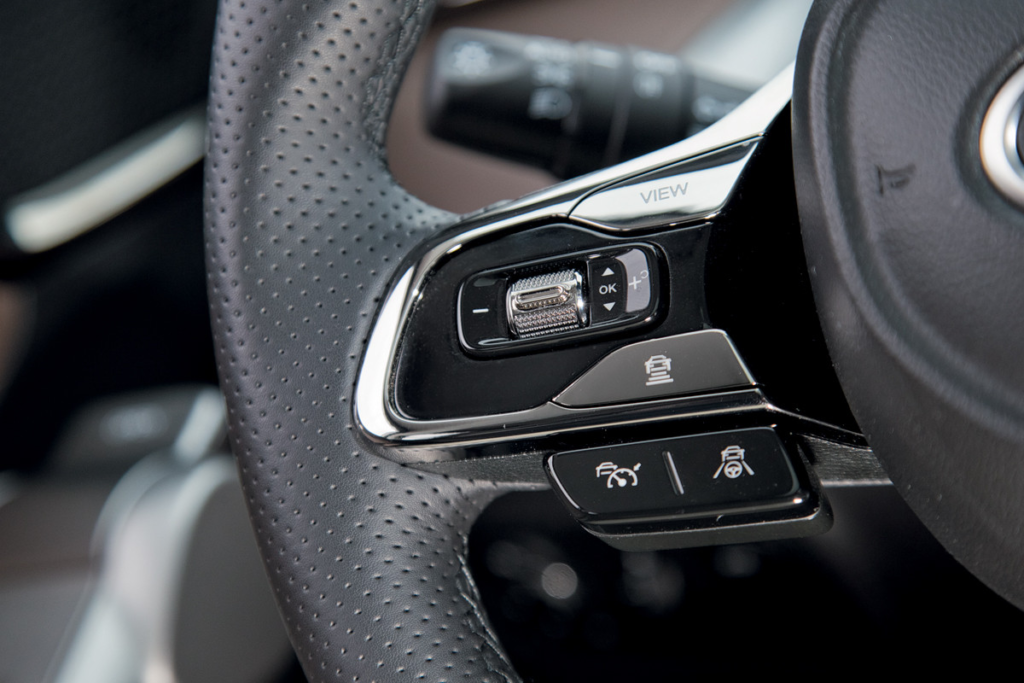
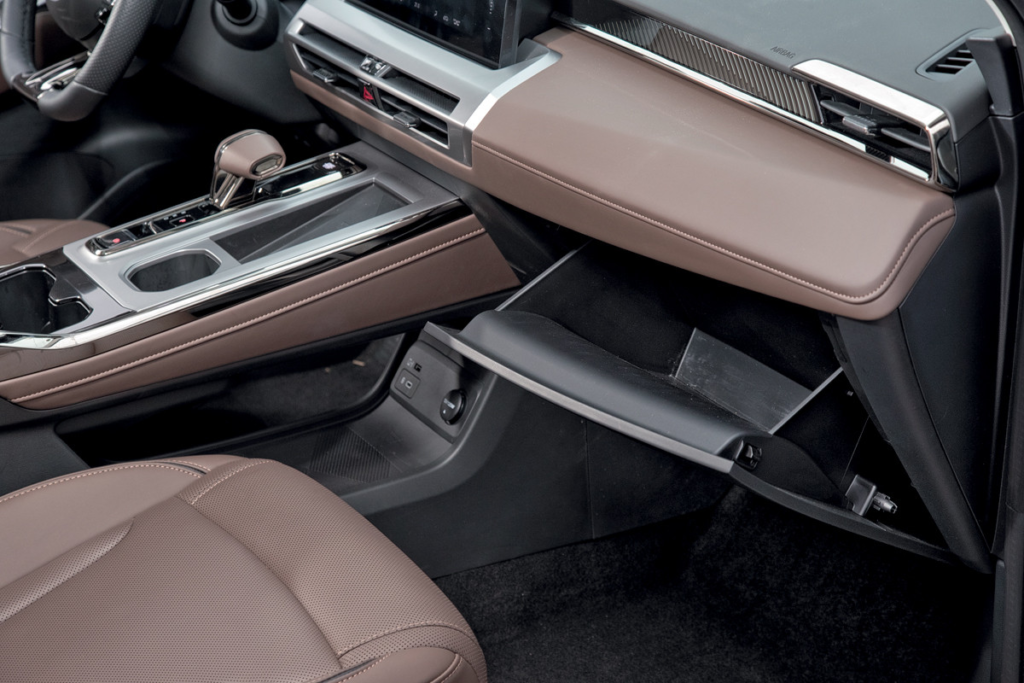
The GS4 takes a simpler, more conventional approach. Its standout feature is the steering wheel—only slightly flattened at the bottom with perfect palm swells and perforated leather in the grip zones. The steering wheel buttons are also well-designed and intuitive.
GAC GS4 Interior Drawbacks:
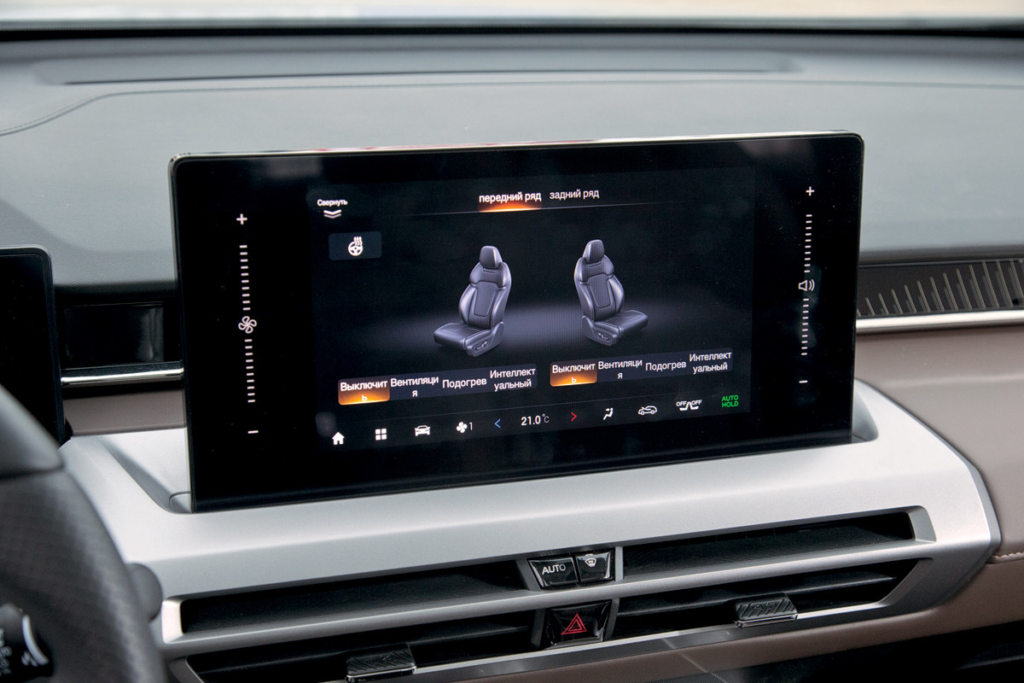
- Poor translation quality throughout the infotainment system
- Tiny font sizes on displays
- All heating and climate functions require touchscreen navigation
- Single-zone climate control only
- Electronics struggle with windshield defogging
- No dedicated heated windshield button (heat wires only activate in full defrost mode)
Rear Seat Space and Cargo Capacity
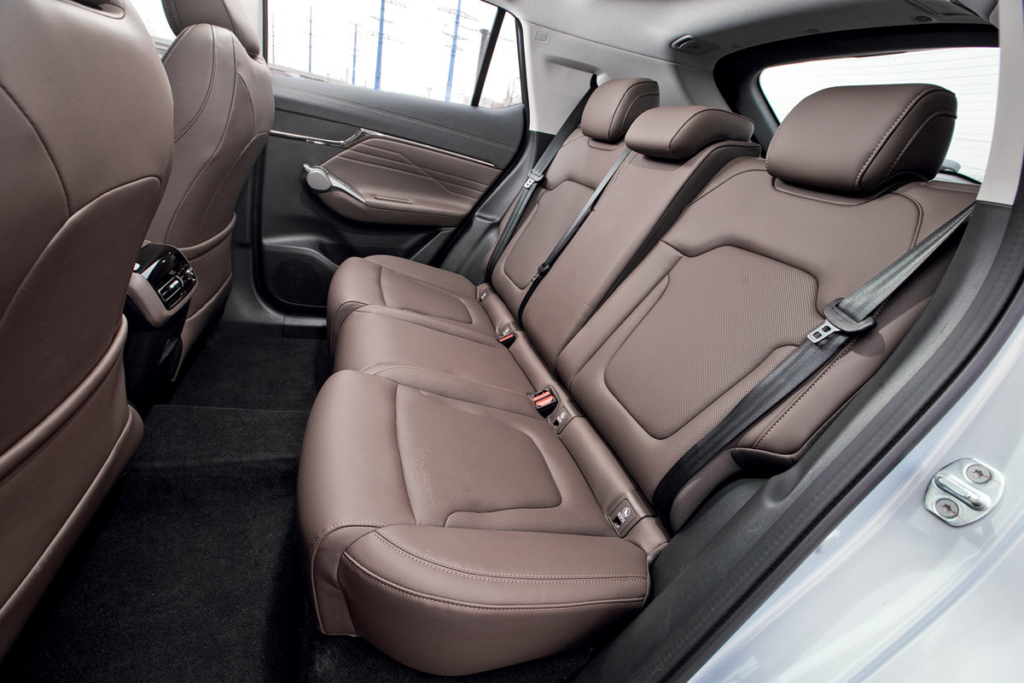
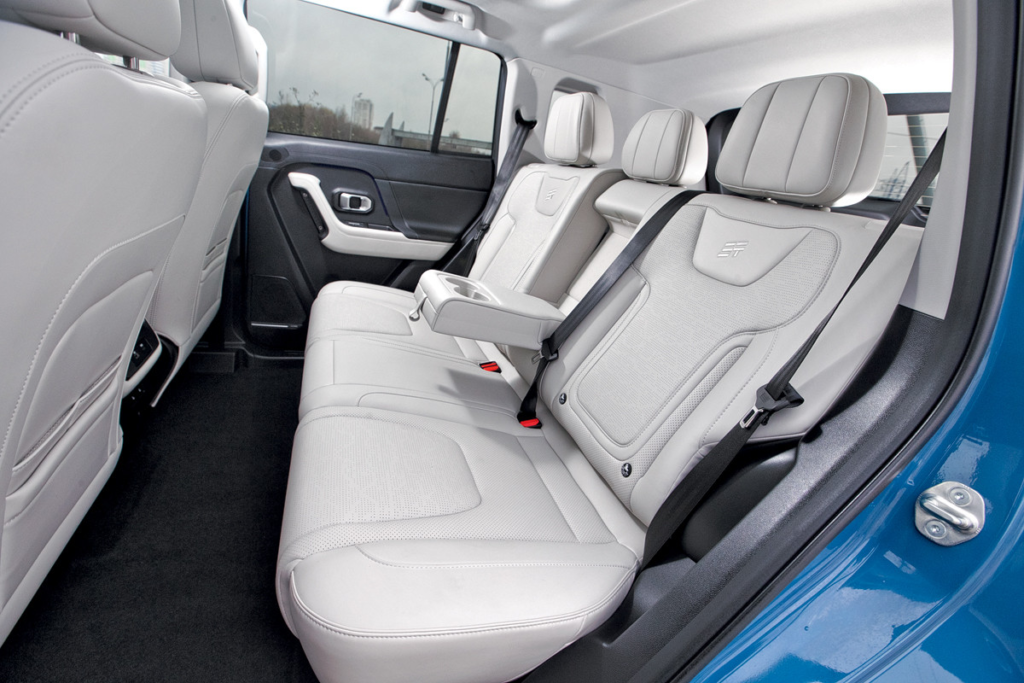
The Jetour T1 wins convincingly in both rear passenger space and cargo volume. However, both vehicles share some cost-cutting measures:
- No cargo cover included
- Basic sidewall materials in the cargo area
- Power tailgates that don’t open high enough for taller drivers
Performance and Acceleration
Jetour T1 (245 HP)
Despite its power advantage, the T1’s acceleration disappoints. Launch behavior occurs in two stages—first a hesitant half-meter roll, then actual acceleration begins. The 0-100 km/h sprint takes 9.3 seconds—underwhelming for a 245-horsepower engine.
The transmission prioritizes smooth, gradual shifts over sporty response. This appears designed to protect the automatic transmission’s friction elements, but it significantly dampens the driving experience.
GAC GS4 (231 HP)
The GS4 accelerates noticeably quicker despite having less power on paper. Its automatic transmission shifts more decisively, and the car offers a unique feature: five-level accelerator pedal sensitivity adjustment. This allows drivers to choose between responsive highway behavior or dampened inputs for urban traffic.
Braking and Handling
Braking Performance
The GAC GS4 demonstrates superior braking confidence and experiences less nose-dive under heavy braking. The Jetour T1’s overly sensitive brake pedal feels inconsistent with its rugged off-road image.
On-Road Handling
GAC GS4 Advantages:
- Firmer, more composed suspension
- 55-profile tires provide less sidewall flex
- Better turn-in response
- More engaging steering feel (in “Comfort” mode)
The GS4’s steering modes require careful selection—”Light” mode is too disconnected, while “Sport” mode feels artificially heavy. Even at the limit, the GS4 tends toward safe understeer and doesn’t respond well to lift-off oversteer techniques. The stability control system cannot be fully disabled—only traction control deactivates, and only below 83 km/h.
Jetour T1 On-Road Behavior:
The T1 simply isn’t designed for aggressive cornering. Steering response is soft with low sensitivity, and grip limits arrive early. Interestingly, “Sport” mode is the most appropriate setting for all driving—it provides acceptable throttle response and creates some semblance of steering feedback.
Off-Road Capability
Here’s where the Jetour T1 truly shines and the comparison flips completely.
Jetour T1 Off-Road Strengths:
- Long-travel, high-capacity suspension
- 60-profile tires absorb rough terrain
- Comfortable at 80 km/h on roads where the GAC shakes apart at 50 km/h
- Robust bumpers positioned for maximum approach and departure angles (nearly 1.5x better than GAC)
- Integrated side steps protect the body
- Superior traction and stability on loose surfaces
Advanced Off-Road Features:
- Mud and Sand driving modes
- Comprehensive off-road telemetry display showing:
- Roll and pitch angles
- Rear differential lock status
- Rear axle engagement status
- Automatic locking for rear differential and AWD coupling (electronic control based on driving mode and inputs)
- Handles steep slippery climbs and diagonal wheel lift effortlessly
- 60cm water fording capability with depth-sensing radar
- “Transparent chassis” camera view
The dampened throttle response that feels lazy on pavement becomes an asset off-road, preventing wheel spin and jerky inputs.
Minor Off-Road Compromise: The T1’s turning circle is nearly one meter larger than the GAC’s, requiring more maneuvering on narrow trails.
Technology and Visibility
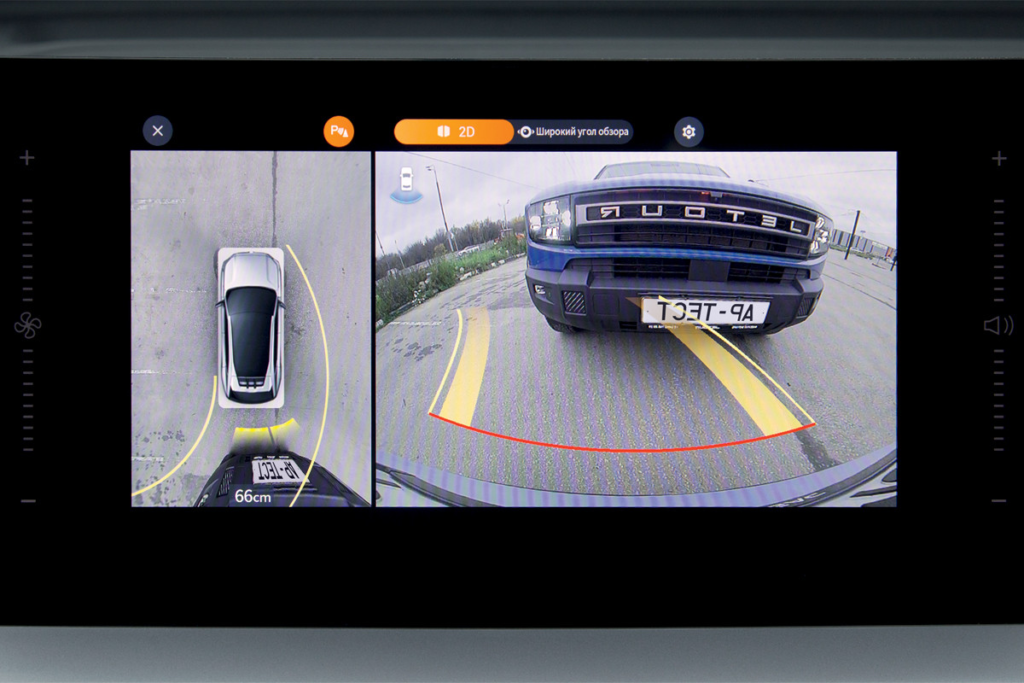
Camera Systems
Both vehicles come standard with 360-degree surround-view cameras. The Jetour T1 adds:
- Transparent chassis view mode
- Water depth-sensing radar (up to 60cm)
Visibility
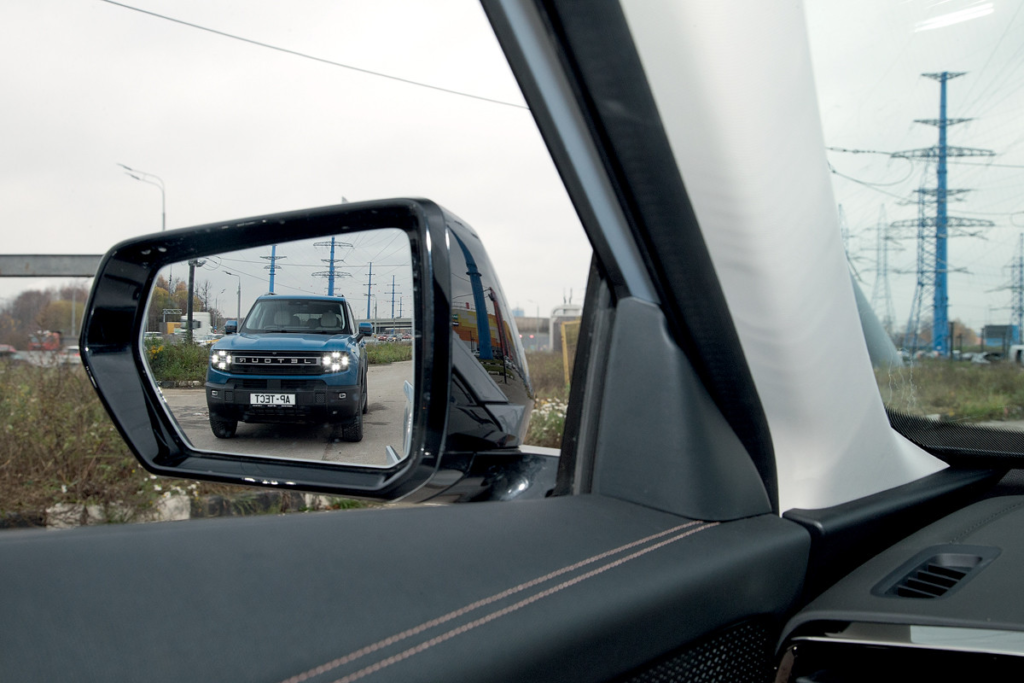
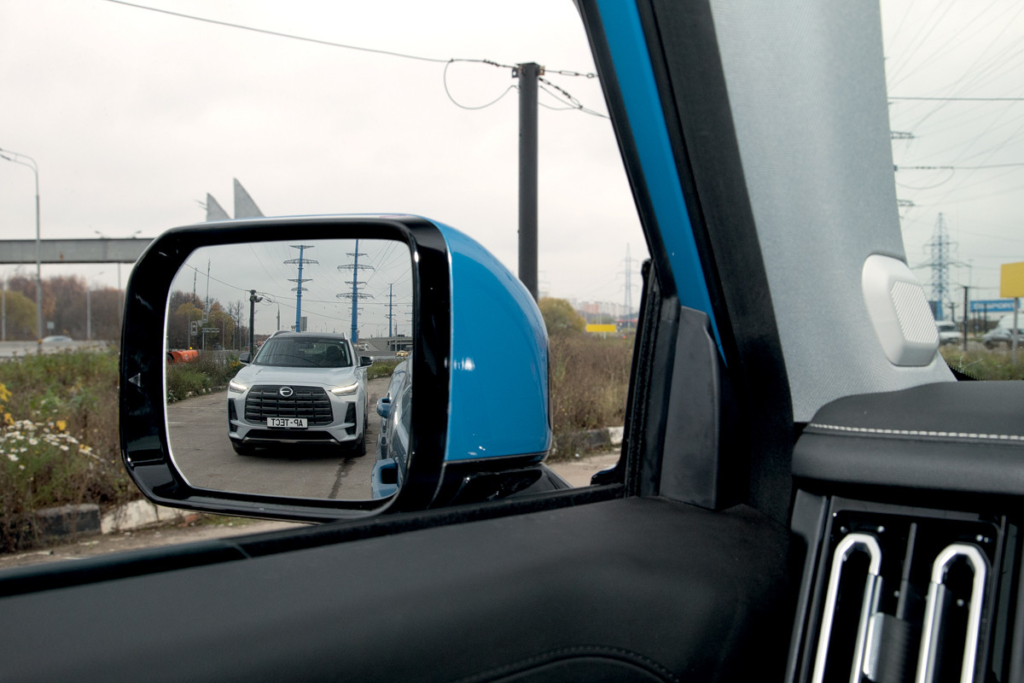
The Jetour T1 offers better overall visibility thanks to:
- Higher seating position
- Larger glass area
- Both vehicles feature bright LED headlights with automatic high/low beam switching
Heated Features
Both crossovers include heated steering wheels, heated windshields, and heated front and rear seats. However:
- Jetour T1 heats more intensely
- Jetour rear seat heaters use physical buttons
- GAC rear seat heaters require touchscreen navigation
Audio System Quality
Surprisingly, the GAC GS4 delivers significantly better sound quality from its six unnamed speakers compared to the Jetour T1’s nine Sony-branded speakers. This helped boost the GAC’s infotainment score despite its poorly translated menus.
Build Quality and Corrosion Protection
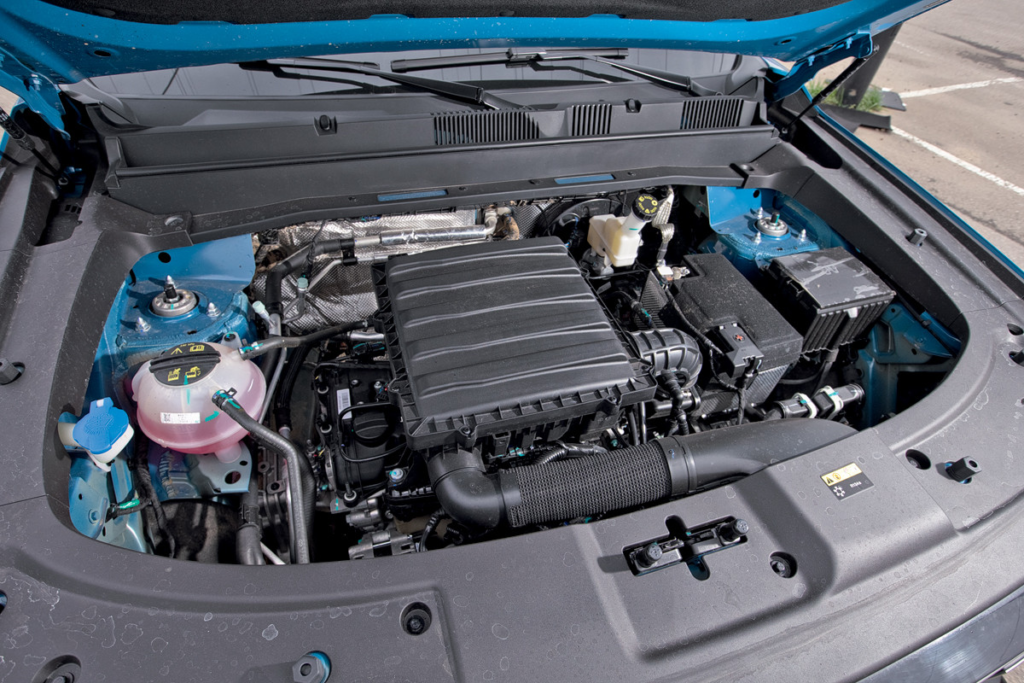
A key differentiator: the Jetour T1 features a fully galvanized body. Testing the GAC GS4 revealed zinc coating only on the inner surface of the tailgate—a significant concern for long-term rust protection.
Pricing and Value
Current pricing positions these crossovers competitively:
GAC GS4 AWD:
- Base trim: 42.9K USD
- Top trim: 44.7K USD
Jetour T1:
- Comfort: 44,9K UDS
- Luxury: 47K USD
Both vehicles launched to strong demand, with initial September shipments selling quickly. The appeal is clear: all-wheel-drive crossovers with 2.0-liter turbos and traditional automatic transmissions attract more interest than the flood of front-wheel-drive 1.5-liter turbo models with dual-clutch transmissions.
Upcoming disposal fee increases for vehicles over 160 HP will likely raise prices further, making current pricing particularly attractive.
The Verdict: Which Should You Buy?
Choose the Jetour T1 if you prioritize:
- Off-road capability and durability
- Interior quality and materials
- Higher seating position and visibility
- Long-term corrosion protection (full galvanization)
- Comfort on rough roads
- Practical interior storage solutions
Choose the GAC GS4 if you prioritize:
- On-road dynamics and handling
- Faster acceleration
- Better audio quality
- Tighter turning circle for urban driving
- Lower purchase price
Overall Winner: Jetour T1
Despite the GAC’s sharper on-road manners, the Jetour T1 earns more expert points overall thanks to superior comfort, build quality, and off-road prowess. Combined with its fully galvanized body, the T1 presents a stronger long-term value proposition.
That said, both vehicles suffer from a modern automotive malady: electronics that prioritize safety over engagement. Despite their impressive power figures, neither delivers the visceral driving experience that older turbocharged crossovers once offered. The computers have decided how you should accelerate, brake, shift, and corner—leaving drivers as passengers in their own vehicles.
If only these electronic nannies worked more delicately, we might still find genuine driving pleasure rather than simply traveling from point A to point B accompanied by streaming music.
Photo: Oleg Rastegaev
This is a translation. You can read the original article here: Что выбрать: Jetour T1 или полноприводный GAC GS4? Наш тест

Published January 01, 2026 • 11m to read