
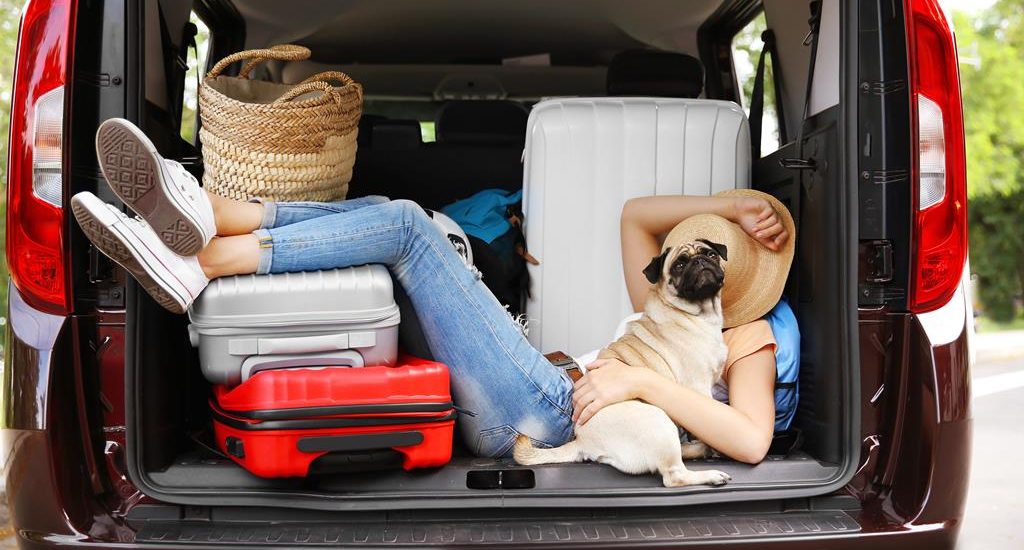


Traveling by car with your dog opens up incredible opportunities for adventure and bonding. Whether you’re planning a weekend getaway or a cross-country road trip, bringing your furry companion along allows you to explore new destinations together while maintaining complete control over your schedule and route.
However, successful dog car travel requires careful planning and preparation. Many pet owners underestimate the challenges of keeping their dogs safe, comfortable, and well-behaved during car journeys. This comprehensive guide will help you navigate every aspect of traveling with your dog by car.
In this article, you’ll discover essential preparation tips, safety guidelines, and practical advice for making your dog car travel experience as smooth as possible. We’ll cover everything from pre-trip training to emergency supplies, ensuring both you and your pet enjoy the journey.
Remember, not every dog is naturally suited for car travel, but with proper preparation and gradual conditioning, most dogs can become excellent travel companions.
Essential Pre-Trip Preparation for Dog Car Travel
Getting Your Dog Comfortable with Car Rides
Start conditioning your dog to car travel well before your planned trip. Begin with these gradual steps:
- Allow your dog to explore the stationary car for several minutes
- Let them sniff and investigate the interior space
- Place their favorite bedding or blanket in the car
- Take short 5-10 minute drives around the neighborhood
- Gradually increase trip duration as your dog becomes more comfortable
Required Safety Equipment for Dog Car Travel
Keep these essential safety items in your vehicle at all times:
- High-quality, crash-tested dog harness or car seat
- Strong, secure leash for stops and emergencies
- Muzzle (if required by law or for safety)
- Barrier net or dog guard for rear seat/cargo area
Documentation for International Dog Travel
When crossing borders with your dog, ensure you have:
- Microchip identification (ISO 11784/11785 compliant)
- Current rabies vaccination and other required immunizations
- International veterinary health certificate
- Country-specific import permits
Managing Dog Motion Sickness and Feeding During Travel
Motion sickness affects approximately one in six dogs, making proper feeding schedules crucial for comfortable travel.
Pre-Travel Feeding Guidelines
- Avoid feeding your dog 2-3 hours before departure
- Consider skipping meals entirely on travel days for sensitive dogs
- Provide small amounts of water, but avoid overhydration
- Never scold your dog if they become sick in the car
Essential Supplies for Dog Car Travel
- Portable water bowl and fresh water supply
- Disposable absorbent pads for seats and floors
- Waste bags and scooper for cleanup
- Pet-safe cleaning wipes for paws and fur
- Favorite toys and comfort items
- Emergency food supply (dry food or canned meals)
For extended trips lasting multiple days, pack concentrated instant meals and ensure you plan regular stops for feeding and exercise. These breaks are essential for both driver safety and your dog’s well-being.
Train your dog to respond reliably to basic commands like “sit” and “lie down” before traveling. A well-trained dog reduces driver distraction and improves overall safety.
Different Types of Dog Car Travel Scenarios
Understanding the various types of car trips with dogs helps you prepare appropriately:
- Veterinary visits: Typically short, local trips requiring minimal preparation
- Day trips to countryside: Single-day excursions perfect for off-leash exercise in safe, remote areas
- Extended family vacations: Multi-day journeys requiring comprehensive planning and pet care arrangements
- Relocation trips: Long-distance moves requiring special consideration for stress management
Critical Safety Measures for Dog Car Travel
Temperature and Ventilation Safety
- Always park in shaded areas during stops
- Keep windows slightly open for ventilation
- Never leave dogs unattended in vehicles for extended periods
- Monitor your dog for signs of overheating or distress
Crash Protection and Restraint Systems
Proper restraint systems prevent injuries during sudden stops or accidents. Consider these safety options:
- Dog safety harnesses: Crash-tested harnesses that attach to seat belts
- Pet carriers: Hard-sided carriers secured with seat belts for smaller dogs
- Cargo barriers: Metal grilles separating passenger area from cargo space
- Rear seat positioning: Safer than front seats, reduces driver distraction
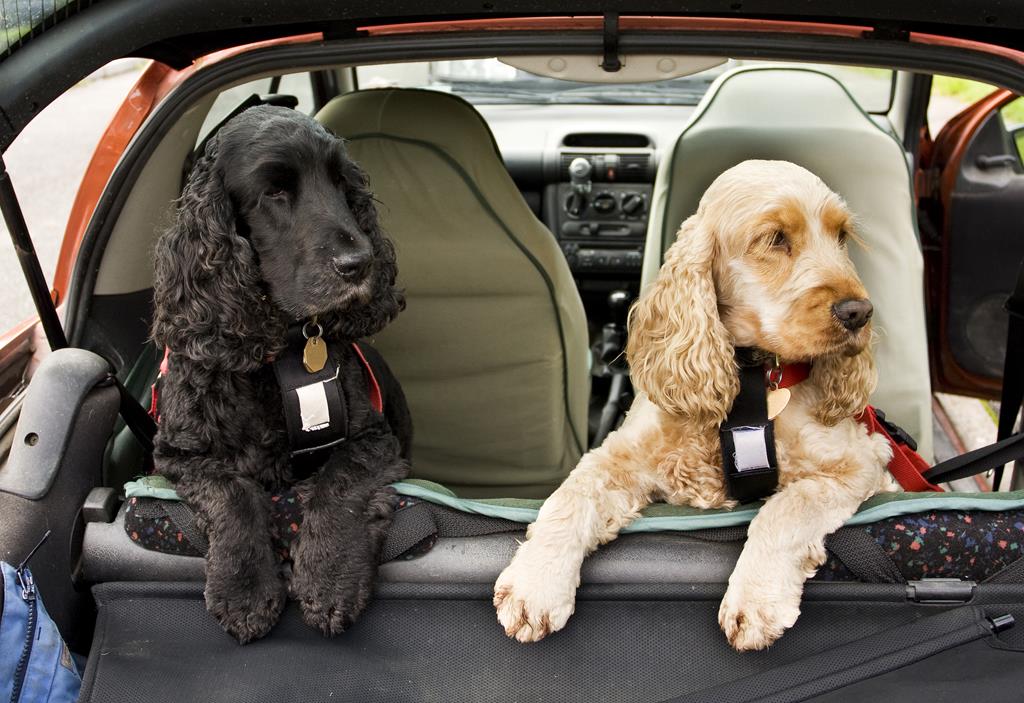
Experienced dog owners recommend rear seat or cargo area positioning with appropriate barriers. This arrangement keeps dogs comfortable while minimizing driver distraction and provides better protection during impacts.
Specialized transport boxes offer excellent protection and comfort for dogs during travel. These containers prevent injury during sudden stops while providing a familiar, secure environment for anxious pets.
Health Protection and Parasite Prevention
Essential reminder: Pack tick and flea prevention sprays for outdoor adventures!
- Apply preventive treatments before departure
- Check your dog thoroughly after outdoor stops
- Carry first aid supplies for minor injuries
- Research veterinary clinics along your route
Final Tips for Successful Dog Car Travel
Remember to obtain an international driving permit before traveling abroad with your dog. Your confidence and calm demeanor directly influence your pet’s travel experience – dogs are remarkably sensitive to their owner’s emotional state.
When you feel prepared and confident about road conditions and legal requirements, this positive energy transfers to your dog, making the entire journey more enjoyable for everyone involved.
With proper preparation, safety equipment, and gradual conditioning, car travel with your dog can become one of the most rewarding ways to explore new destinations together. Take time to plan thoroughly, prioritize safety, and enjoy the adventure!

Published October 09, 2017 • 5m to read