

A car’s color is just as defining as its model. When a vehicle shines with vibrant color and excellent gloss, its appearance becomes impeccable. High-quality automotive paint not only enhances aesthetics but also extends your car’s lifespan by protecting it against corrosion and environmental damage. This comprehensive guide explores automotive paint composition, essential properties, and modern painting effects to help you achieve the best results.
What is Car Paint Made Of? Understanding Automotive Enamel Composition
Automotive paint, also known as automotive enamel, is a sophisticated mixture of multiple components working together. Every car paint formulation contains seven essential elements:
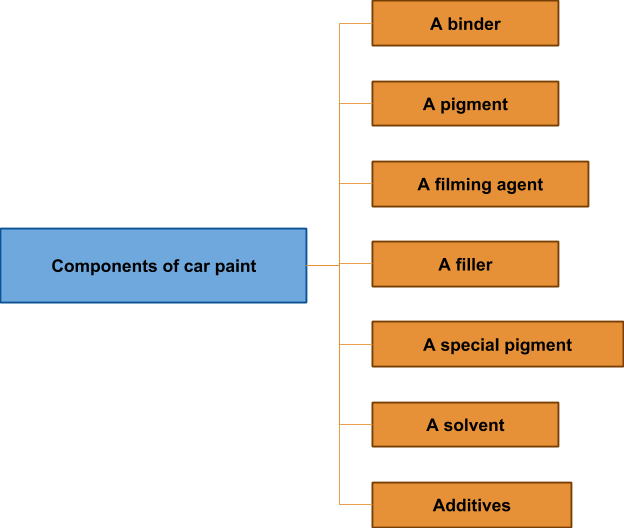
A binder
A pigment
A filming agent
A filler
A special pigment
A solvent
Additives
Key Components of Automotive Paint
- Pigment: A powdery element responsible for color and tone. Pigments provide decorative appeal, covering capacity, and enhanced coating strength. They can be natural or synthetic oxides, metal salts, metal powders, or organic compounds for vibrant colors. Some pigments also act as corrosion inhibitors, adding protective properties.
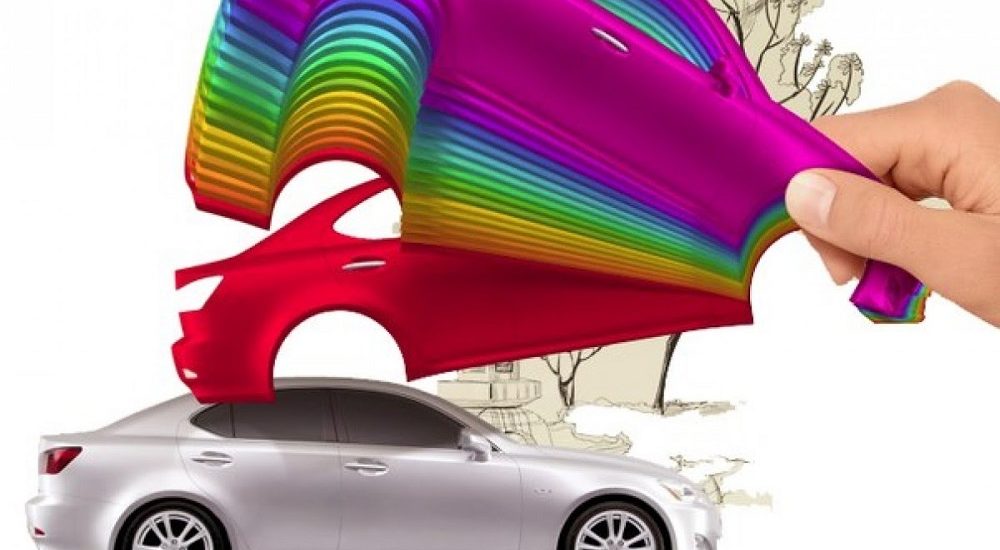
- Special Pigments: Advanced additives that create distinctive effects like “chameleon,” “metallic,” “nacre” (pearlescent), and luminous finishes that make your vehicle stand out.
- Binder: The adhesive component that holds everything together. This pure or dispersion solution ensures the paint adheres properly to the surface (adhesion) and creates a smooth, glossy finish. The binder securely holds the pigment and forms the foundation of any quality paintwork.
- Film-Forming Agent: Natural or synthetic substances (resins and vegetable oils) that create the protective film layer. These can be viscous liquids or fragile solids that require solvents to reduce viscosity for proper application.
- Solvent: An organic liquid (hydrocarbons, ketones, alcohols, ethers, or mixtures) that keeps paint in liquid form during manufacturing, storage, and application. The solvent evaporates during the painting process, leaving behind the pigment-binder combination that protects your vehicle.
- Filler: Creates the final volume and density of the paint coating. Fillers are typically white or lightly colored powders from inexpensive natural minerals like talc, gypsum, mica, kaolin, and chalk. Some fillers (mica, asbestos) improve heat resistance properties.
- Additives: Specialized compounds that enhance specific paint properties, including elasticity (plasticizers), aging resistance (antioxidants), fire resistance (flame retardants), UV protection, and storage stability. Some additives are added just before application, such as drying accelerators and matting agents.
Essential Properties of Quality Car Paint
High-quality automotive paint must possess specific characteristics to provide lasting protection and visual appeal. Understanding these properties helps you choose the right paint and evaluate professional work quality.
Critical Paint Properties Explained
- Denseness: Determined by the ratio of pigment to binder. Higher binder content creates denser paint with better elasticity and performance. Lower binder levels result in weaker, less durable coatings.
- Covering Capacity (Adhesiveness): The paint’s ability to adhere firmly to the surface being painted, filling it as completely as possible. Superior adhesion prevents peeling, chipping, and premature failure.
- Hardness: Resistance to chip formation and impact damage. Paint hardness is measured on a scale where glass represents 100% hardness, and quality automotive paint should achieve 50-60% for optimal durability.
- Elasticity: The paint’s flexibility, which works in conjunction with hardness. Proper elasticity prevents cracking while maintaining protective strength as the vehicle’s metal expands and contracts with temperature changes.
Why Paint Quality Matters
Quality automotive paint serves dual purposes: protection and aesthetics. It shields your car’s body from corrosion, weathering, and environmental damage while creating a presentable, attractive appearance. Custom paint jobs and professional tuning can create unique vehicle looks that enhance resale value. Well-maintained, professionally painted cars consistently command higher prices in the marketplace compared to vehicles with compromised or poor-quality paintwork.
Modern Car Painting Effects and Finishes
Contemporary painting technologies offer diverse visual effects that transform your vehicle’s appearance. Here are the most popular professional finishes available today:
Gloss Finish
The classic high-shine appearance created during the polymerization of the enamel’s binder component. Glossy car enamels are available in all major product lines from leading manufacturers (except alkyd-based products). This timeless finish emphasizes color depth and provides a mirror-like reflection.
Matte Finish
An increasingly popular effect suitable for complete body painting or accent elements. Alkyd enamel is the preferred choice for achieving a sophisticated matte surface that eliminates reflections and creates a modern, understated aesthetic.
Metallic Effect
Achieved by incorporating special reflective pigments into the paint. Originally created using tiny aluminum powder flakes that act as micro-mirrors, metallic finishes reflect light to create a sparkling, dimensional appearance. Classic metallics like “champagne” and “wet asphalt” were once luxury items, but modern technology now makes metallic painting accessible, even on matte surfaces. This complex technique requires professional application for optimal results.
“Chameleon” Effect
A stunning three-layer painting process using specialized “chameleon” enamel that creates color-shifting effects. The vehicle’s shade appears different when viewed from various angles, creating an eye-catching, dynamic appearance that changes with movement and lighting conditions.
“Nacre” (Pearlescent) Effect
Utilizes special pigments that reflect sunlight differently based on their position within the colored layer, creating a distinctive pearl-like luster. Modern pearlescent effects can be achieved through three-layer application processes, producing depth and iridescence similar to natural mother-of-pearl.
Professional Car Painting Tips
- Always choose paint formulations appropriate for your climate and usage conditions
- Trust complex effects like metallic, chameleon, and nacre to experienced professionals
- Ensure proper surface preparation before any painting project
- Use compatible primer, base coat, and clear coat systems from the same manufacturer
- Allow adequate drying and curing time between layers
- Invest in quality materials for long-lasting results and better resale value
Whether your car displays a showroom finish or a custom creative design, maintaining proper documentation remains essential. When traveling internationally by car, having an international driver’s license ensures hassle-free border crossings. The international driver’s license is processed quickly and easily on our website. We invite you to obtain yours today!

Published March 22, 2019 • 6m to read