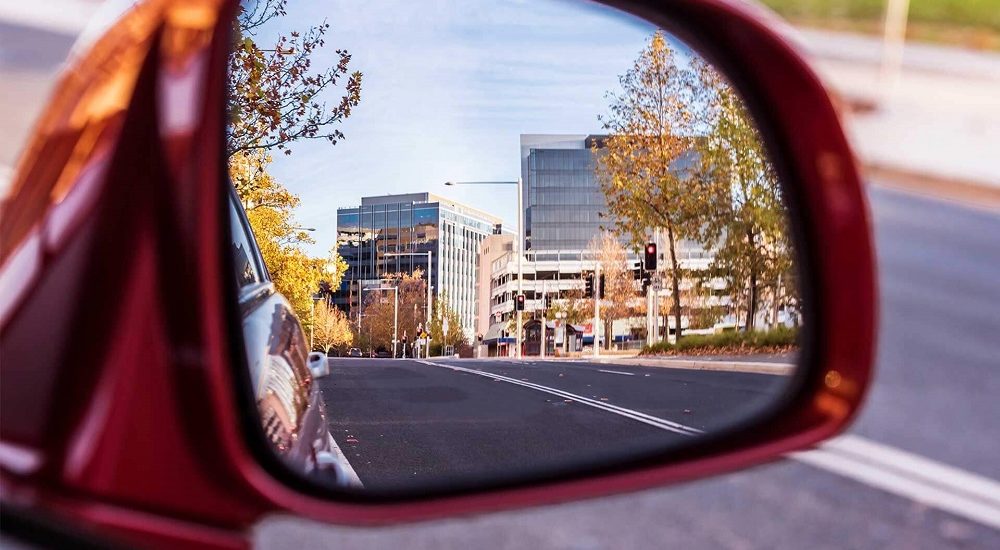


Car mirrors are essential safety components that every driver relies on daily. These critical devices provide visibility of your surroundings, enabling safe driving, parking, and maneuvering. While they may seem simple, modern vehicles are unthinkable without properly functioning mirrors that offer comprehensive awareness of the road environment.
The History of Car Mirrors: How It All Began
Interior mirrors appeared in vehicles almost as soon as cars became a popular mode of transportation. However, the rear-view mirror as we know it didn’t debut until 1911 during the iconic 500-mile race in Indianapolis. Race participant Ray Harron, driving a Marmon Model 32 “Wasp,” ingeniously attached a pocket mirror to his car. Unlike his competitors, Harron didn’t have a mechanic to report on traffic behind him, so this simple innovation gave him a competitive edge—and he won the race.
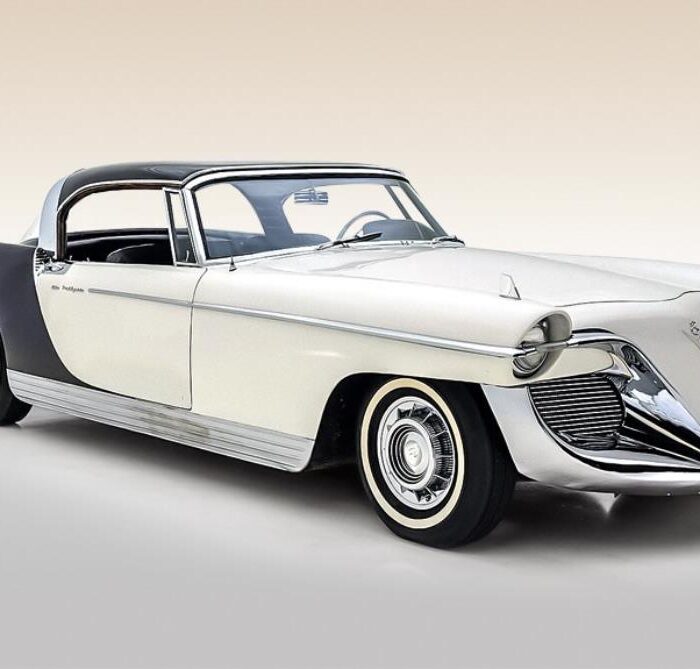
Side mirrors came even later, not becoming standard until the 1950s when manufacturers began installing a single exterior mirror on the driver’s side. The passenger-side mirror appeared shortly after. Interestingly, side mirrors were mounted not only on car doors but also on front fenders, which was particularly fashionable in mid-century America. On vehicles with long hoods, fender-mounted mirrors placed the reflection at a considerable distance from the cabin. This trend coincided with panoramic windshields, allowing drivers to see the mirrors through the windshield without turning their heads or crossing sight lines with the A-pillar.
Modern Car Mirror Technology: Features and Capabilities
Today’s car mirrors are sophisticated devices often equipped with advanced electronic components that offer:
- Electric adjustment controls – Precise angle adjustment at the touch of a button
- Remote folding mechanisms – Programmed automatic folding to prevent parking damage
- Heating functions – Prevents fogging in wet weather and removes ice buildup in winter
- Auto-dimming technology – Reduces glare from headlights during night driving
- Blind spot sensors – Alert systems that warn when vehicles enter your blind spots
- Integrated turn signals – LED repeaters built into the mirror housing for enhanced visibility
Types of Car Mirrors: Understanding Your Vehicle’s Mirror System
A standard vehicle comes equipped with three mirrors that work together to provide comprehensive visibility:
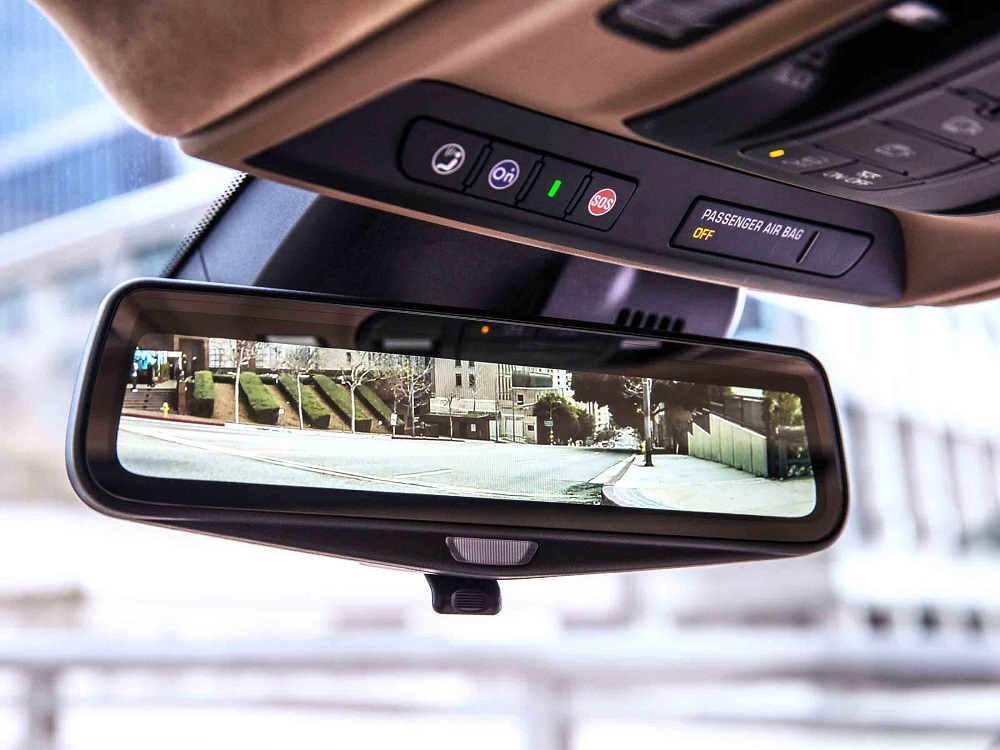
- Interior rearview mirror – Mounted at the top of the windshield, it displays the view directly behind your vehicle and is essential for reverse parking and monitoring following traffic
- Driver’s side mirror – Provides visibility along the left side of the vehicle for lane changes and parking
- Passenger’s side mirror – Offers right-side visibility, typically with a wider viewing angle
However, even with all three mirrors, certain blind spots remain unavoidable, which is why proper adjustment and awareness are crucial.
Mirror Shapes and Their Benefits
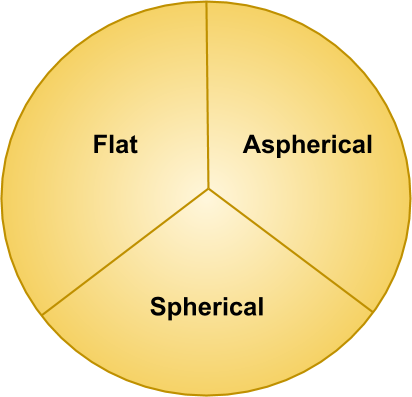
Side mirrors come in different configurations, and it’s important to install the correct mirror on each side. Installing a right-side mirror on the left dramatically reduces your viewing area. Mirrors are categorized by their reflective surface type:
Flat
Aspherical
Spherical
- Flat mirrors – Provide distortion-free reflection and minimize blind spots on the driver’s side, offering the most accurate distance perception
- Aspherical mirrors – Feature a slightly curved surface that expands the viewing angle while introducing minimal distortion
- Spherical (convex) mirrors – Significantly widen the field of view but create more noticeable distortion, making objects appear farther away. These are typically used on the passenger side
Advanced Electronic Mirror Features
Blind Spot Detection Systems: Modern mirrors often include sensors that monitor blind spot zones. When a vehicle enters this area, an indicator light on the mirror housing alerts you immediately, preventing dangerous lane changes.
Anti-Glare Technology: Nighttime driving can be hazardous when headlights from following vehicles reflect into your eyes. Modern mirrors combat this problem through:
- Electrochromic dimming that automatically adjusts mirror tint
- Variable transparency materials that reduce glare
- Prismatic optical elements that redirect reflected light
Integrated Turn Signals: Many side mirrors now feature built-in LED turn signal repeaters, making your intentions more visible to other drivers, especially those in adjacent lanes.
How to Properly Adjust Your Car Mirrors
Correct mirror adjustment is essential for obtaining an accurate view of your surroundings. You need clear visibility when you:
- Pull out from parking
- Execute lane changes and maneuvers
- Overtake other vehicles
- Make turns
- Brake in traffic
- Park your vehicle
- Open your car door safely
Proper adjustment minimizes blind spots and provides complete situational awareness for confident decision-making.
Step-by-Step Mirror Adjustment Guide
Before you begin: Position yourself comfortably in the driver’s seat exactly as you would while driving. Complete all adjustments without changing this position.
Interior Mirror Adjustment:
- The center of the mirror should align with the center of your rear window
- This provides a panoramic view of the road behind your vehicle
- You should see the entire rear window frame within the mirror
Side Mirror Adjustment:
Each side mirror should show a small portion of your vehicle along with the road behind. Follow these guidelines:
- The edge of your car should occupy only 1-2 cm of the mirror’s inner edge
- Position the horizon line at approximately the lower third of the mirror
- The majority of the mirror surface should reflect the road behind you—the right lane in the right mirror, the left lane in the left mirror
- You should see both the road surface and the curb behind your vehicle
- Never adjust mirrors so that no part of your vehicle is visible—this makes it difficult to judge distances accurately
Adjustment Methods: Depending on your vehicle, mirrors can be adjusted using electric controls, lever mechanisms, or cable systems. Modern vehicles typically feature electric adjustment for convenience and precision.
Heated Side Mirrors: Winter Weather Protection
Many modern vehicles include electrical heating systems for exterior mirrors that prevent fogging and remove moisture or ice. These systems operate using the vehicle’s electrical system and come in several types:
- Resistive stencil elements – Conductive paste applied to polymer film using screen printing technology
- Resistive wire elements – Heat-resistant wire with insulation mounted on the reverse surface of the mirror glass
- Solid resistive film elements – Integrated heating layer on the reverse surface that also serves as the reflective coating
Heating System Connections:
A. Dedicated electrical circuit with a relay, switch, and 5-7.5A fuse for independent mirror heating control
B. Parallel connection to the rear window defroster circuit when mirror heating draws minimal power (10-12 watts)
Drive Safely with Properly Adjusted Mirrors
While correctly adjusted mirrors are crucial for safe driving, they’re just one component of responsible vehicle operation. Before getting behind the wheel, ensure you have all necessary documentation, including a valid driver’s license. If you plan to drive internationally, obtaining an international driver’s license is essential and can be done quickly and easily through our website. Don’t miss the opportunity to secure your international driving permit for safe and legal travel abroad.

Published February 15, 2019 • 6m to read