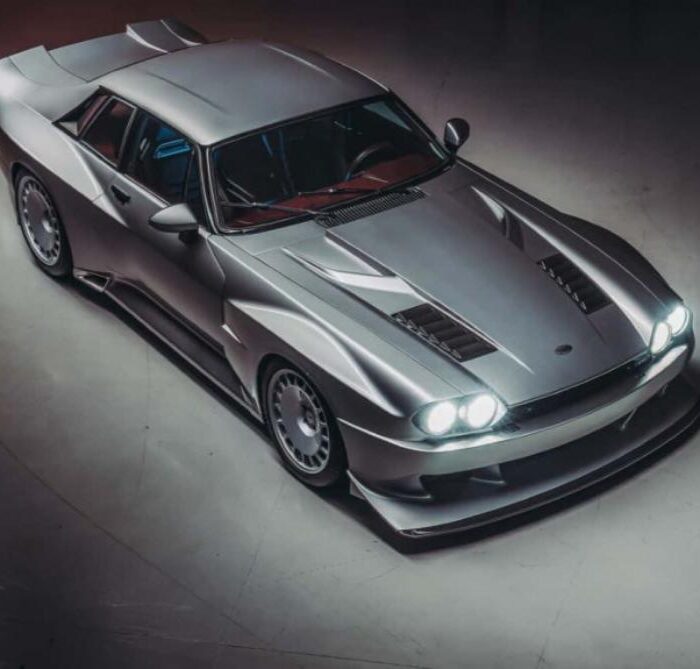
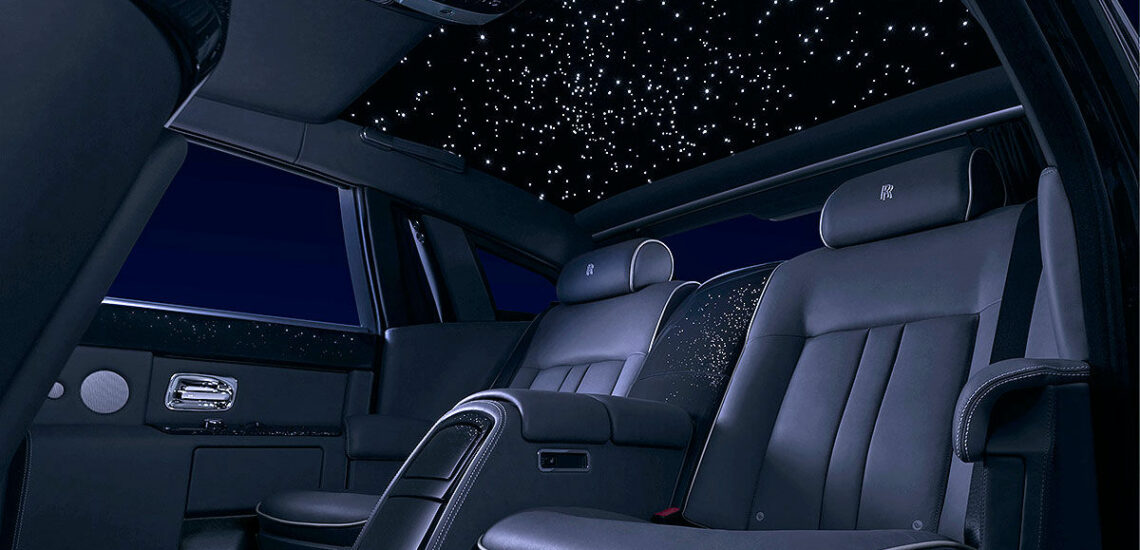


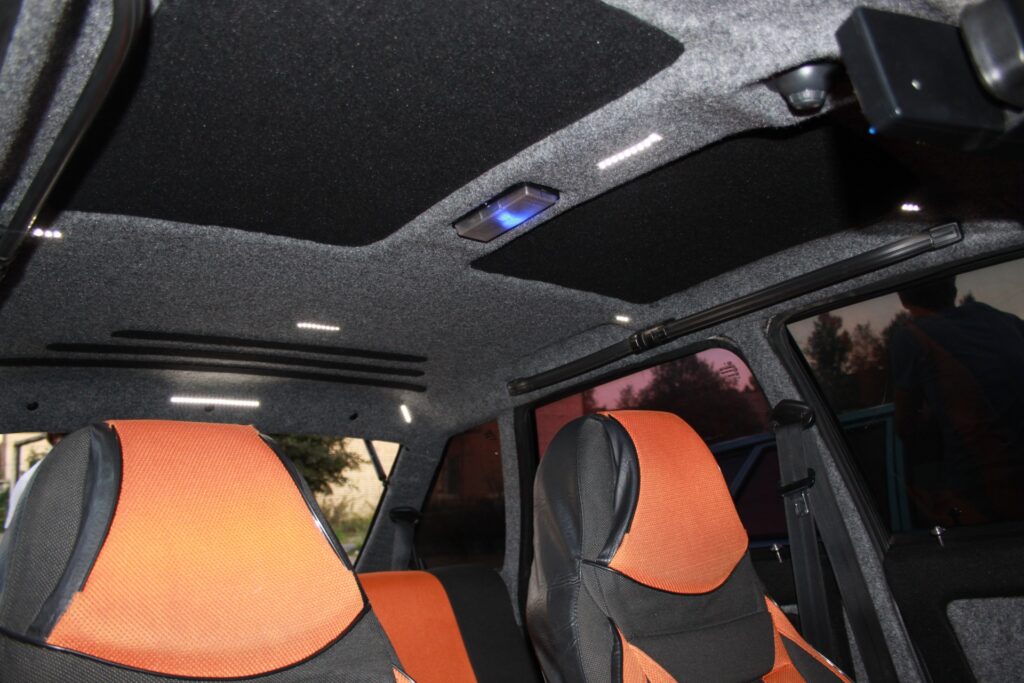
Upgrading your car’s ceiling trim is one of the most impactful interior tuning projects you can take on. Factory headliners are typically finished in light shades that fade over time, leaving your cabin looking worn and dated. One of the best solutions? Reupholstering with automotive carpet — a durable, affordable material that breathes new life into your car’s interior. Here’s everything you need to know about tuning your car headliner with carpet.
What Is Automotive Carpet? Origins and Uses
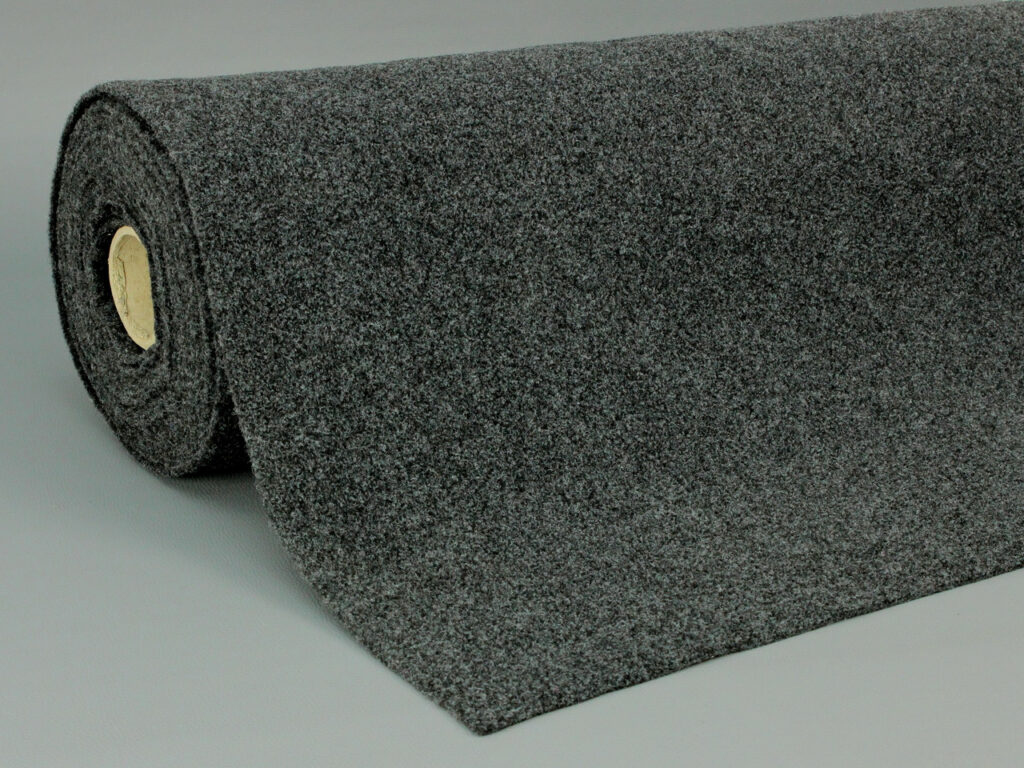
The word “carpet” traces back to 13th-century Old French (carpite) and Italian (carpita), and in Latin it referred to a thick woolen fabric. Today, automotive carpet is a modern synthetic, non-woven material — soft, durable, and built to last. Unlike traditional fitted carpet flooring, car carpet is a versatile trim fabric used across many surfaces inside a vehicle, including:
- Headliners (ceiling trim)
- Trunk interiors
- Subwoofer enclosures
- Acoustic shelves
- Speaker podiums and blind panels
- Various cabin surfaces and trim pieces
Pros and Cons of Car Carpet: What You Need to Know Before You Buy
Before committing to a carpet headliner, it’s worth weighing the advantages and limitations of the material.
Advantages of Automotive Carpet
- UV and fade resistant — Synthetic carpet does not lose color in sunlight, making it far more durable than standard factory headliner fabric.
- Wide color selection — Available in red, brown, white, beige, and more. Black and gray remain the most popular choices for car interiors.
- Wear and tear resistant — The interwoven fiber structure resists mechanical damage. When properly installed, it holds its shape over years of use.
- Flexible yet strong — Easy to stretch around curves and contours without tearing, making it ideal for complex headliner shapes.
- Sound-absorbing — The dense fiber composition helps reduce interior road noise, adding a functional benefit beyond aesthetics.
- Moisture and stain resistant — Liquids can be wiped clean with a damp or dry cloth. The material also repels dirt and resists fungal growth.
- Safe and hypoallergenic — 100% environmentally safe, non-toxic, and harmless to both humans and animals.
- Fire resistant with antistatic properties — An important safety feature for any in-car material.
Disadvantages of Automotive Carpet
- Dust accumulation — Carpet fibers attract and trap dust, so regular vacuuming is essential to keep it looking clean.
- Pilling over time — With prolonged use, small pills can form on the surface. This is a minor cosmetic issue rather than a structural one.
Choosing the Right Car Carpet: Self-Adhesive vs. Non-Adhesive
When shopping for automotive carpet, you’ll face one primary decision: self-adhesive or non-adhesive fabric.
- Self-adhesive carpet — Comes with a pre-applied sticky layer beneath a protective backing. Simply peel and press for a clean, straightforward installation. It costs more upfront but saves time and reduces the chance of glue-related errors.
- Non-adhesive carpet — A more budget-friendly option, though you’ll need to purchase adhesive separately. Look for a glue with high temperature resistance, strong elasticity, cold-weather durability, and minimal odor. Popular options include adhesive base “Titan” (premium performance), aerosol spray glue (convenient but pricier), “Glue 88” (mid-range), and standard white glue (most affordable).
Types of Automotive Carpet: Which Grade Is Right for Your Project?
Automotive carpet comes in three main grades, each suited to different budgets and performance expectations:
- Entry-level carpet — Minimal pile height with a density of 450 g/m². The most affordable option, suitable for basic headliner coverage.
- Tufted carpet — A mid-range option with a 6 mm pile length and a density of 650 g/m². Better texture and feel than entry-level.
- Premium carpet — Features a 10 mm pile, double-twisted polypropylene fibers, and virtually unlimited shelf life. Offers the highest ductility, softness, and strength of any grade — and the price reflects it.
How to Install a Carpet Car Headliner: Step-by-Step Guide
Whether your headliner is sagging, faded, stained, or simply due for a refresh, carpet is one of the most practical DIY solutions available. Here’s how to do it right.
Tools and Materials You’ll Need
- Measuring tape
- Approximately 2 linear meters of carpet (1.5 m wide)
- Carpet adhesive — approx. 1 liter (if using non-adhesive carpet)
- Glue brush or applicator (for non-spray adhesive)
- Sharp scissors
- Plastic sealing roller
- Heat gun or hair dryer (for self-adhesive carpet)
- Clothespins or clamps (for edge securing)
- Syringe (optional, for injecting glue into air pockets)
Installation Steps
- Prep the surface — Thoroughly clean the headliner, removing all remnants of old material, dust, and dirt. A clean, dry surface ensures a strong bond.
- Cut your pattern — Measure the headliner and cut the carpet to match, adding 2–3 cm on all sides for folding and overlap.
- Apply adhesive — Using a brush or spray, apply an even coat of glue to the headliner surface.
- Position and smooth the carpet — Starting from one corner, gradually lay the carpet across the surface, smoothing out bubbles and wrinkles as you go.
- Fix air gaps — In hard-to-reach areas where air pockets form, use a syringe to inject additional glue beneath the carpet and press it flat.
- Secure the edges — Fold excess carpet around the edges and hold in place with clothespins until the glue sets fully.
Pro tip: The carpet can be applied directly over old headliner material if it is still firmly attached. If you’re unsure, try a small test section first before committing to the full installation.
Final Thoughts: Is a Carpet Car Headliner Worth It?
A carpet headliner is one of the most cost-effective interior upgrades you can make. It’s durable, attractive, easy to maintain, and practical enough for a DIY installation. When choosing your materials, don’t cut corners — a higher-quality carpet and the right adhesive will deliver a result that lasts for years and genuinely improves the comfort and look of your cabin.
Regardless of what the headliner of your car is covered with, we remind you to apply for an international driver’s license. If you still have none, please visit our website to apply for it.

Published December 31, 2020 • 5m to read