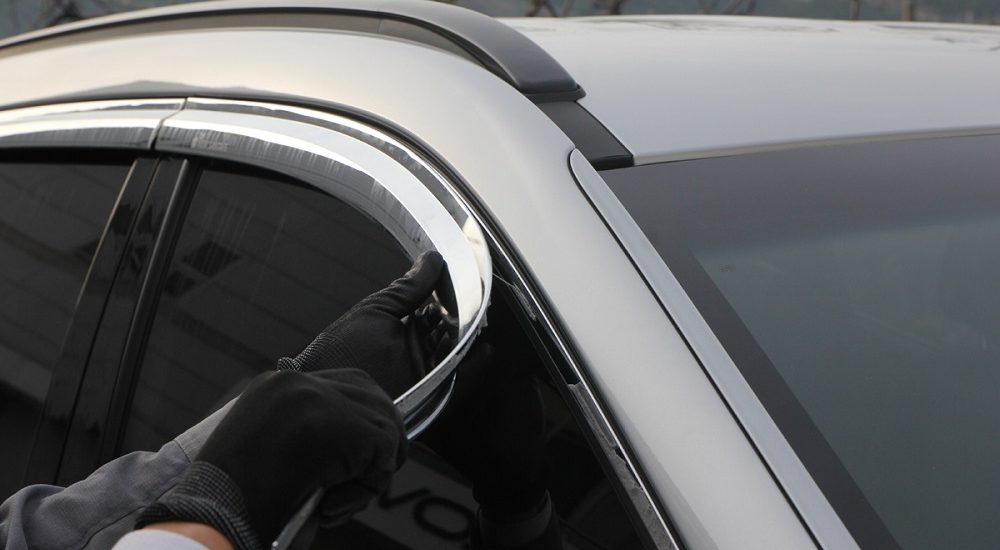


Car window deflectors are essential accessories that protect your vehicle’s interior from rain, dust, and debris while allowing fresh air circulation. These aerodynamic shields redirect airflow around your windows, keeping the cabin clean and comfortable. In this comprehensive guide, we’ll explore everything you need to know about choosing, installing, and maintaining car deflectors.
What Are Car Deflectors and How Do They Work?
A deflector is a specially designed visor that mounts to your vehicle’s windows to redirect oncoming airflow. By changing the trajectory of air around your car, deflectors create a protective barrier that prevents unwanted elements from entering your cabin when windows are open.
Key Benefits of Window Deflectors
Window deflectors offer multiple advantages for your driving experience:
- Rain and moisture protection: Keep windows cracked open during rain without water entering the cabin
- Dust and debris shield: Block sand, dirt, and small particles from entering through open windows
- Insect barrier: Prevent bugs from flying into your vehicle
- Improved ventilation: Allow fresh air circulation even in bad weather
- Reduced wind noise: Minimize whistling sounds when windows are partially open
- Enhanced appearance: Add a sleek, sporty look to your vehicle
Types of Car Deflectors: A Complete Overview
By Installation Method
Deflectors come in two primary mounting styles:
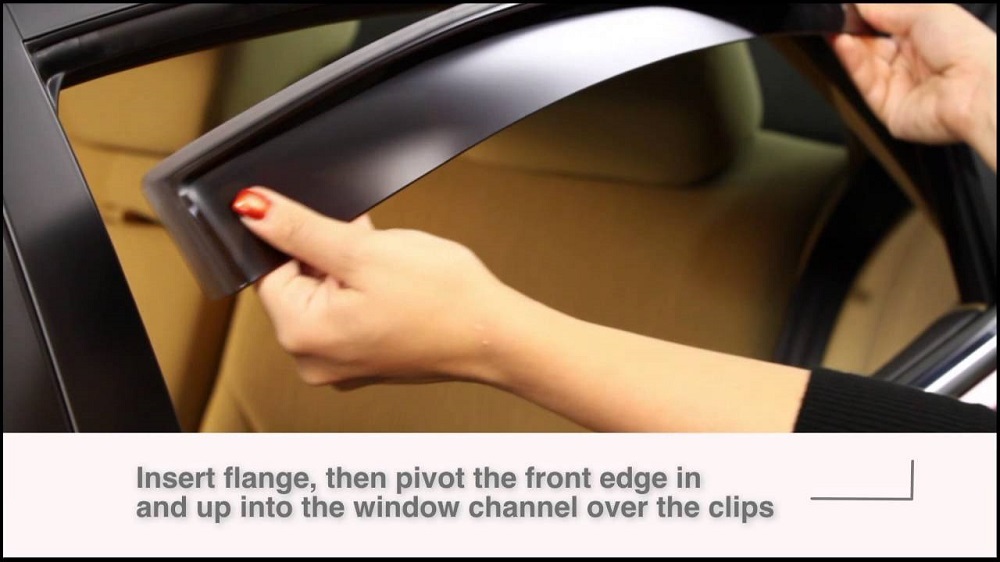
- In-channel (insertable) deflectors: These mechanically clip into the window frame channel, providing secure attachment without adhesives. They’re easier to remove and won’t damage your paint.
- Adhesive-mounted deflectors: These attach using double-sided tape, polymer sealants, or specialized adhesives. While easier to install, they carry a risk of paint damage if removed improperly, especially at high speeds or in strong winds.
By Location and Function
- Side window deflectors: The most common type, protecting front and rear side windows
- Hood deflectors (bug shields): Mounted above headlights to protect the hood and windshield from insects and road debris
- Sunroof/moonroof deflectors: Reduce wind noise and turbulence when the roof is open
- Rear window deflectors (spoilers): Improve aerodynamics, reduce sun glare on brake lights, and help stabilize the vehicle at high speeds
How to Choose the Right Deflectors for Your Car
Universal vs. Custom-Fit Deflectors
- Universal deflectors: More affordable and widely available, but may not fit perfectly and have shorter lifespan
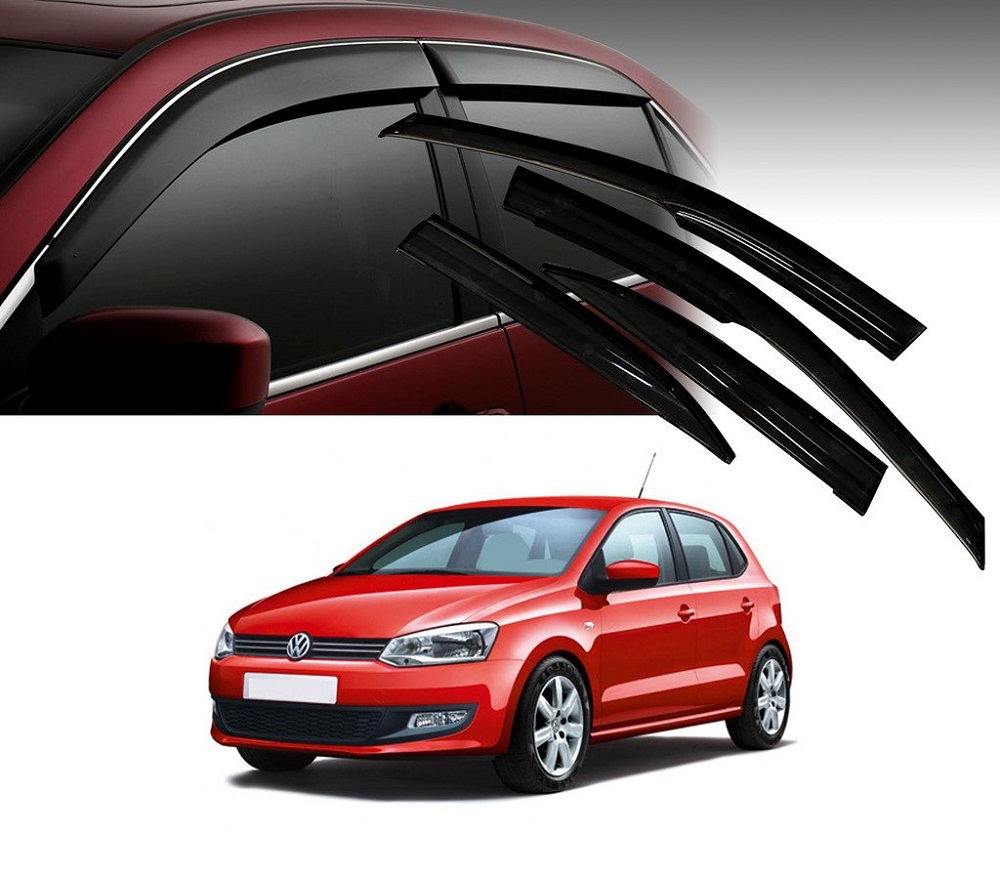
- Custom-fit (OEM) deflectors: Designed specifically for your make and model, offering superior fit, durability, and performance
Essential Selection Criteria
When shopping for car deflectors, consider these critical factors:

– How it matches the original geometry
– Type of mounting
– Quality
– Wing geometry
– Material quality
- Perfect geometry match: The deflector must precisely follow your vehicle’s body contours. Manual adjustments create tension in the plastic, leading to premature failure and potential damage.
- Correct deflection angle: The working surface angle affects aerodynamics. An improper angle can create excessive wind resistance, causing seal detachment, paint damage, or deflector breakage at high speeds.
- Vehicle compatibility: Always verify the deflector is designed for your specific make, model, and year. Each vehicle has unique door configurations, window sizes, and body shapes.
- Material quality: Premium deflectors feature durable acrylic or polycarbonate construction with UV resistance and often include chrome accents for enhanced appearance.
- Mounting system reliability: Ensure clips or adhesives are high-quality to prevent vibration, rattling, or detachment during driving.
Installation Tips and Best Practices
While deflector installation can be a DIY project, following these guidelines ensures optimal results:
- Clean the mounting surface thoroughly before installation
- Test-fit deflectors before final attachment to ensure proper alignment
- For adhesive types, apply in temperatures above 60°F (15°C) for best bonding
- Allow adhesive-mounted deflectors to cure for 24-48 hours before driving
- Check for any vibration or unusual noise after installation
- Consider professional installation for optimal fit and warranty protection
Performance and Safety Considerations
Properly selected and installed deflectors enhance both comfort and safety. However, incorrect deflector choice can negatively impact vehicle dynamics:
- Aerodynamic balance: Poorly designed deflectors can reduce downforce on the front axle while lifting the rear, compromising stability and handling at highway speeds
- Wind resistance: Excessive deflection angles increase drag and fuel consumption
- Visibility: Ensure deflectors don’t obstruct your view or interfere with mirror adjustment
Final Thoughts on Car Deflectors
Car window deflectors are practical accessories that combine functionality with style. By protecting your interior from the elements while improving ventilation, they enhance your driving experience in all weather conditions. When choosing deflectors, prioritize proper fit, quality materials, and compatibility with your specific vehicle to ensure long-lasting performance and protection.
Remember that safe driving starts with proper licensing. If you’re planning to drive internationally, make sure you have the appropriate documentation. You can apply for an international driver’s license on our website and receive it within just a few days!

Published June 24, 2019 • 5m to read