
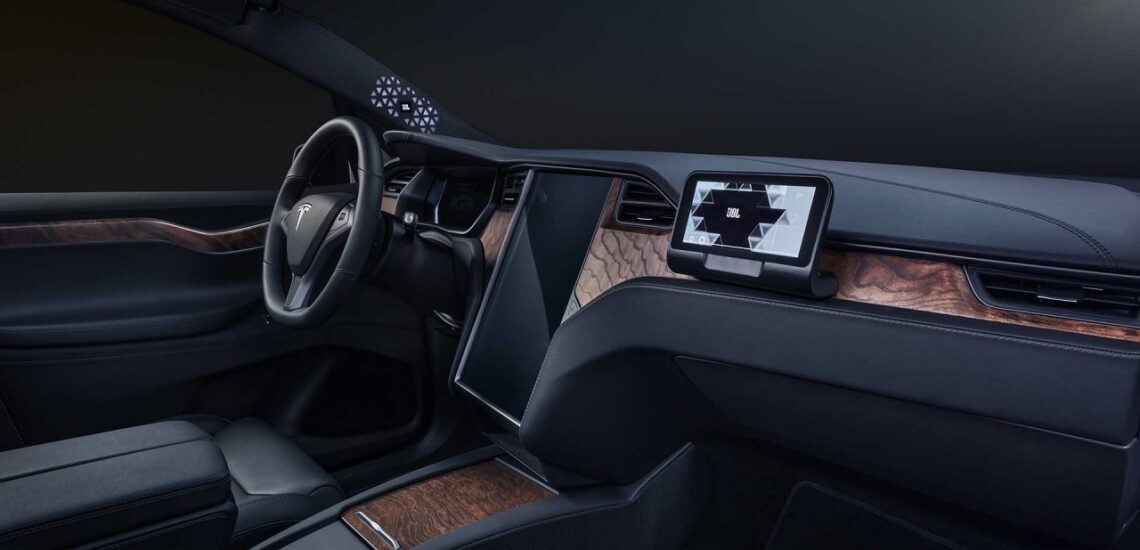


Every modern car comes with a factory-installed stereo, but standard speakers rarely deliver the sound quality drivers truly want. Whether you’re commuting, road-tripping, or simply enjoying your favorite playlist, a basic car audio setup often falls short. Car audio tuning has emerged as one of the most popular automotive upgrades — transforming ordinary factory systems into powerful, immersive sound experiences. But where did it all begin?
The first car radio appeared in the United States in 1930, invented by Paul Galvin, who branded it “Motorola.” Nearly a century later, car audio has evolved into a multi-billion dollar industry with hundreds of system options — and drivers still want more. That desire for something unique and superior is exactly what drives the world of car audio tuning.
What Is Car Audio Tuning? A Full Classification
Car audio tuning refers to any upgrade or modification made to a vehicle’s factory sound system. As soon as the standard head unit is replaced or supplemented with aftermarket components, you’ve entered the world of audio tuning. Depending on which components are upgraded, car audio tuning typically covers:
- Speakers — the number, quality, and placement of speakers directly affect sound clarity and volume;
- Loudspeakers — high-performance drivers for more dynamic, full-range audio output;
- Head units and digital processors — the brain of the system, handling signal routing and digital sound processing;
- Subwoofers — dedicated low-frequency drivers that deliver powerful, deep bass;
- Amplifiers — boost signal strength, improve sound depth and clarity, and expand the frequency range;
- Color music (light-reactive systems) — visual effects that sync lighting to music beats;
- Monitors and displays — in-car screens installed in headrests, ceilings, or dashboards;
- Video equipment — full multimedia integration for entertainment and navigation.
This list is far from exhaustive. Many car enthusiasts dream of turning their vehicle into a fully custom multimedia entertainment center — mounting monitors in headrests or ceilings, installing trunk-mounted amplifiers and subwoofers, and much more. There are even dedicated competitions and exhibitions where owners showcase the capabilities of their audio builds. Some go for a full “disco on wheels” experience; others simply want rich, accurate sound for the daily drive. Either way, audio tuning fills the gap that manufacturers often leave by cutting corners on stock audio quality.

How to Choose the Right Car Audio System for Your Needs
Not every driver needs a competition-grade setup. The right car audio system depends on your budget, goals, and how seriously you take your in-car listening experience. Here are the three most common upgrade tiers:
- Entry-level setup — A head unit with two pairs of coaxial speakers. There’s no external amplifier; the car radio’s built-in amp handles everything. Sound quality is limited, but it’s a significant step up from the factory default. Best for casual listeners on a tight budget.
- Mid-range setup — A head unit paired with high-quality front component speakers connected to a dedicated stereo amplifier, plus rear speakers wired directly to the head unit. This configuration reproduces the full audio frequency range with noticeably improved clarity and depth. The higher cost reflects the price of the external amplifier and professional installation.
- Premium / elite setup — For audiophiles who want the absolute best, even if it “costs a bomb.” A luxury car audio system typically includes two stereo amplifiers, four monoblock amplifiers, a dedicated subwoofer for bass, a high-end head unit, and a full speaker system. Essential features at this level include SD card compatibility and a built-in USB port for flexible media playback.
How to Tune and Upgrade Your Car Speakers
Upgrading your speakers is one of the most impactful changes you can make to your car audio system. To hear individual instruments rather than a flat, blended background, proper speaker tuning is essential. Here are the key steps and tips:
- Soften the speaker surrounds — The most budget-friendly improvement, suitable even for older speakers. Products like the Doctor Wax tire restorer can be applied to the speaker’s corrugation (the rubber surround) from both the inside and outside. This adds bass, depth, and clarity to the sound without replacing anything.
- Choose the right mounting location — Car doors are the ideal location for front speakers. Proper mounting angle and a secure fit are critical to achieving the best sound stage and stereo imaging.
- Match speaker power to your head unit — The rated power (RMS) of your acoustic speakers should always be at least twice the output power of the head unit per channel. This ensures clean, undistorted sound at higher volumes.
Subwoofer and Amplifier Tuning: Getting the Best Bass and Power
The subwoofer and amplifier are the backbone of any serious car audio system. Tuning them correctly makes the difference between muddy, boomy bass and tight, powerful low-end sound. Here’s what you need to know:
- Subwoofer weight and enclosure — Generally, heavier subwoofers deliver more impactful bass. However, avoid overdoing the sound-absorbing material inside the enclosure — too much will make the sound feel choked and constrained. Use wood or fiberboard on the interior to dampen standing sound waves and reduce vibration.
- Subwoofer placement by vehicle type:
- Front and center — excellent acoustics, but only practical in larger vehicles;
- Trunk (forward or backward-facing) — ideal for hatchbacks and vans;
- Rear shelf with a large sound baffle — best suited for sedans and coupes;
- Flush with the floor — a versatile option that works across most other vehicle types.
- Wiring matters more than you think — Thicker wire means better conductivity and cleaner sound. When replacing amplifier or subwoofer wiring, always choose PVS (braided, oxygen-free copper) cable over solid-core VVG wire, which distorts the signal. Cable thickness should match the power rating of your equipment.
- Keep wiring runs short — The shorter the signal path, the less resistance and interference. Plan the physical layout of your amplifiers and components before installation to minimize cable lengths.
- Check and replace aging components — If a transformer overheats (a common issue in budget Chinese head units, even at idle), replace it. Where possible, also upgrade capacitors to increase capacitance and voltage handling.
- Ensure proper airflow — Never cover amplifiers or audio components with floor mats or carpeting. Free air circulation is essential to prevent overheating and maintain long-term performance.
Why You Should Trust a Professional Car Audio Studio
Car audio tuning can seem straightforward on the surface, but the reality is technically demanding. Proper installation requires not only the right components, but also the expertise to wire them correctly, optimize their placement, and integrate them seamlessly into your vehicle’s electrical system.
Here’s why working with a professional car audio studio is often the smart choice:
- Expert component knowledge — Specialists stay up to date with the latest innovations, brands, and compatibility requirements in car audio tuning;
- Safe and correct wiring — Improper wiring is the number one cause of audio quality issues and electrical faults. Professionals ensure all connections are secure and correctly rated;
- Optimized system configuration — From crossover settings to amplifier gain, a trained installer will tune each component to work in harmony with the rest of the system;
- Long-term reliability — A professionally installed system is less likely to develop faults, overheat, or cause electrical issues down the road.
That said, many experienced enthusiasts successfully install and tune their own systems with great results. If you have the technical confidence and the right tools, DIY car audio can be a deeply rewarding project. However, for complex builds involving multiple amplifiers, custom enclosures, or full multimedia integration, professional guidance is strongly recommended.
Great music deserves to be heard in a car that’s driven safely and legally. Only licensed drivers should operate any vehicle — and if you’re looking to upgrade to an international driving permit, you can process your international driver’s license quickly and easily on our website. Enjoy your upgraded sound system responsibly, with both hands on the wheel and the volume set just right.

Published November 26, 2020 • 7m to read