

Zimbabwe is one of Southern Africa’s most balanced travel destinations, offering a combination of a world-class waterfall, strong safari areas, and important archaeological sites within a relatively compact circuit. It is possible to travel from Victoria Falls to major national parks and then on to historic stone cities without the long, exhausting transfers common in parts of the region. The country also provides good overall value, with skilled guiding in key wildlife areas and accommodation options that range from comfortable lodges to more remote, wilderness-focused camps.
A successful trip to Zimbabwe depends on thoughtful planning. Seasonality plays a major role, as water levels affect the experience at Victoria Falls and wildlife movement changes between dry and green seasons. Travel times should be planned realistically, with buffer days built in to avoid rushed road journeys. When approached at a measured pace, Zimbabwe delivers one of the most complete travel experiences in Southern Africa, combining nature, history, and accessibility in a single itinerary.
Best Cities in Zimbabwe
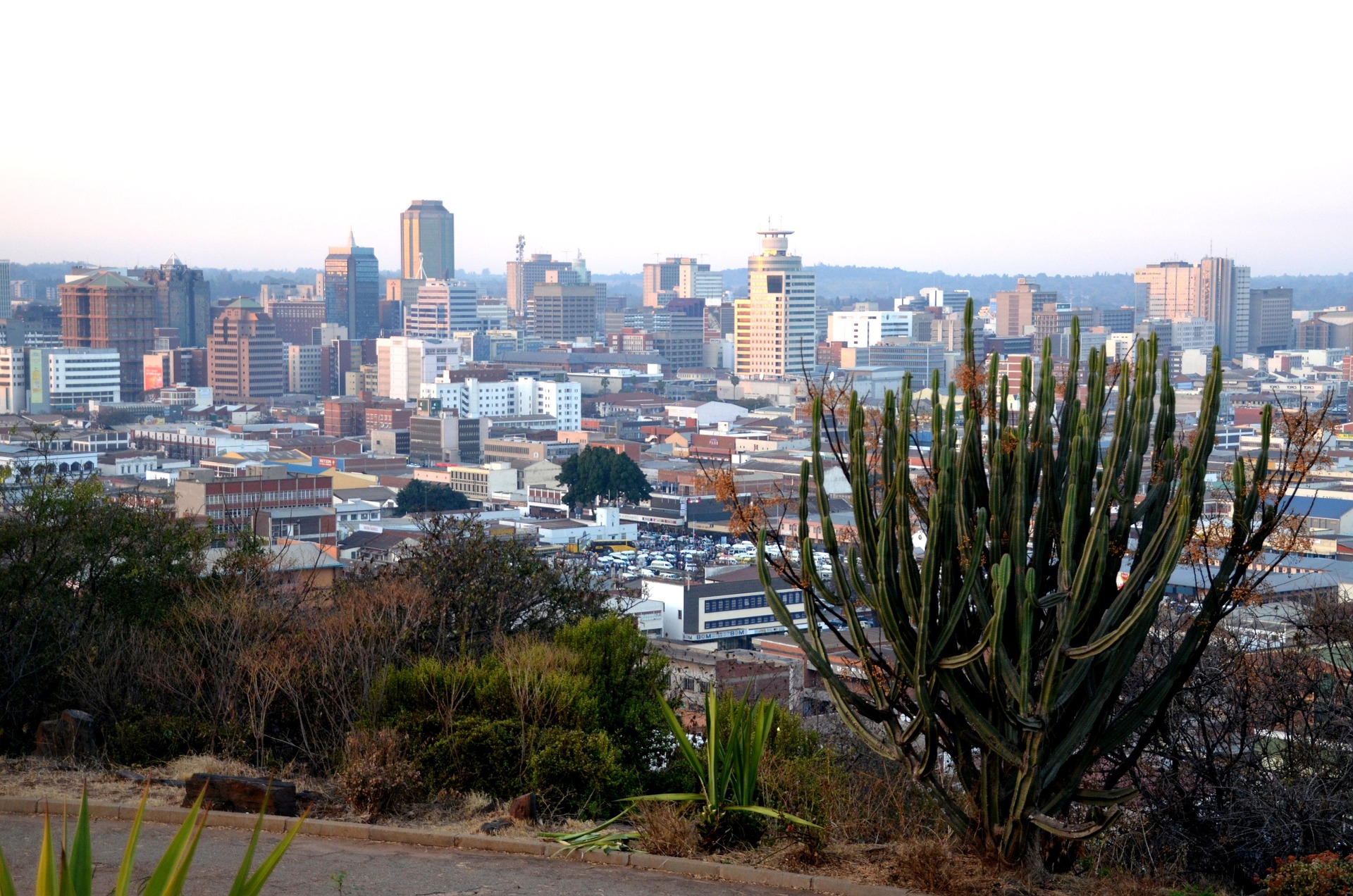
Harare
Harare is Zimbabwe’s capital and main arrival hub, and it works best as a one-day culture-and-setup stop before you head to parks and smaller towns. The city’s calmer rhythm is easiest to feel in its central districts and leafy suburbs, and the most worthwhile visitor time is usually spent on art and markets rather than “big monuments”. The National Gallery is the simplest high-impact stop for an introduction to Zimbabwean art, and Chapungu’s stone sculpture spaces add a second layer if you want to see the country’s best-known sculptural tradition in one visit. For everyday city energy, craft markets and mixed stalls are the most useful places to browse carvings, textiles, and small goods, and a short café or restaurant stop is a practical way to break up errands and traffic.
Use Harare to solve logistics efficiently: cash, SIM, supplies, and onward transport confirmations. The airport is roughly 12 to 15 km from central areas and transfers are often 25 to 45 minutes depending on traffic, which makes it realistic to land, do one cultural stop, and still organize the basics the same afternoon. If you are continuing by road, aim to depart early the next morning, because longer intercity drives are easier in daylight and delays compound later in the day. If you are arranging domestic flights or a driver, confirm pickup points and baggage expectations in advance, then keep the rest of your schedule light so you have buffer if timings shift.
Bulawayo
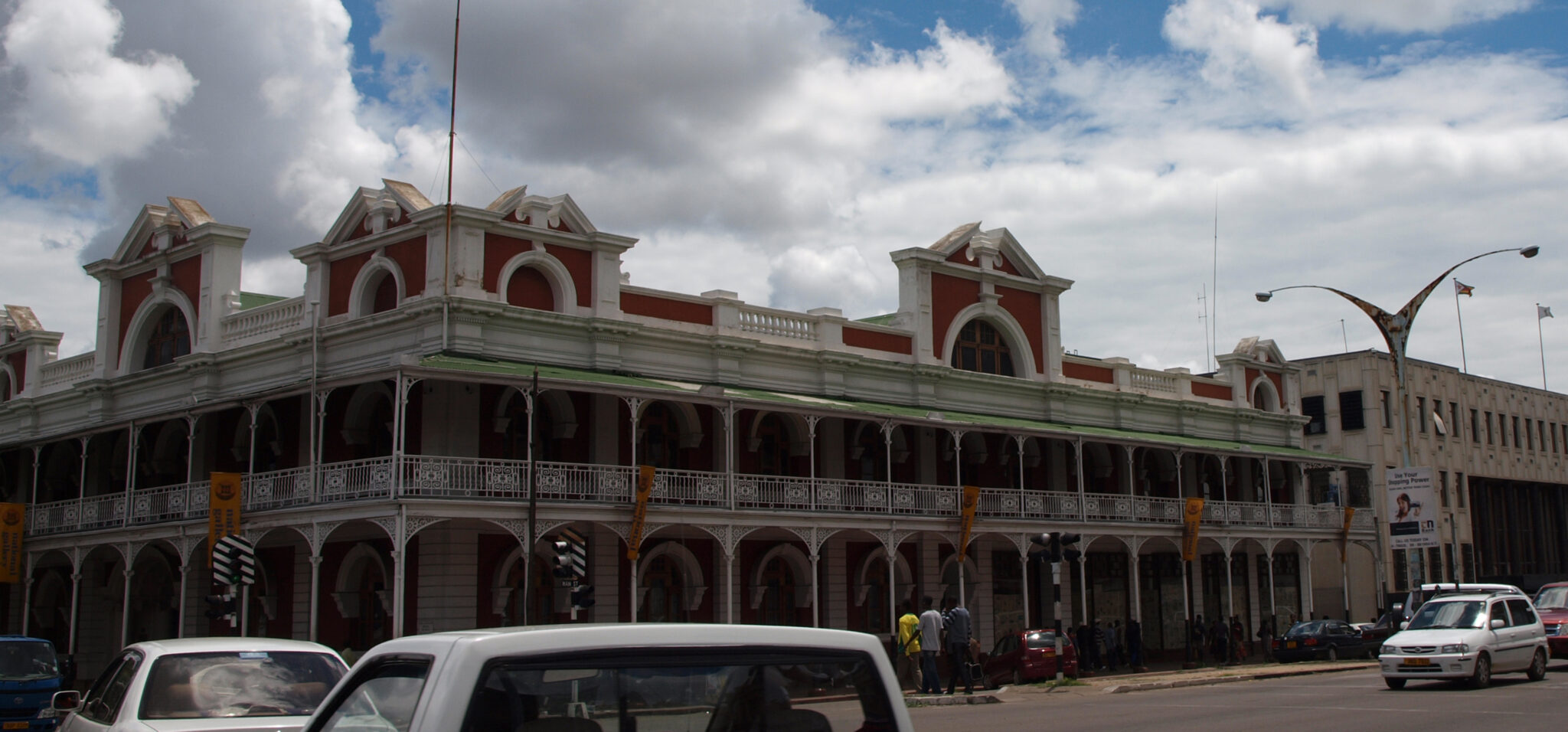
Bulawayo is Zimbabwe’s second-largest city and often functions as the calm, practical base for the southwest. The most rewarding visitor time is usually split between heritage and “easy culture”: a walk-through of central streets with colonial-era buildings, a focused stop at the Bulawayo Railway Museum for locomotives and rail history, and one market or craft browse for everyday city rhythm. It is also a good place to reset after long drives, with straightforward services, fuel, and supplies before you head into park areas. If you want one more urban stop that does not turn into a long day, pair the museum with a short neighborhood loop and a relaxed meal, then keep the rest of the afternoon open.
Bulawayo’s real value is access. Matobo National Park is close enough for a full day trip with time for viewpoints and short walks, while Khami Ruins is a compact heritage stop that fits into a half-day. Many travelers use Bulawayo as a two-night base: one day for Matobo, one day for Khami and the museum, then continue toward Hwange and the Victoria Falls corridor. Build in realistic road time and start early on park days, because even when distances are not large, stops, park gates, and slow sections can stretch the schedule by late afternoon.
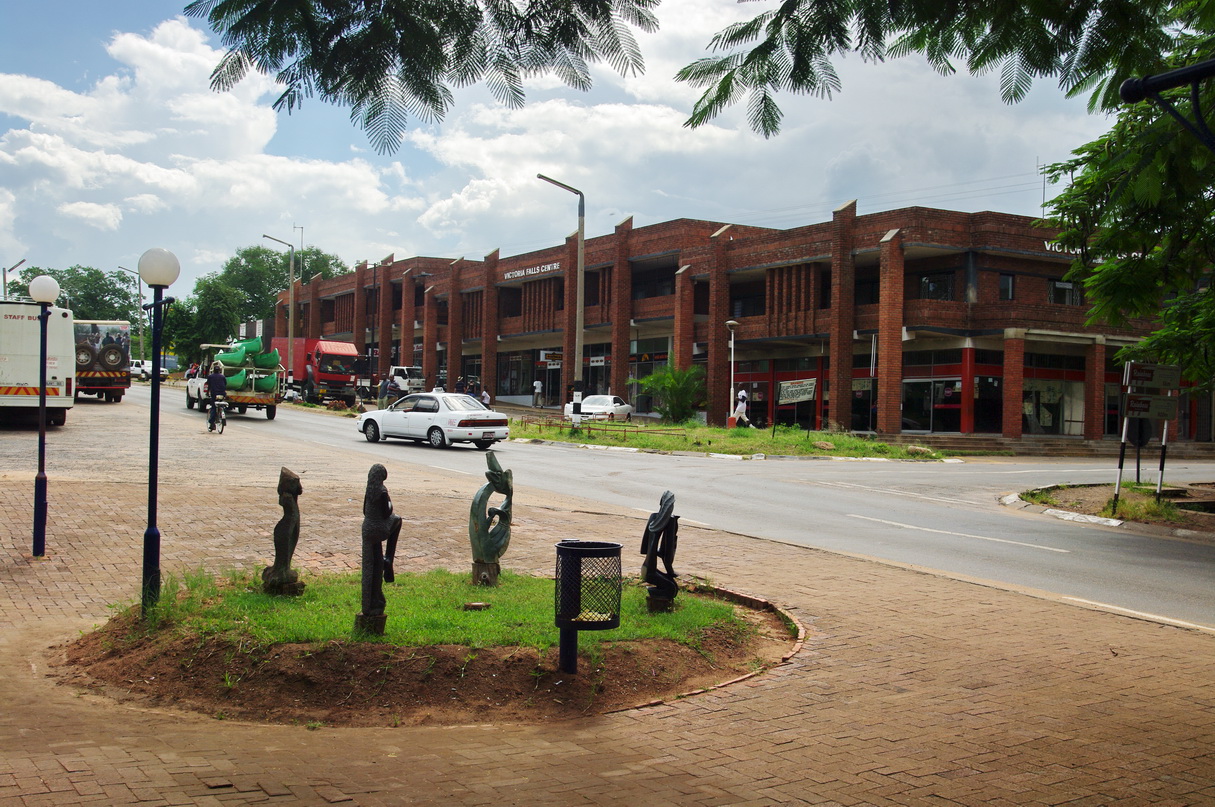
Victoria Falls Town
Victoria Falls Town is a compact tourism base built around access to the waterfall and river activities, so it is easy to cover on foot or with short drives between hotels, restaurants, and activity desks. The main anchor is the falls viewpoints in the rainforest section, where you can spend 2 to 4 hours moving between lookouts, then return later for a second pass when light and spray shift. Beyond the falls, most visitors add one or two “signature” blocks: a Zambezi sunset cruise for water-level wildlife and softer temperatures, a short jet-boat or rafting segment in season depending on water levels, and an early-morning visit to a nearby protected area for a quick safari feel without a long transfer.
Two to three nights is usually the right rhythm. Use day one for the falls and a river activity, day two for either a safari day trip or a longer adventure block, then keep a buffer for weather and timing changes. The town is also a practical logistics point for cross-border connections toward Botswana or Zambia, so it helps to confirm transport and border timing the day before rather than on the morning of travel.
Best Natural Wonders Sites
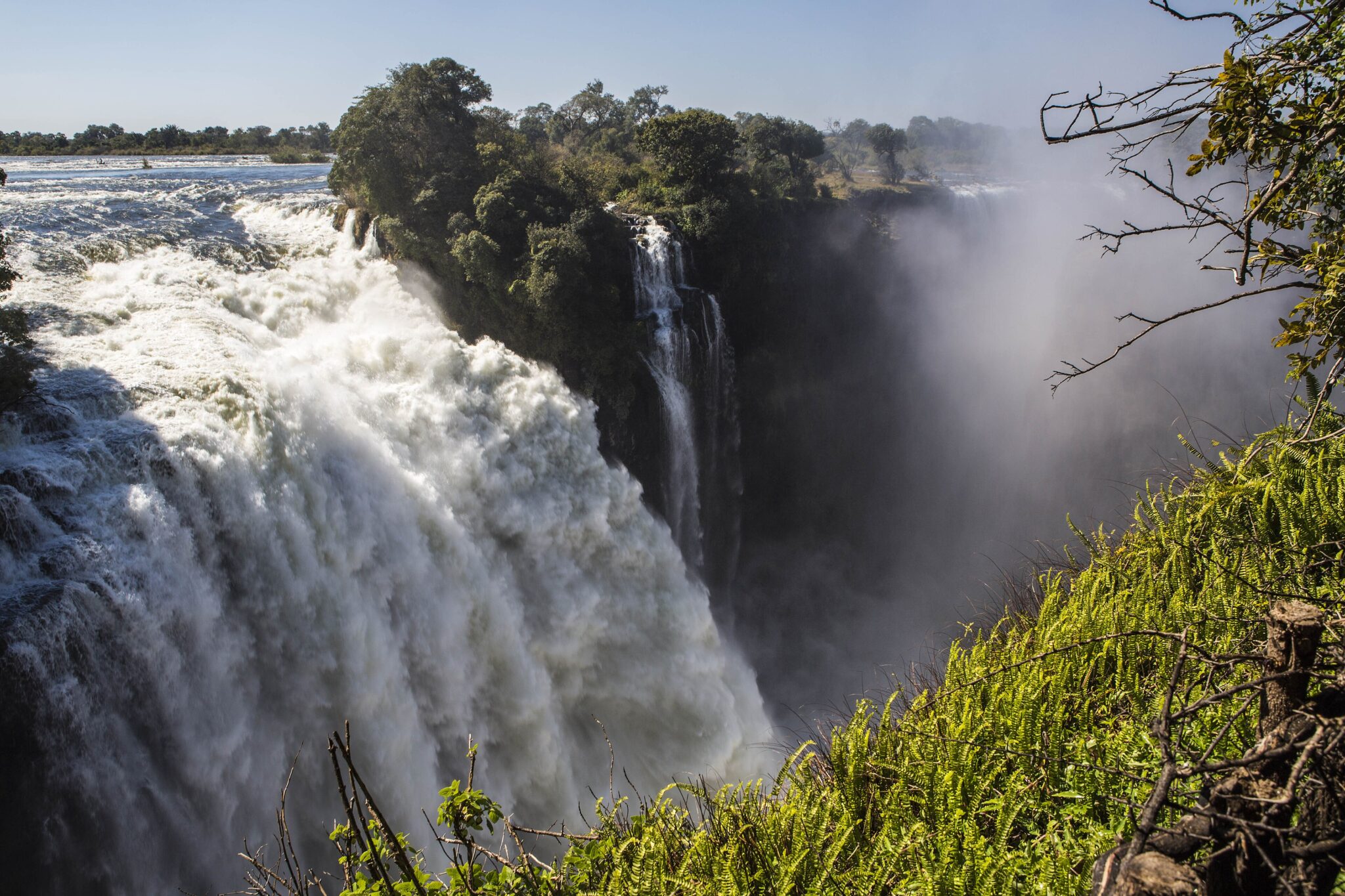
Victoria Falls
Victoria Falls is a major Zambezi River waterfall on the Zimbabwe–Zambia border, about 1.7 km wide with a main vertical drop of roughly 108 m into the Batoka Gorge. The visit is built around a chain of viewpoints on the Zimbabwe side where you move through rainforest paths and lookouts that face the curtain of water, the boiling mist, and the first gorge bends. In high-water periods the spray can soak you within minutes and visibility can come and go with wind, while in lower-water periods you often see more of the basalt lip and the gorge structure, which changes the feel from “pure force” to “shape and depth”. Most travelers spend 2 to 4 hours on the viewpoint circuit, then add one extra experience such as a Zambezi cruise, a helicopter or microlight flight for the full scale, or a short gorge-side walk for different angles.
Timing matters more here than almost anywhere else in the region. If you want softer light and fewer people at the railings, go early, then consider a second visit later in the day because wind and spray direction can make the same lookout feel completely different. Wear shoes with grip, because the paths can be slick near the heaviest spray, and carry waterproof protection for phones and cameras. If you are planning photography, expect strong contrast in bright midday sun and use the morning for cleaner light, then use afternoon time for river activities when temperatures drop and wildlife often gathers near the water.
Hwange National Park
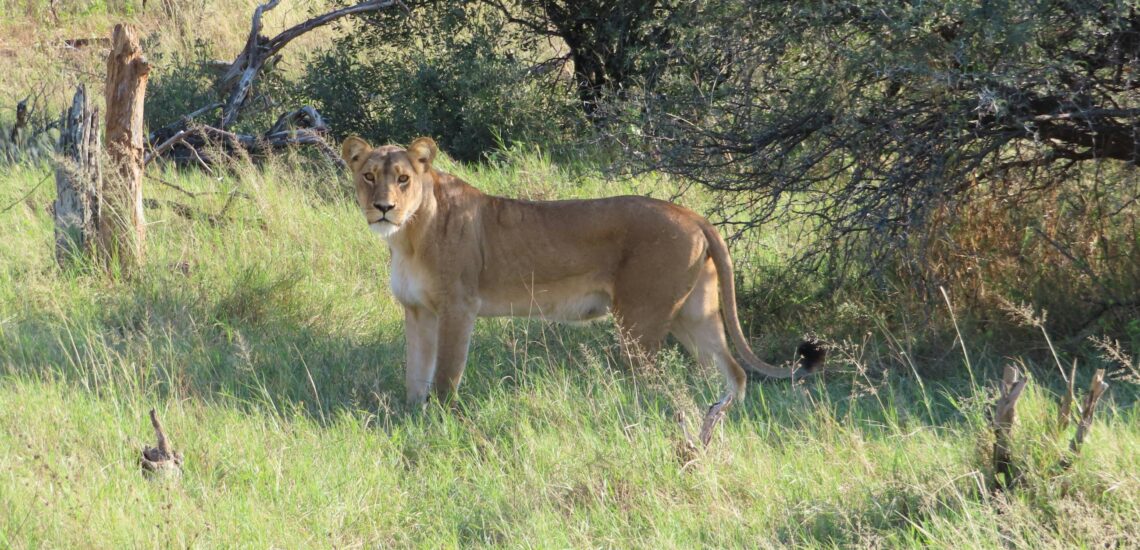
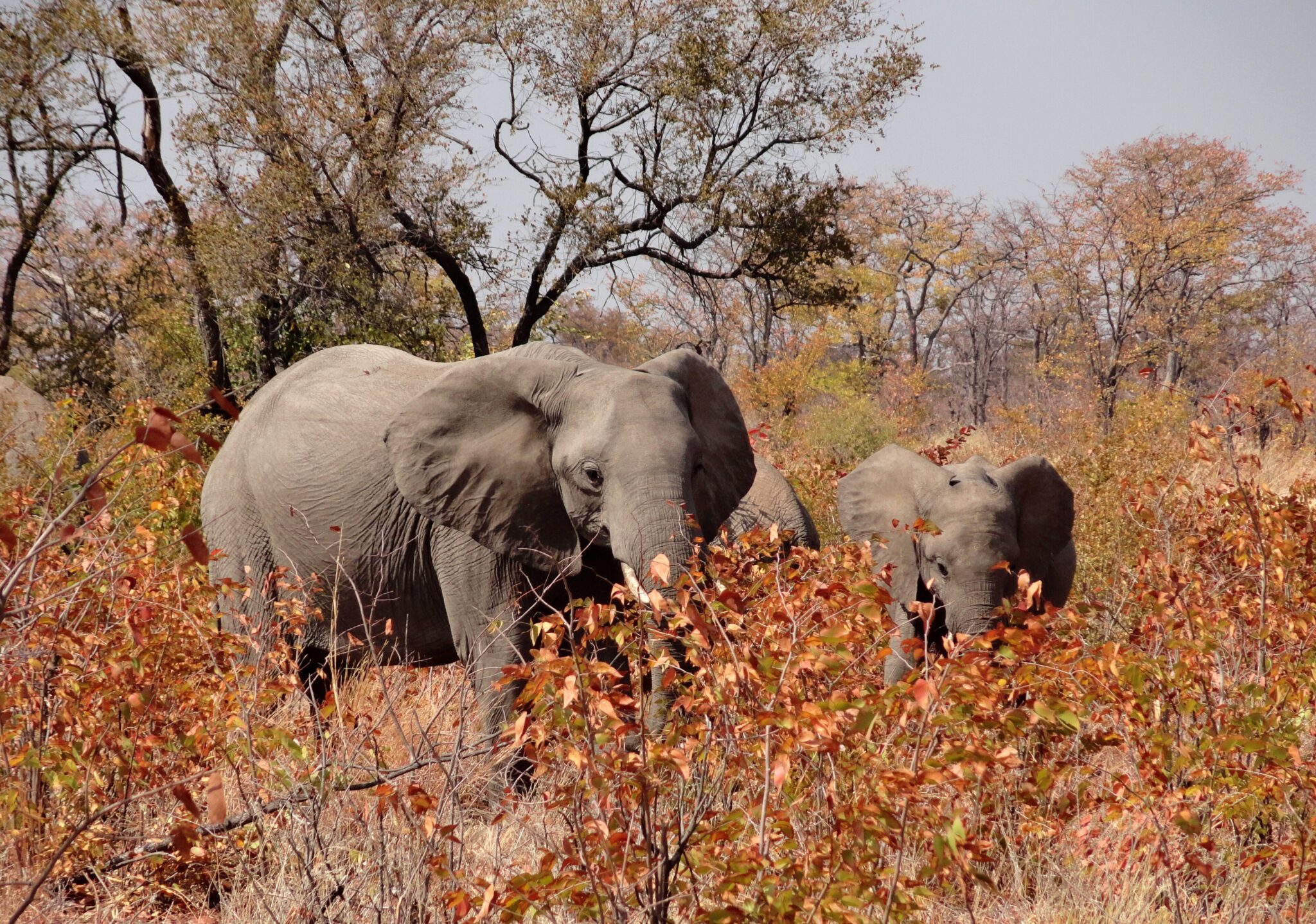
Hwange National Park is Zimbabwe’s largest protected area at roughly 14,600 km² and is one of the country’s strongest safari zones for elephant herds, big plains game, and predator potential. The park’s viewing style revolves around waterholes, especially in drier months, when animals cycle in to drink and sightings build over time rather than in quick “drive-by” bursts. A productive day is usually a dawn drive for fresh movement, a long late-morning or midday waterhole watch from a hide or lodge deck, then a late-afternoon drive as temperatures drop; this pattern often delivers elephants, buffalo, giraffe, zebra, and antelope, with lions and other predators more likely when prey concentrates near water. The landscapes are classic Kalahari-sand woodland and open savannah patches, and the sense of space is part of the appeal, with long stretches that feel quiet compared with tighter, busier circuits.
Hwange works best with at least three nights so you can repeat the same waterholes at different times and learn which areas are active that week. Many itineraries approach from Victoria Falls Town, typically about 180 to 220 km depending on the gate and lodge area, often 2.5 to 4 hours by road plus gate formalities, while Bulawayo to Hwange is a longer transfer that is often planned as a half-day to full travel block. Self-drive is possible on main routes, but guided drives add value for tracking and for knowing which water points are producing. Keep fuel and daylight margins conservative, avoid rushing long drives late in the day, and balance time in the vehicle with at least one extended waterhole session each day, because the best sightings in Hwange often come from waiting, not chasing.
Mana Pools National Park
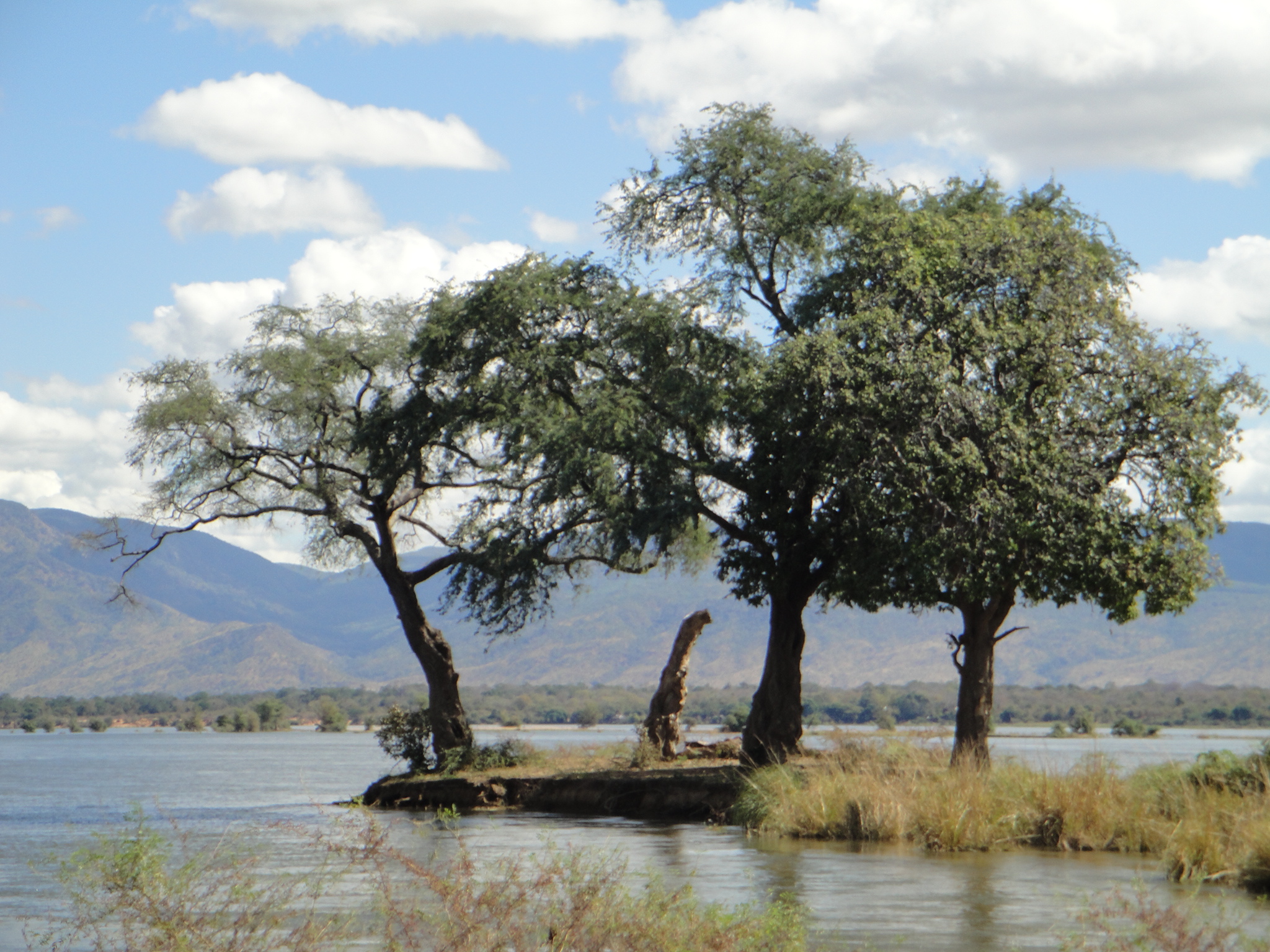
Mana Pools National Park is a Zambezi River wilderness known for walking safaris and canoe trips that place you in open riverine terrain rather than behind a vehicle window. The core experiences are guided walks along the floodplain and under large winterthorn and mahogany trees, canoeing between islands and channels, and long, quiet viewing sessions where elephants, hippos, and other animals use the river edge as a daily corridor. Sightings often feel close because the habitat is open and movement is concentrated along water, and the pace is shaped by listening, scanning, and reading tracks rather than driving long loops. Many visitors plan at least three nights so they can balance one canoe block, one or two walking sessions, and a slower day that is not packed from dawn to dusk.
Access and oversight matter here more than in most parks. Mana Pools is remote, road conditions can be demanding, and travel plans are sensitive to season, so many itineraries use flights or fixed transfers rather than improvising on the day. Once you are in camp, the best routine is early morning activity, a quieter midday break, then a second session in late afternoon when temperatures drop and animals return to the river line. Choose experienced, properly equipped guides for walking and canoeing, follow instructions closely, and avoid “cheap shortcuts”, because the reward of Mana Pools comes from doing high-value activities with strict professional control rather than trying to maximize time by taking risks.
Matusadona National Park
Matusadona National Park sits on the southern shore of Lake Kariba and combines lake-edge viewing with escarpment backdrops, so the experience feels different from open savannah parks. The typical “to do” mix is a game drive for elephant, buffalo, and plains game, then time near the waterline where animals come to drink and temperatures are softer. A short boat-based segment adds another angle: you get shoreline wildlife, birdlife, and the scale of Kariba’s drowned-tree scenery, and the day naturally slows down in a way that suits Matusadona’s quieter atmosphere. This is a good park for travelers who want fewer vehicles, longer pauses, and scenery that stays in view even when animals are not close.
Logistics are more remote and timing-dependent than Zimbabwe’s main road-circuit parks, so it works best as a dedicated segment rather than a quick add-on. Many travelers reach the area via Kariba town or via lake transfers, then base in one lodge or camp to avoid repeated long drives on rough roads. A strong plan is 2 to 4 nights with one longer drive day, one shorter drive plus extended lake-edge viewing, and one water-based outing, ideally a cruise or houseboat block on Lake Kariba.
Matobo National Park
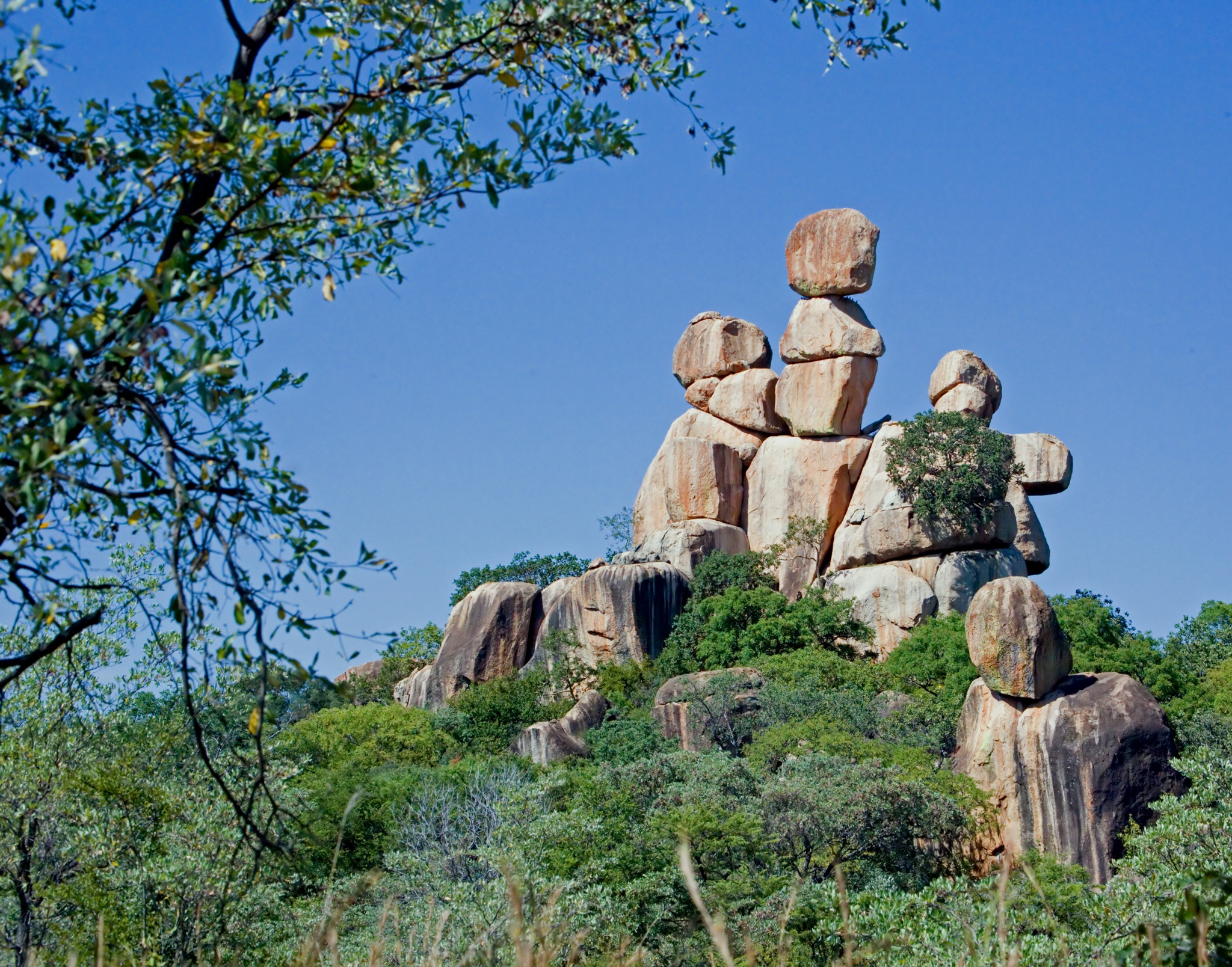
Matobo National Park is Zimbabwe’s granite-landscape highlight, defined by rounded kopjes, balancing rocks, and valleys that feel made for short hikes and viewpoint stops rather than long game-drive loops. It is a strong place to combine scenery with heritage in the same day: you move between rock formations and lookouts on short walks, visit key cultural sites where the story of the area becomes clearer, and in some sections you can add guided rhino tracking on foot, which changes the pace from “driving for sightings” to focused, slow movement with clear safety rules. The impressions are shape and texture, massive boulders stacked in improbable forms, open views from the tops, and a park atmosphere that feels more like a landscape-and-history reserve than a classic savannah safari. Matobo works best as a full day from Bulawayo, or as an overnight if you want both a rhino-focused activity and a slower heritage route. Road access is straightforward from the city, but inside the park you will stop often, so even a short distance day can fill the schedule.
Lake Kariba
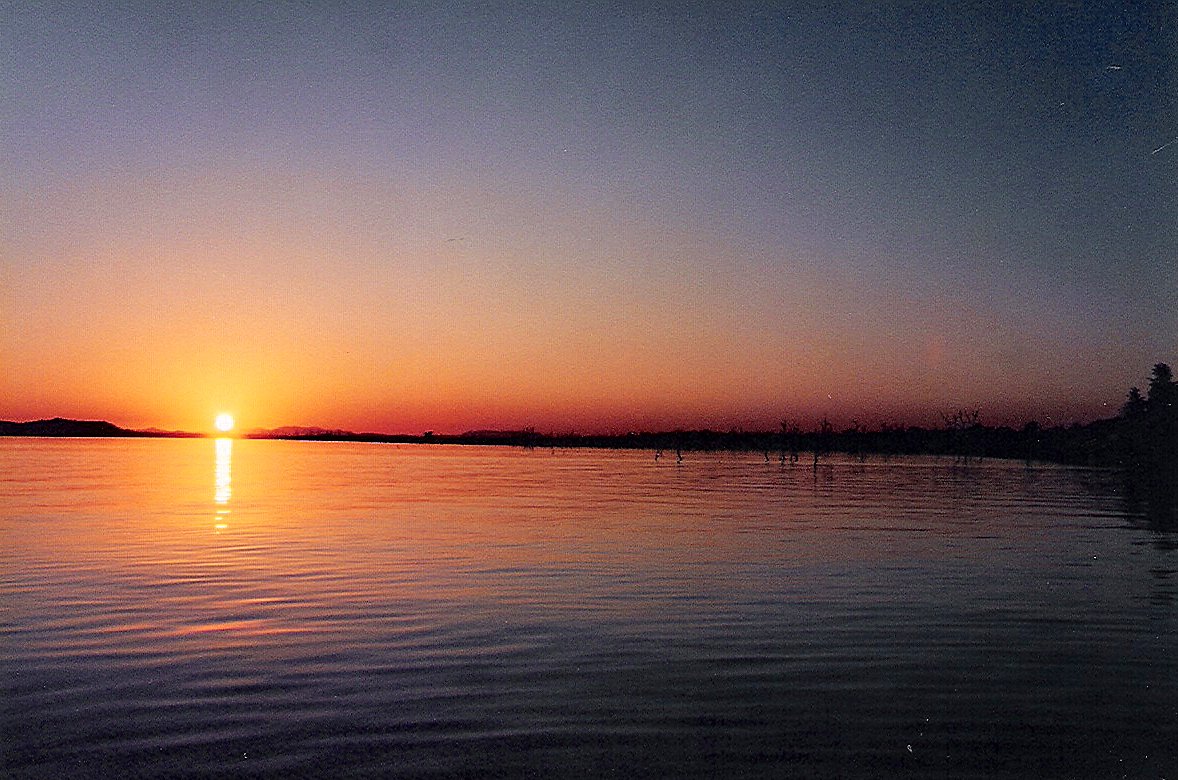
Lake Kariba is a vast reservoir on the Zambezi, widely cited at about 280 km in length and up to roughly 40 km wide, and it delivers a safari-adjacent experience built around water, light, and shoreline silhouettes rather than constant driving. The classic day is simple: a slow morning on the lakefront, a houseboat or cruise segment in the afternoon, then a long sunset watch when the drowned-tree trunks and open water turn into strong shapes for photography. Wildlife viewing is often opportunistic and shoreline-based, with elephants, hippos, crocodiles, and birds most likely near bays and inlets, which is why boat time complements nearby park stays rather than replacing them.
Kariba Town is the main access point and the place to organize boats, supplies, and schedules. The lake works best with at least two nights so you can do one dedicated sunset cruise and still have a second day for a longer houseboat run or a quiet shoreline reset without watching the clock. Transfers can be time-consuming, so build buffer and avoid arriving late in the day if you want to get on the water quickly.
Chinhoyi Caves
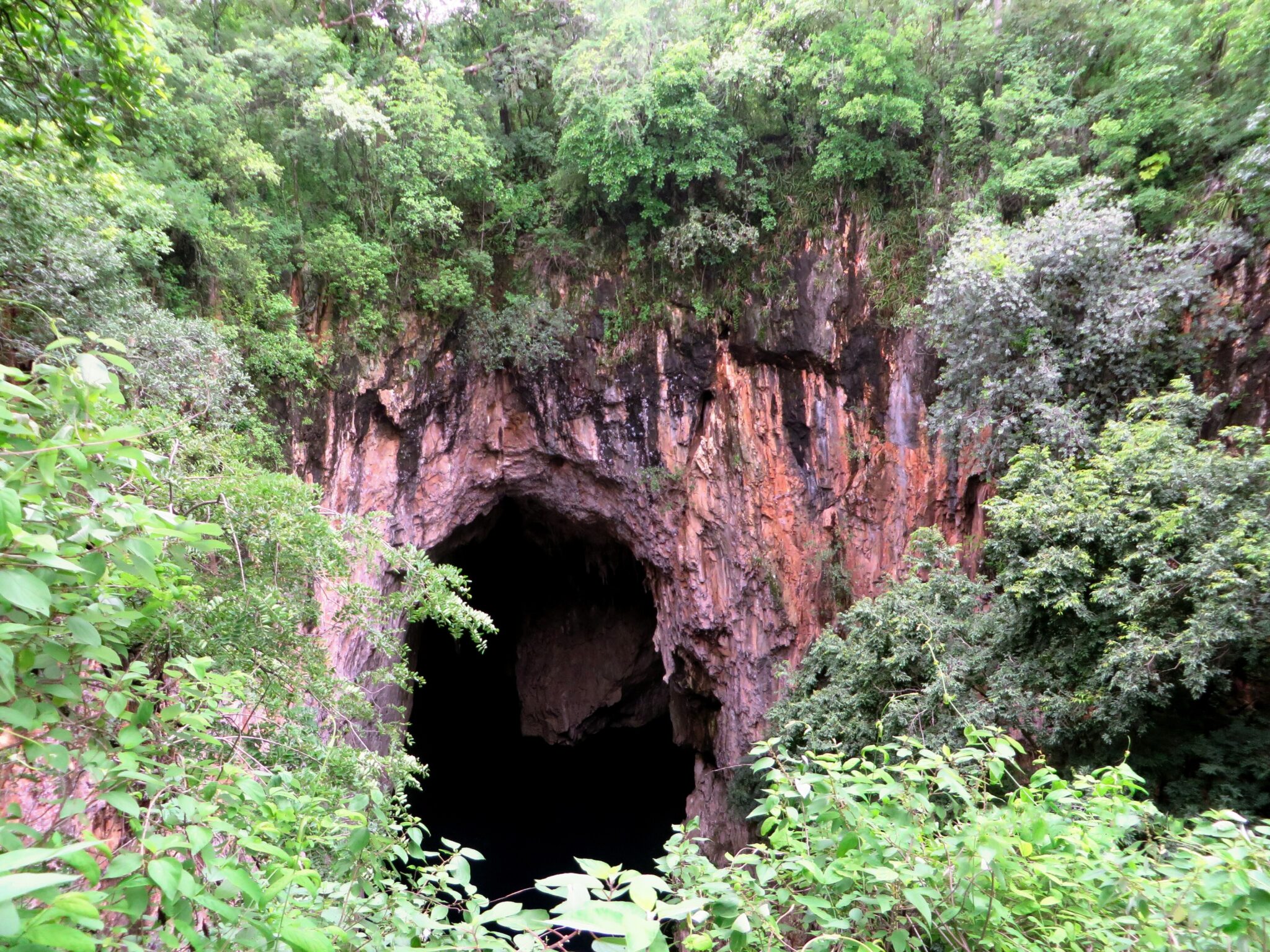
Chinhoyi Caves are a limestone and dolomite cave system best known for their deep, clear blue pool, which makes the stop feel more like a geology site than a typical Zimbabwe wildlife outing. The visit is about viewpoints and atmosphere: you follow short paths to look down into the main pool and cave chambers, then take time to notice how light changes the water from bright turquoise to darker blue depending on cloud and angle. Most travelers treat it as a focused 1 to 2 hour stop, long enough for a slow walk, photographs, and a brief pause at the main lookout rather than a full-day attraction.
They fit well on inland routes from Harare toward the northwest, because the caves are close enough for an easy detour without adding a long extra leg. Roads and surfaces around the viewing areas can be damp and slippery, so shoes with grip matter, and it is worth arriving earlier in the day for calmer conditions and cleaner light on the water.
Best Cultural and Historical Sites
Great Zimbabwe National Monument
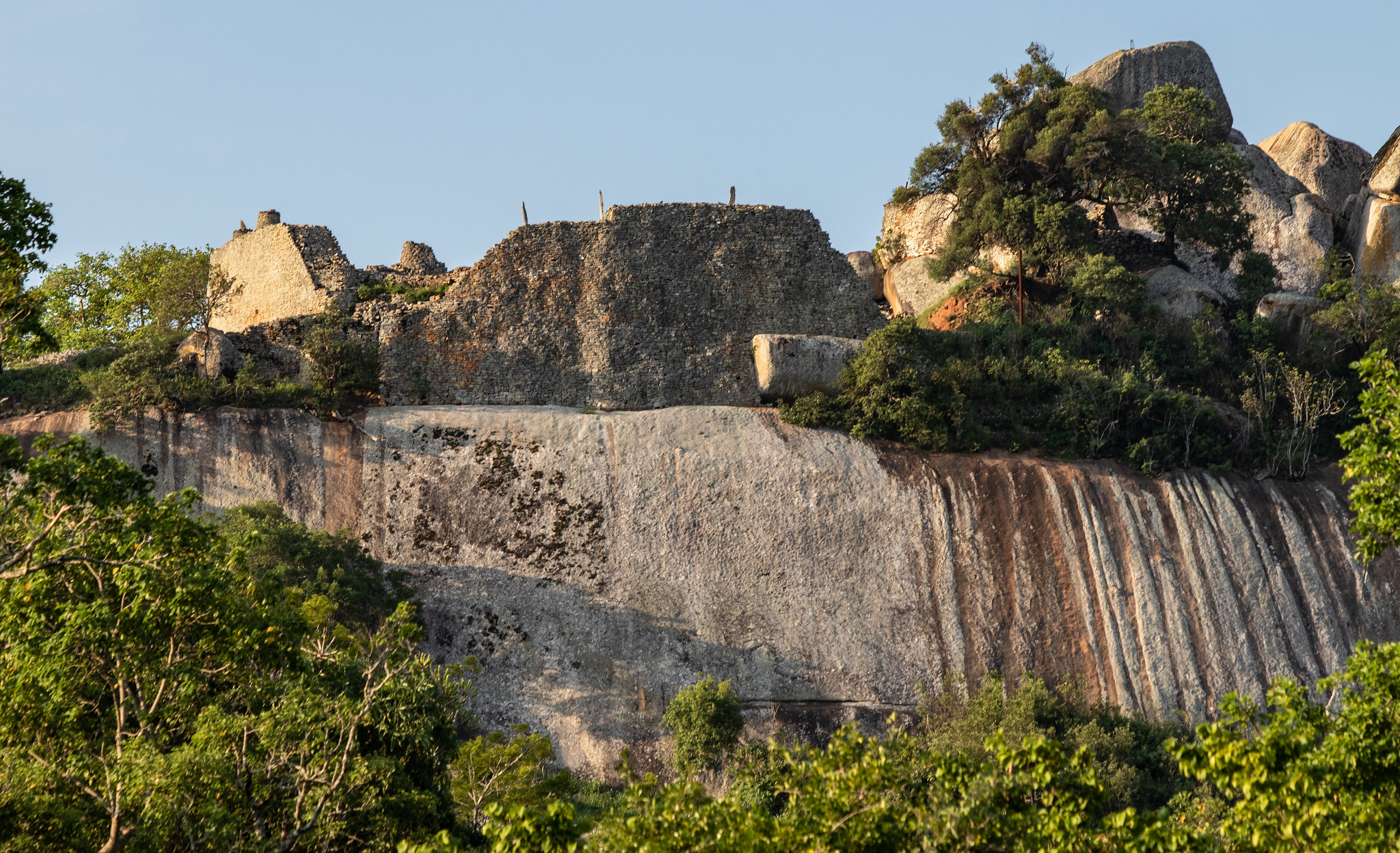
Great Zimbabwe National Monument is the country’s defining heritage site: a medieval stone-built city whose name was adopted for modern Zimbabwe. The visit is about scale and layout rather than a single “photo point”, with three main elements that reward slow walking: the Hill Complex for elevated views and tighter passageways, the Great Enclosure for the largest walls and the strongest sense of planning, and the Valley Ruins for a wider spread of structures that helps you picture how people lived and moved between areas. The impressions are physical and immediate: dry-stone walls built from fitted granite blocks, curved lines that guide your path, and quiet spaces where the city’s former size becomes easier to imagine. Plan 2 to 4 hours on site, longer if you like to stop, reread the layout, and return to the best viewpoints.
It is best visited in cooler hours, because exposed stone can feel hot and the hill sections add effort. A guide is strongly recommended, not for “facts only”, but to connect what you see to how the site functioned, why particular walls and passages were built, and how the city fit into wider regional trade and power. Wear shoes with grip for uneven stone and steps, carry water, and keep your pace conservative on climbs. If you are building an itinerary, treat Great Zimbabwe as a main half-day or full-day anchor rather than a quick stop, because it lands best when you are not watching the clock.
Khami Ruins
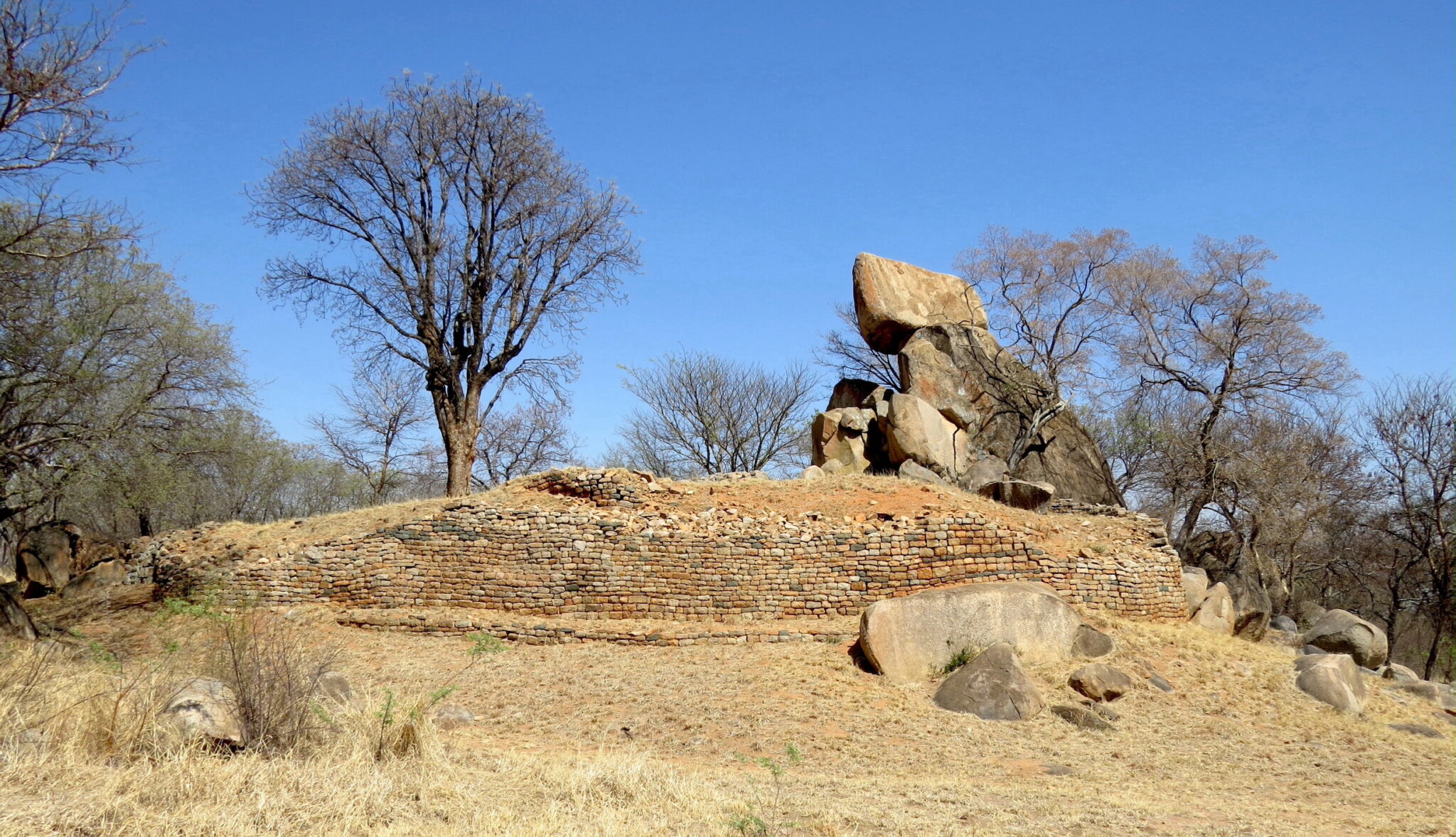
Khami Ruins, close to Bulawayo, are one of Zimbabwe’s most important precolonial archaeological sites and a strong alternative to Great Zimbabwe if you want heritage without crowds. The visit is built around a set of terraced platforms and dry-stone walls arranged along a ridge, with patterned stonework details that stand out when you move slowly and look at how layers were constructed. It is an atmospheric site because you can read the layout in the landscape: elevated sections, clear viewpoints, and quiet spaces that make the settlement footprint feel tangible. Most visitors spend about 1 to 2 hours on site, longer if you like to pause for photographs and walk the full loop without hurrying.
Khami is easiest as a half-day from Bulawayo, which is why it pairs well with a two-night city base. From central Bulawayo, the drive is short, typically around 20 to 25 km and often 30 to 45 minutes by road depending on traffic and approach. Go in the cooler hours, bring water, and wear shoes with grip for uneven stone and dusty paths. A guide improves the experience because the terraces and wall patterns make more sense with context, and keeping the rest of the day calm lets you absorb the site rather than treating it as a quick stop between longer drives.
National Gallery of Zimbabwe (Harare)
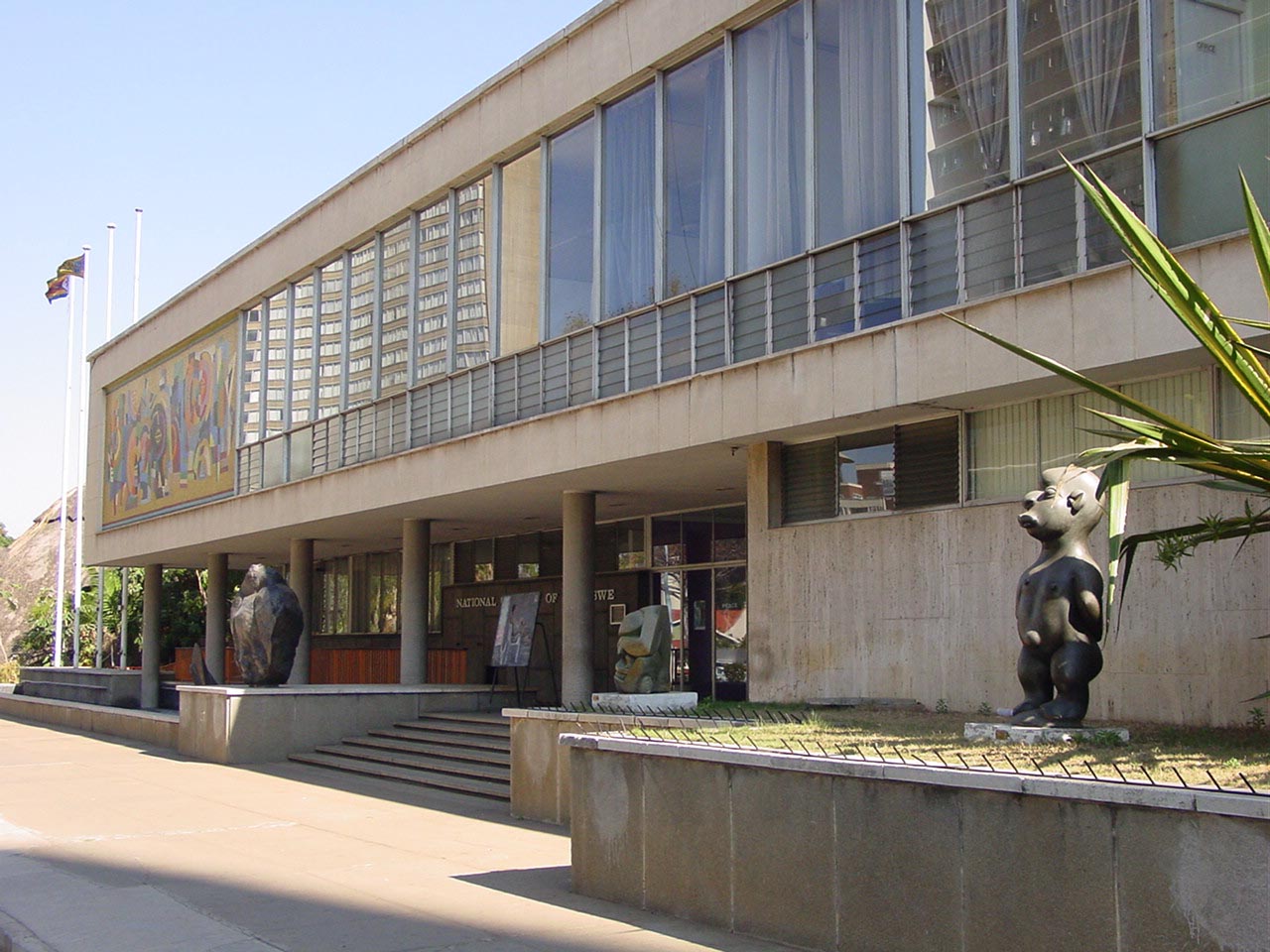
The National Gallery of Zimbabwe is Harare’s most useful “one-stop” cultural visit if you want context for Zimbabwean visual culture beyond craft shopping. It is best approached as a focused, unhurried walk through a small number of rooms: contemporary painting and mixed media, rotating exhibitions, and works linked to the country’s strong sculpture tradition, which helps you recognize styles you may later see in markets. Many visitors spend about 60 to 120 minutes inside, and it pairs naturally with a short browse at a nearby craft market afterward, because you start to notice differences between mass-produced items and more intentional work. It works well as a half-day activity on an arrival or transit day. From most central Harare areas, transfers are usually short by car, and you can fit the gallery into a schedule without committing to a full day of city movement.
Hidden Gems of Zimbabwe
Gonarezhou National Park
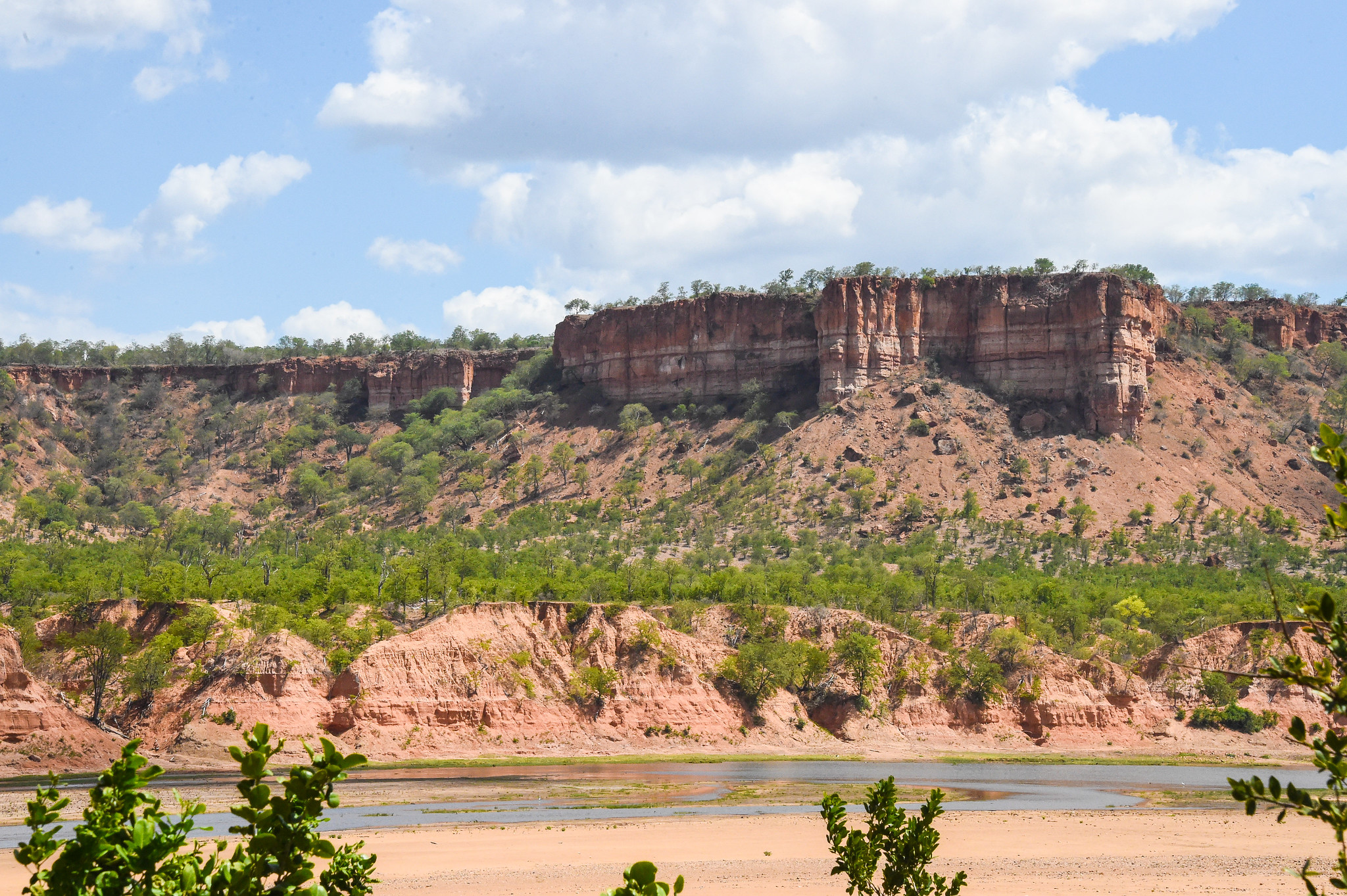
Gonarezhou National Park is Zimbabwe’s big, remote southeast wilderness, covering roughly 5,000 km² and built around long distances, quiet roads, and landscape-first drama. The signature experiences are scenic drives and short walks to viewpoints rather than nonstop animal density: sandstone cliffs, river corridors, and the Chilojo Cliffs area, which is often the headline stop for scale and geology. Wildlife is present, including elephants and a mix of plains game, but the feeling is “earned sightings” and long stretches of silence, with the environment itself staying front and center even when animals are not close. The best rhythm is early and late drives with long pauses at river lines and viewpoints, then a midday break when heat and distances make constant movement less rewarding.
This is an expedition-style park in practical terms. Transfers are long, services are limited once you leave the nearest towns, and recovery support is not something you should assume will be nearby, so route planning and fuel margins matter. Self-drive requires a properly prepared 4×4, conservative speeds on rough sections, and a clear rule for turning back before late afternoon, because delays compound quickly in remote areas. Gonarezhou is rarely satisfying as a quick add-on; it works best as a multi-night segment, typically 3 to 5 nights, so you can explore one core zone thoroughly, repeat drives at the right hours, and keep enough buffer for road and weather variability.
Eastern Highlands (Nyanga area)
Zimbabwe’s Eastern Highlands around Nyanga offer a cool, green mountain break that contrasts sharply with the country’s hotter lowland safari zones. The area is built for outdoor days: short hikes to viewpoints, longer ridge walks, and waterfall stops that fit naturally into a slower pace. Nyanga National Park is the core base for trails and scenery, with rolling highland grass, pine-framed roads, and frequent river and dam viewpoints; many visitors also add a waterfall stop and one higher-elevation walk for wide views across the border ranges. The impressions are simple and physical: cooler air, mist in the morning, and a landscape where walking feels like the main activity rather than a filler between drives.
Nyanga is typically approached by road from Mutare, which is the practical gateway town for fuel and supplies before you climb into the highlands. Driving times can stretch because roads are winding and visibility changes fast in cloud and rain, so it pays to start earlier and keep the day’s plan to one main hike plus one waterfall or viewpoint stop. Pack a light warm layer even in warmer months, and carry rain protection because weather shifts quickly at altitude.
Chimanimani Mountains
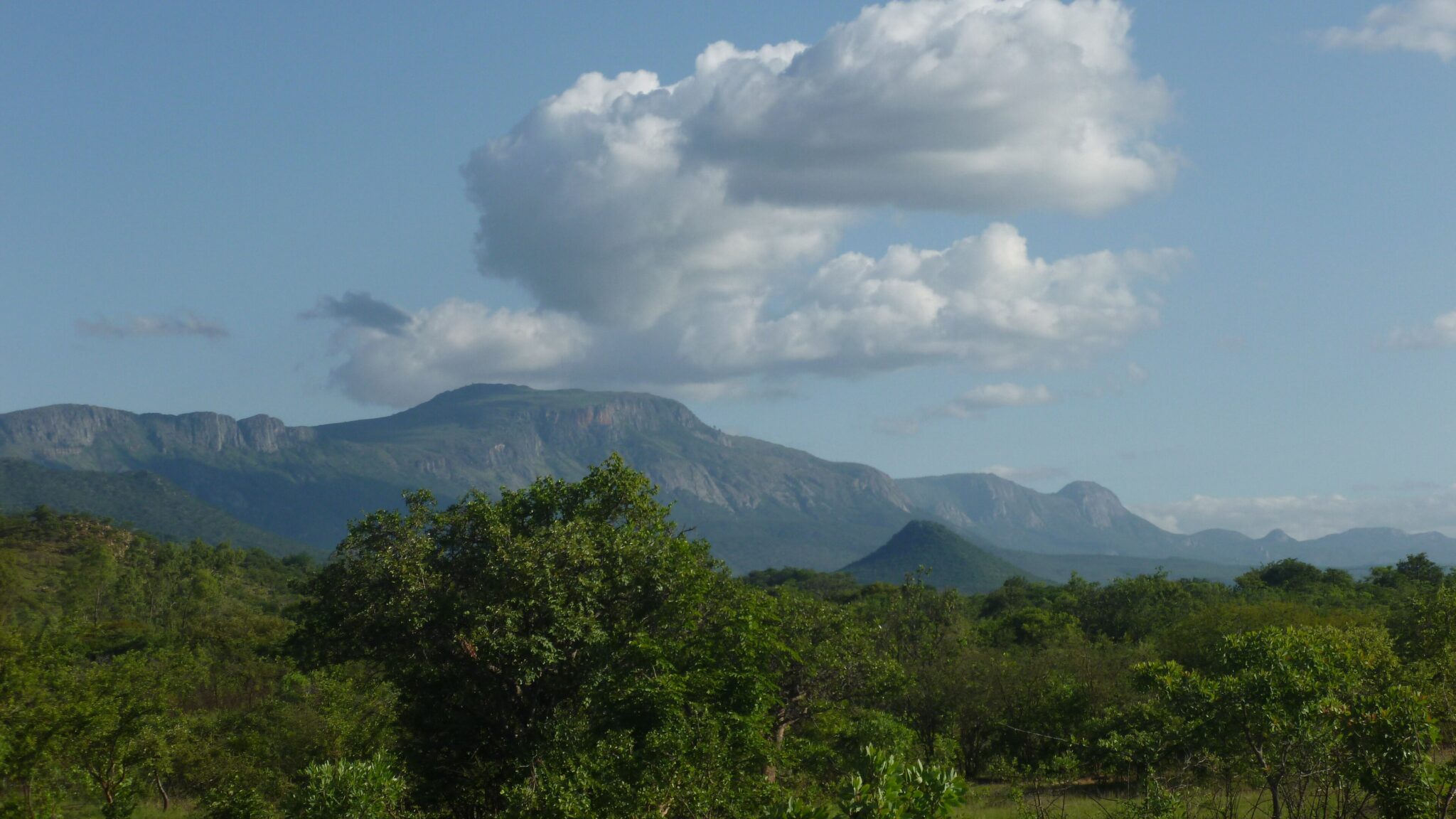
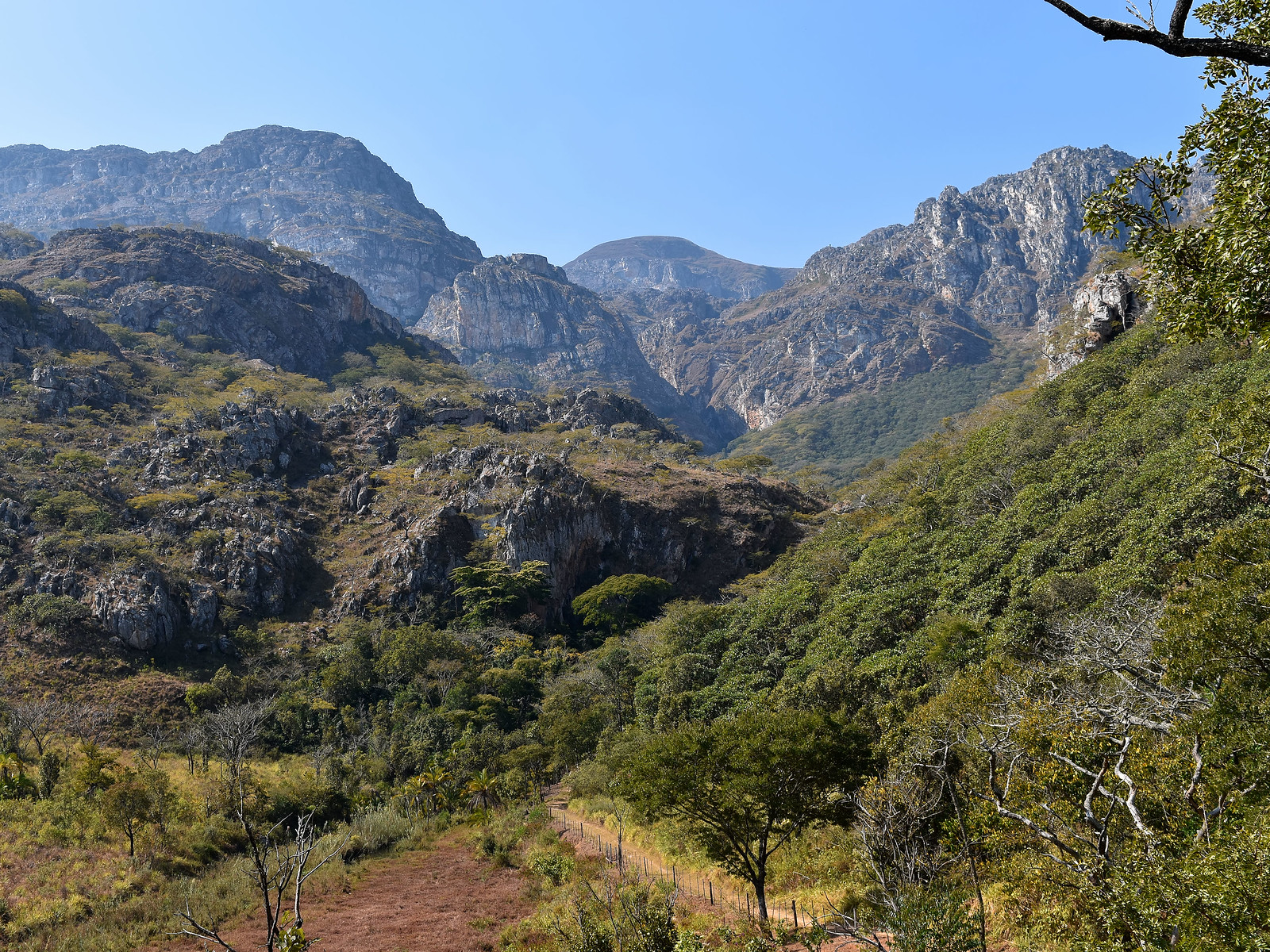
The Chimanimani Mountains on Zimbabwe’s eastern border are the country’s most rugged hiking terrain, defined by steep ridgelines, narrow passes, and high viewpoints that reward experienced walkers. The best experiences are route-based rather than “single sight” visits: a demanding day hike to a main ridge for wide views, a longer trek that links valleys and peaks, and time at clear pools and river crossings that break up the climb-and-descent rhythm. The landscape feels remote and unbuilt, so the main impressions come from altitude, exposure, and scale, with mornings often offering the cleanest visibility before cloud builds.
Chimanimani is typically reached via Mutare and then the Chimanimani town area, which functions as the last practical point for supplies, cash, and local arrangements before you go higher. Because trails can be rough and navigation is not always obvious, local guidance is a real safety multiplier, especially if you are attempting longer routes or moving in variable weather. Plan early starts, conservative turnaround times, and enough water and warm layers for sudden temperature drops. If you are fitting it into a wider Zimbabwe trip, treat Chimanimani as a dedicated hiking segment of at least 2 to 4 nights so you can wait out poor conditions and still get one strong route day rather than forcing a hike in bad weather.
Bulawayo Railway Museum
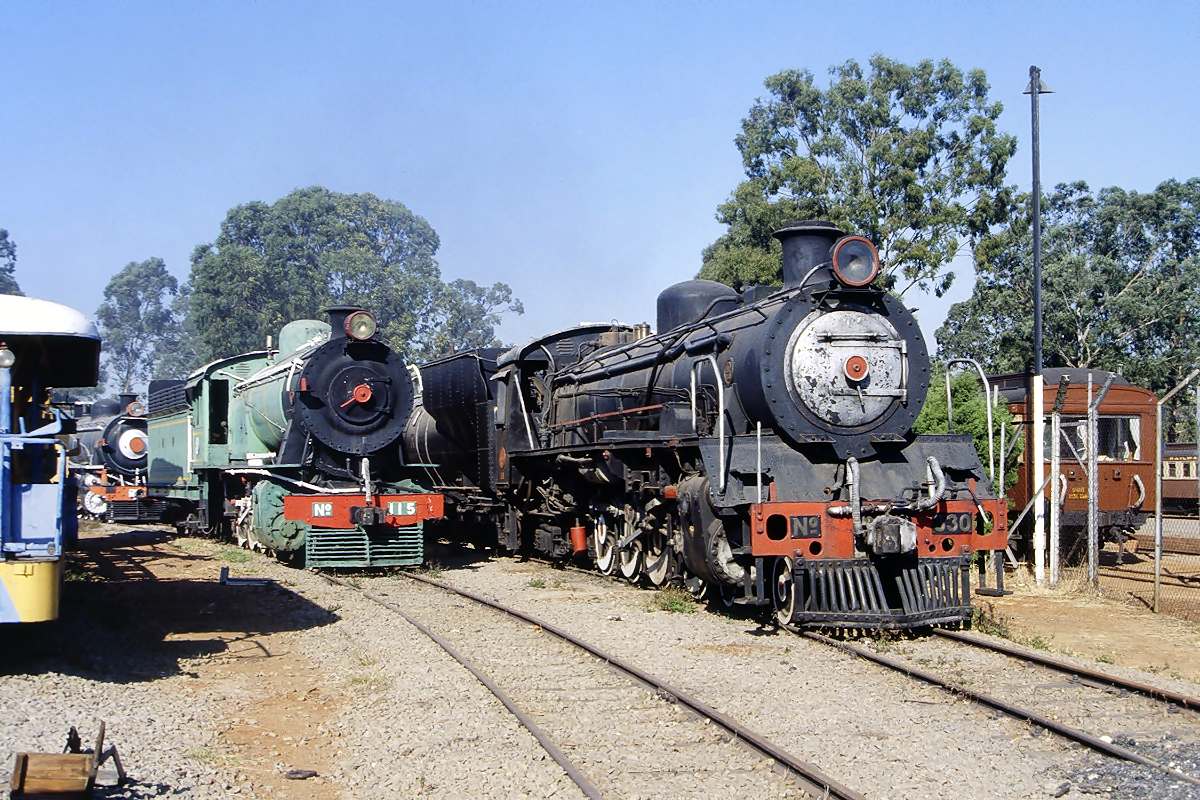
The Bulawayo Railway Museum is one of the most rewarding transport-history stops in the region, focused on Zimbabwe’s rail era through full-size steam and diesel locomotives, rolling stock, and practical railway artifacts rather than polished “gallery-only” displays. The experience is hands-on in feel: you walk among engines and carriages, compare engineering details up close, and get a sense of how rail shaped long-distance travel and trade across southern Africa. Most visitors spend about 60 to 120 minutes, longer if you like to photograph machinery and read the smaller exhibits, and it works well as a contrast to wildlife-heavy days because it is focused, sheltered, and low-effort.
It fits neatly into a Bulawayo day plan. Do the museum in late morning or early afternoon when heat is higher, then add one other activity that does not require rushing, such as Khami Ruins as a short heritage loop or a calm city walk for architecture and market browsing. Transfers within Bulawayo are usually straightforward by car or rideshare-style transport, so you can keep the day compact and still leave time for a relaxed meal afterward.
Travel Tips for Zimbabwe
Safety and General Advice
Zimbabwe is one of Southern Africa’s most rewarding destinations, best known for Victoria Falls, Hwange National Park, and the country’s rich cultural heritage. It is generally safe for travelers who use normal precautions, particularly in cities and tourist centers. When exploring remote national parks or rural regions, it’s important to plan routes, fuel stops, and accommodation in advance, as services may be limited. Travelers will find locals friendly and welcoming, and tourism infrastructure in major destinations well developed.
A yellow fever vaccination may be required depending on your travel route, especially if arriving from an endemic area. Malaria risk exists in certain regions, including the Zambezi Valley and areas near lakes and rivers, so prophylaxis and mosquito precautions are advised. Tap water is safe in some major cities but not always reliable in smaller towns or rural areas – bottled or filtered water is recommended. Travelers should pack sunscreen, insect repellent, and any personal medications, as supplies may be limited in remote areas.
Car Rental and Driving
An International Driving Permit is recommended in addition to your national driver’s license. Both should be carried at all times, particularly at checkpoints and when renting vehicles. Police checks are common but typically routine and conducted professionally. Driving in Zimbabwe is on the left-hand side of the road. Major highways are generally in good condition, but secondary routes can be uneven or unpaved, especially within national parks. A 4×4 vehicle is useful for reaching remote areas, game reserves, or rough terrain. Night driving outside towns is not advised due to wildlife, low visibility, and occasional road hazards. Travelers should plan fuel stops carefully, as supplies can be limited in rural areas.

Published January 30, 2026 • 19m to read