

Zambia is one of Southern Africa’s most rewarding destinations for travelers focused on nature, open space, and safari experiences that remain largely uncommercialized. It is particularly well known for walking safaris, which allow visitors to explore the bush on foot with professional guides and gain a deeper understanding of wildlife, tracks, and ecosystems. Zambia is also home to Victoria Falls, one of the most powerful waterfalls in the world, as well as vast national parks that tend to be quieter than many of the region’s more famous safari areas.
A well-planned trip to Zambia usually combines a major highlight with time spent in one or two remote wilderness regions. Rather than covering large distances quickly, the country rewards travelers who slow down and spend time in places like South Luangwa or Lower Zambezi, where daily rhythms are shaped by the river, wildlife movements, and the seasons. Travel between regions can be time-consuming and sometimes requires light aircraft or rough road transfers, making a focused itinerary the most effective way to experience Zambia’s landscapes and safari culture.
Best Cities in Zambia
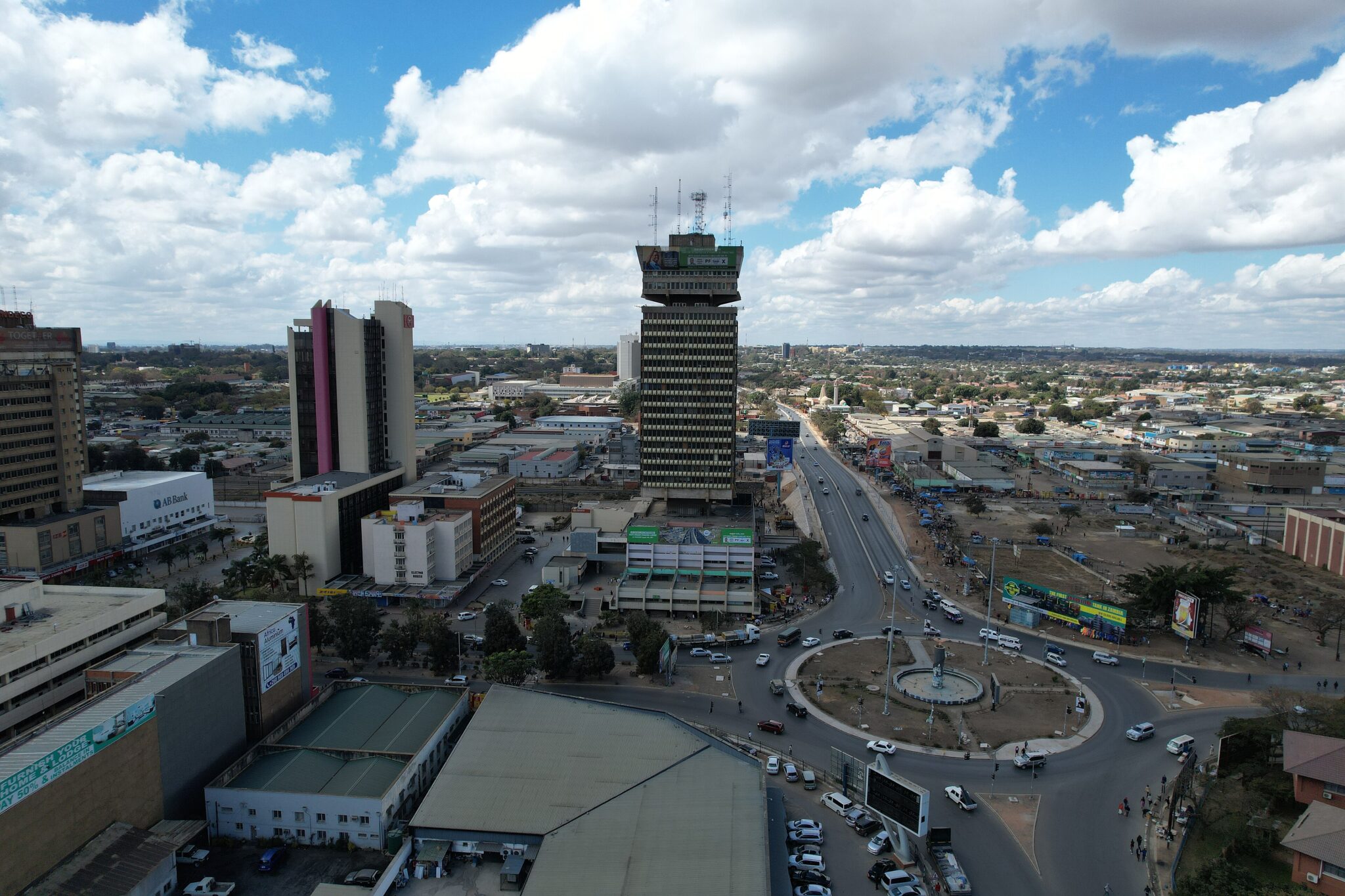
Lusaka
Lusaka is Zambia’s capital and main transport hub, set on a high plateau at roughly 1,280 m above sea level, which keeps evenings cooler than many lowland cities. It is not a “monument city”, so the best use of time is practical culture: Soweto Market for everyday food staples and street life, and craft-focused stops such as Kabwata Cultural Village for carvings, textiles, baskets, and small gifts at local prices. For a quick city rhythm, pair a market visit with a short café or dinner stop in the more walkable dining areas around Kabulonga, Woodlands, or East Park, where you can try Zambian staples (notably nshima-based meals) before you head into more remote regions.
As a logistics base, Lusaka works because connections concentrate here. Kenneth Kaunda International Airport (LUN) sits about 25–30 km from central districts, often 40–90 minutes by car depending on traffic, and the city is the main gateway for domestic flights to safari regions such as Mfuwe (South Luangwa) and Livingstone. Overland, common route planning benchmarks are Livingstone ~480–500 km (about 6–7+ hours), Ndola/Copperbelt ~320–350 km (about 4–5 hours), and Chipata (eastern gateway) ~550–600 km (about 8–9+ hours), with times varying sharply by roadworks and checks. Use Lusaka to prepare for the bush: withdraw cash, buy a local SIM, and stock essentials you may struggle to find later, including insect repellent, basic medicines, and spare charging cables.
Livingstone
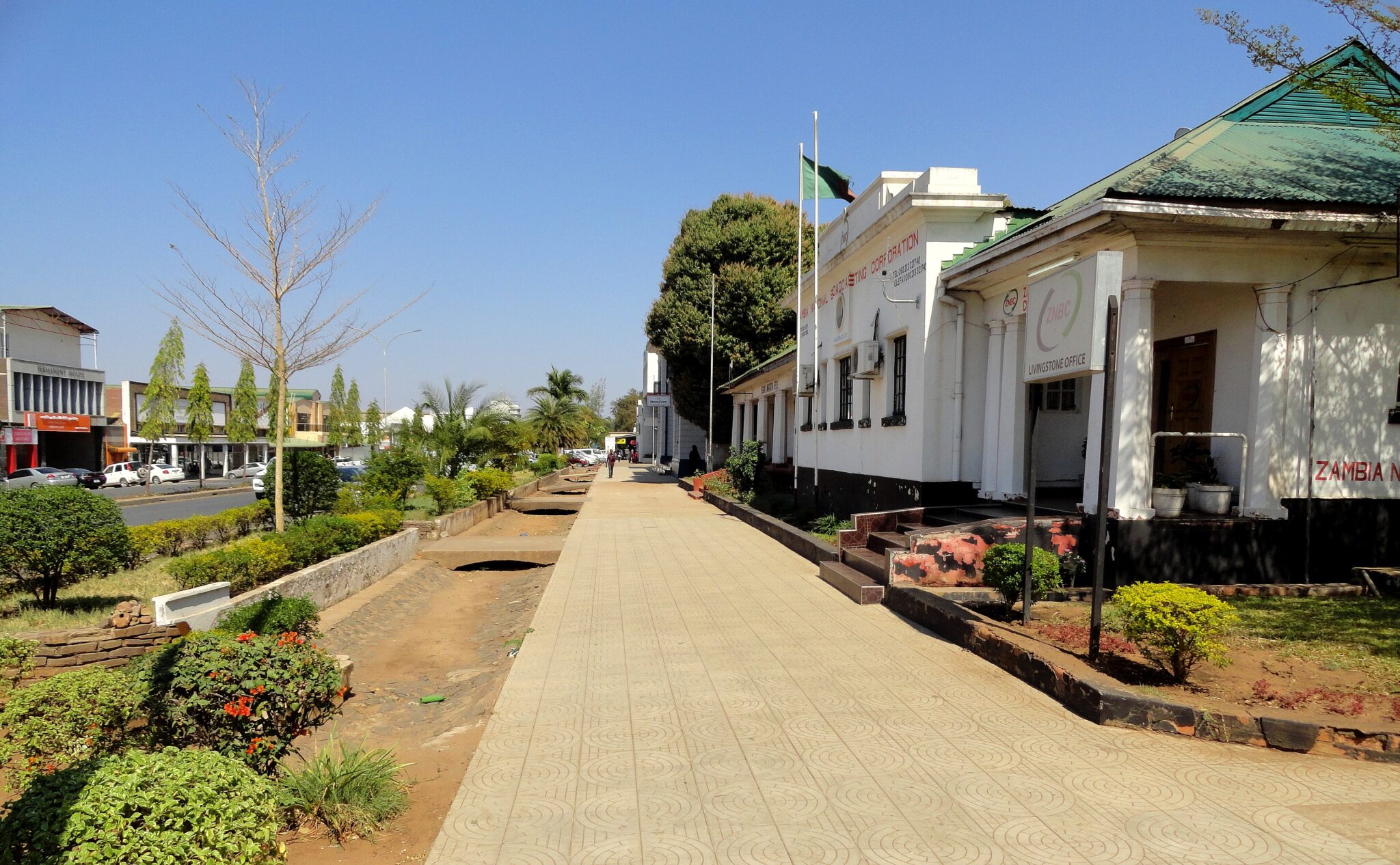
Livingstone is Zambia’s main tourism base for Victoria Falls and the Zambezi River, and it works well because everything is close and easy to organize. The town sits roughly 10 km from the falls, so you can visit early and still be back for lunch without committing to a long day on the road. Victoria Falls itself is the headline: it is about 1.7 km wide with a maximum drop of roughly 108 m, and the experience changes dramatically by season, from heavy spray and soaked viewpoints during high flow to clearer gorge views and more visible rock formations in drier months. Beyond the falls, Livingstone is set up for simple, high-reward activities: a sunset cruise on the upper Zambezi, short wildlife-style river trips in calmer sections, and evening dining that feels relaxed after more demanding safari segments.
As a practical base, Livingstone is compact and logistics-friendly. Harry Mwanga Nkumbula International Airport (LVI) is close to town, and most transfers into central accommodation are typically 15 to 30 minutes depending on traffic. If you want higher-adrenaline add-ons, the classic choices are white-water rafting in the Batoka Gorge (season-dependent), and the Victoria Falls Bridge bungee jump (the bridge is about 111 m above the river), plus short scenic flights that give a clear sense of how the river cuts the gorge.
Ndola
Ndola is one of Zambia’s main Copperbelt cities and a largely functional stop, shaped by industry, logistics, and regional trade rather than classic sightseeing. It sits at roughly 1,300 m elevation and is commonly cited at around 450,000 to 500,000 residents in the wider city, which helps explain why it feels busy and spread out. The most “worthwhile” stops tend to be practical: markets for supplies, a quick look at civic-era architecture in central districts, and, if you have time, the Dag Hammarskjöld Memorial site outside town, which is the best-known historical point of interest linked to the 1961 UN plane crash. Otherwise, Ndola’s real value is as a base for moving through the Copperbelt with reliable services, fuel, and onward connections.
Getting to Ndola is straightforward. From Lusaka, it is roughly 320–350 km by road (typically 4–5 hours depending on traffic and roadworks). From Kitwe, Ndola is close, around 60–70 km (usually about 1 hour), which is why many travelers treat the two as a single Copperbelt corridor. From Livingstone, the overland drive is long, roughly 900–1,000 km, often 12–14+ hours, so most people do it in stages or fly.
Best Natural Wonders Sites
Victoria Falls
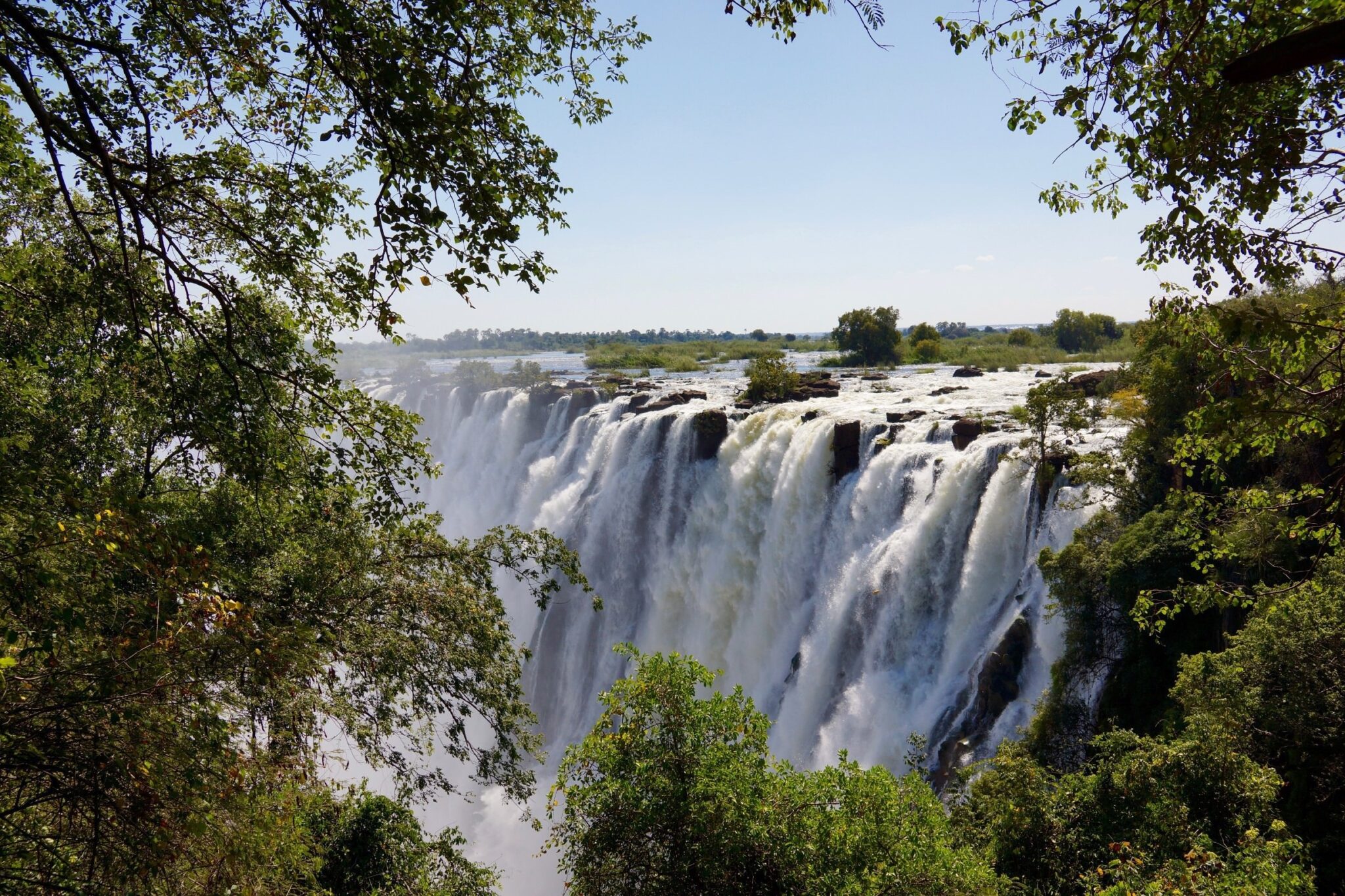
Victoria Falls (Mosi-oa-Tunya, “The Smoke that Thunders”) is one of the world’s biggest curtains of falling water, spanning about 1,708 m wide with a maximum drop of roughly 108 m into the Batoka Gorge. At peak season, the Zambezi can send hundreds of millions of litres per minute over the edge, creating spray columns that can rise hundreds of metres and soak the viewpoints like heavy rain. The falls are a UNESCO World Heritage site, and on the Zambian side they sit within Mosi-oa-Tunya National Park, which is small (about 66 km²) but adds wildlife context with short safari-style drives and riverbank scenery that makes the visit feel like more than a single lookout stop.
Livingstone is the easiest base on the Zambian side: the falls are only about 15 km away by road, typically 15–25 minutes by car depending on traffic and the border area. From Lusaka, plan roughly 480–500 km overland, usually 6–7+ hours by road, or use a domestic flight to Livingstone to save time, then connect onward by taxi or tour transfer. If you are comparing access options, you can also approach from Zimbabwe’s Victoria Falls town (short cross-border hop from Livingstone when formalities allow). For timing, the Zambezi’s peak flow is commonly March to May (often strongest around April), while September to January is typically lower water with clearer views of the rock face and gorge structure.
Mosi-oa-Tunya National Park
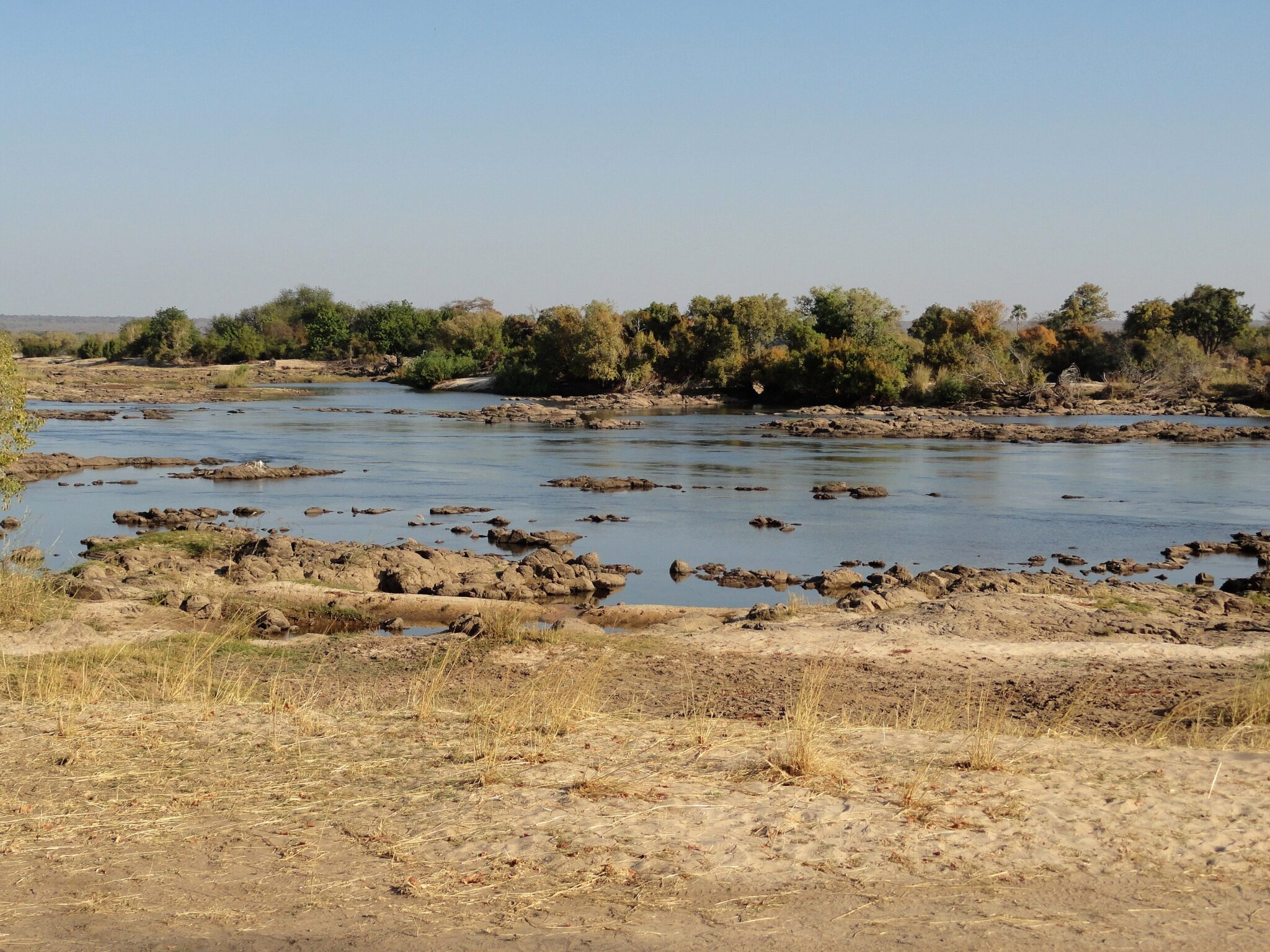
Mosi-oa-Tunya National Park is a compact, highly accessible protected area on the Zambian side of Victoria Falls, covering about 66 km² along roughly 20 km of the Zambezi River bank. It has two distinct “experiences” in one park: the Victoria Falls section for viewpoints and gorge scenery, and a separate wildlife section upstream with riverine forest, woodland, and open grassland. Because it sits right on Livingstone’s edge, it works well as a short safari add-on. Typical sightings can include zebra, giraffe, buffalo, and antelope species, plus strong birdlife along the river corridor. One of the most distinctive activities is the guided white rhino walk, usually paired with a 2 to 3-hour game drive, which makes the park feel more substantial than its size suggests.
Access is straightforward from Livingstone, usually 15 to 30 minutes by car to the relevant gate depending on where you are staying and which section you are visiting. Many travelers schedule an early-morning drive for cooler temperatures and better animal activity, then return to town for lunch and use the afternoon for the falls or a Zambezi cruise.
South Luangwa National Park
South Luangwa National Park is Zambia’s flagship safari destination in the Luangwa Valley, known for a strong “wilderness” feel and consistently high-quality guiding. The park covers roughly 9,050 km² and protects a productive river ecosystem where wildlife concentrates along the Luangwa River and its lagoons in the dry season. It is especially famous for leopards, which are often seen on late-afternoon and night drives, and for walking safaris, a style of guiding that has deep roots in this valley and remains one of the park’s defining experiences. Expect classic riverine wildlife as well: large pods of hippos, crocodiles, elephants, buffalo, and big herds of antelope. Thornicroft’s giraffe is a local specialty you are unlikely to see elsewhere. The best wildlife viewing is typically June to October (dry season, thinner vegetation, more animals at water), while the emerald season (roughly November to March) brings dramatic green scenery and excellent birding, but also heat, humidity, and occasional road limitations.
Lower Zambezi National Park
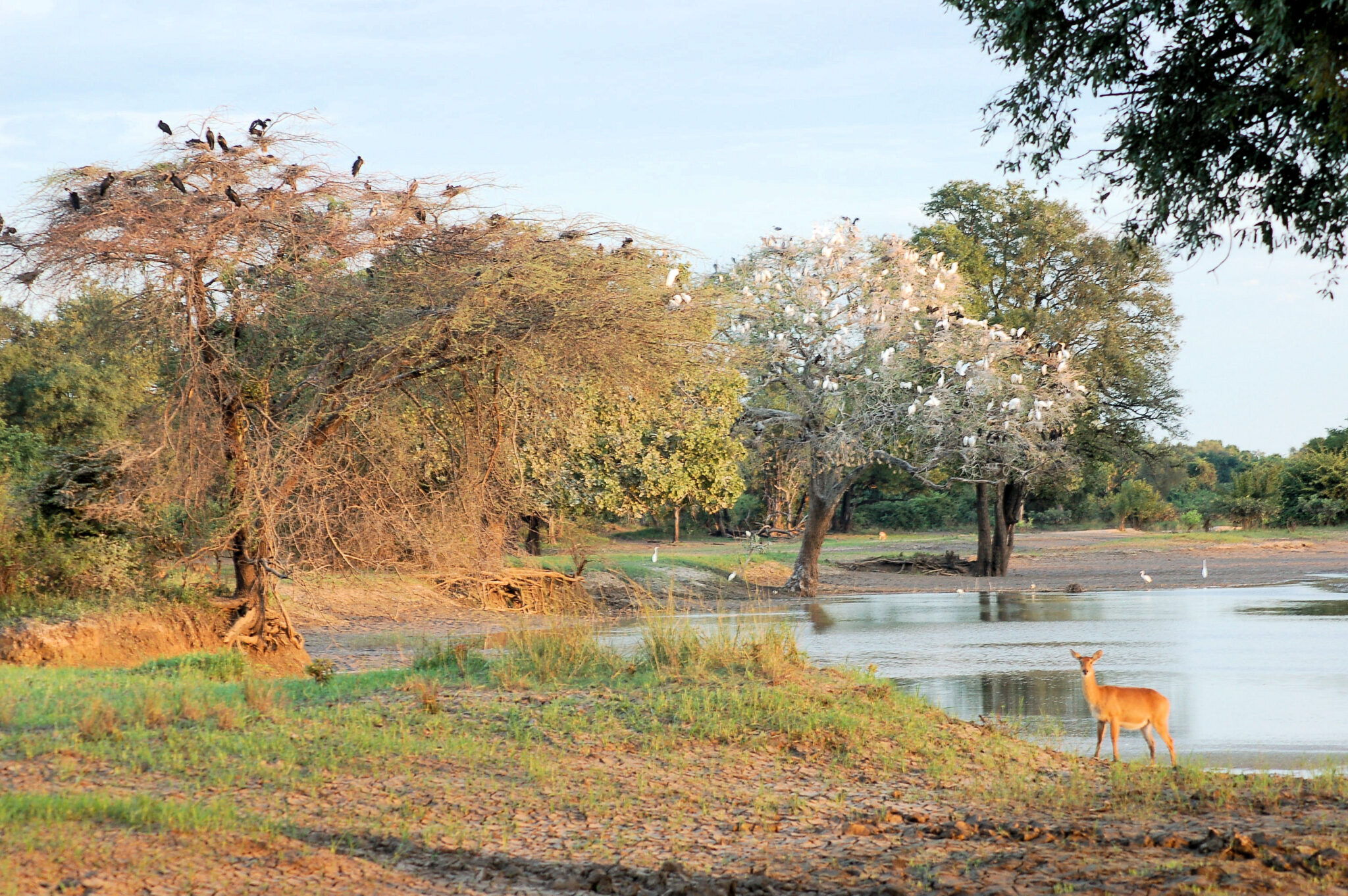
Lower Zambezi National Park is one of Zambia’s most scenic safari areas, built around the Zambezi River floodplain directly opposite Zimbabwe’s Mana Pools. The park covers about 4,092 km² and is famous for water-based viewing that you simply cannot replicate in most savannah parks: canoe safaris, small-boat cruises, and riverbank drives where elephants often appear in groups along the shoreline, especially in the dry season. Wildlife highlights typically include elephants, buffalo, hippos, crocodiles, and strong birdlife, with predators present but more variable than in some headline big-cat parks. The best conditions are usually June to October, when vegetation is thinner and animals concentrate near the river, while the hottest period is often September and October, which can affect comfort and activity timing.
Most visitors stage from Lusaka. By road, the common approach is via Chirundu on the Zambia–Zimbabwe border corridor, roughly 140 km from Lusaka and often 2.5 to 4 hours depending on traffic and checks, then onward to lodge areas on dirt tracks where a 4×4 can be useful in some conditions. Many trips are even easier by air: light aircraft flights from Lusaka to park-area airstrips are typically 30 to 45 minutes, which is why Lower Zambezi works well even on short itineraries. Plan at least 2–3 nights if you want the park’s full variety, for example a morning canoe, an afternoon game drive, and a sunset boat cruise, and if you choose canoeing, prioritize reputable operators and follow safety briefings closely because river conditions and wildlife behavior demand professional judgment.
Kafue National Park
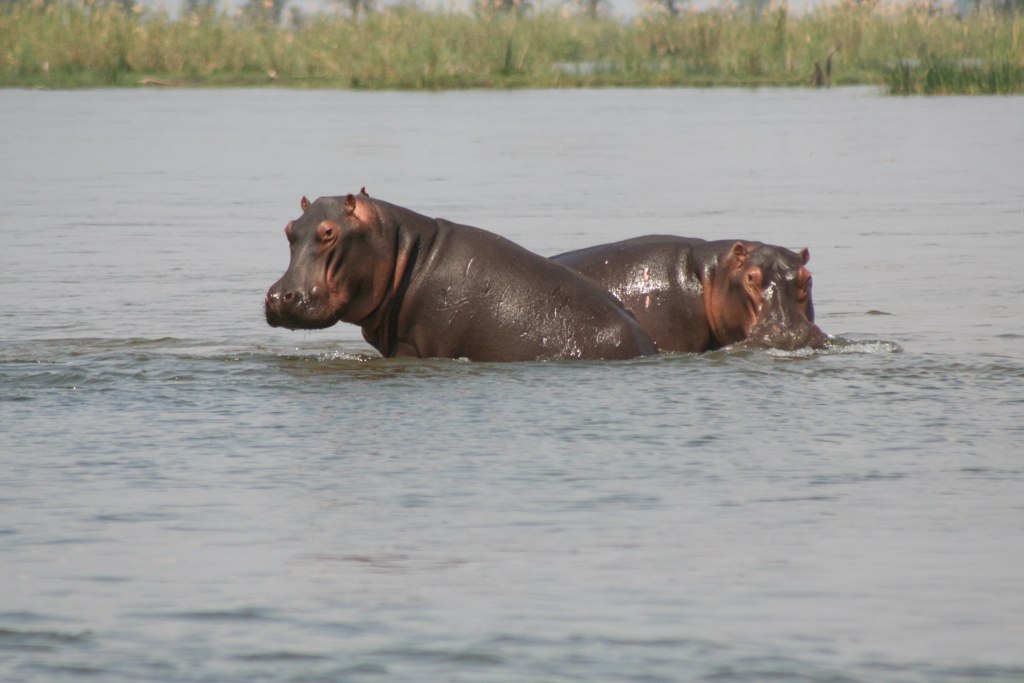
Kafue National Park is Zambia’s largest and one of Africa’s biggest protected areas, covering roughly 22,400 km², with landscapes that shift from dense riverine woodland to open dambos, floodplains, and seasonal wetlands. The park’s diversity is the main attraction: the Kafue River and the Itezhi-Tezhi area support strong birdlife and classic riverside viewing (hippos and crocodiles are common in suitable stretches), while the interior supports a broad mix of antelope and predators that are often harder to “guarantee” than in more concentrated parks. The headline safari zone is the Busanga Plains in the far north, a seasonal wetland system that becomes a wide, open game-drive landscape in the dry months, with wildlife concentrating around remaining water and grasslands. Busanga is prized because it delivers the “big-sky” safari feel, fewer vehicles, and long sightlines that are unusual for a park with so much woodland elsewhere.
Lake Kariba (Zambian side)
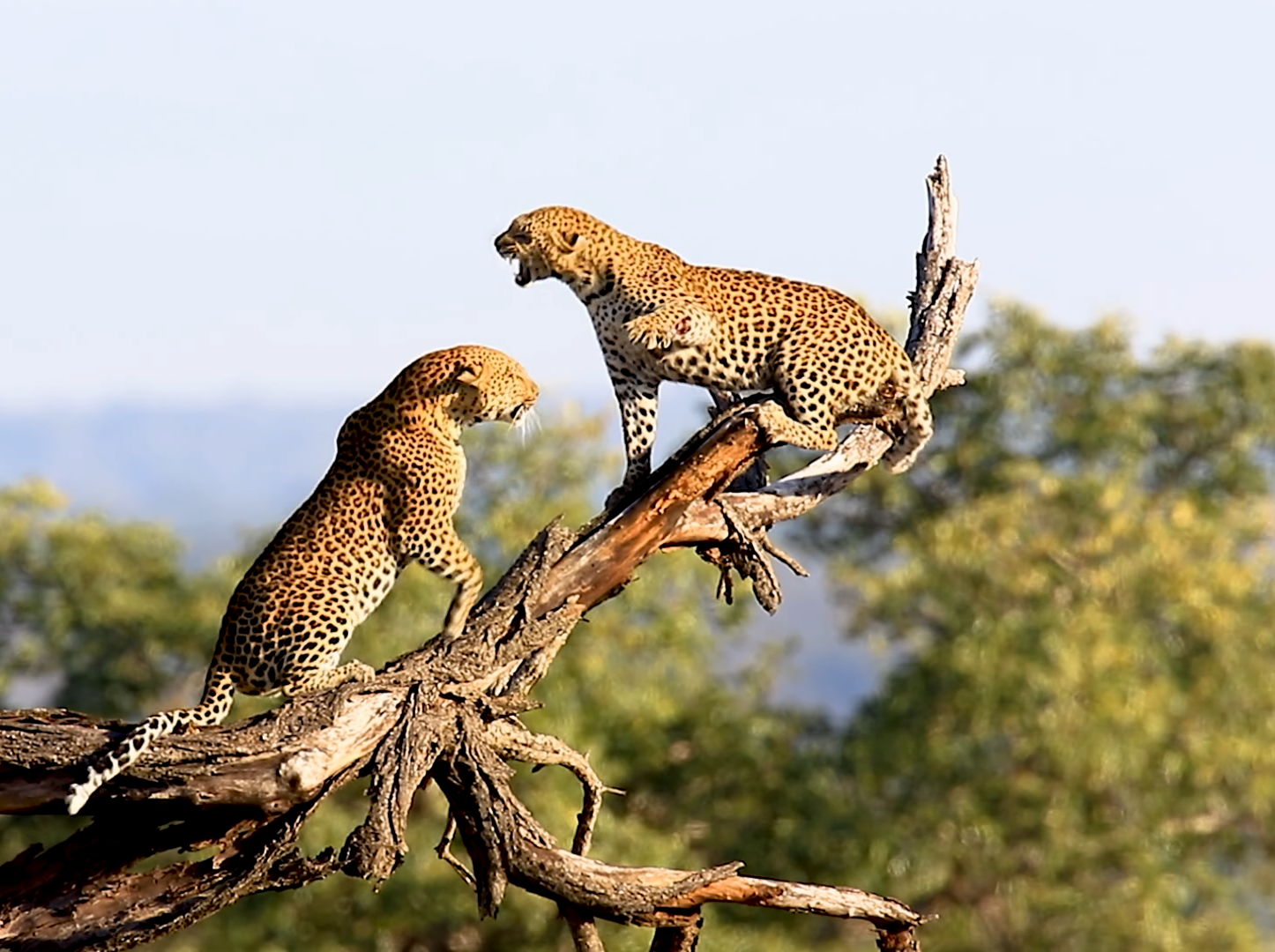
Lake Kariba on the Zambian side is one of the world’s largest man-made lakes and a natural fit for a slower, scenic segment between safari days. Created by the Kariba Dam on the Zambezi River (completed in 1959), the lake stretches for roughly 280 km and covers about 5,400 km² at full supply level, with a shoreline that is heavily indented into bays and headlands. The classic experience is light and water rather than “sights”: sunset cruises, calm mornings on the lake, and shoreline viewing where hippos and crocodiles are sometimes seen near quieter bays. Fishing is a major draw, especially for tigerfish, and many lodges focus on boat time and relaxed viewing rather than packed schedules.
Most travelers base themselves around Siavonga, the main Zambian lakeshore town opposite Zimbabwe’s Kariba. From Lusaka, the drive is typically about 200 to 220 km and often 3.5 to 5 hours depending on traffic leaving the city and road conditions. From Lower Zambezi lodge areas the transfer can be shorter in distance but still time-consuming due to slower roads, so it is usually planned as a dedicated travel half-day. From Livingstone, Lake Kariba is a much longer reposition, commonly 450 to 550 km depending on the route, often 7 to 10+ hours, so most itineraries do it only if they are already moving through southern Zambia. If you can, stay two nights or more: it gives you room for a full cruise plus a second boat session in different light, and it protects the experience if wind or weather shifts boat schedules.
Lake Tanganyika (Mpulungu area)
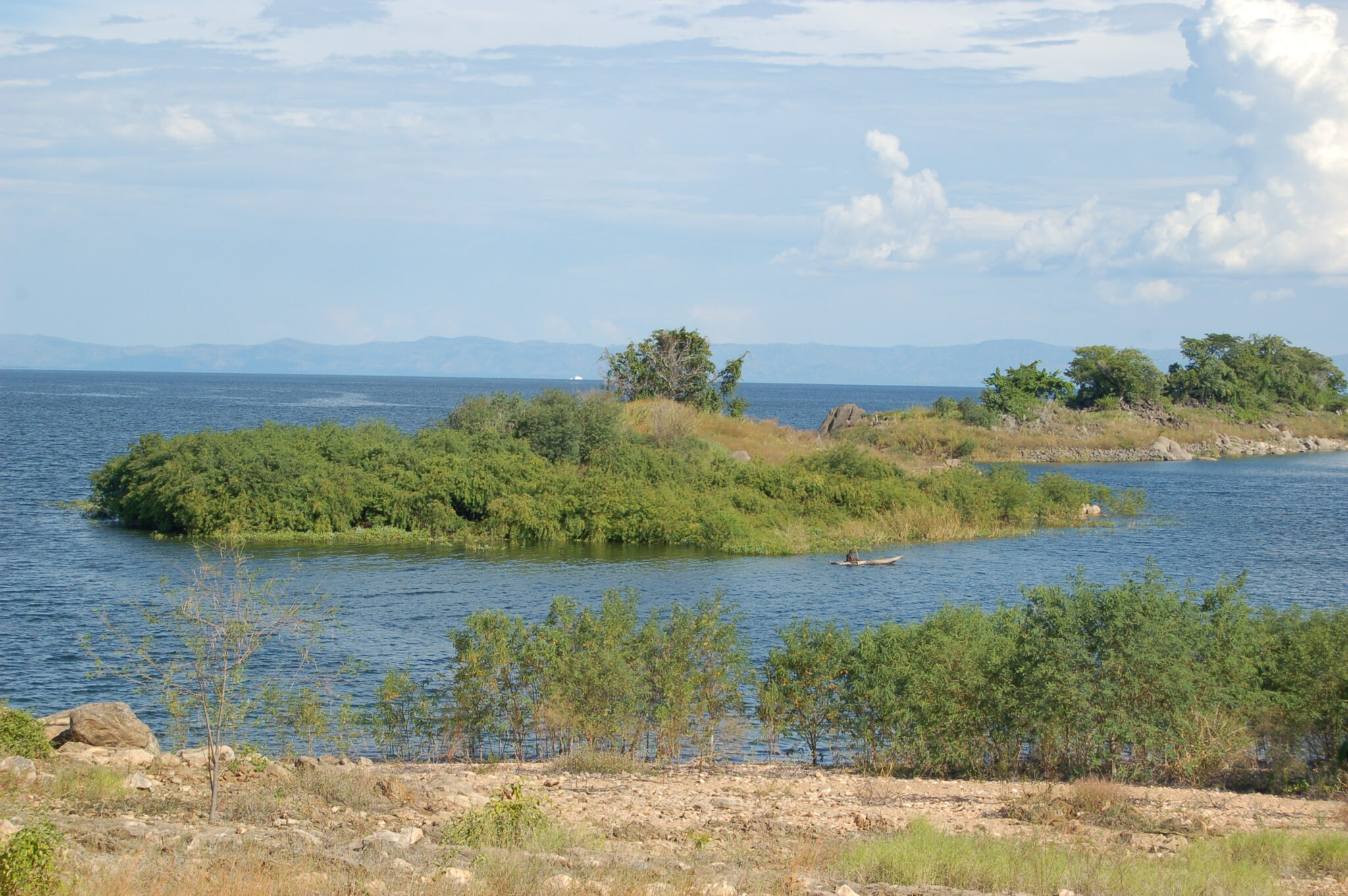
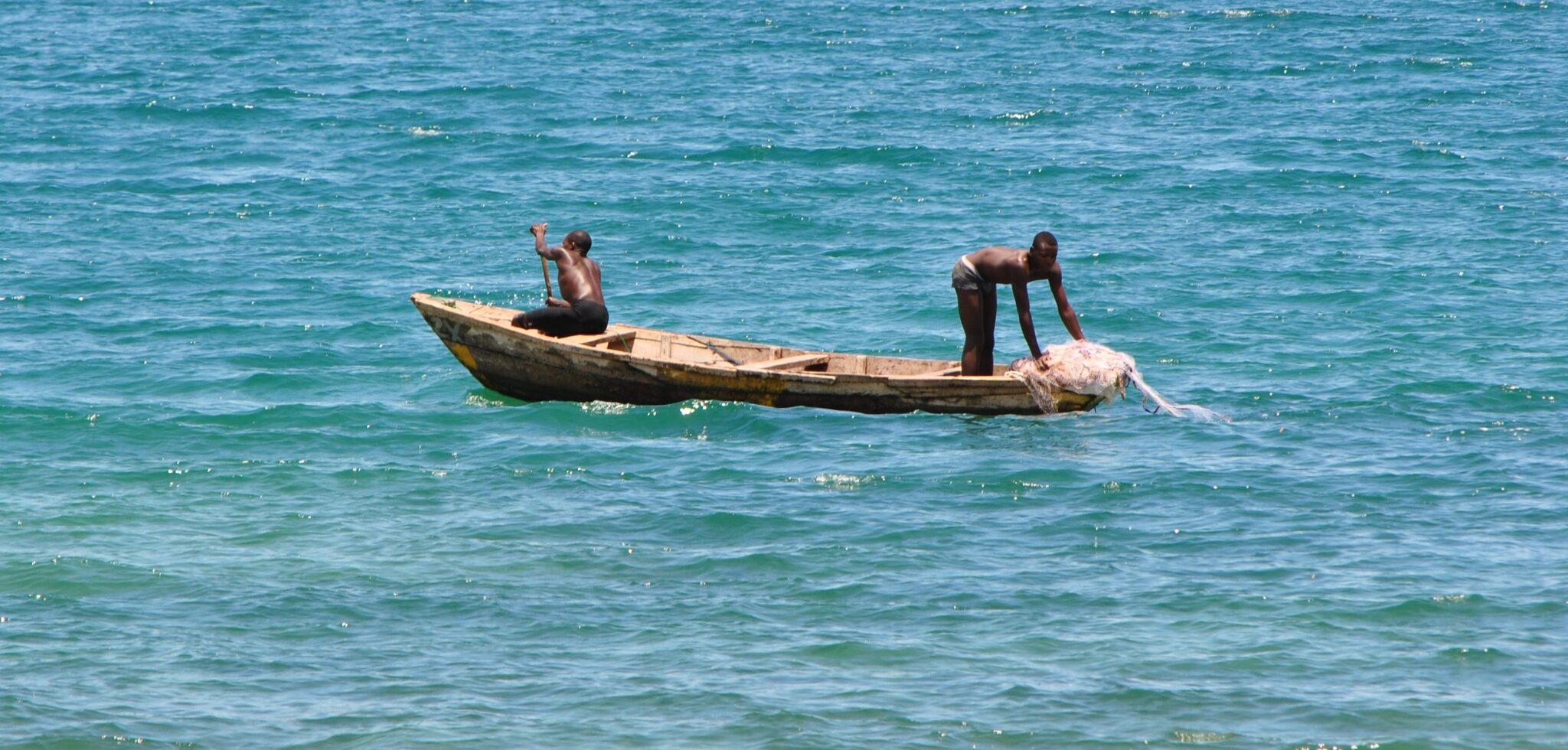
Lake Tanganyika around Mpulungu feels like “far-north Zambia” in the best way: clear water, quiet shoreline villages, and a sense of being well beyond the usual safari circuit. Tanganyika is one of the world’s most extreme lakes, stretching about 673 km long, with a maximum depth of roughly 1,470 m, a surface elevation around 773 m, and a surface area near 32,000 km². In the Mpulungu area, the appeal is simple and scenic: relaxed lakefront days, fishing culture, boat time on glassier mornings, and sunsets that can feel almost oceanic. Mpulungu is also Zambia’s key lake port, which adds a working-river-and-lake feel alongside the scenery, with occasional long-distance boat connections across the lake when services operate.
Best Cultural and Historical Sites
Livingstone Museum
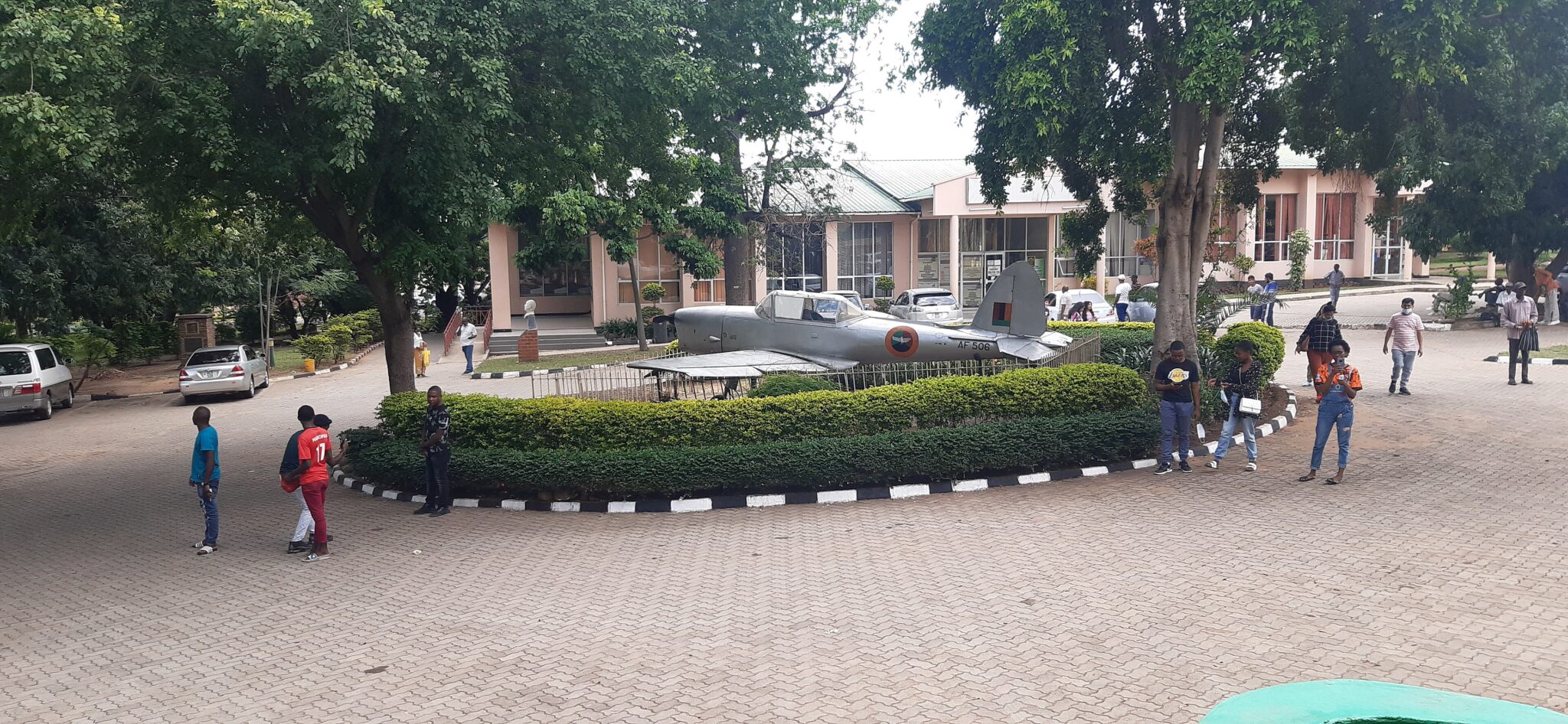
Livingstone Museum is the Victoria Falls region’s most worthwhile cultural stop, and Zambia’s oldest and largest museum, established in 1934. It is best for adding depth to a trip that might otherwise be all waterfalls and adrenaline. The galleries cover archaeology, ethnography, history, and natural history, with standout sections on traditional tools and crafts, musical instruments, and a well-known collection of David Livingstone letters and memorabilia that anchors the area’s exploration-era story. Plan 1.5 to 2.5 hours if you want to move through the main rooms at a comfortable pace, and consider visiting during the hottest midday window when outdoor viewpoints can feel intense. Getting there is easy from anywhere in Livingstone town: it is typically a 5 to 15-minute taxi ride from most central hotels, and around 15 to 25 minutes from the Victoria Falls entrance area depending on traffic.
Shiwa Ng’andu Manor House
Shiwa Ng’andu Manor House is an English-style country estate in Muchinga Province, created as the lifelong project of Sir Stewart Gore-Browne. The manor sits amid formal gardens, a small chapel, and extensive archives and memorabilia that make the house tour as much about Zambia’s colonial-era and early nation-building history as architecture. Around the house you will also find the estate’s natural lake, often called the “Lake of the Royal Crocodiles”, plus a private wildlife reserve that is commonly described at about 22,000 acres (roughly 8,900 hectares) with 30+ wildlife species and 200+ bird species, so the stay can combine history, birding, and light game viewing. A classic add-on is Kapishya Hot Springs, about 20 km away, which works well as a half-day extension for a swim and a change of scenery.
Hidden Gems of Zambia
Liuwa Plain National Park
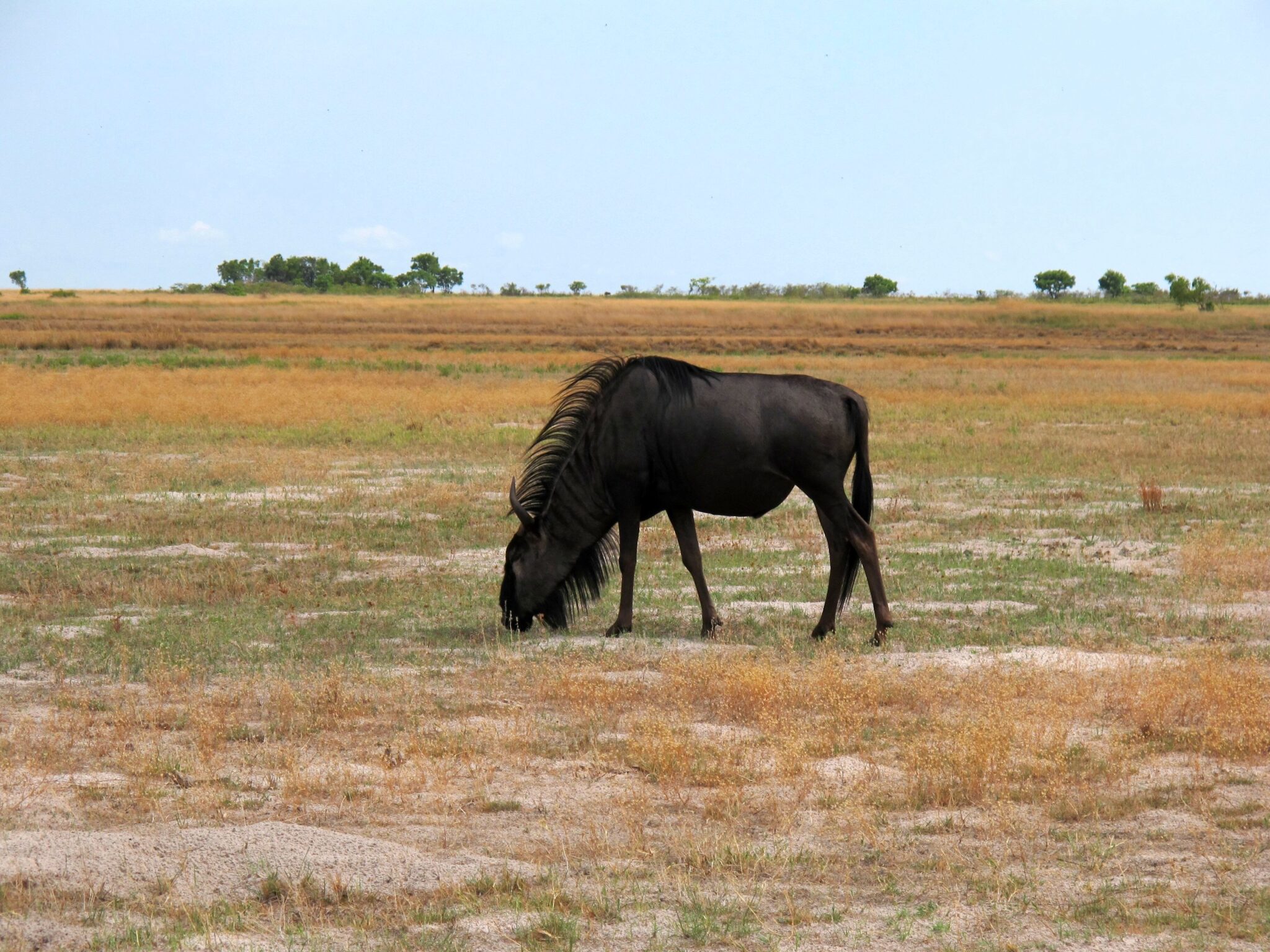
Liuwa Plain National Park in western Zambia is a vast, remote grassland wilderness of roughly 3,400–3,600 km², protected as a national park since 1972 and managed in partnership with local authorities and communities. It is best known for Africa’s second-largest wildebeest migration, when tens of thousands of blue wildebeest sweep across the open plains with the first rains, often joined by large herds of zebra and followed by predators. The scenery is part of the attraction: huge skies, flat horizons, seasonal floodplains and isolated tree “islands”, with wildlife viewing that can feel exceptionally private because vehicle numbers are low. Beyond the migration, Liuwa is strong for hyenas (often described in large clans), antelope diversity, and big wet-season birdlife when the plains turn green and water spreads across shallow basins.
Access is the main constraint and should be treated as an expedition-style segment. The most common route is fly from Lusaka to Kalabo (often around 2.5 hours by air when services operate), then continue with a 2-hour 4×4 transfer into the park, or use a charter flight to a park airstrip arranged by your lodge. Overland, Lusaka to the Kalabo area is often planned as a 10–12 hour drive (conditions-dependent), typically broken with a stop in Mongu. If you are already in Western Province, Mongu to Kalabo is about 74 km (roughly 1 hour 20 minutes by road), which makes Mongu a practical staging point for fuel, cash, and early departure. Timing matters: the classic migration window is often late November into early/mid-December around the first rains, while May/June can also be excellent before wetter conditions and softer ground complicate access.
Kasanka National Park
Kasanka National Park is one of Zambia’s smallest national parks, covering about 390 km², but it delivers an unusually rich wetland-and-forest mix for its size. The park is best known for the annual straw-colored fruit bat migration, when millions of bats concentrate in a small patch of evergreen swamp forest and create a dawn-and-dusk spectacle of constant movement, noise, and swirling silhouettes. Peak numbers are often described in the multi-million range (commonly 8–10 million), and the most reliable window is usually late October to December, with November often the best month. Outside the bat season, Kasanka still works well for quieter nature travel: papyrus swamps, river channels, and miombo woodland support strong birding (often cited at 400+ species) and low-key wildlife viewing that fits travelers who prefer walks and hides rather than high-speed game driving. Key experiences include time at wetland hides and boardwalk-style viewpoints where sitatunga and waterbirds are most likely, plus calm forest walks that feel intimate compared to Zambia’s larger, more open parks.
North Luangwa National Park
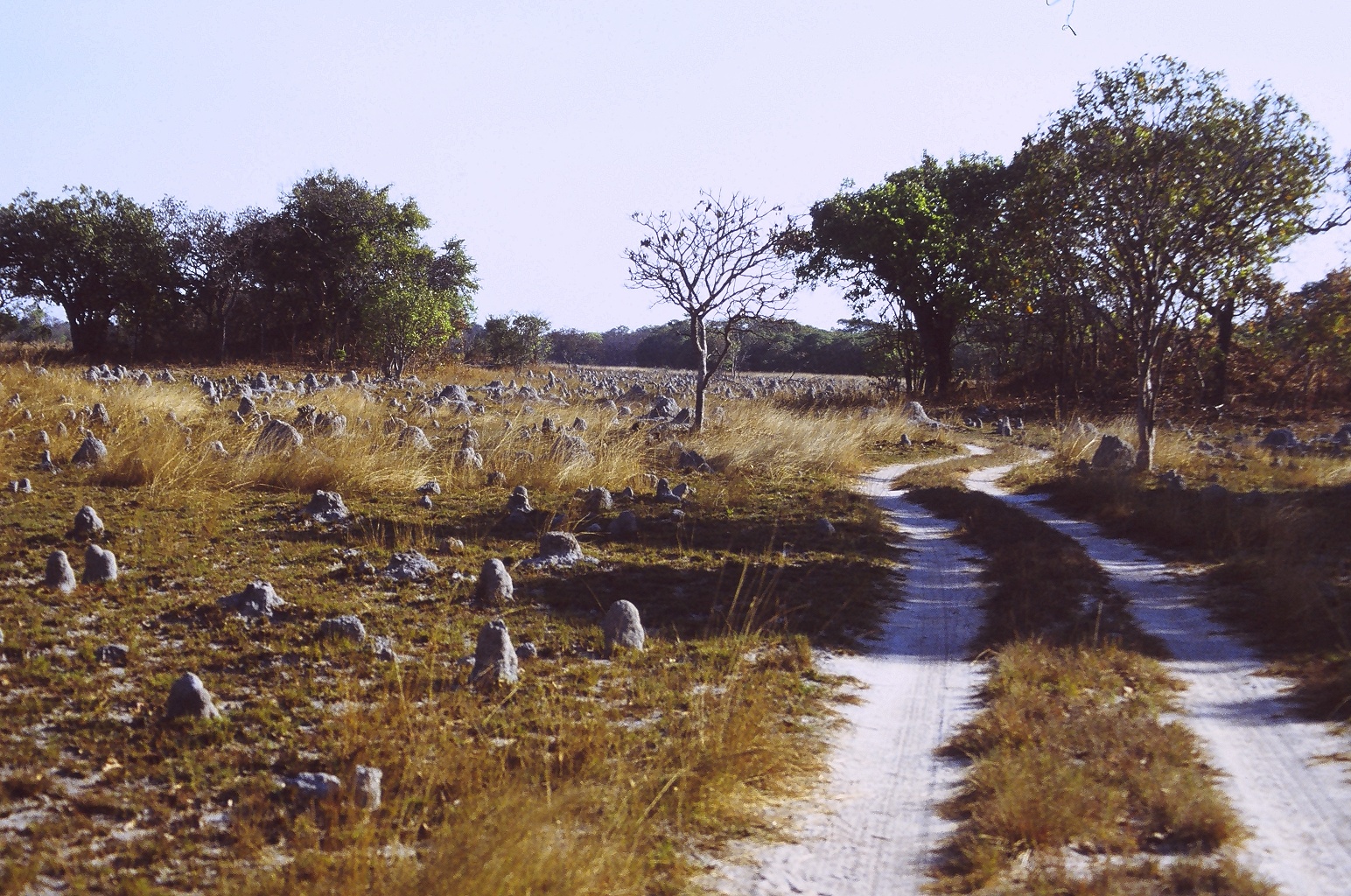
North Luangwa National Park is Zambia’s most “pure wilderness” Luangwa Valley experience, valued for very low visitor numbers, big landscapes, and a strong emphasis on walking safaris rather than vehicle-heavy game viewing. The park covers roughly 4,636 km² and protects a remote stretch of the Luangwa River system with minimal development, which is why the atmosphere feels exclusive and intact. Wildlife is typical of the valley’s river ecosystems, with elephants, buffalo, hippos, crocodiles, and a wide range of antelope, while predators are present but sightings are more variable than in South Luangwa because access and road networks are more limited. The real draw is the guiding style: long, quiet walks that prioritize tracking, interpretation, and the “small details” of the bush, often with an old-school safari feel.
Bangweulu Wetlands
The Bangweulu Wetlands are one of Zambia’s most distinctive wildlife landscapes, a vast mosaic of floodplains, papyrus swamps, channels, and seasonally inundated grasslands built around the Bangweulu Basin. The scale is the first impression: open horizons, low skies, and waterlogged terrain that changes month to month, creating ideal conditions for birds and wetland specialists. Bangweulu is internationally known for the shoebill, and it is also a strong site for large wetland birds and mammals, including black lechwe in the surrounding floodplain system and a wide variety of herons, storks, and raptors. The best viewing is usually early morning when light is softer, wind is lower, and birds are more active, and the experience is less “drive and spot” than patient scanning from tracks, channels, and on-foot approaches where guides know the safest and most effective routes.
Access and guiding determine everything here, because wetlands are not forgiving of improvisation. Most trips are staged through Mpika or Kasama depending on your route, then continue by 4×4 toward wetland access points and camp areas, with the final approach often involving slow driving on soft ground and, in some zones, short boat or canoe segments when water levels are high.
Travel Tips for Zambia
Safety and General Advice
Zambia is one of Southern Africa’s most stable and welcoming countries, best known for its exceptional safari experiences and natural attractions such as Victoria Falls. Normal precautions should be taken in urban areas and after dark, but most visits are trouble-free. For remote destinations like South Luangwa, Lower Zambezi, or Kafue National Park, it’s important to make advance bookings and plan logistics carefully, as distances can be long and facilities limited outside park lodges and main towns.
A yellow fever vaccination may be required depending on your travel route, and malaria prophylaxis is strongly recommended for all visitors. Tap water is not consistently safe to drink, so use bottled or filtered water. Sunscreen, insect repellent, and a basic medical kit are useful for both city and safari travel. Comprehensive travel insurance with evacuation coverage is advised, particularly for those visiting remote parks and reserves.
Car Rental and Driving
An International Driving Permit is recommended alongside your national driver’s license, and both should be carried at all times. Police checkpoints are common throughout the country – remain courteous and keep your documents accessible for inspection. Driving in Zambia is on the left-hand side of the road. Main highways are generally in good condition, but road quality can vary, especially on routes leading to parks and rural areas. A 4×4 vehicle is essential for national park travel and off-road routes, particularly during the rainy season. Night driving outside cities is not advised, as wildlife and poor visibility can pose risks.

Published January 25, 2026 • 17m to read