

Known as the “Friendly Islands”, Tonga is one of the last remaining Polynesian kingdoms – a place where time slows down, traditions thrive, and island life remains authentic. With 176 islands, only a fraction inhabited, Tonga offers whale encounters, coral reefs, rainforests, sacred tombs, and villages where culture is deeply tied to daily life. It’s a paradise for travelers seeking serenity, authenticity, and natural beauty.
Best Island Groups
Tonga is divided into four main island groups, each with unique highlights:
- Tongatapu: Largest and most populated island, home to the capital.
- ‘Eua: Oldest island, known for rugged cliffs and hiking.
- Haʻapai: Remote and tranquil, with palm-fringed beaches.
- Vavaʻu: Northern paradise for sailing, diving, and whale watching.
Best Places to Visit in Tongatapu
Nukuʻalofa
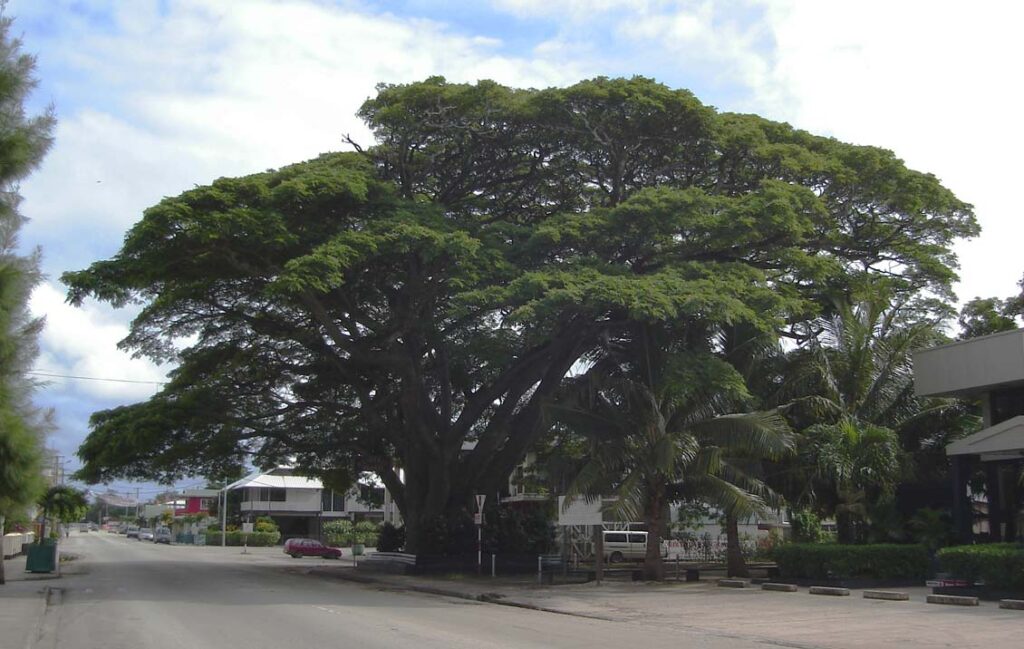
Nukuʻalofa, the capital of Tonga, offers a mix of royal heritage and everyday island life. The Royal Palace, though closed to visitors, is an elegant landmark on the waterfront and a reminder of the kingdom’s traditions. Nearby are the Royal Tombs and Centenary Church, both important symbols of Tongan identity. For a taste of daily life, Talamahu Market buzzes with stalls selling tropical fruit, root crops, and handmade crafts. Along the waterfront, cafés and small restaurants serve fresh seafood while fishing boats unload their catch. What stands out most is the warmth of Tongan hospitality – conversations are easy, and visitors often feel like part of the community. Nukuʻalofa is reached by flights into Fuaʻamotu International Airport, about a 30-minute drive from the city.
Haʻamonga ‘a Maui Trilithon
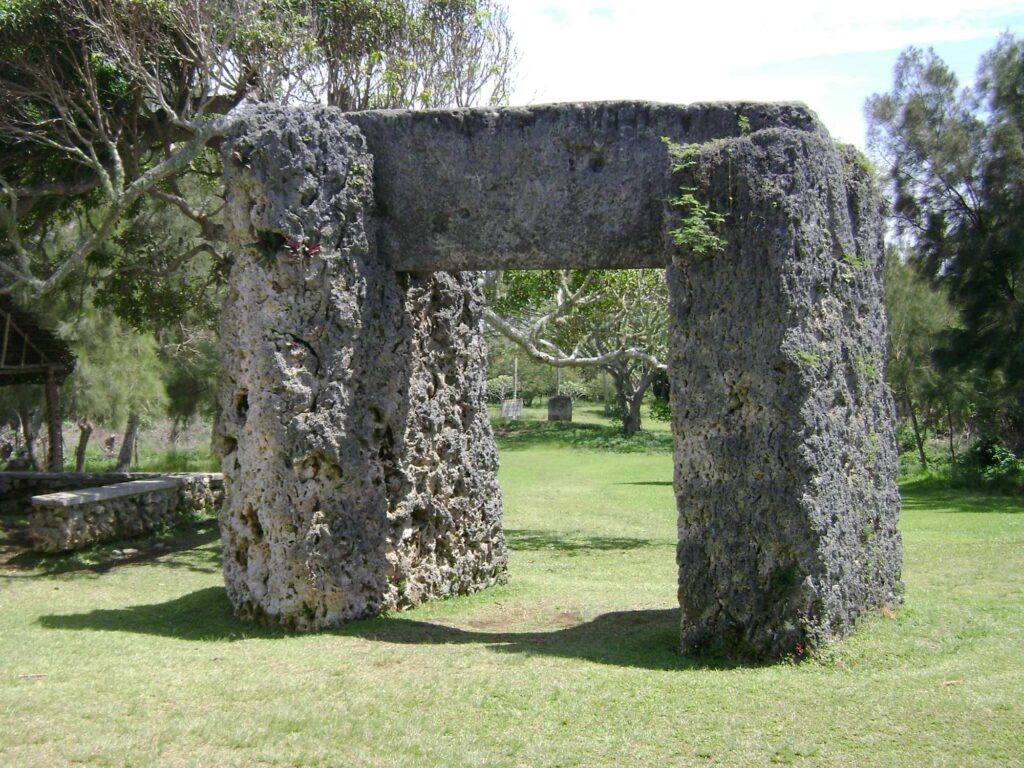
The Haʻamonga ‘a Maui Trilithon is Tonga’s most famous archaeological site, a massive stone arch built in the 13th century from coral limestone. Local tradition links it to the legendary figure Maui, while some scholars believe it may have served as a calendar to track the solstices or as a ceremonial gateway to the royal compound. Standing over five meters high, the trilithon is an impressive reminder of Tonga’s ancient engineering and its deep cultural roots. The site lies near Niutoua on Tongatapu’s eastern coast, about a 30-minute drive from Nukuʻalofa, and is easy to visit as part of a day trip around the island.
Mapu a Vaea (Blowholes)
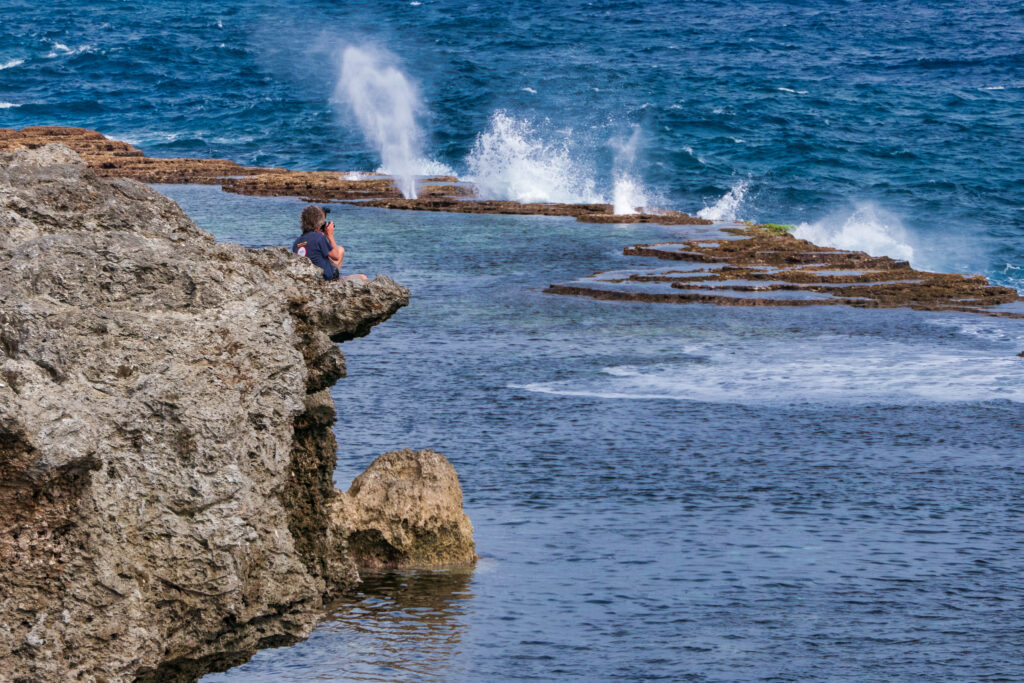
Mapu a Vaea, known as the “Whistle of the Noble,” is a stretch of coastline where waves crash into natural vents in the rock, sending seawater shooting up to 30 meters high. The blowholes extend for more than five kilometers, creating a dramatic spectacle that sounds like the ocean is breathing through the land. They are most powerful at high tide, when dozens erupt at once in plumes of spray. Located on the southwest coast of Tongatapu, the blowholes are about a 30-minute drive from Nukuʻalofa and are usually included in island tours. Watching the sea perform here is one of Tonga’s most unforgettable natural experiences.
Anahulu Cave & Freshwater Pool
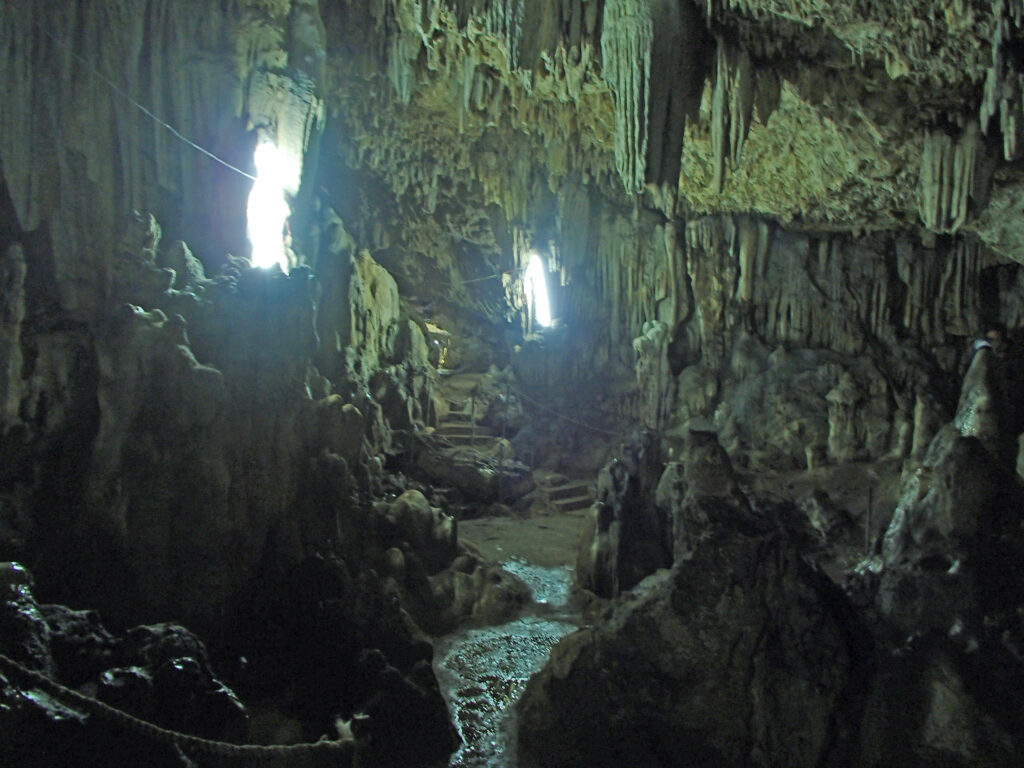
Anahulu Cave is a series of limestone chambers decorated with stalactites, opening into a crystal-clear freshwater pool where visitors can swim. The cave has long been used as a local gathering place, and today it offers a cool retreat from Tongatapu’s heat. Light filters through the entrance and lamps inside highlight the rock formations, giving the cave an otherworldly feel. The freshwater pool is deep and refreshing, perfect after exploring the passages. Anahulu lies on the eastern side of Tongatapu, about a 30-minute drive from Nukuʻalofa, and is often combined with visits to nearby beaches for a full-day trip.
Hufangalupe (Pigeon’s Gate)
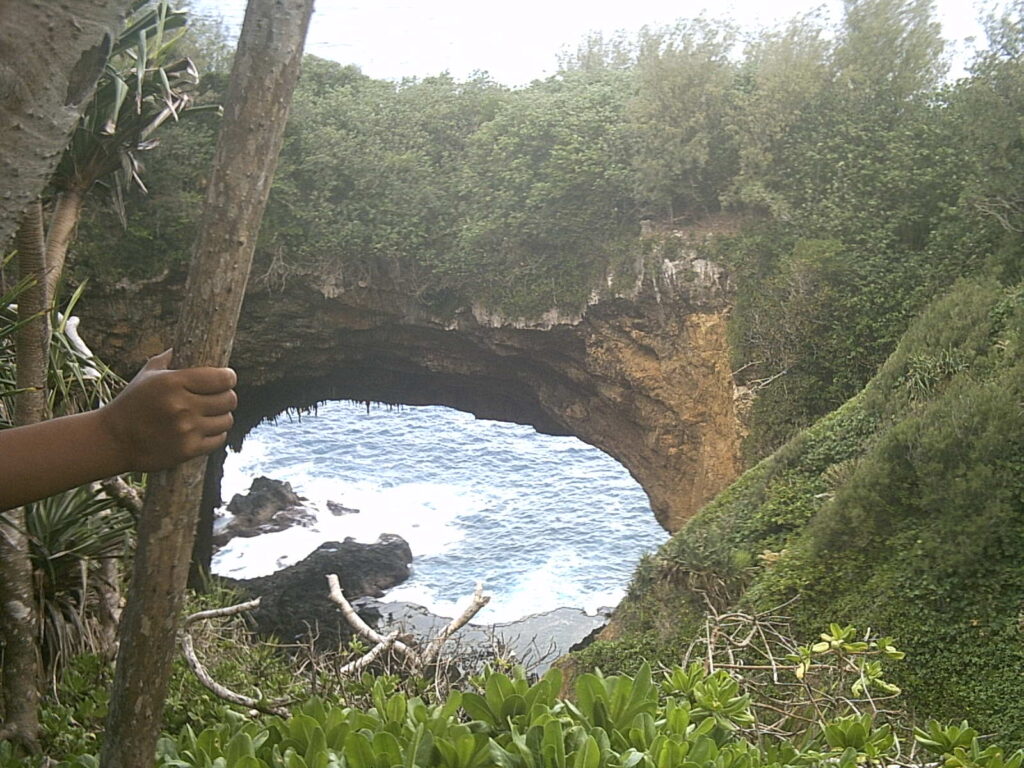
Hufangalupe, or Pigeon’s Gate, is one of Tongatapu’s most striking natural formations. Once a sea cave, its roof collapsed and left behind a giant arch of rock bridging the turquoise water below. The cliffs around the arch are rugged and dramatic, with waves pounding the base and seabirds circling overhead. Local legends give the spot a mystical air, but it is also a favorite place for quiet views away from the crowds. Hufangalupe is located on the island’s southern coast, about a 20-minute drive from Nukuʻalofa, and is easy to visit as part of a coastal tour.
Atata & Pangaimotu Islands
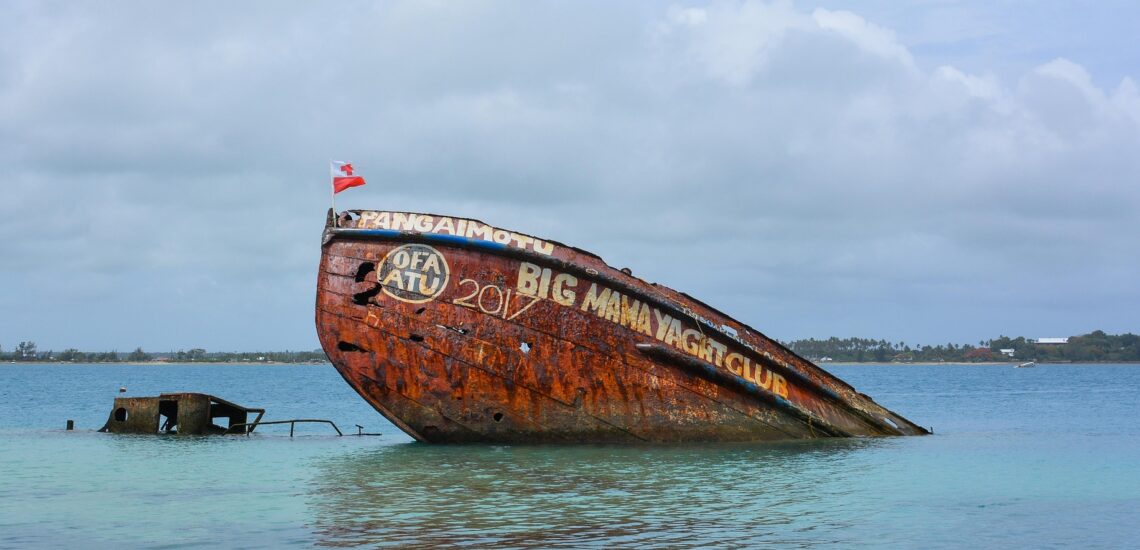
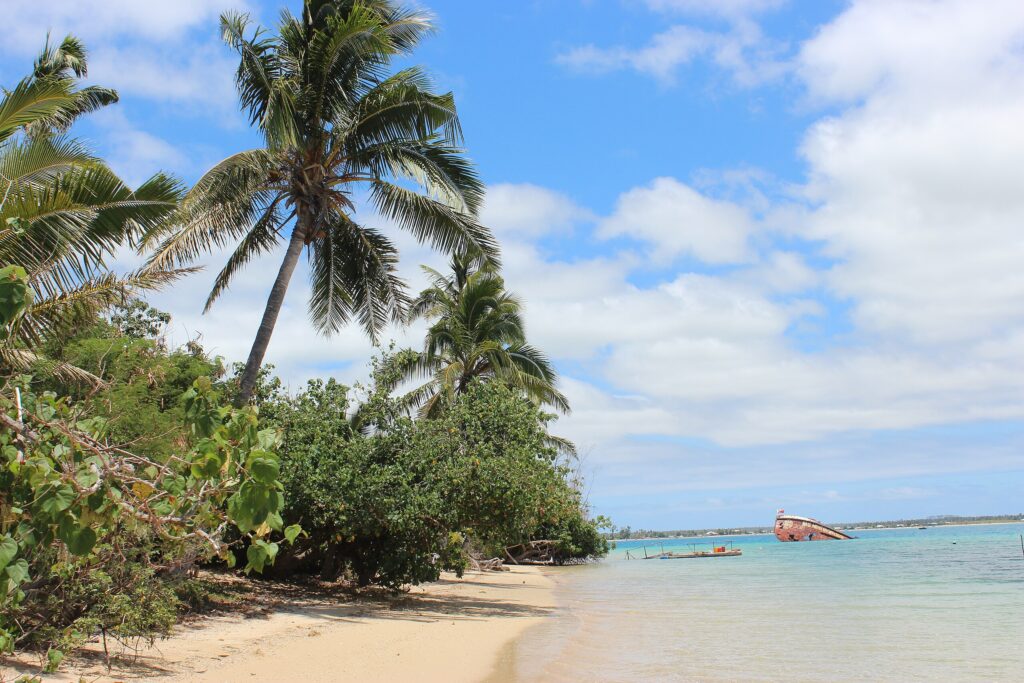
Just offshore from Nukuʻalofa, Atata and Pangaimotu offer the classic Tongan island escape. Atata is known for its long beaches, calm lagoons, and reef snorkeling, with simple resorts that feel far from the mainland. Pangaimotu is even closer and famous for the rusting shipwreck that sits just offshore, a popular snorkel spot where coral and fish now thrive. Both islands have rustic beach bars where you can sip a drink with your feet in the sand and watch the tide roll in. Reaching them is easy – small boats and ferries run daily from Nukuʻalofa, making these islands perfect for a quick getaway or a relaxed day trip.
Best Places to Visit in Vavaʻu
Neiafu
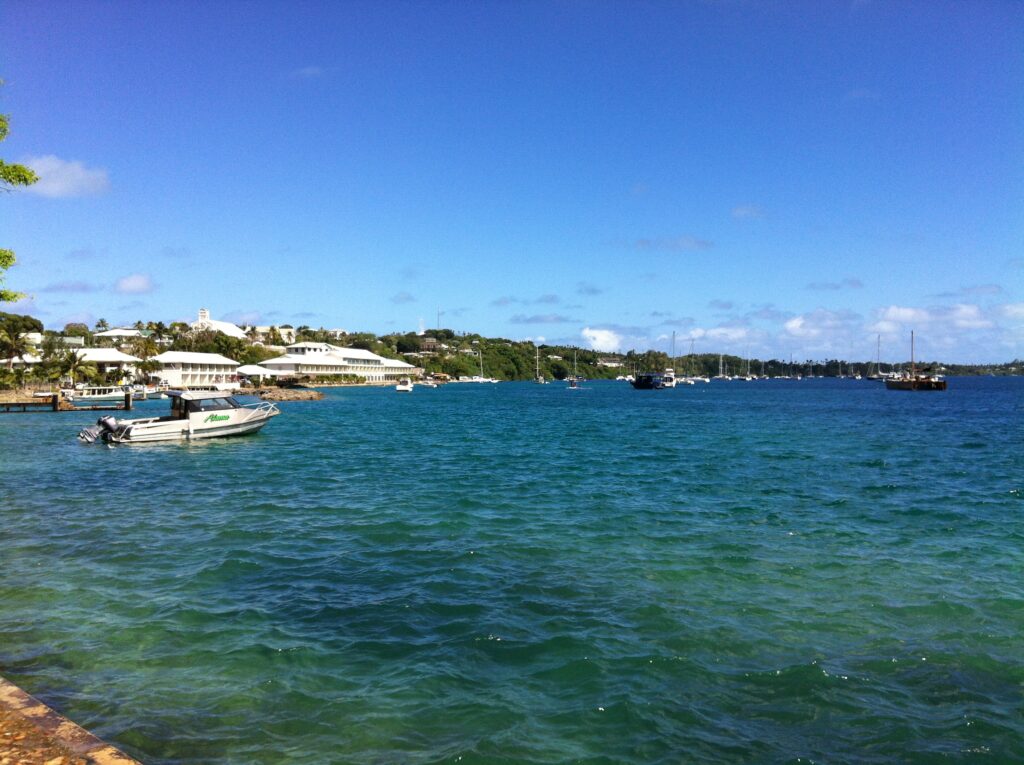
Neiafu, the main town in the Vavaʻu island group, is a favorite base for sailors and divers. Its sheltered harbor fills with yachts, and from here boat tours head out to hidden coves, coral reefs, and sea caves. Between July and October the waters become even more special – this is one of the few places in the world where swimming with humpback whales is legal, offering an unforgettable encounter. On land, a short climb up Mount Talau rewards you with sweeping views over the harbor and surrounding islands. Neiafu is reached by flights from Tongatapu or by yacht, and it serves as the gateway to exploring the Vavaʻu group.
Swallows Cave & Mariner’s Cave
The caves of Vavaʻu are among Tonga’s most magical spots for swimming and snorkeling. Swallows Cave opens wide at the waterline, its interior lit by shafts of sunlight that turn the walls and schools of fish into shimmering displays. Mariner’s Cave is more secretive – you enter by diving underwater and surfacing inside a hidden chamber where the air pressure makes the walls seem to breathe with each wave. Both caves reveal coral gardens and marine life just outside their entrances, perfect for snorkeling after the adventure. They are accessible only by boat from Neiafu, and most sailing and diving tours include them as highlights of the Vavaʻu group.

Port Maurelle & Blue Lagoon
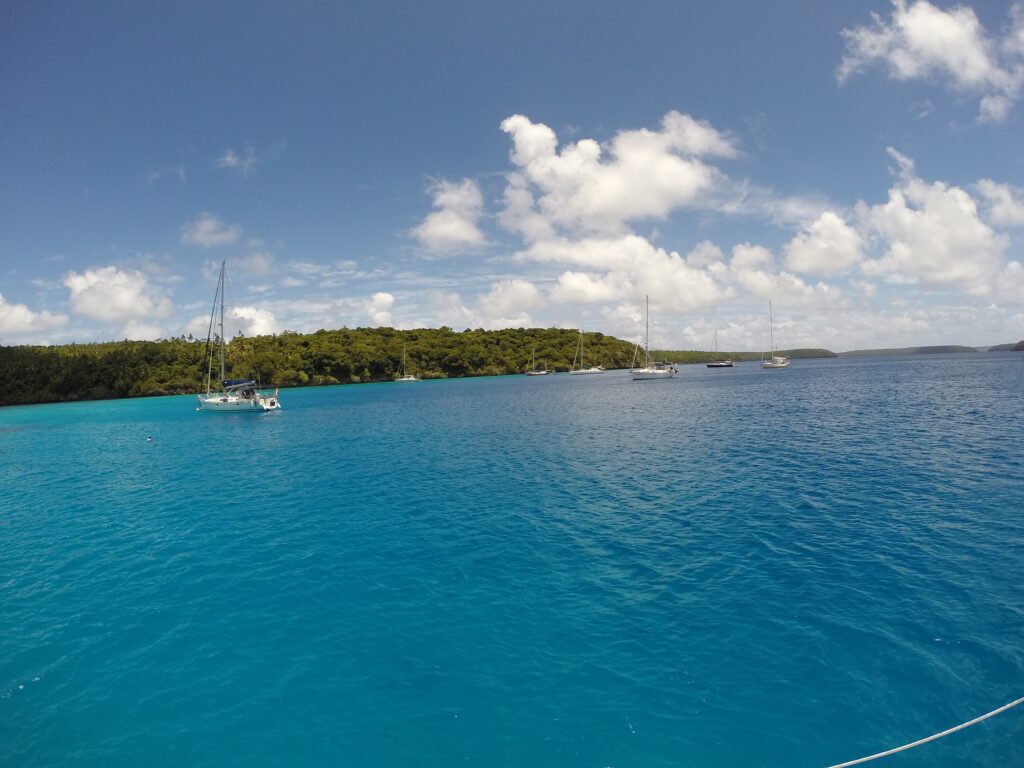
Port Maurelle and the Blue Lagoon are two of Vavaʻu’s most beloved anchorages, often featured on sailing routes through the islands. Port Maurelle is a calm bay with white sand and clear water, named after a Spanish explorer who first landed here in the 18th century. The Blue Lagoon, nearby, is exactly what its name suggests – a sheltered pool of turquoise water surrounded by coral reefs. Both spots are ideal for snorkeling, swimming, or simply enjoying a picnic on the beach. They are reached by boat from Neiafu and are popular stops on day trips and multi-day cruises around the Vavaʻu group.
Best Places to Visit in Haʻapai
Lifuka Island
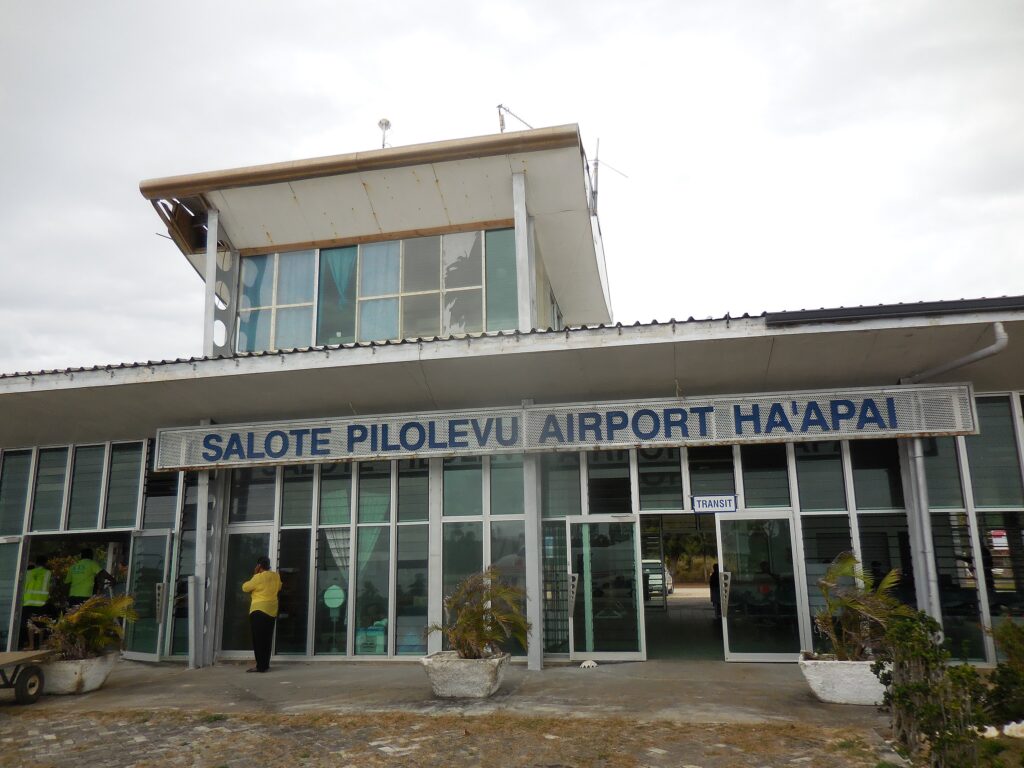
Lifuka is the heart of the Haʻapai group, a place where time feels slower and life moves to the rhythm of the ocean. Small villages line the island with historic churches at their center, and sandy roads lead to long beaches that are often completely empty. The pace here suits travelers who want to disconnect – days are spent cycling between villages, swimming in warm lagoons, or chatting with locals who are quick to share stories. Lifuka is also the main gateway to the Haʻapai islands, with a small airport linking to Tongatapu and ferries connecting to nearby islands. It’s a place for simple pleasures, where the beauty lies in the quiet.
Uoleva Island
Uoleva is the kind of island that feels like a true escape. With no roads and only a handful of eco-lodges, life here revolves around the sea and the sky. Days slip by in hammocks strung between palms, broken up by swims in clear lagoons or snorkeling over colorful reefs just offshore. Kayaks let you explore the coastline at your own pace, and from July to October humpback whales pass through the surrounding waters, often visible right from the beach. Uoleva is reached by a short boat ride from Lifuka in the Haʻapai group, making it easy to get to yet wonderfully cut off from the modern world.
Best Places to Visit in ‘Eua
‘Eua National Park
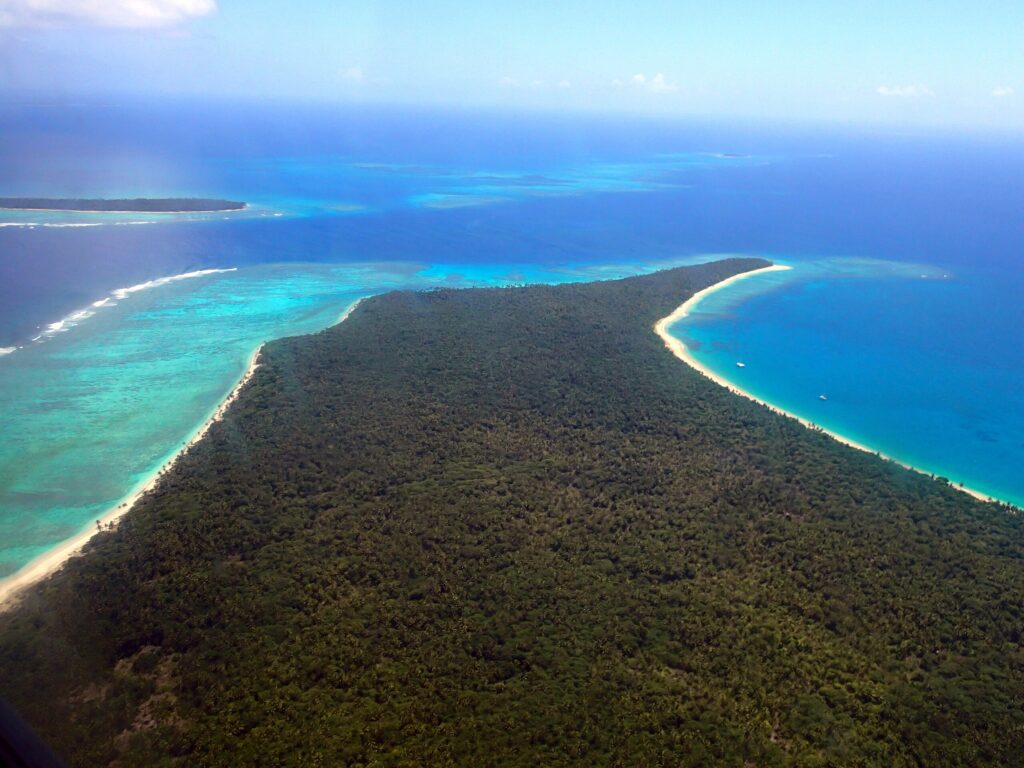
‘Eua National Park is Tonga’s oldest protected area and one of its most diverse landscapes. Here sheer cliffs drop into the Pacific, caves open into hidden chambers, and rainforest trails lead past waterfalls and giant banyan trees. The island is a paradise for birdwatchers, home to species found nowhere else in Tonga, including the red shining parrot and Pacific pigeon. The park feels untouched, with few visitors and a strong sense of wilderness. ‘Eua lies just 40 minutes by ferry from Nukuʻalofa or seven minutes by plane, making it the easiest outer island to reach while still feeling far removed from the capital.
Vaiʻutukakau (Natural Arch)
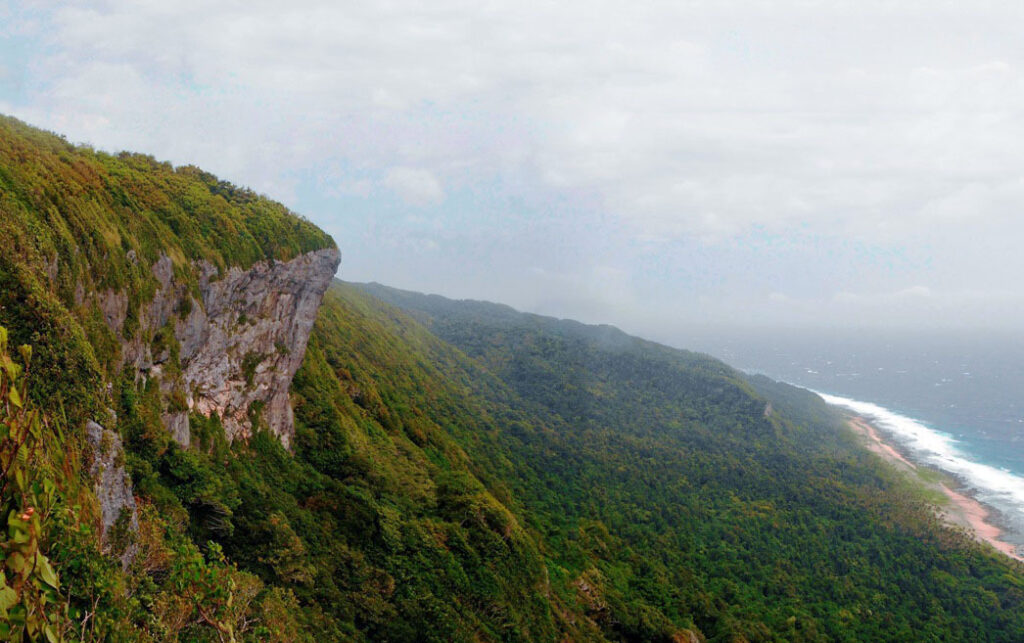
Vaiʻutukakau is one of Tongatapu’s most striking coastal sights, a massive natural arch carved into the cliffs by centuries of waves. Standing at the lookout, you can watch the ocean surge through the opening and crash against the rocks below, sending spray into the air. The area around the arch is rugged and windswept, with seabirds riding the currents overhead and panoramic views along the coastline. Vaiʻutukakau lies on the island’s western side, about a 40-minute drive from Nukuʻalofa, and is often included on scenic tours of Tongatapu’s wild shore.
Travel Tips
Currency
The official currency is the Tongan Paʻanga (TOP). Credit cards are accepted in major towns, particularly in hotels and larger restaurants, but in rural areas and on the outer islands cash is essential. ATMs are available in Nukuʻalofa and Neiafu but limited elsewhere, so it’s best to plan ahead and carry enough local currency when traveling between islands.
Language
Tongan is the official language and is spoken throughout the kingdom. English is also widely understood in tourism hubs, hotels, and businesses, making communication relatively easy for visitors. Learning a few basic Tongan phrases, however, is a great way to show respect and connect with locals.
Getting Around
As an island nation, travel between regions often involves a mix of transport. Domestic flights connect Tongatapu with the Vavaʻu, Haʻapai, and ‘Eua groups, while boats and ferries are vital for inter-island travel. On Tongatapu and Vavaʻu, taxis and rental cars are available for independent exploration. To rent and drive legally, visitors must carry an International Driving Permit in addition to their home license.
Accommodation
Lodging options in Tonga range from eco-resorts and boutique guesthouses to simple beach bungalows and homestays. While accommodation is generally modest and welcoming, availability can be limited on smaller islands. It’s especially important to book early during whale season (July–October), when visitors flock to Tonga to experience swimming with humpback whales.

Published September 19, 2025 • 9m to read