

Suriname may be South America’s smallest country, but it is also one of its most fascinating hidden gems. Nestled between Guyana, French Guiana, and Brazil, this multicultural nation offers a unique mix of Dutch colonial heritage, tropical rainforests, and an incredible cultural mosaic of Indigenous, African, Indian, Javanese, Chinese, and European influences.
For travelers, Suriname is both an eco-tourism paradise and a cultural playground – where you can explore UNESCO-listed cities, venture deep into the jungle, meet Maroon and Indigenous communities, and enjoy some of the most diverse food in the region.
Best Cities and Cultural Destinations
Paramaribo
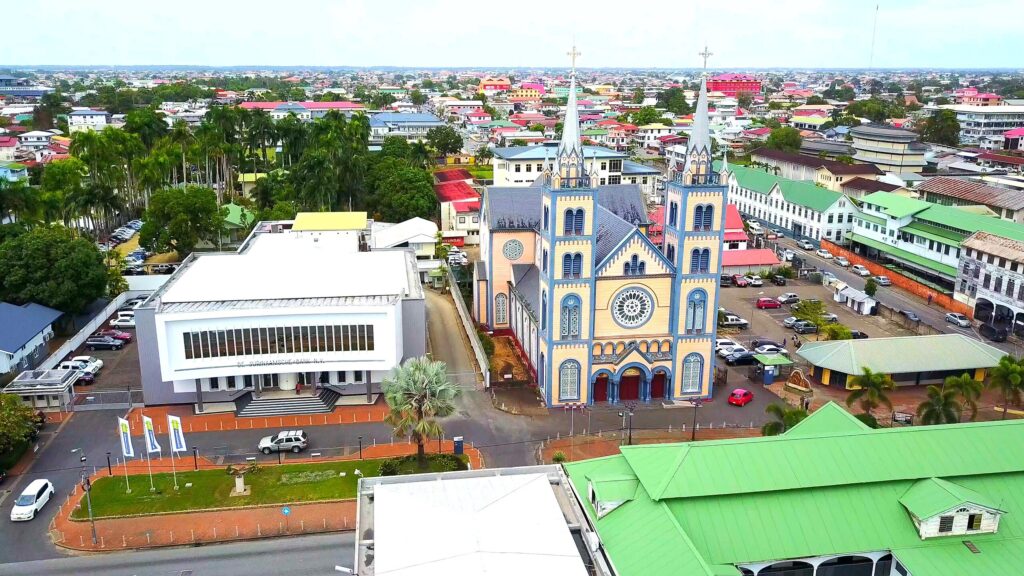
Paramaribo, the capital of Suriname, is known for its mix of Dutch colonial heritage and diverse cultural influences. The historic center, a UNESCO World Heritage Site, is lined with wooden buildings dating from the colonial era, including the striking St. Peter and Paul Cathedral, one of the largest wooden churches in the Americas. Fort Zeelandia and Independence Square are key landmarks that reflect the city’s political and historical significance, while Palmtuin offers a quiet green space in the heart of downtown.
The city is also a lively commercial hub, with markets where Indian spices, Javanese snacks, Chinese goods, and tropical produce are sold side by side, reflecting the country’s multicultural identity. Paramaribo lies on the banks of the Suriname River, about an hour’s drive from Johan Adolf Pengel International Airport, and serves as the main base for exploring the rest of the country.
Nieuw Amsterdam
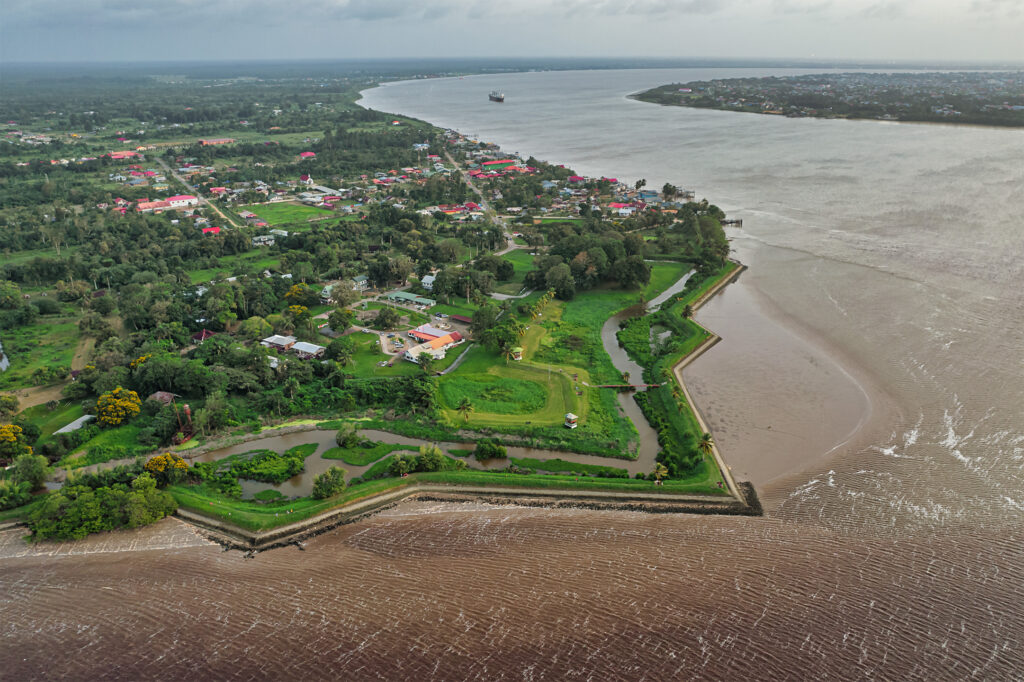
Nieuw Amsterdam is a historic town located where the Suriname and Commewijne rivers meet. Its main attraction is Fort Nieuw Amsterdam, an 18th-century stronghold built to protect the colony from naval attacks. The fort has been preserved as an open-air museum, with exhibits on the colonial era, military history, and the role the site played in defending Paramaribo and the surrounding plantations.
The town is about a 30-minute drive from Paramaribo, making it an easy day trip. Many visitors also combine a stop at the fort with boat tours along the Commewijne River, which pass old plantation estates and give a wider view of the area’s historical and cultural landscape.
Commewijne District
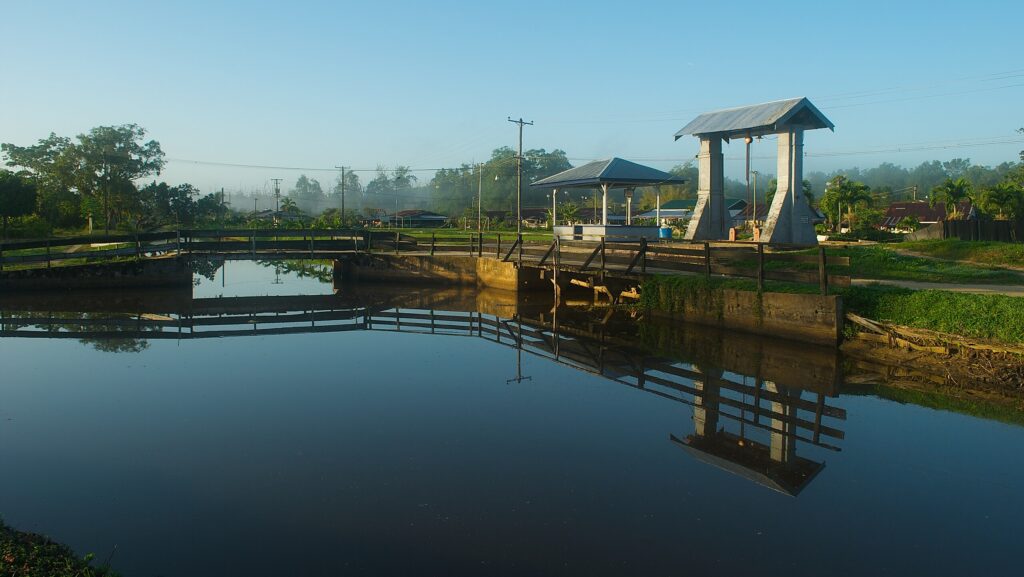
The Commewijne District, located just across the river from Paramaribo, is known for its historic plantations and multicultural villages. Many of the old sugar estates can be explored by bicycle or on guided boat tours, with some preserved buildings and small museums offering insight into the colonial past. Along the riverbanks, it is possible to spot dolphins, especially during evening tours that combine wildlife viewing with sunset views over the water.
The district is also home to Hindustani and Javanese communities, where visitors can experience traditional cuisine and cultural traditions that remain central to daily life. Commewijne is easily reached by ferry or bridge from the capital, and it is often visited as part of day trips that combine history, local food, and river exploration.
Albina
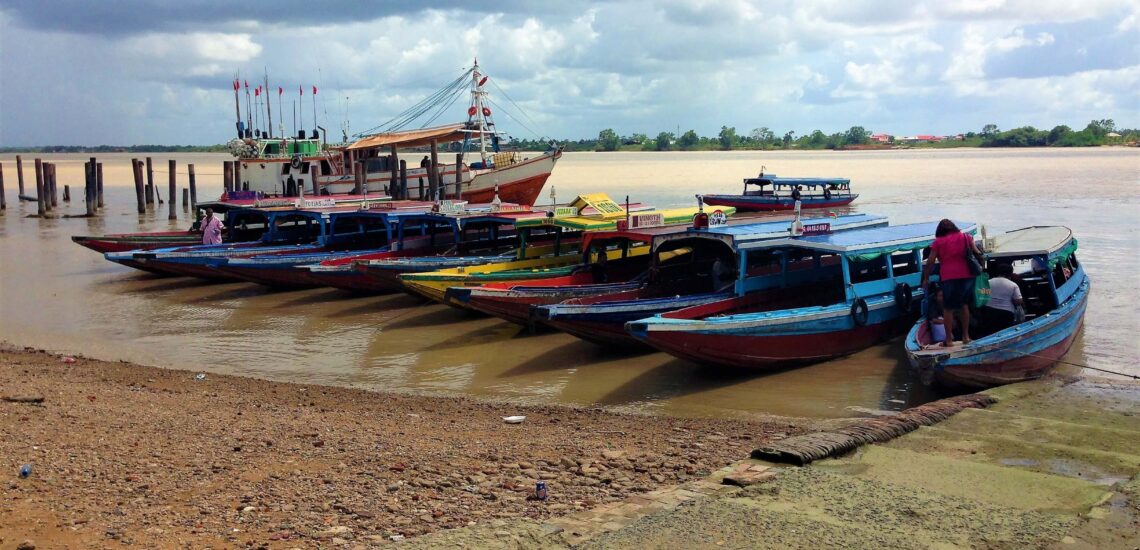
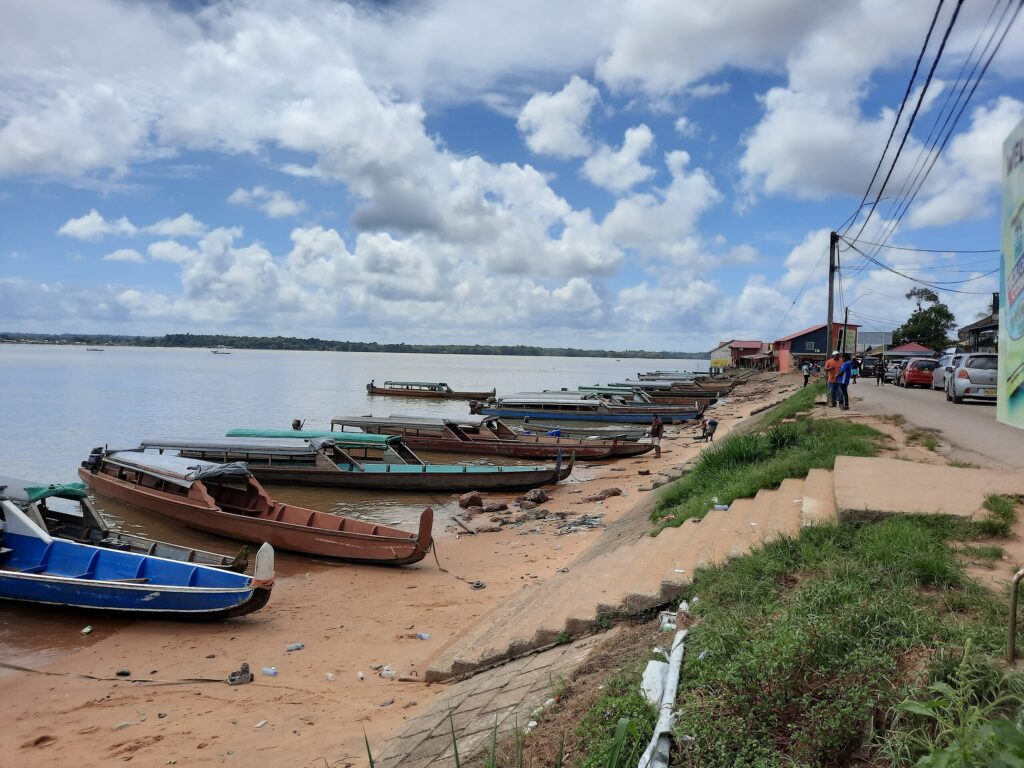
Albina is a border town on the Maroni River in northeastern Suriname, serving as the main gateway to French Guiana via the regular ferry crossing to Saint-Laurent-du-Maroni. The town has a riverside setting where travelers can see daily cross-border activity and experience the mix of cultures that shape the region. Its population includes Maroon, Indigenous, and migrant communities, giving it a diverse character.
Albina is about a two-hour drive east of Paramaribo, making it a common stop for travelers heading into or out of Suriname. While the town itself is small, it functions as an important transport hub, with riverboats also operating to villages deeper in the interior along the Maroni.
Best Natural Wonders in Suriname
Central Suriname Nature Reserve
The Central Suriname Nature Reserve covers more than 1.6 million hectares of tropical rainforest in the heart of the country and is recognized as a UNESCO World Heritage Site. It protects an extraordinary level of biodiversity, including species such as jaguars, giant river otters, giant armadillos, harpy eagles, and a vast range of plants and amphibians. The reserve is largely untouched by human activity, offering one of the most pristine stretches of forest in South America.
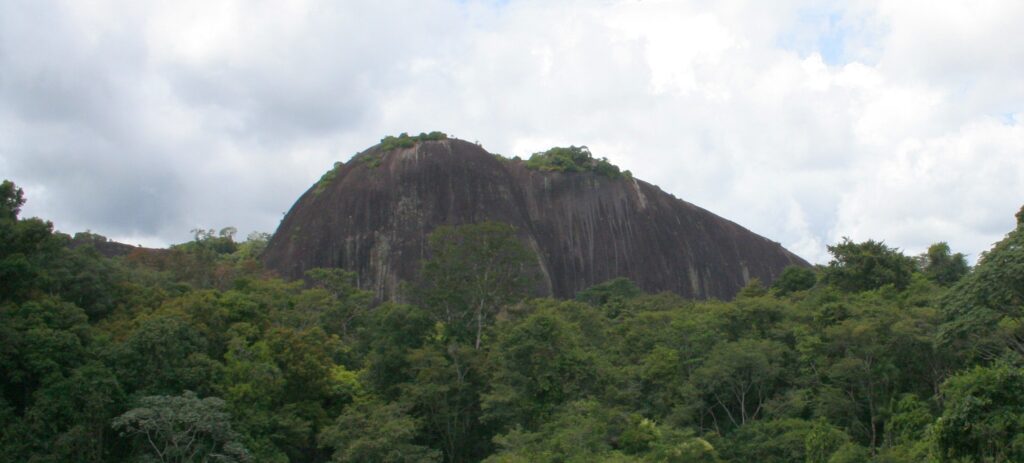
Among its main highlights are Raleighvallen, or Raleigh Falls, a series of cascades along the Coppename River, and Voltzberg, a striking granite dome that can be climbed with guided tours for wide views over the forest canopy. Access is by chartered plane or boat from Paramaribo, and most visits are organized through multi-day trips with eco-lodges that provide guided excursions into the reserve.
Brownsberg Nature Park
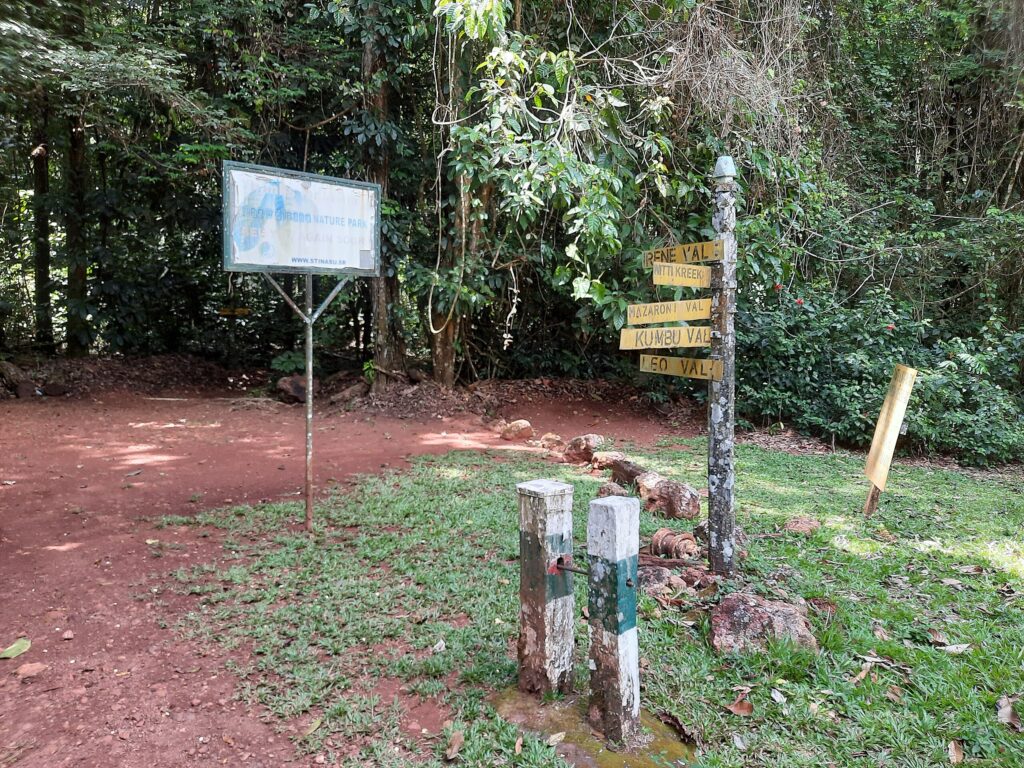
Brownsberg Nature Park is one of the most accessible rainforest reserves in Suriname, located about two hours south of Paramaribo. The park sits on a plateau that overlooks the Brokopondo Reservoir, offering panoramic views across the lake and surrounding forest. Well-marked trails lead to small waterfalls and natural pools, making it a popular destination for hiking and day trips.
The park is also a prime spot for wildlife observation, with monkeys, armadillos, and an impressive variety of birds frequently seen along the trails. Orchids and other tropical plants add to the biodiversity that attracts both casual visitors and researchers.
Galibi Nature Reserve
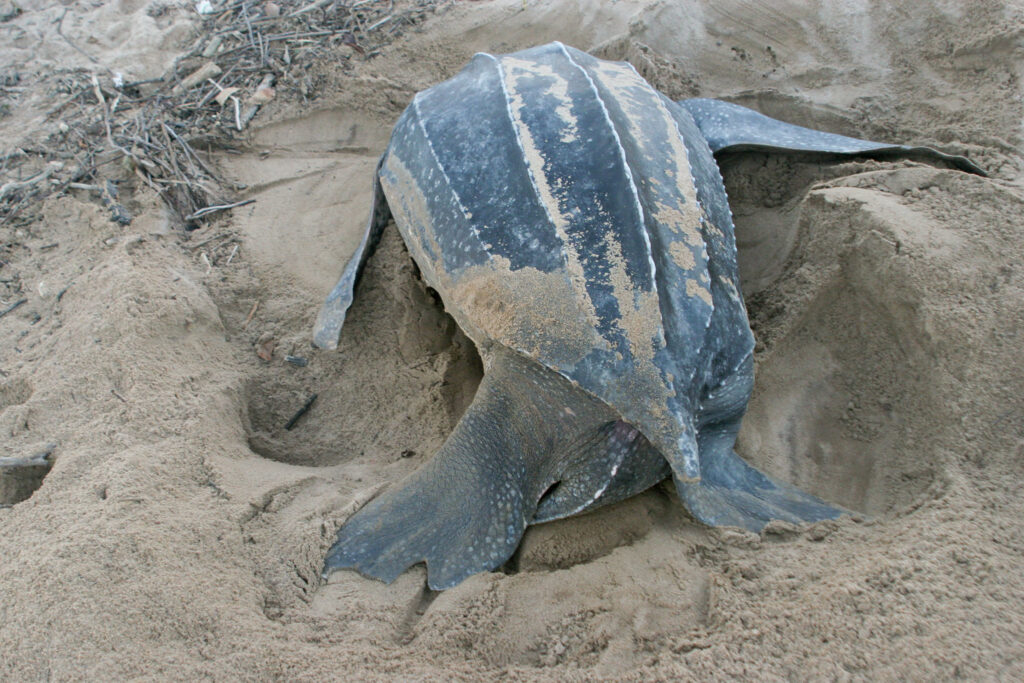
Galibi Nature Reserve is located on Suriname’s northeastern coast and is best known as a nesting site for sea turtles, particularly leatherbacks, which come ashore between February and August. The reserve’s beaches provide a rare chance to observe these turtles laying eggs in a natural and protected environment, often at night with the guidance of local rangers. The area is also home to Indigenous Kaliña villages, where visitors can learn about traditional customs, crafts, and daily life. Galibi is reached by boat from Albina on the Maroni River, with trips taking one to two hours depending on conditions.
Brokopondo Reservoir
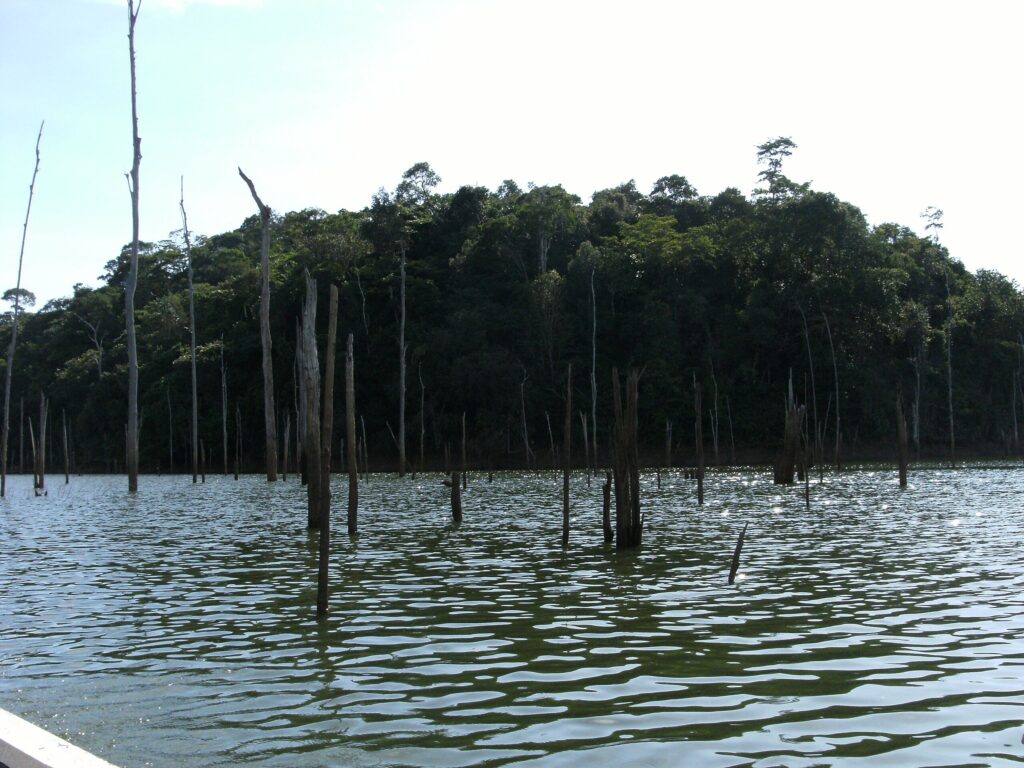
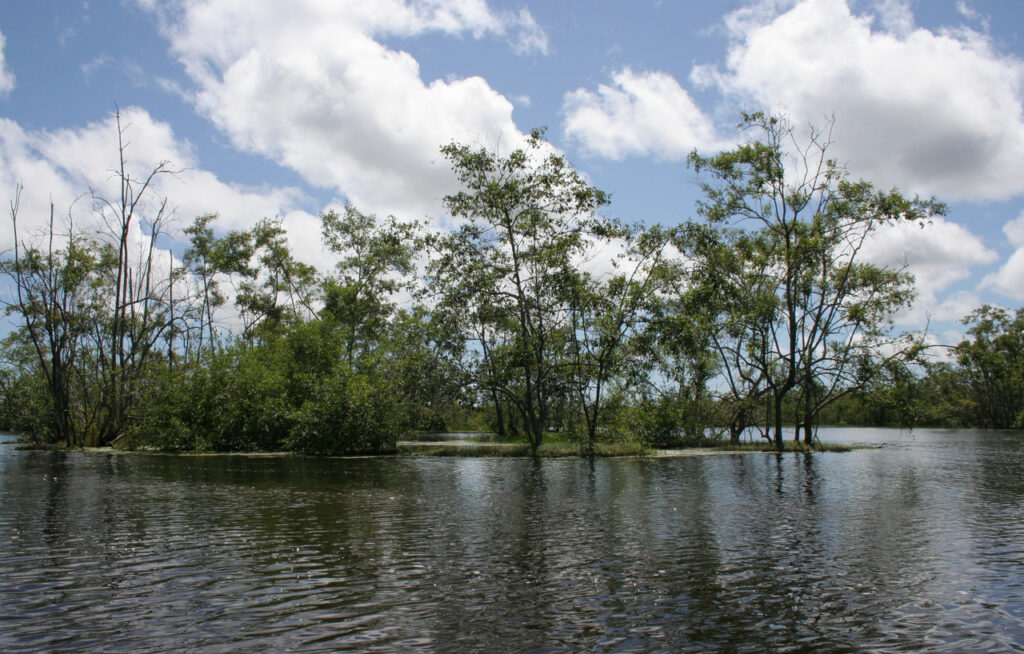
The Brokopondo Reservoir, also known as the Brokopondo Lake, is one of the largest artificial lakes in the world, created in the 1960s by damming the Suriname River. The lake covers a vast forested area, with partially submerged trees still rising from the water, giving it a distinctive landscape. Its many islands and inlets are accessible by boat, making it a popular destination for recreation and exploration.
Visitors can take boat trips to see the drowned forests up close, fish for species such as peacock bass, or swim in the clear sections of the lake. Simple camping spots and lodges are available along the shoreline, offering opportunities for overnight stays. The reservoir lies about 90 kilometers south of Paramaribo and is reached by road, making it suitable for both day trips and longer visits.
Bigi Pan Nature Reserve
Bigi Pan Nature Reserve is a vast wetland area in western Suriname, known as one of the country’s best birdwatching destinations. The lagoons, mudflats, and mangroves provide habitat for hundreds of species, including flamingos, scarlet ibises, herons, and migratory birds that arrive from North America. The wetlands also shelter caimans, fish, and other aquatic life, making it a diverse ecosystem to explore by boat.
Hidden Gems of Suriname
Awarradam
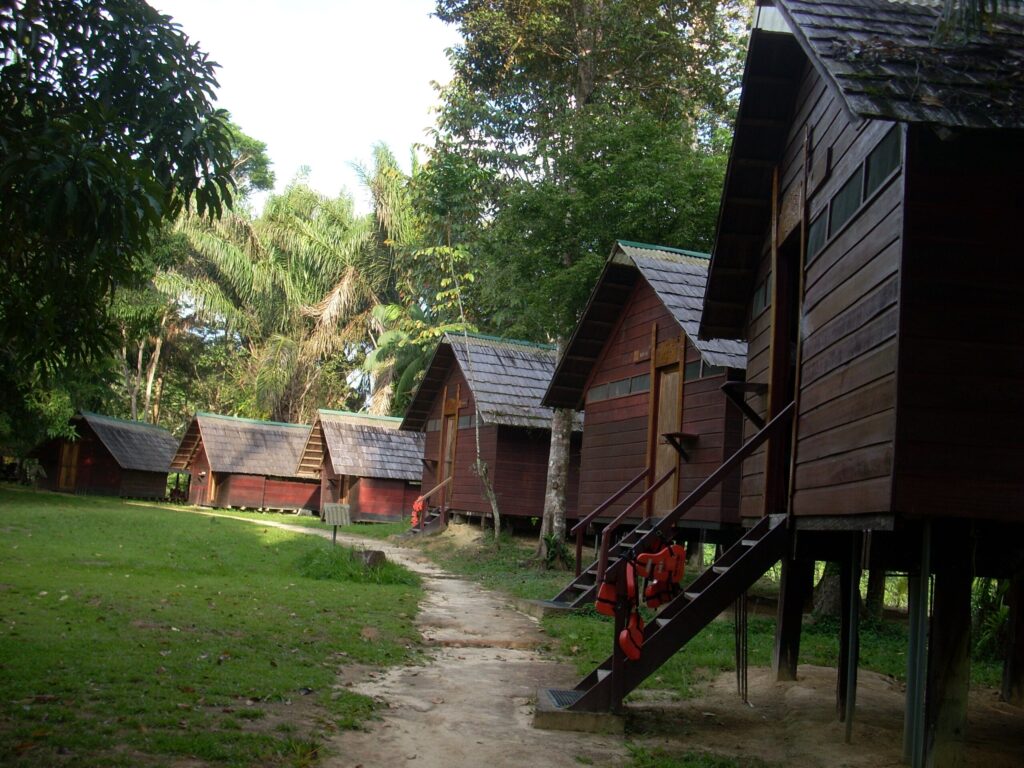
Awarradam is a small eco-lodge located on an island in the Gran Rio River, deep in Suriname’s interior. It is operated in cooperation with the local Maroon community, giving visitors the chance to experience traditional culture through music, crafts, and guided visits to nearby villages. The lodge itself is set in a forested environment, with simple cabins and a natural swimming area in the river.
Reaching Awarradam involves a combination of domestic flights and river travel, usually arranged as part of multi-day packages from Paramaribo. Activities include guided forest walks, boat trips, and cultural exchanges, making it both a nature retreat and an introduction to Maroon traditions that have been preserved in this remote region.
Drietabbetje
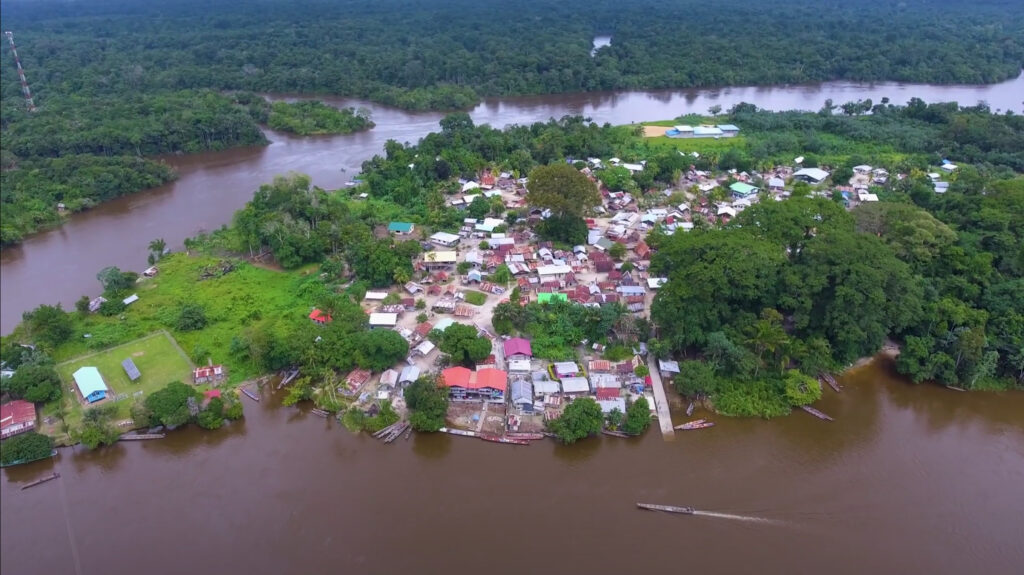
Drietabbetje, also called Three Islands, is a cluster of Maroon villages located deep in Suriname’s interior along the Tapanahony River. The settlements are known for their traditional wooden houses, dugout canoes, and strong preservation of cultural practices. Life here follows rhythms tied closely to the river and forest, offering visitors a direct look into Maroon heritage.
Palumeu
Palumeu is an Indigenous village in southern Suriname, located at the confluence of the Tapanahony and Palumeu rivers. It is home to Trio and Wayana communities who maintain traditional lifestyles while also hosting visitors in a small eco-lodge. The settlement serves as a base for jungle trekking, river canoeing, and wildlife exploration in the surrounding rainforest, one of the most remote regions of the country.
Kabalebo Nature Resort
Kabalebo Nature Resort is a remote eco-lodge situated deep in Suriname’s western rainforest, far from villages and roads. Surrounded by untouched jungle, it offers one of the best chances to experience pristine nature while staying in comfortable lodge-style accommodation. Wildlife is often spotted directly from the lodge area, with possibilities of seeing toucans, parrots, tapirs, monkeys, and even jaguars. Guided hikes, canoe trips, and birdwatching excursions take visitors deeper into the forest and along the rivers.
Blanche Marie Falls
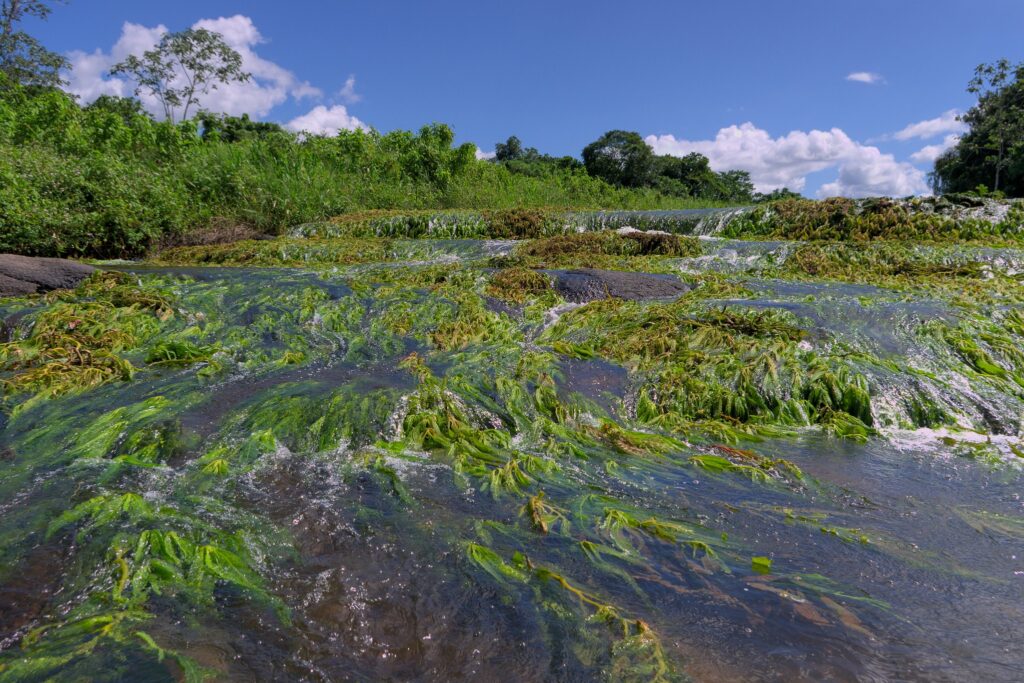
Blanche Marie Falls is one of the largest and most impressive waterfalls in Suriname, located in the upper reaches of the Nickerie River. Surrounded by dense forest, the falls cascade over a series of granite boulders, creating wide streams and natural pools that visitors can explore. The site is valued both for its scale and for the untouched rainforest setting that surrounds it.
Travel Tips for Suriname
Travel Insurance & Safety
Travel insurance is essential for jungle expeditions and remote eco-tours. Make sure your policy covers medical evacuation, as interior regions are only accessible by small plane or boat and have limited medical facilities.
Suriname is generally safe for travelers, with Paramaribo being relatively calm compared to many other capitals. Still, take normal urban precautions, especially at night and in crowded areas. A yellow fever vaccination is required for entry, and malaria prophylaxis is recommended for trips to the interior. Carry mosquito repellent, and bring water purifying tablets if traveling to remote villages or reserves.
Transportation & Driving
Domestic flights and river boats are the main way to reach interior communities and nature reserves. Along the coast, buses and shared taxis link towns affordably. Paramaribo is compact and walkable, with taxis available for short rides.
Rental cars are available in Paramaribo and are useful for day trips to areas such as Commewijne, Brownsberg, and Brokopondo. Roads around the capital are generally paved, but many rural routes are unpaved and rough. Driving is on the left-hand side, a legacy of Suriname’s colonial history.
An International Driving Permit is required alongside your home license, and police checks are common outside Paramaribo, so carry your documents at all times. For travel into the interior jungle, guided tours are far more practical and safer than attempting to drive yourself.

Published October 03, 2025 • 10m to read