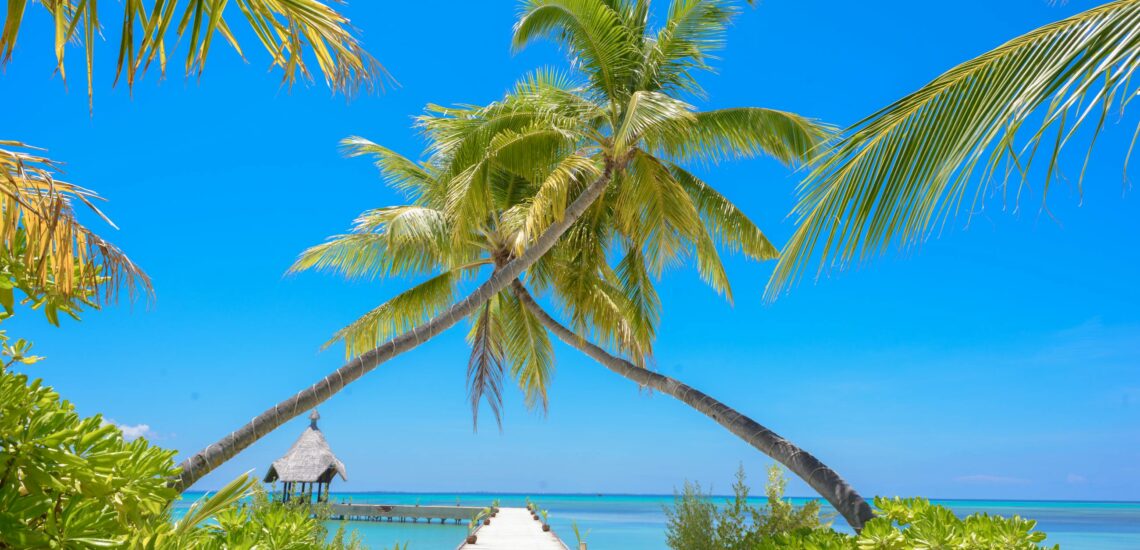


Maldives is shaped by coral atolls, shallow turquoise lagoons, overwater villas, and some of the Indian Ocean’s strongest snorkelling and diving conditions. Travel here is centered on the ocean rather than on inland sightseeing. Reefs, sandbanks, marine life, and the sense of isolation within open sea define the experience far more than cities or cultural landmarks.
The Maldives suits honeymooners and couples, divers and snorkellers, luxury-focused travelers, budget visitors staying on local islands, and long-stay guests working remotely. The most important planning step is choosing your travel style first: resort island, local island guesthouse, or liveaboard vessel. After that, selecting the right atoll becomes easier, based on priorities such as strong house-reef snorkelling, channel diving, manta ray seasons, or sheltered lagoons with calmer water conditions.
Best Cities in Maldives
Malé
Malé is a compact capital that gives you a fast, grounded look at everyday Maldives: scooters, small shops, office blocks, harbour activity, and dense residential streets packed into a very small area. It works best as a focused 2 to 4 hour walk, starting at the local market zone near the waterfront, where you will usually see stacks of tropical fruit and a busy fish market scene tied to the country’s tuna-based fishing economy. From there, loop through central streets for a sense of local life, then include one or two calm stops such as the main public squares and the waterfront edges where you can watch ferries and speedboats moving between islands. For religious sites, keep it respectful and observational from appropriate public areas. The main mosque complex is a landmark, but visiting should be timed and approached in a way that respects prayer times and dress norms.
Logistically, Malé is straightforward because it is effectively paired with the airport. Velana International Airport sits on nearby Hulhulé, and transfers are short: you typically reach Malé by public ferry or speedboat in about 10 to 20 minutes, depending on service and harbour conditions. Many travellers use Malé as a practical “bridge” to their island base: arrive, get cash or a local SIM if needed, pick up any supplies, have a quick local meal, and then continue by speedboat, ferry, or seaplane to the resort or local island. If you want a slightly calmer urban stop without turning it into a long detour, consider splitting time between Malé and Hulhumalé (a newer, more open area with longer seaside promenades), but keep the overall plan short so you do not dilute the island-and-reef part of the trip.
Hulhumalé
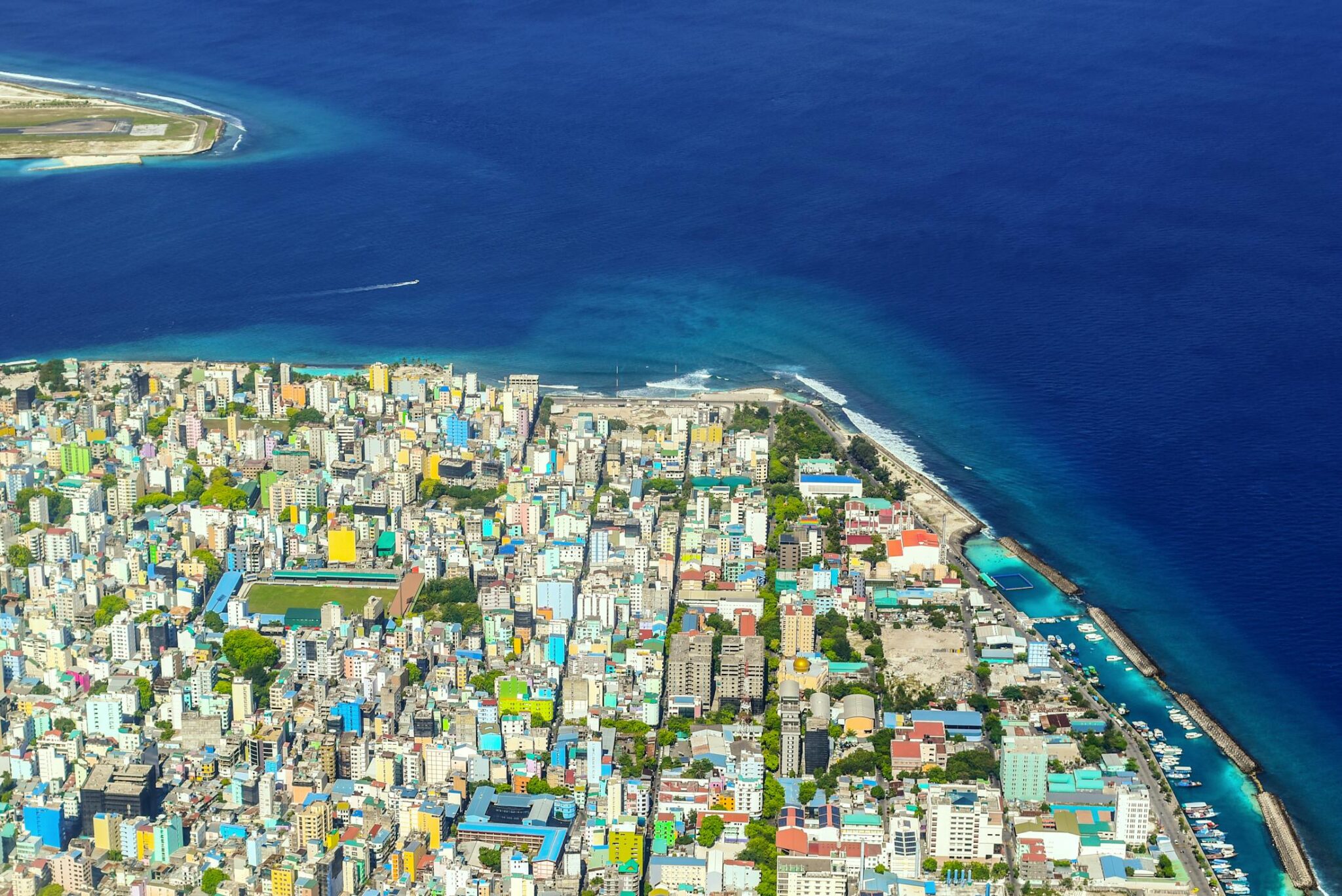
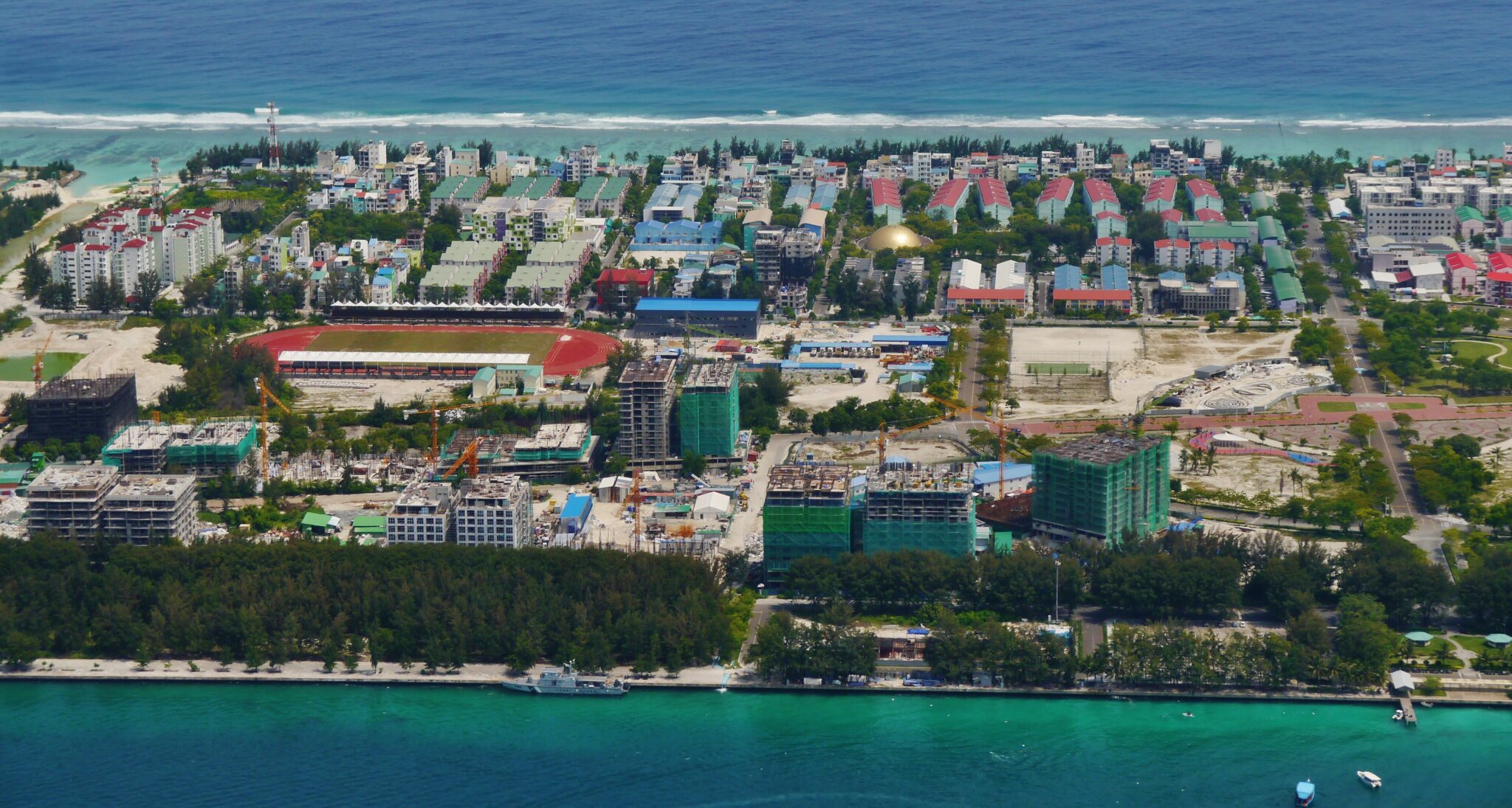
Hulhumalé is one of the most convenient places in the Maldives for an arrival or departure buffer because it sits right next to Velana International Airport on the same connected urban area. It is a reclaimed island district with wider streets and a noticeably calmer pace than central Malé, so it works well when you land late, have an early flight, or cannot align with resort check-in or transfer times. The transfer is typically short, often around 10 to 20 minutes by road depending on traffic and the exact hotel location, which is a major advantage compared with waiting for a scheduled speedboat or losing time to a longer inter-island connection. The main draw is the long, open beachfront and promenade-style walking, best early morning or at sunset when the air is cooler. It is a practical place to reset after travel with a simple swim when conditions are calm, a relaxed meal, and a short stroll without needing tours or taxis across the city.
Best Natural Sites in Maldives
House reefs
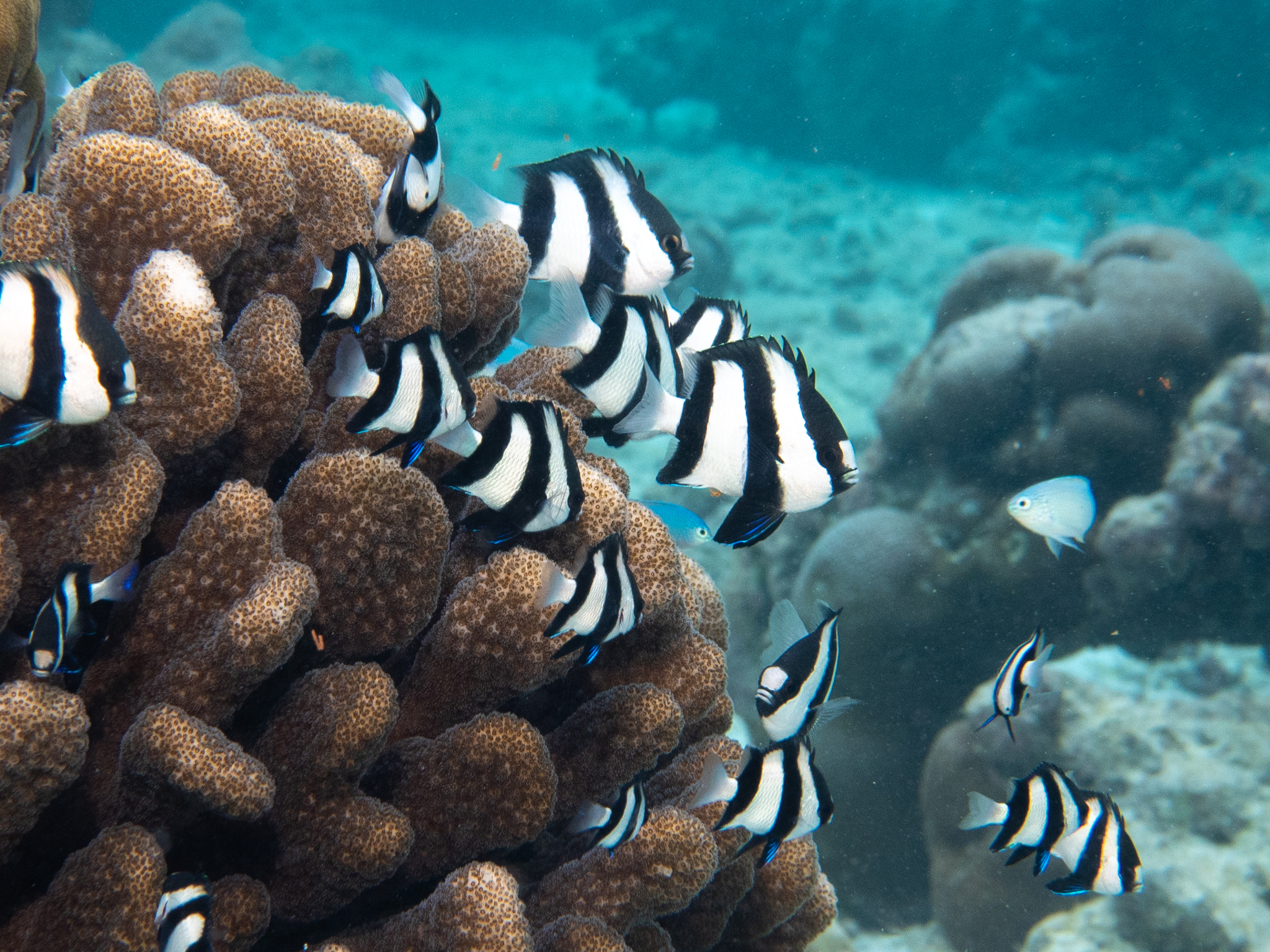
House reefs are the defining feature for a snorkel-first Maldives trip because they determine whether you can step off the beach and see healthy coral and fish within minutes, or whether you will need scheduled boat trips to reach the best sites. On strong-reef islands, the reef edge can begin roughly 20 to 80 metres from shore, making it realistic to snorkel twice a day with minimal planning, often best in the calmer morning window. On weaker-reef islands, the nearshore area may be mostly sand and seagrass, with the best coral farther out or concentrated at specific points, so you end up relying on 10 to 30 minute boat rides and fixed departure times. Even on the same island, reef quality can differ by side: one shoreline may be sheltered and easy, while another is exposed to swell, boat traffic, or stronger currents.
Because reef condition and access are highly local, accommodation choice often matters more than the atoll name. Before booking, ask for precise, practical details: where the snorkel entry points are, whether entry is from a beach, steps, or a jetty, and how far it is from the entry point to the reef edge in metres.
Manta rays and whale sharks
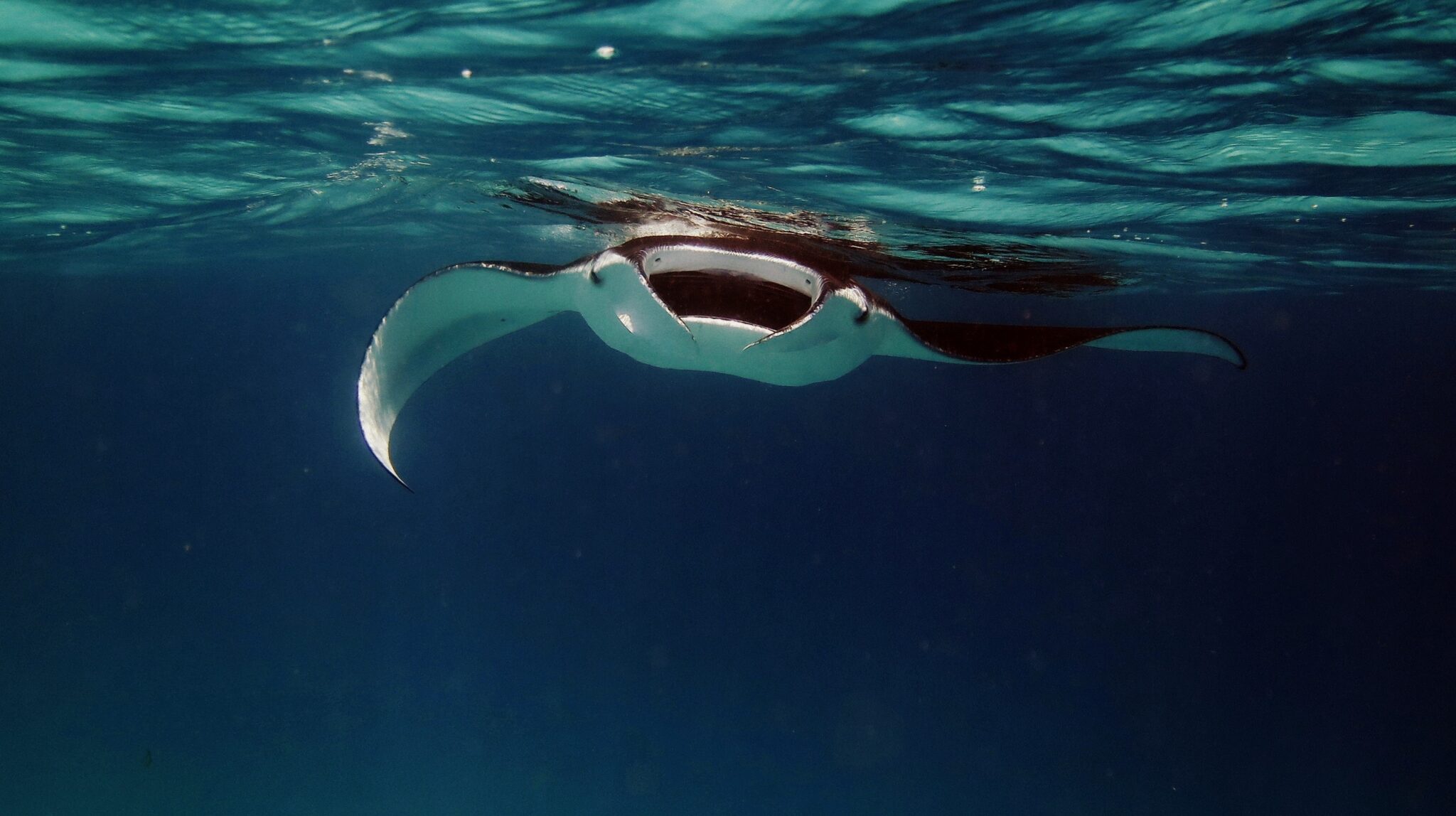
Manta rays and whale sharks can be true “trip makers” in the Maldives, but they are always seasonal, atoll-dependent, and never guaranteed because they follow plankton, currents, and water temperature patterns rather than tour schedules. Mantas are often seen at cleaning stations and feeding areas where plankton concentrates, while whale sharks tend to appear where warm, food-rich water draws them close to reef edges. In practical terms, you improve your odds by picking an atoll known for these encounters in your travel window and by planning multiple water days, because marine life can be absent one day and active the next, even in the same area.
If these species are a priority, structure your stay around repetition and flexibility rather than a single “must-hit” excursion. Aim for 3 to 5 marine days (snorkelling, dives, or dedicated manta and whale shark trips), with at least two attempts for each target if possible. Build in time for boat rides, because many of the best sites are not directly off the beach and conditions can shift quickly. A strong operator will explain where sightings are most consistent for that period, how they choose sites based on current and visibility, and how they handle safety and responsible viewing so the encounter stays controlled and respectful.
From a planning perspective, prioritise a base with a reliable, safety-focused marine centre and ask specific questions before you commit: typical boat time to key sites, average trip duration (often 2 to 4 hours for snorkelling-focused outings and longer for combined plans), how frequently they run trips in your dates, and whether they will cancel or reroute when sea conditions make it unsafe or unproductive.
Sandbanks
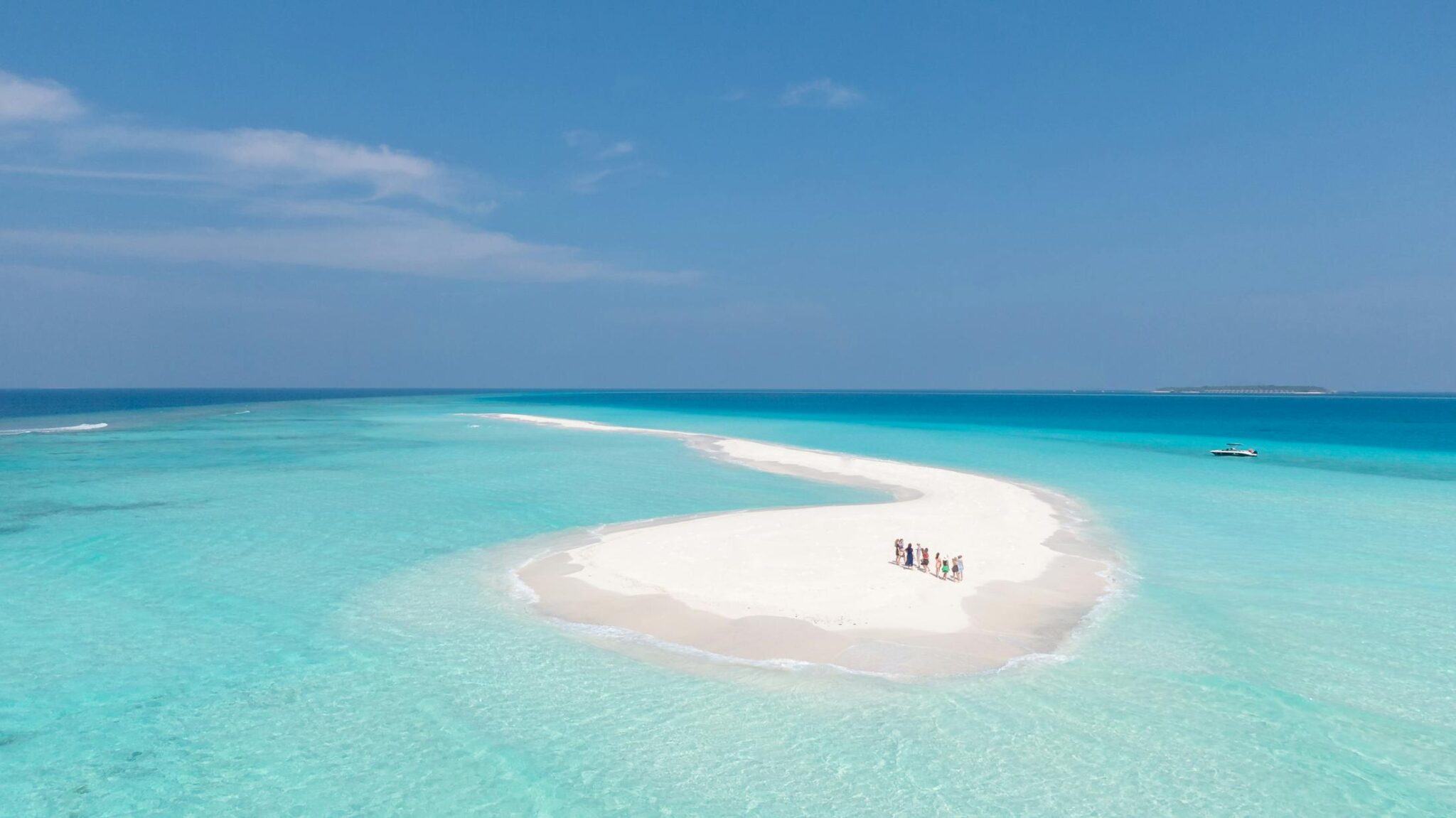
Sandbank trips are one of the simplest ways to get the Maldives “desert island” feeling without committing to a full-day cruise. A sandbank is a temporary or semi-stable strip of white sand that sits just above the waterline, often surrounded by ankle to waist-deep lagoon. The payoff is instant: a clean horizon in every direction, warm shallow water for easy swimming, and very strong photo conditions because the sand and water reflect light so well. Even if you do not dive, a half-day sandbank visit can feel like a headline experience, especially when paired with a short snorkel stop on a nearby reef edge or lagoon patch where fish gather.
For the best experience, aim for an early morning or late afternoon slot. Light is softer, temperatures are lower, and you are more likely to have the sandbank to yourself or with fewer boats. Ask your operator how long the boat ride is and how much time you will actually spend on the sandbank, because some trips include multiple stops and the “desert island” time can shrink. Also ask about practical comfort: whether they bring a canopy or umbrella for shade, if there is a cooler with water, and whether there is a plan for wind or choppy lagoon conditions. Sandbanks are fully exposed, so plan high-level sun protection, at least 1 to 2 litres of water per person for a half-day, and secure footwear if coral fragments are present in the shallows.
From most resort islands and many local islands, sandbanks are reached by speedboat in roughly 10 to 45 minutes depending on the lagoon layout and how far the operator chooses to go for quieter spots. The smoothest approach is to build a flexible half-day around it: start with the sandbank for photos and shallow swimming, then add one snorkel stop, then return before the midday heat peaks.
Bioluminescent plankton
Bioluminescent plankton is one of the Maldives’ most magical bonus moments: tiny marine organisms can emit light when the water is disturbed, so gentle wavelets, footsteps at the shoreline, or a slow hand movement in the shallows can trigger a brief blue-green sparkle. It is real, but it is also highly timing-dependent. The glow tends to be most noticeable on very dark nights and in calm, clear shallows, and it can appear strongly for a short window and then fade as currents, wind, or water conditions change. Because it depends on local plankton concentration and the night’s visibility, it is not something you can reliably book as an excursion.
If you hear from staff or locals that it is happening, treat it like a short, low-effort evening outing. Go after full darkness, choose a beach with minimal artificial light, and keep movement gentle so you do not stir sand and reduce visibility. A calm plan is enough: 20 to 40 minutes of slow shoreline walking, then stop if conditions are not delivering, because it can be very subtle. Avoid any behaviour that could harm reef life, do not chase it into deeper water, and keep expectations modest.
Best Islands and Areas to Base Yourself
North Malé Atoll
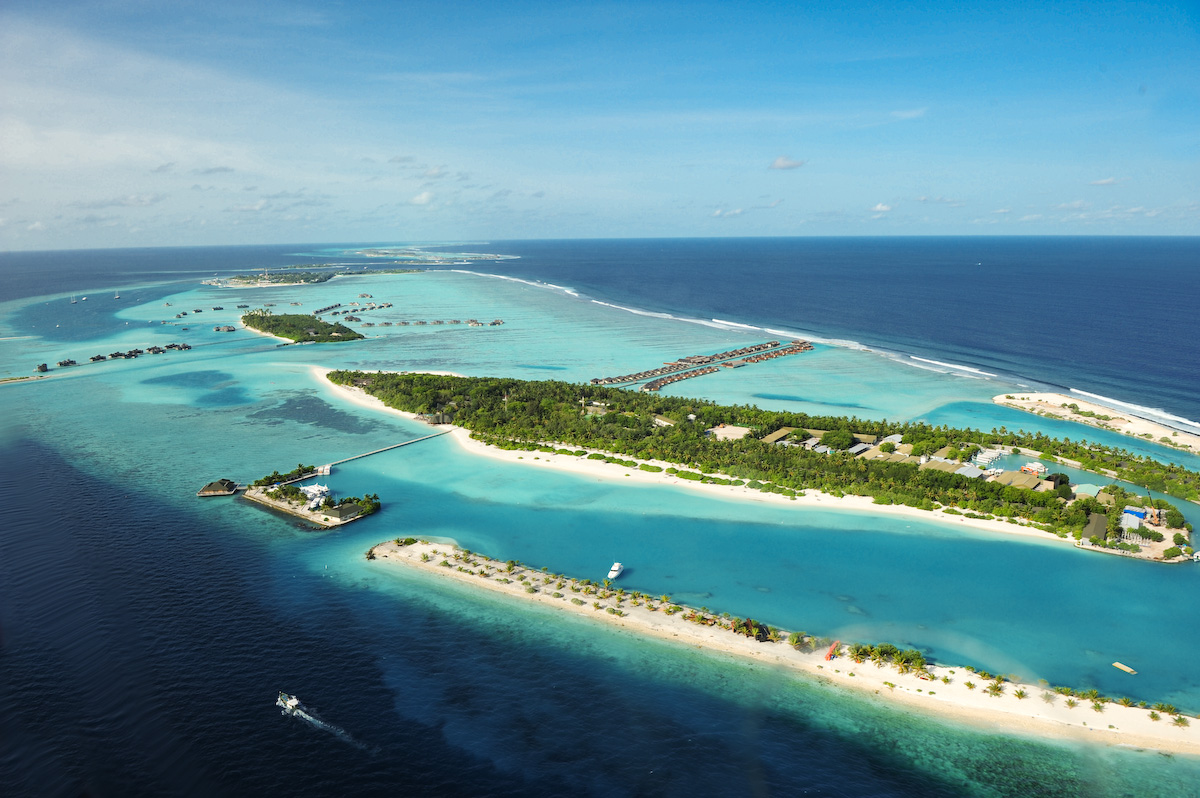
North Malé Atoll is the most practical “first Maldives” choice because it is close to Velana International Airport and usually means short speedboat transfers rather than long inter-atoll travel. That convenience matters on a 3 to 6 night trip: you can arrive, check in, and be in the lagoon the same day, instead of losing daylight to logistics. It is also one of the widest-choice areas in the country, with everything from high-end private-island resorts to more mid-range properties, plus strong availability of day activities such as lagoon snorkelling, sandbank stops, and beginner-friendly diving. For many travellers, it is simply the easiest way to get the classic Maldives mix of white sand, shallow turquoise water, and predictable resort comfort with minimal planning friction.
What to do here is straightforward and high-reward. Prioritise house-reef snorkelling if your island has it, and ask where the best entry points are and whether currents are common on particular sides of the island. Add one half-day sandbank trip for the “desert island” feeling, and one marine outing such as a guided snorkel, dolphin cruise, or an intro dive if you are new to diving. Because this atoll is popular, the difference between an average and excellent stay often comes down to choosing an island with a reef you can access safely from shore, and timing water activities for early morning or late afternoon when light is softer and conditions are calmer.
South Malé Atoll
South Malé Atoll gives you much of the same close-to-airport convenience as North Malé, but can feel a touch calmer depending on the island you choose. It is a strong fit for short stays because transfers are usually quick, so you spend more time in the lagoon and less time moving between atolls. The overall rhythm is simple and resort-friendly: beach time, easy snorkelling sessions, and short boat outings that do not require complex planning. If you want a “switch off” trip where everything is within reach but the atmosphere is not as busy as the most heavily marketed hotspots, South Malé is often a comfortable middle ground.
The best experiences here are built around repeatable, low-effort water time. Prioritise an island with clear, well-explained house-reef access or strong nearby snorkel spots, then add one or two short excursions such as a sandbank stop or a guided snorkel on a reef edge. Mornings are usually the most pleasant for water activities, with softer light and calmer sea, while late afternoon works well for a second snorkel and sunset beach time. If you are not diving, you can still make the trip feel “ocean-first” by planning two snorkel sessions per day and one half-day boat outing, rather than packing in many different tours. Getting there is typically straightforward by speedboat from the airport area, often within roughly 20 to 60 minutes depending on the resort and sea state.
Ari Atoll (Alif Alif and Alif Dhaal)
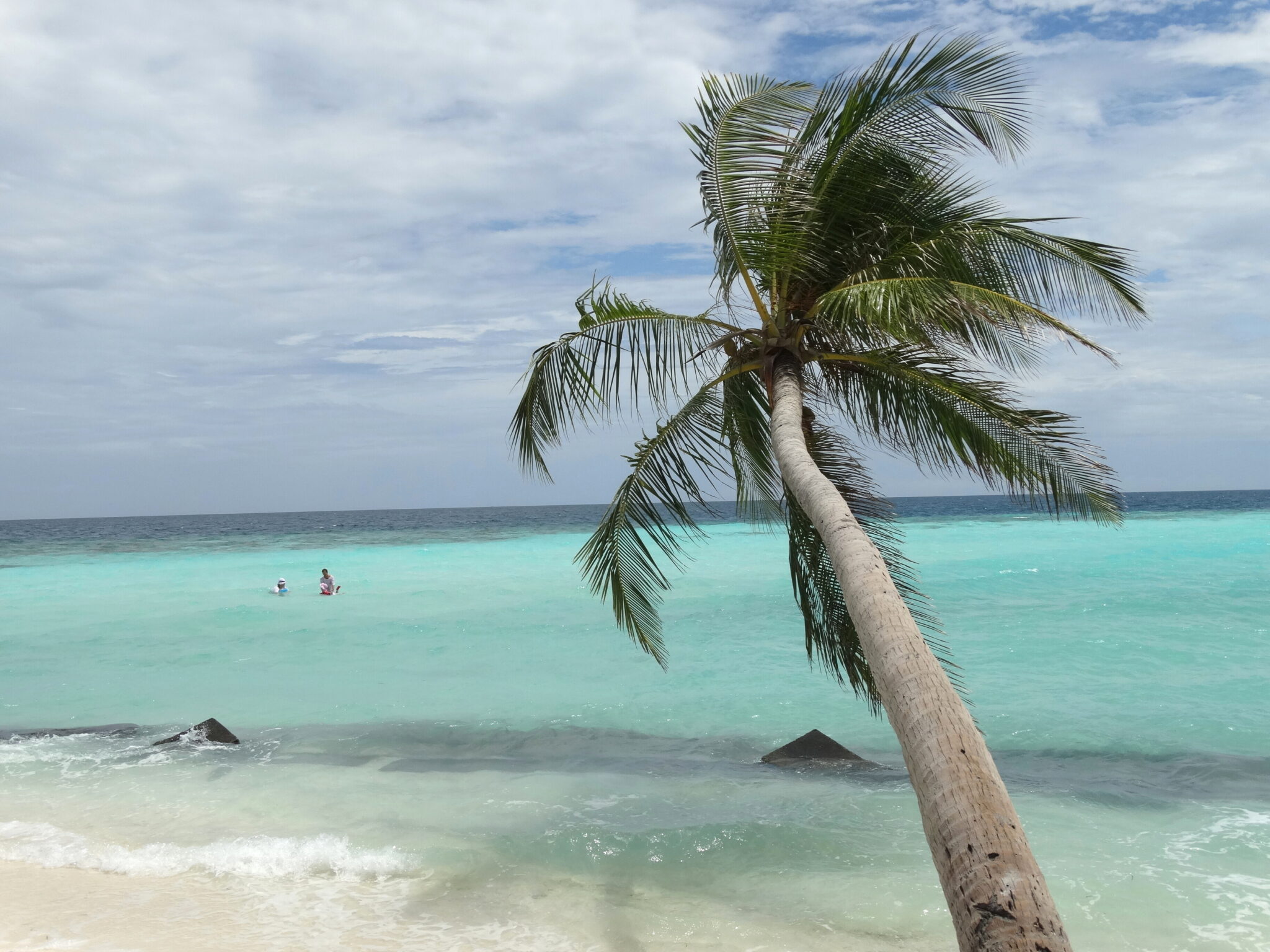
Ari Atoll is one of the Maldives’ most marine-focused regions, known for a dense menu of reef sites, channel edges, and outer-atoll drop-offs that suit both snorkellers and divers. Many islands here have strong water-based routines: early snorkels on the house reef, boat rides to nearby thilas (pinnacles) or reef corners, and longer sessions timed around tides when fish activity is higher. This is also why Ari is a common liveaboard zone, because boats can string together multiple high-quality sites in a compact area, often mixing reef walls, drift segments, and cleaning-station style dives in the same itinerary. The key “why Ari” is variety: even on a short stay you can balance calm lagoon time with more energetic reef days without changing atolls.
Getting to Ari typically involves either a domestic flight plus speedboat, or a seaplane, depending on the island and property. Travel time is longer than North or South Malé Atolls, so Ari makes most sense when you stay long enough to “earn” the transfer, usually 5 nights or more for a strongly marine-focused trip. Once you arrive, the experience is straightforward: you are usually 5 to 20 minutes by boat from multiple snorkel and dive spots, which lets you keep the itinerary simple while still delivering a high concentration of reef time.
Baa Atoll
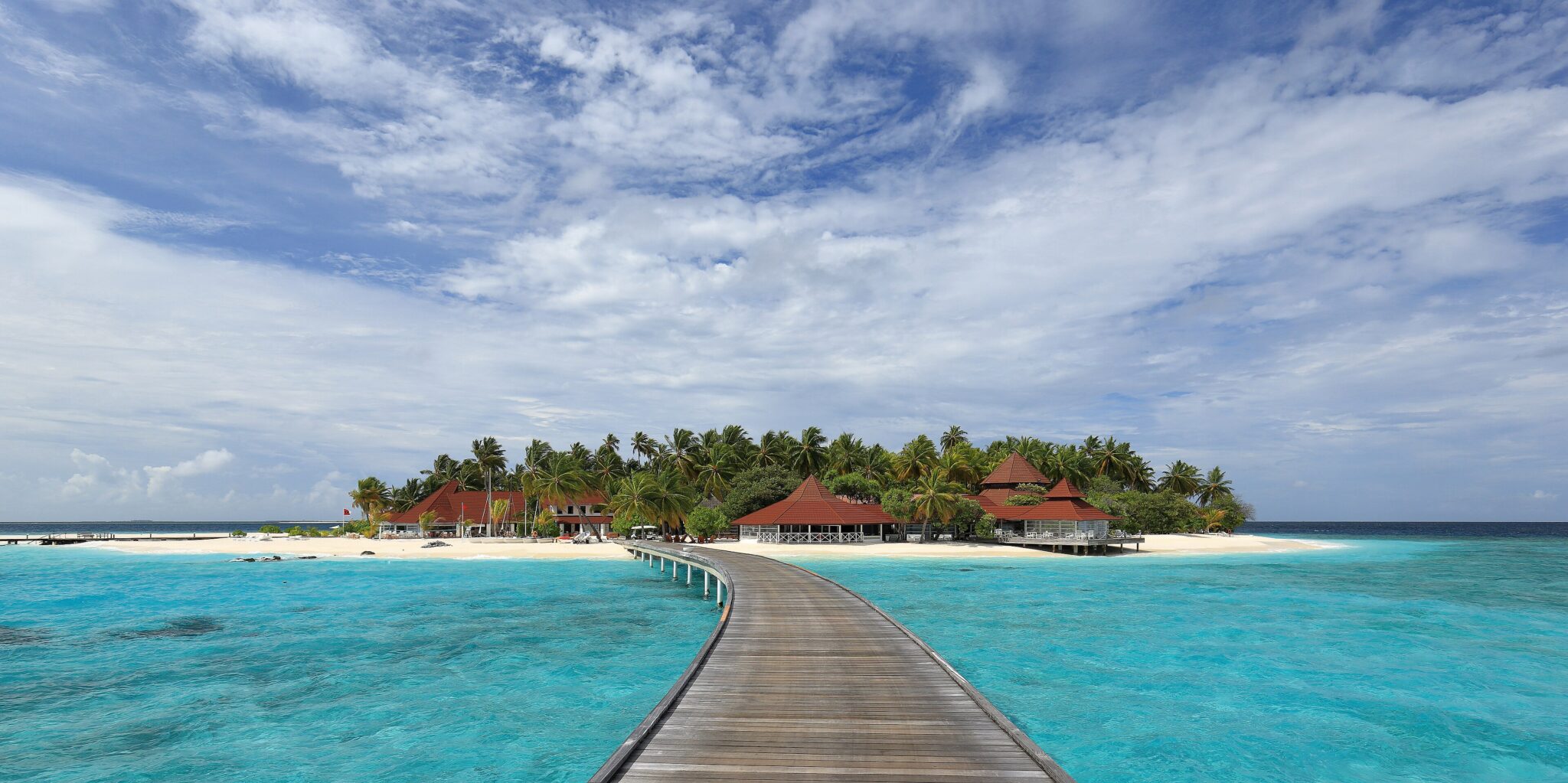
Baa Atoll is one of the Maldives’ most nature-forward areas and is closely linked with the Baa Atoll UNESCO Biosphere Reserve designation, which adds an extra layer of “protected seascape” appeal for travellers who want more than just a lagoon-and-sunbed stay. It is especially attractive when you are planning around manta-focused periods, because the atoll’s marine ecology can create strong feeding conditions in specific zones. In practice, Baa works best when you build several ocean days into your stay: repeated snorkel sessions, a couple of boat trips to known manta areas when conditions are right, and at least one slower “reef and lagoon” day to keep the trip balanced rather than over-scheduled.
The other reason Baa is popular is the combination of reef experiences and high-comfort resorts. It suits travellers who want polished logistics, strong on-site marine teams, and guided snorkelling that is well-managed for safety and wildlife etiquette. If mantas are a priority, choose a base that can clearly explain how they plan trips based on visibility and sea state, how often they run outings in your dates, and what support they provide in the water. Because transfers are typically longer than the Malé atolls, Baa is usually best as a longer stay where you can keep your schedule flexible and give yourself multiple chances for the best marine conditions.
Vaavu Atoll
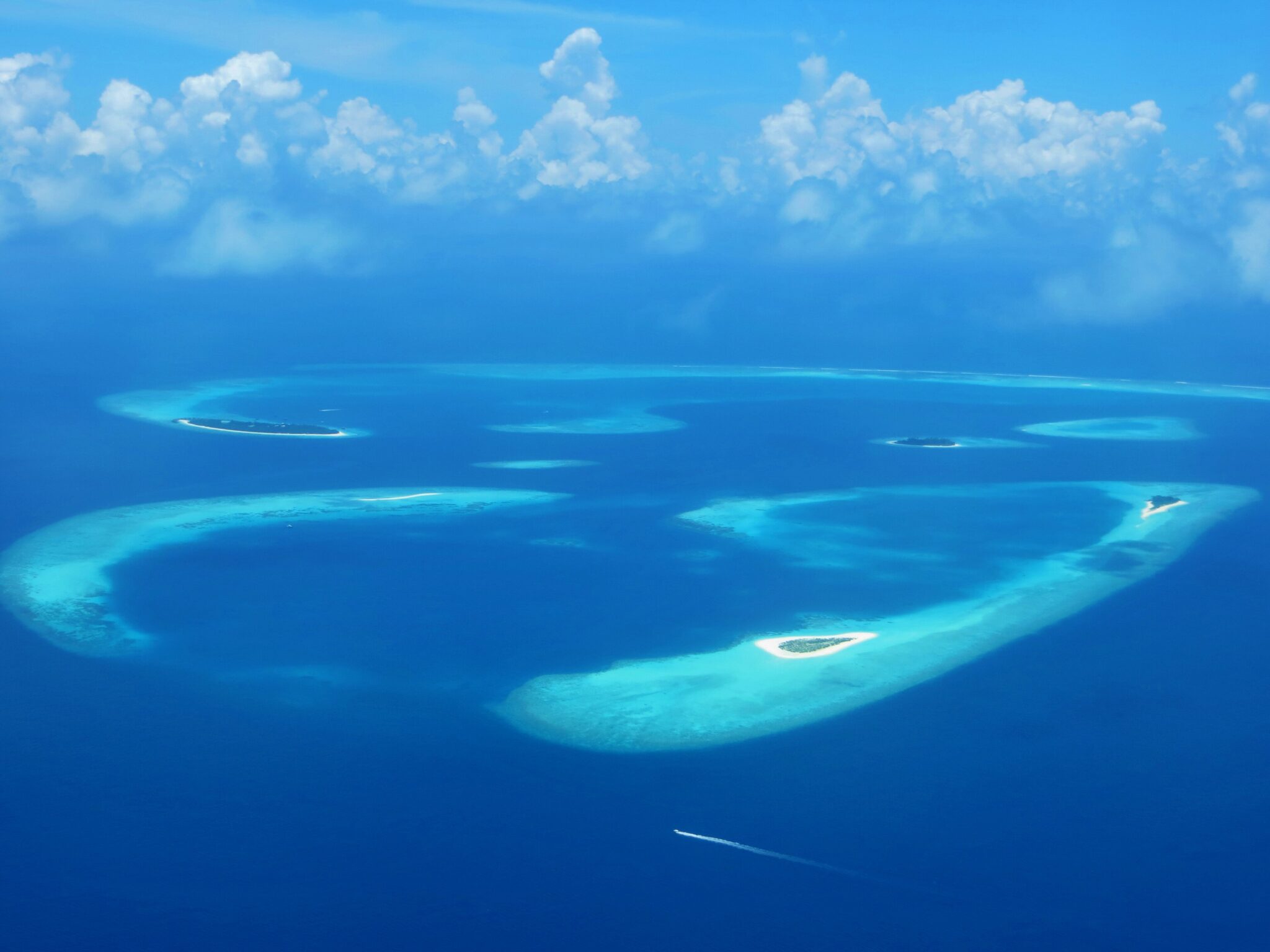
Vaavu Atoll is often chosen for a more ocean-exposed feel and a stronger channel-diving identity, with sites where tidal flow can turn a dive into a clean, fast drift along reef edges. Compared with the most concentrated central resort zones, parts of Vaavu can feel less built-up, with a quieter rhythm and fewer “everything-in-one-place” resort clusters. For divers, the appeal is the combination of kandus, reef corners, and deeper blue-water edges where the current can bring in larger fish activity, plus the satisfaction of feeling a bit farther from the most heavily trafficked areas.
Logistically, Vaavu can be reached without extreme complexity, but it is not the “zero-friction” choice of the Malé atolls. Many stays involve a speedboat transfer that can take around 1.5 to 2.5 hours depending on the island and sea state, so Vaavu makes more sense when you stay long enough to justify the travel, typically 5 nights or more for a dive-focused trip.
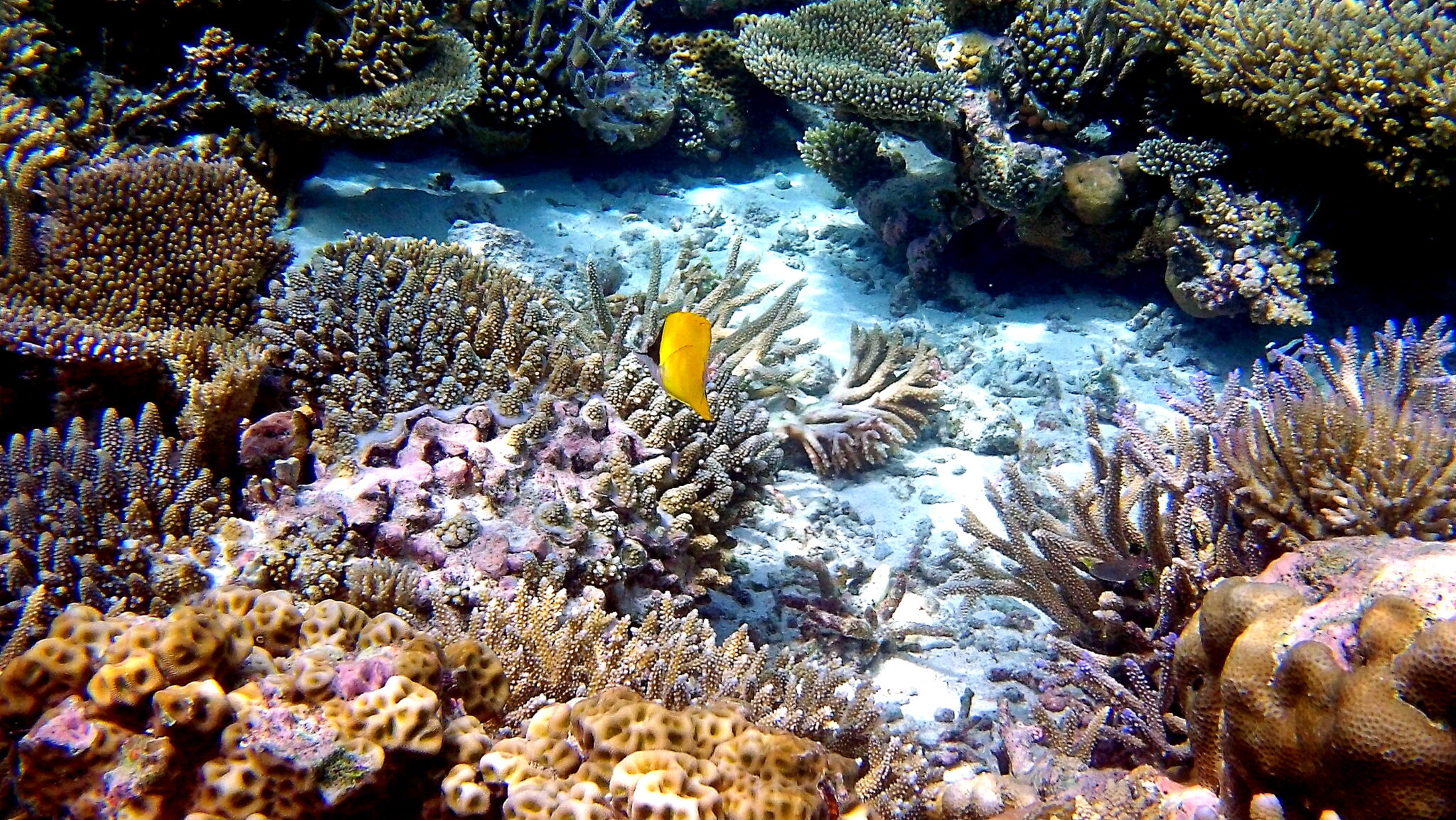
Lhaviyani Atoll
Lhaviyani Atoll is a strong “middle distance” choice: far enough from the Malé area to feel more open and less commuter-like, but not so remote that transfers dominate your trip. It suits travellers who want a genuine mix of lagoon relaxation and active water time, because many islands here combine wide, shallow turquoise shallows for easy swimming with nearby reef edges for snorkelling and diving. A good stay rhythm is simple and repeatable: one long lagoon session in the morning, a guided snorkel or dive in the late morning, then a second short snorkel or sunset swim later in the day. If you snorkel, ask for the practical details that matter: where the main entry points are, how far the reef edge is from shore in metres, and whether there are regular currents on the reef side.
Logistically, Lhaviyani usually involves either a seaplane transfer or a domestic flight plus speedboat, so it is best for trips where you can stay long enough to “earn” that extra travel, typically 5 to 7 nights rather than a very short break. Once you arrive, the atoll works well for mixed groups because it supports different energy levels on the same day: non-divers can stay in calm lagoon water, while divers and stronger snorkellers can book trips to reef walls and channel-influenced sites when conditions suit.
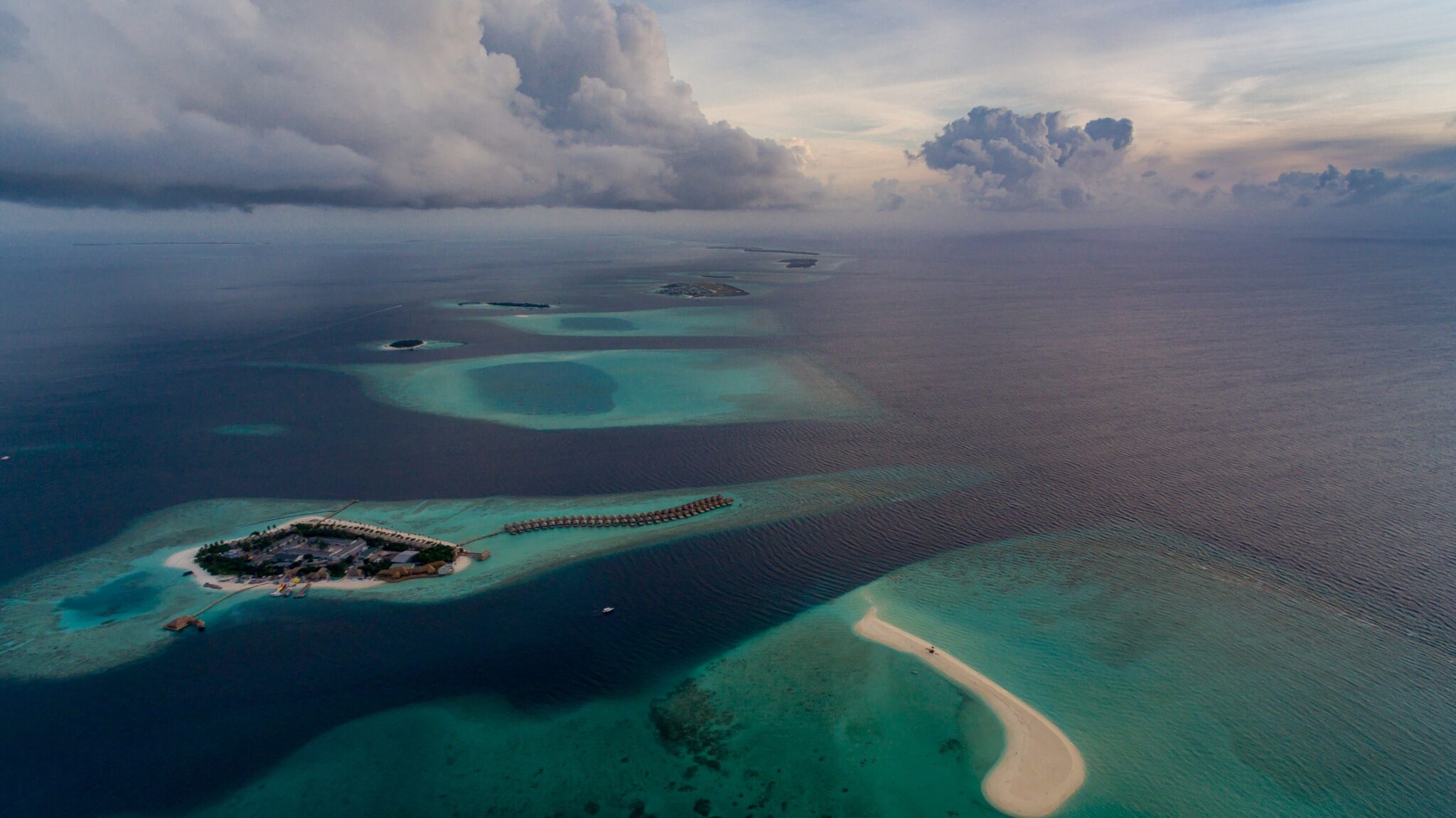
Dhaalu, Meemu, and Thaa Atolls
Dhaalu, Meemu, and Thaa Atolls suit travellers who want the Maldives to feel quieter and more “farther out”, with fewer passing boats and a slower day-to-day rhythm. The appeal is not a single headline sight, but the atmosphere: long, empty-looking horizons, calmer resort pacing, and more time where the loudest sound is wind and water rather than speedboats. This is the type of Maldives where you can structure days around simple, high-quality routines, such as a long morning swim, an unhurried lunch, a late afternoon snorkel session, and a sunset walk, without feeling pulled into constant activities. If privacy is your priority, these atolls often make it easier to get that “one island, one world” feeling, especially outside peak holiday periods.
Transfers are typically longer than the Malé atolls and can involve a seaplane or a domestic flight plus speedboat, which is why these atolls are usually best for longer stays rather than quick getaways. In practice, they shine when you stay long enough to settle into the slower rhythm, usually 6 nights or more, and when you keep your schedule flexible so you can choose the best days for reef time based on sea state and visibility.
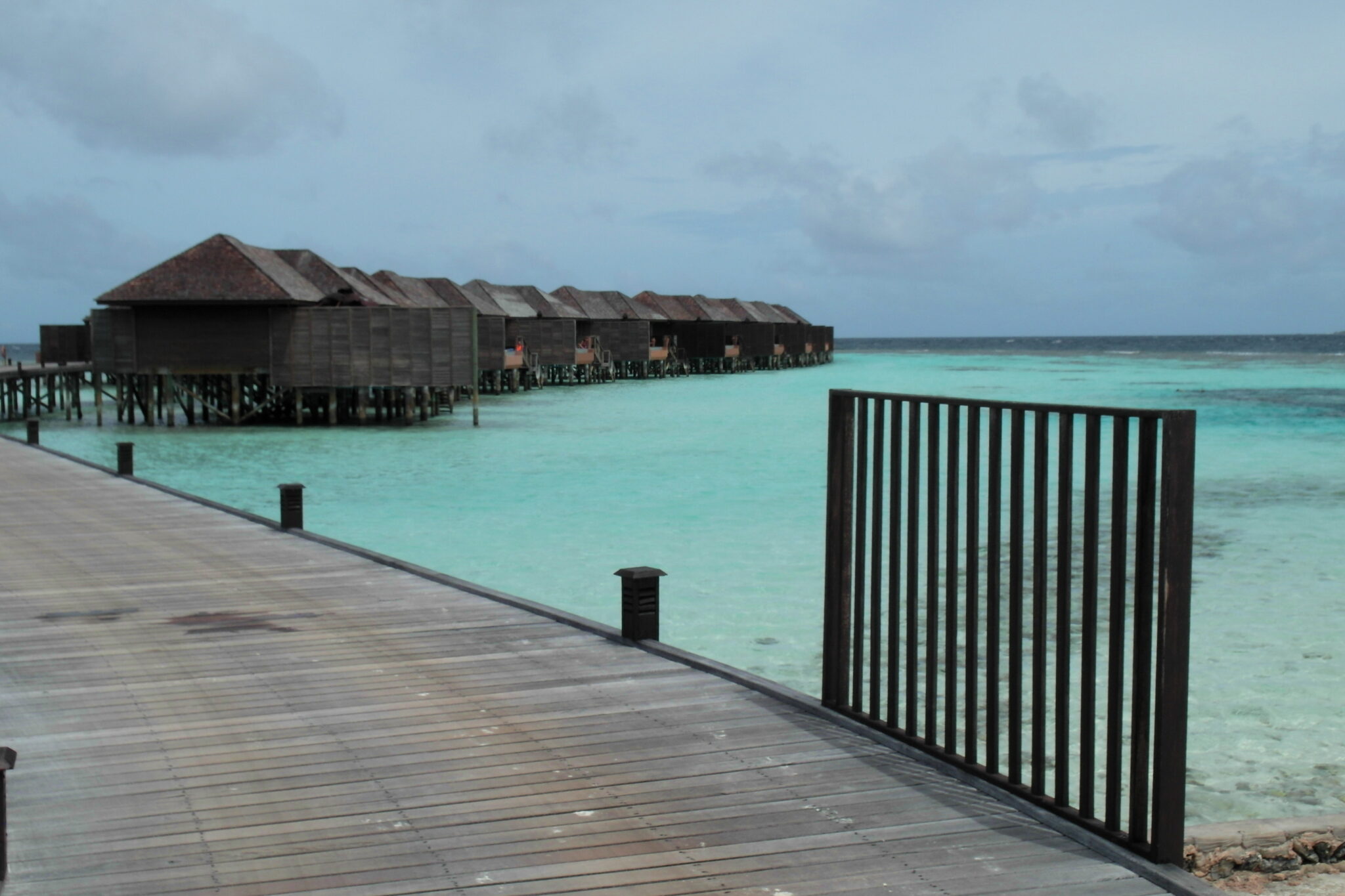
Addu Atoll
Addu Atoll, in the far south of the Maldives, feels noticeably different from the central-atoll resort circuit. It has a more “lived-in” character, with larger islands, more everyday local life, and a sense of distance that changes the pace of the trip. Instead of feeling like you are hopping between postcard-perfect lagoons, Addu often feels like a distinct region with its own rhythm: longer, quieter days, fewer casual passers-by on the horizon, and a stronger sense of place. It suits travellers who have already seen the classic Maldives, or first-timers who deliberately want a less typical version of the country.
Many stays lean into slow coastal routines, such as long shoreline walks, repeated snorkelling sessions when conditions are good, and relaxed evenings rather than a packed excursion calendar. Because you are far from the busiest central zones, the overall atmosphere can feel more independent and less “schedule-driven”, which pairs well with longer stays. If marine activities are important, choose a base that can explain reef access in practical terms: entry points, distances to reef edges, and typical current patterns, then plan multiple water days so you can pick the best conditions.
Reaching Addu usually requires a domestic flight to the southern airport area and then a short onward transfer, which is why it is best for longer trips rather than quick getaways. From Malé, the domestic flight is commonly around 1.5 to 2 hours, followed by a short road or boat transfer depending on your exact base.
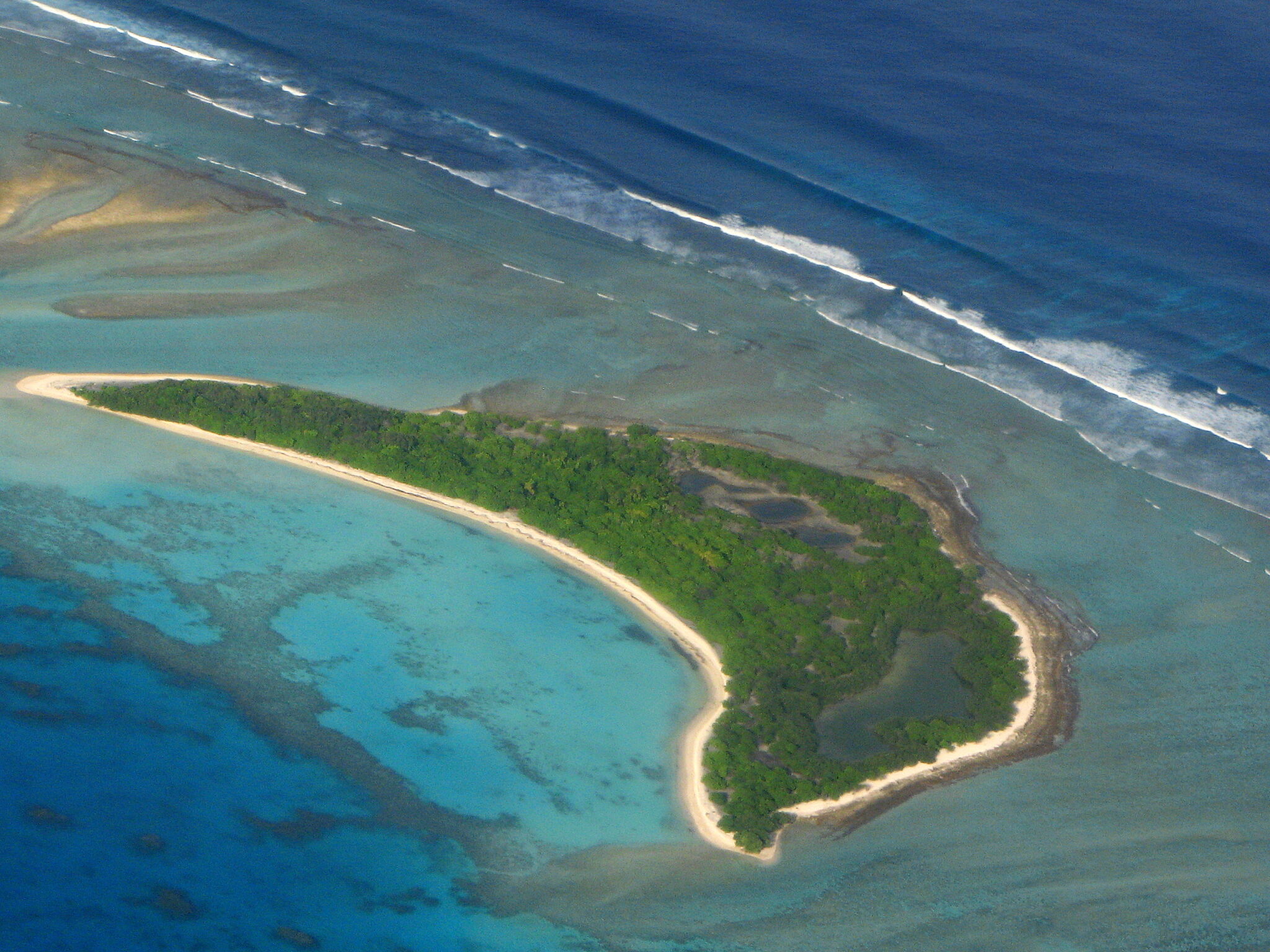
Hidden Gems of the Maldives
Liveaboards
Liveaboards are often the most efficient way to dive the Maldives because they turn transit time into dive time. Instead of doing one or two boat dives per day from a single island, you can wake up already near the site, do multiple dives daily, and cover a broader mix of channels, reef walls, pinnacles (thilas), and cleaning stations across more than one atoll. That variety is the main value: in one week you may dive outer reefs, drift through kandus on tide changes, and then switch to calmer reef-top sites when conditions demand it. Liveaboards also suit travellers who prefer a predictable, diving-first rhythm, communal social time, and a straightforward routine over the privacy and space of a resort villa.
Before booking, check practical details that affect safety and comfort: guide-to-diver ratio, maximum group size, whether dives are guided or buddy-led, equipment and emergency protocols, and how they manage surface intervals, hydration, and fatigue over a high-dive schedule. It is also worth confirming the typical daily pattern, because many liveaboards run 3 dives per day plus an optional night dive, which is excellent value but physically demanding if you are not used to it.
Dolphin cruises and night fishing
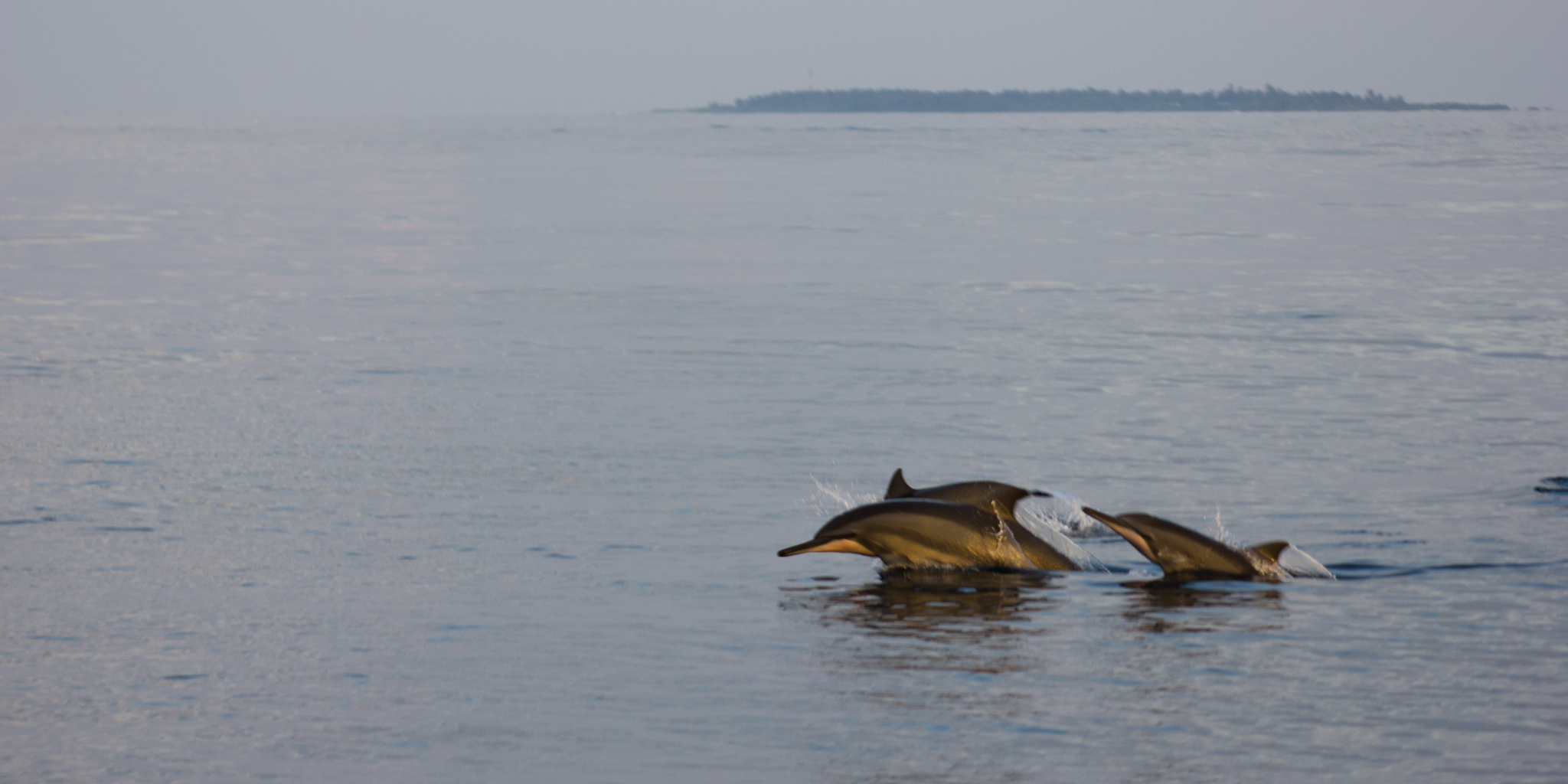
Dolphin cruises are one of the easiest ways to add an “open-water” moment to a Maldives trip without committing to diving. Most outings are timed for late afternoon, combining a short speedboat ride with a sunset return, and they work well even if you are not a strong swimmer because the main experience is watching from the boat. When conditions are calm, you may see pods surfing the bow wave or moving in coordinated groups, but it is never guaranteed, and the best trips still feel worthwhile for the sea breeze, changing light, and wide-horizon scenery. If you are choosing between operators, prioritise a captain who keeps respectful distance, avoids chasing, and is willing to slow down and observe rather than turning it into a high-speed search.
Night fishing is a similarly low-effort add-on that gives you a different side of island life, with simple handline fishing in calmer evening water and a relaxed, social feel on board. You are usually out for a couple of hours, the technique is easy to learn, and the appeal is as much about the quiet water and starry sky as it is about what you catch. Some trips include a practical finish, such as having your catch prepared for dinner, which can make the activity feel more “complete” without adding complexity. Conditions still shape results, especially wind and current, so it is best treated as a flexible evening option rather than a fixed highlight.
Logistically, both experiences slot neatly into a beach stay because they are typically short and do not consume the best swimming hours. Many resorts and local-island operators run them several times a week, and boat time is often modest, commonly 10 to 40 minutes to reach a suitable area depending on the island and sea state.
Travel Tips for the Maldives
Safety and General Advice
The Maldives is generally one of the easiest destinations to manage logistically once airport transfers are arranged. The primary risks are related not to crime, but to sun exposure and water activities. Strong tropical sun, dehydration, and overconfidence in the ocean are far more common issues than security concerns.
Choosing the right island is the most important planning decision. Some islands focus on calm lagoon relaxation, others are known for strong house-reef snorkelling or diving, while certain atolls are better suited for surfing. Budget travelers staying on inhabited local islands should remember that customs differ from resort islands, particularly regarding dress codes and alcohol regulations. Respecting local norms ensures a smooth and welcoming experience.
Comprehensive travel insurance is strongly recommended and should include coverage for medical treatment, trip disruption, and water-based activities such as snorkelling, diving, and boating. If you are staying far from Malé or traveling to more remote atolls, ensure your policy includes medical evacuation between islands, as transfers may require boat or air coordination.
Driving in the Maldives
Driving is not a central part of travel in the Maldives. Most visitors will never need a car, as inter-island travel is conducted by boat or plane. On larger inhabited islands and in Addu City, short-distance road transport exists, but it is limited and rarely essential for typical itineraries.
If you do plan to drive on an inhabited island, you must carry your national driving licence, an International Driving Permit and valid passport or identification, along with rental and insurance paperwork. Regulations and availability vary by island, so arrangements should be confirmed locally before travel.

Published March 01, 2026 • 19m to read