

Japan is a country of timeless traditions and futuristic innovation. It’s where samurai legends live on in quiet castles and tea houses, while neon-lit metropolises pulse with the latest technology. From cherry blossom picnics and autumn foliage hikes to snow festivals and tropical islands, Japan offers a journey through landscapes and lifestyles that feel both ancient and cutting-edge.
Whether you come for temples, food, art, or adventure, Japan is one of the world’s most rewarding destinations.
Best Cities in Japan
Tokyo
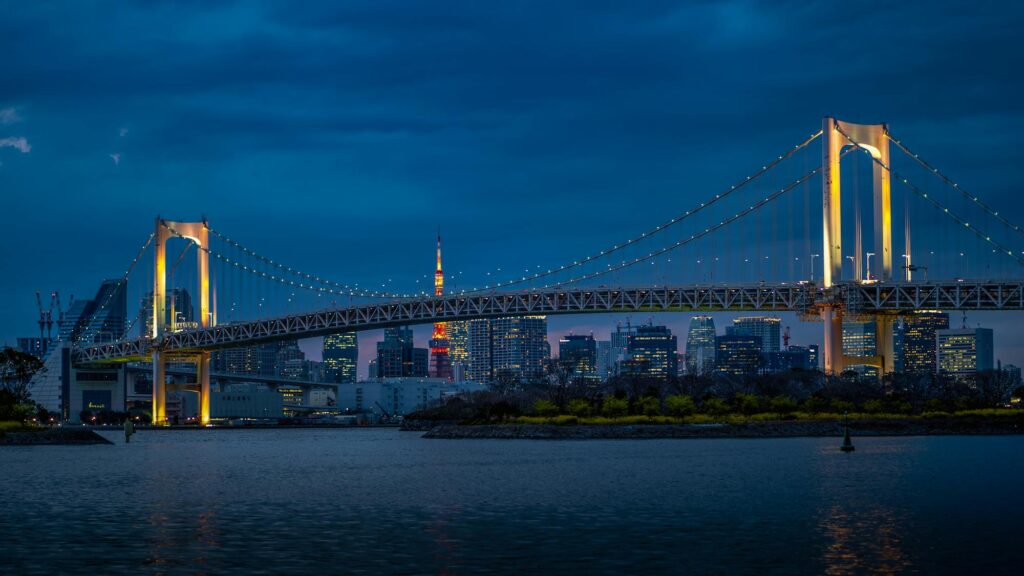
Tokyo, Japan’s capital with over 37 million people in its greater metro area, blends ancient traditions with cutting-edge modernity. Key landmarks include Senso-ji Temple in Asakusa, the Imperial Palace, and gardens like Rikugien and Hamarikyu. Each district has a distinct character: Shibuya for its famous crossing and youth culture, Shinjuku for nightlife and skyscrapers, Akihabara for anime and electronics, and Ginza for upscale shopping. Quirky cafés, arcades, and themed attractions add to the city’s unique appeal.
The best time to visit is March–May for cherry blossoms or October–November for autumn leaves. Tokyo is served by Narita and Haneda airports, both linked to the center by express trains (30–60 minutes). The city’s extensive subway and JR rail network makes getting around easy. Popular modern highlights include teamLab Borderless digital art museum (soon reopening as teamLab Planets expansion) and live experiences such as sumo tournaments (January, May, September) or baseball games.
Kyoto
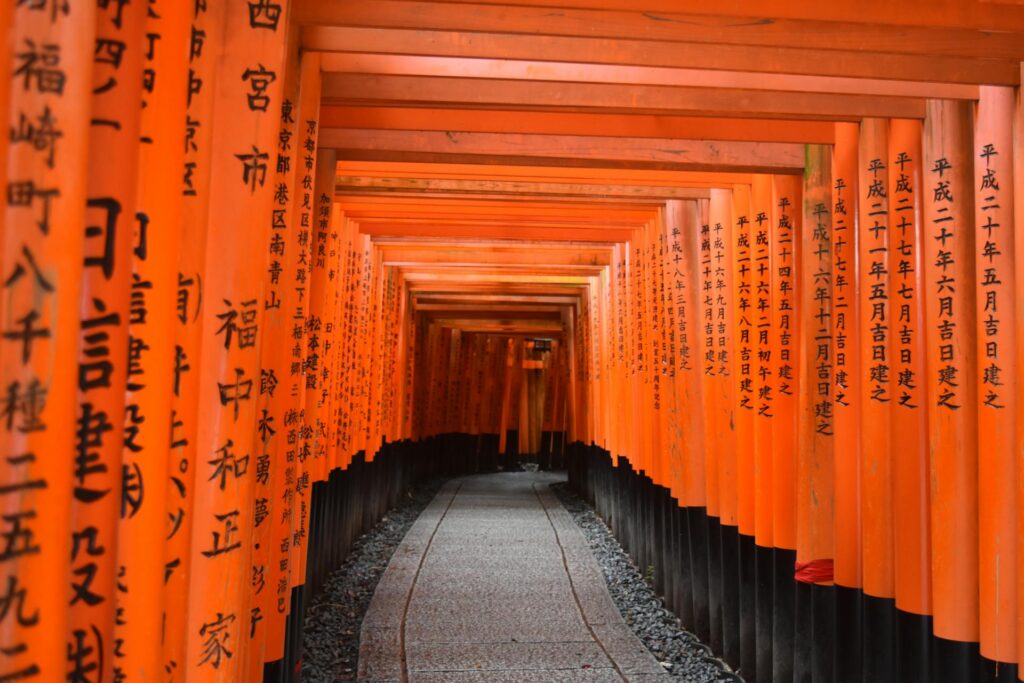
Kyoto, Japan’s imperial capital for over 1,000 years, is home to more than 1,600 temples and shrines, many of them UNESCO World Heritage Sites. Top landmarks include Fushimi Inari Shrine with its thousands of red torii gates, Kinkaku-ji (the Golden Pavilion), and Kiyomizu-dera with sweeping city views. In Arashiyama, visitors can walk through the Bamboo Grove, visit Tenryu-ji Temple, and hike up to Iwatayama to see wild snow monkeys. The Gion district preserves traditional teahouses and geisha culture, while tea ceremonies and kaiseki dining showcase refined Kyoto traditions.
Kyoto is about 2 hours from Tokyo by shinkansen (bullet train) and also served by Osaka’s Kansai International Airport (75 minutes by train). The city’s bus and subway network connects major sights, though many travelers explore by bicycle or on foot through atmospheric streets.
Osaka
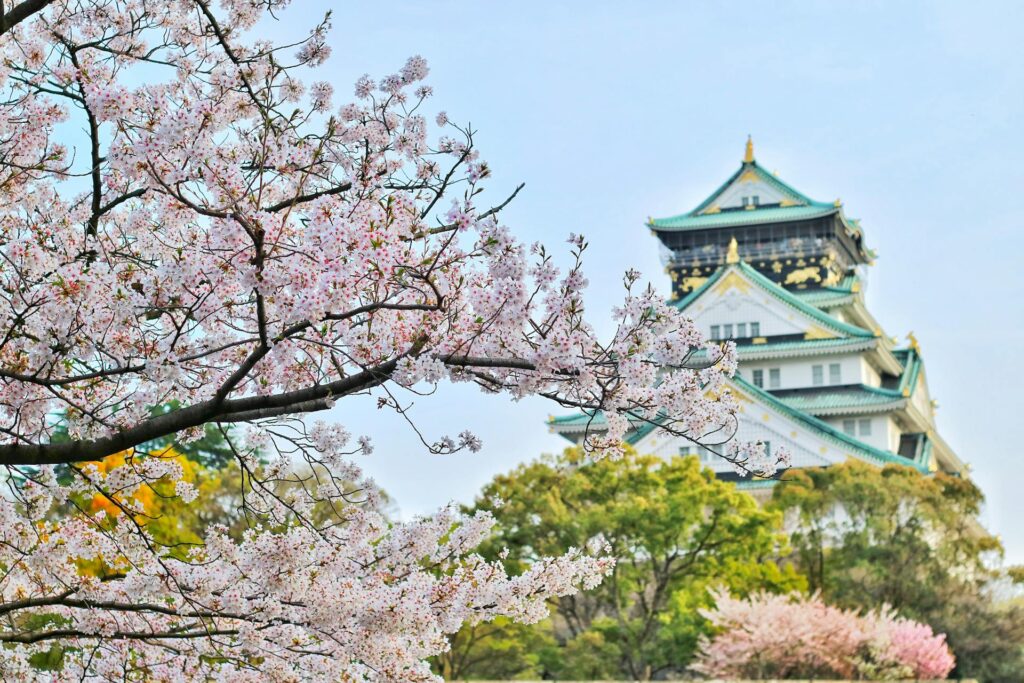
Osaka, Japan’s third-largest city, is famous for its lively atmosphere, humor, and street food culture. Dotonbori is the city’s neon-lit entertainment district, where visitors can try local specialties like takoyaki (octopus balls) and okonomiyaki (savory pancakes). Historic highlights include Osaka Castle, originally built in 1583 and surrounded by moats and gardens, and Shinsekai, a retro district with Tsutenkaku Tower. For shopping, Shinsaibashi and Namba offer everything from fashion to quirky souvenirs, while Universal Studios Japan is one of the country’s top theme parks. Osaka is served by Kansai International Airport (50 km from downtown, ~45 minutes by train) and Shin-Osaka Station on the Tokaido-Sanyo Shinkansen line (2.5 hours from Tokyo, 15 minutes from Kyoto). The Osaka Metro and JR lines make it easy to reach major attractions, with day trips available to Nara, Kobe, and Himeji.
Hiroshima
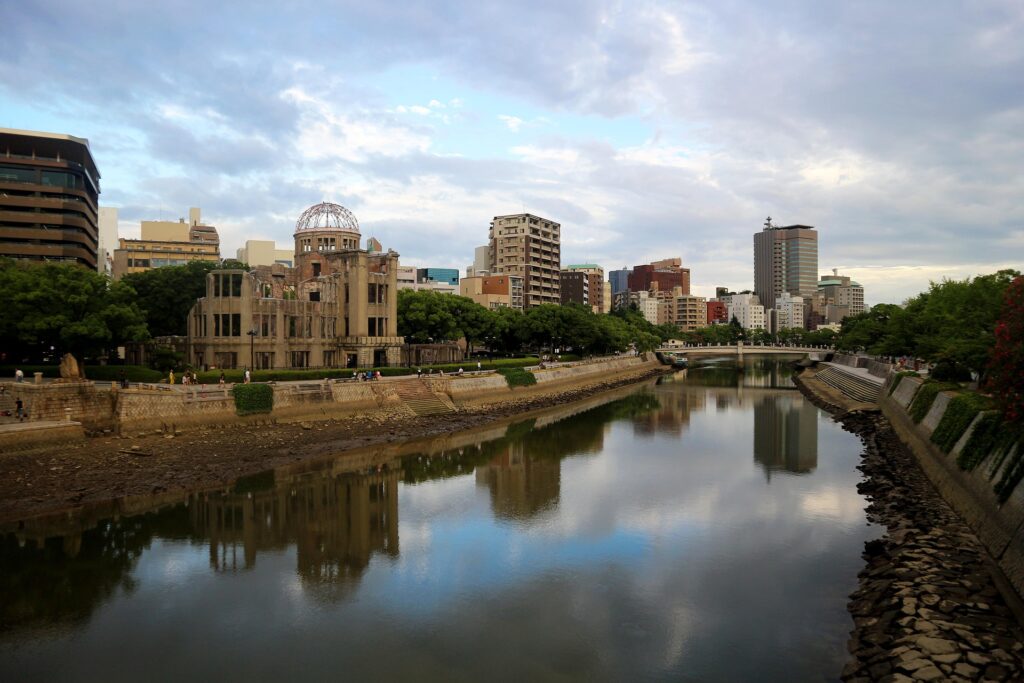
Hiroshima, almost entirely rebuilt after 1945, is today a vibrant city dedicated to peace. The Peace Memorial Park, Atomic Bomb Dome (UNESCO), and Hiroshima Peace Memorial Museum are powerful reminders of the city’s history. A short ferry ride away lies Miyajima Island, home to the Itsukushima Shrine with its iconic “floating” torii gate. Hiroshima is also known for its hearty local dish, Hiroshima-style okonomiyaki, layered with noodles and cabbage.
Hiroshima is 4 hours from Tokyo by shinkansen and 1.5 hours from Osaka, with flights available to Hiroshima Airport (50 minutes from the city by bus). Streetcars and buses make getting around the city easy, and ferries to Miyajima depart from the Peace Park area and Hiroshima Port.
Nara
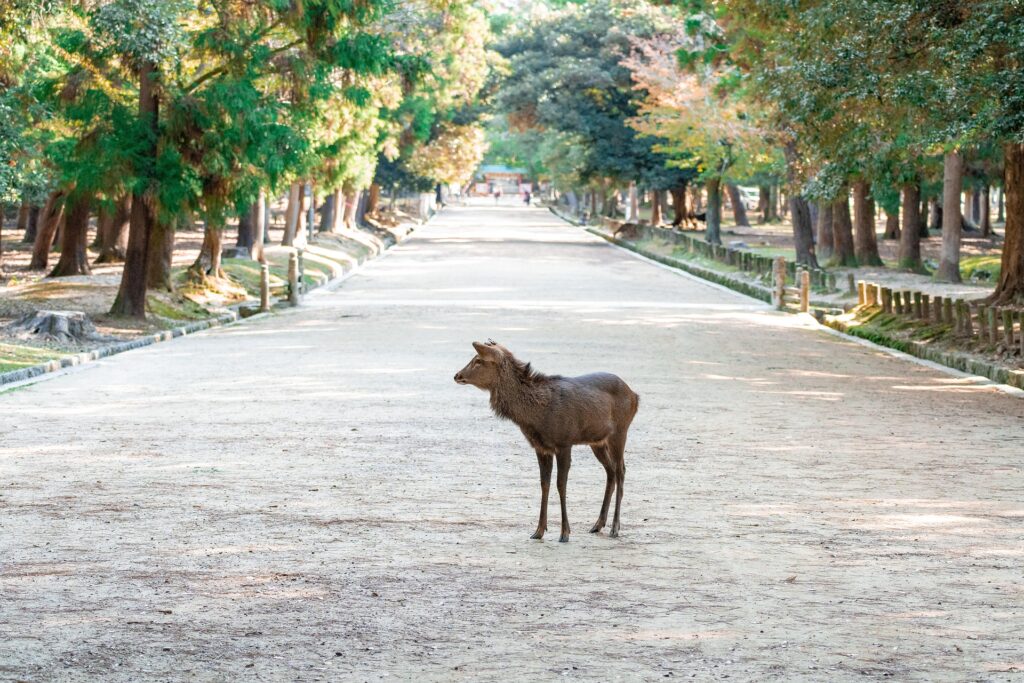
Nara, Japan’s first permanent capital (710–794), is packed with historic treasures and is an easy day trip from Kyoto (45 minutes) or Osaka (40 minutes). The city’s centerpiece is Nara Park, where over 1,000 sacred deer roam freely. Within the park lies Todai-ji Temple, a UNESCO site housing the Daibutsu — a 15 m tall Great Buddha statue. Kasuga Taisha Shrine, known for its hundreds of stone and bronze lanterns, and Kofuku-ji Temple with its five-story pagoda, are other must-sees.
Best Natural Attractions of Japan
Mount Fuji
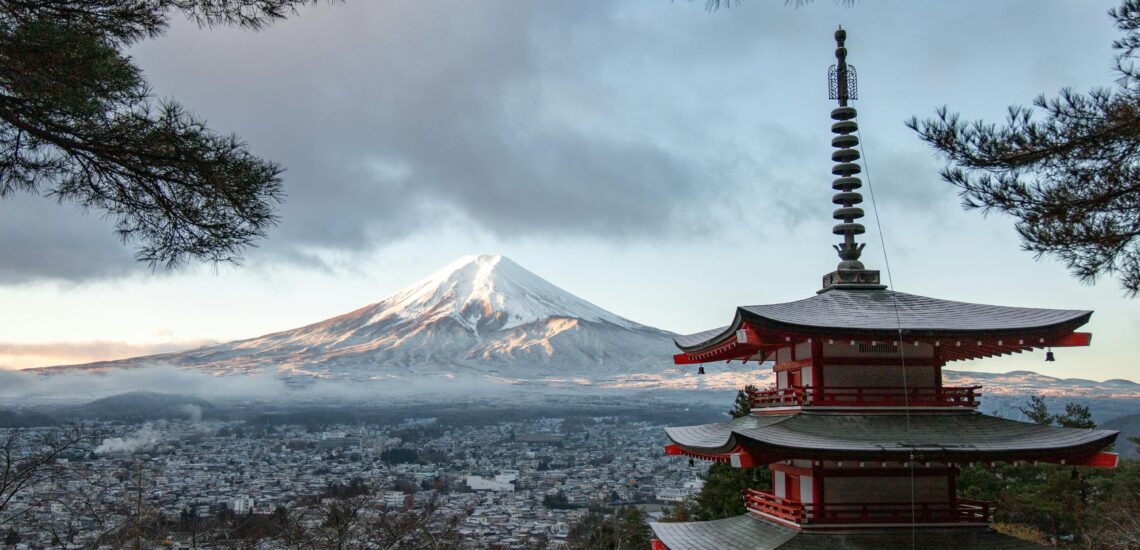
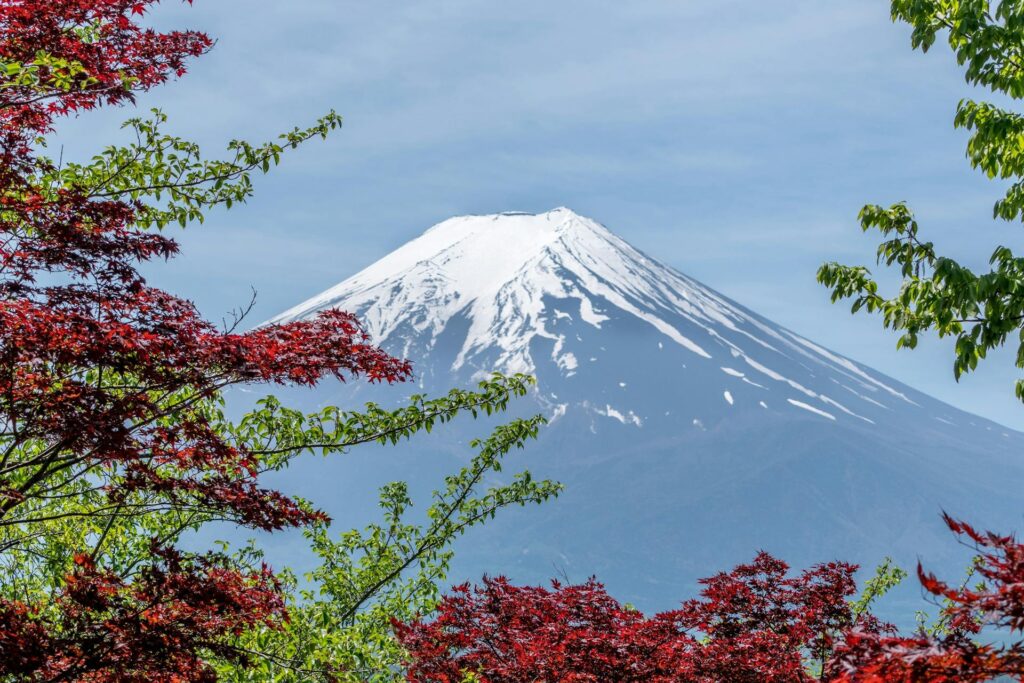
Mount Fuji (3,776 m), Japan’s highest peak, is both a sacred symbol and a top travel destination. Climbing is only permitted in the official season (early July–early September), when mountain huts are open and trails are clear of snow. The most popular route is the Yoshida Trail, taking 5–7 hours to ascend and 3–5 hours to descend. For those who prefer to admire Fuji from below, the best viewpoints include Lake Kawaguchi, Hakone’s hot spring resorts, and the iconic Chureito Pagoda.
The best time for climbing is July–August, while October–February offers the clearest views from the surrounding region. Mount Fuji is about 100 km southwest of Tokyo and can be reached in 2–3 hours by bus or train to Kawaguchiko or Gotemba. Local buses connect to 5th Stations, the starting points for climbs. Staying in an onsen ryokan with Fuji views is a classic way to experience Japan’s most famous mountain.
The Japanese Alps
The Japanese Alps stretch across central Honshu and combine mountain scenery with cultural highlights. Takayama is known for its Edo-period old town, sake breweries, and morning markets. Matsumoto Castle, built in the 16th century, is one of Japan’s best-preserved fortresses. Shirakawa-go, a UNESCO World Heritage Site, features traditional gassho-zukuri farmhouses with steep thatched roofs designed for heavy snow. Jigokudani Monkey Park, near Nagano, is famous for wild snow monkeys that bathe in hot springs during winter.
The region is accessible by train and bus: Takayama is 2.5 hours from Nagoya, Matsumoto 2.5 hours from Tokyo, and Shirakawa-go is reached by bus from Takayama or Kanazawa. Local transport and guided tours connect the main sites, while hiking trails make the Alps a year-round destination for nature lovers.
Okinawa Islands
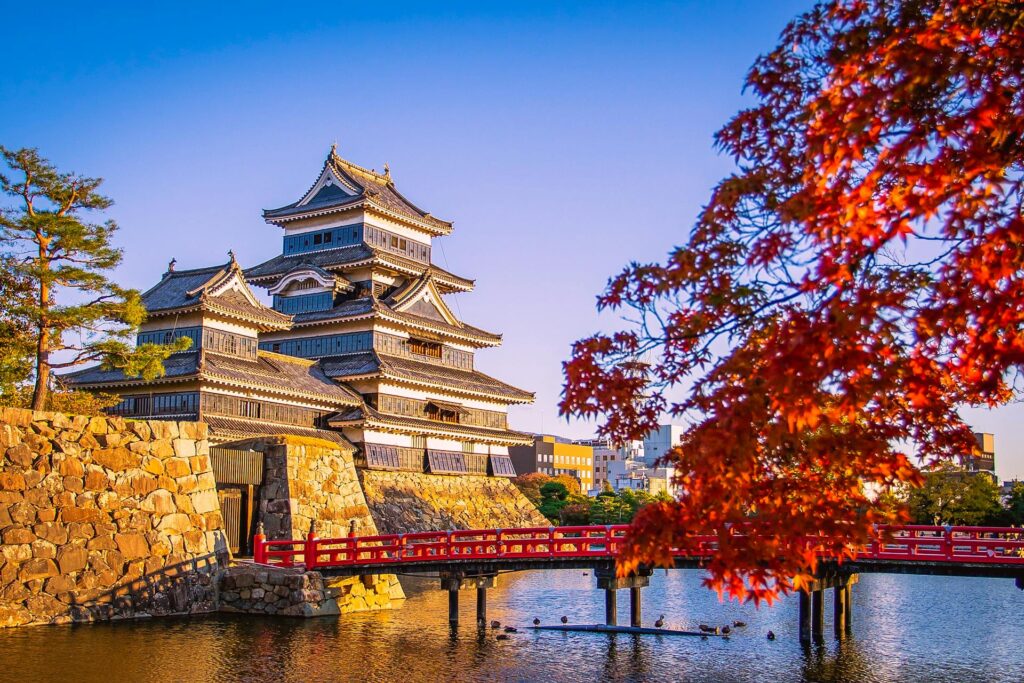
The Okinawa Islands, stretching across Japan’s subtropical south, combine beaches, coral reefs, and a culture distinct from the mainland. In Naha, the capital, highlights include Shuri Castle (UNESCO) and the lively Kokusai-dori Street for food and crafts. Zamami and other Kerama Islands, just 1 hour by ferry, are known for snorkeling, sea turtles, and whale watching in winter. Further south, the Yaeyama Islands (Ishigaki, Iriomote, Taketomi) offer world-class diving, jungle treks, and laid-back village life.
Direct flights connect Okinawa’s Naha Airport with Tokyo (2.5 hours) and Osaka (2 hours), as well as Taiwan and Hong Kong. Ferries and short domestic flights link the smaller islands. Local transport includes buses in Naha, but rental cars or scooters are the best way to explore beaches and villages.
Hokkaido
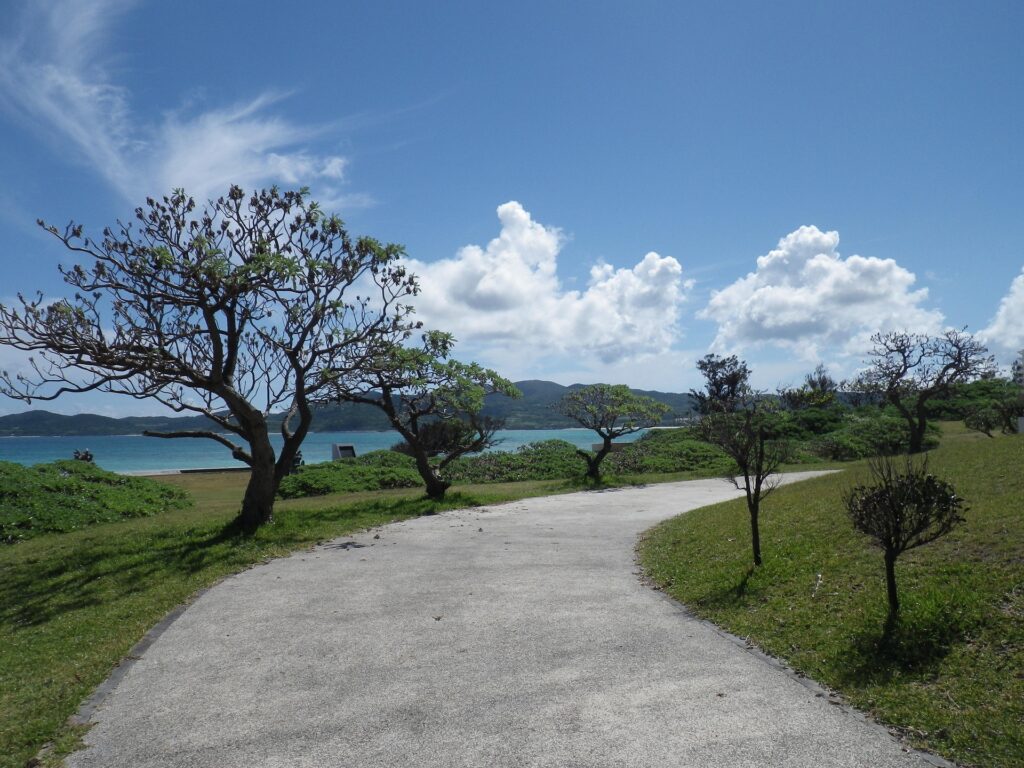
Hokkaido, Japan’s northernmost island, is known for its wild landscapes, seasonal beauty, and outdoor activities. Sapporo hosts the famous Snow Festival every February, and is also the birthplace of Sapporo beer and miso ramen. Niseko is Japan’s best-known ski resort, drawing winter sports lovers from around the world. In summer, Furano and Biei are covered with colorful flower fields, especially lavender in July. The Shiretoko Peninsula, a UNESCO World Heritage Site, offers remote hiking, hot springs, and chances to spot brown bears and drift ice in winter.
Hidden Gems of Japan
Kanazawa
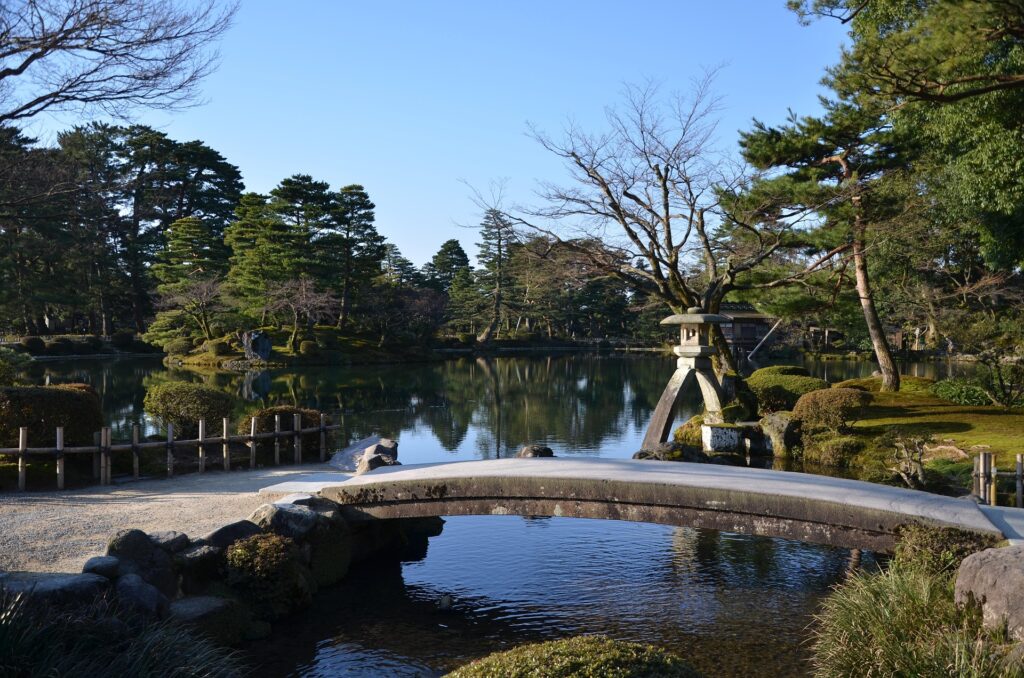
Kanazawa is one of Japan’s best-preserved cultural cities, home to Kenroku-en Garden, considered one of the country’s top three landscape gardens and spectacular in all seasons, especially during spring cherry blossoms and autumn foliage. Stroll through the Nagamachi samurai district, visit preserved geisha houses in Higashi Chaya, and explore the 21st Century Museum of Contemporary Art for a modern contrast. The city is also known for its gold leaf crafts and fresh seafood, particularly sushi from the nearby Sea of Japan.
Kanazawa is just 2.5 hours by Hokuriku Shinkansen from Tokyo or 2 hours from Osaka/Kyoto via limited express train. Its compact size makes it easy to explore on foot or by local buses, making it an ideal 2–3 day stop on a Japan itinerary.
Naoshima
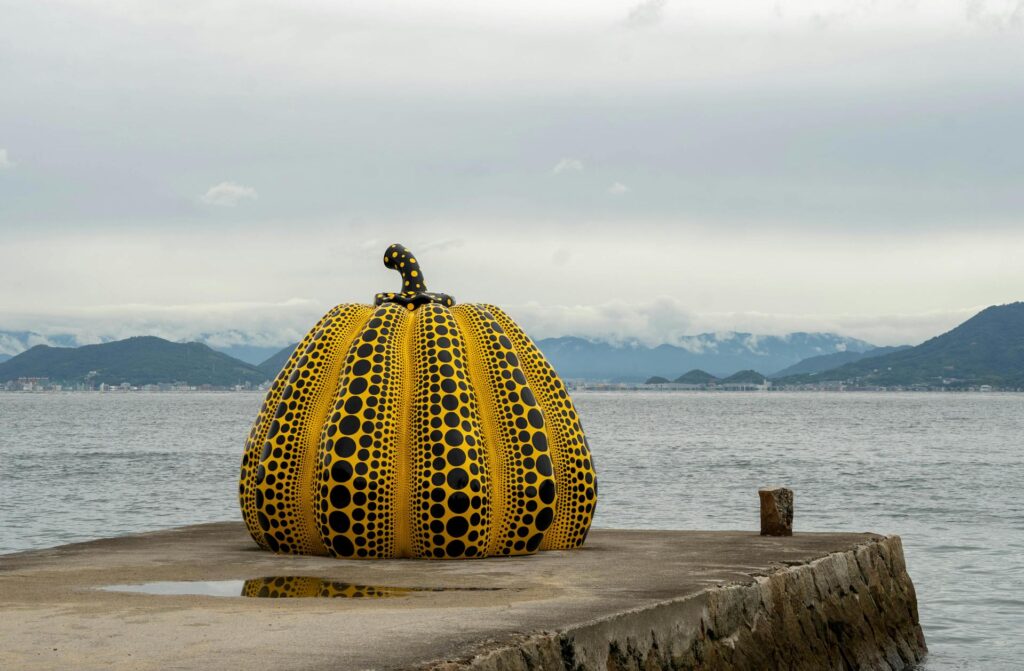
Naoshima, often called Japan’s “art island,” is a must for contemporary art lovers. Highlights include the Benesse House Museum, Chichu Art Museum designed by Tadao Ando, and outdoor installations like Yayoi Kusama’s giant yellow pumpkin. The island blends cutting-edge architecture with traditional fishing village charm, creating a unique cultural destination.
The best seasons are spring and autumn, when the weather is mild for cycling around the island. Naoshima is reached by ferry from Uno Port (Okayama) or Takamatsu (Shikoku), with travel times of about 20–60 minutes. Once on the island, rental bikes or shuttle buses make it easy to explore the museums and coastal scenery in a single day or overnight stay.
Tottori Sand Dunes
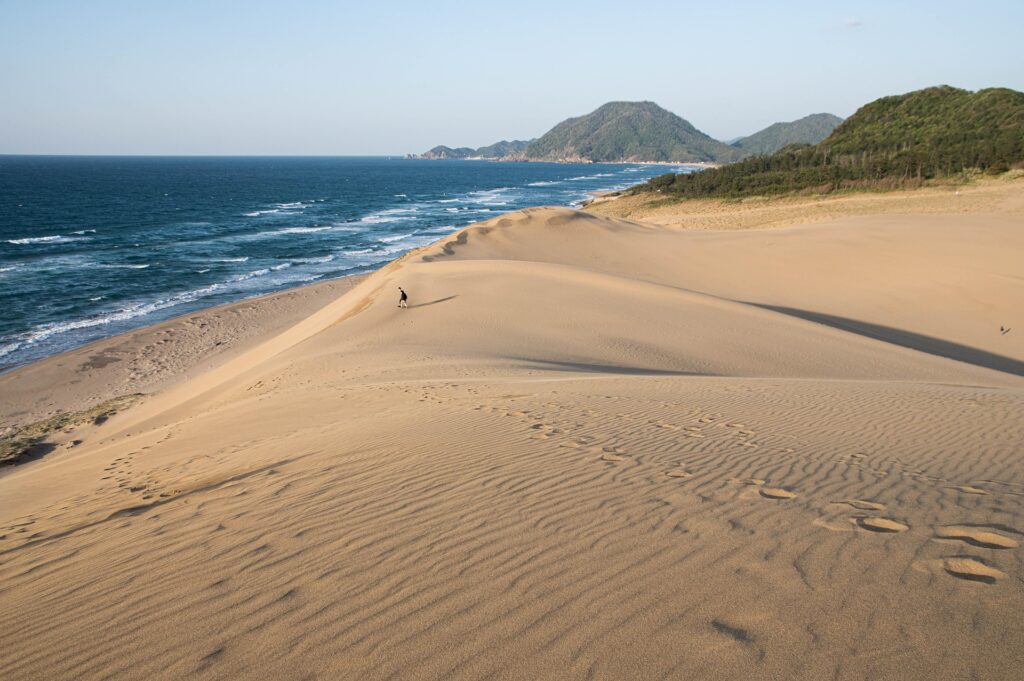
The Tottori Sand Dunes, Japan’s largest at up to 50 meters high and 16 km long, offer a desert-like landscape unlike anywhere else in the country. Visitors can ride camels, try sandboarding or paragliding, and visit the Sand Museum, famous for its massive international sand sculptures that change theme annually. The dunes overlook the Sea of Japan, making sunsets here especially photogenic. Tottori City is just 20 minutes by bus from the dunes, with connections via the San’in Main Line or flights from Tokyo (about 1 hour 15 minutes). Local specialties include Tottori crab and pear desserts, perfect after a day in the sand.
Kumano Kodo Pilgrimage Routes
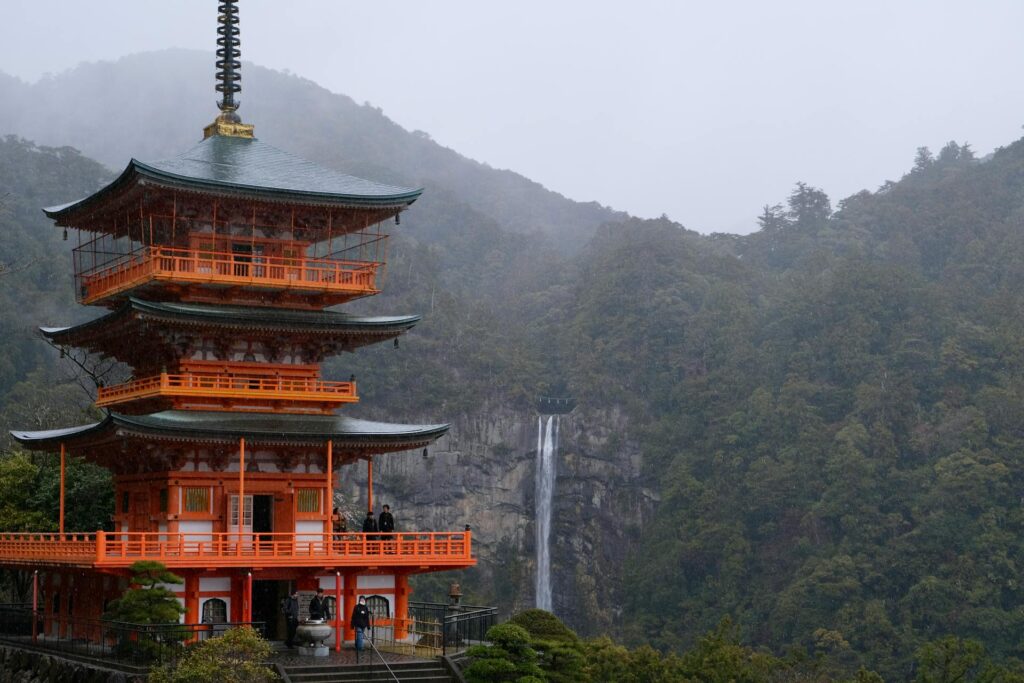
The Kumano Kodo Pilgrimage Routes in Wakayama Prefecture are a UNESCO World Heritage site, weaving through cedar forests, mountains, and villages that connect sacred shrines like Kumano Hongu Taisha, Kumano Nachi Taisha, and the 133-meter Nachi Waterfall. Walking these trails offers a mix of spiritual tradition, nature, and history, with ancient teahouses and hot springs along the way.
Shikoku’s Iya Valley
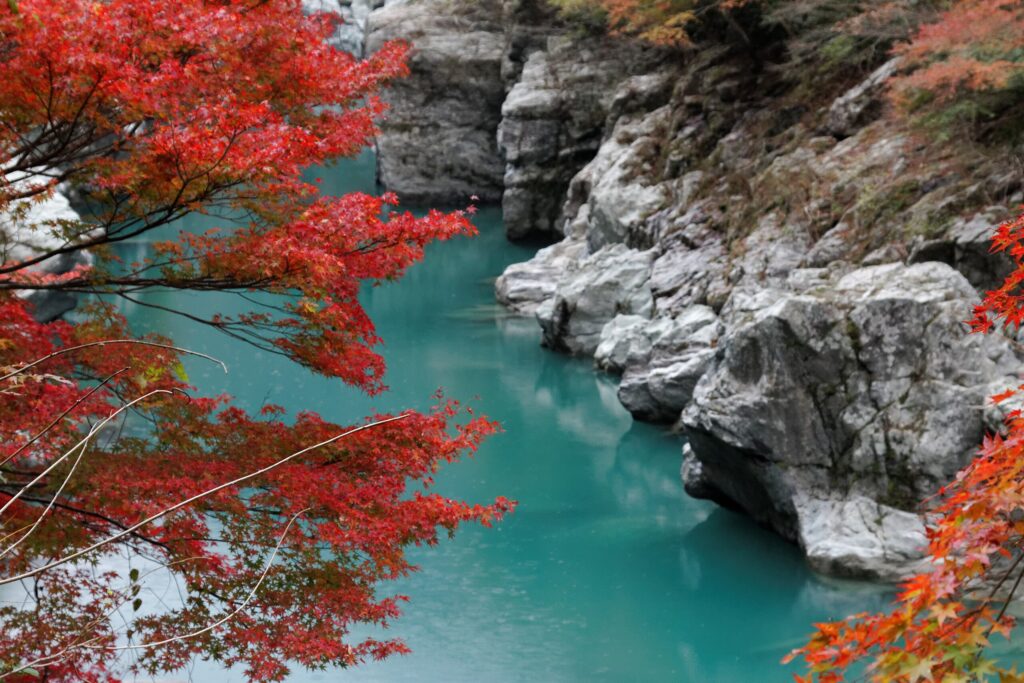
The Iya Valley in Shikoku is one of Japan’s most remote regions, known for its dramatic gorges, vine bridges (the most famous being the Iya Kazurabashi, rebuilt with wisteria vines every 3 years), and misty mountain scenery. Traditional thatched farmhouses, many converted into guest lodges, showcase rural life, while viewpoints like the Peeing Boy Statue highlight the valley’s sheer cliffs.
Oga Peninsula (Akita)
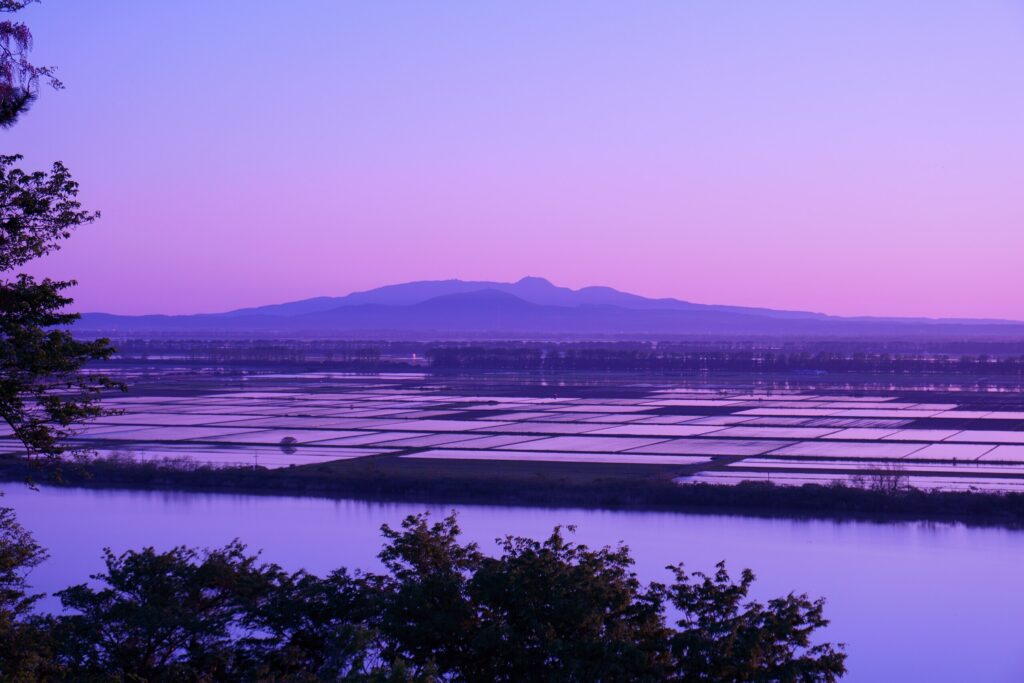
The Oga Peninsula in Akita Prefecture is famous for its rugged coastline, sea cliffs, and the unique Namahage tradition, where locals dressed as demon-like figures visit homes on New Year’s Eve to scare away laziness and evil. Travelers can explore the Namahage Museum and Shinzan Shrine, drive the scenic Oga Quasi-National Park, and see dramatic landscapes like the Godzilla-shaped rock formation and Cape Nyudozaki. Oga is about 1 hour by train from Akita City, with local buses connecting sights, though renting a car makes exploring easier. Fresh seafood, especially Oga’s rock oysters and sea urchin, is a local highlight.
Kiso Valley
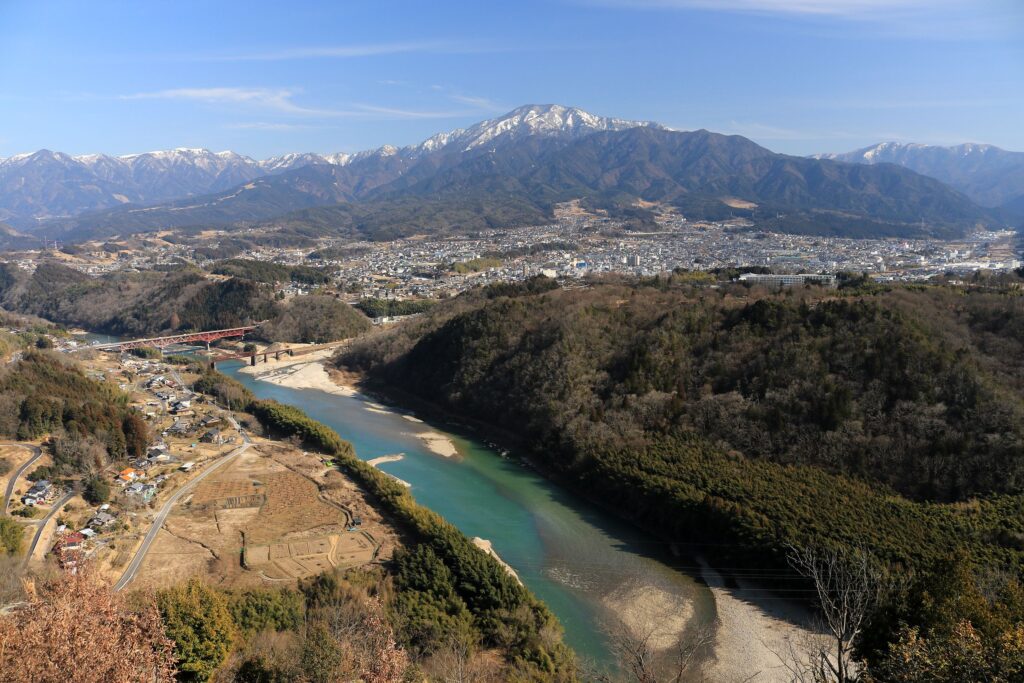
The Kiso Valley preserves the atmosphere of Edo-period Japan, with beautifully restored post towns like Magome and Tsumago along the historic Nakasendo trail once used by samurai and merchants. Walking the 8 km route between Magome and Tsumago takes about 2–3 hours, passing through forests, waterfalls, and tea houses that still serve travelers. Both towns ban cars on their main streets, enhancing the sense of stepping back in time.
Travel Tips
Visa
Entry to Japan is straightforward for many visitors. Citizens of numerous countries enjoy visa-free access for short-term stays, typically up to 90 days. For longer visits or specific purposes, a visa must be obtained in advance. Travelers should always check the latest requirements before departure, as entry rules can change.
Transport
Japan’s transport network is among the most efficient in the world. For long-distance journeys, the Japan Rail Pass (JR Pass) is highly recommended, offering unlimited travel on most Shinkansen (bullet trains) and JR-operated lines. Within cities, rechargeable smart cards such as Suica or ICOCA make it easy to use subways, buses, and even convenience store purchases. Trains across the country are punctual, safe, and exceptionally clean, making them the preferred mode of travel.
For more flexibility, renting a car can be useful in rural regions such as Hokkaido, Kyushu, or the Japanese Alps. Travelers must carry an International Driving Permit alongside their home license to rent and drive legally in Japan. Roads are well-maintained, but city driving and parking can be expensive, so most visitors rely on trains for intercity travel and cars only for countryside exploration.
Currency
The official currency is the Japanese Yen (JPY). While credit cards are increasingly accepted in major cities, cash remains essential, especially in rural areas, small restaurants, temples, and traditional inns. ATMs at post offices and convenience stores usually accept foreign cards.
Language
The main language is Japanese. In large cities and transport hubs, English signage is common, but outside urban areas communication may be more challenging. A translation app or a few basic Japanese phrases can make travel smoother and often earn appreciative smiles from locals.

Published August 20, 2025 • 11m to read