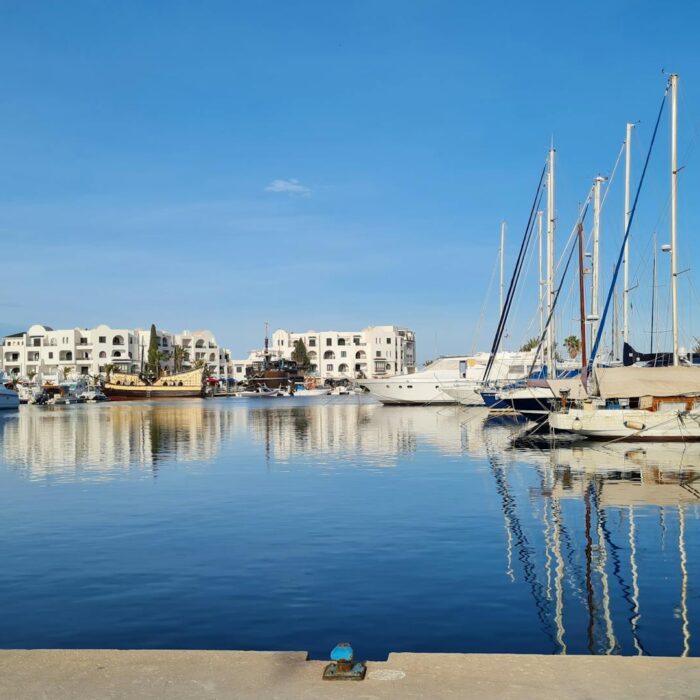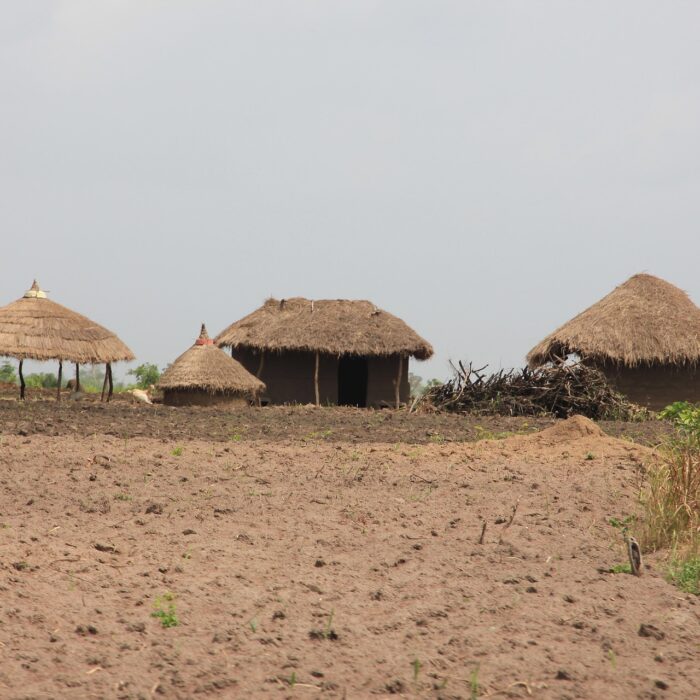
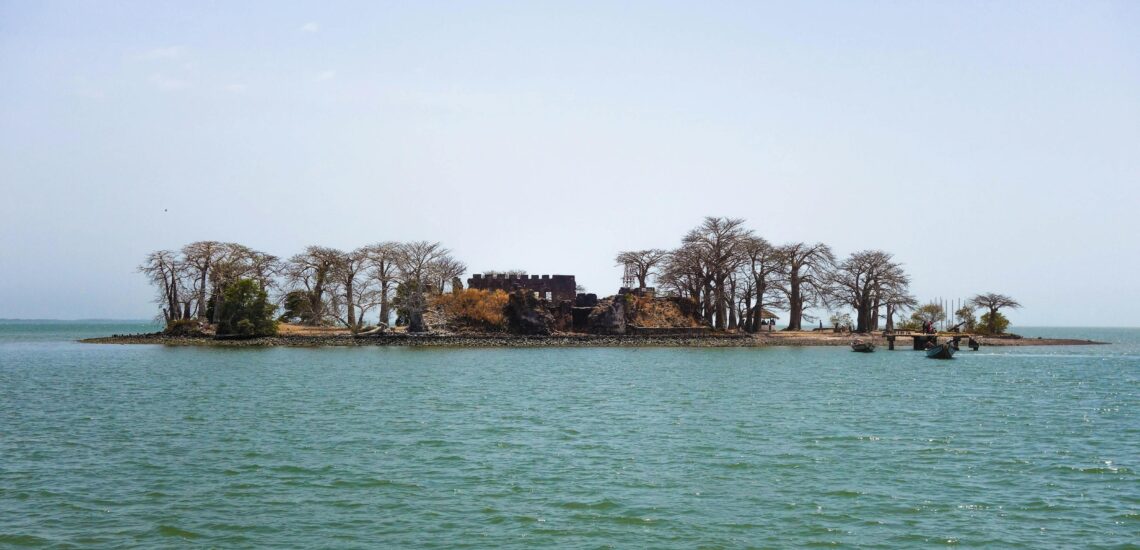


The Gambia is the smallest country on mainland Africa, stretching along the Gambia River from the Atlantic coast inland. Despite its size, it offers a wide variety of experiences – beaches, river landscapes, wildlife, and rich cultural traditions. The country’s rhythm is calm and welcoming, earning it the nickname “The Smiling Coast of Africa”.
Visitors can relax on the beaches near Banjul and Kololi, take a boat trip through mangroves to spot birds and hippos, or visit historic sites like Kunta Kinteh Island, linked to the transatlantic slave trade. Inland villages show daily life along the river, with music and markets forming part of the local charm. The Gambia’s mix of nature, history, and hospitality makes it an inviting first step into West Africa.
Best Cities in the Gambia
Banjul
Banjul is located on St. Mary’s Island, where the Gambia River meets the Atlantic, giving the capital a compact layout that is easy to explore in a short visit. Arch 22, built to mark the independence period, is the city’s most visible structure; an elevator leads to its upper platform, where visitors can view the river, the wetlands, and the city’s grid of streets. The National Museum of The Gambia presents archaeological finds, ethnographic exhibits, and historical material that outline how the country developed from precolonial times through independence. Albert Market, reached by foot from most central areas, brings together fabric sellers, spice vendors, craft stalls, and small food shops, offering a direct look at daily commerce.
While Banjul is quieter than many African capitals, its colonial-era buildings, government institutions, and waterfront location make it a useful starting point for travel in the country. Ferries and road links connect the city with the mainland settlements across the estuary, and many visitors stay in nearby coastal areas such as Bakau, Fajara, or Kololi while making day trips into the capital.
Serrekunda
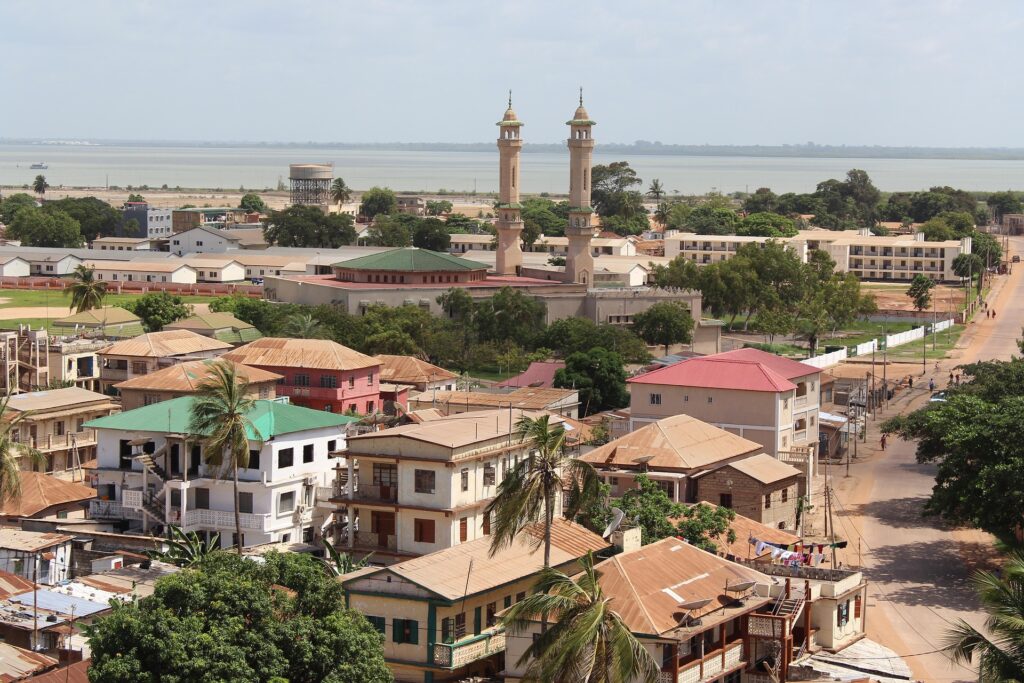
Serrekunda is the largest urban center in The Gambia and functions as the main commercial hub for the coastal region. Its markets – especially the central market and Latrikunda market – draw people from across the area for textiles, produce, electronics, and street food. Walking through these districts provides a clear sense of how trade and transport shape daily life, with small workshops, taxis, and vendors operating in close proximity. The city’s dense layout contrasts with the quieter beach areas nearby, making Serrekunda a useful place to observe the country’s urban rhythm.
Because most coastal resorts lie in the surrounding districts, Serrekunda is also a transit point for visitors heading to Kololi, Kotu, and Bijilo. These beaches are reached within minutes by taxi and offer swimming areas, bars, restaurants, and nightlife that serve both tourists and residents. Cultural venues, craft markets, and music events are concentrated along the coastal road between Serrekunda and Kololi, forming the main leisure corridor of the region. Travelers often use Serrekunda as a base for arranging day trips to nature reserves, river excursions, or visits to Banjul, while still having access to the services and amenities of the country’s busiest metropolitan zone.
Brikama
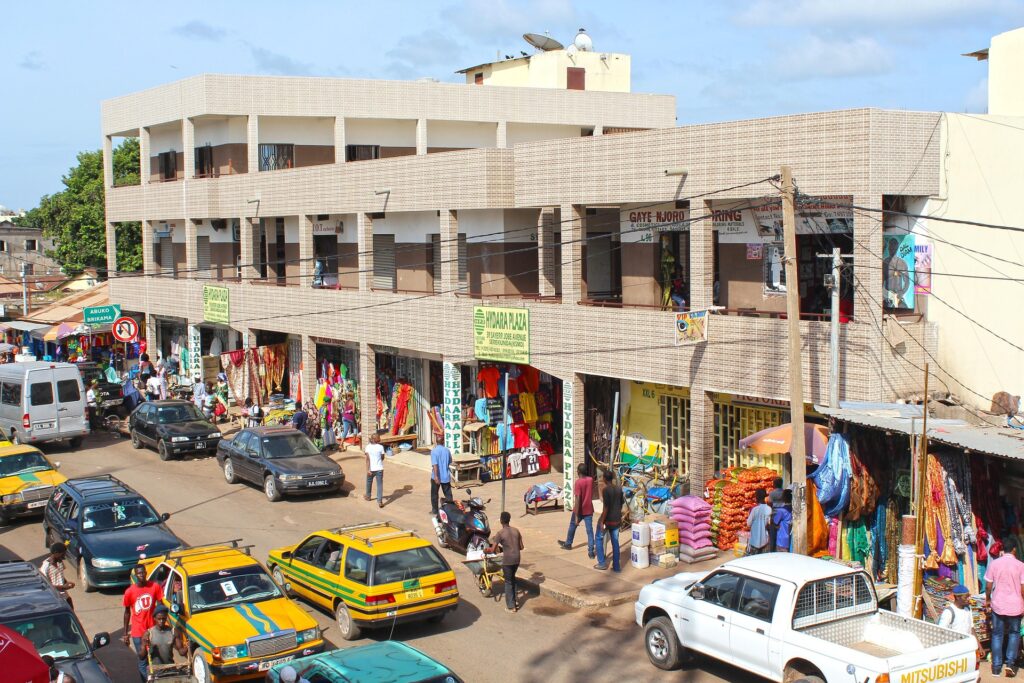
Brikama is one of The Gambia’s main centers for traditional craftsmanship, especially wood carving and drum making. Local workshops produce masks, statues, djembes, and other instruments using hardwood sourced from the region. Visitors can observe the carving process, learn how drums are constructed and tuned, and speak with artisans about the cultural roles these items play in ceremonies, teaching, and community events. The Brikama Craft Market gathers many of these workshops in one place, making it straightforward to explore different styles and techniques.
The town also has a strong musical identity. Performances take place in community compounds, cultural centers, and during local festivals that draw residents from surrounding villages. Brikama is reached by road from Serrekunda or Banjul and is often included as a half-day visit for travelers interested in Gambian arts, music, and everyday workshop practices.
Bakau
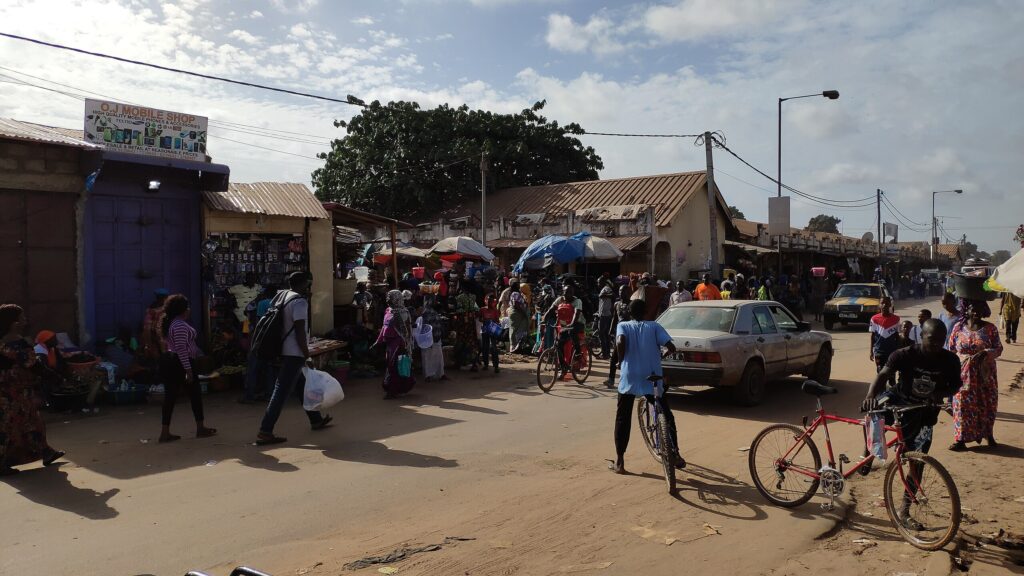
Bakau is a coastal town west of Banjul and is known for its combination of fishing activity and culturally significant sites. One of the main points of interest is the Kachikally Crocodile Pool, regarded by local communities as a sacred space associated with fertility traditions. The pool is part of a family-managed complex that includes a small museum outlining the site’s history, its role in community practices, and the broader significance of crocodiles in local belief systems. Visitors can walk through the shaded grounds and observe crocodiles at close range under the supervision of site caretakers.
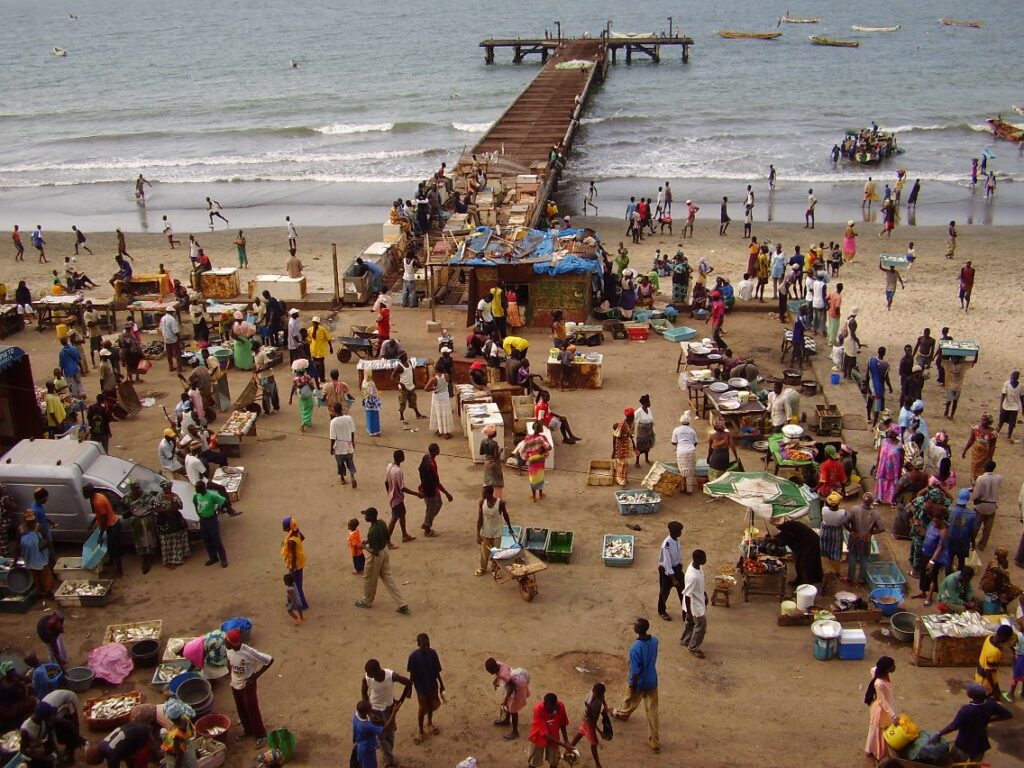
Bakau’s fish market becomes busiest in the late afternoon when boats return with the day’s catch. The market sits directly on the beach, allowing visitors to see the full process from unloading to sale. Nearby restaurants prepare grilled fish and other seafood dishes, making the market area a practical place for an early evening meal.
Best Natural Destinations
Gambia River National Park (Baboon Islands)
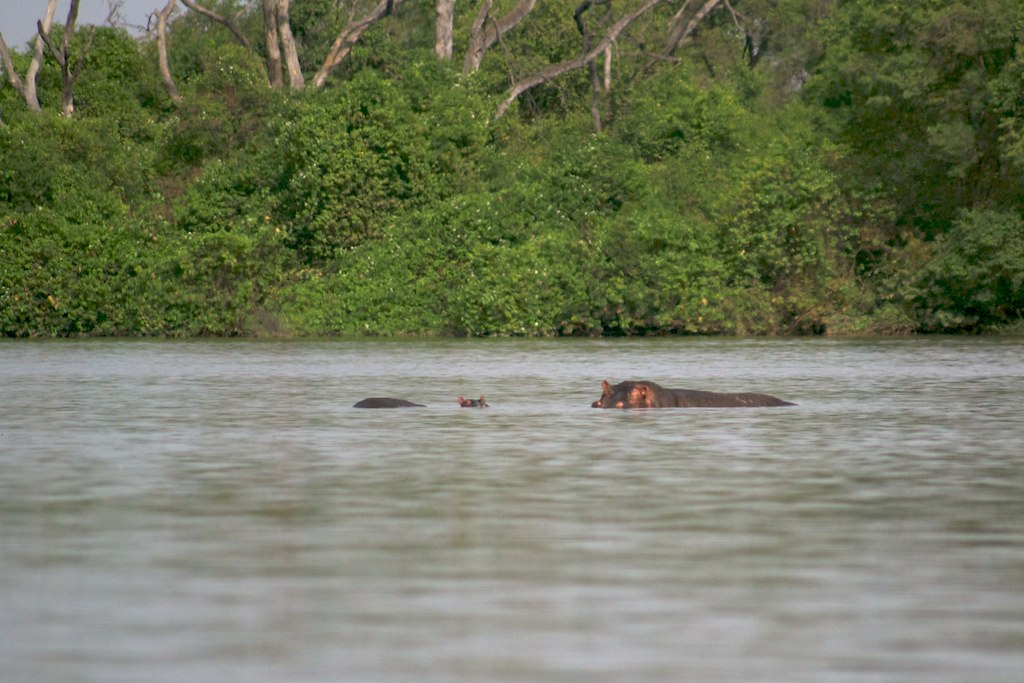
Gambia River National Park consists of several islands in the country’s central region and is a key conservation area managed to protect chimpanzees and other wildlife. The islands are closed to the public to avoid human–animal contact, but guided boat tours operate on the river channels surrounding them. From the boat, visitors can observe chimpanzees in a semi-wild environment, along with hippos, crocodiles, monkeys, and a range of bird species that use the riverbanks for feeding and nesting. The controlled access helps maintain the park’s conservation goals while still allowing for responsible wildlife viewing.
Tours typically depart from Georgetown (Janjanbureh), a small riverside town that serves as the main base for exploring the central river region. Visitors travel by motorized boat along designated routes, with guides explaining the park’s history, rehabilitation work, and the ecological importance of the Gambia River. Many travelers combine a visit to the Baboon Islands with cultural stops in nearby villages or with overnight stays in local lodges.
Abuko Nature Reserve
Abuko Nature Reserve is located near the main coastal hotel areas, making it one of the most accessible places in The Gambia to observe local wildlife. The reserve protects a mix of forest, savanna, and wetland habitats, with walking trails that pass viewing platforms and water points. Visitors regularly see green monkeys, red colobus monkeys, antelopes, and crocodiles, while the wetlands attract a wide range of bird species throughout the year. Educational signs and guided walks help explain how the reserve manages water resources and protects habitat in a rapidly developing region.
Abuko is reached easily by road from Serrekunda, Bakau, or Kololi, which makes it suitable for a half-day visit. Many travelers combine a stop at Abuko with nearby attractions such as Lamin Lodge or local craft markets. The reserve is often chosen by those who want an introduction to West African biodiversity without making the long journey to inland parks.
Kiang West National Park
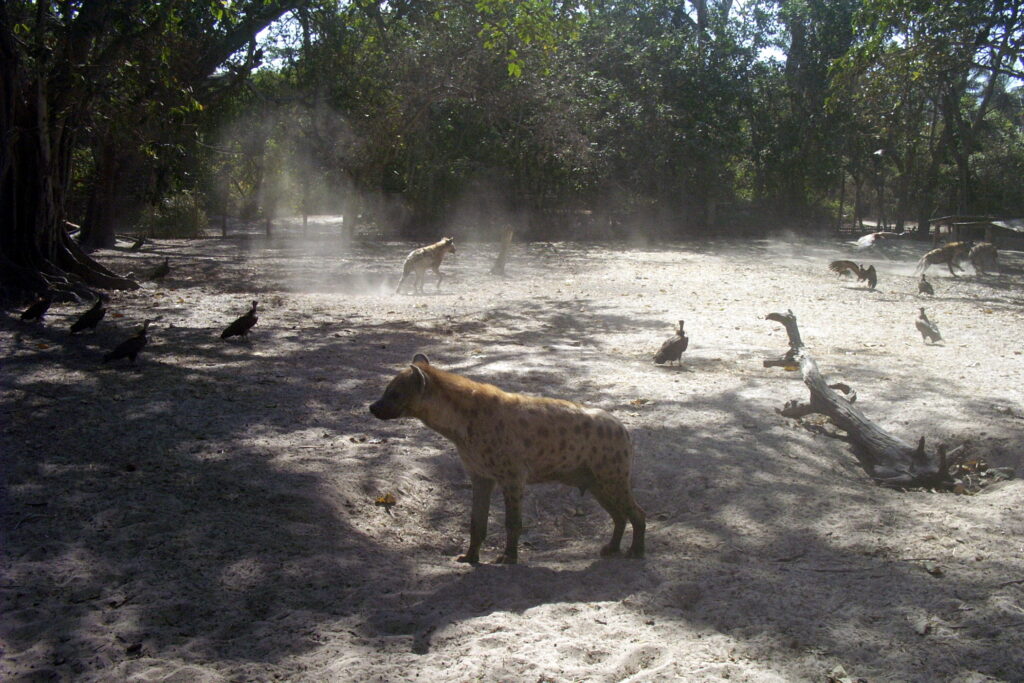
Kiang West National Park occupies a broad area of mangroves, savanna, and woodland in The Gambia’s Lower River Region. The park is one of the country’s largest protected zones and supports a wide range of wildlife, including warthogs, baboons, hyenas, antelopes, and numerous bird species. Sightings depend on season and water availability, with dry-season mornings and late afternoons generally offering the best conditions. Trails and track routes pass through different habitats, giving visitors a sense of how vegetation and animal movement change across the landscape.
Access is primarily by road from Tendaba or nearby villages, with most excursions arranged through local lodges or guiding services familiar with the park’s terrain. Boat trips on the river can also be combined with land-based drives for broader wildlife viewing. Because visitor numbers are relatively low, Kiang West provides a quieter experience than coastal reserves, appealing to travelers interested in conservation areas that remain largely undeveloped.
Tanji Bird Reserve
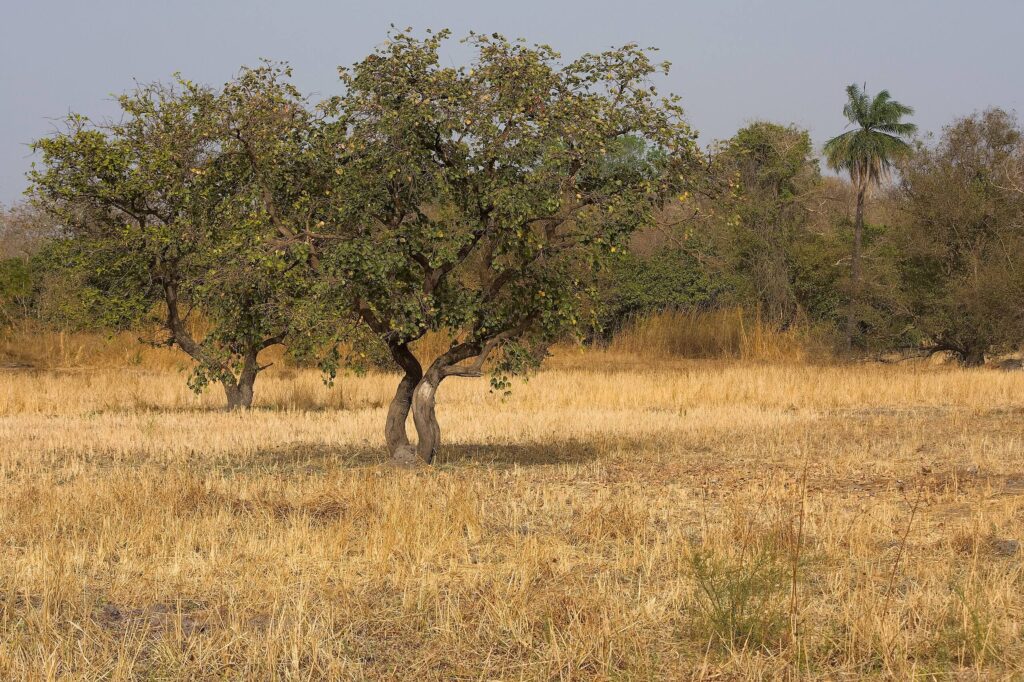
Tanji Bird Reserve lies along the Atlantic coast south of Banjul and protects a mix of dunes, mangroves, and tidal lagoons that support both resident and migratory bird species. The reserve’s viewing points and short walking trails allow visitors to observe herons, terns, waders, and seabirds that feed in the shallow water or nest on offshore sandbars. Local guides are available at the entrance and provide information on seasonal movements and the best times of day for sightings. Because habitats sit close together, the reserve is suitable for efficient, half-day birdwatching trips.
Adjacent to the reserve is Tanji Fishing Village, a busy landing site where boats return in the late afternoon with the day’s catch. Visitors often combine wildlife observation with a walk through the fish-smoking areas and open-air market, which provides a clear look at local fishing practices. Tanji is reached easily by road from Serekunda, Kololi, or Brufut.
Bao Bolong Wetland Reserve
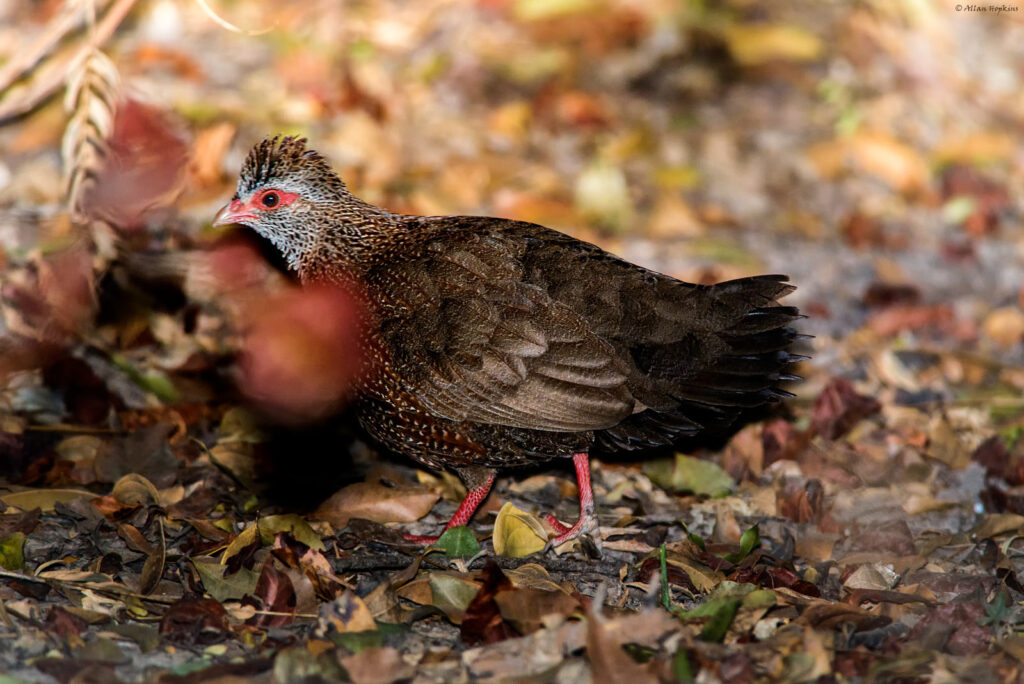
Bao Bolong Wetland Reserve extends along the northern side of the Gambia River, directly across from Kiang West National Park. The reserve protects mangrove channels, mudflats, and freshwater creeks that serve as habitat for numerous bird species, reptiles, and aquatic life. Boat tours are the primary way to explore the area, moving through narrow waterways where guides point out herons, kingfishers, waders, crocodiles, and other wildlife that rely on the wetlands. Because motorized vessels travel at slow speed, visitors have time to observe feeding sites and resting areas without disturbing the ecosystem. Access to Bao Bolong is usually arranged from Tendaba or nearby river lodges, which organize both short excursions and longer trips that cover multiple creeks.
Best Beaches Destinations
Kololi Beach
Kololi Beach is one of The Gambia’s main coastal hubs and offers straightforward access to hotels, restaurants, and leisure activities. The beach extends along a long section of the Atlantic shoreline, where visitors can swim, walk, or take part in water-based excursions arranged by local operators. Fishing boats, beach bars, and small vendors contribute to steady daytime activity. The beach also functions as a starting point for trips to nearby reserves or boat excursions along the coastline.
Just inland from the beach, the Kololi strip – also known as the Senegambia area – contains restaurants, cafés, craft stalls, and venues that host live music. This concentration of services makes Kololi a practical base for travelers who want coastal access alongside a range of dining and entertainment options. The area is easily reached by road from Banjul International Airport and is often combined with visits to Bakau, Tanji, or Abuko Nature Reserve.
Kotu Beach
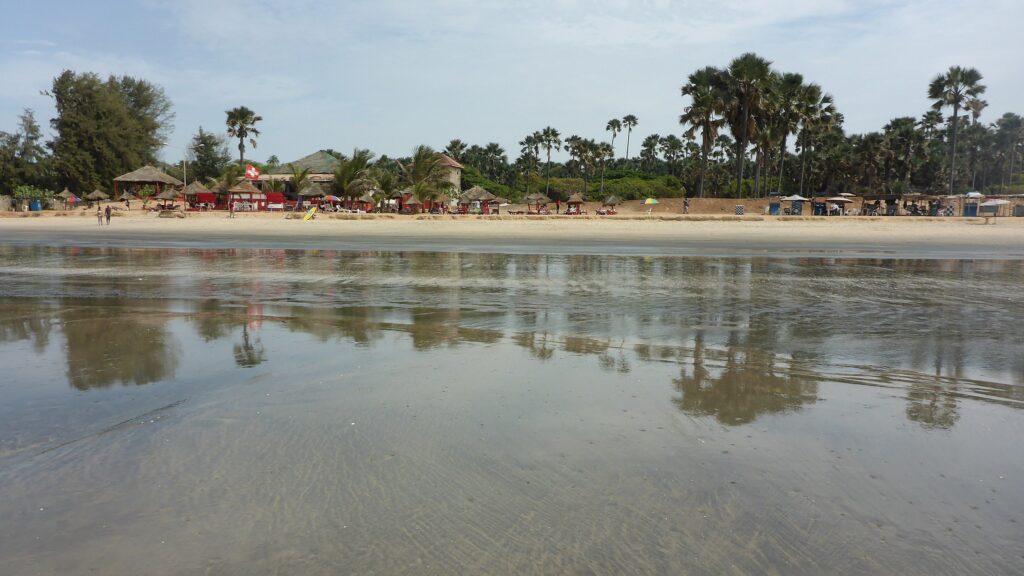
Kotu Beach lies just east of Kololi and offers a quieter coastal base while still providing easy access to hotels, small restaurants, and local transport. The beach has a wide frontage suitable for swimming, walking, and simple water-based activities. Because the area is less busy than neighboring Kololi, visitors often use Kotu for unhurried beach days or as a base for exploring nearby nature sites.
Adjacent to the beach, Kotu Creek is one of the region’s well-known birdwatching spots. Footpaths and small bridges allow visitors to observe herons, egrets, kingfishers, and other species that feed in the tidal channels. Local guides offer short nature walks and canoe trips during high tide. Kotu is reached easily by taxi from the main coastal road.
Cape Point (Bakau)
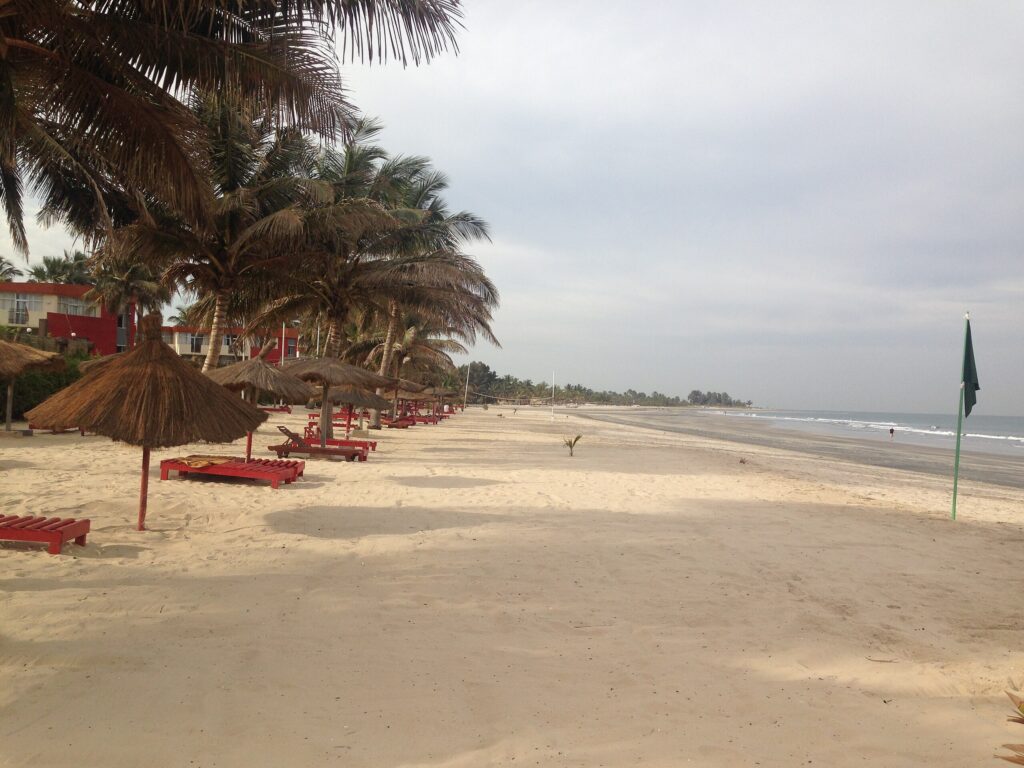
Cape Point is a coastal district in Bakau that offers a quieter alternative to the main resort areas along The Gambia’s coast. The beach is wide and open, used both by local fishing crews and by visitors looking for a less crowded shoreline. Fishing boats can often be seen launching or returning with the day’s catch, and several beachfront restaurants prepare seafood sourced directly from these operations. The combination of working coastline and informal beach facilities makes Cape Point a straightforward place to spend time near the water. The area is reachable by road from Kololi, Kotu, and central Bakau, and it is often combined with visits to nearby sites such as the Kachikally Crocodile Pool or the Bakau craft market.
Bijilo Beach & Forest Park
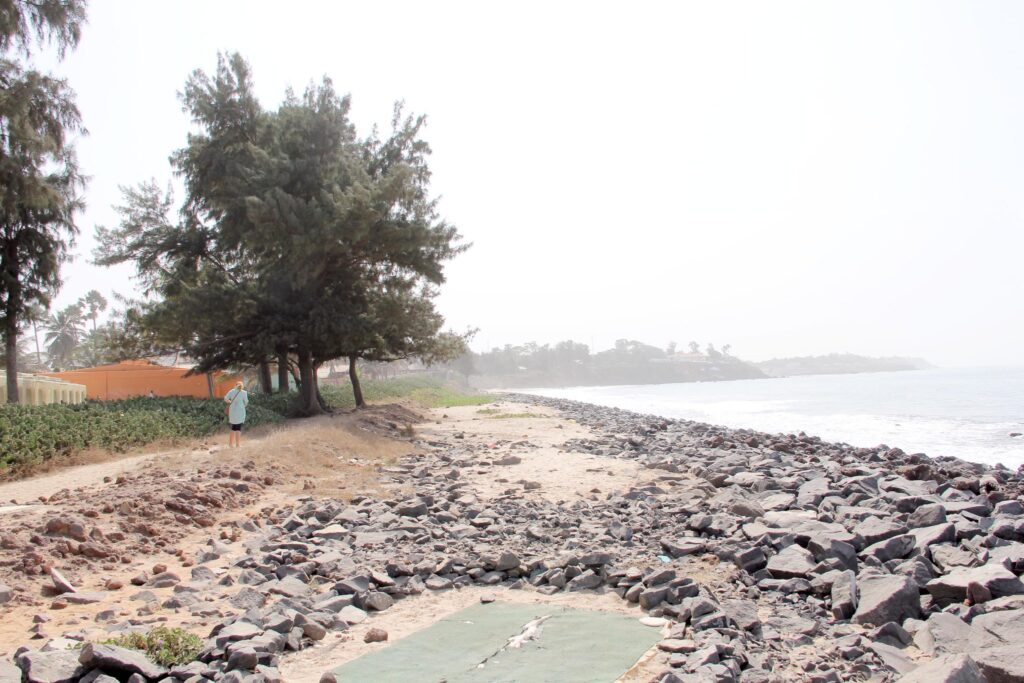
Bijilo Beach and the adjacent Forest Park form one of the most accessible nature areas along The Gambia’s coast. The forest contains marked trails that pass through coastal woodland where vervet and red colobus monkeys are regularly observed. Visitors can walk independently or with local guides who explain the park’s vegetation, wildlife behavior, and conservation practices. The paths eventually connect to a stretch of beach that is typically quieter than those in nearby resort zones, providing space for walking, swimming, or simple relaxation.
The area is located just south of Kololi and is easily reached by taxi or on foot from many coastal hotels. Because the forest and beach are directly linked, travelers can combine wildlife observation with time by the ocean in a single visit. Bijilo is often included in half-day itineraries that also feature nearby craft markets or coastal restaurants.
Sanyang Beach
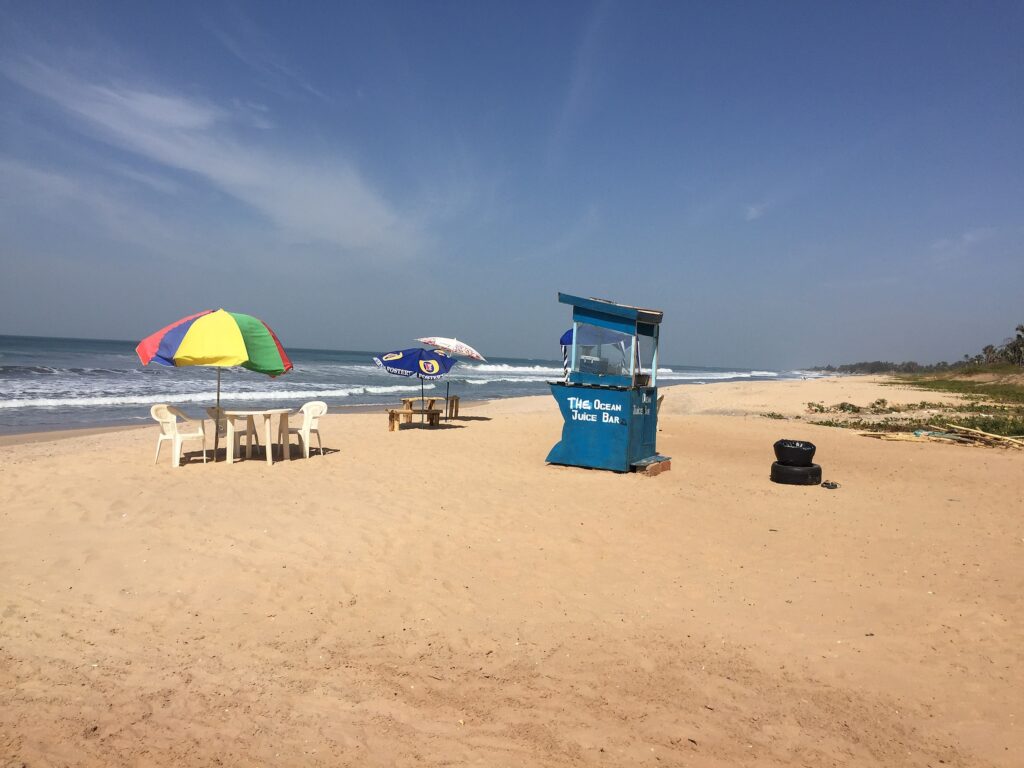
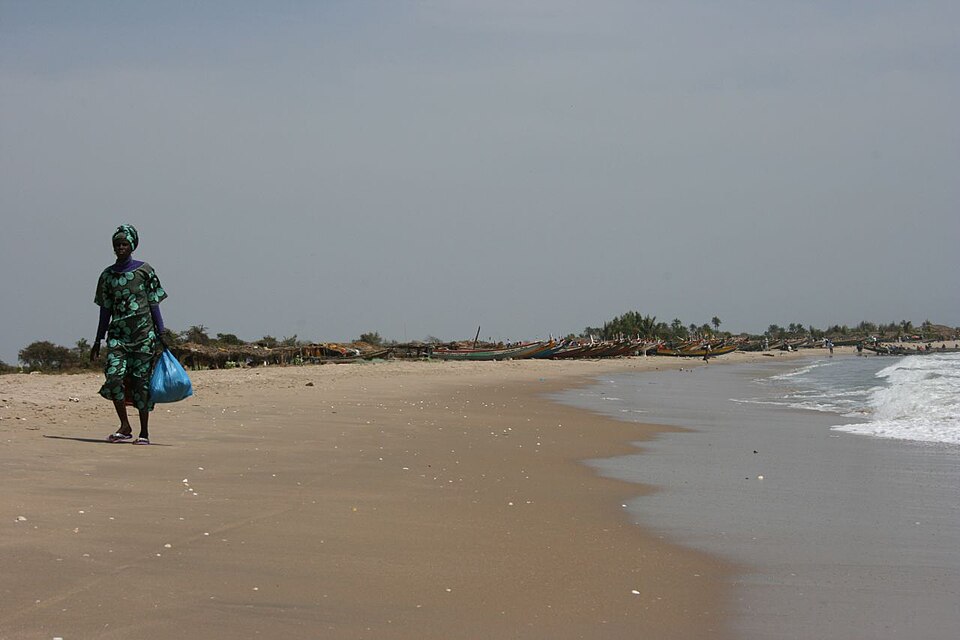
Sanyang Beach lies south of the main resort corridor and is known for its wide shoreline and working fishing community. The beach is used for swimming, walking, and informal gatherings, with small bars and restaurants set along the sand. In the late afternoon, fishing crews return with their nets, providing visitors with a direct look at local fishing practices and supplying the seafood served in nearby venues. This daily routine gives the beach a consistent rhythm that visitors can observe at close range. Sanyang is reached by road from Kololi, Kotu, or Brufut and is often visited as a half-day or full-day trip for those seeking a quieter coastal setting. Some travelers combine a stop at the beach with visits to nearby nature areas or inland villages.
Best Historical and Cultural Sites
Kunta Kinteh Island (James Island)
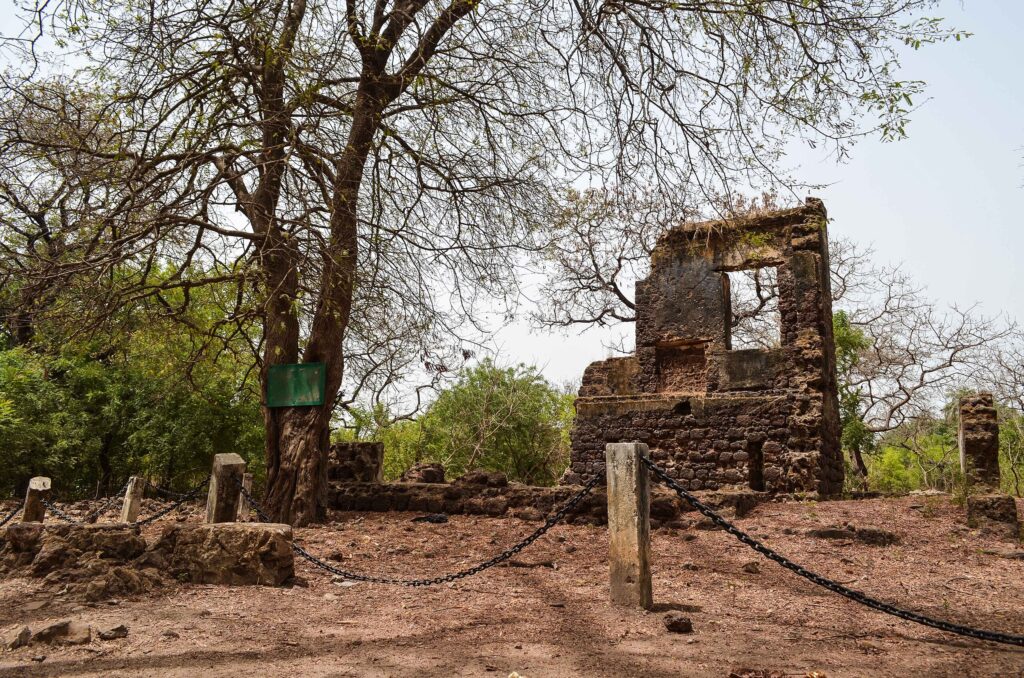
Kunta Kinteh Island lies in the middle of the Gambia River and is one of the country’s most important historical sites. The island once served as a fortified trading post used by European powers during the transatlantic slave trade. Visitors can explore the remaining walls, cannons, and foundations of the fort, which illustrate how the site functioned within wider regional networks of river transport and coastal commerce. Informational panels and guided tours explain the island’s role in controlling river access and its connection to enslaved people transported through the region.
Access to the island is by boat from the village of Juffureh, where small museums and community centers provide additional historical context. The boat trip offers views of riverbank settlements and the wetlands that line this section of the Gambia River. Many travelers combine the island visit with time in Juffureh and Albreda to learn more about local oral histories and archival records.
Juffureh Village
Juffureh is located on the north bank of the Gambia River and is widely known through the genealogy research and narrative presented in Alex Haley’s Roots. The village identifies itself as the ancestral home of Kunta Kinteh, and local guides explain how oral history, family records, and community memory shape this connection. The small cultural museum provides background on regional history, daily economic activities, and the impact that international interest in Roots has had on the community. Visitors often meet with local organizations that focus on heritage, education, and cultural exchange.
Boat trips to nearby Kunta Kinteh Island typically begin or end in Juffureh, making the village an integral part of historical tours along this section of the river. Walking through the settlement gives insight into rural Gambian life, with stops at family compounds, craft stalls, and community centers where storytelling and discussion are encouraged. Juffureh is reached by road from the coastal tourism zone or as part of an organized river excursion. Travelers visit to understand how local history is preserved, interpreted, and shared, and to place the island’s UNESCO-listed site within its broader community context.
Fort Bullen
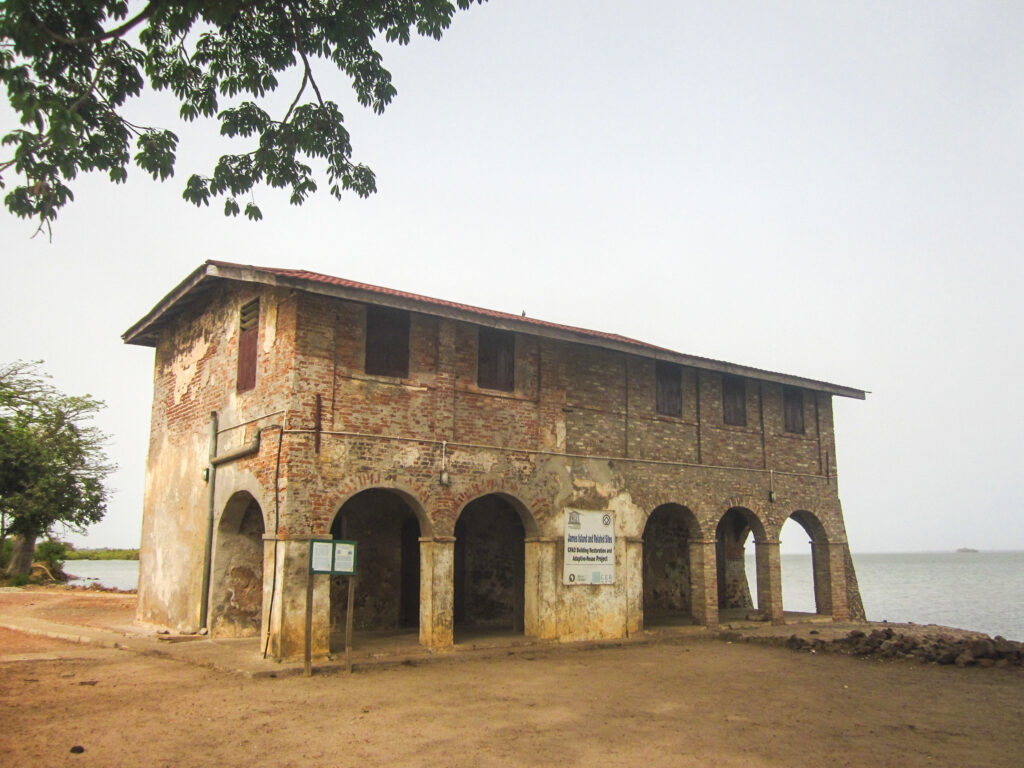
Fort Bullen stands at the entrance of the Gambia River in the town of Barra and was built by the British in the early 19th century as part of their efforts to control river traffic and suppress the transatlantic slave trade after abolition. The fort’s layout includes defensive walls, cannon positions, and storage areas that help explain how coastal surveillance was organized during this period. Informational signs and guided visits outline the broader military and political context in which the fort operated.
Its elevated position provides clear views across the estuary toward Banjul and the Atlantic coast, making it a useful stop for understanding the geography of the river mouth. The site is usually visited in combination with the Banjul–Barra ferry crossing, which brings travelers directly to the base of the hill. Many itineraries pair Fort Bullen with visits to Barra town, local markets, or historical sites farther upriver
Wassu Stone Circles
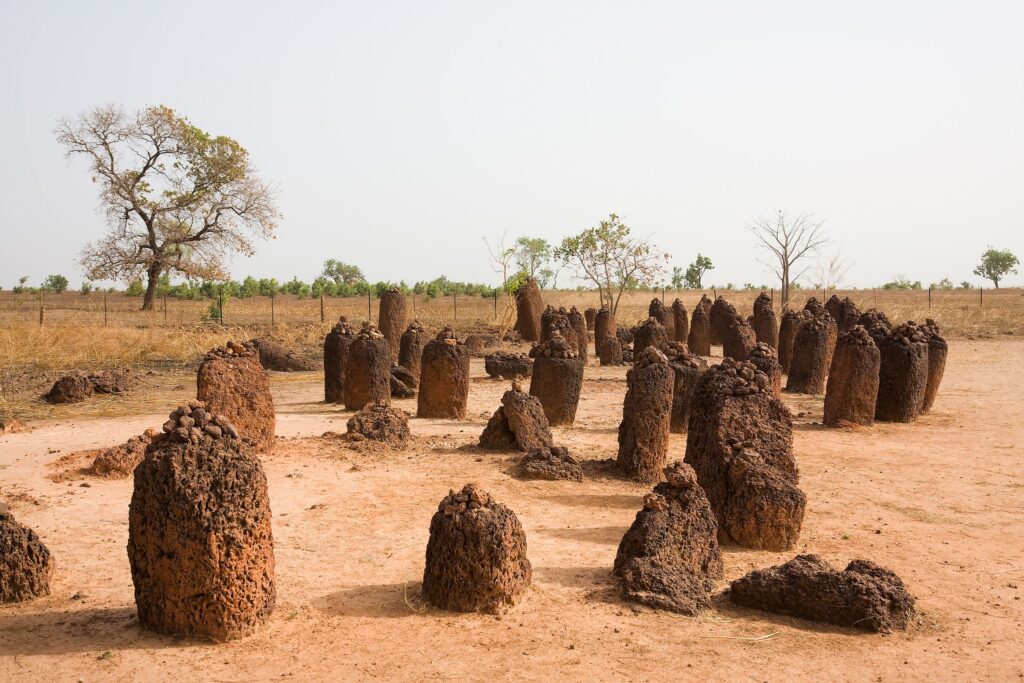
The Wassu Stone Circles are part of the UNESCO-listed Senegambian Stone Circles, a group of megalithic sites distributed across The Gambia and Senegal. The stone rings, some more than a thousand years old, are associated with ancient burial grounds and reflect organized community practices in the region’s early history. At Wassu, an on-site interpretation center explains excavation findings, construction methods, and theories about the social groups who built the monuments. Walking paths allow visitors to move between several circles and examine the arrangement and size of individual stones.
Wassu is located in the Central River Region and is usually reached by road from Kuntaur, Janjanbureh, or Bansang. Many itineraries combine the site with river excursions or with nearby villages to gain a broader understanding of cultural continuity in the region. The stone circles attract travelers interested in archaeology, anthropology, and early West African history.
Best River and Inland Destinations
Janjanbureh (Georgetown)
Janjanbureh is one of the Gambia River’s oldest towns and served as an inland administrative center during the colonial period. The town sits on MacCarthy Island and has a straightforward grid of streets, government buildings, and small markets that reflect its former role in regional trade and river transport. Walking through the town provides insight into how administrative life was organized before coastal development shifted national activity westward. Several structures from the colonial era remain in use, giving visitors a clear sense of local continuity.
Today, Janjanbureh functions as a base for exploring central Gambia’s natural and historical sites. Boat tours depart from the riverfront to the Baboon Islands in Gambia River National Park, where chimpanzees and other wildlife can be observed from a distance. The town is also well positioned for visits to nearby villages, nature reserves, and the Wassu Stone Circles.
Tendaba
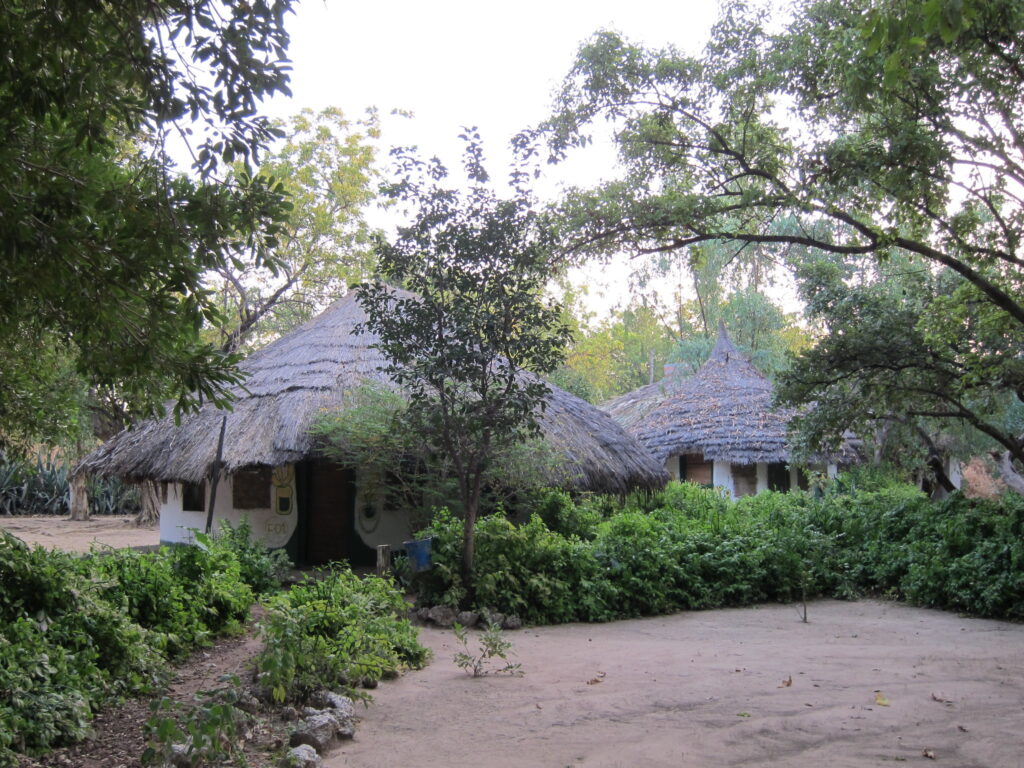
Tendaba is a small riverside settlement on the south bank of the Gambia River and serves as one of the main bases for exploring Kiang West National Park and the surrounding wetlands. Lodges along the river offer simple accommodation and organize boat trips through nearby mangrove channels, where visitors can observe raptors, waders, crocodiles, and other species that depend on tidal waterways. Early morning and late afternoon excursions are common because wildlife activity increases during cooler hours.
From Tendaba, guided drives into Kiang West National Park provide additional opportunities for viewing savanna and woodland habitats. The settlement is reachable by road from the coastal region and is often included in multi-day itineraries that link birdwatching, river safaris, and village visits in central Gambia.
Farafenni
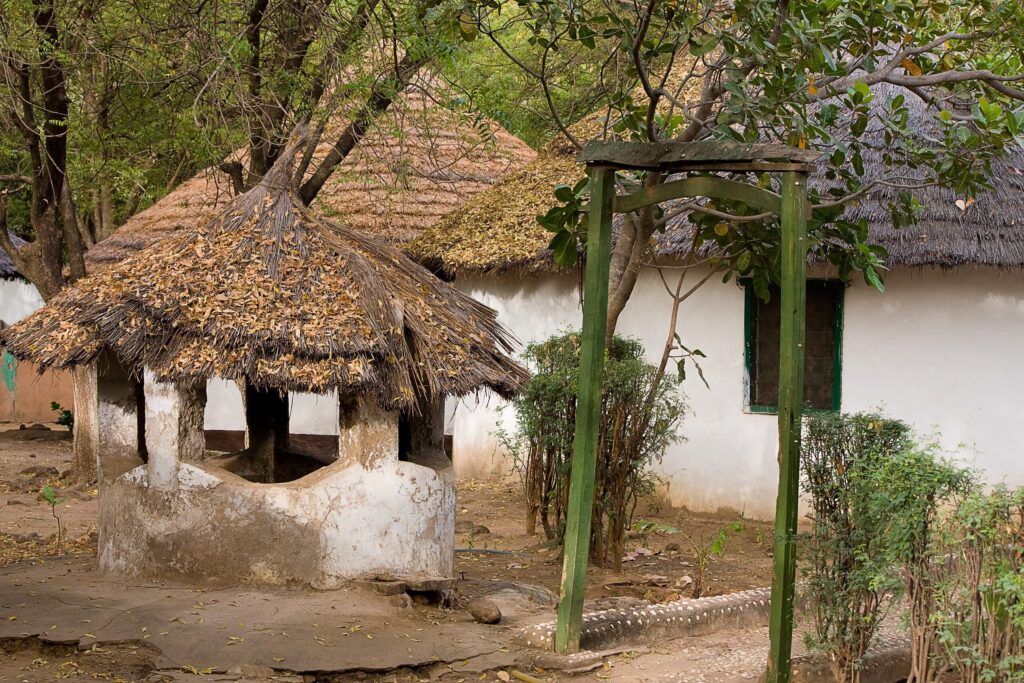
Farafenni is a key transport and commercial hub in The Gambia’s North Bank Region, located near the border with Senegal. The town’s central market and roadside stalls draw traders from surrounding villages, making it a useful place to observe regional commerce, agriculture, and cross-border movement. Daily life revolves around transport services, small workshops, and trading activities rather than tourism, giving visitors a straightforward look at an inland Gambian town. Farafenni is primarily used as a transit point for travelers moving between Senegal and coastal Gambia or those heading toward the central river region.
Hidden Gems in the Gambia
Kartong
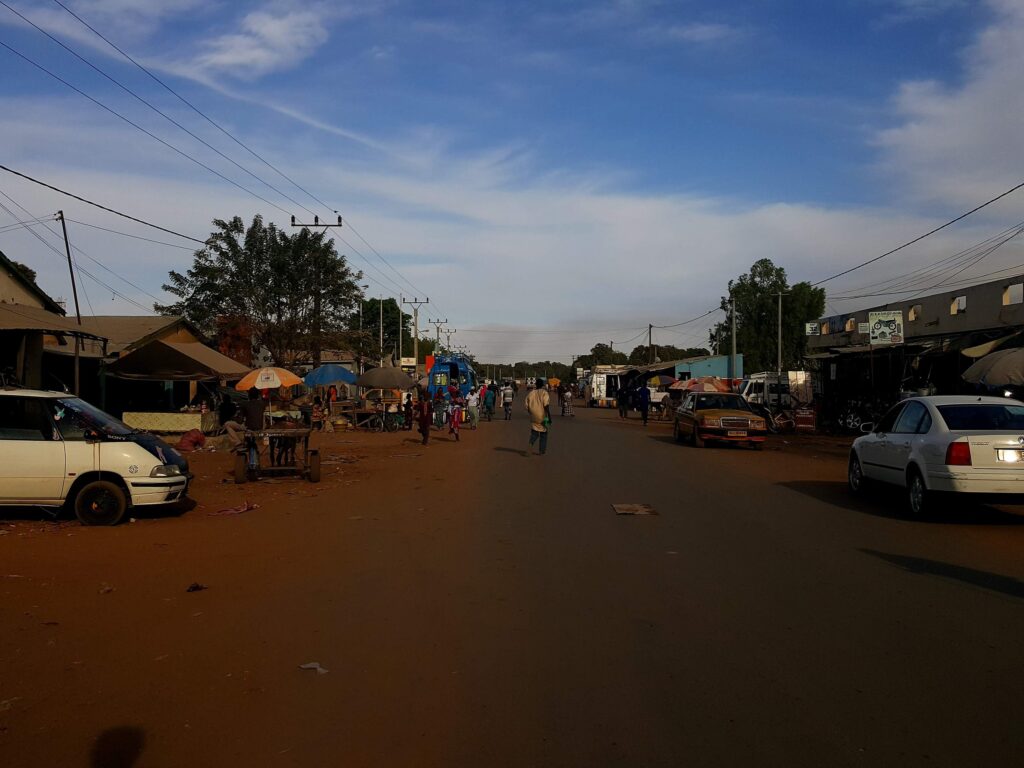
Kartong is a village at The Gambia’s southern border, where coastal dunes, mangrove channels, and wide beaches meet at the edge of the Casamance region. The area is known for community-run eco-lodges and conservation initiatives that focus on protecting turtle nesting sites along the shoreline. During nesting season, guided night walks are organized to monitor turtle activity and explain local conservation practices. Mangrove channels near Kartong can be explored by canoe or small boat, giving visitors opportunities to observe birdlife and understand how fishing and oyster collection support village livelihoods.
The village is reached by road from Sanyang or the main coastal resort area, and many travelers visit Kartong as a day trip or for overnight stays in eco-accommodations. The quiet beach zone allows for walking, swimming, and simple outdoor activities without the busier atmosphere found farther north.
Lamin Lodge
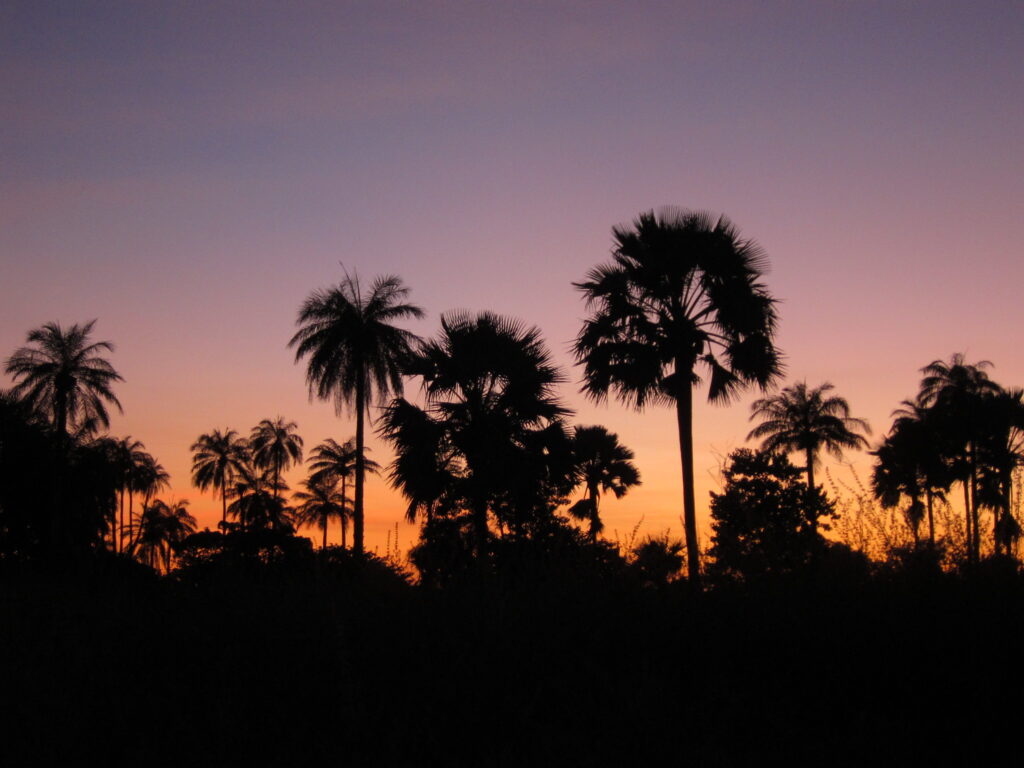
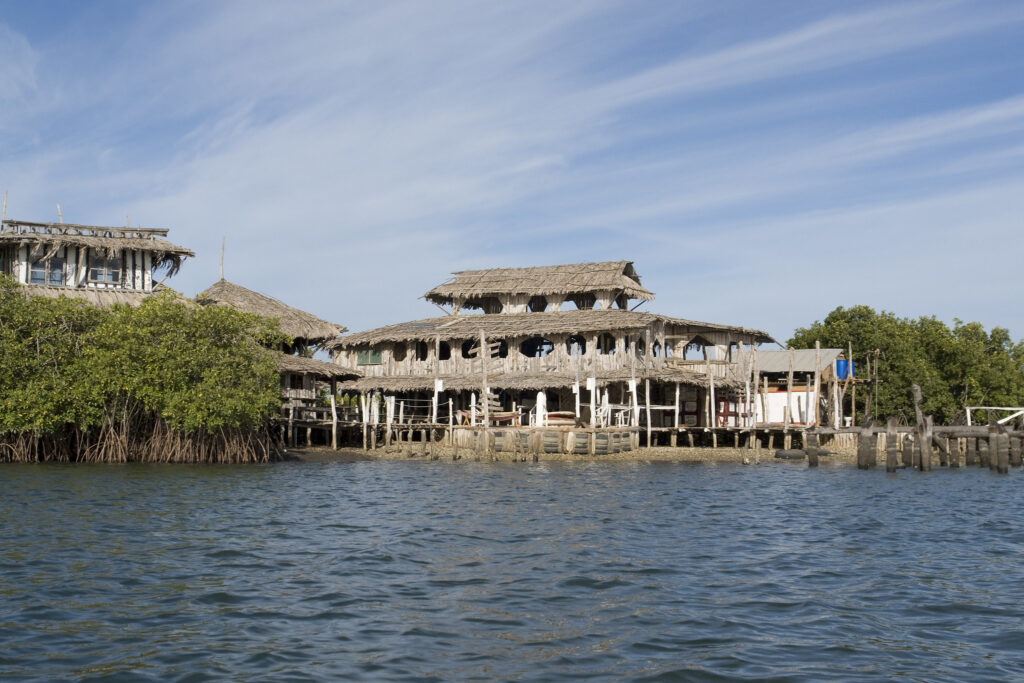
Lamin Lodge is a stilted wooden structure built above the mangroves of the Lamin community, not far from Brikama and the main coastal hotels. The lodge functions as a restaurant and viewpoint, offering access to quiet sections of the creek where visitors can observe birdlife, oyster collectors, and changing tides. Boat trips depart from the lodge for short excursions through mangrove channels, providing an opportunity to learn how local communities rely on the estuary for fishing and oyster harvesting.
The lodge is particularly popular in the late afternoon, when many visitors come for a meal or drink while watching activity on the water. Traditional music performances are sometimes arranged, giving additional context to local cultural practices. Lamin Lodge is reached by road from Serrekunda, Brufut, or the coastal resort strip and is often included in half-day trips that combine nature observation.
Jinack Island
Jinack Island sits near the border with Senegal and is separated from mainland Gambia by tidal channels and mangrove areas. Access is usually by boat from Barra or nearby villages, which contributes to the island’s quiet, low-traffic character. The coastline consists of long stretches of sand used by fishing communities and visited by travelers who want an uncrowded beach environment. Inland areas support small settlements, grazing land, and pockets of wildlife such as monkeys, birds, and occasional antelopes.
Visitors typically spend their time walking along the shoreline, observing fishing activities, or joining boat trips through the mangroves. Because accommodation options are limited, many choose Jinack for overnight stays focused on nature, simple routines, and time away from busy resort zones.
Gunjur
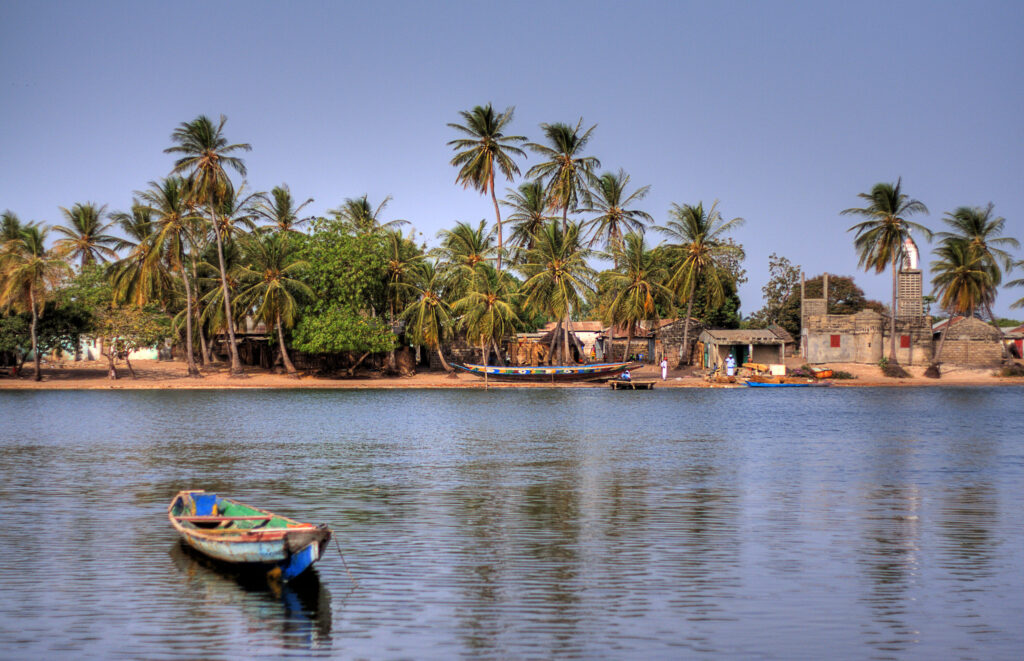
Gunjur is a coastal town south of the main resort zone and is known for its fishing activity and community-based tourism projects. Throughout the day, fishing crews launch and land their boats along the beach, giving visitors a clear view of local work routines and the small-scale economy that supports the town. The wide shoreline is suitable for walking, swimming, and observing daily life without the busier atmosphere found farther north. Several community initiatives around Gunjur focus on environmental education, cultural exchange, and conservation of coastal habitats. These programs often include guided visits to nearby wetlands, forest patches, or community gardens, providing context on how local groups manage natural resources.
Travel Tips for The Gambia
Travel Insurance & Safety
Travel insurance is strongly recommended when visiting The Gambia, particularly for medical coverage, river excursions, and activities in wildlife areas. A good policy should include emergency evacuation and treatment, as medical facilities outside Banjul are limited. Travelers planning river safaris or remote eco-lodge stays will benefit from insurance that covers outdoor and water-based activities.
The Gambia is widely regarded as one of West Africa’s safest and friendliest countries. Most visits are trouble-free, and normal precautions are generally sufficient to avoid issues. Petty theft can occur in crowded markets, so keep valuables secure and avoid carrying large amounts of cash. Tap water is not safe to drink, so stick to bottled or filtered water. A yellow fever vaccination is required for entry, and mosquito protection – including repellent and long sleeves – is essential, especially near rivers, mangroves, and wetlands where insects are common.
Transportation & Driving
Travel within The Gambia is straightforward and offers a glimpse into local life. Shared taxis and minibuses are the primary means of transport and are affordable, though often crowded. Along the River Gambia, boats remain a traditional and practical way to reach villages, nature reserves, and birdwatching sites. For longer trips or personalized itineraries, many visitors hire a car with a driver, which allows for flexibility and local insight.
Travelers planning to drive should carry their national license, along with an International Driving Permit, which is recommended for ease of travel and vehicle rental. Driving in The Gambia is on the right-hand side of the road. Roads near the coast and around Banjul are generally well-maintained, but inland routes can be rough or unpaved, especially during the rainy season.

Published December 21, 2025 • 21m to read