

Gabon is one of Central Africa’s most rewarding countries for travelers who prioritize nature over nightlife and wilderness over landmarks. More than 80 percent of the country is covered by forest, and that shows in everything from the air quality to the soundscape. Many places still feel genuinely wild, with national parks where rainforest meets ocean, rivers that act as transport corridors, and coastal stretches where you can spend hours without seeing another person.
Gabon is not the cheapest or simplest destination in the region, but it can be one of the most comfortable for wildlife focused travel when you plan well. The capital is relatively easy to navigate, and the best experiences come from combining a city base with one or two carefully chosen nature areas, rather than trying to cover the whole map.
Best Cities in Gabon
Libreville
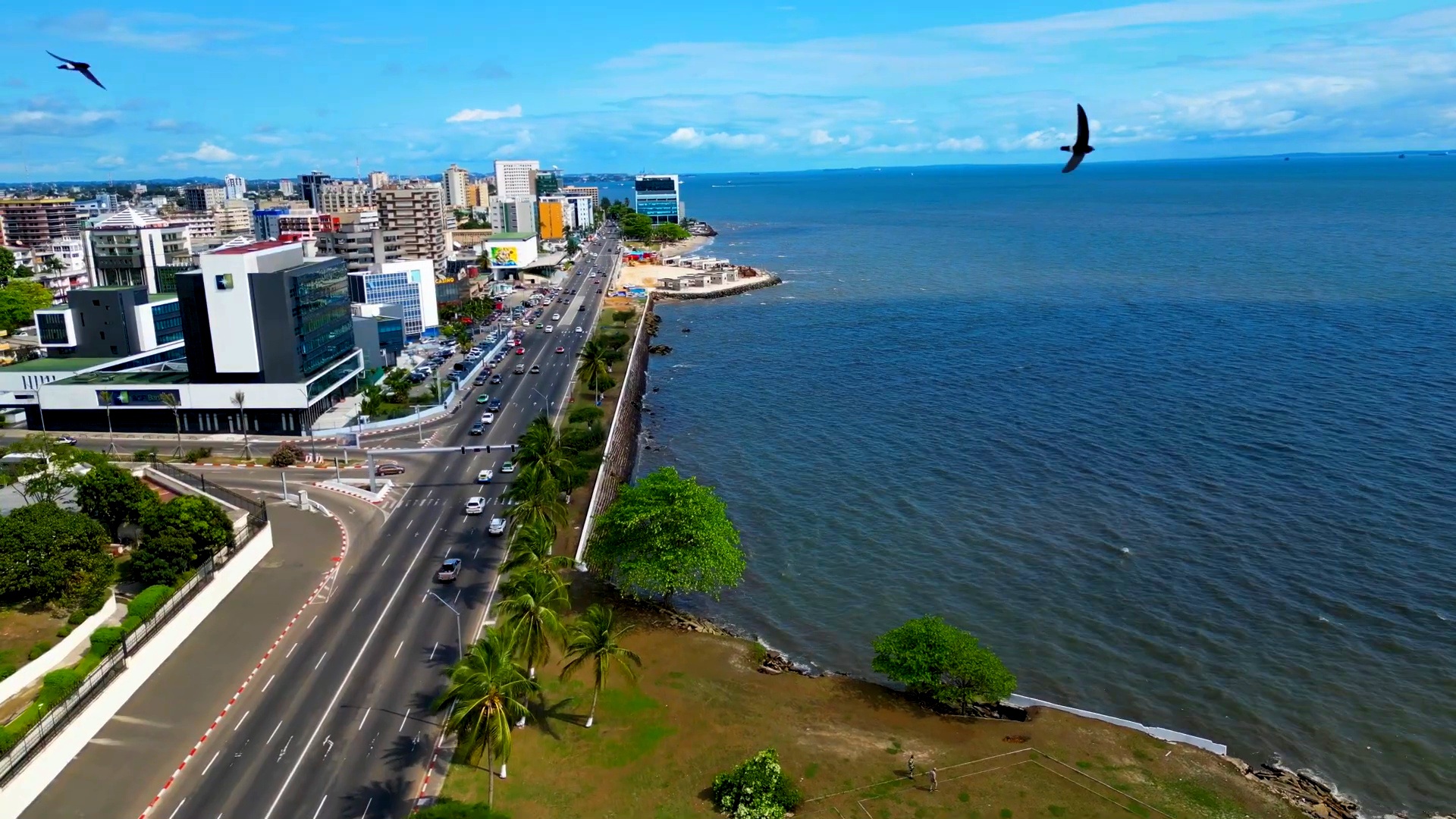
Libreville is Gabon’s capital and the main entry point for most visitors, set on the Atlantic coast with neighborhoods that range from modern administrative districts to older areas shaped by French-era planning. A simple first route is the waterfront promenade in the late afternoon, when temperatures drop and the city is more comfortable for walking. For cultural context, the National Museum of Arts and Traditions is the most useful stop, with collections that introduce major Gabonese ethnic groups through masks, ritual objects, and craft traditions, and St. Michael’s Cathedral is worth a short visit for its distinctive wooden interior and its role as a well-known landmark in the city.
Use Libreville as a logistics base before heading to national parks and remote coastal areas. Most arrivals come through Léon-Mba International Airport, and getting around is usually by taxi, since distances between districts can be long and traffic can slow short trips. Set up a local SIM, withdraw enough cash, and confirm onward transport early, especially if you are planning boat crossings or domestic flights, because schedules can change and services outside the capital can be limited. If you are heading to places like Akanda or Pongara, day trips are realistic with early starts and pre-arranged transport, while longer routes toward Loango or the interior usually require advance planning and reliable local operators.
Port Gentil
Port Gentil is Gabon’s economic capital, built around oil and port activity, and it often feels more like an island city than a typical mainland hub because water and wetlands shape the edges of town. The most useful “visit” is usually simple coastal time, with beaches and mangrove scenery nearby, plus markets and everyday neighborhoods that show how a working port city functions away from the capital’s political center. It can also serve as a staging point for exploring parts of the surrounding coast and offshore islands when transport is available, but the appeal is mainly access and atmosphere rather than formal landmarks.
Getting to Port Gentil is commonly by domestic flight or by boat connection depending on schedules, and once there, taxis handle most movement within the city. Coastal outings and island trips require local operators and depend heavily on sea state, so plan with flexibility and avoid tight timelines that force you to travel in poor weather.
Franceville
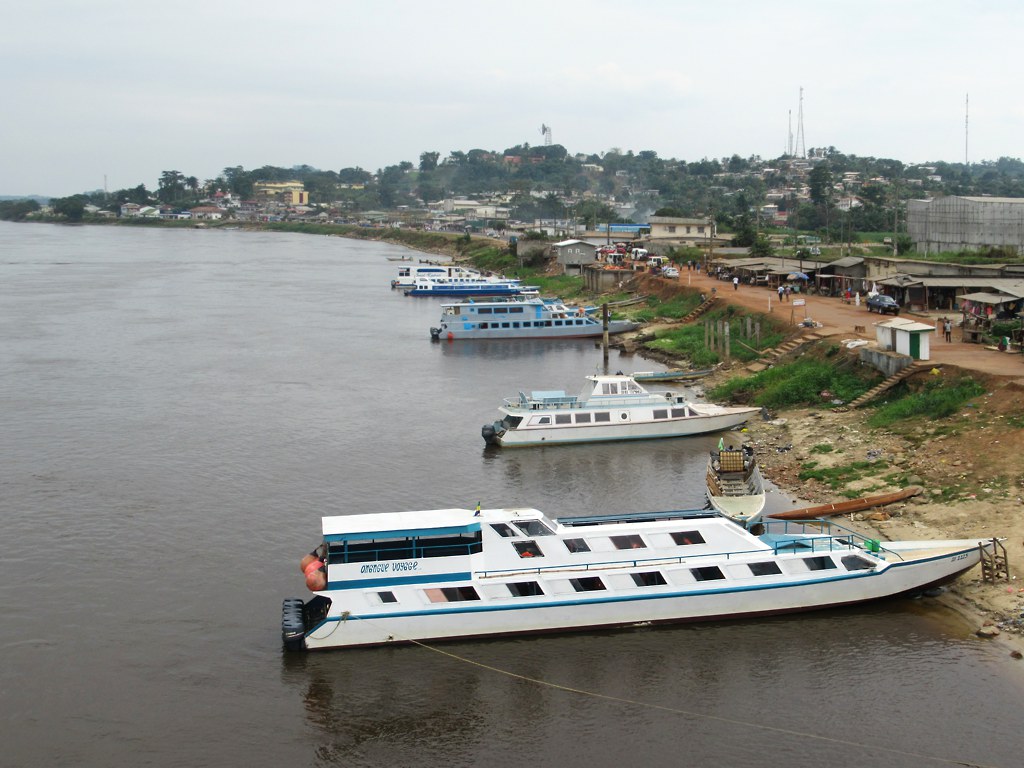
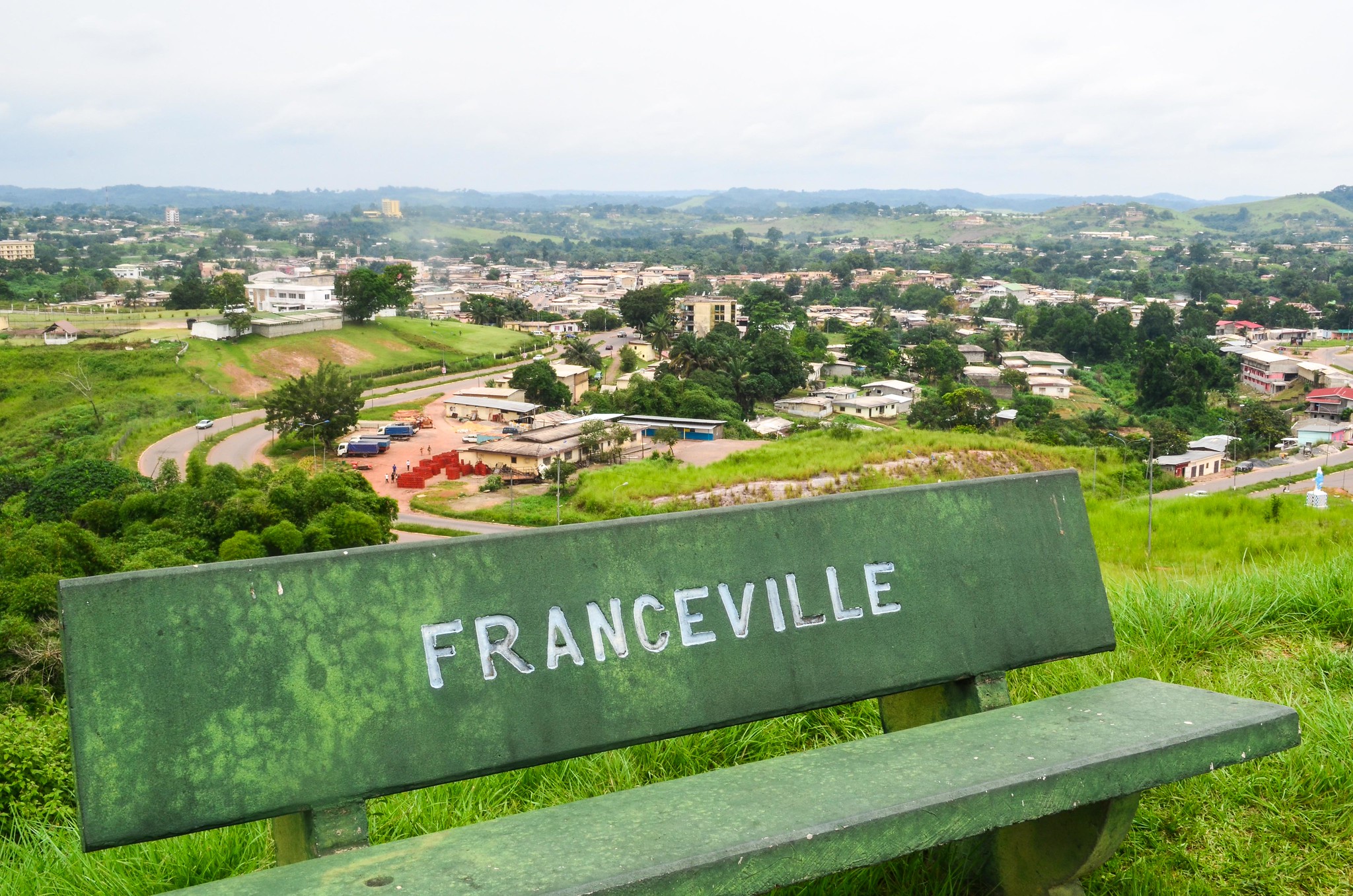
Franceville is a regional city in southeastern Gabon near the Republic of the Congo border, and it feels more inland and open than Libreville, with drier air at times and a landscape that mixes savannah pockets with forest edges. It works well as a base for seeing a different side of Gabon through quieter road travel, local markets, and short drives into surrounding countryside where you can observe how settlement and farming change away from the coast. The city itself is more functional than scenic, but it provides services and transport links that make inland routes easier to manage.
Most travelers reach Franceville by domestic flight or by long overland travel from the coast, and once there, a hired driver is often the most efficient way to explore nearby areas because public transport can be slow and irregular. Inland distances can be deceptive, with road conditions that vary and travel times that stretch beyond what maps suggest, especially after rain.
Oyem
Oyem is a northern Gabonese city near the Equatorial Guinea and Cameroon borders, functioning as a regional service and market center for surrounding agricultural areas. It’s not a sightseeing destination in the classic sense, but it can be a useful stop if you want to understand everyday life in northern Gabon through markets, transport activity, and the flow of produce from rural communities into town. The atmosphere is more local and practical than Libreville, and it also works as an overland junction if you are continuing toward border crossings or smaller forest towns. Most travelers reach Oyem by road from Libreville or from other northern routes, and travel times can be long because distances are large and road conditions vary, especially after rain.
Best Beaches and Coastal Destinations
Pointe Denis
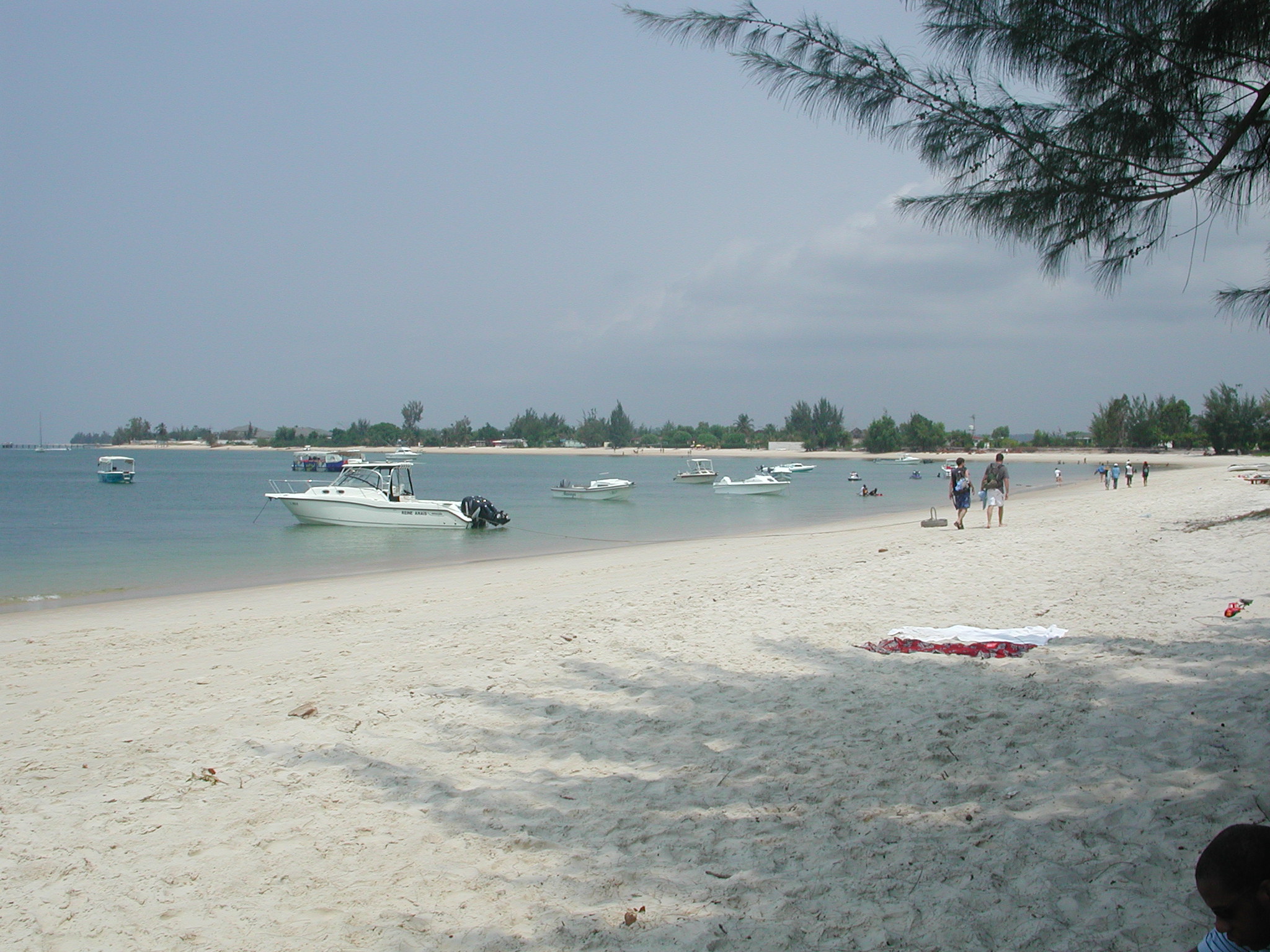
Pointe Denis is the most straightforward beach escape from Libreville, set on a narrow sand peninsula across the water with a white-sand shoreline and a quieter, island-like feel. Most visits are simple: beach walks, relaxed time by the ocean, and a short change of pace compared with the city, with a few lodges and small facilities rather than a big resort strip. It works well for a day trip or an overnight stay if you want beach time without committing to longer travel deeper into Gabon. Access is by boat from Libreville, and timing depends on the operator and weather, so it helps to confirm departures and return options before you leave the city.
Cap Esterias
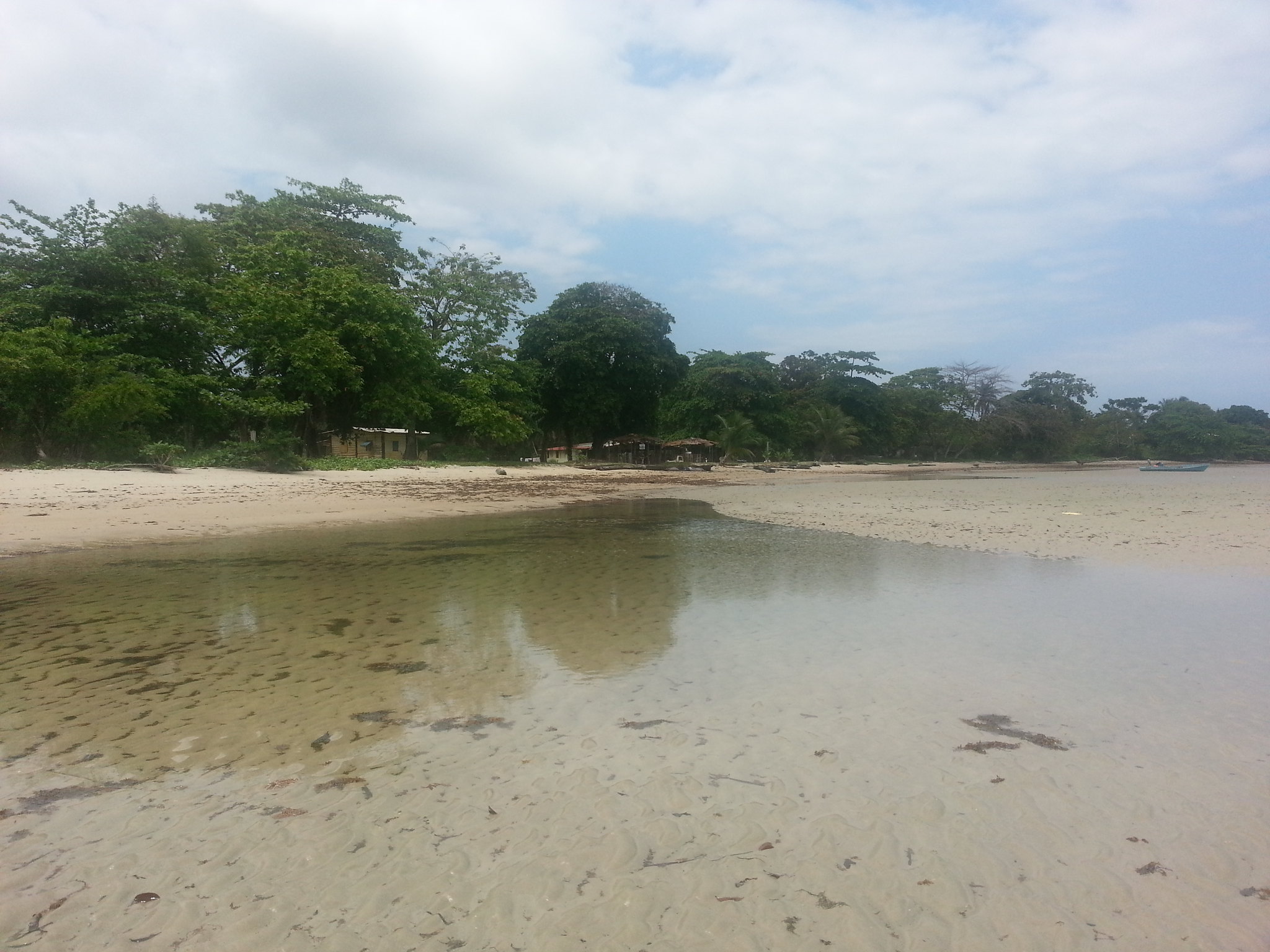
Cap Esterias is a coastal area north of Libreville that works well for a simple beach day with fewer crowds than the city waterfront. The shoreline feels more natural and less built up, and many visitors come for walking, picnics, and time by the ocean rather than for organized activities. It is also a common local weekend escape, so weekdays are usually quieter if you want more space.
Most people reach Cap Esterias by road from Libreville using a taxi or hired car, since it is easier than relying on infrequent transport and it lets you choose a less busy stretch of coast. Go early for cooler temperatures and better light, and if you plan to swim, ask locals about currents and safer spots because conditions can vary between beaches and can change after rain or stronger surf.
Pongara Beach
Pongara Beach sits within Pongara National Park near Libreville, mixing wide beaches, mangroves, and a strong sense of nature close to the capital. In season, parts of this coast are known for sea turtle nesting, and even outside nesting periods it is one of the best places near Libreville to feel the country’s wild coastline.
Practical tip: Treat this as a nature visit, not just a beach day. Bring insect protection for mangrove areas, and keep your walking routes conservative if you are unsure about tides or soft sand zones.
Port Gentil Coast
Port Gentil’s coast mixes city-adjacent beaches with quieter stretches where fishing activity and mangrove edges shape the scenery. It’s a good place for late afternoon walks, sunsets, and informal seafood spots where you can watch daily routines like boats landing, nets being sorted, and small markets forming near the shore. The coastline here is more about atmosphere and working coastal life than about a pristine resort setting, so it works best if you enjoy observing everyday rhythms and taking it slow.
Getting around is usually by taxi, and it’s easy to combine a coastal stop with markets or central neighborhoods in the same day. On urban beaches, keep valuables discreet and avoid leaving items unattended, especially when places get busier on weekends.
Best Natural Wonders and National Parks
Loango National Park
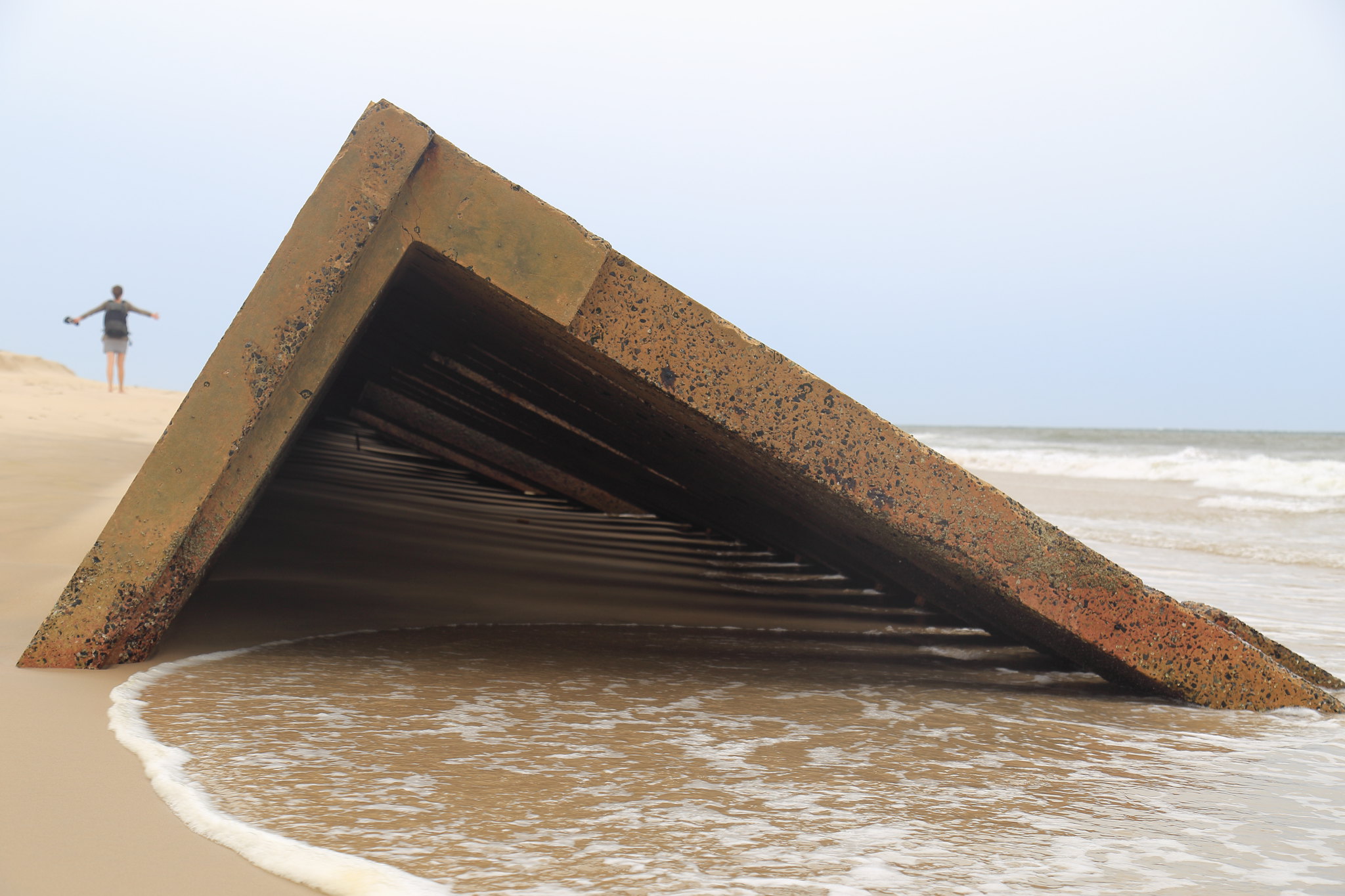
Loango National Park is on Gabon’s central west coast and is known for the way several habitats meet in a small area: coastal forest, open savannah patches, lagoons, and Atlantic beaches. That mix changes how you experience wildlife, because sightings can happen along lagoon edges and savannah tracks as well as in forest, and some animals are sometimes seen moving between inland habitats and the shoreline. Most visits are structured around guided 4×4 drives, boat outings on lagoons, and short forest walks, with timing influenced by tides and water levels as much as by distance.
Access is usually arranged through Port Gentil and then onward by boat, small aircraft, or lodge transfers depending on where you stay and current conditions, so it is not a park you “drop into” independently. Because transfers can be weather-dependent and schedules can shift, it makes sense to plan several days on site so you get enough time for multiple outings and do not lose the trip to logistics.
Ivindo National Park
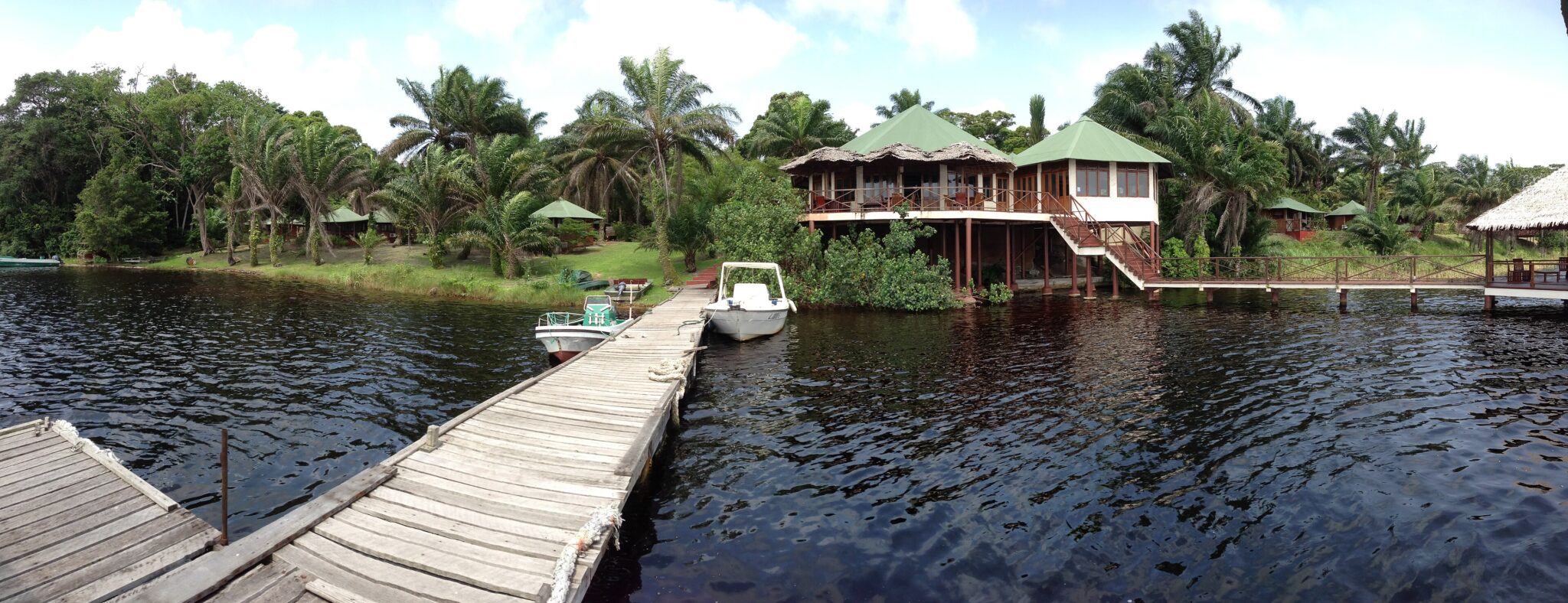
Ivindo National Park is in northeastern Gabon and is defined by dense rainforest and river systems, with travel often centered on the Ivindo River and its tributaries rather than on roads. The park’s best-known feature is Kongou Falls, but the larger experience is the combination of river travel, deep forest atmosphere, and biodiversity, where you may hear primates and forest birds more often than you see them clearly. Days here tend to be slow and focused on moving safely through water and forest, with time spent on boats, short forest walks, and waiting for the right light and conditions around rapids and waterfalls.
Access is usually organized and often involves reaching a regional hub such as Makokou, then continuing by boat with guides who understand currents, landing points, and local rules. Pack essentials in dry bags, expect persistent humidity and sudden rain, and protect cameras and phones from spray and condensation with waterproof cases and silica packs if you have them.
Lopé National Park
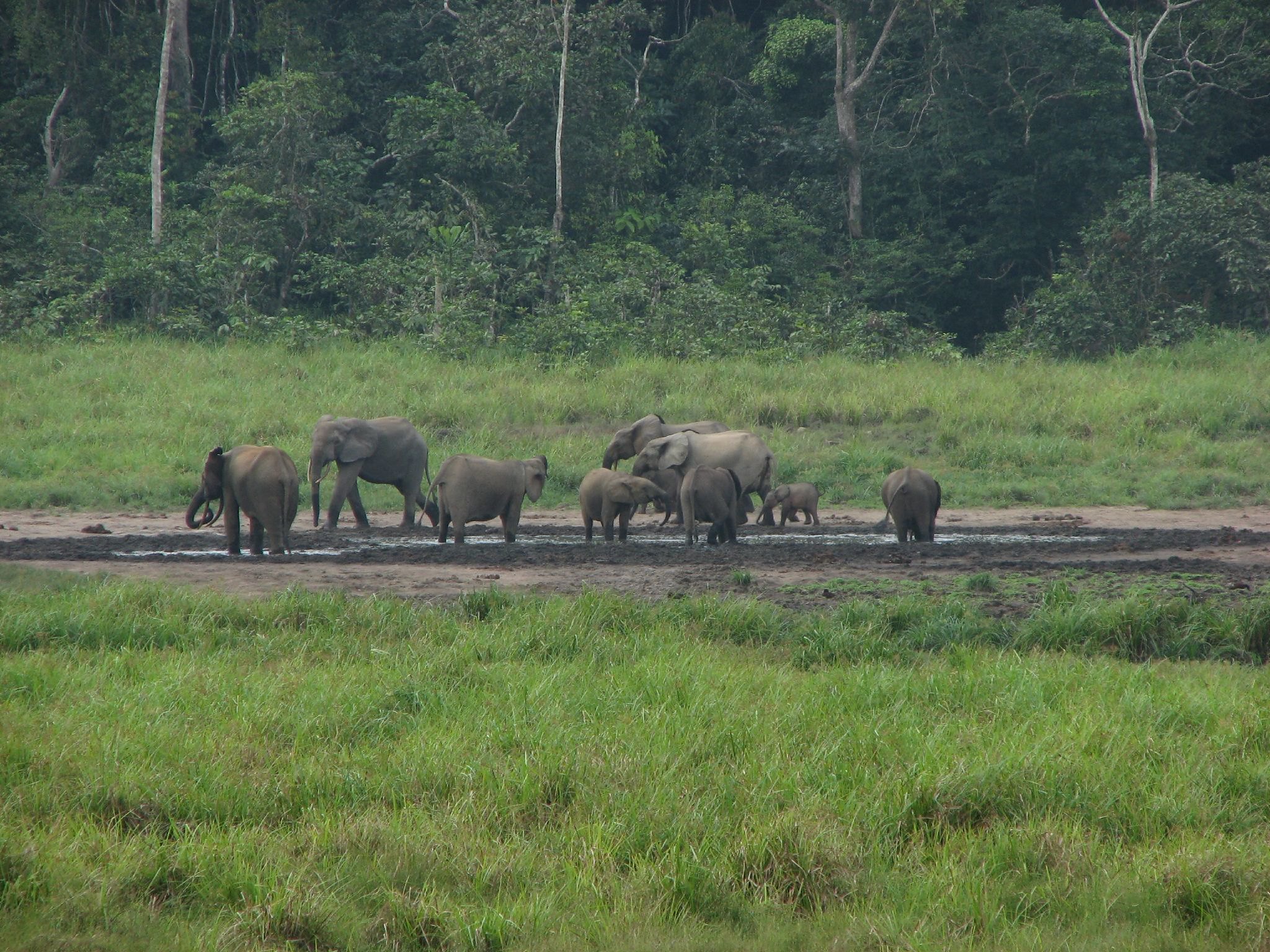
Lopé National Park sits in central Gabon and is known for its unusual mix of open savannah patches and forest, which makes the landscape feel more varied and can improve visibility compared with denser rainforest parks. Visits often combine guided drives across open areas with short walks at forest edges, plus time at cultural sites where you can see ancient rock engravings and learn how people used this region long before modern conservation. Because research activity has been present here for a long time, logistics can feel more structured than in more remote parks, with clearer access points and a higher chance of finding experienced guiding.
Most travelers reach Lopé by train or road from Libreville, then arrange park activities through lodges or local operators who handle permits, routes, and guides. If you want both wildlife and cultural context, plan at least two full days so you can separate game-focused outings from visits to viewpoints and engraving sites, which often take longer than expected.
Minkébé National Park
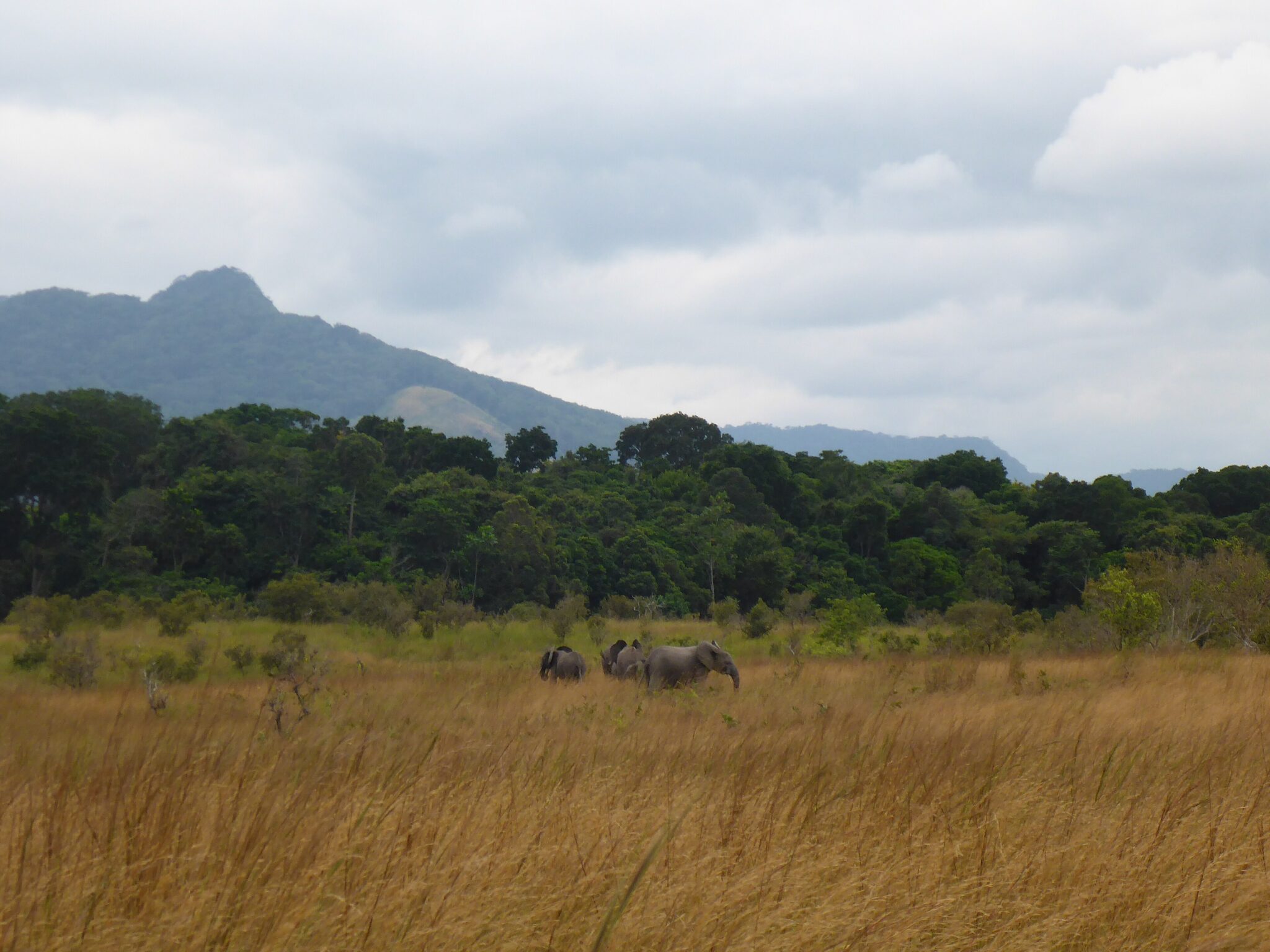
Minkébé National Park is in northeastern Gabon and is one of the country’s largest and most remote protected rainforest areas, valued mainly for conservation rather than for standard tourism. It protects vast forest landscapes that are important habitat for forest elephants and other wildlife, but the park has minimal visitor infrastructure, limited access routes, and long distances between any potential entry points and meaningful field areas. For most travelers, Minkébé is better understood as part of Gabon’s conservation story and scale, rather than as a realistic stop to “visit” in the same way as Loango or Lopé.
If you do explore the idea of going, treat it as an expedition requiring permits, specialized guiding, and careful logistics for transport, supplies, communications, and emergency plans. Be cautious of anyone offering an “easy” Minkébé trip, since conditions are remote, weather can disrupt access, and basic services are not available once you leave regional towns.
Akanda National Park
Akanda National Park lies just outside Libreville and protects a coastal wetland system of mangroves, lagoons, and mudflats that is best experienced as a quiet half-day or day trip. The main draw is birdlife, with mornings often offering the best activity, plus a chance to see how tides shape feeding areas on mudflats and channels. It is less about hiking and more about observation from tracks, viewpoints, and, in some cases, short boat outings depending on current access.
Plan around tides and time of day, since mudflat visibility and access change as water levels rise and fall, and bird activity is generally stronger in cooler morning hours. Most visits are arranged with a driver and, if possible, a guide who knows which areas are reachable that day and where birds are most active.
Ogooué River
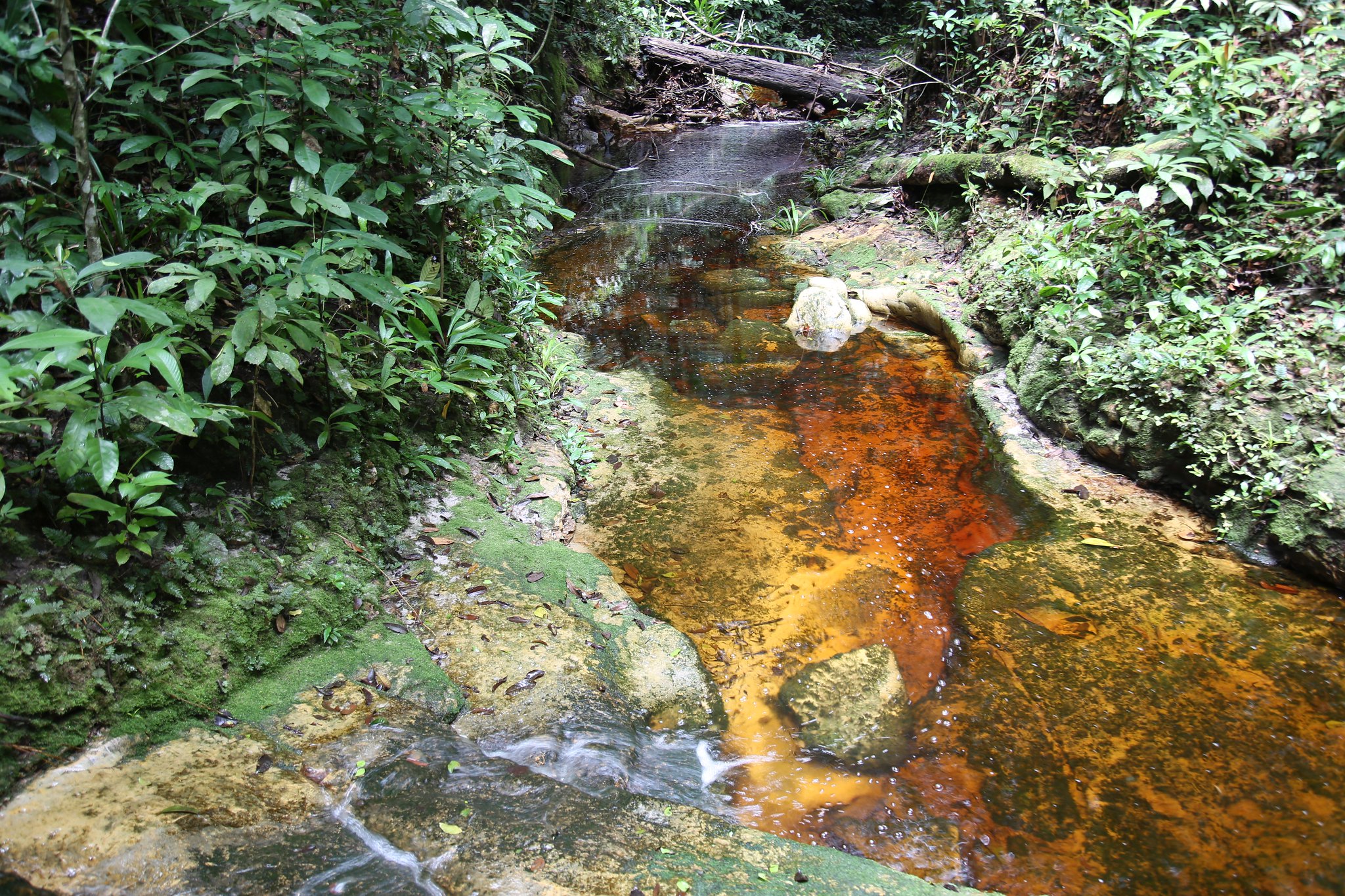
The Ogooué River is Gabon’s main river system and a practical corridor for reaching forest and wetland landscapes that are hard to access by road. River travel often focuses on slow movement past fishing camps and villages, with chances to spot birds and other wildlife along the banks depending on the region and season, while also giving a clear sense of how transport and daily life depend on water routes. Even a short boat outing can feel remote because the forest closes in quickly and the riverbanks are densely vegetated.
For safety, use reliable operators and a boat that looks well maintained, and ask directly about life jackets before you leave. Keep trips to daylight hours, avoid storms and strong winds, and do not push late returns when visibility drops and river hazards are harder to read.
Ngounié Region
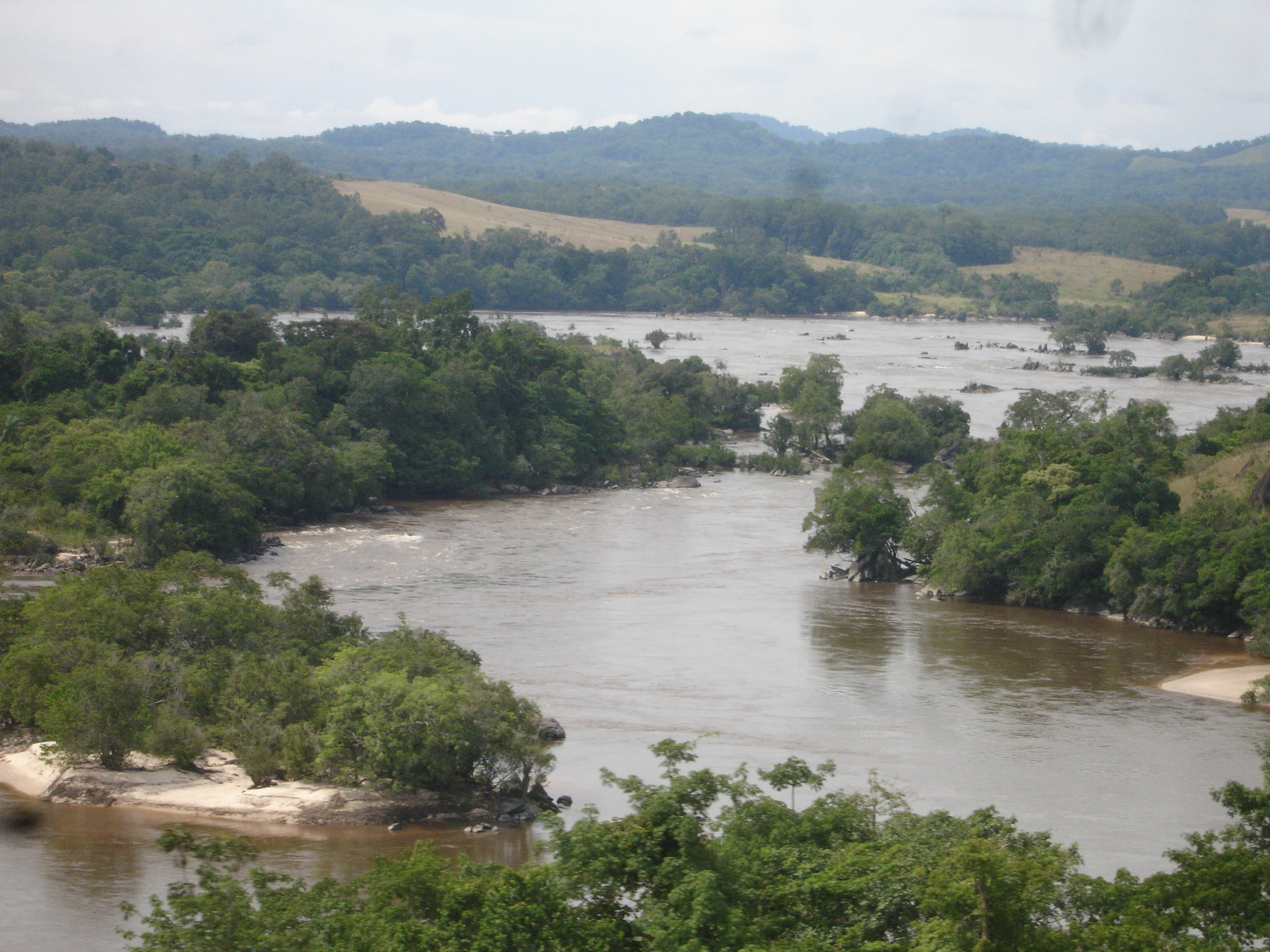
Ngounié is a forested region in southern-central Gabon where the experience is more about moving through rivers, small towns, and village landscapes than about visiting a single headline attraction. Travel here tends to be slow and local, with roadside markets, farming areas, and river crossings that show how communities live and move in a low-tourism part of the country. It suits travelers who want quiet nature and everyday countryside, and it works best if you are comfortable with flexible plans and long stretches without “tourist” infrastructure.
Expect simple services and occasional gaps in power and connectivity, especially once you leave the main towns. Carry a headlamp, charge devices whenever you have the chance, and keep offline maps and notes so you are not dependent on signal.
Nyanga Region
Nyanga is Gabon’s southernmost region and is useful if you want a broader mix of landscapes than the central rainforest parks, with Atlantic coastline, river mouths, inland forest, and occasional savannah-like openings. It tends to feel less traveled, so the interest is often in the route itself: small towns, coastal fishing areas, and long stretches of scenery where you see how settlement and daily life change between the coast and the interior. Cultural sites and local traditions can be part of the experience, but they are usually visited through local contacts rather than through formal visitor centers.
Nyanga works best as part of a longer southbound itinerary rather than a quick out-and-back from Libreville, because distances are large and road conditions can slow travel. Keep your schedule flexible, plan shorter driving days, and avoid packing too many stops into one day, especially in wet periods when delays are common.
Best Cultural and Historical Sites
St. Michael’s Cathedral
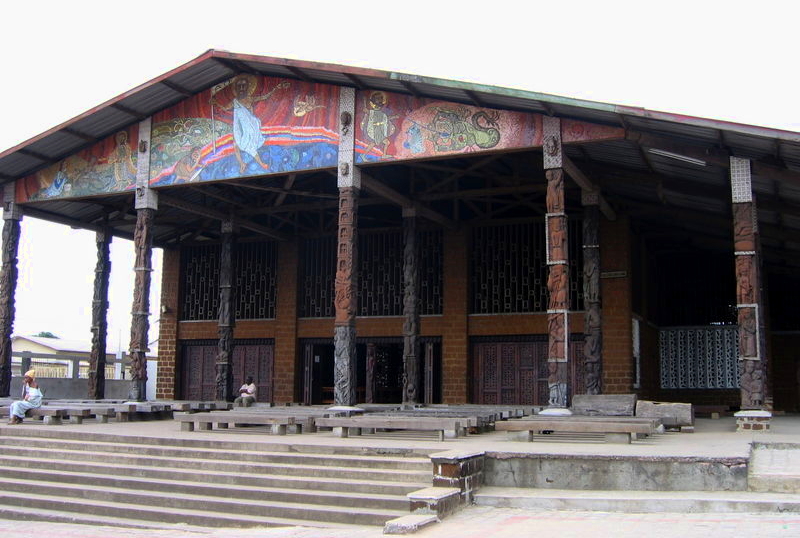
St. Michael’s Cathedral in Libreville is known for its distinctive wooden structure and carved decorative panels, which make it a useful stop for understanding local craftsmanship and how church architecture was adapted to regional materials. It’s typically a short visit that works well as part of a city walk, and it helps you see a different side of Libreville beyond waterfront areas and government districts. If you go inside, dress modestly and keep your behavior low key, especially if there are services or community gatherings. Be discreet with photography, avoid using flash, and ask before photographing people or any areas that appear to be in active use for worship.
National Museum of Arts and Traditions
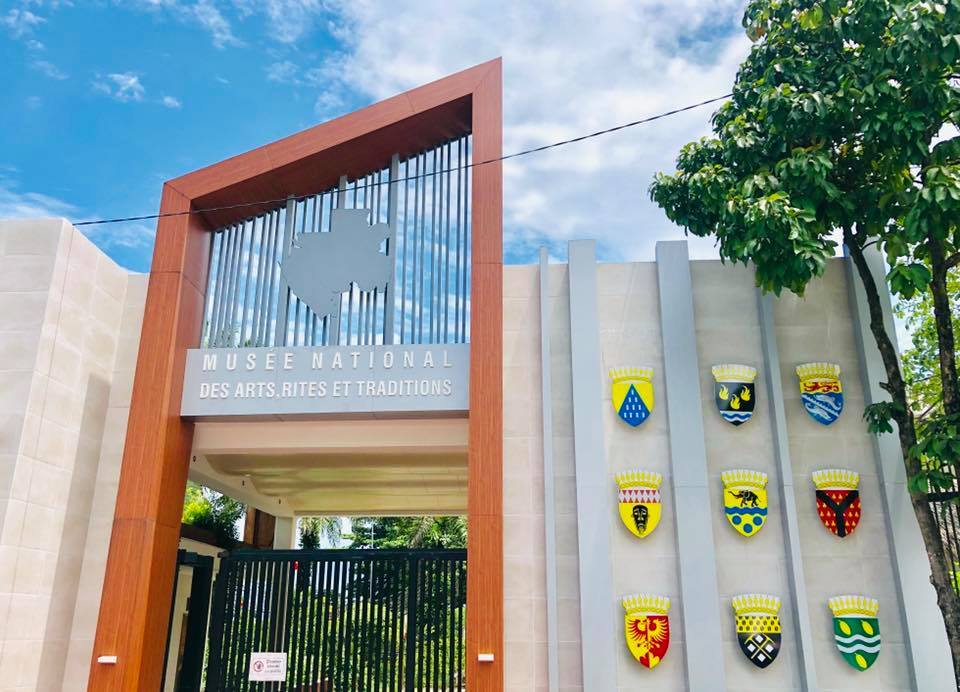
The National Museum of Arts and Traditions in Libreville is one of the most useful cultural stops in Gabon because it introduces masks, ritual objects, and craft traditions from across the country in a way that gives clear context before you travel outside the capital. Seeing these collections first helps you recognize recurring motifs, materials, and regional styles later, whether you are visiting markets, craft workshops, or rural communities where objects are still used in ceremonies and social life. It works best early in your trip, ideally in the first day or two, so you have a stronger frame of reference for what you see afterward, especially in Fang areas and forest regions.
Hidden Gems of Gabon
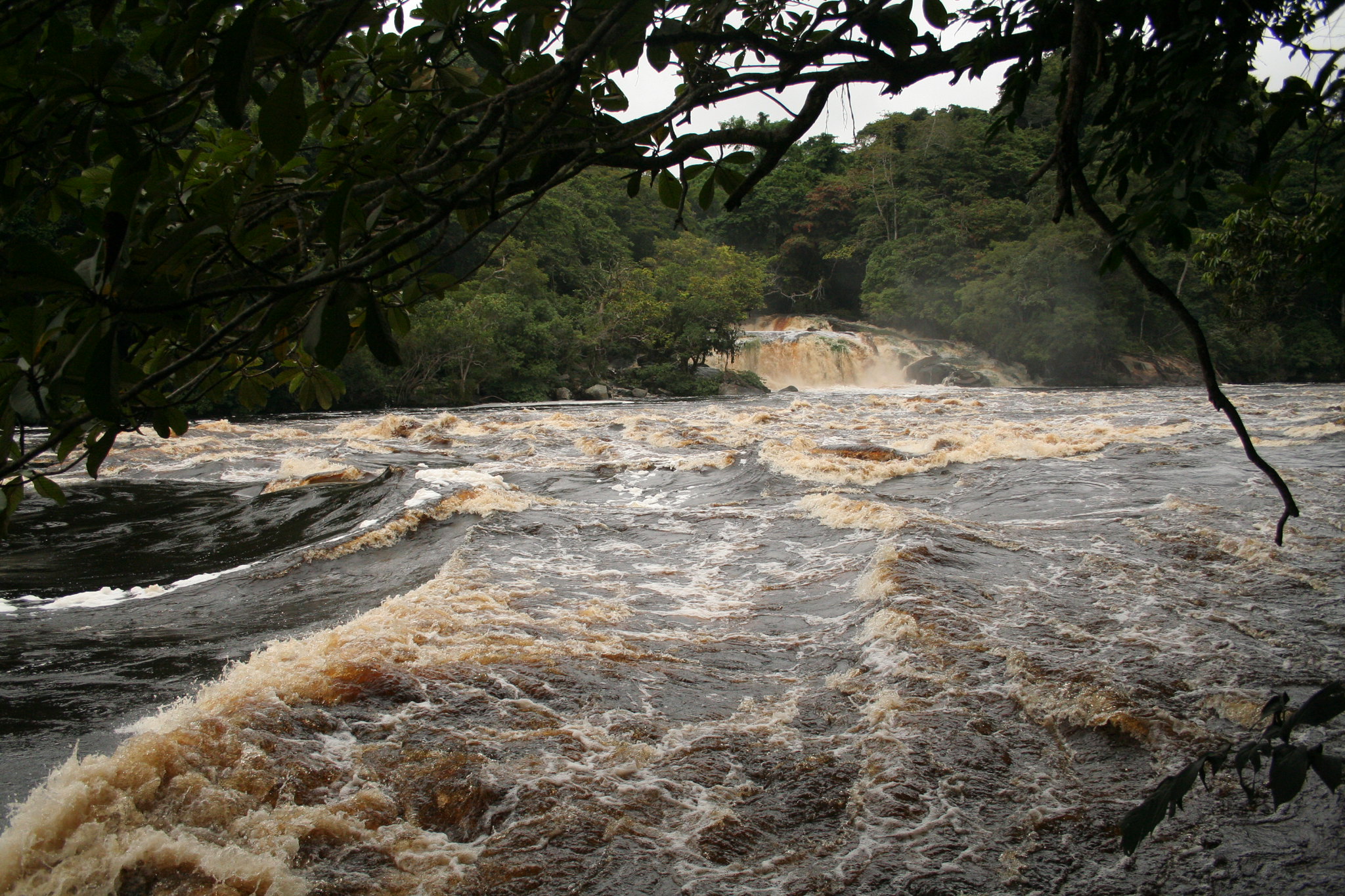
Kongou Falls
Kongou Falls is located in Ivindo National Park in northeastern Gabon and is reached mainly by river, not by road. Most visits start from a hub such as Makokou, then continue by boat along the Ivindo River with guides who know safe channels, landing points, and current access rules. The falls are best understood as a river feature on a large scale, so the experience usually involves time on the water, short walks from landings, and waiting for the right conditions to approach viewpoints safely, with routes and timing shaped by water levels and season.
Because access is coordinated and conditions can change quickly, it is important to arrange the trip in advance through a reputable local operator or park-linked guide. Bring waterproof storage for phones, documents, and cameras, since spray and sudden rain are common, and expect wet landings and muddy banks rather than dry trails.
Lambaréné
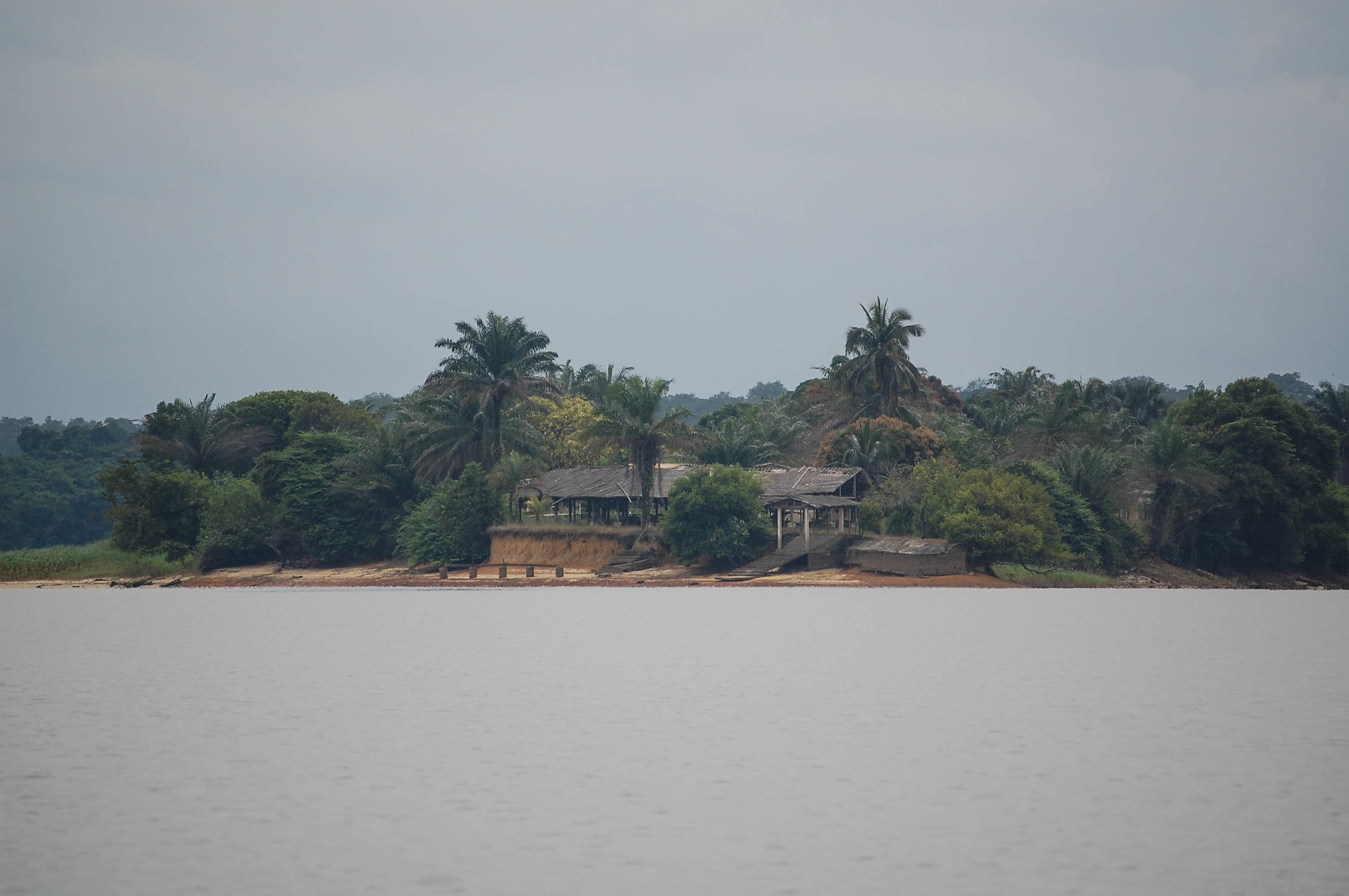
Lambaréné is a river town on the Ogooué that is best known for the historic hospital associated with Albert Schweitzer and for its role as a practical base for river travel. The town’s everyday life is closely tied to the water, so the most informative time is often spent around boat landings and markets where fish and produce move in from nearby villages. A visit to the hospital museum area can add historical context, but most travelers come mainly to use Lambaréné as a hub for seeing the river landscape.
Boat outings are the main highlight and can range from short trips along the riverbanks to longer excursions into channels and backwaters where you get a better sense of settlement patterns and wetland ecology. If your schedule allows, staying two nights usually works best, since one day often goes to arriving, sorting arrangements, and confirming operators, and the next day can be dedicated to a proper outing.
Mayumba National Park
Mayumba National Park is in southern Gabon on a long, narrow strip of coastline where the main experience is walking vast, largely empty beaches and seeing how ocean and lagoon environments shape wildlife and local movement. In the right season it is known for sea turtle nesting, and even outside that period the setting is still strong for coastal nature, with minimal development and a sense of distance from the busier parts of Gabon. Visits are usually organized through local guides or lodges, and the pace tends to be slow, focused on time outdoors rather than on a list of attractions.
If turtles are a priority, plan your timing around the nesting months, but keep expectations flexible and avoid building your entire itinerary around a single wildlife moment. Weather, surf, and access conditions can affect what is visible on any given day, and some activities may be postponed if conditions are unsafe.
Tchibanga
Tchibanga is a southern Gabonese town that works well as a practical base for seeing a less visited side of the country, with access to open landscapes, small farming areas, and routes that link inland savannah patches with coastal ecosystems. The town itself is mainly functional, so the most rewarding experiences usually come from short trips outside the center and time in local markets where you can observe everyday trade and food culture without a tourism overlay. It suits travelers who prefer slower, local travel and are comfortable with limited services.
Small-town travel is easier when you arrive prepared. Carry enough cash for several days, keep copies of key documents, and have your accommodation and onward transport plan settled before you get to town, since options can be limited and schedules can shift.
Travel Tips for Gabon
Safety and General Advice
Gabon is one of the most stable and peaceful countries in Central Africa, offering visitors a calm and welcoming atmosphere. However, travel outside major cities such as Libreville or Port-Gentil requires advance planning due to long distances, limited infrastructure, and dense rainforest terrain. For excursions into national parks or forest regions, it is best to hire a licensed local guide, both for navigation and safety.
Health and Vaccinations
A yellow fever vaccination is required for entry, and malaria prophylaxis is strongly recommended for all travelers. Tap water is not safe to drink, so rely on bottled or filtered water. Pack mosquito repellent, sunscreen, and a small first-aid kit, especially if exploring remote areas. Comprehensive travel insurance with medical evacuation coverage is essential, as healthcare facilities outside Libreville are limited.
Car Rental and Driving
Driving in Gabon is on the right-hand side of the road. Roads near Libreville and Port-Gentil are mostly paved, but beyond the cities, surfaces can quickly deteriorate. A 4×4 vehicle is essential for reaching national parks, rural communities, or forested regions. Self-driving is possible in urban areas, but conditions in the countryside can be challenging, making hiring a driver a safer and more convenient option. An International Driving Permit is required alongside your national driver’s license, and all documents should be carried at checkpoints, which are routine along intercity and regional routes.

Published January 11, 2026 • 17m to read