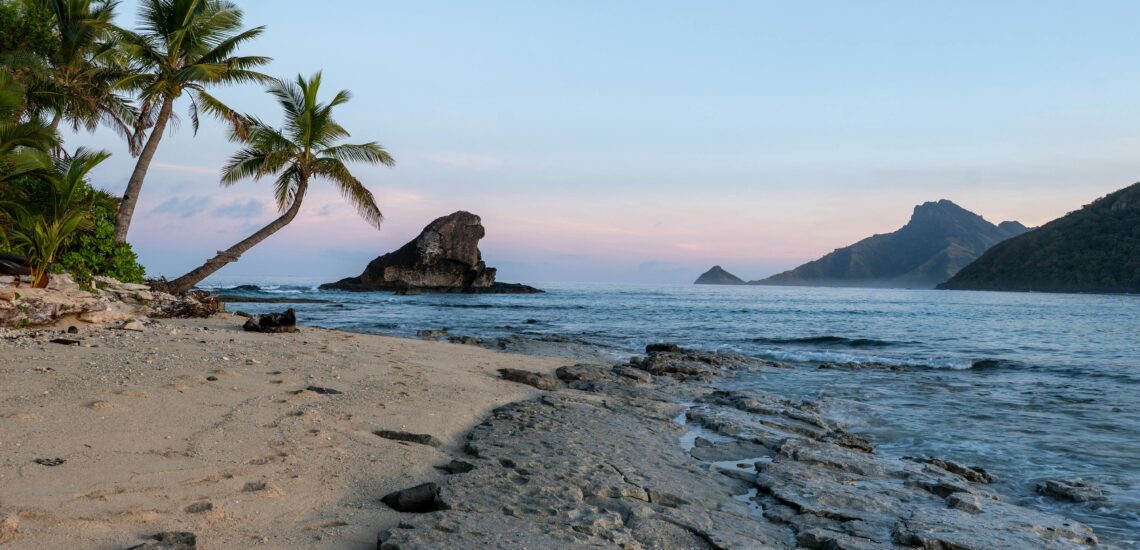


Fiji, an archipelago of more than 330 islands in the South Pacific, is world-famous for its turquoise lagoons, palm-fringed beaches, lush rainforests, coral reefs, and warm Fijian hospitality. It’s a destination where you can find both luxury resorts and remote, traditional villages, making it ideal for honeymooners, divers, families, backpackers, and cultural travelers alike.
Best Islands
Viti Levu
Viti Levu is Fiji’s main island and the country’s transport hub, with the international airport in Nadi and the capital Suva on the opposite coast. Nadi is the entry point for most visitors, with Hindu temples, craft markets, and day trips to nearby islands. Denarau Island, just outside Nadi, is a resort area with hotels, golf, and marinas for cruises.
The Coral Coast stretches along the south and offers beaches, the Sigatoka Sand Dunes National Park, and cultural villages. Pacific Harbour, further east, is the base for adventure sports, including shark diving, rafting, and ziplines. Suva is the largest city, known for its markets, colonial-era buildings, and the Fiji Museum. Viti Levu is easy to explore by car or bus, with roads linking the main towns. The dry season from May to October is the most comfortable time for travel.

Vanua Levu
Vanua Levu is Fiji’s second-largest island, less developed than Viti Levu and known for its slower pace. The main town, Savusavu, sits on a sheltered bay and is popular for diving, natural hot springs, and short hikes to nearby waterfalls. The island is also home to pearl farms and eco-resorts that focus on sustainability and community tourism. Village visits give a closer look at daily life and traditions, often combined with kava ceremonies and meals with local families. Vanua Levu is reached by domestic flights from Nadi or Suva, or by ferry from Viti Levu.
Best Island Groups
Mamanuca Islands
The Mamanucas are a chain of small islands just off Nadi, making them the easiest Fiji islands to reach. They are known for calm lagoons, coral reefs, and resorts that range from budget-friendly to luxury. Popular stops include Castaway, Tokoriki, and Beachcomber Island, each offering beaches and water sports.
Snorkeling and paddleboarding are the main activities, with clear water and plenty of marine life. One of the highlights is Cloud 9, a floating bar and pizzeria set in the middle of the lagoon. The islands are reached by boat transfers from Denarau Marina, usually under an hour.
Yasawa Islands
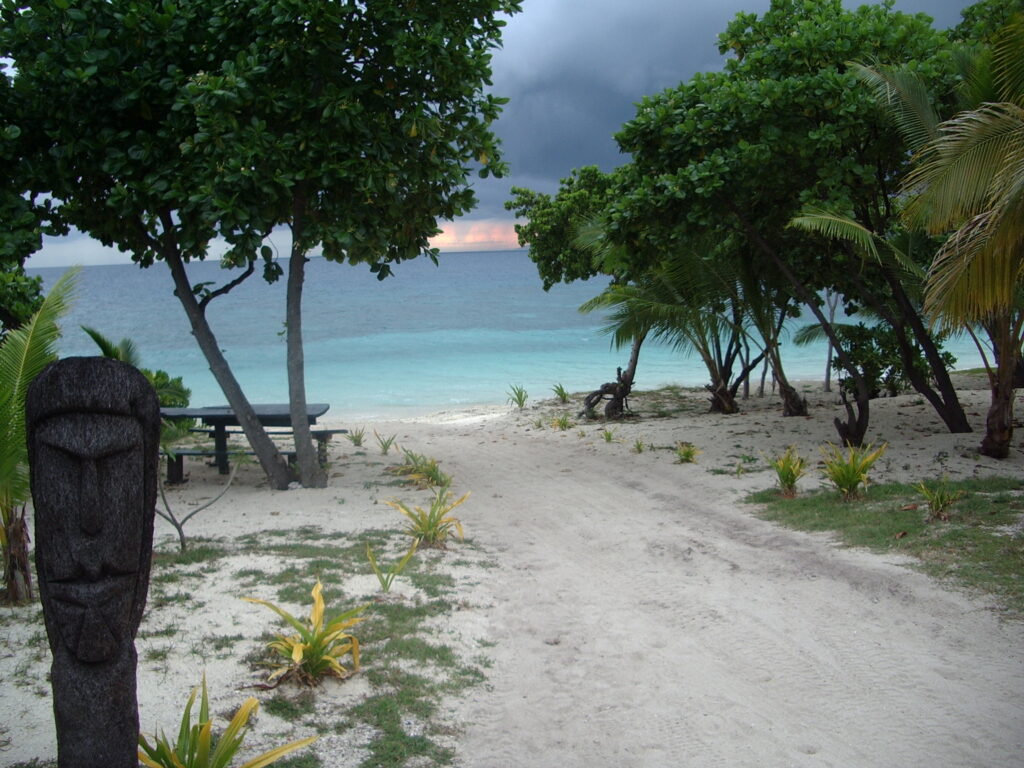
The Yasawa Islands lie north of the Mamanucas and are more remote, with fewer resorts and a stronger focus on natural beauty. Highlights include Nacula Island and the Blue Lagoon for swimming and snorkeling, and Drawaqa Island, where manta rays gather in season. Limestone caves can be explored on guided trips, and inland trails lead to viewpoints over the lagoons.
Accommodation ranges from simple lodges to boutique eco-resorts, making the Yasawas popular with backpackers and travelers looking for seclusion. Access is by high-speed catamaran from Denarau, small plane, or charter boat.
Taveuni
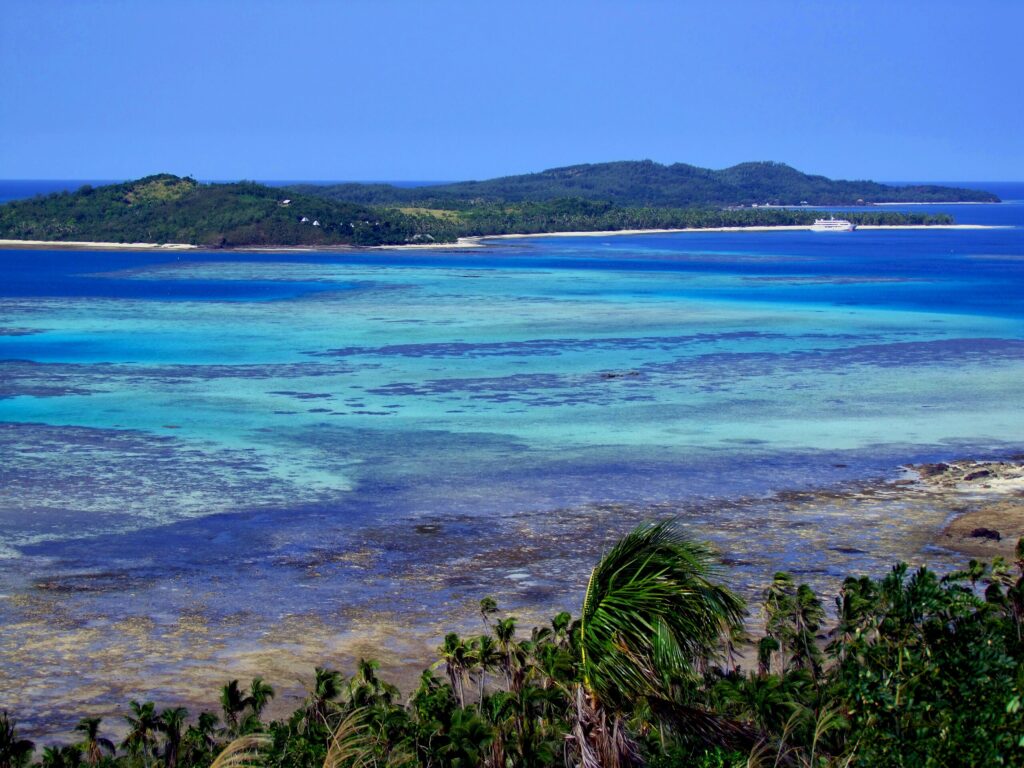
Taveuni, known as Fiji’s Garden Island, is covered in rainforest and is the best place for hiking and waterfalls. Bouma National Heritage Park protects much of the island, with trails leading to the three Tavoro Waterfalls, where you can swim in natural pools. Offshore, the Rainbow Reef and the Great White Wall are world-class dive sites with vibrant coral and strong currents that attract divers from around the world.
Another unique stop is the 180° Meridian Line, where you can stand between two calendar days. Taveuni is reached by domestic flights from Nadi or Suva, or by ferry from Vanua Levu.
Kadavu
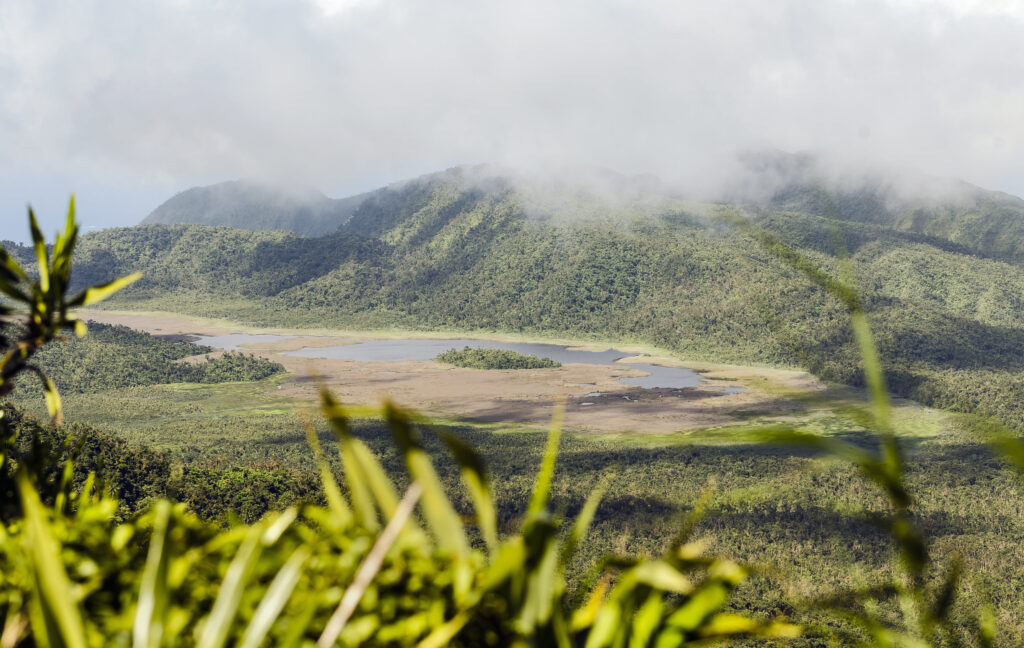
Kadavu is one of Fiji’s most untouched islands, known for its rugged terrain and traditional villages. Its biggest draw is the Great Astrolabe Reef, one of the largest barrier reefs in the world and a top destination for diving, with manta rays, sharks, and colorful coral. On land, the island is good for birdwatching and hiking, with forest trails leading to waterfalls and coastal viewpoints.
Village stays are common here, giving visitors a chance to join daily life, eat home-cooked meals, and take part in cultural traditions. Kadavu is reached by domestic flights from Nadi or Suva, or by boat from Viti Levu.
Best Natural Attractions
Sigatoka Sand Dunes National Park (Viti Levu)
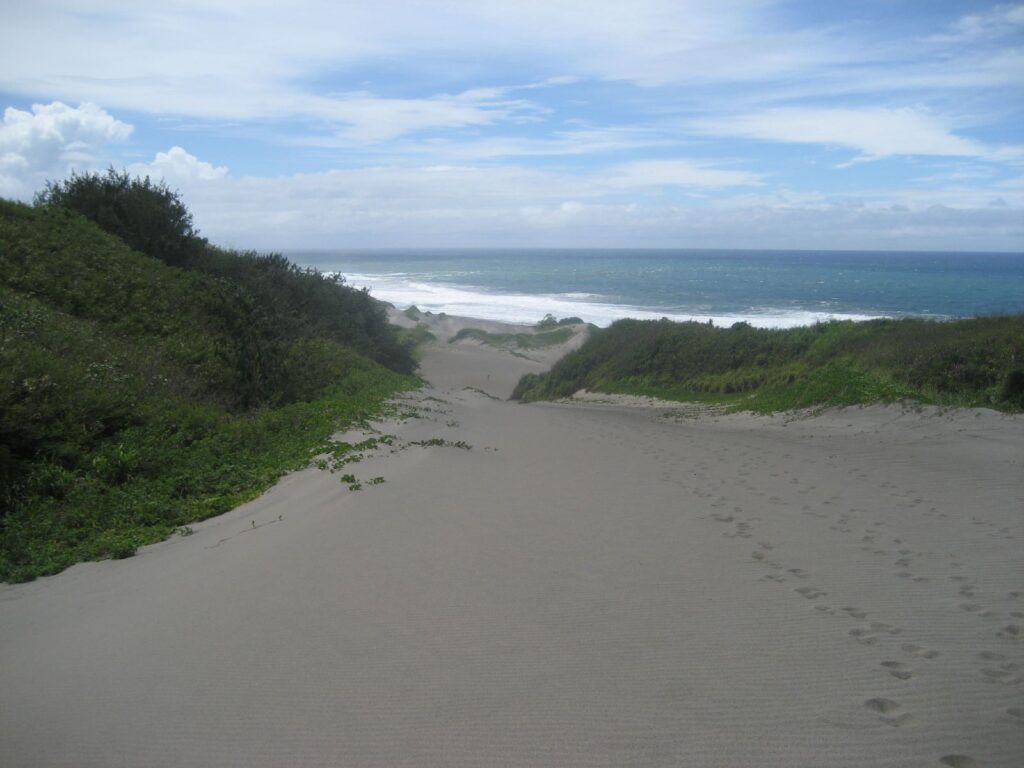
Sigatoka Sand Dunes National Park protects a stretch of coastal dunes shaped by wind over thousands of years. Trails lead across the ridges, with views of the ocean and the Sigatoka River valley. Archaeological sites within the park have revealed Lapita pottery and ancient burial grounds, making it both a natural and cultural landmark. The park is located on Viti Levu’s Coral Coast, about an hour’s drive from Nadi or Suva. Visits usually take a few hours, with marked walking routes of different lengths.
Sabeto Hot Springs & Mud Pool (Nadi)
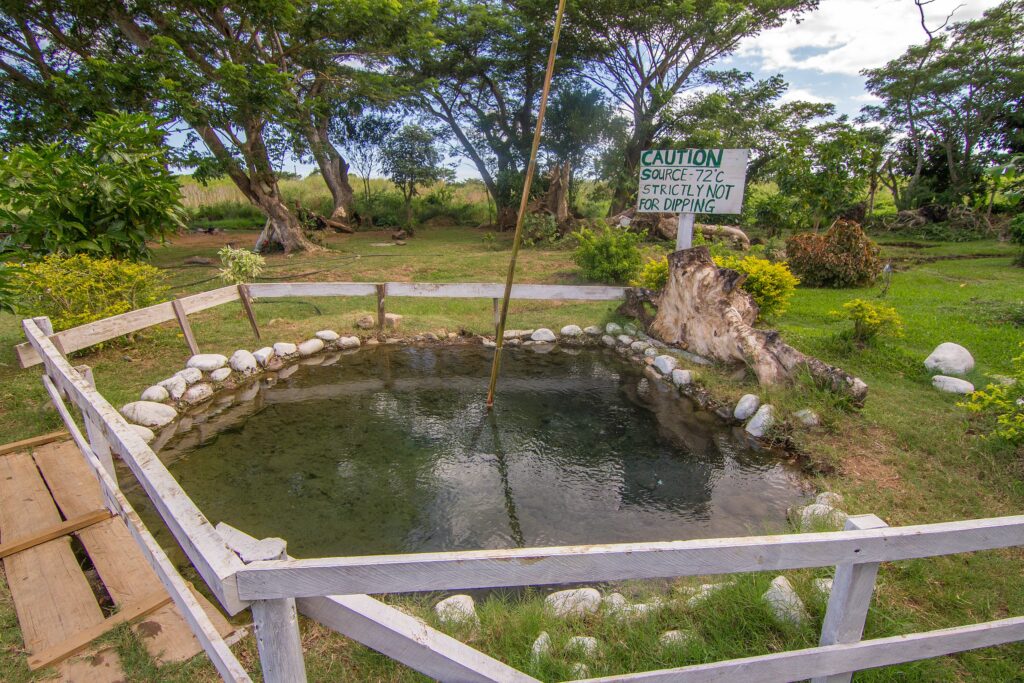
The Sabeto Hot Springs and Mud Pool are a popular stop near Nadi, where visitors can cover themselves in volcanic mud before rinsing off in a series of natural hot pools. The experience is simple but memorable, combining relaxation with views of the nearby Sleeping Giant mountain range. The springs are about a 20-minute drive from Nadi town or the airport, often visited together with the Garden of the Sleeping Giant nearby.
Tavoro Waterfalls (Taveuni)
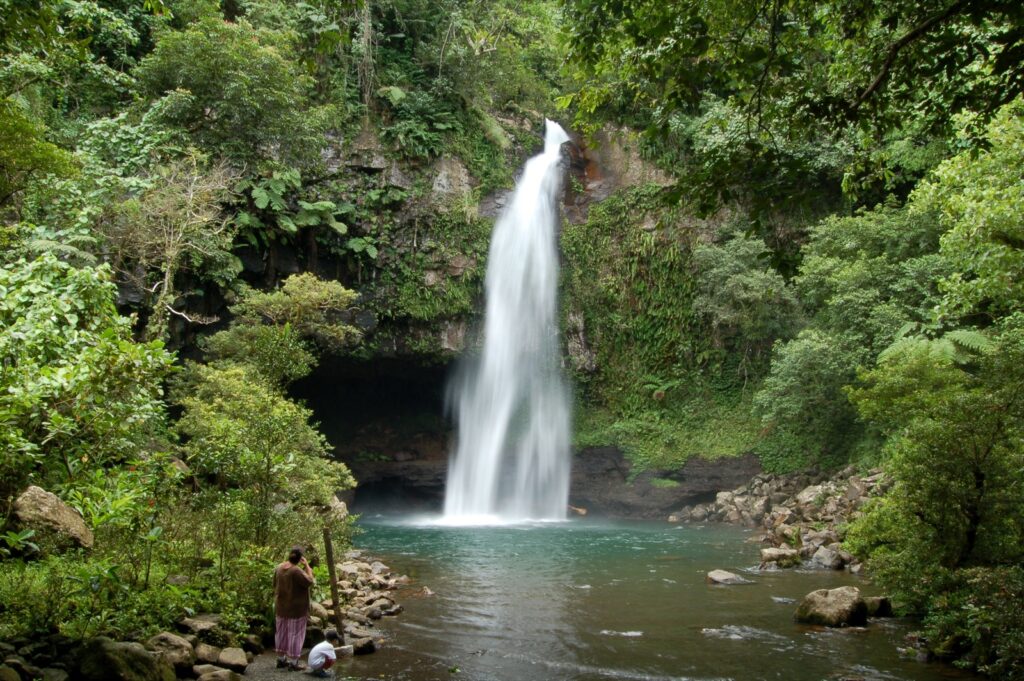
The Tavoro Waterfalls are the main attraction of Bouma National Heritage Park, a series of three cascades linked by rainforest trails. The first fall is the easiest to reach and has a large pool for swimming, while the second and third require longer hikes but reward visitors with quieter spots surrounded by dense jungle. The park is located on Taveuni’s eastern side, and local guides are available at the entrance to lead walks and share knowledge of plants and wildlife.
Waisali Rainforest Reserve (Vanua Levu)
Waisali Rainforest Reserve is a protected area in the highlands of Vanua Levu, known for its dense jungle and rich biodiversity. Walking trails loop through ferns, orchids, and giant trees, with chances to spot rare birds such as the silktail, which is found only in Fiji. The reserve is about an hour’s drive from Savusavu, making it an easy half-day trip. Local caretakers maintain the paths and often act as guides.
Hidden Gems of Fiji
Levuka (Ovalau Island)
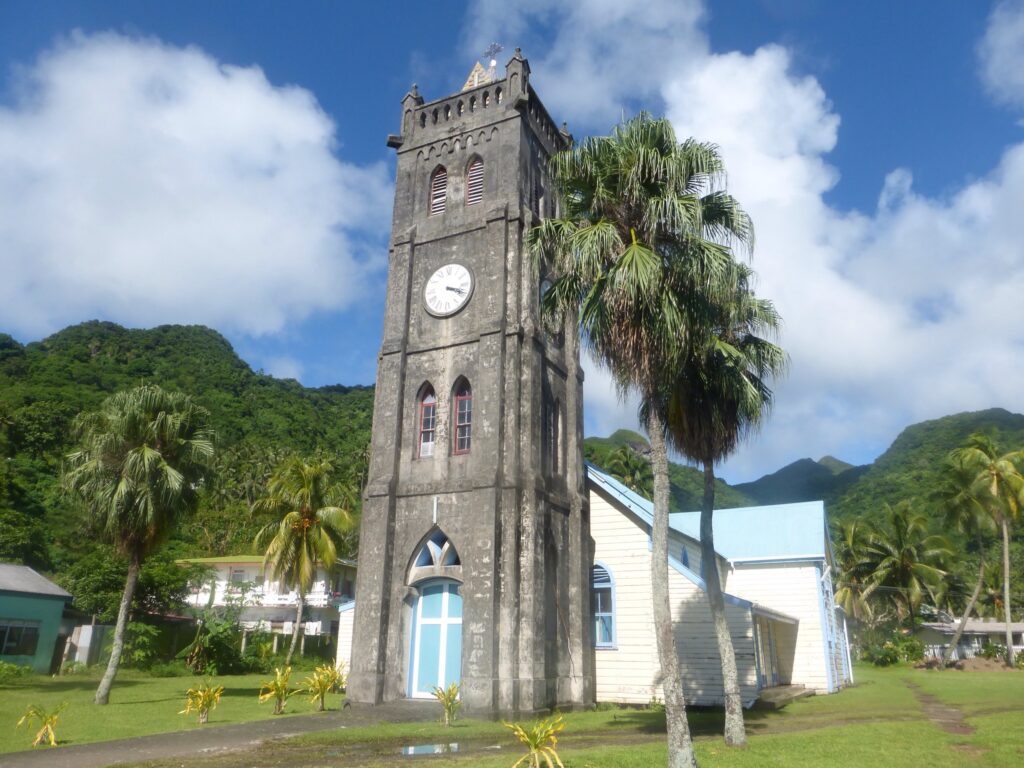
Levuka is Fiji’s first capital and today a UNESCO World Heritage Site, known for preserving the look and feel of a 19th-century port town. Walking through its streets, you’ll see wooden shops, churches, and civic buildings that reflect the era when traders and missionaries first settled here. Several historic sites are marked around town, and short trails into the hills give panoramic views over the coastline and rooftops.
The town is small and easy to explore on foot, with chances to meet locals and learn about its unique role in Fiji’s colonial history. Ovalau is reached by a short domestic flight from Suva or by ferry from the main island of Viti Levu.
Lake Tagimoucia (Taveuni)
Lake Tagimoucia lies high in Taveuni’s mountains and is the only place in the world where the rare Tagimoucia flower grows. The trek to the lake passes through rainforest and steep terrain, making it a challenging but rewarding hike. When in bloom, usually from October to January, the red-and-white flowers are a highlight for nature lovers and photographers.
The lake is reached with the help of local guides, who lead full-day hikes from nearby villages. Good footwear and fitness are needed, as the trail can be muddy and steep.
Rabi Island
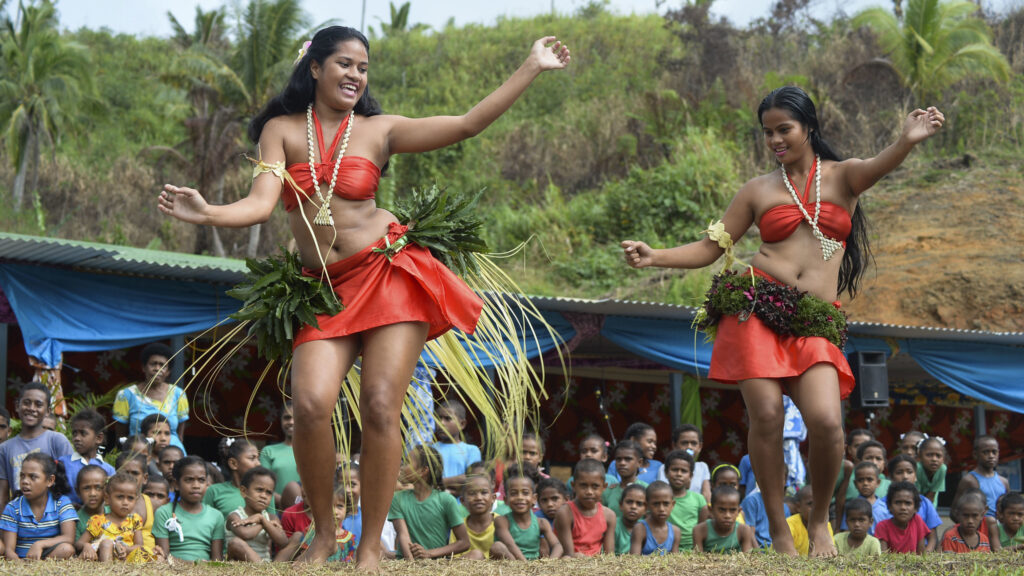
Rabi Island is home to the Banaban people, who were relocated here from Kiribati in the mid-20th century. Their culture remains distinct, with dances, songs, and ceremonies that differ from Fijian traditions. Visitors can join village gatherings, watch performances, and learn about the Banabans’ history of resilience and adaptation. The island is reached by boat from Savusavu or Taveuni, with limited transport options that make planning essential.
Beqa Island
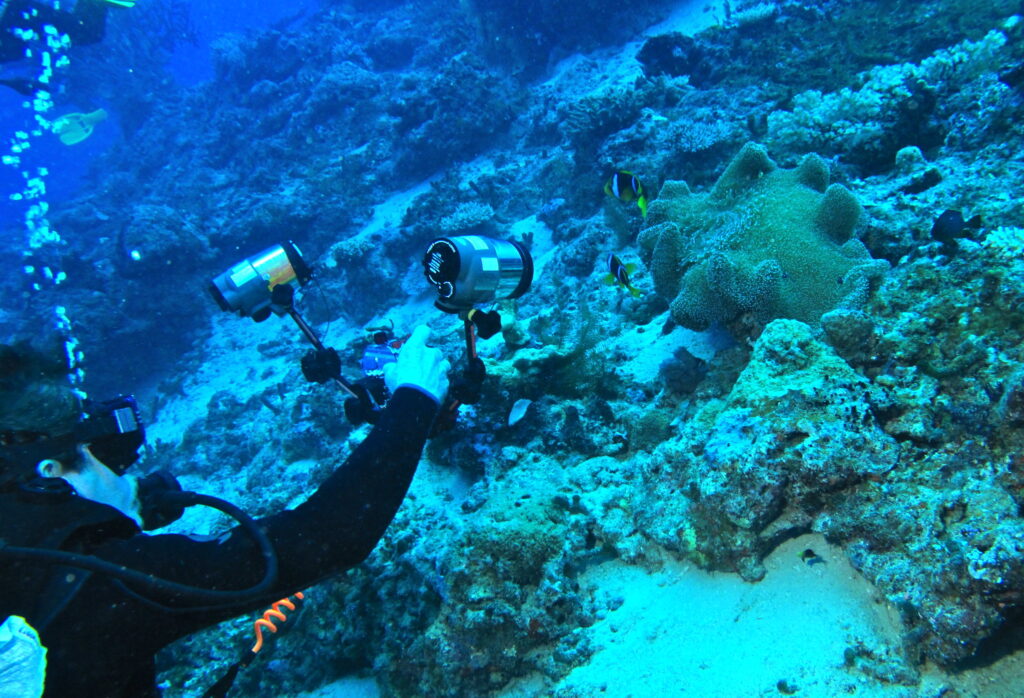
Beqa Island is best known for shark diving, with operators offering close encounters with bull sharks and other species in the surrounding lagoon. Dives here are done without cages, making it one of the most intense underwater experiences in Fiji. On land, the island is the birthplace of traditional firewalking, a ceremony where villagers walk barefoot across hot stones – a practice unique to Beqa and still performed for visitors today. The island is about a 45-minute boat ride from Pacific Harbour on Viti Levu. Many visitors come on day trips, though village stays and small resorts are available for longer visits.
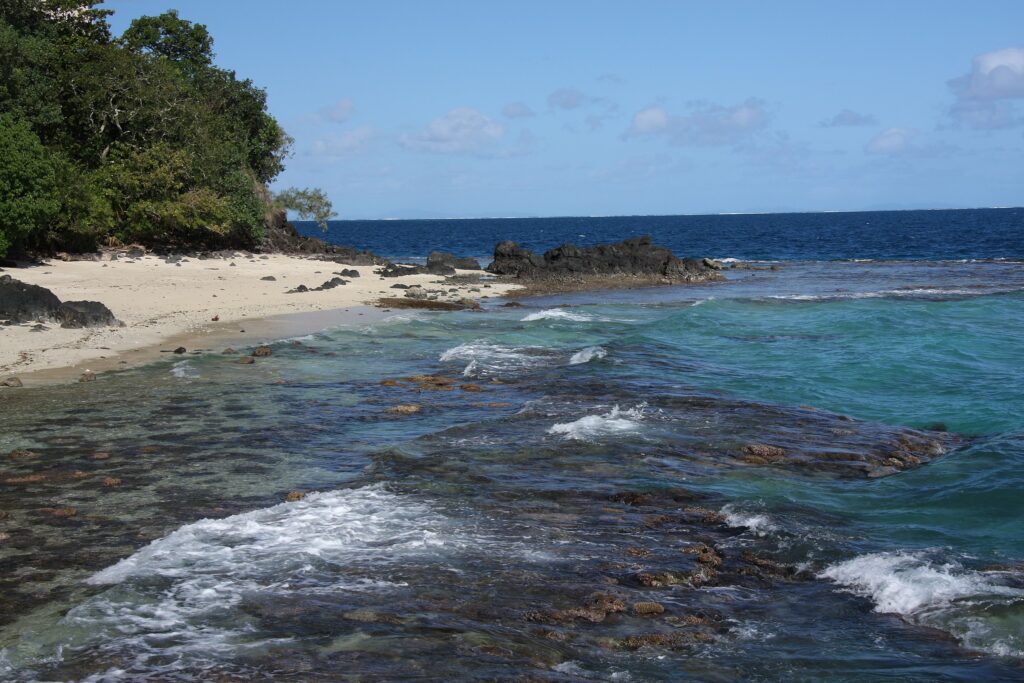
Lau Group (Fulaga & Moala)
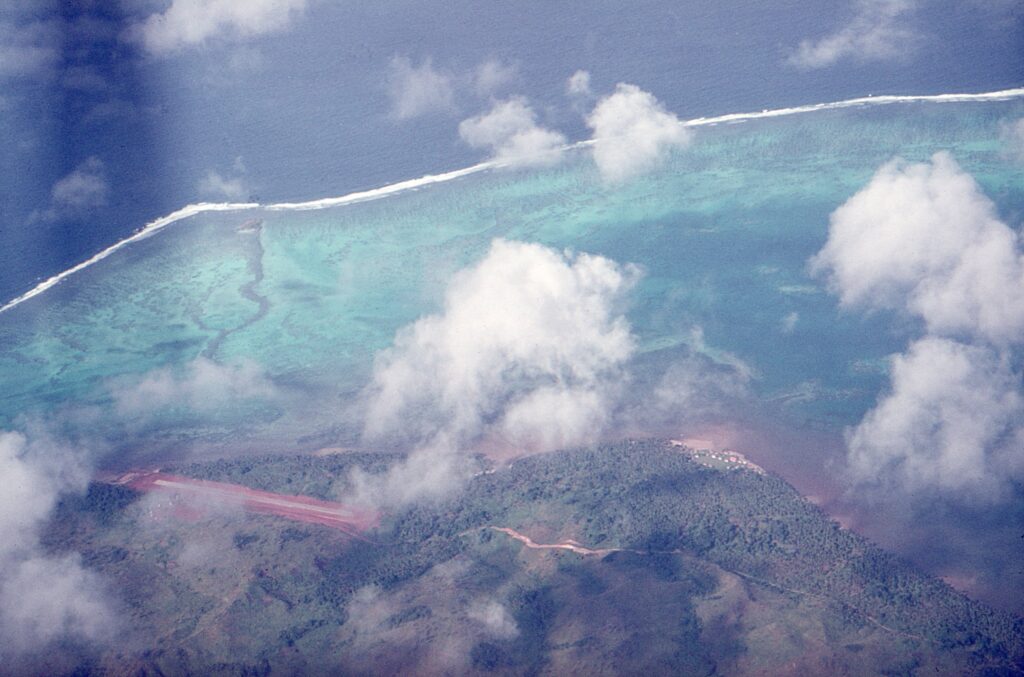
The Lau Group is one of Fiji’s most remote regions, visited only by charter boats or the occasional supply ship. Islands like Fulaga and Moala are known for limestone formations that rise above turquoise lagoons, pristine beaches with no crowds, and villages where traditions remain central to daily life. Visitors are often welcomed into communities, sharing meals and ceremonies with hosts. Travel here requires planning, as transport and accommodation are limited and arranged locally. The reward is access to some of Fiji’s most untouched landscapes and genuine cultural encounters.
Travel Tips
Currency
The official currency is the Fijian Dollar (FJD). Credit cards are widely accepted in resorts, hotels, and larger shops, but in villages and on smaller islands, cash is essential. ATMs are available in main towns, though less reliable in remote areas, so it’s best to carry enough local currency when traveling outside urban centers.
Language
Fiji is a multilingual nation. English, Fijian, and Hindi are all widely spoken, making communication easy for visitors. In villages, Fijian is most common, while in tourism hubs English is the primary language of service.
Getting Around
Travel between the islands is efficient and varied. Domestic flights with Fiji Link and Northern Air connect the main islands and distant communities. For inter-island travel, ferries and catamarans such as South Sea Cruises and Awesome Adventures provide regular services to the Mamanucas, Yasawas, and other island groups. On the larger islands like Viti Levu and Vanua Levu, local buses, minibuses, and taxis are cheap and widely used.
For travelers seeking flexibility, renting a car or scooter is possible in towns and resort areas. To drive legally, visitors must carry an International Driving Permit along with their home license. Roads are generally good around Suva and Nadi but can be rough in rural areas.
Safety & Etiquette
Fiji is considered safe and welcoming, with locals known for their hospitality. Visitors should observe local customs: dress modestly in villages, ask permission before taking photos, and always remove shoes before entering homes or community buildings. A friendly “Bula!” greeting goes a long way in showing respect and building connections.

Published September 19, 2025 • 9m to read