

Ecuador may be one of the smallest countries in South America, but it is also one of the most diverse. Within a few days of travel, you can journey from snow-capped volcanoes in the Andes to the Amazon rainforest, from UNESCO-listed colonial cities to the wildlife-rich Galápagos Islands. This is a destination where culture, adventure, and nature blend seamlessly.
Best Cities in Ecuador
Quito
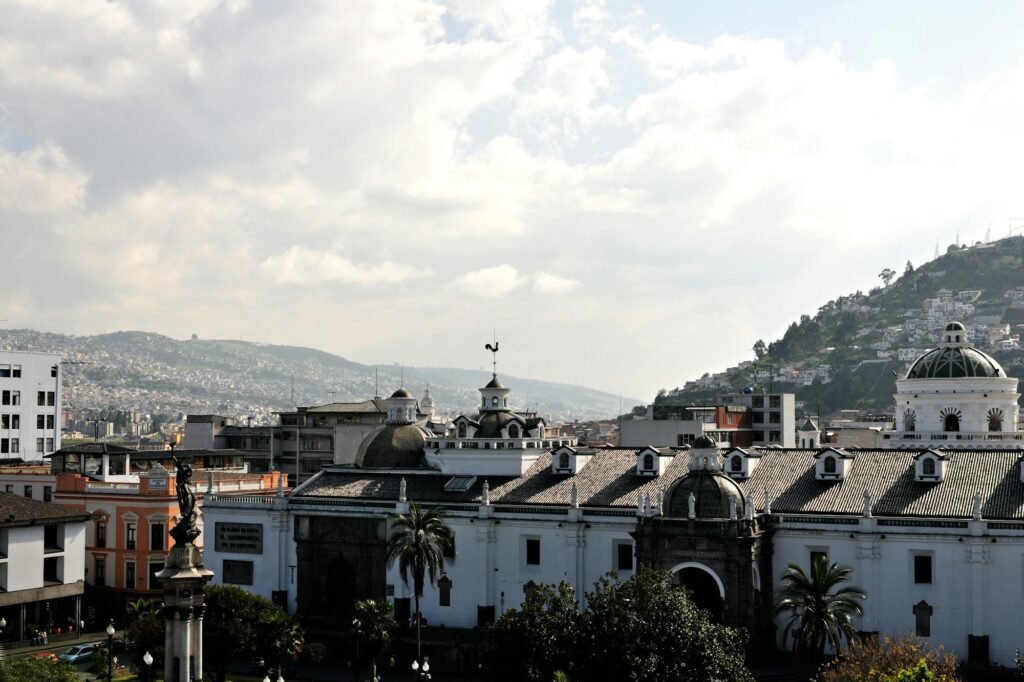
Quito, Ecuador’s capital, sits at 2,850 meters in the Andes and is recognized as one of the best-preserved historic cities in South America. Its UNESCO-listed old town features colonial churches such as La Compañía de Jesús, San Francisco, and the Gothic-style Basílica del Voto Nacional, as well as plazas lined with convents and government buildings. Panecillo Hill, topped by the Virgin of Quito statue, offers panoramic views across the city and surrounding mountains. About 25 km north, Mitad del Mundo (Middle of the World) marks the equator with a monument and museum, where visitors can stand in both hemispheres at once. Quito is also a common starting point for trips to the Amazon, the Avenue of the Volcanoes, and the Galápagos Islands.
Cuenca
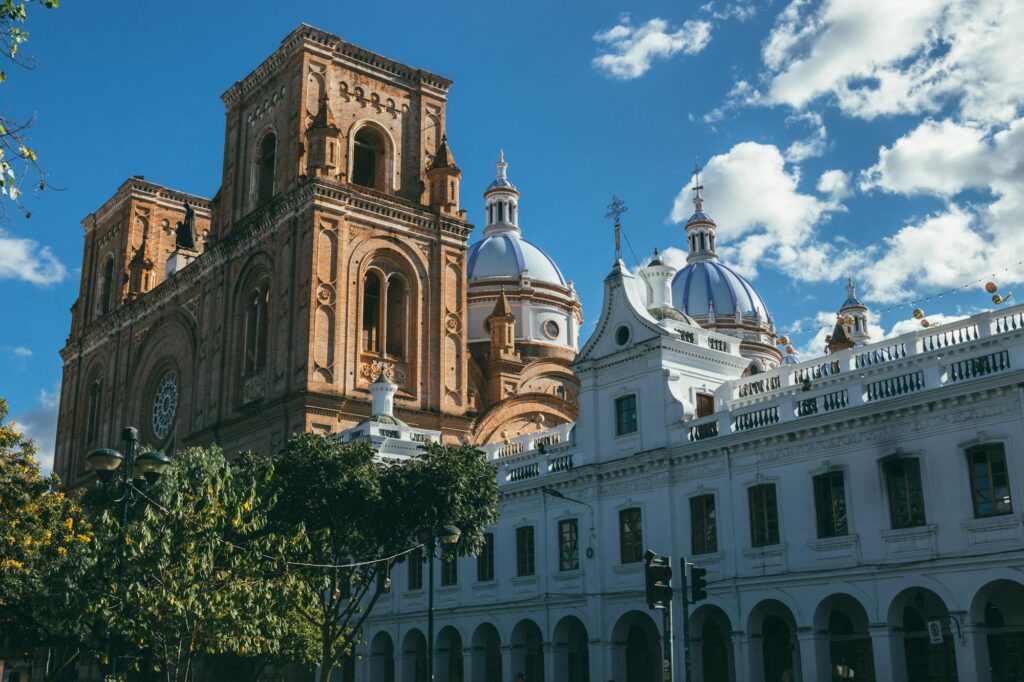
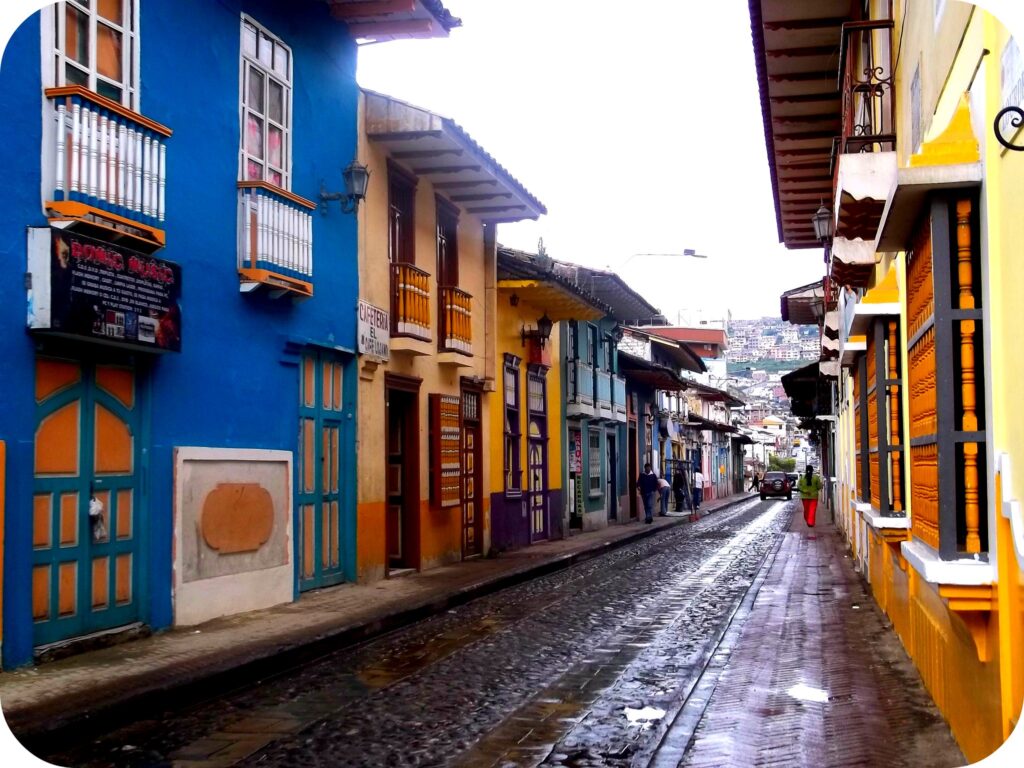
Cuenca, in southern Ecuador, is a UNESCO World Heritage city often regarded as the country’s most beautiful. Its historic center is characterized by cobblestone streets, colonial mansions, and landmarks such as the New Cathedral with its blue domes and the 16th-century Old Cathedral. The city is also known for its Panama hat industry, with workshops where visitors can see the weaving process of these traditional hats that originated in Ecuador. Museums and galleries highlight the city’s cultural scene, while the Tomebamba River adds to its charm with riverside walks. From Cuenca, it is easy to reach Ingapirca, the largest Inca archaeological site in Ecuador.
Guayaquil
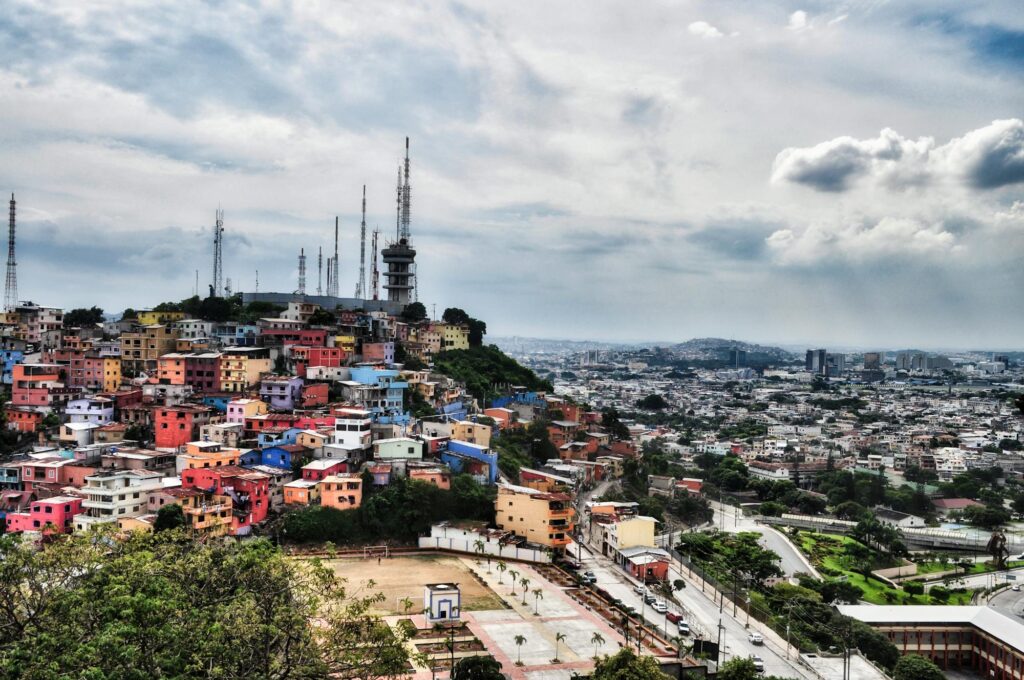
Guayaquil is Ecuador’s largest city and main port, often used as the departure point for flights to the Galápagos Islands. The city’s most visited area is the Malecón 2000, a redeveloped riverfront promenade with gardens, monuments, museums, and cafés along the Guayas River. Nearby, the historic Las Peñas neighborhood features brightly painted houses, art galleries, and a stairway of 444 steps leading to Cerro Santa Ana for panoramic views over the city. Guayaquil also has modern shopping centers, a lively dining scene, and cultural attractions such as Parque Seminario, known for its resident iguanas. José Joaquín de Olmedo International Airport connects the city with destinations across Ecuador and abroad.
Baños
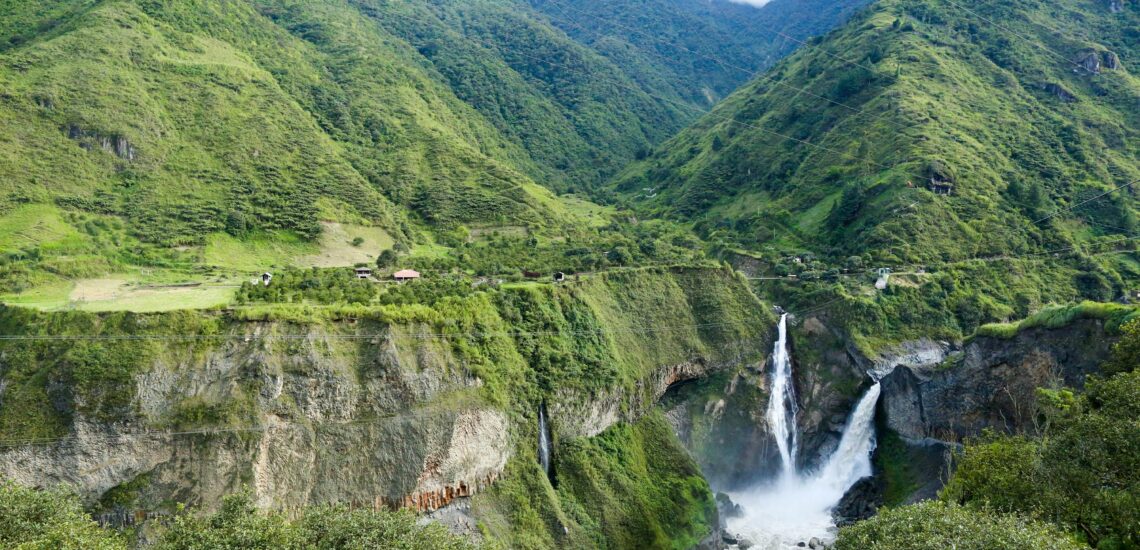
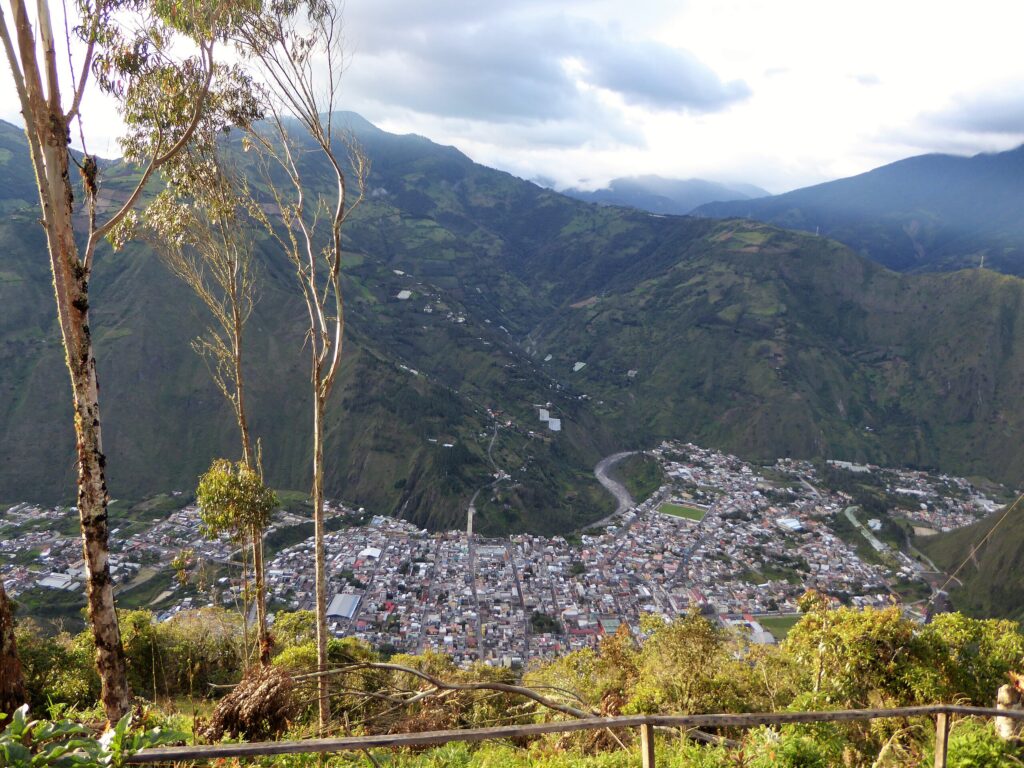
Baños de Agua Santa, commonly called Baños, is a small town in central Ecuador known for adventure tourism and natural hot springs. Located at the foot of the active Tungurahua Volcano, it offers activities such as canyoning, whitewater rafting, bungee jumping, mountain biking, and paragliding. The town’s name comes from its thermal baths, fed by volcanic springs and popular for relaxation after outdoor excursions. One of the most photographed attractions is the “Swing at the End of the World” at Casa del Árbol, which overlooks the valley with views of Tungurahua on clear days. Baños also serves as a gateway to the Amazon Basin, with tours into the rainforest departing from town.
Otavalo
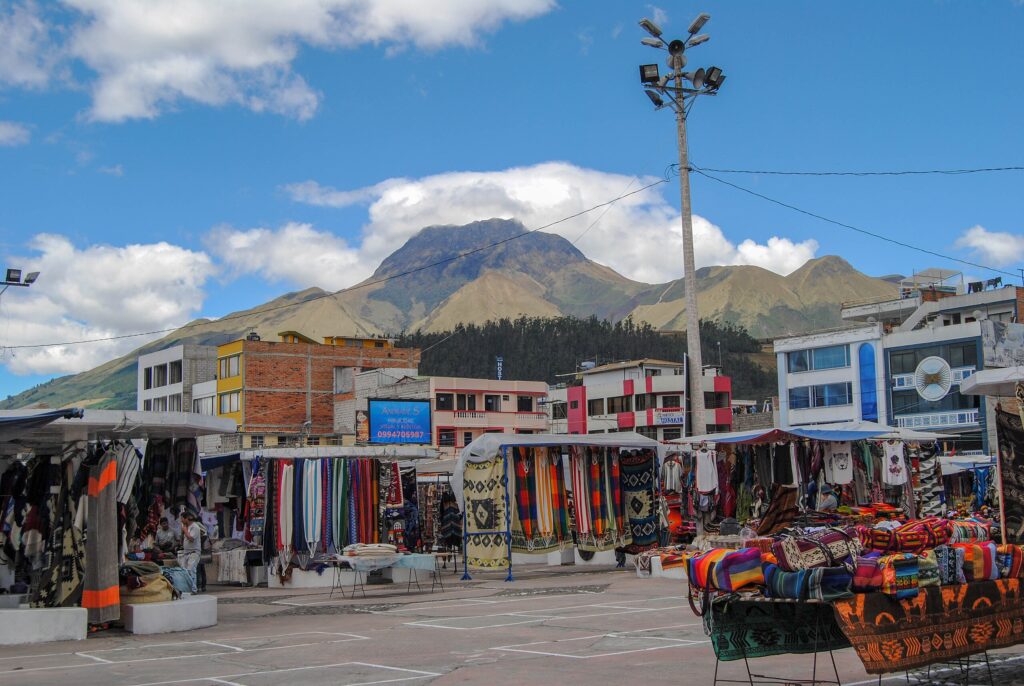
Otavalo, north of Quito, is home to one of South America’s most famous indigenous markets. The Plaza de los Ponchos hosts stalls selling textiles, ponchos, blankets, jewelry, and hand-carved crafts made by local Kichwa artisans. Saturdays are the largest market days, though smaller versions operate daily. The town is also known for traditional Andean music and regional food specialties. Beyond the market, the area offers natural attractions such as Cuicocha Crater Lake and views of surrounding volcanoes, as well as visits to nearby indigenous villages that specialize in weaving and crafts. Otavalo is about a two-hour drive from Quito, making it a popular day trip or overnight destination.
Best Natural Wonders in Ecuador
Galápagos Islands
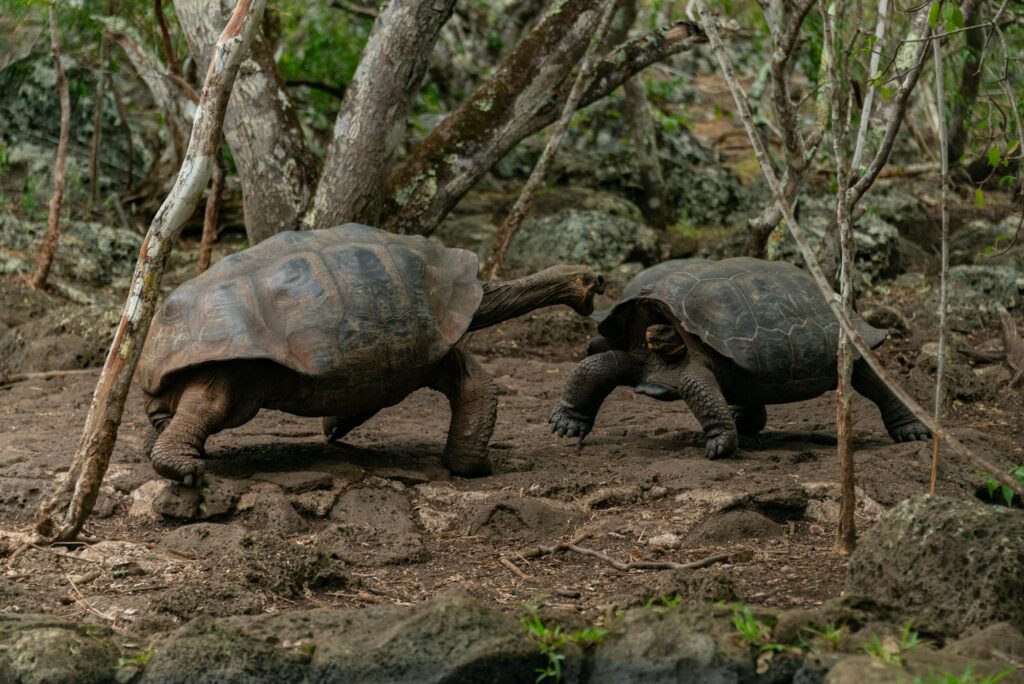
The Galápagos Islands, a UNESCO World Heritage Site, are located about 1,000 km off Ecuador’s coast and are one of the world’s most remarkable wildlife destinations. The archipelago is famous for its unique species, including giant tortoises, marine iguanas, and blue-footed boobies. Visitors can snorkel with sea lions and turtles, dive with hammerhead sharks, and explore volcanic landscapes shaped by lava flows and craters. The islands can be visited by live-aboard cruises or land-based tours, with popular stops including Santa Cruz, Isabela, and San Cristóbal. Strict conservation rules limit visitor numbers and routes, ensuring protection of the fragile ecosystems. Access is via flights from Quito or Guayaquil to Baltra or San Cristóbal.
Cotopaxi National Park
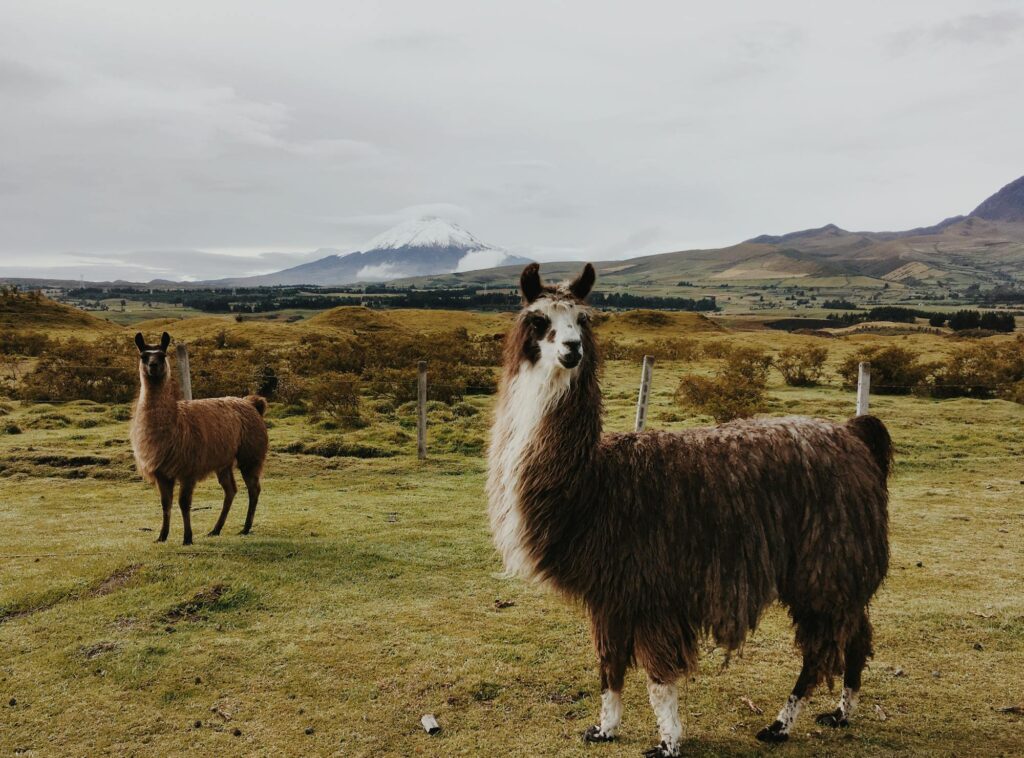
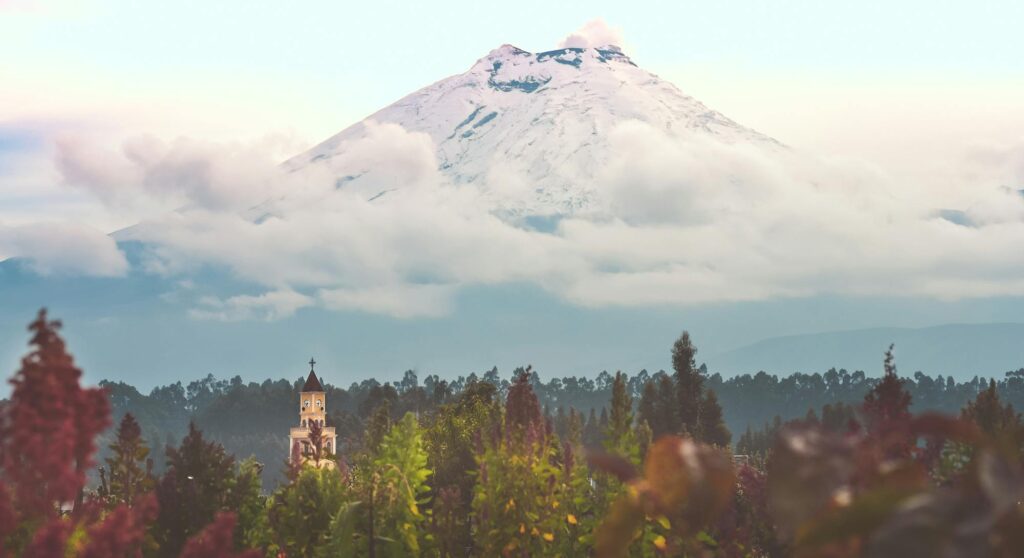
Cotopaxi National Park, about 50 km south of Quito, protects high-altitude Andean landscapes dominated by Cotopaxi Volcano, one of the highest active volcanoes in the world at 5,897 meters. Visitors can hike around Limpiopungo Lagoon, spot wildlife such as wild horses and Andean condors, or attempt guided climbs on the volcano itself. Mountain biking and horseback riding are also popular ways to explore the park’s trails and open páramo grasslands. The park is accessible by road from Quito or Latacunga and is a common day trip or weekend excursion from the capital.
Quilotoa Crater Lake
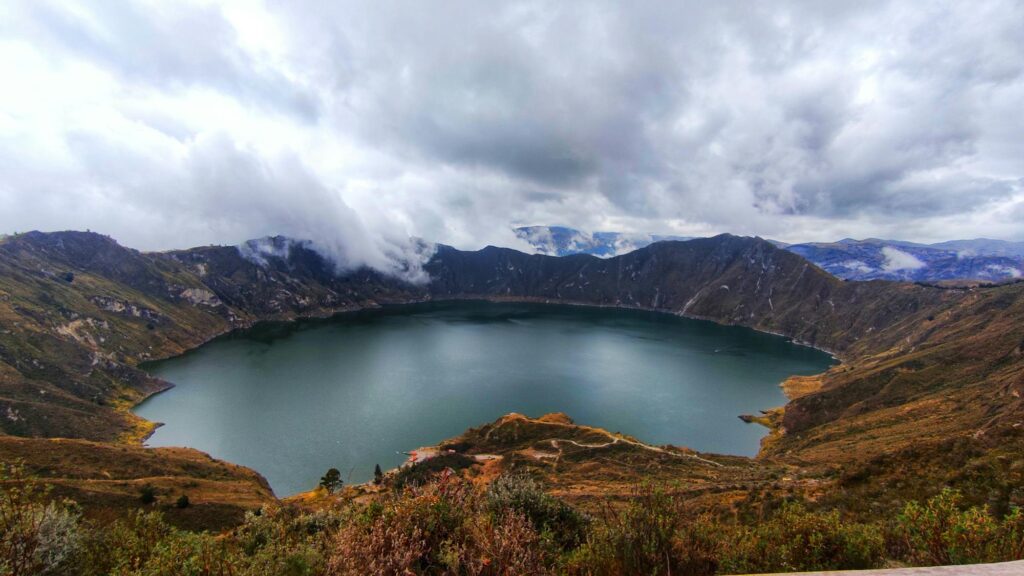
Quilotoa is a volcanic crater filled with a turquoise lake about 3 km wide, located in the Ecuadorian Andes southwest of Quito. The viewpoint at the crater rim provides panoramic views, and trails lead down to the lake shore, where kayaking is possible. The return hike is steep, but mule rides are available. The surrounding area is part of the Quilotoa Loop, a multi-day trekking route connecting indigenous villages, farmland, and highland landscapes. Quilotoa is accessible by road from Quito or Latacunga and is a popular stop on tours through the central highlands.
Chimborazo Volcano
Chimborazo, in central Ecuador, is the country’s highest peak at 6,263 meters. Because of the Earth’s equatorial bulge, its summit is the farthest point from the planet’s center and the closest point on Earth to the sun. The volcano is surrounded by the Chimborazo Faunal Reserve, home to wild vicuñas, llamas, and alpacas. Climbers can attempt the summit with guides, though the ascent is technically challenging and requires acclimatization. Non-climbers can reach refuges at over 4,800 meters for hiking and panoramic views. The volcano is accessible by road from Riobamba, which serves as the main base for excursions.
Amazon Rainforest
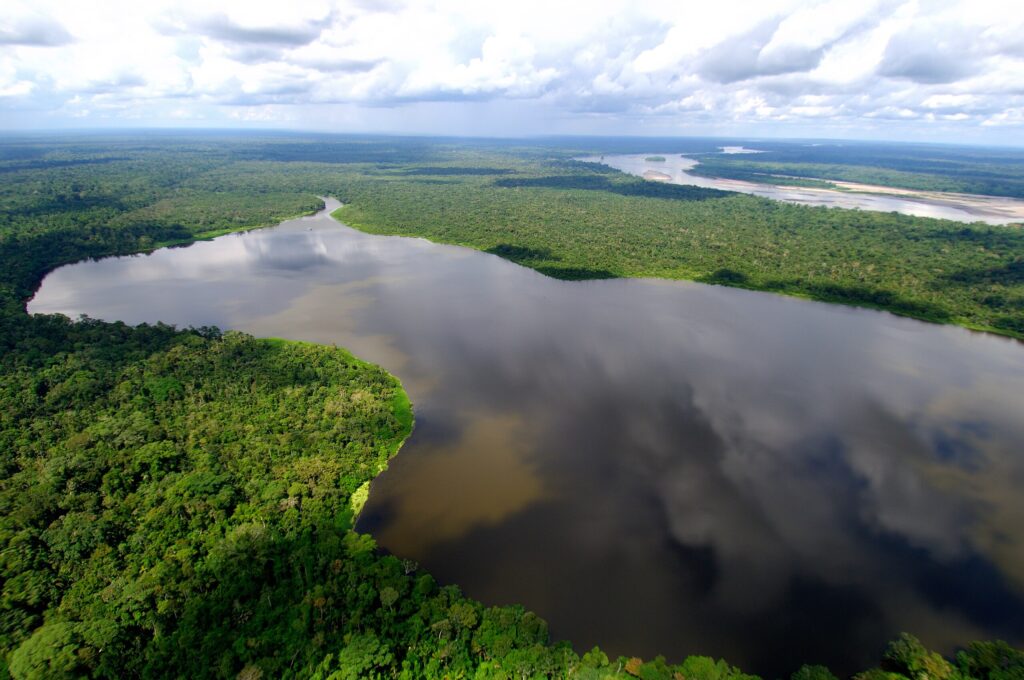
Ecuador’s Amazon is one of the most biodiverse regions on Earth, with Cuyabeno Wildlife Reserve and Yasuní National Park as its main protected areas. Visitors typically stay in eco-lodges reached by boat, with guided excursions into flooded forests and lagoons. Wildlife sightings may include pink river dolphins, caimans, anacondas, giant otters, and monkeys such as howlers and capuchins, along with hundreds of bird species. Yasuní is also notable for its cultural importance, home to indigenous communities including the Huaorani, while Cuyabeno is known for its accessible network of waterways. Both regions are reached by flights from Quito to towns such as Lago Agrio or Coca, followed by river transport to the lodges.
Mindo Cloud Forest
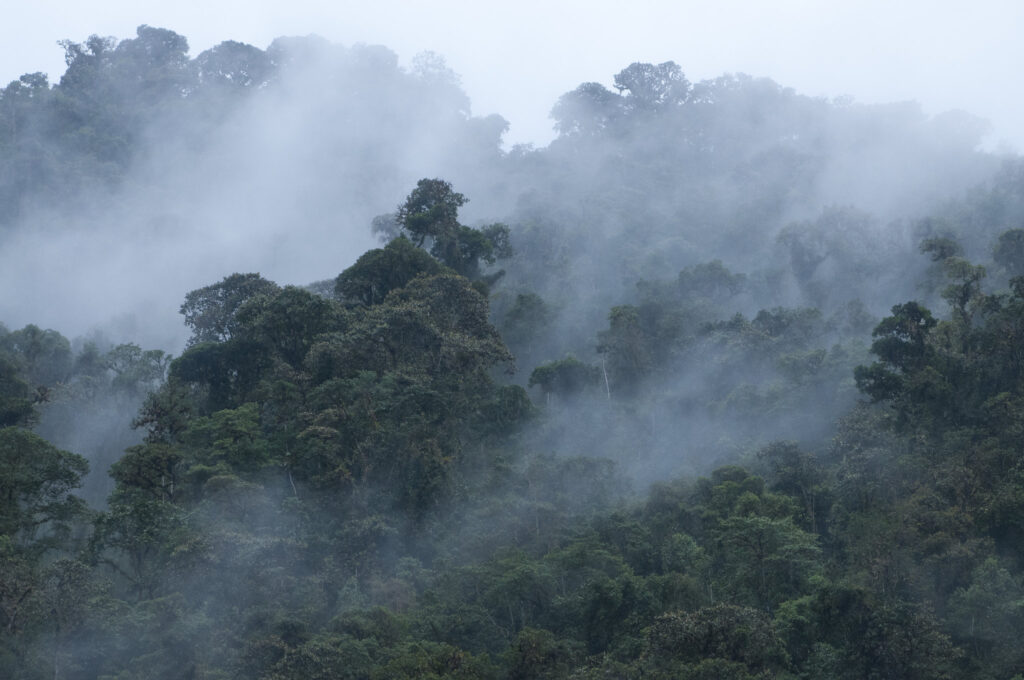
Mindo, about two hours from Quito, is a cloud forest reserve known for its biodiversity and outdoor activities. The area is a top destination for birdwatching, with hummingbirds, tanagers, and toucans among the hundreds of species recorded. Orchids, butterflies, and waterfalls add to the region’s appeal. Visitors can explore via hiking trails, canopy zip-lines, or cable cars that cross the forest valleys. Local lodges and reserves offer guided tours focused on wildlife and conservation. Mindo is easily accessible by road, making it a popular weekend getaway from Quito.
Hidden Gems of Ecuador
Vilcabamba
Vilcabamba, in southern Ecuador’s Loja Province, is often called the “Valley of Longevity” due to local traditions claiming residents enjoy unusually long lives. Today the town is popular for wellness tourism, with yoga retreats, spas, and health-focused lodges. The surrounding valleys and mountains offer hiking and horseback riding, including trails in Podocarpus National Park, which protects Andean cloud forests and páramo ecosystems. Vilcabamba has a mild climate year-round and attracts both international visitors and expatriates seeking a relaxed lifestyle. The town is about 40 km south of Loja and is accessible by road from the regional airport in Catamayo.
Loja
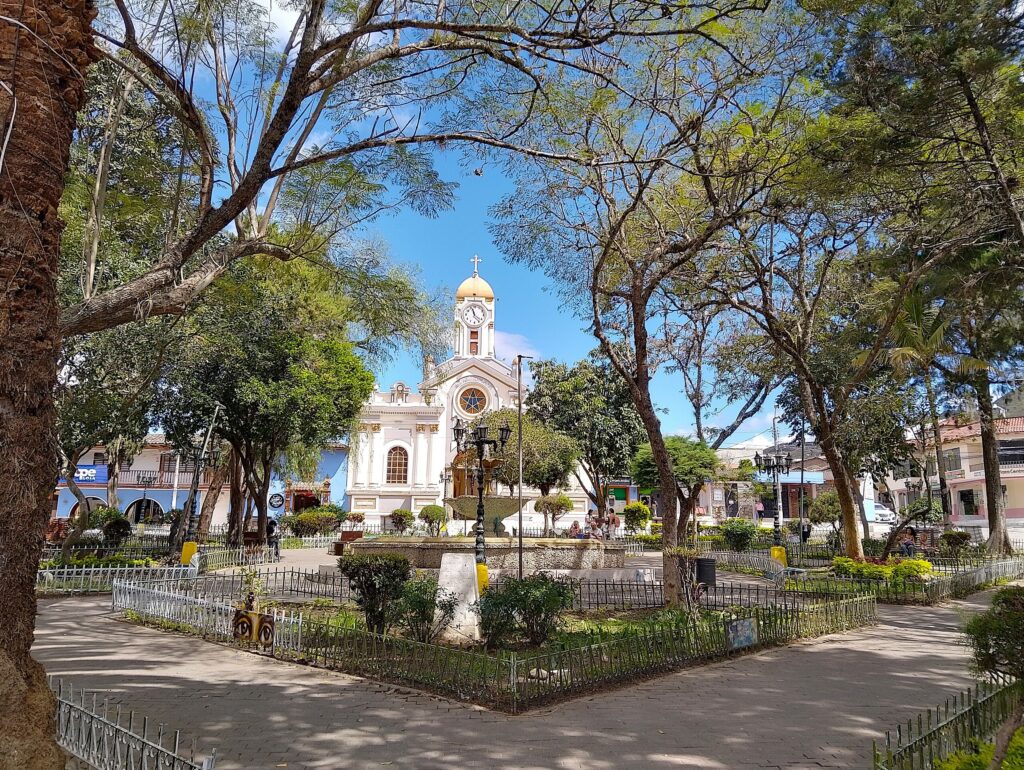
Loja, in southern Ecuador, is regarded as the country’s cultural capital, with a strong tradition of music, arts, and universities. The city center features colonial architecture, plazas, and museums such as the Museo de la Música, which highlights Loja’s role in Ecuadorian musical heritage. Regular festivals and concerts reinforce its reputation as a creative hub. Loja also serves as the main gateway to Podocarpus National Park, known for its cloud forests, páramo landscapes, and high biodiversity. The city is connected by road and has an airport in nearby Catamayo with flights to Quito and Guayaquil.
Cajas National Park
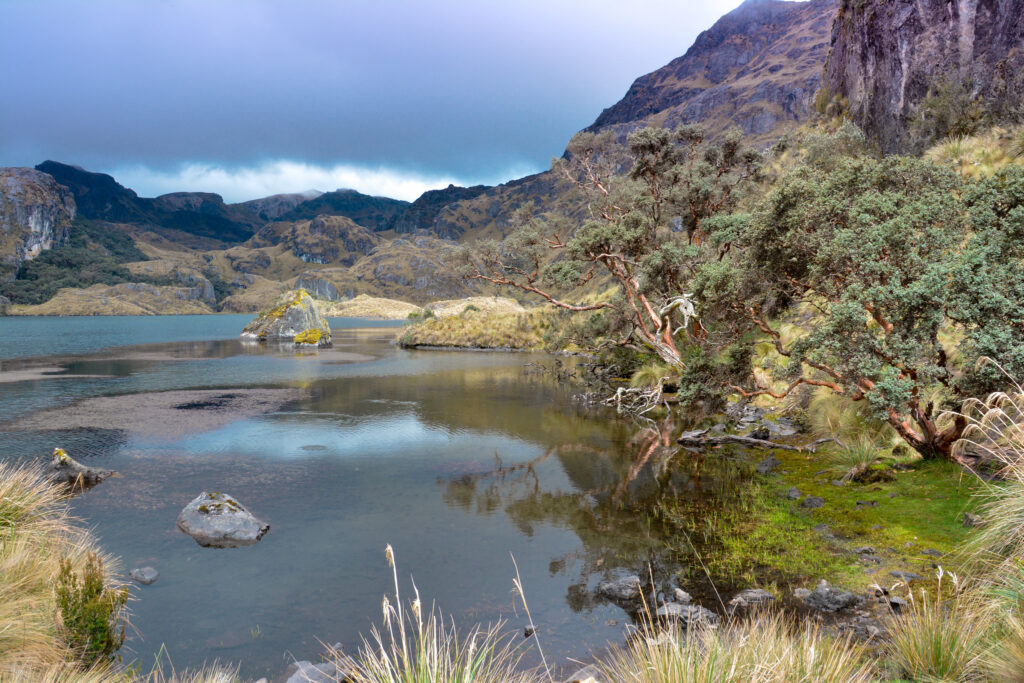
Cajas National Park, about 30 km from Cuenca, protects a high-altitude landscape of páramo grasslands, rugged valleys, and more than 200 glacial lakes. The park is popular for hiking, with trails ranging from short walks to multi-day treks that pass lagoons, Polylepis forests, and rocky ridges. Wildlife includes Andean condors, spectacled bears, and hummingbirds. The elevation ranges from 3,100 to over 4,400 meters, so visitors should be prepared for cold and changeable weather. Cajas is easily accessible by road from Cuenca, making it a common day trip for both locals and tourists.
Puerto López & Isla de la Plata
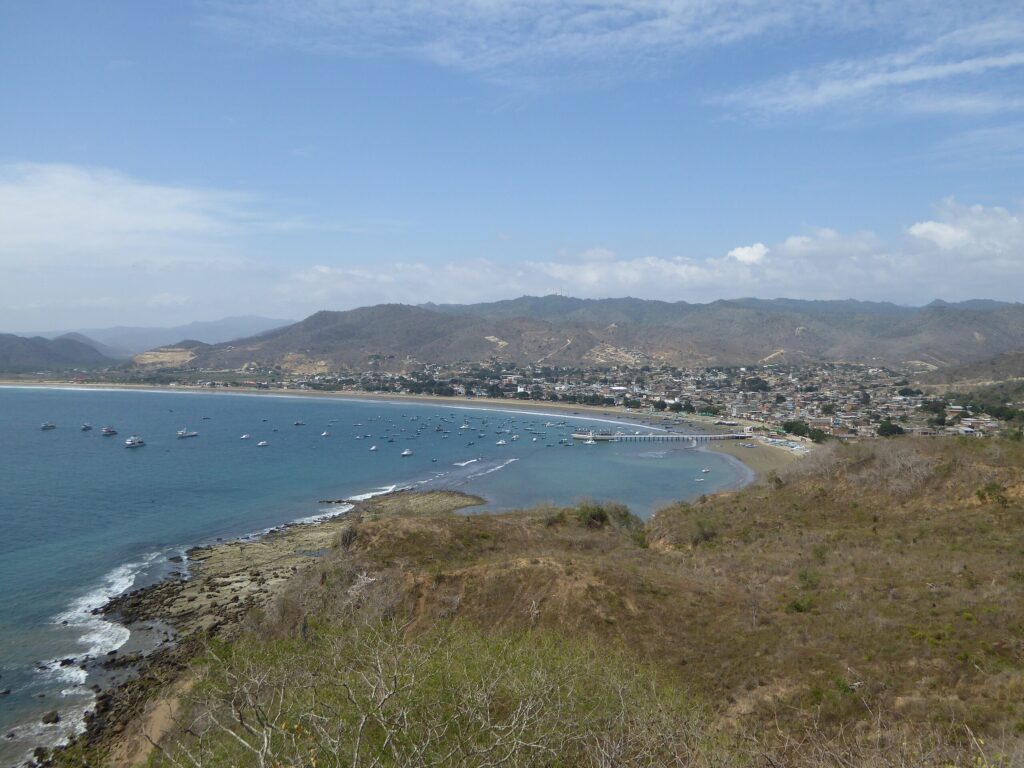
Puerto López, on Ecuador’s central coast, is a small fishing town that serves as the base for tours to Isla de la Plata and the Machalilla National Park. From June to September, humpback whales migrate along the coast, and whale-watching tours are a major attraction. Isla de la Plata, about 40 km offshore, is often called the “Poor Man’s Galápagos” due to its similar wildlife, including blue-footed boobies, frigatebirds, sea turtles, and seasonal whales. The island also has hiking trails with viewpoints over cliffs and nesting areas. Puerto López itself has a wide beach, a fish market, and accommodations catering to travelers exploring Ecuador’s central coast.
Devil’s Nose Train
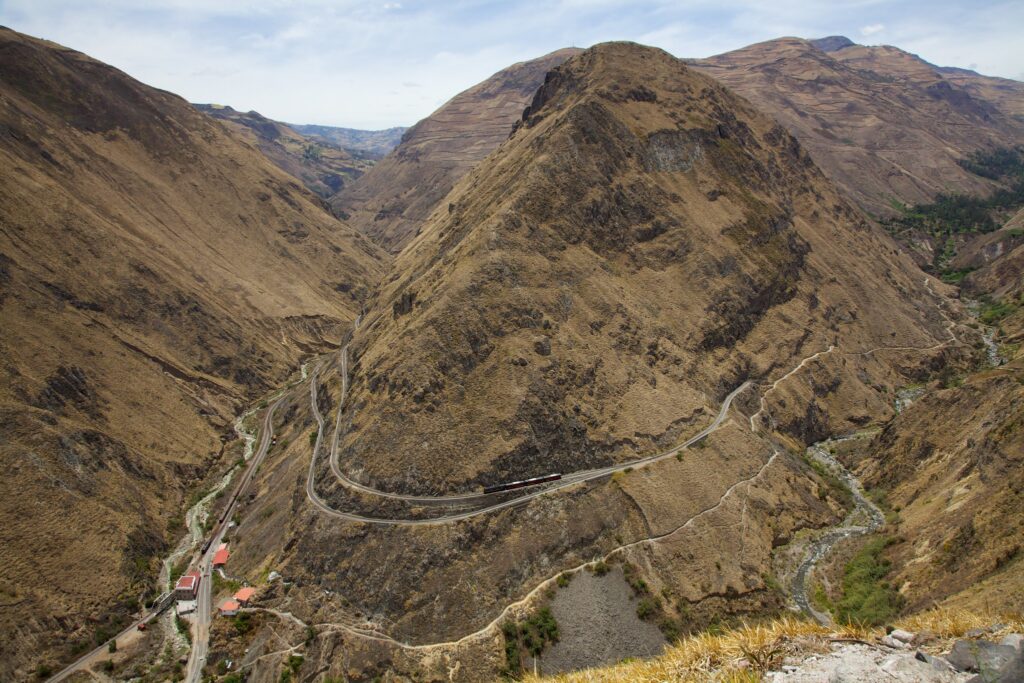
The Devil’s Nose Train is one of Ecuador’s most famous railway experiences, running through the Andes near the town of Alausí. The route is known for its steep descent along a series of dramatic switchbacks carved into a sheer mountainside, considered an engineering feat when it was built in the early 20th century. The train journey offers panoramic views of deep valleys and rugged peaks, with interpretive guides on board. Today it operates mainly as a tourist attraction, with restored locomotives and cultural presentations included in the trip. Alausí, about halfway between Quito and Cuenca, serves as the starting point for the ride.
Special Experiences in Ecuador
- Stand on both hemispheres at the Mitad del Mundo.
- Trek the Avenue of the Volcanoes, a chain of majestic Andean peaks.
- Explore the Galápagos Islands by yacht, hopping from one unique ecosystem to another.
- Taste Ecuador’s world-famous chocolate and coffee at the source.
- Join whale watching tours along the Pacific coast.
- Celebrate traditional Andean festivals and browse vibrant indigenous markets.
Travel Tips for Ecuador
Travel Insurance
Travel insurance is highly recommended, especially if you plan to trek in the Andes, try water sports, or explore remote regions. Make sure your policy covers medical evacuation, which is essential for trips to the Amazon or the Galápagos Islands.
Sickness is common in high-altitude destinations such as Quito, Cuenca, and Cotopaxi. Acclimatize gradually and rest on arrival. A yellow fever vaccination is recommended for those visiting the Amazon basin. Ecuador is generally safe for travelers, but petty theft can occur in cities and on buses. Keep valuables secure and be cautious in crowded areas.
Transportation & Driving
Domestic flights connect major cities and the Galápagos Islands quickly and efficiently. Buses are the most common form of transport – they’re cheap and frequent, though journeys can be long and roads vary in quality. In cities, taxis and rideshare apps are widely available and affordable.
Renting a car offers flexibility, particularly in the Andes or along the coast. However, road conditions are mixed, and mountain driving can be demanding. Night driving is not advised due to poor lighting and unpredictable hazards. Foreign drivers must carry an International Driving Permit along with their national license. Police checkpoints are common, so always keep documents with you.

Published September 21, 2025 • 10m to read