

Canada is a country of wide spaces and striking contrasts, stretching from the Pacific to the Atlantic and into the Arctic. Its landscapes include mountain ranges, forests, lakes, and coastlines that change with every province. Alongside this natural beauty are modern, multicultural cities that reflect the country’s diverse heritage and friendly spirit.
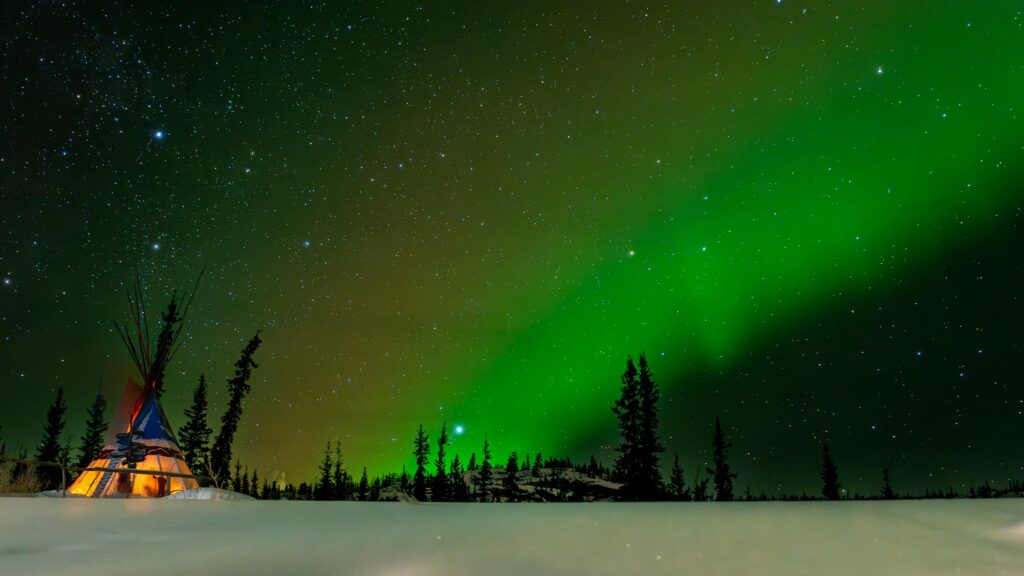
Visitors can walk through the streets of Toronto, Montreal, or Vancouver, explore the Rocky Mountains in Alberta, or experience the maritime culture of Nova Scotia and Newfoundland. Northern Canada offers a chance to see the Aurora Borealis and learn about Indigenous traditions, while countless national parks invite hiking, canoeing, and wildlife watching. Canada combines nature, culture, and adventure on a grand scale.
Best Cities in Canada
Toronto, Ontario
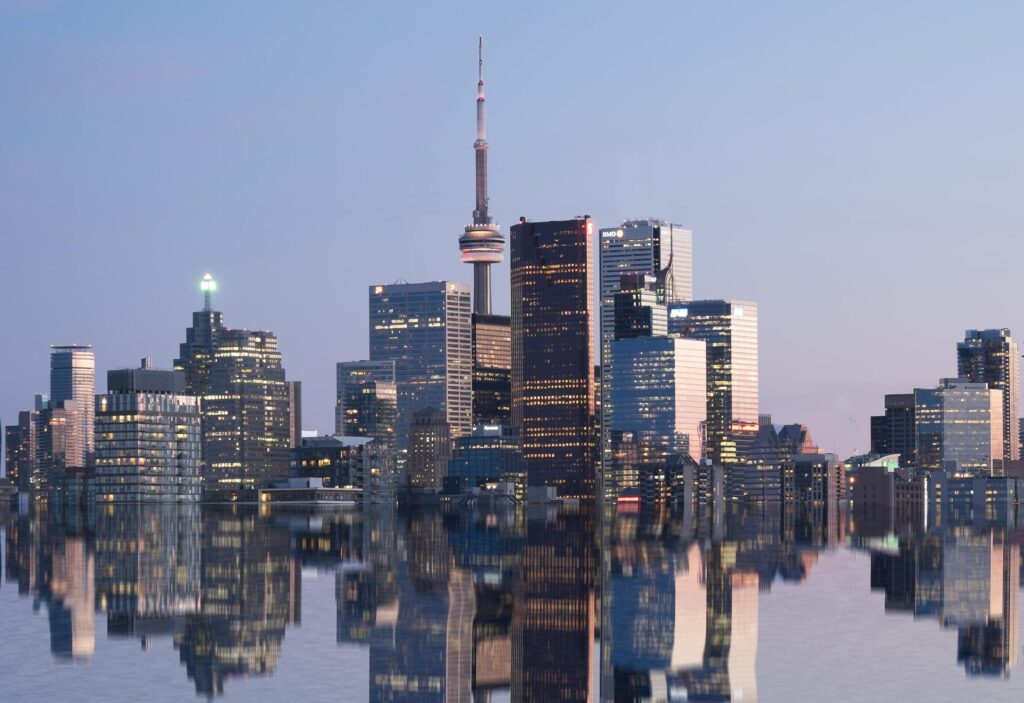
Toronto is Canada’s largest city and a major cultural and economic hub with neighborhoods that reflect influences from around the world. The downtown core is anchored by the CN Tower, where an observation deck provides broad views of the skyline and Lake Ontario. The Royal Ontario Museum and the Art Gallery of Ontario present extensive collections ranging from natural history to contemporary art, each located within easy reach of the city’s transit network. The Distillery District, a restored nineteenth century industrial area, features cobblestone streets, galleries, boutiques, and cafés that highlight Toronto’s creative side.
The city’s waterfront is a central attraction, with ferries offering quick access to the Toronto Islands where beaches, parks, and bike rentals provide a break from the urban pace. Neighborhoods such as Kensington Market, Chinatown, and Yorkville add variety to the city experience through local shops and a wide range of dining options. Toronto is well connected through its subway, streetcar, and bus routes, and regional trains link the city with surrounding areas. Popular day trips include Niagara Falls, reached by car, train, or tour bus, and Prince Edward County, known for wineries and rural scenery a few hours to the east.
Vancouver, British Columbia
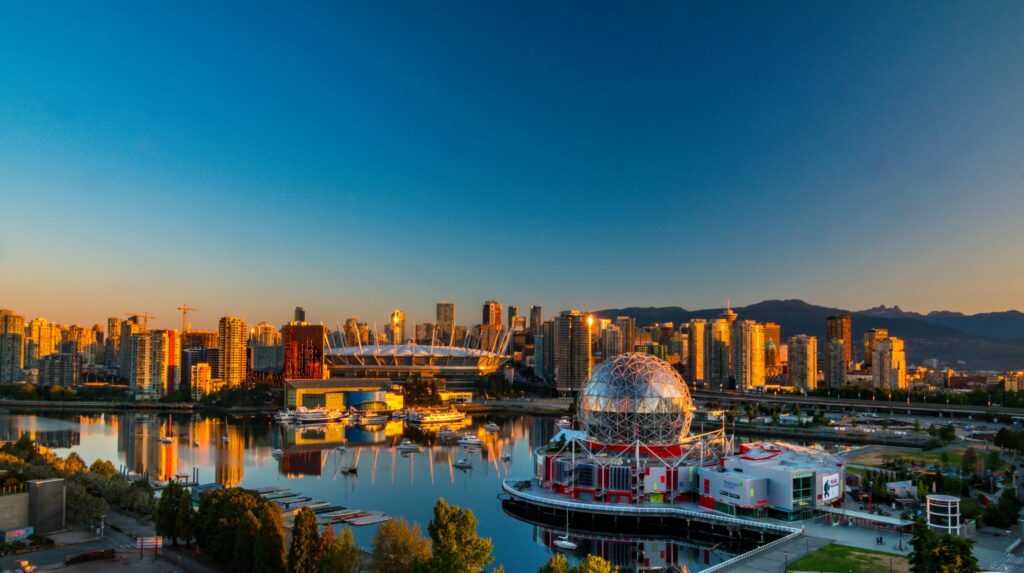
Vancouver is a coastal city known for its mix of urban space, mountains, and waterfront parks. Stanley Park is the city’s most significant green area and is bordered by the Seawall, a paved path suitable for walking or cycling with views of the harbor and North Shore mountains. Granville Island, reached by road or small ferries, has a public market, studios, and performance spaces. On the North Shore, the Capilano Suspension Bridge offers elevated walkways through the rainforest and is accessible by shuttle from downtown. Neighborhoods such as Gastown, Yaletown, and Chinatown showcase Vancouver’s history, dining scene, and modern development.
The city works as a base for outdoor excursions. Whistler is about a two-hour drive along the Sea to Sky Highway and is known for skiing, hiking, and mountain biking. Ferries from nearby terminals connect Vancouver with Vancouver Island, where visitors often explore Victoria and coastal parks. Longer road trips lead east toward the Canadian Rockies. Vancouver International Airport provides strong national and international connections, and the city’s transit system makes it easy to move between downtown, the waterfront, and surrounding districts.
Montreal, Quebec
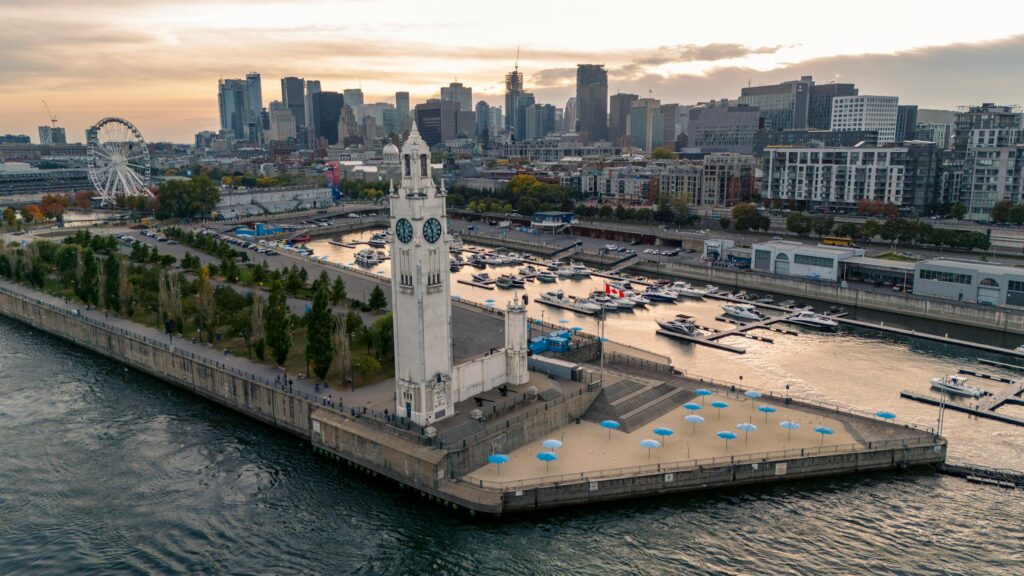
Montreal blends French heritage with a modern urban atmosphere and is easy to navigate by metro, bus, or on foot in the central districts. Old Montreal is the historic heart, with cobblestone streets, the Old Port, and the Notre Dame Basilica, which is known for its detailed interior and regular light shows. The area also offers cafés, galleries, and riverfront paths with views of the Saint Lawrence River. Downtown sits directly uphill and connects to museums, shopping streets, and the city’s extensive underground network that links buildings and transit stations.
Montreal’s food culture is a major part of any visit, with poutine, smoked meat sandwiches, and local bagels found across the city. Neighborhoods such as Plateau Mont Royal and Mile End offer many cafés, bakeries, and small restaurants. The city is also known for its festivals, including the Montreal Jazz Festival and Just for Laughs, which draw international performers and large crowds in summer. Cycling paths, Mount Royal Park, and the Lachine Canal add outdoor options close to the city center, and Montreal Trudeau International Airport provides straightforward access for domestic and international travelers.
Quebec City, Quebec
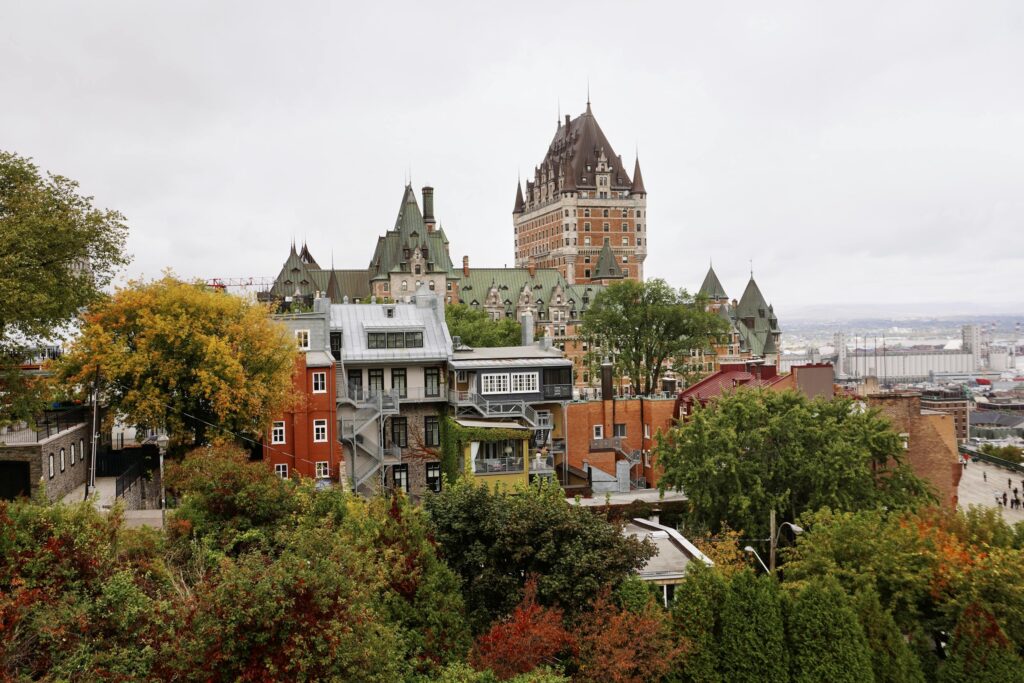
Quebec City is one of the oldest European founded settlements in North America and is distinguished by its fortified old town, which is recognized as a UNESCO World Heritage Site. Old Quebec is split into Upper and Lower Town, linked by steep streets and a funicular. The area is compact and walkable, with stone buildings, small squares, and views over the Saint Lawrence River. Château Frontenac sits on the bluff above the river and is a central landmark visible from many parts of the city. The Plains of Abraham and the surrounding fortifications form a large park where visitors can learn about eighteenth century battles and take in open views of the waterfront.
The city remains active year round, with summer bringing open air cafés and walking tours, while winter is marked by the Quebec Winter Carnival, which features ice sculptures, parades, and outdoor events across the old town. Museums, including the Musée de la Civilisation and the Citadelle, offer insight into regional history and culture. Quebec City Jean Lesage International Airport is the main gateway, and regional trains and buses connect the city with Montreal and other parts of the province.
Ottawa, Ontario
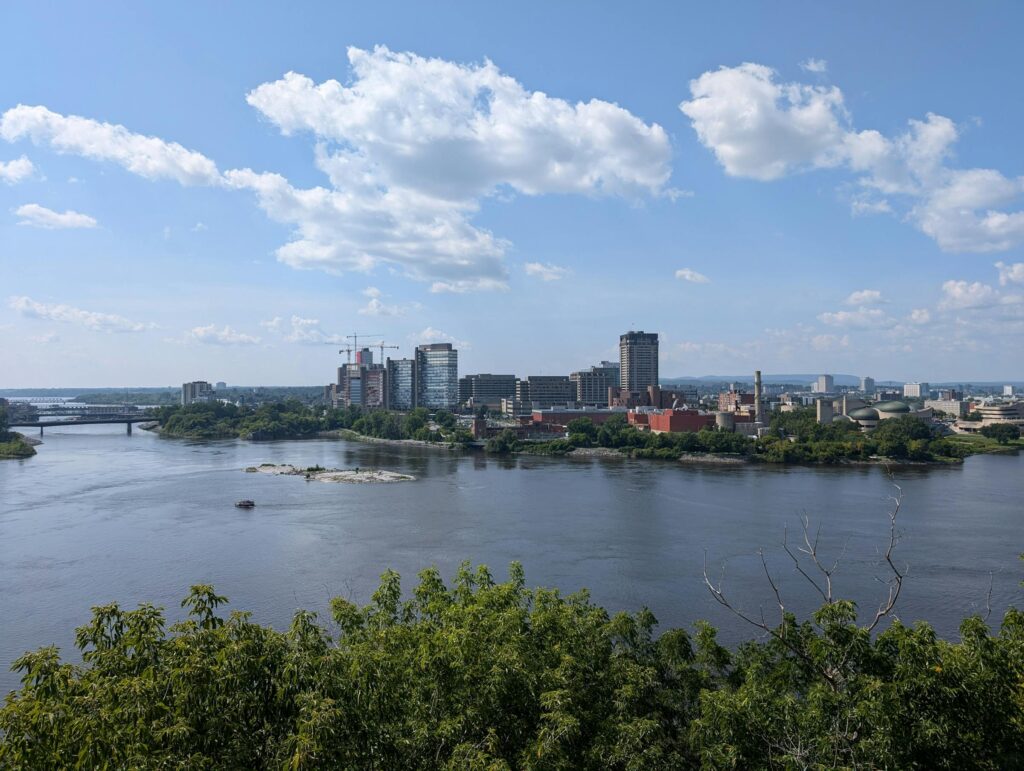
Ottawa is Canada’s capital and combines government landmarks, waterfront paths, and major national museums. Parliament Hill overlooks the Ottawa River and is the focal point of the city, with guided tours available inside the buildings and the Changing of the Guard taking place on the grounds in summer. The Rideau Canal runs through the center of Ottawa and shifts with the seasons. In summer it supports boating and cycling along its banks, and in winter it becomes one of the world’s largest natural skating rinks when conditions allow.
Cultural institutions are spread across the downtown area and are easy to reach by transit or on foot. The National Gallery of Canada features Canadian and Indigenous art along with European collections, while the Canadian Museum of History sits across the river in Gatineau and offers exhibits on the country’s past. The city’s neighborhoods, such as ByWard Market and the Glebe, add dining, markets, and local shops to the visitor experience. Ottawa International Airport and VIA Rail services provide convenient access, and pathways along the river and canal make it simple to explore the city’s central districts.
Calgary, Alberta
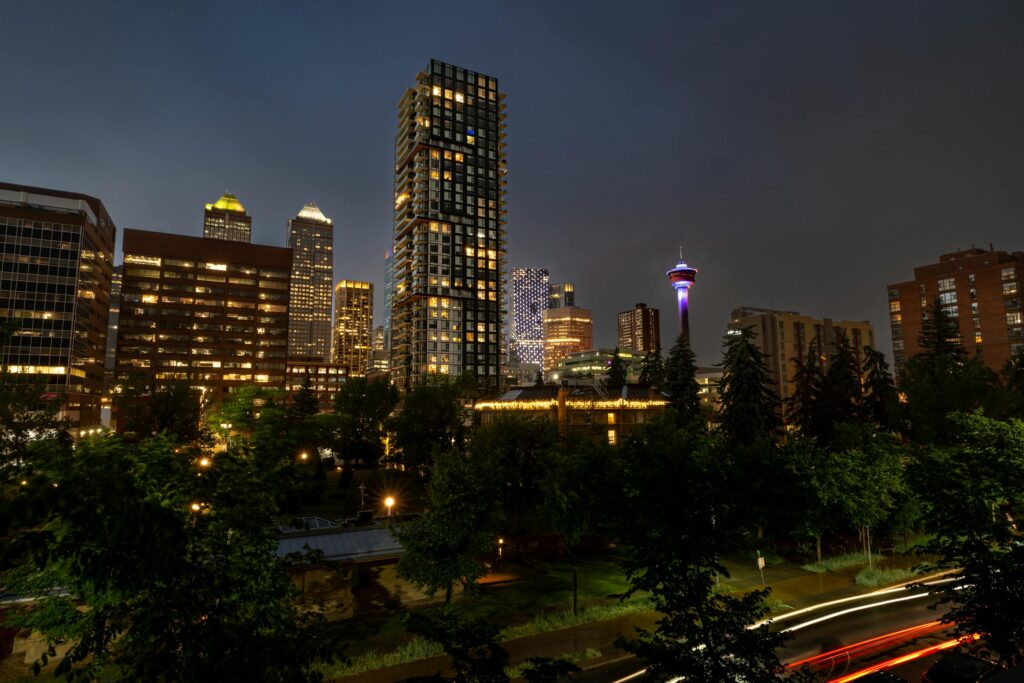
Calgary combines modern urban centers with strong ties to ranching culture and the Canadian West. Downtown is easy to explore on foot or by light rail, with the Calgary Tower offering an observation deck that looks out over the city and toward the Rocky Mountains. The Glenbow Museum, currently undergoing redevelopment, presents art and cultural history from across the region. Each July, the Calgary Stampede transforms the city with rodeos, exhibitions, concerts, and parades that draw visitors from around the world. Neighborhoods such as Kensington and Inglewood add cafés, breweries, and local shops to a visit.
The city is also a major gateway to outdoor destinations. Banff and Canmore are reached by a straightforward drive west on the Trans Canada Highway and provide access to mountain trails, lakes, and ski areas. To the east, the Alberta Badlands around Drumheller reveal hoodoos, canyons, and the Royal Tyrrell Museum, which focuses on paleontology. Calgary International Airport offers broad domestic and international connections, and rental cars make it simple to travel between the city and surrounding landscapes.
Halifax, Nova Scotia
Halifax is a coastal city shaped by its harbor and long maritime history. The Halifax Waterfront is the main gathering area, with boardwalks, seafood restaurants, and museums including the Maritime Museum of the Atlantic, which highlights shipwrecks, naval history, and local seafaring traditions. Citadel Hill rises above downtown and is a well preserved fort with guided tours and daily reenactments in summer. The city’s compact core makes it easy to explore on foot, and neighborhoods such as the North End add independent shops, cafés, and music venues.
Halifax also works as a base for day trips across Nova Scotia. Peggy’s Cove is one of the most photographed lighthouses in Canada and is reached by a scenic drive along the coast. Lunenburg, a UNESCO World Heritage Site, offers colorful waterfront buildings and sailing heritage about an hour from the city. Farther northeast, the Cabot Trail on Cape Breton Island provides coastal vistas, hiking, and cultural stops within driving distance for longer outings. Halifax Stanfield International Airport links the region with major domestic hubs, and car rentals make it simple to explore the province’s small towns and coastal landscapes.
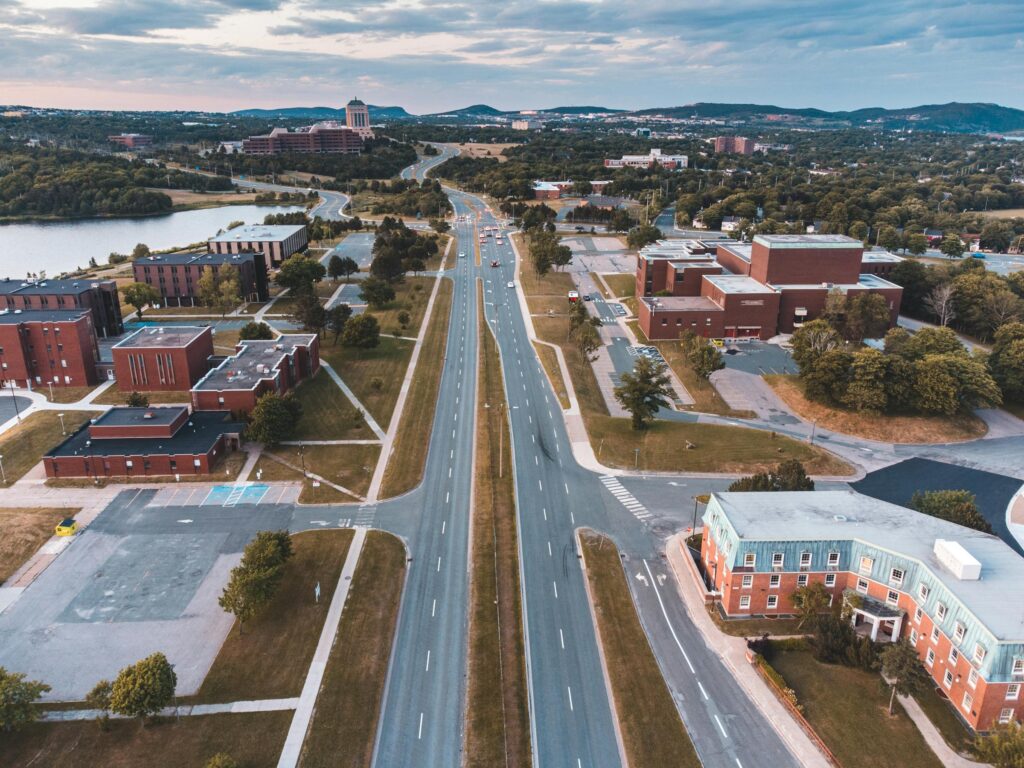
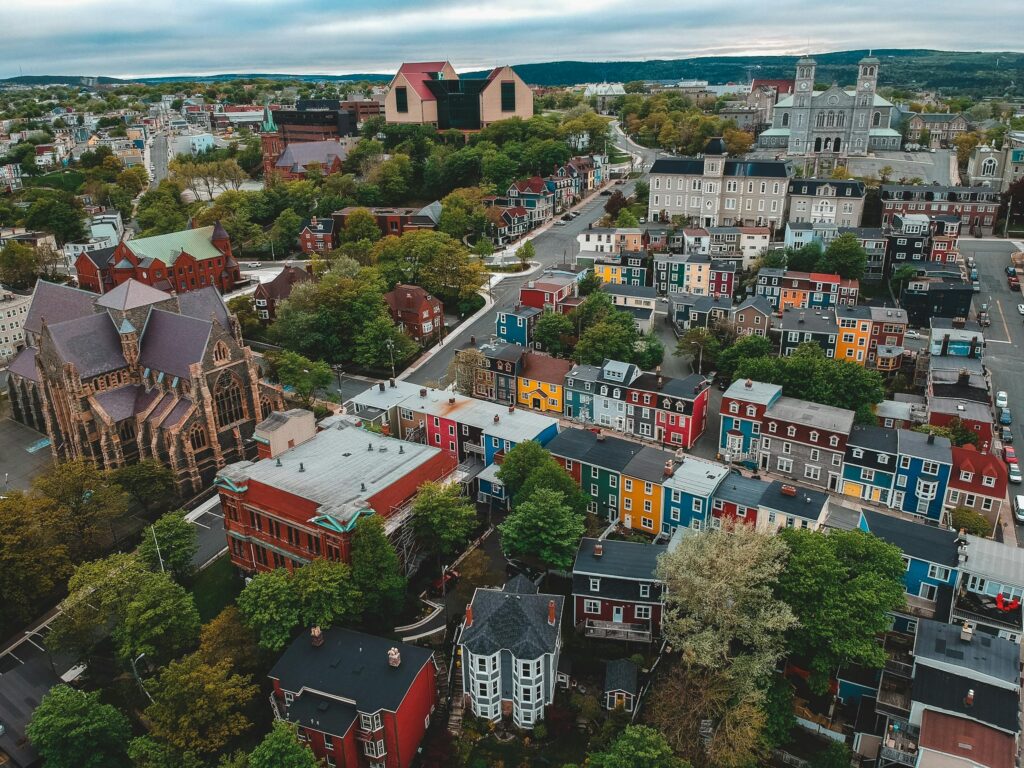
St. John’s, Newfoundland and Labrador
St John’s is the capital of Newfoundland and Labrador and is known for its steep streets, colorful row houses, and views of the Atlantic. The historic center is compact and easy to explore on foot, with local shops, galleries, and restaurants clustered around Water Street and Duckworth Street. Signal Hill overlooks the harbor and provides walking trails and exhibits on the site’s military significance and its role in early wireless communication. Cape Spear, a short drive from downtown, marks the easternmost point in North America and includes a historic lighthouse and coastal trails where whales are sometimes spotted offshore.
George Street is the center of the city’s nightlife, with pubs and live music venues that highlight local culture. Nature is close at hand, with boat tours offering opportunities to see icebergs in spring and early summer when conditions align. The East Coast Trail, which runs along the Avalon Peninsula, has segments near the city that feature cliffs, sea stacks, and quiet coves. St John’s International Airport connects the city with major Canadian destinations, and rental cars or local taxis simplify travel to nearby viewpoints and coastal communities.
Best National Parks and Natural Wonders
Banff National Park, Alberta
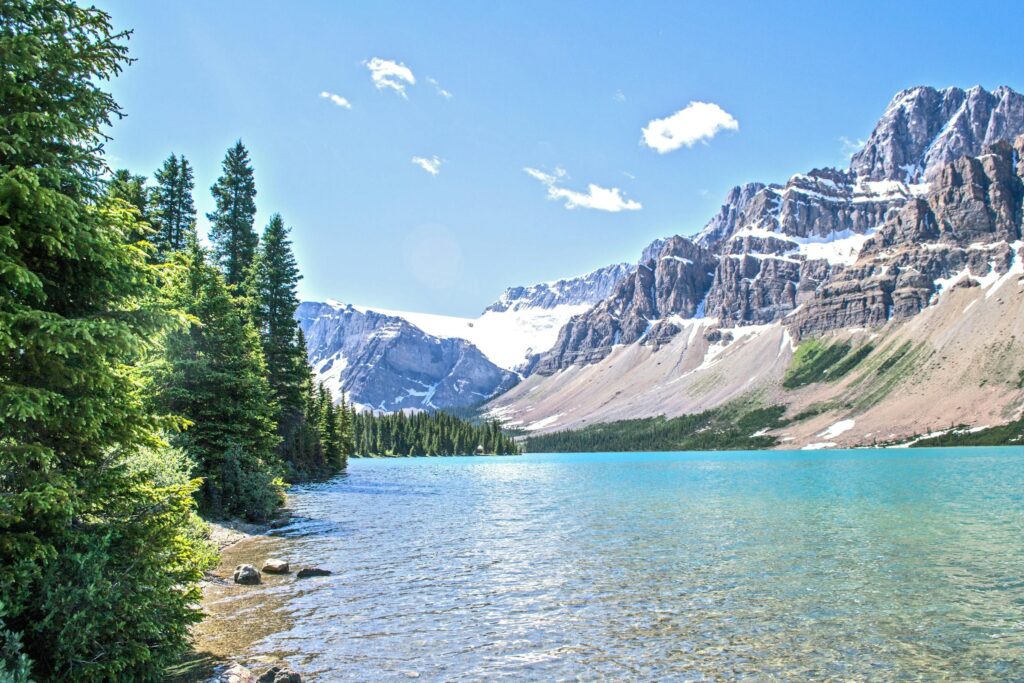
Banff National Park sits in the Canadian Rockies and is known for its mountain scenery, turquoise lakes, and accessible trail system. Lake Louise and Moraine Lake are the park’s most recognized viewpoints, with seasonal shuttle systems managing access during busy months. Canoe rentals, lakeshore walks, and short hikes to overlooks provide simple ways to experience these areas. Banff Town serves as the main hub for services, accommodations, and dining, while Lake Louise Village offers a quieter base closer to the high alpine region.
The park supports activities year round. In summer, trails range from gentle valley walks to longer climbs into the high country, and wildlife such as elk, deer, and occasionally bears may be seen along roadways and meadows. In winter, nearby ski resorts like Lake Louise Ski Resort, Sunshine Village, and Mt Norquay provide a range of terrain and snow conditions. Banff is reached by a straightforward drive from Calgary along the Trans Canada Highway, and buses connect the airport with Banff Town. Because of high visitation, reservations for shuttles, lodging, and some scenic drives are often needed during peak seasons.
Jasper National Park, Alberta
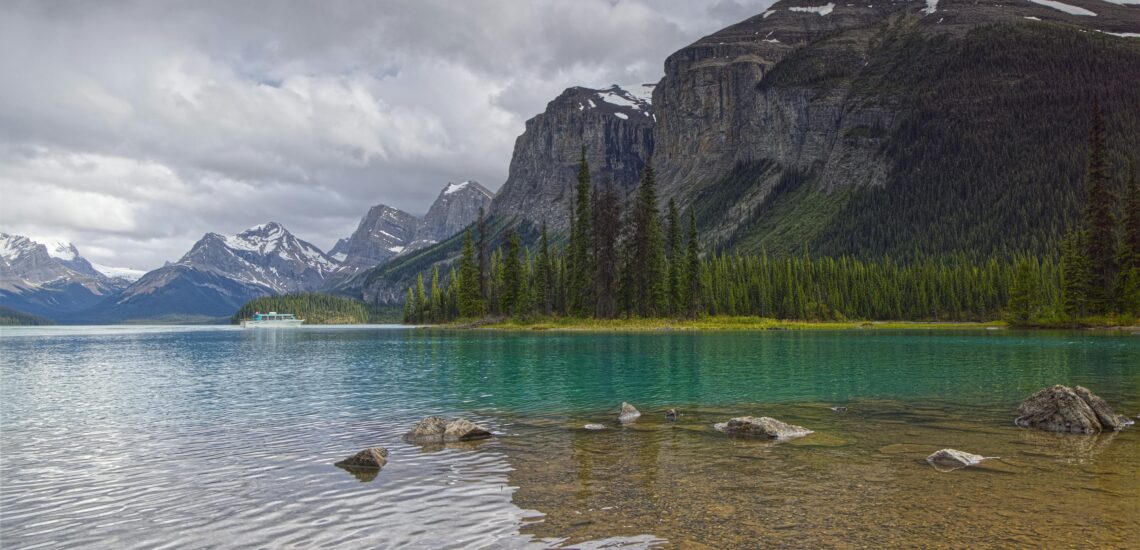
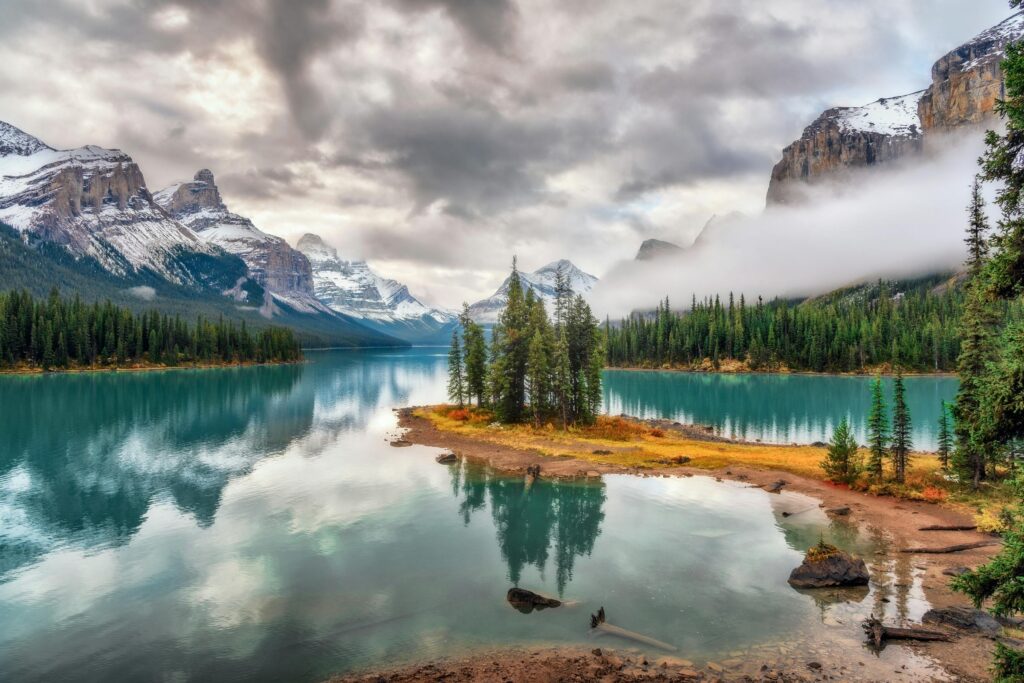
Jasper National Park covers a large section of the Canadian Rockies and is known for its wide valleys, deep forests, and lower visitor numbers compared with nearby Banff. Maligne Lake is one of the park’s signature destinations, reached by a scenic road that also passes Medicine Lake. Boat tours to Spirit Island, lakeshore trails, and viewpoints make the area suitable for short or extended visits. Athabasca Falls is another major stop, offering easy pathways that lead to powerful cascades and canyon overlooks. The Columbia Icefield, located along the park’s southern boundary, provides access to glacier viewpoints and interpretive centers that explain the region’s geology and climate.
Jasper is designated as a Dark Sky Preserve, which supports clear night sky viewing from multiple pullouts and campgrounds when conditions are right. The town of Jasper serves as the main base with lodging, restaurants, and access to local trailheads. The park is linked to Banff by the Icefields Parkway, a scenic highway known for its mountain vistas, turquoise lakes, and wildlife viewing opportunities. Visitors often complete the route by car or tour bus, stopping at designated viewpoints along the way. Jasper is reached by road or by VIA Rail, which runs through the town and offers a notable rail journey across western Canada.
Yoho National Park, British Columbia
Yoho National Park sits on the western side of the Canadian Rockies in British Columbia and is known for its steep peaks, waterfalls, and quieter atmosphere compared with its larger neighbors. Emerald Lake is one of the park’s most visited spots and is easily reached by car, offering a lakeshore trail and canoe rentals. Takakkaw Falls, one of Canada’s tallest waterfalls, is accessed by a short walk from its parking area along a seasonal road that opens in late spring. The Kicking Horse River runs through the park and creates natural rock bridges and viewpoints along the main highway corridor.
The park also contains the Burgess Shale, one of the world’s most important fossil sites. Access to these areas is only possible through guided hikes that depart from nearby trailheads and require advance reservations. Yoho connects directly with Banff and Kootenay National Parks and is easy to explore from the village of Field, which provides lodging and visitor information. Trails in Yoho range from easy loops to demanding alpine routes, and its location often results in fewer crowds while still offering high mountain scenery. The park is typically reached from Calgary or Golden by car, and road conditions should be checked in advance due to seasonal changes.
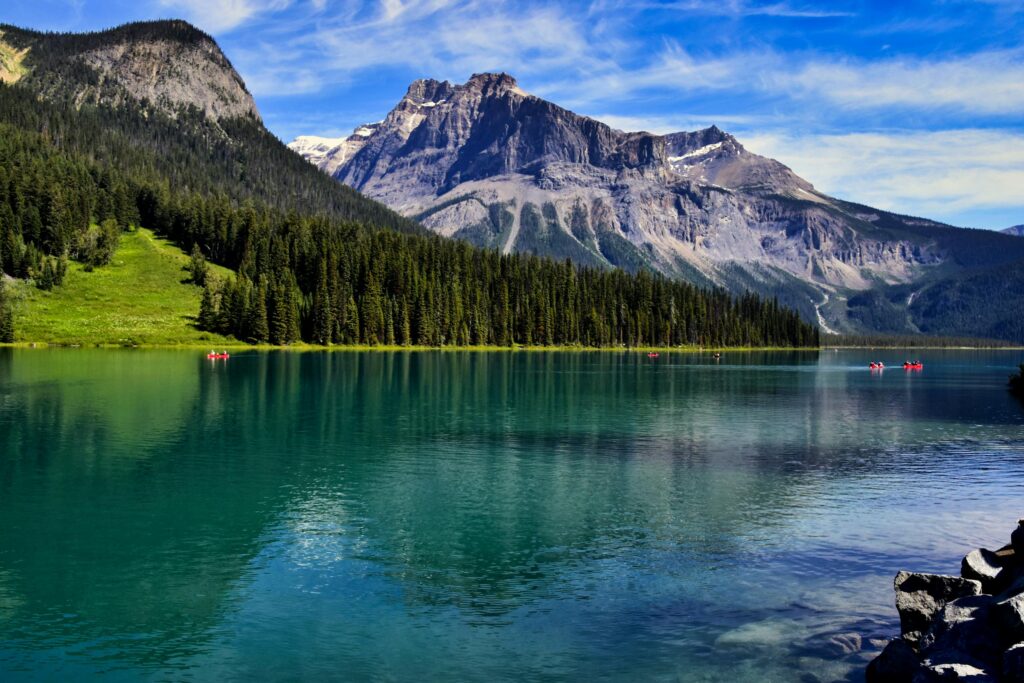
Pacific Rim National Park Reserve, BC
Pacific Rim National Park Reserve stretches along the west coast of Vancouver Island and is divided into three main sections, with the Long Beach Unit between Tofino and Ucluelet being the most visited. This area offers long sandy beaches, coastal viewpoints, and short rainforest trails that highlight the region’s temperate ecosystem. Long Beach is easy to reach by car and supports activities such as surfing, beachcombing, and kayaking, with rental shops and guided tours available in nearby towns. The park’s boardwalks and interpretive paths provide accessible ways to experience the shoreline and surrounding forest.
Tofino serves as a major hub for outdoor excursions. Whale watching tours operate from spring through fall, and storm watching is popular in winter when large swells hit the coastline. Kayaking trips explore sheltered inlets and island chains, while hiking trails such as the Rainforest Trail and Schooner Cove Trail offer short walks through old growth forest. Pacific Rim National Park Reserve is reached by road from Nanaimo and Victoria via Highway 4, a route that includes mountain passes and lakefront segments. Because of its exposed coast and changing weather, visitors should prepare for variable conditions throughout the year.
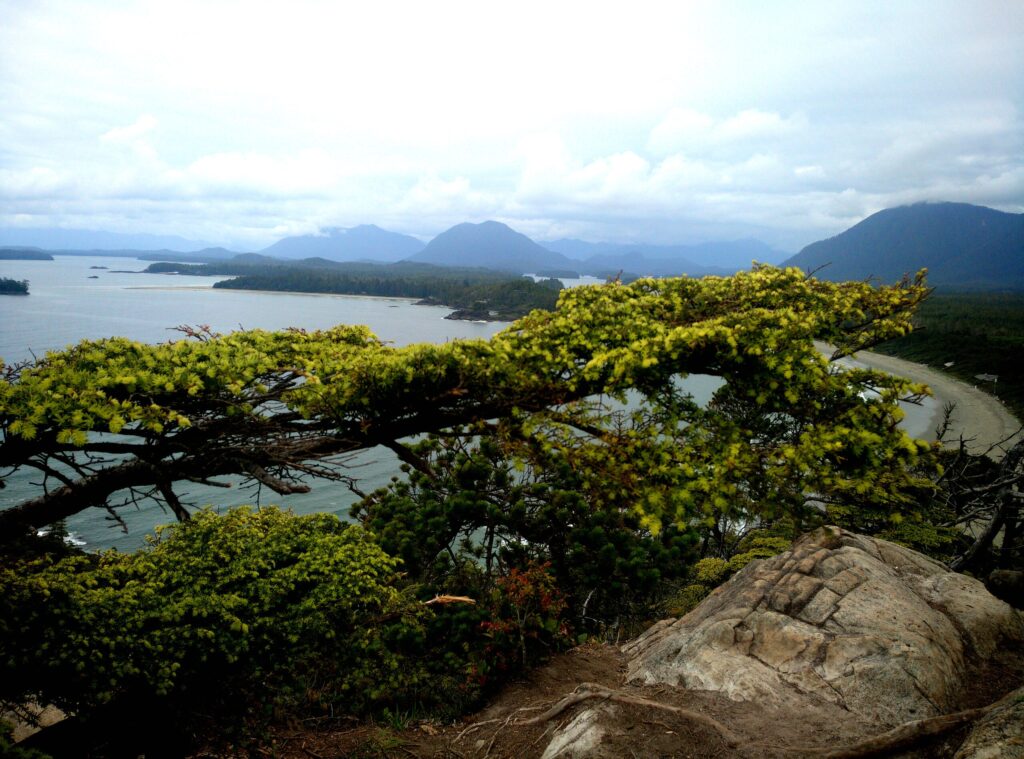
Gros Morne National Park, Newfoundland
Gros Morne National Park spans Newfoundland’s west coast and is recognized as a UNESCO World Heritage Site for its geological features. The park’s landscape includes deep freshwater fjords, coastal cliffs, and the Tablelands, an exposed section of Earth’s mantle that creates an otherworldly terrain. Western Brook Pond is one of the park’s highlights and is reached by a boardwalk trail followed by a boat tour that passes under towering cliffs. Nearby, the town of Rocky Harbour serves as a central base with dining, lodging, and access to short coastal trails.
The Tablelands area offers guided walks and marked routes that explain the region’s unique geology. Other parts of the park include small fishing communities that provide insight into traditional life along Newfoundland’s coast. Hiking opportunities range from multi day backcountry routes to short lookouts such as the trail to Gros Morne Mountain, which requires good weather and preparation. The park is generally reached by car from Deer Lake Airport, located about an hour away, and the coastal roads connecting the towns offer consistent views of beaches, coves, and rugged headlands.
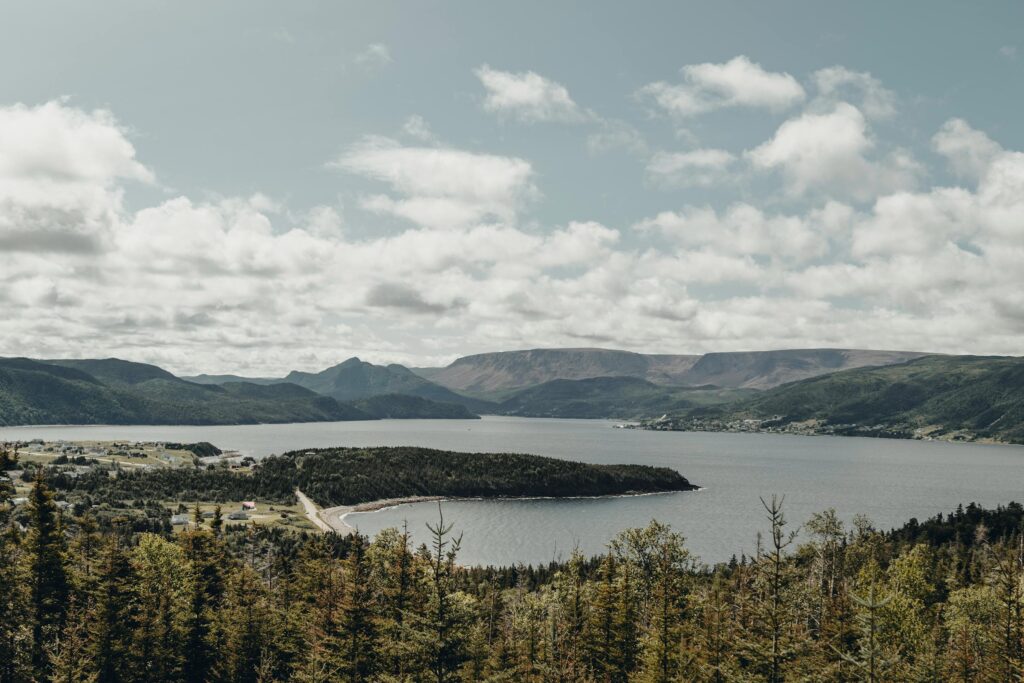
Cape Breton Highlands National Park, Nova Scotia
Cape Breton Highlands National Park covers the northern section of Cape Breton Island and is best known for the Cabot Trail, a loop drive that passes cliffs, forests, and ocean viewpoints. The route enters and exits the park several times and offers pullouts, picnic areas, and access to short trails. Popular hikes include the Skyline Trail, which leads to an elevated boardwalk overlooking the Gulf of St Lawrence, and several coastal and forest routes that vary in length and difficulty. Whale watching tours operate from nearby communities such as Pleasant Bay and Cheticamp.
The region has strong ties to Acadian and Celtic culture, which are reflected in local music, festivals, and small museums along the Cabot Trail. Towns near the park provide lodging, restaurants, and visitor information, making it practical to explore the area over multiple days. Cape Breton Highlands is typically reached by car from Halifax or Sydney, and the island’s scenic roads make the journey part of the experience. Changing weather conditions are common, so visitors should plan for cooler temperatures and fog even in summer, especially along exposed coastal sections.
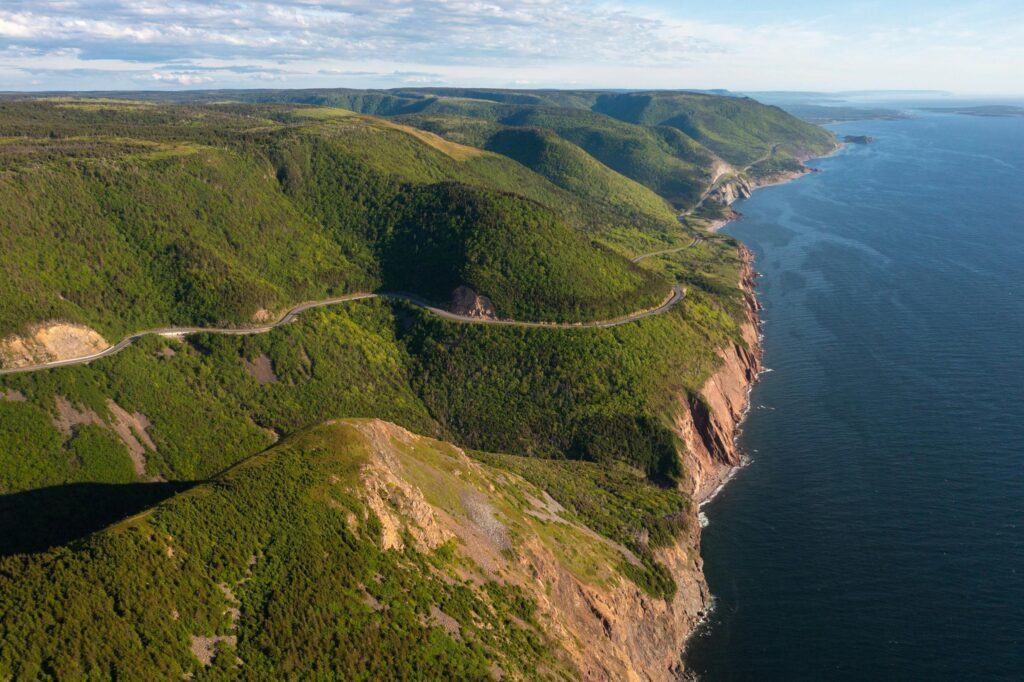
Prince Edward Island National Park, PEI
Prince Edward Island National Park runs along several stretches of the island’s north shore and is known for its red sandstone cliffs, dune systems, and long sandy beaches. The park has multiple sections, including Cavendish, Brackley Beach, and Greenwich, each offering boardwalks, coastal trails, and viewpoints. Cavendish is closely tied to the Anne of Green Gables stories, and the Green Gables Heritage Place allows visitors to explore the setting that inspired the novels. Beaches in the park are easily reached by car and have facilities for swimming, picnicking, and short walks.
The island is compact, making it simple to travel between small towns, lighthouses, and farmland. Charlottetown serves as the main gateway with restaurants, theaters, and ferry or flight connections. From the city, it is a quick drive to the park’s different sections, and bike routes offer an alternative way to explore the coastline. The island’s gentle landscape and maritime climate make outdoor activities comfortable through much of the summer, with fall bringing quieter conditions and cooler temperatures.
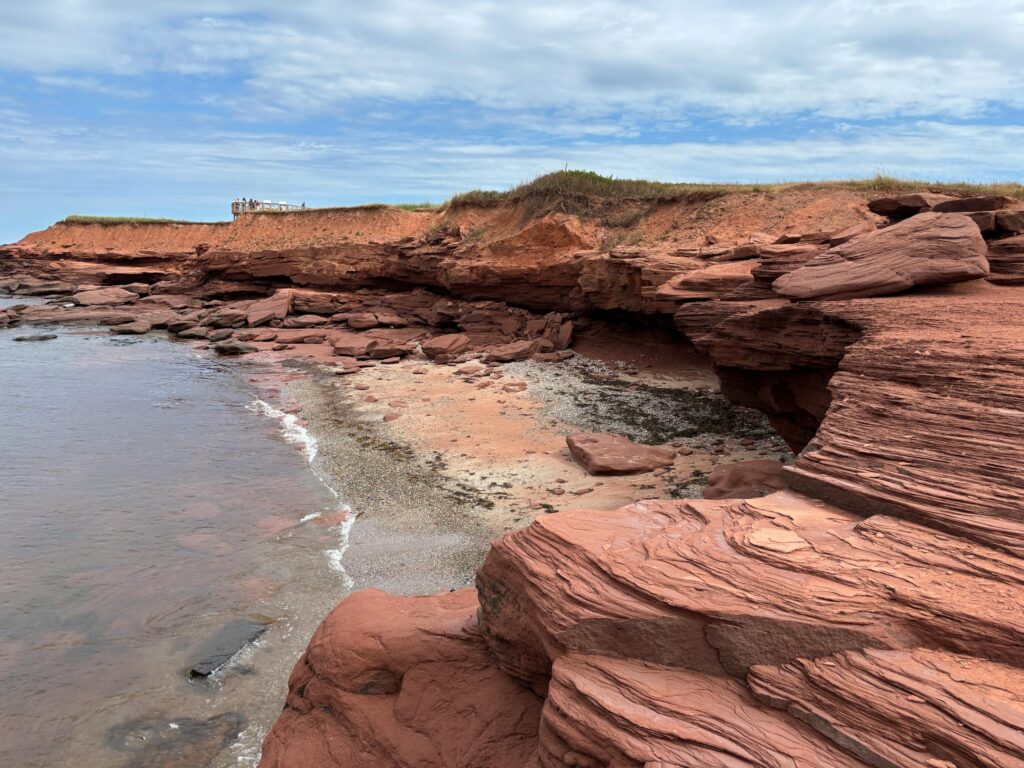
Fundy National Park, New Brunswick
Fundy National Park sits along the Bay of Fundy, an area known for having the highest tides in the world. The park’s coastline shifts dramatically over the course of a tidal cycle, revealing beaches, sea stacks, and mudflats that can look entirely different within hours. Trails lead through forests and river valleys to waterfalls, viewpoints, and access points along the shore. Kayaking is possible with guided tours that account for currents and tide schedules, while low tide offers opportunities to walk on exposed ocean floor sections in designated areas.
Hopewell Rocks, located a short drive from the park, is one of the region’s most recognizable landmarks. Visitors can explore the base of the flowerpot shaped rock formations at low tide and view them from elevated platforms when the water rises. Alma, the small village at the park entrance, provides lodging, seafood restaurants, and access to tidal information needed for planning coastal activities. Fundy National Park is reached by car from Moncton or Saint John, and the park’s facilities and visitor center offer regular updates on tide times and trail conditions.
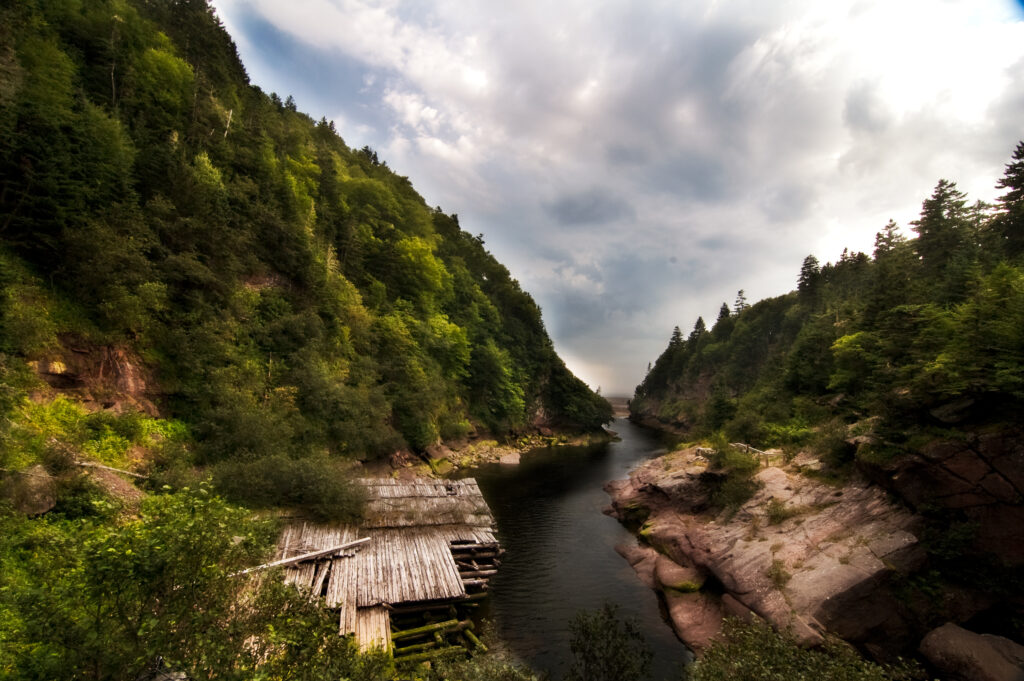
Waterton Lakes National Park, Alberta
Waterton Lakes National Park sits in southwestern Alberta where the prairies meet the Rocky Mountains and forms part of the Waterton Glacier International Peace Park shared with the United States. The park is known for its clear mountain lakes, steep peaks, and compact layout that makes it easy to explore in a short visit. The townsite of Waterton sits within the park boundary and offers lodging, cafés, and access to trails. Waterton Lake supports boat tours that cross into the U.S. side when border conditions allow, and shoreline paths provide simple walking routes.
Wildlife such as deer, bighorn sheep, and black bears are often seen near roads and trailheads. Popular hikes include routes to Crypt Lake, Red Rock Canyon, and Bear’s Hump, each offering different views of the surrounding valleys and lakes. The park is typically reached by car from Lethbridge or Calgary, with scenic drives leading through open ranchland toward the mountains. Because Waterton is smaller and less visited than other Rockies parks, it often feels quieter while still offering access to mountain landscapes, lakes, and a mix of short and strenuous hikes.
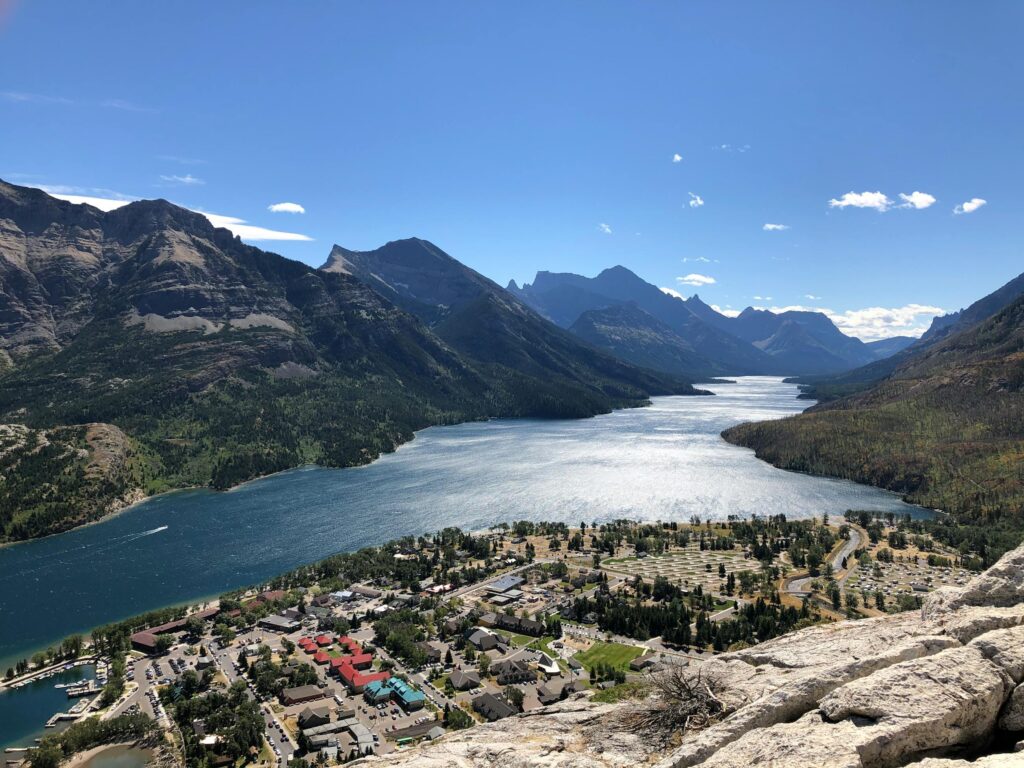
Best Natural & Adventure Destinations
Whistler, British Columbia
Whistler is a major mountain resort north of Vancouver and is centered around a pedestrian village with hotels, restaurants, shops, and direct access to two linked mountains. In winter, Whistler Blackcomb offers extensive ski and snowboard terrain with modern lifts and varied runs suitable for all levels. The Peak 2 Peak Gondola connects the two mountains and provides wide views of surrounding peaks and valleys. The village layout allows visitors to move easily between lodging, lifts, and dining without needing a car.
In summer, the focus shifts to mountain biking, hiking, and outdoor adventure. The Whistler Mountain Bike Park is one of the largest in North America, with trails ranging from beginner flow routes to advanced downhill courses. Scenic chairlifts lead to alpine hiking trails and viewpoints above the tree line. Zip lining, lakeside parks, golf courses, and nearby rivers add more activity options. Whistler is reached by a two hour drive from Vancouver along the Sea to Sky Highway, and shuttle services operate year round for those not renting a car. The combination of resort facilities and mountain landscapes makes Whistler a practical base in both warm and cold seasons.

Niagara Falls, Ontario
Niagara Falls is divided between Canada and the United States, with the Canadian side offering the broadest views of Horseshoe Falls and American Falls. The main viewpoints sit along the Niagara Parkway, which is easy to explore on foot, and the Hornblower boat tours take passengers into the mist at the base of the falls. Additional experiences include the Journey Behind the Falls, accessible by elevator from Table Rock Centre, and the Skylon Tower, which provides elevated views of the river and surrounding area. The falls are illuminated at night, and seasonal fireworks add another perspective.
The region is simple to reach from Toronto by car, train, or bus. Niagara on the Lake lies a short drive north and is known for its wineries, theaters, and historic town center. Many visitors combine a falls visit with wine tasting or a drive along the parkway to smaller viewpoints and parks. The area’s hotels, restaurants, and walking paths make it easy to plan a full day or weekend trip, with most major attractions clustered along the river corridor.

The Canadian Rockies
The Canadian Rockies stretch across Alberta and British Columbia and include several major national parks such as Banff, Jasper, Yoho, and Kootenay. The region is known for its sharp peaks, turquoise lakes, and broad valleys shaped by glaciers. Visitors often explore by car along highways such as the Icefields Parkway, which links Banff and Jasper and provides access to viewpoints, short trails, and glacier lookouts. Well known spots like Lake Louise, Moraine Lake, Peyto Lake, and Athabasca Glacier are all reached by paved roads with nearby parking or shuttle systems during busy months. Wildlife encounters are common, with elk, bighorn sheep, mountain goats, and bears frequently seen along road corridors and meadows.
The Rockies support activities year round. Summer brings hiking, canoeing, and scenic drives, with trails ranging from brief lakeside walks to long alpine routes. In winter, ski resorts at Lake Louise, Sunshine Village, Mount Norquay, and Kicking Horse draw visitors for skiing and snowboarding. Towns such as Banff, Canmore, Jasper, and Golden offer lodging, restaurants, and gear rentals and serve as practical bases for exploring the surrounding parks. Access is straightforward from Calgary or Edmonton by car or shuttle, and variable mountain weather means conditions can change quickly, so visitors often plan with flexibility and check road updates before driving between parks.
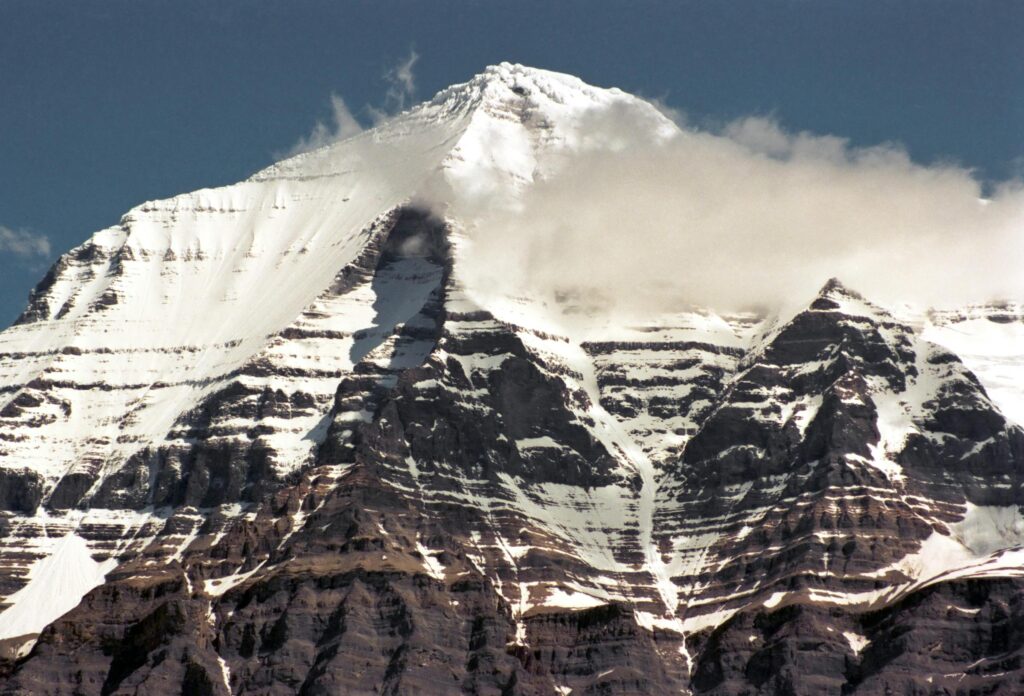
Northern Lights
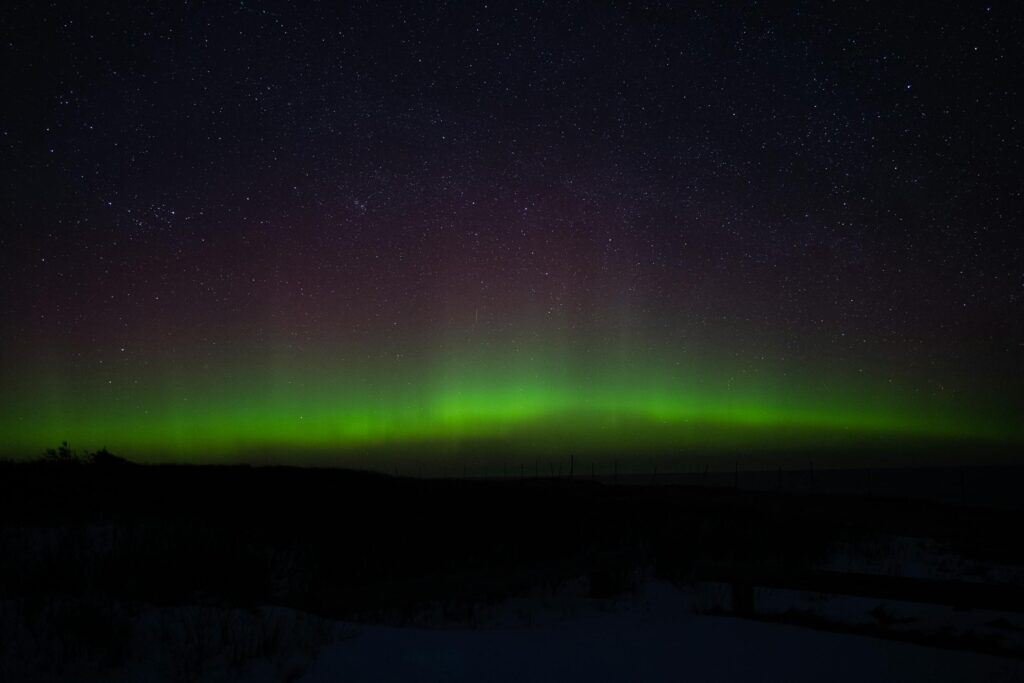
The northern lights are most visible in Canada’s far north, where clear skies and high latitude create strong aurora activity through the winter months. Yellowknife in the Northwest Territories is one of the most reliable viewing locations because of its stable weather and open landscapes. Many local operators offer evening tours that travel outside the city to cabins or viewing sites with minimal light pollution. Whitehorse in the Yukon provides similar opportunities, with aurora tours departing from hotels and lodges and dark sky conditions found just a short drive from town. Churchill in northern Manitoba is better known for polar bears, but it also offers winter aurora viewing when skies are clear.
Peak viewing season runs from November to March, when nights are longest and temperatures are cold. Travelers typically dress for extreme winter conditions and plan for several nights to increase the chance of seeing the lights. Access to these northern destinations is usually by air, with scheduled flights connecting them to major Canadian hubs. Some remote lodges in the Yukon and NWT also host multi day aurora packages that include transportation, meals, and guided excursions.
Churchill, Manitoba
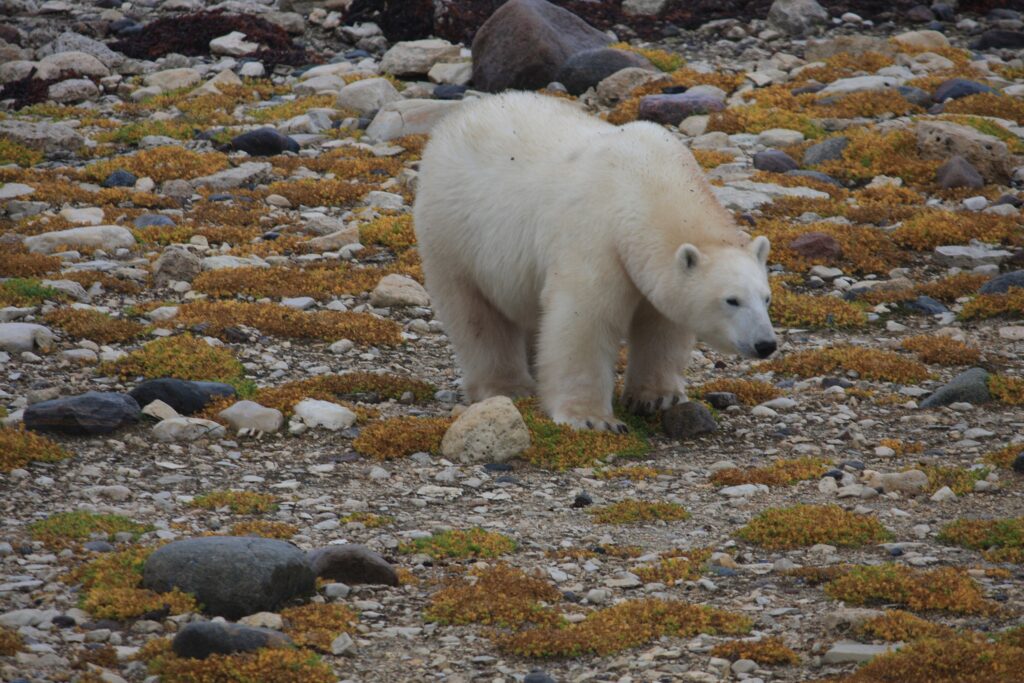
Churchill sits on the shore of Hudson Bay and is one of the best places in the world for close wildlife viewing in an accessible Arctic environment. The town is small and easy to navigate, with most tours departing from local operators who specialize in seasonal wildlife encounters. In October and November, polar bear viewing is the main draw. Visitors travel in tundra vehicles that move safely across the frozen landscape to observe bears as they wait for the sea ice to form. In summer, large numbers of beluga whales enter the Churchill River, and boat tours, zodiacs, and even kayaking excursions offer close views.
Winter brings long nights suited for northern lights viewing, with clear conditions providing strong aurora displays. Churchill has no road access, so travelers reach it by flight from Winnipeg or by train through northern Manitoba. Lodging, restaurants, and visitor centers are all located within walking distance in the town core. Guided tours are recommended for most activities because of the Arctic conditions and wildlife safety requirements.
Okanagan Valley, British Columbia
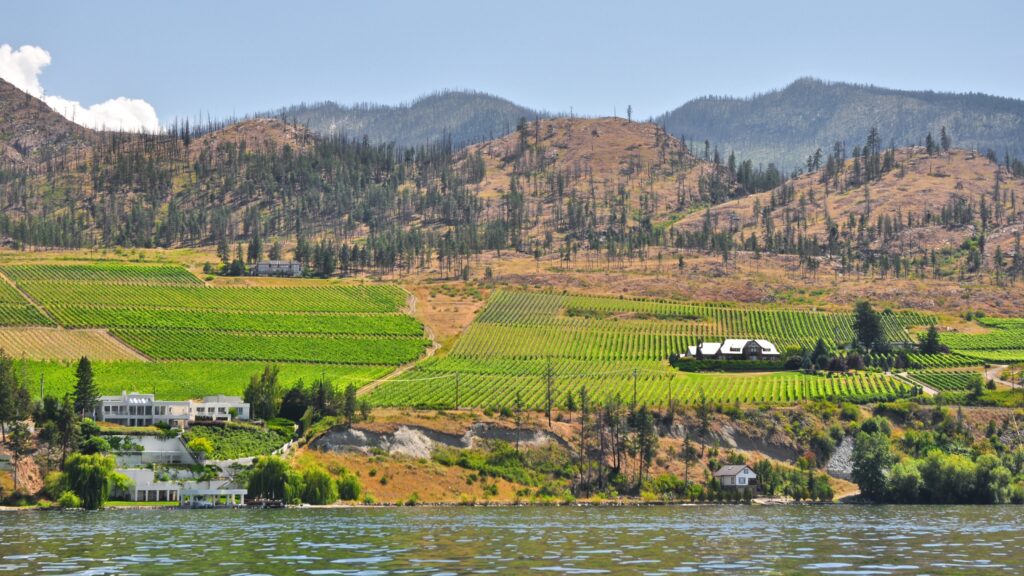
The Okanagan Valley stretches through central British Columbia and is one of Canada’s leading wine regions, known for vineyards, orchards, and warm lakes. Kelowna is the largest center and offers tasting rooms, lakefront parks, and easy access to wineries along both sides of Okanagan Lake. Penticton anchors the southern end and sits between Okanagan and Skaha Lakes, giving visitors beaches, bike routes, and quick drives to the wineries of Naramata Bench. Vernon, at the northern end, has quieter resorts, lakeside trails, and orchards that highlight the agricultural side of the region.
The valley’s warm summers and long growing season make it ideal for wine touring, with many wineries offering tastings, patios, and vineyard walks. Water activities such as swimming, boating, and paddle boarding are common on the region’s lakes, and nearby hills support hiking and cycling. The Okanagan is reached by car along Highway 97 or via Kelowna International Airport, which connects the area with major Canadian cities. Because towns are close together, visitors often base themselves in Kelowna, Vernon, or Penticton and explore the valley on short day trips.
Hidden Gems of Canada
Haida Gwaii, British Columbia
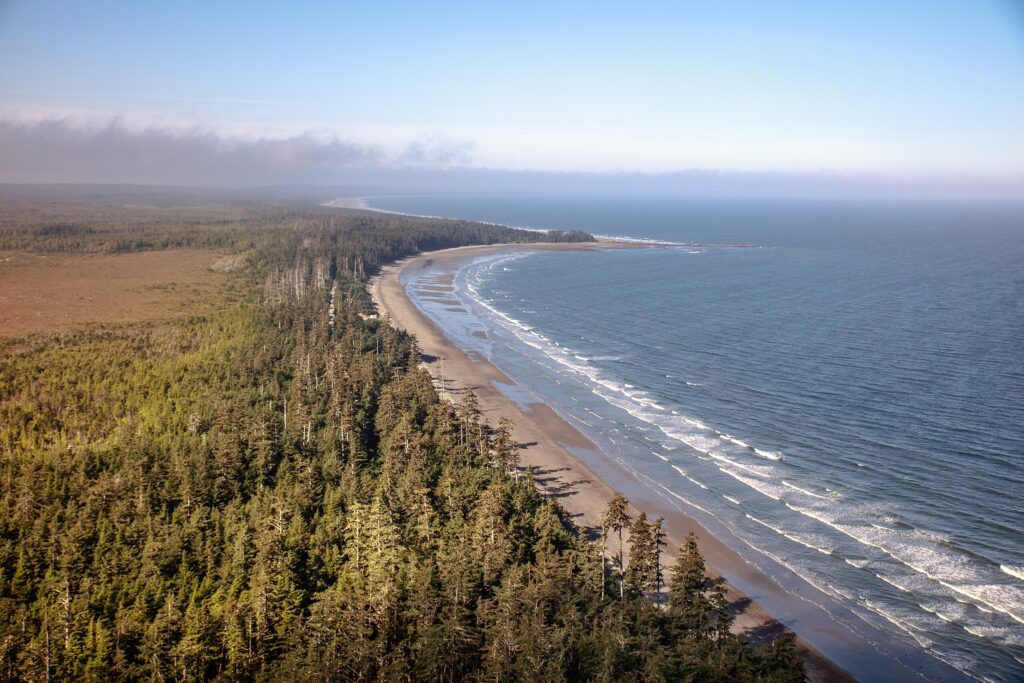
Haida Gwaii is a remote archipelago off the coast of British Columbia known for its strong Haida heritage, coastal rainforests, and isolated beaches. The islands include ancient village sites, carved totem poles, and cultural centers that explain Haida history and traditions. Gwaii Haanas National Park Reserve, National Marine Conservation Area Reserve, and Haida Heritage Site protect a large portion of the archipelago. Access is usually by boat tour or floatplane, with guided visits to places like SGang Gwaay, a UNESCO World Heritage Site known for its historic poles and longhouses.
The islands also support excellent wildlife viewing. Visitors often see bald eagles, black bears, and migrating birds, while offshore waters host whales, sea lions, and rich marine ecosystems. Hiking trails wind through moss covered forests and along quiet shorelines, and kayaking is common in sheltered bays. Haida Gwaii is reached by flight from Vancouver to Sandspit or by ferry from Prince Rupert. Services are centered in communities such as Queen Charlotte and Masset, which provide lodging, cafés, and outfitters for cultural and wilderness excursions.
The Yukon
The Yukon is a vast northern territory defined by wide valleys, rugged mountains, and long subarctic winters. Whitehorse is the main entry point and provides museums, trails, and access to the Yukon River. It also serves as a base for northern lights viewing during the long nights from fall through early spring. Dawson City, reached by a scenic drive or summer ferry crossings, preserves its gold rush heritage with boardwalks, historic buildings, and interpretive sites that explain the Klondike Gold Rush.
The territory offers extensive outdoor opportunities, including hiking in Kluane National Park and Reserve, where Canada’s highest peak, Mount Logan, anchors a landscape of glaciers and remote trails. Wildlife such as moose, caribou, and Dall sheep can often be seen along major highways. The Yukon is typically reached by flight into Whitehorse, and visitors often rent cars or join tours to explore the region’s parks, small towns, and historic sites.
Kluane National Park, Yukon
Kluane National Park lies in southwest Yukon and protects one of the largest icefields in the world outside the polar regions. Mount Logan, Canada’s highest peak, rises above a landscape of glaciers, rugged mountains, and remote valleys. Most visitors explore from locations near Haines Junction, where trailheads lead to day hikes such as the King’s Throne and Sheep Creek routes. Flightseeing tours are a common way to view the icefields and Mount Logan, since much of the park is not accessible by road. Interpretive centers in Haines Junction explain the region’s geology, wildlife, and Indigenous history.
Backcountry travel is possible but requires preparation, as conditions change quickly and weather can be severe even in summer. Grizzly bears, Dall sheep, and moose are regularly seen along roads and trails near the park boundary. Kluane is reached by car from Whitehorse along the Alaska Highway, with services limited to small communities around the park.

Prince Rupert
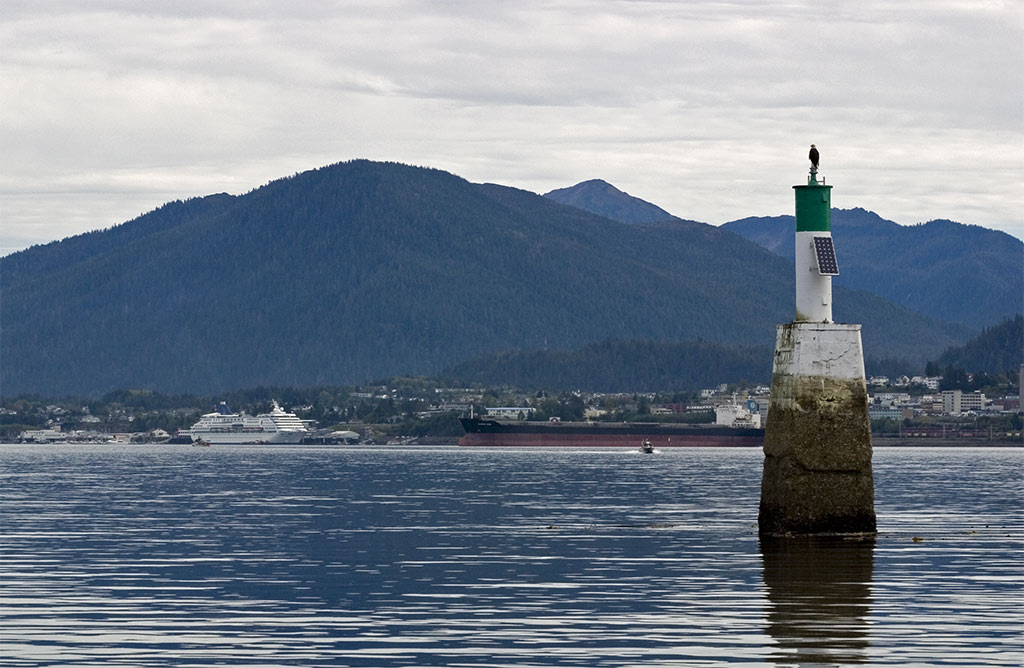
Prince Rupert sits on British Columbia’s rugged north coast and is a major gateway to the Inside Passage, a scenic marine route lined with fjords and forested islands. The city’s harbor supports wildlife cruises that regularly encounter humpback whales, orcas, sea lions, and coastal birdlife. Nearby Khutzeymateen Grizzly Sanctuary is a key draw in spring and early summer, with boat tours offering controlled access to grizzly viewing areas deep inside a protected inlet. The waterfront district includes Cow Bay, a compact area with cafés, galleries, and outfitters for marine excursions. Prince Rupert is reached by air from Vancouver, by ferry along the Inside Passage, or by VIA Rail’s Jasper–Prince Rupert route, which crosses the mountains and follows river valleys to the coast.
Grasslands National Park, Saskatchewan
Grasslands National Park in southern Saskatchewan protects one of the few remaining areas of native prairie in Canada. The landscape is defined by wide open grasslands, eroded badlands, and hoodoo formations that reveal dinosaur fossils and ancient geological layers. The West Block near Val Marie offers scenic drives, short trails, and opportunities to see bison herds, pronghorn, and prairie dogs. The East Block features the Badlands Parkway, a route along steep cliffs and viewpoints that overlook a dramatic eroded landscape.
The park is designated a Dark Sky Preserve, making it an excellent location for stargazing when skies are clear. Its remote setting means services are limited, so visitors often base themselves in nearby small towns. Access is by car, with long distances between amenities and few paved routes. Grasslands National Park offers solitude and a close look at prairie ecosystems, with ranger programs and interpretive trails that explain the region’s natural and cultural history.

Travel Tips for Canada
Travel Insurance & Safety
Travel insurance is strongly recommended when visiting Canada, especially for medical coverage, outdoor adventures, and trip cancellations. Healthcare in Canada is excellent but not free for international visitors, so ensure your policy includes emergency treatment and evacuation, particularly if you plan to explore remote or wilderness areas.
Canada is one of the safest and most welcoming countries in the world. Crime rates are low, and locals are known for their friendliness and helpfulness. Tap water is safe to drink everywhere, and food safety standards are very high. The main consideration for travelers is the weather – it can change quickly, especially in the mountains or coastal regions, so pack layers and be prepared for temperature shifts.
Transportation & Driving
Getting around Canada often means covering long distances. Domestic flights operated by Air Canada, WestJet, and Porter Airlines make travel between major cities quick and efficient. For those seeking a more scenic experience, VIA Rail offers cross-country and regional train journeys through breathtaking landscapes. Buses and rental cars are widely available and ideal for exploring smaller towns, national parks, and rural regions at your own pace.
Driving in Canada is on the right-hand side of the road. Highways are well-maintained and clearly marked, though conditions can vary in winter, especially in the north. Always watch for wildlife crossings, particularly in rural and forested areas. Drivers must carry a valid license and insurance, and an International Driving Permit is recommended if your license is not in English or French.

Published December 06, 2025 • 27m to read